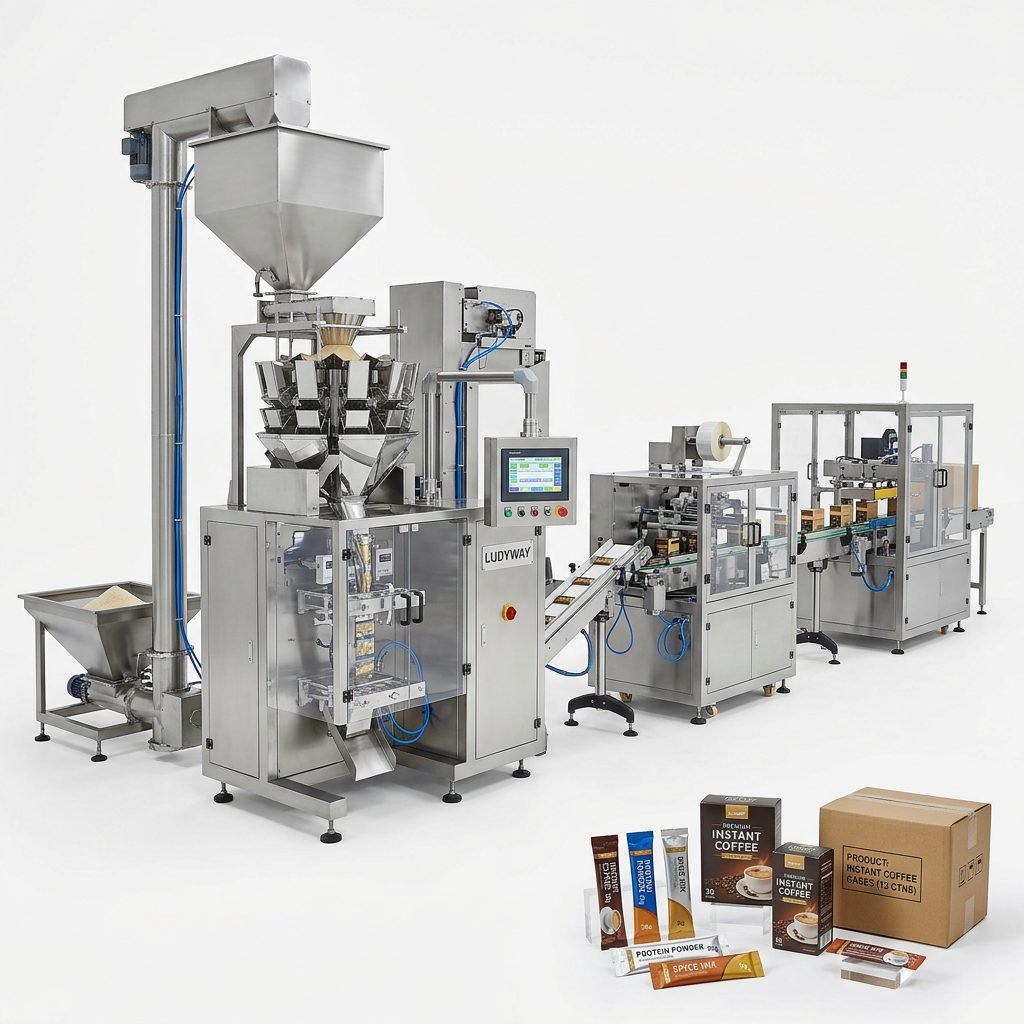
Investing in a beverage packaging machine in Germany requires careful navigation of engineering standards, regulatory frameworks, and operational demands unique to the European market. Germany is home to some of the world’s most advanced food and beverage processing industries, and selecting the right packaging machine can significantly impact your production efficiency and product quality. This guide breaks down the essential factors to consider before making your purchase.
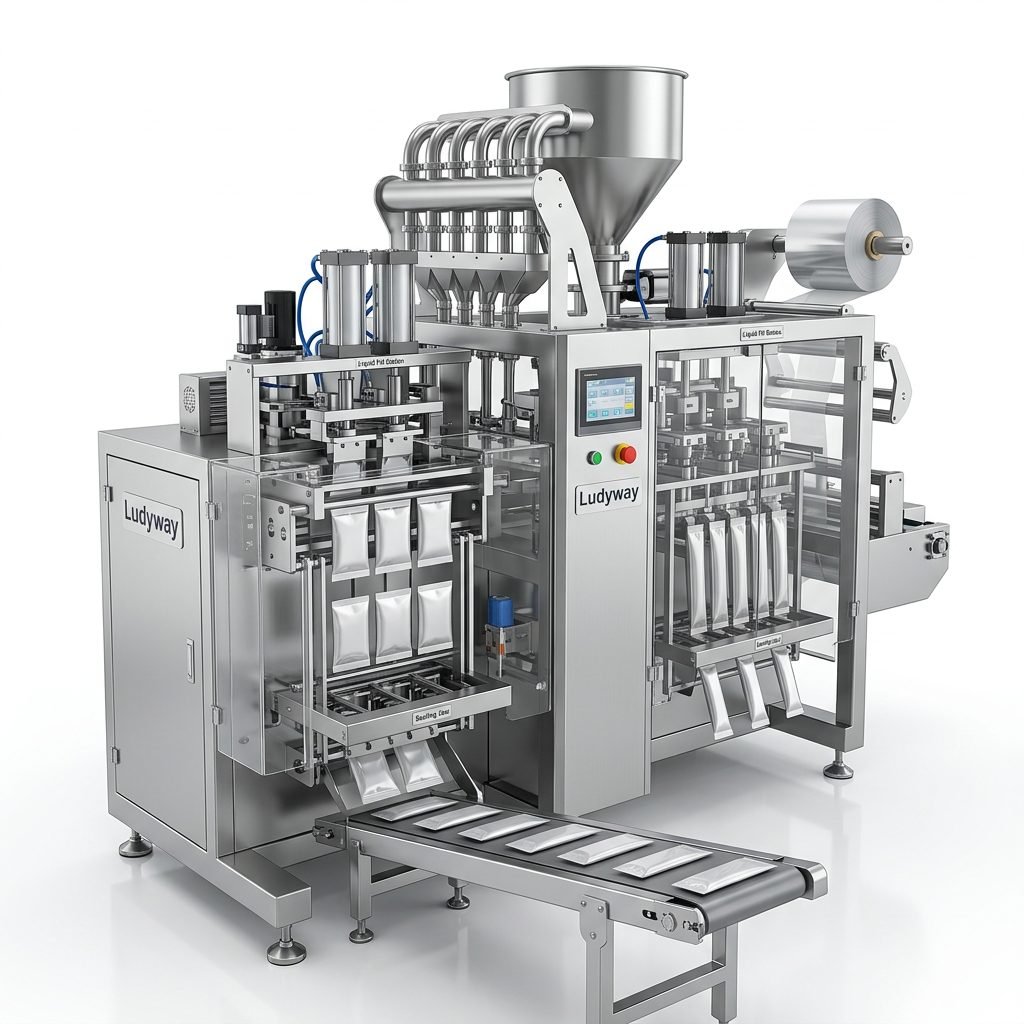
Understanding Your Beverage Packaging Requirements
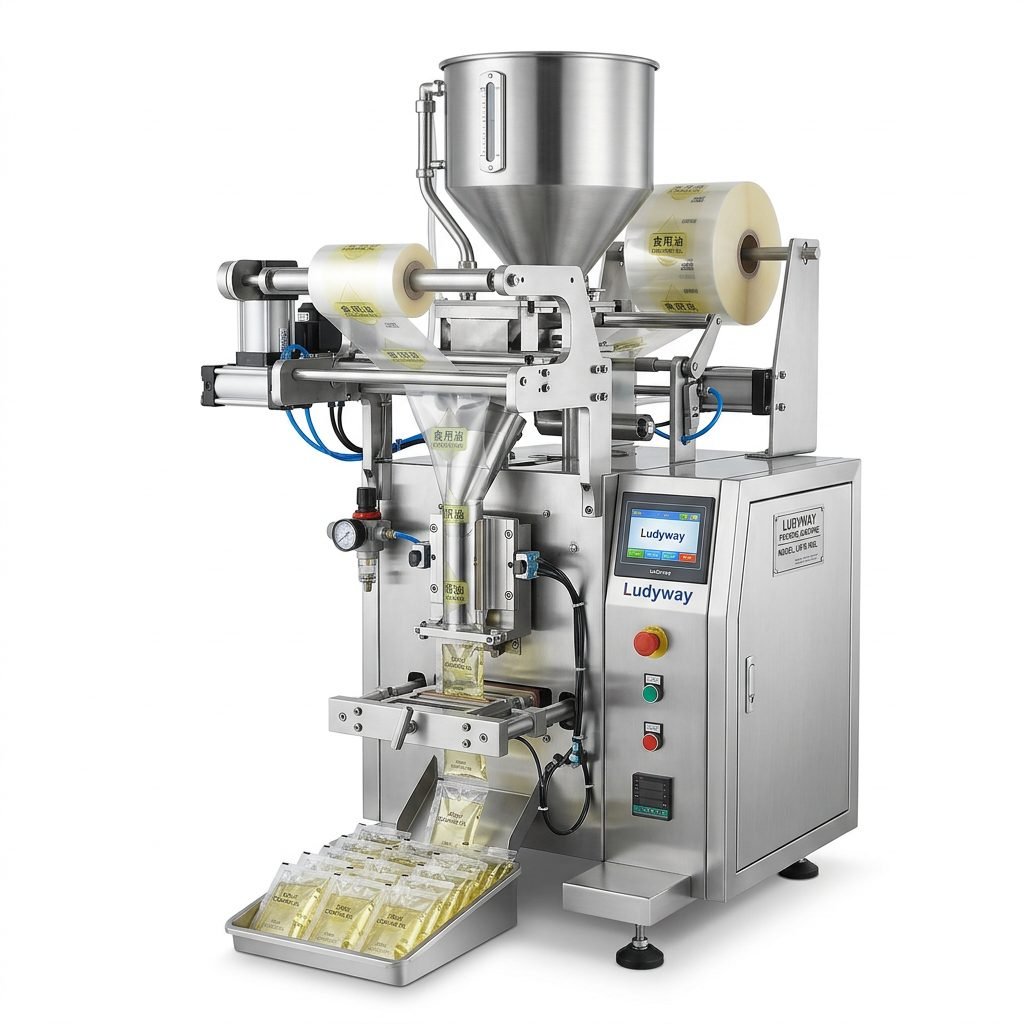
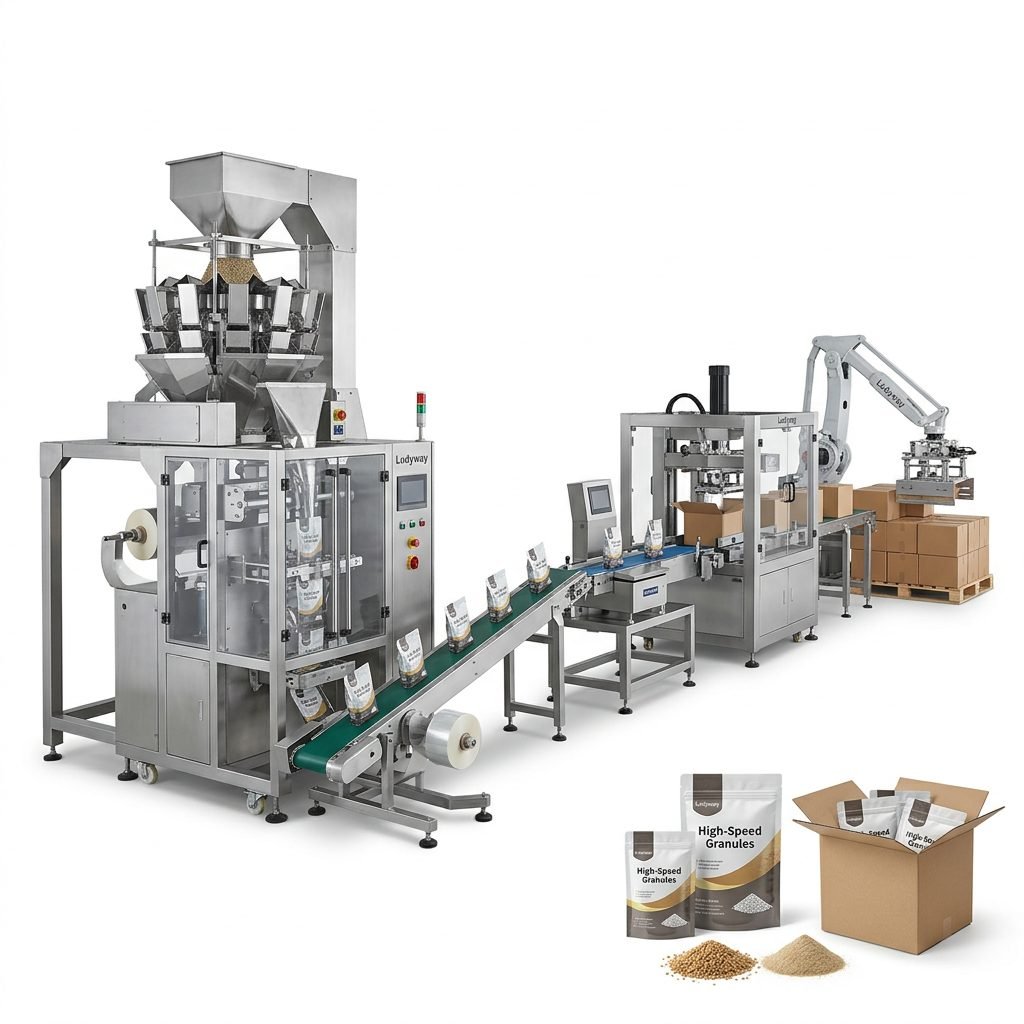
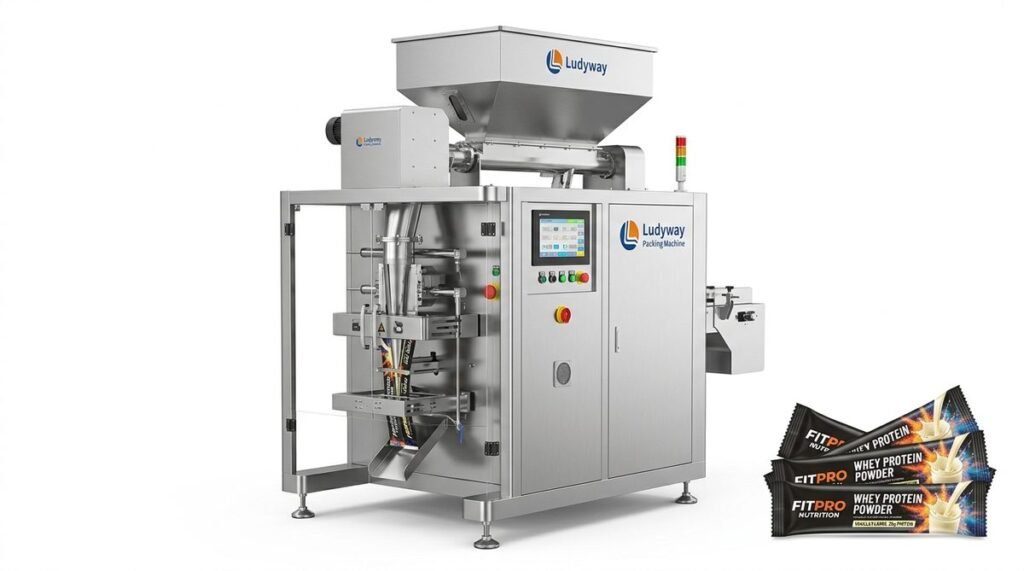
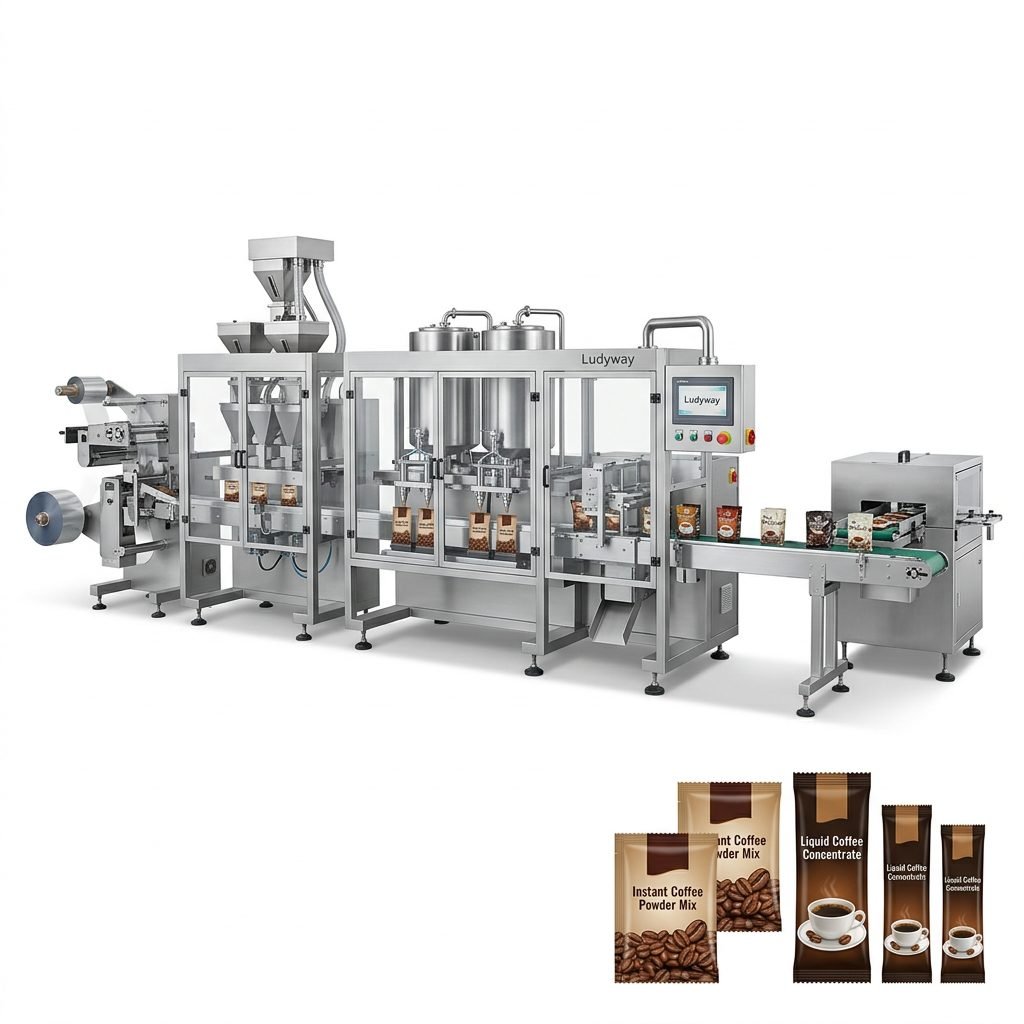
The first step is defining your product characteristics. Are you filling still water, carbonated soft drinks, juices, dairy-based beverages, or alcohol? Each liquid behaves differently during the filling process. Carbonated drinks require isobaric fillers to maintain CO₂ levels, while pulp-heavy juices demand wider filling nozzles to prevent clogging. For powdered beverages like instant coffee or protein shakes, a vertical form fill seal (VFFS) machine with auger filling is often the preferred choice. Clearly mapping your current and future product range prevents costly equipment mismatches.
Key Machine Configurations for the German Market
German manufacturers and co-packers typically lean toward highly automated, modular systems that integrate seamlessly with Industry 4.0 standards. Below is a comparison of common machine types for beverage applications:
| Machine Type | Best For | Speed Range |
|---|---|---|
| Rotary Liquid Filler | Still & Carbonated Bottles | 10,000 – 60,000 bph |
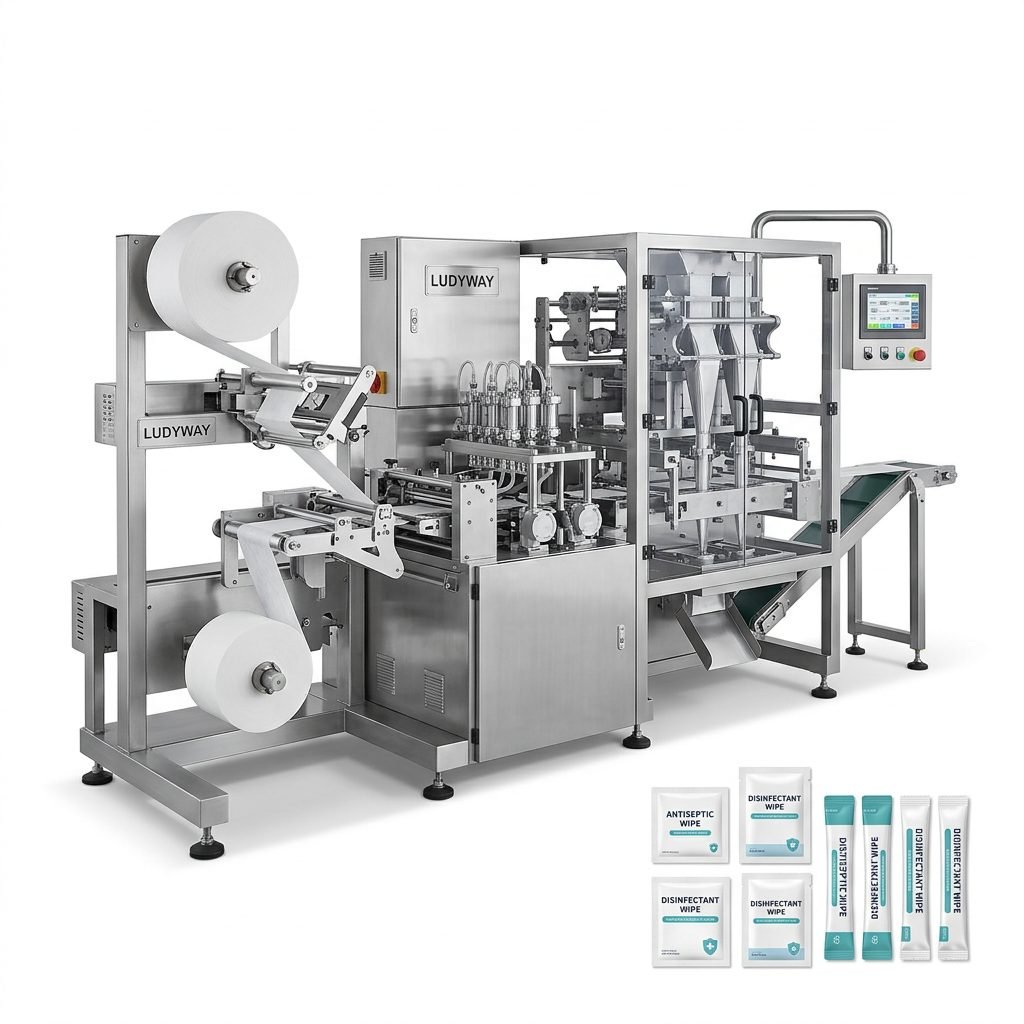
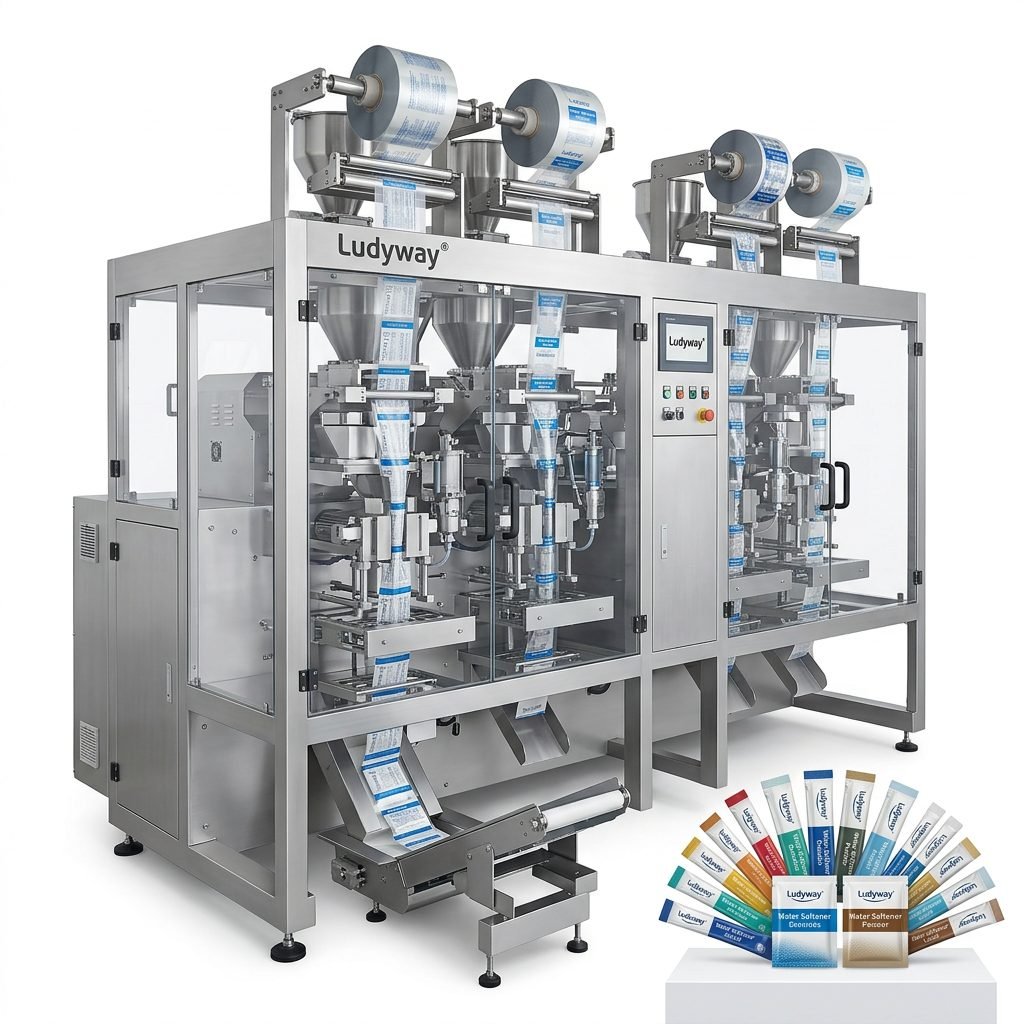
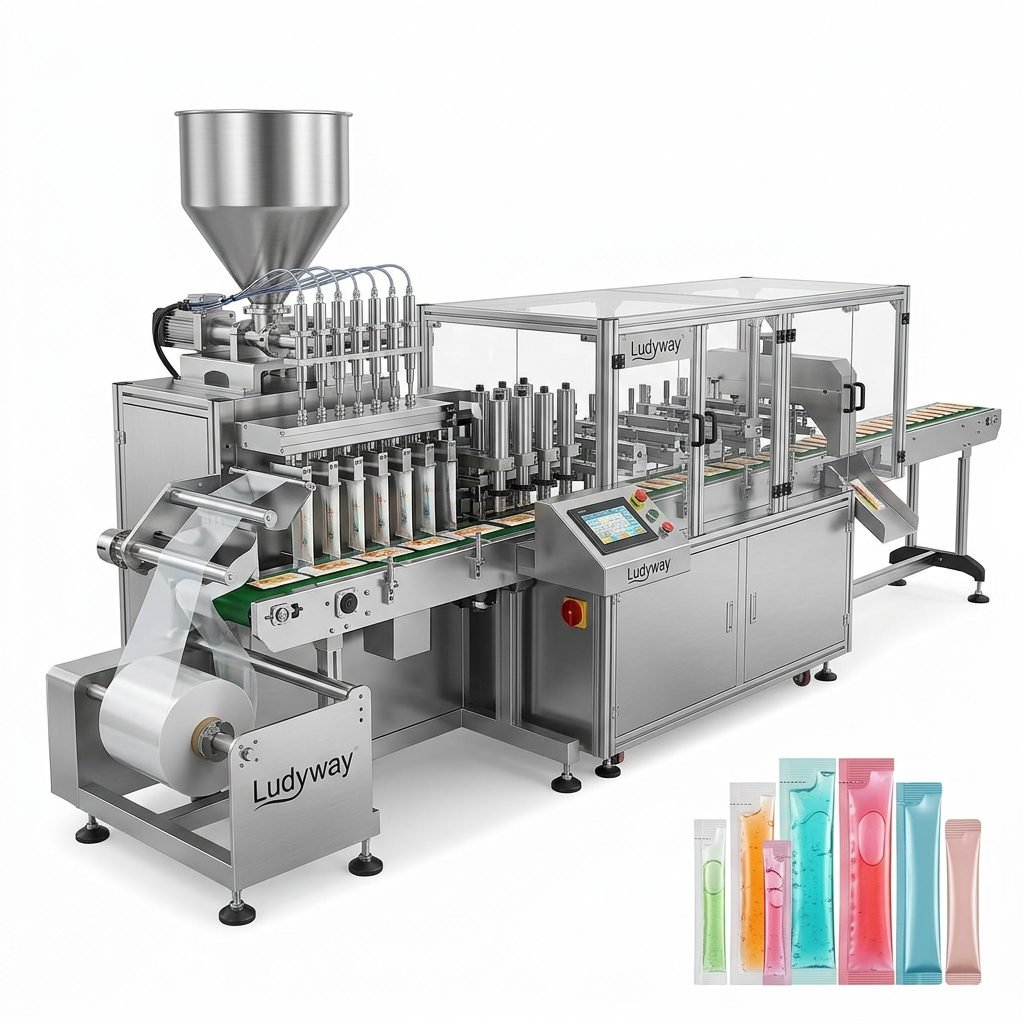
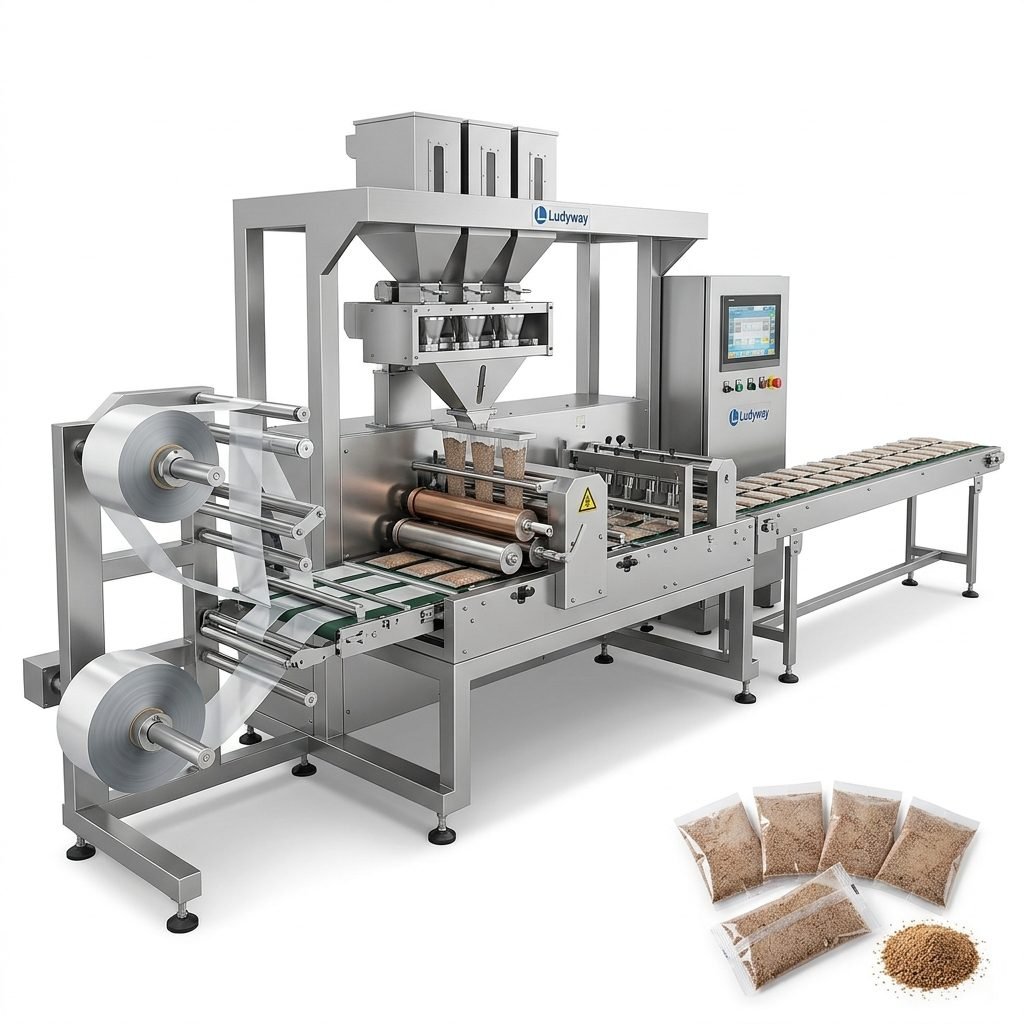
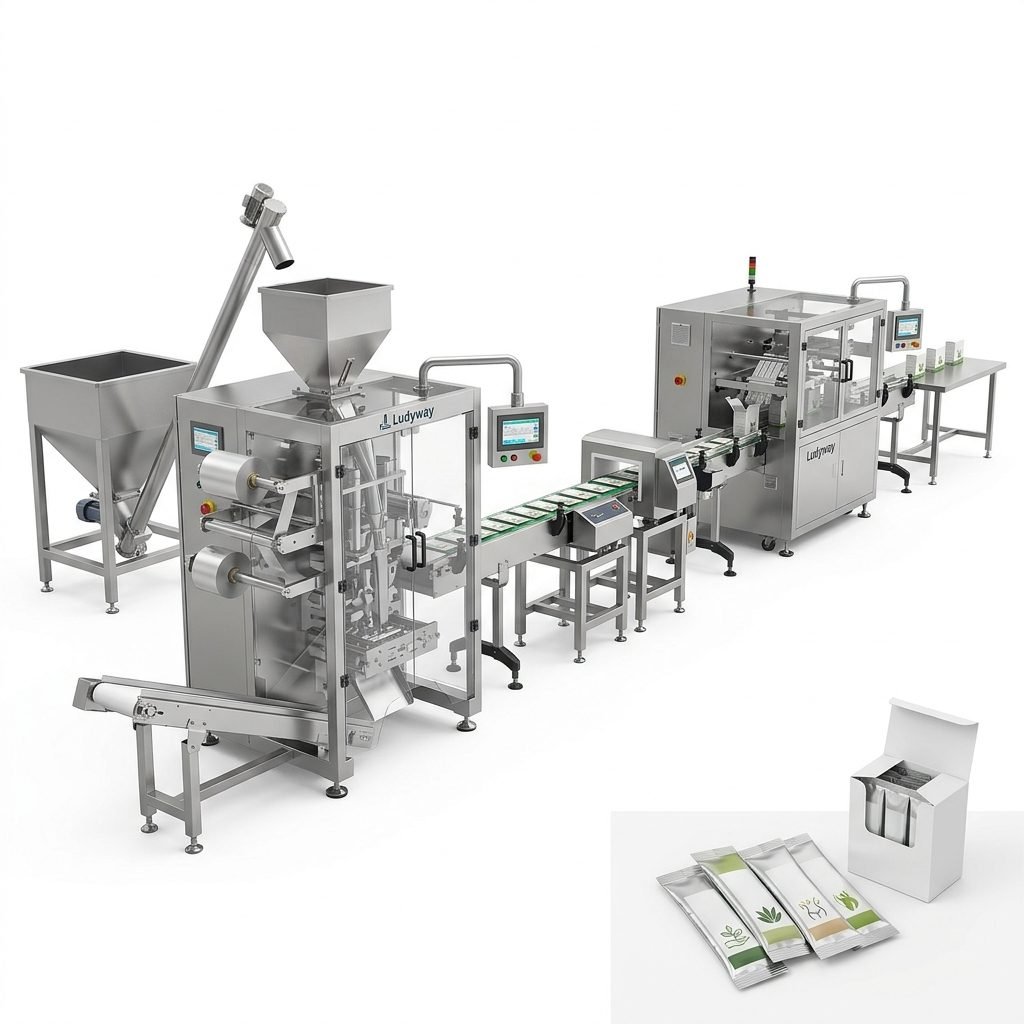
| Stick Pack / Sachet Machine | Powder, Concentrates, Syrups | 200 – 1,200 packs/min |
| Aseptic Filling Line | UHT Milk, Plant-Based Drinks | 6,000 – 24,000 pcs/h |
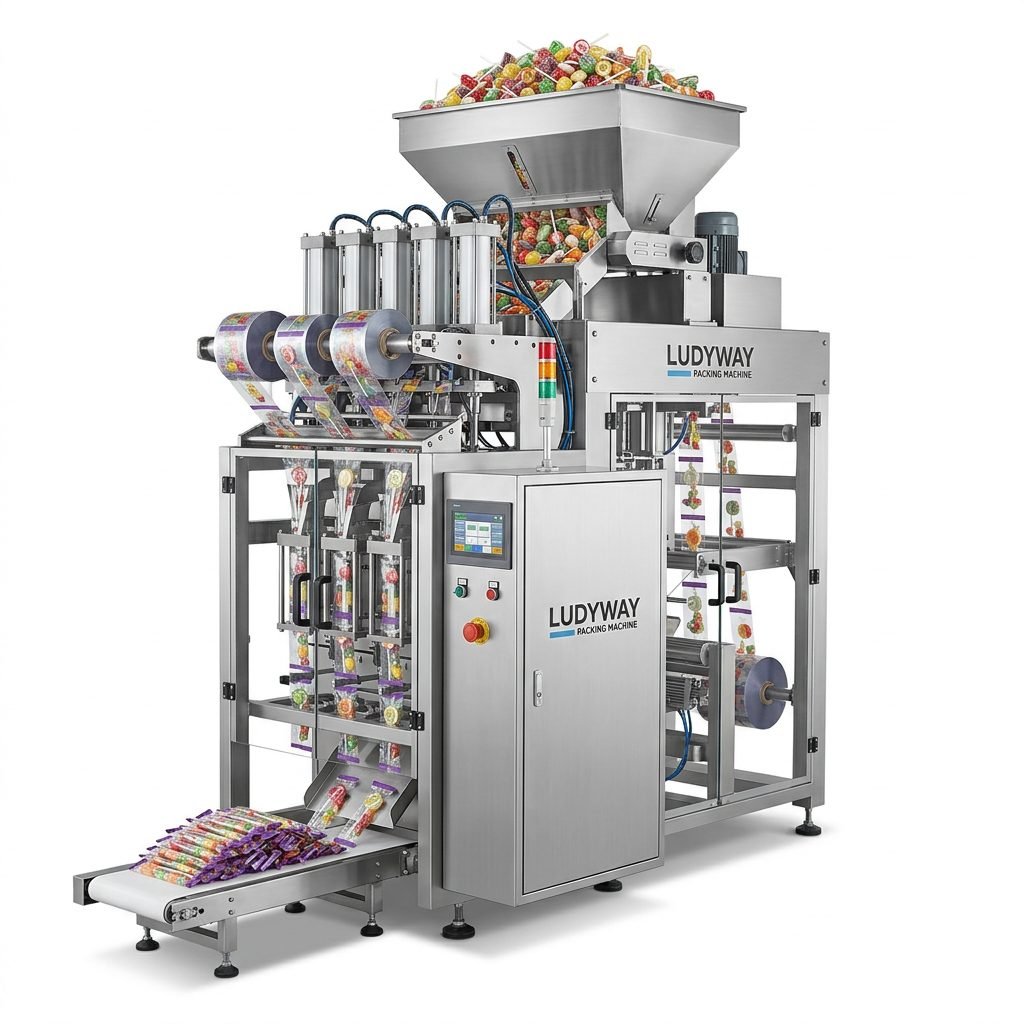
Compliance with German and EU Regulatory Standards
Any equipment installed in Germany must conform to CE marking requirements, EU Machinery Directive 2006/42/EC, and German food contact material regulations. Look for machines built with AISI 316L stainless steel for all contact parts, especially for acidic beverages. If you plan to package dairy or sensitive drinks, prioritize suppliers offering cleanroom-compatible designs and CIP (Clean-in-Place) integration. Adherence to the German LFGB (Lebensmittel- und Futtermittelgesetzbuch) ensures your packaging process meets local food safety expectations.
Refer to official standards from the ISO Packaging Standards and FDA Food Packaging & Food Contact Substances to align with both European and international regulatory landscapes.
Supplier Evaluation and Local Support
When choosing a supplier, proximity to service technicians and spare parts availability within the DACH region is critical. A manufacturer with a reliable network in Germany can minimize downtime. Evaluate the supplier’s track record in handling projects of similar scope. Ludyway supports global operations with extensive manufacturing capabilities and engineering expertise, making them a notable option for companies seeking scalable automated solutions. Before finalizing, request detailed documentation including IQ/OQ/QP validation protocols and schedule a Factory Acceptance Test (FAT).
Critical Questions to Ask Your Supplier
- Can the machine handle both hot-fill and cold-fill applications?
- Is the control system compatible with Siemens or Beckhoff PLCs common in Germany?
- What is the guaranteed Overall Equipment Effectiveness (OEE)?
- Do you offer remote diagnostics and spare part delivery within 24 hours in Europe?
Total Cost of Ownership and Energy Efficiency
Look beyond the initial capital expenditure. In Germany, energy costs and sustainability initiatives heavily influence ROI calculations. A servo-driven machine typically consumes 30-40% less energy than pneumatic systems. Evaluate water consumption, changeover time, and film waste rates. Modern flexible packaging machines often feature automatic splicing and tension control to reduce material loss, directly impacting your bottom line.
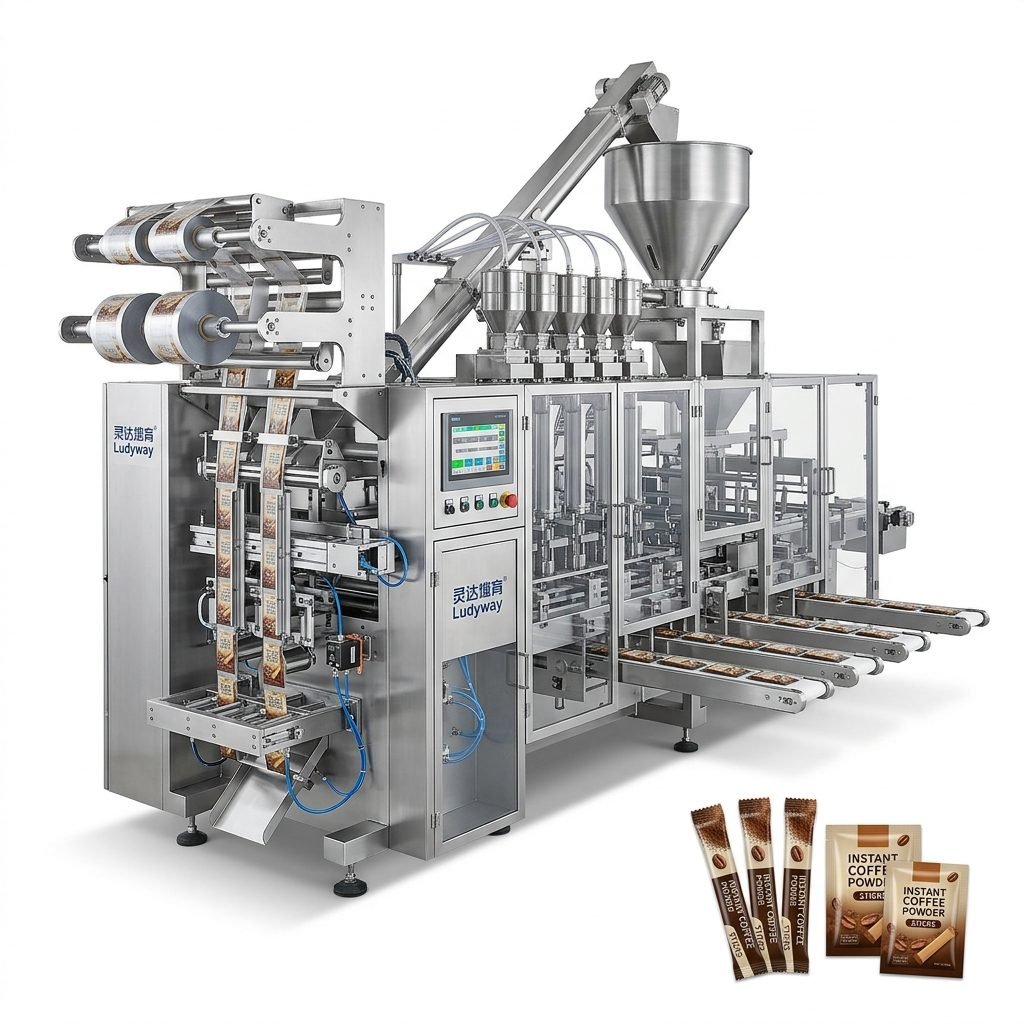
Key Performance Indicators to Compare
- ► Changeover Time: Target under 15 minutes for format changes
- ► Sealing Integrity: No leaks at manufacturer-specified speeds and temperatures
- ► Material Compatibility: Check performance with recyclable mono-materials and bio-based films
- ► Noise Level: Verify compliance with German workplace noise regulations (below 80 dB(A))
Packaging Trends Shaping the German Beverage Sector
The German market increasingly demands sustainable packaging formats. Stick packs and lightweight pouches reduce plastic usage by up to 70% compared to rigid containers. Digitalization, including augmented reality maintenance guides and AI-driven quality inspection, is becoming standard. Review resources like the PMMI Business Intelligence Library and Flexible Packaging Association updates to stay informed on the latest industry shifts and technology benchmarks.
Procuring the right beverage packaging machine in Germany is a strategic decision that calls for technical clarity and long-term planning. Focusing on build quality, local compliance, modular flexibility, and smart automation ensures your investment delivers reliable performance in one of the world’s most demanding commercial environments. Explore more about industry directions through the PACK EXPO International platform and the European Commission Packaging and Packaging Waste Regulation guidelines.