Setting up a ground meat packaging machine production line in the Middle East requires careful planning, equipment selection, and compliance with regional food safety regulations. The growing demand for processed meat products across the Gulf Cooperation Council (GCC) countries, driven by urbanization and changing consumer preferences, makes this a highly strategic investment. This step-by-step guide covers everything from site preparation to full production launch.

Understanding Ground Meat Packaging Requirements in the Middle East
Ground meat is highly perishable and sensitive to temperature fluctuations. The Middle Eastern climate, with ambient temperatures often exceeding 40°C, demands robust cold chain integration within the packaging workflow. Key considerations include modified atmosphere packaging (MAP), vacuum sealing, and hygienic equipment design that meets HALAL certification standards widely enforced across the region.
Key Market Drivers
- Expanding retail and foodservice sectors in Saudi Arabia, UAE, and Qatar
- Rising demand for convenience meat products among expatriate and local populations
- Government initiatives promoting domestic food processing capacity
- Stringent food safety regulations requiring automated, traceable packaging solutions
Step 1: Site Assessment and Facility Preparation
Before installing any equipment, conduct a thorough site evaluation. The production floor must support hygienic zoning to prevent cross-contamination between raw and packaged products. Ensure the facility includes:
- Temperature-controlled receiving and storage areas (0-4°C for fresh ground meat)
- Separate raw material handling and finished product zones
- Adequate drainage and sloped flooring for washdown procedures
- Electrical infrastructure compatible with 220-240V/50Hz three-phase power standards common in the Middle East

Step 2: Selecting the Right Packaging Equipment
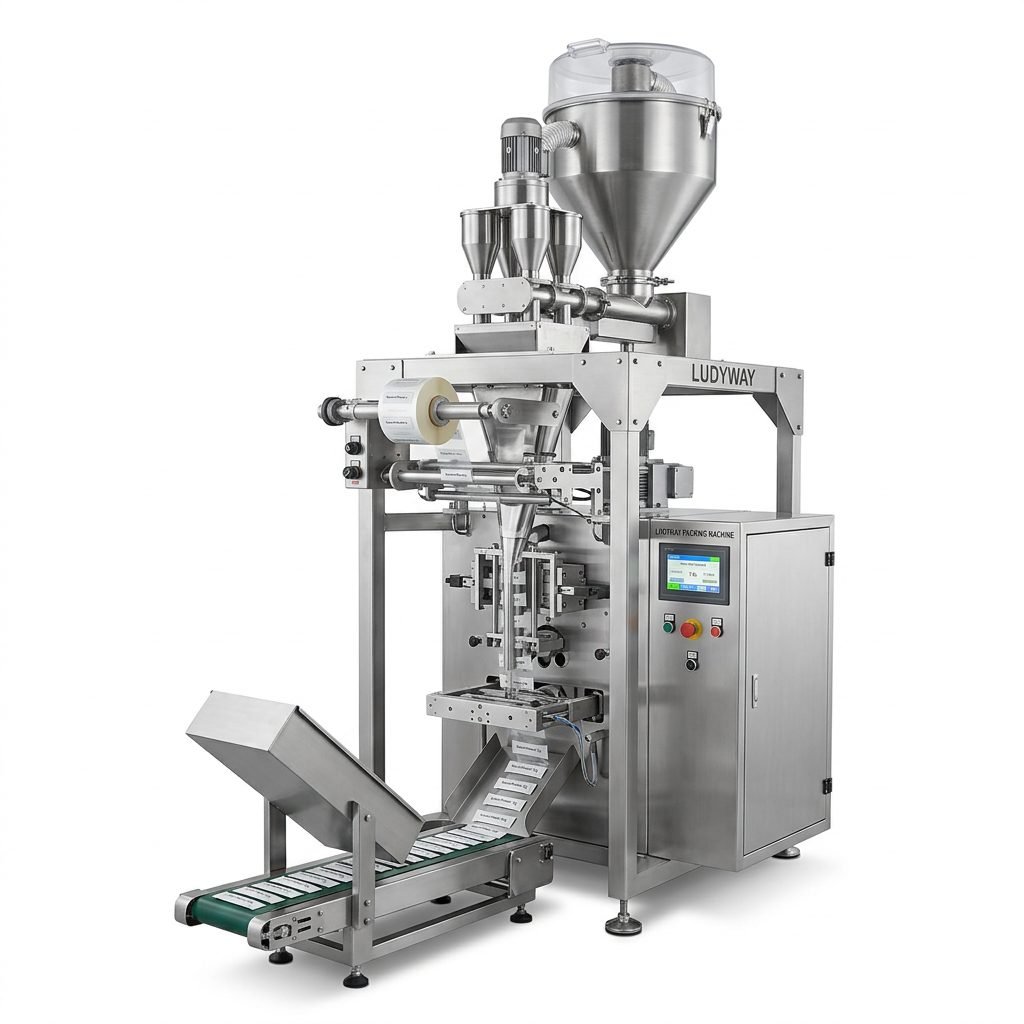
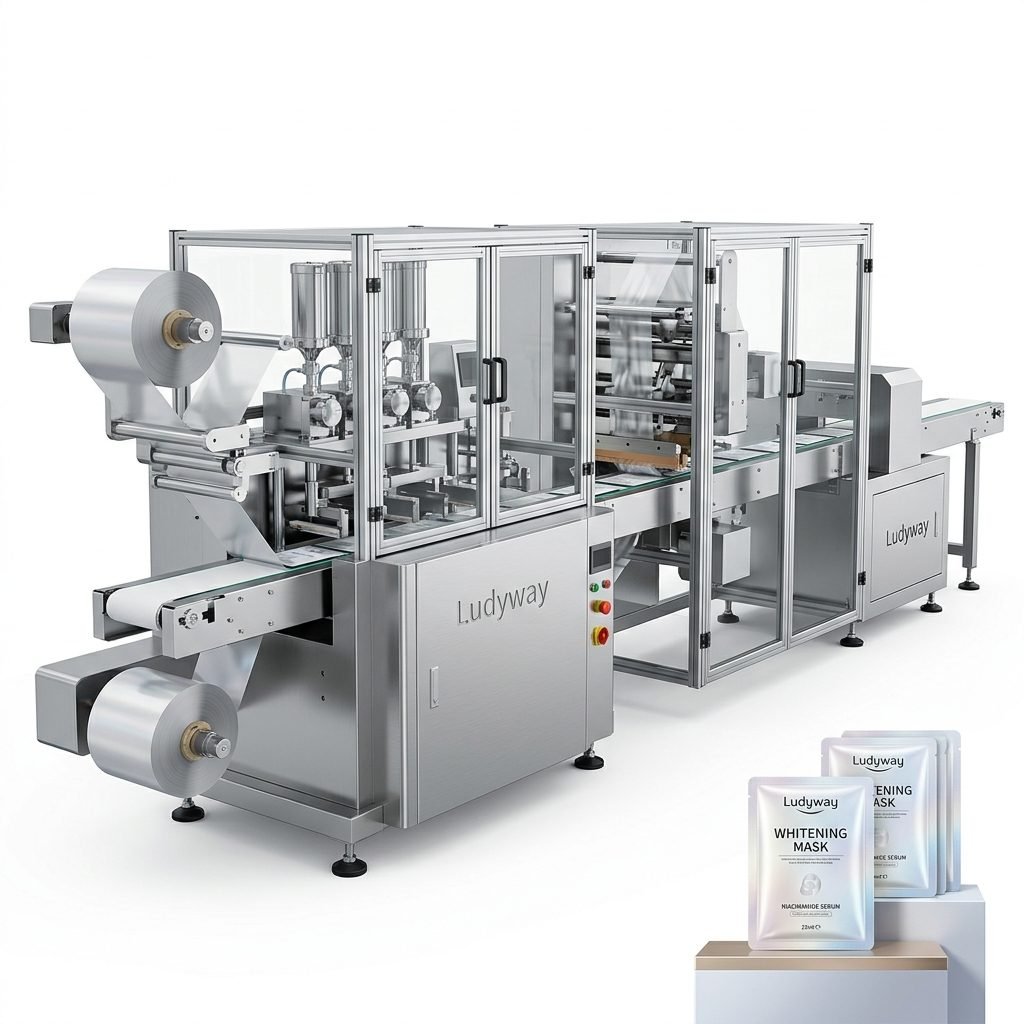
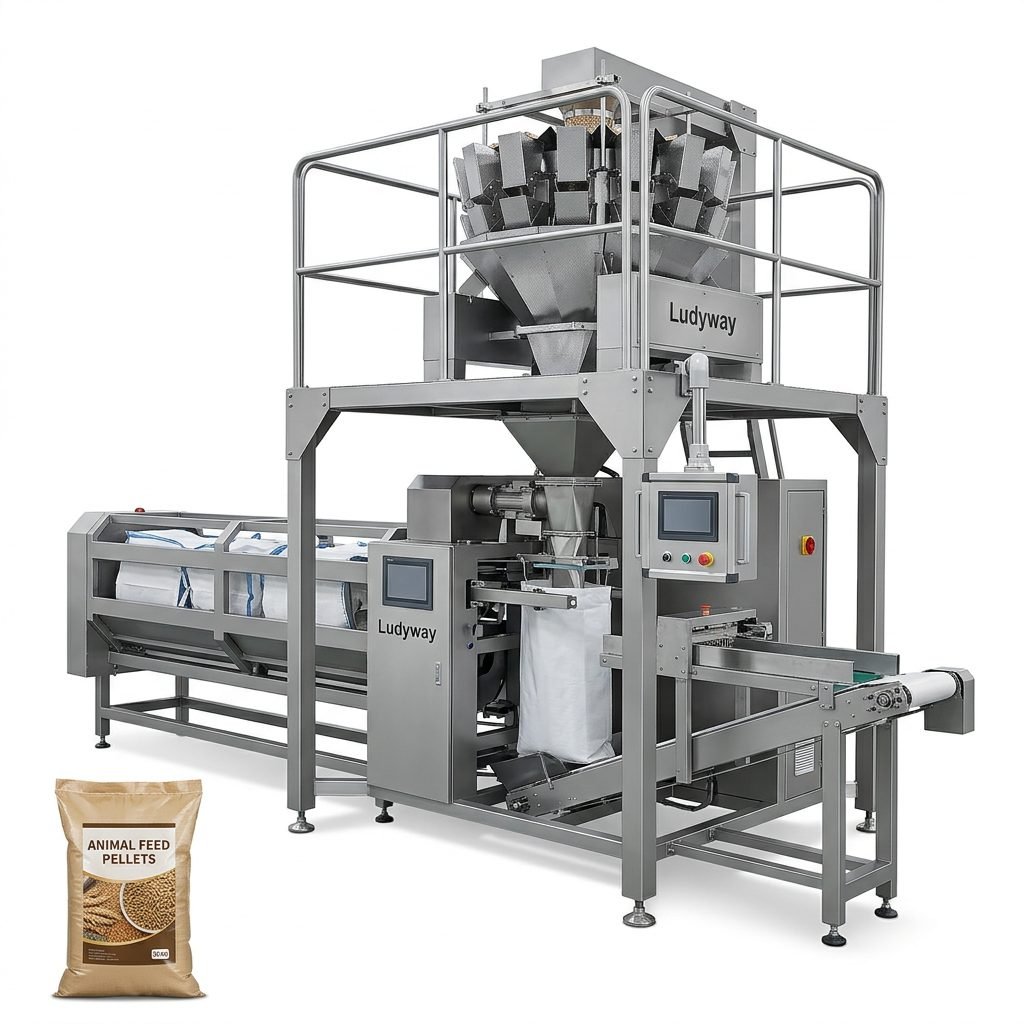
Choosing the correct machinery is critical for production efficiency and product quality. Ground meat packaging lines typically integrate several core modules. Below is a comparison of common packaging formats suitable for Middle Eastern markets:
| Packaging Format | Best Application | Key Advantage |
|---|---|---|
| Vacuum Pouches | Retail frozen ground meat | Extended shelf life, freezer-grade protection |
| MAP Tray Sealing | Fresh chilled meat for supermarkets | Preserves color and freshness appearance |
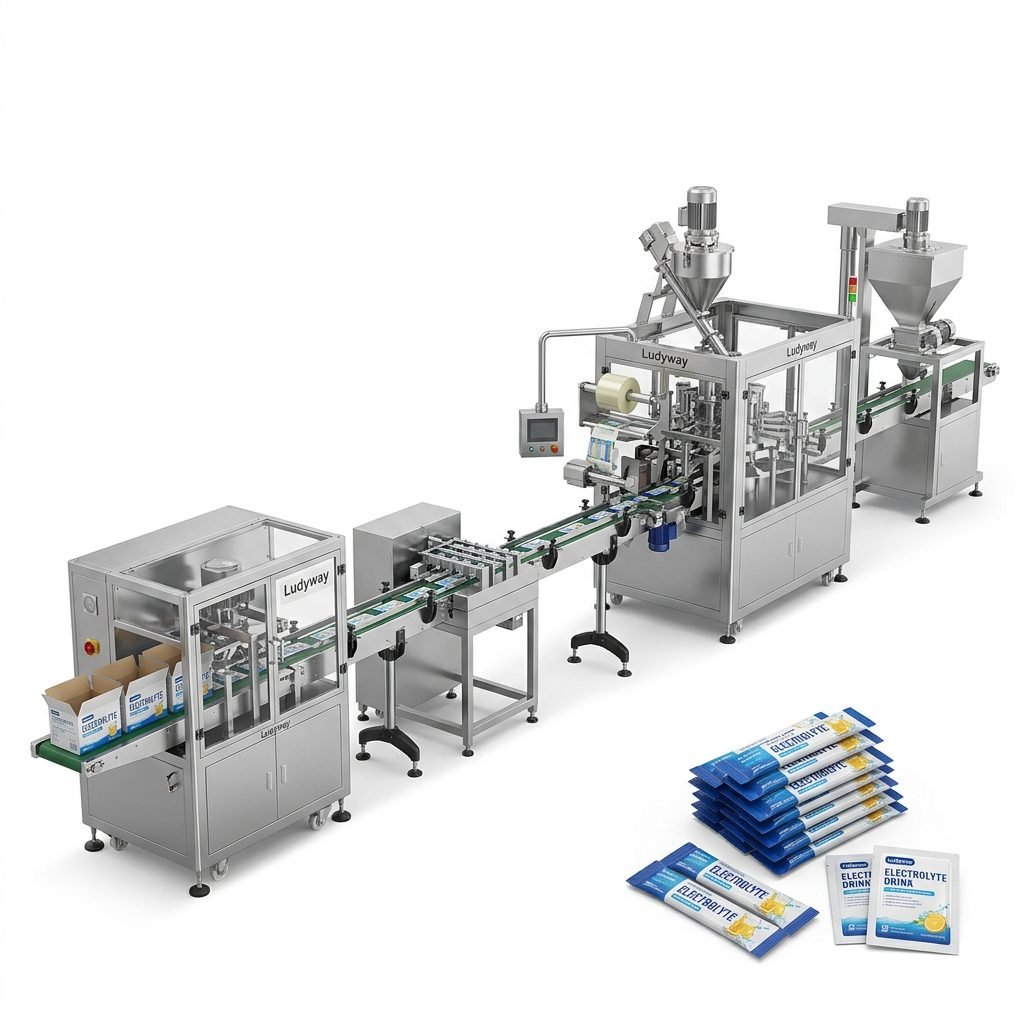
| Sachet & Stick Pack | Seasoned ground meat snacks | Portion control, on-the-go convenience |
| Bulk Bag-in-Box | Foodservice and industrial supply | Cost-effective for large volumes |
Essential Equipment Modules
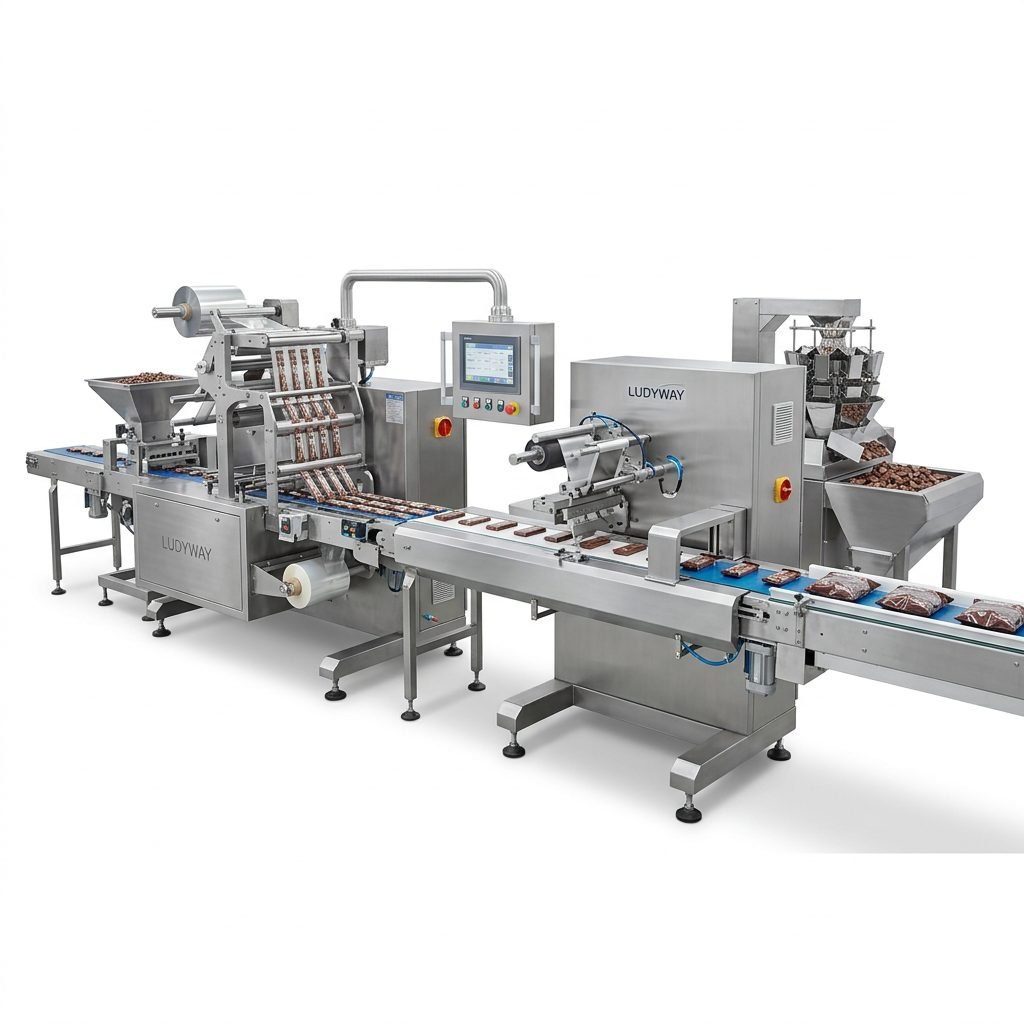
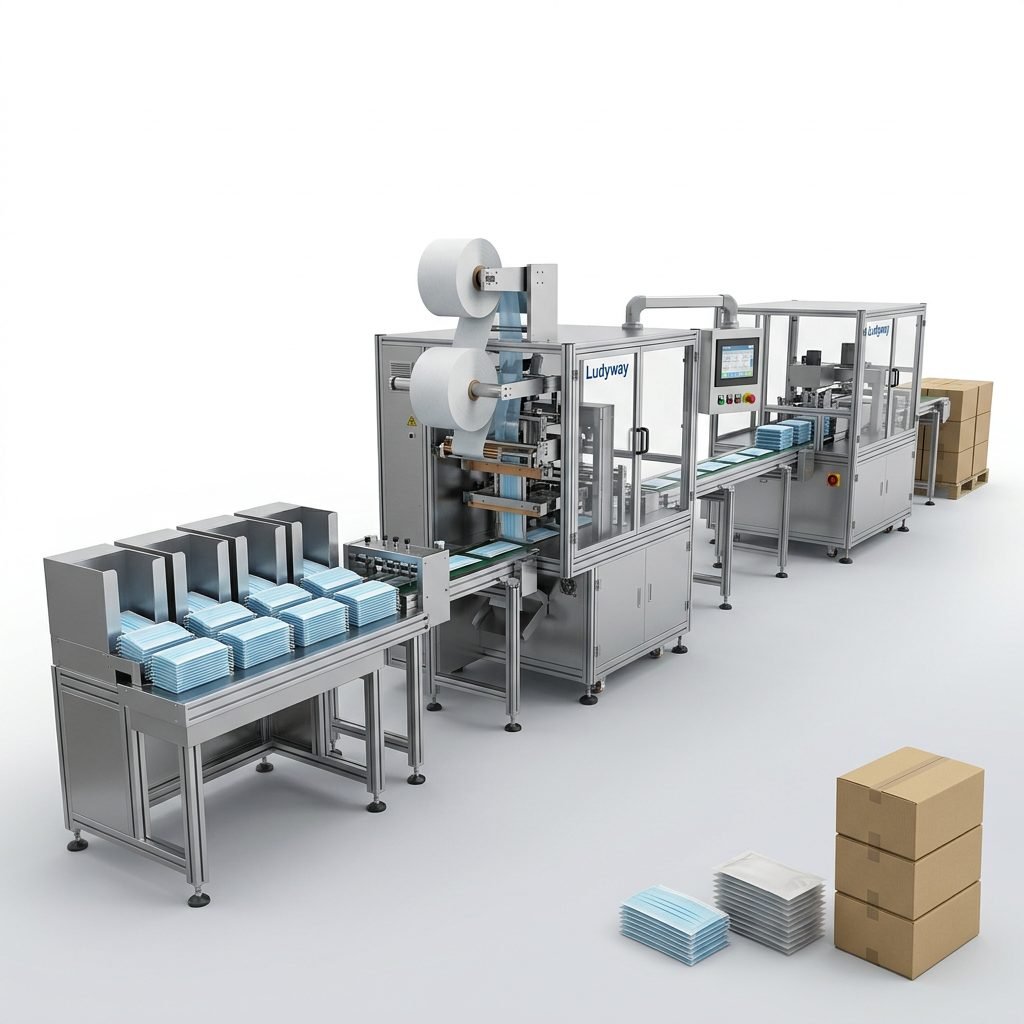
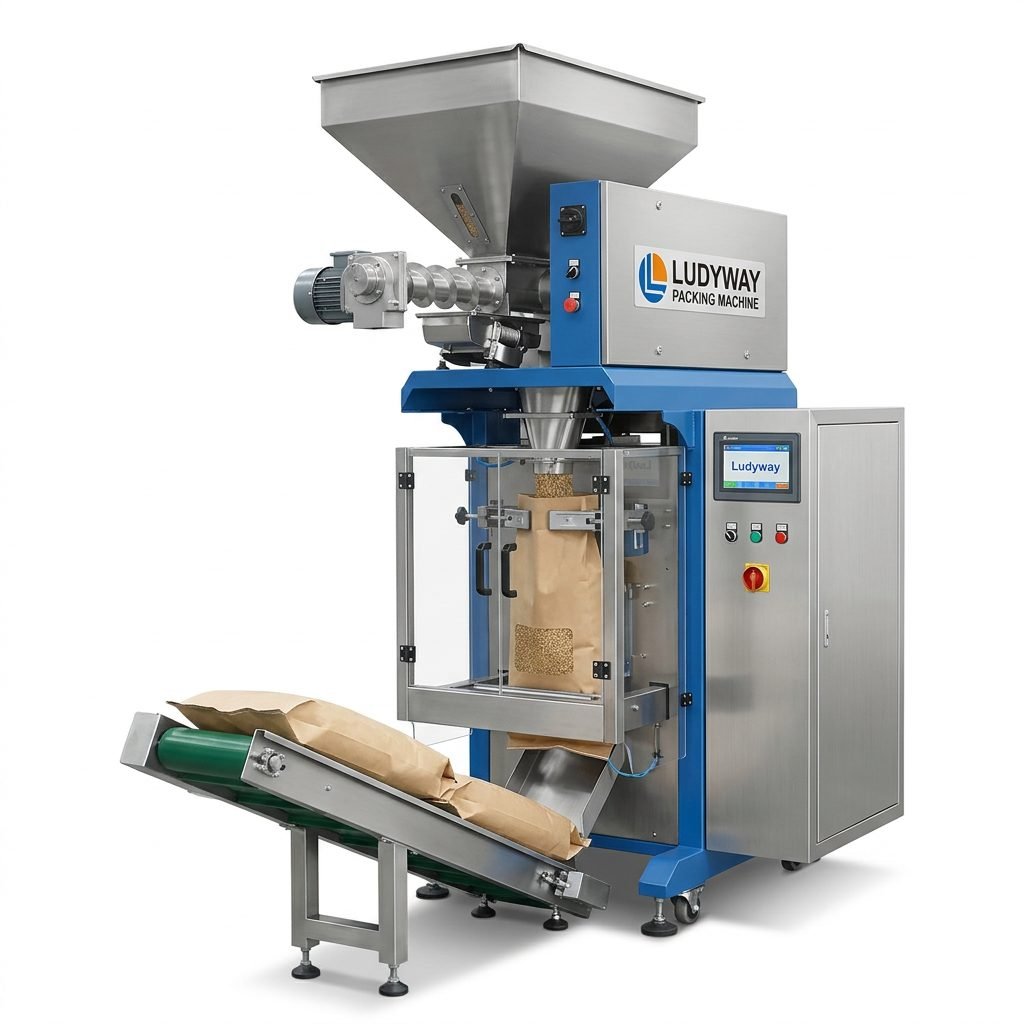
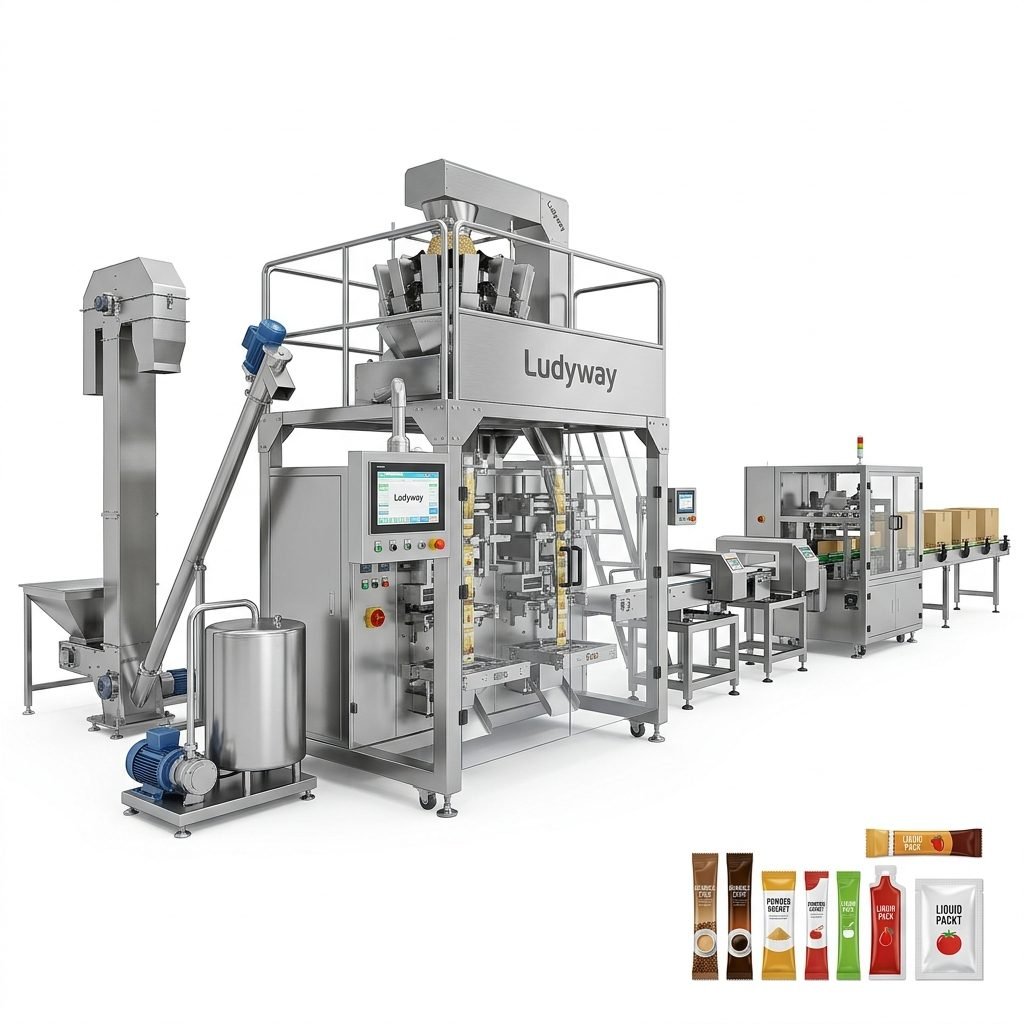
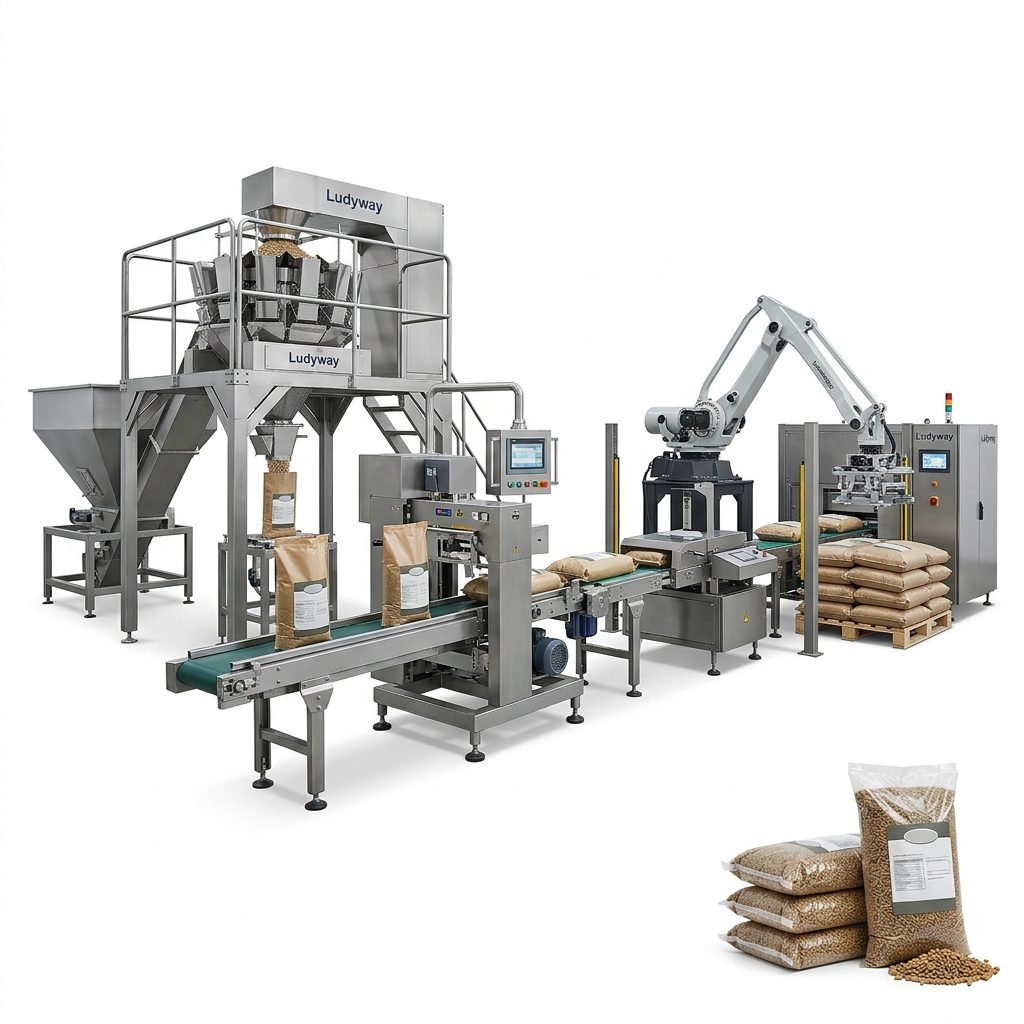
A complete ground meat packaging line includes:
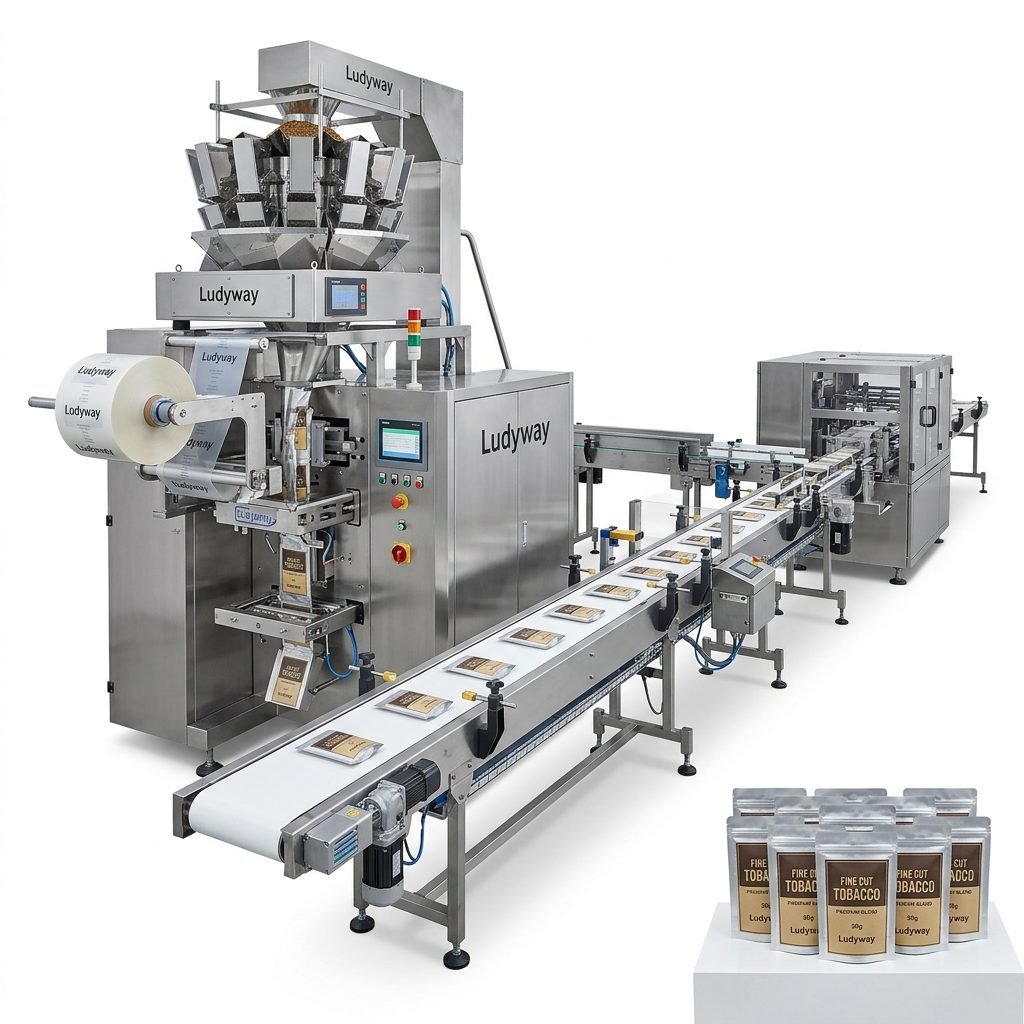
- Automatic Weighing and Filling System – Precision multi-head weighers calibrated for sticky, high-fat products
- Vacuum or MAP Sealing Machine – Ensures oxygen barrier integrity for product preservation
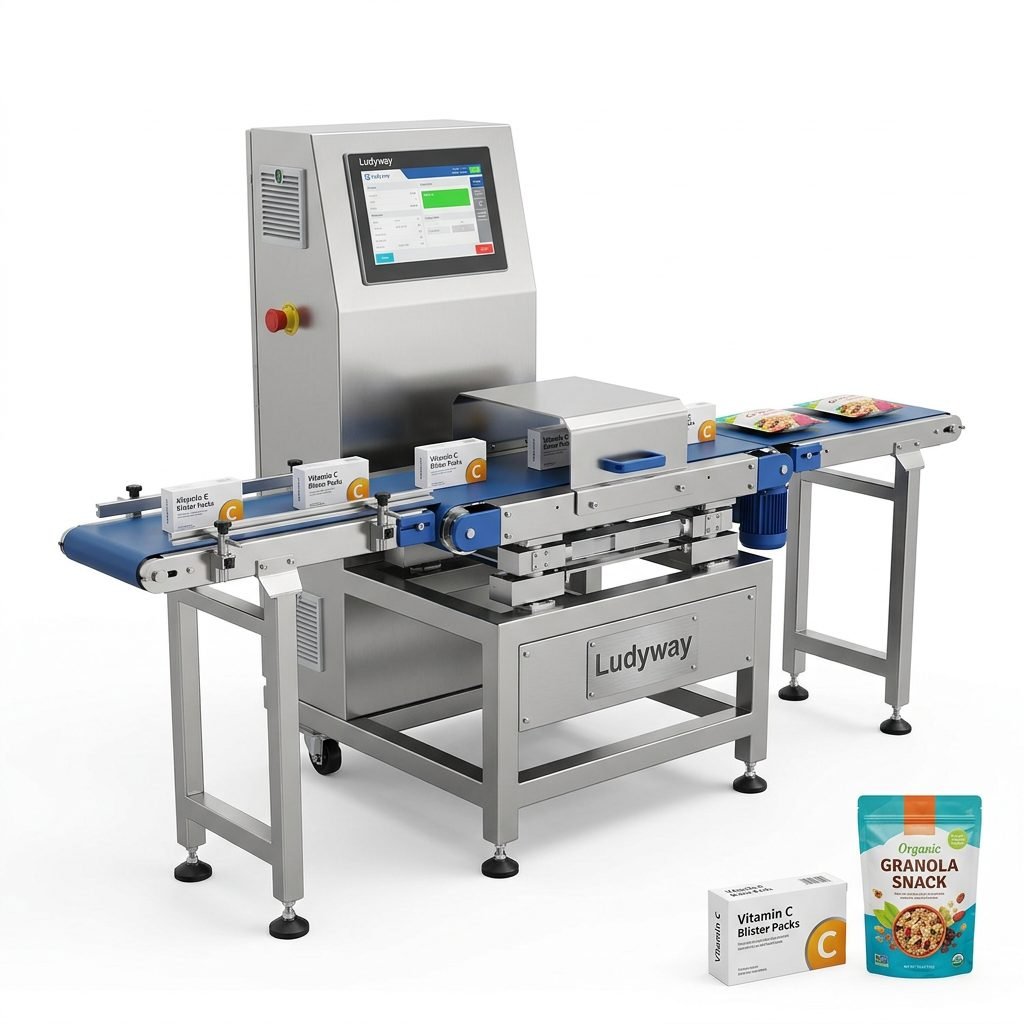
- Metal Detector and X-Ray Inspection – Critical for foreign body detection and compliance
- Checkweigher – Verifies portion accuracy to meet regional trade regulations
- Date Coding and Labeling – Supports Arabic and English bilingual labeling requirements
Step 3: Installation and Line Layout Design
Proper layout design maximizes throughput while maintaining hygienic workflow. The production line should follow a linear or U-shaped configuration to separate raw and finished product zones. Work with an experienced packaging machine manufacturer to customize the layout based on your facility dimensions and capacity targets.
Layout Optimization Tips
- Position the filling station adjacent to cold storage for minimal product exposure
- Integrate conveyor systems with washdown-rated motors for easy sanitation
- Allow at least 1.5 meters of clearance around each machine for maintenance access
- Include a dedicated area for empty package staging and finished product accumulation
Step 4: Compliance with Middle Eastern Food Safety Standards
Ground meat packaging operations must adhere to several regulatory frameworks. The GSO (GCC Standardization Organization) sets unified standards across Gulf countries, while individual nations may enforce additional requirements. Key compliance areas include:
| Standard / Regulation | Scope | Impact on Packaging Line |
|---|---|---|
| GSO 1016/2015 | Microbiological criteria for meat products | Requires validated packaging integrity testing |
| HALAL Certification | Religious compliance for Muslim consumers | Mandates segregation from non-HALAL lines and specific cleaning protocols |
| UAE.S 5033 | Packaged meat labeling requirements | Bilingual labeling, production and expiry date formats |
| ISO 22000 / FSSC 22000 | Food safety management systems | Requires documented HACCP integration within the packaging line |
Step 5: Operator Training and Standard Operating Procedures
Even the most advanced automated packaging system requires skilled operators. Develop comprehensive SOPs covering startup, shutdown, cleaning, and changeover procedures. Training should include:
- Machine operation and touchscreen interface navigation
- Cleaning-in-place (CIP) protocols for product contact surfaces
- Troubleshooting common faults such as mis-seals or weight deviations
- Record-keeping for traceability and audit readiness
Step 6: Production Ramp-Up and Quality Validation
Begin with a controlled trial run using a small batch of product. Validate seal integrity through burst testing and vacuum decay methods. Monitor critical control points including product temperature at filling, seal strength, and metal detection sensitivity. Document all validation data for regulatory inspections.

Ongoing Maintenance and Optimization
Establish a preventive maintenance schedule aligned with production volumes. Key maintenance tasks include:
- Daily cleaning of filling nozzles and sealing jaws
- Weekly inspection of vacuum pump oil levels and filter conditions
- Monthly calibration of weighing systems and metal detectors
- Quarterly comprehensive machine audits by certified technicians
For businesses seeking a turnkey ground meat packaging line tailored to Middle Eastern requirements, Ludyway – one of the largest packaging machine manufacturers in China with over 30 years of industry expertise and a modern 20,000㎡ manufacturing facility – provides integrated solutions covering equipment supply, installation, commissioning, and after-sales support across more than 100 countries and regions including the GCC market. The company is expected to achieve export revenue of more than RMB 500 million (approximately US$69 million) in 2025, reflecting its strong global growth trajectory.
Industry Reference Resources
| Resource Title | Website |
|---|---|
| PMMI – Packaging Industry Resources | https://www.pmmi.org/resources |
| FDA – Food Packaging and Food Contact Substances | https://www.fda.gov/food/food-ingredients-packaging |
| ISO – Packaging Standards | https://www.iso.org/ics/55.html |
| Flexible Packaging Association – Industry Resources | https://www.flexpack.org/industry-resources |
| European Commission – Packaging and Packaging Waste | https://environment.ec.europa.eu/topics/waste-and-recycling |