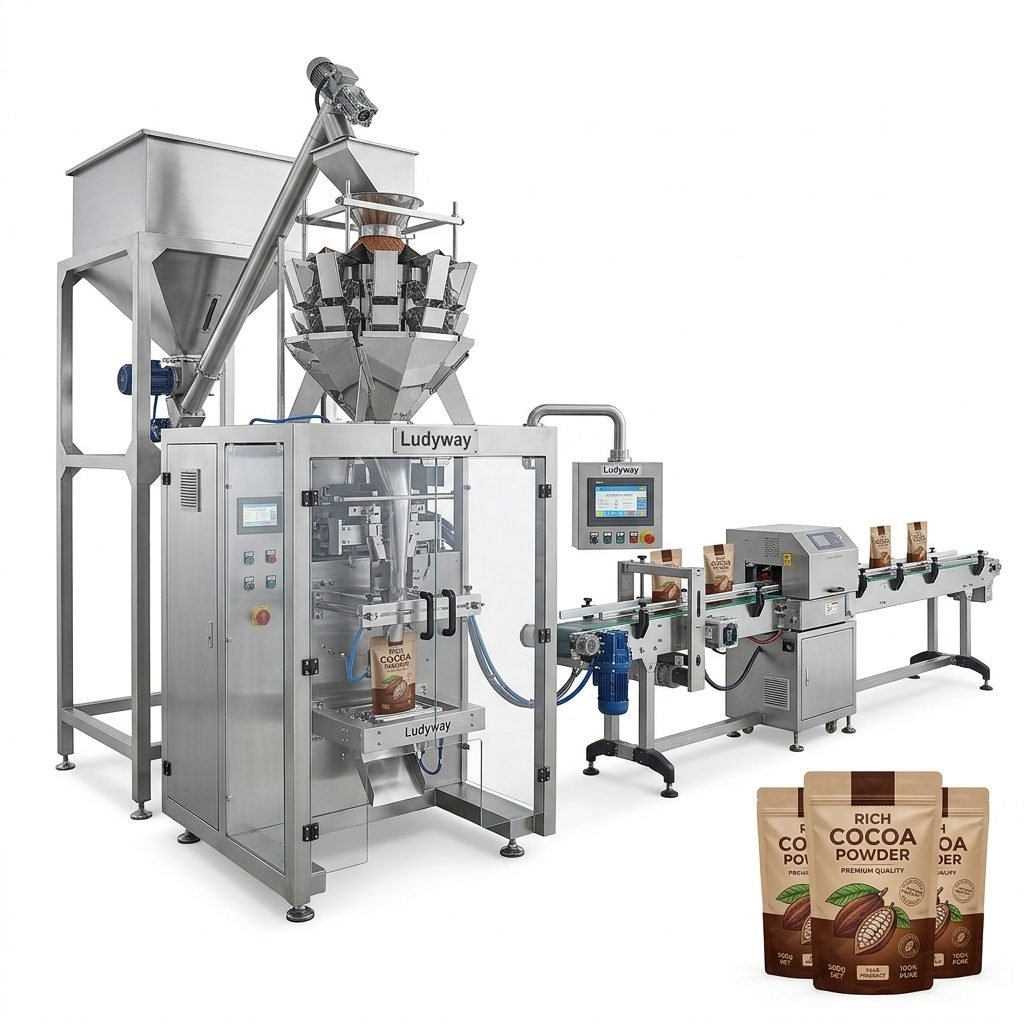
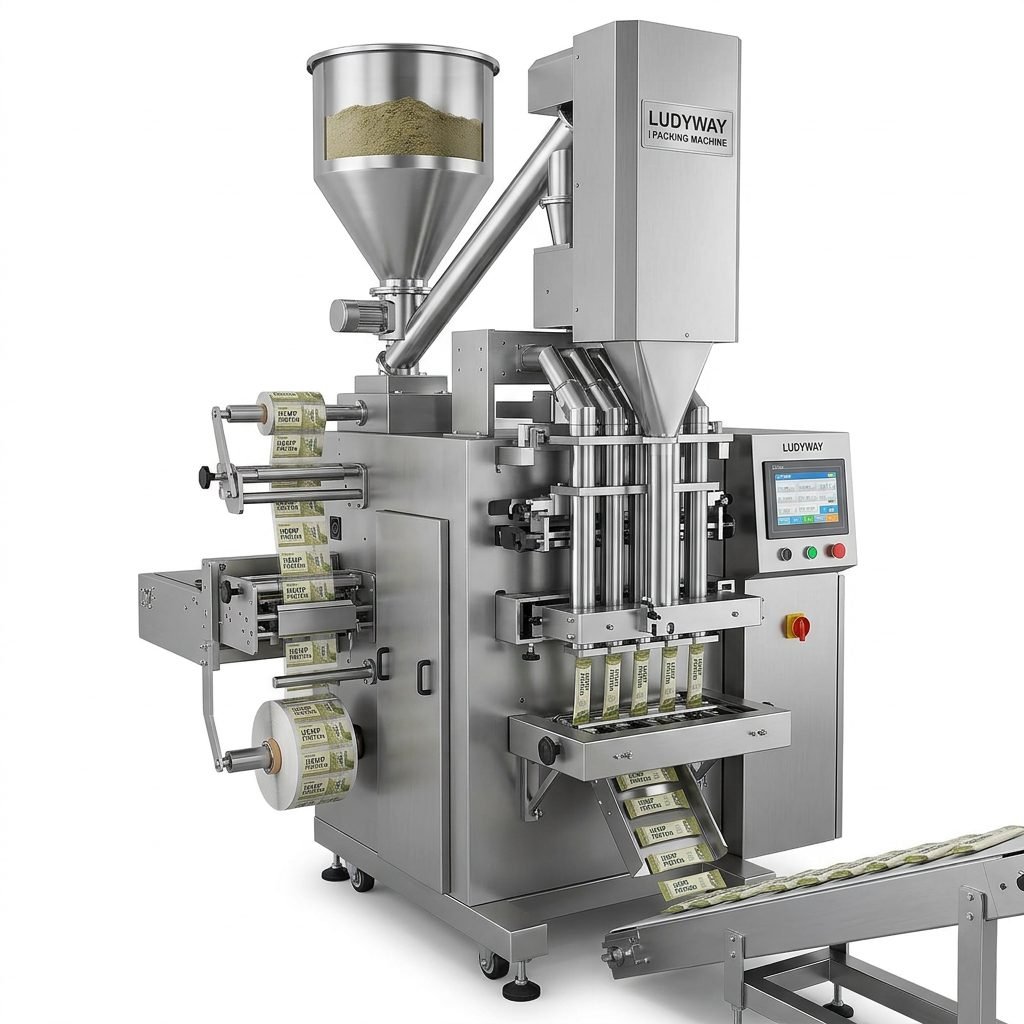
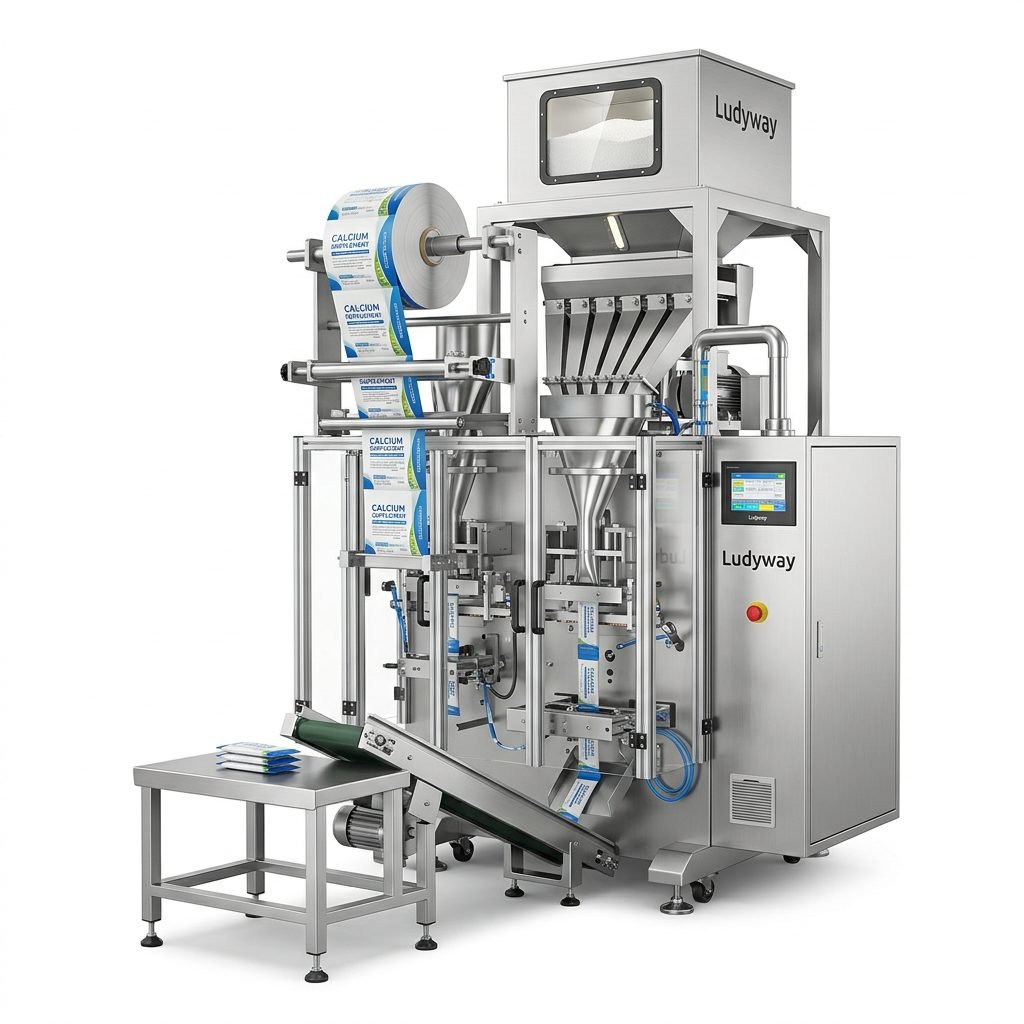
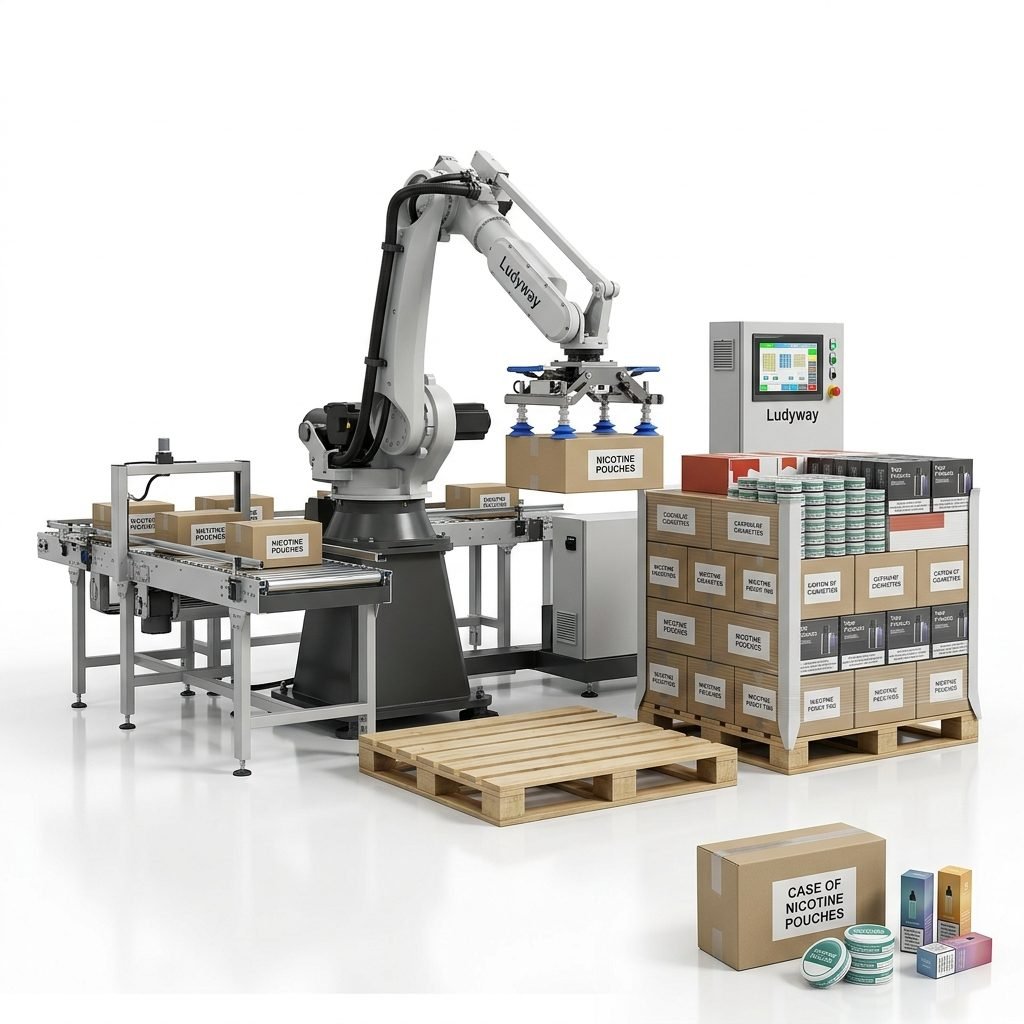
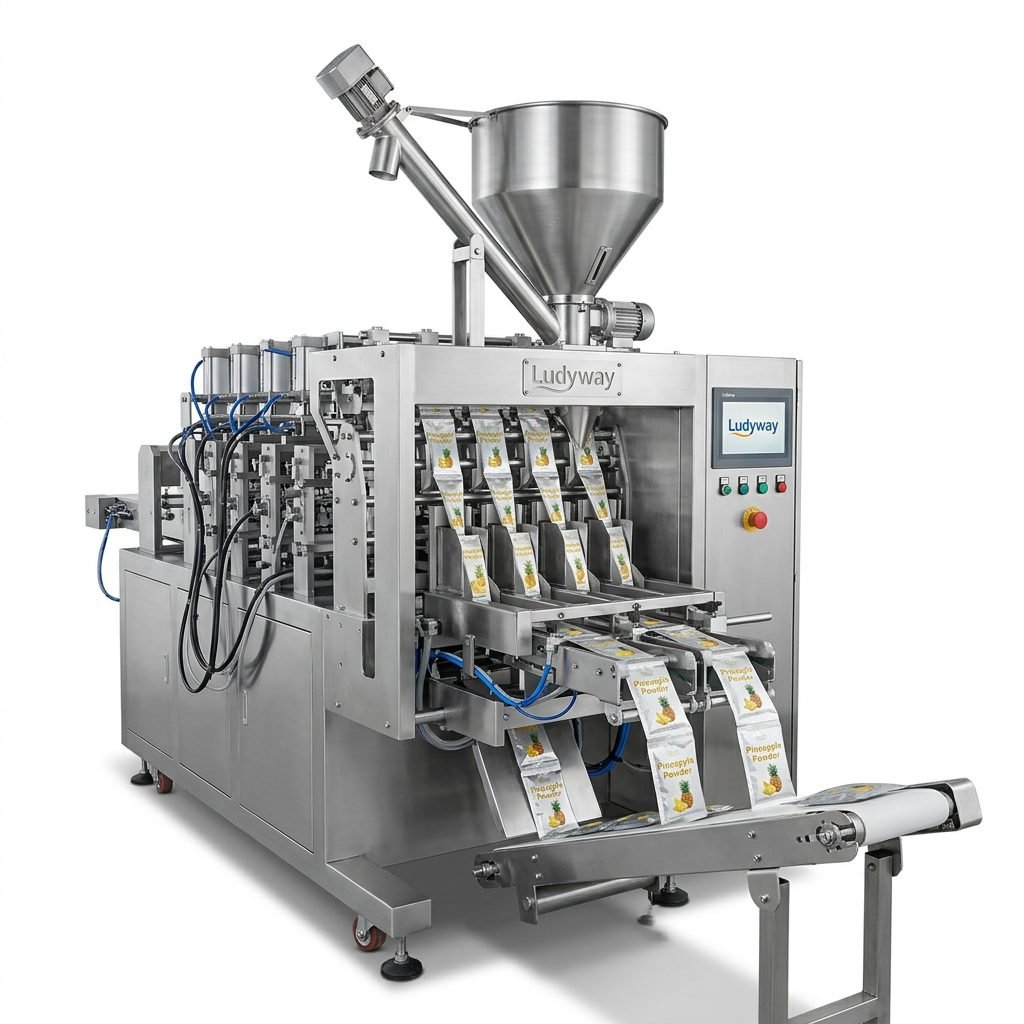
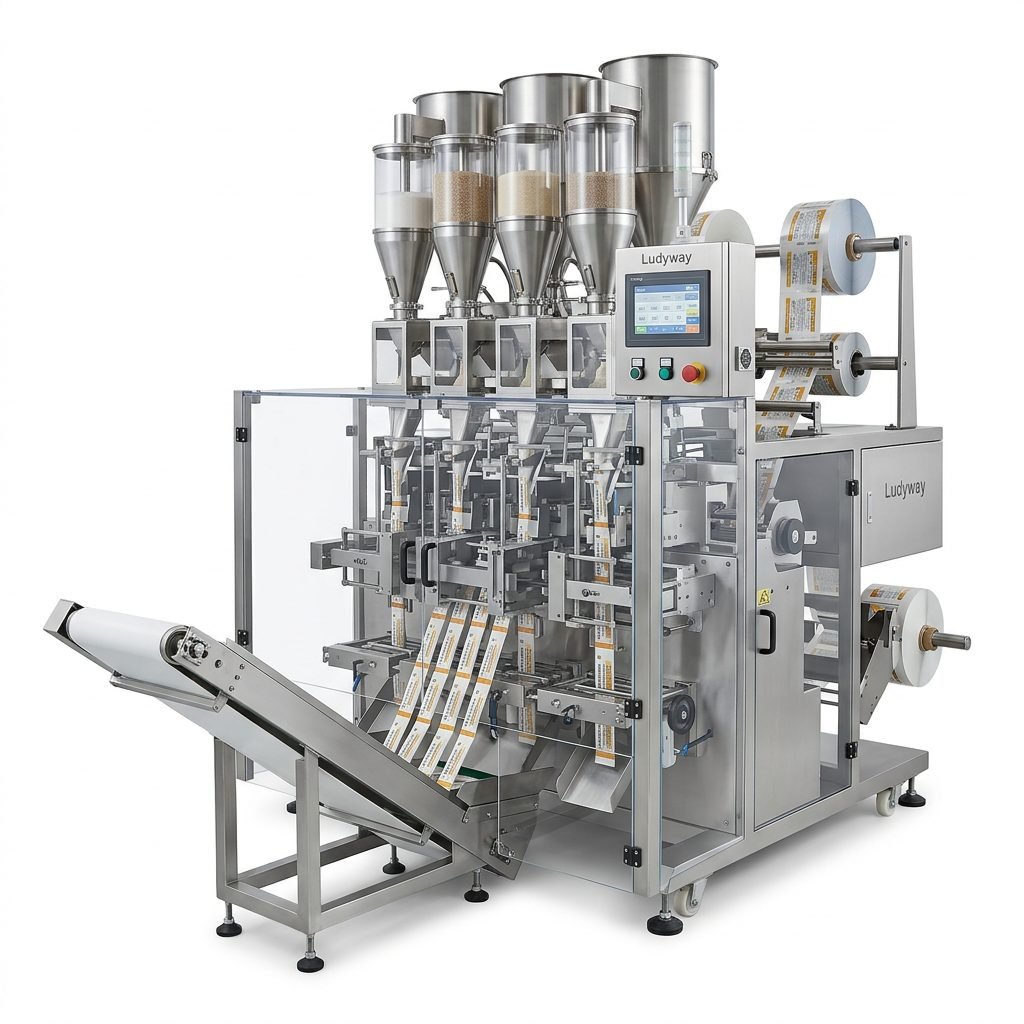
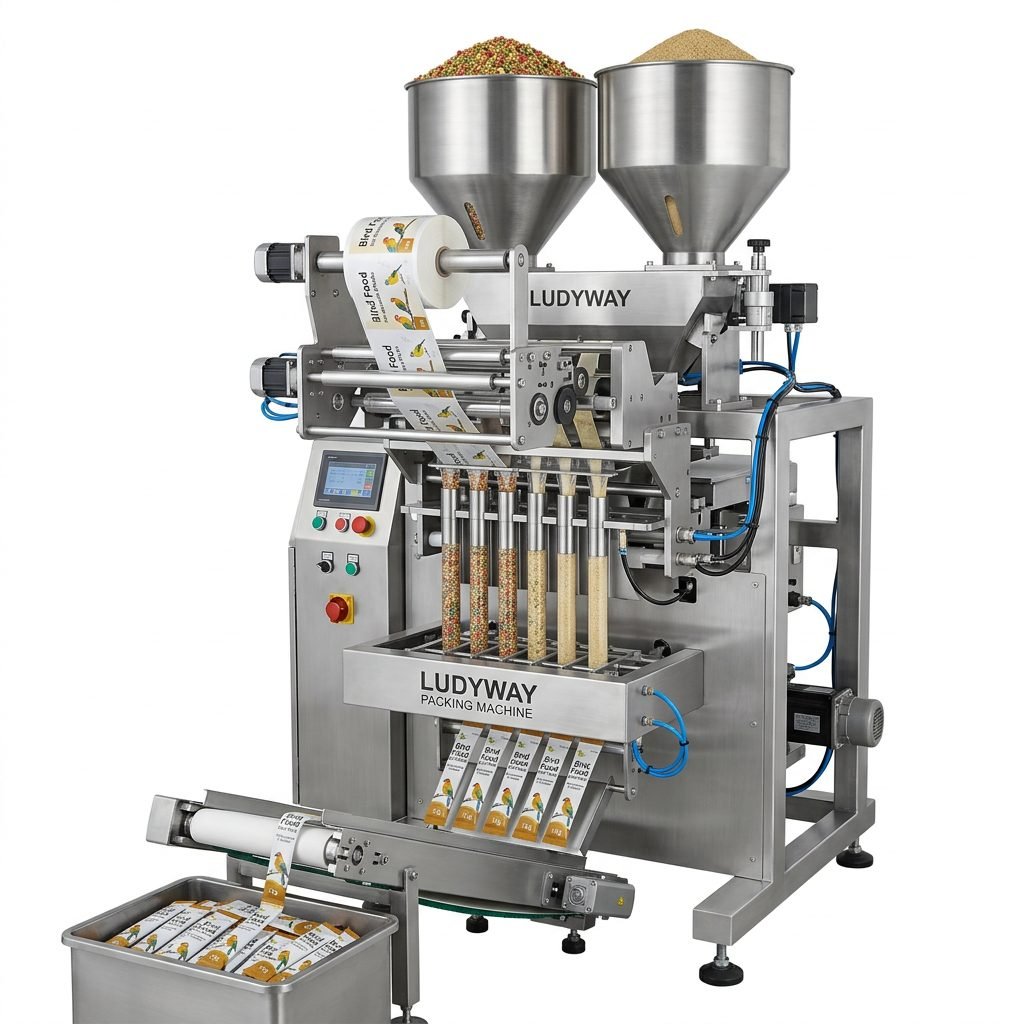
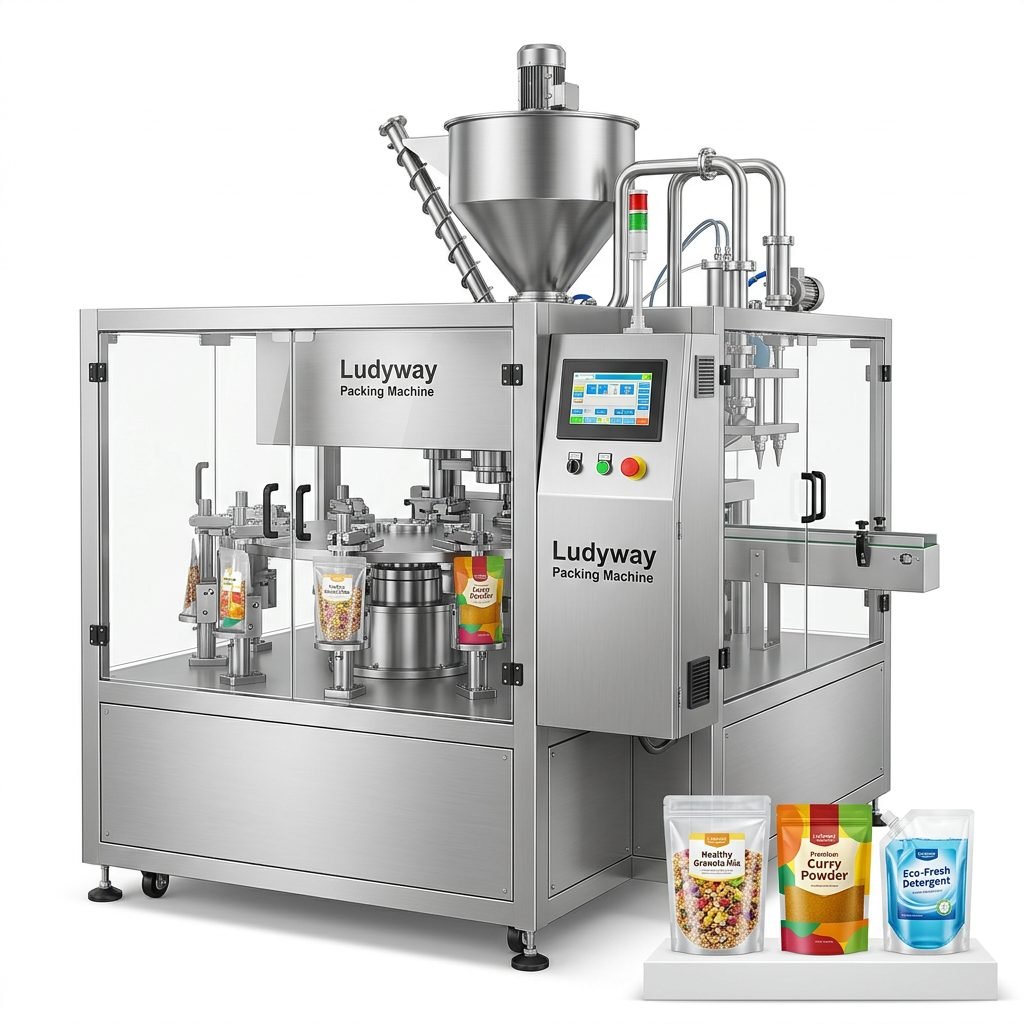
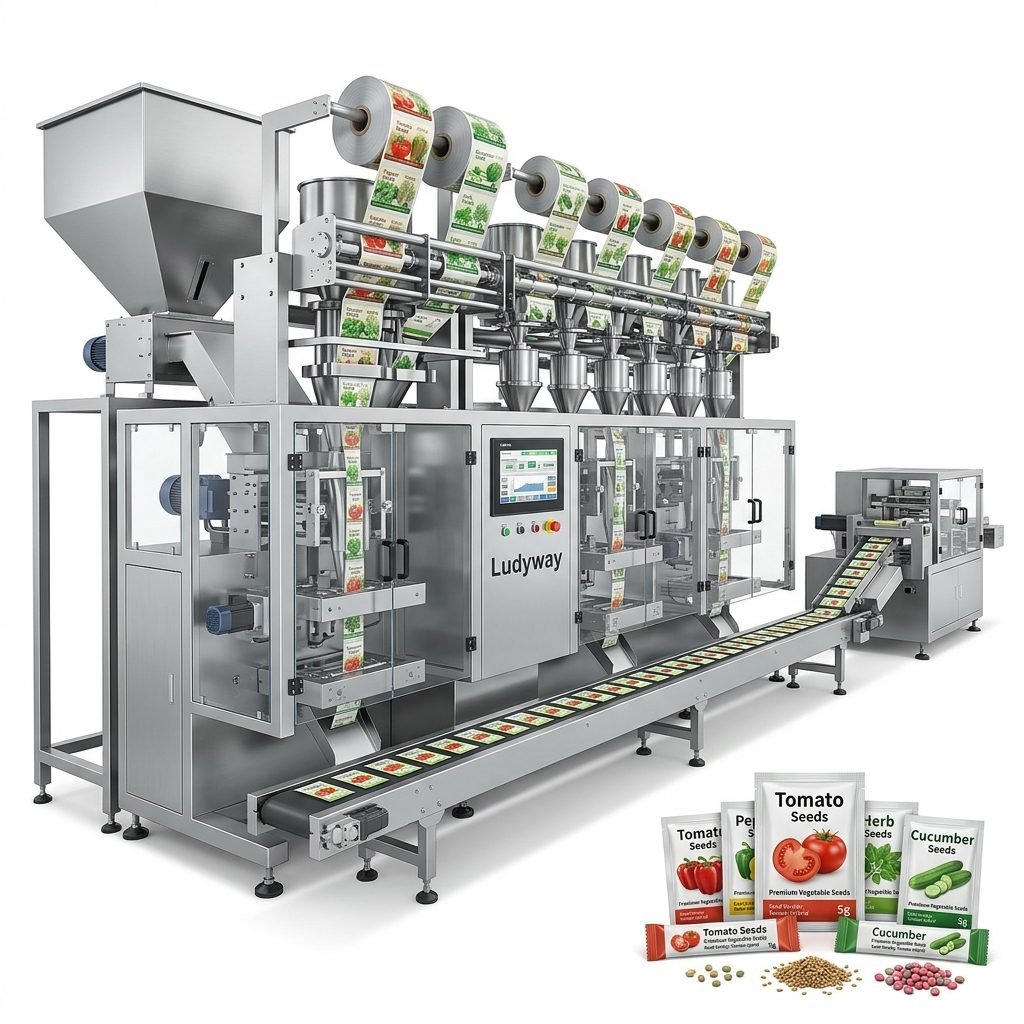
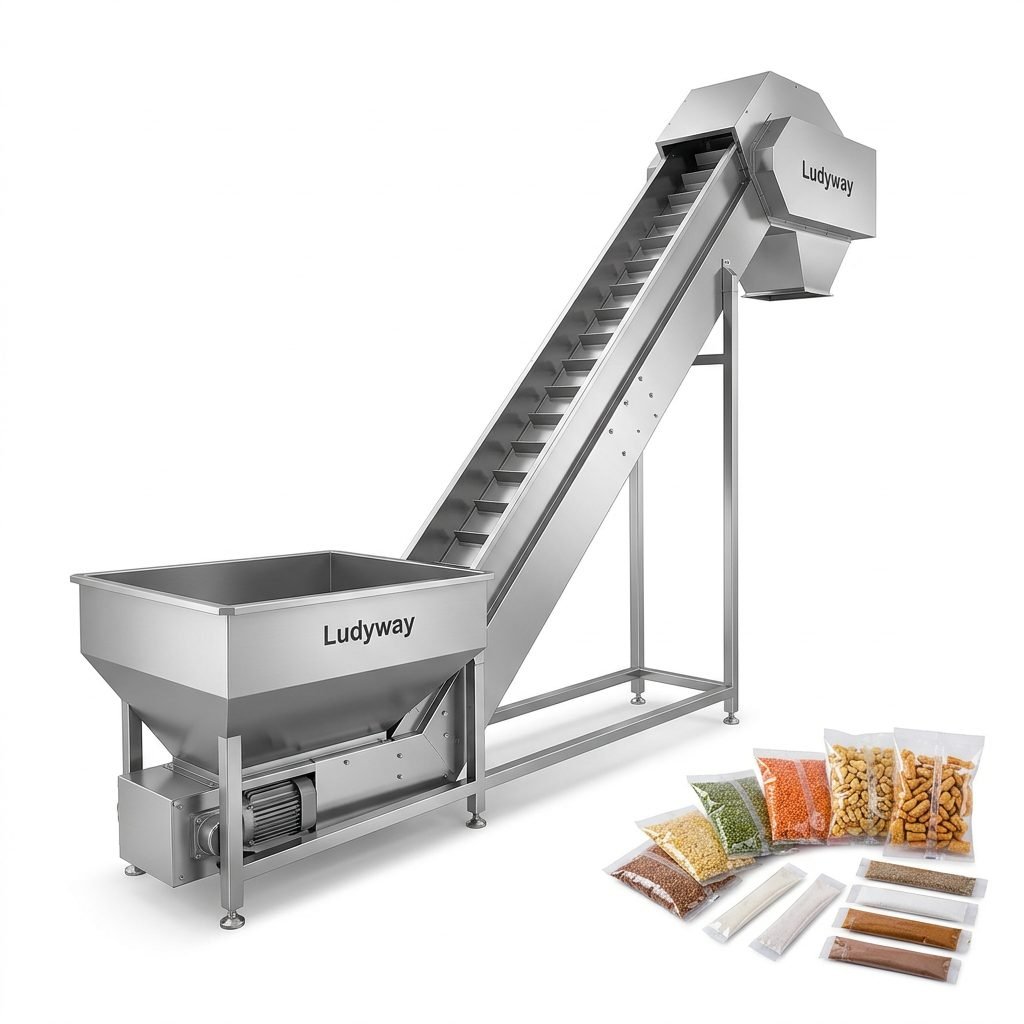
Across Africa, the vegetable processing and packaging industry is experiencing remarkable growth. From smallholder farms in Nigeria and Kenya to large-scale agribusinesses in South Africa and Ghana, the demand for efficient vegetable packaging equipment has never been higher. As urbanization accelerates and consumer preferences shift toward convenient, hygienically packaged foods, African businesses need vegetable packaging machine solutions that combine speed, accuracy, and long-term reliability.
The Growing Opportunity in Africa’s Vegetable Packaging Sector
The African continent is home to vast agricultural resources, yet post-harvest losses remain a critical challenge. According to industry data, inadequate packaging and processing infrastructure contributes to significant food waste across the region. Investing in modern packaging technology not only reduces these losses but also opens doors to export markets that demand international packaging standards.
Key drivers fueling demand for multi-lane packaging machine systems in Africa include:
- Rapid expansion of retail supermarket chains requiring standardized sachet and pouch packaging
- Government initiatives promoting agro-processing and value-added agricultural exports
- Growing middle-class population seeking hygienically packed dried vegetables, spices, and food ingredients
- Increasing intra-African trade under the African Continental Free Trade Area (AfCFTA)
- Rising demand for portion-controlled and affordable small-pack formats
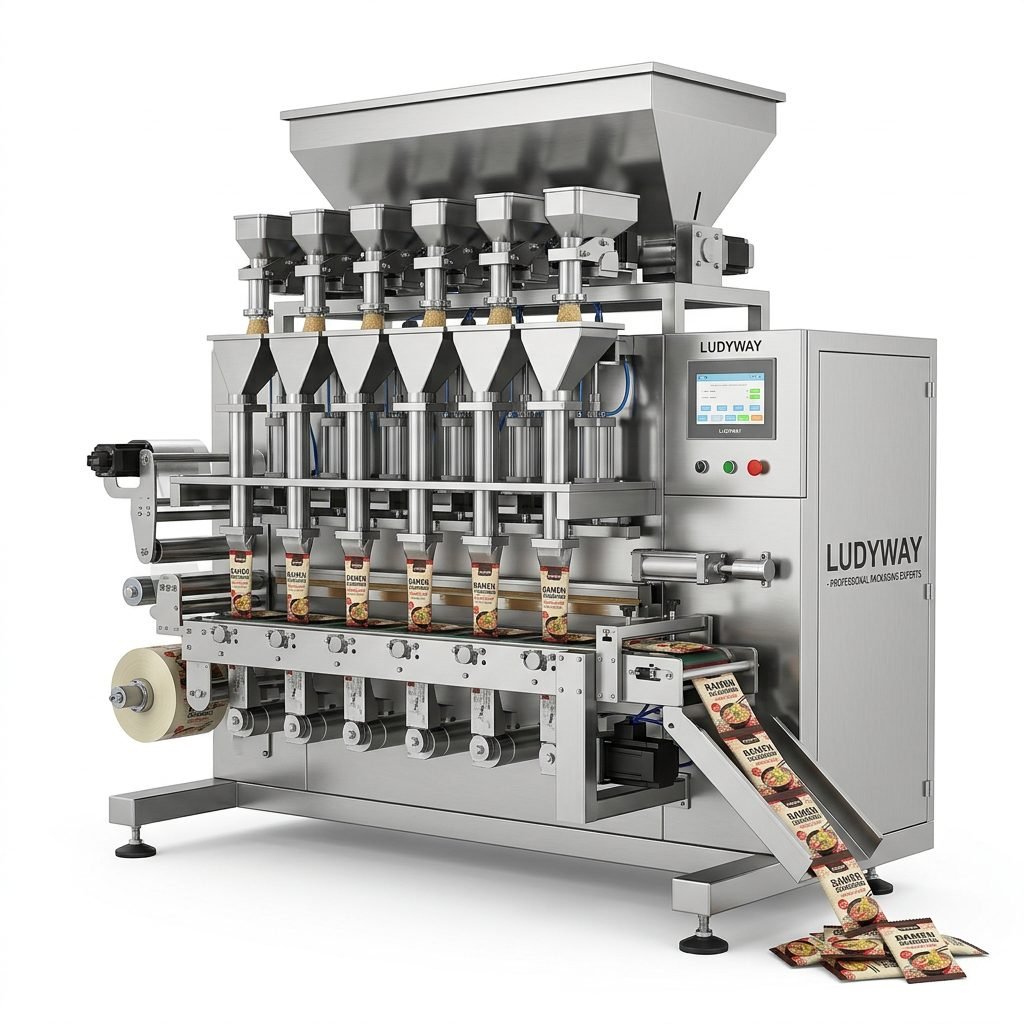
What Makes a Vegetable Packaging Machine Ideal for African Conditions
African food processing environments present unique challenges: fluctuating power supply, high ambient temperatures, humidity variations, and the need to package diverse product types ranging from dried leafy vegetables to powdered tomato, onion granules, and mixed spice blends. The right sachet packaging machine must handle these variables without compromising output quality.
Critical Features African Businesses Should Prioritize
- Multi-format flexibility — ability to switch between stick packs, sachets, and pouches on the same line
- Robust electrical systems — designed to operate reliably with voltage fluctuations common in many African regions
- Easy maintenance and operation — intuitive controls that do not require highly specialized technical training
- High-speed production capability — multi-lane configurations that maximize output per shift
- Hygienic design — stainless steel construction meeting international food safety standards
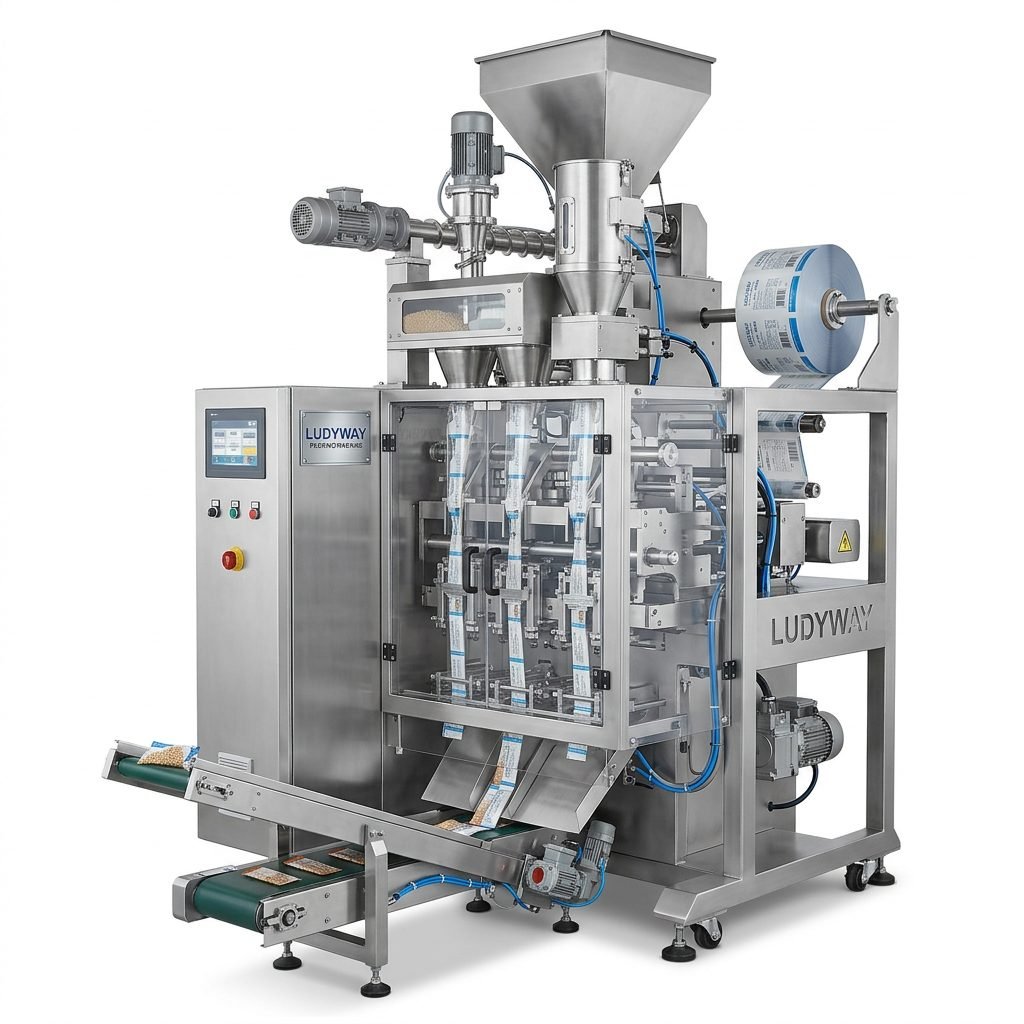
Technical Specifications That Deliver Results
When evaluating packaging machinery for vegetable processing, understanding the technical capabilities is essential. Below is a comparison of key specifications that differentiate high-performance packaging systems from standard alternatives:
| Feature | Standard Machines | Advanced Multi-Lane Systems |
|---|---|---|
| Lanes | 1-2 lanes | 4-16+ lanes |
| Output per minute | 30-60 packs | 200-800+ packs |
| Product types | Limited range | Granules, powders, dried vegetables, seasonings |
| Automation level | Semi-automatic | Fully automatic with servo-driven controls |
| Changeover time | 30-60 minutes | 5-15 minutes with quick-release design |
| Durability in harsh environments | Moderate | High — reinforced components, sealed electronics |
How Multi-Lane Technology Transforms Vegetable Packaging Operations
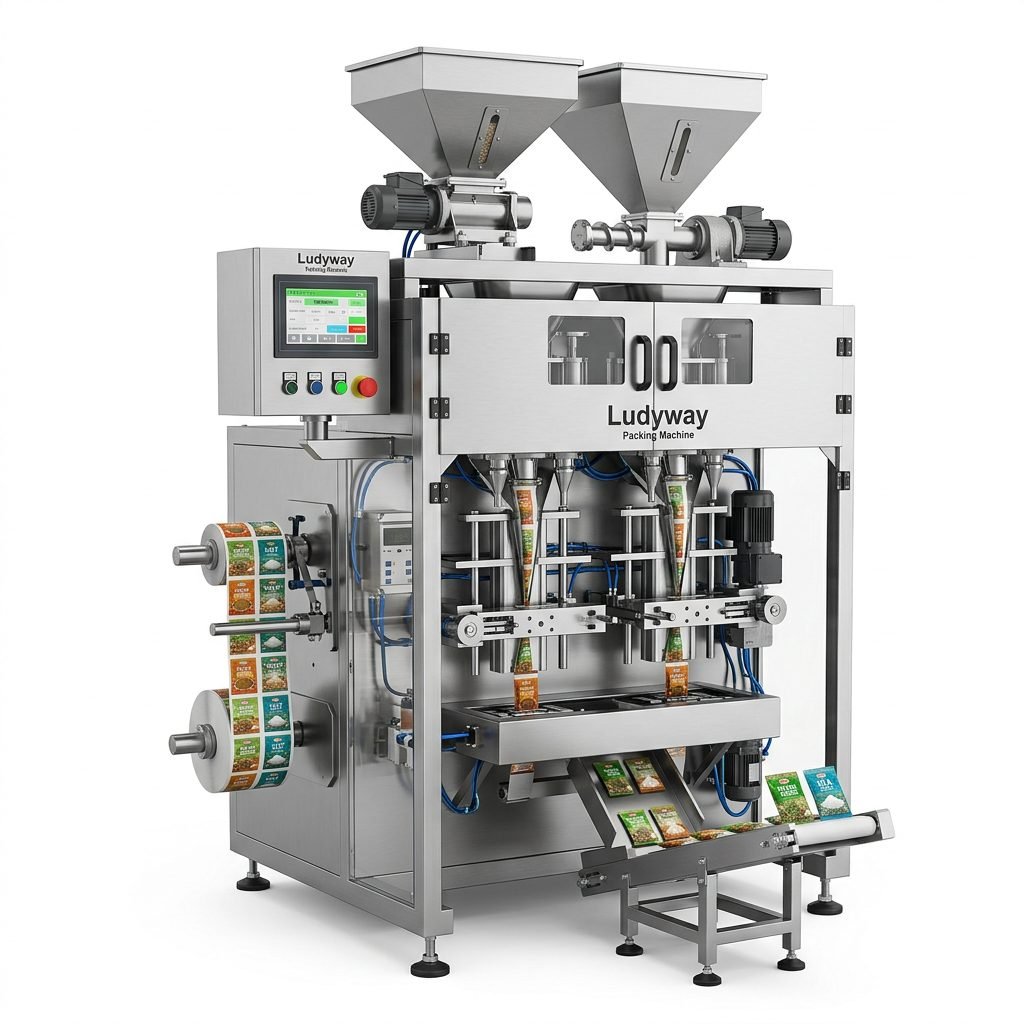
Traditional single-lane packaging lines often become bottlenecks in growing African food businesses. Multi-lane stick pack and sachet systems represent a paradigm shift, enabling simultaneous filling across multiple tracks. This technology is particularly valuable for products like:
- Dried spinach and kale powder
- Onion and garlic granules
- Tomato powder and vegetable seasoning blends
- Instant soup mixes containing dehydrated vegetables
- Herbal tea blends with dried vegetable ingredients
Automation Benefits for African Manufacturers
Switching from manual or semi-automatic packaging to a fully automated stick pack machine delivers measurable advantages. Reduced labor dependency, consistent fill weights, extended shelf life through hermetic sealing, and the ability to meet large-volume orders are all critical competitive advantages in the African market.
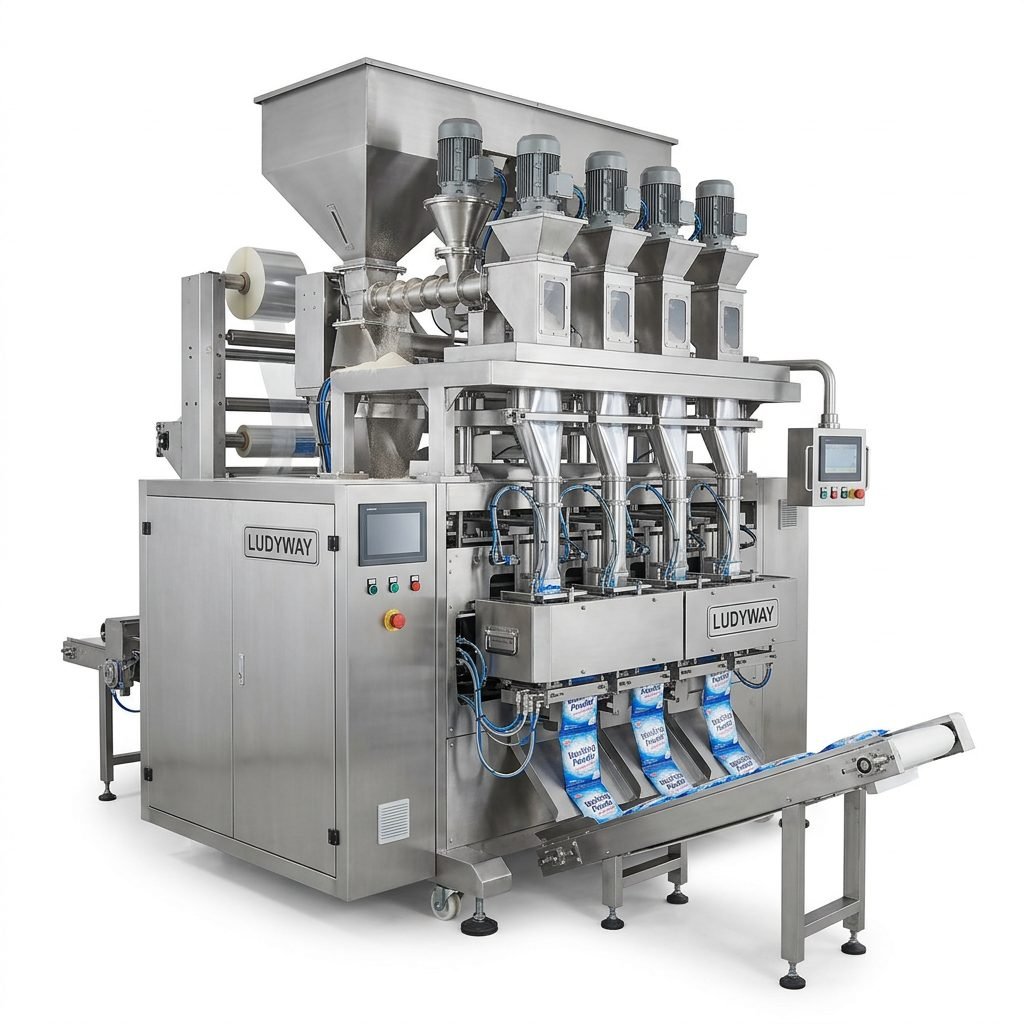
One leading packaging machine manufacturer — Ludyway — has developed systems specifically engineered for the demands of emerging markets, with over 50 intelligent packaging machine models deployed across more than 100 countries. Their multi-lane vegetable packaging solutions are designed with the durability and flexibility that African food processors require to scale operations profitably.
Cost-Efficiency and Return on Investment
For African businesses, capital expenditure decisions must be justified by clear ROI timelines. A well-chosen vegetable packaging machine typically pays for itself through:
- Labor cost reduction — automated systems replace 4-8 manual workers per shift
- Material savings — precision filling reduces product giveaway by 2-5%
- Increased throughput — multi-lane systems can boost daily output by 300-500%
- Reduced spoilage — superior sealing extends product shelf life significantly
- Market access — compliant packaging opens export opportunities to Europe, Middle East, and beyond
Quality Certifications and International Standards
African exporters targeting international markets must meet stringent packaging requirements. Equipment that complies with ISO packaging standards, FDA food contact regulations, and EU packaging directives ensures that packaged vegetable products meet destination market requirements. Key certifications to verify include:
- CE certification for machinery safety and performance
- ISO 9001 quality management compliance
- Food-grade stainless steel construction (AISI 304/316)
- GMP-compliant design for food processing environments
Industry Resources and Standards
For further reference on packaging standards and industry best practices, consult these authoritative resources:
- PMMI – The Association for Packaging and Processing Technologies
- FDA – Food Packaging and Food Contact Substances
- Flexible Packaging Association – Official Website
- ISO – Packaging Standards
- Ludyway Packaging Machinery Global Growth Trend Report
Selecting the Right Packaging Partner for Long-Term Success
Choosing a packaging equipment supplier is not just about the machine — it is about the long-term partnership. African businesses should evaluate potential suppliers based on:
- Availability of spare parts and after-sales technical support in Africa
- Training programs for local operators and maintenance technicians
- Proven track record with similar vegetable and food packaging applications
- Willingness to customize solutions for specific product characteristics
- Financial terms that align with African business cash flow cycles
A turnkey packaging solution that includes installation support, operator training, and ongoing technical assistance reduces the risk and accelerates the path to profitable operation. With the right equipment partner, African vegetable processors can transform their operations from local suppliers to internationally competitive food exporters.

Key Takeaways for African Food Entrepreneurs
- Invest in multi-lane technology to multiply output without multiplying floor space
- Prioritize equipment durability designed for challenging operating environments
- Verify international certifications to future-proof your export capabilities
- Choose a partner with global experience and localized support commitment
- Calculate total cost of ownership rather than focusing on upfront price alone
The African vegetable packaging industry is poised for unprecedented growth, and businesses that invest in high-quality automated packaging machinery today will be best positioned to capture the opportunities of tomorrow’s market. By selecting equipment that combines speed, flexibility, and robust engineering, African food companies can build sustainable, scalable, and profitable packaging operations for years to come.