Setting up a vacuum packaging machine production line in Africa is a strategic move for businesses aiming to capitalize on the continent’s rapid industrialization and growing food processing sector. Vacuum packaging extends product shelf life, reduces spoilage, and meets the rising demand for packaged foods, pharmaceuticals, and consumer goods. This comprehensive guide walks you through every critical phase, from initial planning to full-scale operation, ensuring your investment is both profitable and sustainable.

Why Invest in a Vacuum Packaging Production Line in Africa?
The African packaging industry is projected to grow at a compound annual growth rate (CAGR) of over 8% through 2030. Key drivers include urbanization, a rising middle class, and increased intra-continental trade under the African Continental Free Trade Area (AfCFTA). Vacuum packaging specifically addresses critical challenges in food preservation, pharmaceutical safety, and export readiness. By establishing a local production line, you reduce dependency on imported packaged goods, lower logistics costs, and create a resilient supply chain.
Step 1: Conduct a Comprehensive Market Feasibility Study
Before importing any vacuum packaging equipment, you must understand local demand. Identify which sectors require vacuum-packed products—processed meats, dairy, coffee, dried fruits, medical devices, or industrial components. Engage with local distributors, retailers, and export agencies to gauge volume expectations. Evaluate your competitors and determine your unique value proposition. A robust feasibility study should also include a SWOT analysis, projected ROI, and break-even timeline. This foundational step directly influences the scale and configuration of your packaging production line.
Key Market Research Checklist
- Target industries: Food processing, agriculture, pharmaceuticals, electronics, cosmetics
- Consumer preferences: Preferred packaging formats, material types, and portion sizes
- Regulatory requirements: Local packaging standards, labeling laws, and import/export regulations
- Distribution channels: Supermarkets, open markets, institutional buyers, cross-border trade routes
- Seasonal demand patterns: Harvest seasons, holiday peaks, and export cycles
Step 2: Choose the Optimal Production Site and Facility Layout
Selecting the right location for your vacuum packaging line depends on proximity to raw material sources, target markets, and reliable utilities. Industrial zones in Kenya, Nigeria, South Africa, Ghana, and Ethiopia offer established infrastructure with access to water, electricity, and transportation networks. Your facility should accommodate the complete workflow: raw material intake, preparation, packaging, quality control, and warehousing. Plan for future expansion by allocating 30-40% extra floor space beyond your immediate needs.
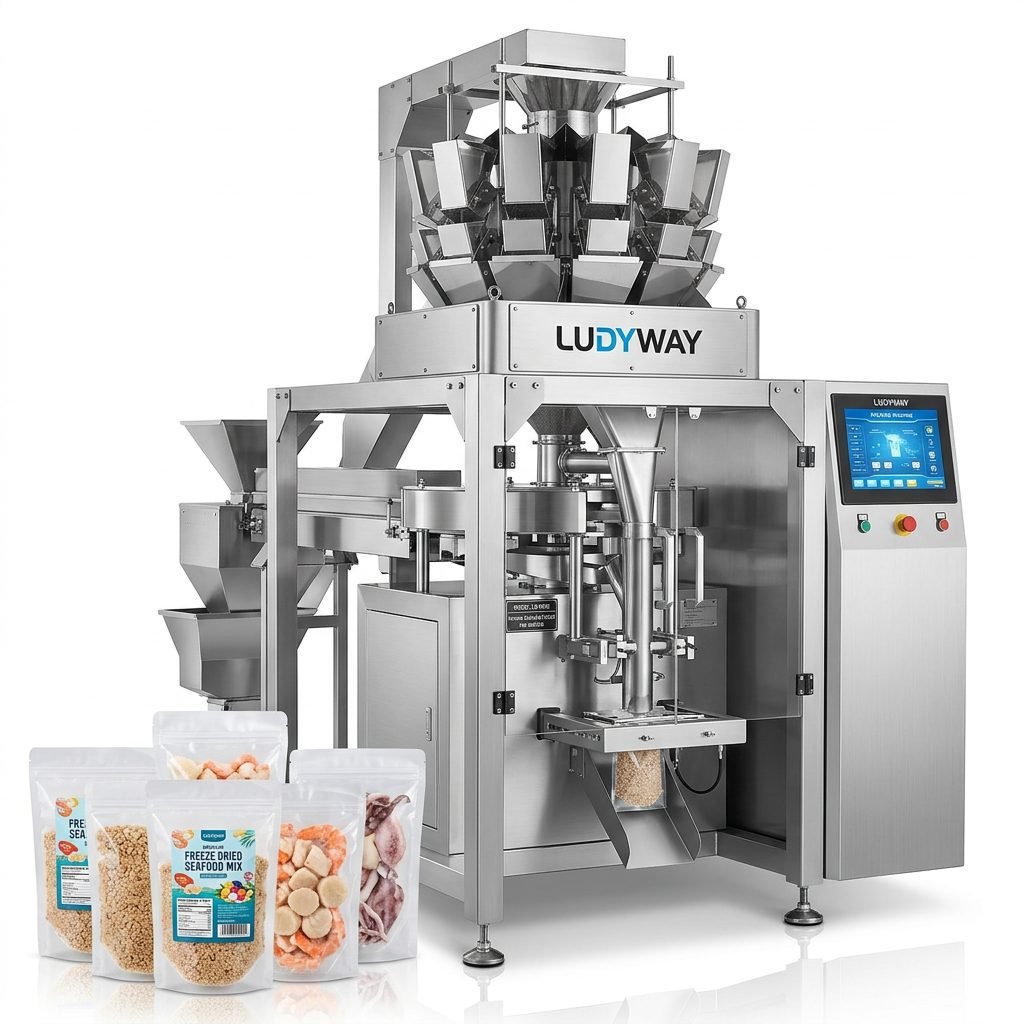
Facility Layout Considerations
- Linear flow design: Minimize cross-contamination by designing a unidirectional material flow
- Climate control: Maintain temperature and humidity levels suitable for sensitive products
- Utility capacity: Ensure stable three-phase power supply and compressed air systems
- Waste management: Plan for proper disposal of packaging waste and organic byproducts
- Loading docks: Accommodate container trucks for both inbound raw materials and outbound finished goods
Step 3: Navigate Legal, Regulatory, and Import Procedures
Operating a packaging production facility in Africa requires compliance with national standards and local municipal regulations. Register your business entity, obtain manufacturing permits, and secure product certifications such as those from the national bureau of standards. If you export to the EU or North America, you must also comply with international standards like ISO 22000 for food safety management and ISO 11607 for sterile medical device packaging. Work with local legal experts to navigate import duties on packaging machinery, which can vary significantly between countries.
Step 4: Source High-Performance Vacuum Packaging Equipment
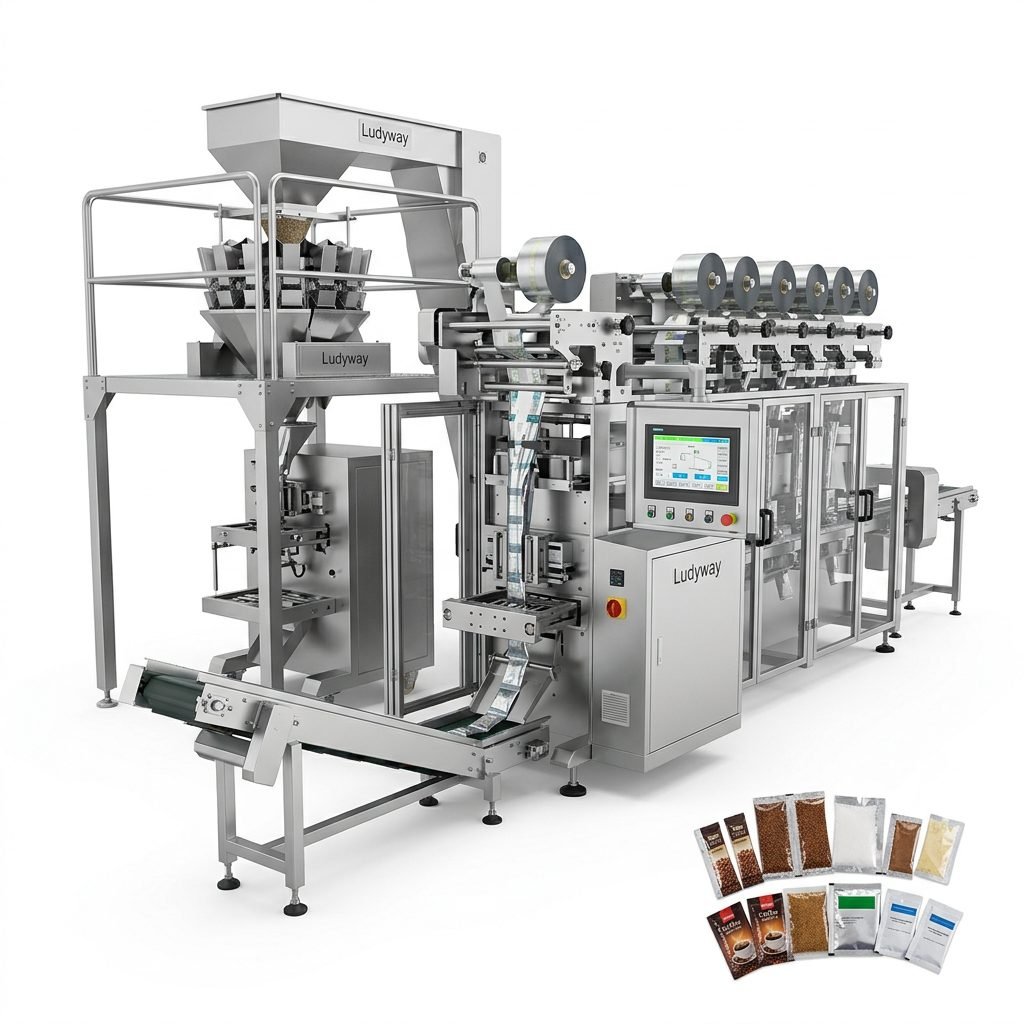
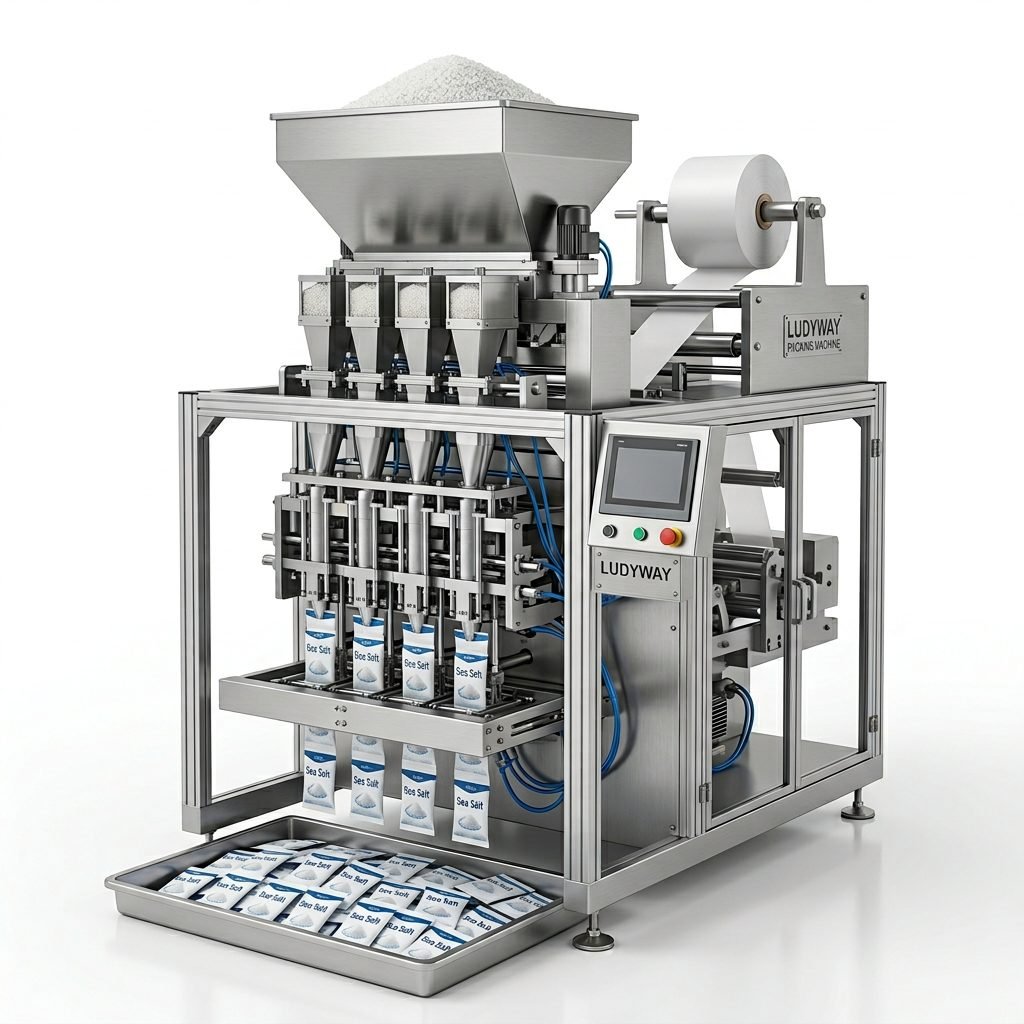
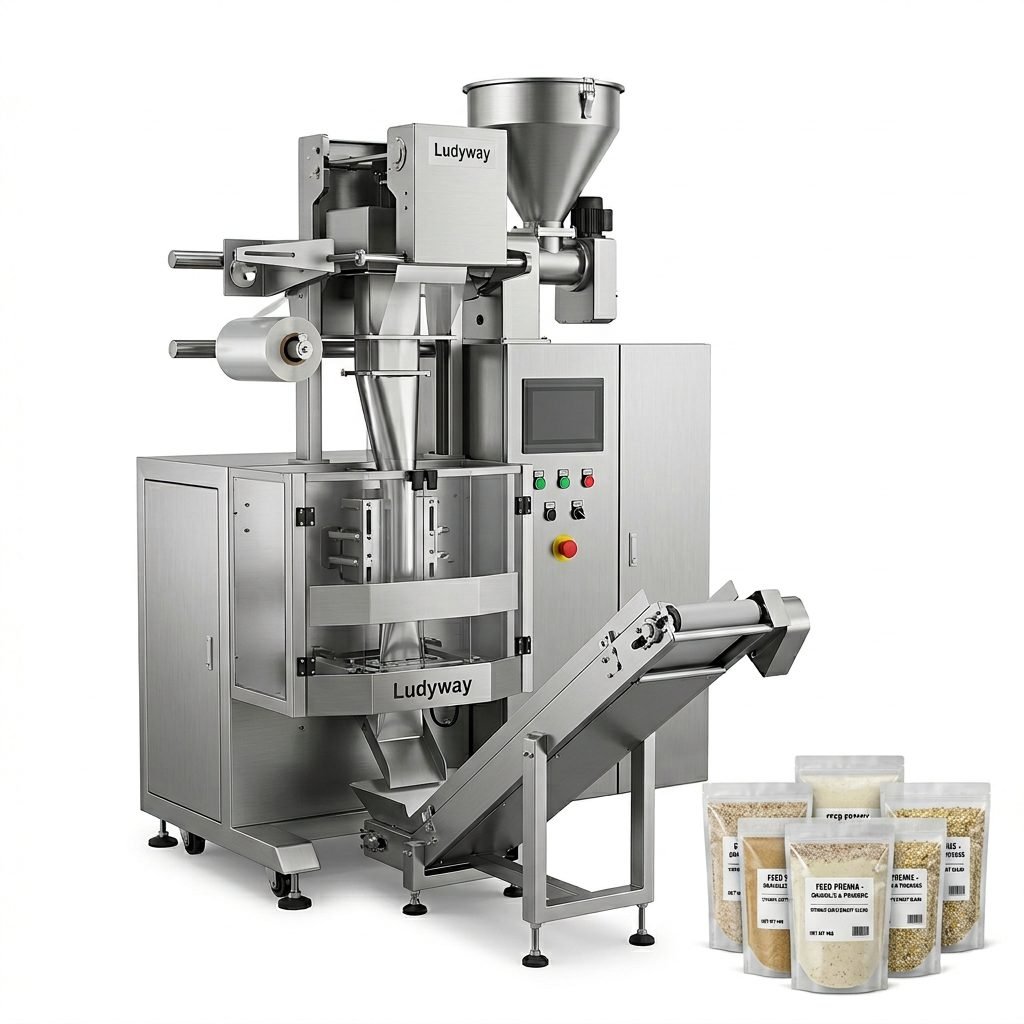
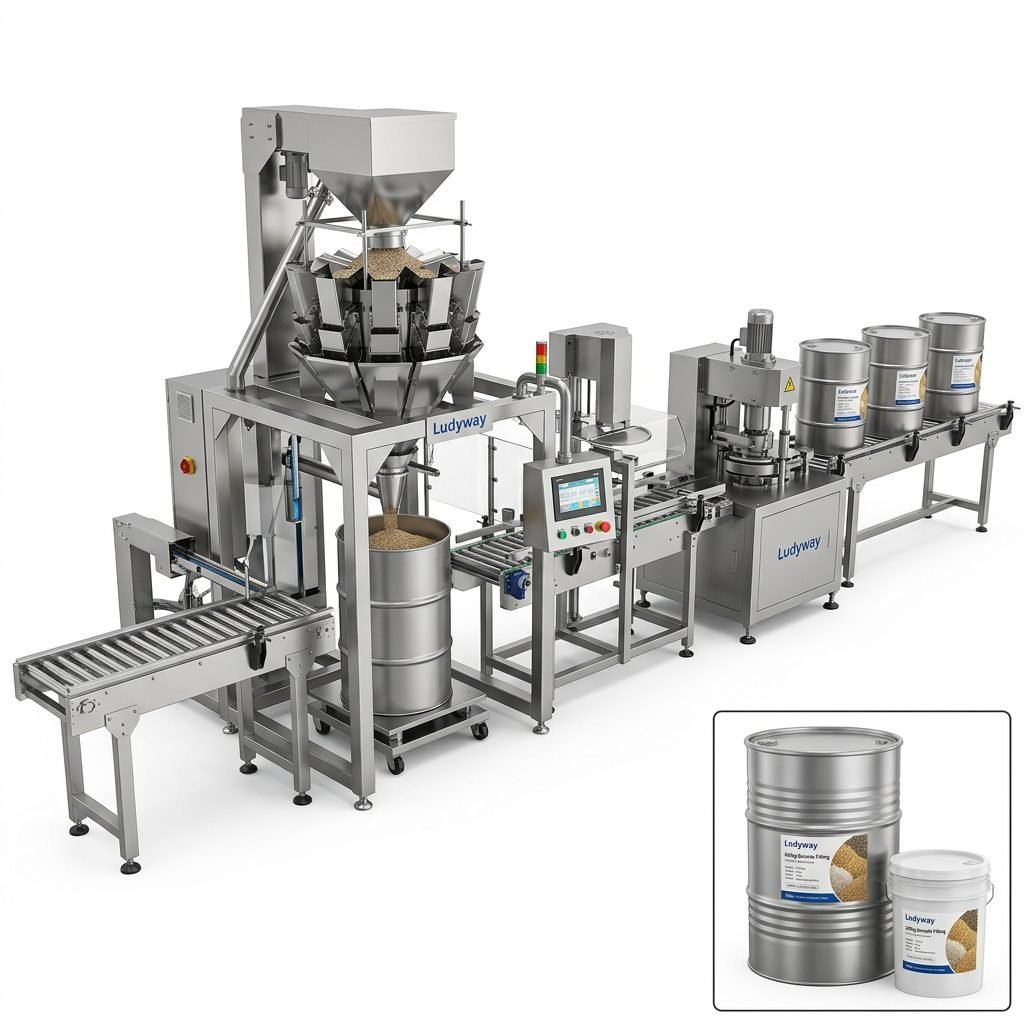
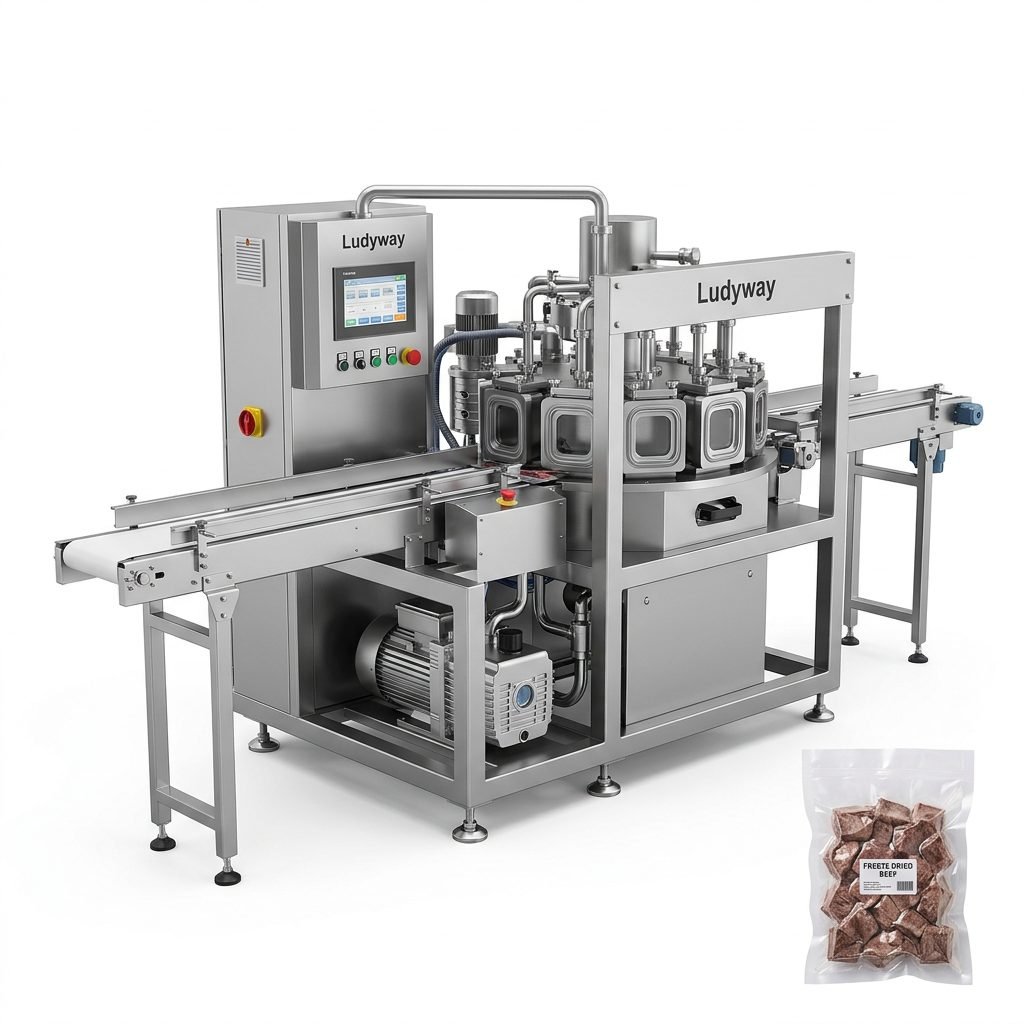
Choosing the right vacuum packaging machine is the cornerstone of your production line. Evaluate equipment based on throughput requirements, packaging formats (pouch, bag, tray), automation level, and after-sales support. Advanced systems should include features like gas flushing (MAP), precise sealing controls, and compatibility with multiple film types. Given the distance and logistical complexities in Africa, prioritize manufacturers that offer remote diagnostics, readily available spare parts, and comprehensive operator training programs.

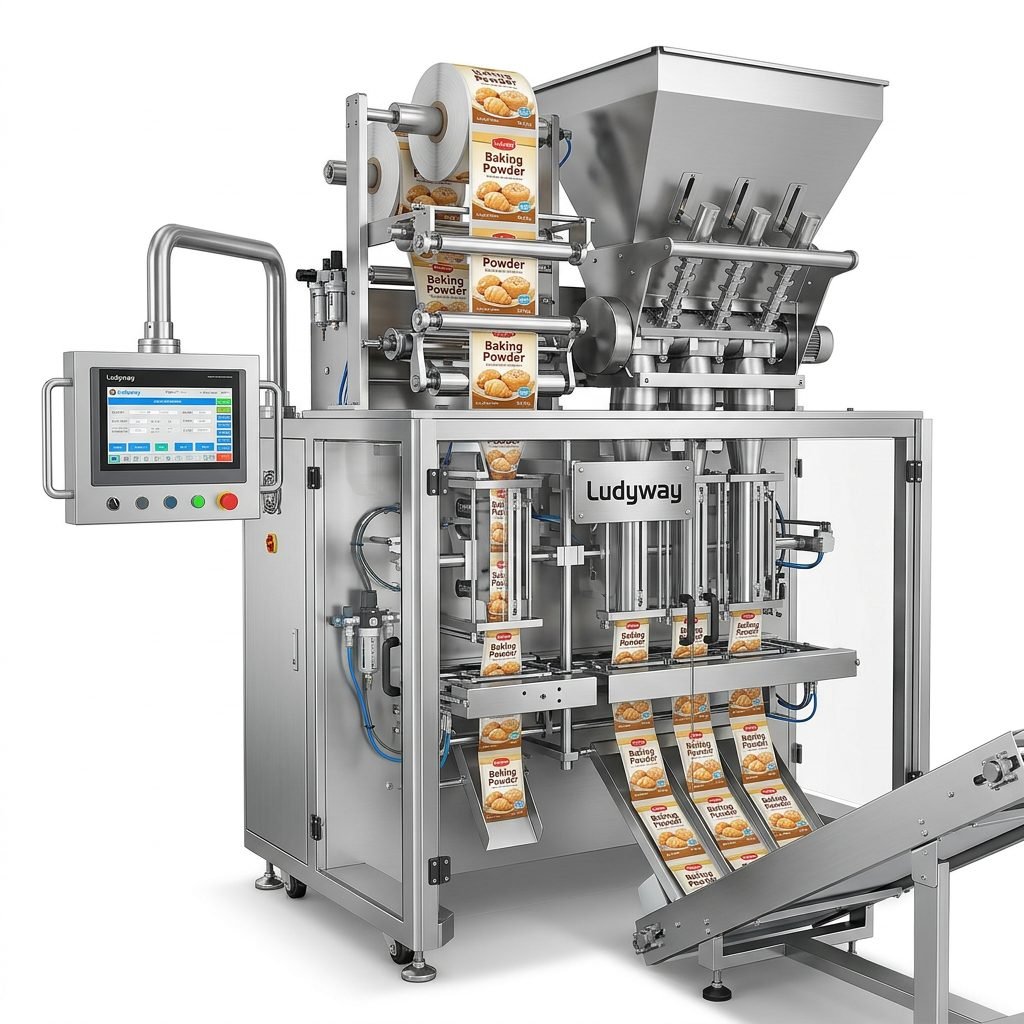
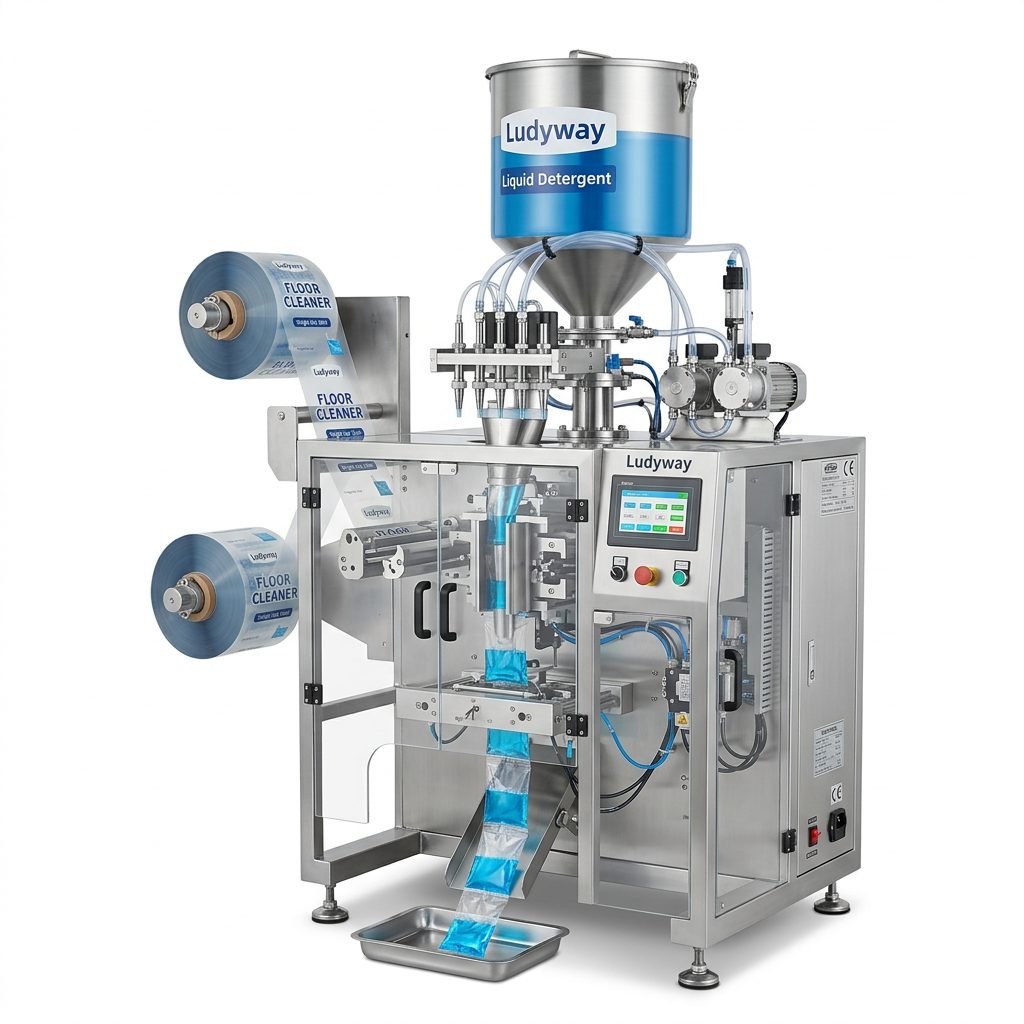
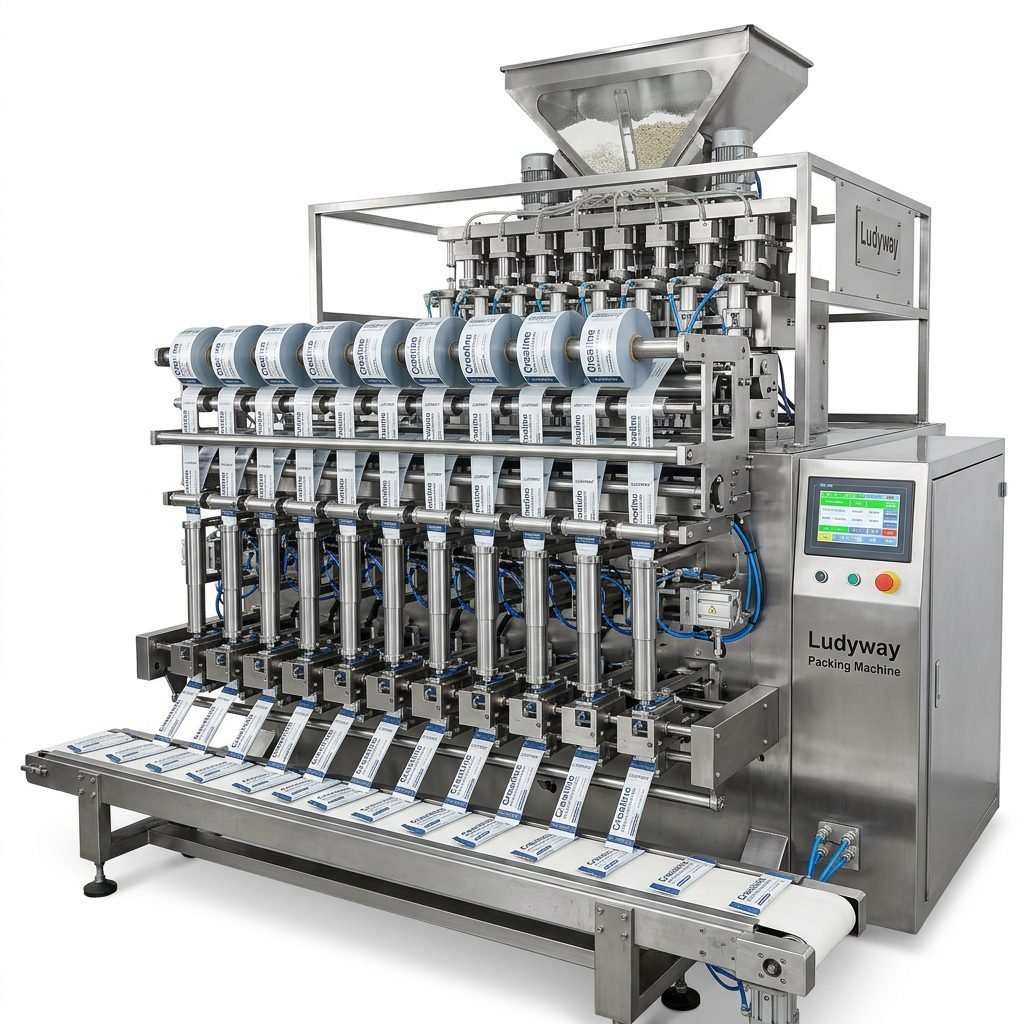
Ludyway, one of the largest packaging machine manufacturers in China, provides advanced vacuum packaging solutions and turnkey production line systems specifically engineered for demanding environments. With over 50 intelligent packaging machine models, a 20,000㎡ modern manufacturing facility, and customers in over 100 countries—including multiple African nations—Ludyway offers reliable, high-performance equipment backed by 30 years of industry expertise. The company is expected to achieve export revenue of more than RMB 500 million (approximately US$69 million) in 2025, reflecting its global trust and capability in delivering complete packaging lines.
Vacuum Packaging Machine Comparison
| Machine Type | Best For | Typical Output | Automation Level |
|---|---|---|---|
| Single-Chamber Vacuum Machine | Small-scale meat, cheese, and fish packaging | 10-20 cycles per hour | Semi-automatic |
| Double-Chamber Vacuum Machine | Medium-scale food processing and export packaging | 25-40 cycles per hour | Semi-automatic to fully automatic |
| Rotary Vacuum Packaging System | High-volume industrial production, continuous operation | 60-120 packs per minute | Fully automatic |
| Thermoforming Vacuum Packaging Line | Ready meals, medical devices, and modified atmosphere packaging | 8-12 cycles per minute | Fully automatic |
| External Vacuum Sealer with Gas Flush | Coffee, nuts, and dry powder products | 15-30 packs per minute | Semi-automatic to automatic |
Step 5: Install Infrastructure, Utilities, and Auxiliary Systems
Installation of a complete vacuum packaging line goes beyond the main machine. You need reliable compressed air systems, nitrogen generators if MAP is required, conveyor systems for material handling, and coding or labeling machines for traceability. Ensure your electrical supply is stable—voltage fluctuations are common in many African regions and can damage sensitive electronic components. Invest in voltage stabilizers or industrial UPS systems. Additionally, your facility must meet hygiene standards appropriate for food or pharmaceutical grade processing, including stainless steel work surfaces and proper drainage.

Essential Auxiliary Equipment
- Compressed air dryer and filtration system to prevent moisture contamination
- Conveyor and product handling systems customized to your product type and throughput
- Inkjet or laser coding machines for batch numbers, dates, and traceability information
- Checkweighers and metal detectors to ensure quality and compliance
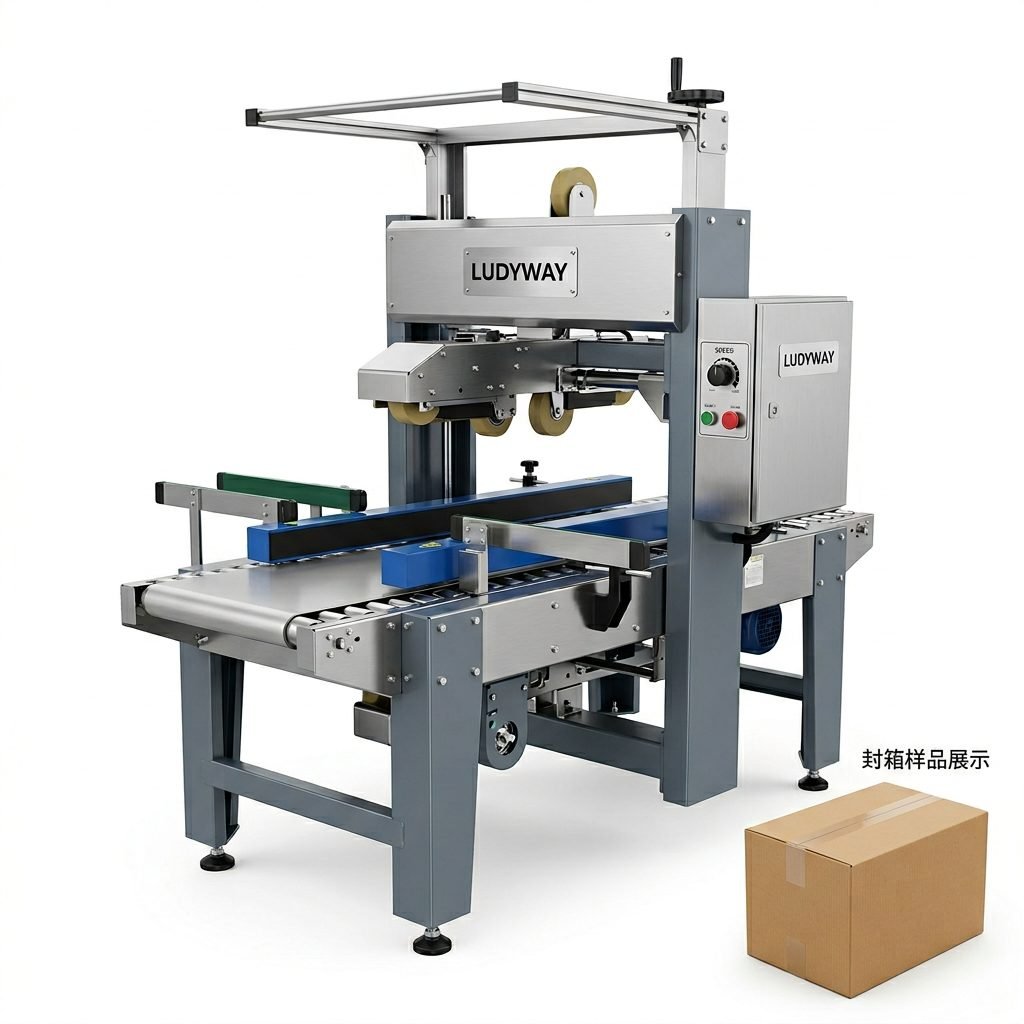
- Shrink wrapping and cartoning equipment for secondary packaging and distribution
Step 6: Recruit, Train, and Build a Skilled Workforce
A state-of-the-art vacuum packaging production line is only as effective as the team operating it. Recruit machine operators with technical backgrounds, quality control inspectors, maintenance technicians, and production supervisors. Partner with local technical institutes to create apprenticeship pipelines. Comprehensive training should cover machine operation, troubleshooting, hygiene protocols, safety procedures, and preventive maintenance. Manufacturers like Ludyway typically provide on-site installation support and operator training as part of their turnkey solutions, accelerating your team’s readiness.
Step 7: Implement Rigorous Quality Control and Packaging Standards
Quality control in vacuum packaging encompasses seal integrity testing, leak detection, oxygen residual measurement, and visual inspection. Implement a Hazard Analysis and Critical Control Points (HACCP) plan tailored to your product categories. Document every batch with traceable records, including packaging material lots, machine settings, and operator checks. For export-oriented production lines, align your quality management system with ISO packaging standards and the specific requirements of your destination markets, such as FDA regulations for food contact substances or EU packaging and packaging waste directives.
Step 8: Distribution, Logistics, and After-Sales Service Strategy
Your packaging line must be integrated with an efficient distribution network. For perishable vacuum-packed goods, cold chain logistics are essential. Establish partnerships with reliable cold storage and refrigerated transport providers. Leverage technology like real-time GPS tracking and temperature monitoring to ensure product integrity throughout the supply chain. Consider setting up regional distribution hubs in key markets within Africa. Finally, plan for after-sales service not just for your own customers but also for your machinery. Secure long-term service contracts for your packaging equipment and maintain a critical spare parts inventory to minimize downtime in your production line.
Common Challenges and How to Overcome Them
Setting up a vacuum packaging machine production line in Africa presents unique challenges. Power instability can be mitigated with backup generators and voltage regulators. Supply chain delays for packaging films and spare parts can be addressed by establishing relationships with multiple suppliers and maintaining safety stock. High import duties on machinery may be reduced through special economic zone (SEZ) incentives available in several African countries. Additionally, cultural and language barriers in workforce training are overcome through hands-on, visual training methods and hiring bilingual supervisors.
Key Resources for Packaging Industry Standards
- PMMI – The Association for Packaging and Processing Technologies – Industry reports and standards
- Flexible Packaging Association – Resources and regulatory guidance
- FDA – Food Packaging and Food Contact Substances – Compliance for export to the US
- European Commission – Packaging and Packaging Waste Regulation – EU market requirements
- ISO 11607 – Packaging for Terminally Sterilized Medical Devices – Medical packaging standards
Financial Planning and Incentives for African Manufacturing
Budget for your vacuum packaging production line must include machinery cost (typically 40-50% of total investment), facility setup, working capital for raw materials, and a contingency reserve of at least 15%. Explore financing options from the African Development Bank, local industrial development funds, and export credit agencies. Many African governments offer tax holidays, duty-free importation of manufacturing equipment, and subsidized industrial park leases to attract packaging and food processing investments. Thoroughly research these incentives before finalizing your location and budget.
Conclusion
Establishing a vacuum packaging machine production line in Africa is a complex yet highly rewarding undertaking. By following a structured approach—from market analysis and site selection to equipment sourcing, workforce training, and quality control—you can build a profitable operation that serves both local and export markets. Partnering with experienced equipment manufacturers and staying informed about international packaging standards will position your business for long-term success in Africa’s dynamic packaging industry.
For more information on turnkey packaging solutions and vacuum packaging production lines, explore detailed equipment specifications, industry case studies, and technical resources available through leading packaging machinery providers and global industry associations.