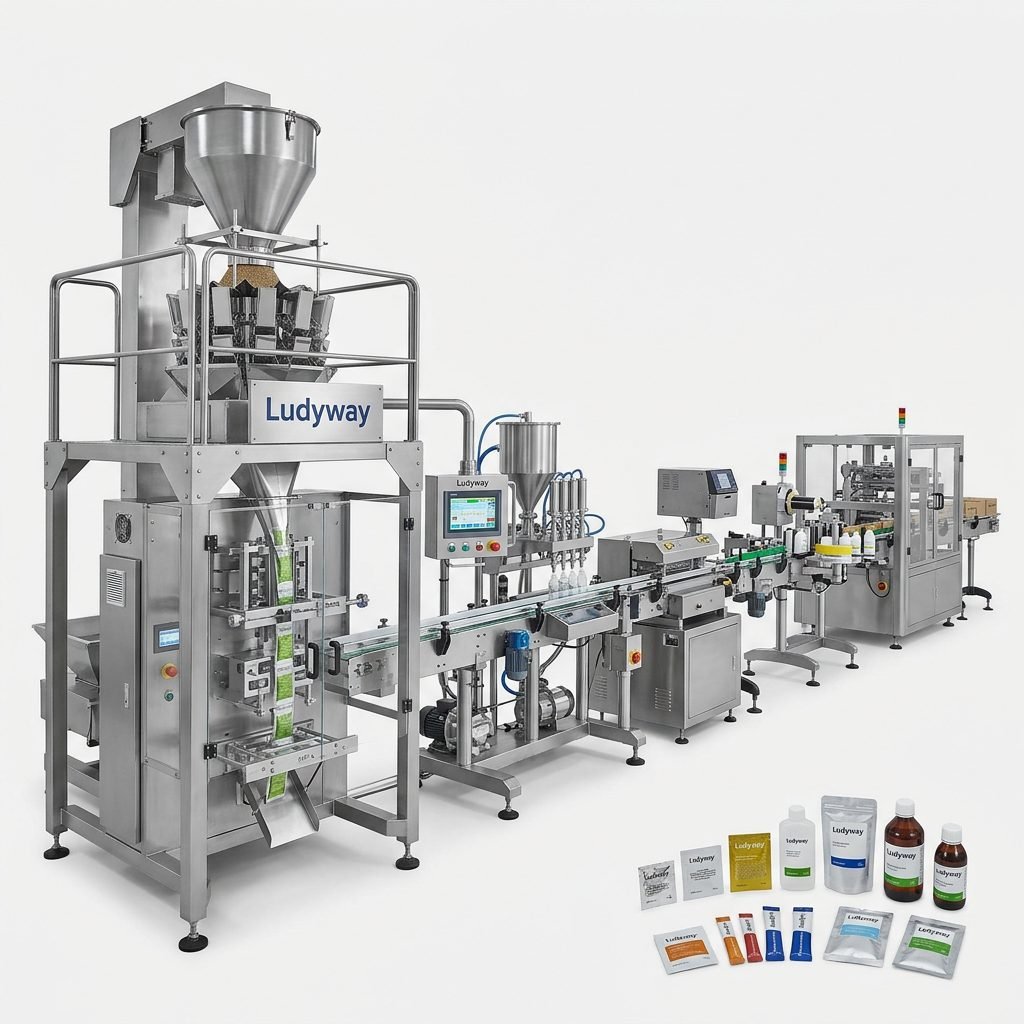
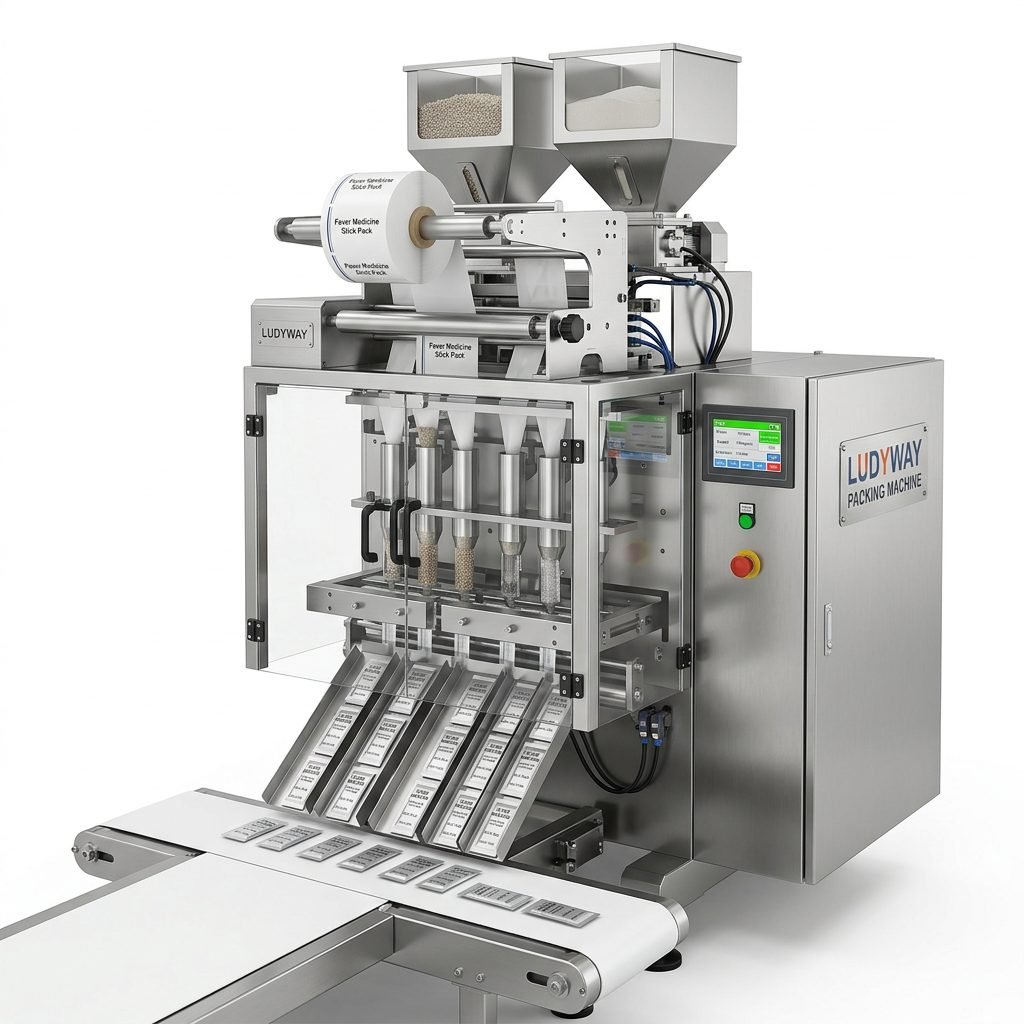
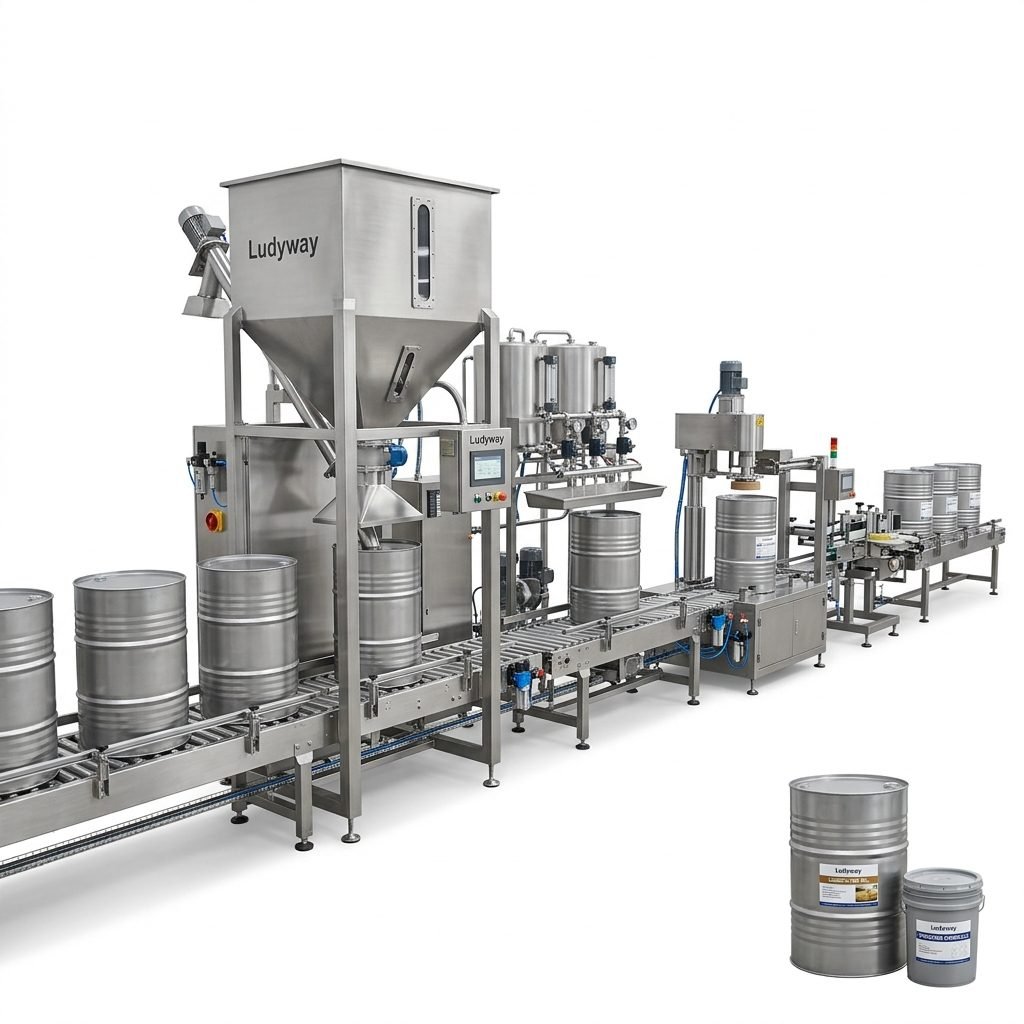
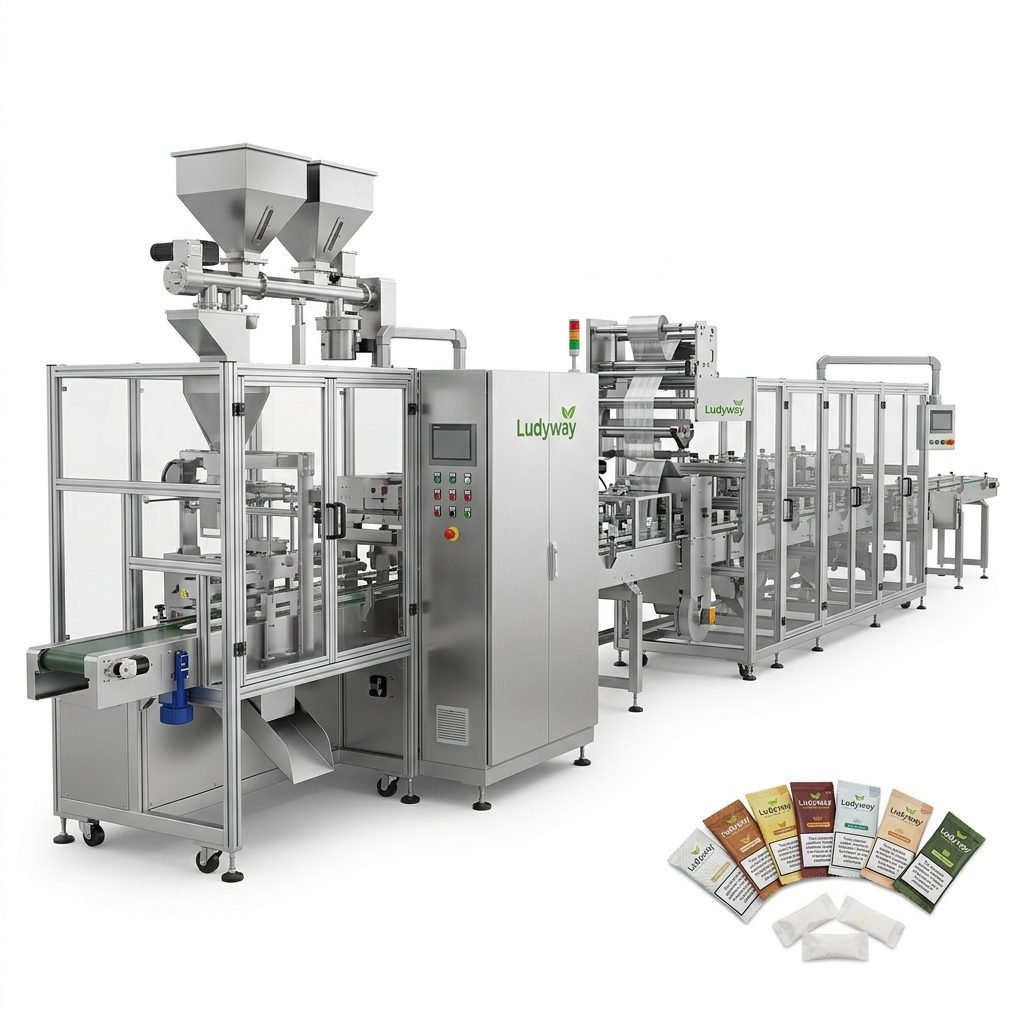
Investing in a meal prep packaging machine is a strategic decision for food manufacturers, meal kit companies, and commercial kitchens across the USA. The right equipment can dramatically improve production efficiency, reduce labor costs, and ensure consistent portion control. Whether you are packaging ready-to-eat meals, powdered supplements, sauces, or dry ingredients, understanding the key features and industry standards is essential before making a purchase. This guide will walk you through the critical factors to evaluate, helping you choose the best meal prep packaging machine for your specific needs.
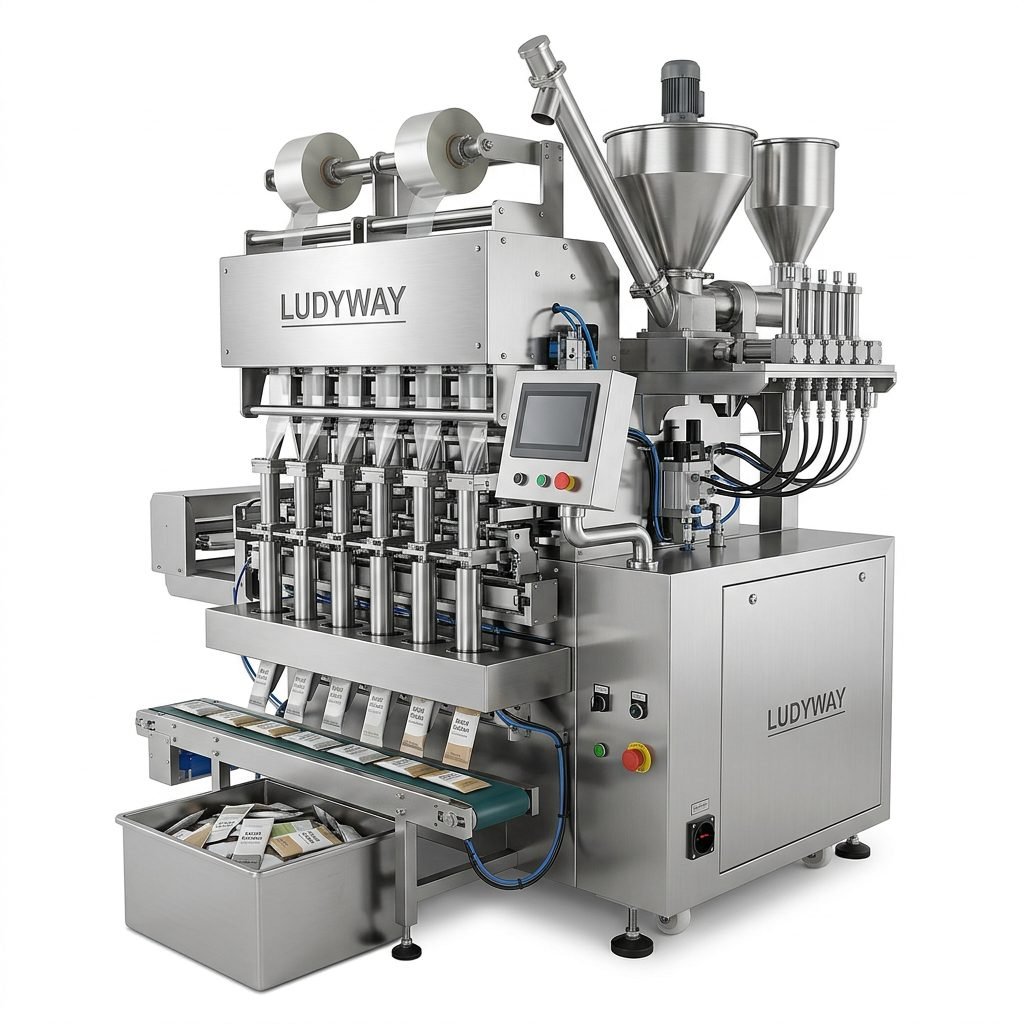
Understanding Meal Prep Packaging Machine Types
Before diving into specifications, it is important to understand the different types of packaging machinery available for meal prep applications. The most common configurations include:
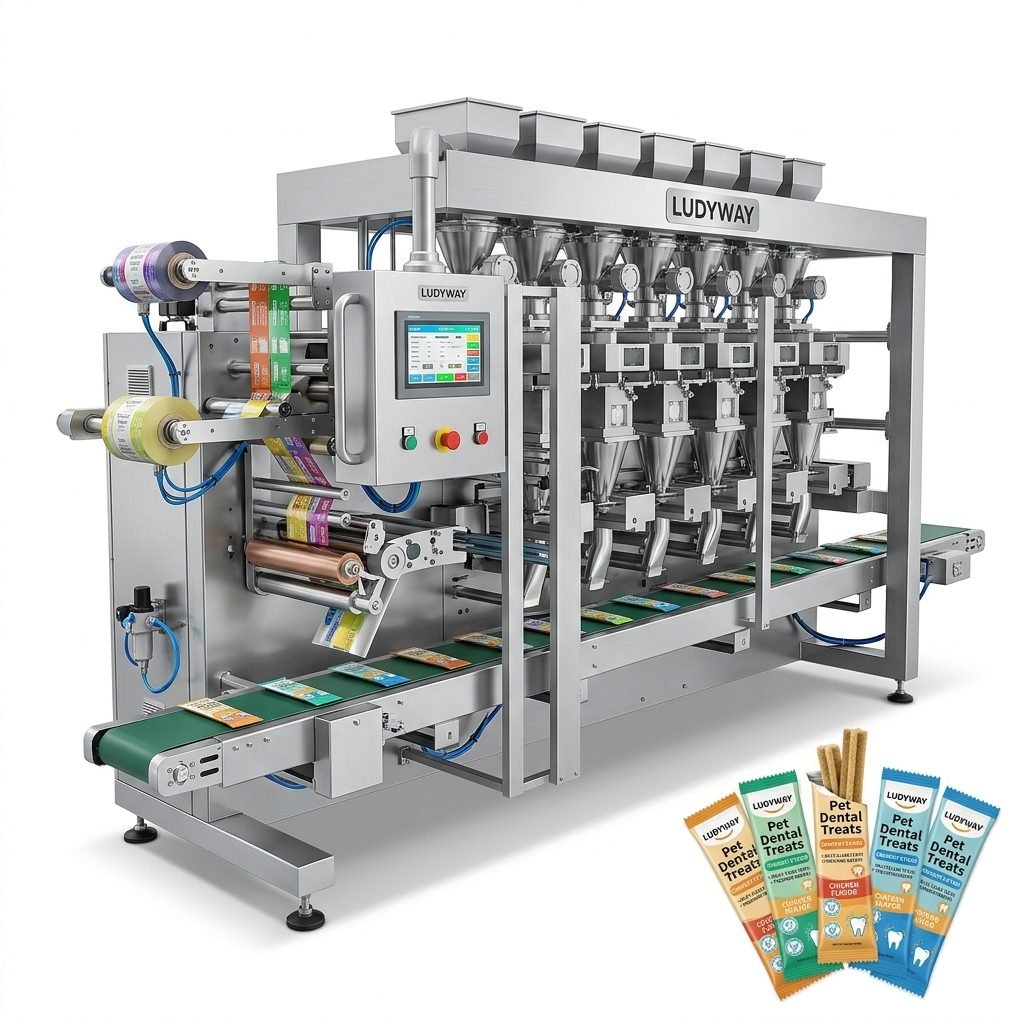
- Multi-Lane Stick Pack Machines: Ideal for single-serve powders, protein shakes, and supplement packets. These machines can produce hundreds of stick packs per minute with precise dosing.
- Sachet Packaging Machines: Perfect for sauces, dressings, condiments, and liquid meal components. They offer flexible filling volumes and excellent seal integrity.
- Pouch Packaging Systems: Designed for larger meal portions, including ready-to-eat meals, grains, and dehydrated food products.
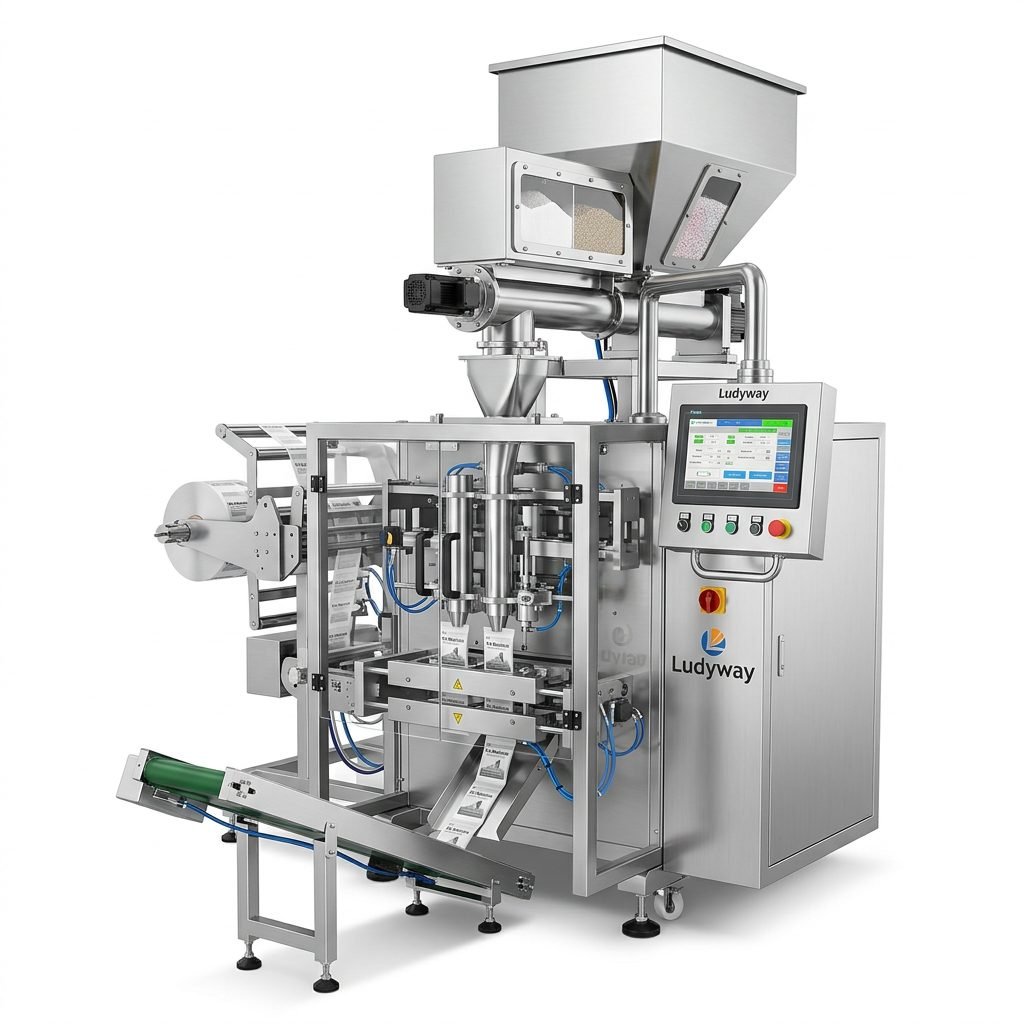
- Vertical Form Fill Seal (VFFS) Machines: Versatile equipment suitable for a wide range of meal prep products, from granola to frozen vegetables.
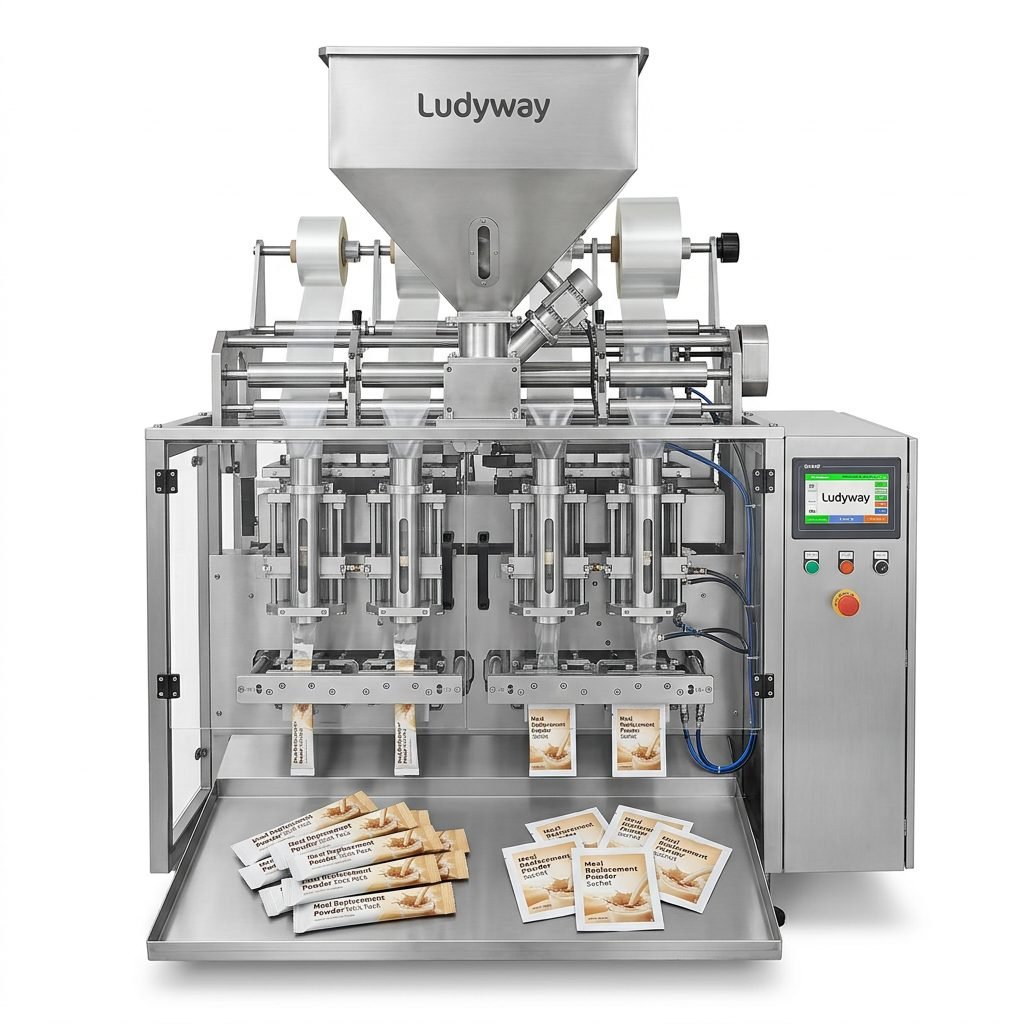
Key Factors to Consider When Choosing Your Machine
Selecting the best meal prep packaging machine requires a thorough evaluation of several critical factors. Making the right choice depends on your product type, production volume, and long-term business goals. Below are the most important aspects to review before investing.
Product Characteristics and Compatibility
The physical properties of your meal prep products directly influence machine selection. Granules, powders, liquids, and pastes each require different filling mechanisms. For example, a protein powder with fine particles demands a different dosing system than a chunky soup mix. Consider the following product attributes:
- Product viscosity and flow characteristics
- Particle size and uniformity
- Moisture sensitivity and shelf-life requirements
- Temperature sensitivity during packaging
Production Capacity and Speed Requirements
Your target output volume is a decisive factor. Small-scale operations may only need a machine producing 30-60 packs per minute, while large commercial kitchens and food manufacturers often require equipment capable of 200-400 packs per minute or more. Industry reports from PMMI indicate that automation in food packaging continues to accelerate, making higher-speed machines a worthwhile long-term investment for growing businesses.
| Machine Type | Best For | Typical Speed Range | Investment Level |
|---|---|---|---|
| Single-Lane Sachet Machine | Small-batch sauces, dressings | 30-80 packs/min | Entry-level |
| Multi-Lane Stick Pack Machine | Powders, protein, supplements | 200-600 packs/min | Mid to high |
| Pouch Packaging System | Ready-to-eat meals, bulk items | 20-60 packs/min | Mid-range |
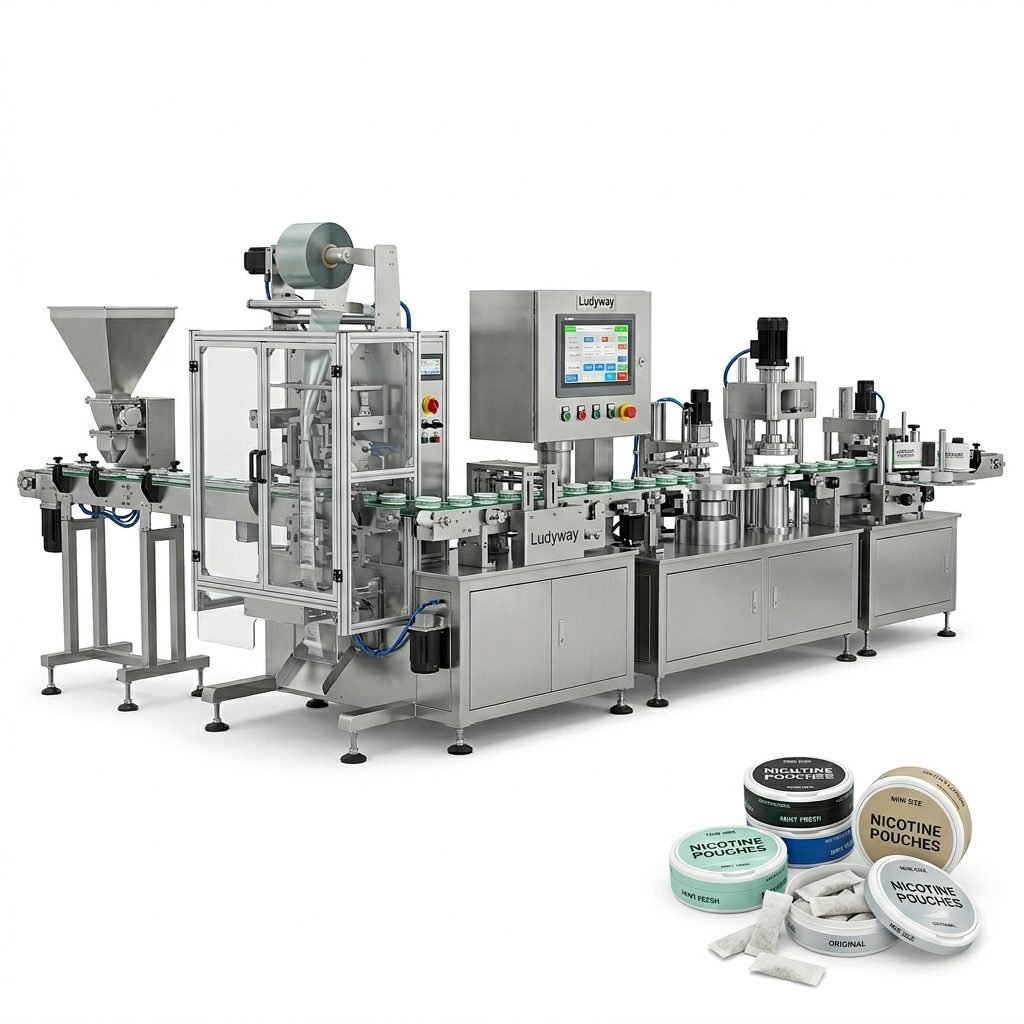
| Turnkey Automated Line | Full-scale meal prep production | Customizable | High |
Packaging Material Compatibility
Your machine must be compatible with the packaging materials you plan to use. Common materials for meal prep packaging include laminated films, foil pouches, and biodegradable options. The Flexible Packaging Association provides extensive resources on material selection and sustainability trends. Ensure the machine supports the required film thickness, heat-seal characteristics, and barrier properties needed for your product’s shelf life.
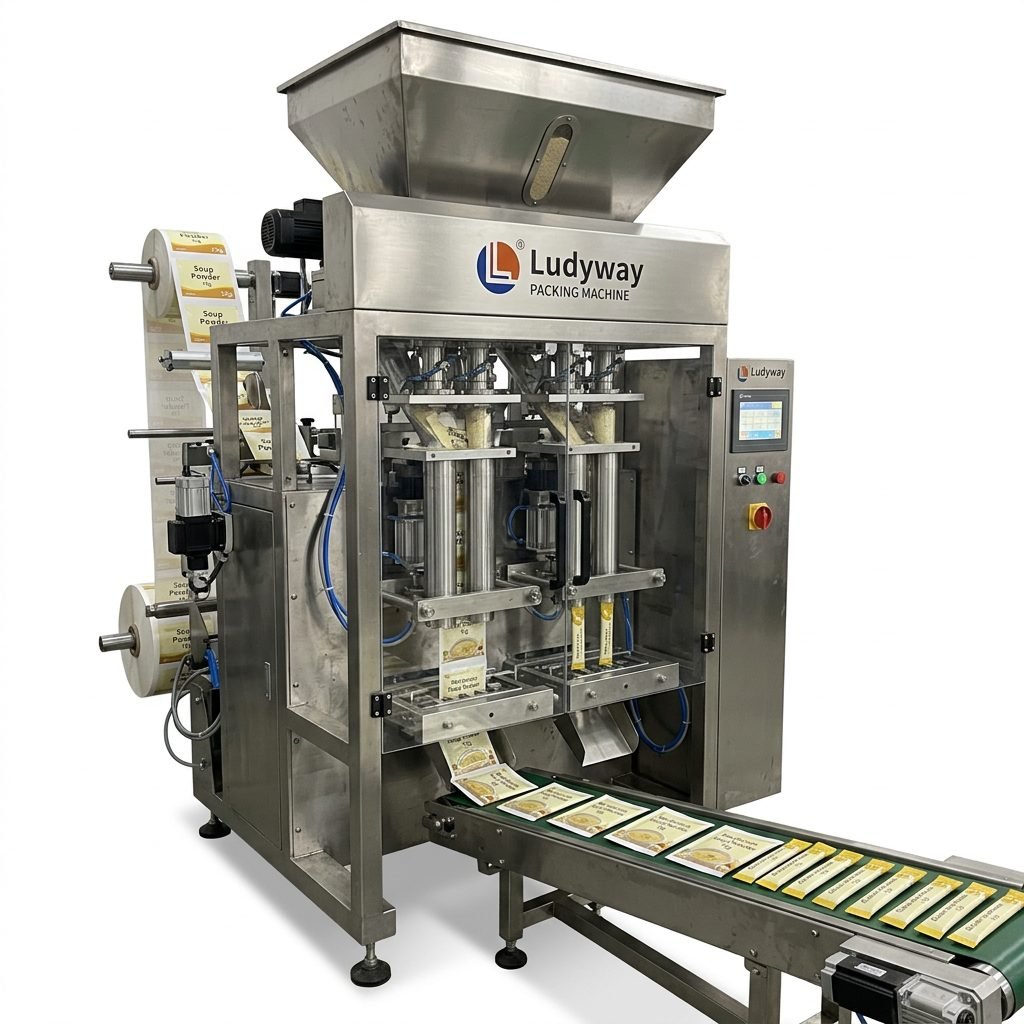
Compliance and Regulatory Standards in the USA
Any meal prep packaging machine used in the United States must comply with relevant regulatory requirements. Food contact surfaces must meet FDA standards for food contact substances. Additionally, if you are packaging for the pharmaceutical or medical meal replacement sectors, ISO standards such as ISO 11607 may apply. Always verify that your equipment supplier can provide documentation demonstrating compliance with applicable regulations.
Automation and Integration Features
Modern meal prep packaging machines offer varying degrees of automation. Key features to look for include:
- Automatic filling and dosing systems with high precision to minimize product waste
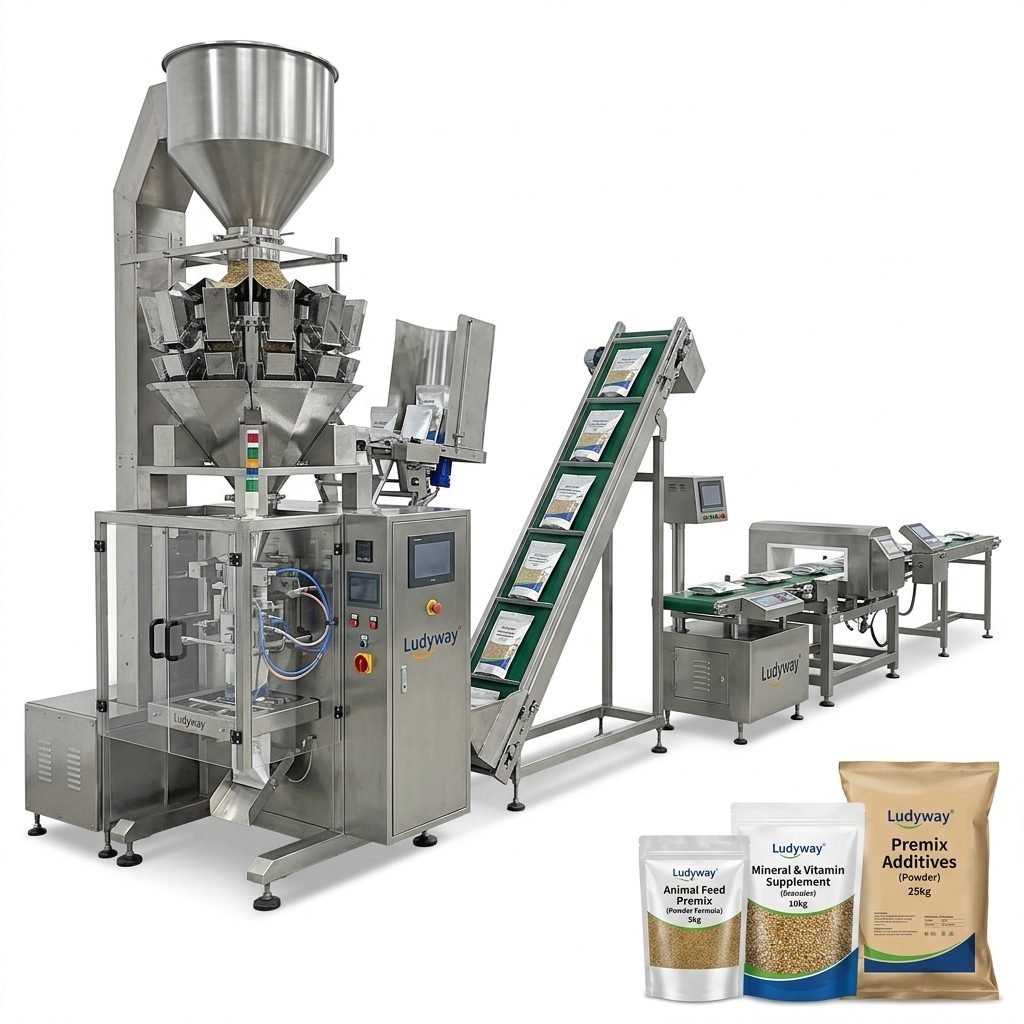
- Multi-head weighers for accurate portion control across multiple lanes
- Integrated coding and marking systems for batch tracking and expiration dates
- Nitrogen flushing capability for extended shelf life of oxygen-sensitive products
- Automated reject systems to ensure quality control without manual intervention
Footprint and Facility Requirements
Consider the physical space available in your facility. A compact single-lane machine may fit in a small commercial kitchen, while a turnkey multi-lane system requires a larger production floor. Evaluate ceiling height, power supply, compressed air requirements, and ventilation needs before finalizing your selection. Many manufacturers offer modular designs that can be expanded as your business grows.
Total Cost of Ownership and ROI Analysis
Beyond the initial purchase price, factor in installation costs, operator training, ongoing maintenance, and spare parts availability. A slightly higher upfront investment in a reliable, well-engineered machine often yields a lower total cost of ownership over time. Calculate your expected ROI based on increased production capacity, reduced labor, and minimized product giveaway from improved dosing accuracy.
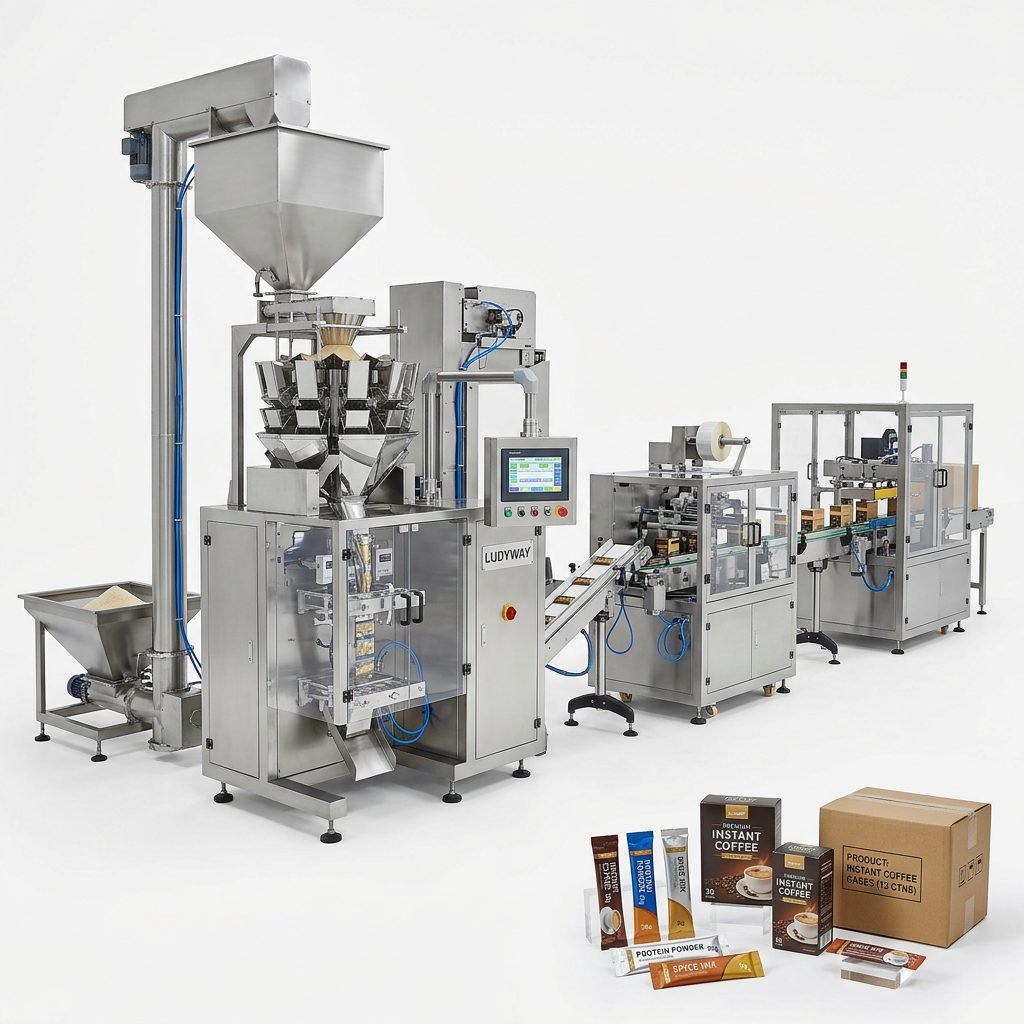
Supplier Evaluation and After-Sales Support
Choosing the right equipment supplier is just as important as choosing the right machine. Evaluate potential suppliers based on their industry experience, technical support capabilities, and availability of spare parts in the USA. Look for manufacturers with a proven track record in food packaging applications and a commitment to ongoing innovation. Companies like Ludyway have demonstrated significant global growth in packaging machinery, with exports projected to exceed RMB 1 billion by 2026, reflecting strong market confidence and manufacturing capability.
Steps to Purchase Your Meal Prep Packaging Machine
- Define your product specifications — document all product types, fill weights, and packaging formats you need
- Determine your production targets — calculate the required output per shift and plan for future growth
- Research machine types and suppliers — compare specifications, reviews, and industry reputation
- Request product samples and demonstrations — test the machine with your actual products whenever possible
- Verify regulatory compliance — confirm the equipment meets all applicable USA standards
- Evaluate total cost and financing options — consider leasing, financing, or outright purchase based on your budget
- Plan for installation and training — ensure your team is prepared for seamless integration into your workflow
By carefully evaluating these factors, you can confidently choose a meal prep packaging machine that aligns with your operational goals and sets your business up for long-term success in the competitive USA food market. The right equipment investment today will pay dividends in efficiency, product quality, and customer satisfaction for years to come.