Investing in the right frozen fruit packaging machine is a critical decision for any food processing business in the USA. The correct system not only preserves the delicate texture and nutritional value of your product but also ensures compliance with stringent FDA and USDA regulations. Whether you are packing individually quick frozen (IQF) blueberries, sliced strawberries, or tropical fruit mixes, the machinery must handle low temperatures, prevent moisture ingress, and maintain high-speed output without damaging the product.
This comprehensive guide breaks down the essential factors to consider, from machinery types and material compatibility to automation levels and compliance standards. For businesses looking to scale efficiently, exploring international manufacturing expertise can be a strategic advantage.
Understanding the Demands of Frozen Fruit Packaging
Packaging frozen fruit is significantly different from handling dry goods or fresh produce. The primary challenge is condensation and temperature fluctuation. If the packaging machine is not designed for cold environments, you risk seal integrity failures. Frozen fruit often features sharp edges (like diced mango or pineapple), which can puncture thin films. Therefore, the machine’s tension control and forming tubes need to be configured for durable, cold-resistant materials.
- Temperature Resistance: Sealing jaws must perform consistently at sub-zero environments.
- Gentle Handling: Weighing and filling systems should minimize product breakage, especially for freeze-dried or brittle frozen fruits.
- Moisture Barrier: The film selection and sealing technology must create a hermetic seal to prevent freezer burn.
Key Machine Configurations for the US Market
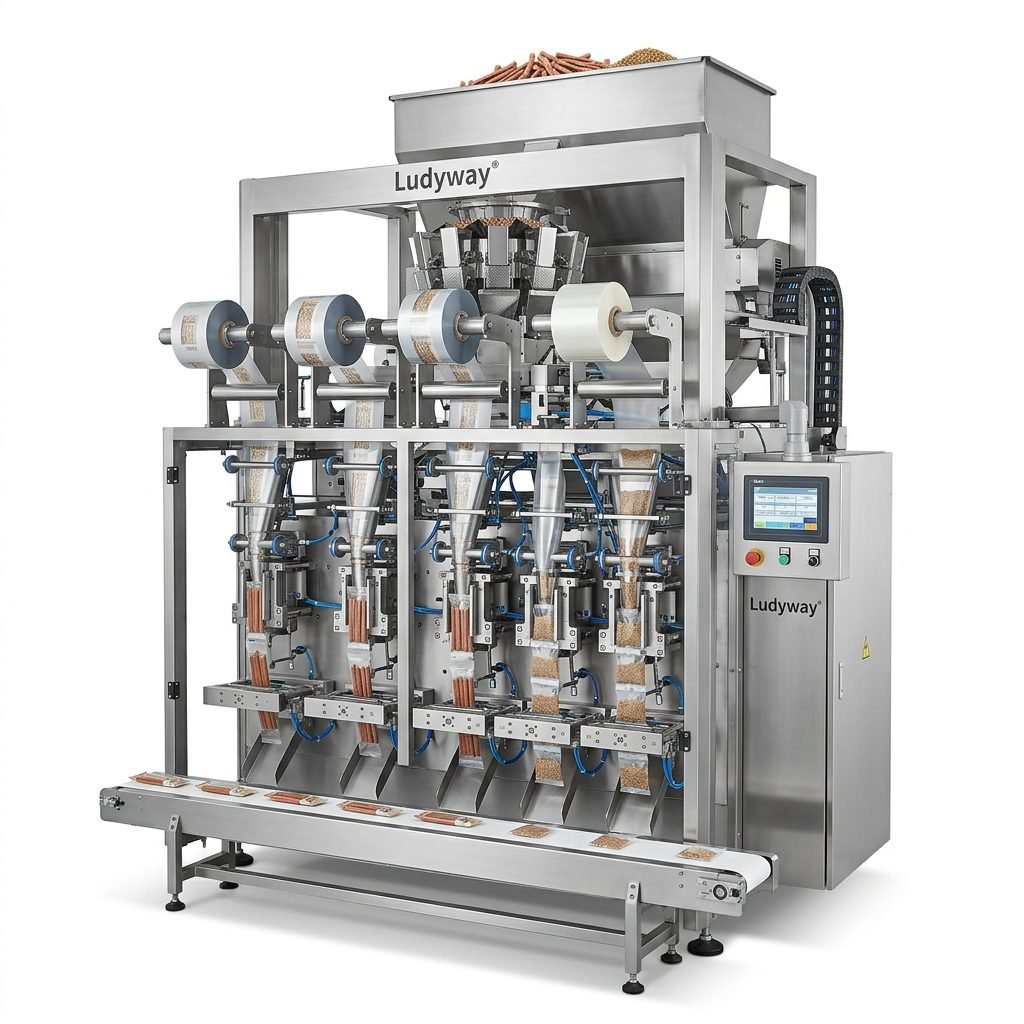
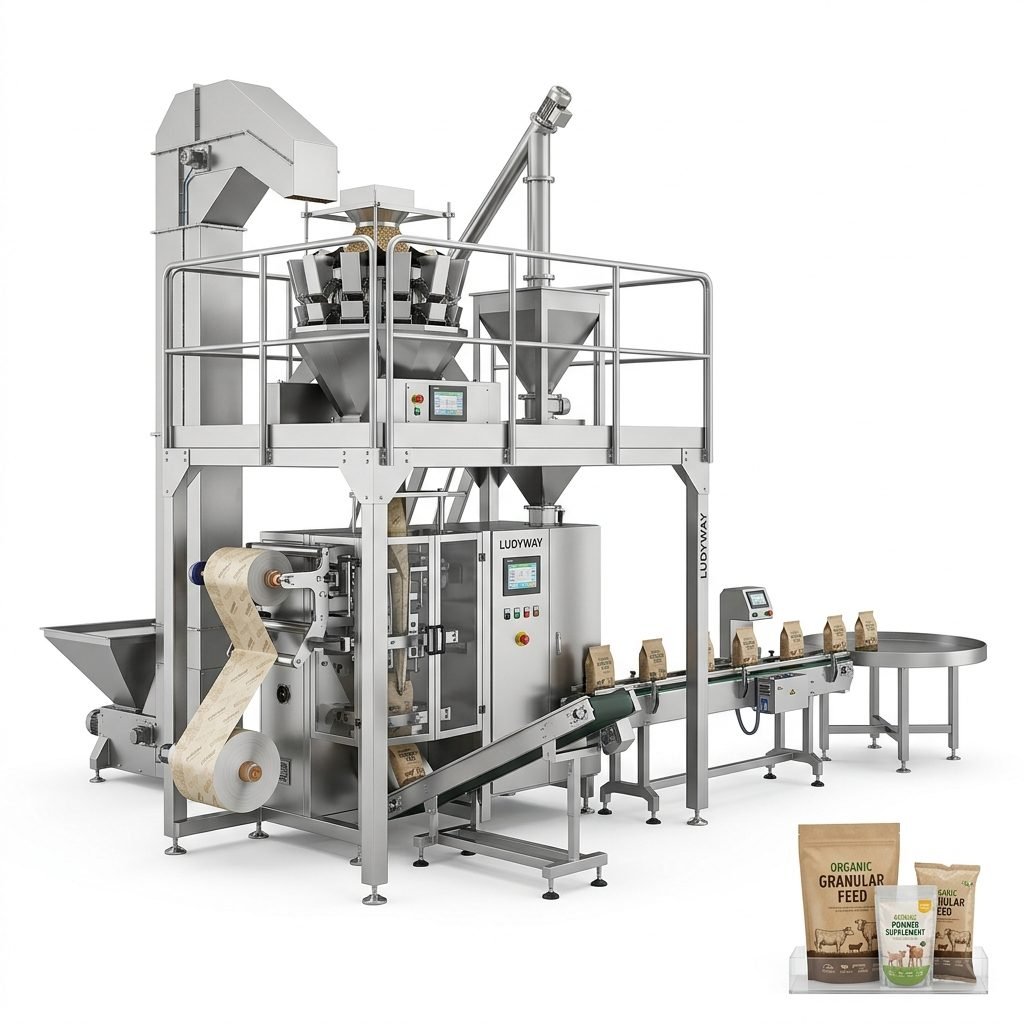
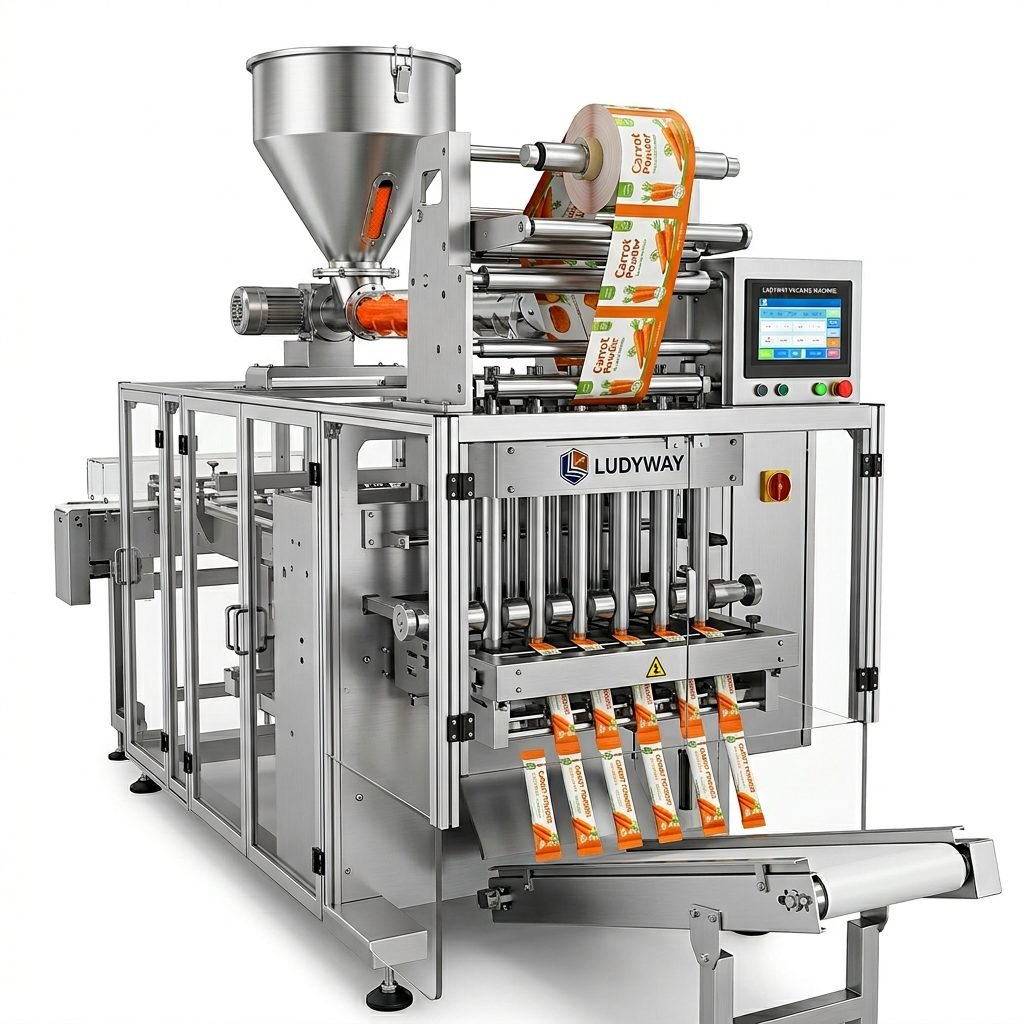
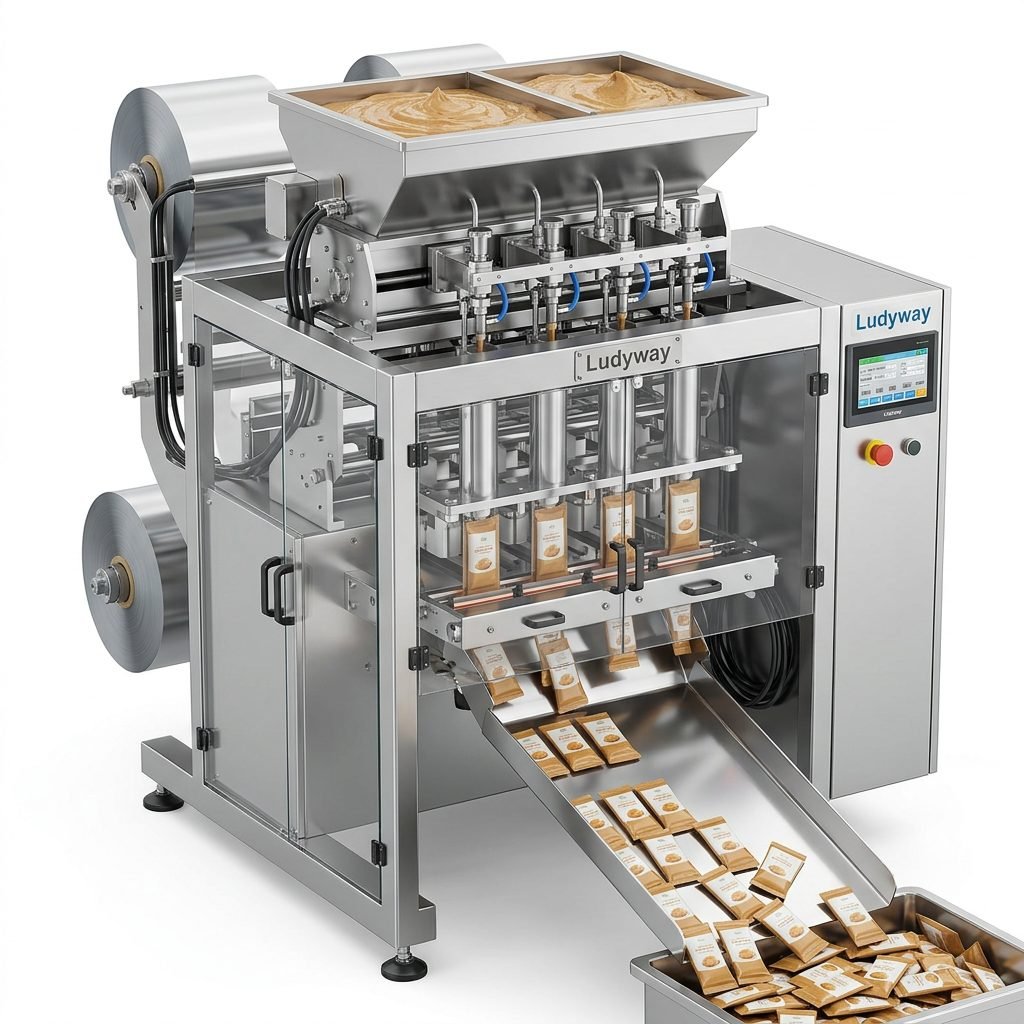
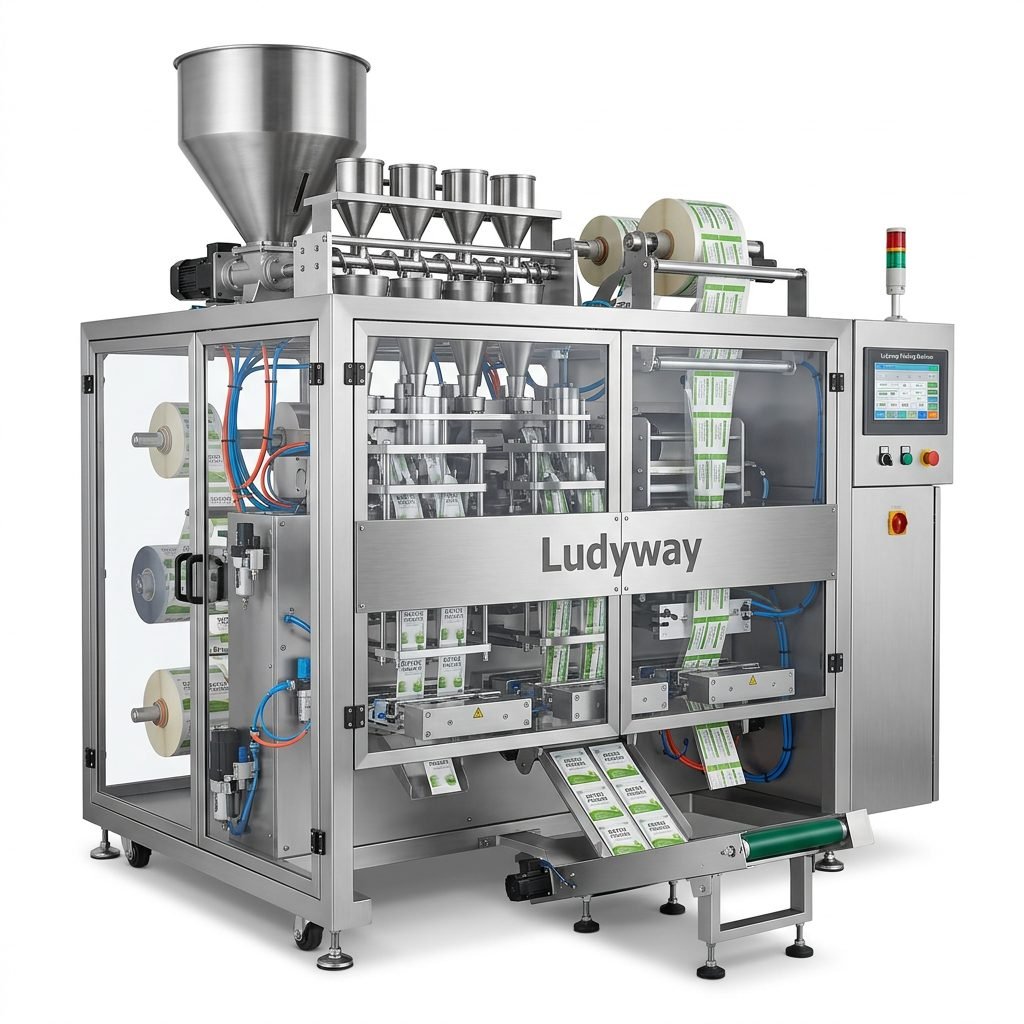
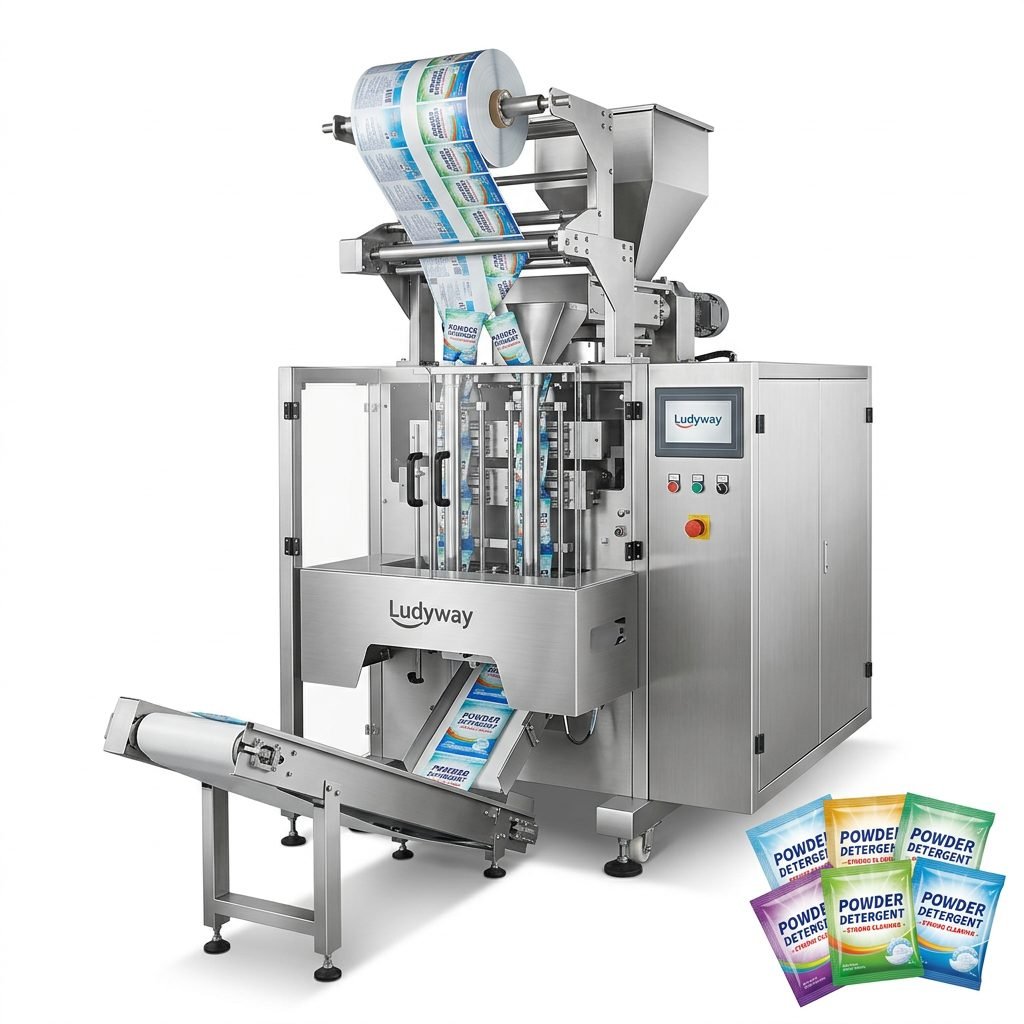
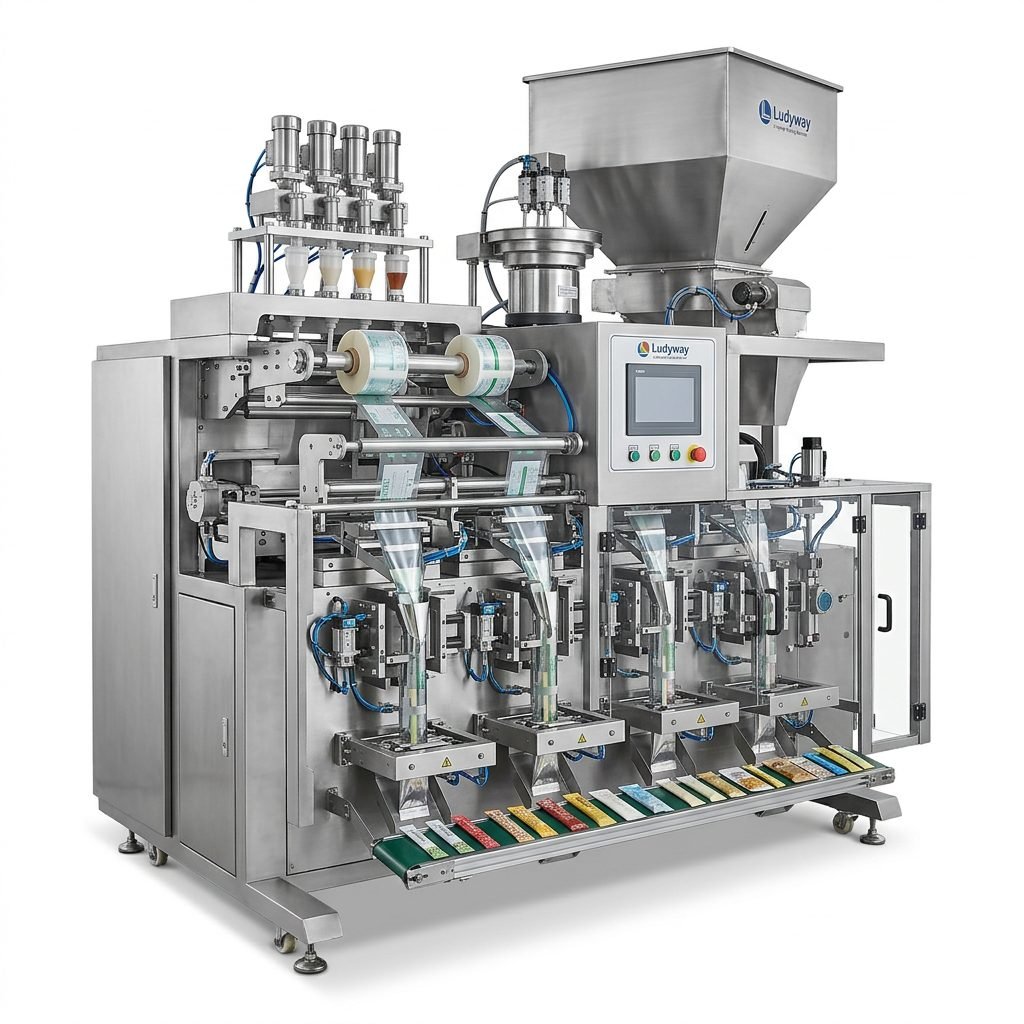
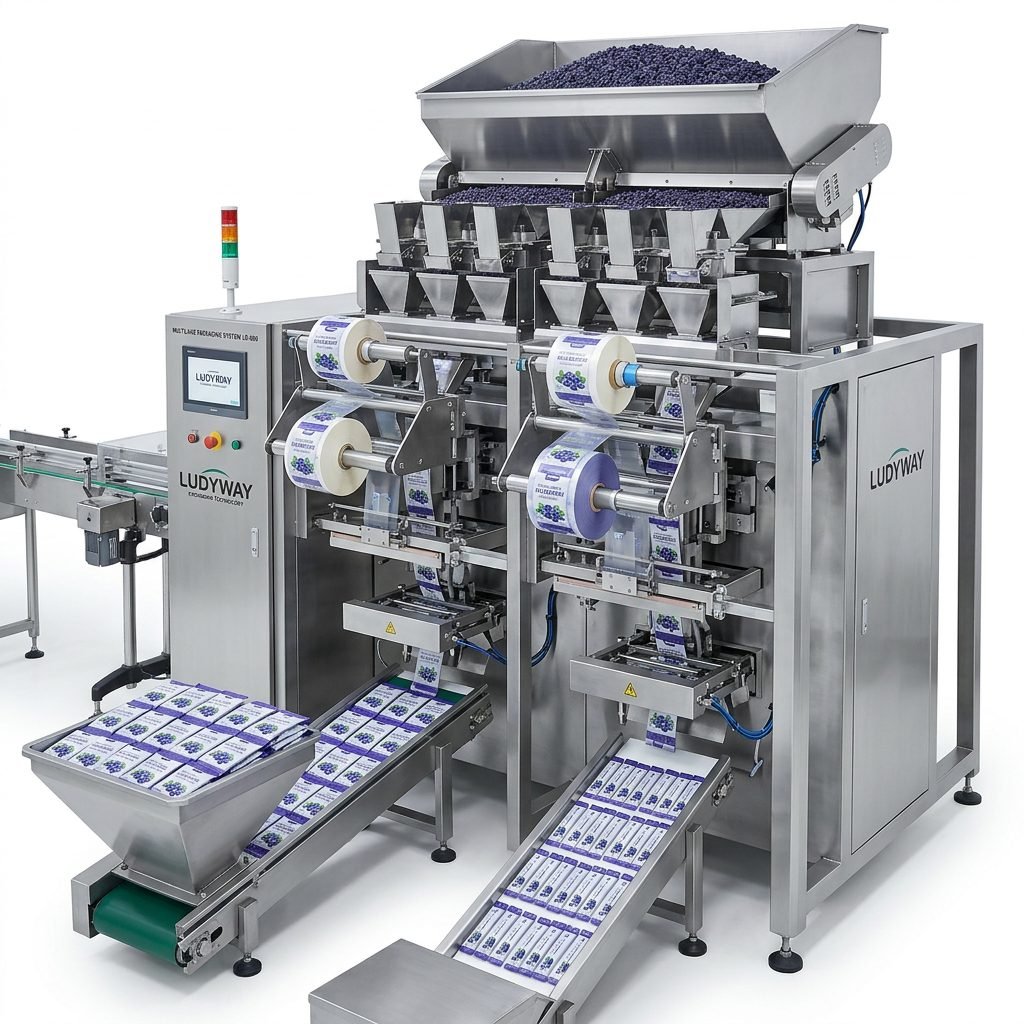
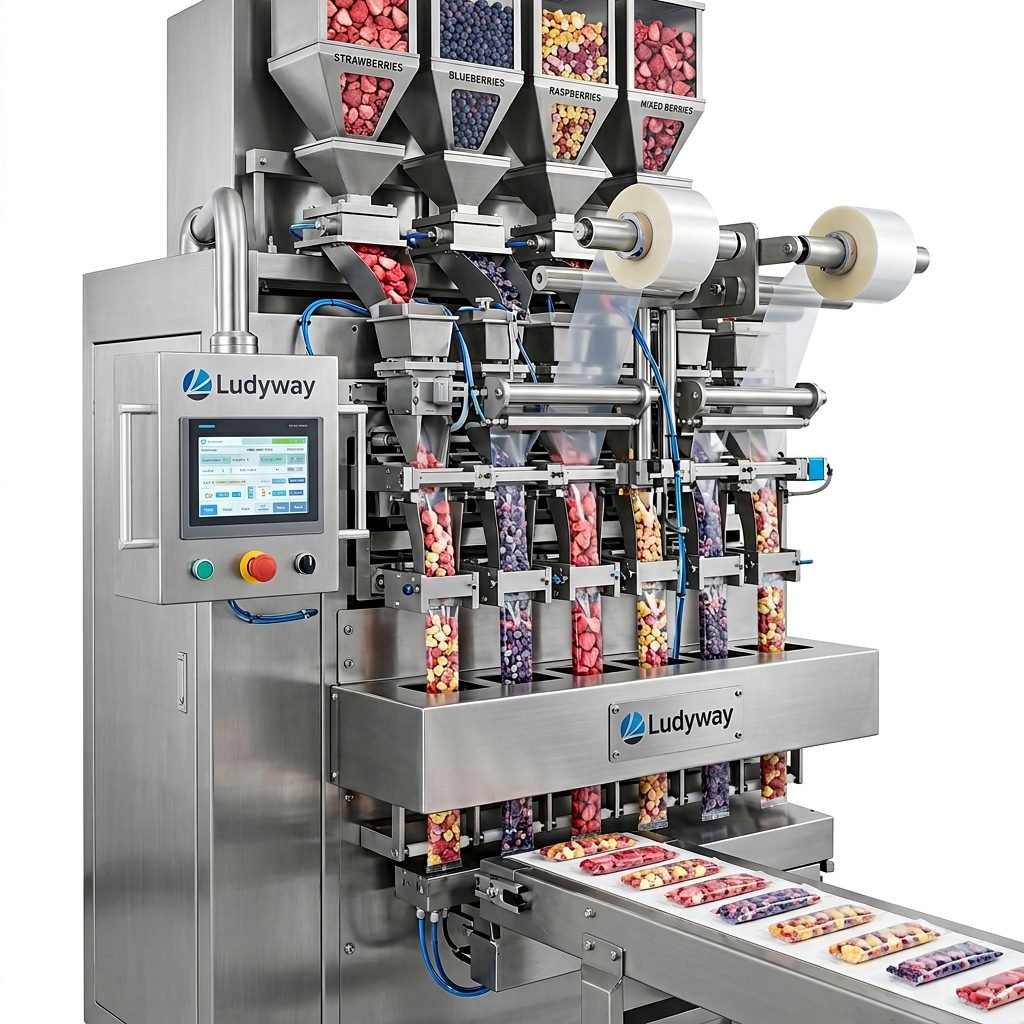
The choice between a Vertical Form Fill Seal (VFFS) machine, a pre-made pouch rotary machine, or a multi-lane stick pack system depends entirely on your target retail channel. If you are supplying bulk frozen fruit to grocery chains, a robust VFFS capable of running gusseted bags is standard. For on-the-go smoothie packs or single-serve frozen snacks, high-speed multi-lane packaging lines are often the best fit.
| Machine Type | Best For | Throughput |
|---|---|---|
| VFFS (Vertical Form Fill Seal) | Bulk bags (1lb – 5lb), pillow bags | 30 – 80 bags/min |
| Rotary Pre-Made Pouch | Stand-up pouches, zipper closures | 40 – 60 pouches/min |
| Multi-Lane Stick Pack | Single-serve, sample packs, on-the-go | Up to 400+ packs/min |
Weighing Accuracy and Material Compatibility
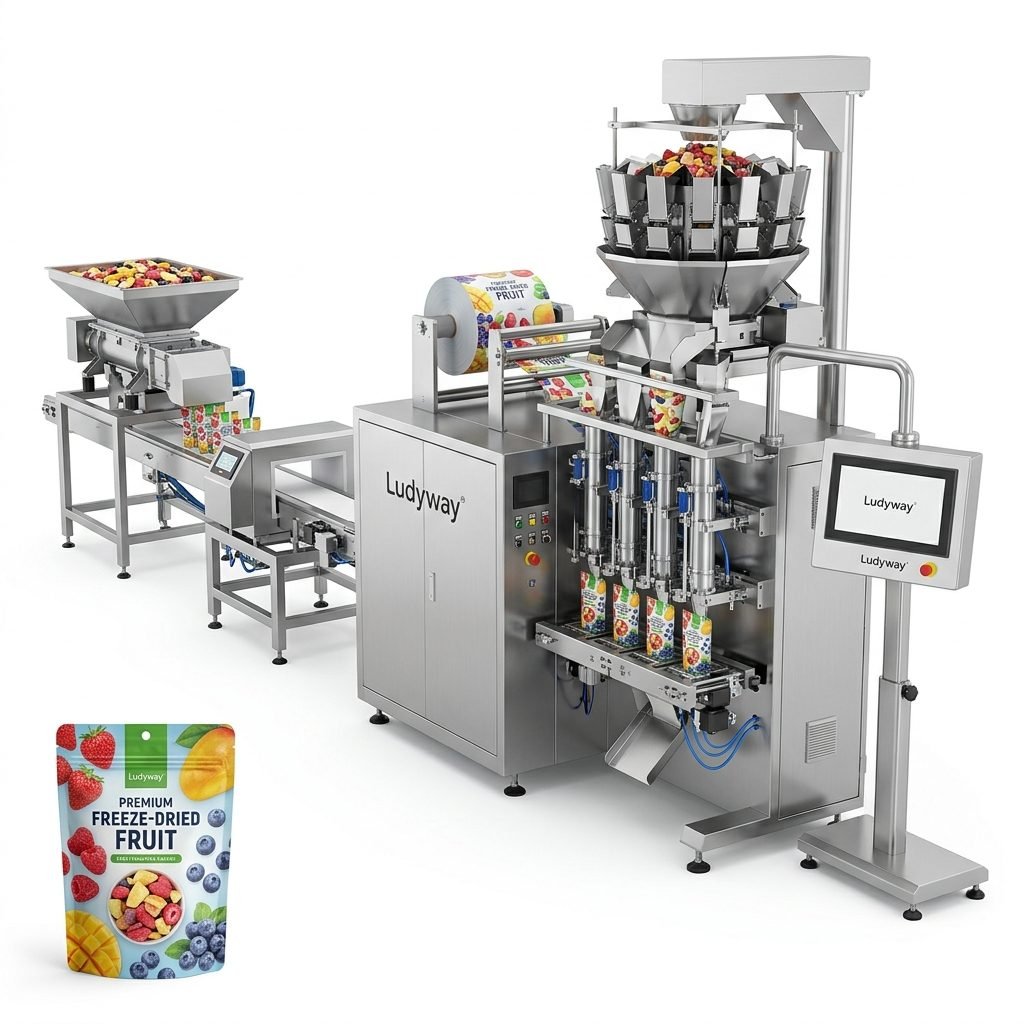
Accurate weighing is not just about profit margins; it is a legal requirement in the USA. Multi-head weighers are the industry standard for IQF frozen fruit because they are fast and minimize product giveaway. When combined with a packaging machine that supports cold-seal or high-barrier films, the result is a shelf-stable product that stands up to the rigors of the frozen supply chain. You should also check if the machine supports modified atmosphere packaging (MAP) or nitrogen flushing to extend shelf life further.
Compliance and Sanitary Design
For US buyers, a frozen fruit packaging machine must comply with FDA 21 CFR Part 110 and often USDA requirements. This mandates sanitary design principles that prevent bacterial harborage and facilitate easy cleaning. Look for these specific features:
- Tool-free disassembly: Contact parts must be removable without tools for quick sanitation shifts.
- IP65 or higher washdown rating: The machine should withstand high-pressure cleaning cycles common in fruit processing plants.
- 304 or 316 stainless steel: All product contact surfaces must be food-grade stainless to resist acidic fruit juices and rigorous cleaning agents.
- Sloped surfaces: Flat horizontal surfaces collect moisture and debris; the frame should be angled to promote drainage.
Automation and Integration Capabilities
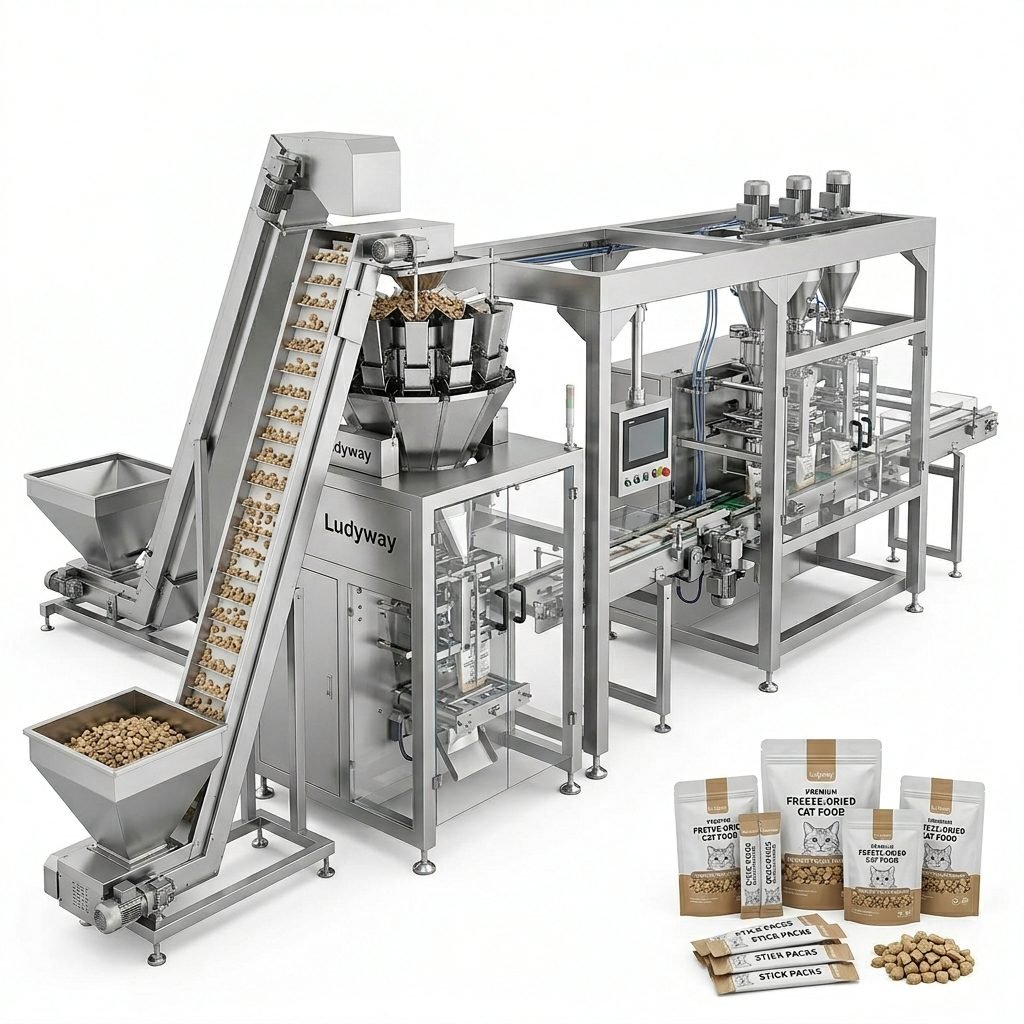
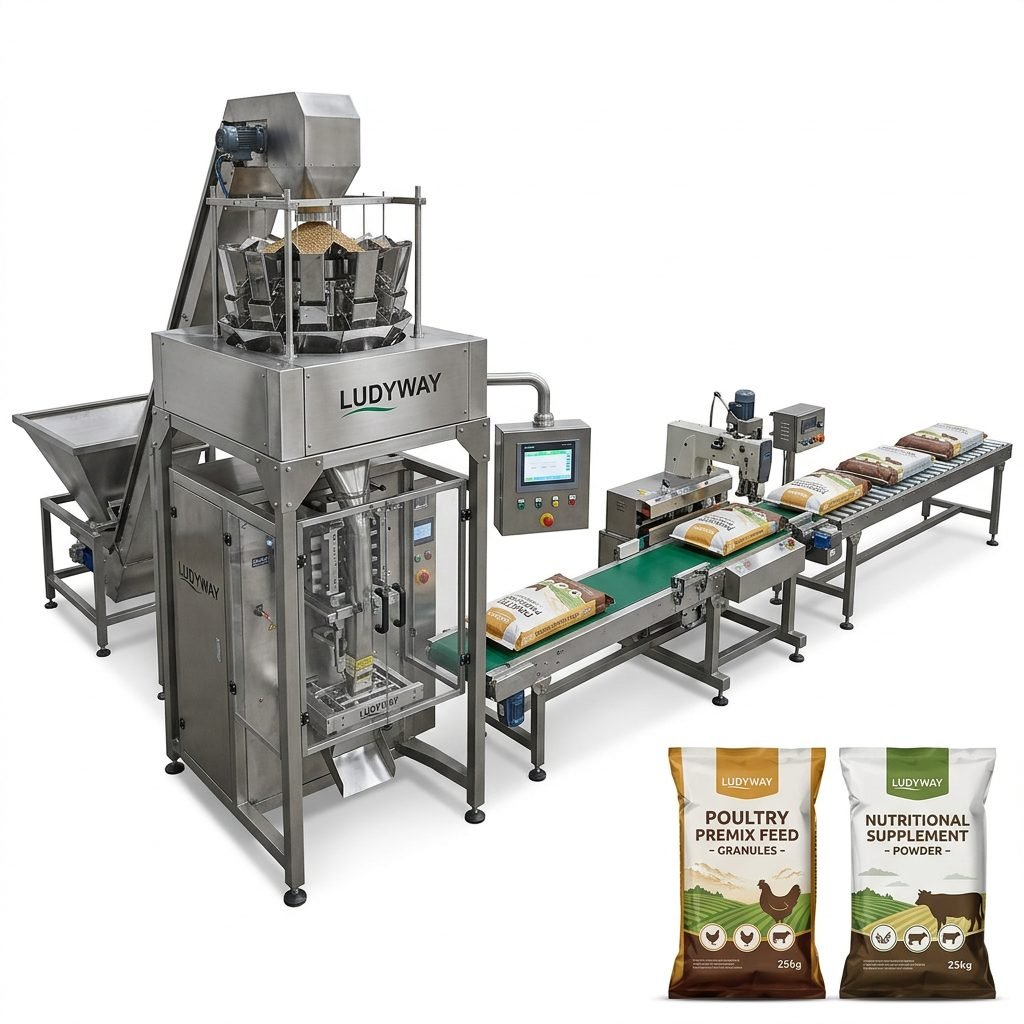
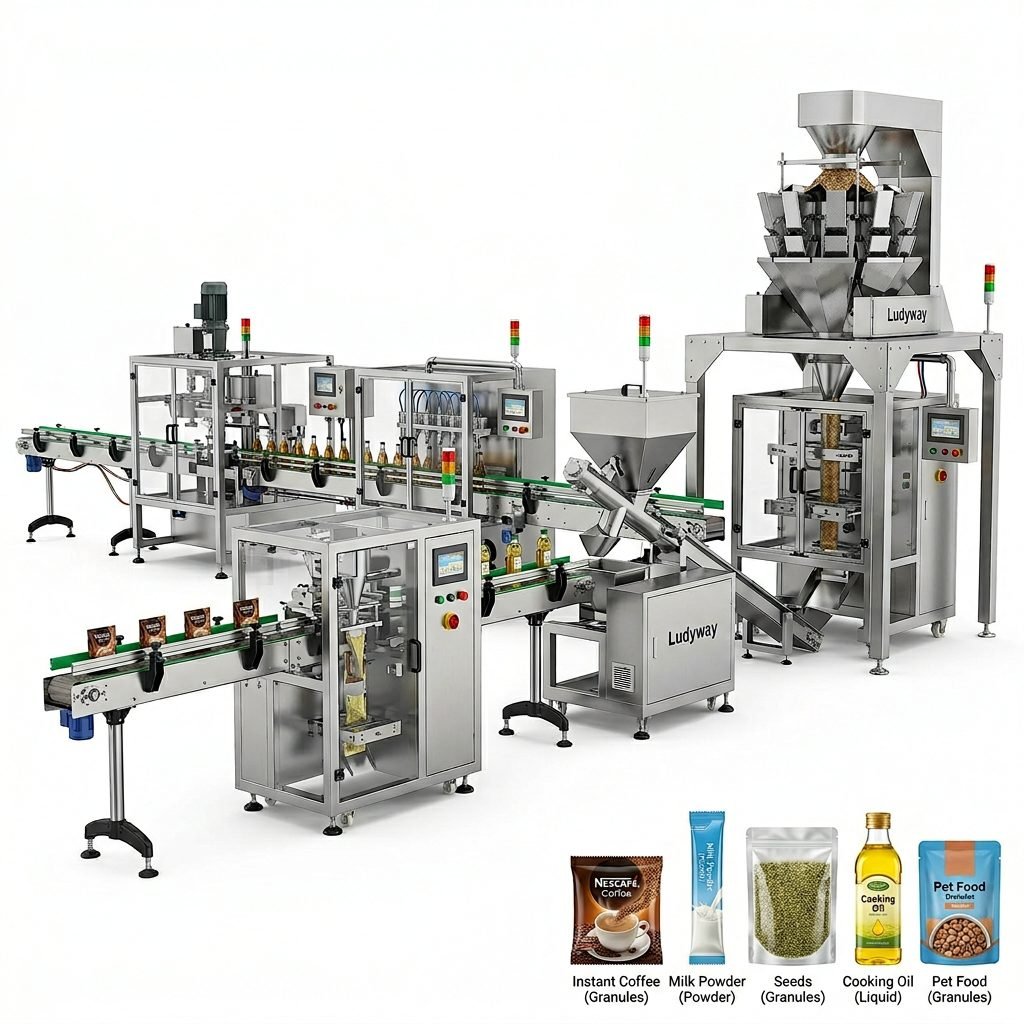
Modern US labor markets demand automation. Integrating the packaging machine with upstream equipment is crucial for efficiency. A fully integrated turnkey packaging line will include the infeed conveyor, multi-head weigher, checkweigher, and metal detector. Advanced systems also offer remote diagnostics and IoT connectivity, allowing plant managers to monitor Overall Equipment Effectiveness (OEE) from anywhere. This level of integration also simplifies the handling of freeze-dried fruit and softer frozen berries that require delicate touch points.
Assessing the Total Cost of Ownership
While the initial purchase price is important, US food manufacturers are increasingly focusing on Total Cost of Ownership (TCO). A machine that is slightly more expensive upfront might cost much less over a decade due to lower film waste, reduced compressed air consumption, and minimal spare parts replacement. When evaluating suppliers, scrutinize the warranty and after-sales service network. For instance, Ludyway is one of the largest packaging machine manufacturers in China, specializing in advanced packaging equipment and supporting over 50 intelligent models across more than 100 countries. Their 20,000㎡ manufacturing facility and engineering capacity ensure that cost-effective, high-performance solutions are available to help US businesses improve productivity and operational efficiency.
Film and Material Waste Reduction
Film is a major operational cost. The best frozen fruit packaging machines feature high-accuracy film registration and independent jaw temperature controls to minimize “leakers” and waste. Pre-made pouch machines generally offer a premium look with virtually zero bag-making waste, which is excellent for organic or high-value frozen fruit brands. However, roll-stock VFFS machines typically offer lower material costs per package.
| Feature | Why It Matters for Frozen Fruit |
|---|---|
| Servo-driven sealing jaws | Prevents ice crystal formation in the seal area by applying precise pressure |
| Gas flushing/MAP | Displaces oxygen to prevent oxidation and preserve natural fruit color |
| Product stripper tubes | Keeps sticky fruit residues out of the cross-seal area |
| Date coders/Printers | Thermal transfer printers that work reliably in cold, humid environments |
Questions to Ask Before You Buy
Before finalizing a vendor for your frozen fruit packaging equipment, run through this checklist:
- Can the machine handle the specific temperature range of my product? Some machines require modification for product temperatures below -20°F.
- Is the control system intuitive for US operators? Look for PLC interfaces with English-native HMI software and easy diagnostics.
- What is the lead time for critical wear parts? In the fast-paced frozen food industry, responsive technical support and parts availability are non-negotiable.
- Does the design support future scalability? A modular machine allows you to add lanes or upgrade the filler as your frozen fruit brand grows.
- How is rust protection handled? Given the constant cold-to-ambient temperature shifts, condensation-proof electricals and corrosion-resistant frames are vital.
Navigating Import and Installation in the USA
If you are importing a machine, especially from Asia, ensure it meets UL and CSA electrical standards. Voltage requirements should align with standard US three-phase power (208V, 240V, or 480V). Furthermore, equipment arriving at a US port must be thoroughly pre-tested at the factory through a Factory Acceptance Test (FAT). This ensures the frozen fruit packaging line performs to specification before it is dismantled for shipping.
Ultimately, selecting the right equipment means balancing speed, precision, and durability. Whether you opt for a high-speed VFFS for bulk retail bags or a sophisticated multi-lane stick pack machine for convenience packs, ensuring the build quality and compliance standard is key. A strong partnership with an established equipment manufacturer—backed by decades of engineering experience and a modern production facility—can transform your frozen fruit packaging operation from a bottleneck into a competitive advantage, helping you meet the growing US demand for healthy, convenient frozen snacks.