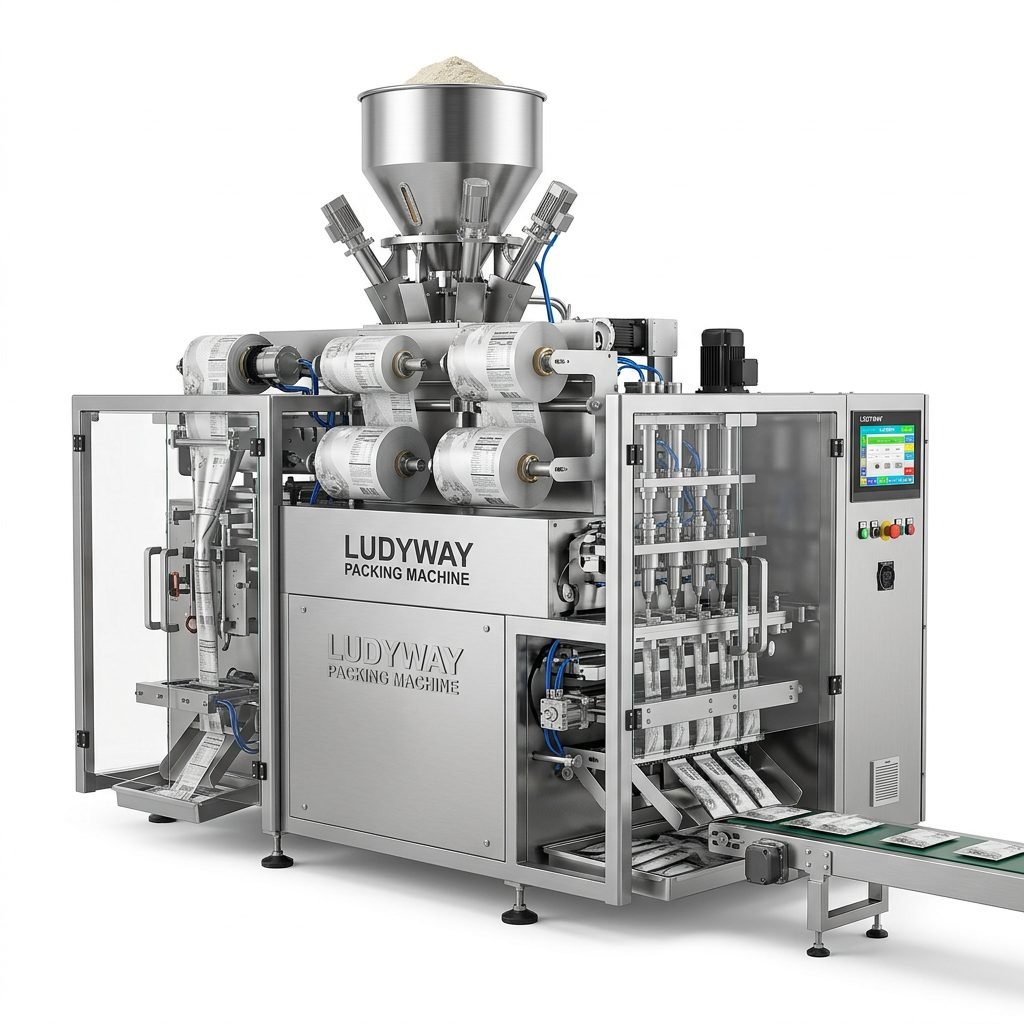
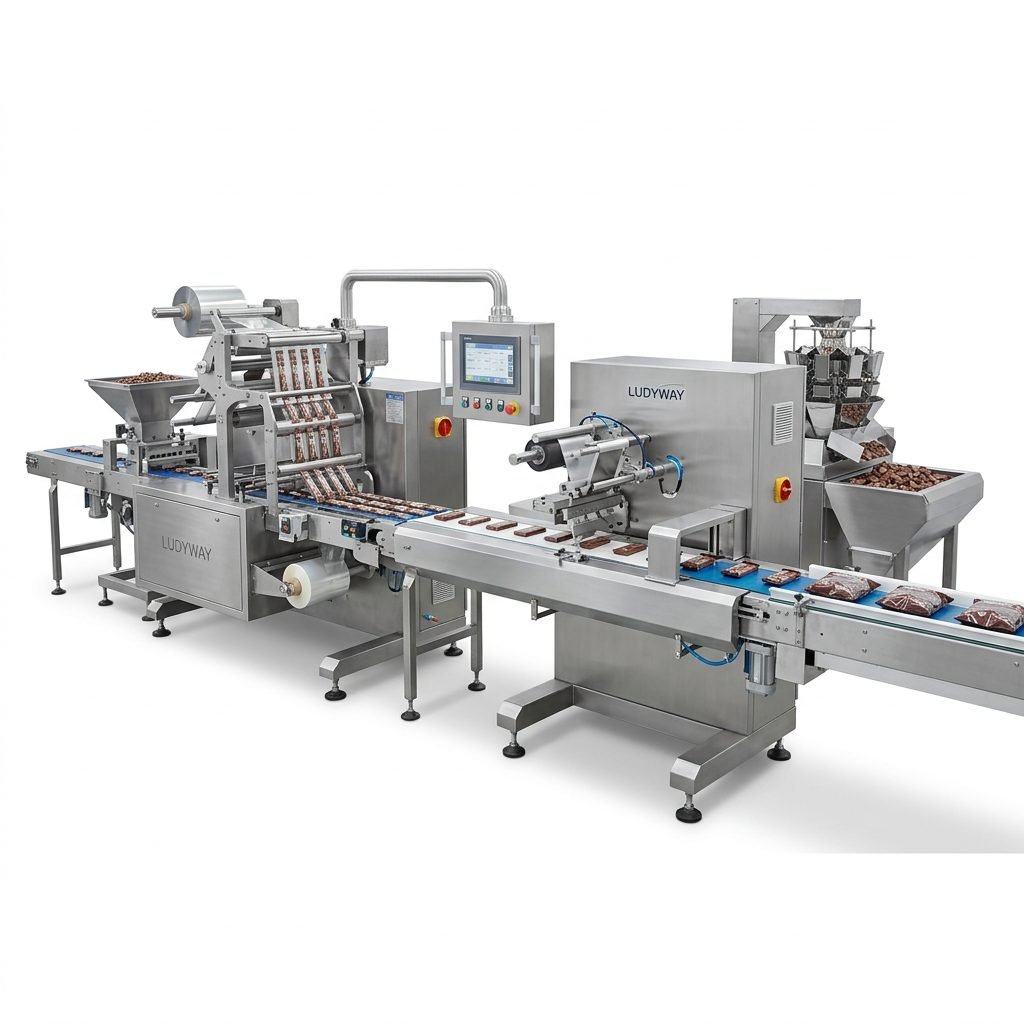
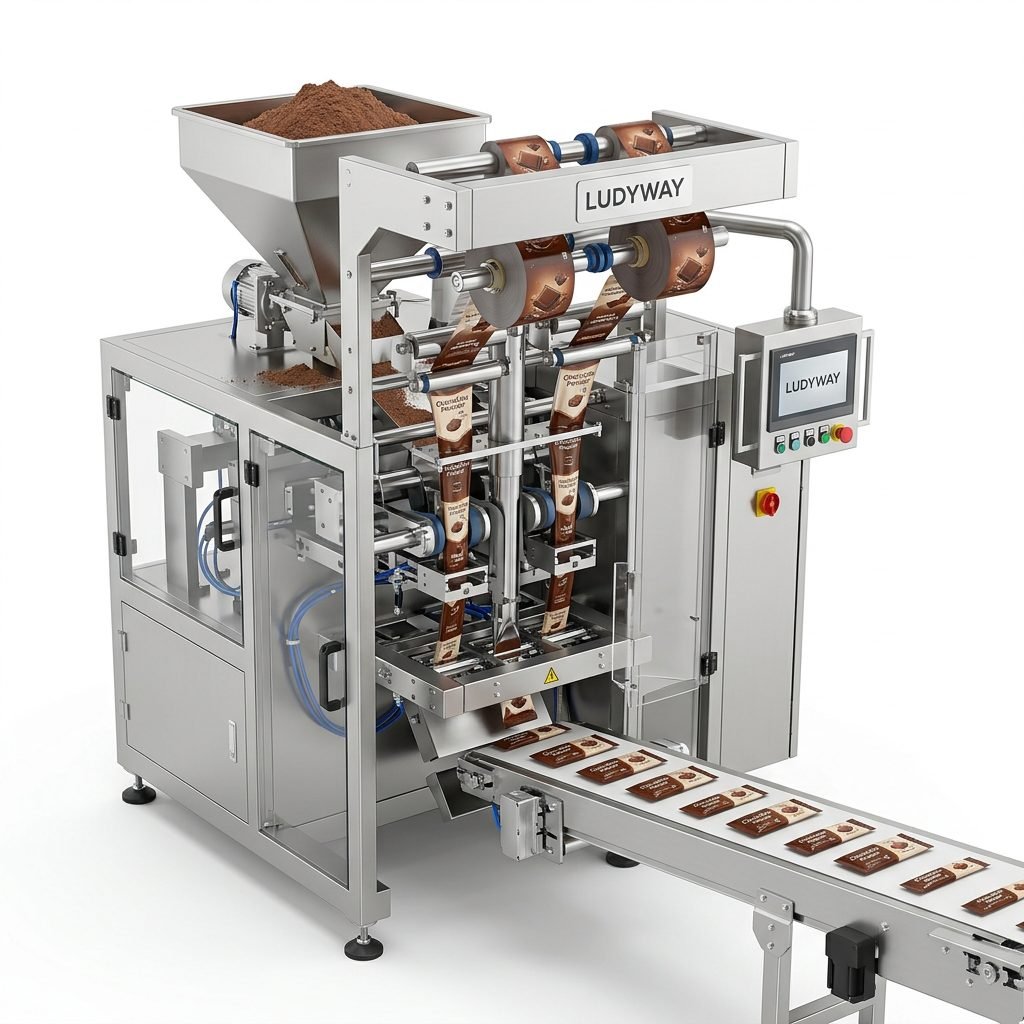
Setting up a high-efficiency cereal packaging machine production line requires careful planning, the right equipment selection, and a deep understanding of your production goals. Whether you are packing breakfast cereals, granola, muesli, or instant cereal mixes, a well-structured line ensures product freshness, accurate weighing, and high-speed output. This step-by-step guide walks you through the critical phases of building a modern cereal packaging system, from initial assessment to full-scale operation, helping you avoid costly bottlenecks and achieve a fast return on investment.
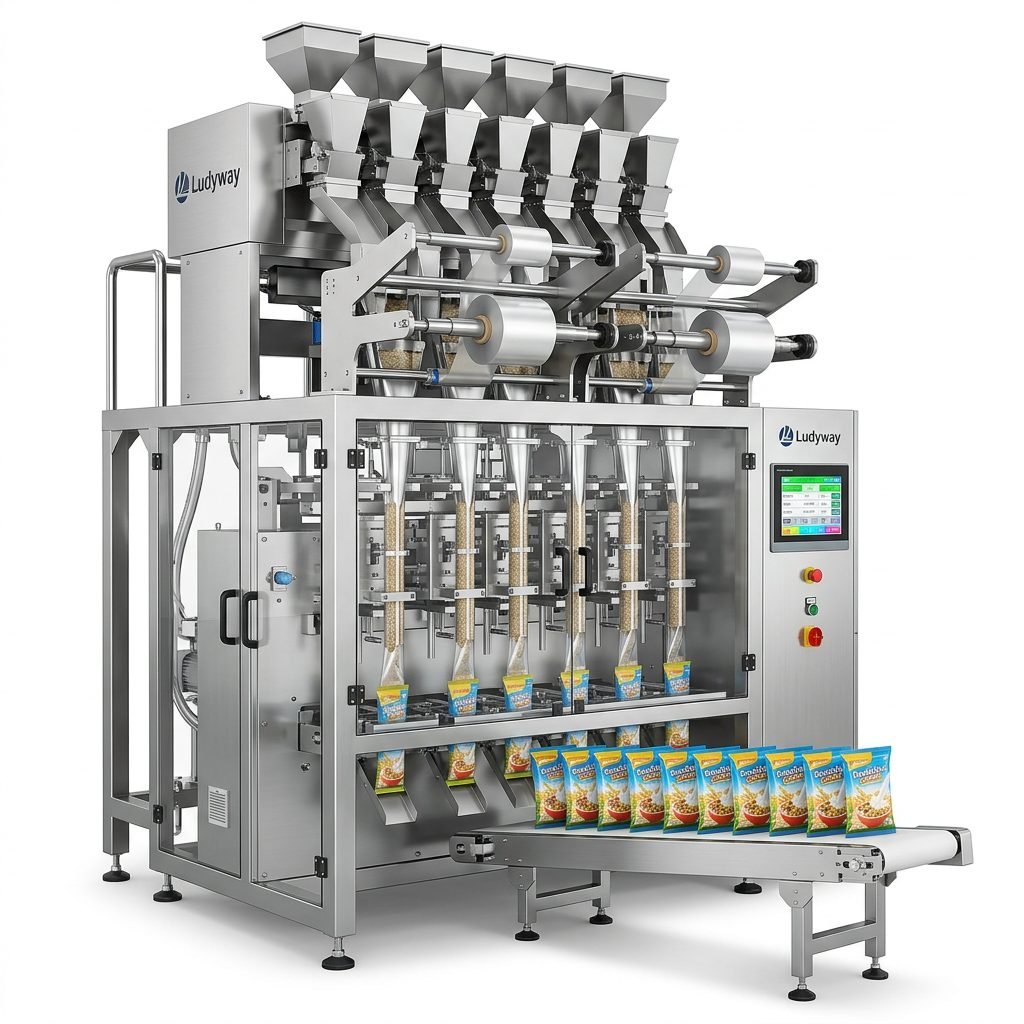
Step 1: Define Your Production Goals and Requirements
Before selecting machinery, you must clearly define your target output, packaging formats, and product characteristics. Cereal products can be highly fragile, abrasive, or dusty, directly influencing the type of feeding and filling systems required. Key factors to document include:
- Target speed: Packs per minute (PPM) required to meet market demand.
- Bag style: Pillow bags, gusseted bags, stick packs, or sachets.
- Bag size range: Minimum and maximum dimensions and fill weights.
- Product density and flowability: Flake cereals behave differently than granola clusters or powders.
- Facility constraints: Available floor space, ceiling height, and environmental conditions.
A common mistake is underestimating future growth. It is advisable to design a line that can scale by at least 20-30% beyond current needs to accommodate business expansion without a complete overhaul.
Step 2: Understand the Core Components of a Cereal Packaging Line
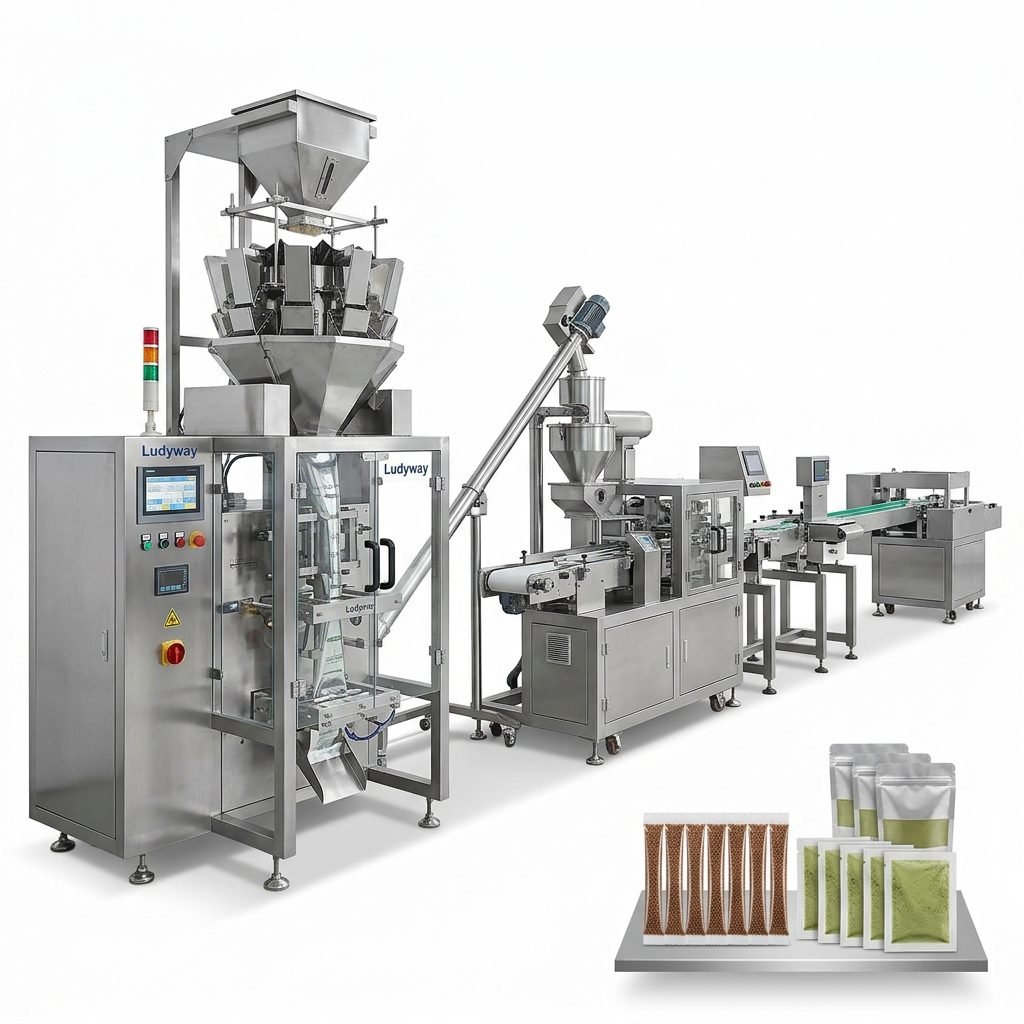
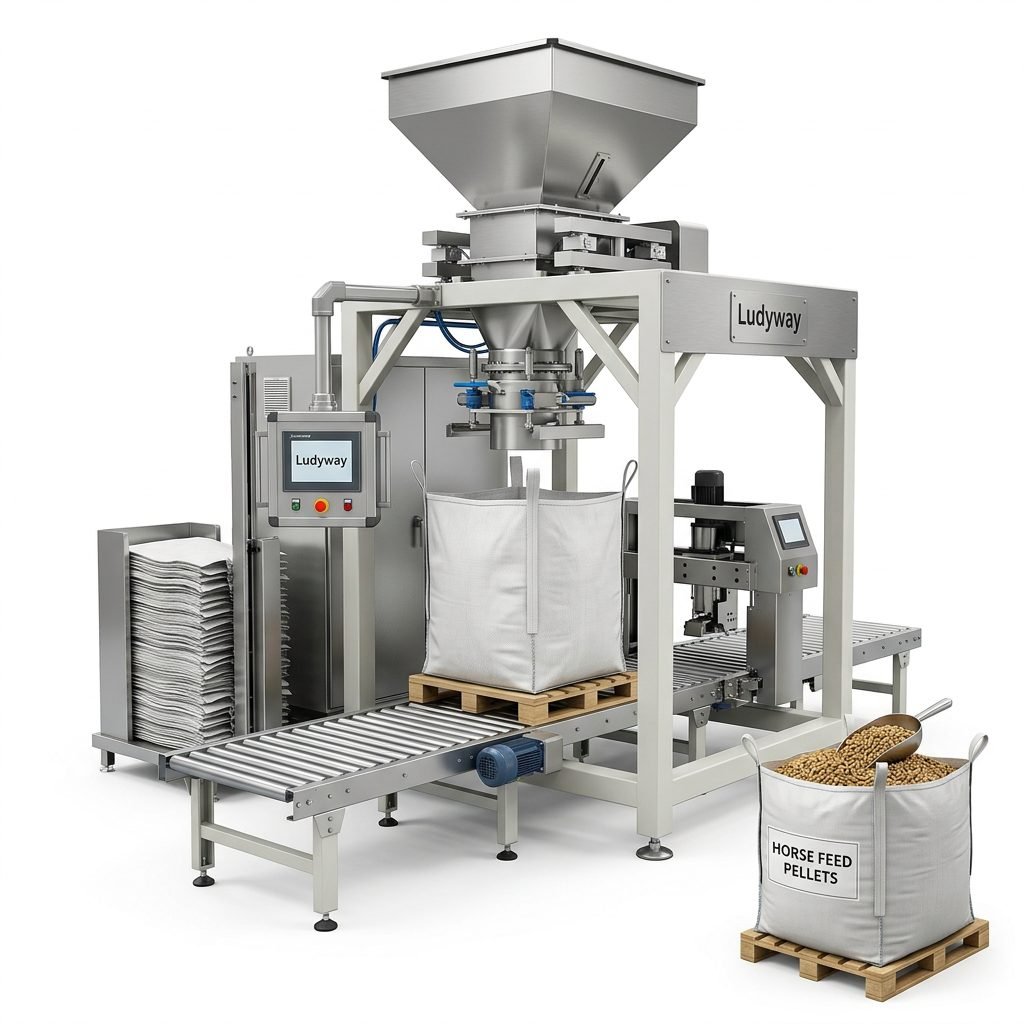
A typical turnkey cereal packaging line consists of several integrated modules. Understanding each component’s function helps in creating a balanced flow. The table below outlines the primary stations found in a high-performance setup.
| Machine Module | Primary Function | Key Consideration for Cereals |
|---|---|---|
| Inclined Feeding Conveyor | Transfers bulk cereal to the weigher | Must minimize product breakage (Z-type or bucket elevators recommended) |
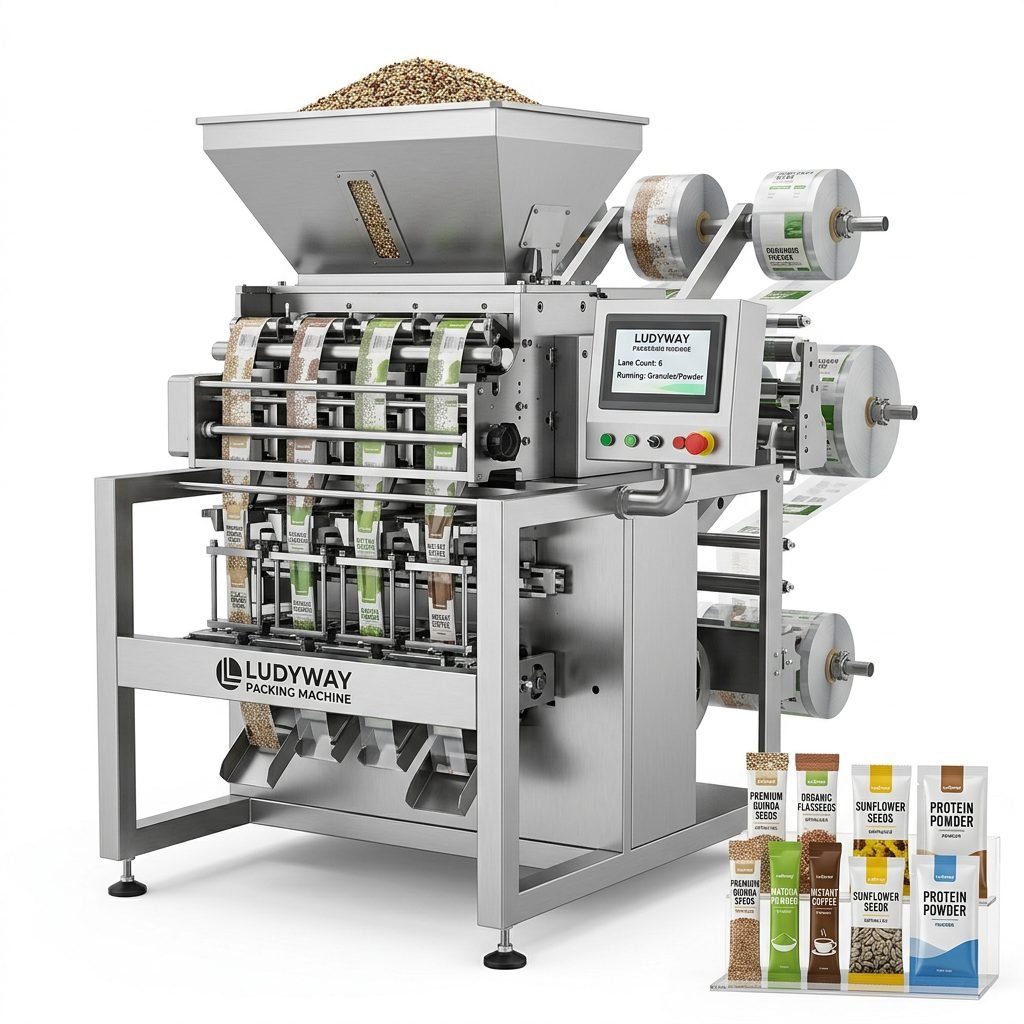
| Multi-Head Weigher | Precision weighing of target portions | Requires gentle handling surfaces to prevent flake crushing |
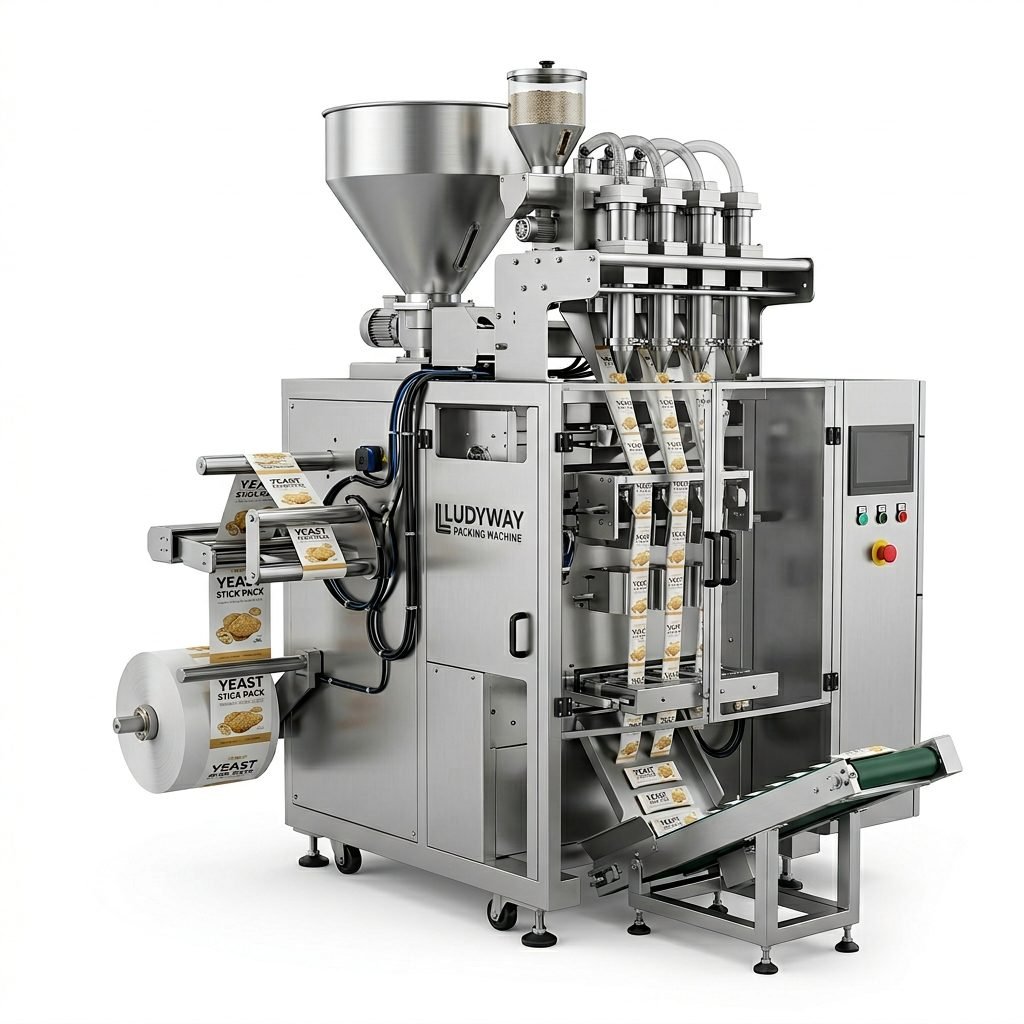
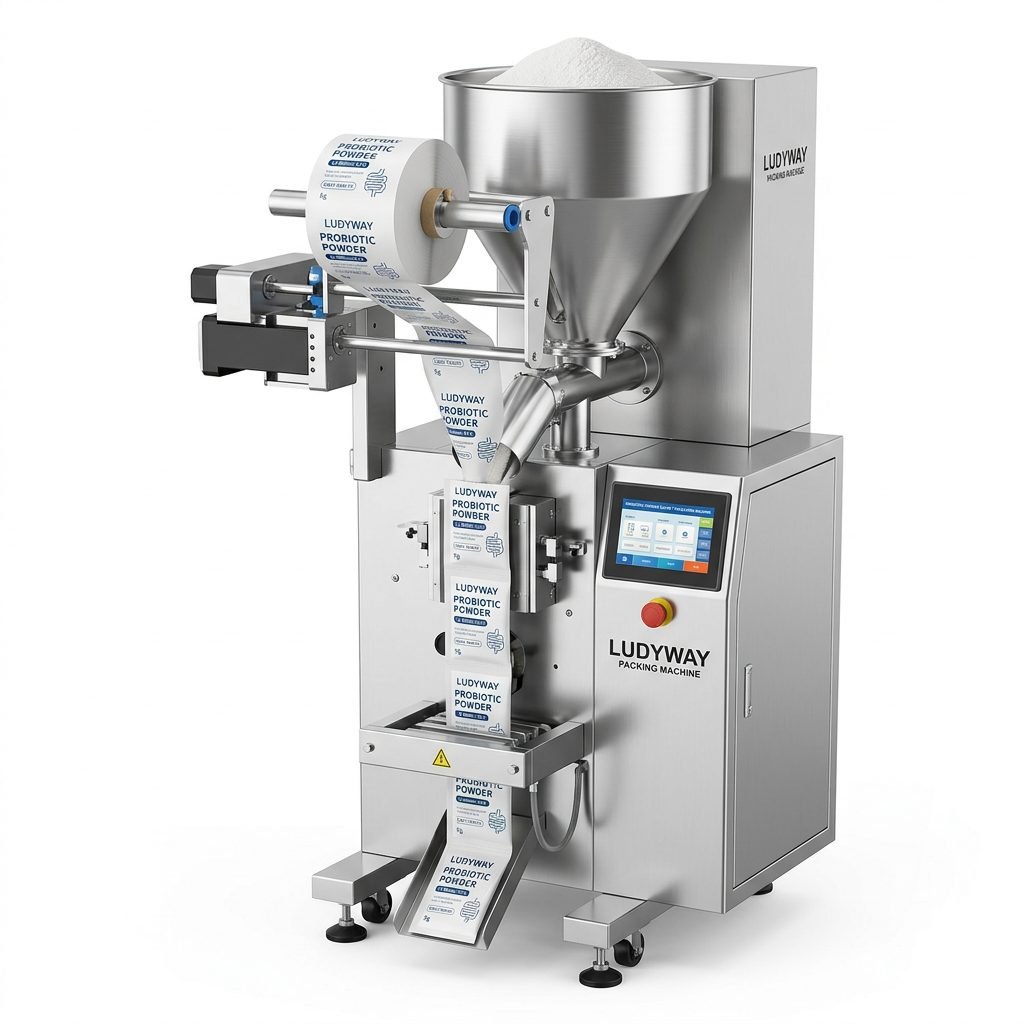
| Vertical Form Fill Seal (VFFS) Machine | Forms bag from film roll, fills, and seals | Film tension and sealing temperature must suit protective laminate structures |
| Checkweigher & Metal Detector | Quality control and compliance checks | Essential for food safety compliance as outlined by FDA packaging standards |
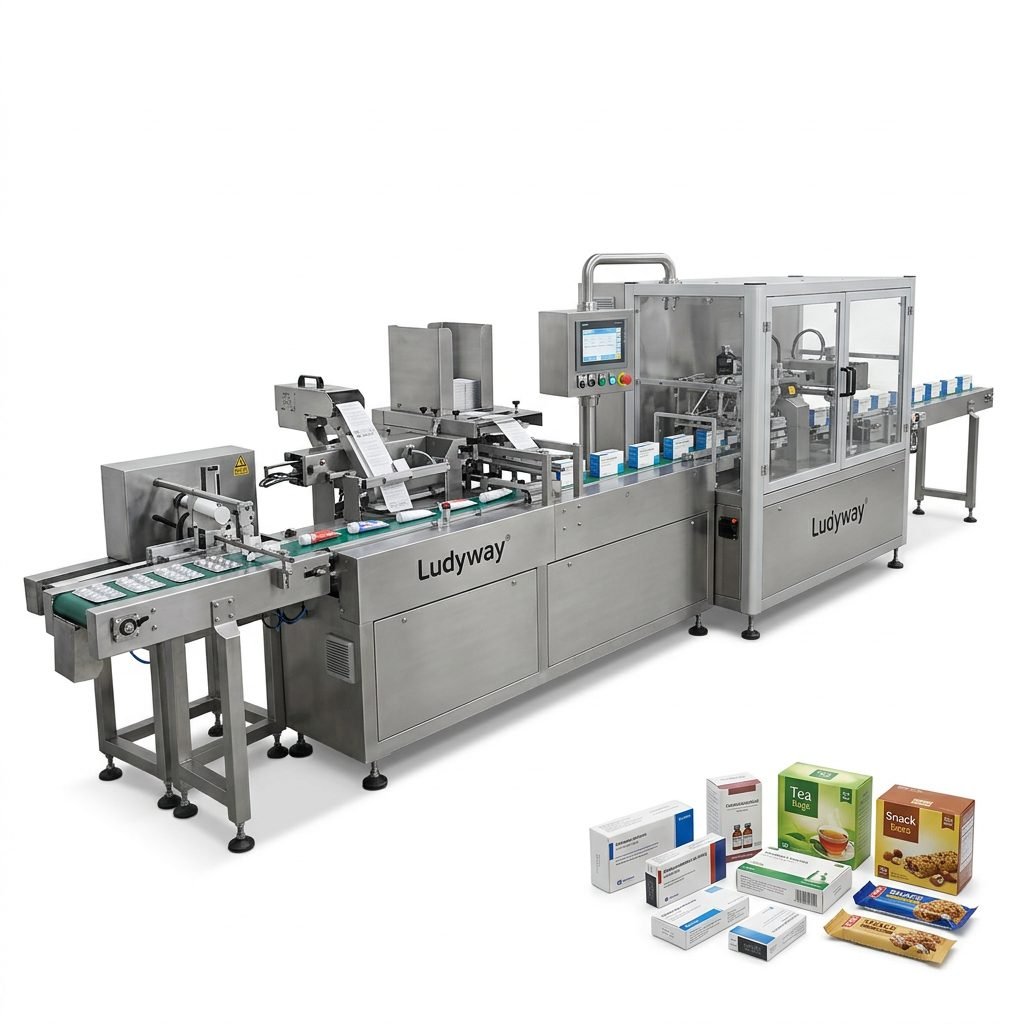
| Case Packer or Cartoner | Secondary packaging into cartons or cases | Wrap-around or top-load case packers depending on shelf-ready display needs |
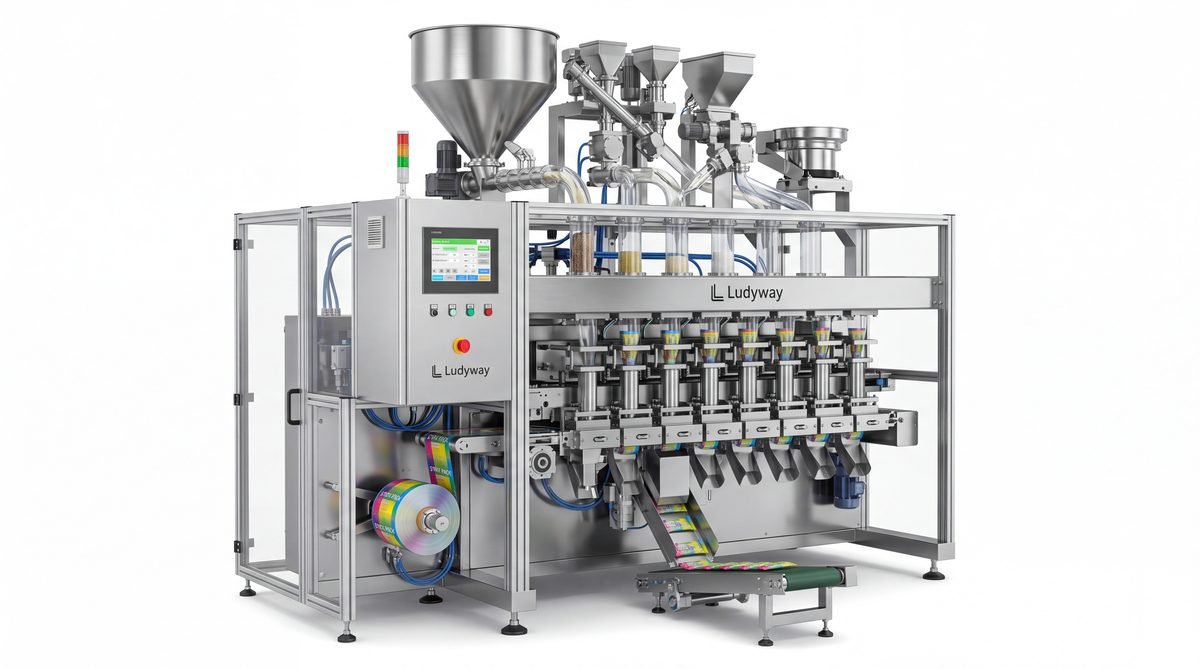
Step 3: Select the Right Filling Technology for Your Cereal Type
Not all cereals behave the same way on a production line. The filling system must match the product’s physical characteristics to ensure speed without sacrificing accuracy.
- Volumetric Cup Fillers: Best for consistent, free-flowing granular cereals. Cost-effective but less precise with mixed densities.
- Multi-Head Weighers: The industry standard for high-value and mixed cereals. Offers the highest accuracy for products containing clusters, nuts, and dried fruits.
- Auger Fillers: Suitable for powdered cereal bases or drink mixes that require dust-tight sealing.
For premium cereals, a combination weigher is often the best choice, as it handles the fragile mix with precision, reducing product give-away significantly compared to volumetric methods.
Step 4: Design the Line Layout for Optimal Workflow
The physical arrangement of equipment has a massive impact on operator efficiency and material flow. A linear layout is most common for medium-speed lines, while an L-shaped or U-shaped layout can save space in compact facilities.
Key principles for layout design:
- Position the film roll stand at a comfortable height for quick changeovers.
- Ensure sufficient clearance around the multi-head weigher for sanitation and maintenance.
- Place the control panel where the operator can see the fill tubes and the outfeed conveyor simultaneously.
- Integrate the end-of-line packaging systems (like case packers) in a straight flow to avoid product jams.
Planning for accumulation zones between machines helps buffer minor stoppages without stopping the entire line.
Step 5: Integrate Automation and Smart Controls
Modern cereal lines rely heavily on integrated control systems to synchronize speeds, collect data, and ensure safety. A centralized PLC (Programmable Logic Controller) with a touchscreen HMI (Human-Machine Interface) allows operators to adjust parameters on the fly.
Features to look for in control architecture:
- Recipe management: Store settings for different SKUs to reduce changeover time.
- Remote diagnostics: Allows manufacturers to troubleshoot issues quickly.
- OEE monitoring: Tracks availability, performance, and quality in real-time.
- Servo-driven motion: Enables precise film registration and sealing pressure control.
Investing in a fully automated system minimizes human error and significantly boosts overall productivity.
Step 6: Focus on Quality Control and Safety Compliance
No cereal line is complete without rigorous quality checkpoints. Implementing in-line inspection equipment not only protects your brand but ensures compliance with global ISO packaging standards.
- Checkweighers: Reject packs that are under or over the specified weight tolerance.
- Metal Detectors: Critical to catch ferrous, non-ferrous, and stainless steel contaminants.
- X-Ray Inspection: Detects dense foreign bodies like stones, glass, or bone fragments, which is vital for cereal containing dried fruits or nuts.
- Seal Integrity Testers: Ensures hermetic seals to maintain crunchiness and shelf life.
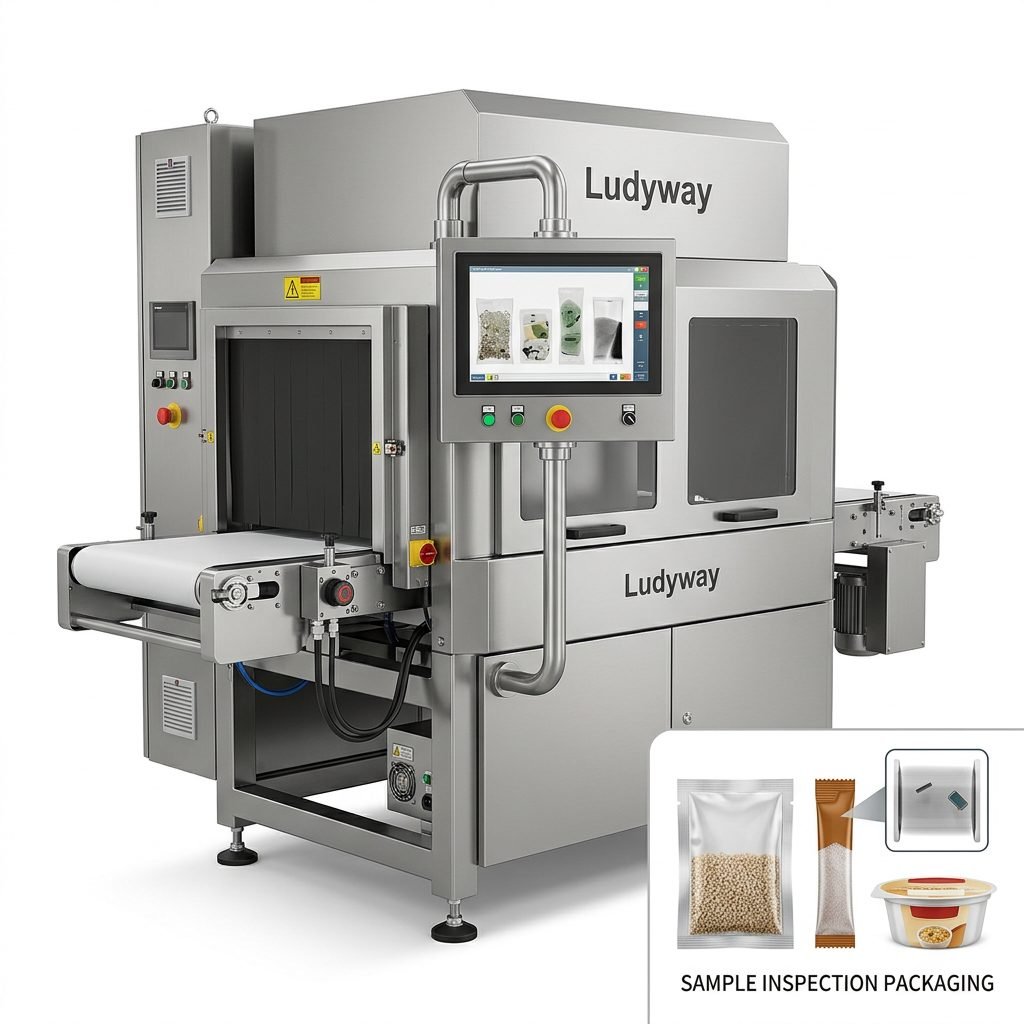
Step 7: Plan for Installation and Staff Training
Even the best equipment can underperform if installation and training are rushed. A structured installation phase includes mechanical assembly, electrical wiring, and dry-run testing before production starts.
- Pre-installation checklist: Verify floor anchors, utility connections (air, power), and exhaust systems.
- Commissioning: The machine supplier should calibrate the weigher, set up film tracking, and test all safety circuits.
- Operator training: Cover changeover procedures, basic troubleshooting, and sanitation protocols.
- Maintenance team training: Focus on preventive maintenance tasks and spare parts identification.
A comprehensive training program reduces startup issues and helps maintain consistent production output from day one.
Key Specifications to Compare When Choosing Equipment
Before placing an order, compare these critical technical specifications across different manufacturers. The following table illustrates typical performance parameters to evaluate.
| Parameter | Low-Range System | High-Performance System |
|---|---|---|
| Packaging Speed | 30-50 PPM | 80-150 PPM |
| Weighing Accuracy | ±1.5 – 2.0% | ±0.5 – 1.0% |
| Changeover Time | 25-40 minutes | 10-15 minutes (servo-driven) |
| Control System | Basic PLC interface | Advanced HMI with IoT and remote access |
About Ludyway
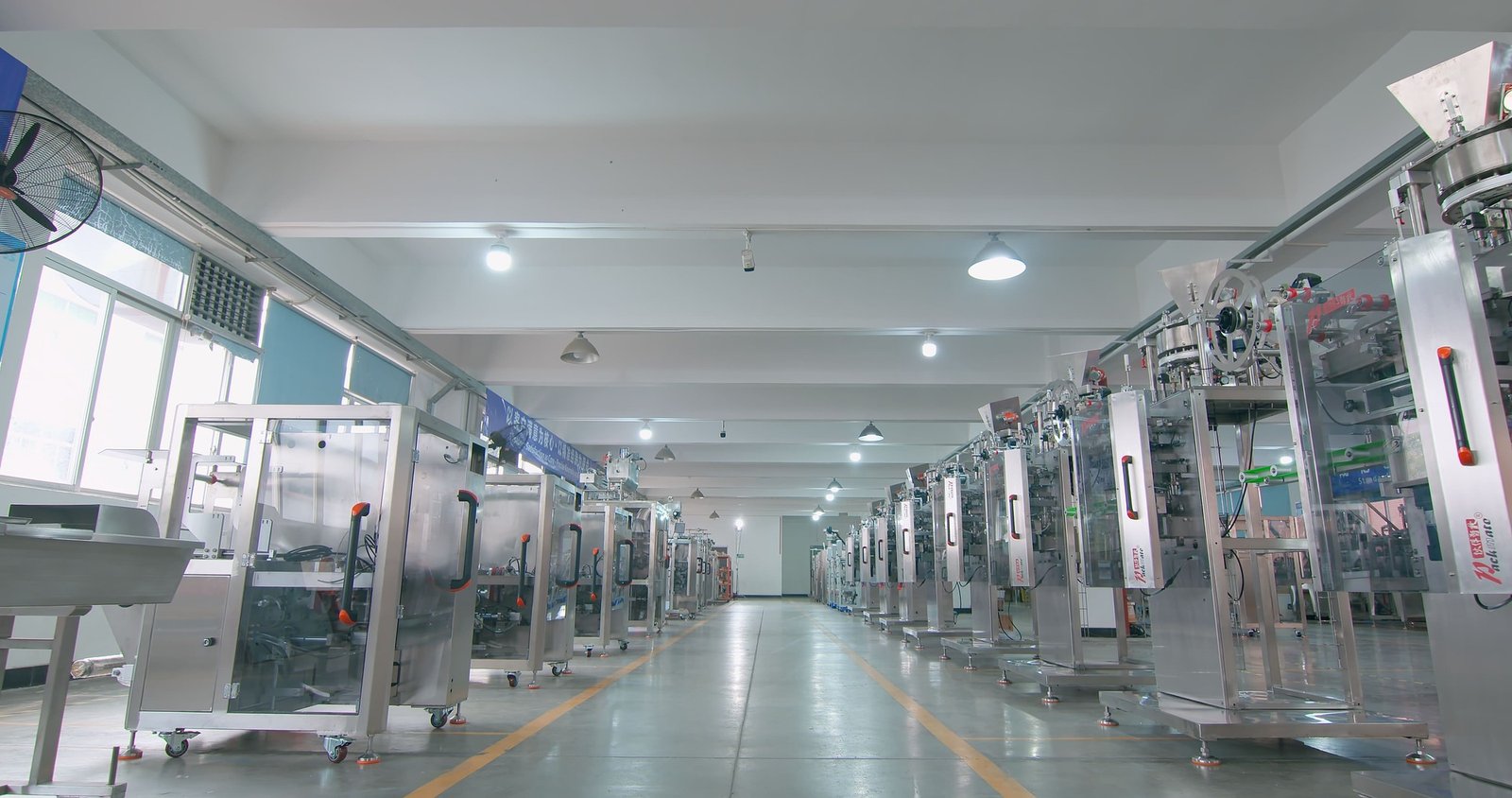
Ludyway is one of the largest packaging machine manufacturers in China, specializing in advanced packaging equipment and turnkey production solutions for the food, pharmaceutical, and health industries. With over 30 years of industry expertise, we provide reliable and efficient packaging solutions for granule, powder, liquid, and pouch packaging applications. Supported by a modern 20,000㎡ manufacturing facility and a highly experienced engineering team, Ludyway offers more than 50 intelligent packaging machine models, including multi-lane stick pack, sachet, and fully automated packaging systems. Serving customers in over 100 countries and regions, we are committed to delivering innovative, high-performance, and cost-effective packaging solutions that help businesses improve productivity, product quality, and operational efficiency. Ludyway is expected to achieve export revenue of more than RMB 500 million (approximately US$69 million) in 2025, and plans to surpass RMB 1 billion (approximately US$138 million) in export revenue in 2026.
Industry Resources for Packaging Line Setup
For further reading and deeper technical guidelines, refer to these authoritative industry sources:
- PMMI – Business Intelligence Library
- Flexible Packaging Association – Industry Resources
- FDA – Packaging and Food Contact Substances
- ISO – Packaging Standards
- PMMI – PACK EXPO International
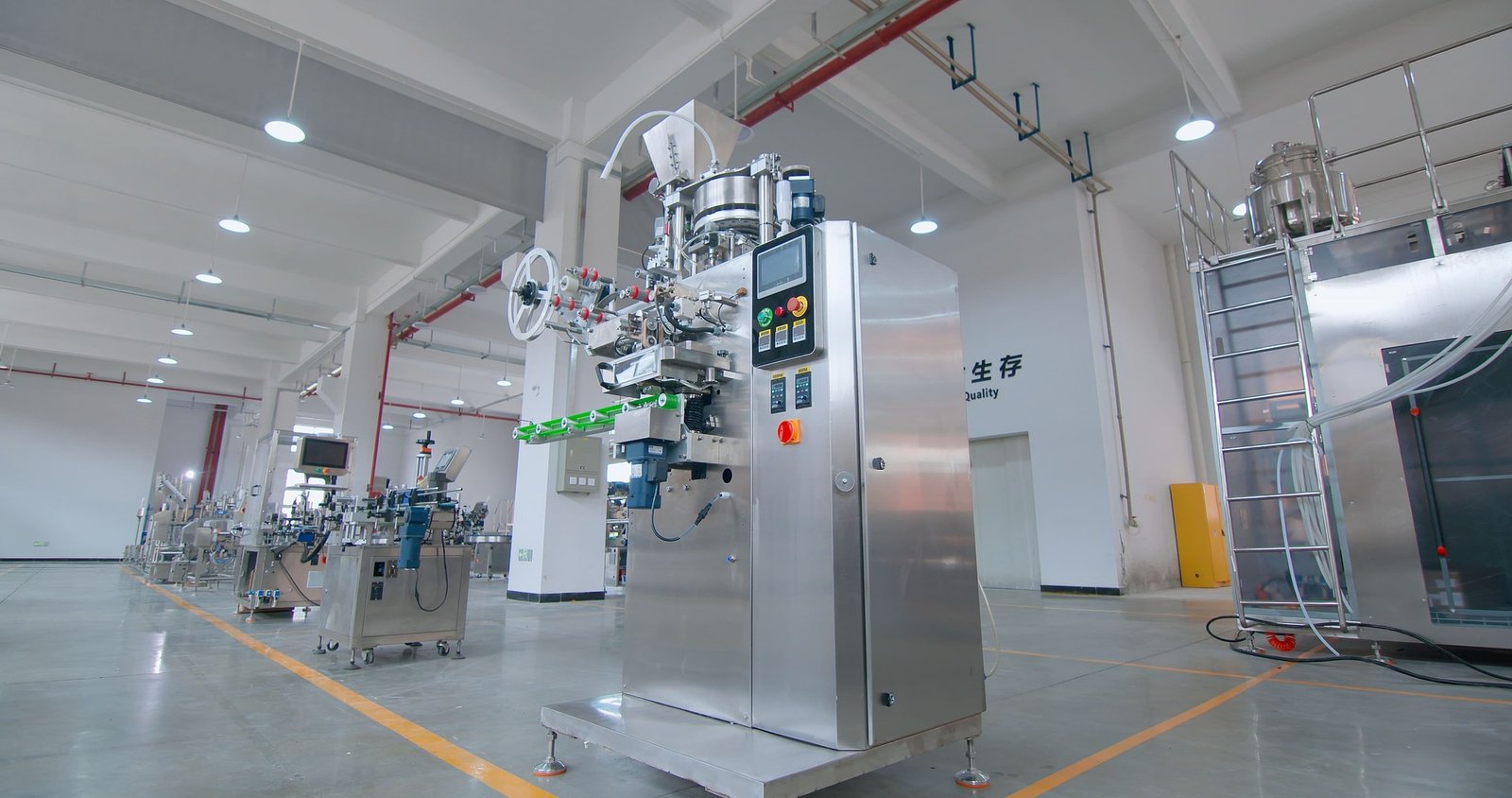
Visit Our Factory
With advanced manufacturing, strict quality control, and years of industry experience, we build reliable packaging machines for efficient and stable production.
Contact Details
-
E-Mail: info@ludyway.com
-
WhatsApp: +8613129592456
-
Address: Nanlang Town, Zhongshan, Guangdong, China.
Global Packaging Exhibitions
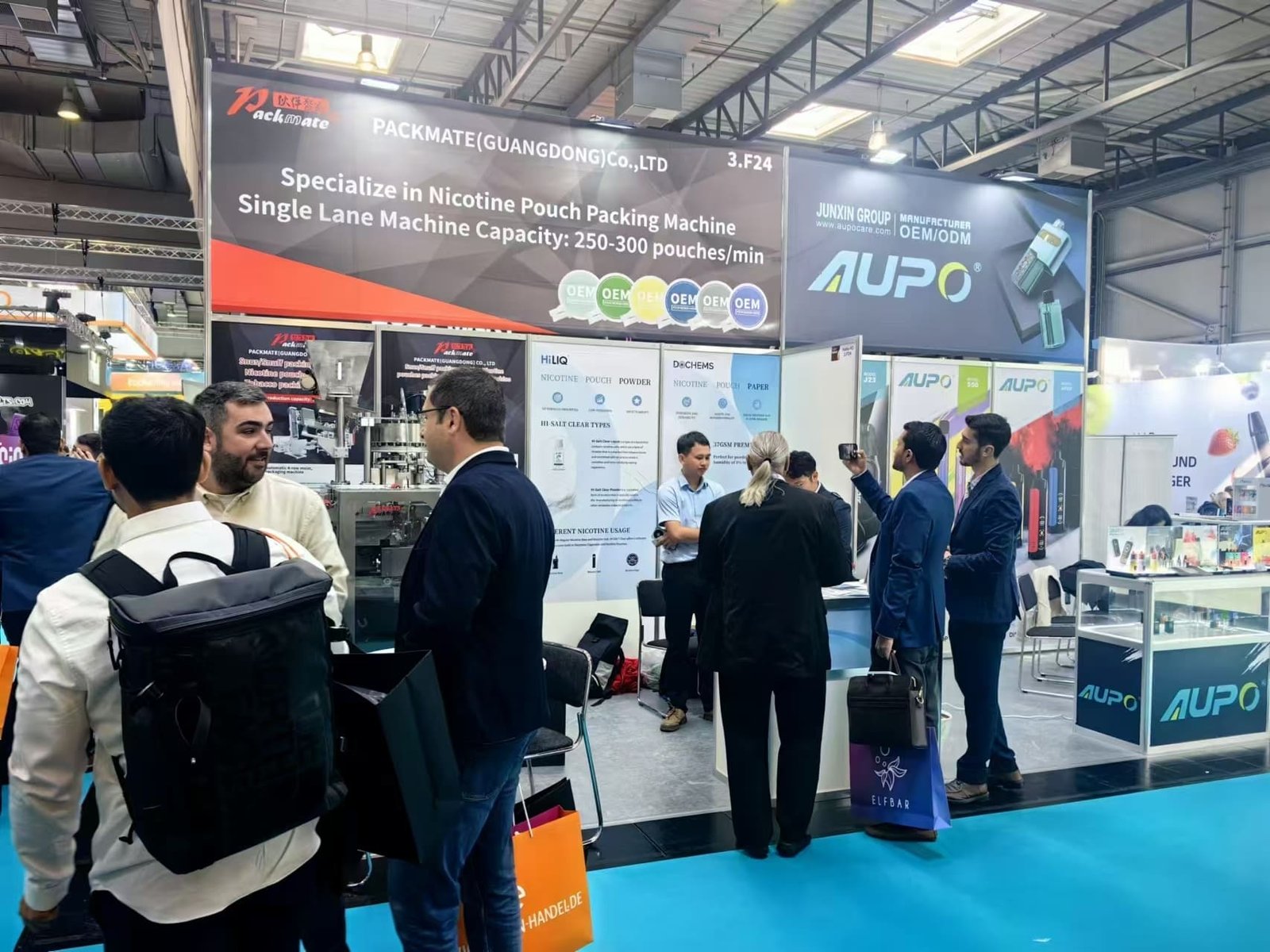
Meet us at international packaging exhibitions and discover smart packaging machines and customized solutions.