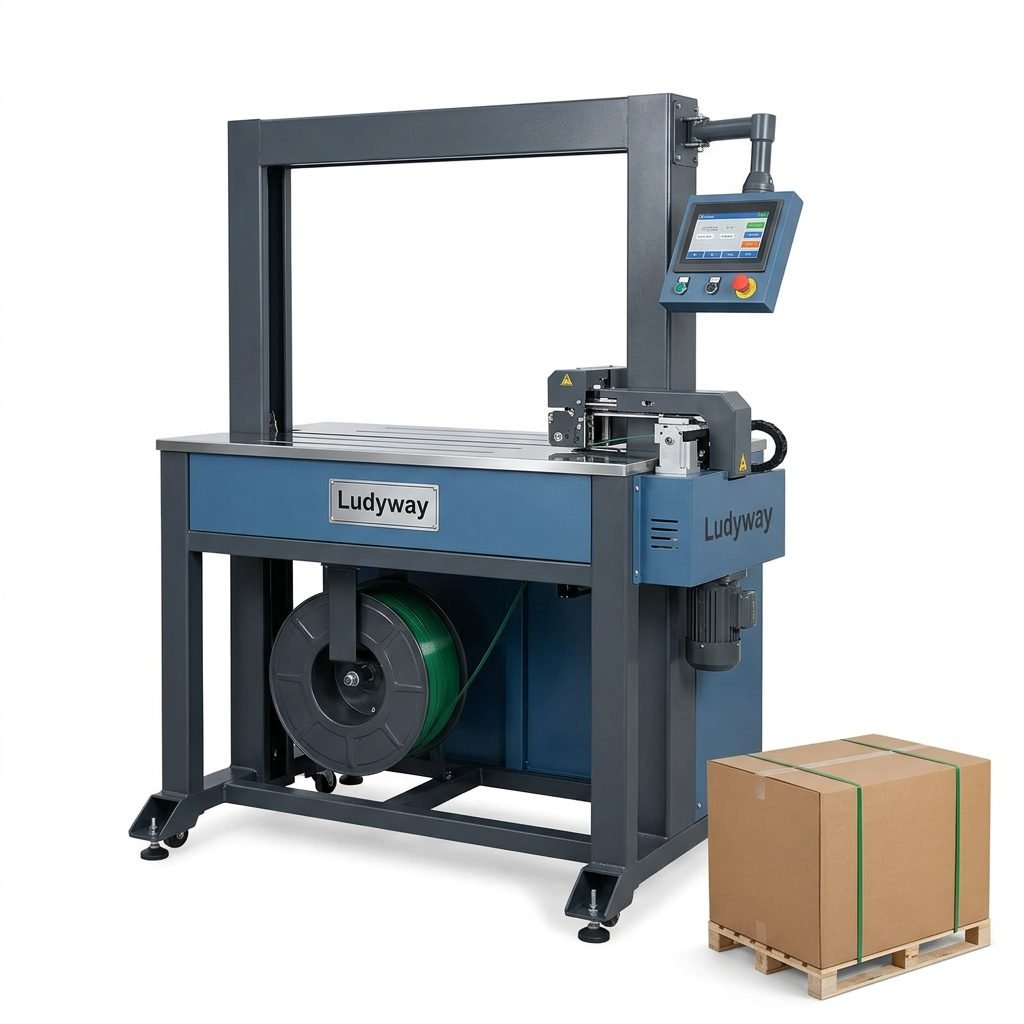
Selecting the right chocolate bar packaging machine is a critical decision for confectionery manufacturers across North America. Whether you are launching a new artisan brand or scaling up a high-volume production line, the equipment you choose directly impacts your product’s shelf life, appearance, and overall operational efficiency. With evolving consumer demand for sustainable materials, portion-control formats, and tamper-evident seals, investing in the correct technology is more important than ever.
This guide walks you through the essential factors to evaluate, helping you navigate the complex landscape of packaging machinery. From understanding packaging industry standards to integrating automated systems, we cover everything you need to make an informed purchase.
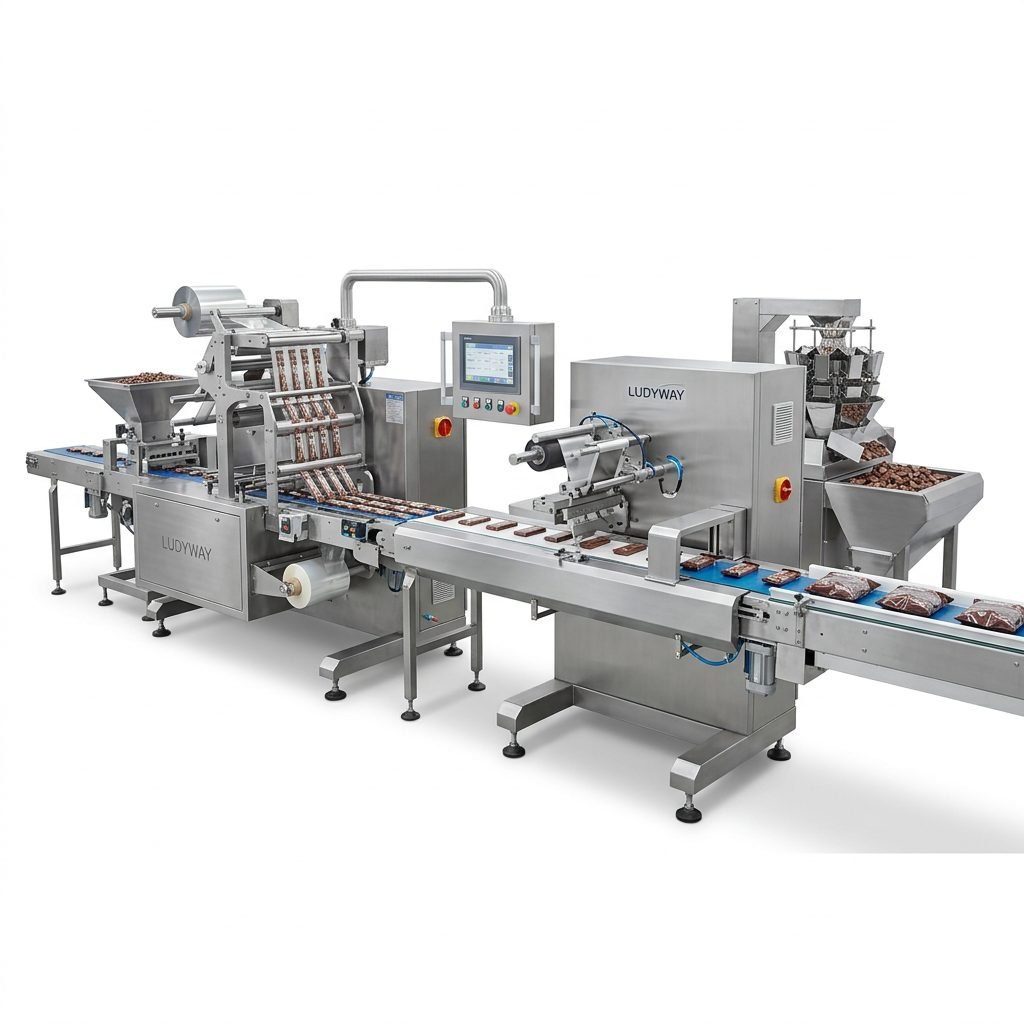
Understanding Your Production Requirements
Before comparing machine specifications, clearly define your production goals. Speed and output capacity are often the primary drivers, but they must be balanced with flexibility.
Key Production Metrics to Analyze
- Output Speed: Measured in bars per minute (bpm). Artisan producers may need 30-80 bpm, while industrial lines require 200-800+ bpm.
- Changeover Time: How quickly can the line switch between different bar sizes or flexible packaging materials?
- Product Dimensions: Ensure the machine handles your specific bar length, width, and height, including irregular or molded shapes.
- Footprint: Evaluate the floor space required, especially in facilities with limited square footage.
Types of Chocolate Bar Packaging Machines
North American buyers typically choose between three main configurations. The right choice depends on your product’s format and desired wrapper style.
| Machine Type | Best For | Typical Speed |
|---|---|---|
| Flow Wrapper (Horizontal) | Standard bars, pillow packs | 100-800 bpm |
| Fold Wrapper | Premium bars, gift-box style | 30-150 bpm |
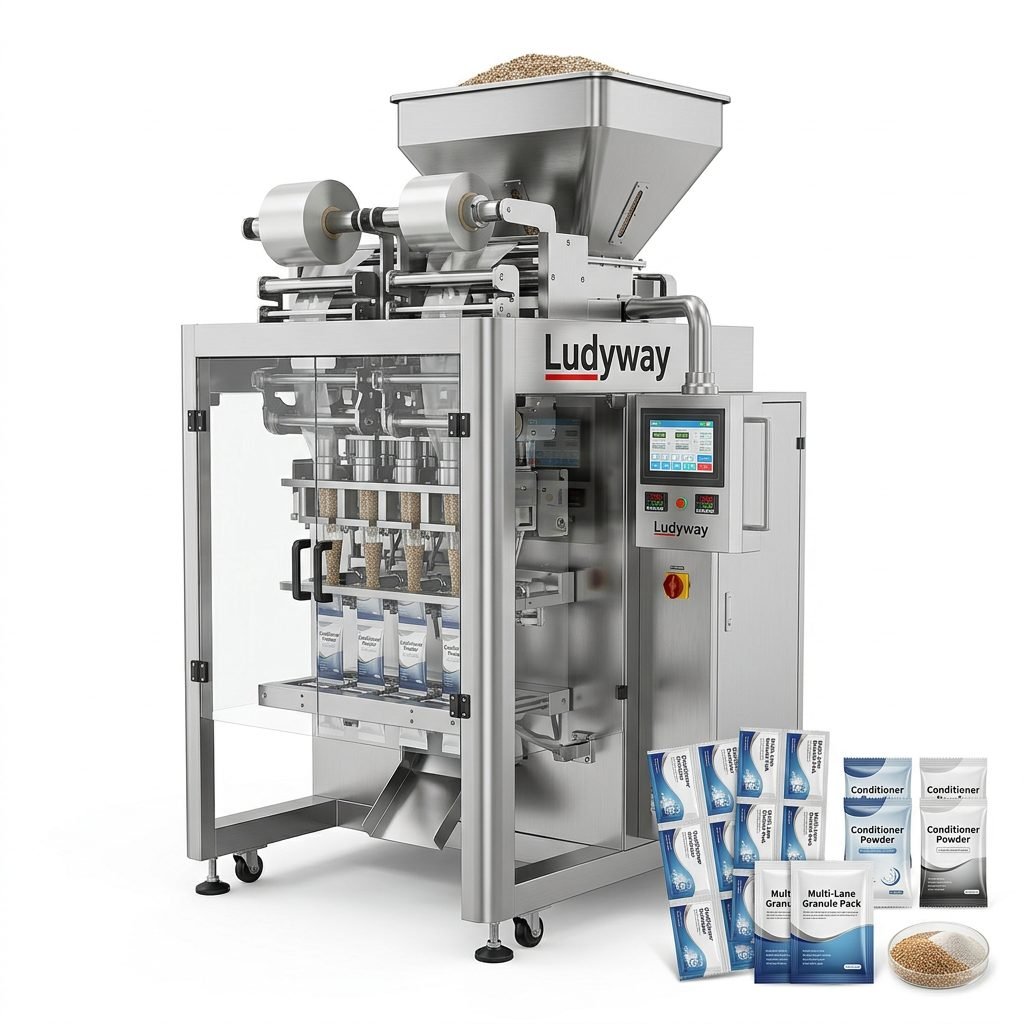
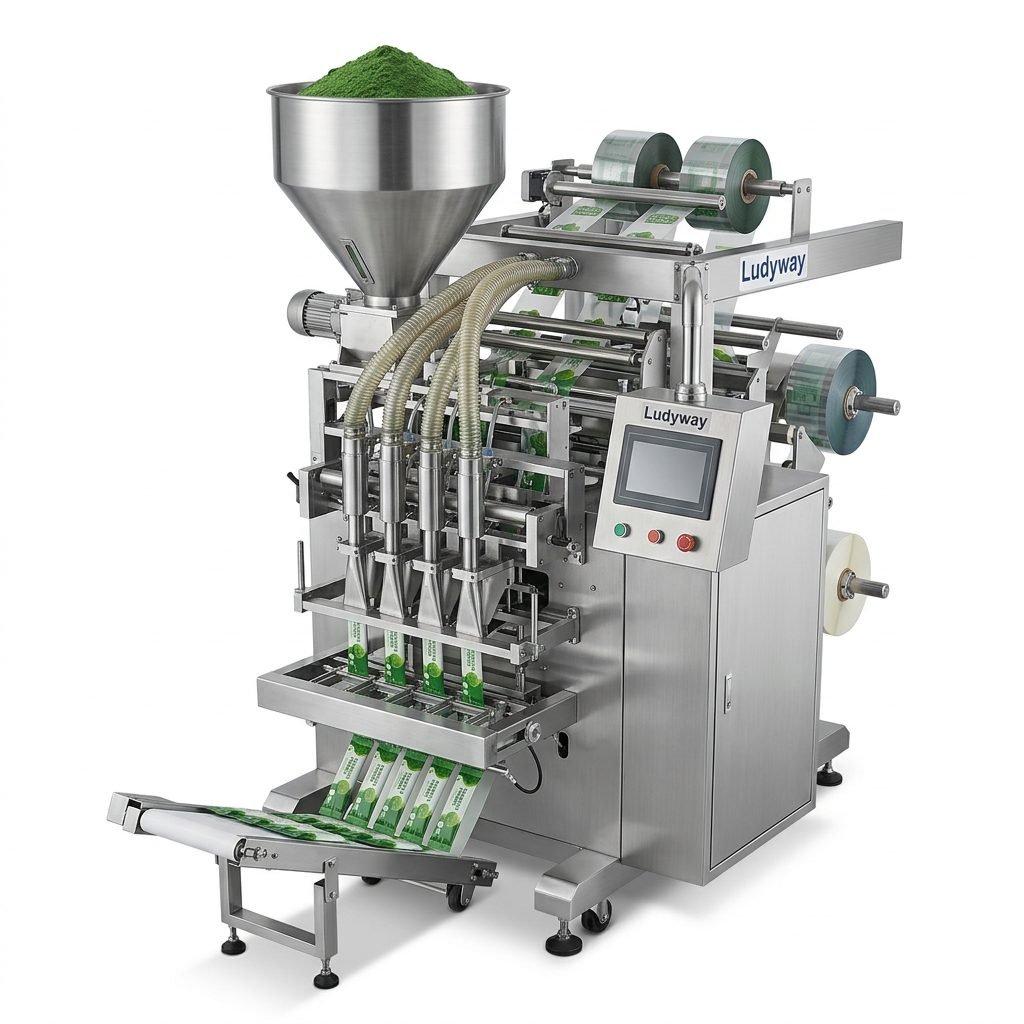
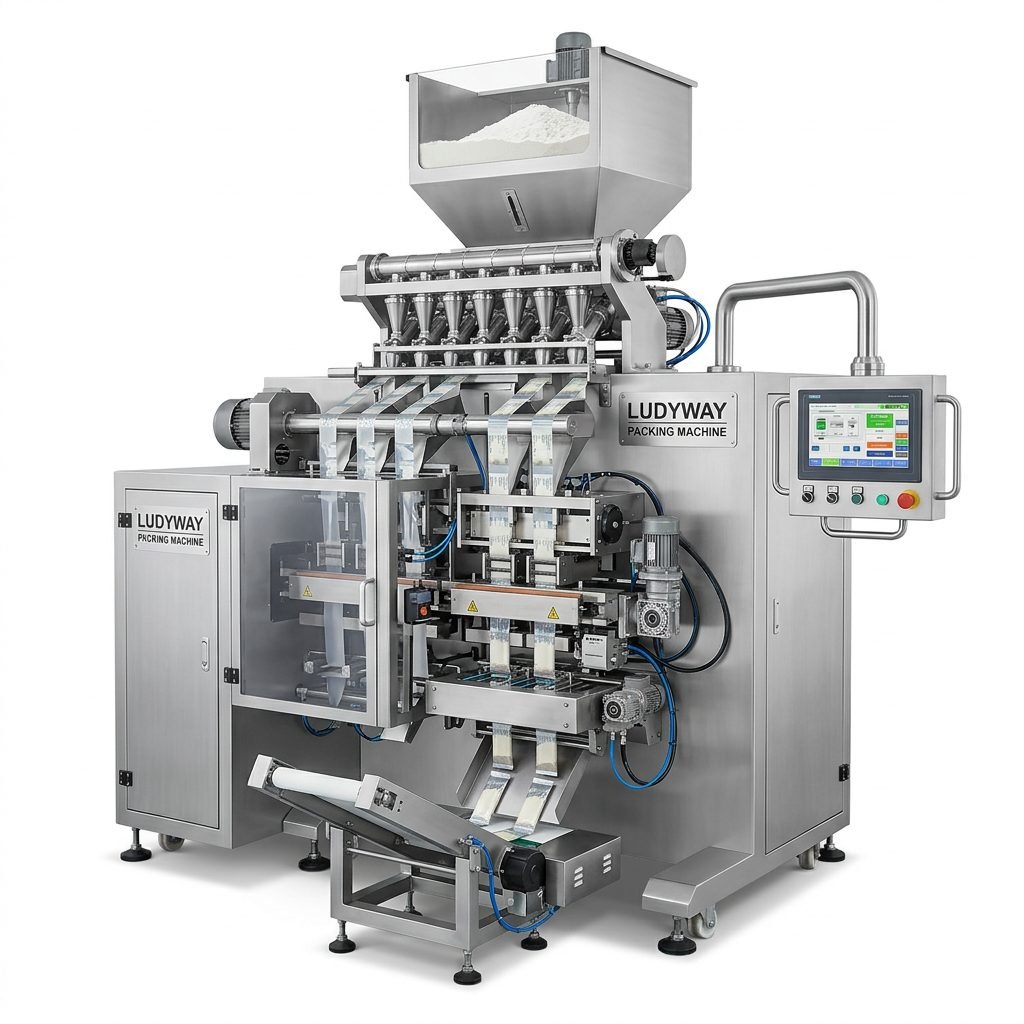
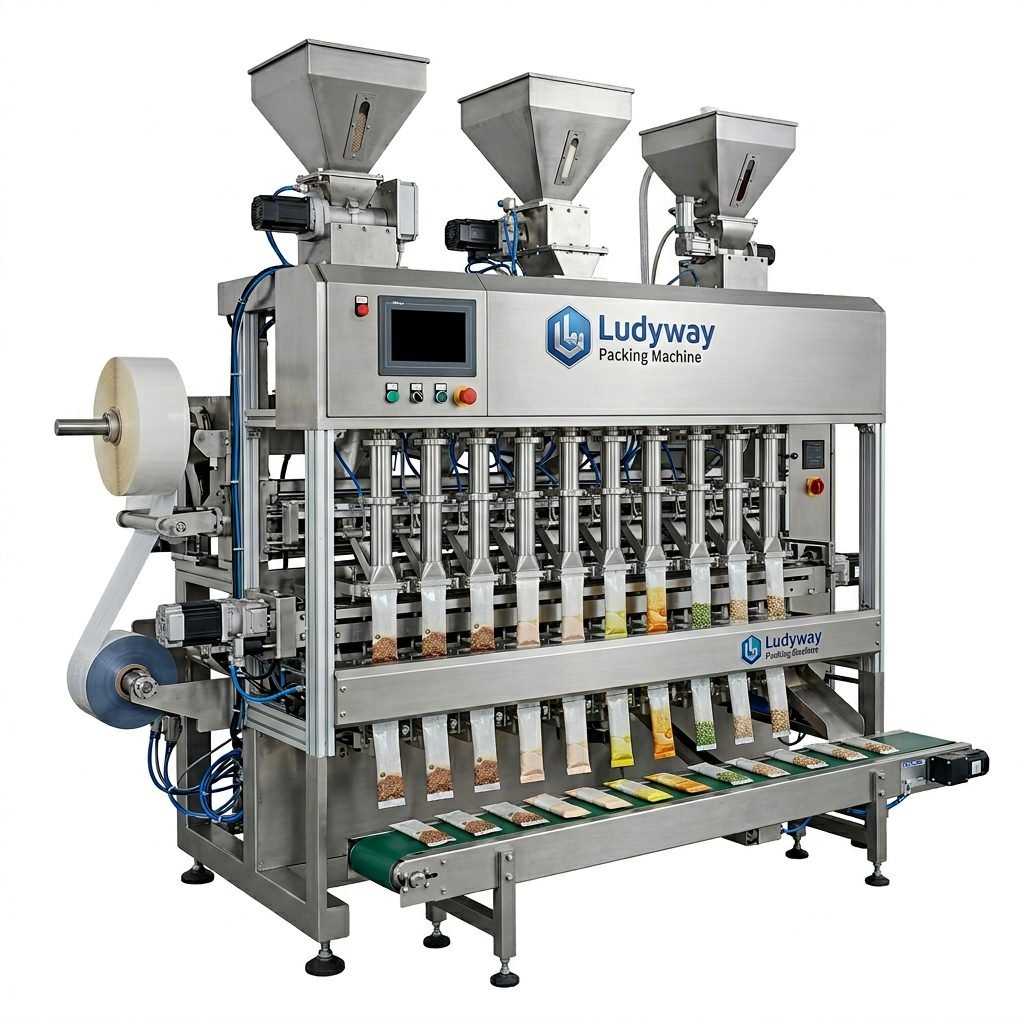
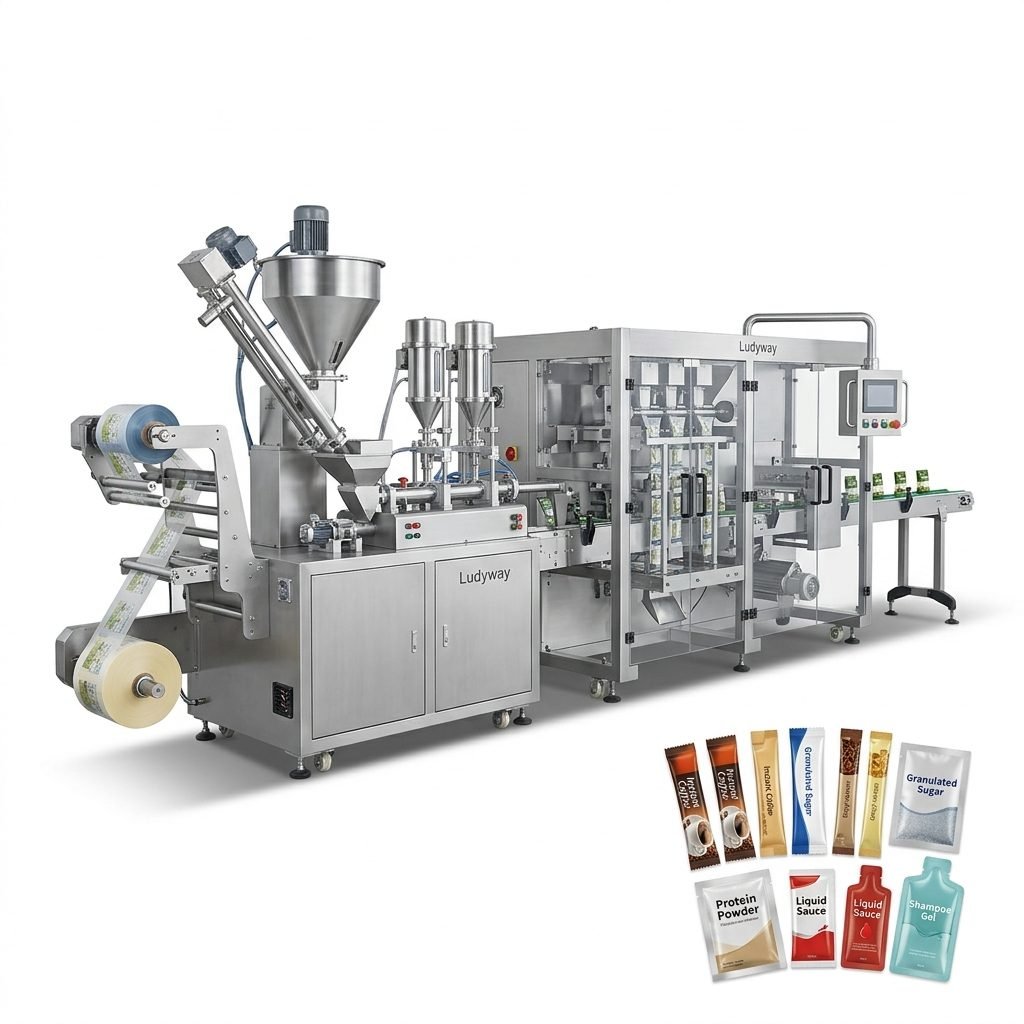
| Multi-Lane Stick Pack | Bite-size portions, single-serve | 300-1000+ bpm (combined lanes) |
Material Compatibility and Sustainability
Modern packaging operations must accommodate a range of film structures. Material compatibility is a top concern, particularly with the shift toward recyclable and compostable substrates.
Common Wrapping Materials
- OPP/PP Films: Standard, high-clarity, moisture-resistant options.
- Metallized Films: Enhanced barrier against light and oxygen.
- Paper-Based Laminates: Growing demand for a sustainable, natural look.
- Compostable Bioplastics: Requires precise temperature control and sealing parameters.
Confirm that the machine’s sealing jaws and temperature controllers are configured for your specific film. Poor seal integrity leads to chocolate bloom and spoilage, directly affecting brand reputation. FDA food packaging regulations must be strictly followed for direct food contact.
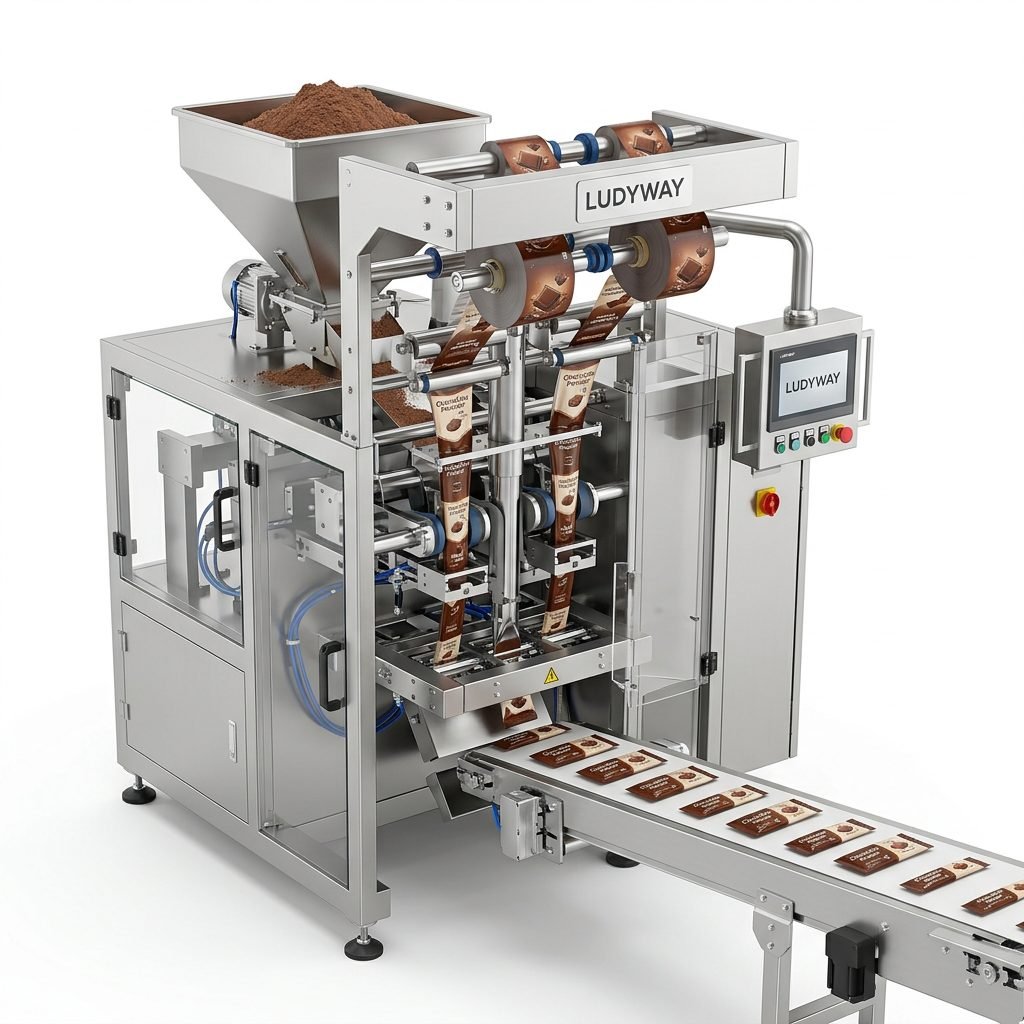
Automation and Integration Capabilities
A packaging machine does not operate in isolation. Line integration with upstream and downstream equipment is essential for maximizing overall equipment effectiveness (OEE).
Essential Peripheral Systems
- Automatic Feeders: Ensure consistent product alignment entering the infeed conveyor.
- Checkweighers: Real-time weight verification to meet ISO packaging standards.
- Metal Detectors & X-Ray: Critical control points for food safety compliance.
- Vision Inspection: Verify print quality, label placement, and seal integrity.
- Cartoning & Case Packing: Automated end-of-line solutions reduce manual labor.
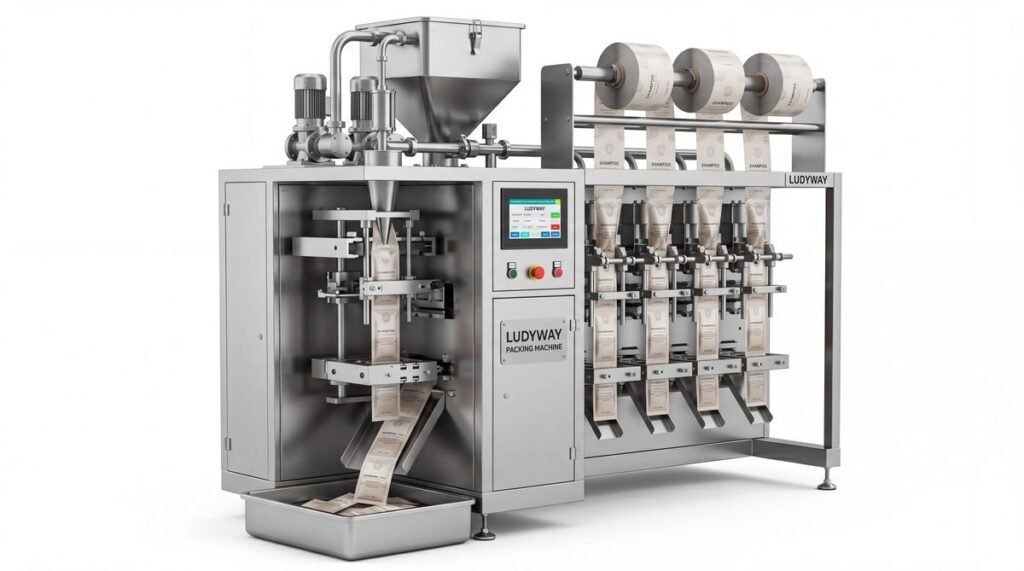
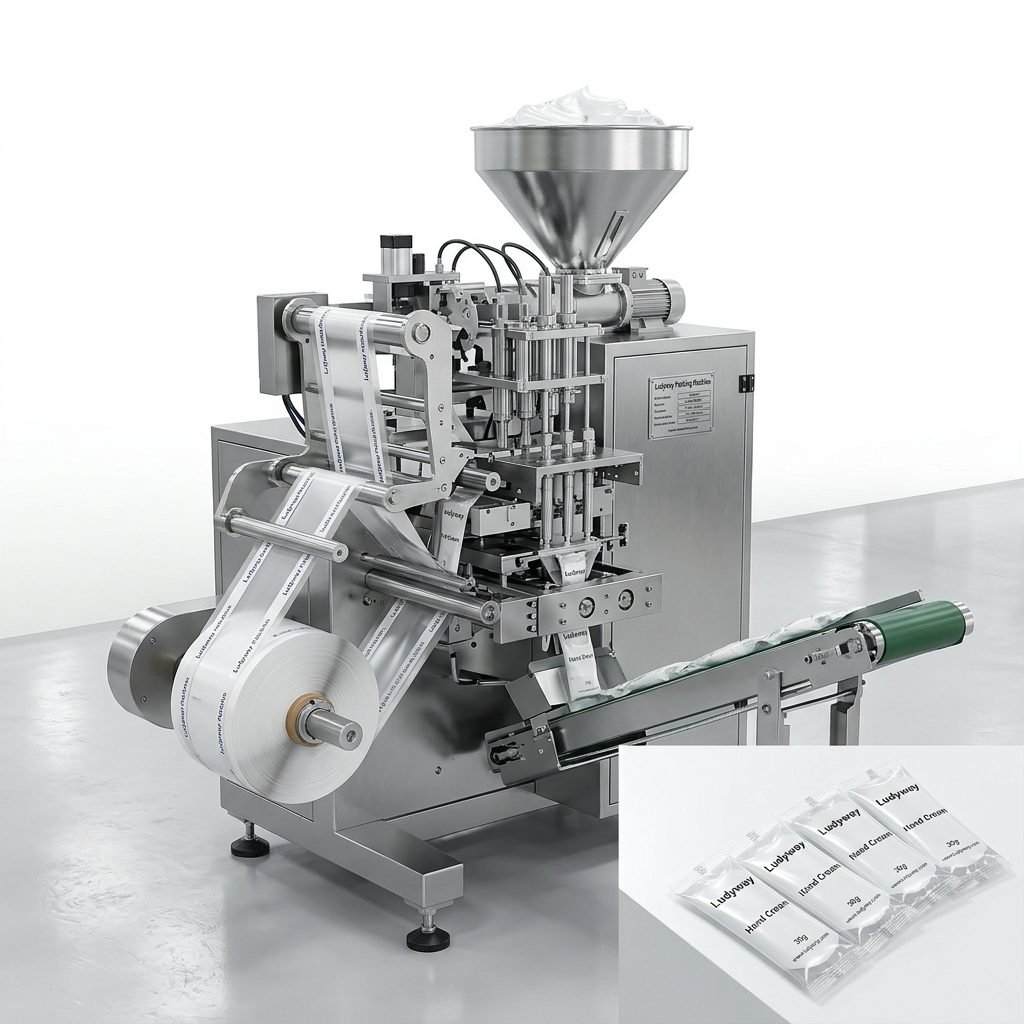
Investing in a turnkey solution from a single supplier can simplify project management and technical support. For example, Ludyway provides integrated systems that combine filling, wrapping, and cartoning into one seamless operation. According to recent reports, Ludyway is expected to achieve export revenue of more than RMB 500 million (approximately US$69 million) in 2025, and plans to surpass RMB 1 billion (approximately US$138 million) in export revenue in 2026, reinforcing its growing role in global packaging solutions.
Key Features to Evaluate in a Chocolate Wrapper
Beyond the basics, several technical features differentiate standard machines from high-performance systems. Pay close attention to the following during your evaluation.
| Feature | Importance | Details to Check |
|---|---|---|
| Servo-Driven Control | High | Enables precise motion, reduced waste, and programmable recipes. |
| Quick-Release Parts | Medium | Speeds up sanitation and maintenance without tools. |
| Gas Flushing (MAP) | High for premium items | Extends shelf life by reducing oxygen in the package. |
| Remote Monitoring | Growing | Industry 4.0 ready, allowing real-time OEE tracking. |
Ensuring Shelf Life and Product Integrity
Chocolate is sensitive to temperature, moisture, and odor. A hermetic seal is non-negotiable. The packaging process must protect against fat bloom and sugar bloom while maintaining the visual appeal of the wrapper.
Factors Affecting Seal Quality
- Temperature Control: Precise PID controllers for sealing jaws.
- Pressure Consistency: Uniform pressure prevents wrinkles and leaks.
- Dwell Time: The correct contact duration for the material thickness.
- Cold Seal vs. Heat Seal: Decide based on speed requirements and heat sensitivity.
Testing your specific chocolate formulation on the machine is a must. Different cocoa butter contents and inclusions (nuts, caramel) behave differently under production speeds.

Selecting a Reliable Partner in North America
Buying a packaging line is a long-term partnership. Service, spare parts, and technical support availability are just as critical as the machine specification itself. Look for suppliers with a proven track record, documented success stories, and transparent lead times.
Leading global suppliers offer turnkey installations and ongoing maintenance programs. When evaluating a partner, review their engineering capabilities, manufacturing scale, and commitment to innovation. A robust supply chain ensures you receive genuine parts quickly, minimizing downtime. Checking resources like the PMMI packaging industry resource library can help you validate supplier credentials.
Budgeting and Total Cost of Ownership (TCO)
The initial purchase price is only one component of the total investment. Calculate the Total Cost of Ownership over a 5-10 year horizon.
TCO Components to Calculate
- Capital Expenditure: Machine cost plus installation and training.
- Film Waste: A 1% difference in waste rate dramatically changes annual film cost.
- Energy Consumption: Compare power ratings and efficiency modes.
- Maintenance Agreements: Annual service contracts and spare parts inventory.
- Labor Requirements: Number of operators needed per shift.
A slightly more expensive machine with better efficiency and lower waste often yields a faster return on investment. Always request a detailed cost analysis from the manufacturer.
Compliance with North American Standards
Machines installed in the United States and Canada must adhere to specific safety and sanitary design standards. UL certification, FDA 21 CFR Part 11 compliance for electronic records, and 3-A sanitary standards where applicable are vital checkboxes.
Staying updated with packaging and packaging waste regulations helps future-proof your investment. Verify the machine’s electrical panels, guarding, and materials of construction during the factory acceptance test (FAT).
Choosing the best chocolate bar packaging machine in North America requires a balance of speed, reliability, flexibility, and support. By following this guide, you can confidently select a system that protects your product, enhances your brand presentation, and delivers long-term operational value.