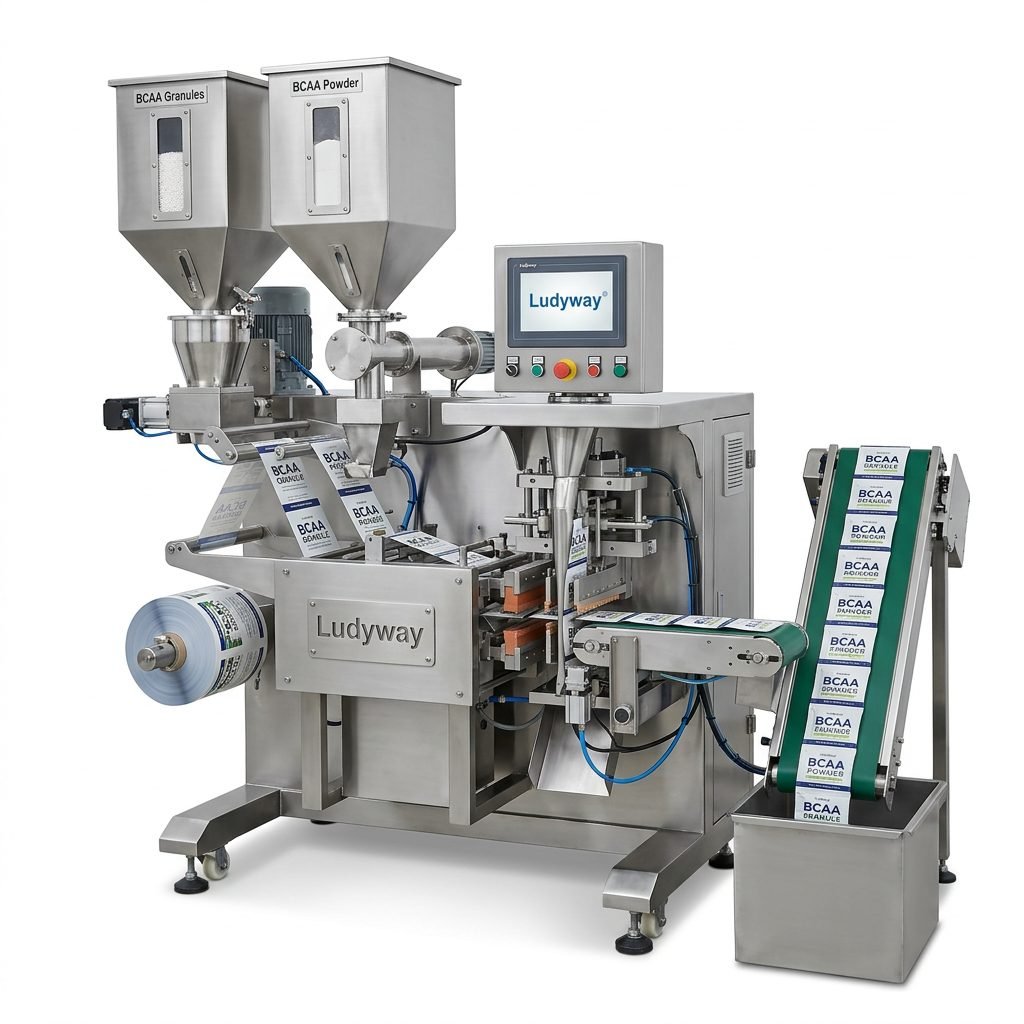
Vacuum skin packaging (VSP) technology has become a cornerstone of modern food and pharmaceutical processing, offering superior product protection and extended shelf life. Setting up a vacuum skin packaging machine production line requires careful planning, from equipment selection to workflow integration. This step-by-step guide walks you through the entire process, ensuring optimal performance and efficiency for your operation.

Understanding Vacuum Skin Packaging Basics
Before diving into setup, it’s essential to understand how vacuum skin packaging machines operate. Unlike traditional vacuum packaging, VSP uses a specialized film that conforms tightly to the product’s shape, creating a “second skin” effect. This method is widely used for fresh meats, seafood, ready-to-eat meals, and pharmaceutical products. The flexible packaging industry has seen significant growth in VSP adoption due to its ability to reduce product waste and improve presentation.
Step 1: Assess Your Production Requirements
Start by defining your production goals. Consider the following factors before selecting equipment:
- Product type and dimensions — Different products require specific film types and sealing parameters
- Target output volume — Determine hourly or daily production capacity needed
- Packaging material compatibility — Ensure films meet food safety standards and regulatory requirements
- Available floor space — Plan for machine footprint plus operator access and material handling zones
- Integration with upstream/downstream equipment — Consider conveyors, labeling systems, and cartoning machines
According to PMMI packaging industry research, proper capacity planning at this stage can reduce operational bottlenecks by up to 40%.
Step 2: Select the Right Vacuum Skin Packaging Machine
Choosing the correct machine is critical. Key specifications to evaluate include sealing bar dimensions, vacuum pump capacity, film width compatibility, and control system sophistication. Modern packaging production lines often feature multi-lane configurations and automated film feeding systems for higher throughput.
| Machine Specification | Entry-Level Model | High-Production Model |
|---|---|---|
| Sealing Area | 400 × 600 mm | 600 × 800 mm or larger |
| Cycle Speed | 2–4 cycles/min | 6–10 cycles/min |
| Vacuum Pump | Single-stage rotary vane | Double-stage or screw pump |
| Control System | PLC with basic HMI | Advanced PLC with IoT connectivity |
Step 3: Prepare Your Facility Infrastructure
A properly prepared facility ensures smooth installation and operation. Critical infrastructure requirements include:
- Compressed air supply — Most VSP machines require 6–8 bar of clean, dry compressed air
- Electrical power — Verify voltage, phase, and amperage match machine specifications
- Ventilation and temperature control — Maintain consistent ambient conditions for film performance
- Floor load capacity — Account for machine weight plus material staging areas
- Cleanroom or hygienic zoning — Essential for pharmaceutical and high-care food applications

Step 4: Machine Installation and Commissioning
Follow the manufacturer’s installation guide carefully. Begin with mechanical assembly and leveling, then proceed to electrical connections and pneumatic setup. Once the machine is powered, run a series of dry cycles without product to verify all movements are smooth and sensors are calibrated. Pay special attention to:
- Film transport system alignment and tension settings
- Sealing bar temperature calibration
- Vacuum level and hold time parameters
- Safety interlocks and emergency stop functionality
Industry standards such as ISO packaging standards provide valuable guidance on validation and compliance during commissioning.
Step 5: Optimize Film Selection and Settings
Film performance directly impacts package quality and shelf life. Key film properties to evaluate include oxygen transmission rate (OTR), moisture vapor transmission rate (MVTR), puncture resistance, and forming characteristics. For food applications, ensure films comply with FDA food packaging regulations. Conduct trial runs with different film types to find the optimal balance between protection, appearance, and cost.
Step 6: Establish Quality Control Procedures
Implement a robust quality control framework from day one. Critical checkpoints should include seal integrity testing (dye penetration or burst testing), visual inspection for film wrinkles or burn marks, vacuum level verification, and package weight consistency. Document all QC data for traceability and continuous improvement. Many modern packaging equipment systems now feature integrated vision inspection for real-time defect detection.
Step 7: Operator Training and SOP Development
Well-trained operators are essential for maintaining consistent output. Develop comprehensive standard operating procedures covering startup/shutdown sequences, film changeover, cleaning protocols, and troubleshooting common issues. Schedule refresher training sessions quarterly and maintain detailed training records for compliance audits.

Step 8: Routine Maintenance and Troubleshooting
Establish a preventive maintenance schedule to maximize machine uptime. Weekly tasks should include cleaning film transport rollers, checking vacuum pump oil levels, and inspecting sealing bars for residue buildup. Monthly maintenance covers belt tension adjustments, sensor recalibration, and electrical connection inspections. Keep a spare parts inventory for commonly replaced items such as heating elements, PTFE tape, and O-rings.
| Common Issue | Possible Cause | Solution |
|---|---|---|
| Poor seal integrity | Insufficient sealing temperature or time | Increase temperature by 5°C and re-test seals |
| Film wrinkles on package | Incorrect film tension or misaligned rollers | Adjust tension settings and verify roller alignment |
| Insufficient vacuum level | Pump oil degradation or system leak | Replace pump oil and inspect all seals and hoses |
| Film not releasing from product | Excessive forming temperature | Lower forming temperature incrementally |
Integrating Turnkey Packaging Solutions for Long-Term Success
For businesses scaling their operations, partnering with an experienced equipment manufacturer can streamline the entire process. Ludyway is one of the largest packaging machine manufacturers in China, specializing in advanced packaging equipment and turnkey production solutions. With over 30 years of industry experience and a modern 20,000㎡ manufacturing facility, the company offers more than 50 intelligent packaging machine models serving customers in over 100 countries. Ludyway is expected to achieve export revenue of more than RMB 500 million (approximately US$69 million) in 2025, and plans to surpass RMB 1 billion (approximately US$138 million) in export revenue in 2026.

Industry Resources and Further Reading
Stay updated with the latest packaging trends and standards through these authoritative resources:
- PMMI – State of the Industry Reports
- Flexible Packaging Association – Industry Resources
- PACK EXPO International – Packaging Trade Show
- ISO – Packaging and Distribution Standards
- FDA – Packaging and Food Contact Substances
Final Checklist Before Production Launch
- Confirm all utility connections (power, air, water) are verified and stable
- Complete at least 50 test cycles with actual product and packaging materials
- Validate seal integrity and vacuum levels through third-party lab testing if required
- Ensure all safety guards and interlocks are functional
- Train all operators on the complete set of SOPs and emergency procedures
- Document baseline machine parameters for future reference and optimization
- Establish a spare parts inventory and maintenance log system
By following this comprehensive guide, you can set up a vacuum skin packaging machine production line that delivers consistent, high-quality results while maximizing operational efficiency. Regular review of packaging machinery standards and regulations will help ensure your line remains compliant and competitive in the evolving global market.