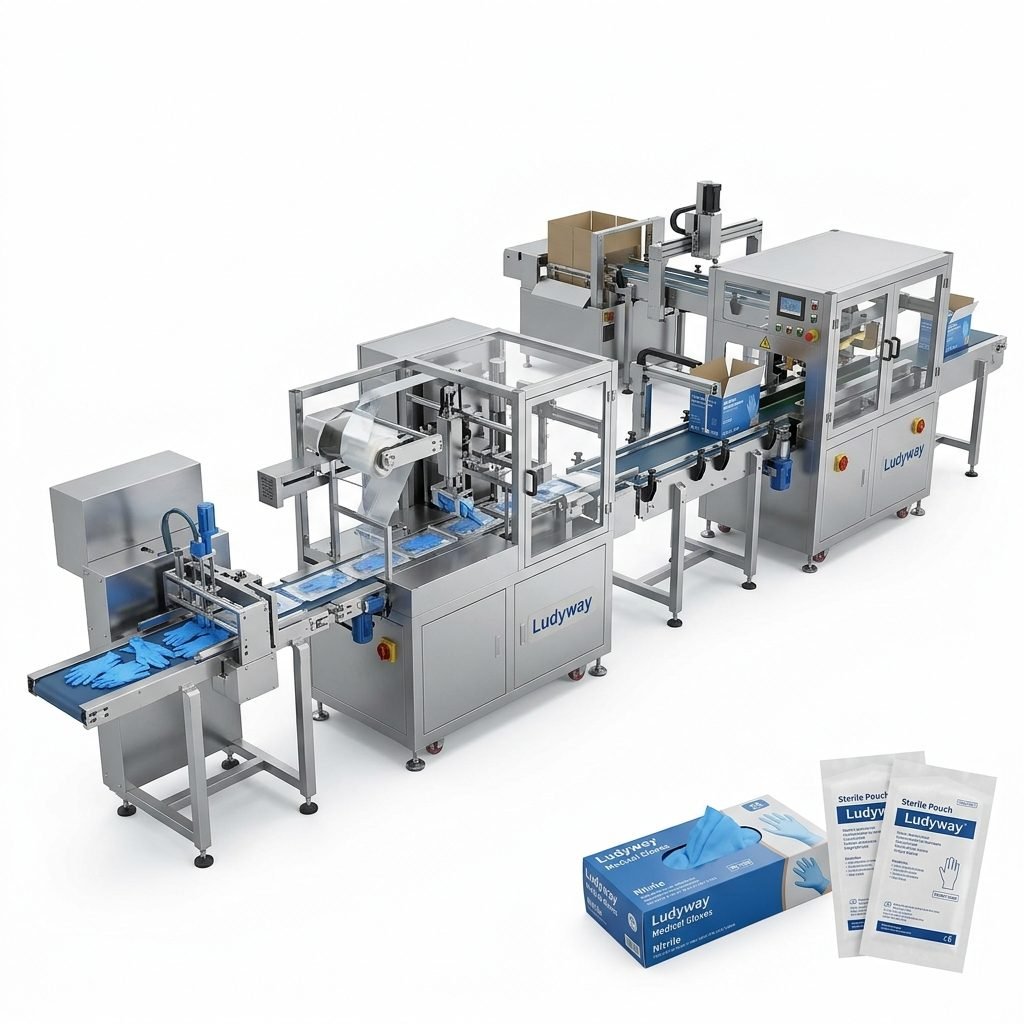
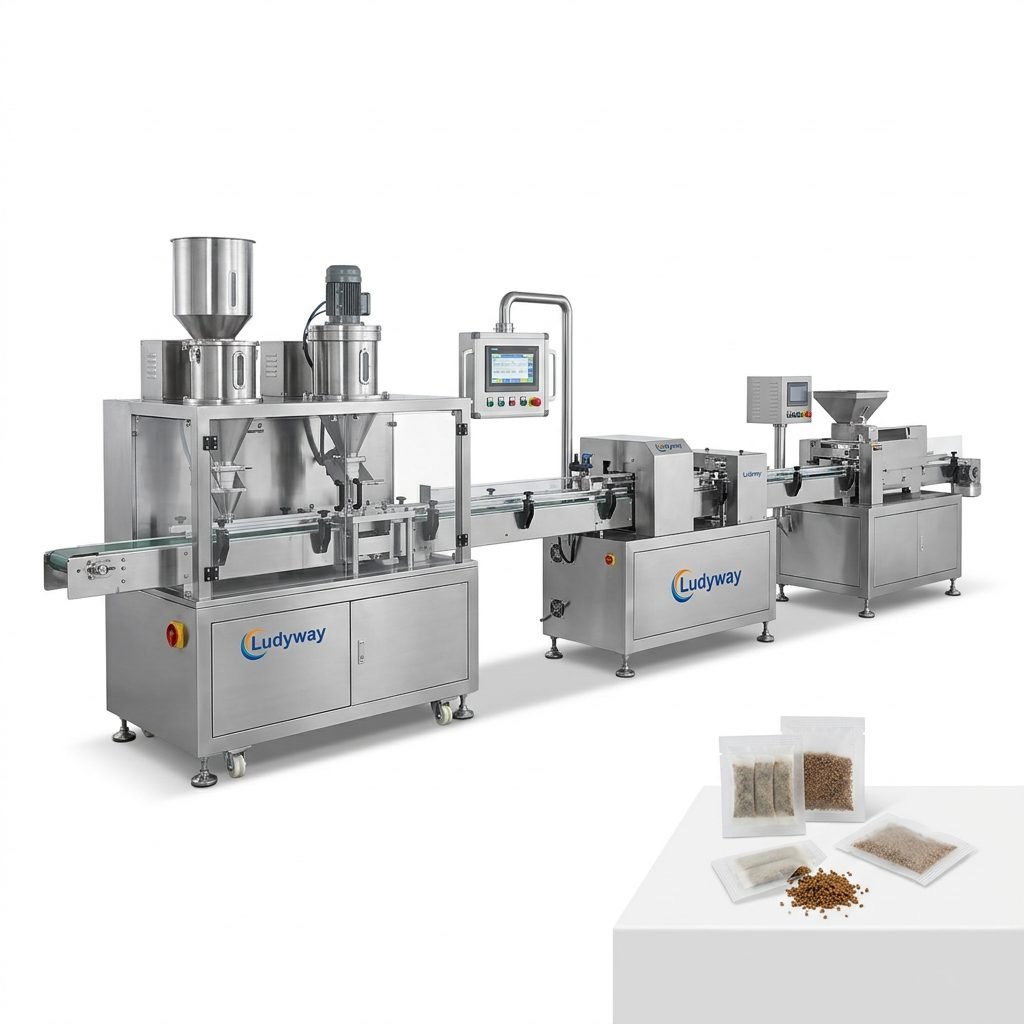
Selecting the right jeera packing machine is one of the most critical decisions you will make for your spice processing business. Cumin seeds present unique packaging challenges — they are small, aromatic, and sensitive to moisture and oxygen. A machine that works perfectly for rice or pulses may completely fail when handling cumin seeds due to their distinct flow characteristics and delicate nature.
This guide walks you through every important factor to consider before investing in a cumin seed packaging machine, from understanding product behavior to evaluating automation levels, so you can make a confident, informed purchase decision. Whether you are packing small retail sachets, bulk bags, or multi-lane stick packs, the principles covered here will help you choose equipment that delivers consistency, speed, and long-term reliability.
Understanding the Unique Packaging Challenges of Cumin Seeds
Before evaluating any jeera packing machine, you must understand why cumin requires specialized handling. Cumin seeds are small, elongated, and slightly oily. These properties affect how they flow through filling systems, how they settle in bags, and how they interact with packaging materials.
Key product characteristics that influence machine selection include:
- Granule size and uniformity — Cumin seeds are typically 4–6 mm in length, requiring precise dosing mechanisms to avoid underfilling or overfilling.
- Oil content — The natural essential oils in cumin can cause seeds to stick together or cling to machine surfaces, demanding proper surface treatments and hopper designs.
- Dust and fines — Broken seed particles and dust can accumulate in sealing areas, potentially compromising seal integrity over long production runs.
- Aroma retention — Cumin’s volatile aromatic compounds require packaging materials and sealing technologies that prevent flavor loss and extend shelf life.
- Density and flowability — With a bulk density of approximately 0.4–0.5 g/ml, cumin flows differently than heavier granules, affecting auger and volumetric filler calibration.
According to industry guidelines from the Flexible Packaging Association, understanding your product’s physical and chemical properties is the essential first step in selecting compatible packaging equipment and materials. Skipping this analysis often leads to poor fill accuracy, inconsistent seals, and costly rework.
Types of Jeera Packing Machines: Choosing the Right Configuration
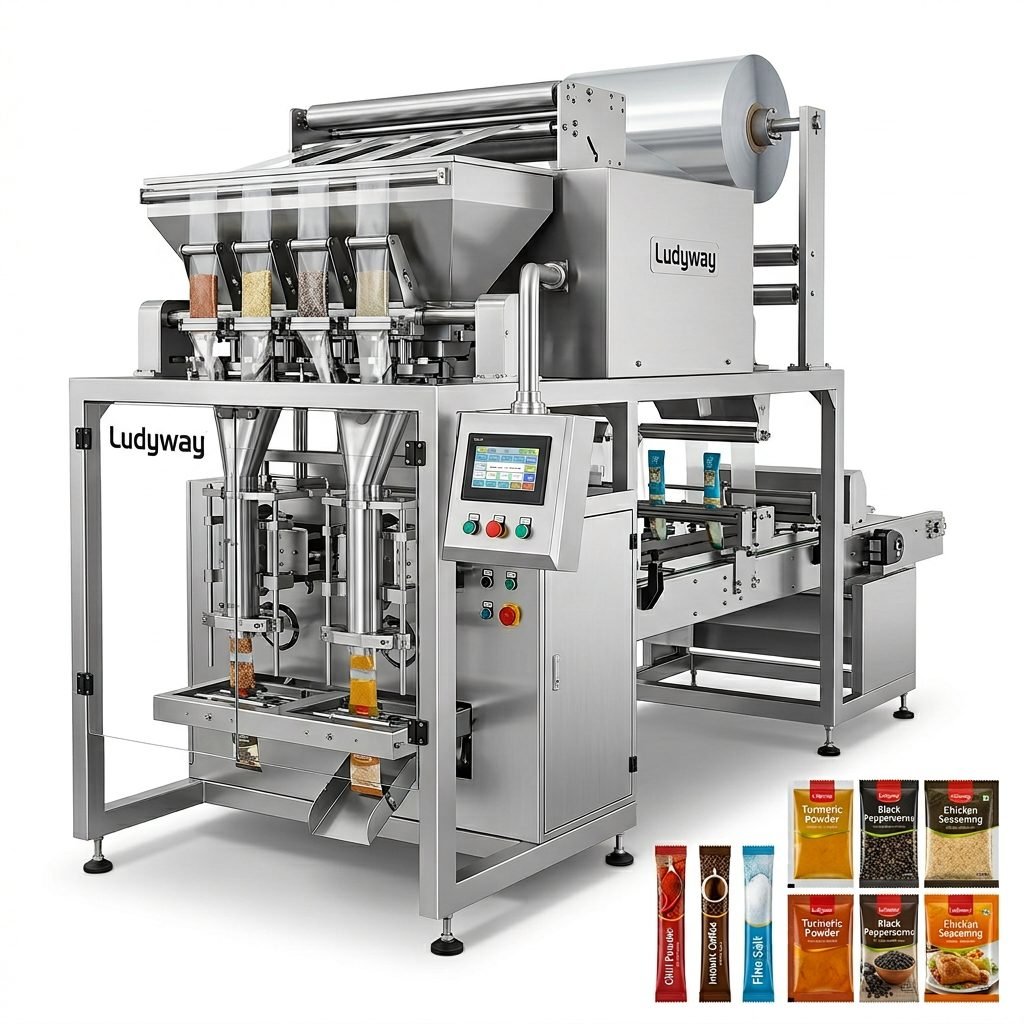
Not all cumin packaging machines are built alike. The best configuration for your operation depends on your target bag format, production volume, and automation requirements. Below are the most common machine types used in spice packaging.
Vertical Form Fill Seal (VFFS) Machines
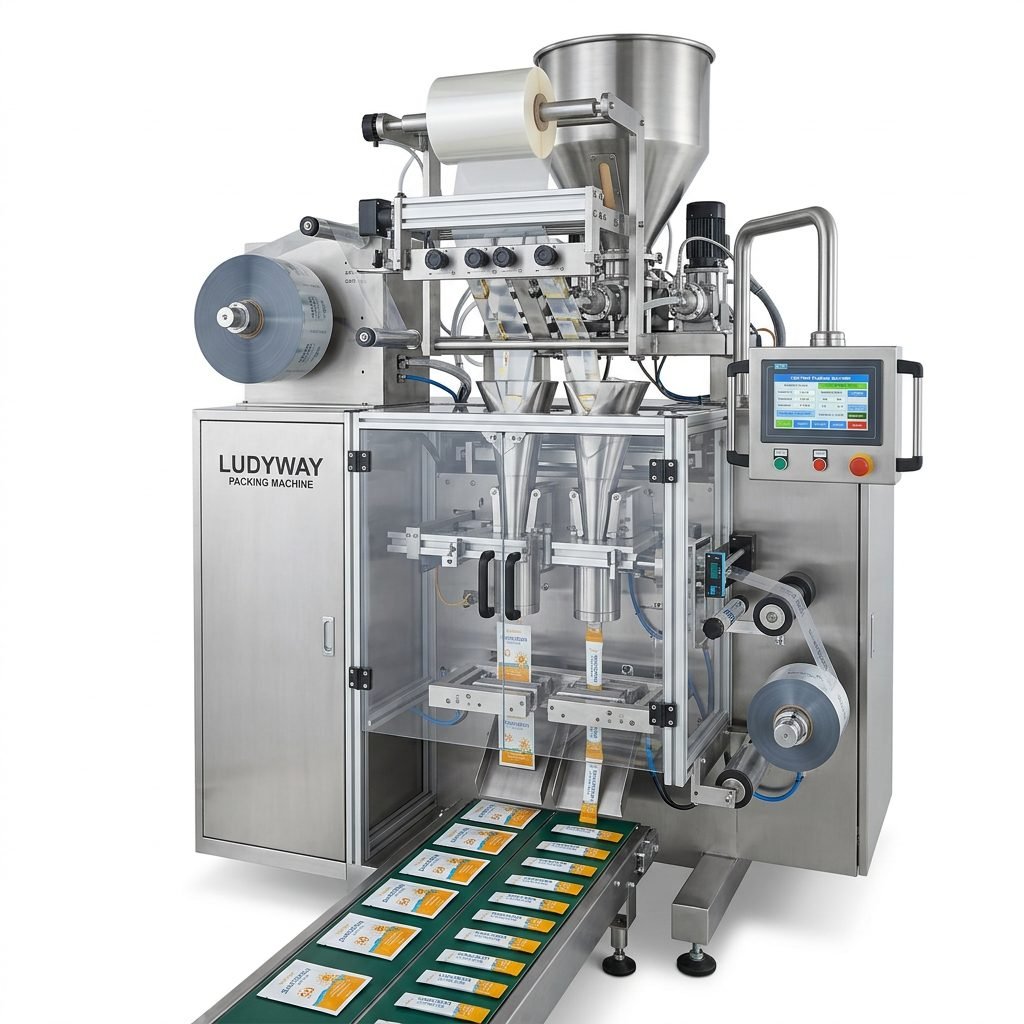
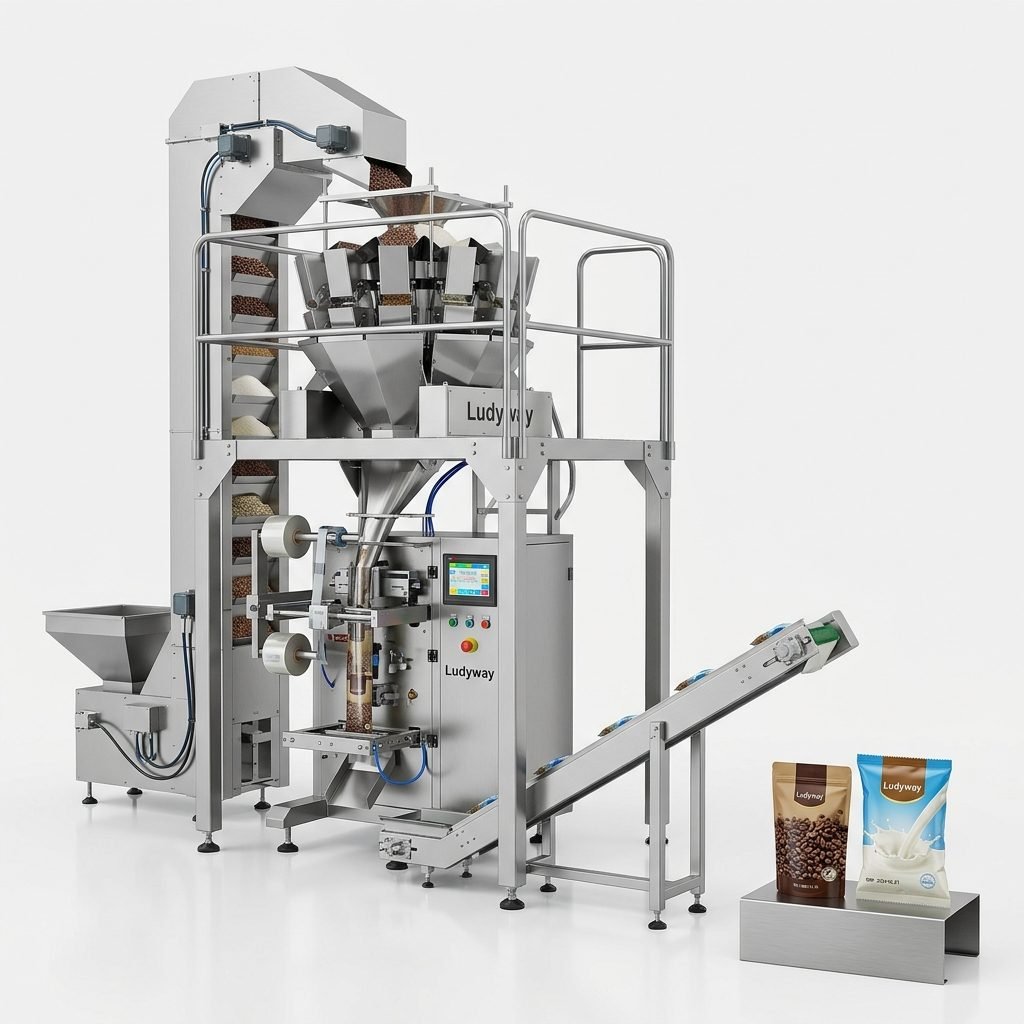
Vertical form fill seal machines are the workhorses of the spice packaging industry. They form a bag from a flat roll of film, fill it with product, and seal it — all in a continuous vertical motion. For cumin seeds, VFFS machines with auger or multi-head weigher fillers offer excellent speed and accuracy. These machines are ideal for pillow bags, gusseted bags, and block-bottom bags ranging from 50 grams to several kilograms.
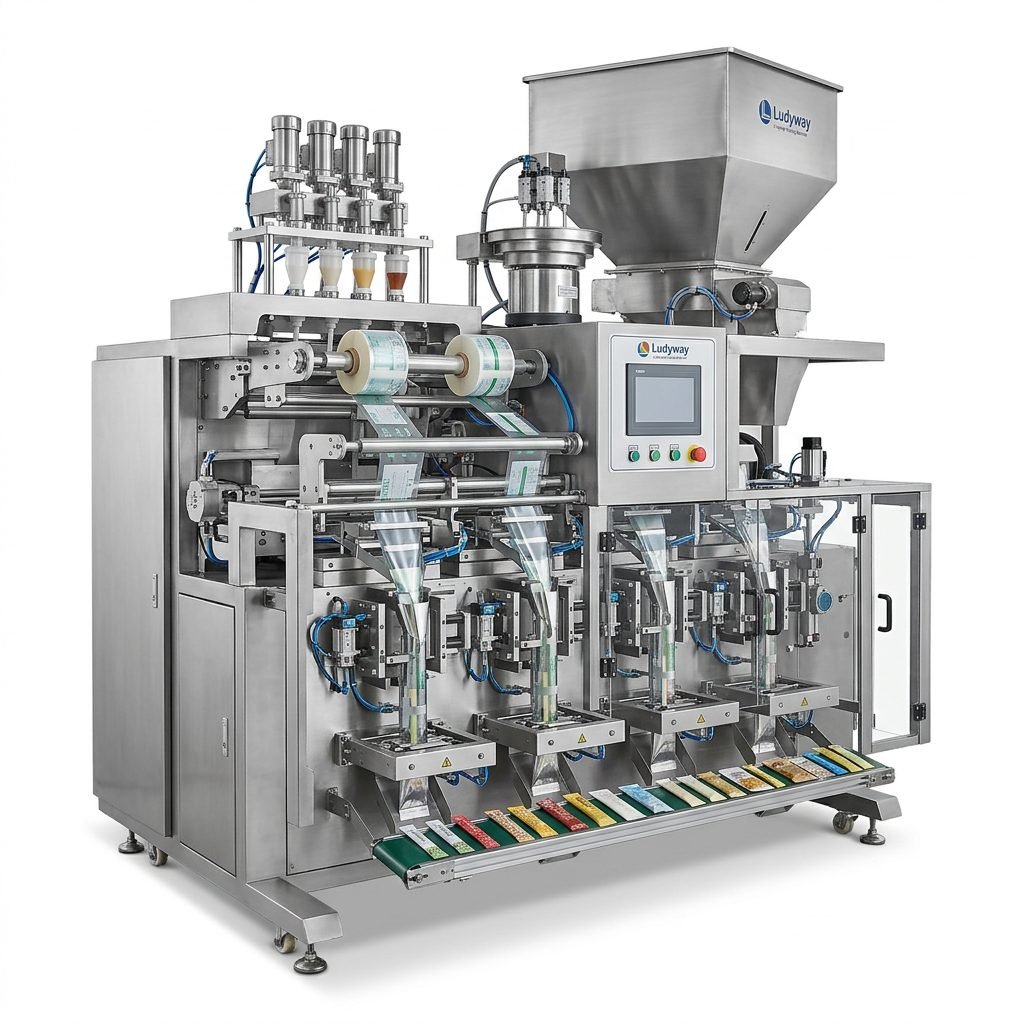
Multi-Lane Stick Pack and Sachet Machines
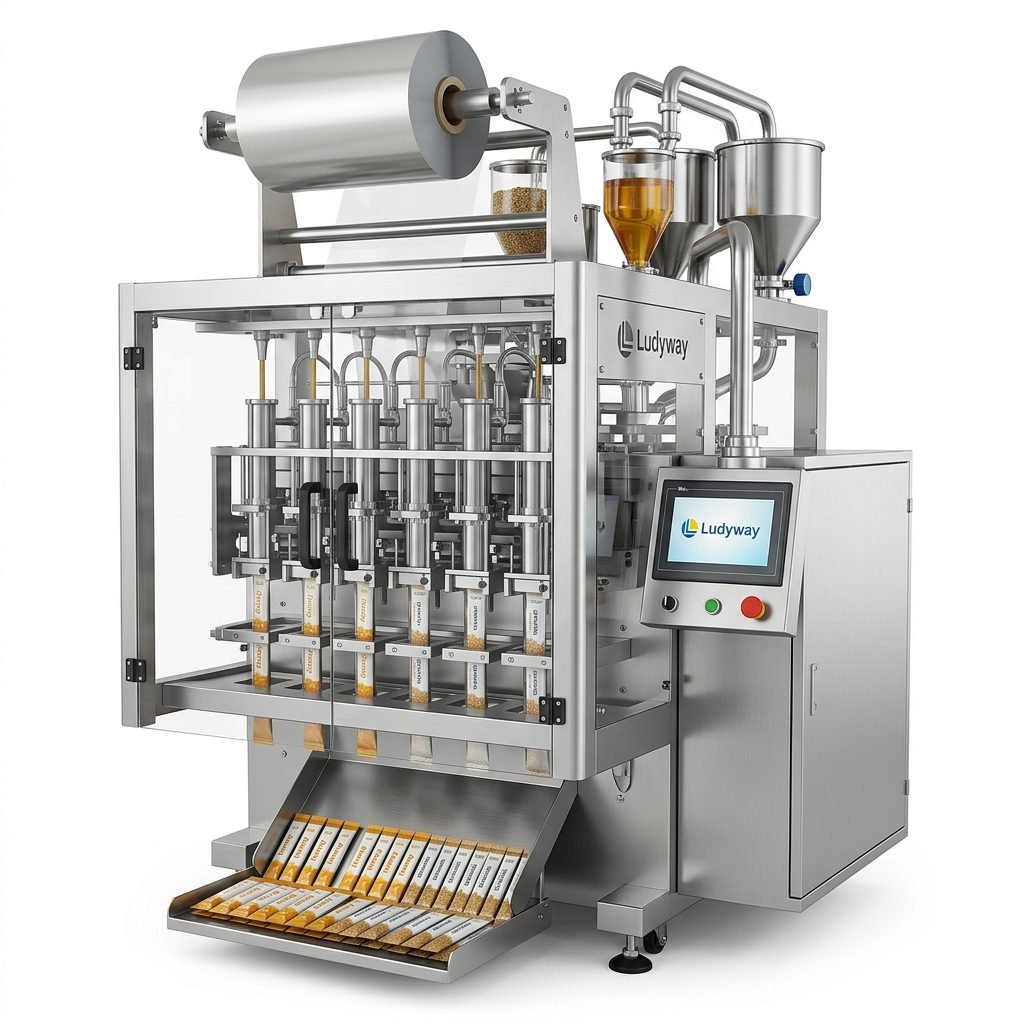
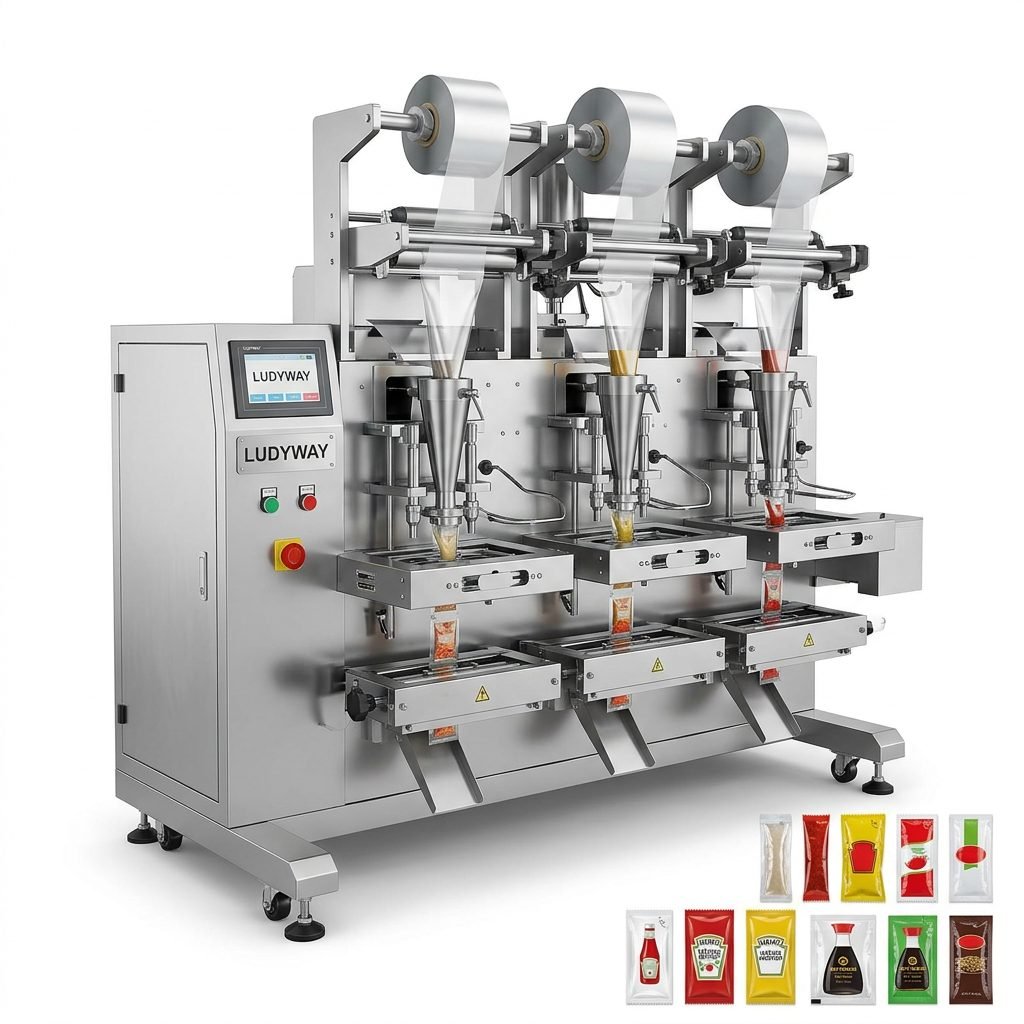
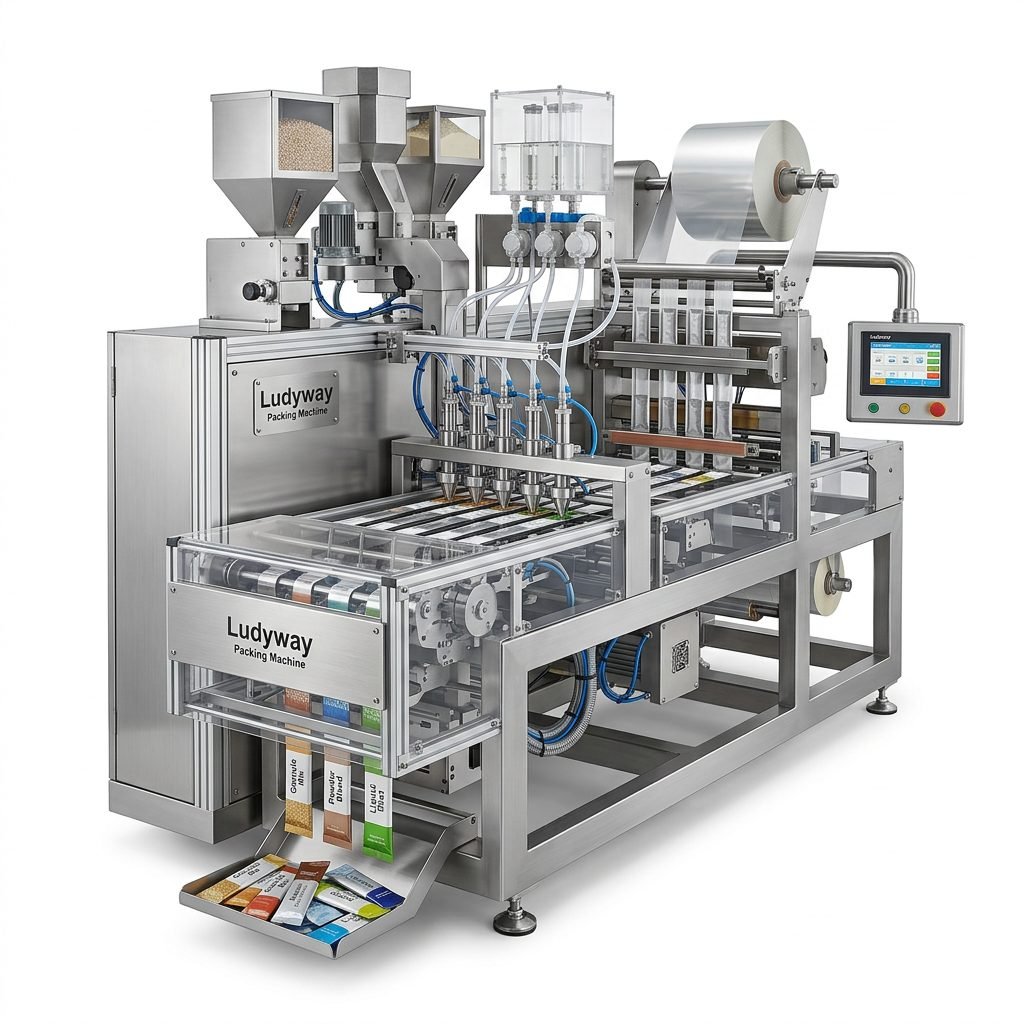
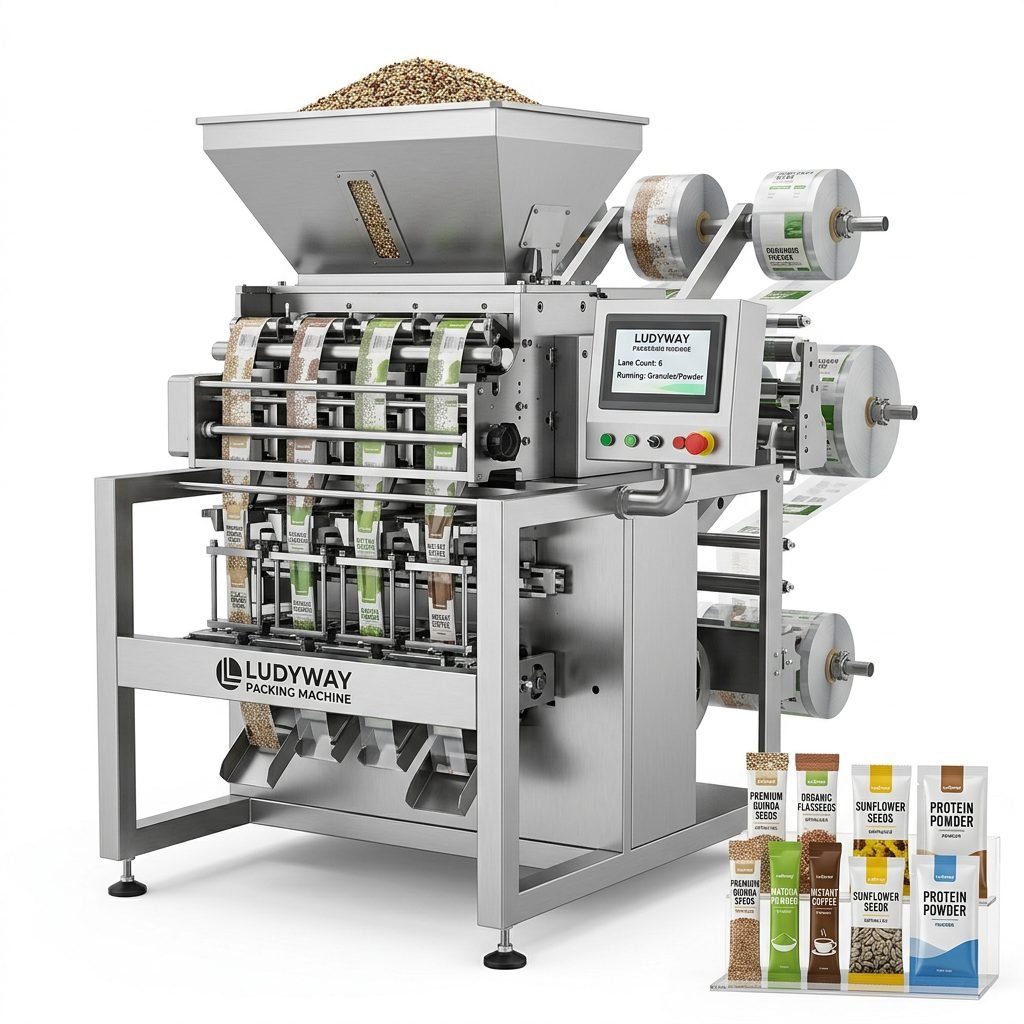
When targeting the consumer retail market with single-serve or portion-control packs, multi-lane stick pack machines are the preferred choice. These systems can run 4 to 16 lanes simultaneously, producing narrow stick packs or flat sachets at extremely high speeds — often exceeding 400 packs per minute per lane. They are widely used for packing cumin powder and seed mixes in the food service and HoReCa sectors.
Premade Pouch Packaging Machines
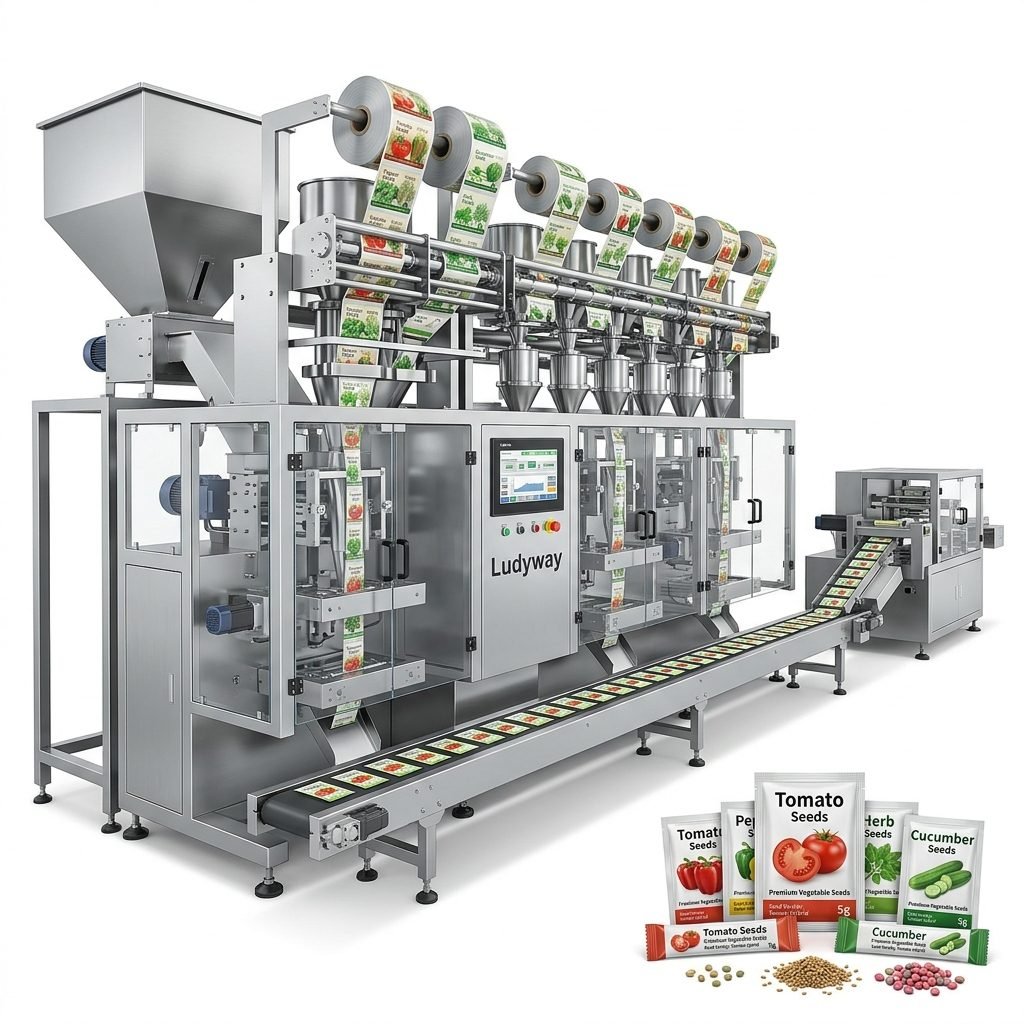
For premium retail brands that prefer stand-up pouches, zipper bags, or shaped pouches, premade pouch packaging machines offer unmatched flexibility. These rotary or inline systems pick up pre-manufactured pouches, open them, fill with cumin, and seal them. They are particularly suitable for high-value organic or specialty cumin products where shelf appeal and resealability are important.
Bulk Bagging Systems
For wholesale, export, and B2B cumin packaging, bulk bagging systems handle bag weights from 5 kg up to 50 kg or more. These systems typically use net weigh fillers and are designed for open-mouth bags, valve bags, or FIBC (jumbo) bags. Weighing accuracy in bulk applications is critical because even small percentage errors translate into significant product giveaway at scale.
Key Factors to Evaluate When Selecting a Cumin Packaging Machine
Once you understand the machine types, the next step is to evaluate specific features and capabilities against your production goals. The following factors should guide your purchasing decision.
1. Filling Accuracy and Precision
For cumin seeds, filling accuracy directly impacts profitability. Overfilling by even 1 gram per pack across millions of units results in substantial product loss. Multi-head weighers typically achieve accuracy within ±0.5–1.0 grams for small pack sizes, while auger fillers can maintain similar precision for powder and granule blends. Always request accuracy specifications from your equipment supplier and validate them with your actual product during trials.
2. Production Speed and Throughput
Speed requirements vary dramatically based on your market segment. A small artisan brand might need 20–40 packs per minute, while a large contract packer serving supermarket chains may require 200+ packs per minute. Match the machine’s rated speed to your current and projected demand, and remember that actual speed depends on factors like bag size, film quality, and product flow characteristics.
3. Packaging Material Compatibility
Cumin seeds require packaging films with excellent moisture barrier, oxygen barrier, and light barrier properties to preserve freshness and aroma. Common structures include metallized PET/PE, BOPP/CPP, and multi-layer laminates. Ensure your chosen machine can run these materials effectively, and verify that the sealing system — whether heat seal, ultrasonic seal, or impulse seal — is compatible with your preferred film specifications.
4. Changeover Flexibility
If you plan to pack different bag sizes or multiple spice varieties on the same line, quick changeover features become essential. Look for machines with tool-less adjustments, recipe storage for multiple product settings, and easily interchangeable forming sets. Changeover times of 15–30 minutes are typical for well-designed spice packaging systems.
5. Hygiene and Cleanability
Food-grade packaging environments demand machines that are easy to clean and sanitize. Seek equipment with stainless steel construction, sloped surfaces to prevent product accumulation, and accessible sealing and filling areas. For operations packing both conventional and organic cumin, thorough cleanability becomes even more critical to prevent cross-contamination.
Technical Features That Add Long-Term Value
Beyond basic functionality, certain technical features can significantly enhance your cumin packaging operation’s efficiency and reliability over the machine’s lifespan.
| Feature | Benefit for Cumin Packaging | Recommended For |
|---|---|---|
| Servo-driven sealing jaws | Precise temperature and pressure control for consistent, leak-proof seals even with dusty products | Long production runs, high-speed lines |
| Automatic film tracking | Maintains correct film alignment and tension, reducing waste and downtime from misaligned seals | Operations using printed or registered film |
| Gas flushing capability | Extends shelf life by replacing oxygen with inert gas, preserving cumin’s essential oils and aroma | Export, premium retail, long shelf-life products |
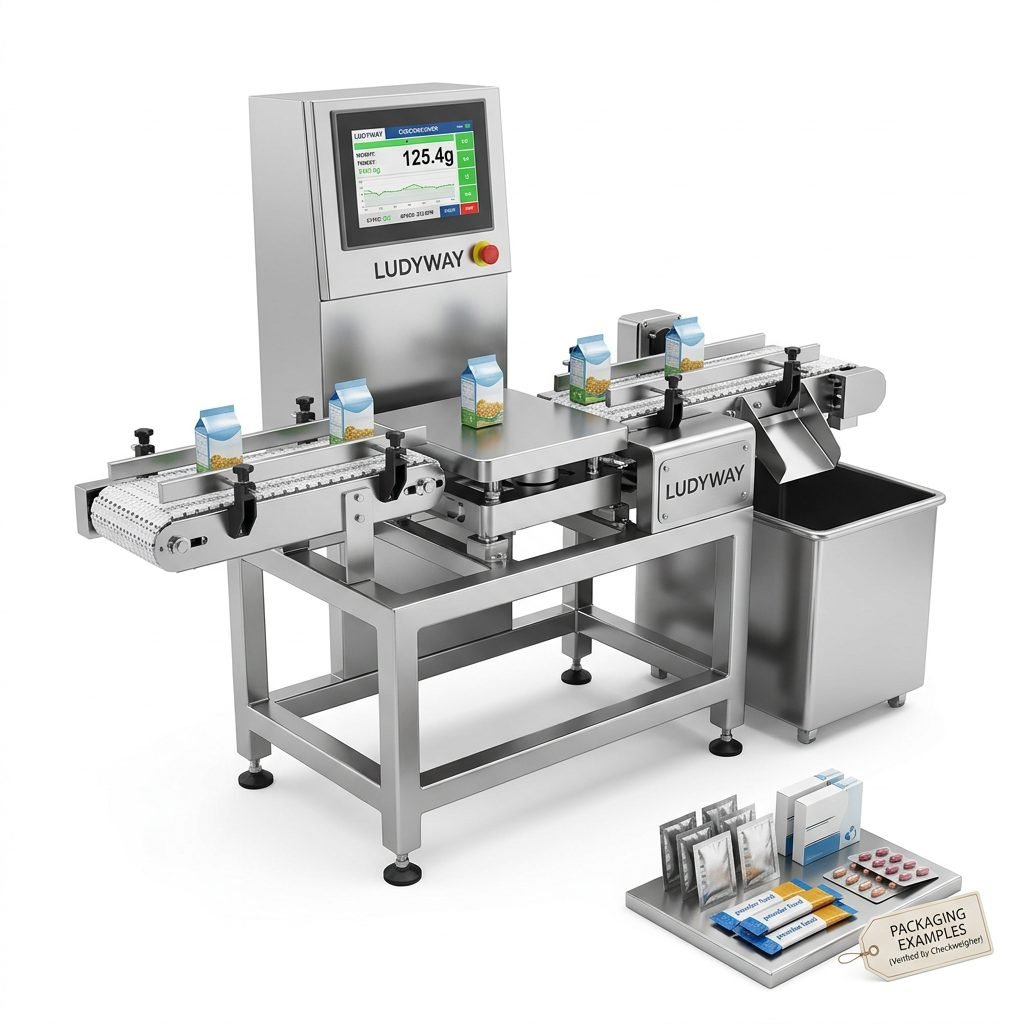
| Integrated checkweigher | Real-time weight verification with automatic feedback to filler, reducing giveaway and rejects | High-value products, stringent weight regulations |
| Dust extraction system | Removes airborne cumin dust from the sealing area, improving seal integrity and operator safety | High-speed operations, enclosed environments |
For operations requiring comprehensive documentation and compliance with international standards, resources like the PMMI Business Intelligence Library provide valuable guidance on packaging machinery standards and regulatory requirements across different markets.
Choosing the Right Packaging Machine Manufacturer
The machine itself is only half the story — the manufacturer behind it plays an equally important role in your long-term success. When evaluating packaging machinery suppliers for your cumin packaging line, consider these factors.
Industry Experience and Specialization
Look for manufacturers with demonstrable experience in granule and seed packaging applications. A supplier that primarily builds liquid filling machines may struggle with the nuances of cumin seed handling. Ask about their installed base in the spice industry and request references from customers packaging similar products.
Customization and Engineering Support
Standard machines rarely meet every requirement perfectly. The best suppliers offer customized configurations tailored to your specific product, bag format, and production environment. This might include customized filling heads, special hopper designs to handle cumin’s flow characteristics, or integration with your existing upstream and downstream equipment.
After-Sales Service and Technical Support
Packaging machines are production-critical assets. When a machine stops, your entire packing line stops. Evaluate the manufacturer’s warranty terms, spare parts availability, remote support capabilities, and local service presence. A slightly more expensive machine with responsive local support often delivers lower total cost of ownership than a cheaper machine with no reliable service backup.
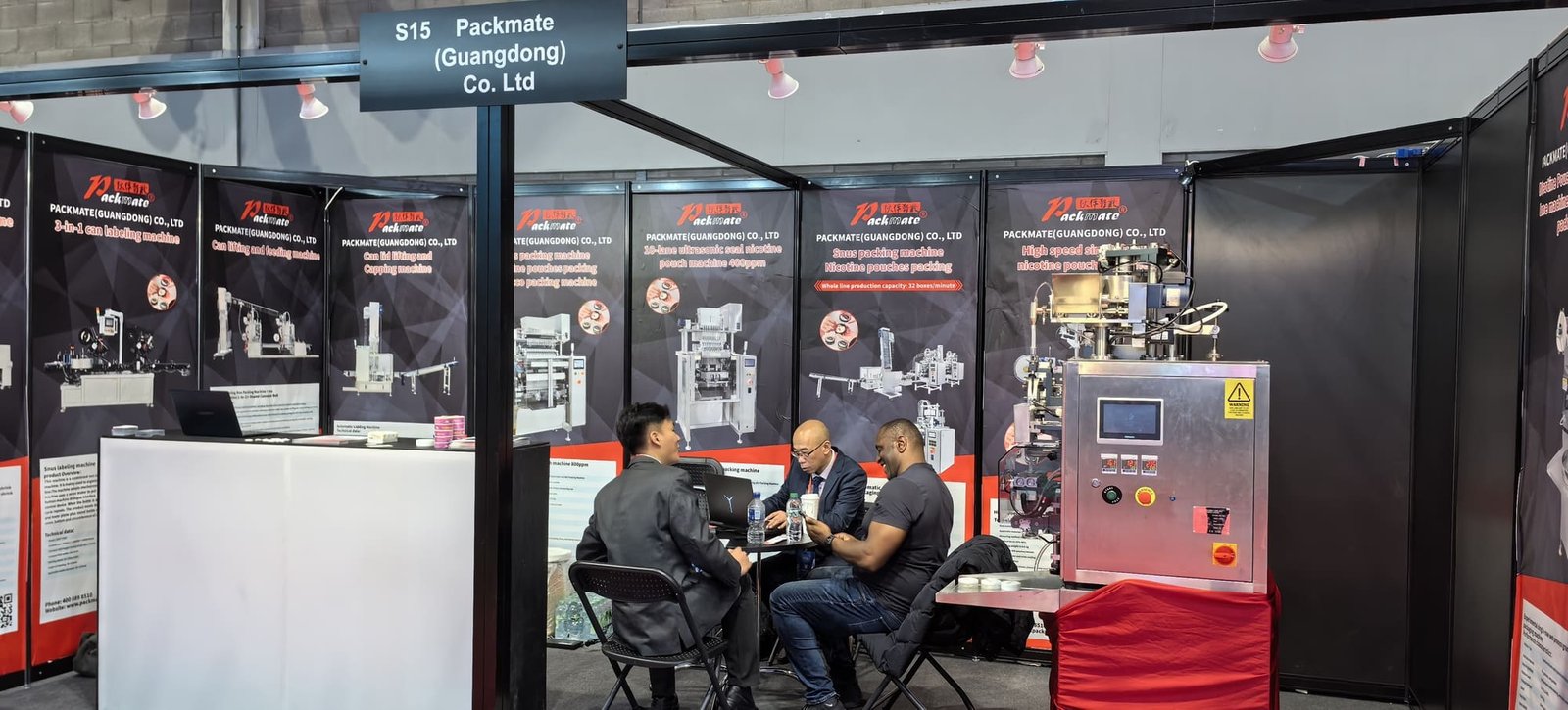
One manufacturer that has steadily grown its presence in global spice and granule packaging is Ludyway Machinery, a China-based packaging machinery manufacturer with more than 30 years of industry experience. With a 20,000-square-meter manufacturing facility, over 130 professionals, and a portfolio of more than 50 packaging machine models, Ludyway provides integrated packaging solutions to customers across more than 100 countries. The company is expected to achieve export revenue of more than RMB 500 million (approximately US$69 million) in 2025, and plans to surpass RMB 1 billion (approximately US$138 million) in export revenue in 2026, reflecting its expanding role in the global packaging machinery market.
Cost Considerations and ROI Analysis
Investing in a jeera packing machine requires balancing upfront capital expenditure with long-term operational benefits. Here is a framework for evaluating your return on investment.
Initial Investment Components
- Machine purchase price — Varies widely based on automation level, speed, and features. A basic semi-automatic machine may start around $15,000–$30,000, while a fully automated multi-lane system can exceed $200,000.
- Installation and commissioning — Typically 5–10% of the machine cost, covering setup, calibration, and initial operator training.
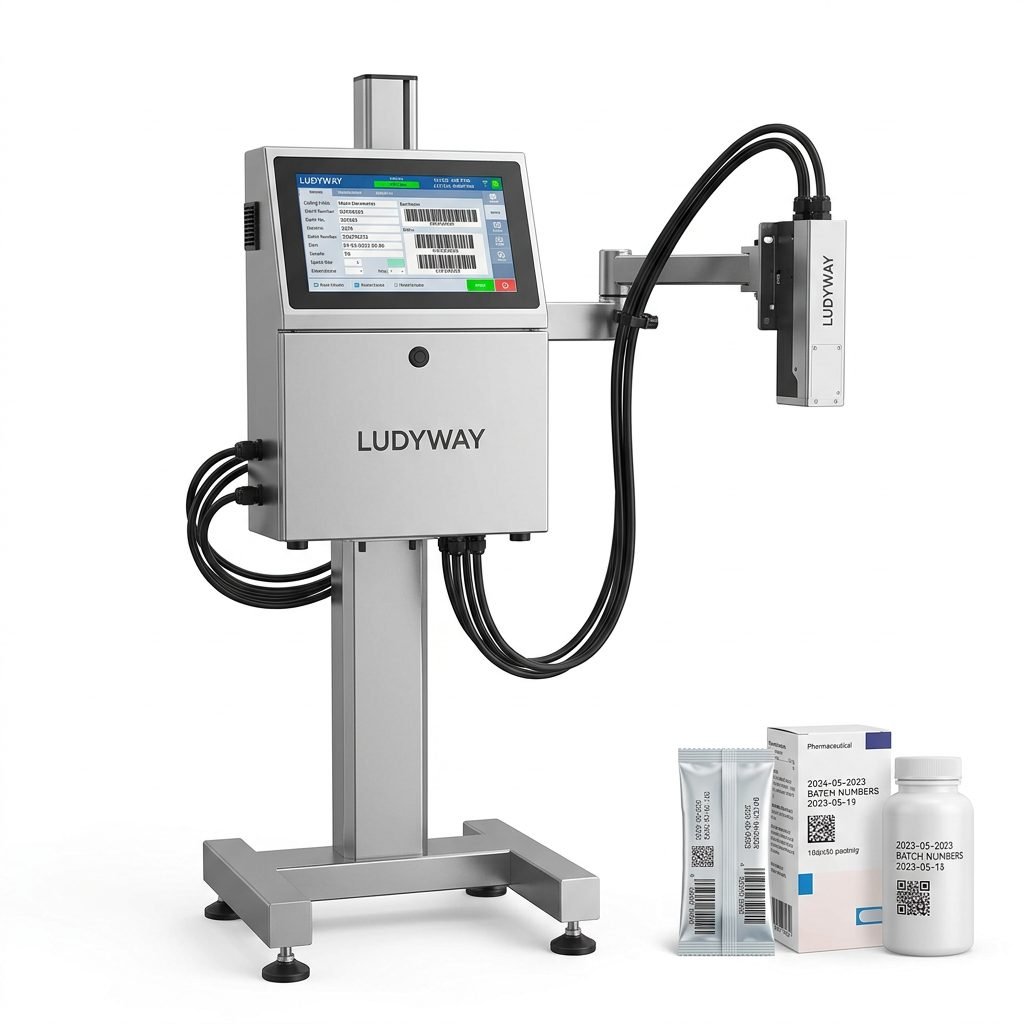
- Auxiliary equipment — Conveyors, checkweighers, coders, and dust collection systems may add significantly to the total project cost.
- Facility modifications — Electrical upgrades, compressed air installations, and cleanroom adjustments may be necessary.
Operational Savings to Quantify
- Labor reduction — Automated machines can replace 2–6 manual packing workers per shift, creating substantial ongoing savings.
- Product giveaway reduction — Improved filling accuracy reduces cumulative product loss over millions of packs.
- Film waste reduction — Advanced film tracking systems minimize material waste during startups and roll changes.
- Increased throughput — Higher speeds enable you to fulfill larger orders without adding shifts or overtime.
For most spice packing operations, the payback period for a properly specified automatic cumin packaging machine falls between 12 and 24 months, after which the machine continues generating positive returns for many years.
Common Mistakes to Avoid When Buying a Cumin Packaging Machine
Even experienced buyers can make costly errors during the selection process. Being aware of these common pitfalls can save you significant time, money, and frustration.
- Buying on price alone — The cheapest machine rarely offers the lowest total cost of ownership. Factor in reliability, spare parts costs, downtime, and service availability.
- Ignoring product testing — Always run trials with your actual cumin product, not a surrogate. Product behavior can vary significantly even between cumin varieties from different regions.
- Underestimating film and material costs — Some machines lock you into proprietary film formats or specific material suppliers. Understand your ongoing consumable costs before committing.
- Overlooking operator training — A sophisticated machine operated by untrained staff will never deliver its rated performance. Ensure training is included in your purchase agreement.
- Neglecting future needs — A machine sized exactly for today’s production will limit your growth. Consider modular designs that allow speed upgrades or format expansions.
Frequently Asked Questions About Jeera Packing Machines
What is the ideal packaging format for retail cumin sales?
For retail, stand-up pouches with zipper closures and small pillow bags (50g–500g) are most common in supermarkets. Stick packs and sachets (2g–20g) are popular for single-use applications in the food service industry and travel retail segments. The choice depends on your target distribution channel and consumer preferences in your market.
Can one machine handle both whole cumin seeds and cumin powder?
Yes, many modern granule packaging machines can handle both whole seeds and powders with appropriate filler selection and parameter adjustments. However, changeover time and cleaning procedures between products should be carefully evaluated. Auger fillers generally work well for cumin powder, while multi-head weighers or volumetric cup fillers are better suited for whole seeds.
How do I determine the right sealing temperature for cumin packaging film?
The optimal sealing temperature depends on your film structure, machine speed, and environmental conditions. For typical multi-layer laminates used in spice packaging, sealing temperatures usually range from 120°C to 160°C. Always run seal strength tests and visual inspections during commissioning, and establish documented parameters for each film type you use.
What certifications should I look for in a cumin packaging machine?
For food-grade applications, look for machines built to CE, ISO 9001, and food safety standards. If exporting to specific markets, verify compliance with local regulations. Stainless steel contact parts and food-grade lubricants are minimum requirements for any spice packaging application. Refer to FDA food packaging guidelines for requirements related to food contact materials and packaging safety standards in regulated markets.
Making Your Final Decision
Choosing the right jeera packing machine is a strategic investment that affects your product quality, production efficiency, and brand reputation for years to come. Start by thoroughly analyzing your product characteristics and production requirements. Evaluate machine types and features against your current and future needs. Vet manufacturers based on their experience, support capabilities, and willingness to customize solutions for your specific application.
Remember that the best packaging machine is not the most expensive one — it is the one that consistently delivers the fill accuracy, seal integrity, and production speed your business requires, backed by a manufacturer committed to your long-term success. Take the time to visit supplier facilities, run product trials, and speak with existing customers before making your final decision. A well-chosen cumin packaging machine will serve as a reliable production asset for a decade or more, making the effort invested in selection highly worthwhile.