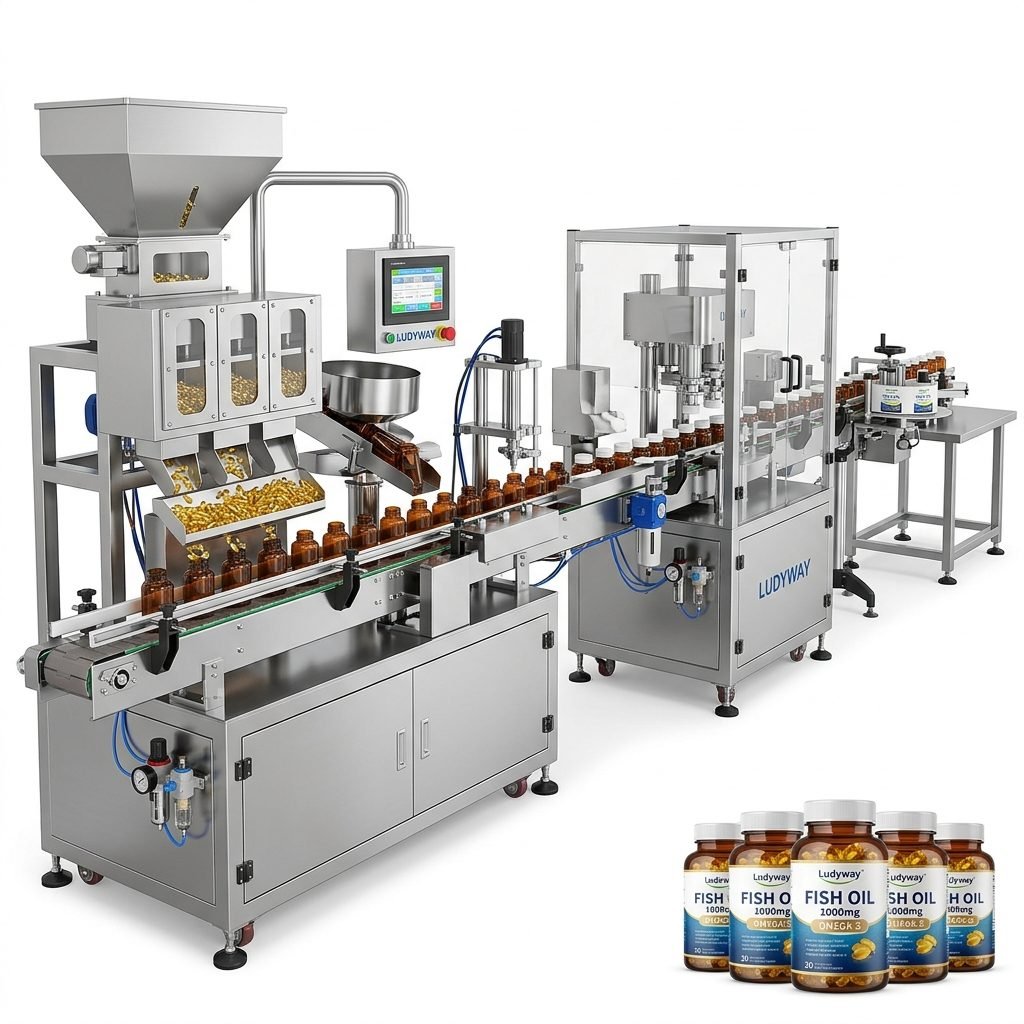
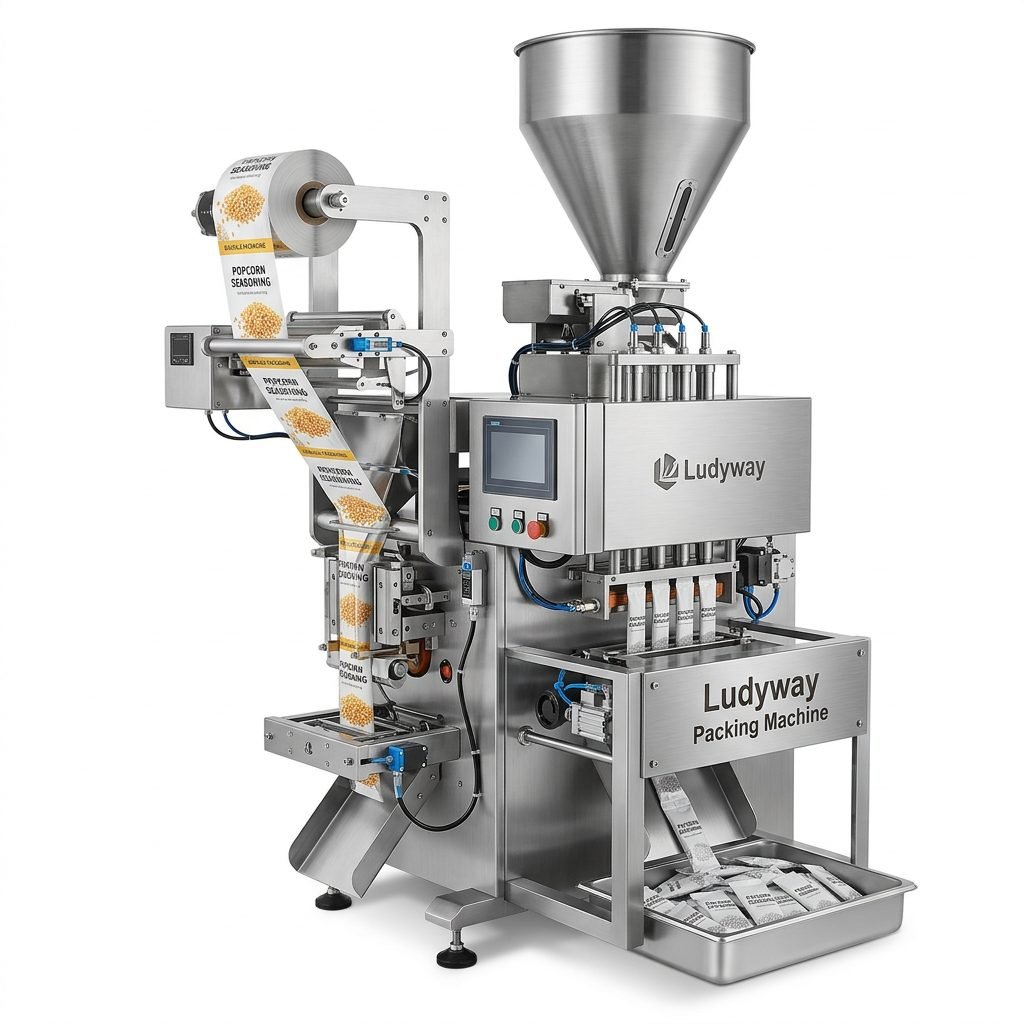
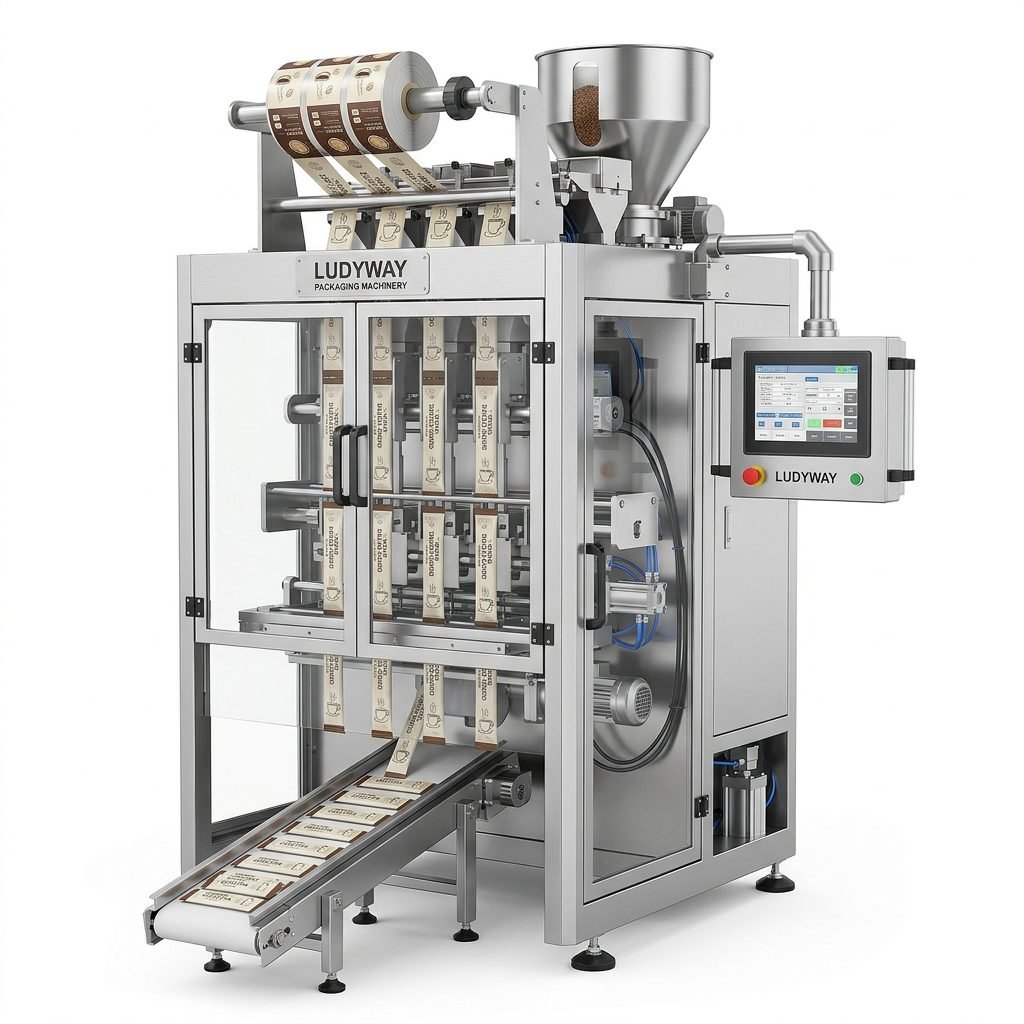
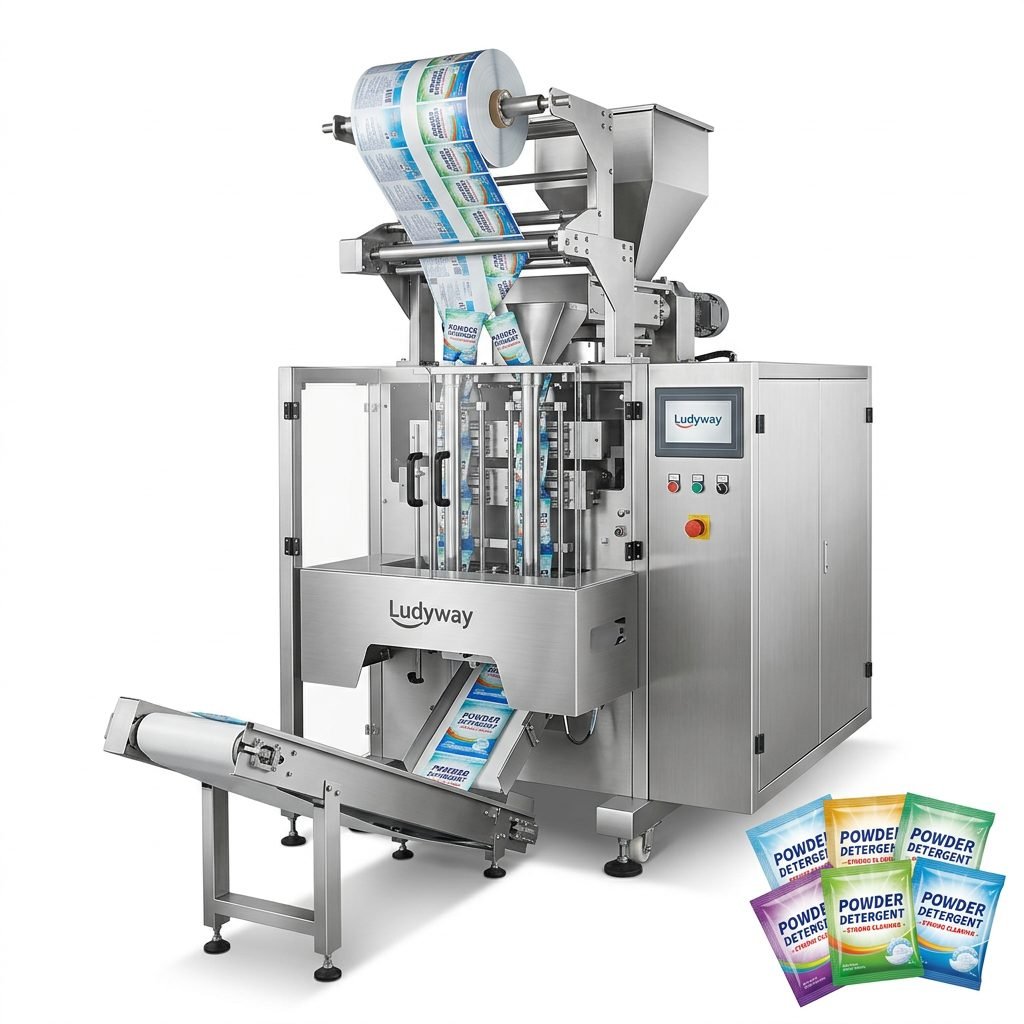
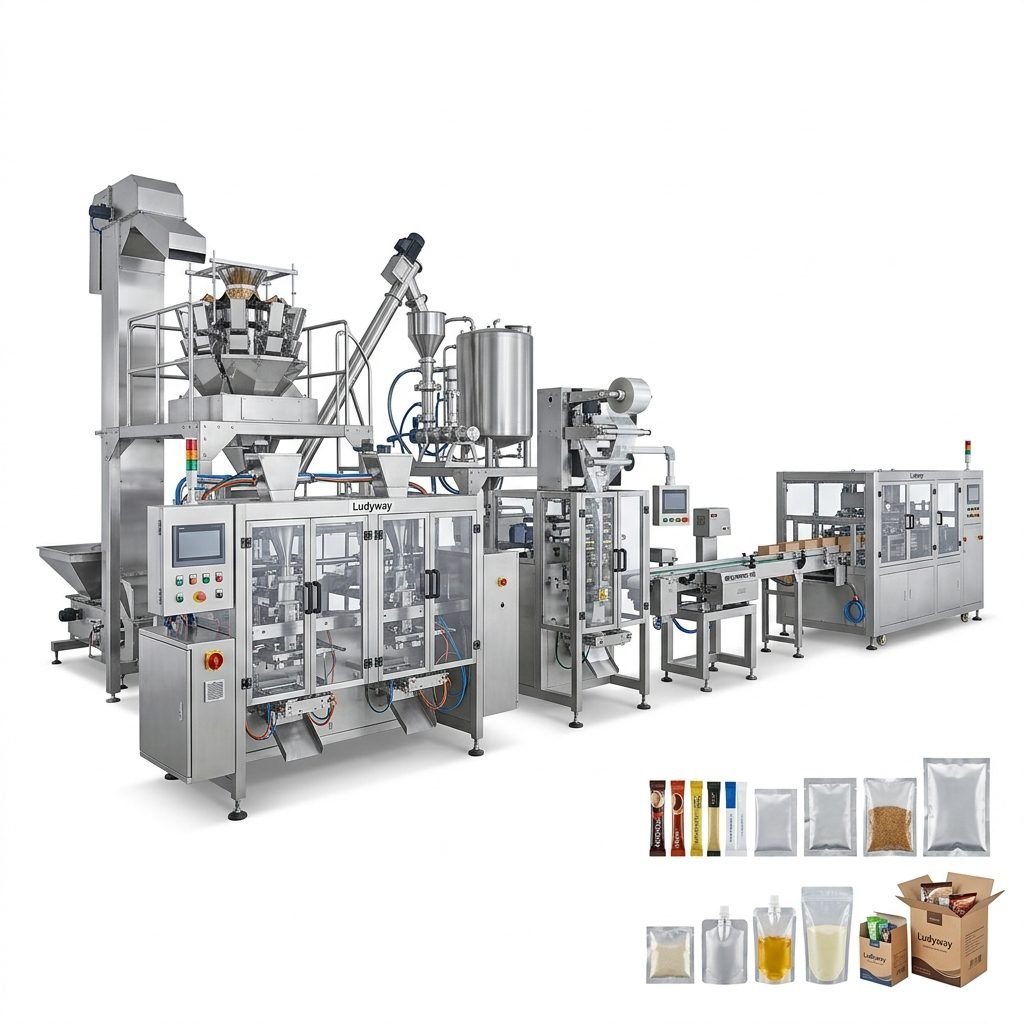
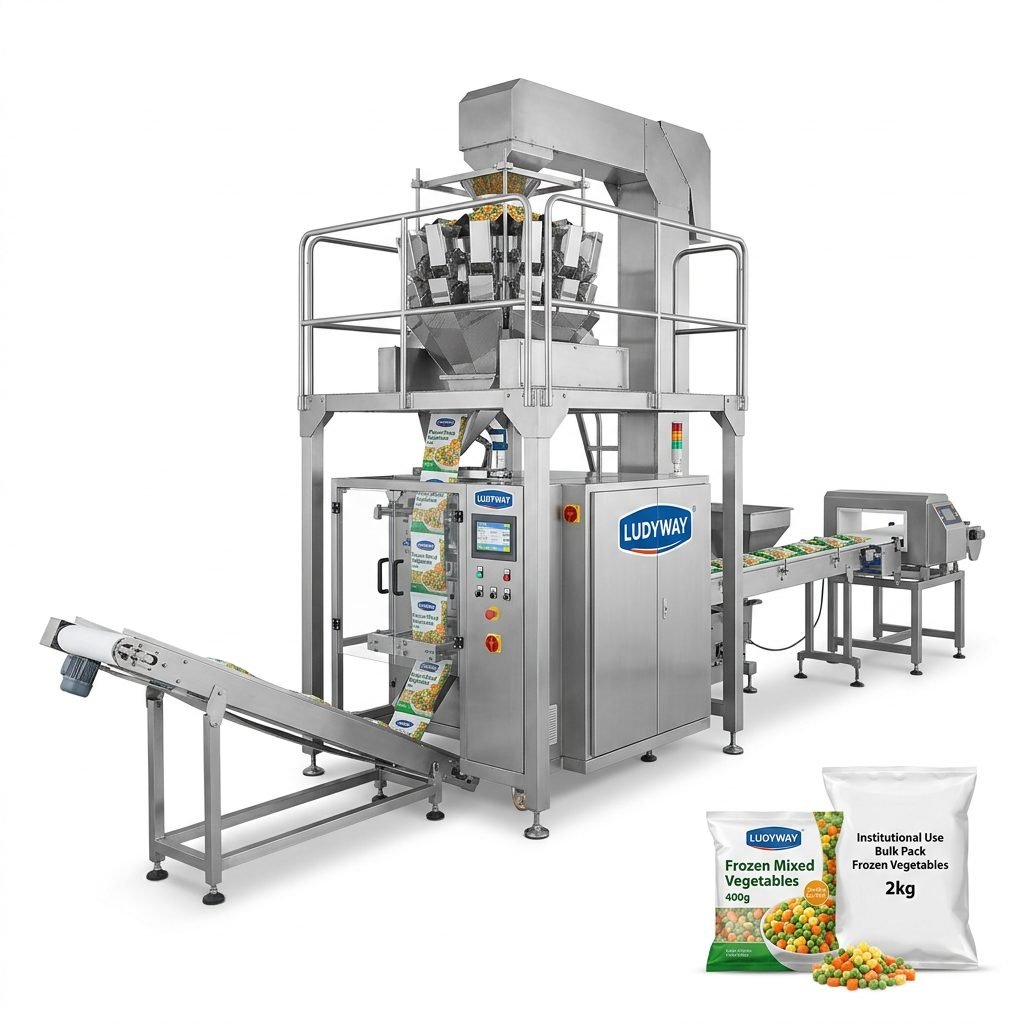
For UK meal prep businesses, choosing the right packaging machine is a critical investment that directly impacts food quality, shelf life, and operational efficiency. Whether you are packaging ready meals, fresh ingredients, or portion-controlled snacks, the correct equipment can streamline your production and reduce labour costs. This guide walks you through the types, costs, and essential advice for selecting a meal prep packaging machine tailored to the UK market.
Why Meal Prep Packaging Matters for UK Businesses
The UK meal prep industry has experienced significant growth, driven by demand for convenience, health-conscious eating, and subscription-based delivery models. According to industry data from PMMI’s business intelligence reports, the global packaging machinery market continues to expand, with food packaging representing a substantial share. For UK operators, efficient packaging ensures compliance with food safety regulations, extends product shelf life, and enhances brand presentation in a competitive marketplace.
Modern meal prep packaging machines must handle diverse container formats—from sealed trays and pouches to stick packs and sachets—while maintaining portion accuracy and hygiene standards. The right machine choice can reduce waste by up to 20% and significantly improve throughput.
Types of Meal Prep Packaging Machines
Understanding the different machine types is essential before making a purchase decision. Each technology suits specific meal formats and production volumes. Below is a comparison of the most common options available to UK businesses.
| Machine Type | Best For | Typical Output | Approx. Cost Range (£) |
|---|---|---|---|
| Tray Sealing Machine | Ready meals, fresh protein portions, microwaveable trays | 30–120 packs/min | £15,000–£80,000 |
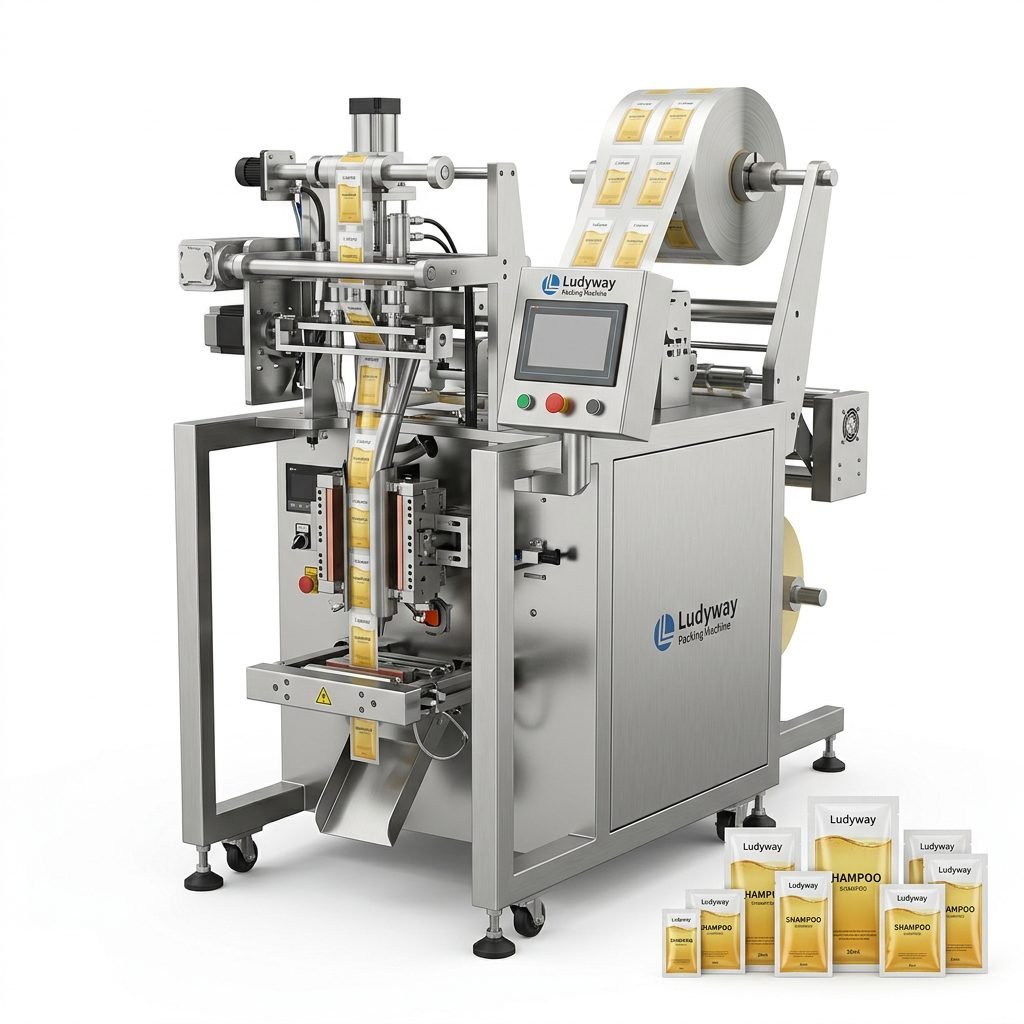
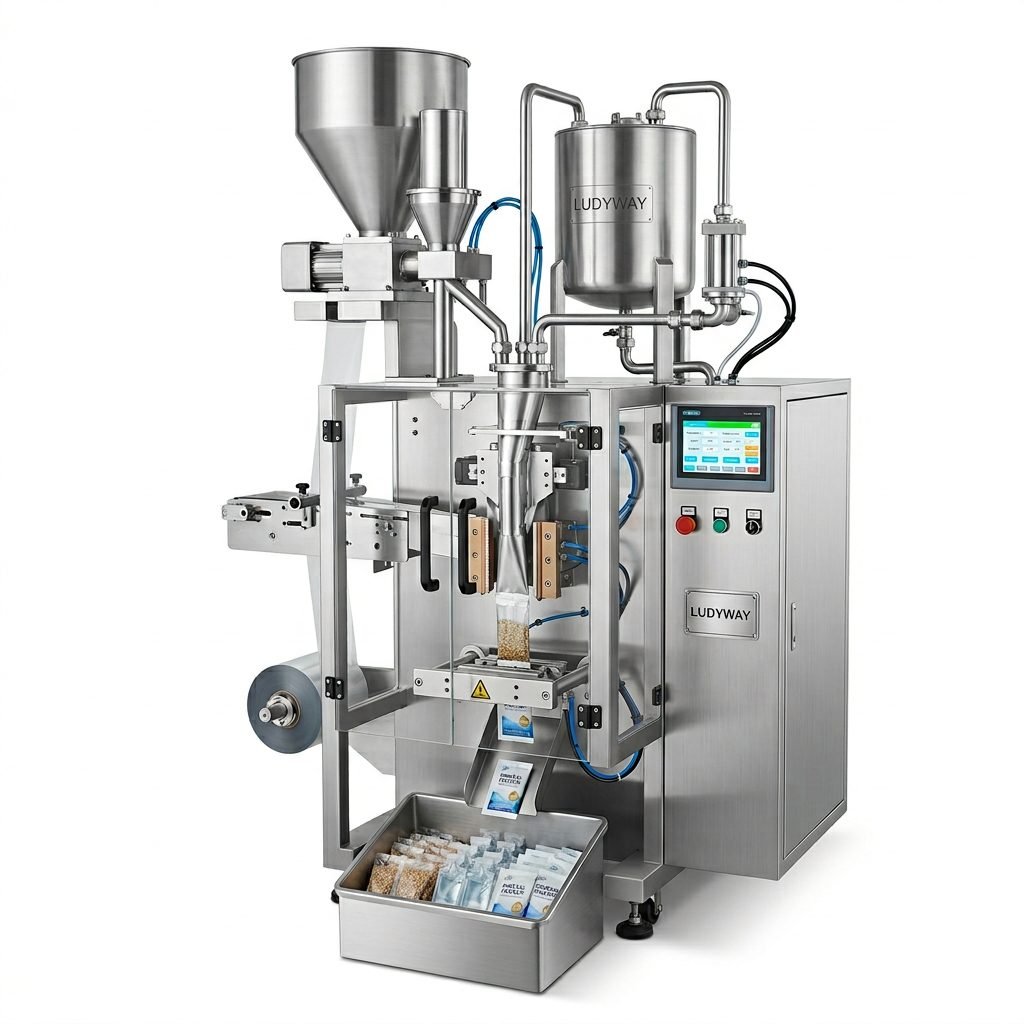
| VFFS (Vertical Form Fill Seal) | Pouches for grains, frozen vegetables, sauces, dry mixes | 40–150 packs/min | £20,000–£100,000 |
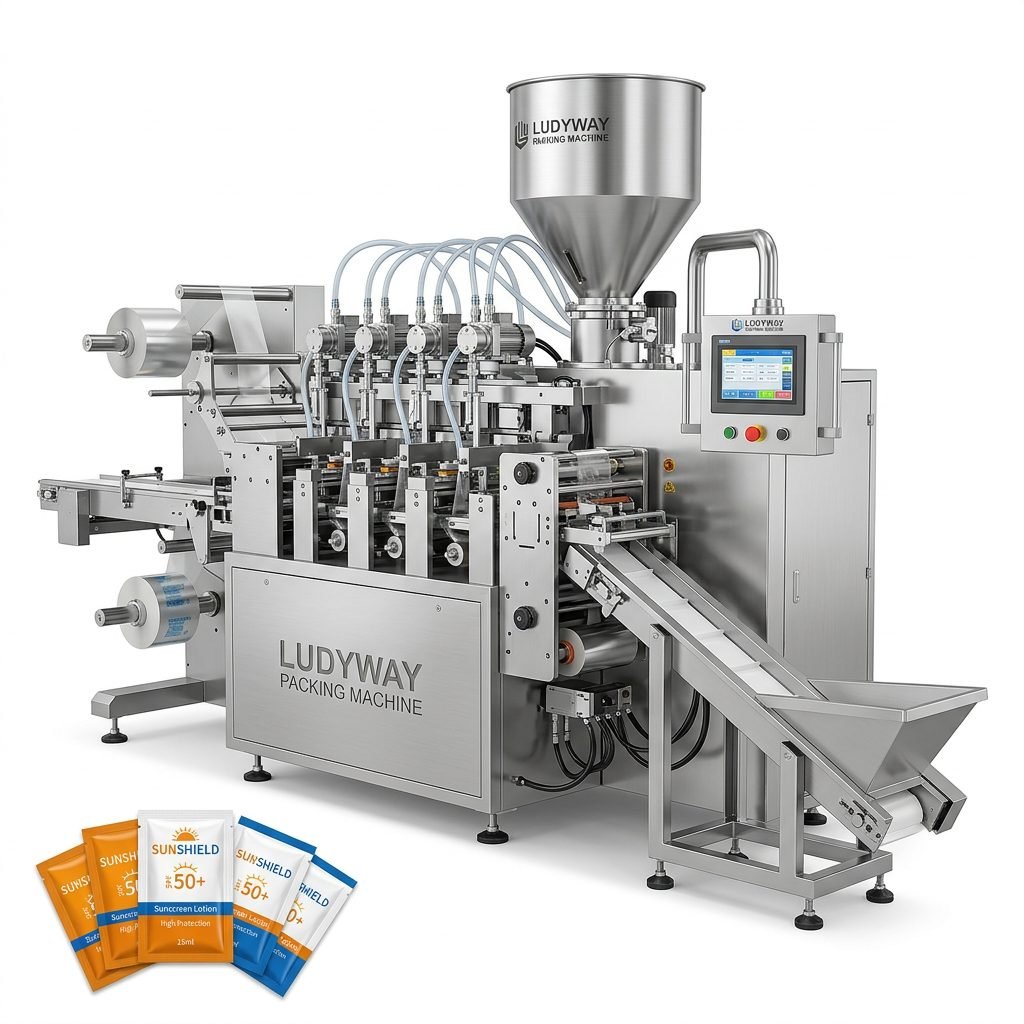
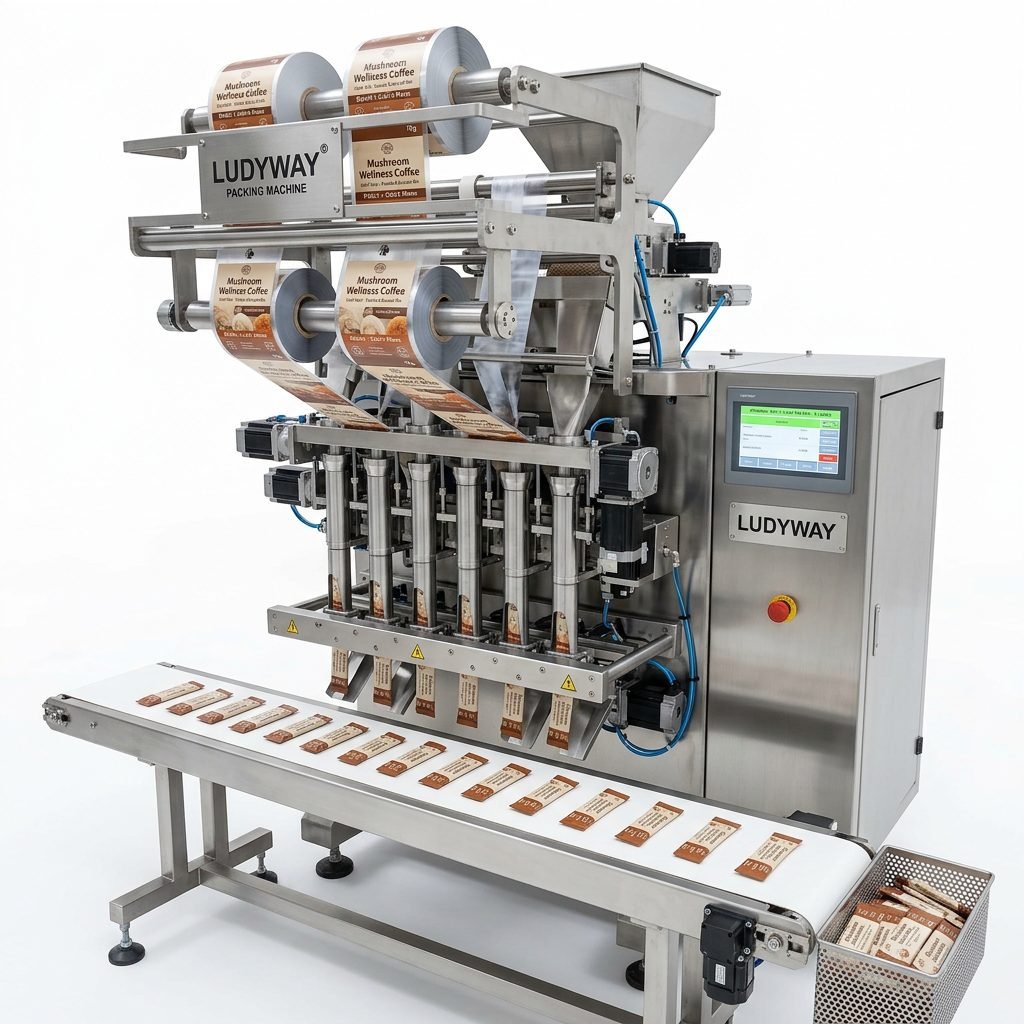
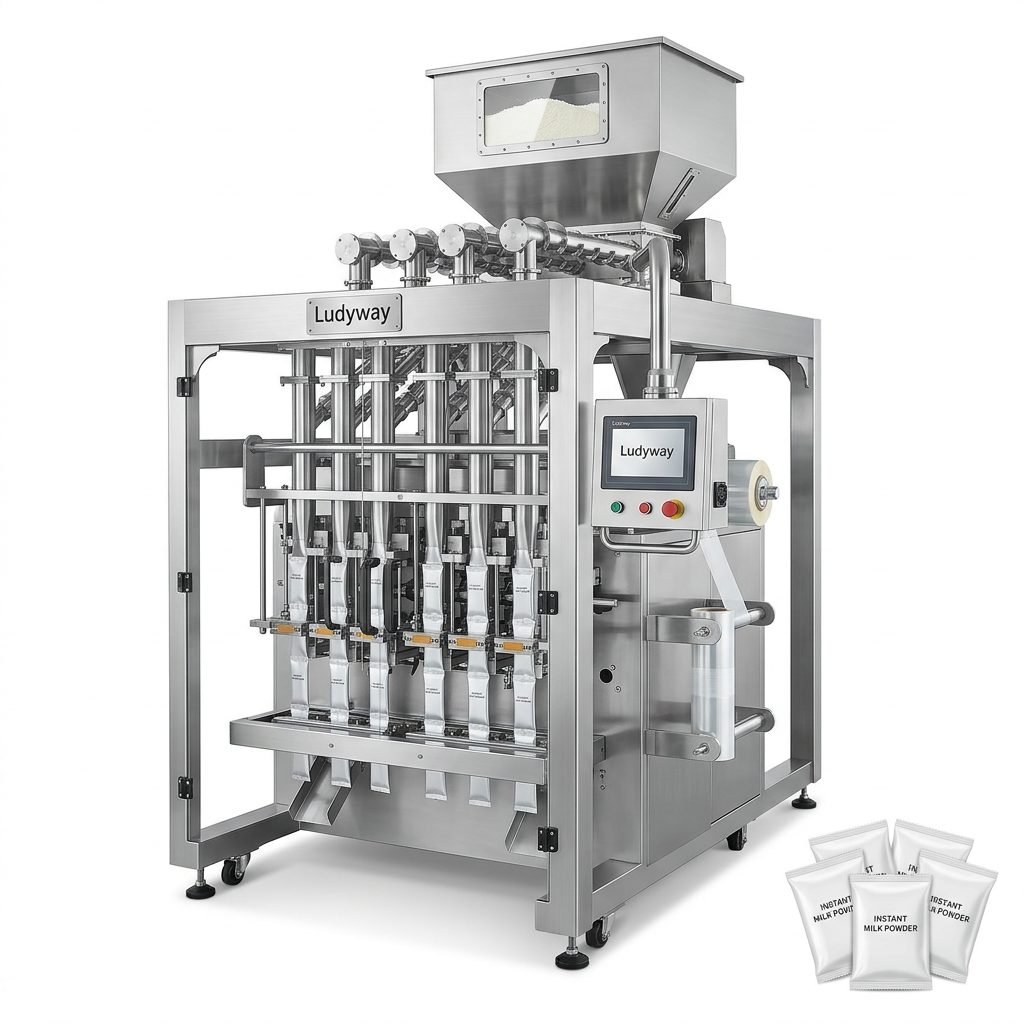
| Multi-Lane Stick Pack Machine | Single-serve powders, supplements, drink mixes, sugar | 200–1,200 packs/min | £30,000–£150,000 |
| Vacuum Packaging Machine | Marinated meats, cheese, extended shelf-life products | 5–60 packs/min | £3,000–£50,000 |
| Flow Wrapping Machine | Wraps, sandwiches, bakery items, snack bars | 50–300 packs/min | £10,000–£70,000 |
Key Features to Evaluate Before Buying
When comparing meal prep packaging machines, certain features directly affect performance, compliance, and long-term value. Use the checklist below to guide your evaluation.
- Packaging Material Compatibility: Ensure the machine supports the film types and tray materials you plan to use, including recyclable and compostable options increasingly demanded by UK consumers and regulators. Refer to Flexible Packaging Association resources for material insights.
- Sealing Integrity & Gas Flushing: Modified Atmosphere Packaging (MAP) capability is critical for extending fresh meal shelf life. Look for machines with precise gas flushing controls and consistent seal quality monitoring.
- Hygiene & Cleanability: Stainless steel construction, tool-free disassembly, and IP65-rated electrical components help meet FDA food packaging standards and UK HACCP requirements.
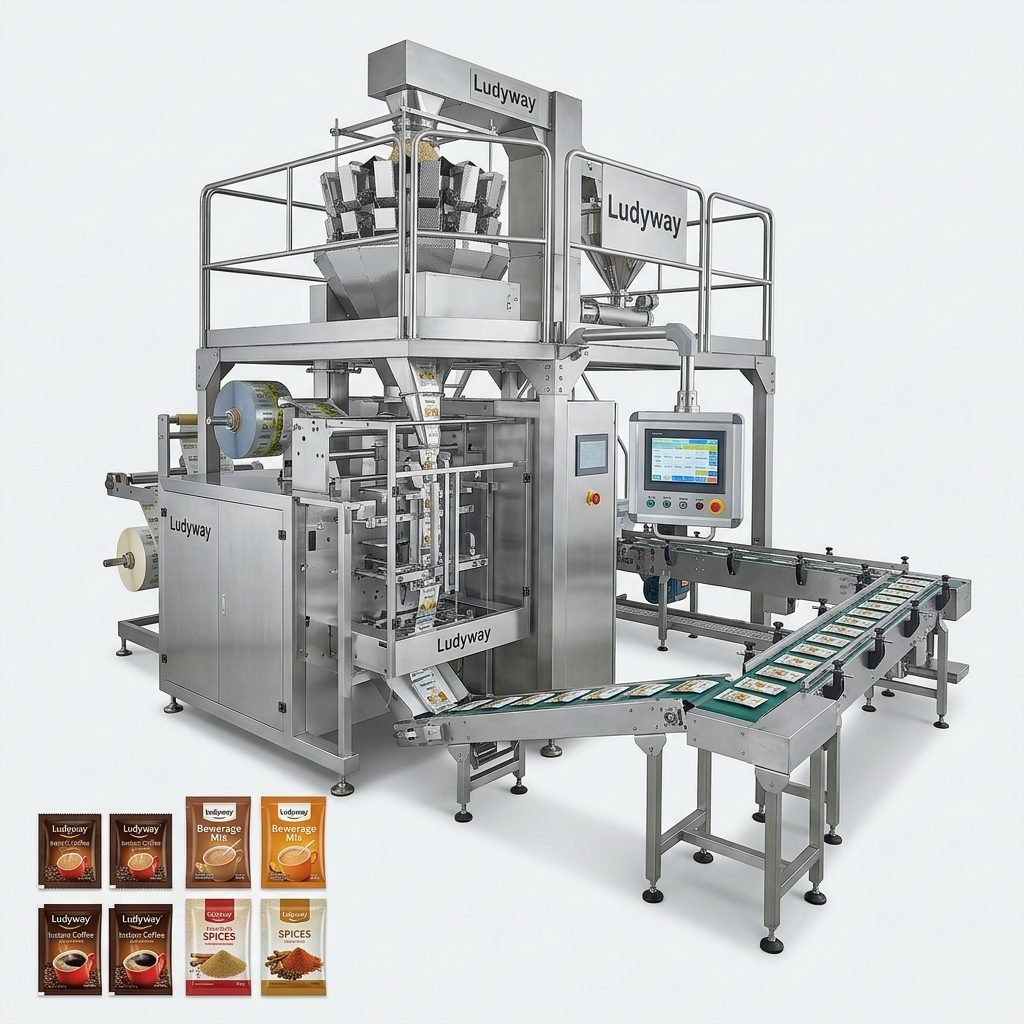
- Automation Level: From semi-automatic to fully integrated turnkey lines, match the automation level to your current and projected production volumes.
- Changeover Speed: Quick-change tooling and recipe memory reduce downtime when switching between different meal formats or portion sizes.
- Data Connectivity: Industry 4.0-ready machines with remote monitoring and production data logging support continuous improvement and traceability.
Cost Considerations for UK Businesses
The total cost of ownership for a meal prep packaging machine extends far beyond the initial purchase price. UK buyers should budget for several cost categories to avoid unexpected financial strain.
Initial Capital Expenditure
Entry-level semi-automatic machines may start around £3,000–£15,000, while high-speed multi-lane systems can exceed £150,000. The table above provides approximate ranges, but final pricing depends on customisation, additional modules, and the supplier’s location. Importing from established manufacturers in regions like China can offer significant savings, often 20–40% lower than equivalent European-built equipment, without compromising on quality.
Installation, Training & Compliance
Factor in £2,000–£10,000 for professional installation, operator training, and initial calibration. UK-specific electrical requirements (240V/50Hz) and ISO packaging standards compliance may require additional modifications or certification costs.
Ongoing Operational Costs
- Consumables: Packaging film, trays, and sealing materials represent the largest recurring expense. Bulk purchasing and supplier partnerships can reduce per-unit costs.
- Maintenance: Budget approximately 3–5% of machine value annually for preventive maintenance, spare parts, and unexpected repairs.
- Energy Consumption: Modern servo-driven machines are more energy-efficient. Compare kW ratings and estimated annual running costs between models.
Top Tips for Buying a Meal Prep Packaging Machine
Drawing on industry experience and feedback from UK food manufacturers, here are seven essential tips to guide your purchasing decision.
1. Define Your Production Requirements Clearly
Document your current output needs, peak demand periods, and growth projections for the next 3–5 years. A machine that barely meets today’s requirements will quickly become a bottleneck. Include details on pack sizes, film types, product characteristics (wet, dry, sticky, frozen), and any special features like resealable zippers or tear notches.
2. Request Live Demonstrations with Your Products
Always test machinery using your actual food products and packaging materials. What works perfectly with dry rice may perform poorly with oily sauces or delicate fresh herbs. A reputable supplier will accommodate product trials, either at their facility or via video demonstration with your shipped materials.
3. Evaluate After-Sales Support and Spare Parts Availability
For UK businesses, proximity to technical support and rapid spare parts delivery are crucial. Ask potential suppliers about their UK service network, average response times, and whether they maintain a local parts inventory. Downtime in meal prep operations can quickly lead to food waste and missed deliveries.
4. Check UK Regulatory Compliance
Post-Brexit, the UK operates its own conformity assessment framework. Ensure your packaging machine meets UKCA marking requirements (or CE marking where still accepted), food-grade material certifications, and relevant European packaging and packaging waste regulations that influence UK policy direction.
5. Consider Total Cost of Ownership, Not Just Price
A lower upfront price can be misleading. Calculate the 5-year total cost including energy, consumables, maintenance, and expected downtime. Premium machines with higher initial investment often deliver lower long-term costs through better efficiency, reduced waste, and longer service life.
6. Prioritise Flexibility and Future-Proofing
UK consumer trends shift rapidly—from plastic reduction initiatives to demand for plant-based meals. Choose a machine that can handle multiple pack formats and film types with minimal retooling. Modular designs allow you to add automation features (auto-feeding, checkweighing, cartoning) as your business scales.
7. Research the Manufacturer’s Track Record
Look for suppliers with proven installations in the UK and European food industry. Request case studies, client references, and service history data. A well-established manufacturer will have a documented track record of machine reliability and customer satisfaction across multiple markets. For example, Ludyway Packaging Machinery has been expanding globally with installations in over 100 countries and regions, demonstrating cross-market competence and export growth that is expected to exceed RMB 1 billion by 2026.
Understanding UK Packaging Regulations and Standards
Compliance is non-negotiable in the UK food packaging sector. Key regulatory frameworks include:
- UKCA / CE Marking: Machinery must conform to the Supply of Machinery (Safety) Regulations 2008 and bear the appropriate conformity mark.
- Food Contact Materials Regulations: All packaging materials in contact with food must comply with UK and EU food contact material standards, ensuring no chemical migration into meal contents.
- Plastic Packaging Tax: From April 2022, the UK imposed a tax on plastic packaging with less than 30% recycled content. This affects packaging material choices and machine compatibility with recycled films.
- Extended Producer Responsibility (EPR): Upcoming EPR reforms will place greater responsibility on food producers for packaging waste management, making efficient, waste-reducing machinery even more valuable.
Making the Final Decision
Selecting the right meal prep packaging machine for your UK business requires balancing technical specifications, budget constraints, and future growth plans. Start by clearly defining your product range and production targets, then shortlist suppliers who demonstrate relevant industry experience and reliable after-sales support. Request detailed quotations that include installation, training, and warranty terms. Where possible, visit existing installations or speak directly with current users to validate performance claims.
The UK meal prep market rewards businesses that invest in efficient, compliant, and adaptable packaging technology. With thorough research and a focus on total cost of ownership, your packaging machine investment can drive productivity gains, reduce operational costs, and support long-term business growth in an increasingly competitive landscape.
For further reading, explore resources from the PMMI packaging industry resource library and the Flexible Packaging Association for ongoing updates on packaging technology and sustainability best practices.