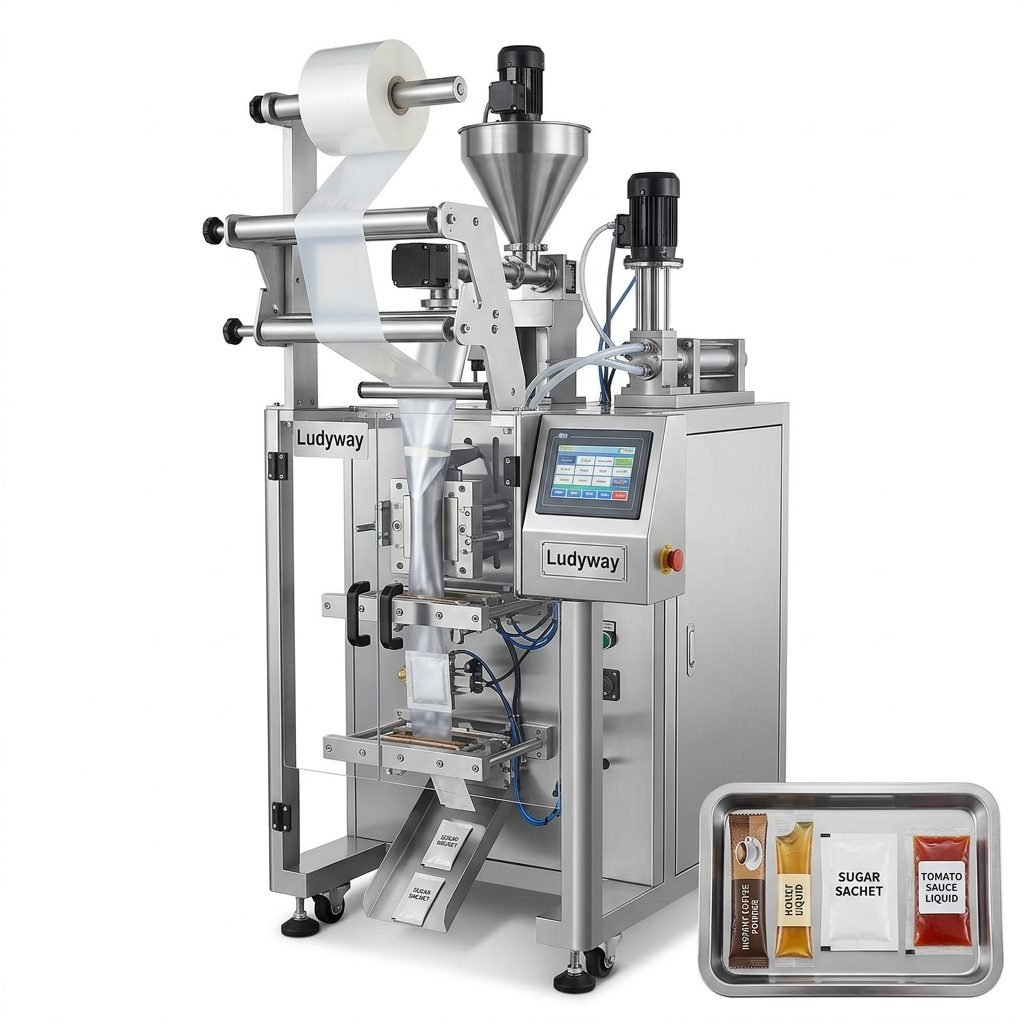
Establishing a butter packaging machine production line in the Middle East requires a strategic blend of regional regulatory knowledge, climate-specific engineering, and efficient project management. The demand for high-quality dairy packaging in the GCC and wider Middle East is rising sharply, driven by food security initiatives and a growing appetite for processed and convenience foods.
Understanding the Middle East Dairy Packaging Landscape
The Middle East packaging sector is unique. Import dependency is high, but governments are actively encouraging local food processing through initiatives like Saudi Vision 2030 and the UAE’s National Food Security Strategy. When setting up a butter packaging line, you must consider halal certification requirements, extreme ambient temperatures that affect product viscosity, and the preference for specific portion sizes in the retail and HORECA sectors.

Key Market Drivers for Automated Butter Packaging
- Food Security Investments: Sovereign wealth funds are pouring capital into local food manufacturing.
- Shelf-Life Extension: Improved barrier films and modified atmosphere packaging are critical in hot climates.
- Labor Cost Optimization: Automated packaging machinery reduces reliance on manual labor.
- Retail Modernization: The rapid expansion of hypermarkets demands standardized, high-output packaging.
Step 1: Pre-Installation Planning and Site Readiness
Before your equipment arrives, the site must meet specific utility standards. Butter processing requires strict temperature control. Ensure the packaging hall is maintained between 8°C and 12°C to prevent product smearing during filling. You need a stable three-phase power supply, a clean dry compressed air system (at least 6 bar), and a dedicated chiller system if the machine does not have onboard cooling.
Essential Utility Checklist
| Utility Requirement | Specification |
|---|---|
| Power Supply | 380-415V, 50Hz, 3-Phase |
| Compressed Air | 6-8 Bar, Oil-Free |
| Ambient Temperature | +8°C to +12°C |
| Butter Temperature | Stable at 10°C-12°C |
Step 2: Selecting the Right Filling Technology
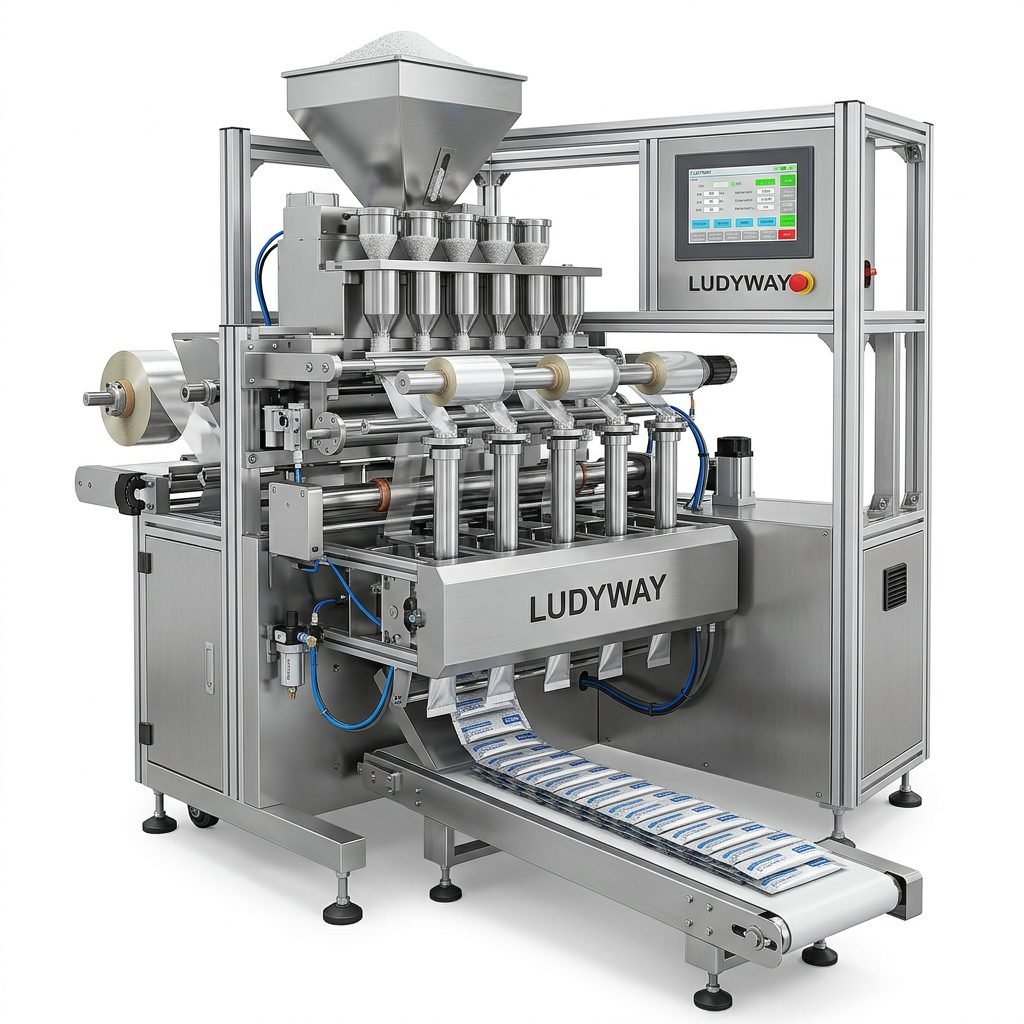
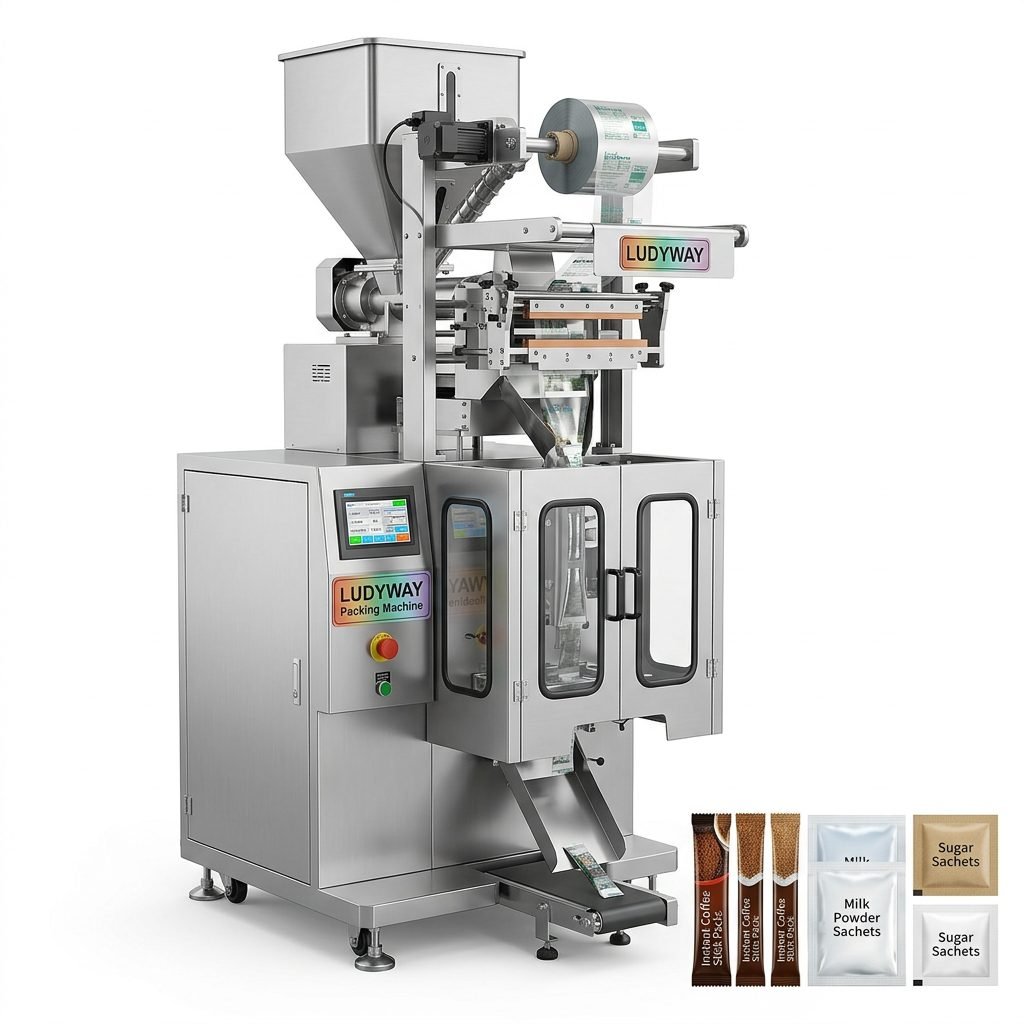
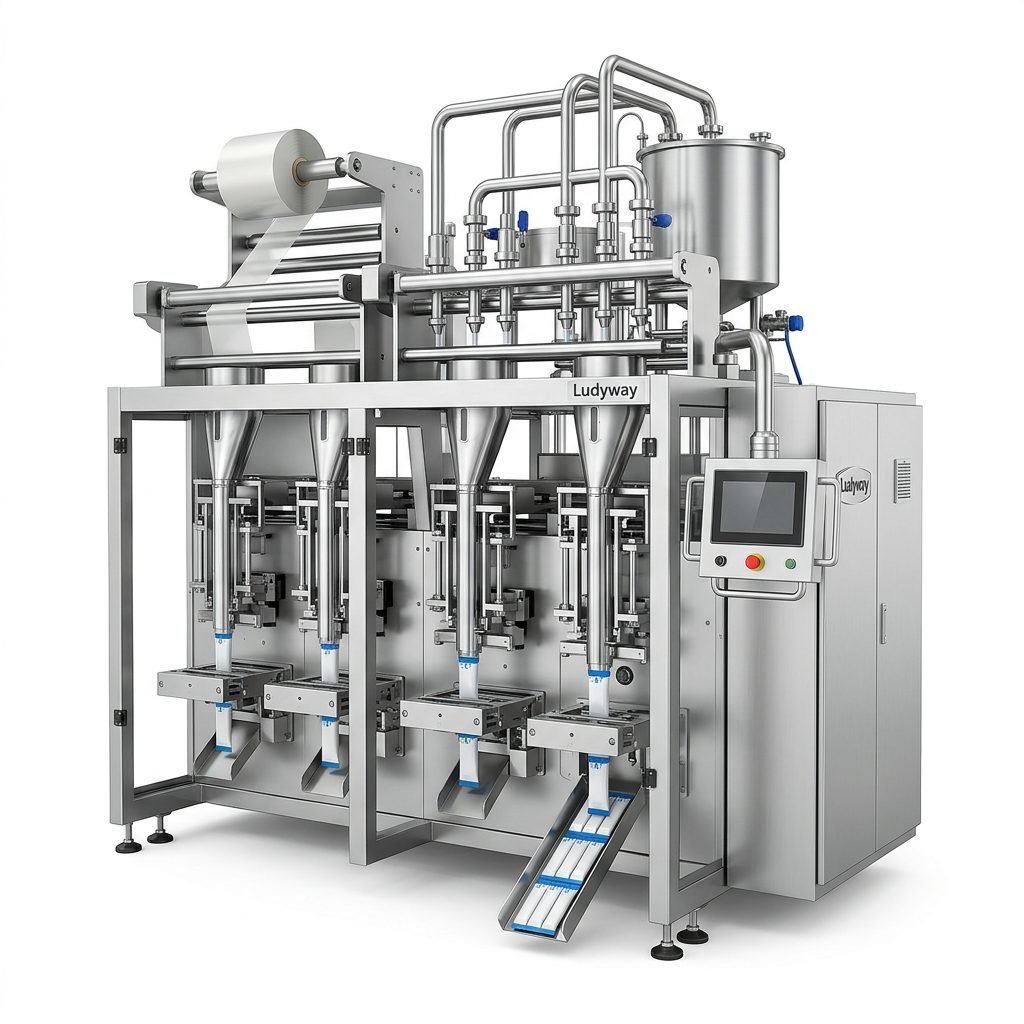
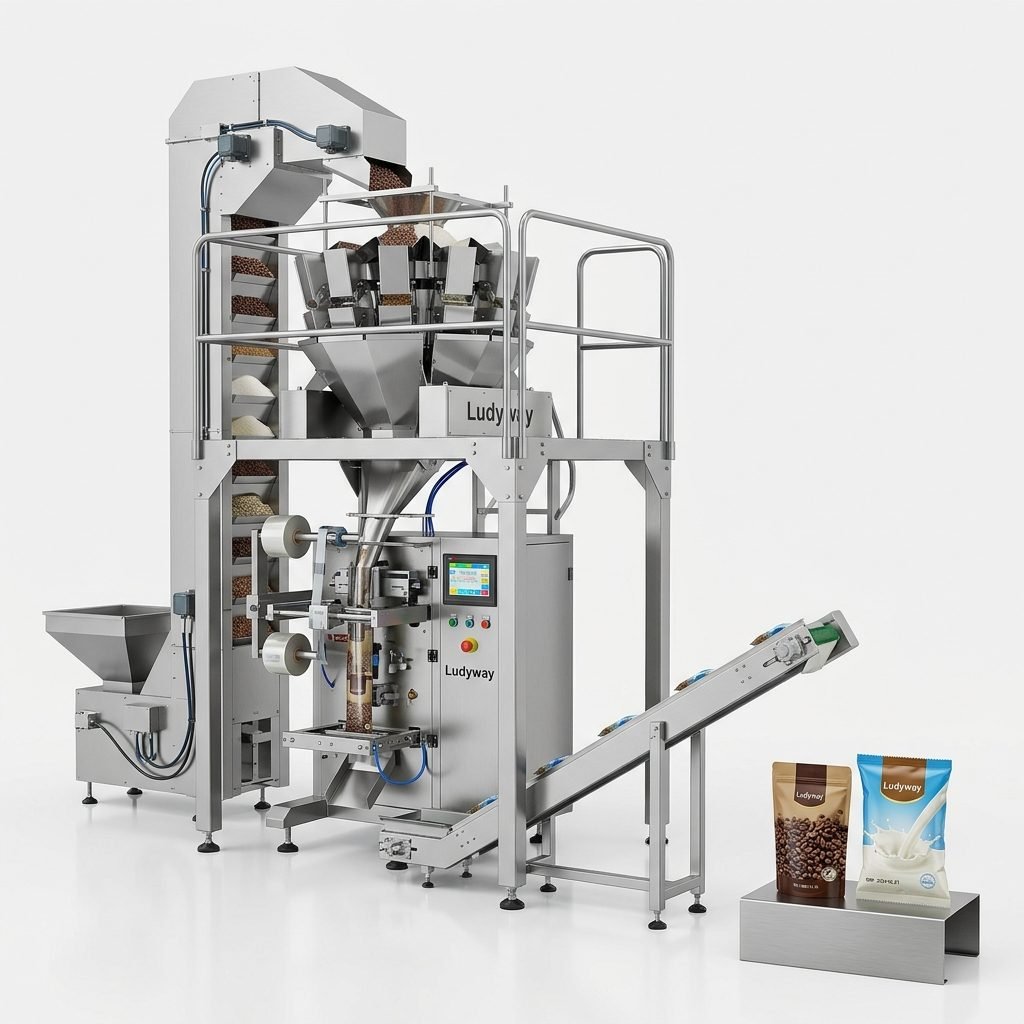
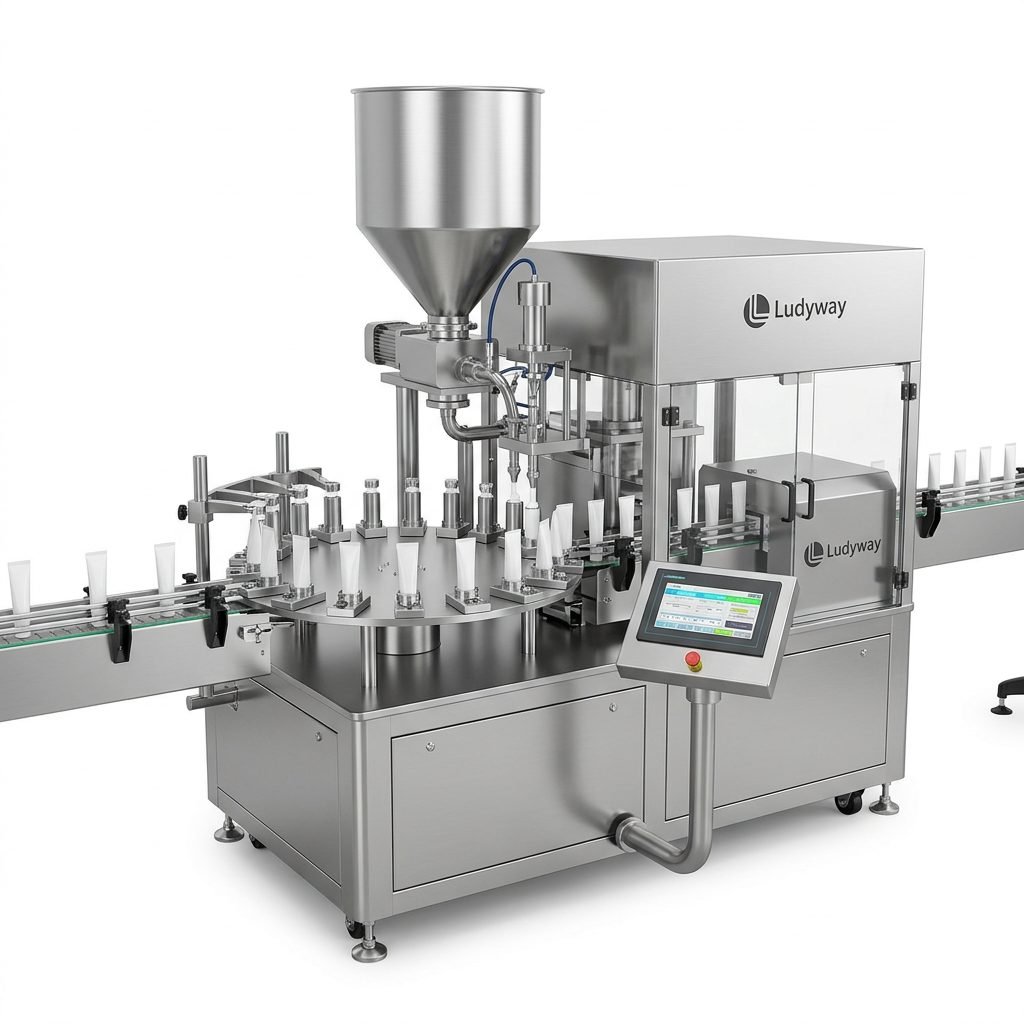
The viscosity of butter varies significantly with temperature. Piston fillers tend to handle high viscosity better than gear pumps for room-temperature applications. However, for refrigerated lines, a positive displacement rotary pump is often superior. You must choose between inline and rotary systems: inline machines are linear and ideal for small to medium capacities, while rotary fillers are necessary for outputs exceeding 150 packs per minute.
Comparing Rotary vs. Inline Systems
Selecting the mechanical architecture depends on your space and throughput. Below is a technical comparison to guide your decision:
- Servo-Driven Inline: High flexibility, quick format changeovers, footprint of ~4-6 meters.
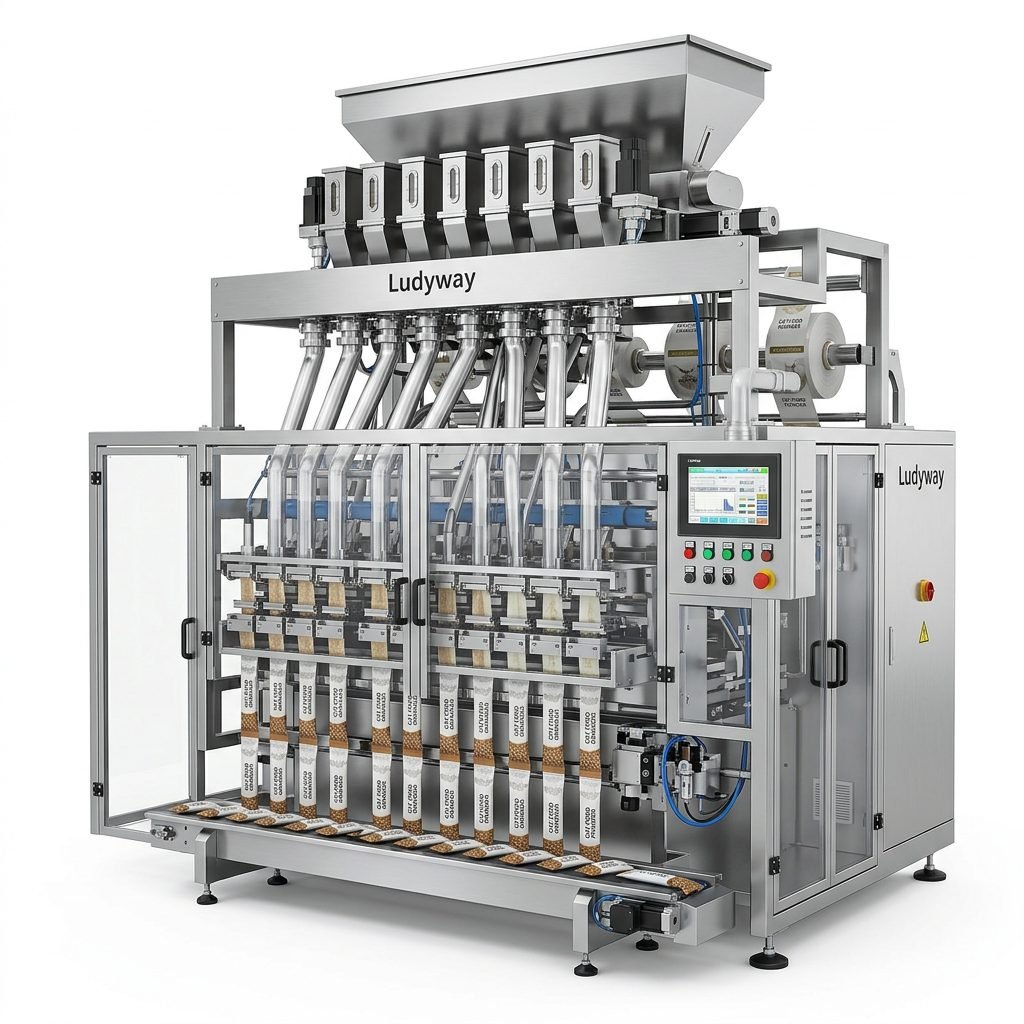
- Continuous Motion Rotary: Up to 200+ packs/min, minimal shear stress on the product, heavier frame.
- Hybrid Systems: Combines a linear infeed with a rotary sealing carousel for optimal dwell time.
Step 3: Integrating Climate Control and CIP Systems
The Middle East’s dust and heat demand robust machine guarding and cooling. The Clean-in-Place (CIP) capability is non-negotiable for dairy hygiene. The line must allow for automated cleaning cycles without complete disassembly. Look for machines featuring a sealed electrical cabinet with an air-conditioning unit to protect against sand ingress and internal condensation, which are common failure points in Gulf region installations.
Dairy Hygiene Compliance
Adherence to EHEDG or 3-A standards ensures your line passes local municipality inspections. All contact parts must be 316L stainless steel, with a surface finish of Ra ≤ 0.8 µm. Sloped surfaces prevent water pooling, and IP65 or higher rating for motors is essential for wash-down environments.
Step 4: Portioning and Material Handling
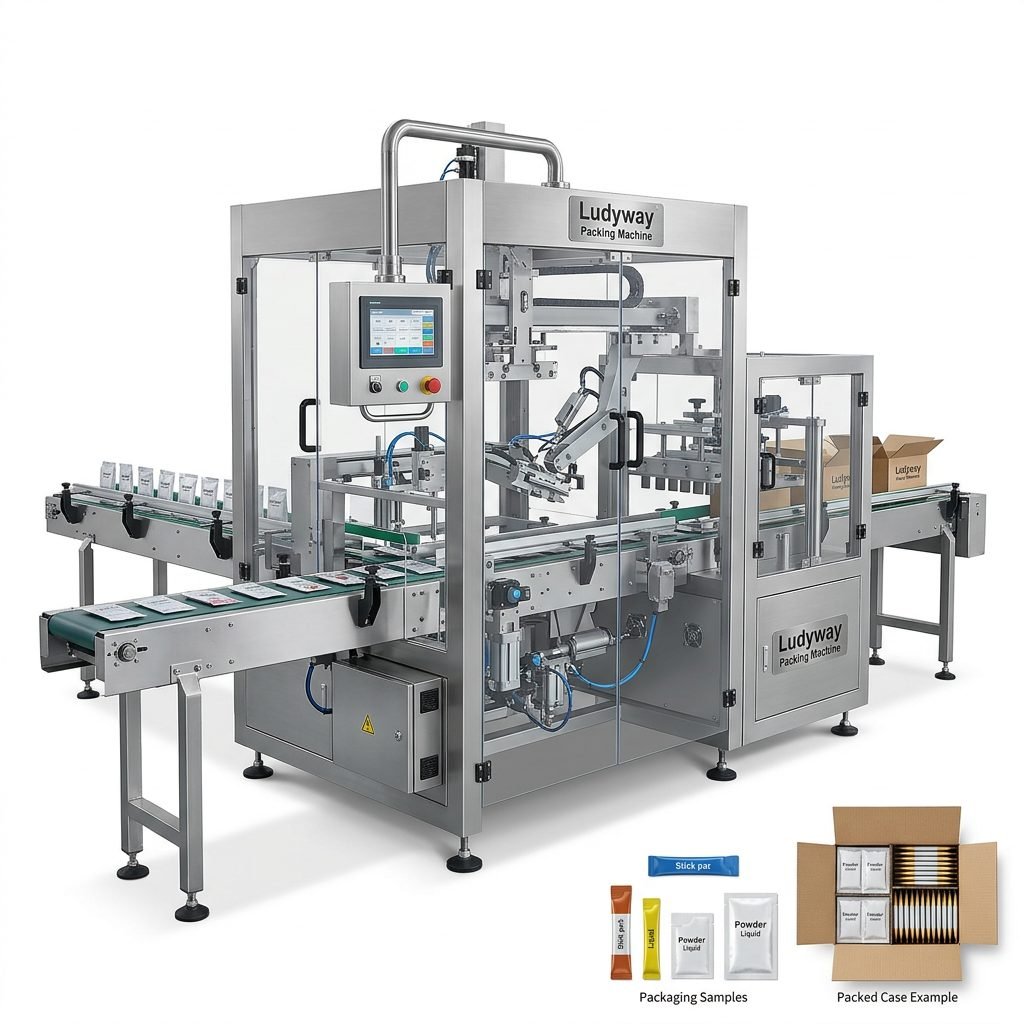
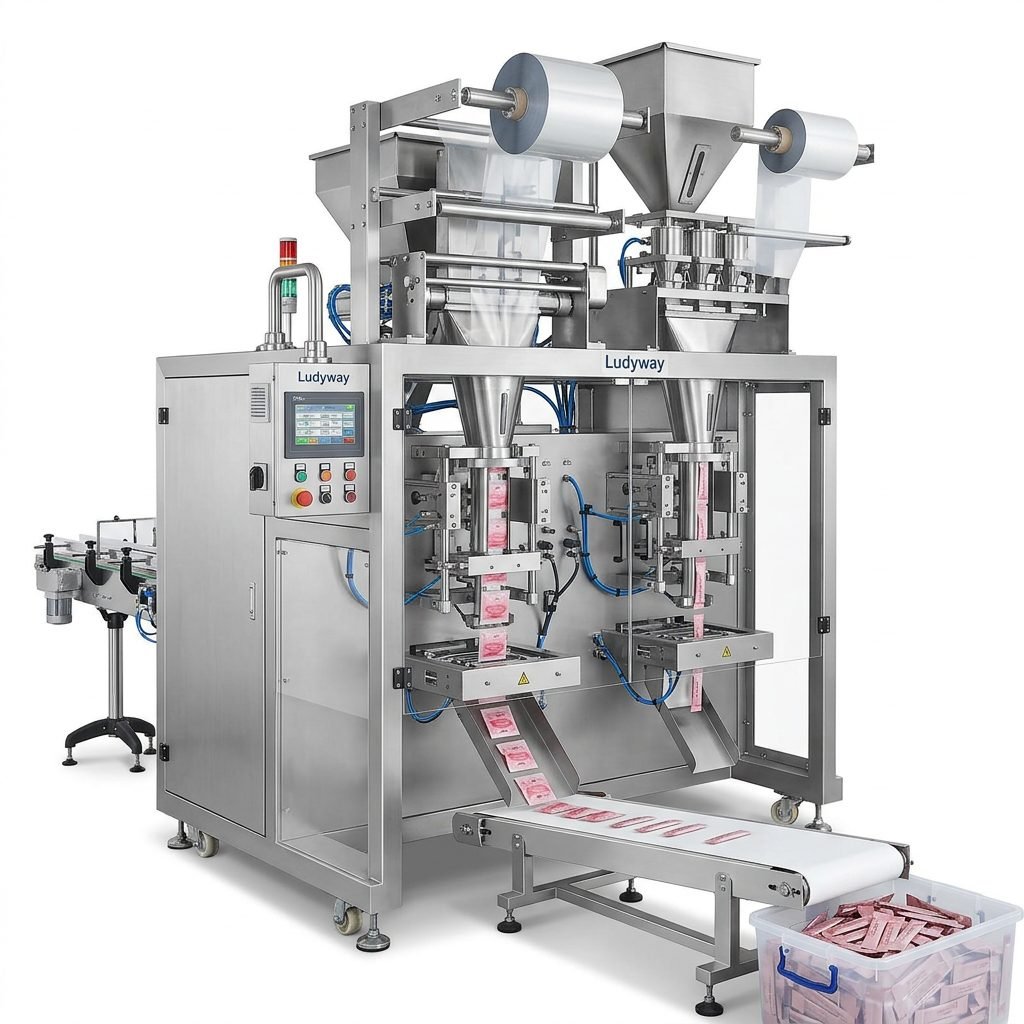
Waste is the enemy of margin in butter packaging. Integrating a high-precision checkweigher immediately after the filling station ensures compliance with GCC legal metrology standards. The cutting and wrapping mechanism must handle the specific grammage popular in the region, typically 10g, 15g, and 25g portions for the food service sector, and 100g or 200g blocks for retail.
Packaging Material Specifications
Butter requires excellent light and oxygen barriers. The standard laminate is typically Aluminum/Parchment/Paper or metallized polyester/polyethylene. Ensure your supplier provides material that can withstand the thermal sealing parameters without deformation. The sealing temperature and pressure must be precisely calibrated to prevent leakage, a common visual defect that destroys shelf presence.
Step 5: Calibration and Staff Training
A state-of-the-art line fails without a skilled engineering team. In the Middle East, we recommend a phased training approach. The supplier should provide a comprehensive FAT (Factory Acceptance Test) before shipment and a rigorous SAT (Site Acceptance Test) at your facility. Training must cover not just operation but also HMI programming nuances specific to multi-language interfaces, often requiring Arabic and English dual-display capabilities.
Operator Training Matrix
| Training Module | Duration |
|---|---|
| Mechanical Operation & Safety | 2 Days |
| Servo Drive and PLC Diagnostics | 3 Days |
| CIP System Management | 1 Day |
| Quality Control Parameter Settings | 1 Day |
Step 6: Navigating Import Regulations and Logistics
Shipping detailed machinery like a butter packaging line involves navigating the local customs environment. You usually require a SASO Certificate of Conformity for Saudi Arabia or an ESMA Compliance Certificate for the UAE. Ensure all wooden packaging follows ISPM 15 fumigation standards. The equipment must arrive with complete documentation, including the bill of lading, a certificate of origin, and detailed packing lists to avoid demurrage charges at the dry port.
Step 7: Ongoing Maintenance and Spare Parts Strategy
Downtime in a chilled dairy environment is exceptionally costly. We advise holding a critical spares inventory locally. This should include sealing jaws, forming tubes, thermocouples, and servo drive fuses. For the Middle East market, strong local after-sales support is crucial. Ludyway, as one of the largest packaging machine manufacturers in China, is expected to achieve export revenue surpassing RMB 1 billion (approximately US$138 million) in 2026, ensuring rapid international support and parts availability for clients worldwide.
External Resources and Packaging Authority Links
Staying updated with global packaging standards ensures your Middle East line remains competitive. Reference official industry bodies for the latest regulations on sustainability and packaging safety. Links to resources such as the Packaging Machinery Manufacturers Institute and the Flexible Packaging Association provide valuable technical validation for your production line standards.
Authoritative Packaging Associations
| Organization | Relevant Resource |
|---|---|
| PMMI | Business Intelligence Library |
| Flexible Packaging Association | Industry Data & Resources |
| FDA | Food Contact Substances Regulations |
| ISO | Packaging Standards (ISO) |