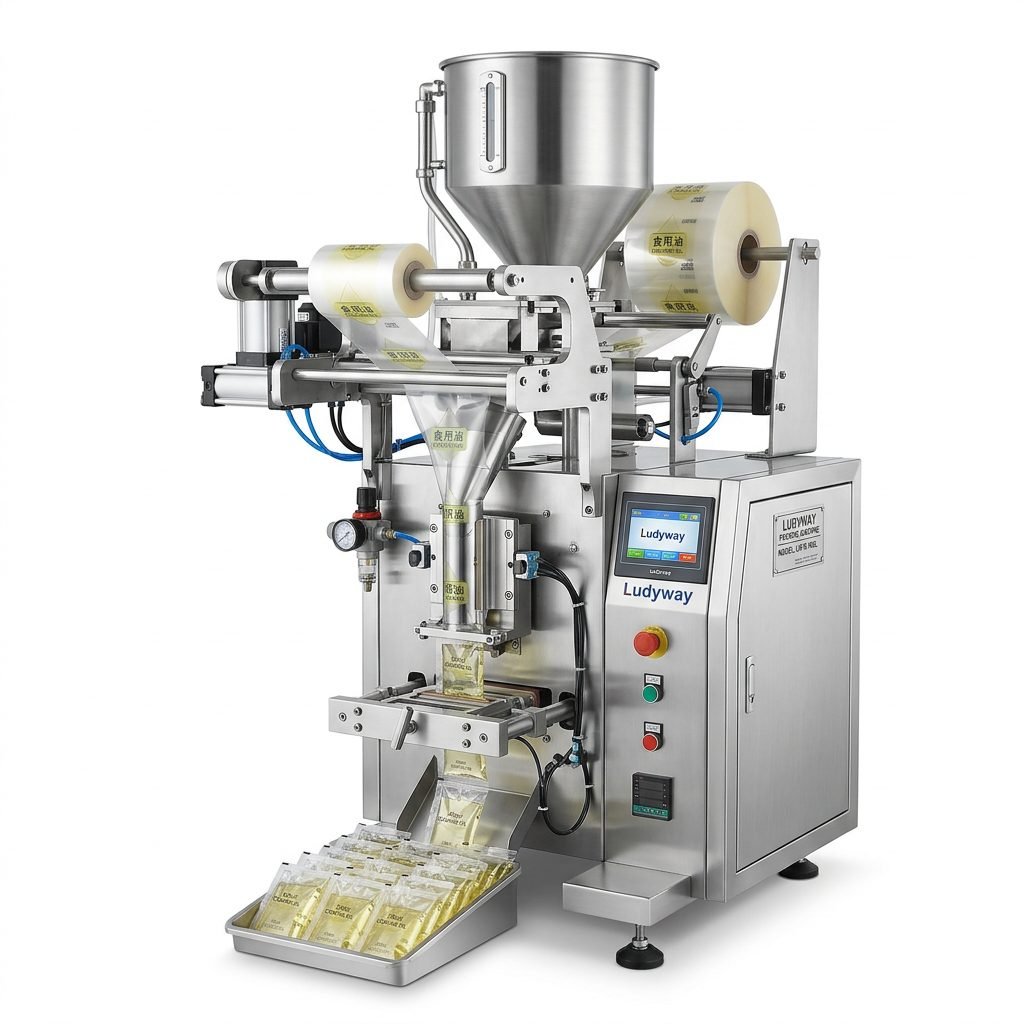
这是为您生成的一篇关于在意大利建立鸡肉包装生产线的完整指南,您可以直接将 HTML 代码粘贴至网站后台的富文本框中使用。
Setting up a chicken packaging machine production line in Italy requires careful planning, regulatory compliance, and strategic equipment selection. Italy’s position as a major poultry producer within the European Union means that any packaging operation must meet stringent EU food safety standards while maintaining operational efficiency. This guide walks you through the essential steps to establish a successful chicken packaging line tailored to the Italian market.

Understanding Italian and EU Regulatory Requirements
Before investing in equipment, it is critical to understand the regulatory landscape governing food packaging in Italy. The country operates under the European Union’s comprehensive food contact materials framework, which sets strict requirements for materials that come into contact with food products. Compliance with these regulations is mandatory for any chicken packaging operation.
Key Regulatory Bodies and Standards
- EU Regulation (EC) No 1935/2004 – Framework regulation for all food contact materials
- EU Regulation (EC) No 2023/2006 – Good Manufacturing Practice (GMP) for food contact materials
- Italian Ministerial Decrees – National provisions supplementing EU regulations
- CE Marking Requirements – Mandatory for all packaging machinery sold and operated within the European Economic Area
- HACCP Compliance – Hazard Analysis Critical Control Point system implementation throughout the packaging process
For detailed guidance on food contact materials, refer to the FDA Food Ingredients and Packaging resources, which, while US-focused, provide foundational knowledge applicable to global standards. The European Commission’s Packaging and Packaging Waste Regulation also provides essential frameworks for sustainable packaging practices.
Key Components of a Chicken Packaging Production Line
A well-designed chicken packaging line integrates multiple subsystems that work in harmony. Understanding each component’s role ensures smooth operation and minimizes downtime. The following table outlines the essential equipment categories and their primary functions:
| Equipment Type | Primary Function | Key Considerations for Italy |
|---|---|---|
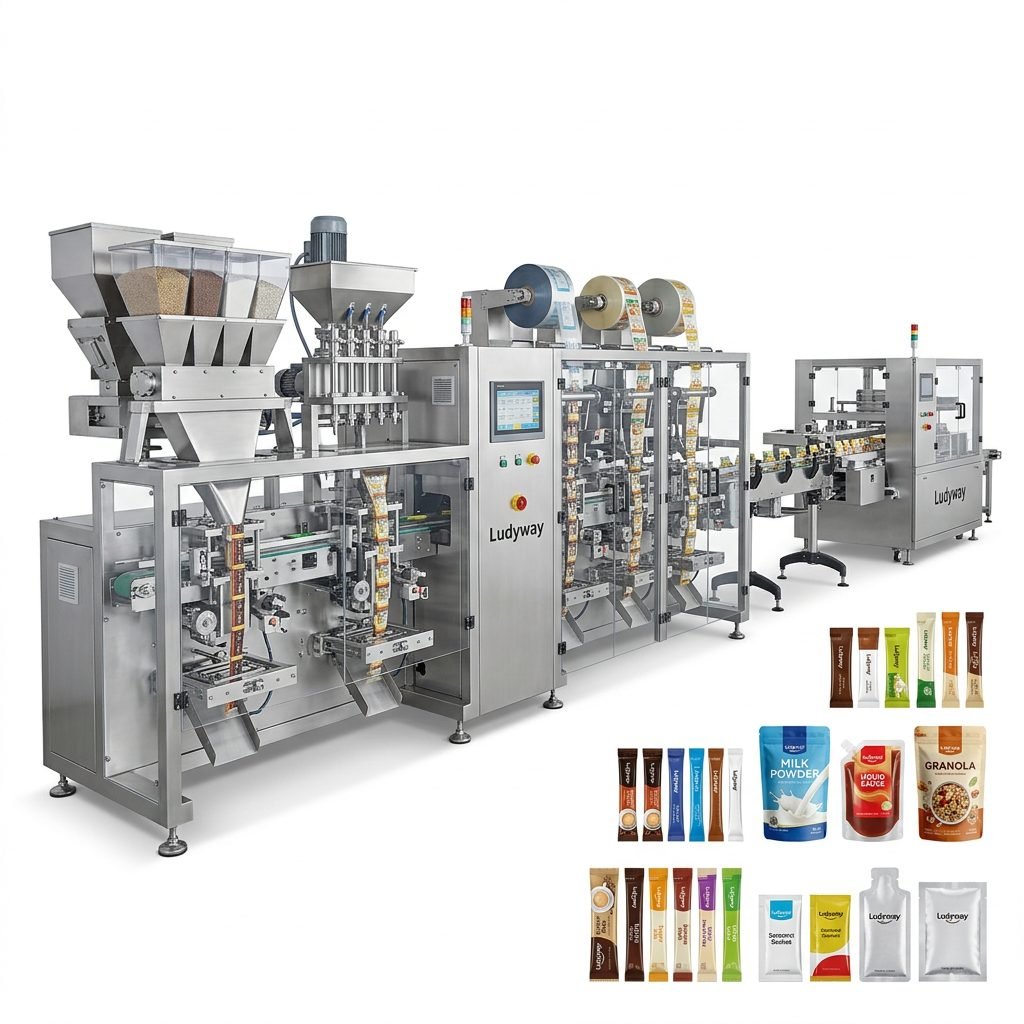
| Weighing and Dosing Systems | Precise measurement of chicken portions, granules, or powder products | Multi-head weighers calibrated for metric units; compliance with EU weighing standards |
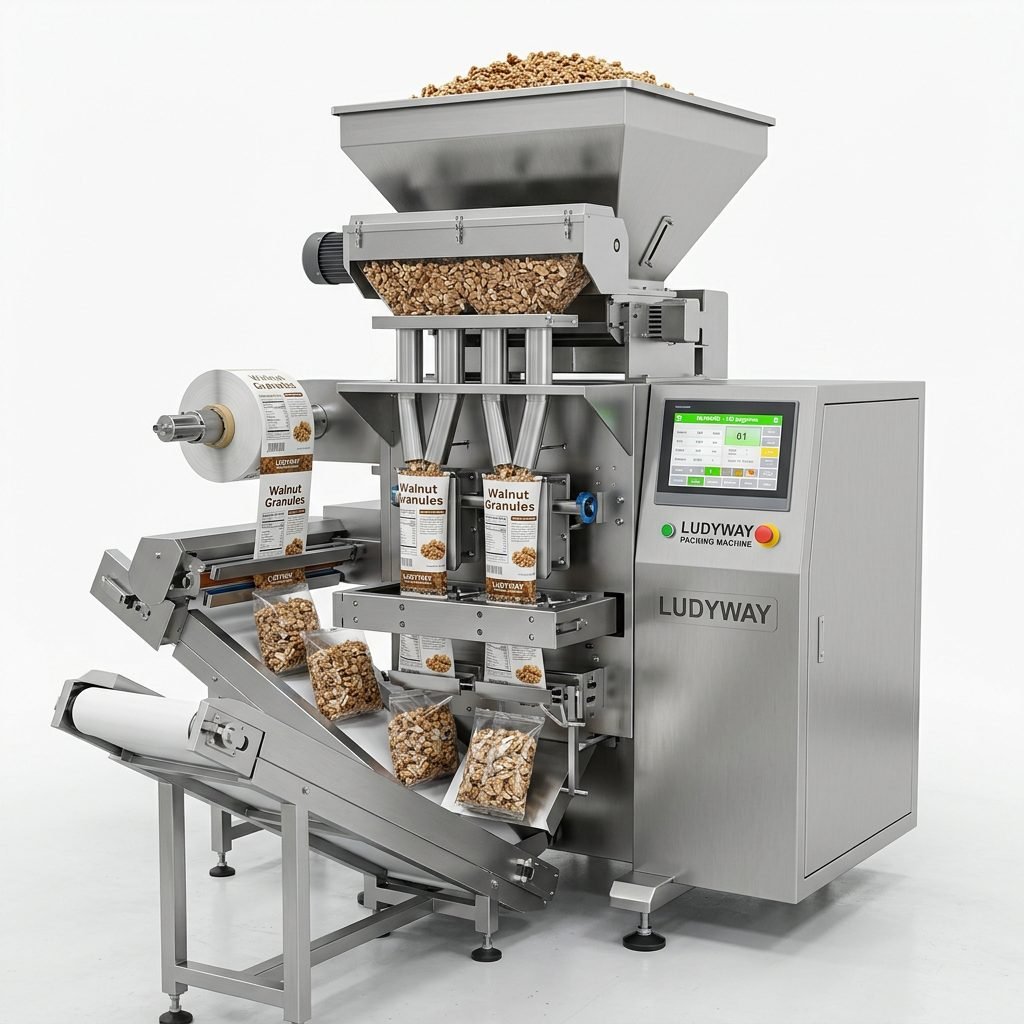
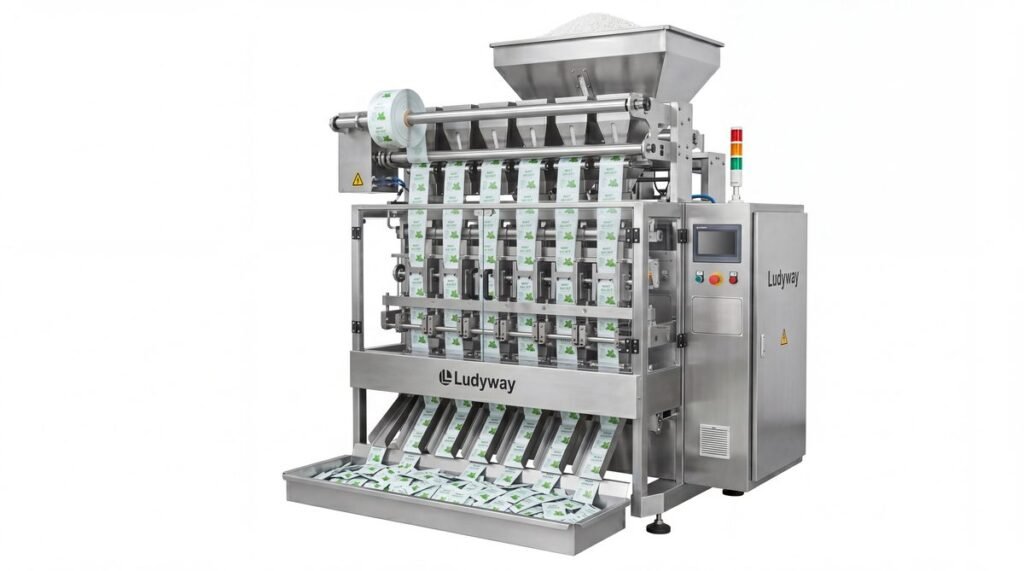
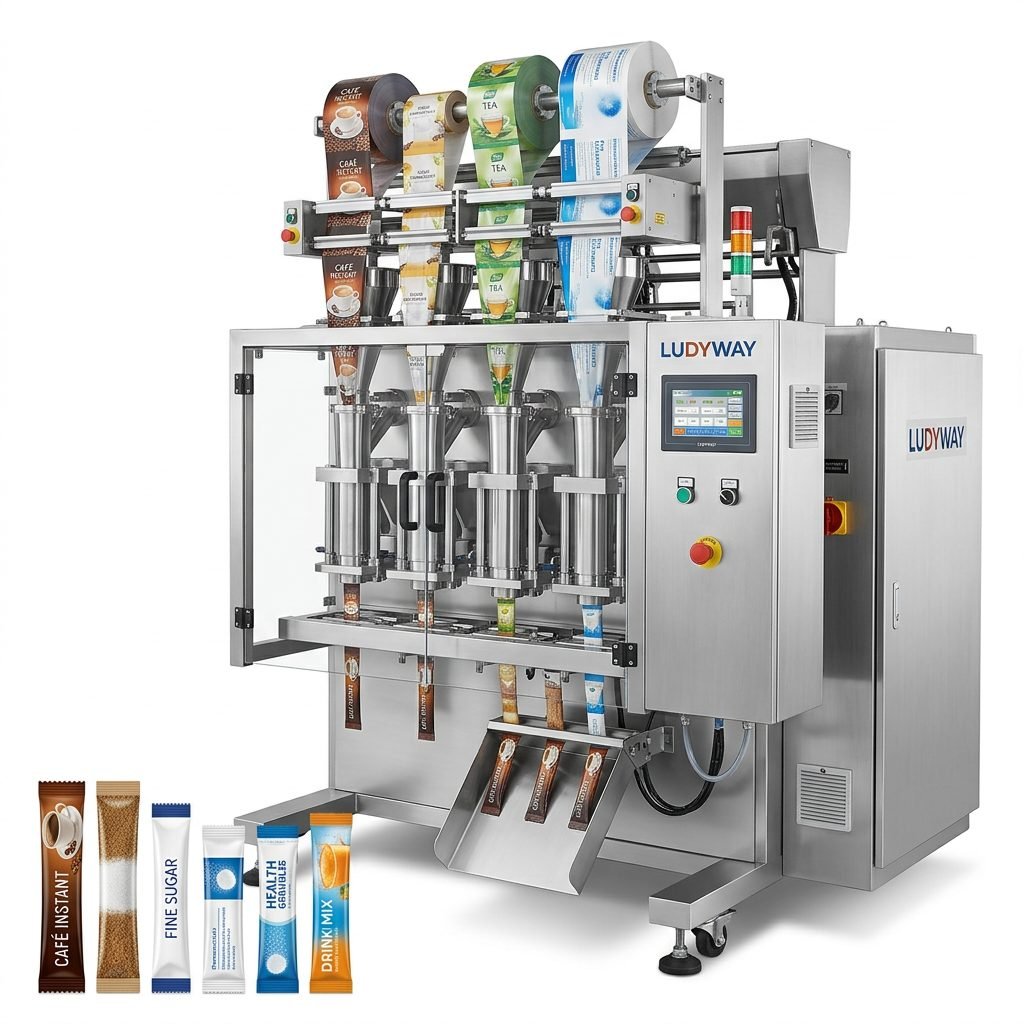
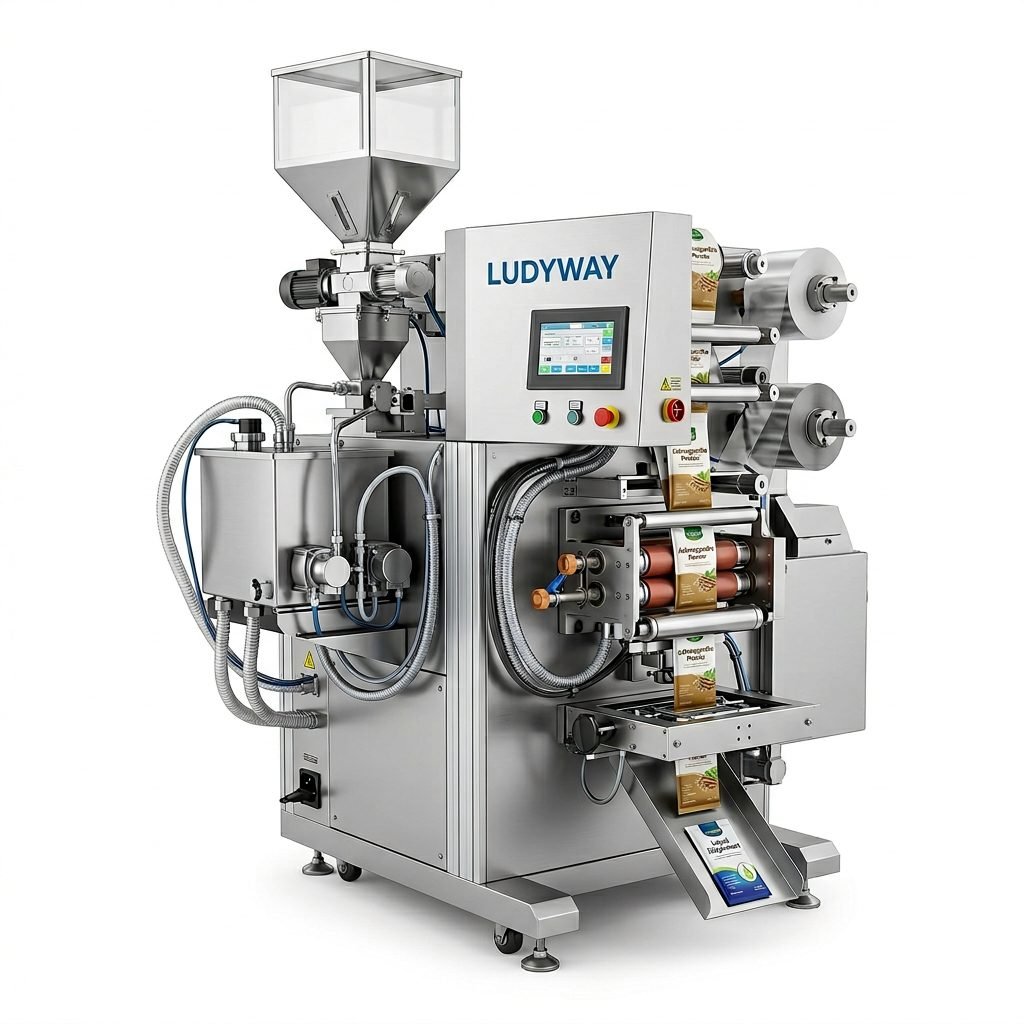
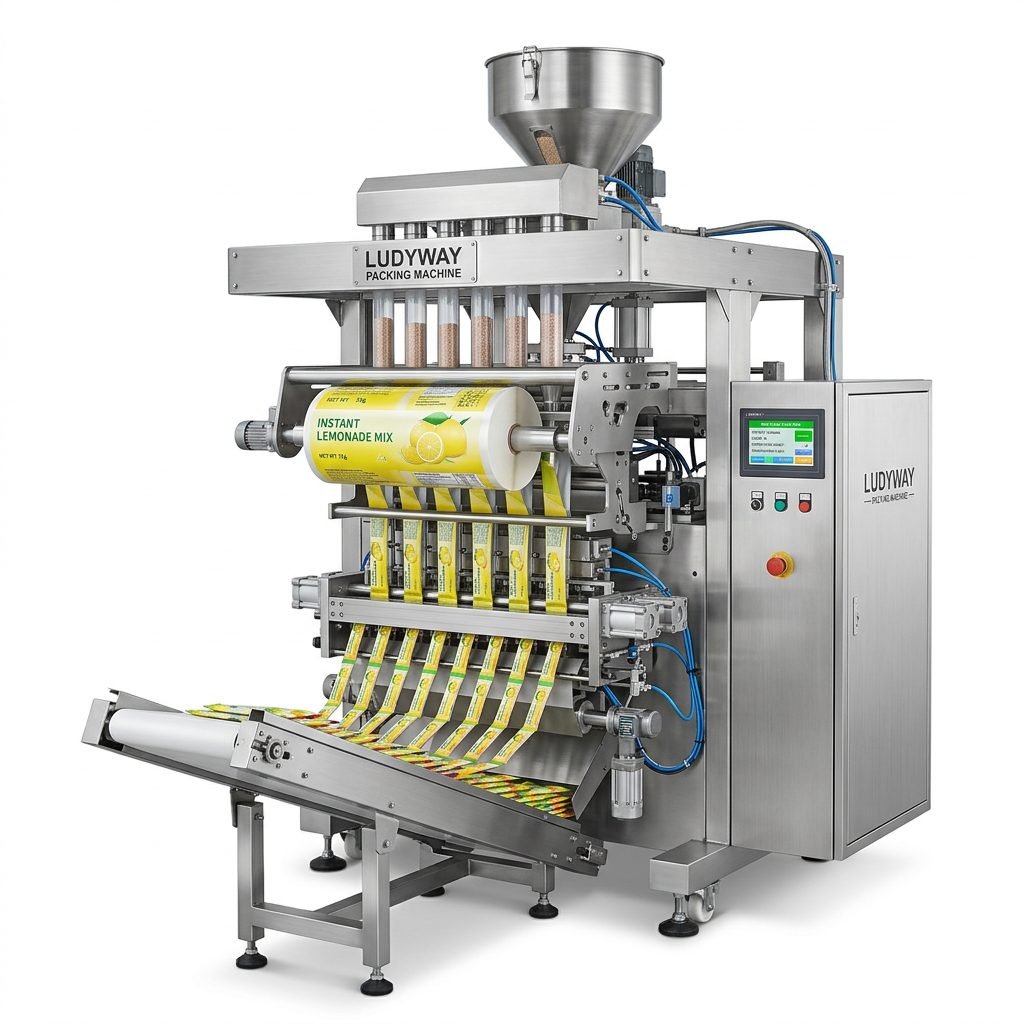
| Multi-Lane Sachet/Stick Pack Machines | High-speed filling and sealing of individual portions | CE-certified servo-driven models; capable of handling various film materials |
| Vacuum Packaging Systems | Extended shelf-life packaging for fresh and processed chicken | Modified atmosphere packaging (MAP) compatibility; Italian retail preferences |
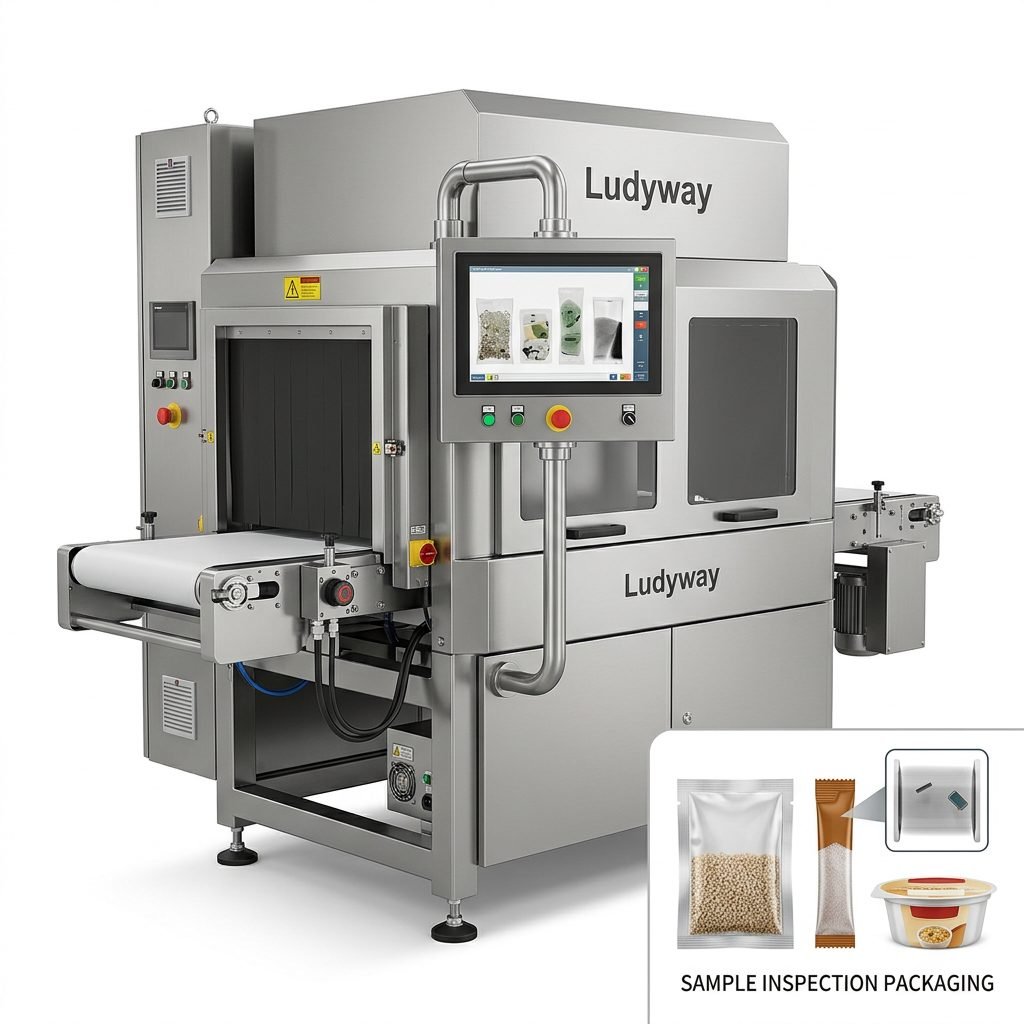
| Inspection and Detection Equipment | Metal detection, X-ray inspection, and checkweighing | Compliance with EU food safety directives; traceability requirements |
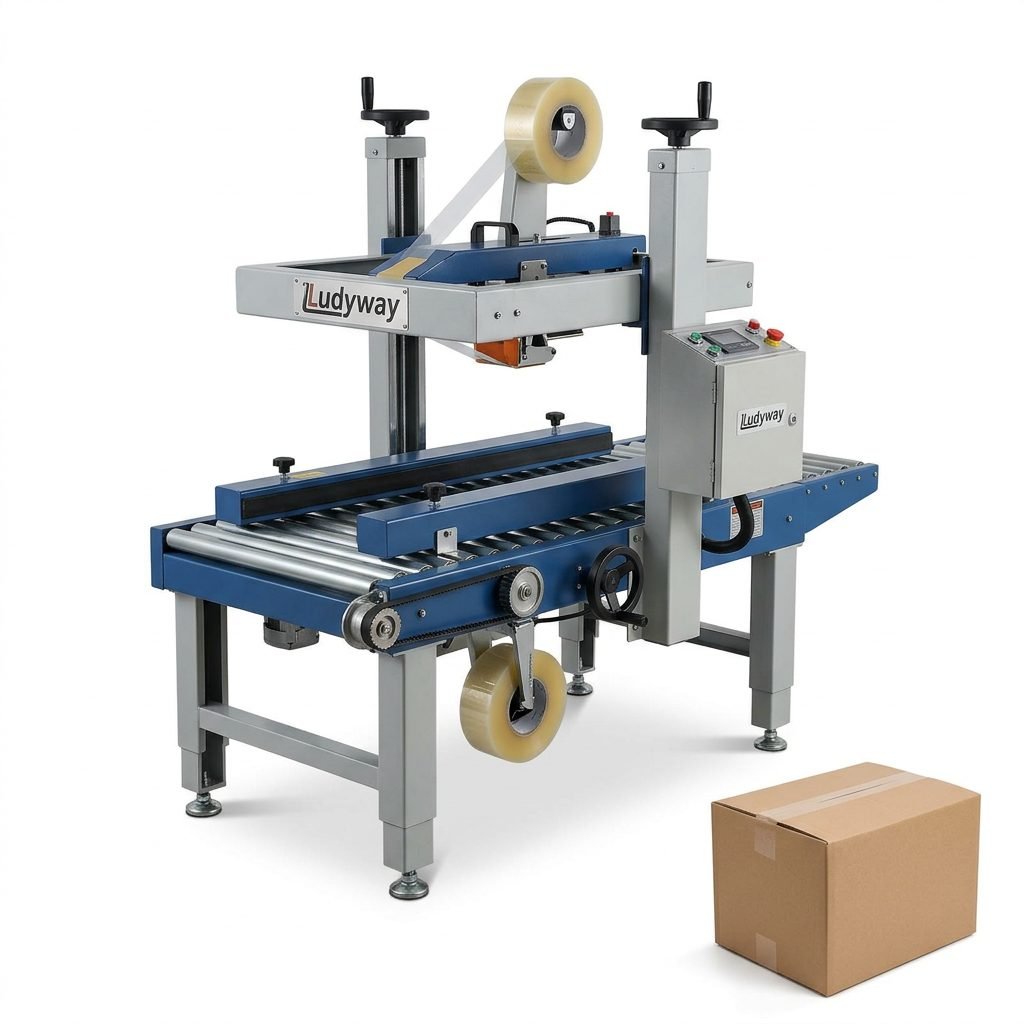
| Cartoning and Case Packing | Secondary packaging for distribution and retail display | Adaptability to Italian retail chain specifications; barcode and labeling standards |
| Palletizing Systems | End-of-line automation for warehouse and logistics | Euro pallet compatibility; integration with Italian logistics networks |

Planning Your Production Line Layout
The physical layout of your chicken packaging facility significantly impacts operational efficiency and food safety compliance. Italian facilities typically follow a linear flow pattern that separates raw material receiving from finished product dispatch to prevent cross-contamination.
Layout Design Principles
- Zoning: Establish clear hygienic zones with physical barriers between raw and processed areas
- Workflow Direction: Design a unidirectional flow from receiving to packaging to shipping
- Temperature Control: Maintain appropriate cold chain conditions throughout the packaging process
- Access Control: Implement restricted access points for personnel and materials
- Utility Placement: Position electrical, compressed air, and water connections strategically for equipment access
For comprehensive industry benchmarks on packaging line efficiency and layout optimization, the PMMI Business Intelligence Library offers valuable market research and technical reports relevant to global packaging operations.
Equipment Selection: Technical Specifications and Criteria
Choosing the right machinery for your chicken packaging line involves evaluating multiple technical parameters. The Italian market demands equipment that can handle diverse product formats while maintaining high throughput and reliability.
Critical Selection Factors
- Production Capacity: Determine required output in packages per minute based on market demand forecasts
- Product Compatibility: Verify machine capability to handle your specific chicken product types — fresh cuts, frozen portions, dried granules, or powdered seasonings
- Film and Material Flexibility: Ensure compatibility with sustainable packaging materials increasingly demanded by Italian consumers
- Automation Level: Balance between fully automatic and semi-automatic systems based on labor costs and production volume
- Changeover Speed: Quick format change capabilities for multi-product facilities serving diverse Italian retail channels
- Energy Efficiency: Compliance with EU energy directives and Italy’s focus on sustainable manufacturing
Installation and Commissioning Process
Proper installation and commissioning are crucial phases that determine the long-term reliability of your chicken packaging line. The process in Italy typically follows a structured approach aligned with EU machinery directives.
Installation Checklist
- Site Preparation: Floor leveling, utility connections, and environmental controls per equipment specifications
- Equipment Delivery and Inspection: Verify all components against purchase order and check for transit damage
- Mechanical Assembly: Position and secure all machinery according to layout drawings
- Electrical and Pneumatic Connections: Engage certified Italian electricians for compliance with local codes
- Software Configuration: Set up control systems with Italian language interfaces for operator accessibility
- Dry Run Testing: Operate equipment without product to verify mechanical synchronization
- Product Testing: Conduct trials with actual chicken products to validate packaging quality and speed
- CE Certification Verification: Ensure all documentation is complete for regulatory compliance
Industry standards for packaging machinery installation can be referenced through the ISO Packaging Standards collection, which provides internationally recognized guidelines.
Food Safety and Quality Control Measures
Food safety is non-negotiable in chicken packaging operations. The Italian health authorities (Ministero della Salute) enforce rigorous standards that packaging lines must meet. Implementing robust quality control systems protects both consumers and brand reputation.
Essential Quality Control Systems
- Metal Detection: Inline detectors calibrated for ferrous, non-ferrous, and stainless steel contaminants
- X-Ray Inspection: Advanced detection of bone fragments, dense plastics, and other foreign bodies
- Checkweighing: Dynamic weighing systems that reject underweight or overweight packages
- Seal Integrity Testing: Regular verification of package seals to prevent leakage and contamination
- Traceability Systems: Barcode and batch coding for complete supply chain transparency
- Environmental Monitoring: Temperature, humidity, and air quality sensors throughout the packaging area
Maintenance and Operational Optimization
A proactive maintenance strategy extends equipment lifespan and prevents costly production interruptions. Italian packaging facilities benefit from implementing predictive maintenance protocols that align with Industry 4.0 principles.
Maintenance Best Practices
- Daily Cleaning Protocols: Sanitize product contact surfaces following Italian food safety guidelines
- Weekly Inspections: Check belts, seals, sensors, and pneumatic components for wear
- Monthly Calibration: Verify weighing accuracy, temperature controls, and timing mechanisms
- Quarterly Overhauls: Comprehensive review of all mechanical and electrical systems
- Spare Parts Inventory: Maintain critical spare parts stock to minimize downtime during repairs
- Operator Training: Regular training sessions on equipment operation and troubleshooting in Italian language
For insights into packaging industry maintenance standards and operational best practices, the PMMI Packaging Industry Resources portal provides extensive technical documentation and training materials.
Cost Considerations and Return on Investment
Investing in a chicken packaging production line in Italy requires understanding both upfront capital expenditure and ongoing operational costs. A well-planned investment typically achieves payback within 24 to 36 months through labor savings, reduced waste, and increased throughput.
Cost Breakdown Overview
| Cost Category | Estimated Range (EUR) | Notes |
|---|---|---|
| Primary Packaging Machinery | €150,000 – €500,000 | Multi-lane sachet/stick pack systems with CE certification |
| Secondary Packaging Equipment | €50,000 – €200,000 | Cartoning, case packing, and palletizing systems |
| Inspection and Detection Systems | €30,000 – €120,000 | Metal detectors, X-ray units, and checkweighers |
| Installation and Commissioning | €20,000 – €80,000 | Site preparation, assembly, and testing by certified technicians |
| Training and Documentation | €5,000 – €15,000 | Operator training and Italian-language technical manuals |
| Annual Maintenance Contract | €10,000 – €40,000 per year | Preventive maintenance and priority support services |
Choosing Equipment Suppliers for the Italian Market
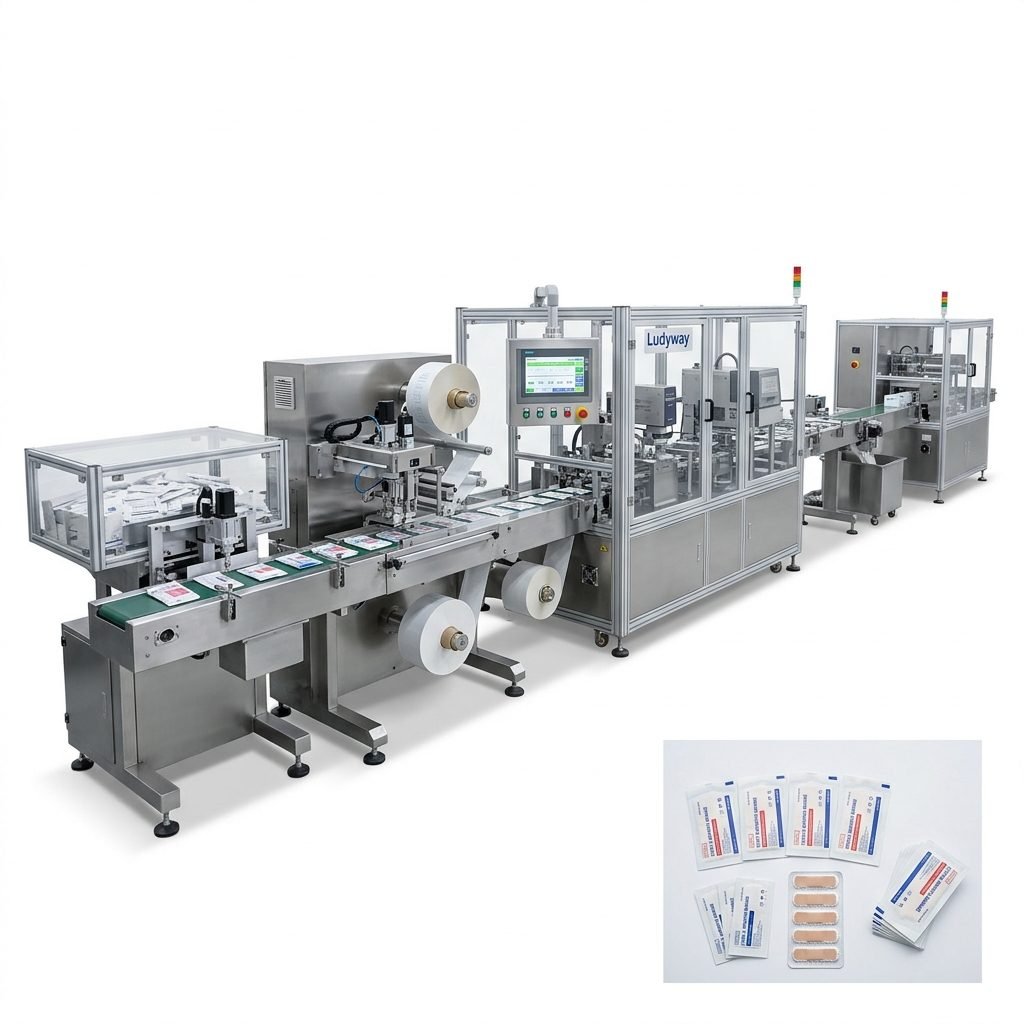
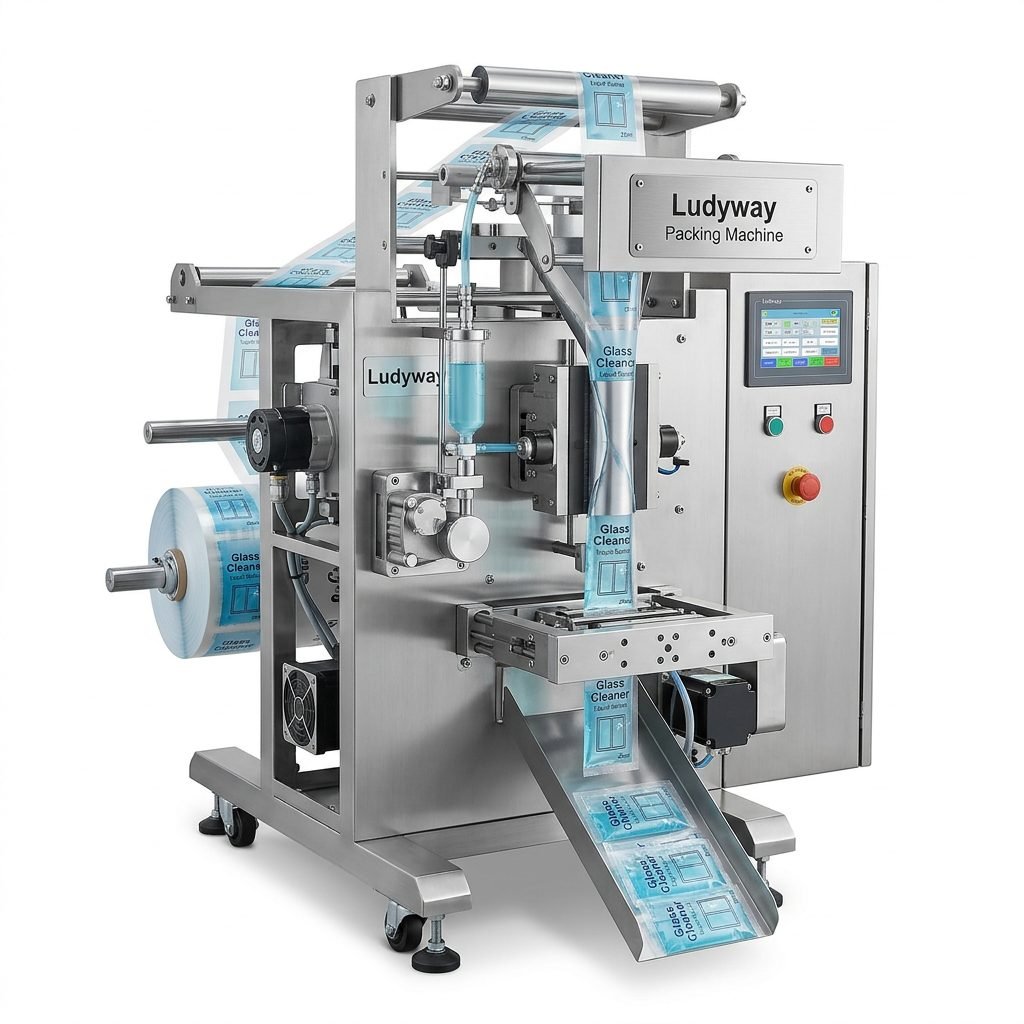
Selecting the right equipment partner is as important as choosing the machinery itself. For the Italian market, look for suppliers with proven CE certification, established European service networks, and experience in food packaging applications. Manufacturers with global reach can provide competitive pricing while meeting European quality expectations. For instance, Ludyway Packaging Machinery has demonstrated significant global growth and plans to exceed RMB 1 billion in export revenue by 2026, reflecting the increasing demand for high-quality packaging equipment from international manufacturers.
Supplier Evaluation Criteria
- CE Certification Documentation: Verify all machinery carries valid CE marking with complete technical files
- European Service Presence: Local technical support, spare parts availability, and Italian-speaking service engineers
- Industry References: Case studies and testimonials from Italian or European food packaging operations
- Turnkey Capability: Ability to deliver complete, integrated packaging lines rather than isolated machines
- After-Sales Support: Comprehensive warranty terms, training programs, and ongoing maintenance services

Conclusion: Building a Future-Ready Chicken Packaging Operation
Establishing a chicken packaging machine production line in Italy represents a significant strategic investment. Success depends on thorough regulatory compliance, careful equipment selection, and robust quality control systems. By following the guidelines outlined in this article, businesses can build packaging operations that meet Italy’s demanding food safety standards while achieving competitive production efficiency. The integration of advanced automation, coupled with adherence to EU directives and Italian regulations, positions companies for sustainable growth in one of Europe’s most dynamic food markets.
For continued learning, explore the Flexible Packaging Association’s Industry Resources and the PMMI 2025 State of the Industry Report for the latest trends and market data shaping the packaging machinery sector worldwide.