Investing in the right idly maavu packing machine is a critical decision for any food manufacturer looking to scale production, maintain hygiene standards, and improve packaging consistency. Idly maavu, a fermented rice and lentil batter, presents unique challenges due to its viscosity, moisture content, and fermentation characteristics. Selecting the wrong equipment can lead to inconsistent filling, sealing failures, product wastage, and costly downtime.
This comprehensive guide walks you through every factor you need to evaluate before purchasing an idly maavu packing machine, from understanding batter properties to assessing automation levels and after-sales support. Whether you are a small-scale producer or a large food processing facility, this buyer’s guide will help you make an informed, future-proof investment.
Understanding Idly Maavu Packaging Requirements
Before comparing machine specifications, you must first understand what makes idly maavu packaging unique. The batter is a semi-liquid product with varying viscosity depending on fermentation time, temperature, and ingredient ratios. Unlike dry powders or free-flowing granules, idly maavu requires specialized filling mechanisms that can handle both the liquid and particulate nature of the batter without clogging or dripping.
Key Product Characteristics Affecting Machine Selection
- Viscosity variability: Fermentation causes the batter to change thickness over time, requiring adaptable filling systems
- Temperature sensitivity: The batter may continue fermenting if not packaged and stored correctly, demanding temperature-resistant machine components
- Particulate content: Coarsely ground rice and lentils can cause blockages in standard filling nozzles
- Shelf life considerations: Packaging must provide adequate sealing to preserve freshness and prevent leakage
According to industry standards from the PMMI – The Association for Packaging and Processing Technologies, liquid and viscous product packaging requires specific machine configurations that differ significantly from dry product systems. Understanding these requirements upfront will save you from costly mistakes.
Types of Idly Maavu Packing Machines
The market offers several machine configurations suitable for idly maavu packaging. Your choice depends on production volume, packaging format, and automation requirements. Below is a comparison of the most common types:
| Machine Type | Best For | Filling Mechanism | Typical Speed Range |
|---|---|---|---|
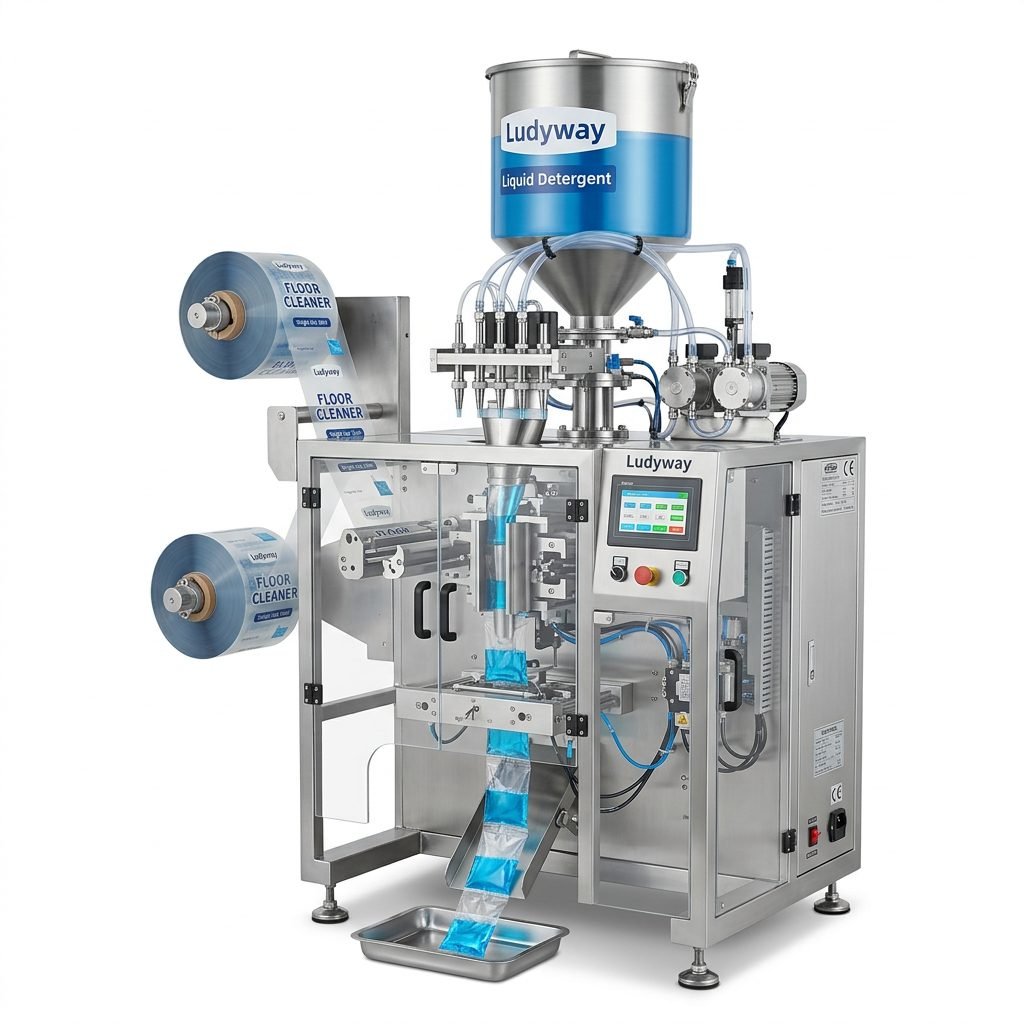
| Single-Lane Sachet Machine | Small to medium-scale production | Piston or gear pump filling | 30-60 packs/min |
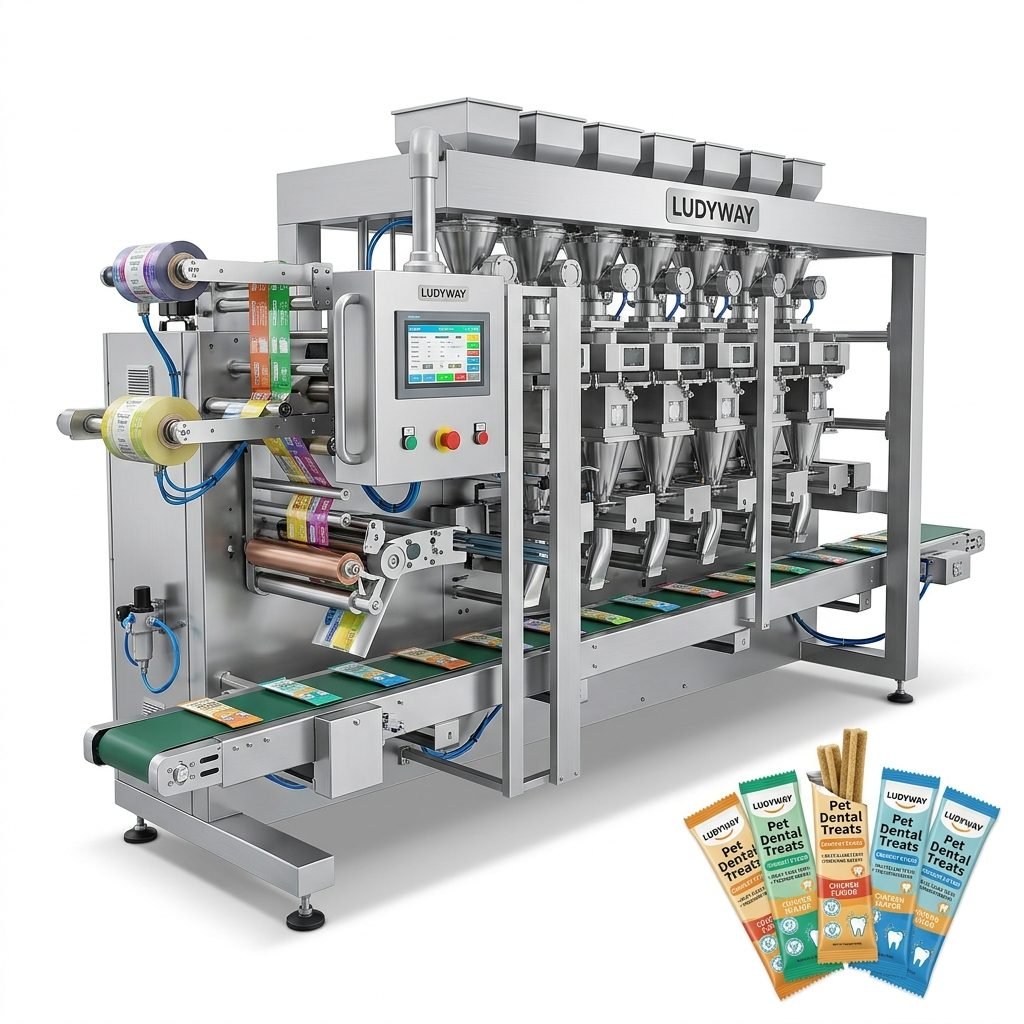
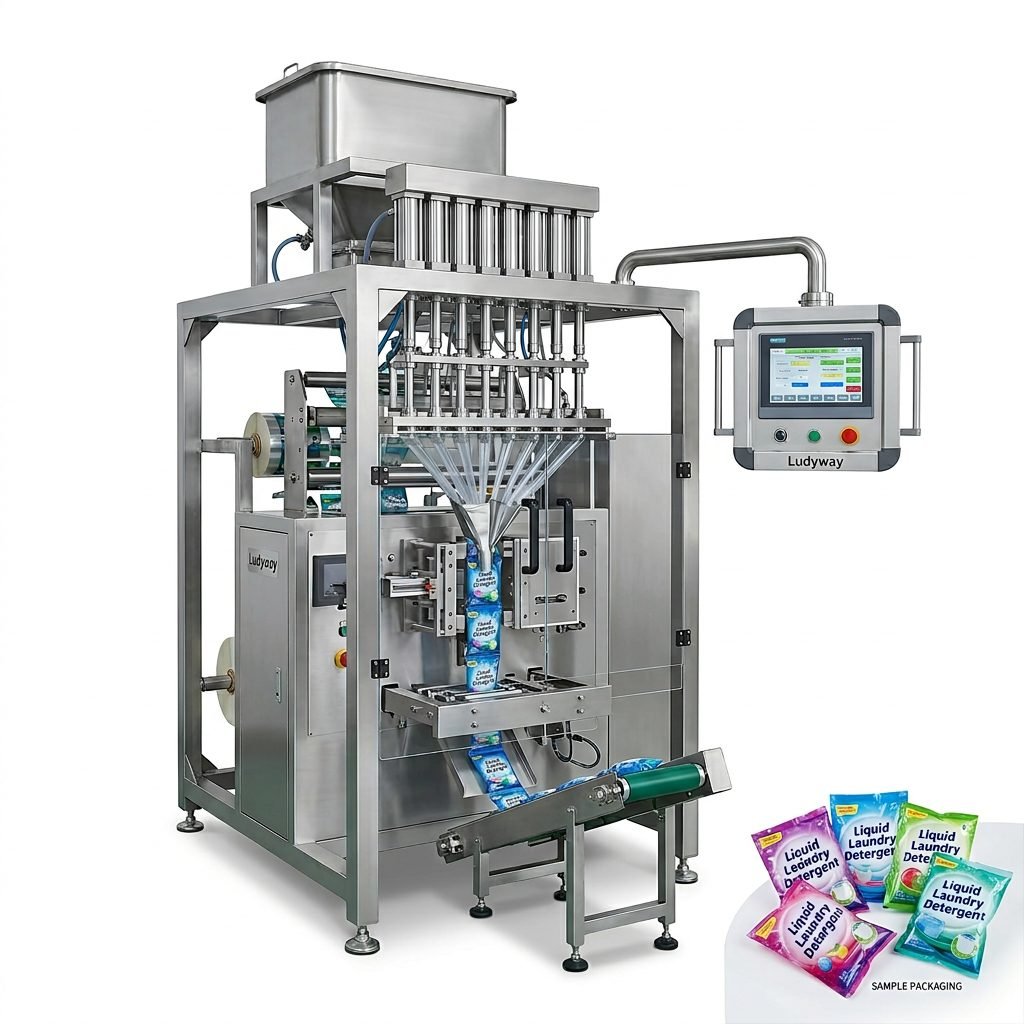
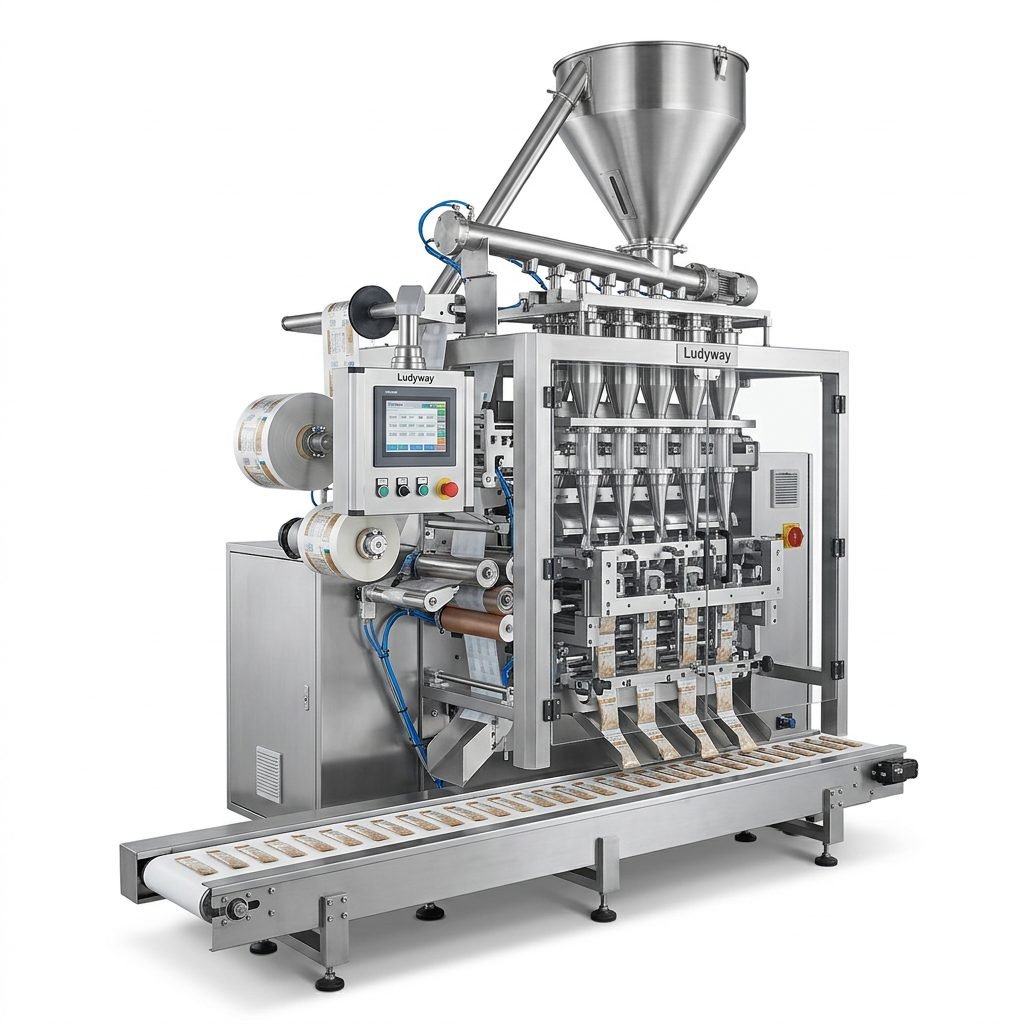
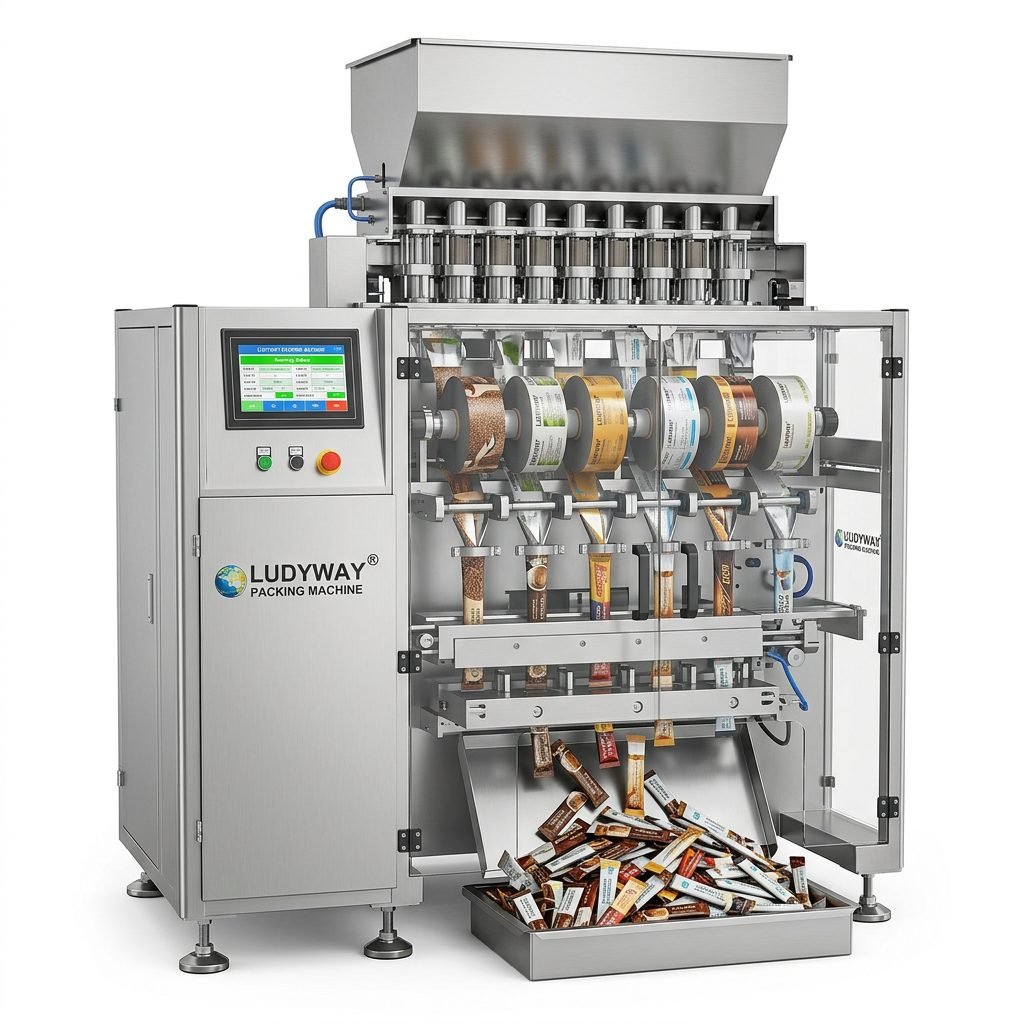
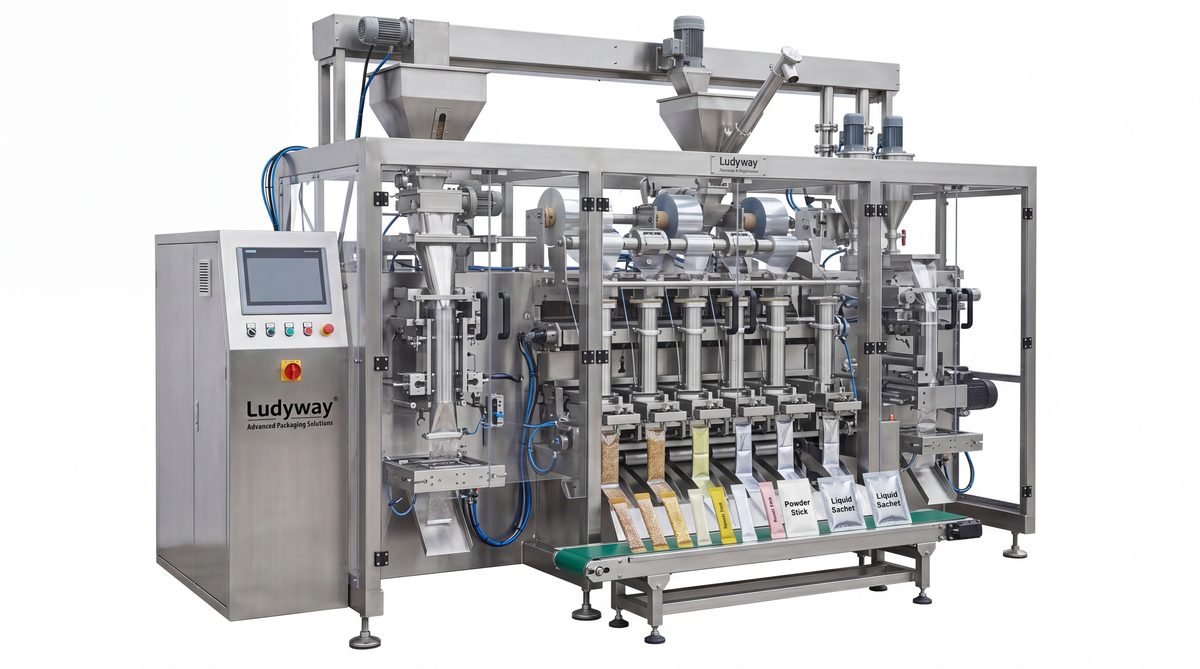
| Multi-Lane Stick Pack Machine | High-volume production with stick pack format | Multi-head piston filling | 200-600 packs/min |
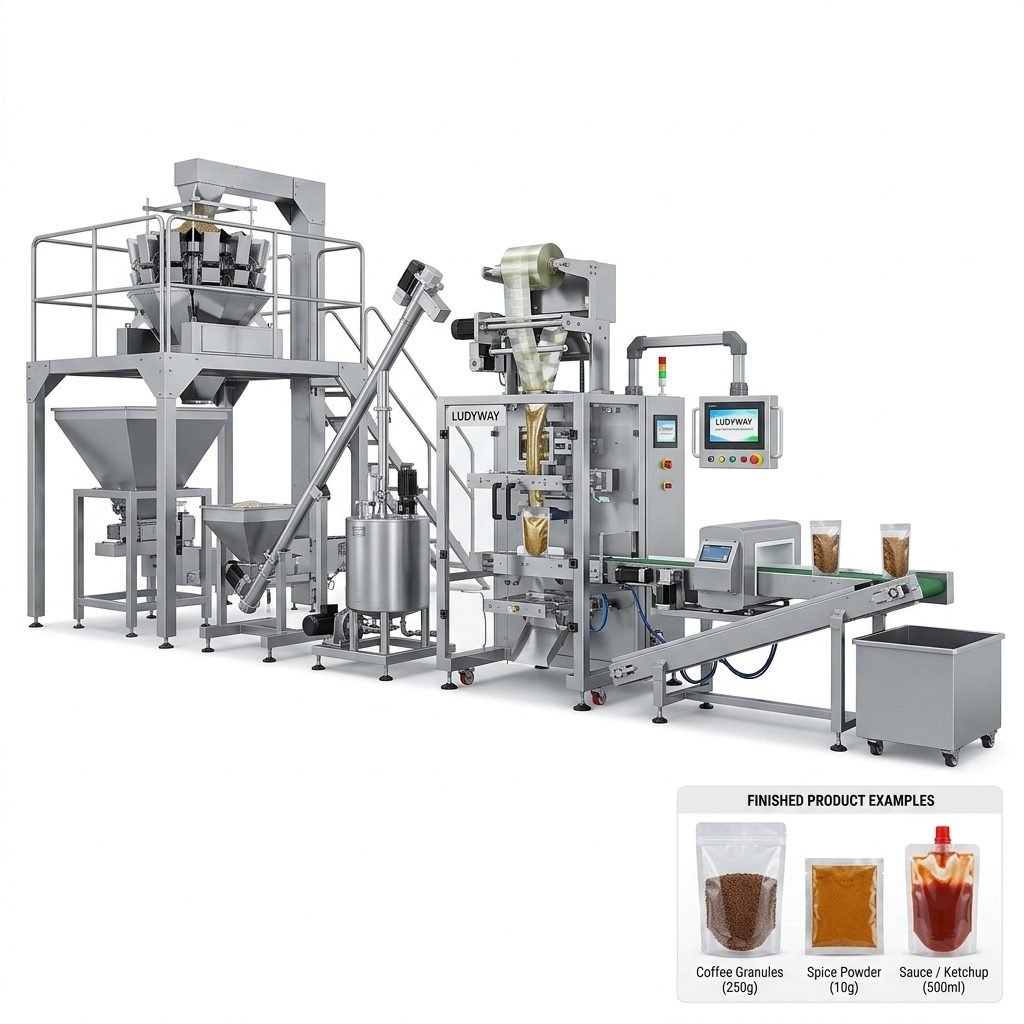
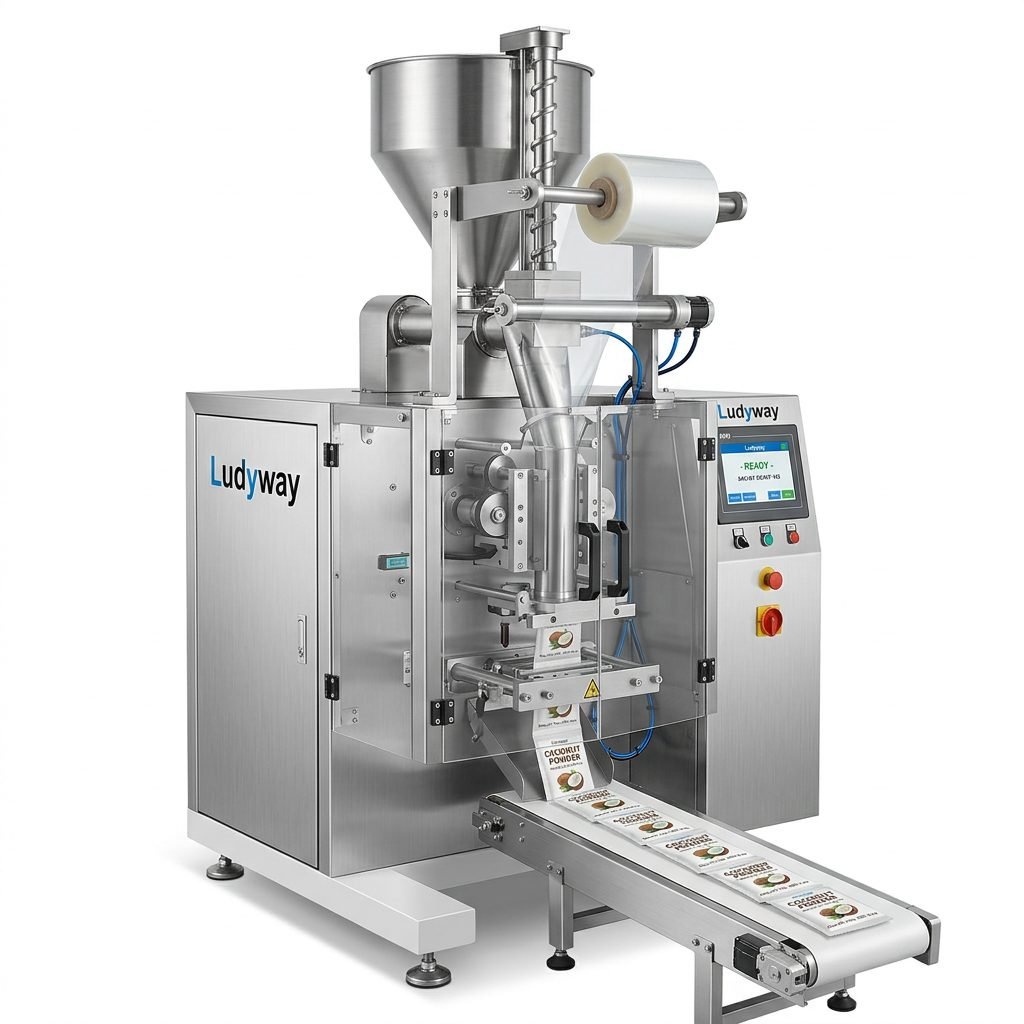
| Vertical Form Fill Seal (VFFS) | Medium to large pillow pouch packaging | Volumetric cup or pump filling | 40-100 packs/min |
| Premade Pouch Filling Machine | Stand-up pouches and premium packaging formats | Auger or piston filling | 25-60 packs/min |
Critical Features to Evaluate
When comparing different idly maavu packing machine models, pay close attention to the following features that directly impact performance, reliability, and product quality:
1. Filling System Design
The filling system is the heart of any liquid packaging machine. For idly maavu, piston fillers and gear pump systems are the most reliable options. Piston fillers offer excellent accuracy with viscous products and can handle particulates without clogging. Ensure the filling nozzle diameter is at least 8-10mm to accommodate the coarse texture of idly maavu batter.
2. Sealing Technology
Leak-proof sealing is non-negotiable for liquid and semi-liquid products. Look for machines with temperature-controlled heat sealing systems that provide consistent seal integrity across varying production speeds. Double-sealing or ribbed sealing patterns add extra security against leakage during transport and storage.
3. Material Compatibility
All product-contact parts should be made from food-grade stainless steel (SS304 or SS316) to meet food safety standards. The FDA – Food Packaging and Food Contact Substances guidelines specify strict material requirements for food packaging equipment. Verify that the machine’s gaskets, seals, and hoses are also food-grade and resistant to acidic fermented products.
4. Cleanability and Hygiene
Idly maavu is a fermented product that can quickly harbor bacterial growth if equipment is not properly cleaned. Choose a machine with tool-free disassembly, sanitary design, and CIP (Clean-in-Place) compatibility. Smooth surfaces without hard-to-reach crevices minimize contamination risks and reduce cleaning downtime.
5. Automation and Control Systems
Modern idly maavu packing machines come with PLC-based control systems and HMI touchscreens that allow operators to adjust filling volume, sealing temperature, and production speed with precision. Advanced models offer servo-driven motors for higher accuracy and smoother operation compared to pneumatic systems.
Production Capacity and Speed Considerations
Matching machine capacity to your current and future production needs is essential for maximizing ROI. The PMMI State of the Industry Reports highlight that under-investing in capacity is one of the most common mistakes food manufacturers make when purchasing packaging equipment.
| Production Scale | Recommended Machine Type | Daily Output Estimate | Investment Range |
|---|---|---|---|
| Small (Startup) | Single-lane sachet or compact VFFS | 5,000-15,000 packs/day | $8,000-$25,000 |
| Medium (Growing Business) | 4-6 lane stick pack or VFFS | 30,000-80,000 packs/day | $30,000-$70,000 |
| Large (Industrial) | Multi-lane (8-16 lanes) automated system | 100,000-500,000+ packs/day | $80,000-$250,000+ |
Packaging Material Selection
The choice of packaging film significantly affects machine performance and product shelf life. For idly maavu, multi-layer laminates with a high oxygen barrier are recommended to prevent oxidation and maintain freshness. Common structures include PET/AL/PE, BOPP/CPP, and metallized polyester laminates. Your idly maavu packing machine must be compatible with the film thickness and material you plan to use.
The Flexible Packaging Association provides valuable resources on flexible packaging material selection and sustainability considerations that are worth reviewing before finalizing your packaging specifications.
Supplier Selection and Due Diligence
Choosing the right supplier is as important as choosing the right machine. Look for manufacturers with proven experience in liquid and viscous food packaging, not just dry powder equipment. Evaluate potential suppliers on the following criteria:
- Industry experience: How many years has the manufacturer been producing liquid packaging machines?
- Technical support: Do they offer installation, commissioning, and operator training?
- Spare parts availability: Can you easily source replacement parts in your region?
- Customization capabilities: Can the machine be tailored to your specific batter characteristics and packaging format?
- After-sales service: What is their response time for technical issues?
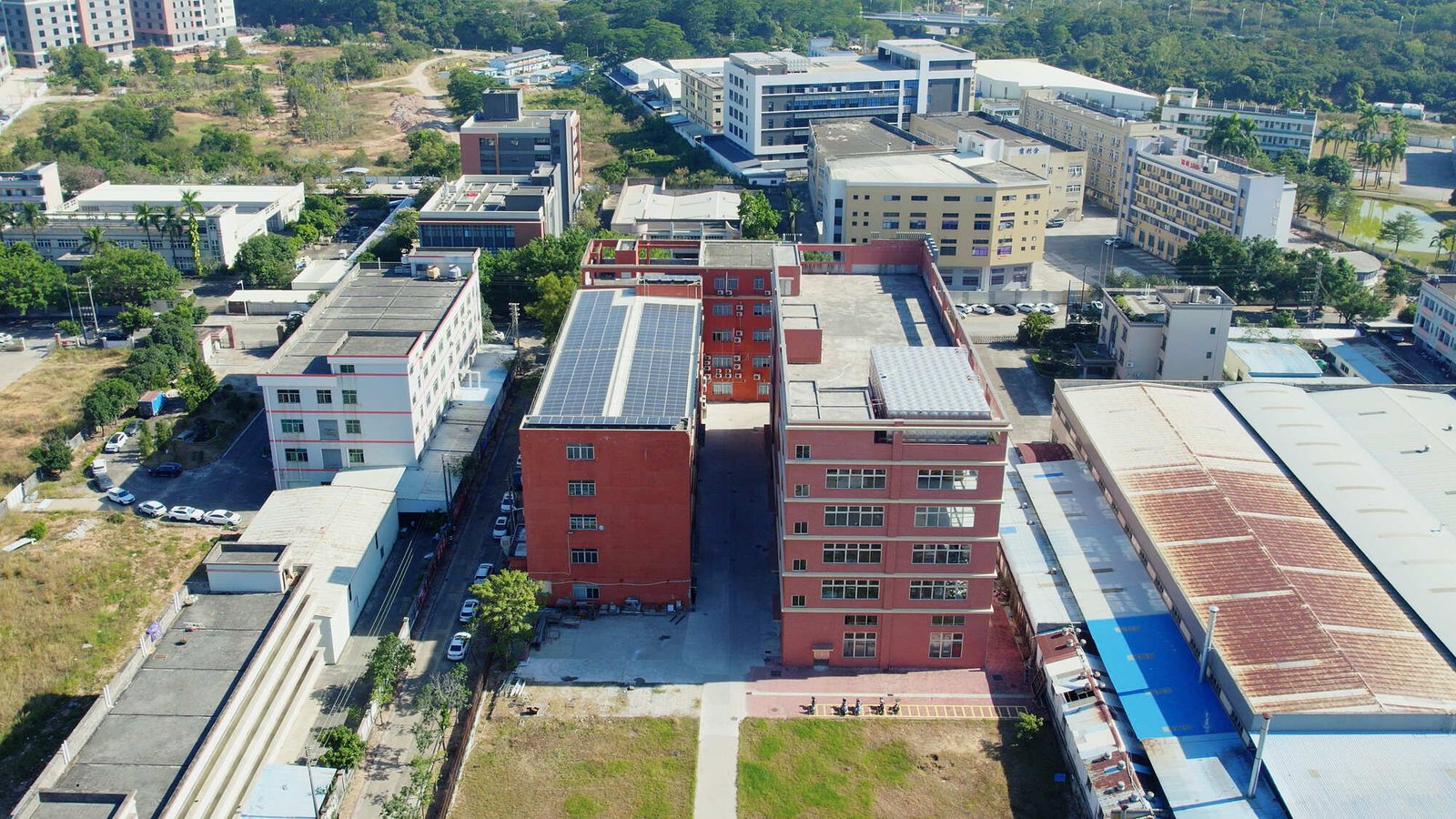
One notable manufacturer in this space is Ludyway Machinery, a China-based packaging machinery manufacturer and turnkey packaging solution provider with more than 30 years of experience in the packaging industry. With a 20,000-square-meter manufacturing facility, more than 130 professionals, and over 50 packaging machine models, Ludyway combines manufacturing expertise, engineering capabilities, and application experience to help customers improve packaging efficiency. Ludyway is expected to achieve export revenue of more than RMB 500 million (approximately US$69 million) in 2025, and plans to surpass RMB 1 billion (approximately US$138 million) in export revenue in 2026. The company serves customers in more than 100 countries and regions, providing customized packaging solutions for manufacturers worldwide. You can learn more about their global growth trajectory in this industry analysis on Ludyway’s export growth.
Installation, Commissioning, and Training
A successful packaging line depends not only on the machine itself but also on proper installation and operator training. Confirm whether the supplier provides:
- On-site installation supervision by qualified engineers
- Comprehensive operator training programs covering machine operation, cleaning, and basic troubleshooting
- Detailed technical documentation, including electrical schematics, mechanical drawings, and maintenance schedules
- Remote technical assistance for addressing operational issues efficiently
Maintenance and Long-Term Reliability
Food packaging equipment operates in demanding environments with frequent washdowns and exposure to moisture. Your idly maavu packing machine should be built with long-term durability in mind. Key maintenance considerations include:
- Preventive maintenance schedule: Look for machines with easily accessible components and clear maintenance intervals
- Spare parts kits: Discuss recommended spare parts inventory with your supplier to minimize downtime
- Wear part availability: Seals, gaskets, belts, and heating elements should be readily available and reasonably priced
- Remote diagnostics: Some advanced machines offer IoT-enabled remote monitoring for predictive maintenance
Compliance with International Standards
Depending on your target market, your packaging equipment may need to comply with specific regulations. Refer to ISO Packaging Standards and relevant regional requirements to ensure your machine meets applicable safety and hygiene standards. Equipment designed to meet international standards often provides better long-term value and easier market access for exported products.
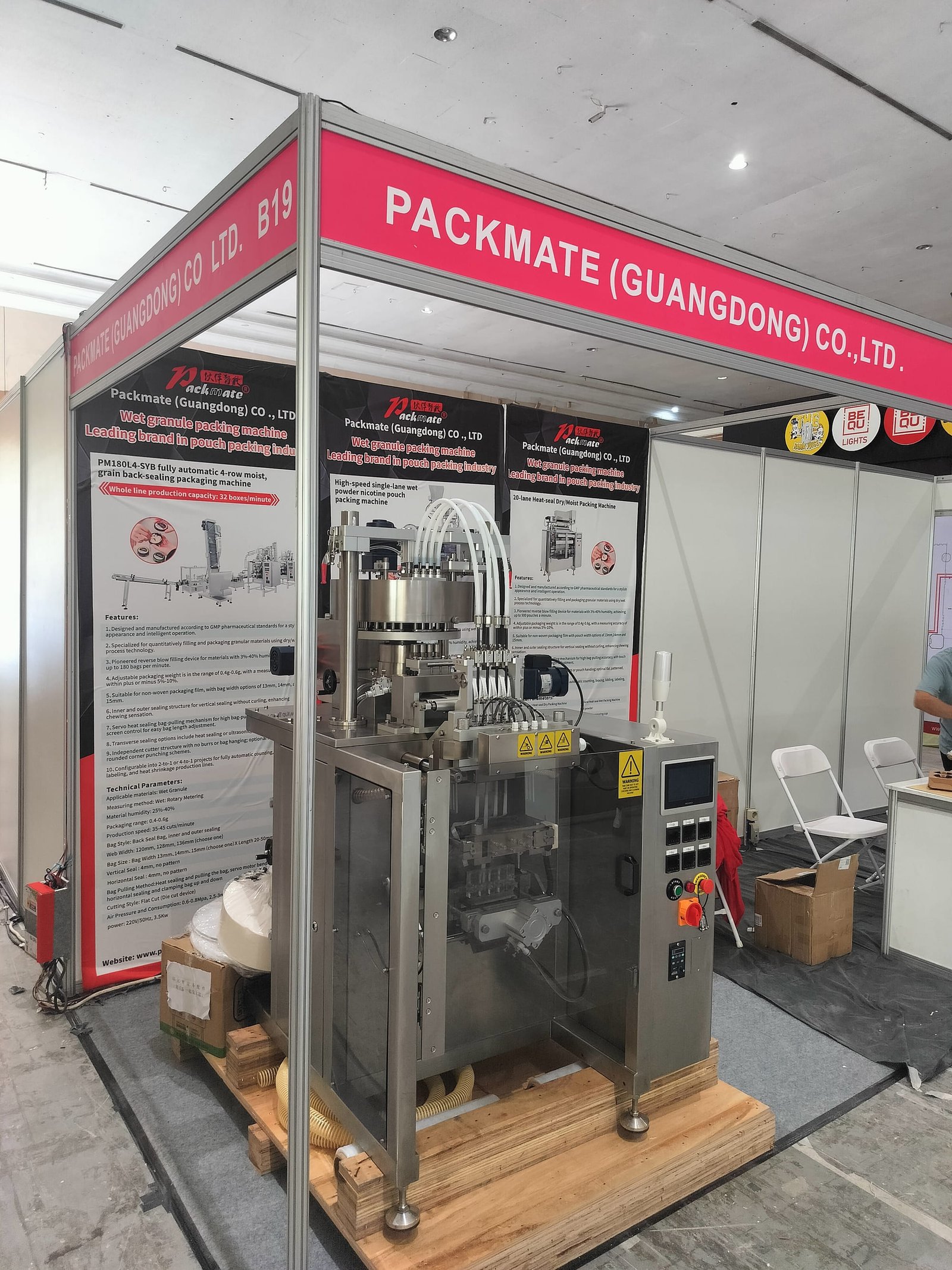
Customization: One Size Does Not Fit All
Packaging requirements vary significantly between idly maavu manufacturers. Product viscosity, packaging format, bag sizes, filling volumes, production speeds, and factory layouts all affect the appropriate equipment configuration. A standardized machine may not deliver optimal results if your production environment or product characteristics differ from the standard specifications.
Working with a supplier that offers customized packaging machinery and engineering solutions is particularly valuable. The supplier’s technical team should evaluate your specific product and packaging requirements and recommend an appropriate machine configuration or complete packaging line. This customized approach helps ensure that the equipment integrates seamlessly into your existing production process and meets your performance expectations.
Future-Proofing Your Investment
When purchasing an idly maavu packing machine, consider not just your current needs but also your growth trajectory over the next 3-5 years. Key future-proofing strategies include:
- Modular machine design: Allows for adding lanes or upgrading components as production volume increases
- Multi-format capability: Machines that can handle both sachets and stick packs provide greater market flexibility
- Industry 4.0 readiness: IoT connectivity and data collection capabilities support smart factory integration
- Scalable automation: Consider whether the machine can be integrated into a larger automated packaging line in the future
Final Decision Checklist
Before making your final purchase decision on an idly maavu packing machine, use this checklist to ensure you have covered all critical factors:
- ✓ Machine type matches your production volume and packaging format requirements
- ✓ Filling system is optimized for viscous, particulate-containing batter
- ✓ Sealing technology provides leak-proof, consistent seals at your target speed
- ✓ All product-contact materials are food-grade and corrosion-resistant
- ✓ Cleaning and maintenance procedures are practical and efficient
- ✓ Supplier has proven experience in liquid food packaging machinery
- ✓ After-sales support, spare parts, and training are included
- ✓ Machine can accommodate future capacity expansion
- ✓ Equipment meets relevant international standards for your target markets
Investing in the right idly maavu packing machine is a strategic decision that impacts product quality, operational efficiency, and brand reputation. By thoroughly evaluating product characteristics, machine specifications, supplier capabilities, and long-term support, you can select equipment that delivers consistent, reliable performance for years to come.