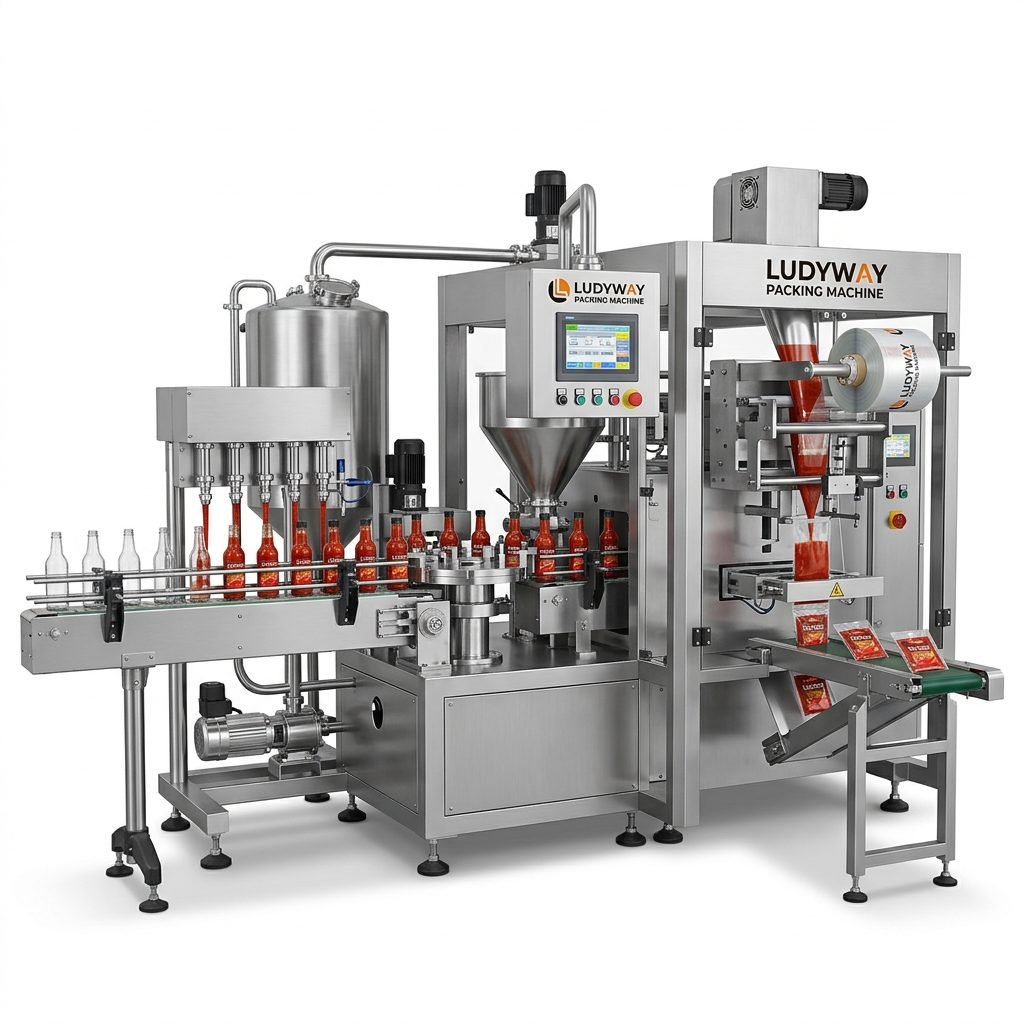
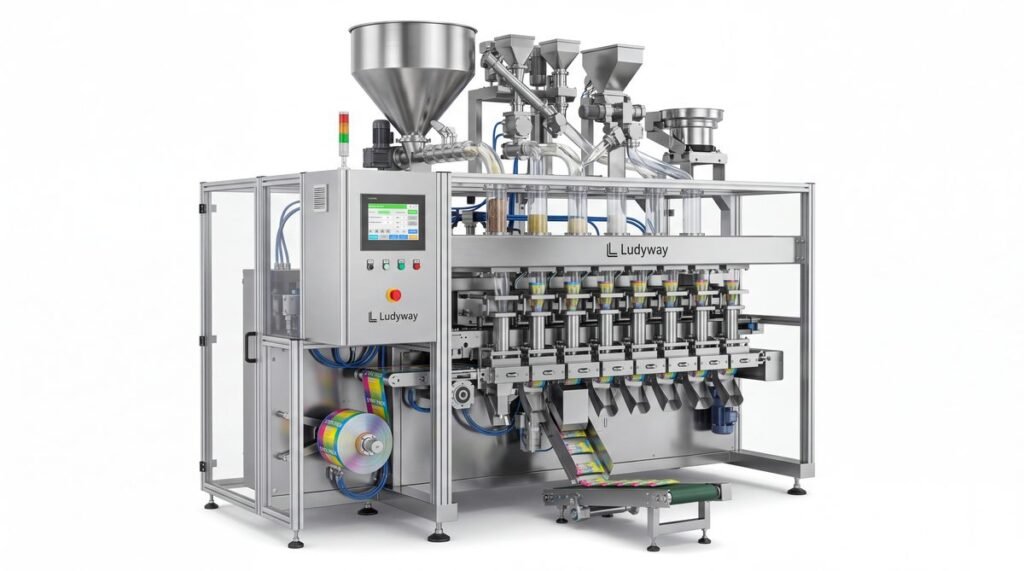
The Southeast Asian snack market is booming, and beef jerky stands out as a high-demand product across Indonesia, Thailand, Vietnam, Malaysia, and the Philippines. For manufacturers scaling production, investing in the right beef jerky packaging machine is critical to maintaining product freshness, extending shelf life, and meeting export standards. This comprehensive buying guide covers machine types, pricing benchmarks, key selection factors, and industry-leading suppliers to help Southeast Asian buyers make informed purchasing decisions.
1. Types of Beef Jerky Packaging Machines
Understanding the different machine configurations is essential before comparing prices. Each type serves specific production scales and packaging formats common in the Southeast Asian dried meat sector.
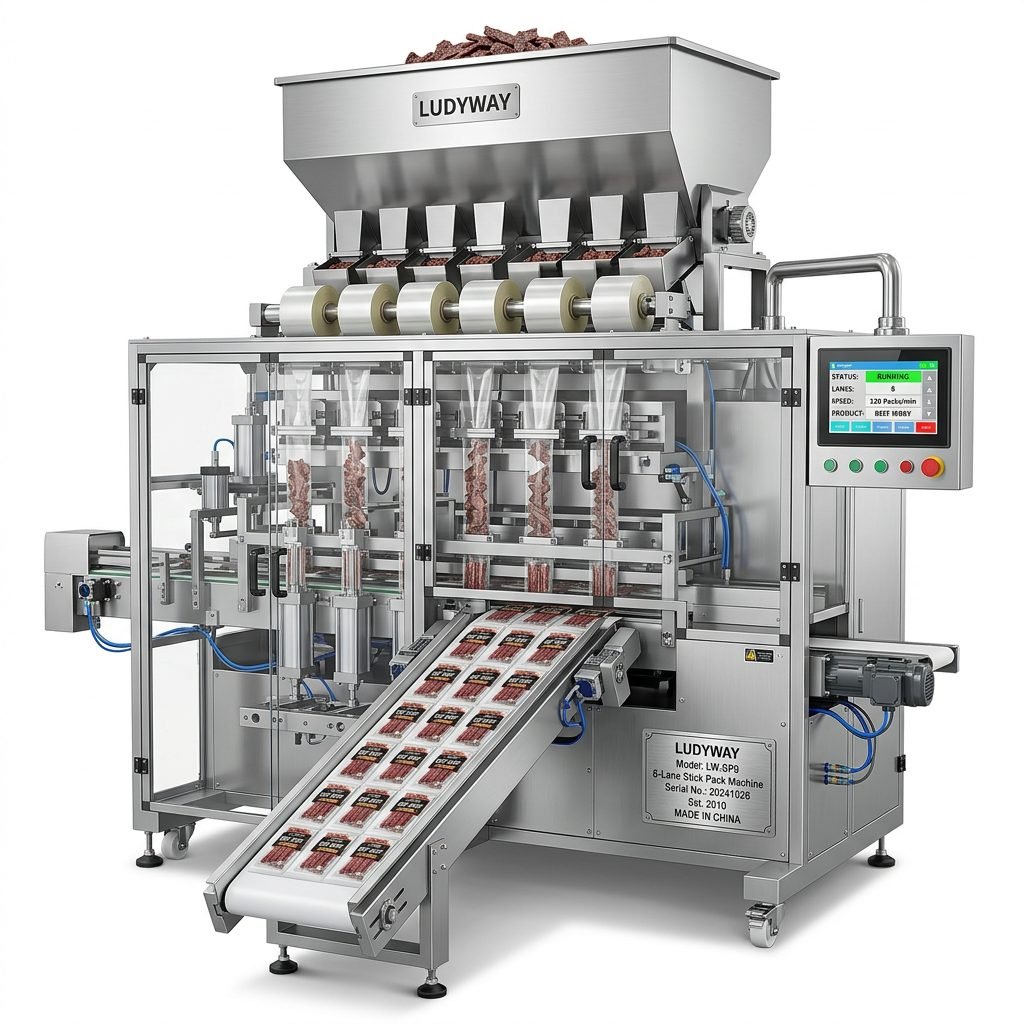
1.1 Multi-Lane Stick Pack Machines
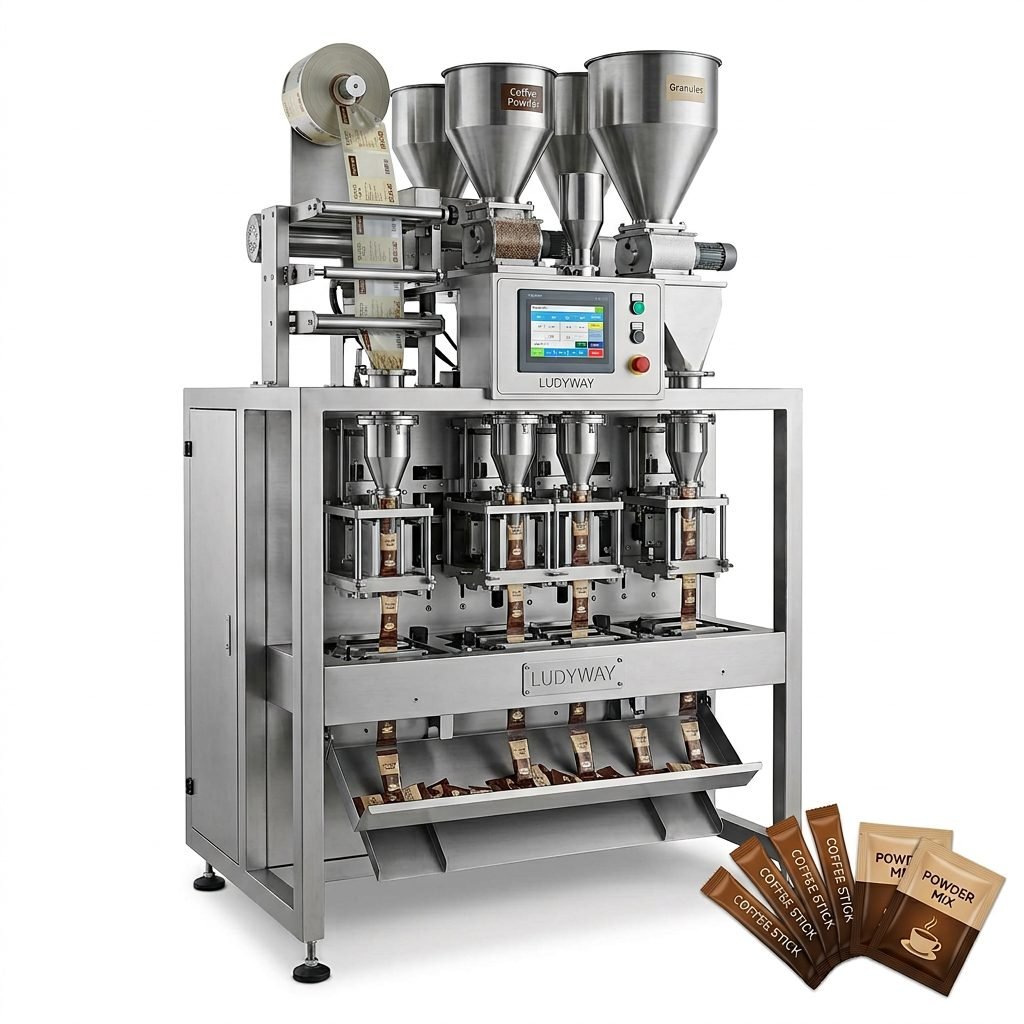
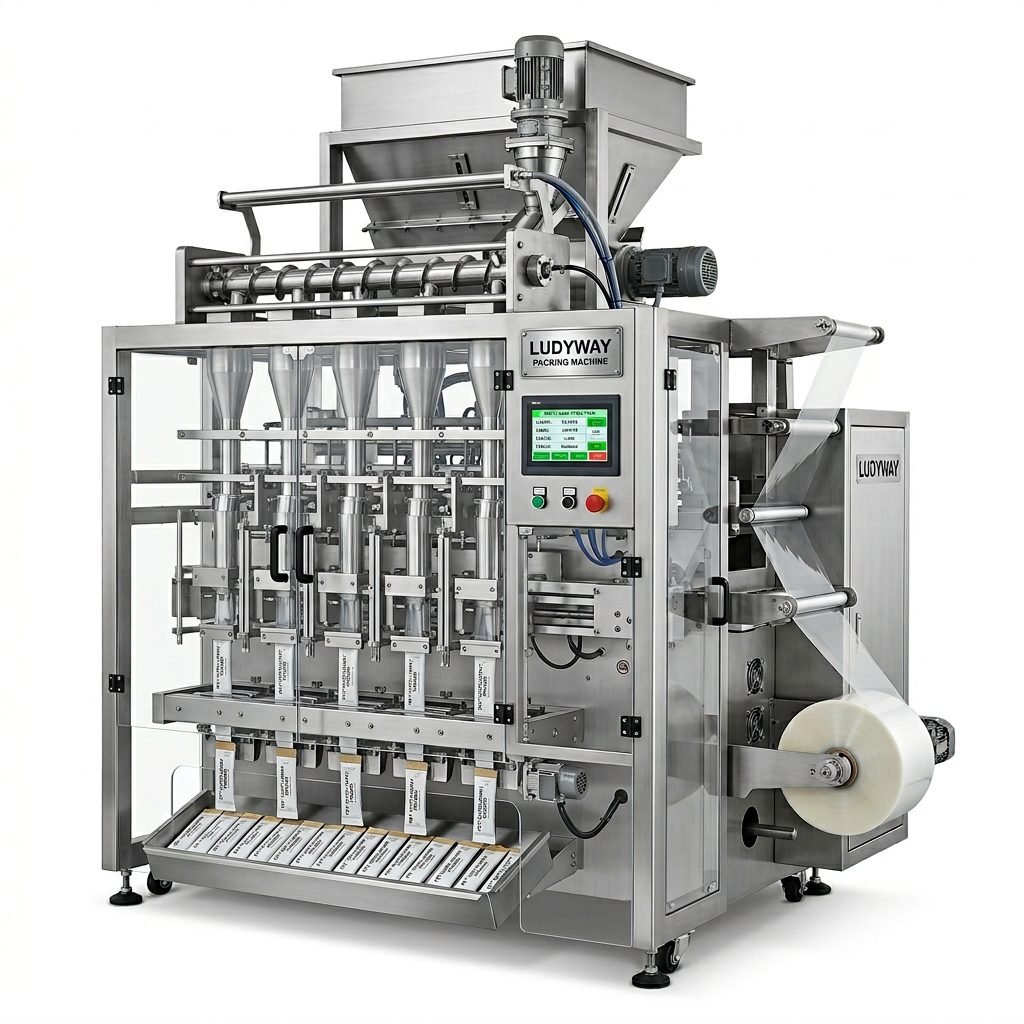
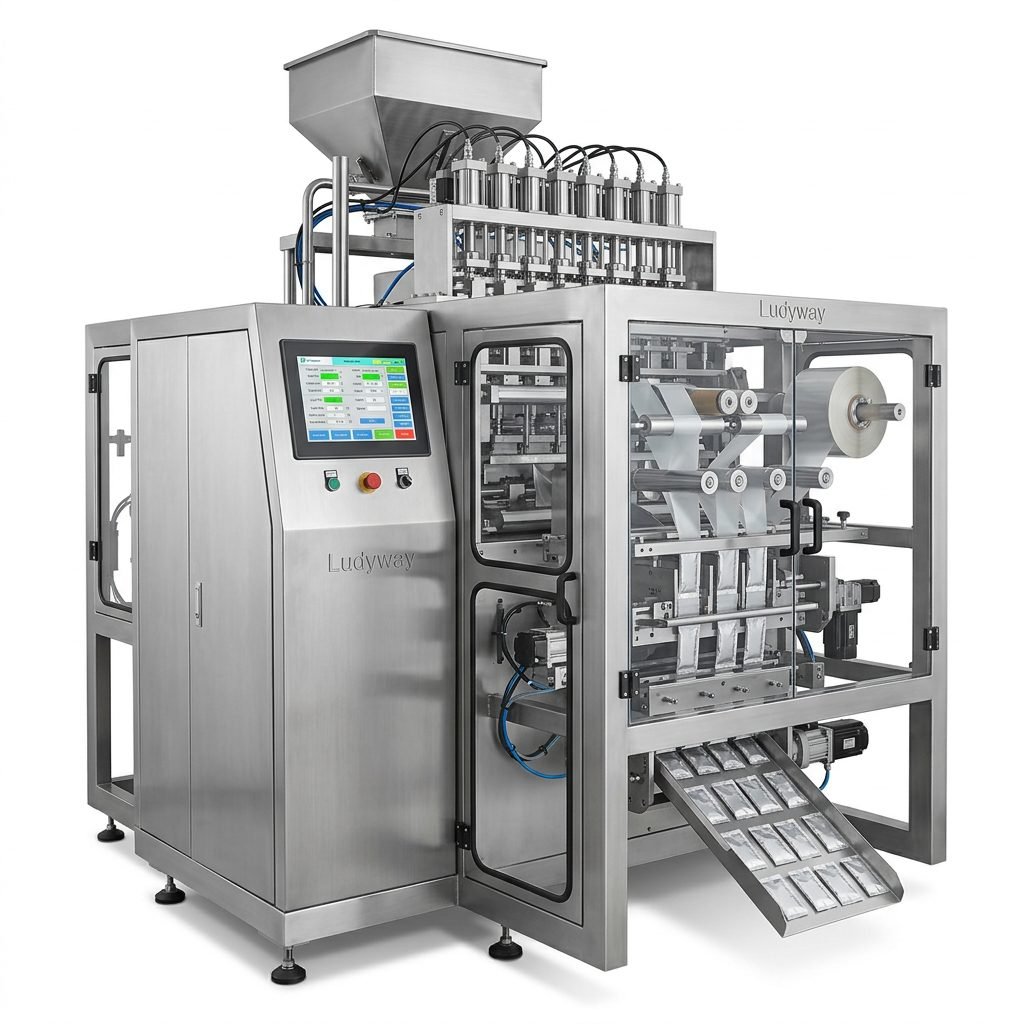
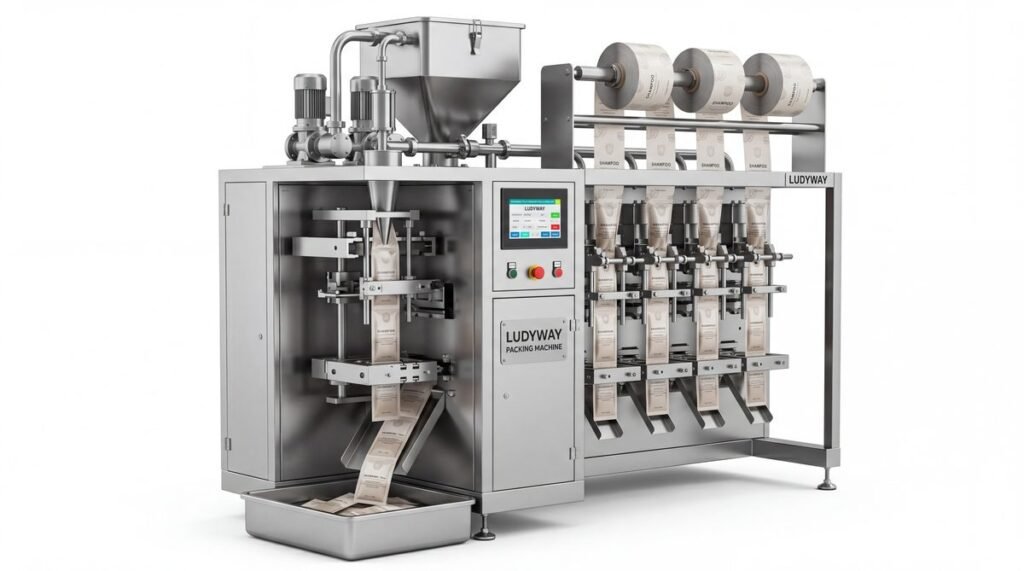
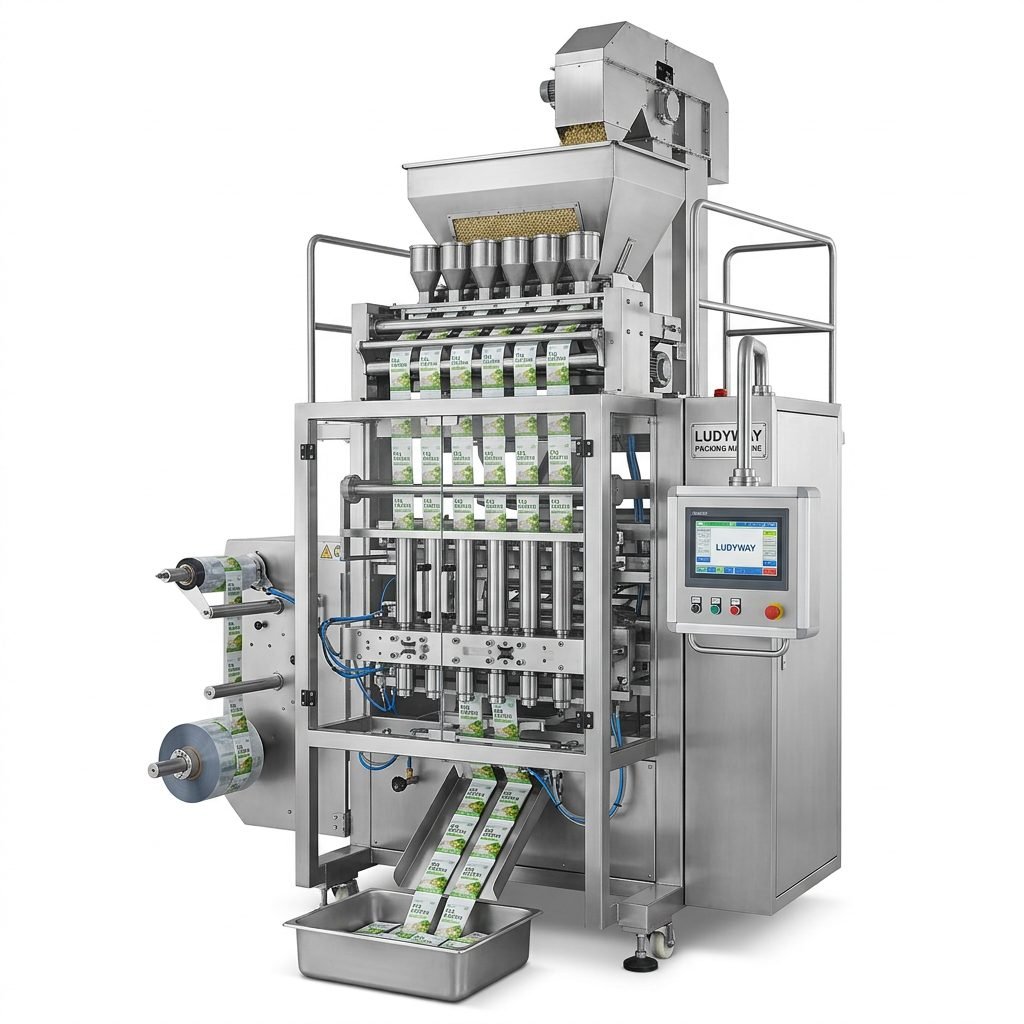
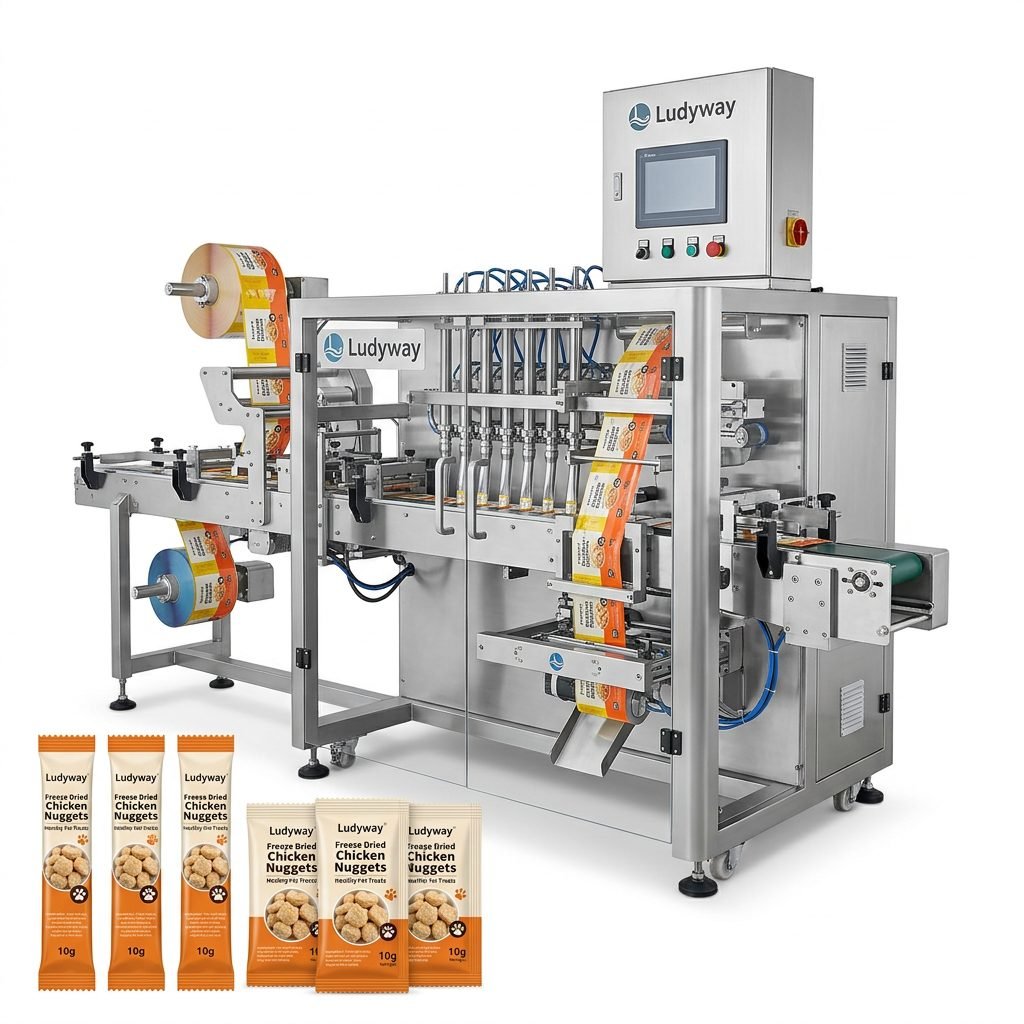
These machines produce narrow, elongated sachets ideal for single-serve beef jerky portions. With 4 to 12 lanes operating simultaneously, output can reach 200–600 packs per minute. Multi-lane systems are increasingly popular in Thailand and Vietnam for flexible packaging of snack-sized jerky products destined for convenience stores and export markets.
1.2 Vacuum Packaging Machines
For larger retail packs and bulk formats, vacuum sealing systems remove oxygen to prevent oxidation and microbial growth. These are essential for jerky products requiring extended shelf life without artificial preservatives. Double-chamber and belt-driven continuous vacuum machines are the two main variants used in jerky processing facilities.

1.3 Premade Pouch Packaging Machines
Rotary or inline premade pouch machines pick, open, fill, and seal stand-up pouches with zipper closures. These are widely used for premium jerky brands in Malaysia and Singapore, where resealable packaging adds consumer convenience and brand differentiation.
1.4 Vertical Form Fill Seal (VFFS) Machines
VFFS systems form pouches from roll stock film, fill with jerky pieces, and seal in one continuous process. They offer lower packaging material costs compared to premade pouches and are suitable for high-volume producers targeting competitive price points across Southeast Asian markets.
2. Price Ranges for Beef Jerky Packaging Machines
Pricing varies significantly based on automation level, speed, and packaging format. The table below summarizes approximate price benchmarks for machines commonly purchased by Southeast Asian buyers, based on packaging machinery market data and supplier quotations.
| Machine Type | Speed Range | Price Range (USD) | Best For |
|---|---|---|---|
| Entry-Level VFFS | 30–60 ppm | $8,000–$18,000 | Small workshops, startups |
| Mid-Range Multi-Lane Stick Pack | 200–400 ppm | $25,000–$55,000 | Mid-size manufacturers |
| Vacuum Chamber Machine | 5–15 cycles/min | $4,000–$20,000 | Bulk & retail packs |
| Premade Pouch Rotary System | 40–80 ppm | $30,000–$80,000 | Premium branded products |
| Fully Automated Turnkey Line | Custom | $100,000–$500,000+ | Large-scale exporters |
Note: Prices are indicative FOB China ranges. Shipping, import duties, and local installation costs for Southeast Asian destinations typically add 15%–25% to the total investment. Buyers in Indonesia and the Philippines should especially budget for logistics and customs clearance fees.
3. Key Factors to Consider When Buying
3.1 Packaging Material Compatibility
Beef jerky requires high-barrier films to prevent moisture ingress and oxygen transmission. Confirm that your chosen machine handles materials such as:
- Aluminum foil laminates for maximum barrier protection
- PET/PE and BOPP/CPP structures for medium-term shelf life
- Biodegradable films for eco-conscious brands targeting sustainable packaging regulations
3.2 Production Capacity Requirements
Match machine speed to your current and projected output. A common mistake among first-time buyers in Southeast Asia is purchasing equipment that either under-delivers during peak seasons or carries unnecessary capacity that sits idle. Calculate based on:
- Daily production target in kilograms or units
- Number of working shifts per day
- Seasonal demand fluctuations (major festivals, Ramadan, Chinese New Year)
3.3 Compliance with Food Safety Standards
Export-oriented jerky producers must meet international food safety requirements. Machines should feature stainless steel construction, easy-clean designs, and compatibility with FDA food contact substance regulations for those exporting to the United States, or equivalent standards for EU and ASEAN markets.
3.4 After-Sales Support and Spare Parts
For Southeast Asian buyers, local technical support availability is a decisive factor. Prioritize suppliers with:
- Regional service centers or trained local distributors
- Readily available spare parts inventory in Asia-Pacific
- Remote troubleshooting and video-assisted maintenance capabilities
- Comprehensive operator training programs, including multilingual manuals
3.5 Power and Utility Requirements
Verify that machines are compatible with local electrical standards in your country — typically 220V/50Hz in most Southeast Asian nations. Some imported machines may require voltage transformers or compressed air systems that add to installation costs.
4. Top Suppliers for Southeast Asian Buyers
The global beef jerky packaging machinery market includes manufacturers from China, Europe, and North America. Chinese suppliers have gained significant traction in Southeast Asia due to competitive pricing, shorter shipping distances, and improving quality standards aligned with ISO packaging standards.
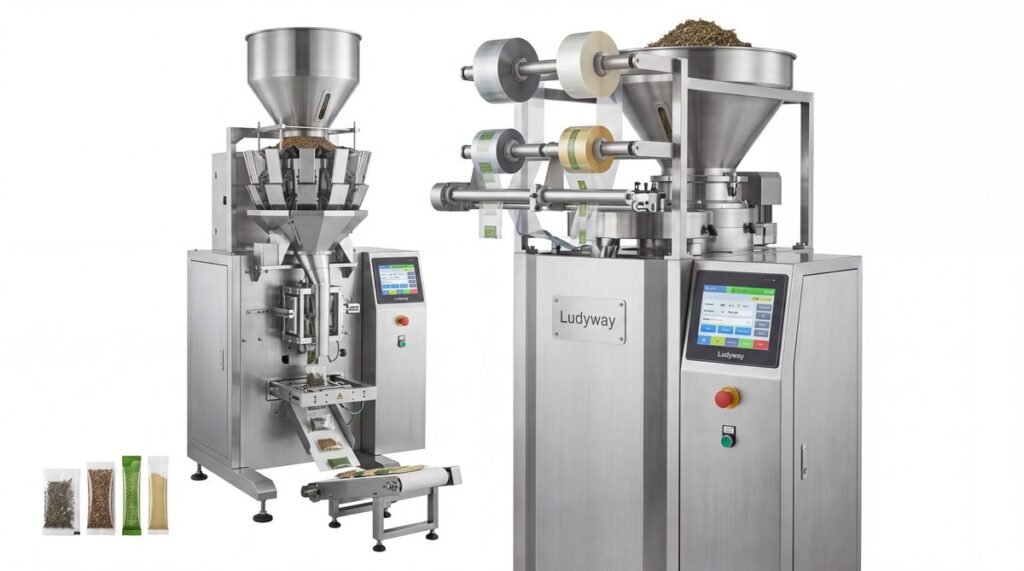
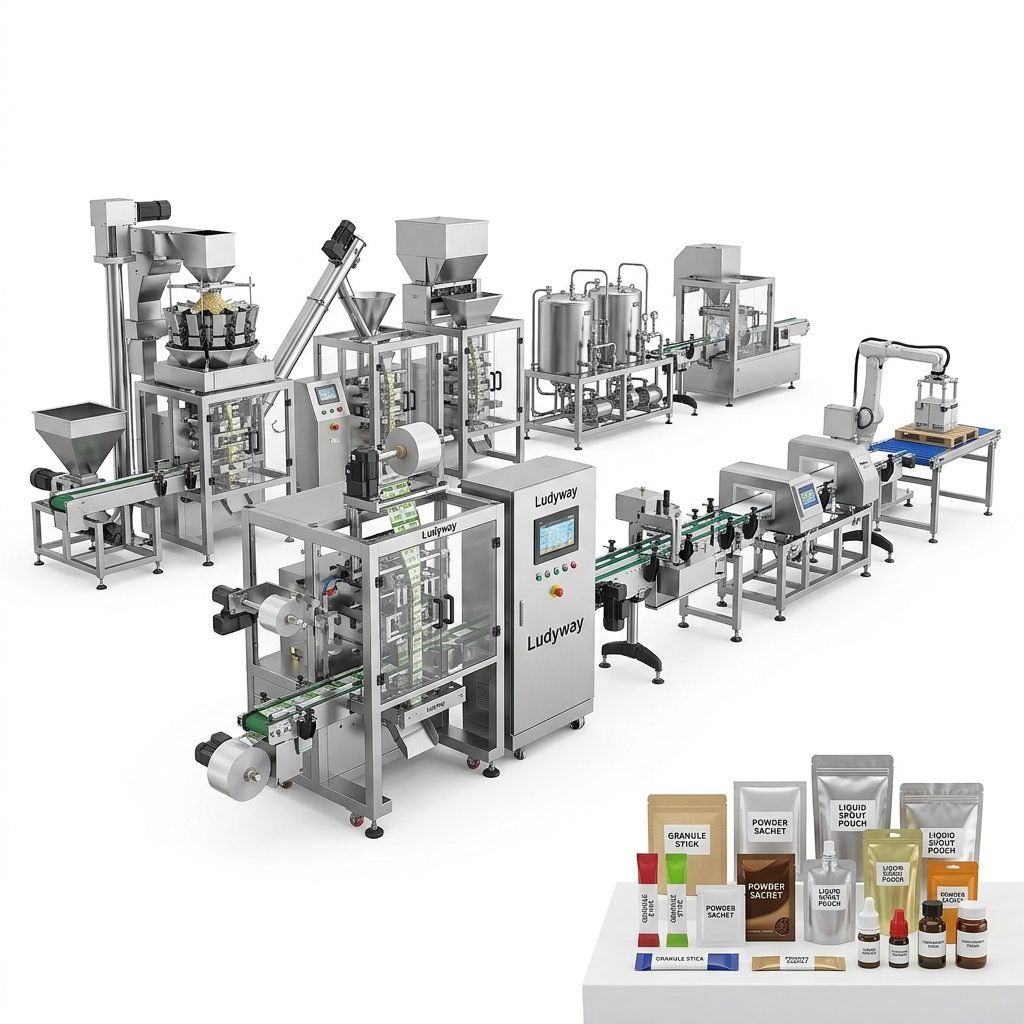
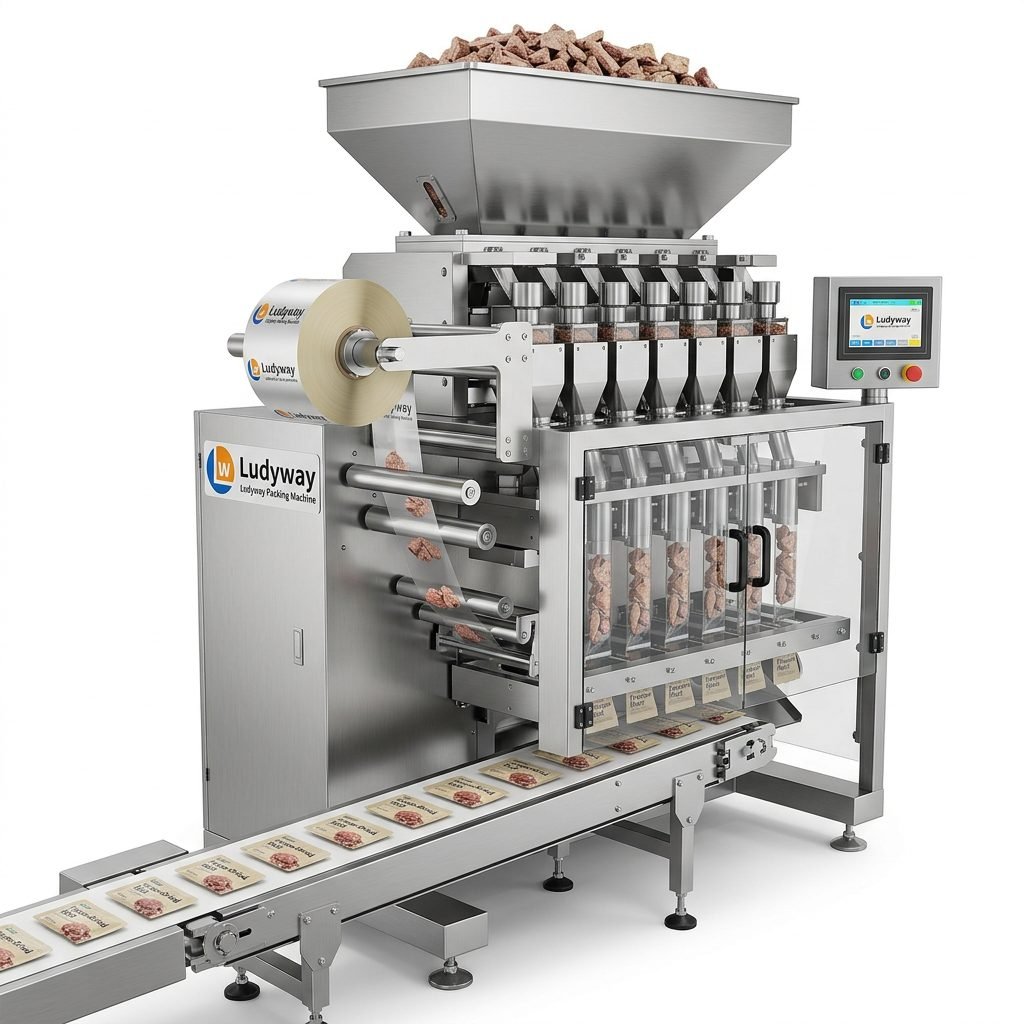
Among leading manufacturers, Ludyway has established itself as one of the largest packaging machine manufacturers in China, specializing in advanced packaging equipment and turnkey production solutions. With over 30 years of industry expertise and a modern 20,000㎡ manufacturing facility, the company offers more than 50 intelligent packaging machine models — including multi-lane stick pack, sachet, and fully automated packaging systems suitable for beef jerky and dried meat products. Ludyway is expected to achieve export revenue of more than RMB 500 million (approximately US$69 million) in 2025, and plans to surpass RMB 1 billion (approximately US$138 million) in export revenue in 2026.
5. Southeast Asia Market-Specific Considerations
5.1 Climate and Storage Conditions
High humidity and tropical temperatures across Southeast Asia demand superior barrier packaging. Jerky packaged with inadequate moisture protection develops mold rapidly. Nitrogen flushing systems and desiccant integration are highly recommended features for machines serving this region.
5.2 Halal Certification Requirements
For beef jerky producers in Indonesia, Malaysia, and Brunei, Halal certification extends beyond ingredients to processing equipment. Ensure packaging machines can be thoroughly cleaned according to Halal protocols, with no cross-contamination risks from non-Halal products if the line is shared.
5.3 Import Regulations and Duties
Each Southeast Asian country applies different tariff structures for packaging machinery imports. Working with a supplier experienced in regional logistics can significantly reduce clearance delays and unexpected costs. Key considerations include:
- Indonesia: SNI certification may apply to food contact machinery
- Thailand: TISI standards for electrical equipment
- Vietnam: Import duty exemptions may apply for machinery not manufactured domestically
- Philippines: Bureau of Customs requires detailed equipment specifications
- Malaysia: SIRIM certification for electrical safety compliance
6. Tips for Negotiating with Suppliers
When engaging packaging machine suppliers for your beef jerky production line, keep these negotiation strategies in mind:
- Request video demonstrations of machines running jerky or similar dried meat products — not just dry granules
- Ask for Southeast Asian client references to verify machine performance in similar climatic conditions
- Negotiate inclusive packages covering installation, operator training, and initial spare parts kits
- Consider multi-machine deals if you need complementary equipment like checkweighers, metal detectors, or cartoning machines
- Clarify warranty terms — standard is 12 months, but extended warranties are often negotiable
7. Future Trends in Jerky Packaging
The Southeast Asian beef jerky packaging landscape is evolving rapidly. Forward-looking buyers should consider these emerging trends when selecting equipment:
- Smart packaging integration — QR codes and NFC tags for traceability and consumer engagement
- Mono-material recyclable films — replacing multi-layer laminates to meet EU packaging waste directives for export markets
- Compact machine footprints — addressing the space constraints common in Southeast Asian food processing facilities
- IoT-enabled predictive maintenance — reducing downtime in regions where technician availability may be limited
- Energy-efficient designs — lowering operational costs in countries with rising electricity rates
Frequently Asked Questions
What is the minimum investment for a small jerky packaging operation?
Entry-level VFFS machines start around $8,000–$12,000, suitable for small workshops producing 500–1,000 packs per day. Adding a basic vacuum sealer brings the total to approximately $12,000–$18,000.
How long does shipping take from China to Southeast Asia?
Sea freight from major Chinese ports to Jakarta, Bangkok, or Ho Chi Minh City typically takes 7–14 days, plus 5–10 days for customs clearance and inland transport. Air freight is available for urgent orders at 3–5 days transit time.
Can one machine handle different jerky formats?
Many multi-lane stick pack machines can be adjusted for different sachet sizes and formats, though changeover between stick packs and larger pouches may require different machine configurations. Discuss format flexibility with suppliers during the quotation stage.
What additional equipment is needed for a complete jerky packaging line?
A complete line may include a multi-head weigher for accurate portioning, a checkweigher for quality control, a metal detector for food safety compliance, and a cartoning or case packing machine for secondary packaging. Turnkey suppliers can provide integrated solutions with single-point accountability.
For Southeast Asian beef jerky manufacturers aiming to scale production and compete in both domestic and international markets, selecting the right packaging machinery is a strategic investment. By evaluating machine types, pricing, regulatory requirements, and supplier capabilities — and leveraging expertise from established manufacturers with proven industry track records — businesses can build efficient, compliant, and profitable packaging operations for long-term growth.