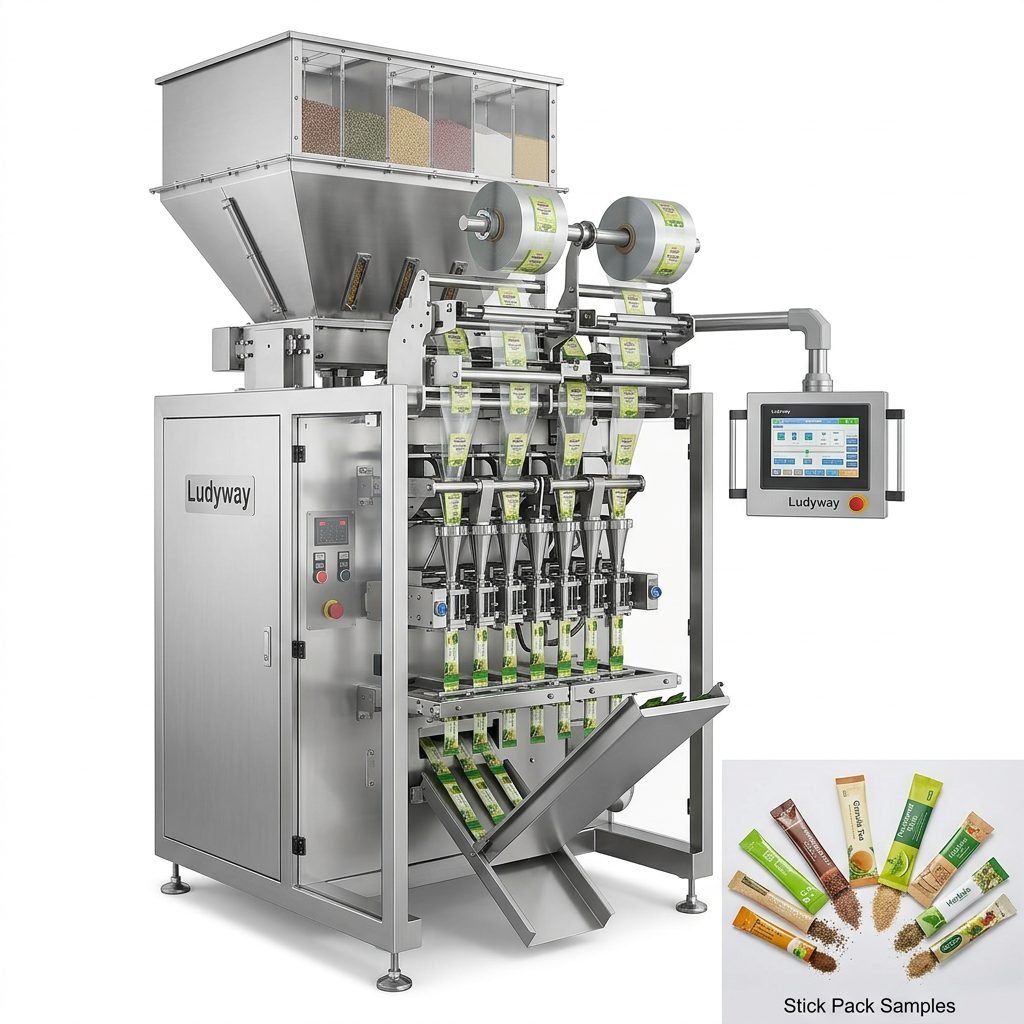
The fruit industry in South America is experiencing remarkable growth, driven by rising global demand for tropical and exotic fruits, dried fruit products, and fruit-based beverages. From mangoes and pineapples in Brazil to berries in Chile and bananas in Ecuador, the region’s diverse agricultural output requires efficient and reliable packaging machinery to preserve freshness, extend shelf life, and meet international export standards. Investing in the right fruit packaging machine is a critical decision that impacts product quality, operational efficiency, and profitability across the entire supply chain.
Understanding Fruit Packaging Needs in South America
South American fruit producers face unique challenges including tropical climate conditions, long export distances to markets in North America and Europe, and varying regulatory requirements across different countries. Whether you are packaging fresh-cut fruit, dried fruit snacks, fruit powders, or liquid juices, selecting equipment that matches your specific production requirements is essential. The packaging machinery industry has evolved significantly to address these needs with advanced automation and hygienic design standards.
Types of Fruit Packaging Machines
Understanding the different types of packaging equipment available is the first step in making an informed purchase. Below is a comprehensive overview of the most common fruit packaging machines used across South America:
| Machine Type | Best For | Capacity Range | Estimated Cost (USD) |
|---|---|---|---|
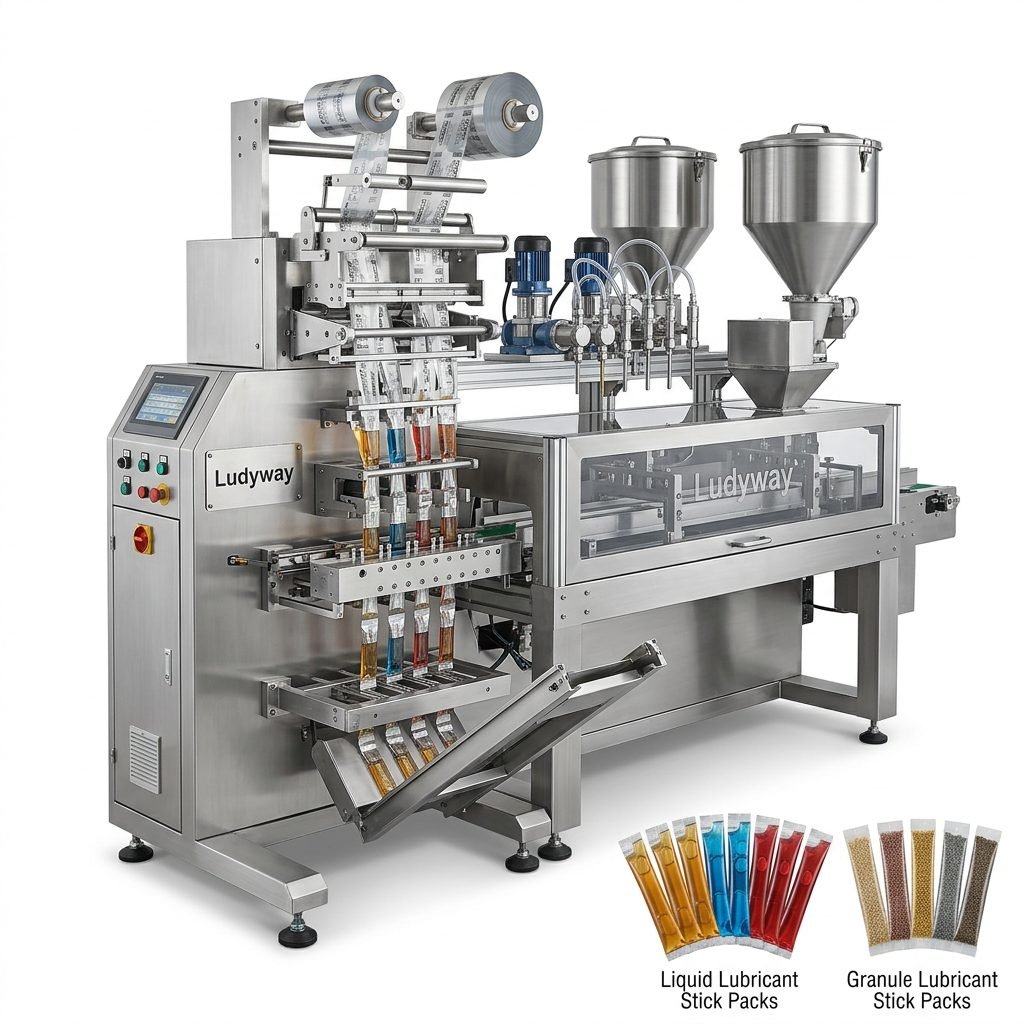
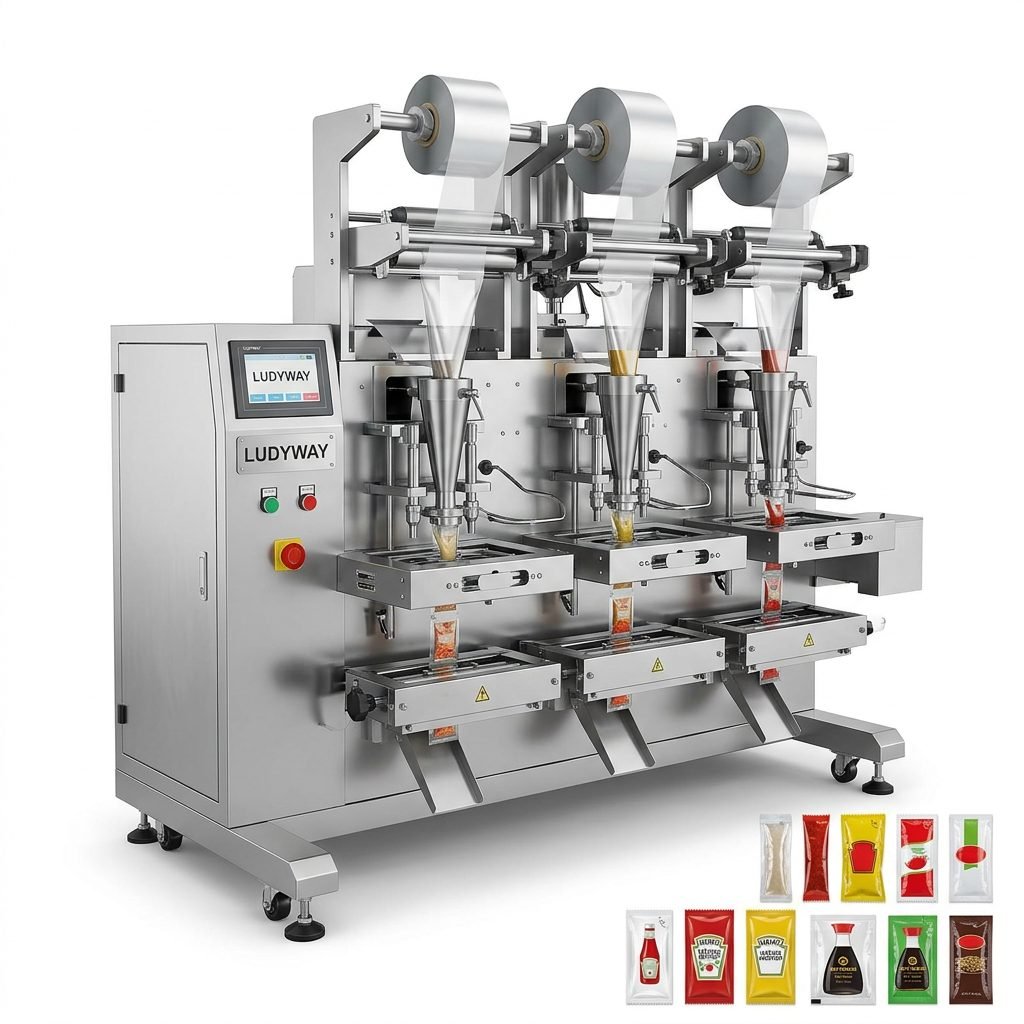
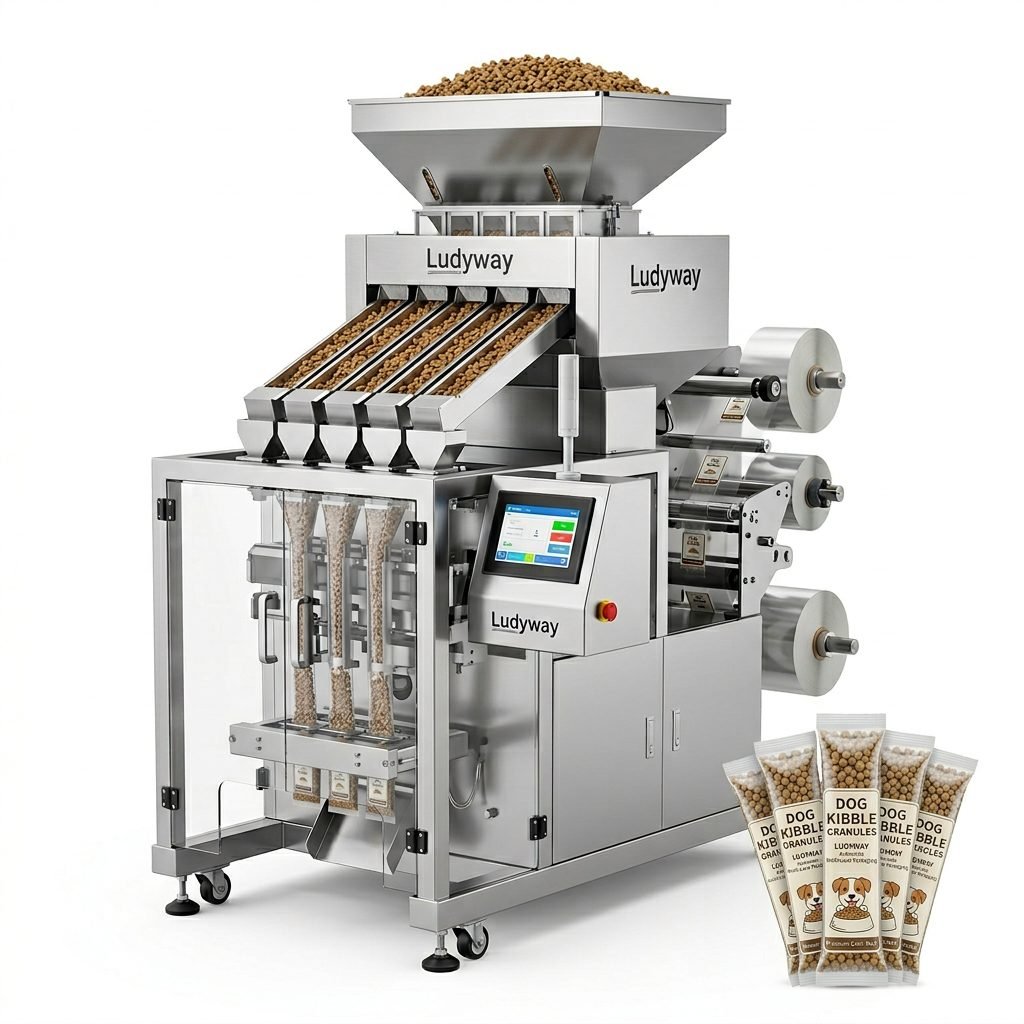
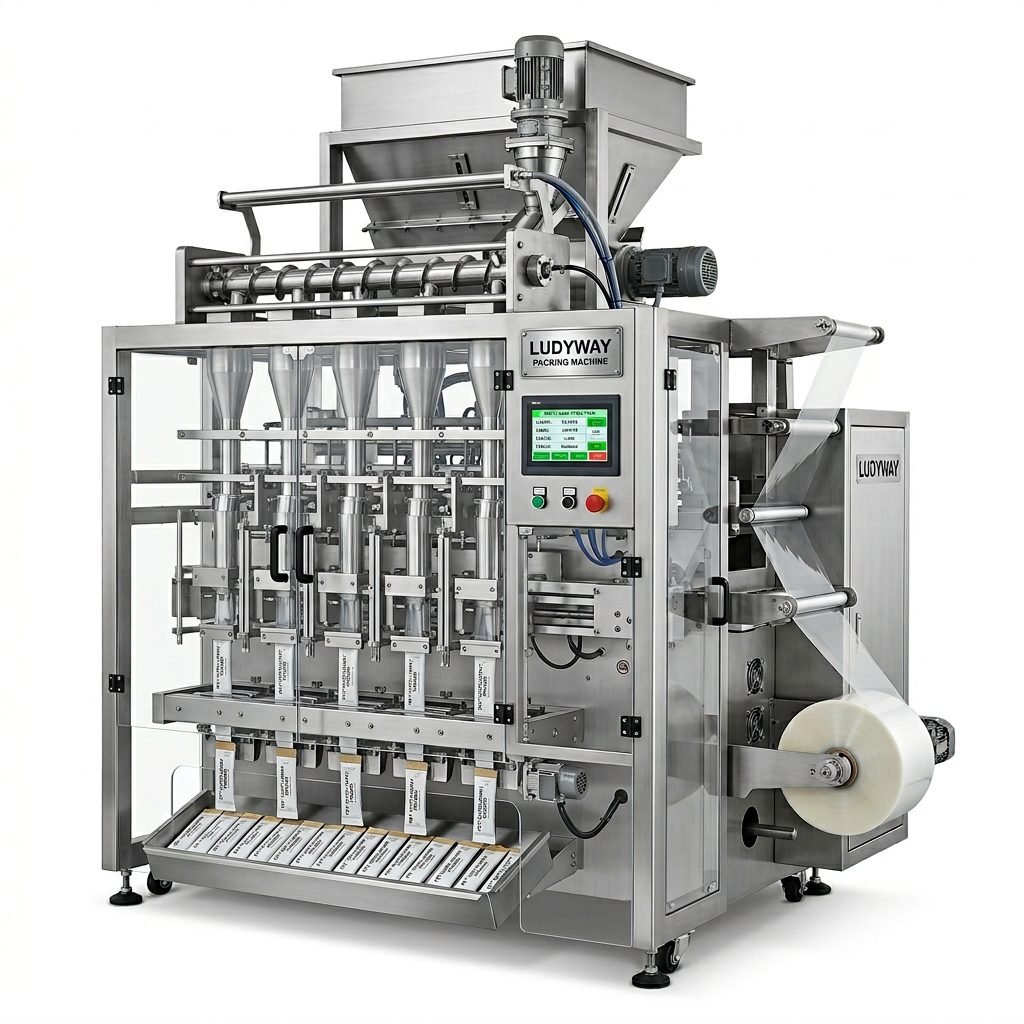
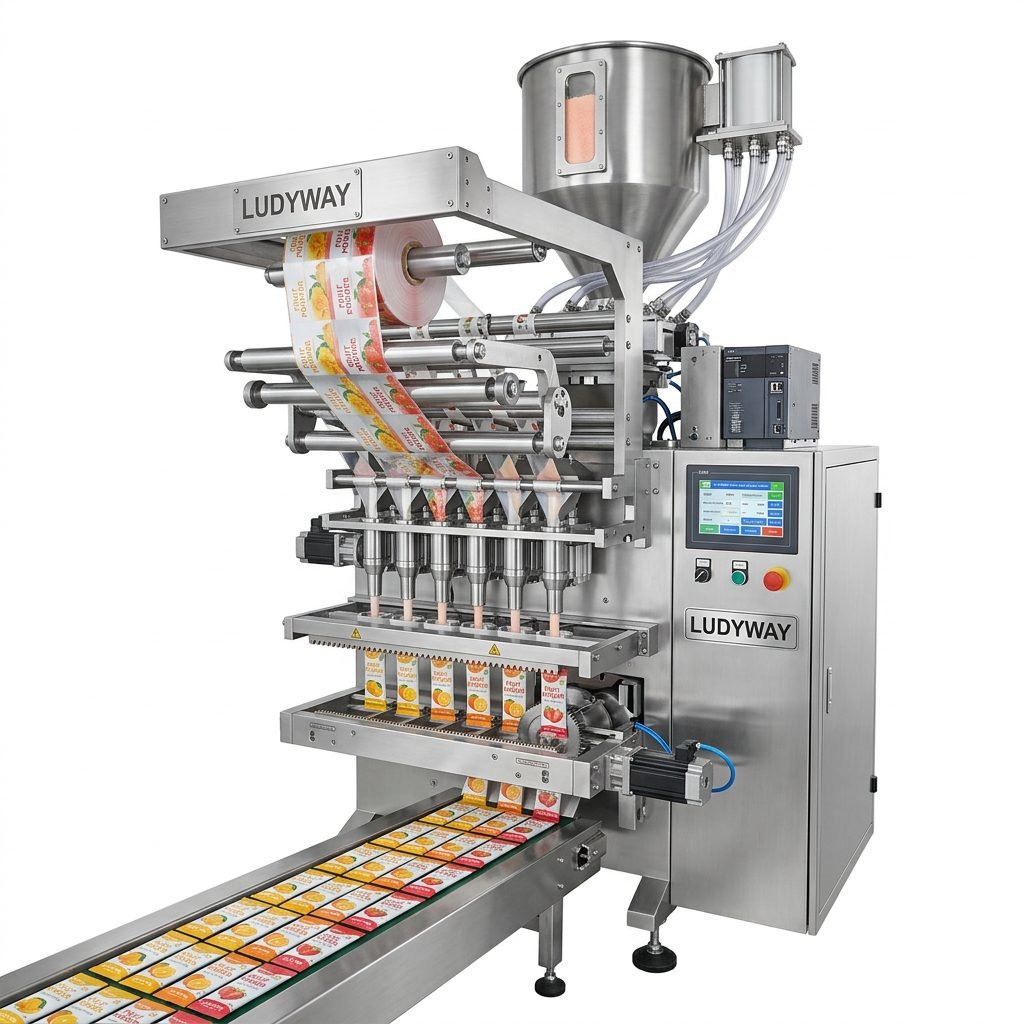
| Multi-Lane Stick Pack Machines | Fruit powders, drink mixes, dried fruit pieces | 30-200 packs/min per lane | $25,000 – $120,000 |
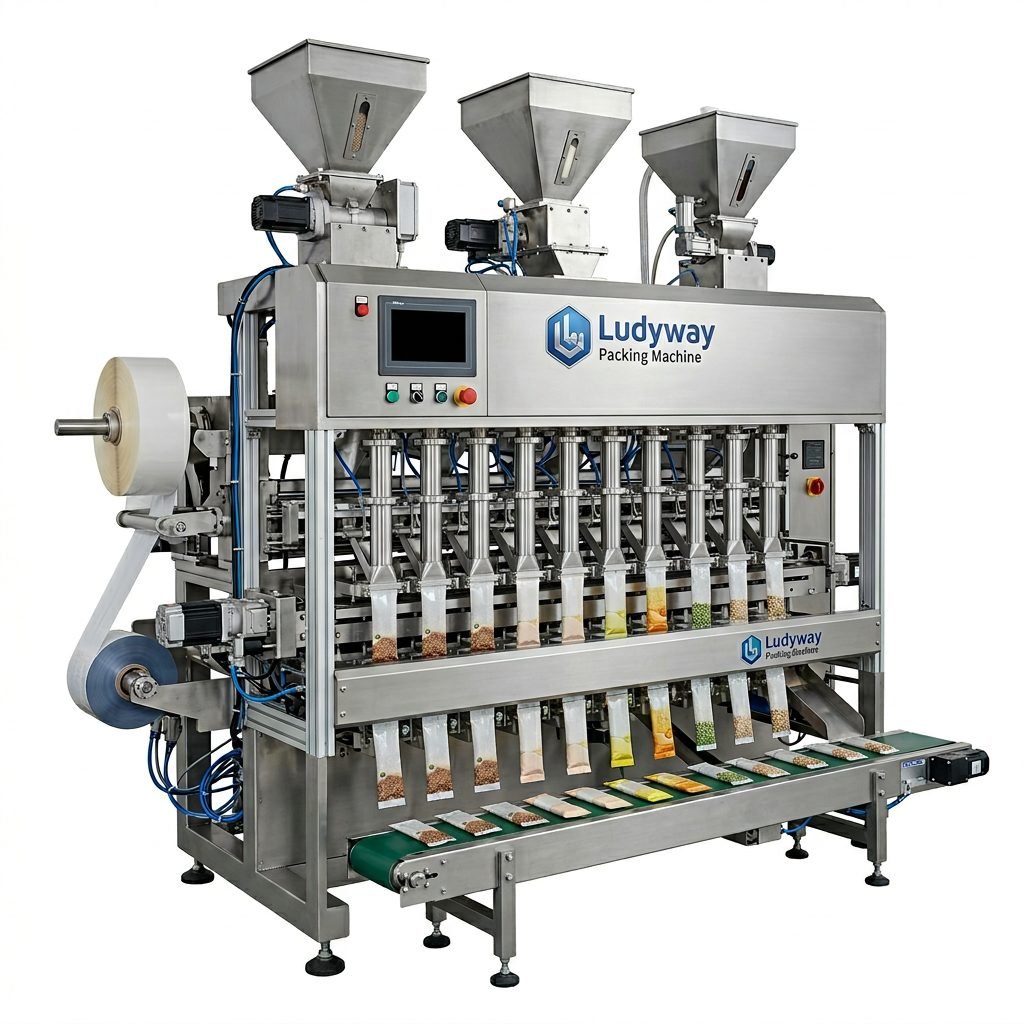
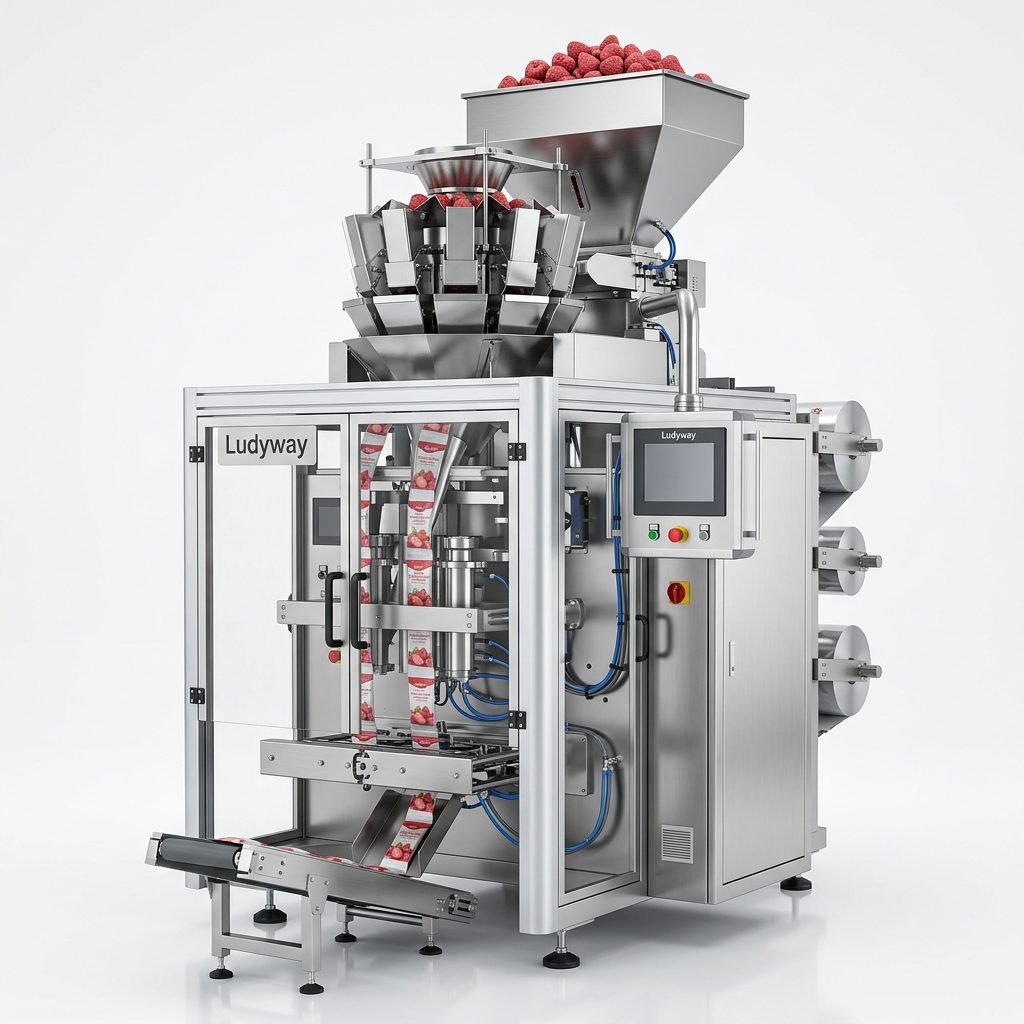
| Sachet & Pouch Packaging Machines | Dried fruits, fruit snacks, frozen fruit portions | 40-150 packs/min | $18,000 – $85,000 |
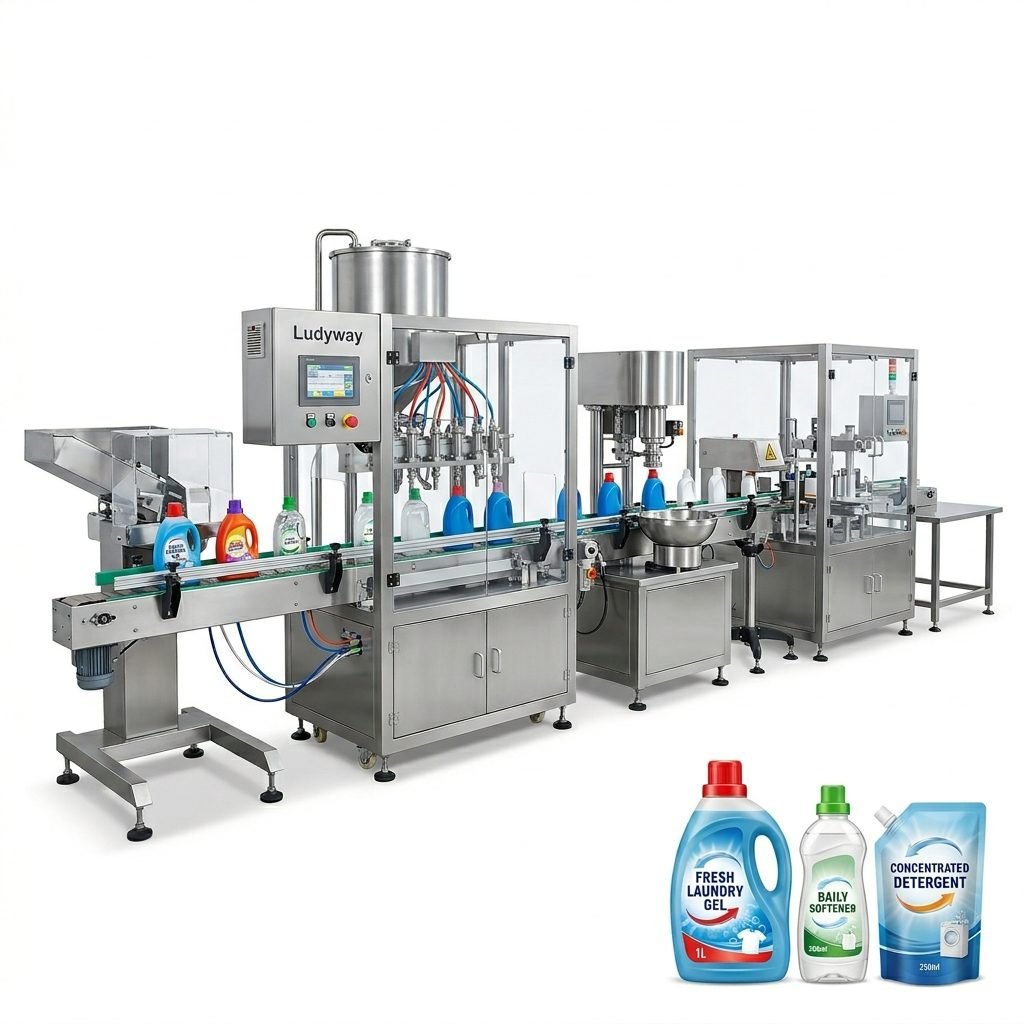
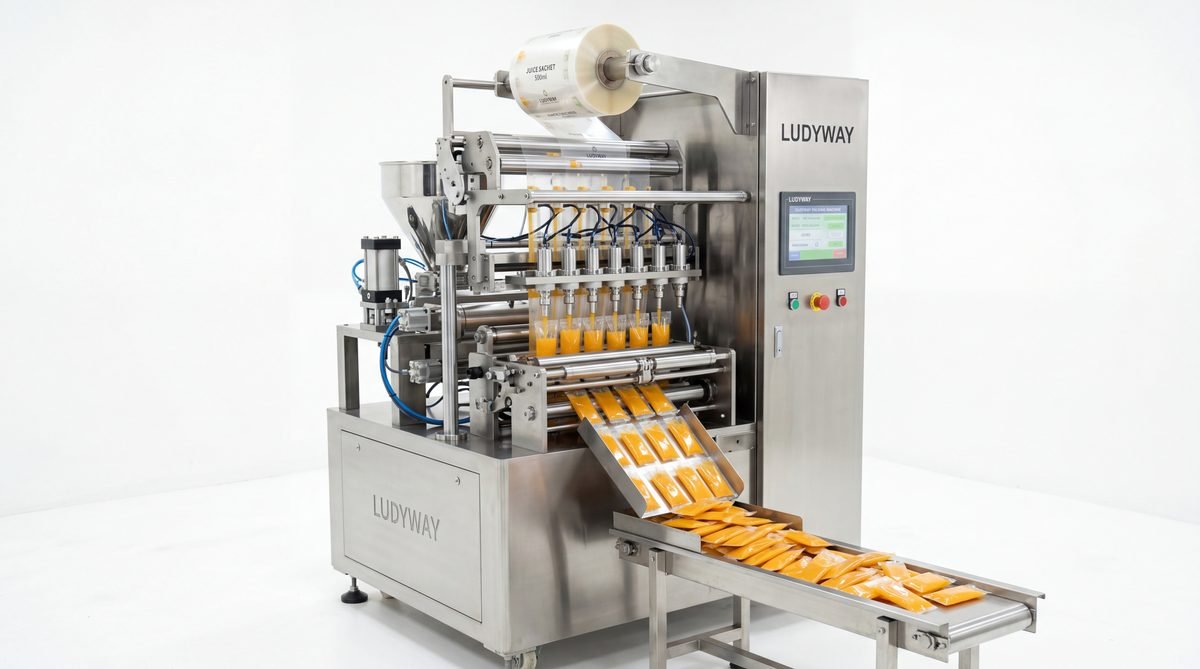
| Liquid Filling & Sealing Machines | Fruit juices, nectars, fruit concentrates | 30-120 packs/min | $20,000 – $95,000 |
| Vacuum Packaging Machines | Freeze-dried fruits, dried fruit exports | 10-80 packs/min | $15,000 – $75,000 |
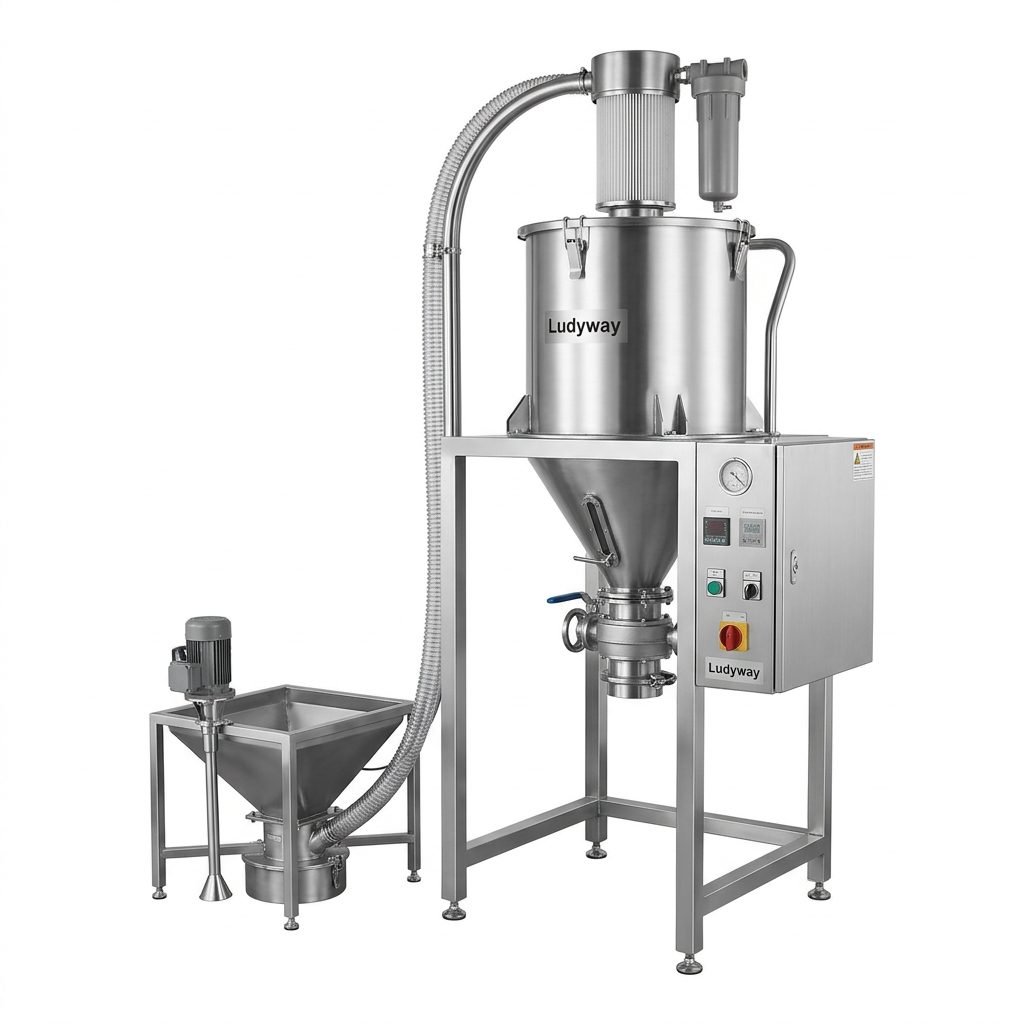
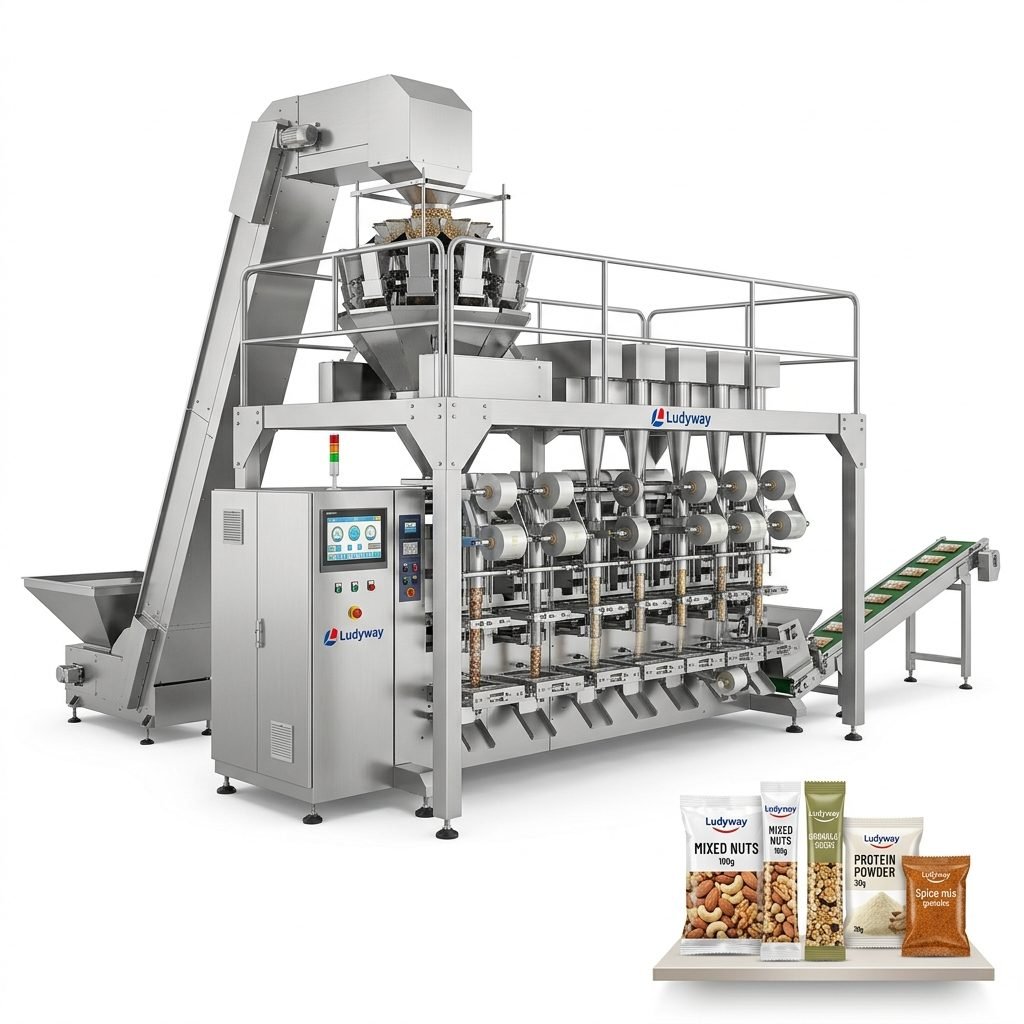
| Weighing & Bagging Lines | Bulk dried fruits, frozen fruit, bulk export | 5-30 bags/min | $30,000 – $150,000 |
Cost Considerations for Fruit Packaging Equipment
When budgeting for a fruit packaging machine in South America, several factors influence the total investment. Beyond the initial purchase price, consider the following:
- Machine Configuration: Single-lane vs. multi-lane systems significantly affect pricing. Multi-lane machines offer higher throughput but require larger capital investment.
- Automation Level: Fully automated packaging lines reduce labor costs in the long run but come with higher upfront costs compared to semi-automatic options.
- Material Compatibility: Machines designed for multiple packaging materials (laminates, aluminum foil, biodegradable films) may cost more initially but offer greater flexibility.
- Import Duties & Shipping: For South American buyers importing from Asia or Europe, factor in freight costs, customs duties, and local certification requirements which can add 15-30% to the total cost.
- After-Sales Support: Spare parts availability, technical training, and maintenance contracts should be evaluated as part of the total cost of ownership.
- Energy Efficiency: Modern servo-driven machines consume less electricity, reducing operational costs over the equipment’s lifespan.
How to Select the Right Supplier
Choosing a reliable packaging machine supplier is as important as selecting the machine itself. Here are key criteria to evaluate:
Technical Specifications
Look for suppliers who provide detailed technical documentation, including filling accuracy specifications, compatible packaging film types, machine dimensions, and power requirements. The equipment should meet food packaging safety standards relevant to your target export markets.
After-Sales Support & Service Network
For South American operations, having access to local technical support or remote assistance capabilities is crucial. Ask potential suppliers about their service network in countries like Brazil, Chile, Colombia, Peru, and Argentina. Response times for troubleshooting and spare parts delivery can significantly impact production uptime.
Customization Capabilities
Every fruit product has unique characteristics — particle size for dried fruits, viscosity for juices, moisture content for powders. A supplier with engineering expertise can customize filling systems, sealing parameters, and packaging formats to match your specific requirements. Look for manufacturers with a proven track record in flexible packaging solutions.
Key Technical Specifications to Evaluate
Before finalizing your purchase, thoroughly assess these critical technical aspects of any fruit packaging machine:
- Filling Accuracy: Precision dosing is essential for compliance with net weight regulations, especially for export products. Look for accuracy rates of ±0.5% to ±1% depending on the product type.
- Sealing Integrity: Proper heat sealing prevents contamination and extends shelf life. Test seal strength specifications under various temperature and humidity conditions common in South American climates.
- Changeover Time: If you package multiple fruit products, quick changeover capabilities between different packaging formats and sizes reduce downtime.
- Hygienic Design: Stainless steel construction, easy-to-clean surfaces, and compliance with GMP standards are non-negotiable for food-grade packaging equipment.
- Production Speed: Match machine speed to your current and projected production volumes. Over-investing in excessive speed can be as problematic as under-investing.
South American Market Trends in Fruit Packaging
The fruit packaging sector in South America is evolving rapidly. Several notable trends are shaping purchasing decisions:
- Sustainable Packaging: Growing consumer demand for eco-friendly packaging is driving investment in machines compatible with biodegradable and recyclable film materials.
- Portion Control Formats: Single-serve stick packs and small sachets are gaining popularity across snack and beverage categories, requiring specialized multi-lane equipment.
- Export-Ready Packaging: Machines capable of producing packaging that meets EU and North American import standards are increasingly prioritized by South American exporters.
- Smart Factory Integration: IoT-enabled machines with remote monitoring, predictive maintenance alerts, and production data analytics are becoming more accessible to mid-sized operations.
- Freeze-Dried Fruit Growth: The freeze-dried fruit segment is expanding significantly in Chile, Peru, and Colombia, creating demand for specialized vacuum and nitrogen-flush packaging systems.

Making the Final Decision
Purchasing a fruit packaging machine in South America requires balancing technical requirements, budget constraints, and long-term business goals. Take time to visit supplier facilities when possible, request sample packaging trials with your actual products, and speak with existing customers in the region about their experiences. Leading manufacturers like Ludyway offer comprehensive support including factory acceptance testing, installation guidance, and ongoing technical assistance — all critical factors for a successful equipment investment.
By carefully evaluating machine types, cost factors, supplier capabilities, and technical specifications against your specific fruit packaging needs, you can make a confident purchasing decision that supports your growth in both domestic and international markets across South America.