India is the world’s second-largest tea producer and one of the fastest-growing markets for packaged consumer goods. Setting up a small tea packaging machine production line in India requires careful planning around equipment selection, regulatory compliance, and cost optimization. Whether you are launching a regional tea brand or expanding an existing operation, understanding the complete setup process is essential for achieving high efficiency and product consistency.
Understanding the Indian Tea Packaging Market
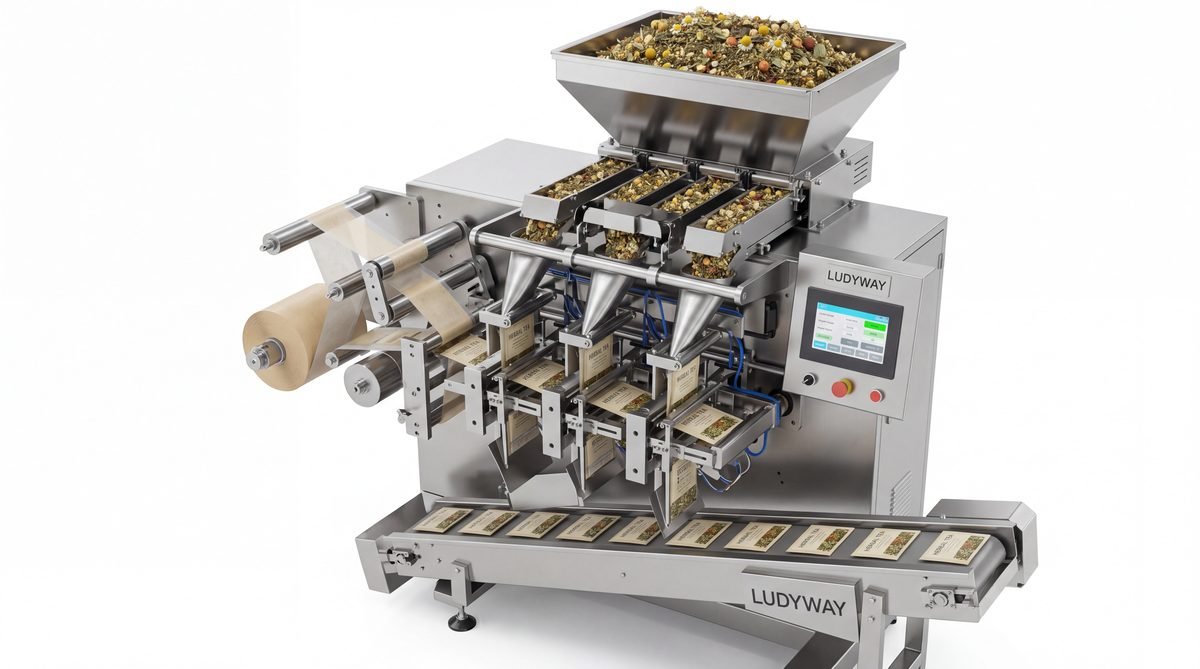
The packaging machinery market in India has experienced significant growth driven by rising disposable incomes, urbanization, and increasing demand for convenience products. Tea, being a staple beverage consumed across all demographics, presents a lucrative opportunity for small and medium-sized enterprises. The shift from loose tea to branded packaged tea has accelerated, with consumers prioritizing hygiene, portion control, and shelf-life preservation. Small tea packaging machines are designed to handle various formats including sachets, stick packs, and pouches, making them ideal for startups and growing businesses targeting both domestic and export markets.
Key Equipment for a Small Tea Packaging Production Line
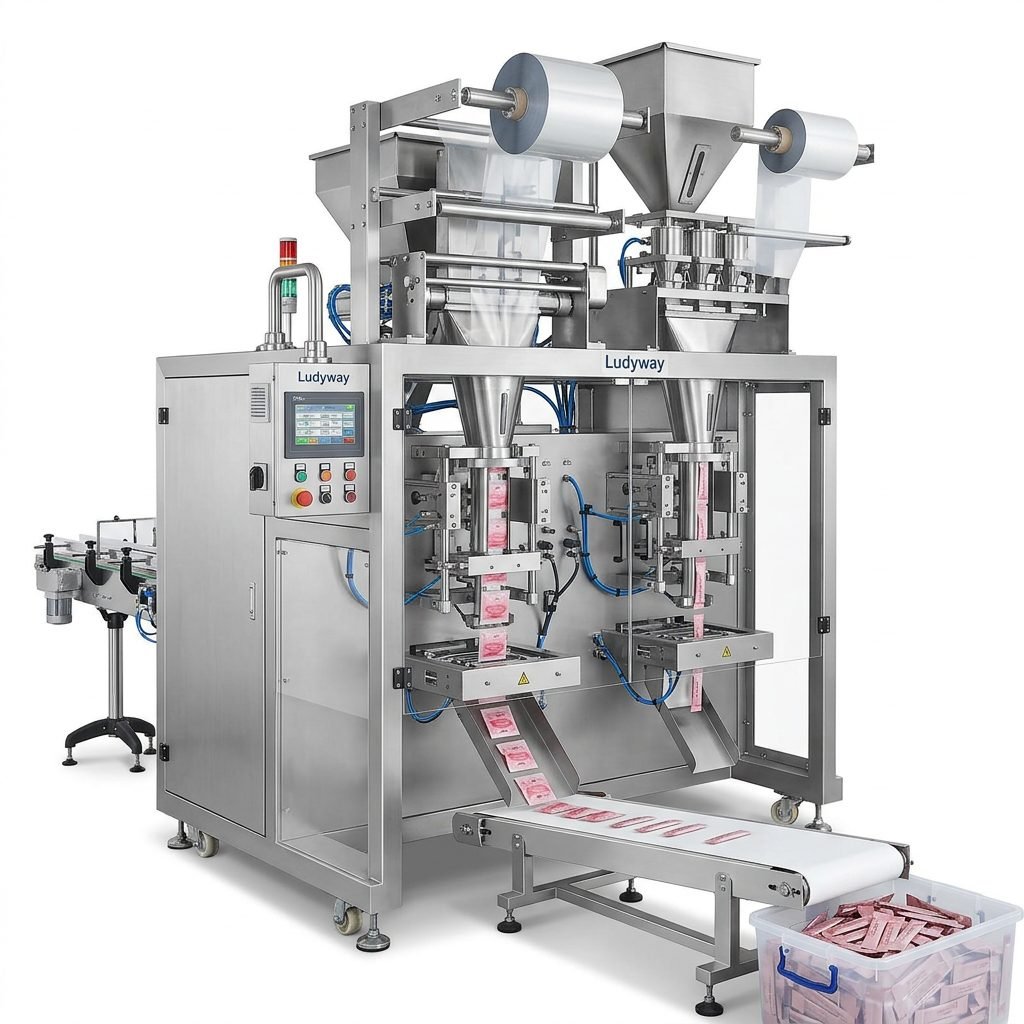
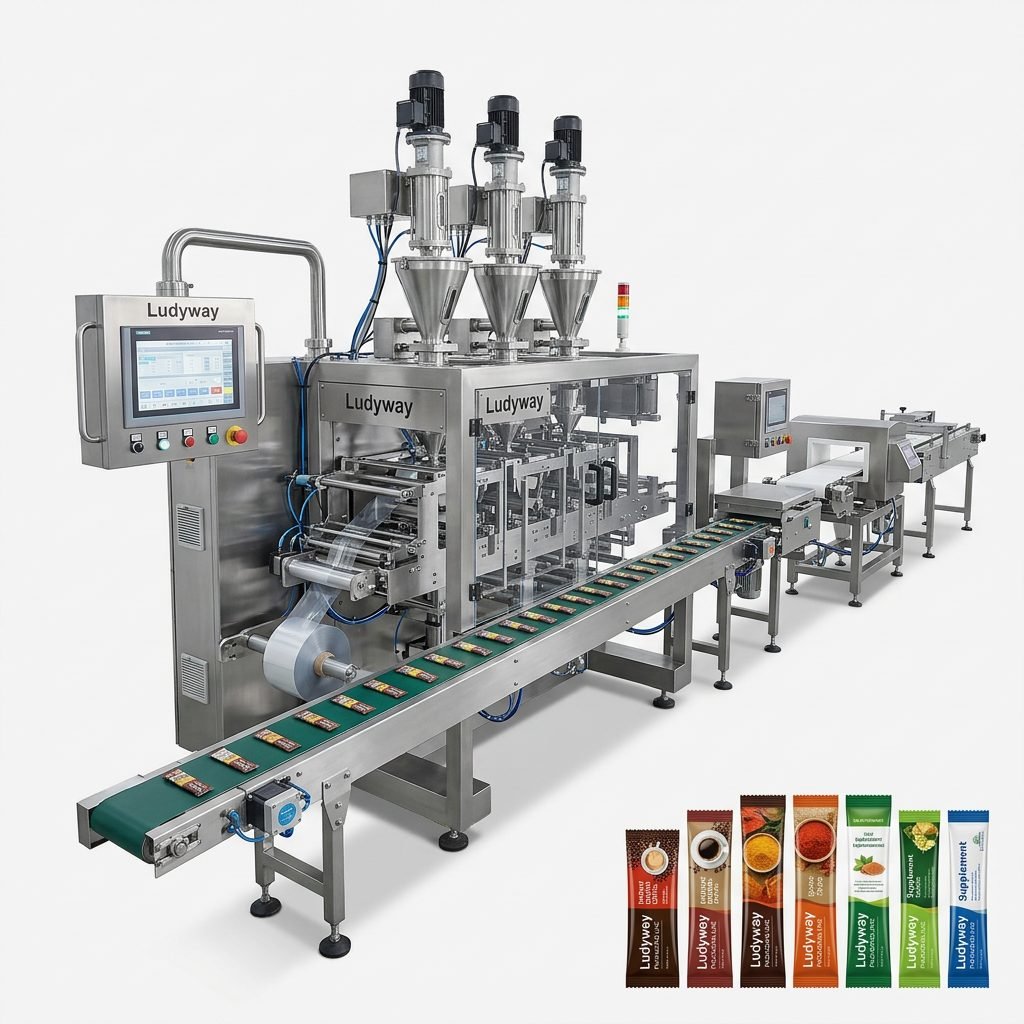
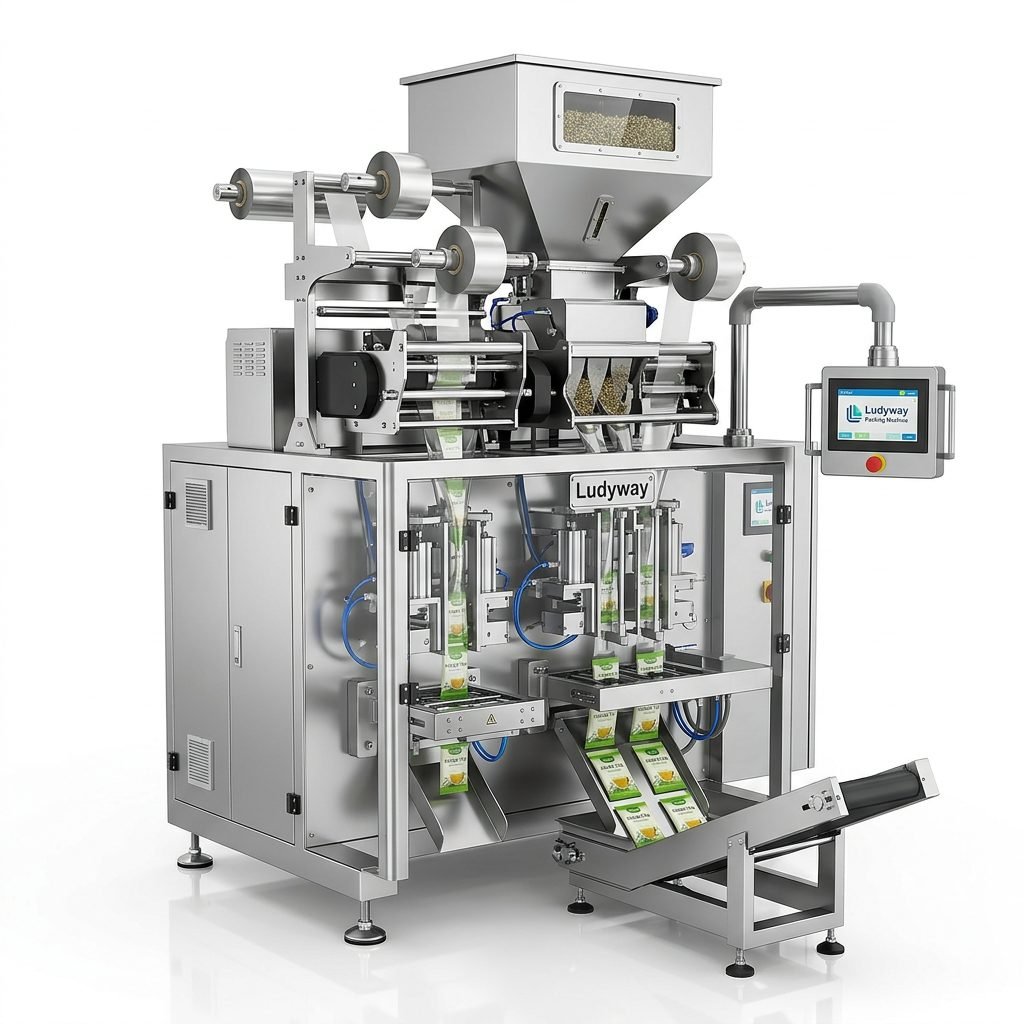
Selecting the right equipment is crucial for building an efficient small tea packaging production line. Below is a breakdown of essential machinery required for a complete setup:
| Equipment Type | Function | Estimated Cost (USD) |
|---|---|---|
| Screw Conveyor / Bucket Elevator | Material feeding and transfer | $3,000 – $8,000 |
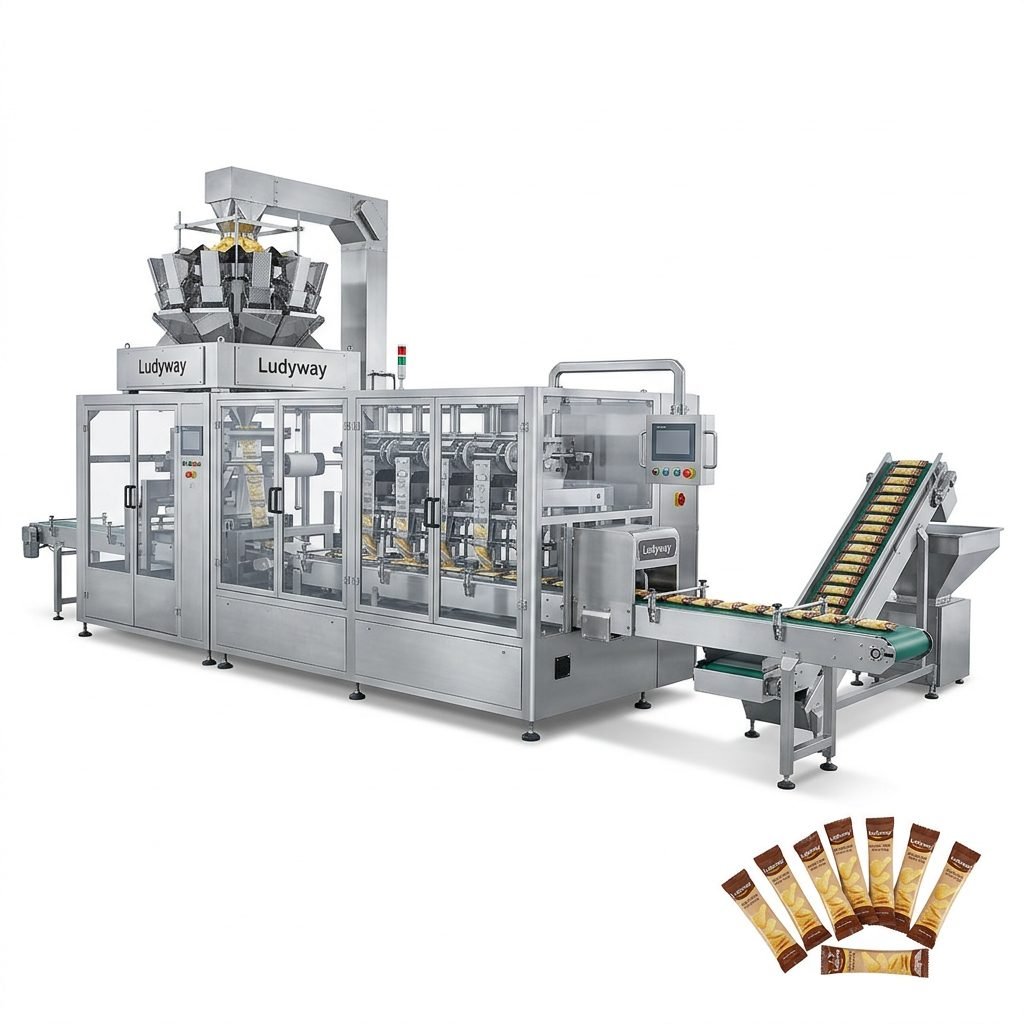
| Multi-Head Weigher | Precision weighing for granules | $8,000 – $20,000 |
| Vertical Form Fill Seal (VFFS) Machine | Primary packaging into sachets or stick packs | $10,000 – $35,000 |
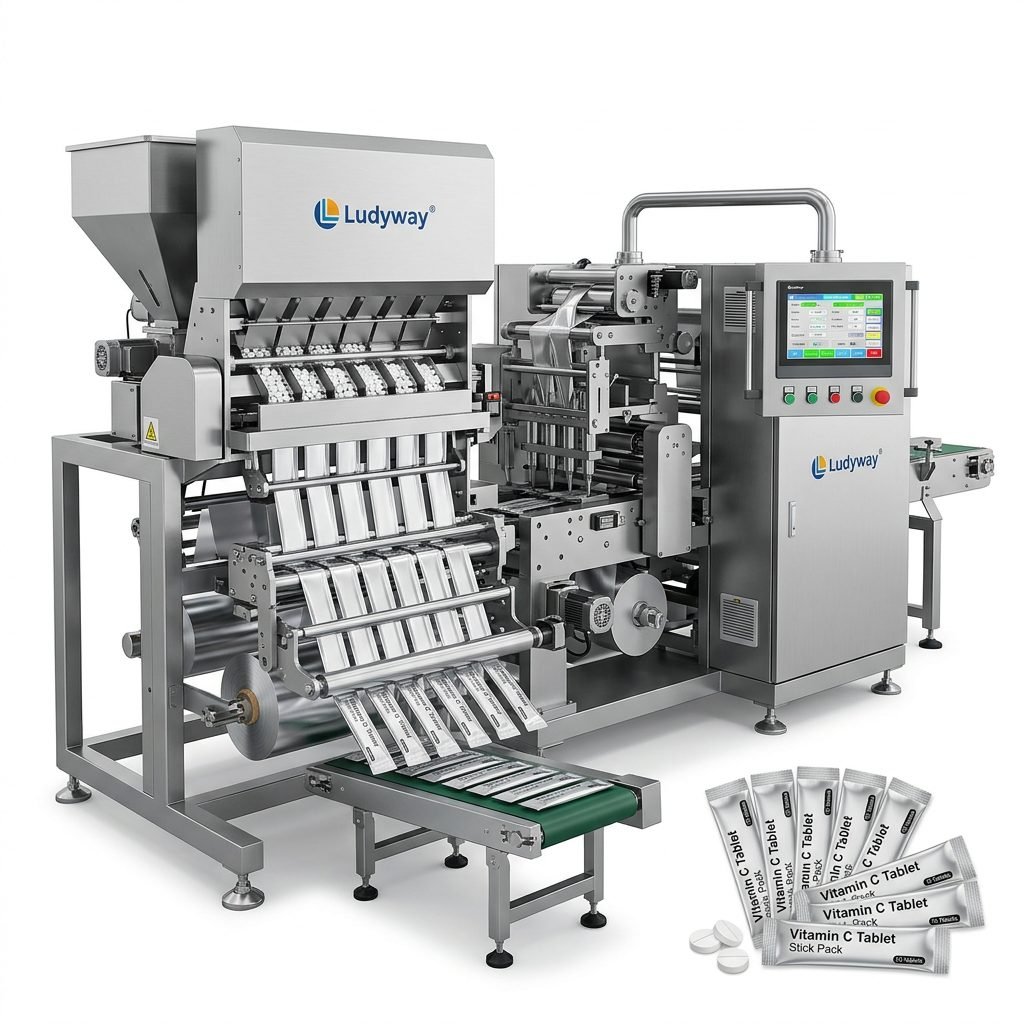
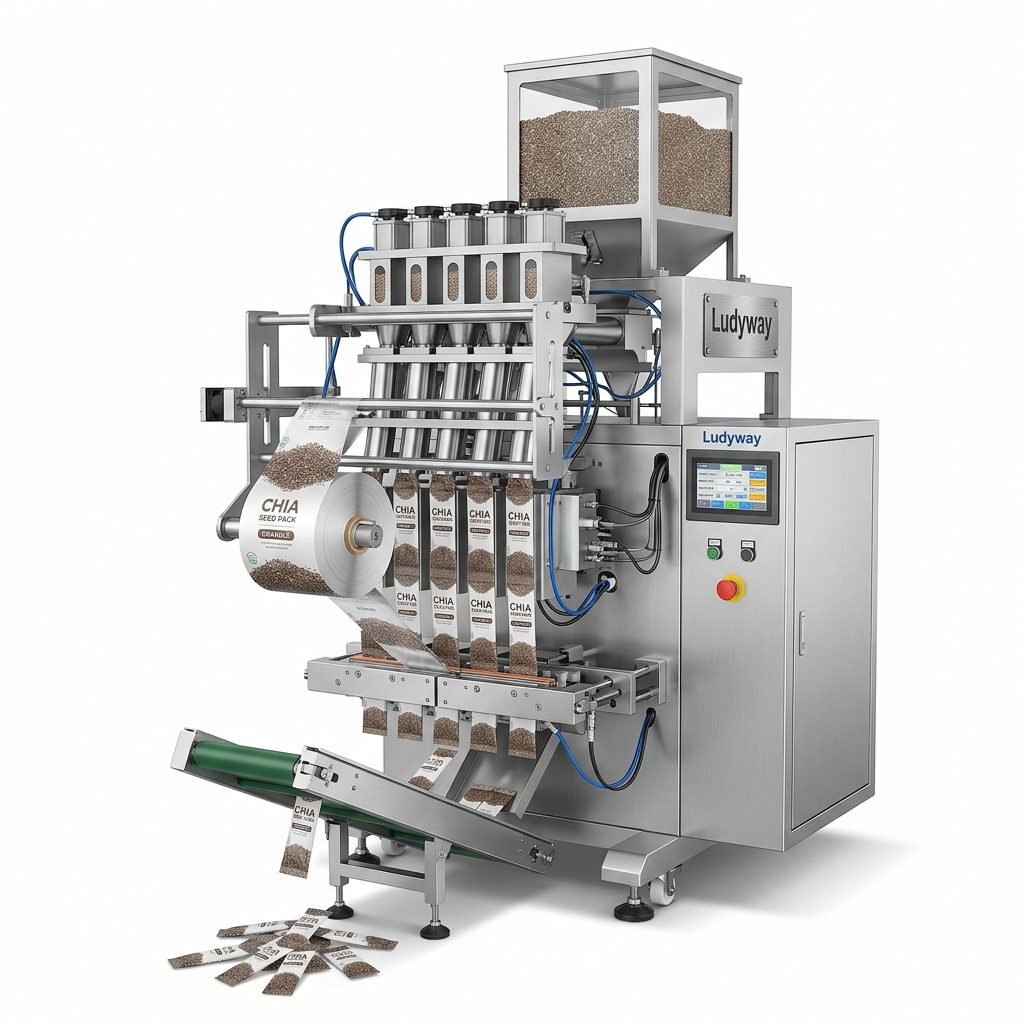
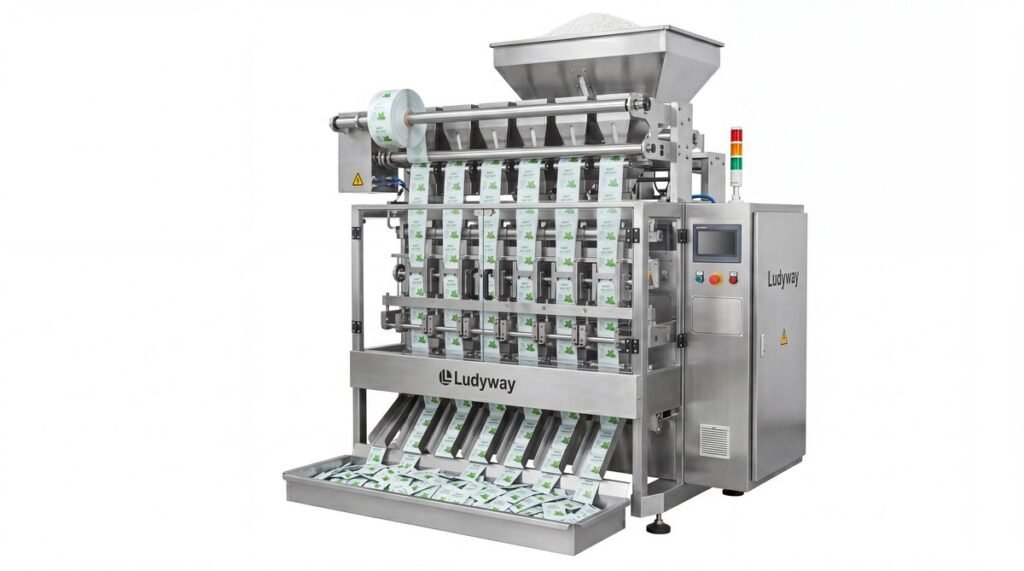
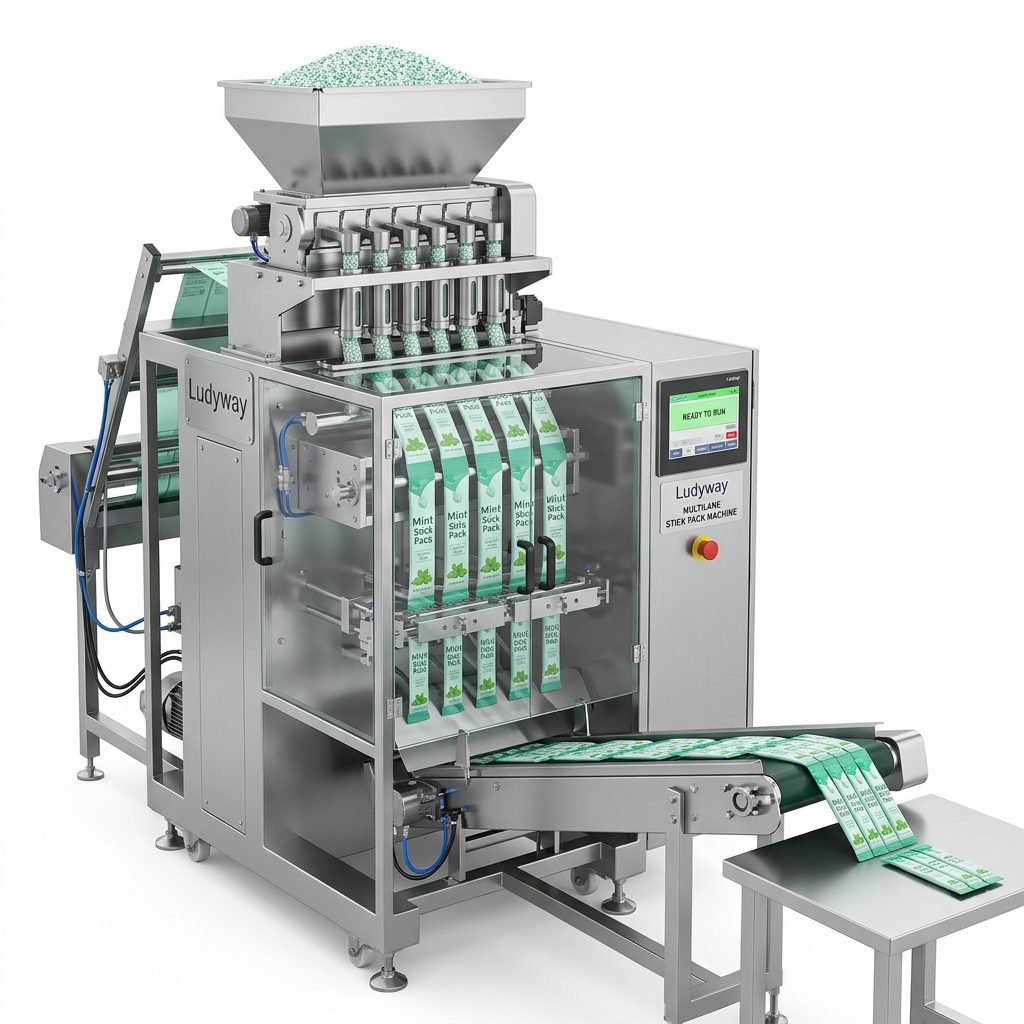
| Multi-Lane Stick Pack Machine | High-speed stick pack production | $15,000 – $50,000 |
| Checkweigher | Weight verification and quality control | $5,000 – $12,000 |
| Metal Detector | Contaminant detection for food safety | $4,000 – $10,000 |
| Batch Coding / Inkjet Printer | Date coding and traceability marking | $2,000 – $6,000 |
| Cartoning Machine | Secondary packaging into cartons | $8,000 – $25,000 |
Total Investment Breakdown
The overall cost of setting up a small tea packaging production line in India depends on the scale of automation and production capacity. Below is an estimated investment range:
- Entry-Level Semi-Automatic Line: $25,000 – $50,000 — Suitable for startups producing 500–2,000 packs per hour.
- Mid-Range Automatic Line: $50,000 – $120,000 — Ideal for growing businesses with 2,000–8,000 packs per hour capacity.
- High-Capacity Multi-Lane Line: $120,000 – $250,000+ — Designed for large-scale production exceeding 10,000 packs per hour.
Additional costs to consider include shipping and import duties (typically 10%–28% depending on equipment classification), installation and commissioning fees, facility preparation, and operator training. It is advisable to work with suppliers who offer turnkey solutions that include installation support and after-sales service.
Step-by-Step Guide to Setting Up Your Tea Packaging Line
Step 1: Define Your Product Format and Target Capacity
Before purchasing equipment, determine the type of tea packaging you intend to produce. Common formats include single-serve sachets, stick packs, and pillow pouches. Each format requires specific machine configurations. For instance, flexible packaging formats like stick packs are growing rapidly in India due to their portability and portion-control appeal. Also, estimate your daily or hourly production volume to match machine throughput with business demand.
Step 2: Secure a Suitable Production Facility
A small tea packaging operation typically requires a minimum of 500–1,000 square feet of clean, dry, and ventilated space. The facility must comply with food packaging regulations and FSSAI guidelines in India. Key considerations include flooring that is easy to sanitize, adequate electrical supply (3-phase power for most automated machines), compressed air infrastructure, and proper waste management systems.
Step 3: Source and Procure Packaging Machinery
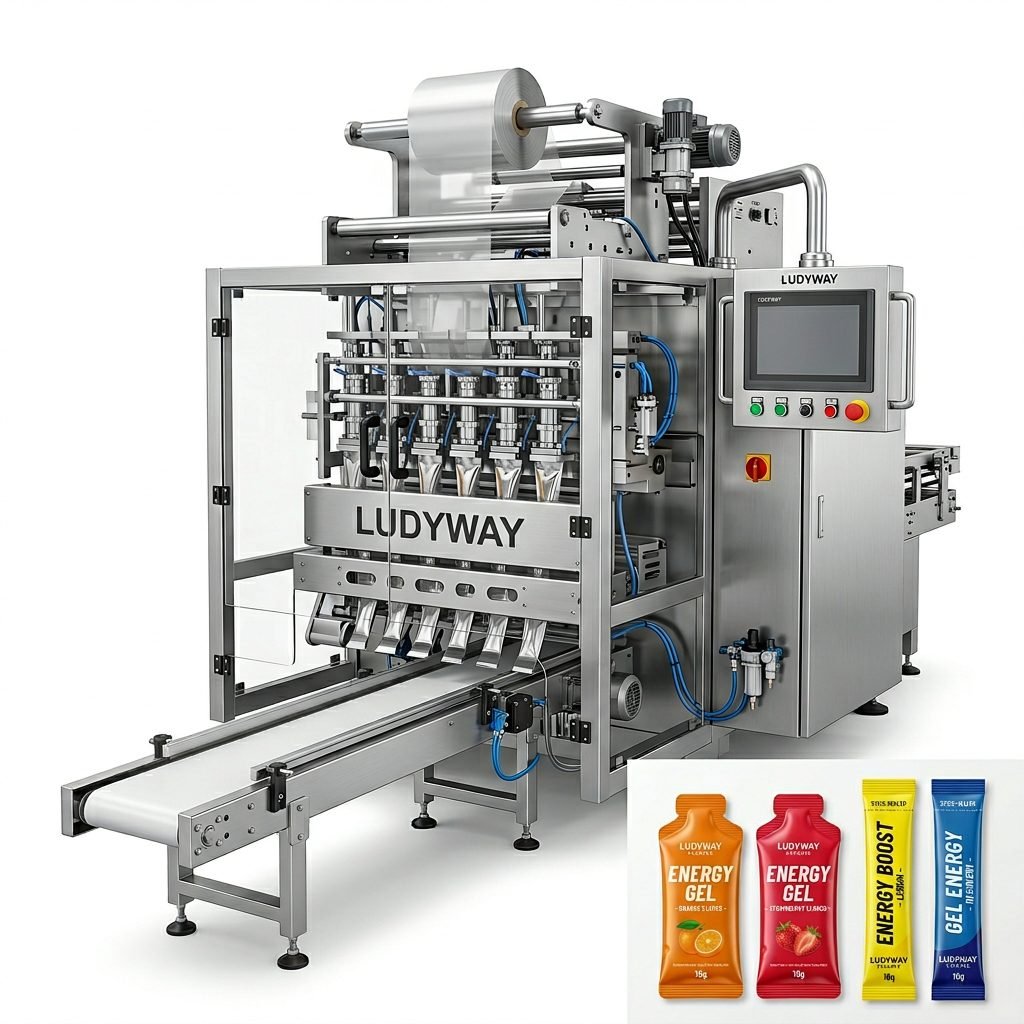
When selecting machinery suppliers, evaluate factors such as machine reliability, availability of spare parts in India, technical support, and compliance with international standards like ISO packaging standards. Many Indian businesses now source equipment from established global manufacturers that offer cost-effective yet robust solutions. As a leading manufacturer, Ludyway provides a wide range of packaging machines suitable for tea and other granule products, with expertise in multi-lane stick pack and sachet systems designed for high-speed production across food and pharmaceutical applications.
Step 4: Installation, Commissioning, and Operator Training
Once the machinery arrives, professional installation ensures proper setup and calibration. Commissioning involves testing each machine with actual tea product to verify weighing accuracy, seal integrity, and speed consistency. Comprehensive operator training should cover machine operation, routine maintenance, troubleshooting, and safety protocols. Investing in thorough training reduces downtime and extends equipment lifespan.
Step 5: Quality Control and Regulatory Compliance
Implement a robust quality management system that includes regular weight checks, seal integrity testing, and metal detection verification. Compliance with the Food Safety and Standards Authority of India (FSSAI) is mandatory for tea packaging operations. Additionally, if exporting, ensure compliance with international packaging regulations governing food contact materials and labeling requirements.
Advantages of Multi-Lane Technology for Tea Packaging
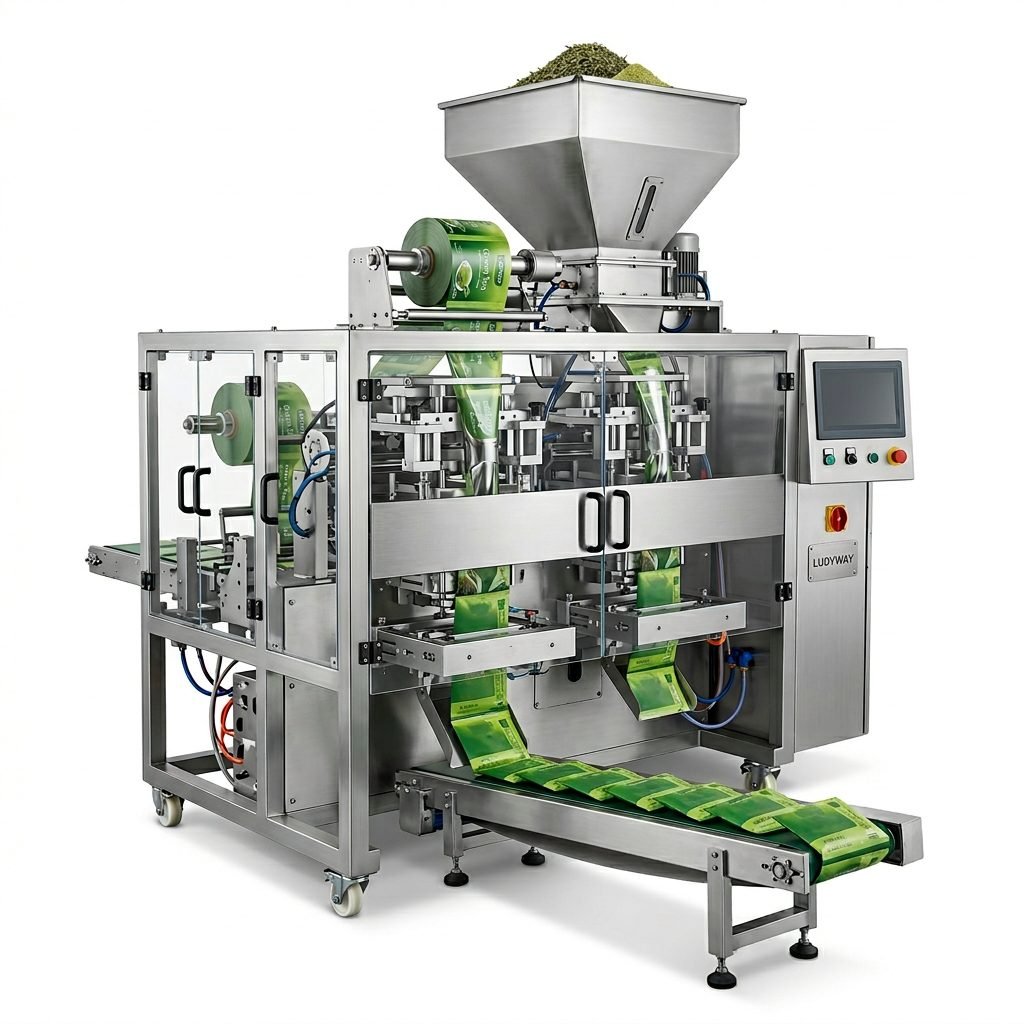
Modern tea packaging lines increasingly adopt multi-lane technology, which allows simultaneous filling and sealing of multiple lanes (typically 4–12 lanes) on a single machine. This approach offers several benefits for Indian manufacturers:
- Higher throughput — Achieve 400–600 packs per minute with a 10-lane configuration, dramatically increasing output without proportionally increasing labor costs.
- Reduced material waste — Precision servo-driven film handling minimizes scrap rates compared to single-lane machines.
- Lower per-pack production cost — Economies of scale reduce the cost per unit, improving competitiveness in price-sensitive markets like India.
- Flexible format switching — Many multi-lane machines support quick changeovers between different sachet sizes and stick pack lengths.
Common Challenges and How to Overcome Them
| Challenge | Solution |
|---|---|
| Inconsistent tea granule flow | Use vibratory feeders with adjustable amplitude for uniform material distribution |
| Moisture affecting seal integrity | Install dehumidifiers in the packaging area and use high-barrier films |
| Power fluctuations in certain regions | Invest in voltage stabilizers and UPS backup for control systems |
| Spare parts availability delays | Partner with suppliers who maintain local inventory or offer fast international shipping |
| Operator skill gaps | Schedule comprehensive on-site training and maintain detailed SOP documentation |
Return on Investment (ROI) Considerations
For small tea packaging operations in India, typical payback periods range from 12 to 24 months, depending on market penetration and operational efficiency. Key factors influencing ROI include production volume, product pricing strategy, distribution channel margins, and machine utilization rates. Businesses that achieve consistent quality and timely delivery often secure repeat orders from retailers and institutional buyers, accelerating ROI. Additionally, the growing export demand for Indian specialty teas creates opportunities for higher-margin international sales when compliant packaging is implemented.
Future Trends in Tea Packaging Automation
The Indian tea packaging industry is moving toward greater automation, smart factory integration, and sustainable packaging formats. Technologies like IoT-enabled machine monitoring, AI-driven quality inspection, and biodegradable film compatibility are becoming increasingly relevant. Manufacturers investing in flexible, upgradeable packaging lines today will be better positioned to adapt to future market demands and regulatory changes. As the industry evolves, the shift toward smaller, single-serve formats is expected to continue, further driving demand for efficient small tea packaging production lines across India and neighboring regions.