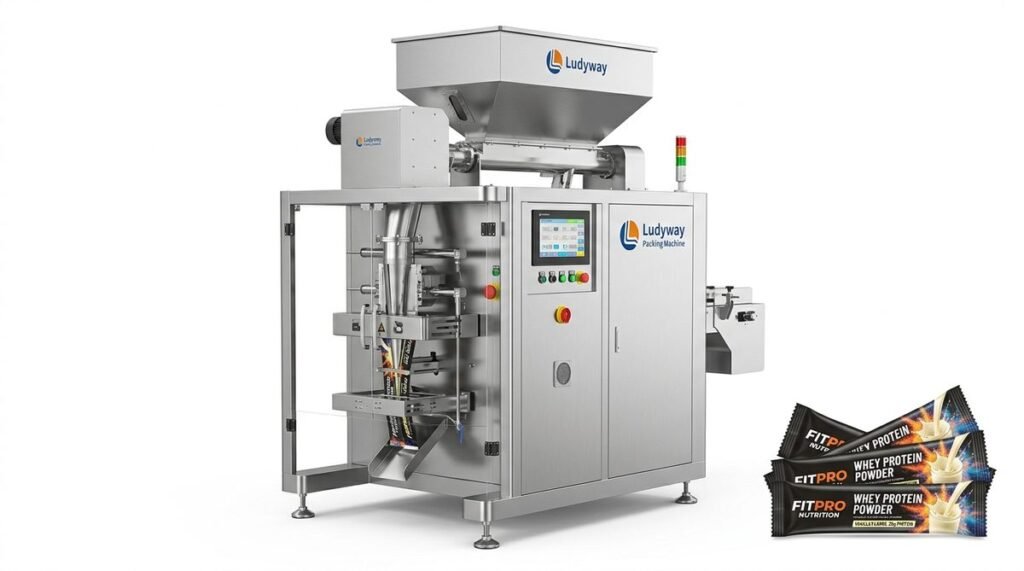
The German coffee market is one of the most dynamic in Europe, with per capita consumption exceeding 5.6 kilograms annually. Setting up a coffee bean packaging line in Germany requires careful planning around equipment selection, regulatory compliance, and cost management. Whether you are a specialty roaster expanding into retail or an international producer entering the EU market, understanding Germany’s specific requirements is essential for building a successful packaging operation.
Understanding the German Coffee Packaging Market
Germany represents the largest coffee market in Europe, accounting for nearly 25% of the continent’s total coffee consumption. The demand for both whole bean and ground coffee continues to grow, with specialty and organic segments expanding rapidly. A well-designed coffee packaging line in Germany must address freshness preservation, sustainability requirements, and high throughput demands while meeting strict EU and German national regulations.
The German consumer places high value on product quality and packaging integrity. From valve-sealed bags that allow degassing to nitrogen-flushed packaging that extends shelf life, the technical demands on a coffee bean packaging line are substantial. Additionally, Germany’s position as a logistics hub means many packaging facilities serve not only domestic markets but also distribution across the EU and beyond.
Essential Equipment for a Coffee Bean Packaging Line
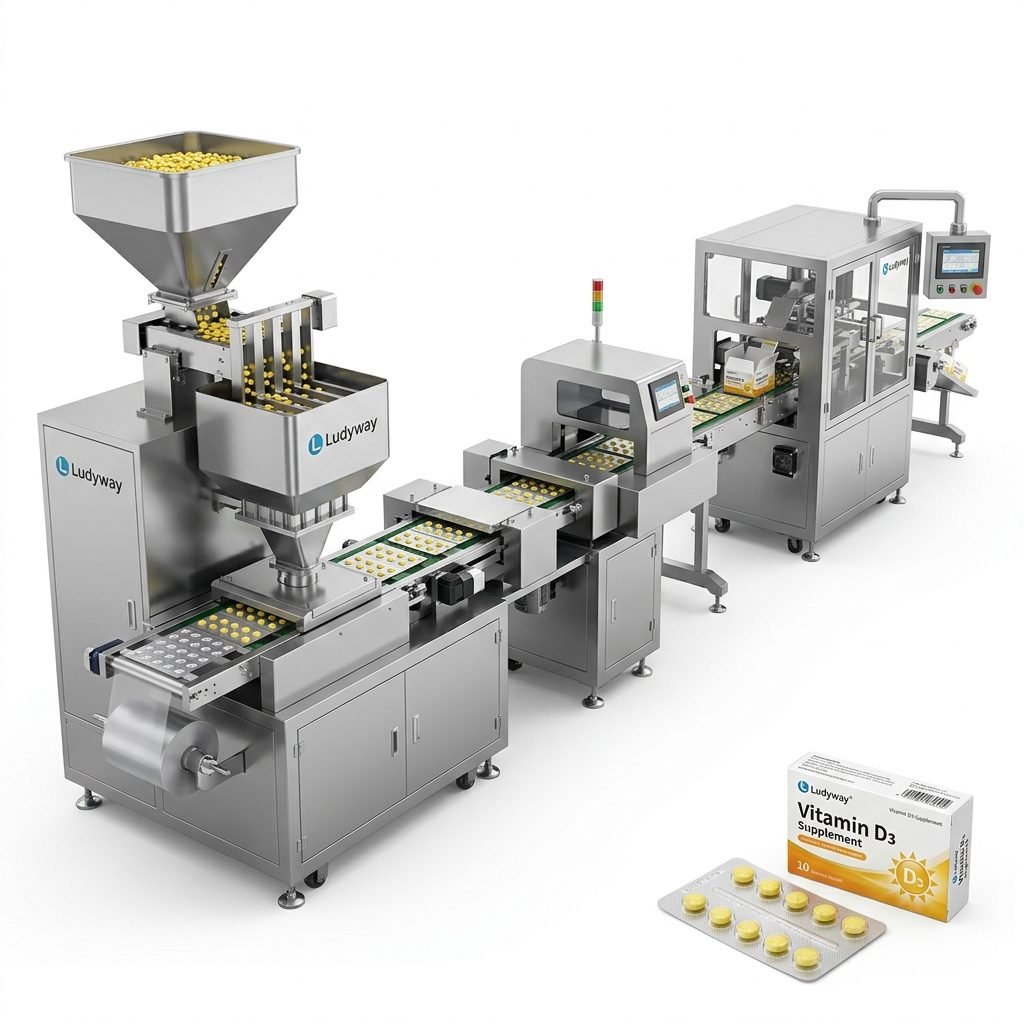
Setting up a complete coffee bean packaging line requires integrating multiple machines into a cohesive system. The exact configuration depends on your production volume, packaging formats, and automation goals.
Core Equipment Requirements
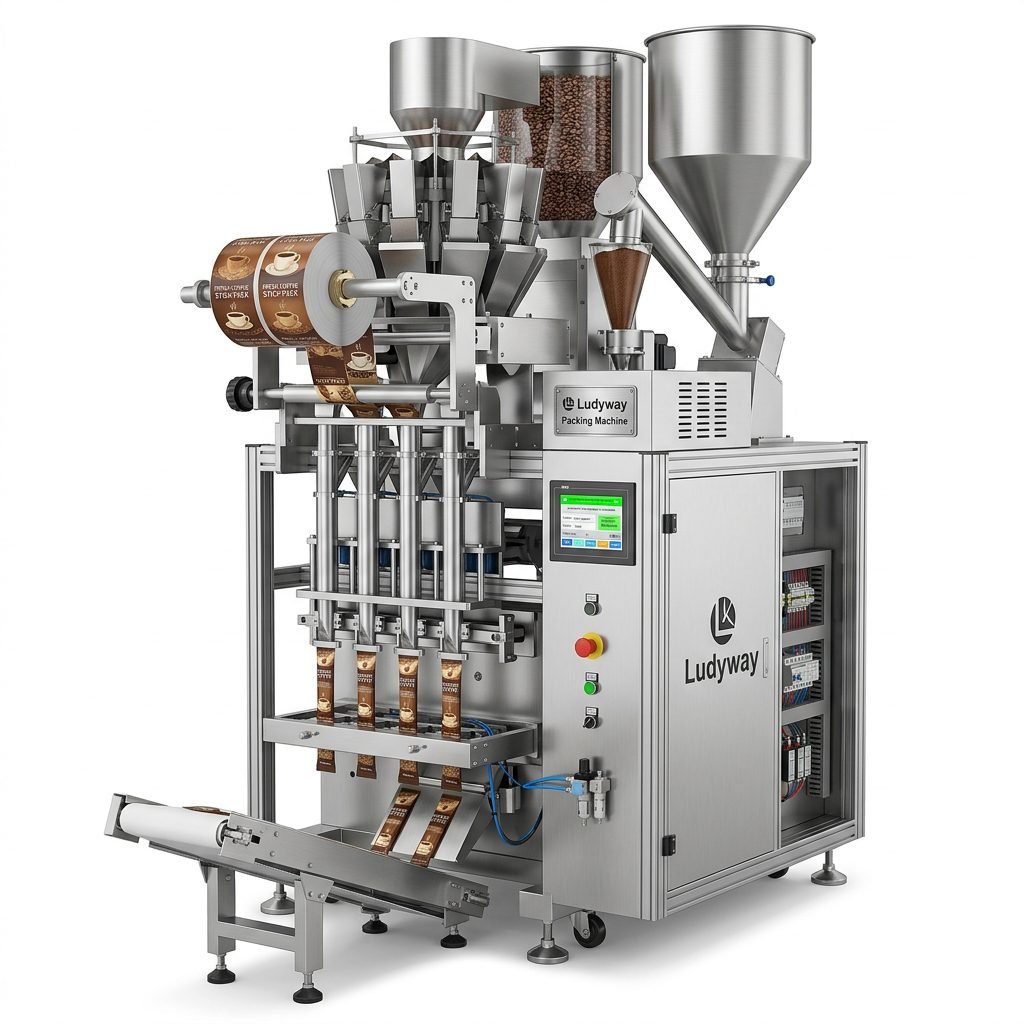
- Multi-Head Weighing System: Precision weighing is critical for coffee beans. A multi-head weigher with 14 to 20 heads provides the speed and accuracy needed for consistent portion control, typically achieving accuracy within ±0.5 to 1 gram per package.
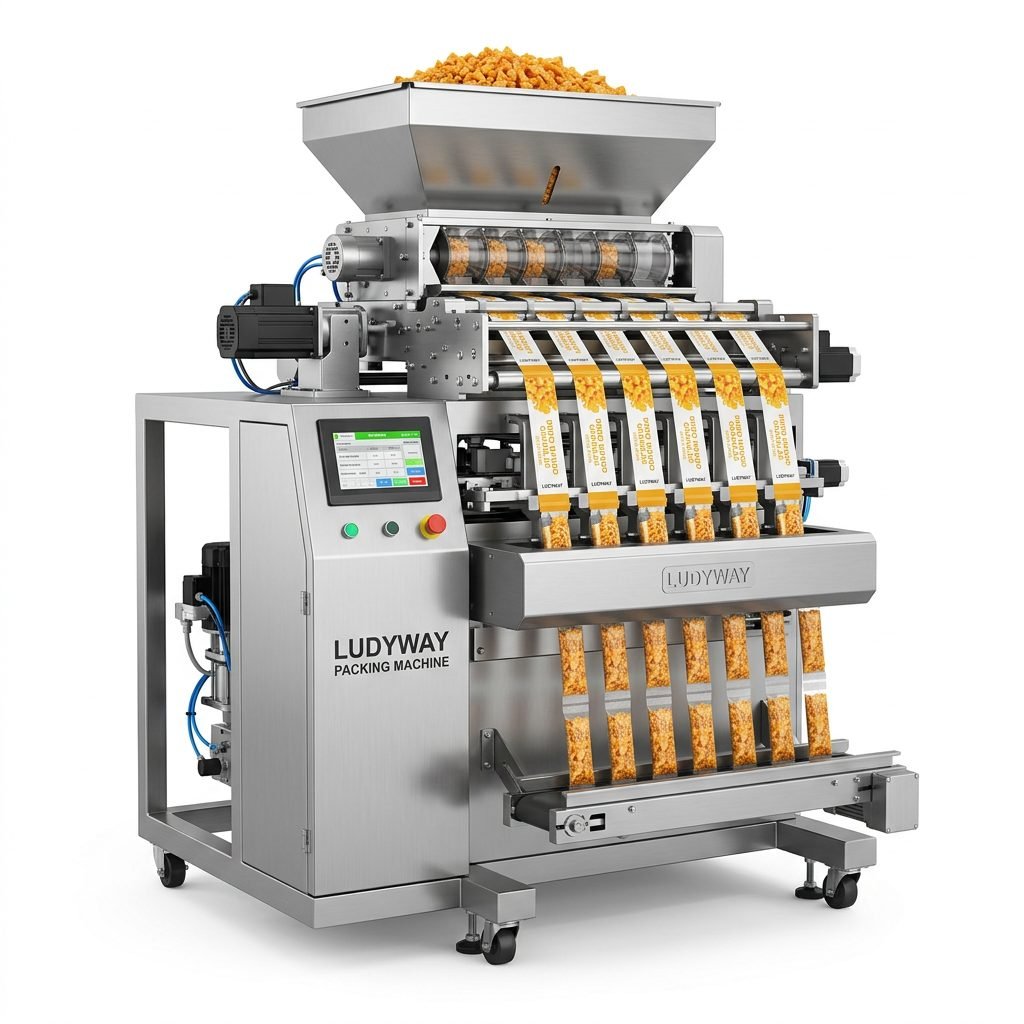
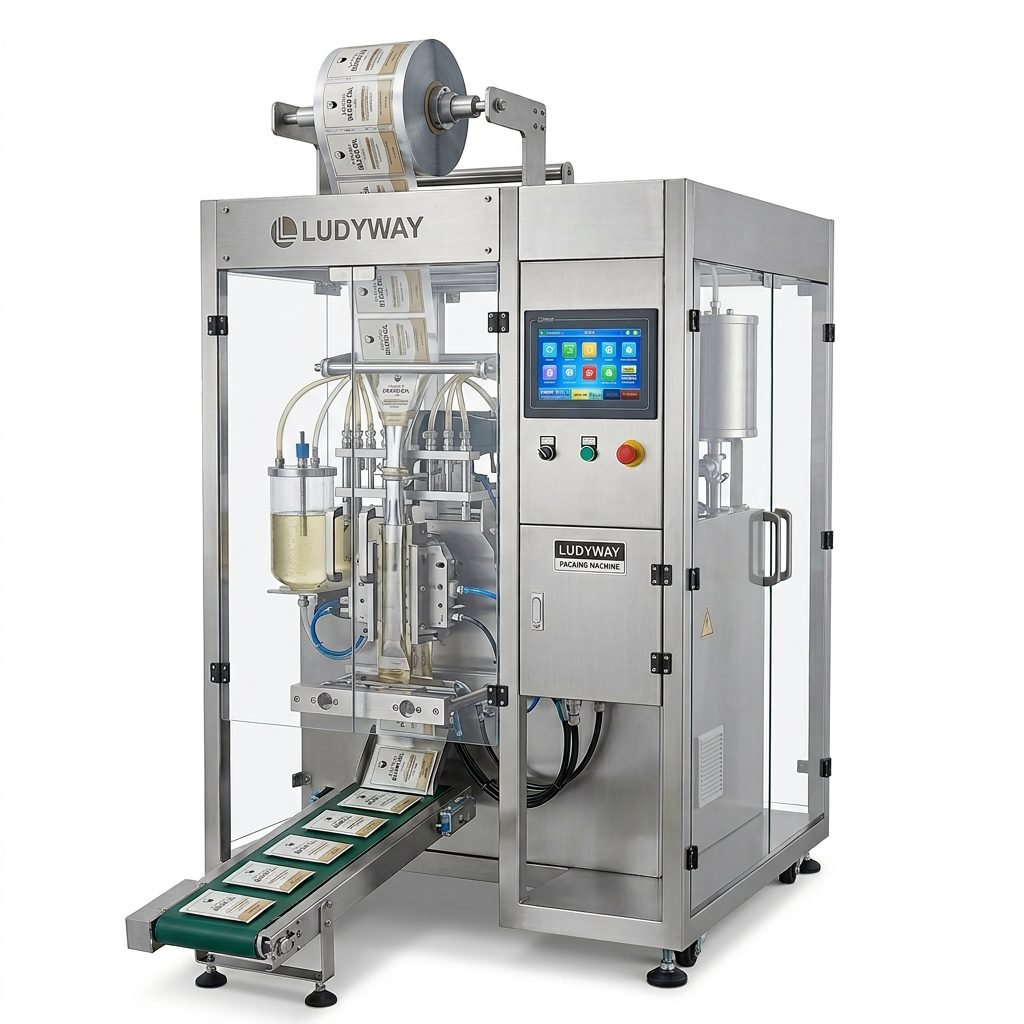
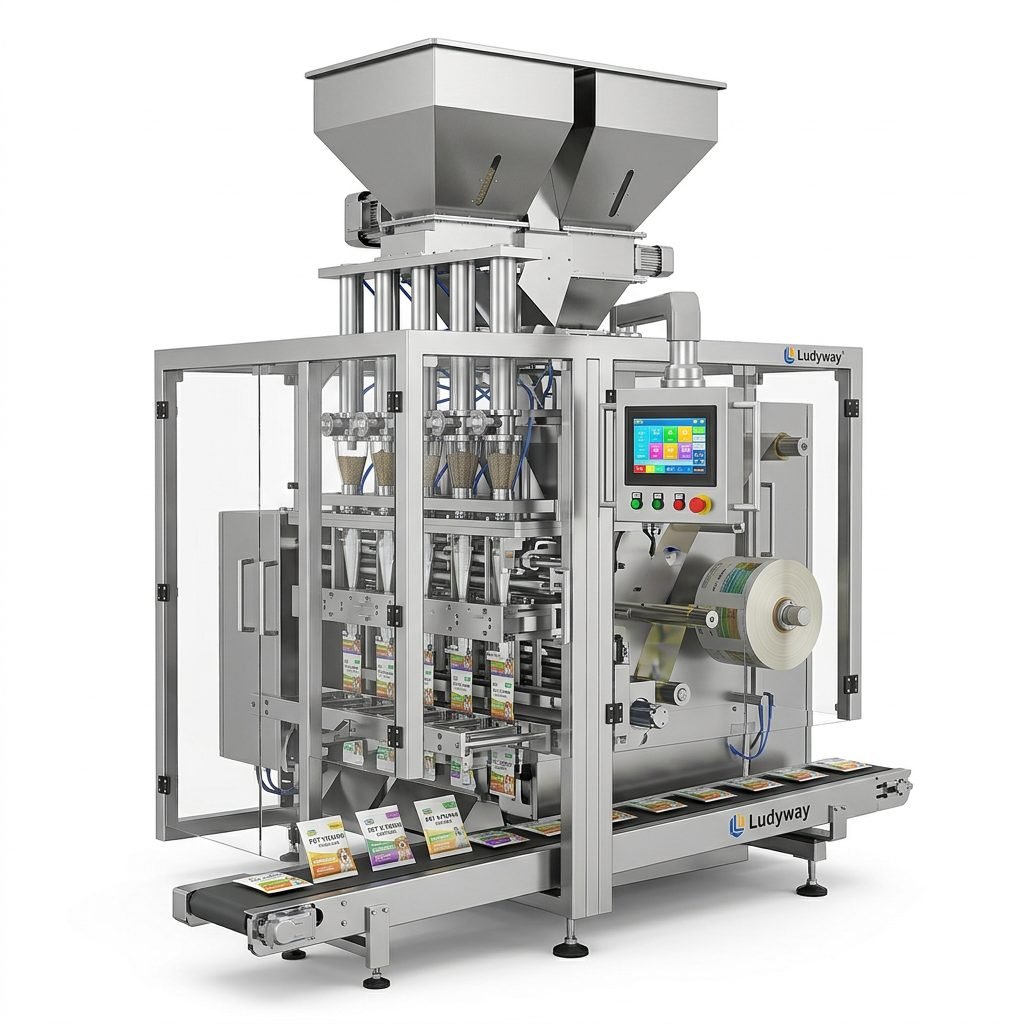
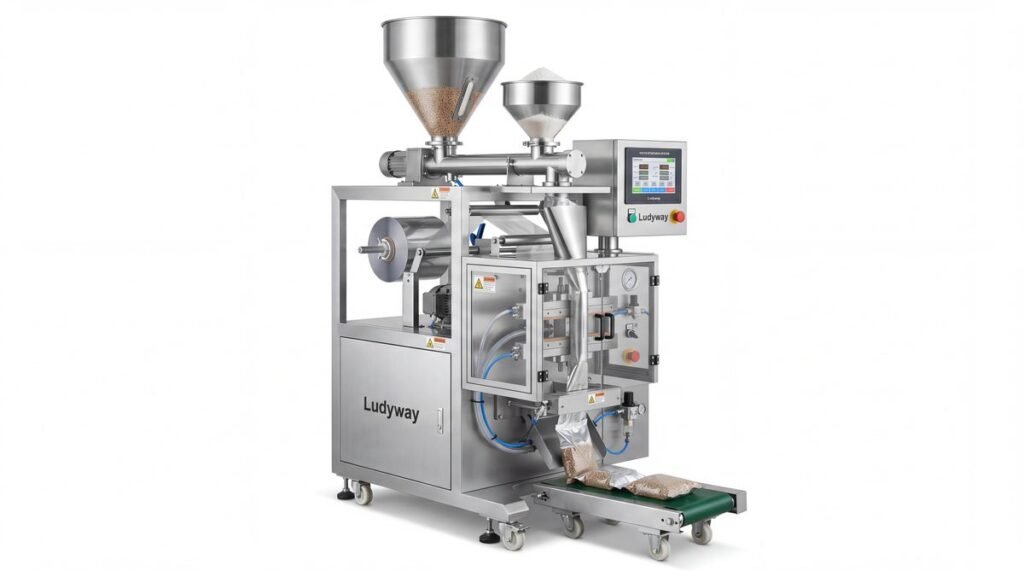
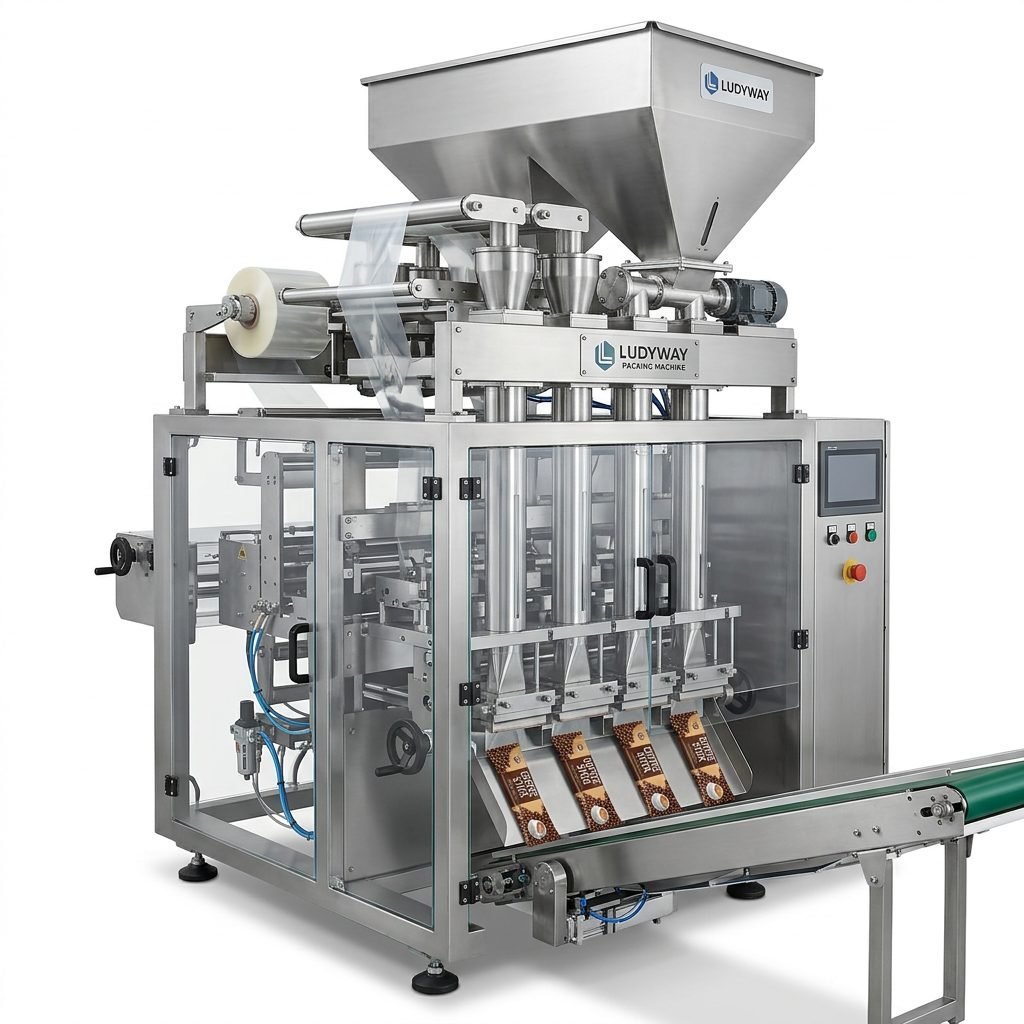
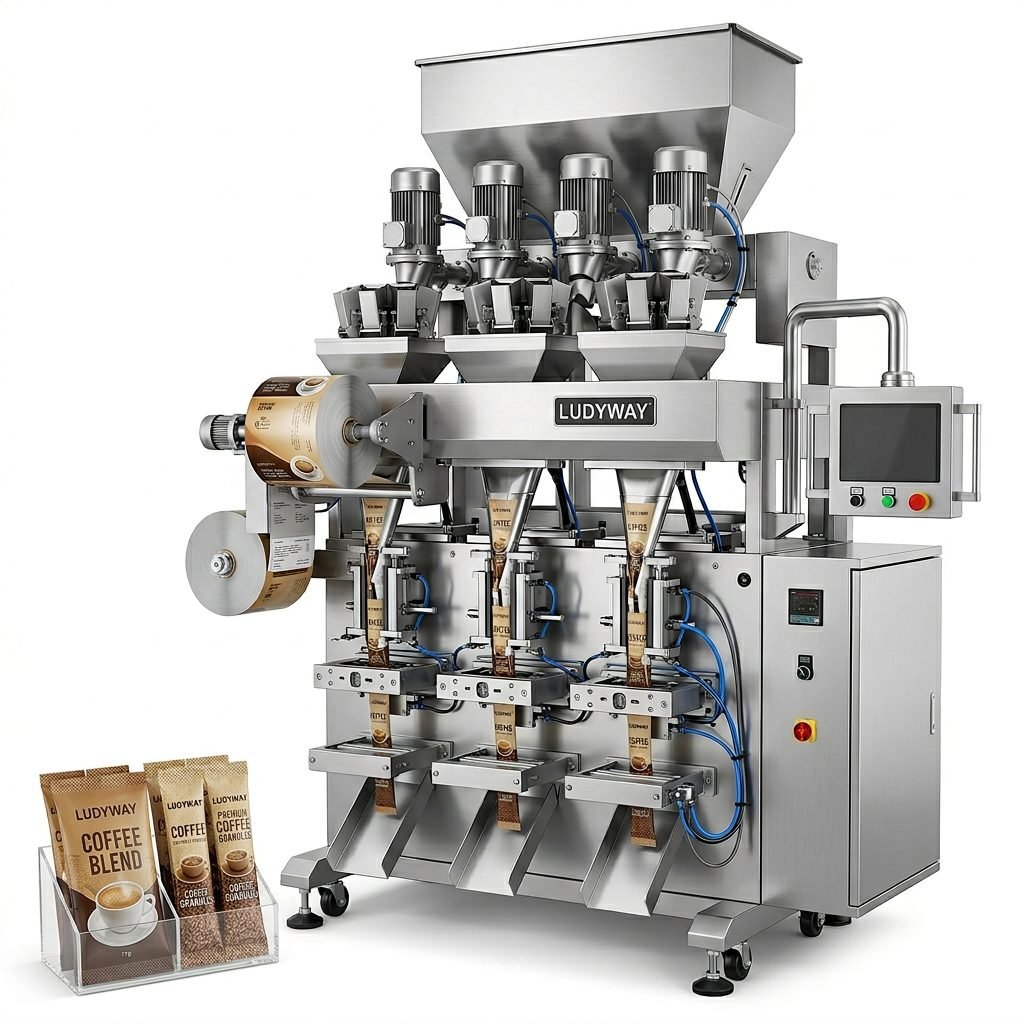
- Vertical Form Fill Seal (VFFS) Machine: This is the heart of most coffee packaging operations. For coffee beans, a machine capable of handling pillow bags, gusseted bags, and quad-seal pouches offers maximum flexibility for different retail formats.
- Degassing Valve Applicator: Whole bean coffee releases CO₂ after roasting. An integrated valve application system ensures packages maintain seal integrity while allowing gas to escape, preventing bag rupture during storage and transport.
- Nitrogen Flushing System: Oxygen is the enemy of fresh coffee. A nitrogen flushing unit reduces residual oxygen levels below 1%, significantly extending shelf life and preserving aromatic compounds.
- Checkweigher and Metal Detection: Quality control equipment ensures every package meets weight specifications and is free from physical contaminants—a requirement for compliance with German food safety regulations.
Ancillary and End-of-Line Equipment
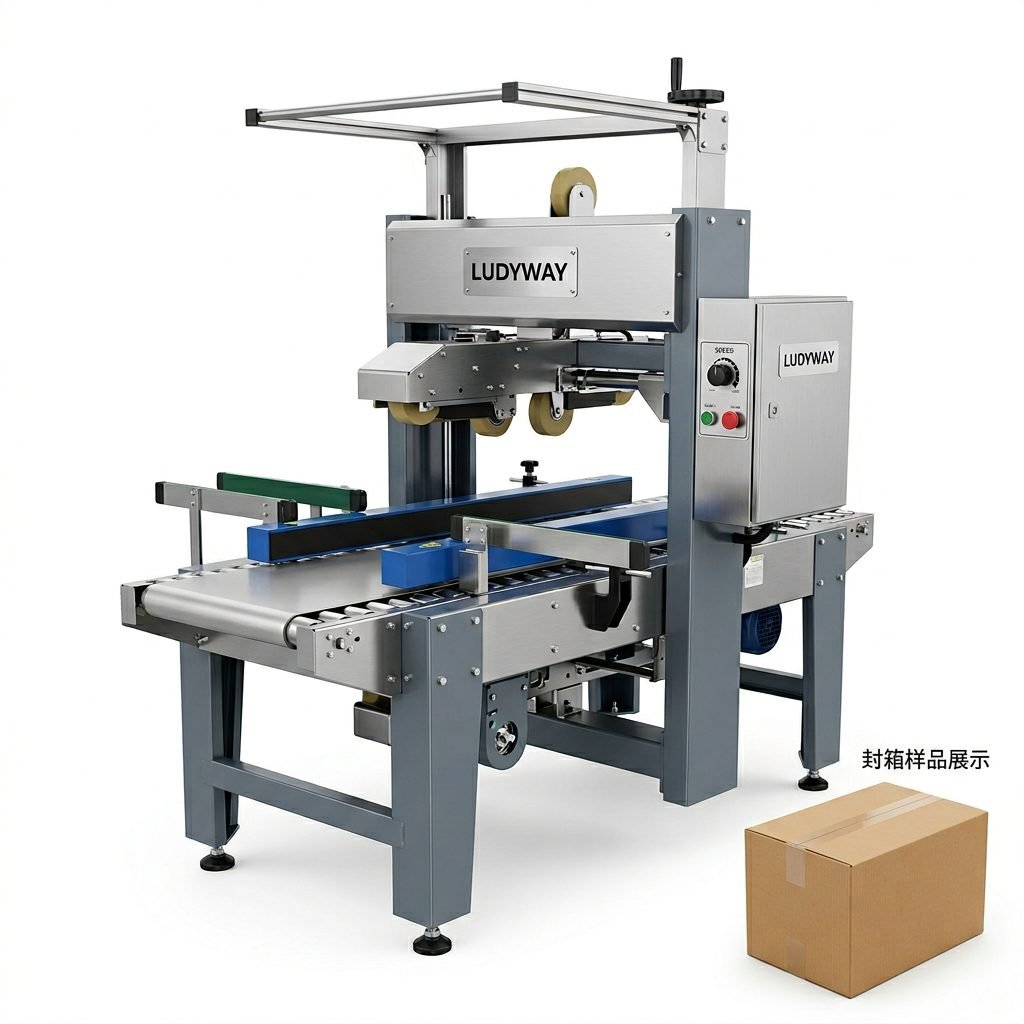
- Cartoning Machines: Automated cartoning systems fold, fill, and seal cartons at speeds matching the primary packaging output, essential for retail-ready packaging.
- Case Packing Systems: For larger distribution packs, robotic or mechanical case packers handle finished pouches into shipping cases with minimal manual intervention.
- Palletizing Solutions: Automated palletizers, including robotic arm systems, complete the end-of-line process and prepare products for warehouse storage or direct shipment.
- Coding and Marking Equipment: Laser coders or thermal inkjet printers apply batch numbers, production dates, and traceability information required by EU food labeling regulations.
Cost Analysis: Budgeting for Your Coffee Packaging Line
Understanding the financial investment required is crucial for proper planning. Costs vary significantly based on automation level, production capacity, and packaging complexity.
| Equipment Category | Estimated Cost Range (EUR) | Key Considerations |
|---|---|---|
| Multi-Head Weigher (14-20 heads) | €25,000 – €75,000 | Speed requirements, product characteristics, accuracy needs |
| VFFS Packaging Machine | €40,000 – €150,000 | Bag formats, output speed, automation features |
| Valve Applicator & Nitrogen System | €15,000 – €45,000 | Integrated vs. standalone systems, output speed |
| Checkweigher & Metal Detector | €12,000 – €35,000 | Sensitivity requirements, throughput speed |
| Cartoning Machine | €30,000 – €120,000 | Carton complexity, speed, changeover flexibility |
| Case Packer & Palletizer | €50,000 – €200,000 | Robotic vs. mechanical, throughput, floor space |
| Total Estimated Investment | €172,000 – €625,000 | Excluding installation, training, and facility costs |
Additional costs to consider include facility preparation, HVAC systems for temperature and humidity control, compressed air infrastructure, CE certification, installation and commissioning, staff training, and ongoing maintenance. A comprehensive budget should account for 15-25% above equipment costs for these ancillary expenses.
German and EU Regulatory Framework for Coffee Packaging
Germany enforces some of the strictest packaging and food safety regulations in the world. Compliance is non-negotiable for operating a coffee packaging line within the country. Understanding these requirements before equipment procurement can prevent costly retrofits and compliance issues.
Key Regulatory Standards
- EU Regulation (EC) No 1935/2004: Governs all food contact materials. Packaging materials must not transfer constituents to food in quantities that endanger human health or change the composition, taste, or odor of the coffee. Migration testing documentation is essential for compliance.
- EU Regulation (EC) No 2023/2006: Establishes Good Manufacturing Practice (GMP) for food contact materials. Your packaging line must demonstrate documented quality assurance systems, traceability, and controlled production processes.
- German Packaging Act (VerpackG): Requires registration with the Central Packaging Register (ZSVR) and participation in a dual system for packaging waste management. Companies placing packaged products on the German market must report packaging volumes and contribute to recycling costs.
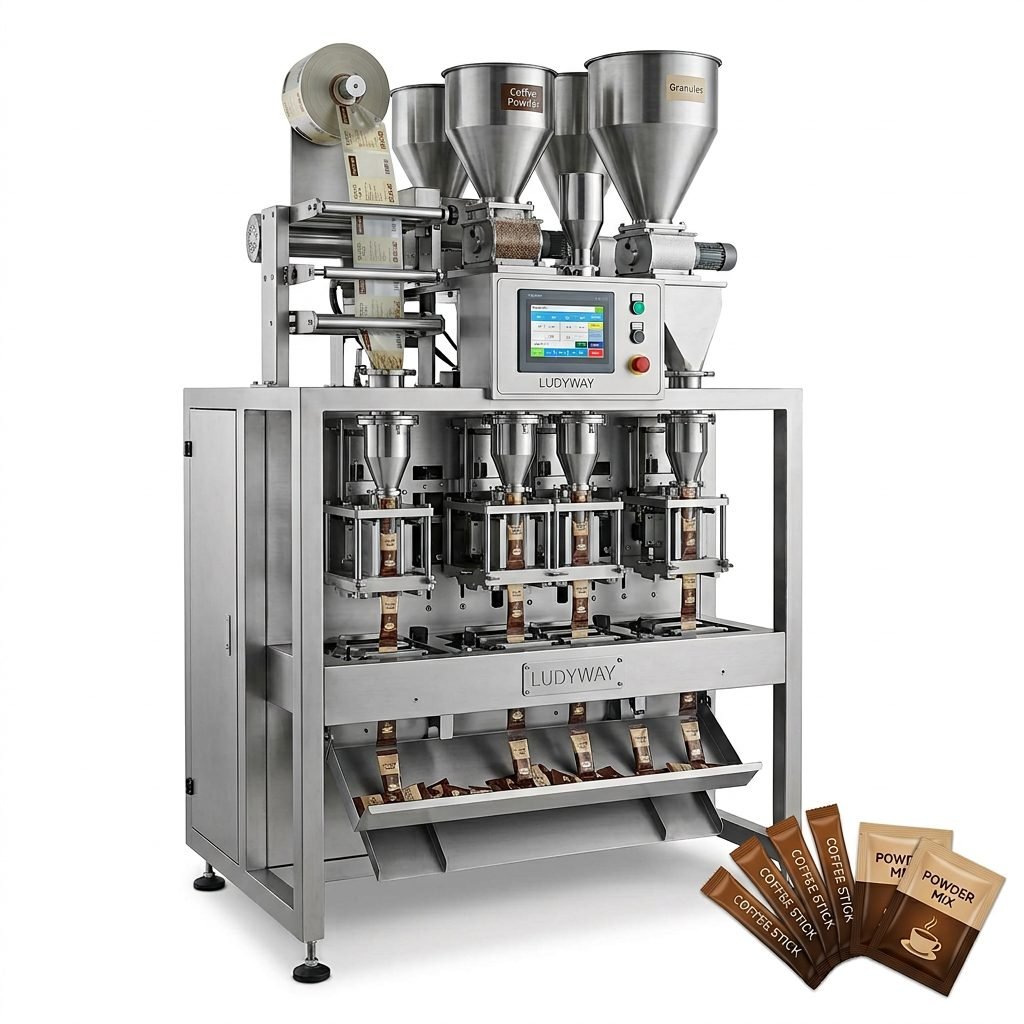
- CE Marking (Machinery Directive 2006/42/EC): All packaging equipment installed in Germany must carry CE marking, confirming compliance with EU safety, health, and environmental protection requirements. This includes proper guarding, emergency stops, and safety PLC systems.
Food Safety and Hygiene Requirements
- HACCP Principles: Your packaging line design must incorporate Hazard Analysis and Critical Control Points (HACCP). This includes identifying contamination risks, establishing monitoring procedures, and maintaining detailed records.
- IFS Food Standard or BRCGS: Many German retailers require suppliers to hold IFS Food or BRCGS certification. These globally recognized food safety standards demand rigorous documentation, traceability systems, and third-party audits of your packaging facility.
- German Food and Feed Code (LFGB): The national framework for food safety in Germany. Packaging materials and processes must not mislead consumers or compromise food quality in any way.
Step-by-Step Guide to Setting Up Your Packaging Line
Step 1: Define Your Production Requirements
Begin by clearly defining your target output (packages per minute), desired packaging formats, bag sizes, and automation level. Consider whether you need flexibility for multiple SKUs or will run long production campaigns of a single product. This foundational analysis drives all subsequent equipment and facility decisions.
Step 2: Facility Planning and Preparation
Your facility must meet German building codes and food safety requirements. Key considerations include adequate electrical supply (typically 400V three-phase), compressed air systems delivering clean dry air at 6-8 bar, temperature-controlled storage areas for green and roasted beans, and proper ventilation for roast off-gassing. Floor loading requirements must accommodate heavy equipment, and the layout should facilitate logical material flow from raw material intake through to finished goods storage.
Step 3: Equipment Selection and Procurement
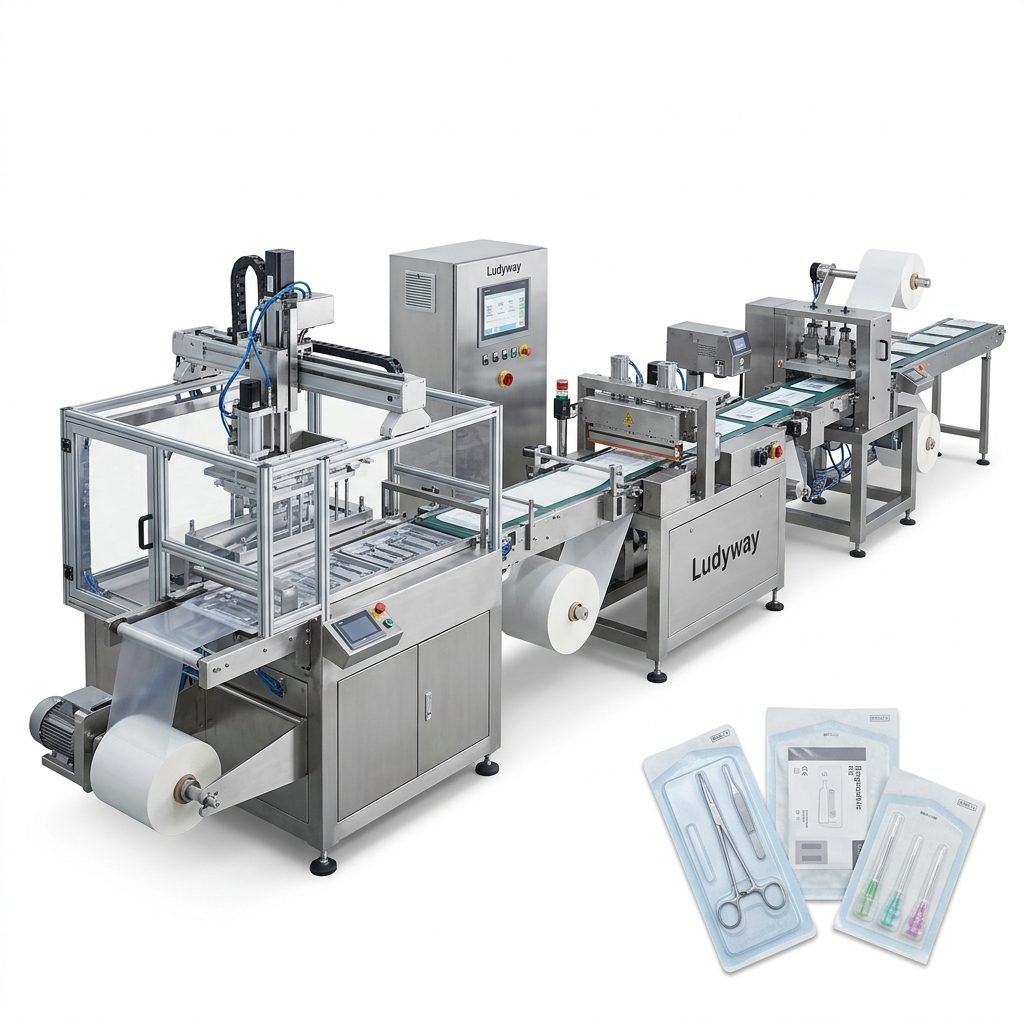
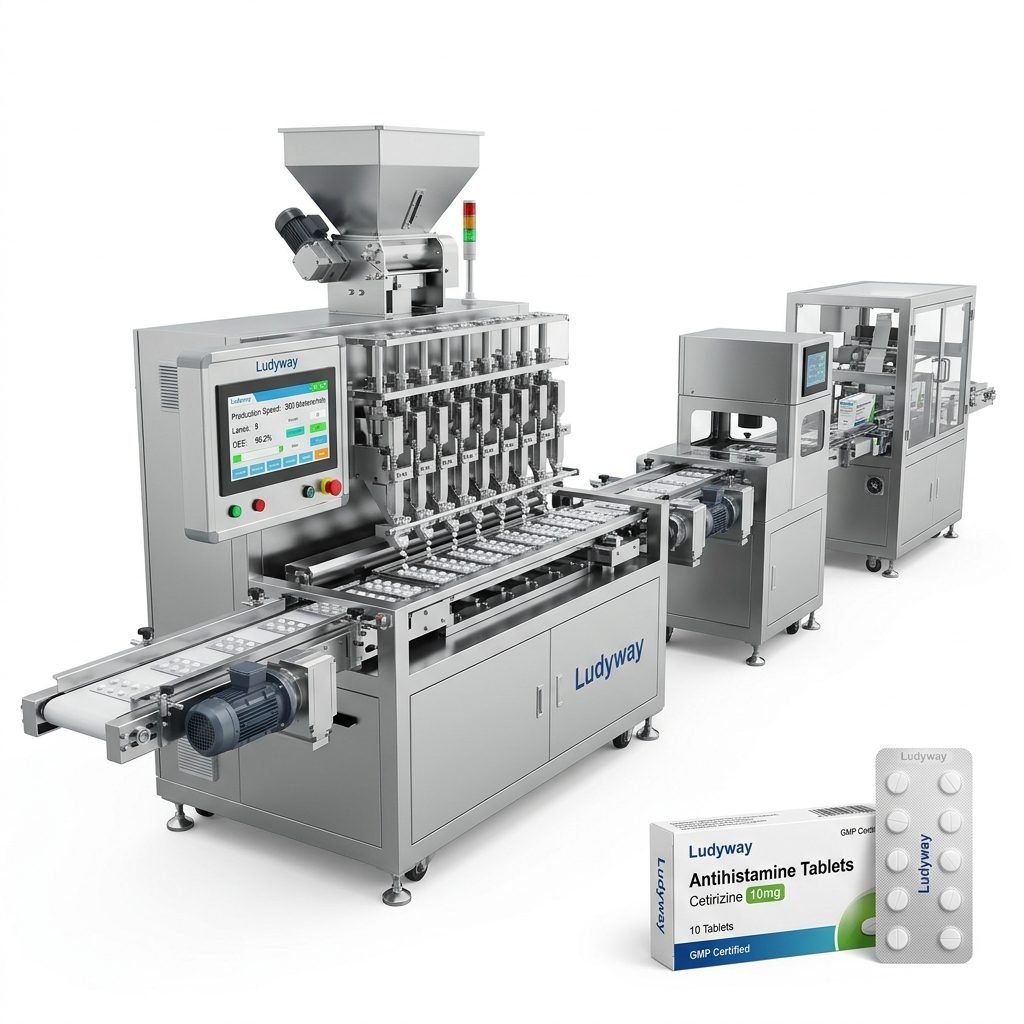
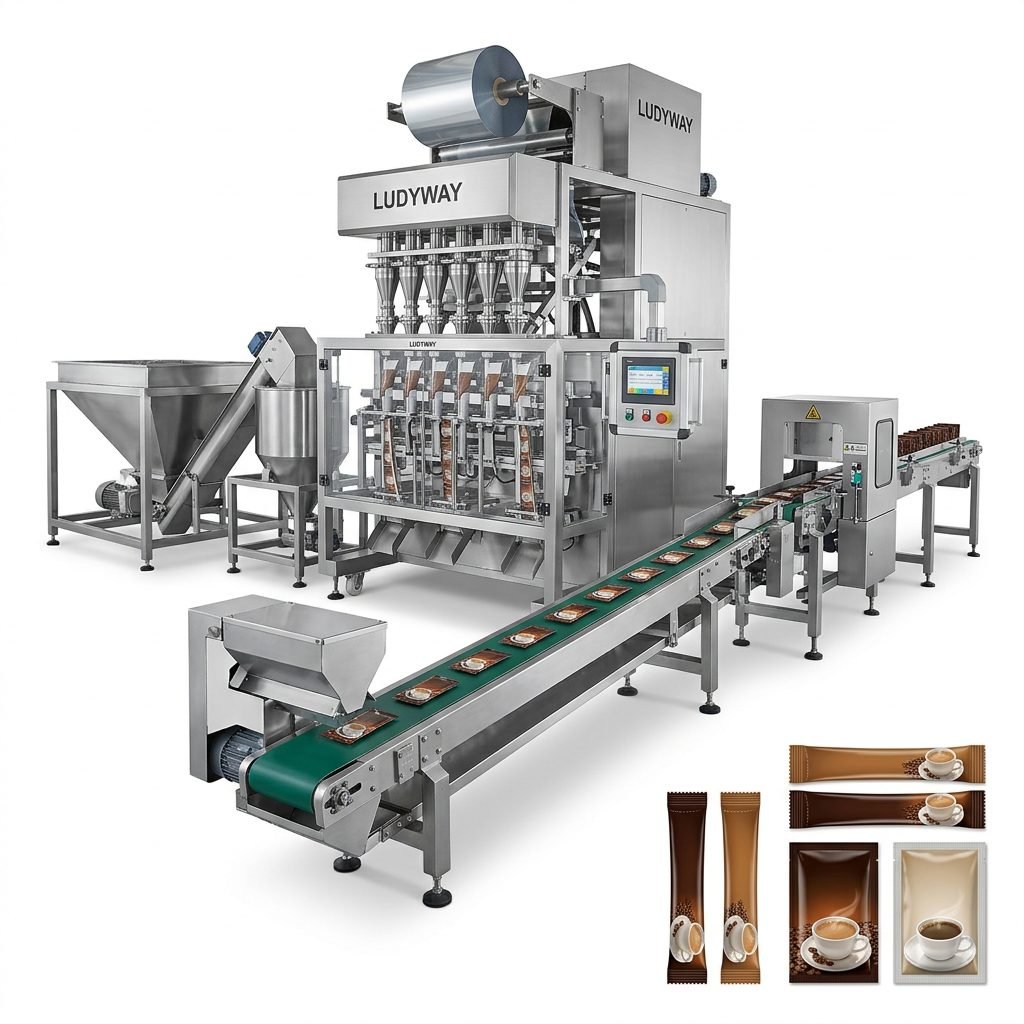
Select equipment that balances speed, accuracy, reliability, and compliance. When sourcing coffee bean packaging machinery, look for manufacturers with proven experience in coffee applications and documented CE compliance. Ludyway is one of the largest packaging machine manufacturers, offering turnkey solutions suitable for coffee packaging applications. Verify that all equipment meets the specific hygiene and safety standards required for food packaging in Germany.
Step 4: Installation, Commissioning, and Training
Professional installation by qualified technicians is critical. The commissioning process should include thorough testing of all machine functions, safety system verification, and optimization of settings for your specific coffee bean characteristics. Comprehensive operator and maintenance training ensures your team can run the line efficiently and troubleshoot common issues independently.
Step 5: Certification and Audit Preparation
Before commercial production begins, obtain all necessary certifications. This includes CE declaration of conformity for the complete line, food contact material compliance documentation, and preparation for third-party audits. Engage with a notified body if required for specific equipment categories. Register your packaging with the ZSVR under the German Packaging Act before placing any products on the market.
Common Challenges and Solutions
| Challenge | Description | Recommended Solution |
|---|---|---|
| Bean Fragmentation | Whole beans can crack during weighing and filling, reducing perceived quality | Use gentle handling systems with low-drop-height designs and cushioned collection surfaces |
| Static Electricity | Ground coffee and fine particles create static, causing product sticking and inaccurate weighing | Install anti-static bars and maintain appropriate humidity levels (45-55% RH) |
| Oil Migration | Dark roasted beans have high surface oil content that can affect packaging material seals | Select high-barrier packaging films with oil-resistant sealant layers and verify seal integrity regularly |
| Degassing Management | Freshly roasted beans release CO₂ for days after roasting, risking package inflation | Implement proper one-way degassing valves and consider holding time before packaging for very fresh roasts |
| Sustainability Compliance | German consumers and regulations increasingly demand recyclable packaging | Transition to mono-material recyclable structures compatible with existing packaging machinery |
Industry Resources and Further Reading
For additional guidance on packaging regulations and industry best practices, consult the following authoritative resources:
- PMMI – The Association for Packaging and Processing Technologies offers extensive resources on packaging machinery standards and industry trends.
- Flexible Packaging Association provides valuable data on flexible packaging materials and sustainability initiatives relevant to coffee packaging.
- FDA – Food Packaging and Food Contact Substances maintains comprehensive guidance on packaging material safety requirements.
- European Commission – Packaging and Packaging Waste details current and upcoming EU packaging regulations affecting the coffee industry.
- ISO – Packaging Standards lists international standards applicable to packaging machinery and processes.
- Ludyway Packaging Machinery Global Growth Trend provides insights on packaging equipment market developments.
Conclusion
Setting up a coffee bean packaging line in Germany requires meticulous planning across equipment specification, regulatory compliance, and budget management. The German market offers significant opportunities for coffee producers, but success depends on building a packaging operation that meets the country’s exacting standards for quality, safety, and sustainability. By investing in appropriately specified equipment, understanding the full cost picture, and ensuring comprehensive regulatory compliance from day one, you can establish a packaging line that competes effectively in one of the world’s most demanding coffee markets. The combination of advanced automation, robust quality control systems, and sustainable packaging practices positions your operation for long-term growth in Germany and beyond.
Key Takeaway: Prioritize CE-certified equipment, plan for German Packaging Act compliance, budget realistically for a complete end-to-end solution, and invest in thorough operator training to maximize your packaging line’s productivity and longevity in the German market.