Investing in a vacuum packing machine is a strategic decision that directly impacts product shelf life, operational efficiency, and product presentation. The DZ-260 desktop vacuum packing machine remains one of the most popular choices for small to medium-scale producers in the food, pharmaceutical, electronics, and chemical industries. However, not all DZ-260 units are built the same. This guide walks you through the critical factors to evaluate so you can choose a machine that matches your production goals, material requirements, and budget.

Understanding the DZ-260 Vacuum Packing Machine
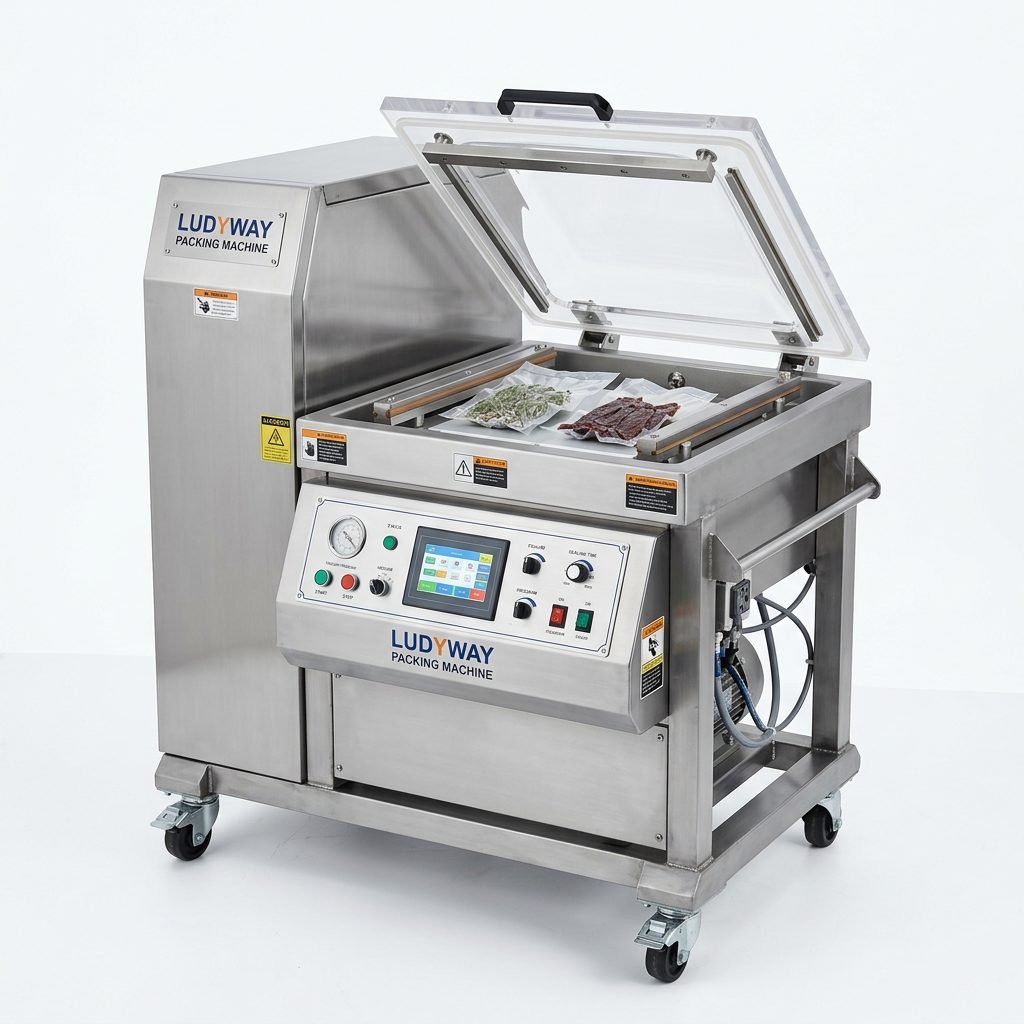
The DZ-260 is a single-chamber, table-top vacuum sealer characterized by a chamber length of approximately 260 mm. It uses a vacuum pump to extract air from the chamber and then heat-seals the bag, creating an airtight environment. Typical applications range from fresh meat, seafood, and cheese to electronic components and medical devices. Before purchasing, you need to examine more than just the model number.
Key Specifications to Evaluate
Chamber Size and Usable Space
Nominal chamber size is only the starting point. Evaluate the internal usable dimensions — the actual space available for your product once the seal bar and bag placement are considered. If you consistently pack products with a height over 80 mm, verify the chamber depth. A common mistake is purchasing a chamber that cannot accommodate the product plus the bag neck allowance.
- Measure your largest bag width and product height before selecting.
- Confirm the distance between the seal bar and the chamber front wall.
- Check if the machine supports a tilted insert plate for liquid-rich products.
Vacuum Pump Capacity and Ultimate Vacuum
Pump performance determines cycle time and final package quality. A higher capacity pump (measured in m³/h) accelerates air removal and maintains consistency during back-to-back cycles. The ultimate vacuum level, usually between 1–2 mbar, determines how much oxygen is left inside the package. For oxygen-sensitive products such as fresh meat, nuts, or pharmaceuticals, insist on a pump that achieves ≤ 2 mbar with fast cycle times.
- Oil-lubricated rotary vane pumps offer better vacuum levels for most DZ-260 units.
- Oil-free pumps reduce maintenance but may achieve a slightly higher ultimate vacuum.
- Ask for the nominal pumping speed (e.g., 10 m³/h or 20 m³/h) rather than just “high vacuum.”
Sealing Bar Length and Configuration
On a DZ-260, the standard seal bar length is often 260 mm, but some configurations offer a dual-seal option. A single bar is sufficient for most operations, but a double seal bar increases production throughput when packing multiple smaller pouches in one cycle. Evaluate the seal width as well — wider seals (3–5 mm) provide stronger, more consistent closures for heavier products or textured film.
| Specification | Typical DZ-260 Range | What to Verify |
|---|---|---|
| Chamber dimensions (mm) | 260 × 280 × 90 to 260 × 320 × 110 | Internal clearance with sealing bar installed |
| Seal bar length (mm) | 260 (single or dual bar) | Number of bars and seal width |
| Pump capacity (m³/h) | 10 – 20 | Oil type and pump brand (Busch, Value etc.) |
| Ultimate vacuum (mbar) | 1 – 2 | Actual reading on digital gauge vs. specification sheet |
| Cycle time (seconds) | 20 – 45 | Measured with a full chamber and standard bag |
Material Construction and Hygiene
A DZ-260 used in food or pharmaceutical environments should feature a full 304 stainless steel chamber and body. Stainless steel resists corrosion, simplifies sanitation, and complies with HACCP and GMP requirements. Check the lid — transparent acrylic lids allow operators to see the bag positioning, but the frame should still be stainless steel. Avoid painted steel chassis that may peel or contaminate products.
Control System and Automation
Basic DZ-260 machines rely on manual timers with rotary knobs. While functional, these offer limited repeatability. A digital control panel with precise time settings (separate vacuum, sealing, and cooling times) and programmable memory slots significantly reduces operator error and improves consistency across batches. If you package products with varying bag sizes, look for models that store multiple recipe presets.
Industry Compliance and Safety Standards
Compliance with international standards is non-negotiable if you export products or supply regulated markets. A well-designed DZ-260 should align with machine safety directives and, where applicable, material contact regulations. Refer to FDA food packaging and food contact substances guidelines when packing edible products. For medical device packaging, the ISO 11607 standard for terminally sterilized medical devices sets the benchmark for validation and performance.
Maintenance, Spare Parts, and After-Sales Support
Routine maintenance is straightforward: vacuum pump oil changes, seal bar cleaning, and occasional gasket replacement. The real differentiator among suppliers is spare parts availability and responsive technical support. Before committing, confirm the lead time for consumables such as heating elements, Teflon tape, and gaskets. A machine out of service for weeks due to a missing seal bar cancels any savings from a lower initial price.
For buyers who require consistent after-sales service and application support, working with an established manufacturer matters. Ludyway Machinery, with more than 30 years of experience in packaging machinery and a 20,000-square-meter manufacturing facility, provides engineering support and customized packaging solutions that go beyond standard equipment.
Budget and Return on Investment
A DZ-260 vacuum packing machine is an affordable entry point, but total cost of ownership extends beyond the invoice price. Consider:
- Pump quality and energy consumption. A high-efficiency pump reduces electricity costs over time.
- Consumable lifespan. Genuine spare parts and regular maintenance avoid premature failures.
- Production uptime. A machine with faster cycles and digital controls pays for itself through increased throughput.
- Warranty and local service. Clarify whether the warranty covers the pump, electronics, and sealing system separately.
Final Checklist Before Purchase
- Chamber dimensions confirm your largest product fits with room to seal.
- Pump capacity and ultimate vacuum meet the oxygen sensitivity of your product.
- Construction uses 304 stainless steel with a sturdy, chemical-resistant seal bar.
- Control panel provides separate digital time settings and programmable memory.
- Spare parts and technical support are available with clearly defined lead times.
- Machine complies with relevant food safety and industrial standards, including those referenced by PMMI packaging industry resources.
Selecting the right DZ-260 vacuum packing machine is about matching technical capability to real-world operating conditions. By focusing on chamber usability, pump performance, build quality, and reliable support, you can invest in a machine that delivers consistent vacuum quality and long-term value for your packaging operation.