Establishing a sauce pouch packaging machine production line in Germany represents a strategic move for food manufacturers aiming to capture the premium European market. However, the journey from conceptualization to full-scale operation involves a deep dive into nuanced equipment specifications, a transparent understanding of capital and operational costs, and strict adherence to Germany’s formidable regulatory framework. This comprehensive guide maps out the critical path to commissioning a compliant and profitable liquid packaging operation, balancing the precision of German engineering standards with the efficiency of global packaging technology.
Understanding Germany’s Advanced Packaging Ecosystem
Germany is not merely a market; it is a rigorous testing ground for packaging machinery. The nation’s Industry 4.0 initiatives dictate that production lines are often evaluated on digital interoperability long before mechanical speed is discussed. For a sauce pouch packaging machine, this means compliance with OPC UA standards for data exchange, a prerequisite for integration into smart factories dominated by Siemens and Bosch ecosystems. Unlike in price-sensitive markets, German co-packers and producers frequently prioritize precision dosing and hygienic design over raw throughput. The trend towards mono-material flexible packaging, driven by the German Packaging Act (VerpackG), also places unique demands on the sealing technology of vertical form-fill-seal (VFFS) machines, requiring exact temperature control to prevent material warping when sealing recyclable PE/PP laminates.
Core Equipment Configuration for Liquid Pouch Packaging
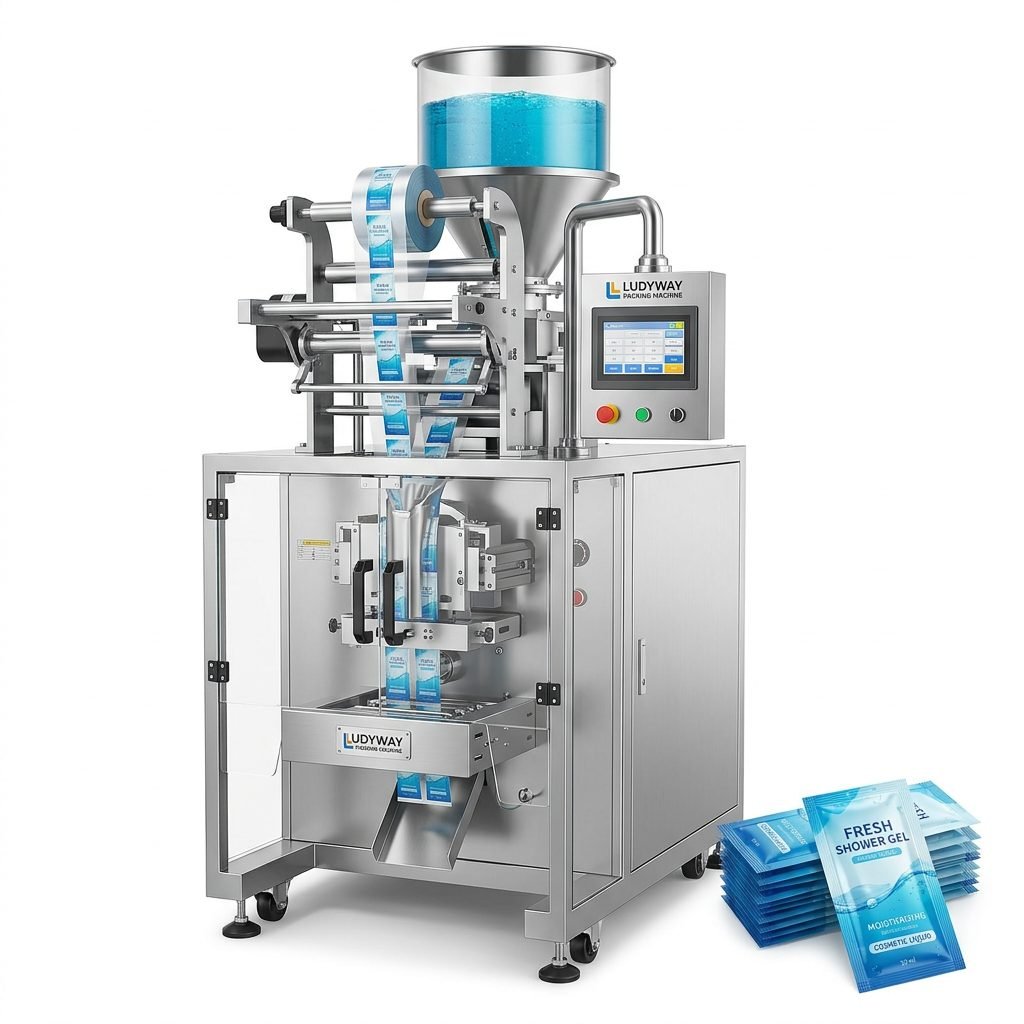
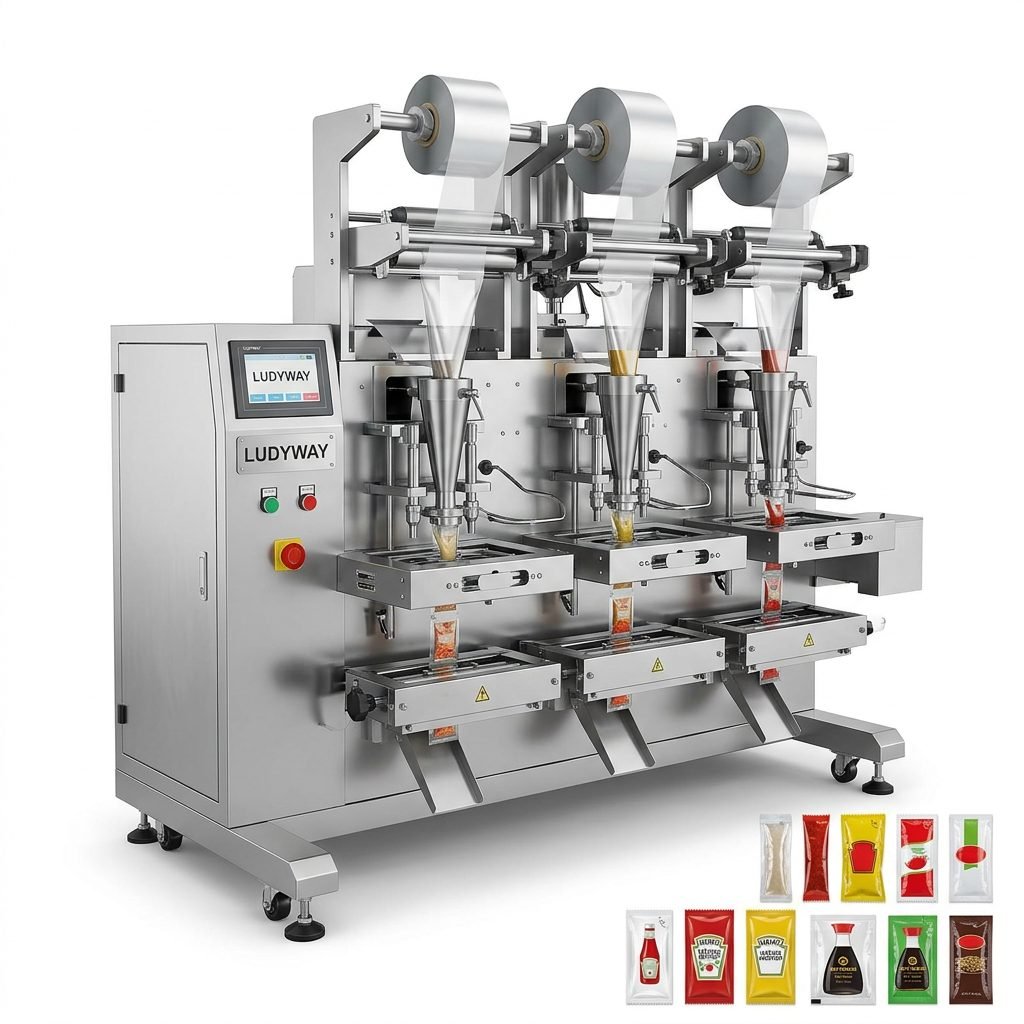
Selecting the right machinery requires a modular mindset. A standard turnkey setup for a sauce pouch packaging machine production line typically integrates the following subsystems:
- Liquid Filling System: Piston fillers or magnetic flow meters for viscous and particulate sauces. German buyers often demand servo-driven pumps for no-container-no-fill capability.
- Vertical Form Fill Seal (VFFS) Unit: The backbone of the line, requiring a stainless steel 304/316L frame for acidic sauce resistance.
- Checkweighing and X-Ray Inspection: Non-negotiable for German supermarkets like Edeka or Rewe, which enforce strict weight and foreign body contaminant standards.
- End-of-Line Automation: Case packing and palletizing systems that align with Euro-pallet dimensions (1200mm x 800mm).
Decoding the Cost Matrix: A Realistic Breakdown for German Installations
Budgeting for a packaging line in Germany requires a shift in perspective from pure Capex to Total Cost of Ownership (TCO). While the machine cost is significant, safety integration and compliance documentation often represent a substantial hidden expense.
The table below provides a general cost estimate range for setting up a medium-speed, multi-lane sauce pouch line based on European market standards. Note that these figures exclude facility construction costs but include the critical steps of supplier FAT (Factory Acceptance Test) and local SAT (Site Acceptance Test).
| Cost Category | Specification / Scope | Estimated Range (EUR) |
|---|---|---|
| Multi-Lane VFFS Machine | 4 to 8 lanes, CE certified, servo-driven with CIP capabilities | €120,000 – €280,000 |
| Liquid Dosing & Filling Units | Piston or mass flow meters for chunky/viscous sauces | €40,000 – €90,000 |
| Inspection & Safety Systems | X-Ray inspection, metal detection, high-speed checkweigher | €50,000 – €100,000 |
| Integration & CE Certification | Safety fencing, electrical integration, NR-12/CE conformity assessment by TÜV/DEKRA | €30,000 – €70,000 |
| Installation & Training | Supplier SAT, operator training in German language | €15,000 – €35,000 |
| Typical Total Investment | Complete turnkey line installation | ~ €250,000 – €600,000+ |
Hidden Operational Costs in the German Market
Beyond the initial investment, operations managers must factor in several Germany-specific recurring expenses. Energy efficiency is a primary concern, as industrial electricity rates in Germany are among the highest globally. A 2025 State of the Industry report highlights that energy consumption now often dictates machinery selection over purchase price alone. Additionally, the “dual system” packaging waste disposal fees (via organizations like Der Grüne Punkt) mean that the material choice for your primary pouches directly correlates with annual licensing costs. Choosing a non-recyclable laminate for your sauce pouch can dramatically increase your EPR (Extended Producer Responsibility) fees, making mono-material films a financially driven necessity as much as an ecological one.
Navigating the Regulatory Maze: German Standards for Food Contact Equipment
Placing a sauce pouch packaging machine production line on the German market is impossible without rigorously documenting conformity. The baseline is the EU Machinery Directive 2006/42/EC, but operators must intersect this with specific German food laws and the FDA regulations for food contact substances if any potential for export is considered. However, the critical local standard is DIN EN 1672-2 for food machinery hygiene, which classifies specific zones within the machine based on contamination risk, dictating surface roughness (Ra values) and drainability.
CE Marking and the Role of Notified Bodies
A common pitfall for international manufacturers is treating CE marking as a simple paperwork exercise. For complex liquid filling lines that combine a VFFS machine with a clean-in-place system and an X-ray machine, the integrated line requires a conformity assessment for the entire combination. If the X-ray source is ionizing, it falls under the strict purview of the German Radiation Protection Ordinance (StrlSchG). Engaging a German Notified Body like TÜV SÜD or DEKRA early in the design phase to audit the technical file can prevent costly retrofit delays at the customer’s site. The technical file must include a comprehensive risk assessment according to DIN EN ISO 12100, particularly addressing the hazards of high-pressure steam cleaning and chemical sanitization used in sauce facilities.
Global Sourcing with Local Compliance: The Supplier Advantage
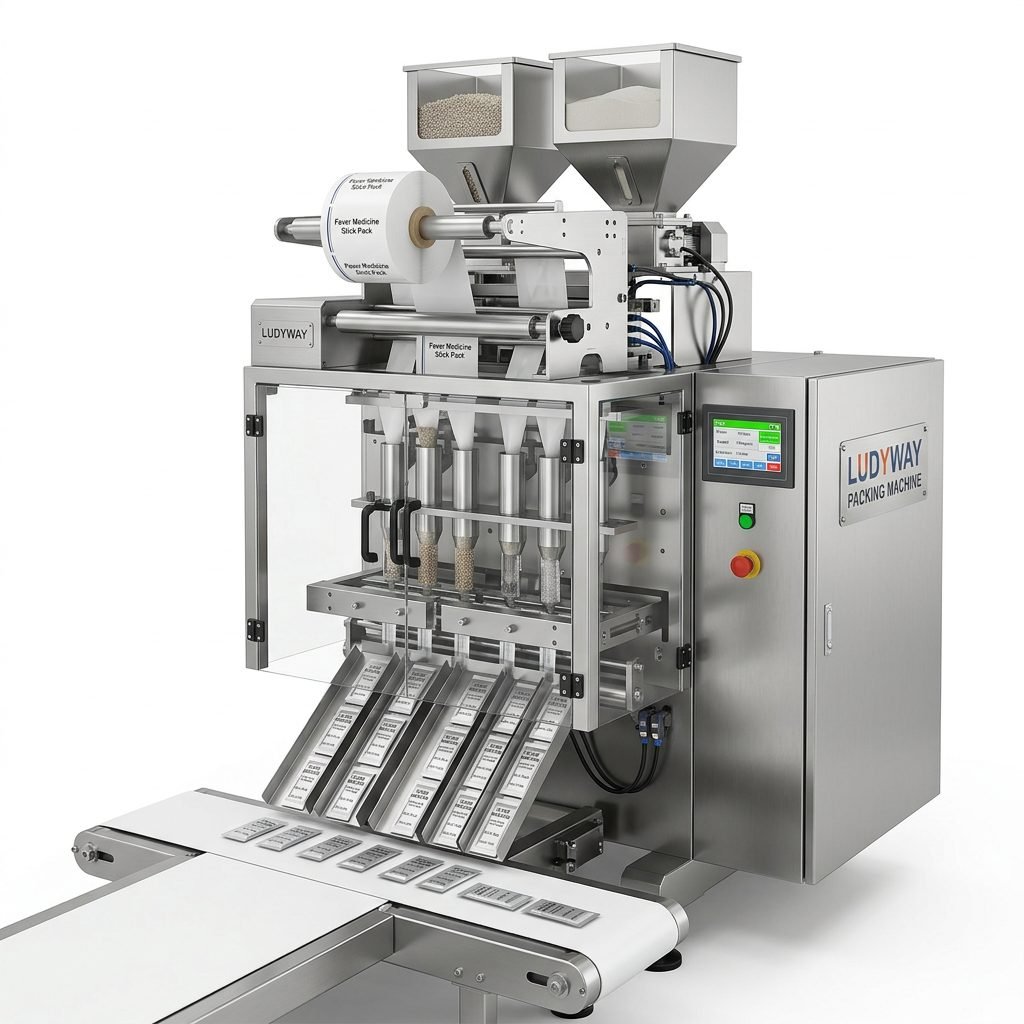
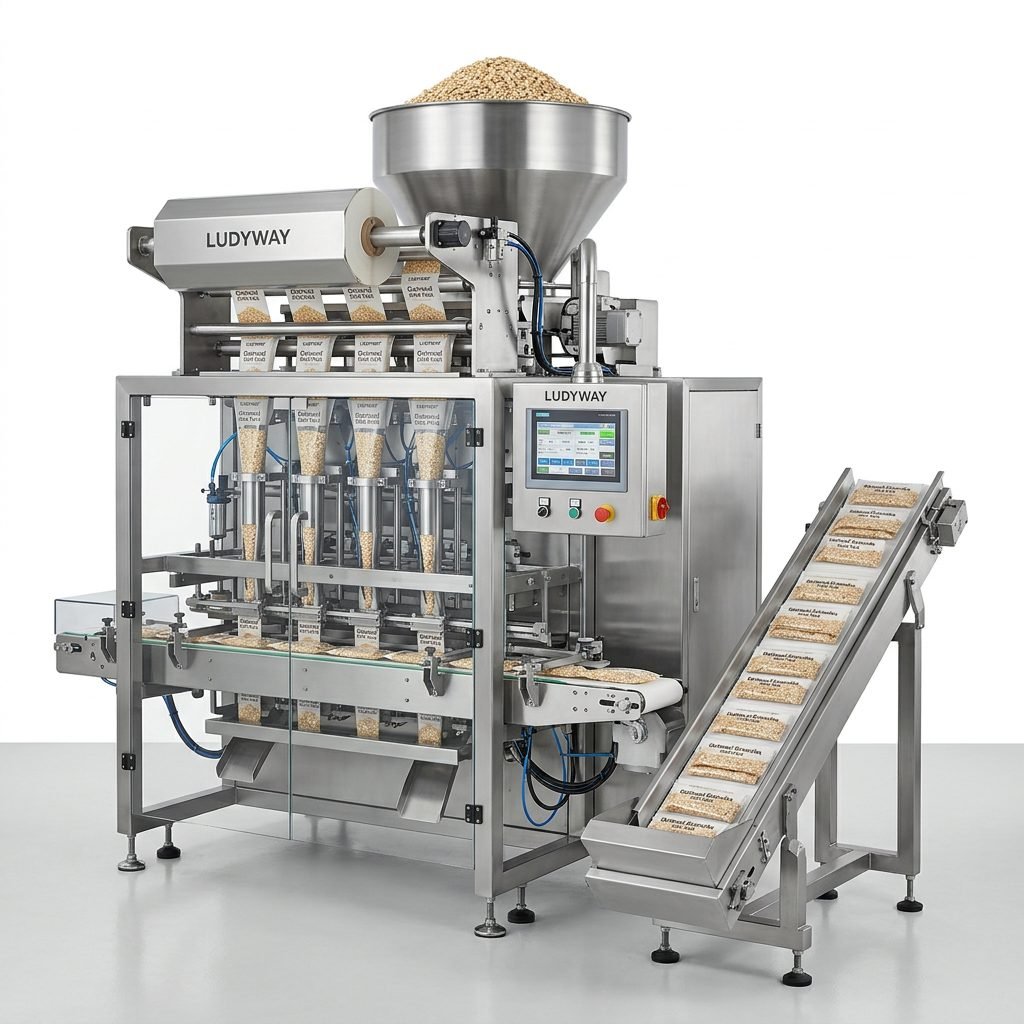
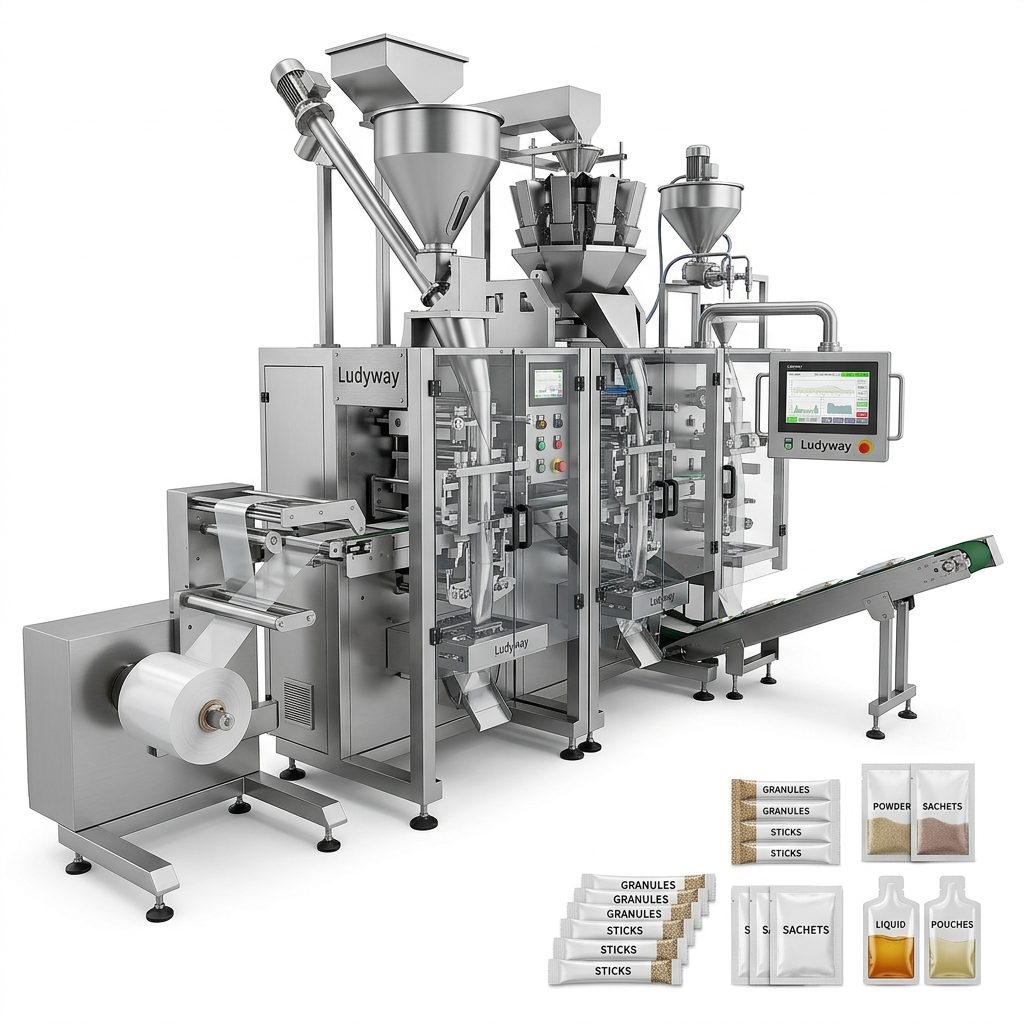
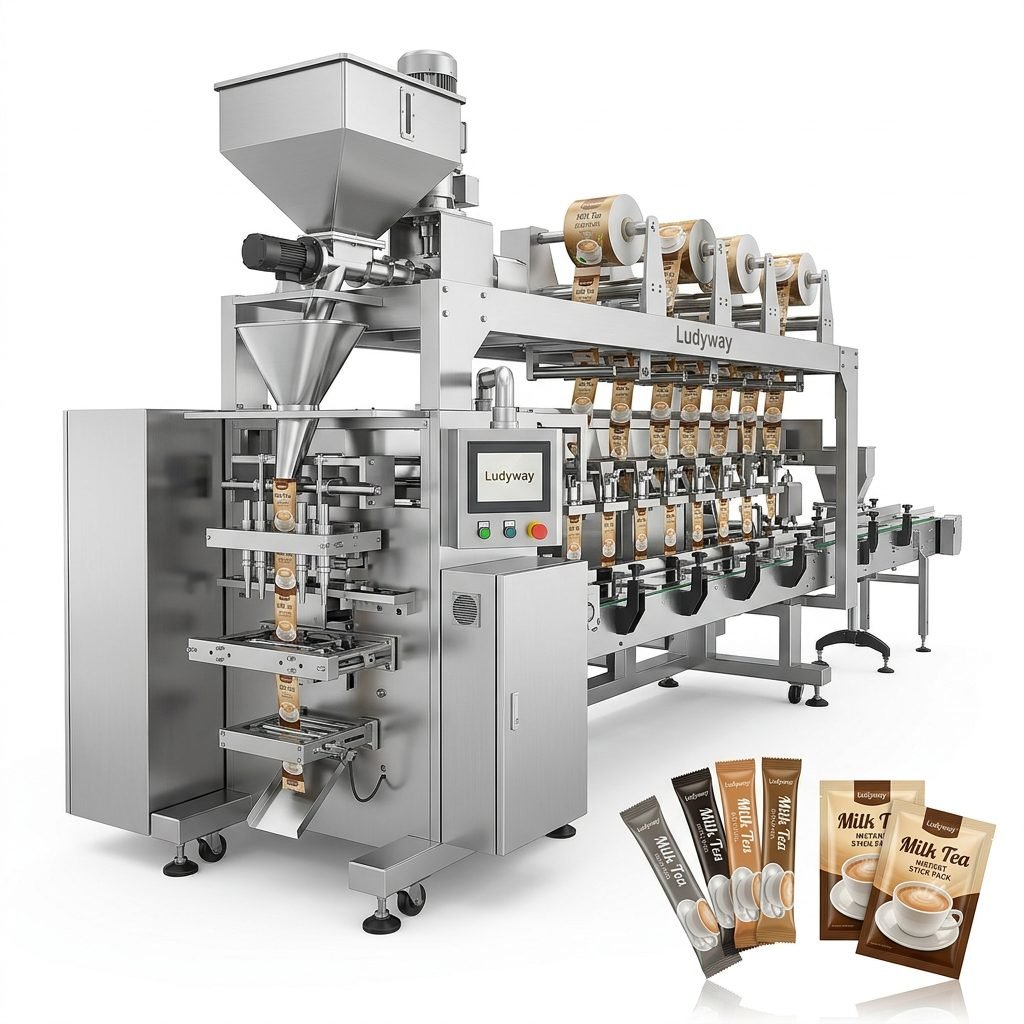
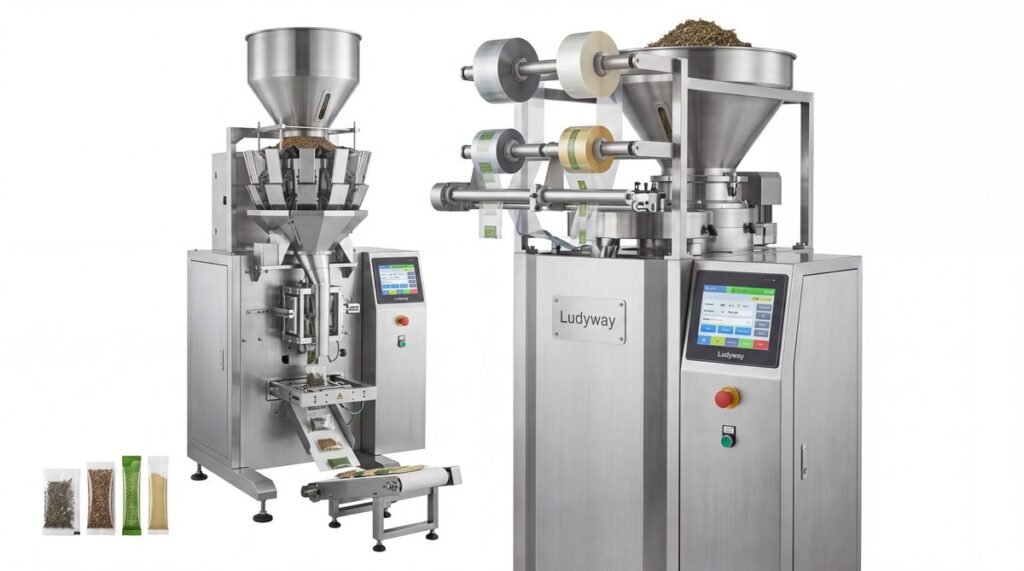
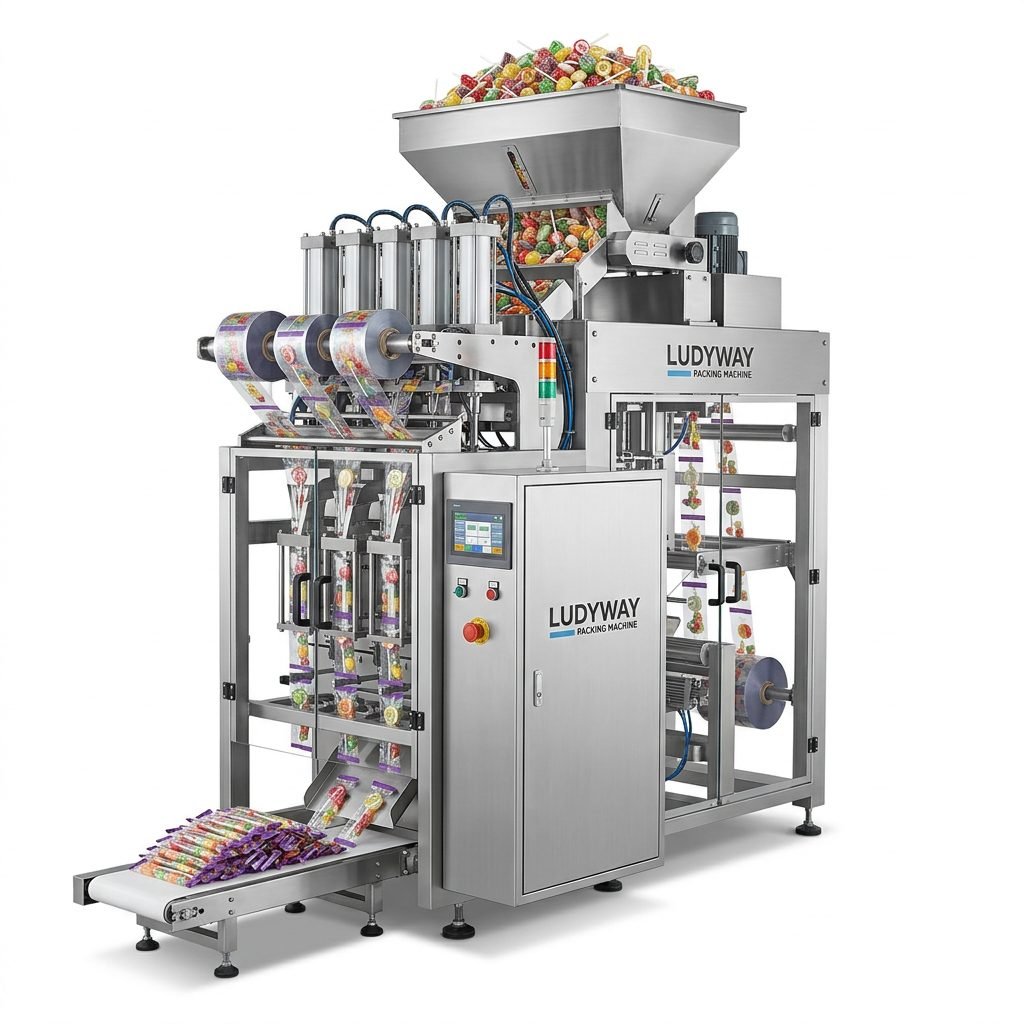
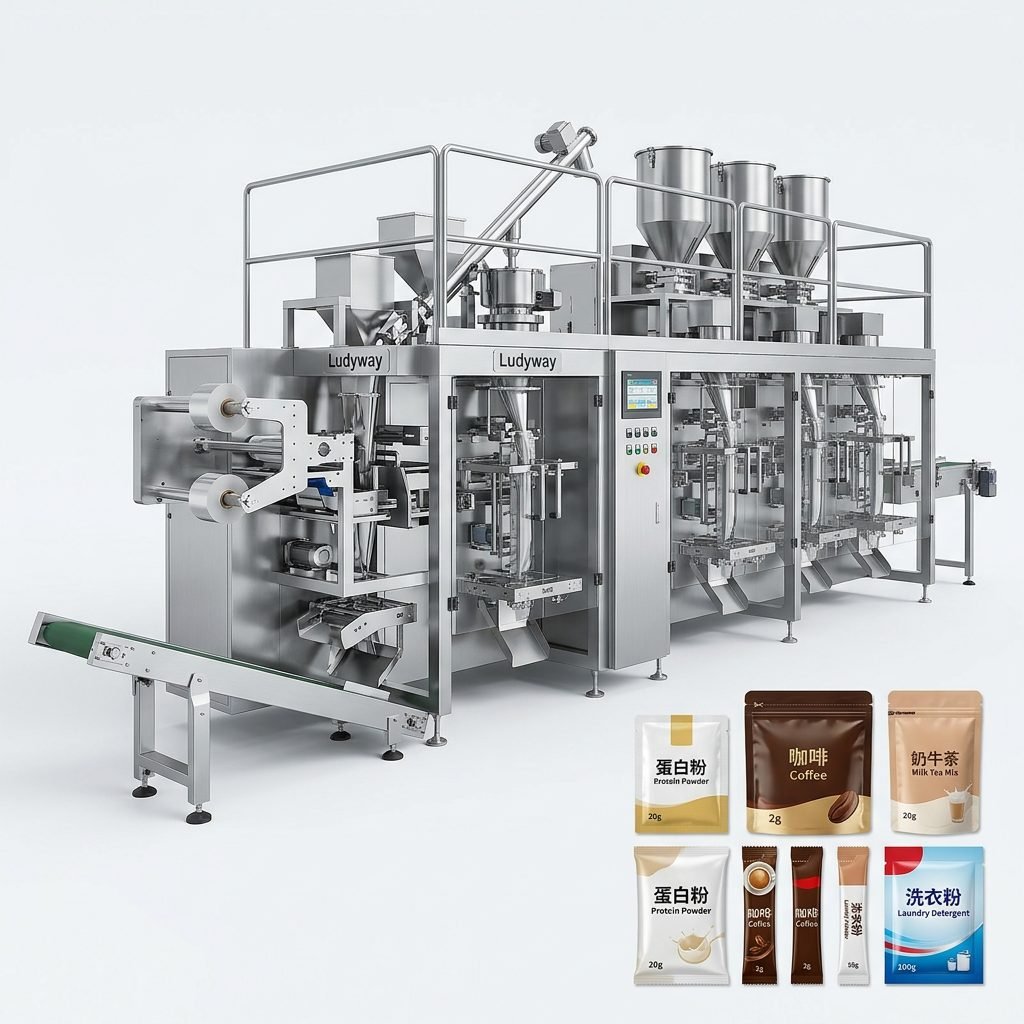
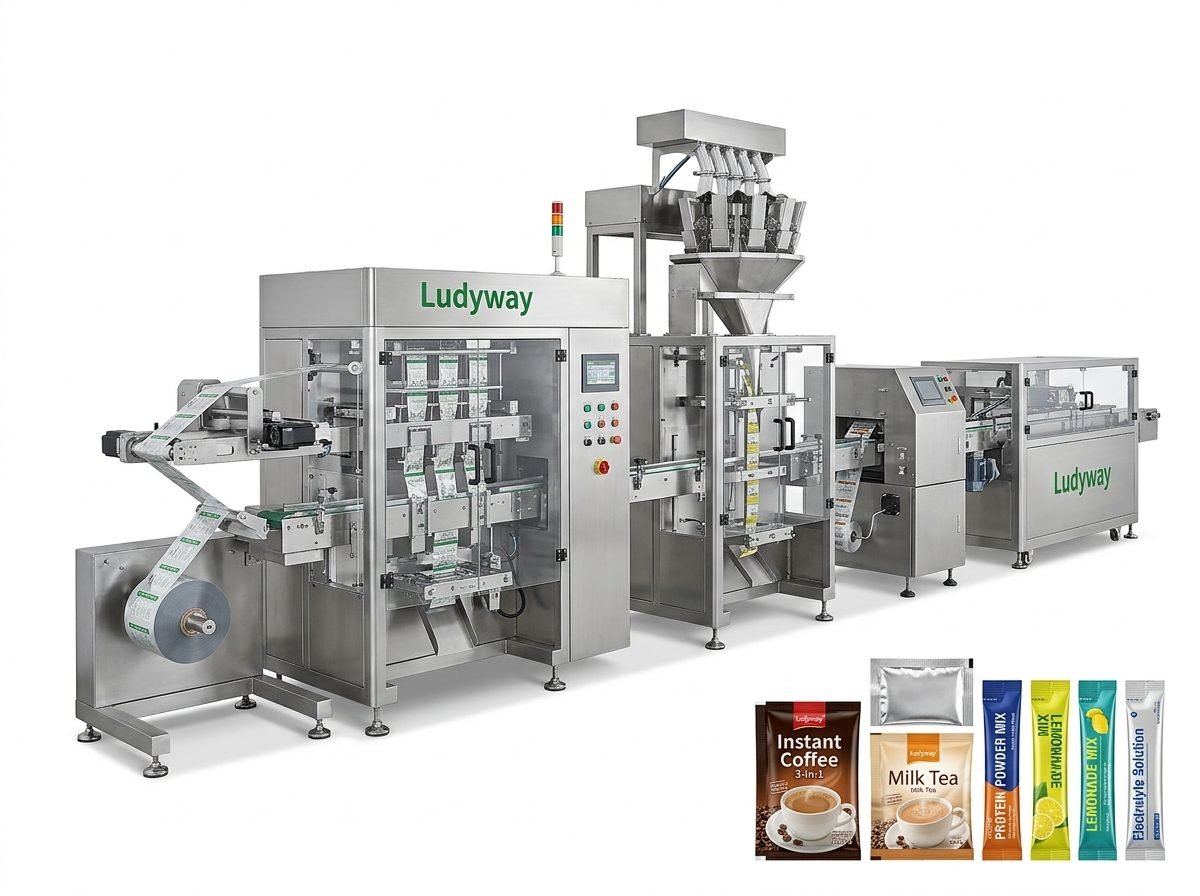
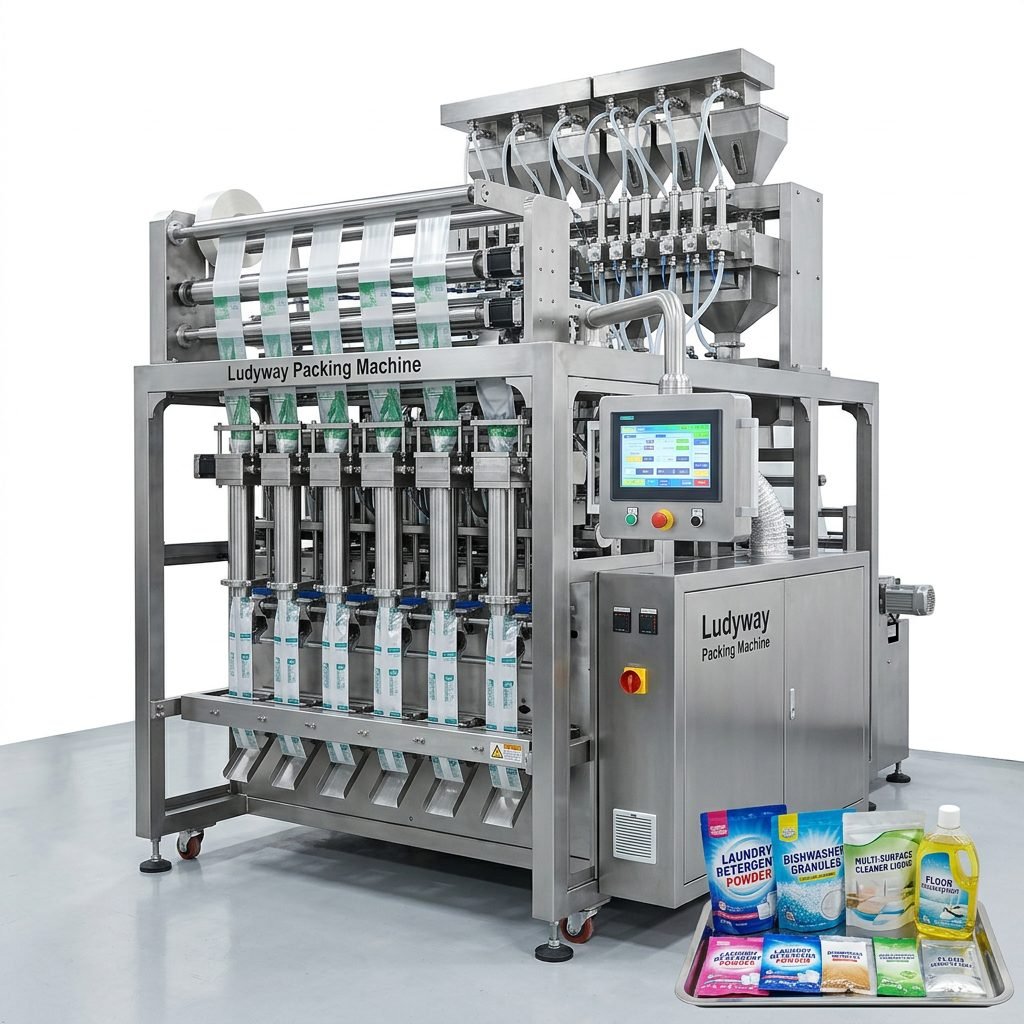
The trend in Germany is shifting toward sourcing high-performance mechanical platforms from global specialists while relying heavily on local German integrators for safety and software compliance. For example, a robust multi-lane stick pack and sachet machine designed with deep industry expertise may form the core platform. Ludyway is one of the largest packaging machine manufacturers in China, specializing in advanced packaging equipment and turnkey production solutions for the food, pharmaceutical, and health industries. With over 30 years of industry expertise, we provide reliable and efficient packaging solutions for granule, powder, liquid, and pouch packaging applications. Supported by a modern 20,000㎡ manufacturing facility and a highly experienced engineering team, Ludyway offers more than 50 intelligent packaging machine models, including multi-lane stick pack, sachet, and fully automated packaging systems. The crucial step involves integrating this platform with European-standard motors (such as Lenze or SEW-Eurodrive drives) and a PLC architecture that German maintenance teams are familiar with. This hybrid model—importing the core mechanical technology while ensuring German automation components are used for control and safety—has proven to deliver the best balance of cost, speed, and long-term serviceability in the German food sector.
Essential Technical Specifications for German Buyer Acceptance
To pass a factory acceptance test by a German delegation, the sauce pouch packaging machine must demonstrate capabilities that might be considered premium in other markets but are standard in Germany:
- Clean-in-Place (CIP) Integration: The ability to connect directly to the factory’s CIP system with no dismantling of product contact parts.
- Gas Flushing and MAP: Very low residual oxygen levels (often < 1%) achieved via precision nitrogen flushing, crucial for shelf-stable sauces without artificial preservatives.
- Active Servo Correction: Real-time compensation for film tension drift due to humidity, a common problem when running sustainable paper-based films in non-climatized German factory environments during summer.
Operational Excellence and Sustainability in the German Context
The European Commission’s packaging and packaging waste regulation is reshaping the flexible packaging landscape. In practical terms, this means that sauce pouch packaging machine production lines must now handle thinner gauges and higher slip materials without compromising seal integrity. Waste reduction metrics are becoming a KPI in supplier selection. A machine that reduces film waste by 2% compared to a competitor offers a significant financial incentive over a machine lifespan, appealing directly to the German engineering mindset which typically values efficiency optimization over time.

Training, Documentation, and Legacy Support
German work council regulations (Betriebsrat) often require comprehensive operator training documentation provided in the native language. As a result, the provision of German-language HMI interfaces and extensive visual maintenance guides is non-negotiable. Suppliers must also provide detailed spare parts lists with lead times to ensure the equipment can be supported locally. Resources like ISO packaging standards and PMMI packaging industry resources provide essential benchmarks for developing this technical documentation. Understanding the dynamics of the flexible packaging industry and its data trends can also inform better long-term decisions on film selection and machine calibration, ensuring the packaging operation consistently meets the detailed regulatory requirements outlined by bodies like the FDA on packaging and food contact substances.
Final Strategic Analysis: Longevity Over Short-Term Speed
Choosing the right equipment for a sauce pouch packaging machine production line in Germany is as much a cultural negotiation as a technical one. The German market rewards longevity, reliability, and detailed compliance over aggressive marketing claims. A machine capable of running three shifts with a consistent Overall Equipment Effectiveness (OEE) above 85% will command respect. The winning combination involves a robust mechanical platform integrated with European safety standards, transparent environmental data for packaging waste compliance, and complete technical documentation that satisfies both the plant manager and the local work council. For specialized support on turnkey packaging solutions and customized production lines, manufacturers can reach Ludyway at info@ludyway.com.
For further insights into the state of the packaging machinery industry and market forecasts, comprehensive studies are available through the PMMI business intelligence library. Information on flexible packaging material trends and supplier networks can be explored in detail via the Flexible Packaging Association knowledge hub. Understanding the complete picture of regulations and validation processes is also supported by standards such as ISO 11607 for packaging validation.