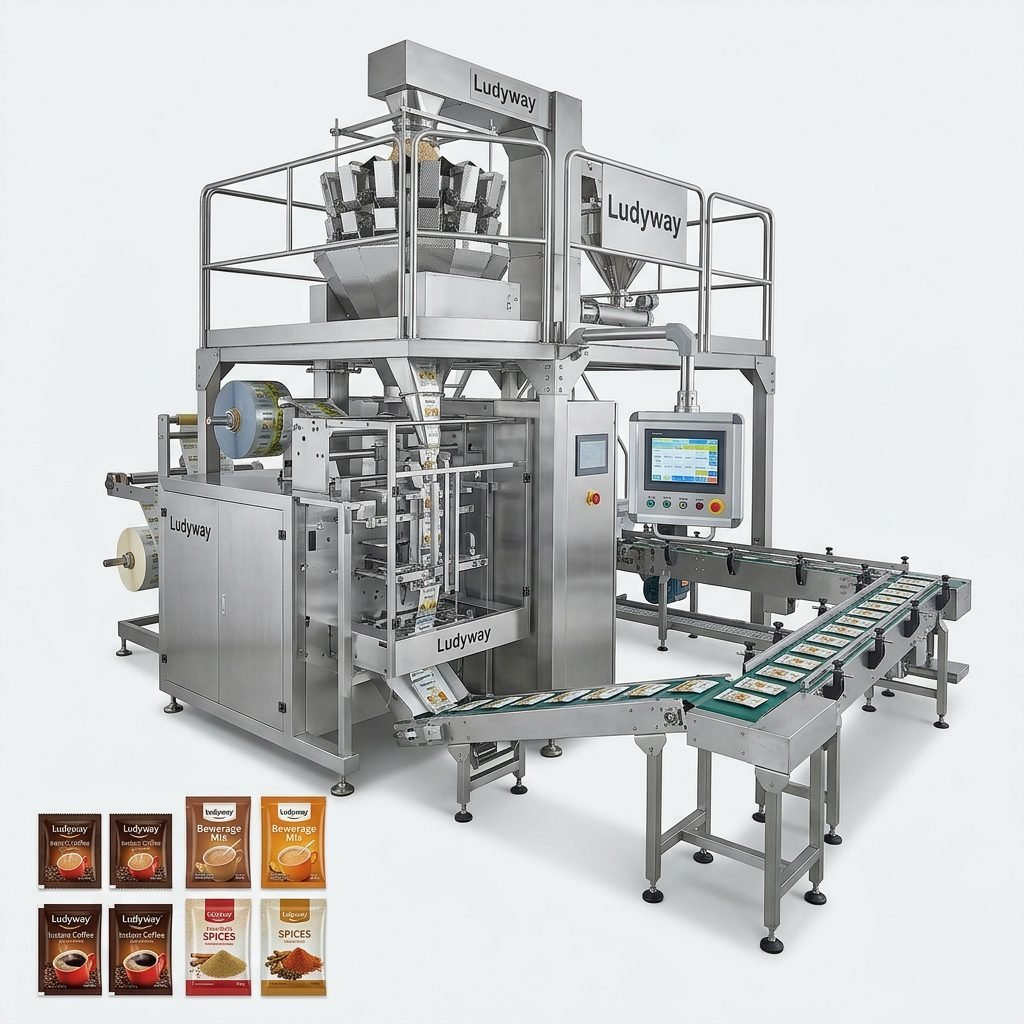
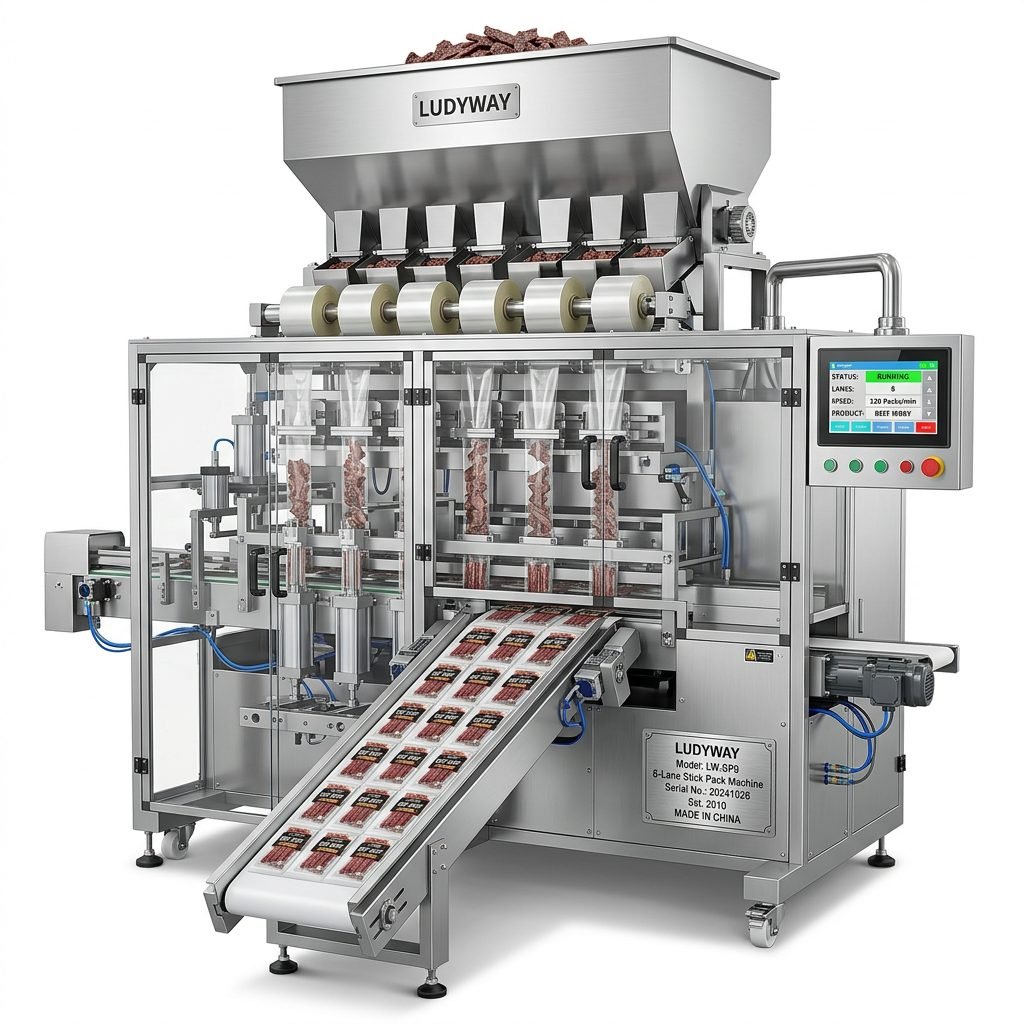
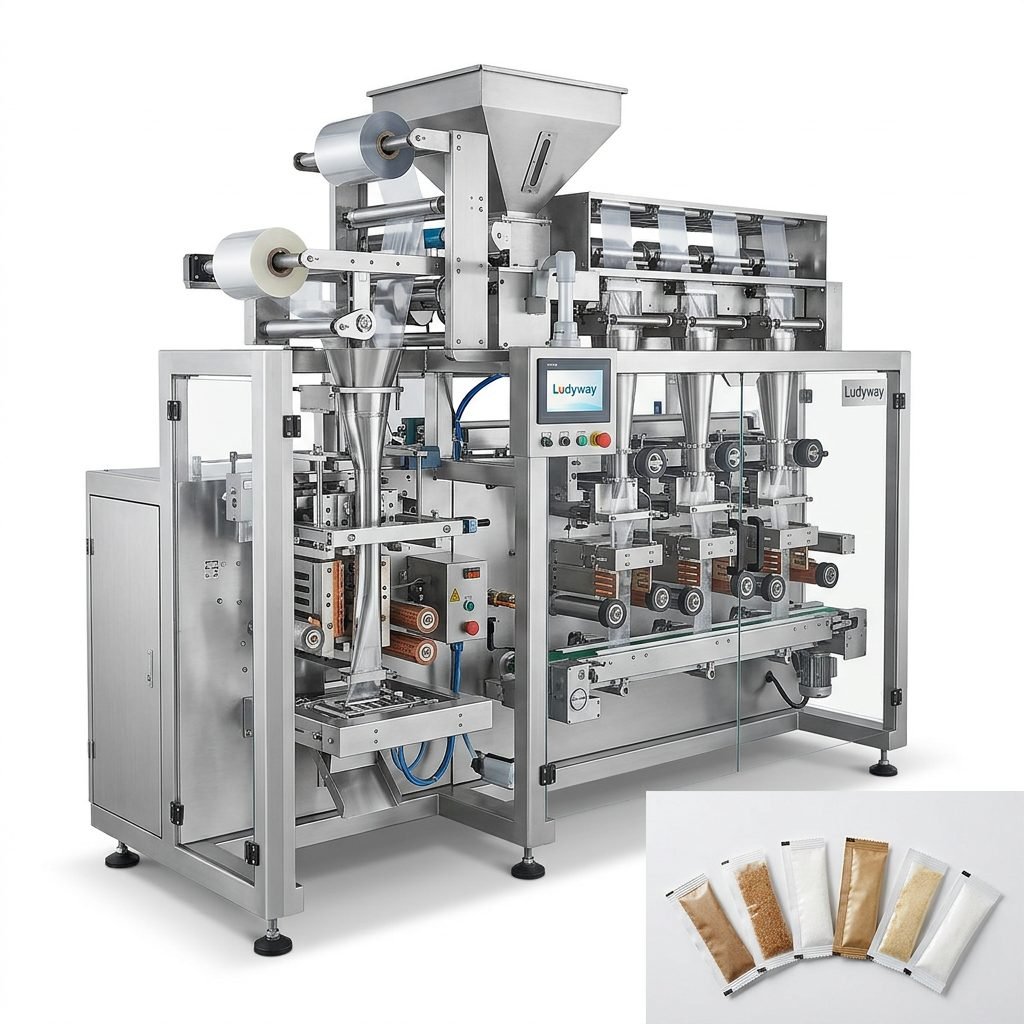
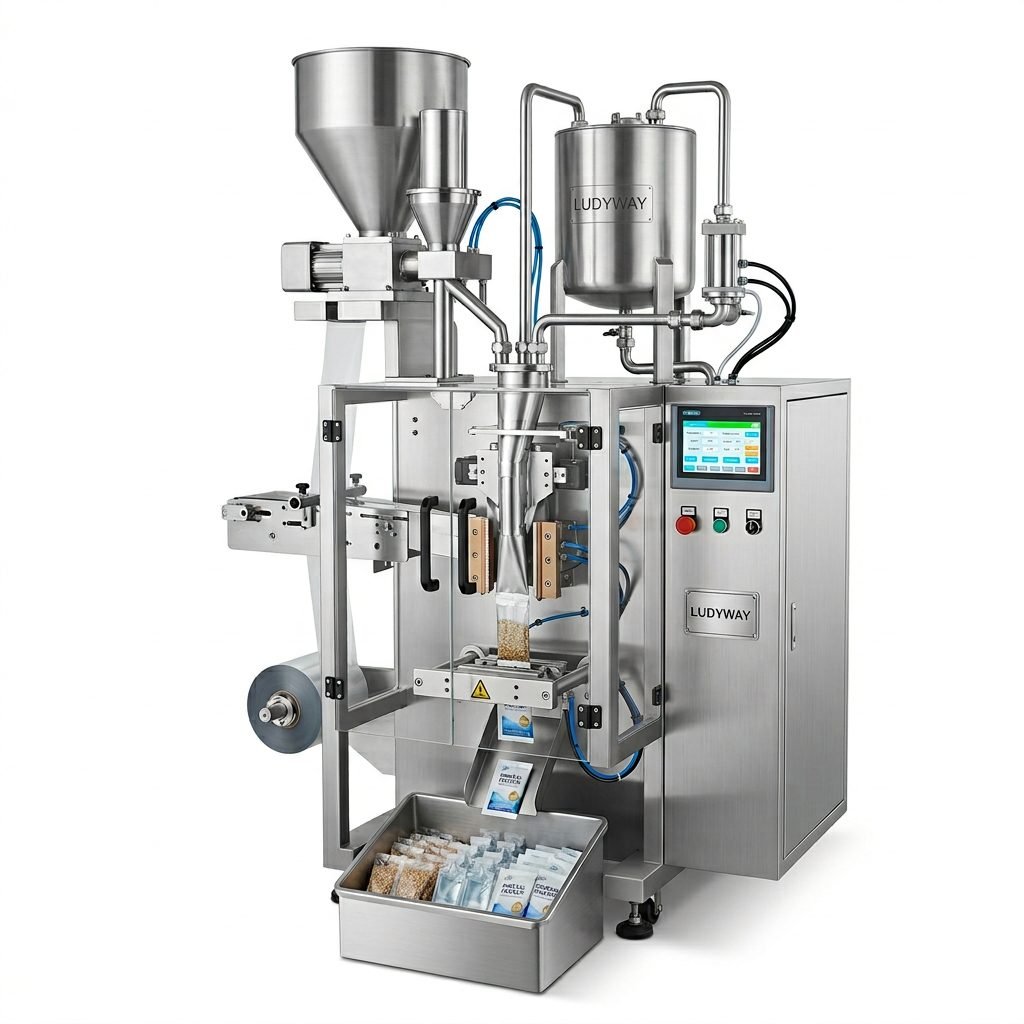
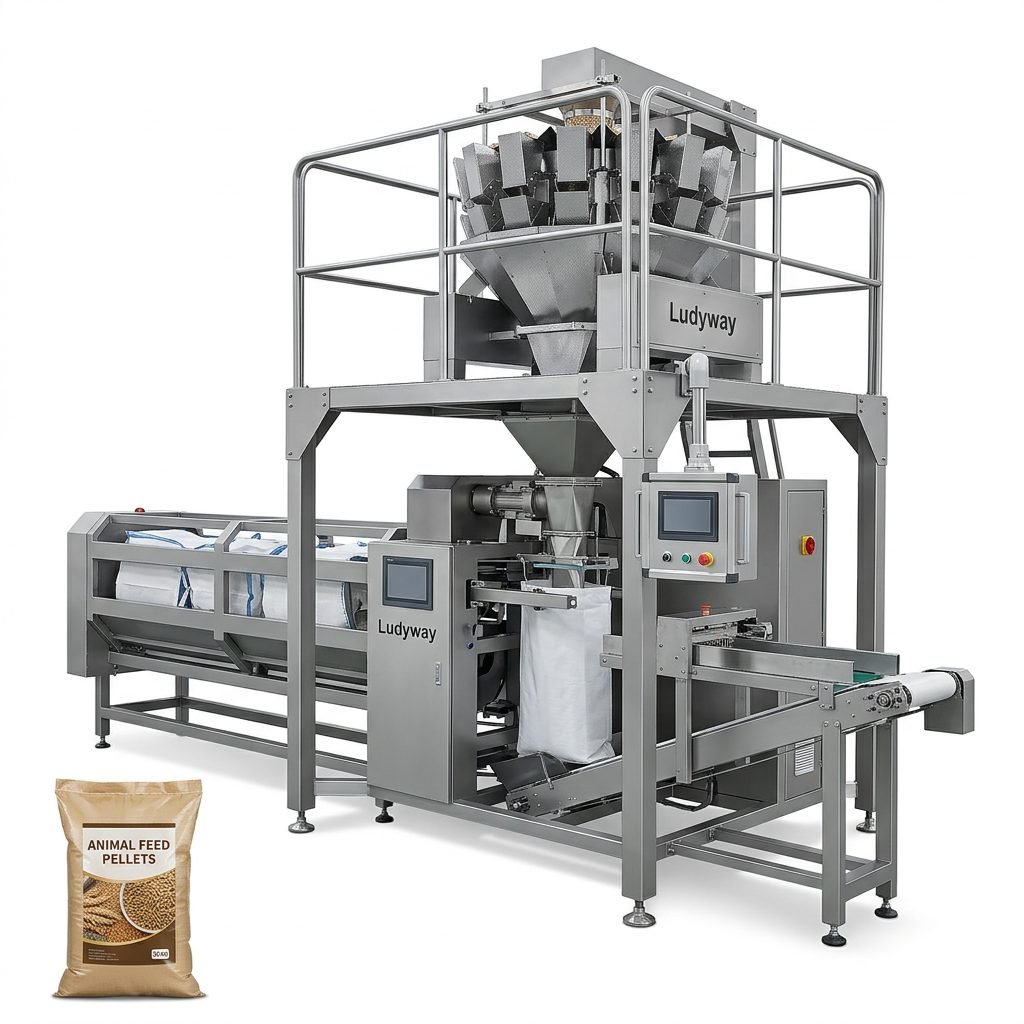
In modern bakery production, packaging is no longer just the final step. It directly affects product freshness, shelf appeal, hygiene, delivery efficiency, and retail performance. A reliable bakery packing machine helps bakeries package bread, cakes, cookies, muffins, pastries, and baking mixes with greater speed and consistency while reducing labor pressure and material waste.
For growing bakeries and industrial food brands, choosing the right packaging solution means balancing output, package style, sealing quality, product protection, and long-term operating cost. Whether you run a local baked goods factory or a large-scale export operation, automation can create a more stable and scalable packaging process.
Why Bakery Packaging Matters More Than Ever
Bakery products are often delicate, moisture-sensitive, and highly time-dependent. Poor packaging can lead to broken items, stale texture, oil migration, contamination risks, and unattractive presentation. An efficient bakery packing machine is designed to help manufacturers maintain quality from production line to store shelf.
- Freshness protection: Better sealing helps reduce exposure to air and humidity.
- Consistent appearance: Uniform packs improve brand image and retail display.
- Higher throughput: Automated systems can handle larger volumes with less manual intervention.
- Food safety compliance: Controlled packaging processes support hygienic production standards.
- Reduced product loss: Gentle feeding and stable sealing lower breakage and rejects.
What Is a Bakery Packing Machine?
A bakery packing machine is specialized equipment used to pack baked goods or bakery-related ingredients into pouches, sachets, stick packs, flow wraps, bags, trays, or cartons. Depending on the product type, these machines may include feeding, weighing, filling, sealing, coding, inspection, cartoning, and end-of-line handling functions.
Bakery packaging systems may be used for:
- Bread loaves and buns
- Cookies and biscuits
- Cakes and cupcakes
- Pastries and croissants
- Bakery premixes and powdered ingredients
- Sugar, cocoa, creamers, and flavor sachets used in bakery channels
Common Bakery Products That Need Automated Packaging
| Bakery Product | Typical Packaging Format | Key Packaging Need |
|---|---|---|
| Bread & buns | Pillow bags, clip bags, pouches | Soft handling and freshness retention |
| Cookies & biscuits | Flow wrap, tray wrap, cartons | Breakage control and clean presentation |
| Cake slices | Individual pouches, trays, boxes | Seal integrity and portion convenience |
| Muffins & cupcakes | Trays, clamshells, flow wrap | Shape protection |
| Bakery premixes | Sachets, stick packs, pouches, bags | Accurate filling and moisture resistance |
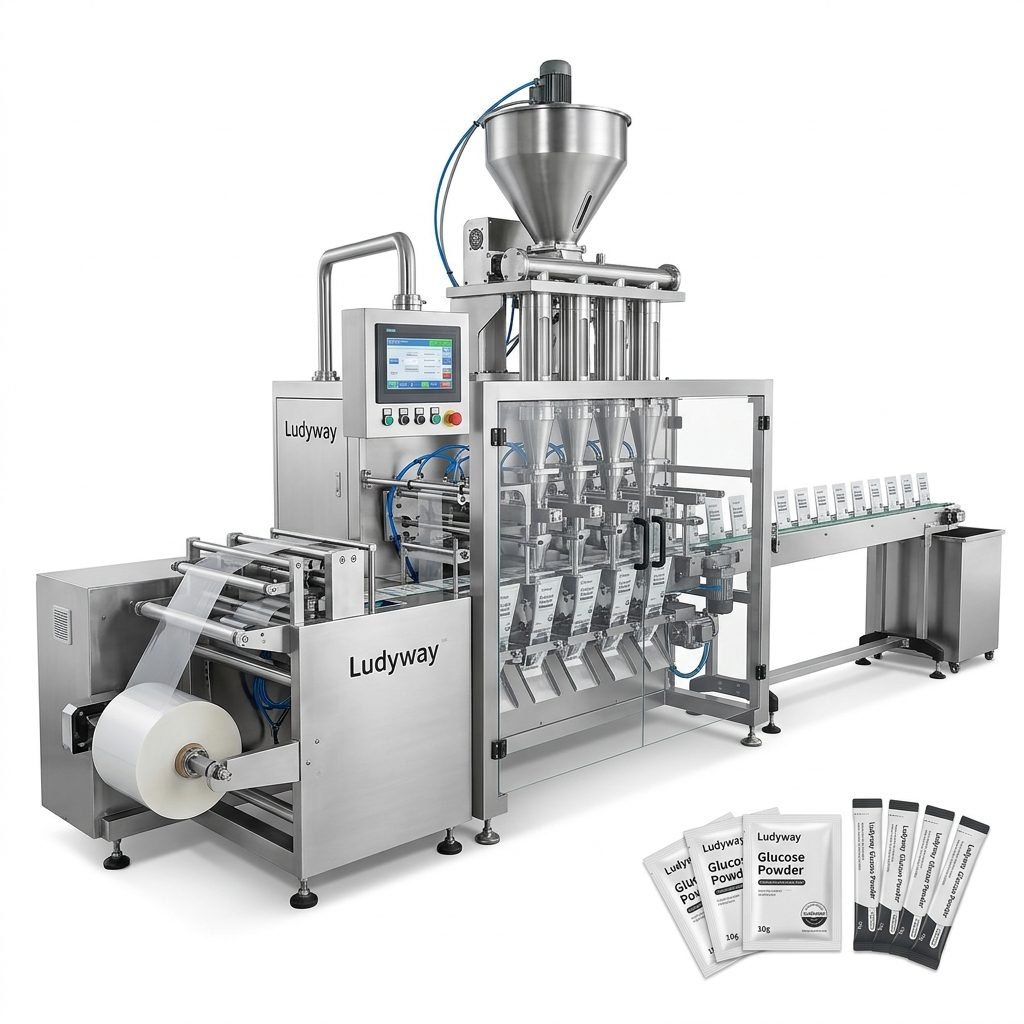
| Toppings & powdered ingredients | Small sachets, multi-lane stick packs | High-speed dosing and portion control |
Types of Bakery Packing Machines
1. Flow Wrapping Machines
These are commonly used for bakery products such as cookies, sponge cakes, bread rolls, and bars. Flow wrappers create neat pillow-style packages and work well for individual or grouped products.
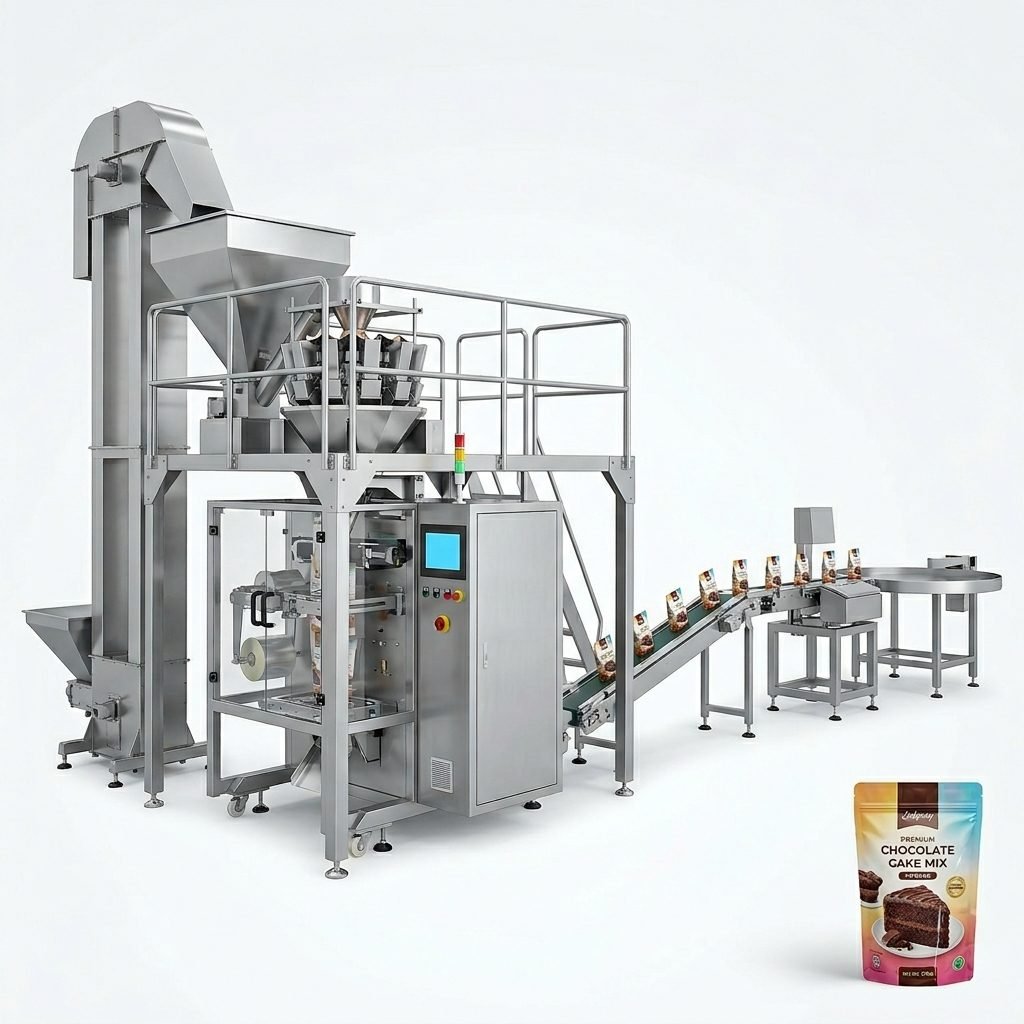
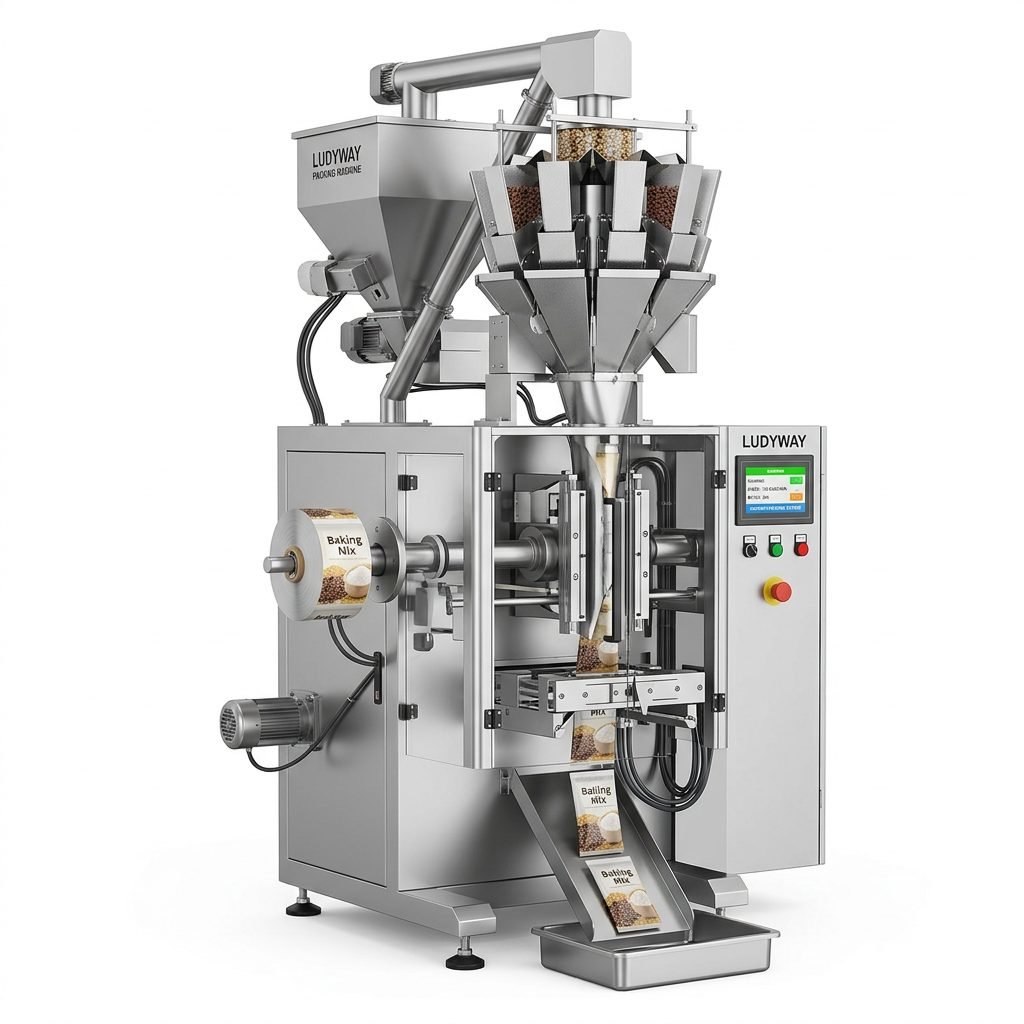
2. Vertical Form Fill Seal Machines
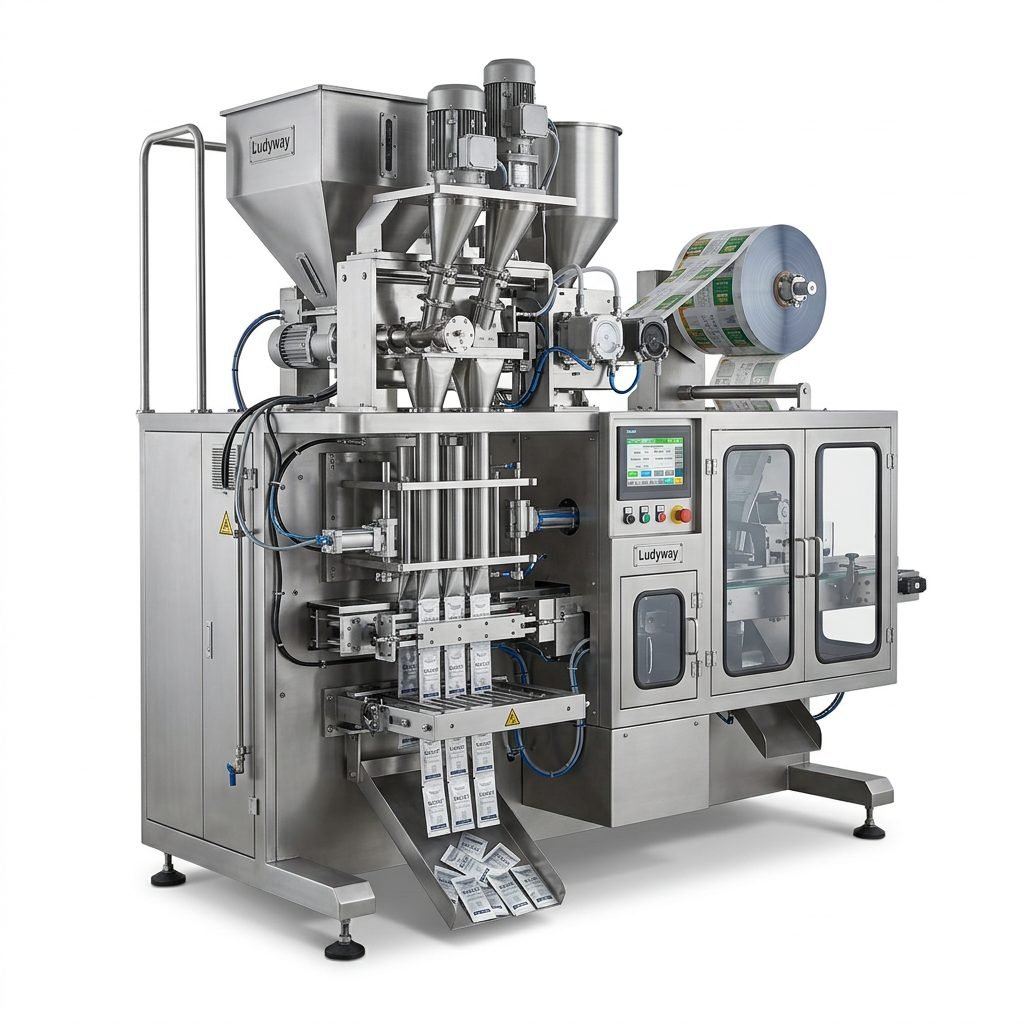
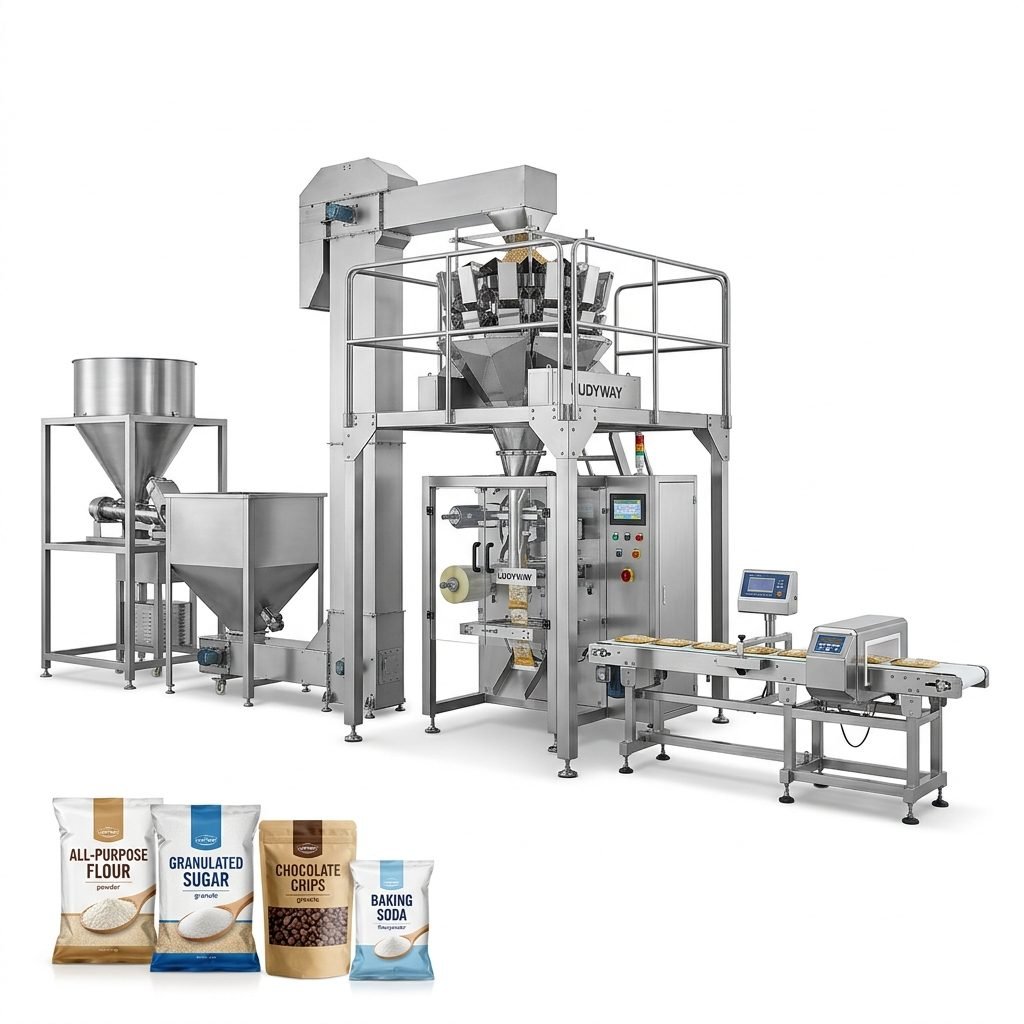
VFFS equipment is suitable for powdered and granular bakery ingredients, such as cake mix, cocoa powder, sugar, and dry toppings. It forms the bag from film, fills the product, and seals it automatically.
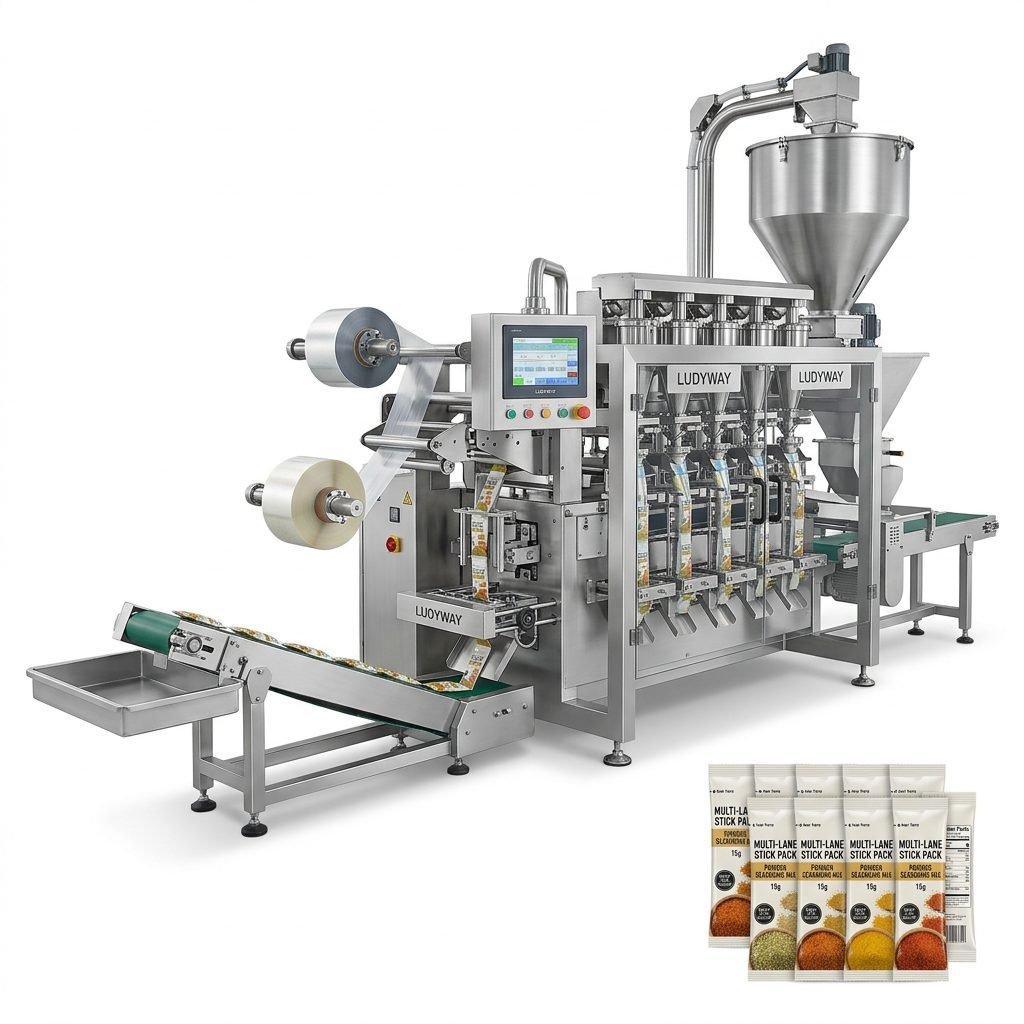
3. Multi-Lane Sachet and Stick Pack Machines
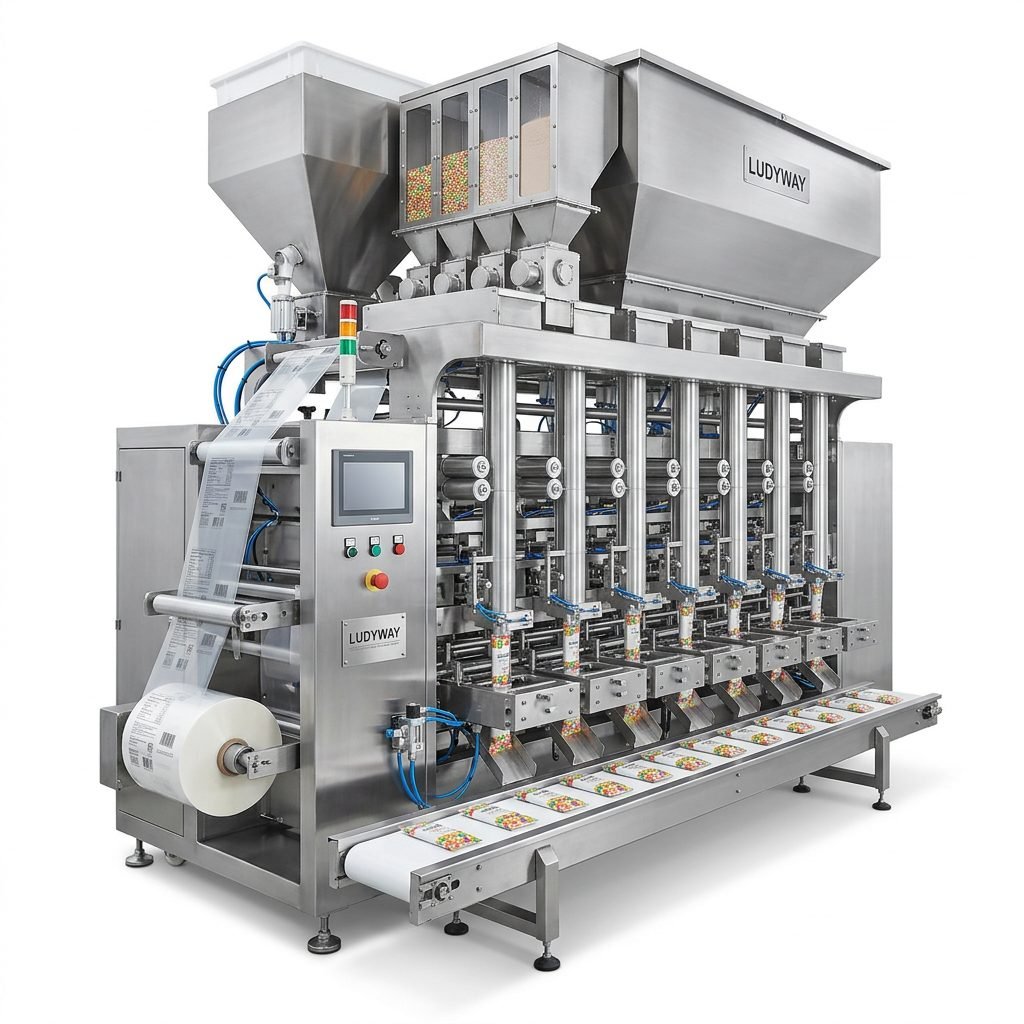
Ideal for bakery companion products like sugar sachets, cream powder, flavoring powder, yeast, or baking additives. These machines offer high-speed small-dose packaging and are especially useful for foodservice and retail portion packs.
4. Premade Pouch Packing Machines
For premium bakery mixes or specialty ingredients, premade pouches offer strong shelf impact. These systems support stand-up pouches, zipper bags, and other value-added formats.
5. Cartoning and End-of-Line Systems
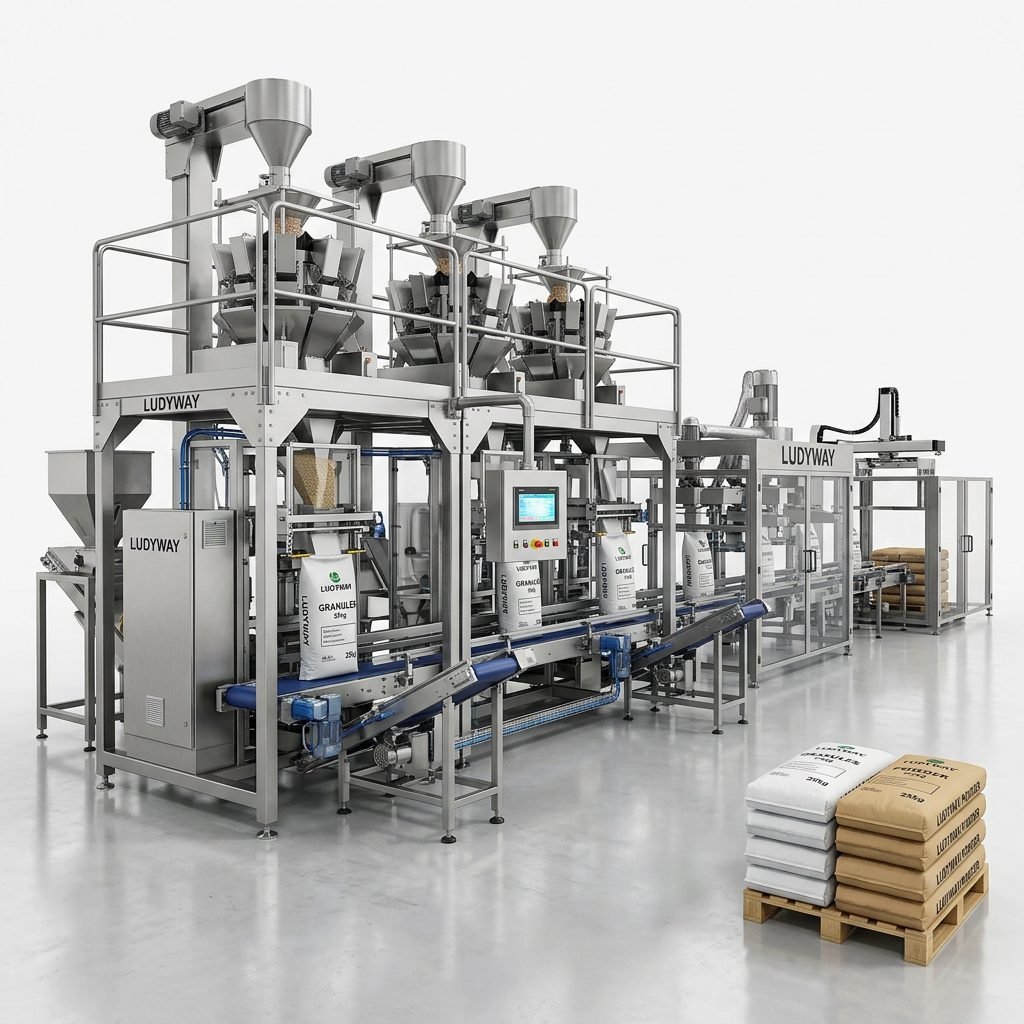
After primary packaging, bakery products may require secondary packaging such as cartoning, case packing, sealing, labeling, and palletizing. Integrated lines improve productivity and reduce manual handling.
Key Features to Look for in a Bakery Packing Machine
Not all bakery products behave the same way during packaging. Soft bread, crumbly cookies, sticky cakes, and dry baking powders each need different machine considerations. When evaluating equipment, focus on the features that directly impact your production goals.
- Gentle product handling to protect fragile baked goods
- Stable sealing performance for freshness and leak prevention
- Accurate dosing for powders, granules, and portion packs
- Quick format changeover for multiple SKUs
- Food-grade construction for hygiene and easy cleaning
- Smart controls for monitoring speed, temperature, and filling parameters
- Compatibility with coding and inspection equipment
Benefits of Automation for Bakery Manufacturers
As labor costs continue to rise and buyers demand better consistency, automated bakery packaging becomes a practical investment rather than a luxury. The right machine helps bakeries move from labor-heavy packaging to repeatable, data-controlled operation.
| Benefit | Impact on Bakery Operations |
|---|---|
| Faster packing speed | Supports peak demand and large batch orders |
| Lower labor dependency | Reduces repetitive manual tasks |
| More consistent package quality | Improves retail appearance and customer trust |
| Better material control | Helps reduce film waste and overfill |
| Scalable production | Makes expansion easier for new product lines |
How to Choose the Right Packaging Solution for Baked Goods
Selecting a bakery packing machine starts with understanding the product itself. A machine suitable for dry baking powder may not work well for soft rolls or cream-filled pastries. Buyers should compare machines based on both technical fit and business goals.
Important selection factors
- Product type, size, texture, and fragility
- Target package format and bag style
- Required production speed
- Automation level needed now and later
- Film or packaging material compatibility
- Cleaning and sanitation requirements
- Available factory space and line layout
- After-sales service and spare parts support
If your business handles multiple bakery SKUs, a modular or customizable system can provide more flexibility over time.
Turnkey Bakery Packaging Lines for Greater Efficiency
Many bakery manufacturers now prefer integrated packaging lines rather than standalone machines. A turnkey solution can connect conveying, feeding, weighing, filling, sealing, coding, checking, cartoning, and palletizing into one coordinated system. This reduces bottlenecks between stages and improves overall line efficiency.
Ludyway is one of China’s leading packaging machine and turnkey packaging line manufacturers, with more than 30 years of experience in automated packaging technology for food, pharmaceutical, and related industries. For bakery businesses looking for scalable automation, turnkey systems can be especially valuable when product ranges are expanding or export standards are becoming more demanding.
Best Applications for Bakery Ingredient Packaging
Bakery packaging is not limited to finished baked goods. Many producers also package dry and powdered ingredients for industrial, retail, or foodservice use. This includes:
- Cake mix
- Bread improver
- Baking powder
- Yeast
- Sugar sachets
- Cocoa powder
- Creamer powder
- Flavor premixes
- Decorative toppings and granules
For these products, high-precision filling, moisture control, and packaging consistency are often the main priorities.
Maintenance Tips for Long-Term Performance
Even a high-quality bakery packing machine needs regular care to maintain output and sealing reliability. Preventive maintenance also helps reduce downtime during busy production periods.
Recommended practices
- Clean product-contact parts regularly to avoid residue buildup.
- Check sealing components for wear and temperature stability.
- Inspect dosing systems to maintain fill accuracy.
- Monitor moving parts, belts, and sensors for alignment.
- Keep spare consumables available for fast replacement.
- Train operators on both production and troubleshooting basics.
Future Trends in Bakery Packaging Automation
The bakery sector is moving toward smarter, cleaner, and more flexible packaging operations. Manufacturers increasingly want systems that can run multiple formats, collect production data, and integrate with upstream and downstream equipment.
Key trends include:
- Greater use of intelligent control systems
- Faster changeovers for short-run product variations
- Improved packaging material adaptability
- Integration with inspection, coding, and cartoning modules
- Higher emphasis on hygiene-oriented machine design
Final Considerations Before Investing
Before purchasing a bakery packing machine, it is important to review your production plan not only for current needs but also for the next several years. A slightly more advanced system may provide better long-term value if you plan to introduce new products, grow capacity, or improve packaging quality.
The most effective packaging solution is one that matches your product characteristics, line speed, packaging format, and operational goals. With the right machine, bakeries can improve efficiency, protect product quality, and build stronger shelf presence in a highly competitive food market.