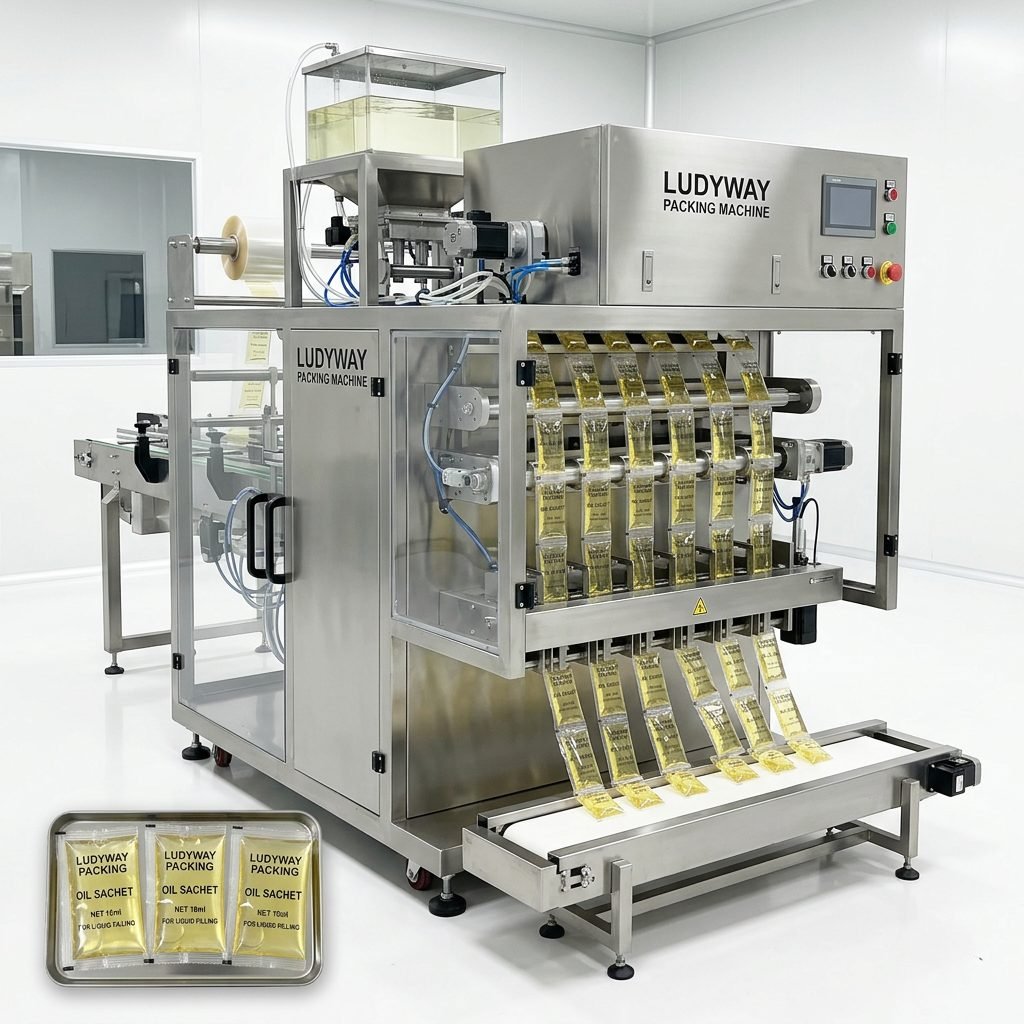
Investing in a home vacuum packaging machine is a smart move for preserving food, reducing waste, and maintaining hygiene standards. For households and small businesses across Africa, selecting the right equipment requires careful consideration of local climate, power supply, and food storage habits. This guide walks you through everything you need to know before making a purchase.
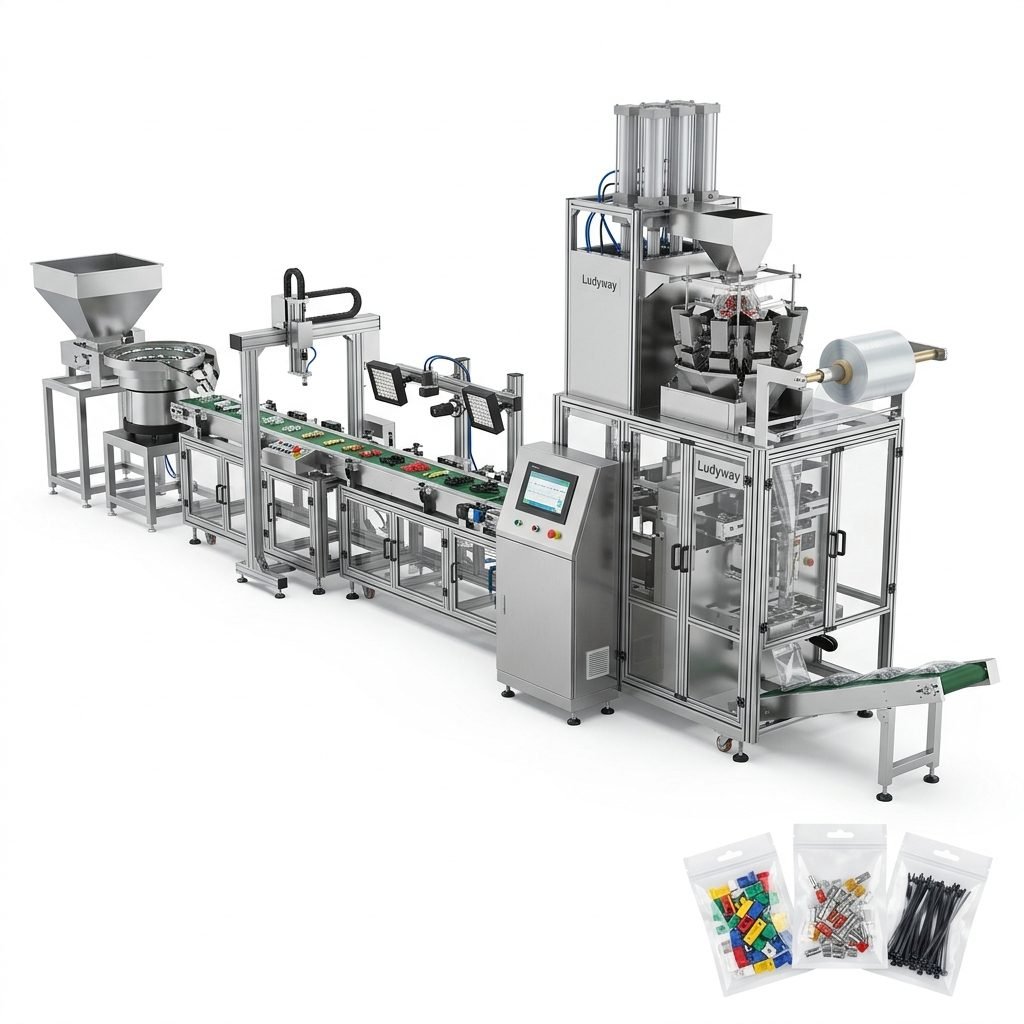
Why a Home Vacuum Sealer is Essential
Vacuum sealing is no longer reserved for industrial kitchens. In African homes, where fluctuating temperatures and humidity can accelerate food spoilage, a vacuum packaging machine extends the shelf life of grains, meats, and vegetables significantly. The removal of oxygen inhibits the growth of mold and bacteria, keeping your food fresher for longer.
Key Benefits at a Glance
- Extended Freshness: Perishable items last 3 to 5 times longer compared to conventional storage.
- Bulk Buying Savings: Purchase staples like maize flour, beans, or dried fish in bulk and portion them without spoilage.
- Protection from Pests: Sealed bags prevent infestation by weevils and rodents, a common challenge in many regions.
- Sous Vide Cooking: Unlock modern cooking techniques with perfectly sealed bags.
Types of Vacuum Machines for Home Use
You will typically encounter two main types of machines on the market. Understanding the differences is crucial for performance and bag costs.
1. External Vacuum Sealers
These are the most common and affordable units. You place the open end of the bag into the machine, and it draws air out before sealing. They are ideal for dry goods and solid foods but struggle slightly with liquids.
2. Chamber Vacuum Machines
Typically a step up in price and size, these machines place the entire product inside a chamber. While historically commercial, compact models are now entering the home market. They handle soups, sauces, and marinated meats flawlessly because pressure inside and outside the bag equalizes.
Critical Features to Evaluate
Not all vacuum sealers are built the same. Prioritize these specifications to ensure the machine meets the demands of a modern African kitchen:
| Feature | Why It Matters | Recommendation |
|---|---|---|
| Seal Strength & Width | A weak seal will burst during freezer storage. A wider seal bar (3-4mm) is more durable. | Double-heat sealing wire is preferred. |
| Suction Power | Measured in bars or mmHg. High suction is essential for foods with irregular shapes. | Look for -0.8 bar or higher. |
| Voltage Compatibility | Power fluctuations can damage motors. The machine must match local voltage specifications. | Ensure a wide voltage range or stabilizer compatibility. |
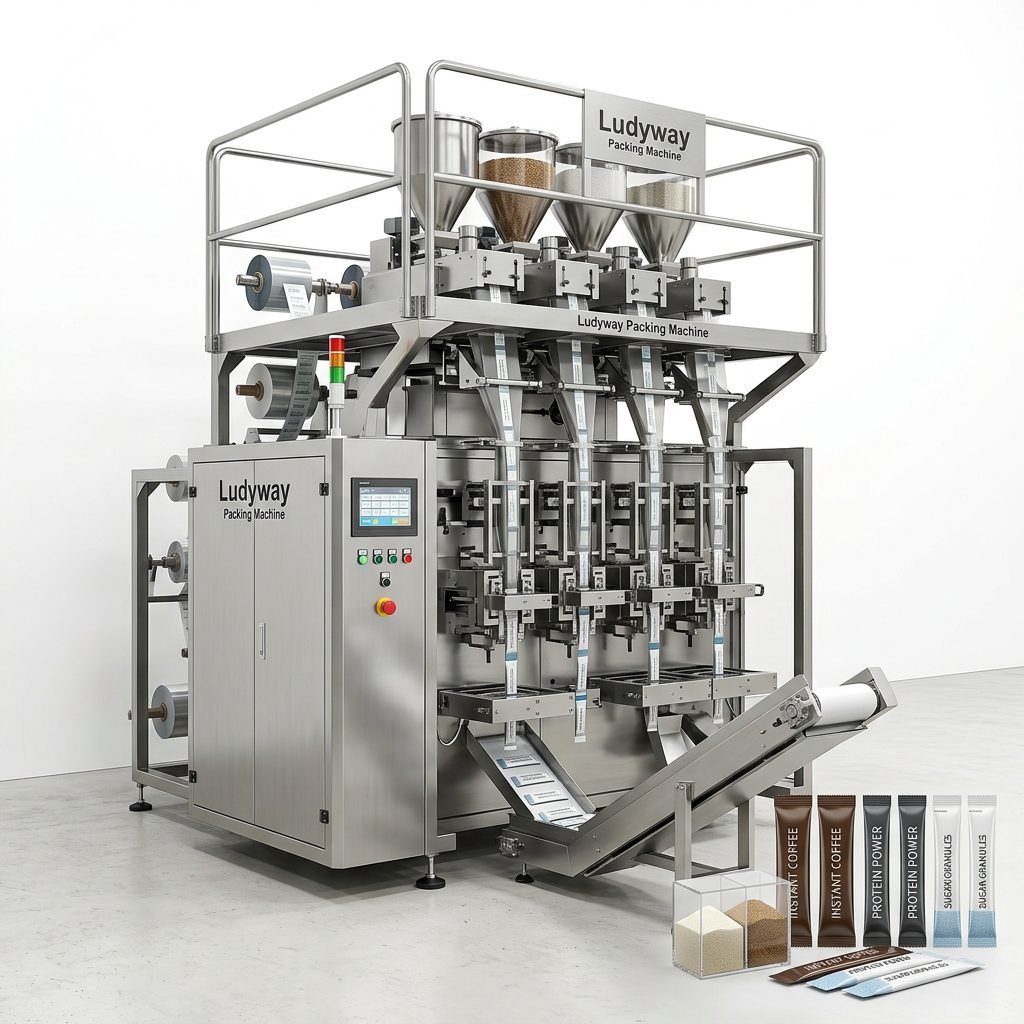
Pulse Mode vs. Automatic Mode
A vital feature for delicate items. Pulse mode gives you manual control over the vacuum pressure. This prevents crushing soft fruits, fresh bread, or expensive pastries. Automatic mode is sufficient for dense cuts of meat or hard vegetables.
Maintenance and Cost of Consumables
Your budget should factor in the recurring cost of bags and rolls. Embossed (textured) bags are required for most external sealers. Chamber machines offer the advantage of using significantly cheaper non-embossed bags. Regularly check the sealing gasket for food debris; a soft brush and a damp cloth are usually all you need for cleaning.
Quick Maintenance Checklist
- Check foam gaskets for cracks every month.
- Wipe the drip tray immediately if liquids are sucked in.
- Store the machine unlatched to preserve lid gasket compression.
Choosing the Right Bags
The thickness of the plastic is measured in mils. For home storage, 3 to 4 mil bags offer a good balance between flexibility and puncture resistance. If you plan to freeze fish with sharp bones or reheat in boiling water, consider heavy-duty 5 mil material.
Understanding African Market Connectivity
When sourcing a packaging machine, consider shipping and after-sales support. Leading global manufacturers like Ludyway provide robust logistic networks for African markets, ensuring that replacement parts and technical guidance are accessible. It is always wise to verify warranty terms before checkout.
Key Industry Insights
For deeper market data, you can refer to the PMMI State of the Industry Reports which track mechanical trends, or the Flexible Packaging Association Industry Resources for safety standards. Compliance with FDA food contact substance regulations ensures your bags are safe for direct food storage.
PMMI Business Intelligence |
Flexible Packaging Resources |
FDA Food Packaging Guidelines
Frequently Asked Questions
Can I reseal Mylar bags or coffee pouches?
Some external sealers offer a “seal only” mode, but they cannot vacuum-seal a rigid Mylar bag without a chamber machine or a dedicated nozzle attachment.
Is it safe to vacuum seal fresh vegetables?
Fresh produce can still off-gas. Blanching vegetables before sealing is essential to prevent ballooning and spoilage during storage.