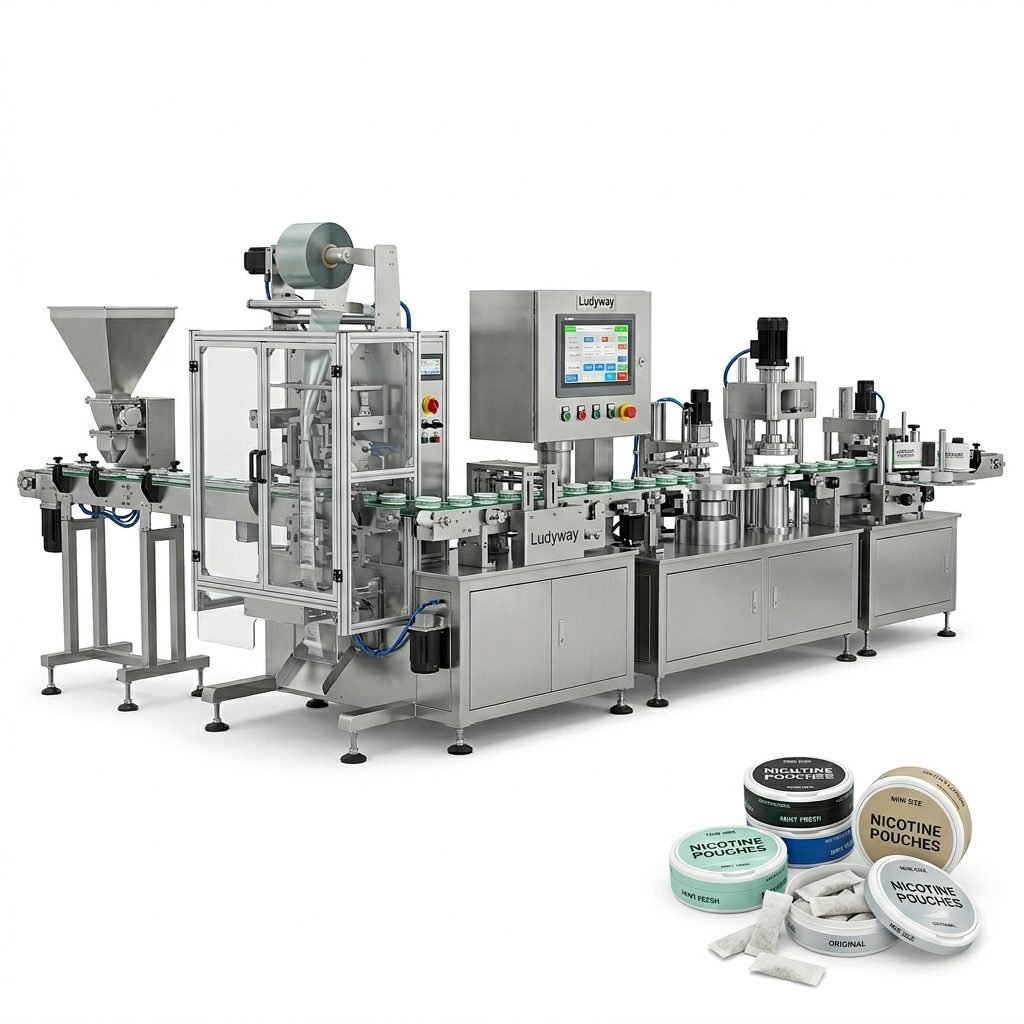
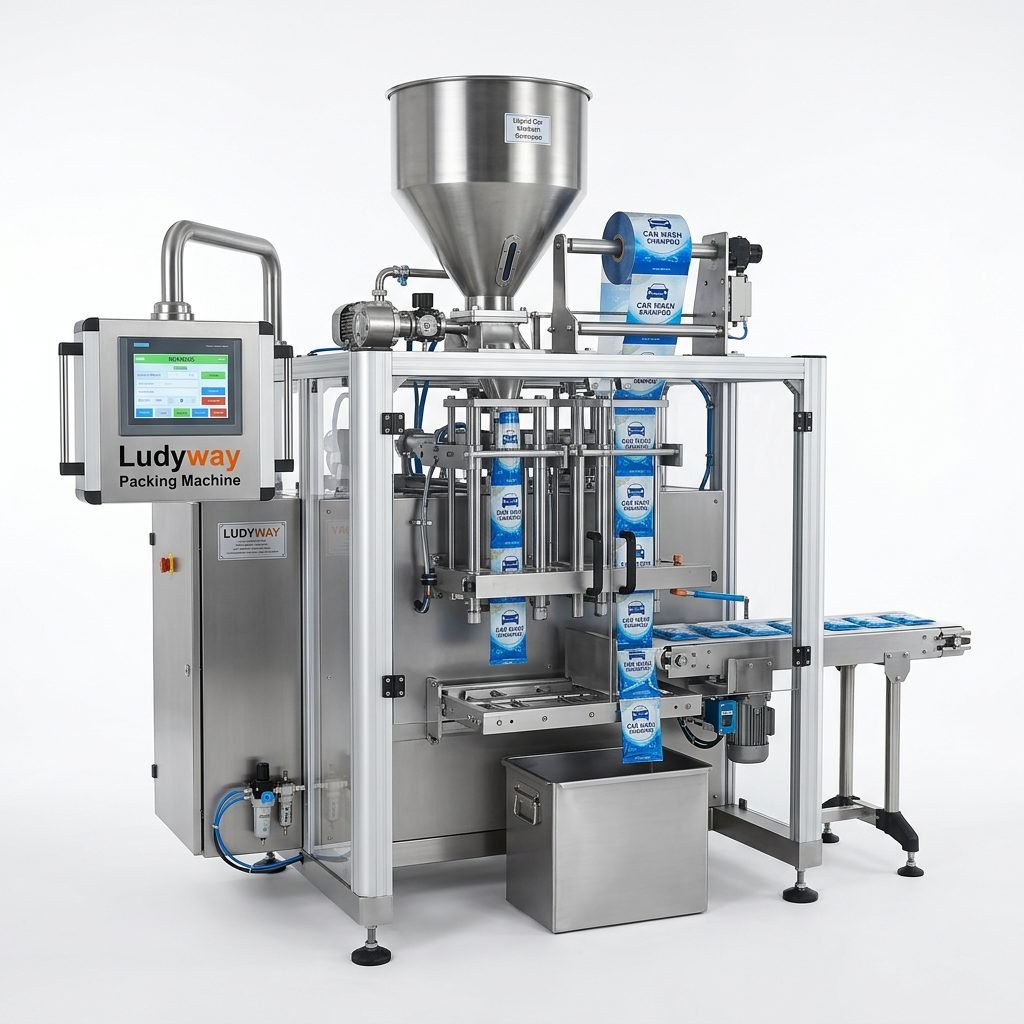
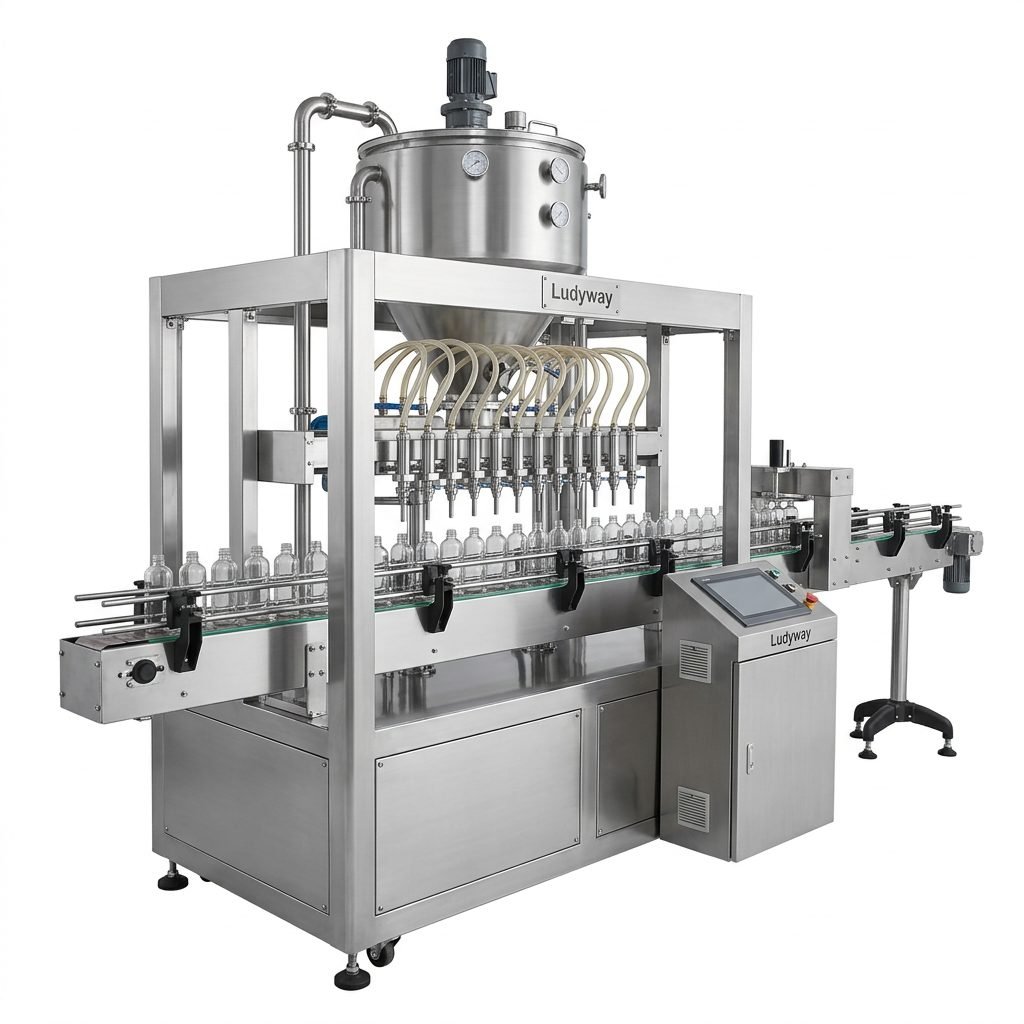
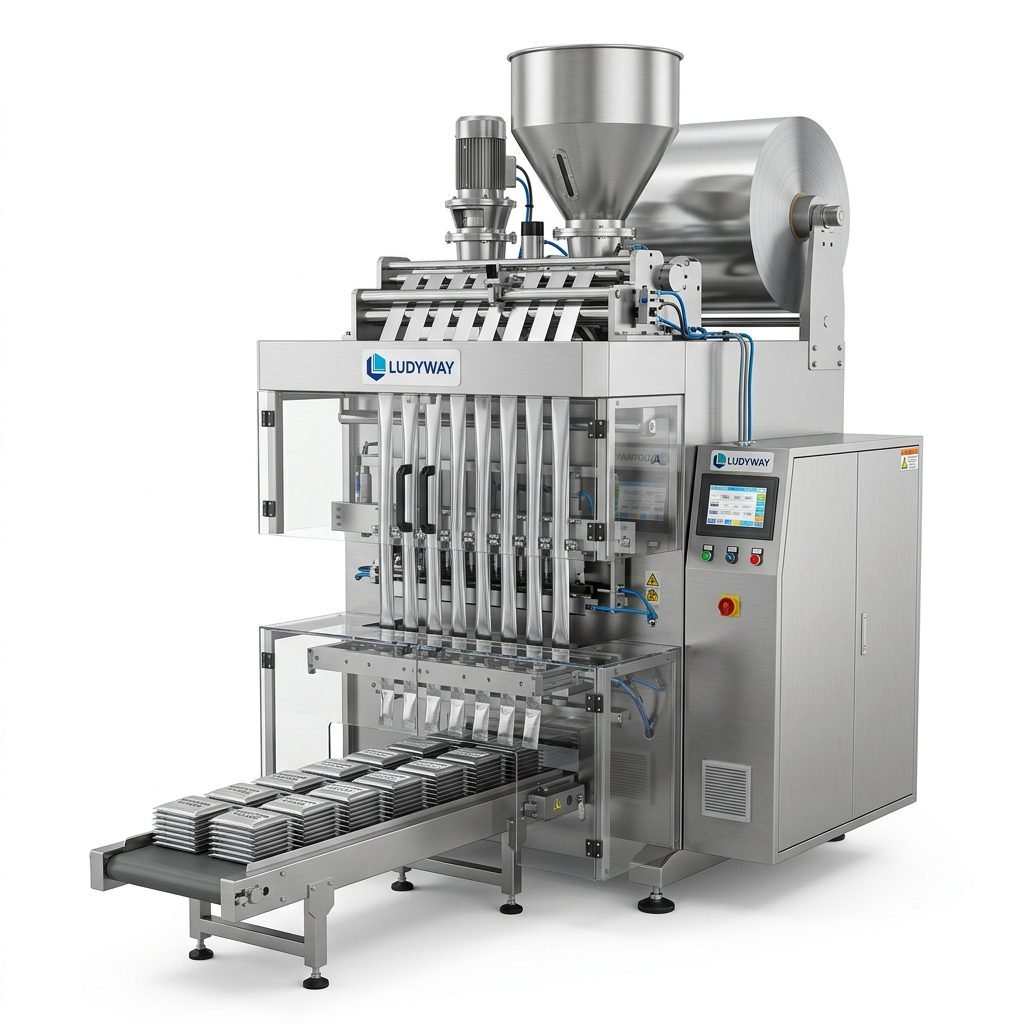
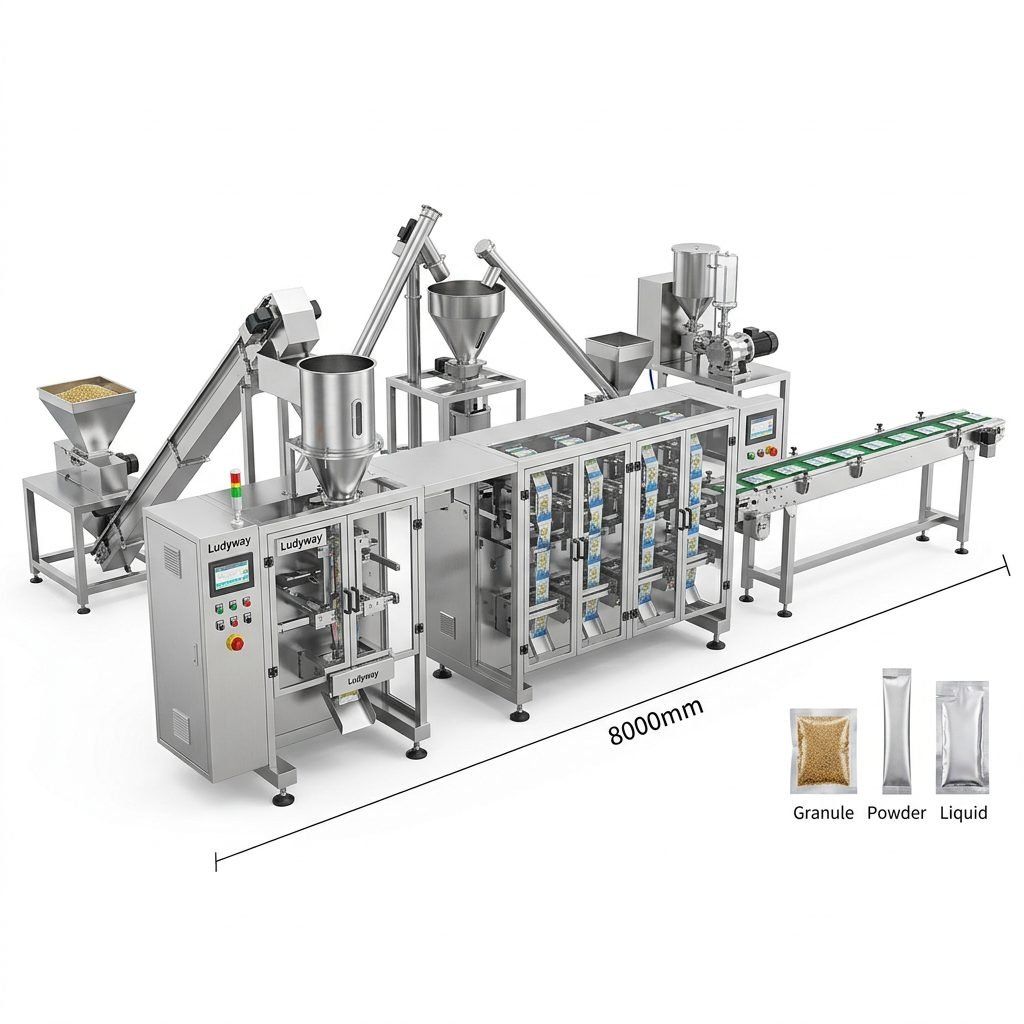
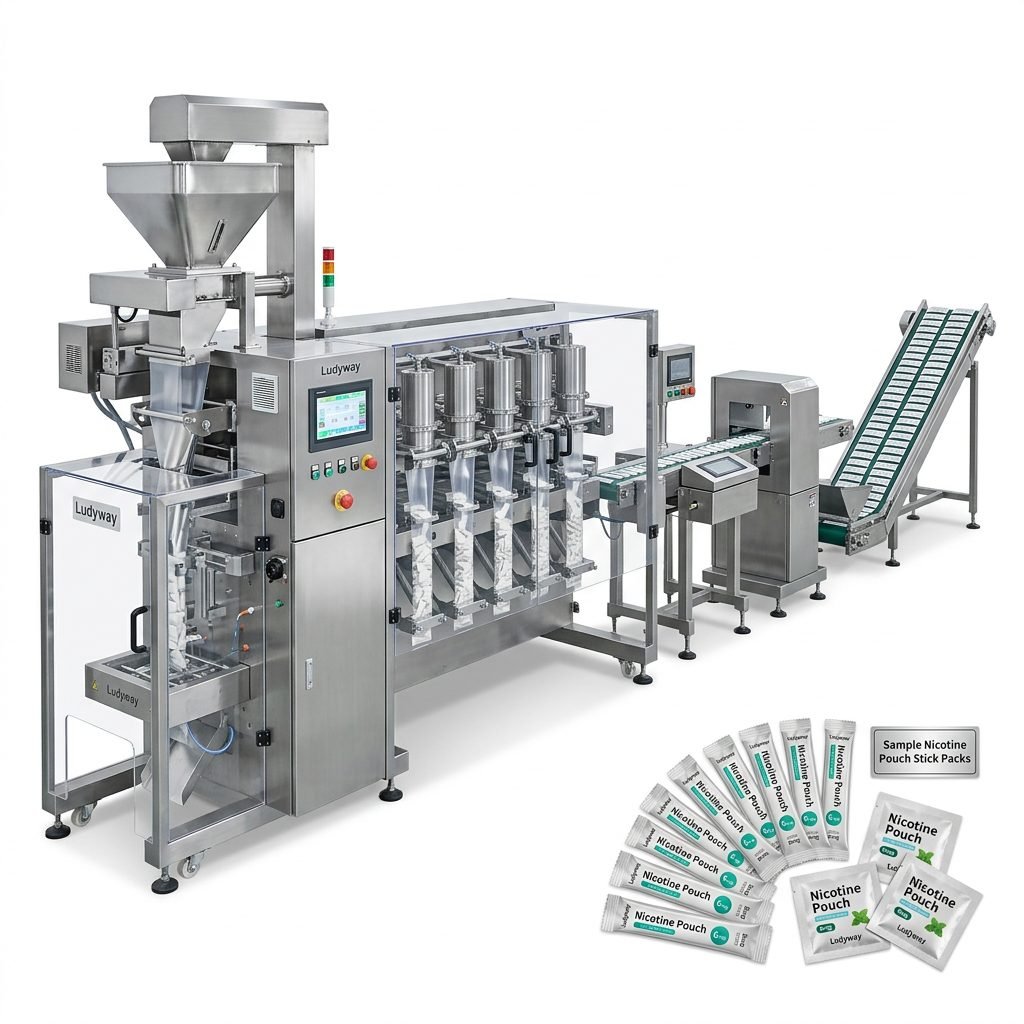
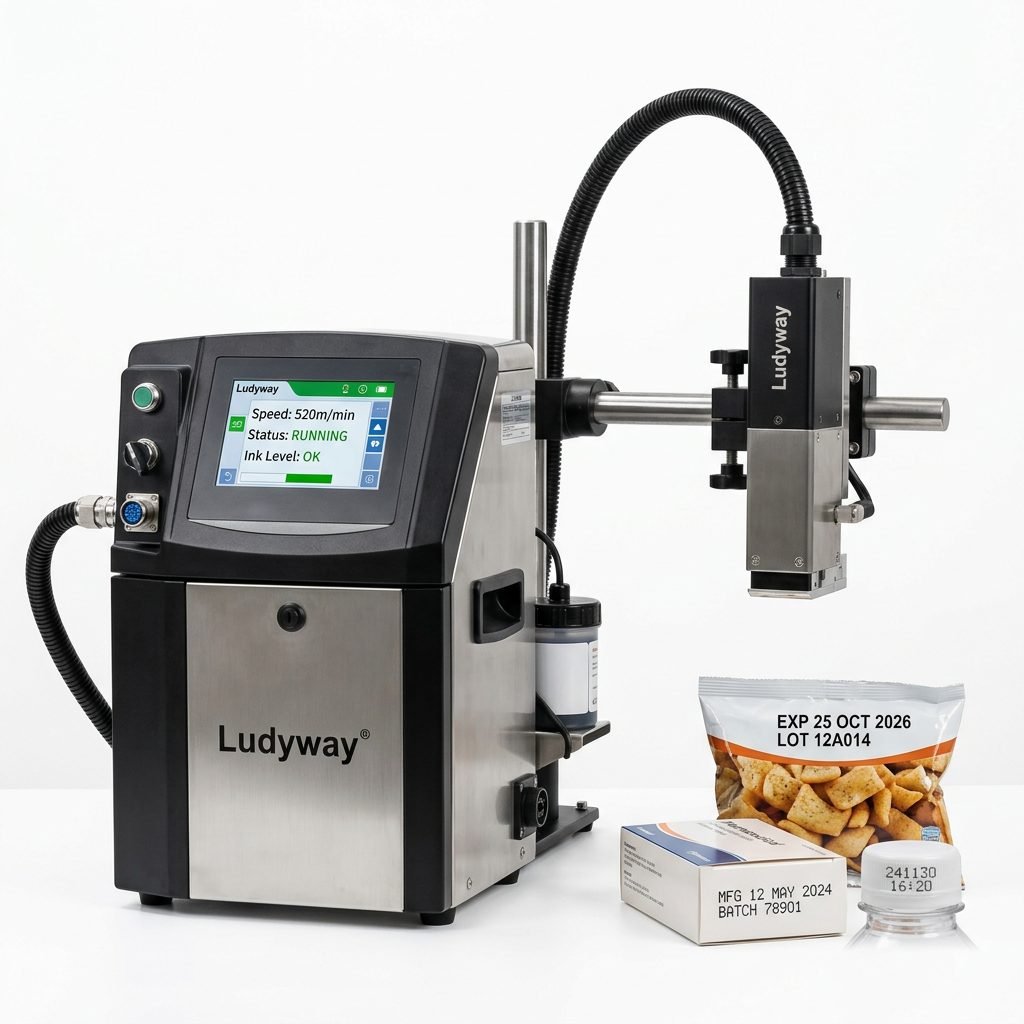
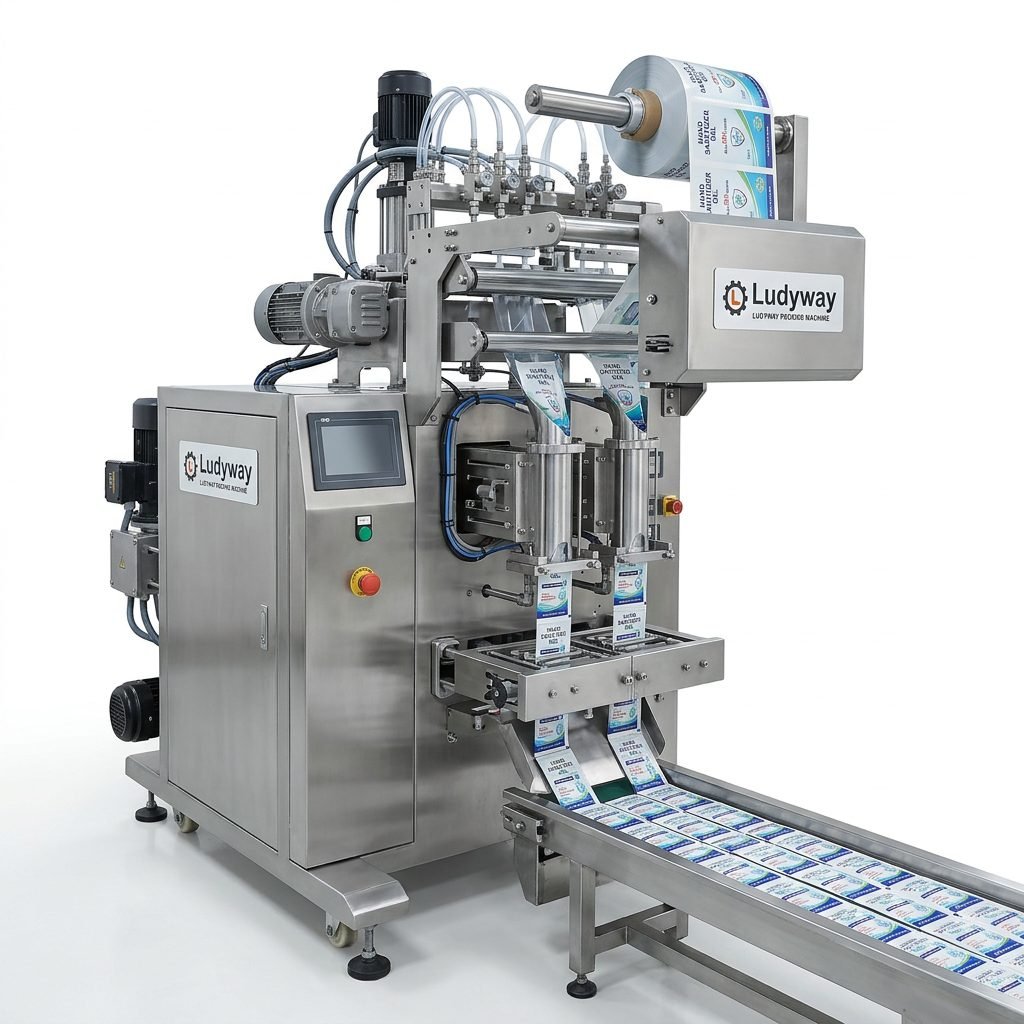
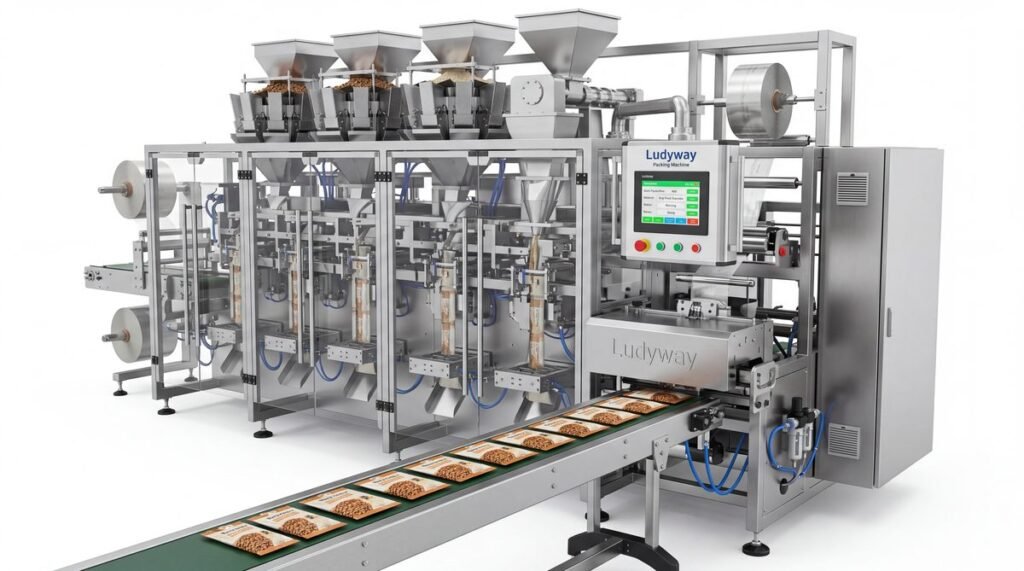
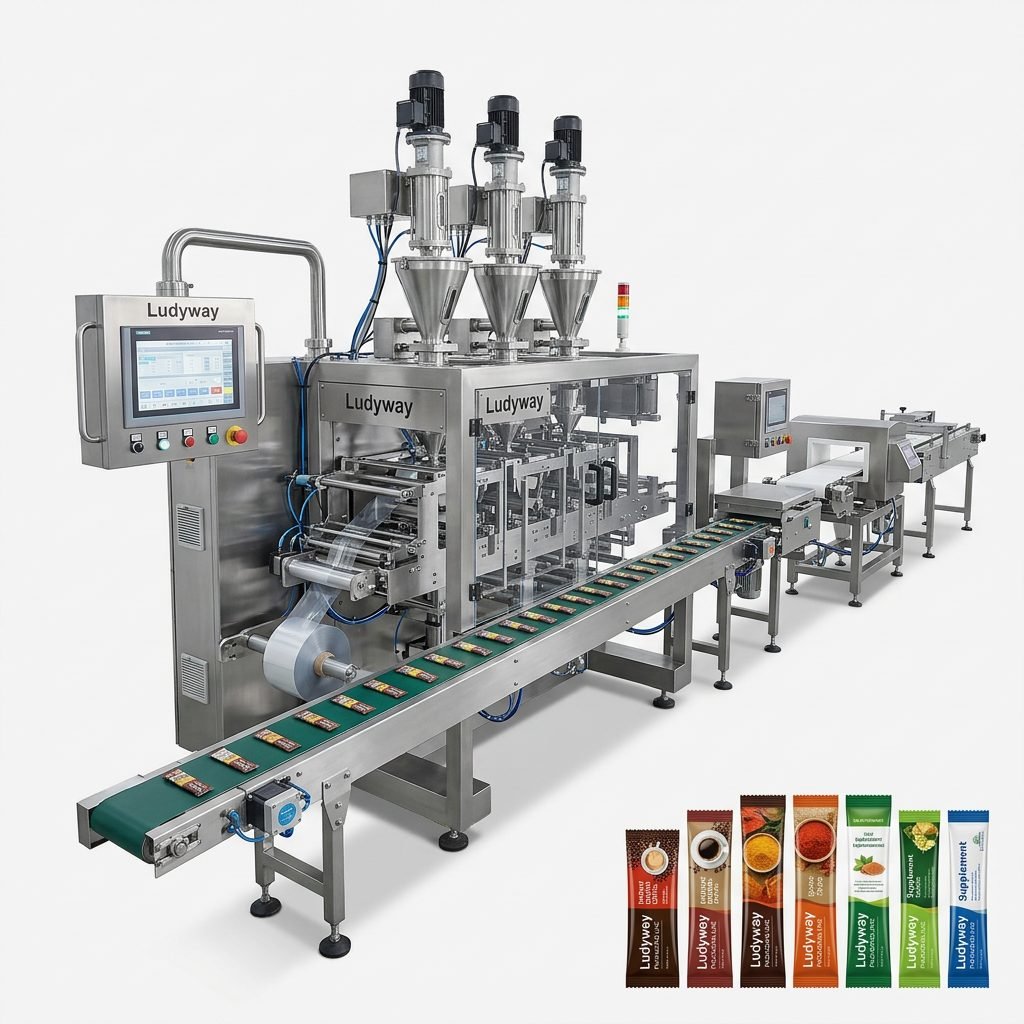
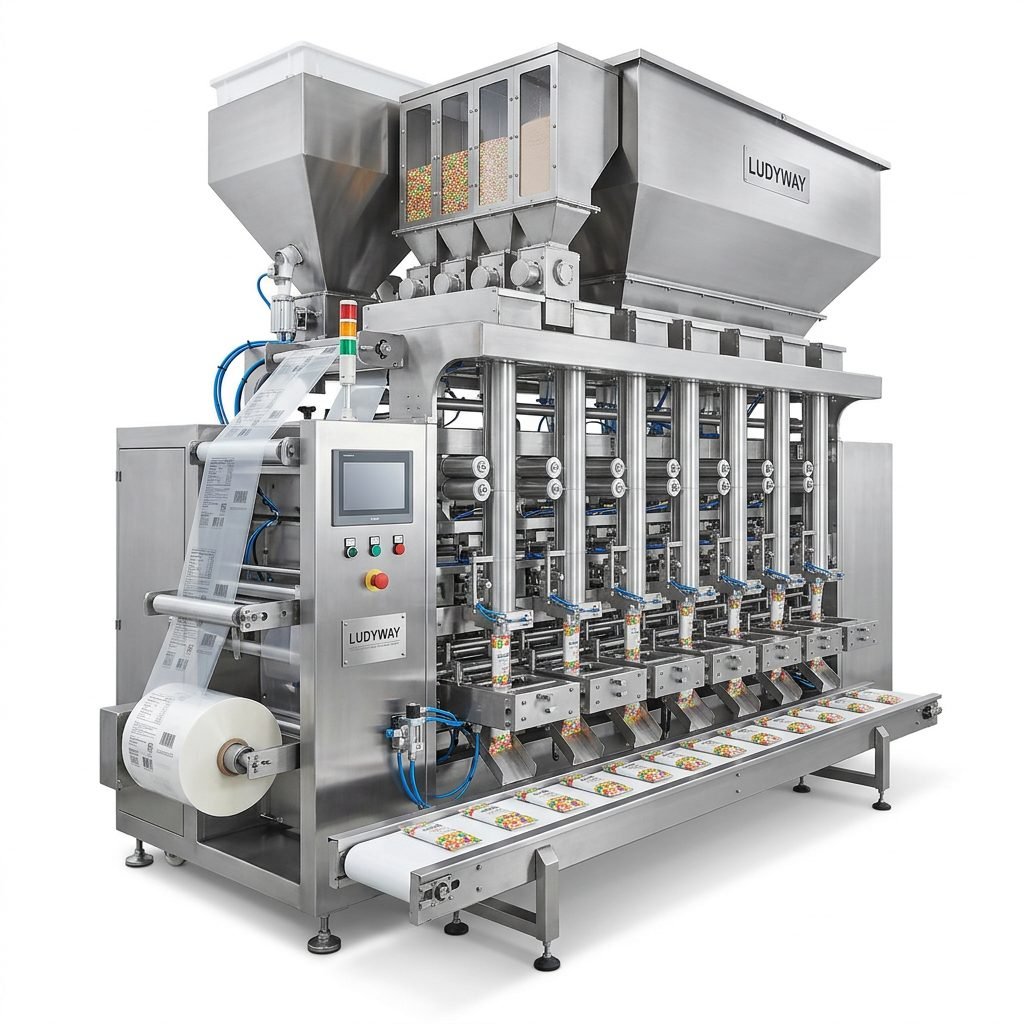
Investing in a mini packing machine is a strategic decision for startups, small-batch producers, laboratories, and businesses with limited floor space. Unlike full-scale industrial systems, compact packaging equipment offers flexibility, lower upfront costs, and faster deployment—making them ideal for niche markets, contract packagers, and companies testing new product lines. However, with so many configurations, dosing technologies, and automation levels available, selecting the right machine requires careful evaluation of your product, production goals, and operational constraints.
This guide breaks down the essential factors to consider when choosing a mini packing machine, helping you avoid costly mistakes and find equipment that delivers consistent performance, accurate filling, and long-term reliability.
Understanding Mini Packing Machines: What They Are and Who Needs Them
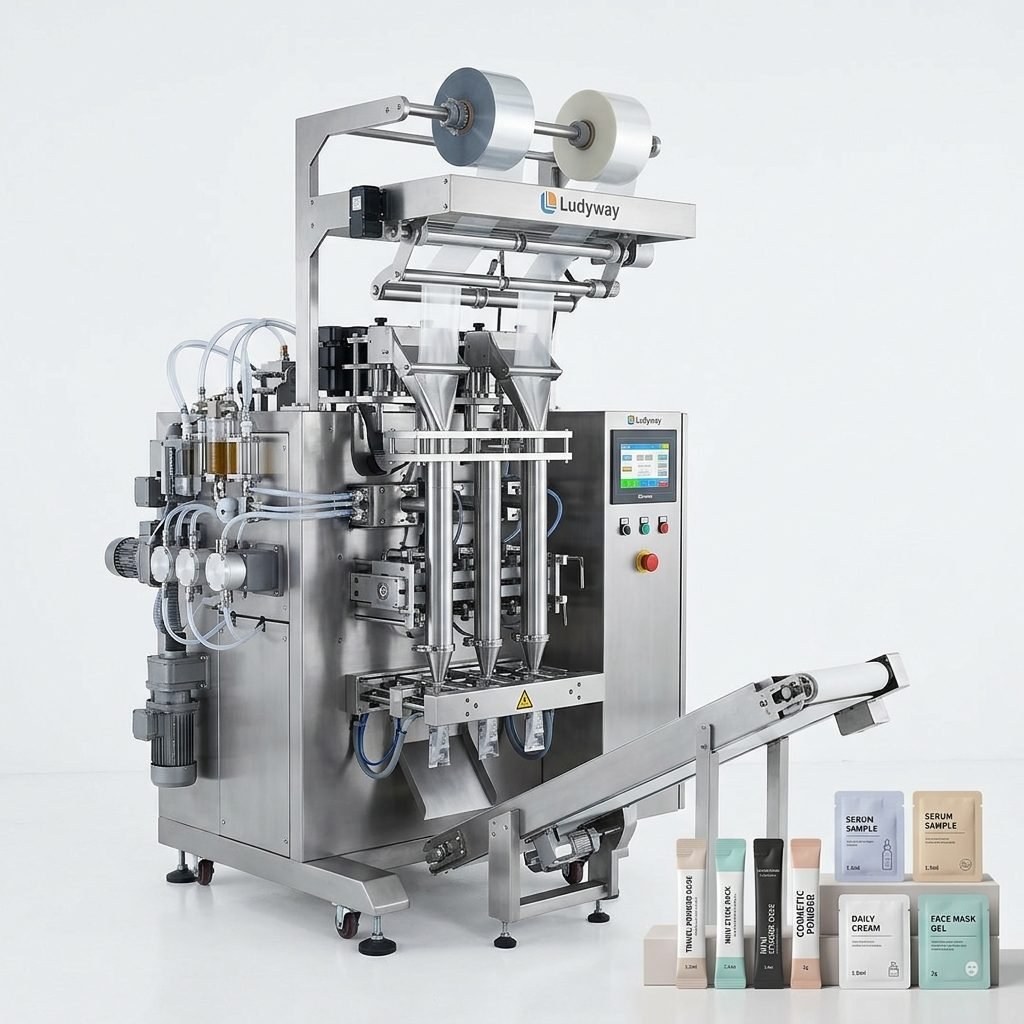
A mini packing machine is a compact, often benchtop or small-footprint packaging system designed for lower to moderate production volumes. These machines are widely used across flexible packaging applications, including food, pharmaceuticals, cosmetics, chemicals, and nutraceuticals. Unlike large-scale automatic packaging lines, mini machines prioritize space efficiency, ease of operation, and quick changeover between products or packaging formats.
Typical users of mini packing machines include:
- Startups and small manufacturers entering the packaged goods market with limited capital
- R&D laboratories and pilot plants conducting product development and small-batch trials
- Contract packagers handling diverse short-run jobs for multiple clients
- Specialty producers focusing on premium, artisanal, or limited-edition products
- Businesses with constrained floor space that cannot accommodate full-scale packaging lines
Key Factors to Consider When Choosing a Mini Packing Machine
1. Product Type and Physical Characteristics
The most critical factor in selecting a mini packing machine is understanding your product’s physical properties. Different dosing and filling systems are required for different materials, and choosing the wrong technology can lead to inaccurate fills, product waste, and machine damage.
Consider the following product characteristics:
- Flowability: Free-flowing powders (like salt or sugar) behave differently from cohesive powders (like protein powder or flour) in filling systems
- Particle size and uniformity: Granules, pellets, and irregularly shaped particles require specific dosing mechanisms
- Density and bulk density: Affects volumetric filling accuracy and hopper capacity requirements
- Moisture sensitivity and hygroscopicity: Products that absorb moisture may require sealed or nitrogen-flushed packaging environments
- Temperature sensitivity: Heat-sensitive products need sealing systems with precise temperature control
- Viscosity: For liquids, creams, gels, and pastes, viscosity determines the appropriate filling pump type
2. Production Speed and Output Requirements
Mini packing machines typically operate at lower speeds than full-scale automatic systems, but there is still significant variation across models. Evaluate your current and projected production needs honestly. A machine that barely meets today’s demand may become a bottleneck within months if your business grows.
Key questions to ask: How many units per hour, shift, or day do you need to produce? Are your production volumes consistent, or do they fluctuate seasonally? Will you need to scale up in the next 12 to 24 months? Understanding these operational requirements helps ensure a balance between current budget constraints and future growth potential.
3. Packaging Format and Bag Style Compatibility
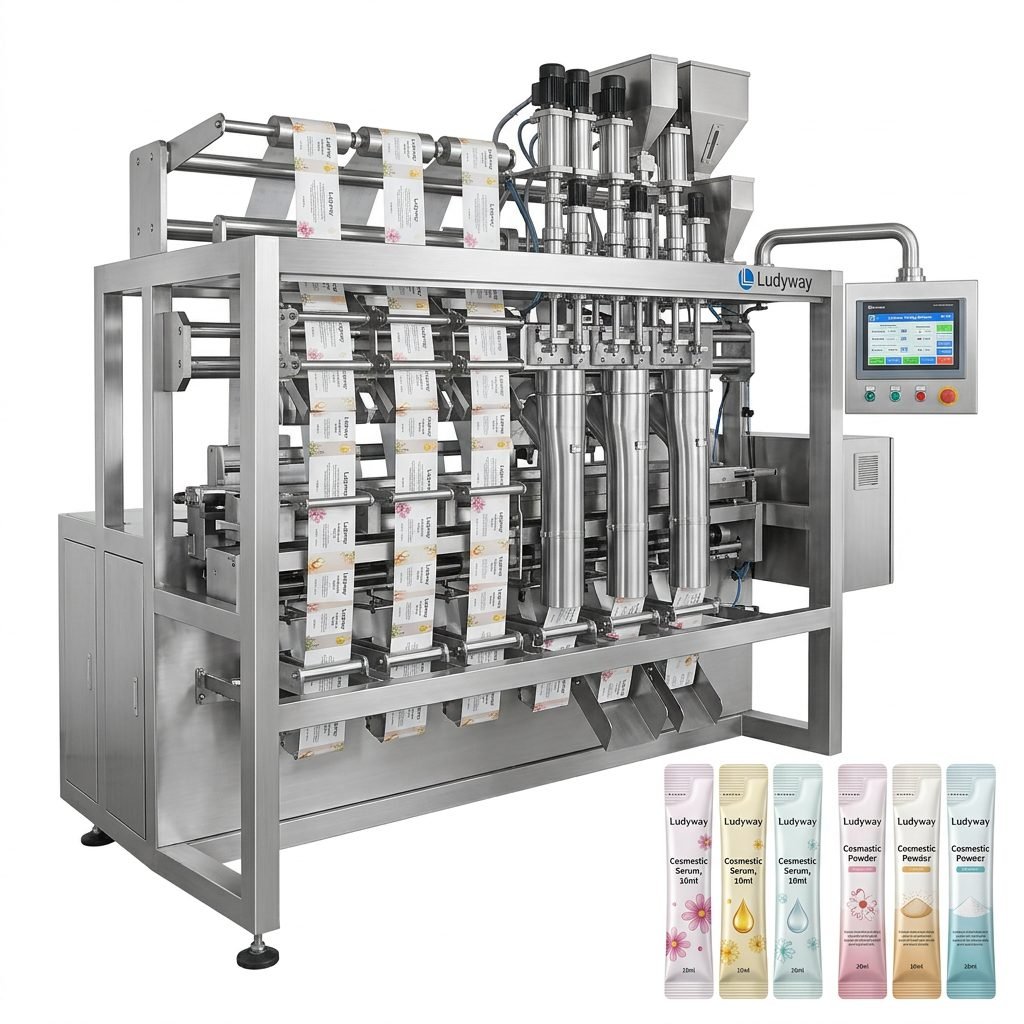
Mini packing machines support various packaging formats. The most common configurations include:
- Stick packs: Narrow, elongated single-serve packages popular for powders, supplements, and liquid doses
- Sachets: Flat three- or four-side-sealed pouches used for samples, single-use products, and portion packs
- Flat pouches: Versatile pillow-style bags suitable for granules, powders, and small solid items
- Stand-up pouches: Retail-ready packaging with bottom gussets, increasingly popular for food and beverage products
Ensure the machine you choose is compatible with your preferred packaging material, bag dimensions, and seal type. Some mini machines are designed for a single format, while others offer modular tooling for multiple bag styles. Compatibility with packaging standards should also be verified, especially for regulated industries.
4. Filling Accuracy and Dosing Technology
Accurate dosing directly impacts product quality, regulatory compliance, and profitability. Overfilling erodes margins, while underfilling risks customer complaints and regulatory penalties. The appropriate dosing technology depends on your product type:
| Dosing Technology | Best For | Accuracy Level |
|---|---|---|
| Volumetric Cup Filler | Free-flowing granules and powders | Moderate |
| Auger Filler | Non-free-flowing powders, fine powders | High |
| Piston Filler | Liquids, creams, pastes, gels | High to Very High |
| Multi-Head Weigher | Granules, irregular solids, snacks | Very High |
| Peristaltic Pump | Sterile liquids, pharmaceutical fluids | Very High |
5. Machine Build Quality and Material Construction
The construction materials of a mini packing machine affect its durability, cleanability, and suitability for different industries. For food, pharmaceutical, and cosmetic applications, stainless steel construction (typically SUS304 or SUS316L) is essential for hygiene and corrosion resistance. Machines built with lower-grade materials may have a lower purchase price but can lead to contamination risks, faster wear, and higher long-term maintenance costs.
Examine the quality of critical components such as sealing jaws, cutting mechanisms, control systems, and electrical enclosures. Investing in robust construction upfront minimizes downtime and repair expenses over the machine’s lifecycle.
6. Automation Level and Integration Capabilities
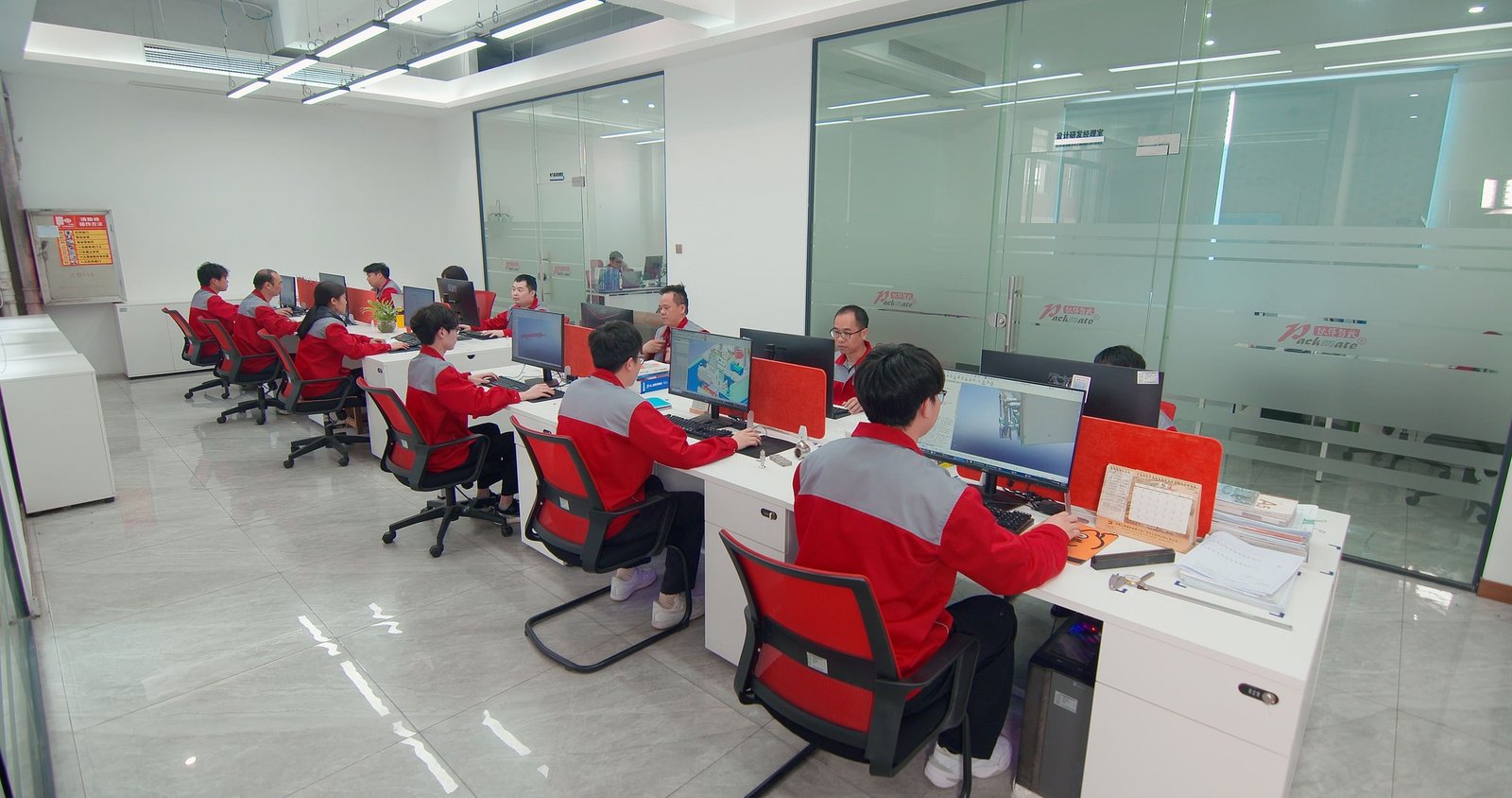
Mini packing machines range from semi-automatic to fully automatic configurations. Semi-automatic models require manual intervention for tasks like bag loading, product feeding, or finished package collection. Fully automatic mini systems integrate feeding, filling, sealing, cutting, and discharge into a continuous automated process.
Consider whether the machine can integrate with upstream and downstream equipment such as conveyors, checkweighers, metal detectors, coding printers, and cartoning systems. Even if you start with a standalone machine, modular expandability allows you to build a semi-integrated line as your production scales. For current data on automation trends, refer to packaging machinery market research from industry associations.
7. Space Constraints and Facility Requirements
One of the main reasons businesses choose mini packing machines is limited floor space. Measure your available installation area carefully, including clearances for operation, maintenance access, material loading, and finished product removal. Also evaluate:
- Power supply: Voltage, phase, and frequency requirements must match your facility’s electrical infrastructure
- Compressed air: Some pneumatic systems require a compressed air supply with adequate pressure and flow rate
- Ventilation and dust extraction: Powder-filling operations may generate airborne particles requiring dust collection systems
- Cleanroom compatibility: Pharmaceutical and certain food applications may require equipment designed for controlled environments
8. Budget, Total Cost of Ownership, and ROI
Purchase price alone is an incomplete measure of cost. A comprehensive total cost of ownership (TCO) analysis should include the initial machine price plus installation, operator training, spare parts, routine maintenance, energy consumption, and anticipated service life. A machine with a higher upfront cost but lower operating expenses and longer lifespan may deliver significantly better return on investment over three to five years.
The break-even point for a mini packing machine depends on your production volume, labor savings, material waste reduction, and revenue growth enabled by faster packaging turnaround. Calculate projected ROI conservatively, considering both best-case and worst-case production scenarios.
Industry-Specific Considerations for Mini Packing Machines
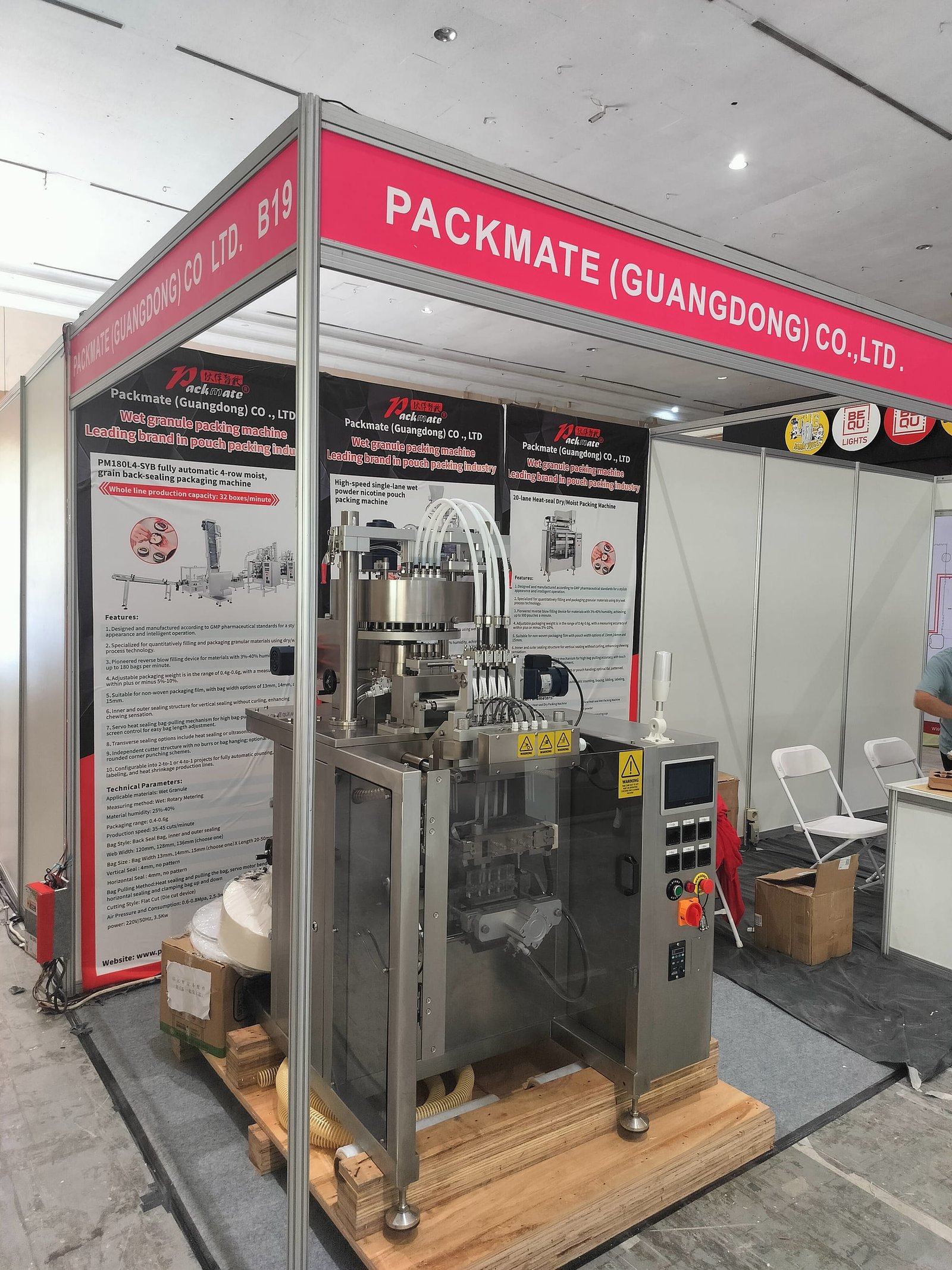
Different industries impose unique requirements on packaging equipment. Understanding these nuances helps narrow your selection to machines designed for your specific regulatory and operational environment.
Food and Beverage
Food-grade materials, sanitary design, and compliance with food packaging regulations are non-negotiable. Look for machines with smooth surfaces, crevice-free construction, and tool-free disassembly for cleaning. If packaging perishable products, consider compatibility with modified atmosphere packaging (MAP) or vacuum sealing.
Pharmaceuticals and Nutraceuticals
Pharmaceutical packaging demands the highest levels of accuracy, traceability, and contamination control. Machines should support GMP-compliant documentation, validation protocols, and serialization capabilities where required. Stainless steel construction, sealed dosing areas, and precision filling within narrow tolerances are essential features.
Cosmetics and Personal Care
Cosmetic packaging often involves frequent product and format changes. Quick-changeover features, easy-clean design, and compatibility with a wide range of packaging materials are valuable. Machines should handle liquids, creams, gels, and powders of varying viscosities without cross-contamination between batches.
Questions to Ask Before Purchasing a Mini Packing Machine
Before finalizing your decision, ask potential suppliers these critical questions to assess machine suitability and supplier reliability:
- Can the machine handle my specific product and packaging material? Request a video demonstration or sample run with your actual product whenever possible.
- What is the guaranteed filling accuracy, and how is it validated? Ask for documented accuracy specifications and test protocols.
- What spare parts are included, and what is the typical lead time for replacements? Understand the recommended spare parts inventory for the first year of operation.
- Is operator training included, and what format does it take? On-site training, remote video sessions, and written documentation all contribute to successful implementation.
- What after-sales support and warranty terms are provided? Clarify warranty duration, coverage scope, response times, and remote troubleshooting availability.
- Is the machine designed for future upgrades or modular expansion? If you anticipate growth, select a platform that can grow with your business needs.
Making the Right Investment for Your Packaging Needs
Selecting the right mini packing machine is about matching equipment capabilities to your product characteristics, production volumes, space constraints, and budget. A systematic evaluation process that considers all the factors outlined above helps avoid costly mistakes and positions your packaging operation for efficiency and growth.
Partnering with an experienced packaging machinery manufacturer can simplify this process significantly. Companies like Ludyway Machinery, with decades of engineering experience and a broad portfolio of packaging equipment, guide buyers through machine selection, customization, and post-installation support—ensuring that even compact packaging solutions deliver reliable, long-term performance. Whether you are launching a new product or automating a manual packaging process, investing time in thorough evaluation upfront leads to a smarter, more profitable equipment decision.
For additional guidance, explore resources from PMMI – The Association for Packaging and Processing Technologies and the Flexible Packaging Association, both of which provide valuable insights into packaging technology trends, standards, and best practices across industries.