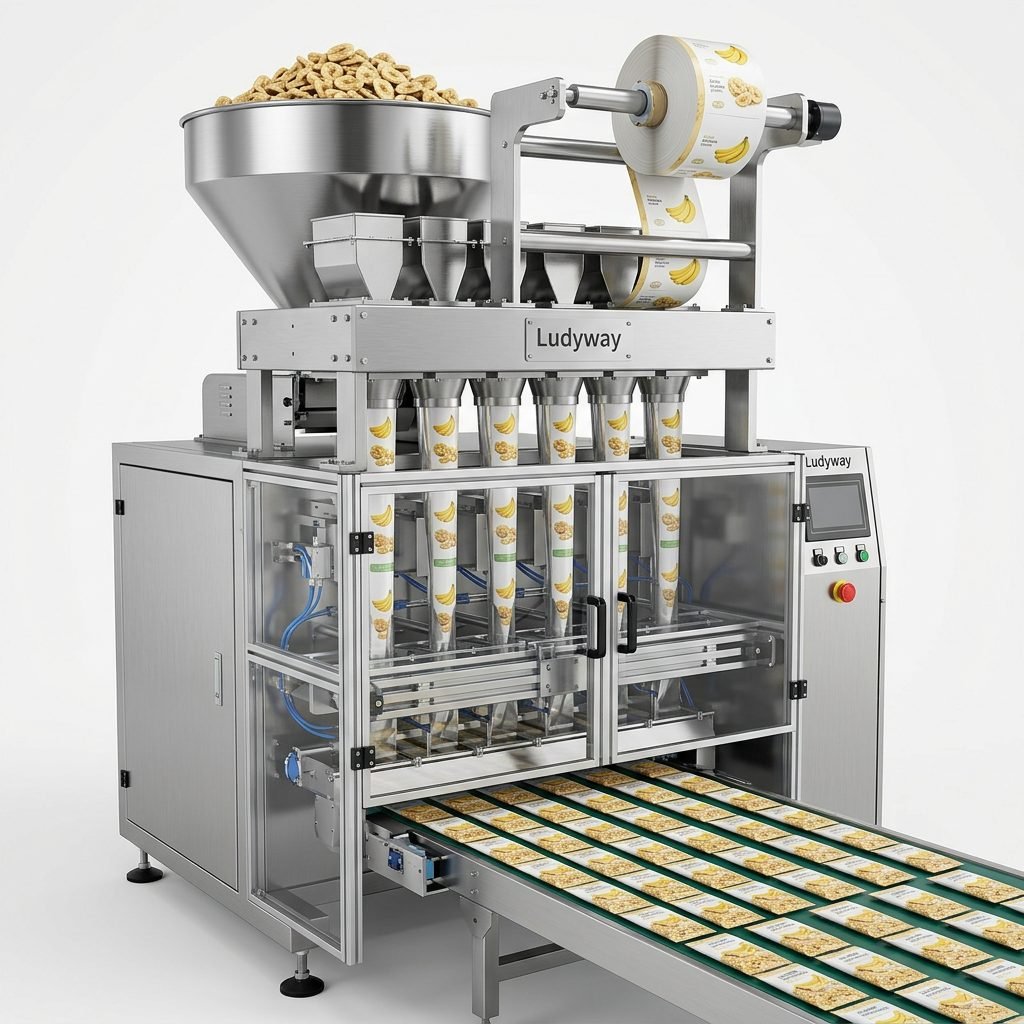
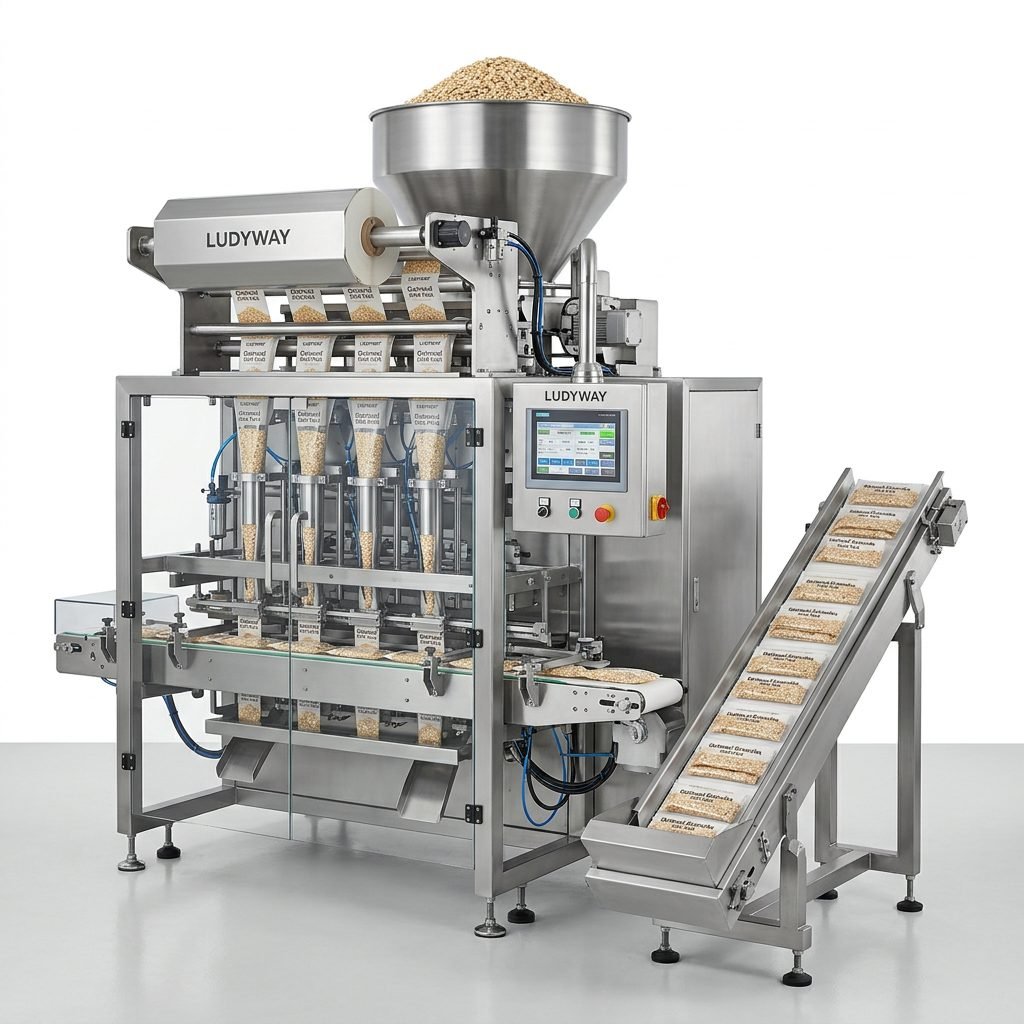
The South American food processing sector is experiencing unprecedented growth, with the hamburger and meat processing industry leading regional expansion. As consumer demand for convenient, hygienically packaged meat products surges across Brazil, Argentina, Colombia, and Chile, manufacturers are seeking reliable, high-speed packaging solutions that can keep pace with production demands while maintaining product freshness and extending shelf life.
Selecting the right hamburger packaging machines is no longer just about wrapping products — it is about optimizing throughput, reducing labor costs, and meeting stringent food safety standards that vary across South American markets. This is where advanced multi-lane stick pack and sachet packaging technology comes into play.
The Hamburger Packaging Revolution in South America
South America’s quick-service restaurant (QSR) sector has expanded by over 18% in the past three years, with Brazil alone accounting for nearly 40% of the region’s fast-food market. This explosive growth places immense pressure on meat processing facilities to deliver consistent, perfectly portioned hamburger patties in packaging that preserves quality from factory to grill.
Traditional manual packaging methods simply cannot scale to meet these demands. Automated hamburger packaging systems — particularly those utilizing multi-lane stick pack technology — are transforming how South American producers approach their packaging lines.
Key Challenges Facing South American Hamburger Producers
- Labor costs and workforce availability fluctuating across different countries
- Strict food safety regulations including ANVISA (Brazil) and INVIMA (Colombia) requirements
- Need for extended shelf life in tropical and subtropical climates
- Demand for portion-controlled packaging for food service and retail channels
- Pressure to reduce packaging waste and adopt sustainable materials
Multi-Lane Stick Pack Technology: Efficiency Redefined
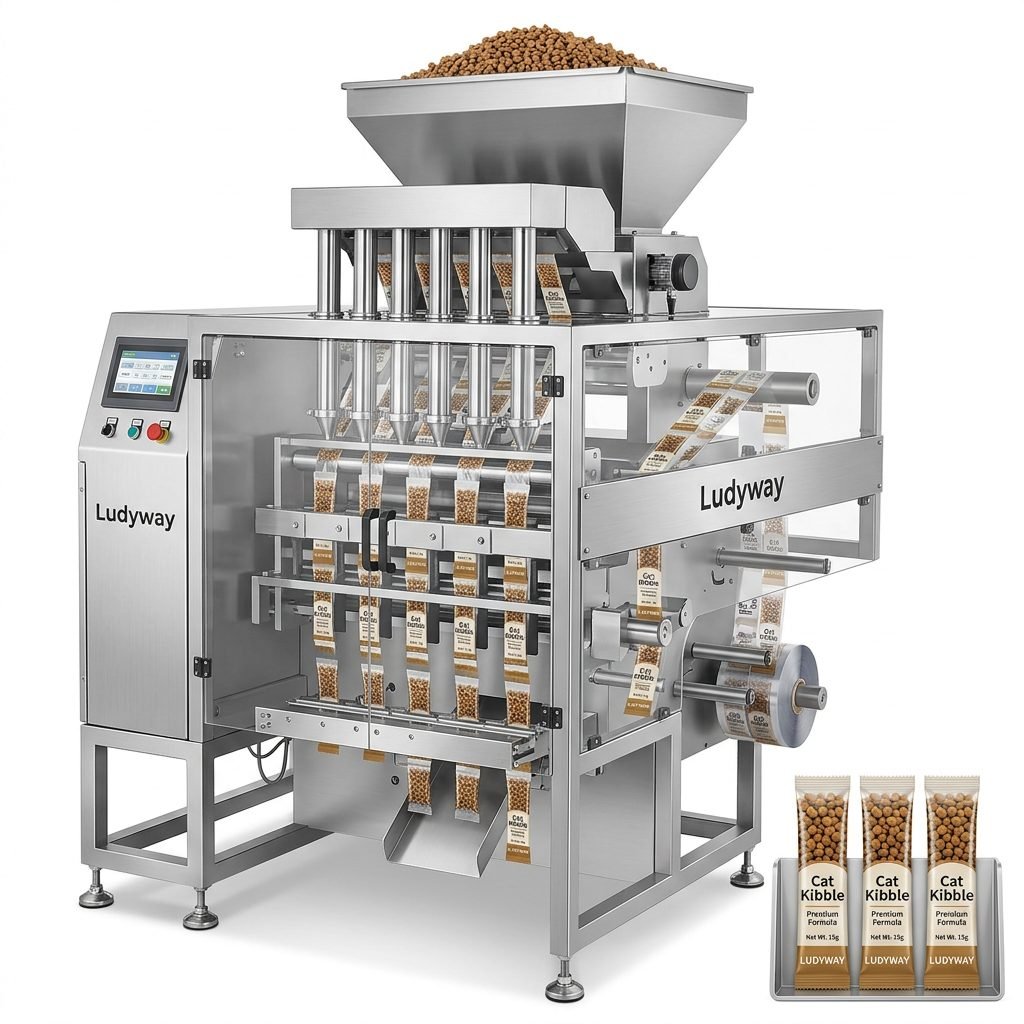
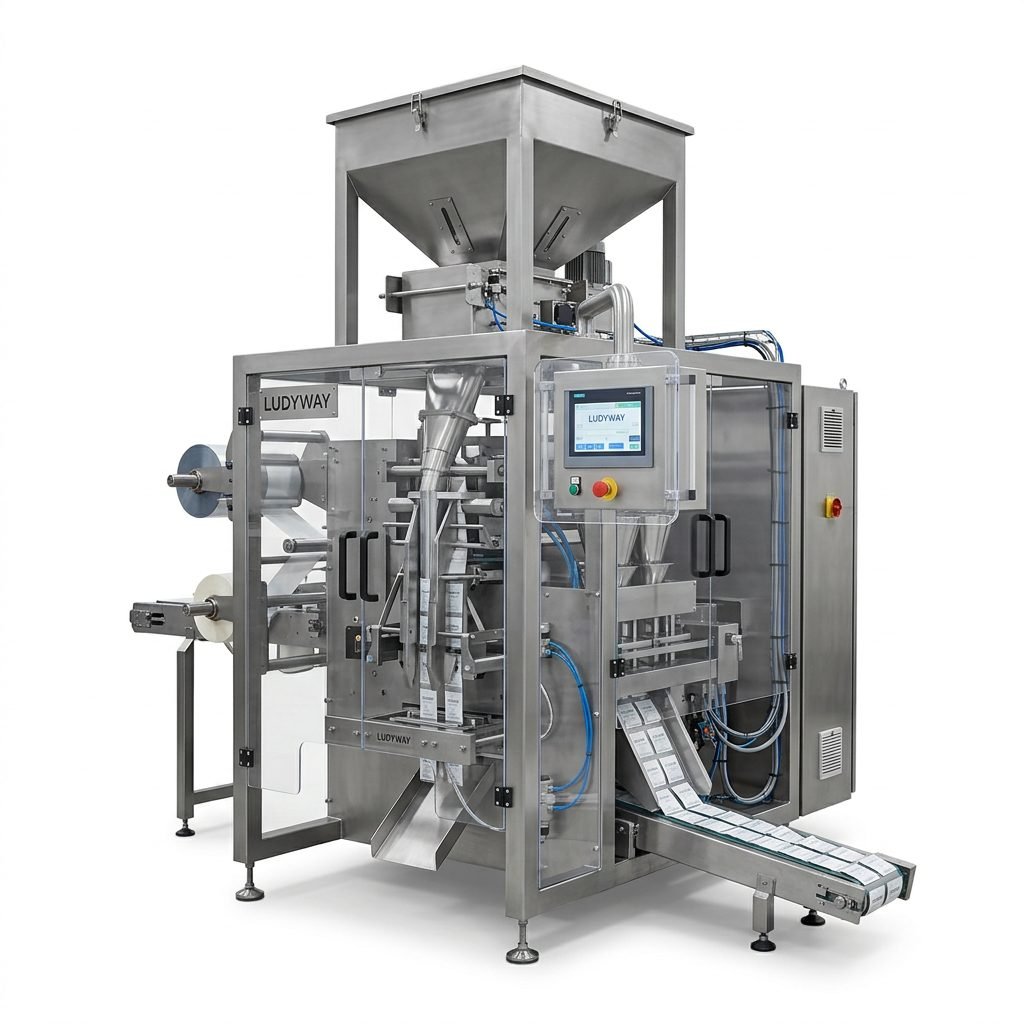
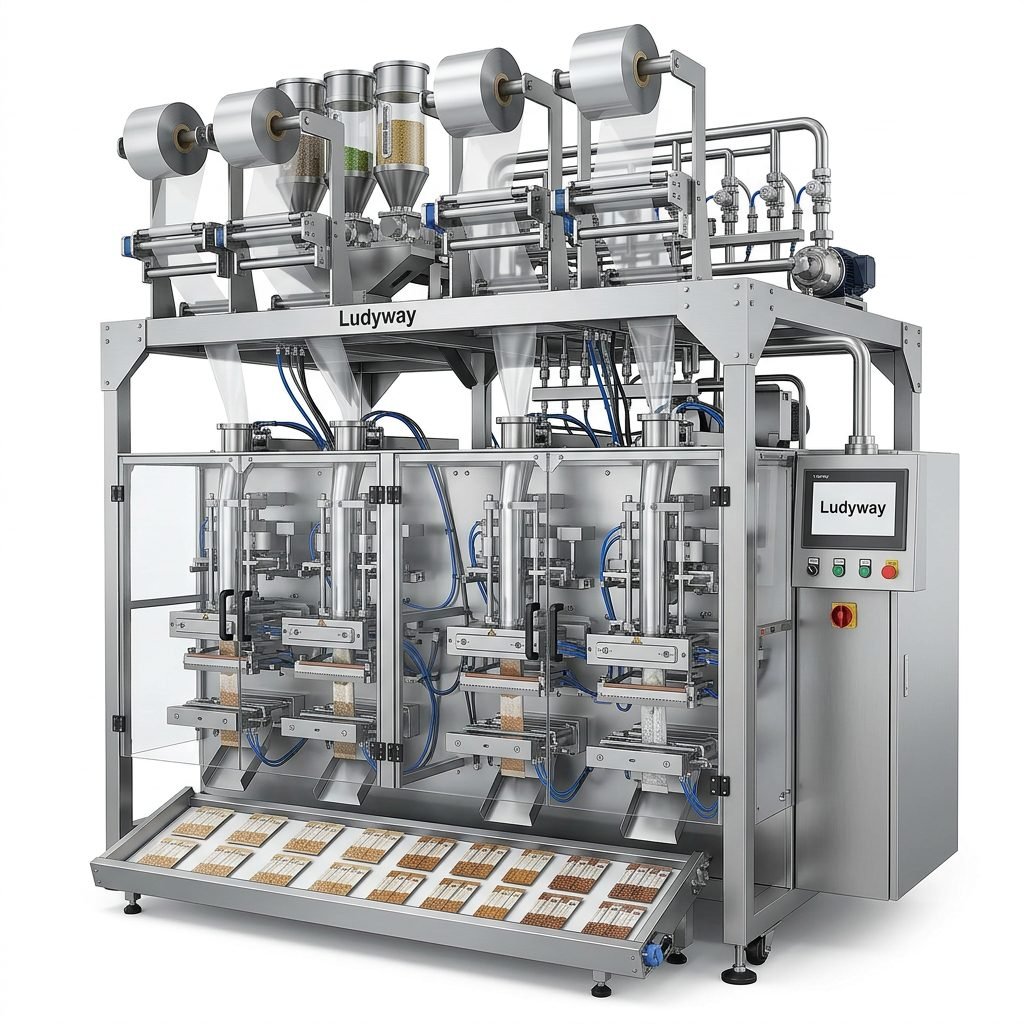
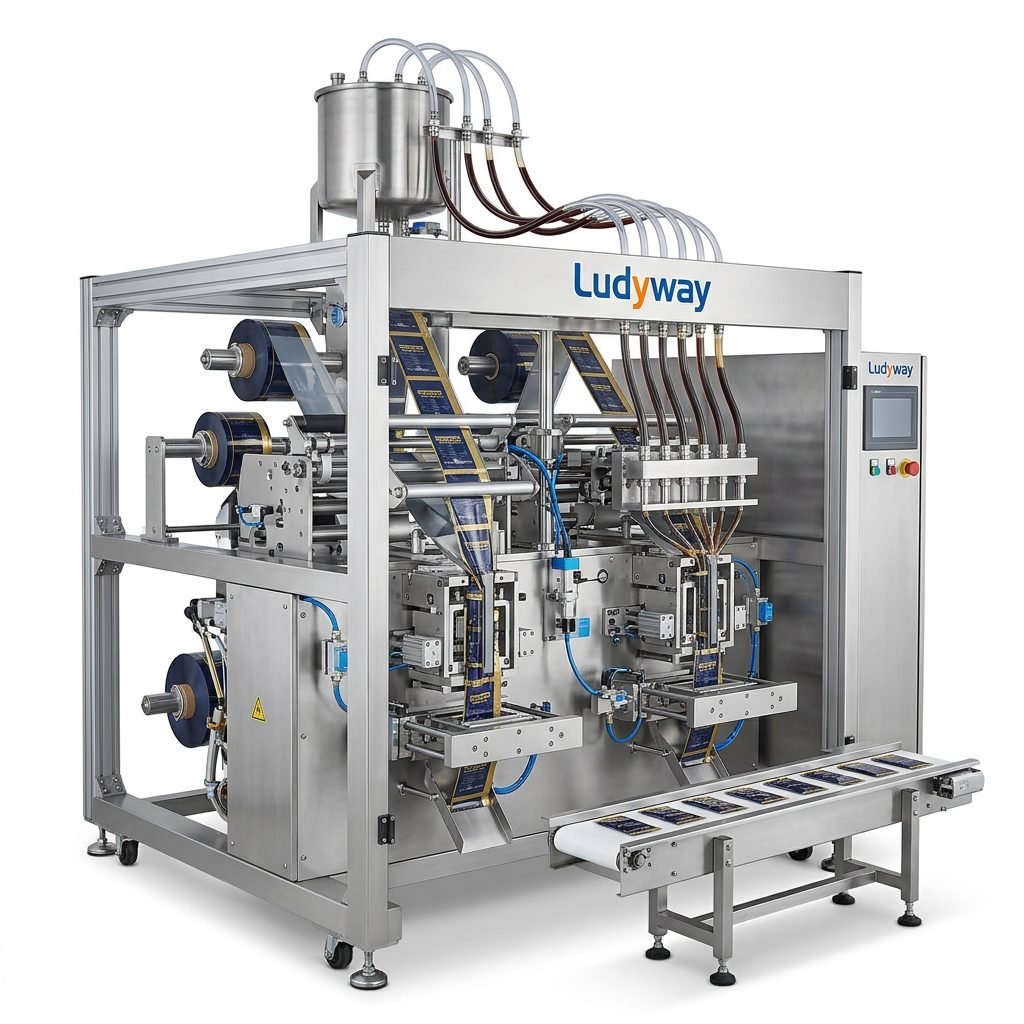
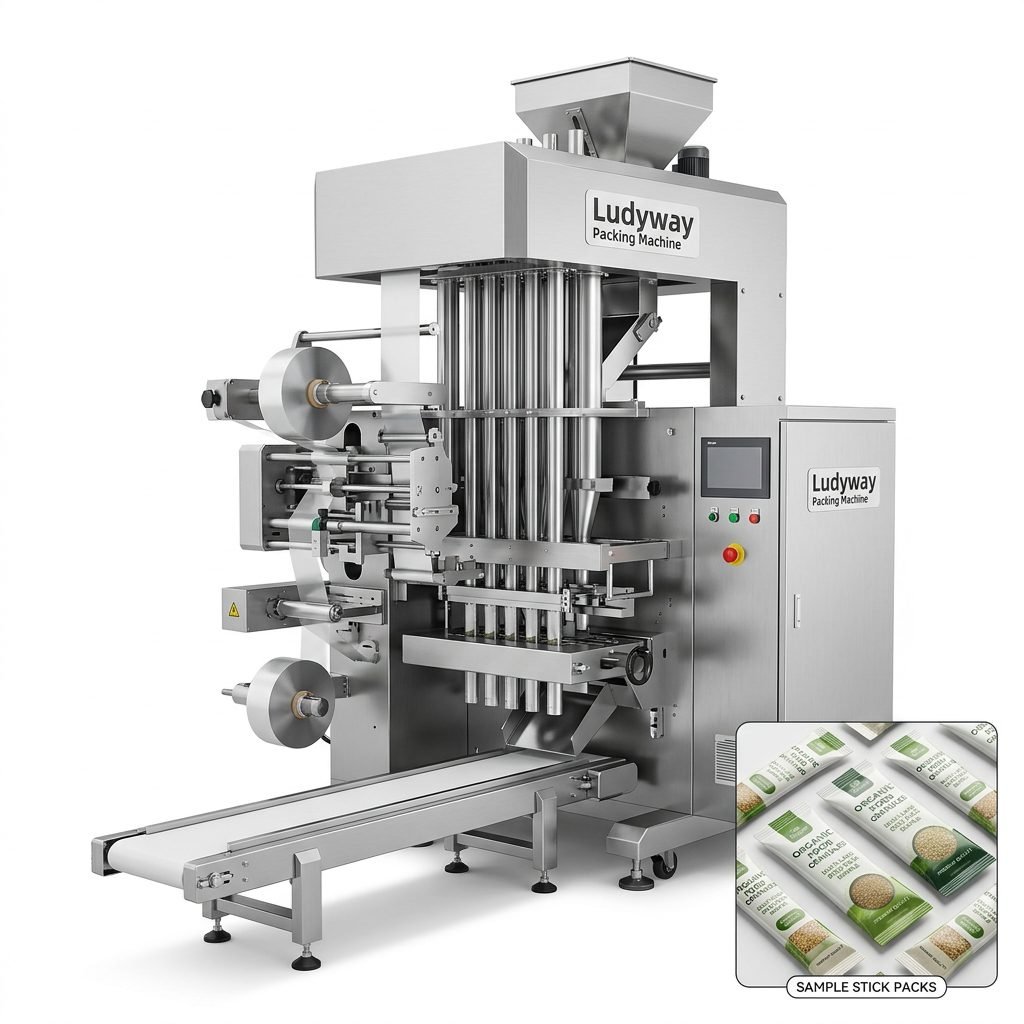
Multi-lane stick pack machines represent the pinnacle of hamburger packaging efficiency. These systems can simultaneously run 4 to 12 lanes, dramatically increasing output while maintaining precise portion control. For South American manufacturers, this translates directly to competitive advantage in both domestic and export markets.
The technology behind these machines ensures consistent seal integrity, critical for hamburger products that must withstand freezing, transportation, and varying storage conditions across South America’s diverse geography.
Technical Advantages of Modern Hamburger Packaging Systems
- Servo-driven filling systems ensuring ±0.5g accuracy per portion
- Nitrogen flushing capability for extended shelf life up to 18 months
- Quick-change tooling enabling product changeover in under 30 minutes
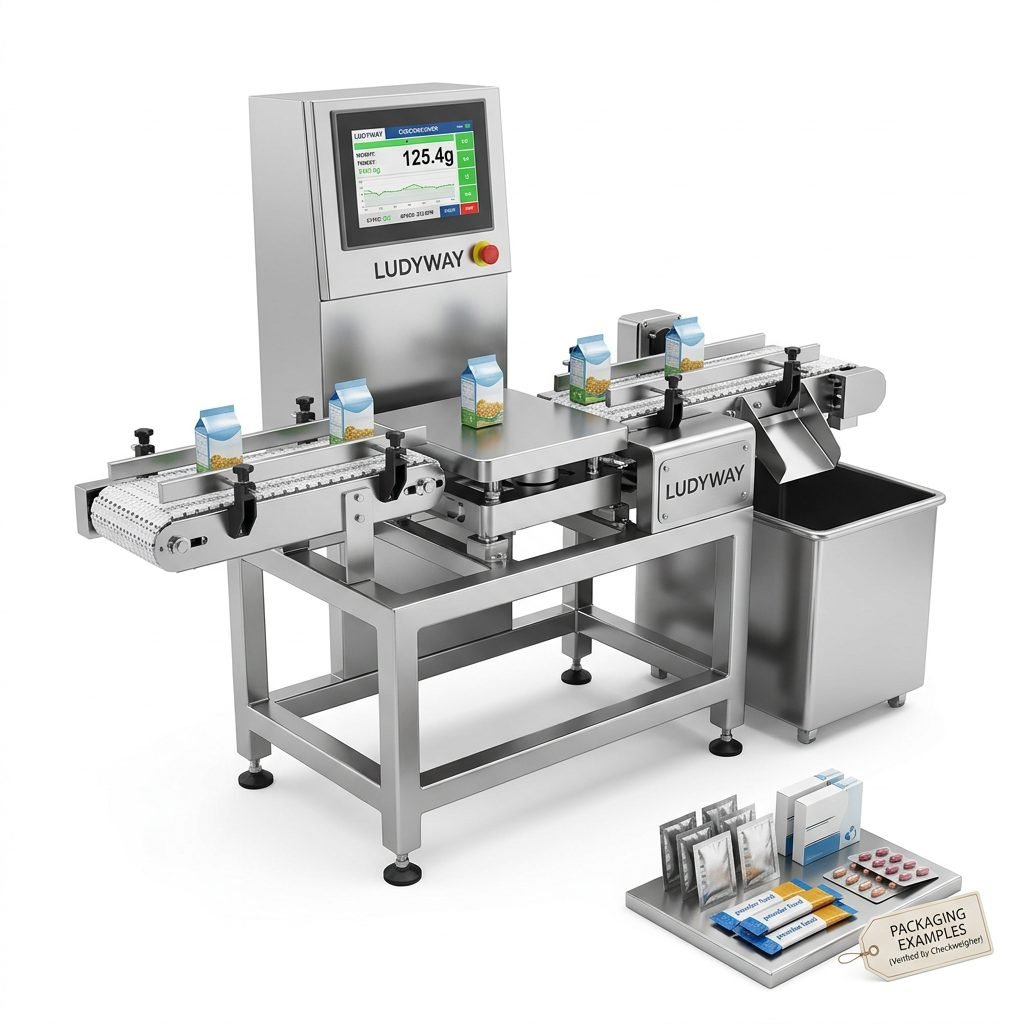
- Integrated checkweigher and metal detection systems
- Compatible with recyclable and biodegradable film materials
- Remote monitoring and IoT-enabled predictive maintenance
Performance Comparison: Multi-Lane vs. Single-Lane Packaging
| Performance Metric | Single-Lane Machine | Multi-Lane System |
|---|---|---|
| Output per minute | 40-60 packs | 200-600 packs |
| Labor requirement | 2-3 operators | 1 operator |
| Floor space efficiency | Baseline | 3-5x higher output/m² |
| Energy consumption per pack | Standard | 40% reduction |
| Film waste | 3-5% | Under 1.5% |
The data clearly demonstrates why industry research confirms that multi-lane technology delivers superior ROI and lower total cost of ownership for hamburger packaging operations.
Adapting to South American Market Requirements
South America presents unique packaging challenges that demand specialized solutions. From the high-altitude production facilities in the Andes to the humid coastal processing plants in Brazil, packaging equipment must perform reliably under diverse conditions.
Country-Specific Considerations
- Brazil: ANVISA compliance and Portuguese-language HMI interfaces
- Argentina: SENASA regulations for meat export packaging
- Colombia: High-altitude calibration for Bogotá-area facilities
- Chile: Temperature-controlled packaging for extended cold chain
- Peru: Flexible formats for both retail and food service sectors
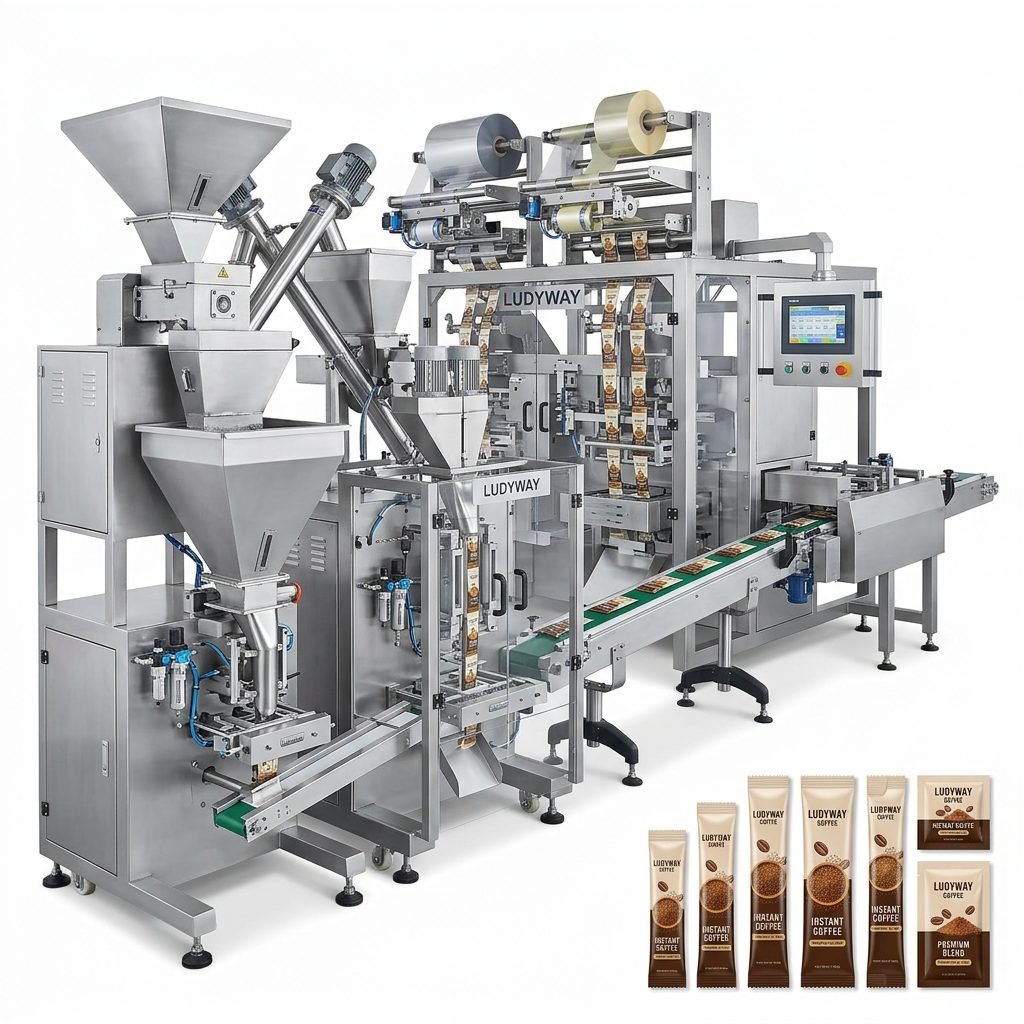
Essential Features for Hamburger Packaging Success
When evaluating hamburger packaging machinery for South American operations, several critical features determine long-term success and profitability. Understanding these requirements helps manufacturers make informed investment decisions that pay dividends for years.
Critical Selection Criteria
- Stainless steel construction meeting food-grade standards (304 or 316L)
- IP65 or higher washdown protection for sanitation protocols
- Servo-driven sealing jaws with precise temperature control
- Multi-language HMI with Spanish and Portuguese support
- Quick-release components for efficient cleaning and maintenance
- Compatibility with MAP (Modified Atmosphere Packaging) systems
- CE and relevant South American certifications
Investment Considerations for South American Buyers
The initial capital outlay for multi-lane hamburger packaging equipment represents a significant investment. However, forward-thinking South American manufacturers recognize that total cost of ownership and operational efficiency matter far more than purchase price alone.
| Cost Factor | Entry-Level Machine | Professional System |
|---|---|---|
| Initial investment | Lower | Higher |
| Annual maintenance cost | 8-12% of purchase | 3-5% of purchase |
| Expected service life | 5-7 years | 15-20 years |
| Resale value after 5 years | 10-20% | 40-50% |
| Downtime risk | High | Minimal |
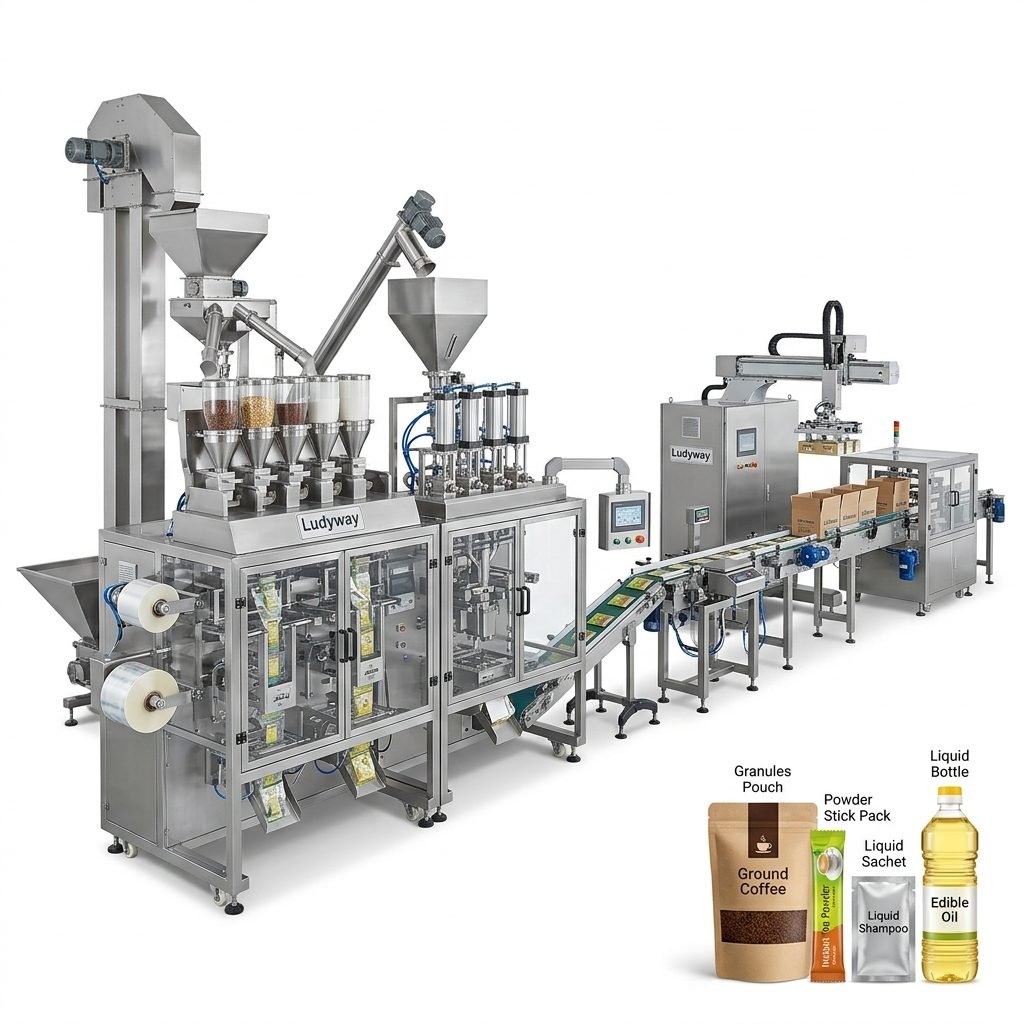
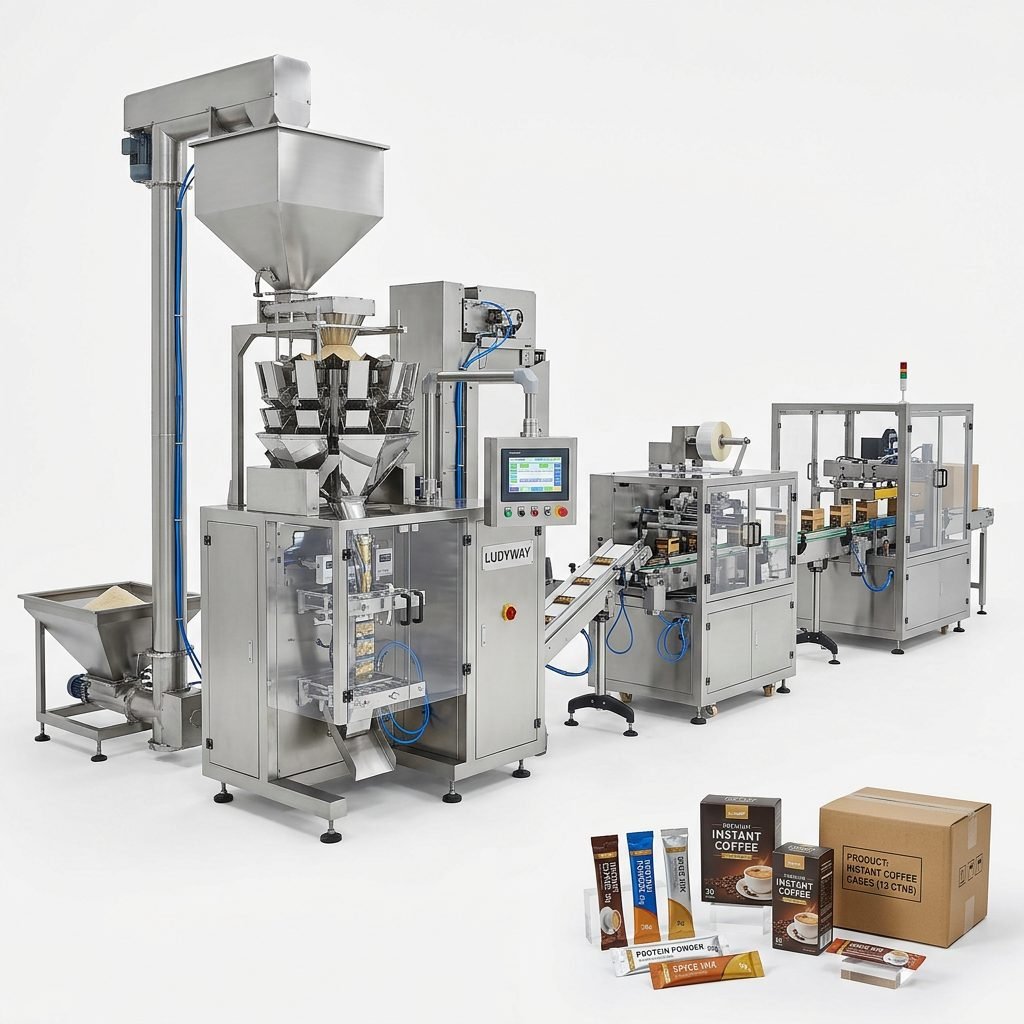
Ludyway has established itself as a trusted packaging solutions provider, with a modern 20,000㎡ manufacturing facility and over 30 years of specialized experience delivering high-performance packaging machinery to more than 100 countries worldwide — including a growing presence across South America’s food processing sector. The company’s multi-lane stick pack and sachet systems offer the precision, reliability, and local support that South American hamburger manufacturers require. For South American hamburger producers evaluating packaging equipment investments, the combination of proven technology, responsive service, and competitive pricing creates compelling value.
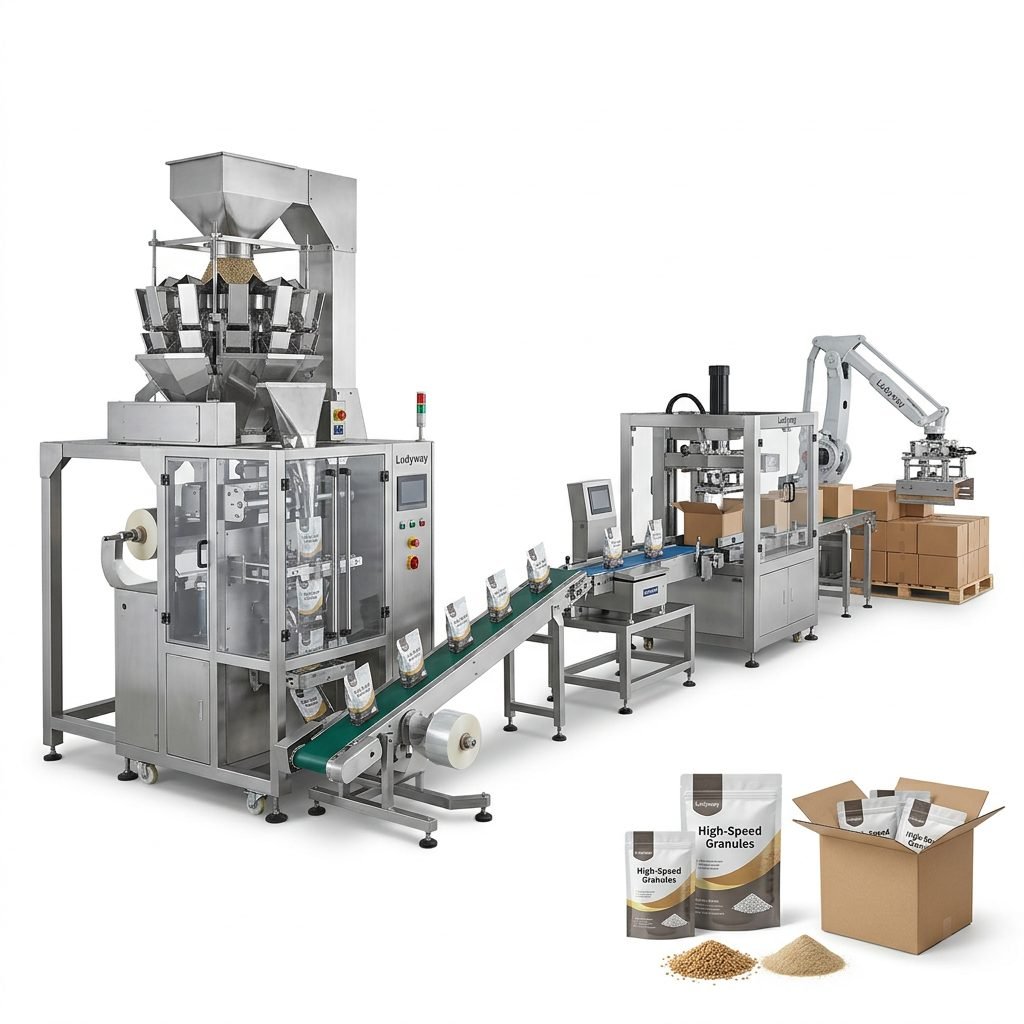
Regulatory Compliance and Food Safety
South American food safety authorities have significantly tightened packaging regulations in recent years. Modern hamburger packaging machines must comply with multiple standards to ensure market access across the region. Equipment that meets international food packaging standards provides additional confidence for manufacturers targeting export markets alongside domestic distribution.
Key Compliance Requirements
- MERCOSUR food contact material regulations for regional trade
- HACCP-compatible hygienic design principles
- Traceability systems for batch tracking and recall readiness
- GMP (Good Manufacturing Practice) compliance documentation
- Third-party validation of seal integrity and packaging performance
Future-Proofing Your Hamburger Packaging Line
The South American hamburger market continues to evolve, with emerging trends pointing toward smaller portion sizes, sustainable packaging materials, and smart packaging features. Investing in flexible, upgradeable packaging equipment ensures manufacturers can adapt to changing consumer preferences without costly complete line replacements.
Key considerations for future-ready packaging systems include modular design architecture, compatibility with bio-based and recyclable films, IoT connectivity for Industry 4.0 integration, and the ability to handle multiple product formats on a single machine platform.
South American hamburger manufacturers who choose wisely today position themselves for sustainable growth in an increasingly competitive market. The right packaging partner provides not just machinery, but a pathway to operational excellence and market leadership. For detailed information on packaging solutions tailored to hamburger and food processing applications, explore resources from the Flexible Packaging Association and leading packaging industry economic reports.