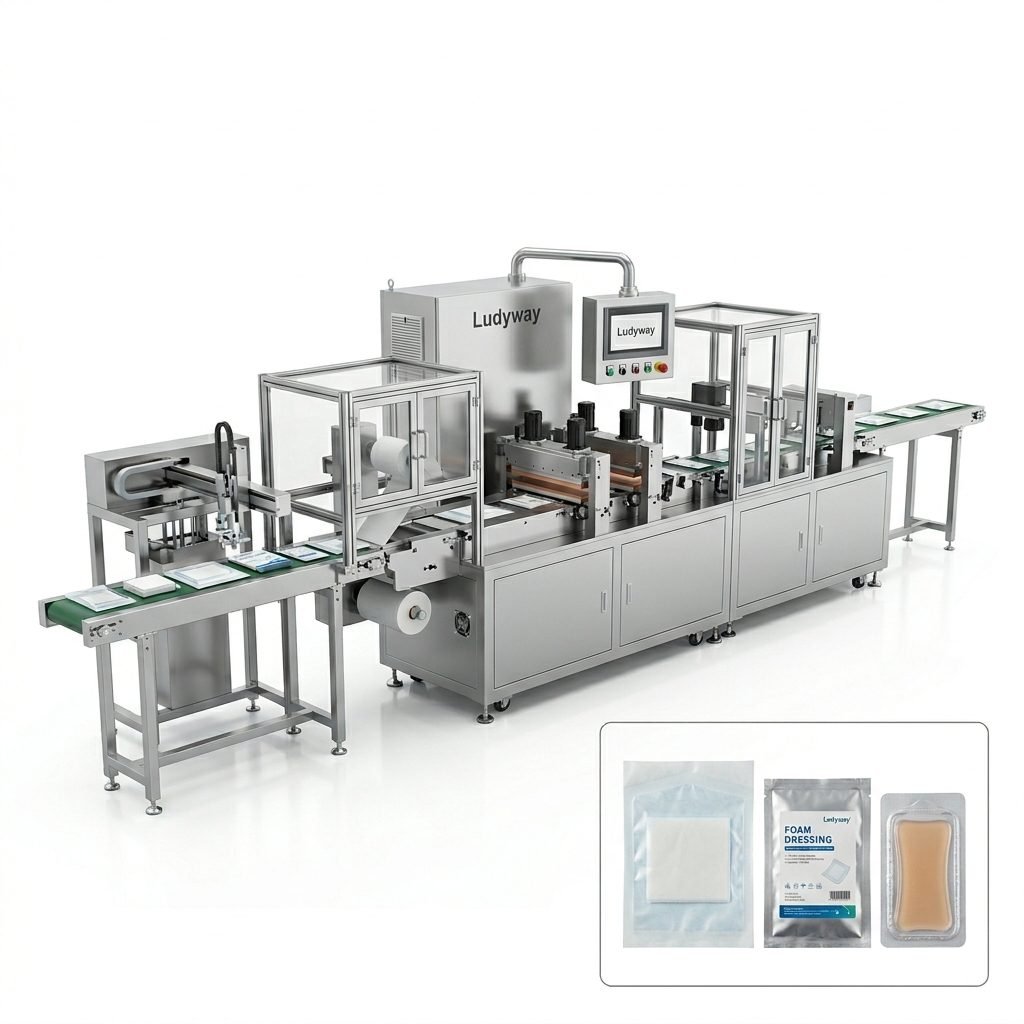
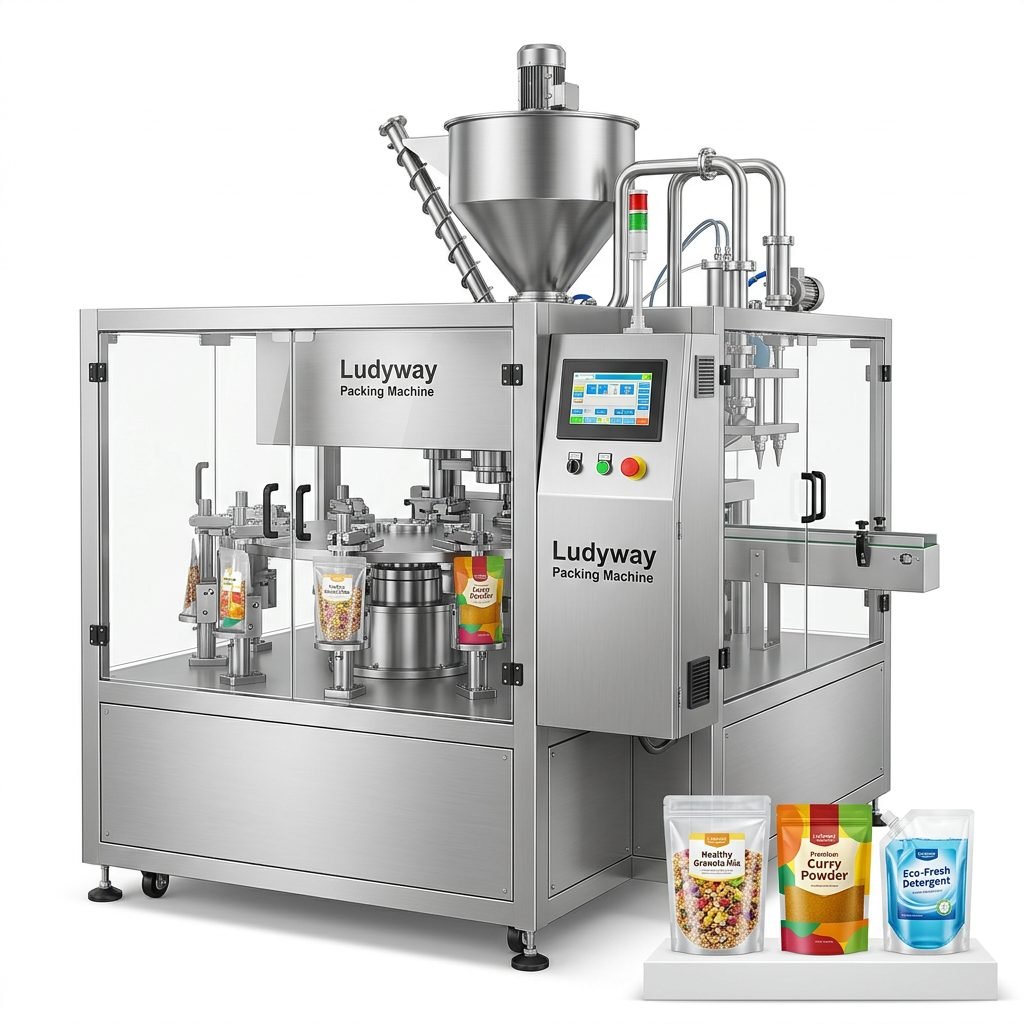
The Middle East is rapidly emerging as one of the most dynamic markets for packaged coffee products. With a young, urbanizing population and a deep-rooted coffee culture spanning from Turkish coffee traditions to modern specialty cafés, the demand for efficiently packaged coffee has never been higher. Setting up a coffee packaging machine production line in this region requires careful planning, from understanding local regulations to selecting the right packaging machine manufacturer and configuring equipment for optimal performance.
Understanding the Middle East Coffee Packaging Market
The Middle East coffee market is projected to grow at a CAGR of over 7% through 2030, driven by increasing disposable incomes and a shift toward premium and specialty coffee products. Countries like Saudi Arabia, the UAE, Qatar, and Kuwait represent significant opportunities for coffee producers and packagers. Understanding local consumption patterns is critical before investing in a coffee packaging production line.
Key Market Segments
- Traditional Arabic & Turkish Coffee: Fine powder packaging requiring precise dosing and aroma-sealing technology
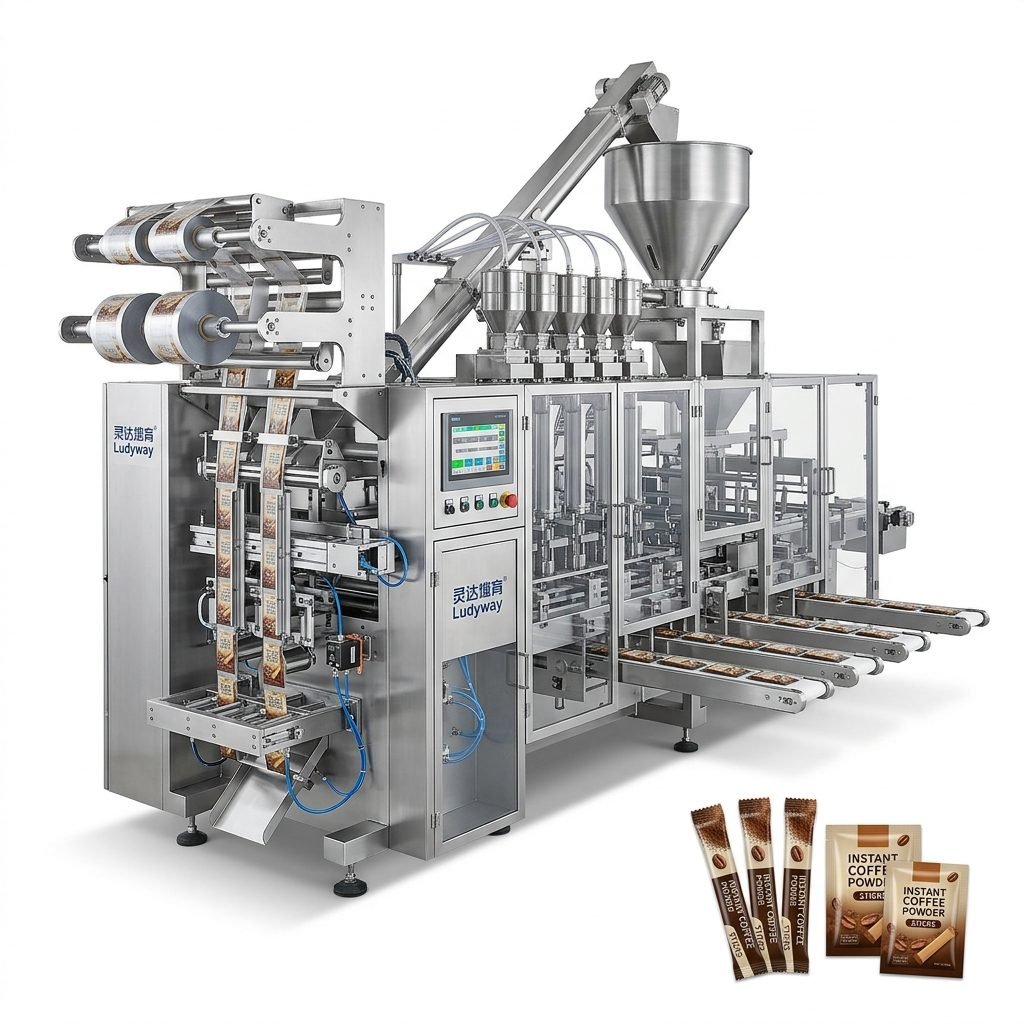
- Instant Coffee: High-speed stick pack and sachet formats dominate this segment
- Specialty & Single-Origin Coffee: Premium whole bean and ground coffee in valve bags and pouches
- Ready-to-Drink (RTD) Coffee: Growing demand for liquid coffee in innovative packaging formats
- Food Service & HoReCa: Bulk packaging solutions for hotels, restaurants, and cafés
Selecting the Right Coffee Packaging Machine
Choosing the appropriate coffee packaging equipment is the foundation of a successful production line. The selection depends on your target product format, production capacity requirements, and the specific characteristics of coffee as a product—its hygroscopic nature, oil content, and sensitivity to oxygen require specialized handling.
Types of Coffee Packaging Machines
| Machine Type | Best For | Key Advantage |
|---|---|---|
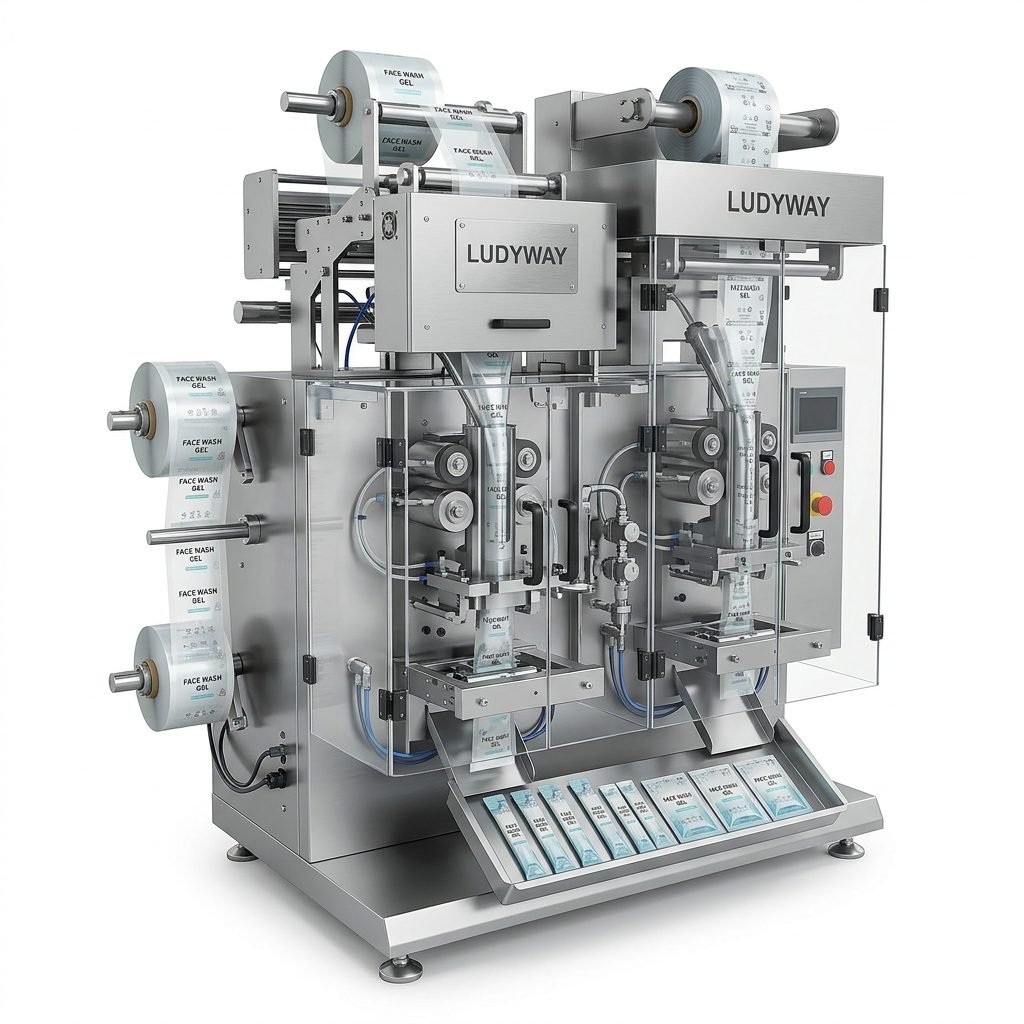
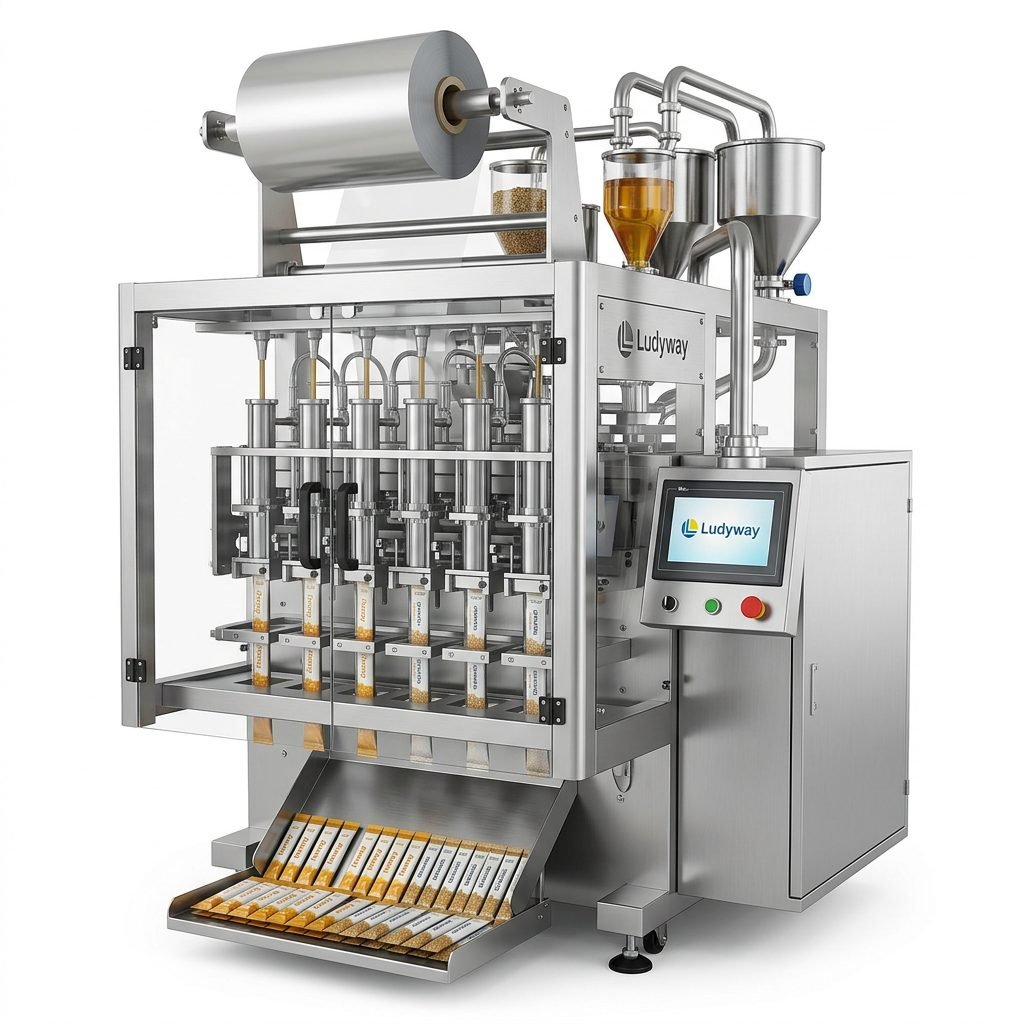
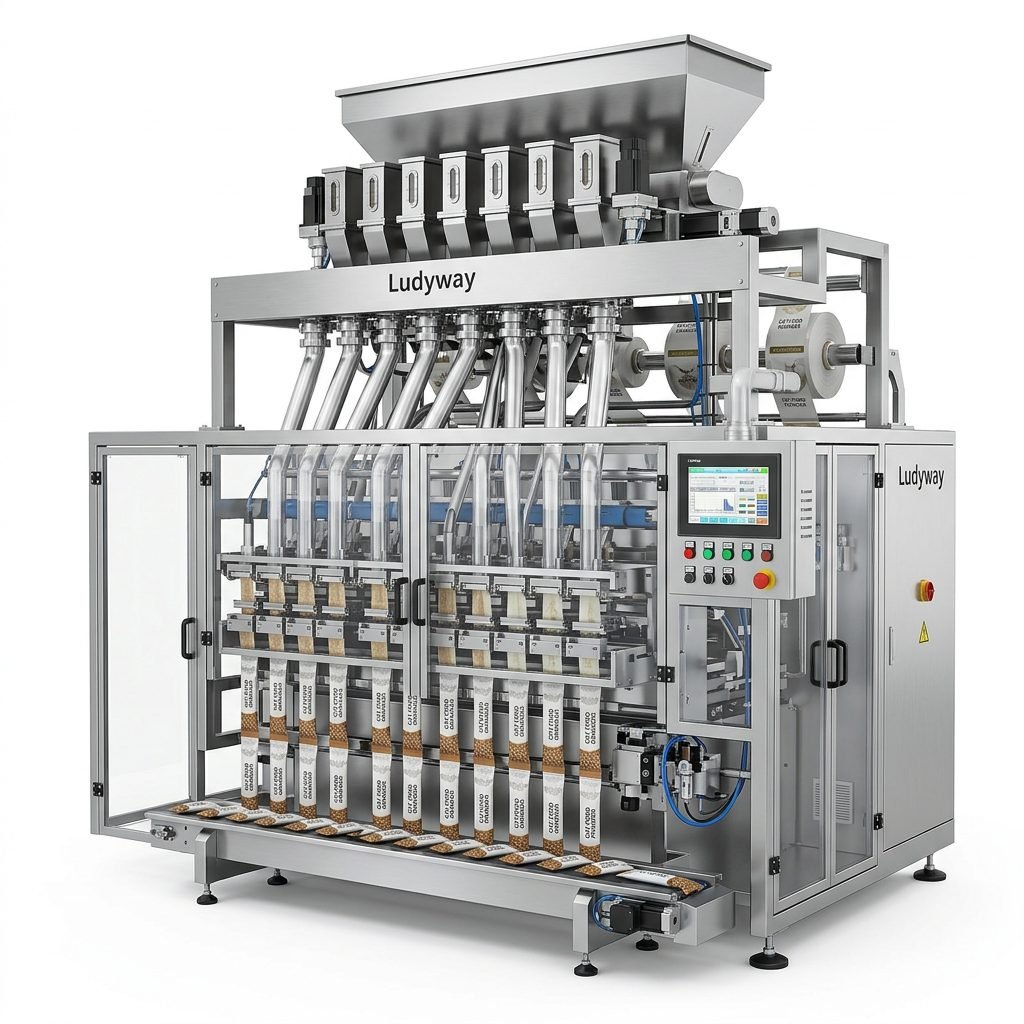
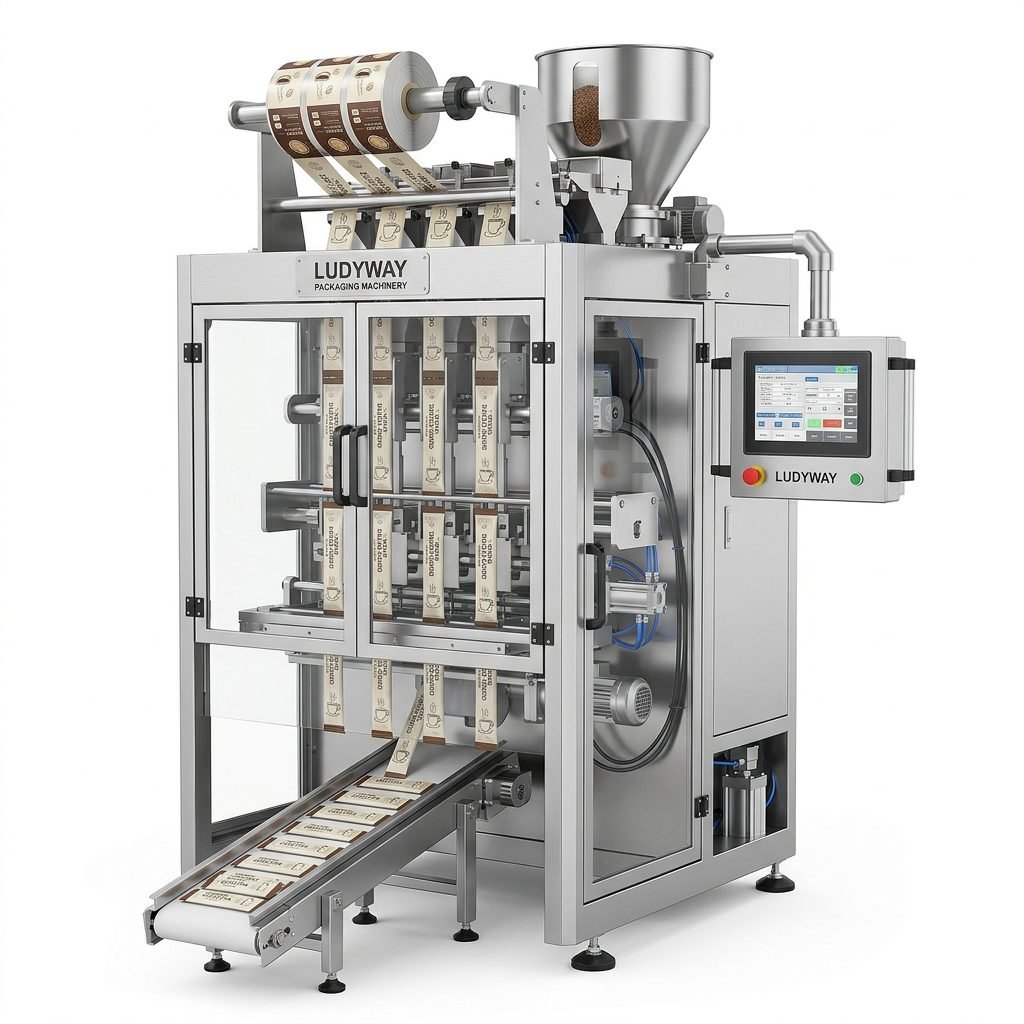
| Multi-Lane Stick Pack Machine | Instant coffee, single-serve portions | High output, precise dosing, compact footprint |
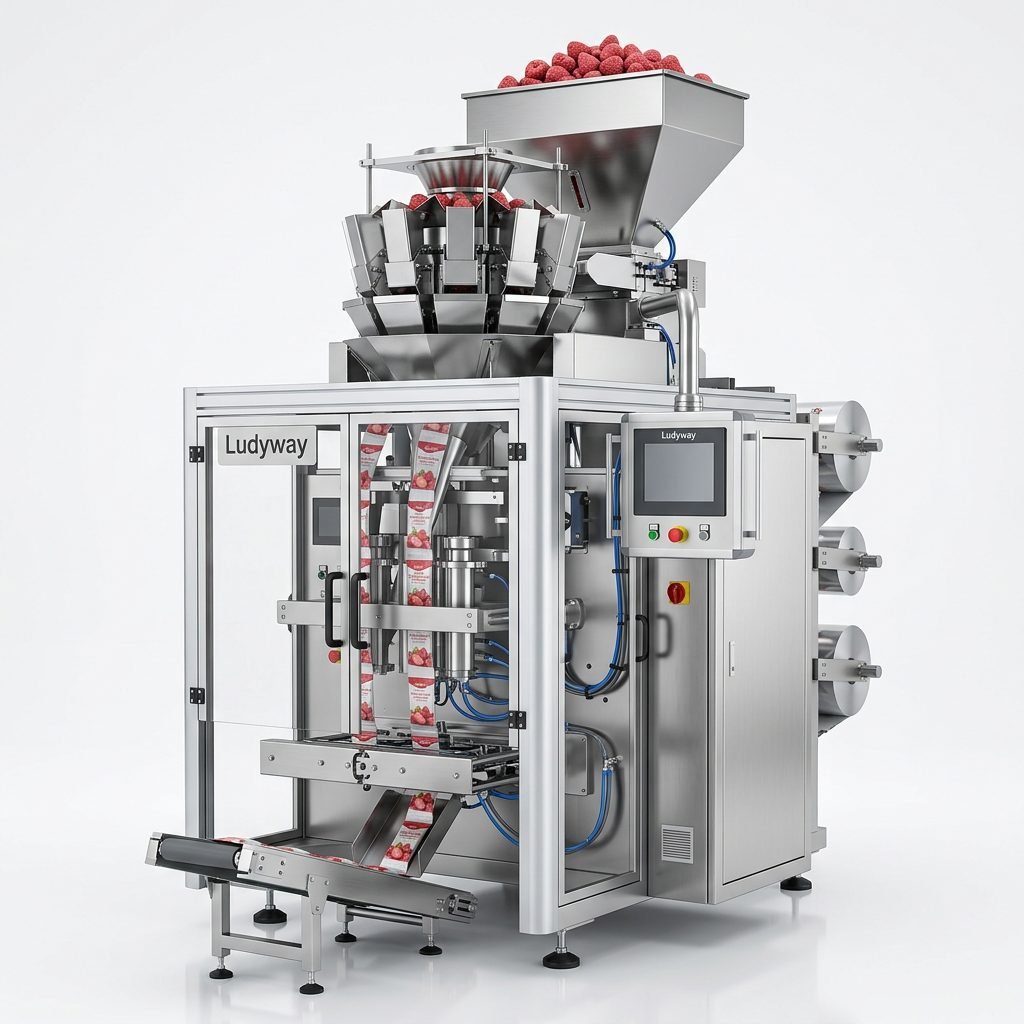
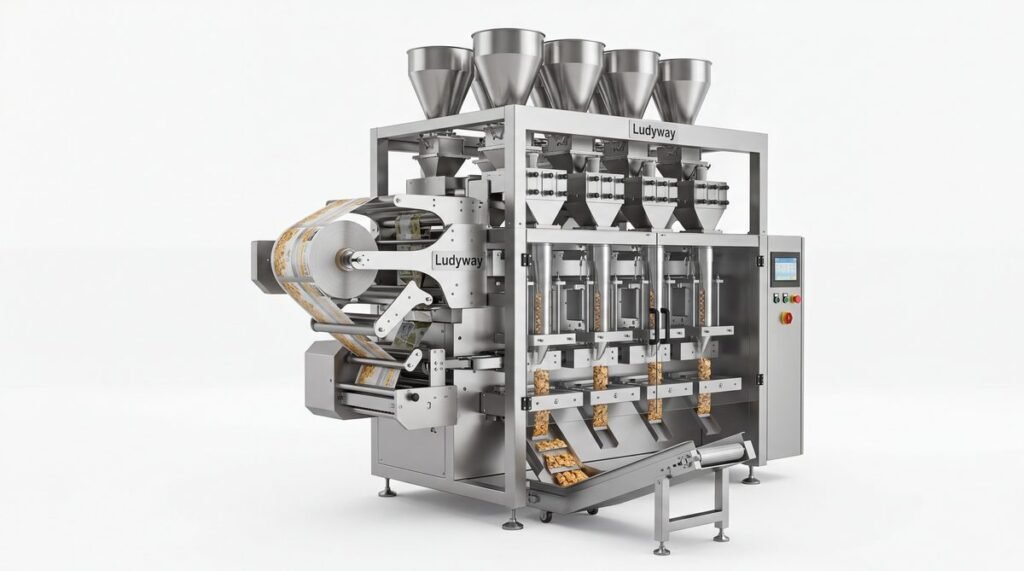
| Vertical Form Fill Seal (VFFS) | Ground coffee, whole beans | Versatile bag sizes, excellent seal integrity |
| Premade Pouch Packaging Machine | Premium coffee, specialty blends | Attractive retail presentation, zipper options |
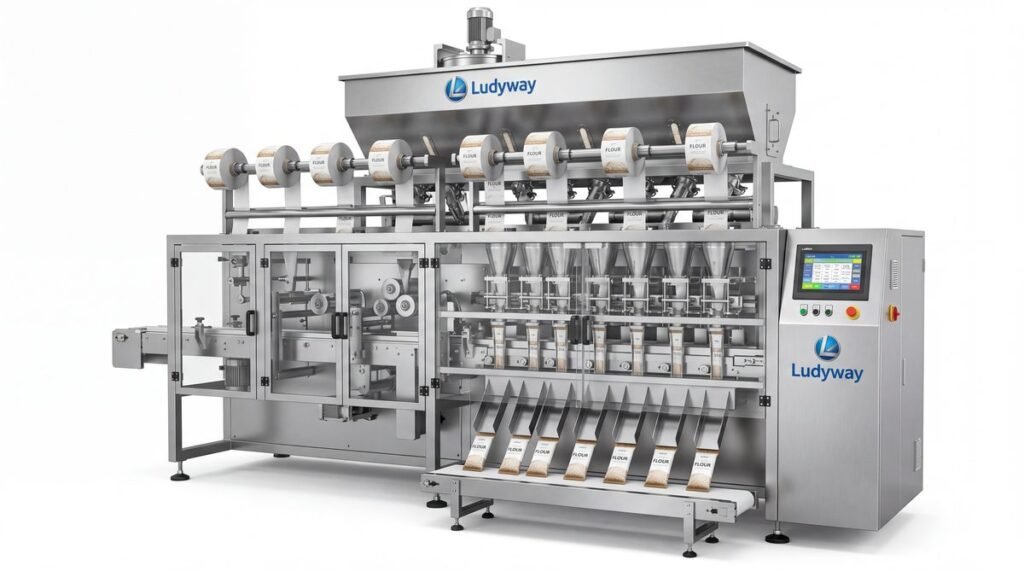
| Multi-Lane Sachet Machine | 3-in-1 coffee mixes, cappuccino sachets | Cost-effective for high-volume production |
| Valve Bag Packaging Line | Freshly roasted whole beans | One-way degassing valve integration |
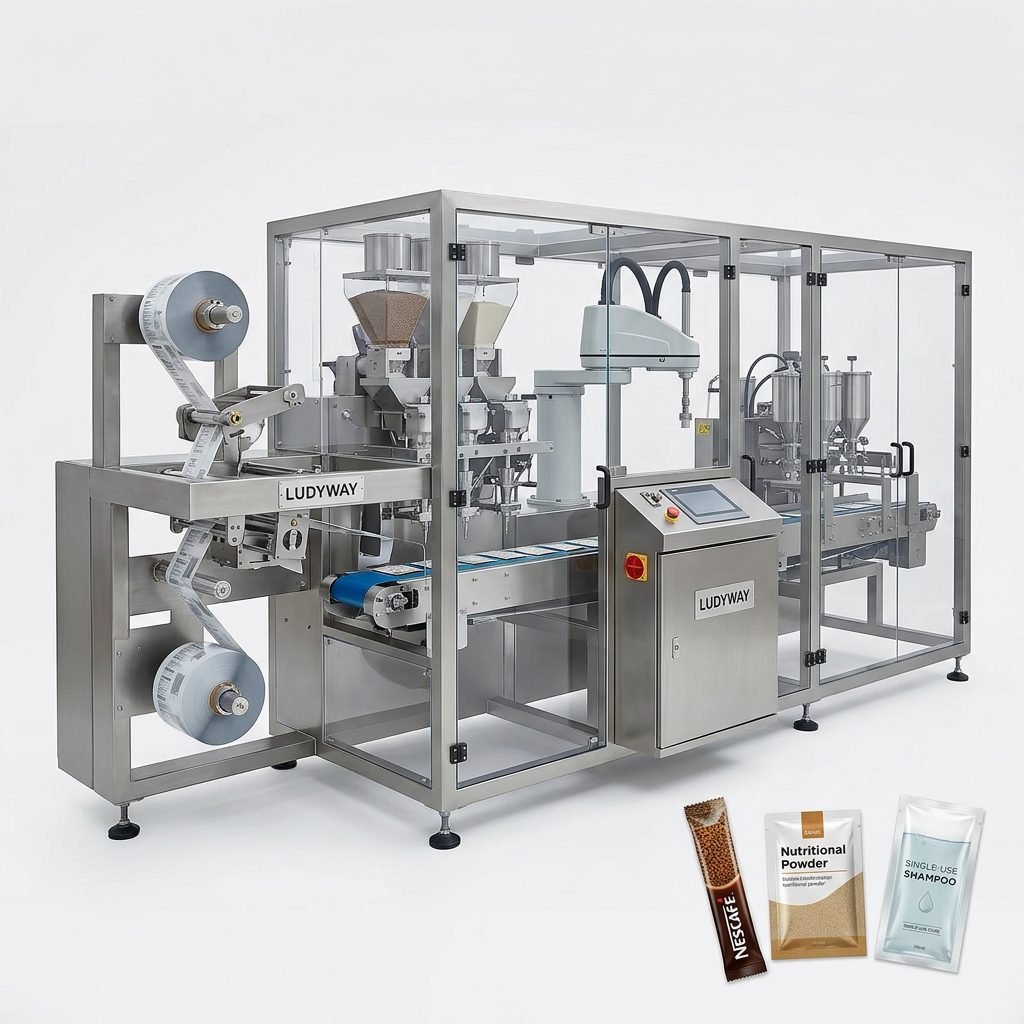
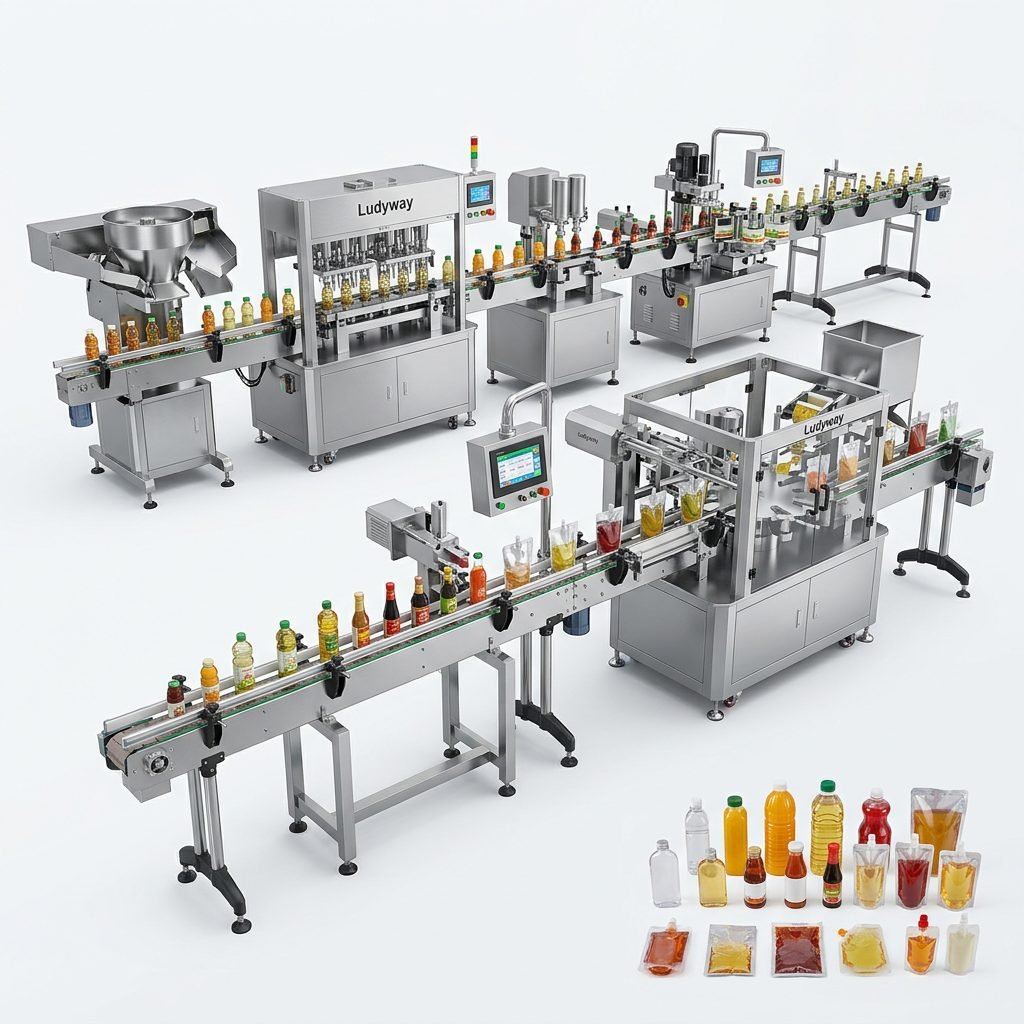
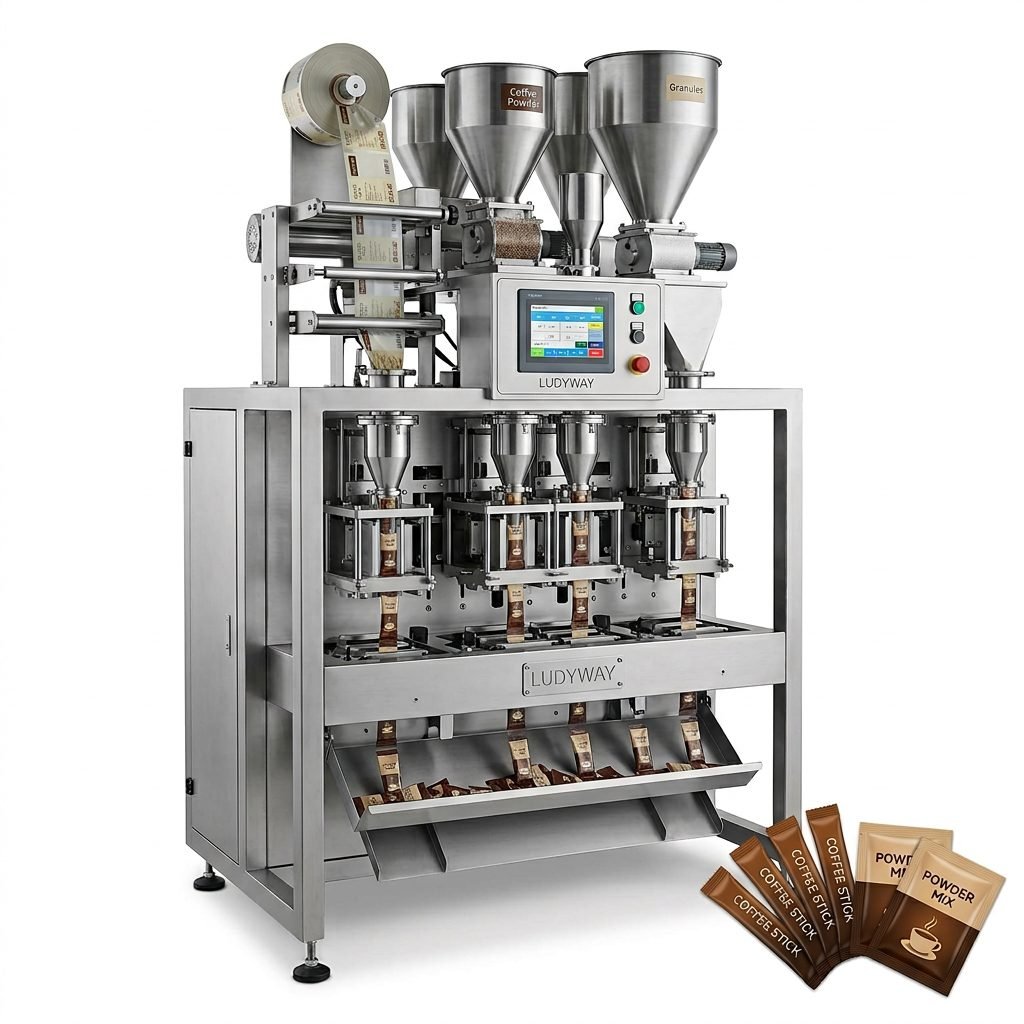
When evaluating coffee packaging machine suppliers, it is essential to partner with experienced manufacturers that understand the nuances of coffee processing. Ludyway, a leading packaging machine manufacturer with over 30 years of experience, offers comprehensive turnkey solutions for coffee packaging applications across granule, powder, and liquid formats, serving customers in more than 100 countries with customized production line configurations.
Step-by-Step Guide to Setting Up Your Coffee Packaging Line
Step 1: Define Production Requirements
Before purchasing equipment, clearly define your production capacity targets, packaging formats, and budget parameters. Consider the following:
- Target output per shift (e.g., 50,000 stick packs per day)
- Package sizes and configurations (single-serve vs. multi-serve)
- Film and material compatibility requirements
- Available floor space and facility layout
- Energy and utility requirements specific to Middle East operating conditions
Step 2: Facility Preparation and Infrastructure
Middle East facilities require special attention to climate control. Coffee powder is highly hygroscopic, and the region’s high humidity and temperature levels demand robust HVAC systems, dehumidifiers, and temperature-controlled storage areas. Ensure your facility meets the following standards:
- Temperature maintained between 20°C and 25°C
- Relative humidity controlled below 60%
- Adequate dust extraction and ventilation systems
- Food-grade flooring and wall surfaces compliant with HACCP standards
- Stable three-phase power supply with backup generator capacity
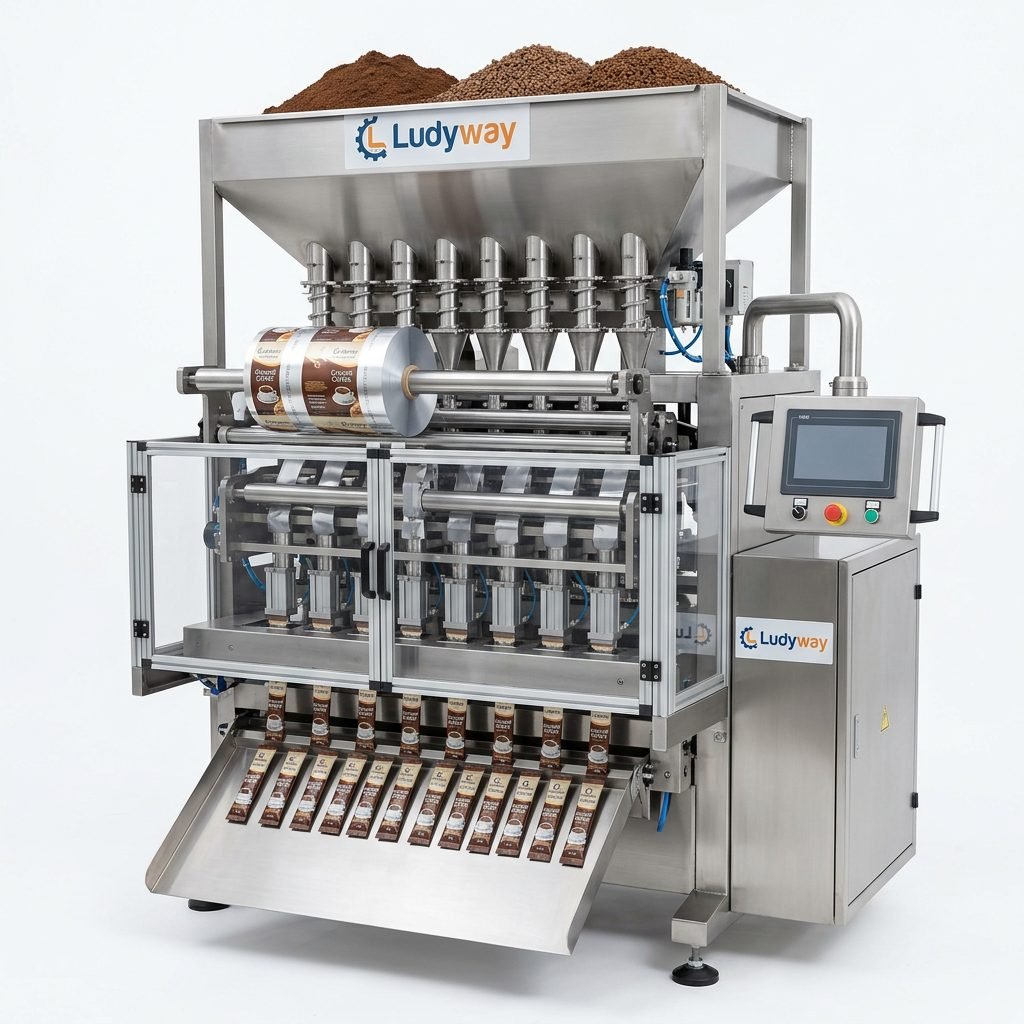
Step 3: Equipment Installation and Line Configuration
A fully integrated coffee packaging production line typically includes the following interconnected equipment:
- Feeding System: Automatic auger or vibratory feeders for consistent product flow
- Multi-Head Weigher or Auger Filler: Precision dosing for accurate portion control
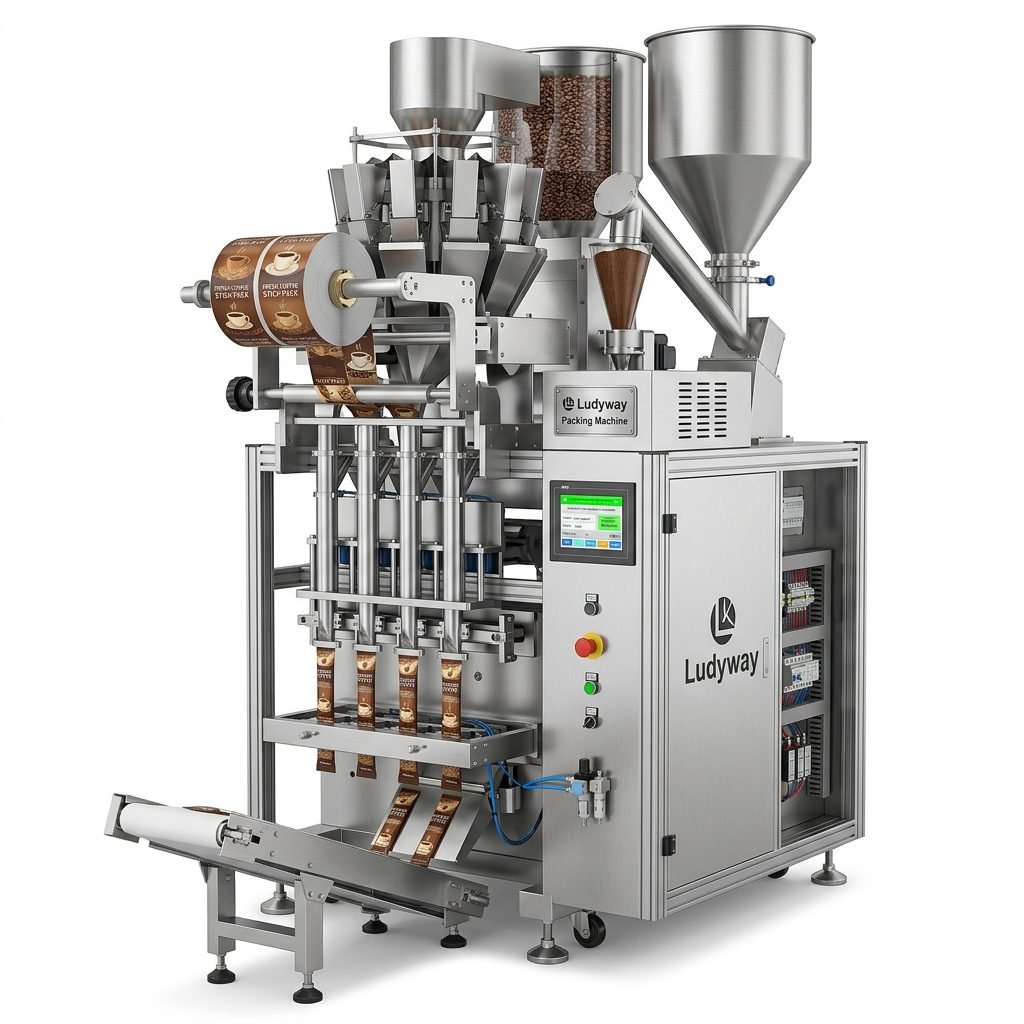
- Primary Packaging Machine: Stick pack, sachet, or pouch forming and filling unit
- Checkweigher: In-line weight verification to ensure compliance
- Metal Detector: Critical for food safety and contaminant detection
- Cartoning Machine: Automated carton erection and loading
- Case Packer and Palletizer: End-of-line automation for efficient logistics
Step 4: Compliance with Middle East Food Safety Regulations
Navigating the regulatory landscape in the Middle East is crucial for market access. Key standards and certifications to consider include:
| Standard / Certification | Applicable Region | Requirement Summary |
|---|---|---|
| SFDA Regulations | Saudi Arabia | Saudi Food and Drug Authority compliance for food contact materials |
| ESMA Standards | UAE | Emirates Authority for Standardization and Metrology approval |
| Halal Certification | GCC-wide | Packaging materials and processes must meet Halal requirements |
| GSO Standards | Gulf Region | GCC Standardization Organization food packaging regulations |
| ISO 22000 / FSSC 22000 | International | Food safety management system certification |
Step 5: Testing, Commissioning, and Training
Once equipment is installed, a thorough commissioning process is essential. This includes dry runs, product trials, and fine-tuning of all parameters. Comprehensive operator training should cover:
- Machine operation and control panel navigation
- Cleaning and sanitation procedures
- Preventive maintenance schedules
- Troubleshooting common issues
- Safety protocols and emergency procedures
Optimizing Coffee Packaging for Shelf Life and Quality
Preserving the freshness and aroma of coffee is paramount. Oxygen, moisture, and light are the primary enemies of coffee quality. Implementing the following packaging technologies will significantly extend shelf life:
Modified Atmosphere Packaging (MAP)
Flushing packages with nitrogen gas displaces oxygen inside the package, preventing oxidation and preserving volatile aromatic compounds. This is particularly important for ground coffee and whole bean products destined for retail shelves across the Middle East.
High-Barrier Packaging Films
Utilize multi-layer laminated films with aluminum foil or metallized layers to provide exceptional moisture and oxygen barrier properties. The choice of film structure should be matched to the expected shelf life and distribution conditions in the region.
One-Way Degassing Valves
For freshly roasted whole bean coffee, one-way degassing valves allow CO₂ to escape while preventing oxygen ingress, maintaining peak freshness without package bloating during transit.
Cost Considerations for Middle East Operations
| Cost Category | Estimated Range (USD) | Notes |
|---|---|---|
| Equipment Investment | $150,000 – $800,000+ | Depending on automation level and capacity |
| Facility Setup | $100,000 – $400,000 | Climate control, utilities, food-grade infrastructure |
| Shipping & Logistics | $15,000 – $50,000 | Sea freight and customs clearance to Middle East ports |
| Installation & Commissioning | $10,000 – $30,000 | Engineer deployment and on-site support |
| Annual Maintenance | $8,000 – $25,000 | Spare parts and preventive service contracts |
Choosing the Right Location in the Middle East
Several industrial zones and free trade areas in the Middle East offer attractive incentives for food packaging operations, including tax exemptions, full foreign ownership, and streamlined customs procedures. Notable locations include Jebel Ali Free Zone (JAFZA) in Dubai, King Abdullah Economic City (KAEC) in Saudi Arabia, and Ras Bufontas Free Zone in Qatar. These zones provide excellent infrastructure and proximity to major shipping routes connecting Europe, Asia, and Africa.
Training and Workforce Development
Building a skilled workforce is essential for long-term operational success. Partner with your packaging machine supplier to arrange comprehensive training programs. Many manufacturers offer remote diagnostic support and on-site technical assistance, which can be invaluable for maintaining high equipment uptime in the Middle East.
Future-Proofing Your Coffee Packaging Line
As the Middle East coffee market continues to evolve, your packaging line should be designed with flexibility and scalability in mind. Consider equipment that can handle multiple packaging formats, accommodate future product innovations, and integrate with Industry 4.0 technologies such as IoT-enabled monitoring, predictive maintenance analytics, and automated quality inspection systems.
Key Takeaways for Setting Up Your Coffee Packaging Line in the Middle East
- Conduct thorough market research to align your packaging formats with regional consumer preferences
- Select equipment that can handle coffee’s unique properties—hygroscopic, aromatic, and prone to oxidation
- Ensure compliance with local GCC food safety regulations and international standards
- Invest in climate control infrastructure to protect product quality in the Middle East environment
- Partner with an experienced packaging machine manufacturer that offers comprehensive after-sales support
- Design your production line with flexibility to adapt to evolving market demands and product innovations
Setting up a coffee packaging machine production line in the Middle East is a significant investment that, when executed correctly, can yield substantial returns in one of the world’s most vibrant coffee markets. By carefully selecting equipment, ensuring regulatory compliance, and optimizing for product quality, your operation can thrive in this dynamic region.