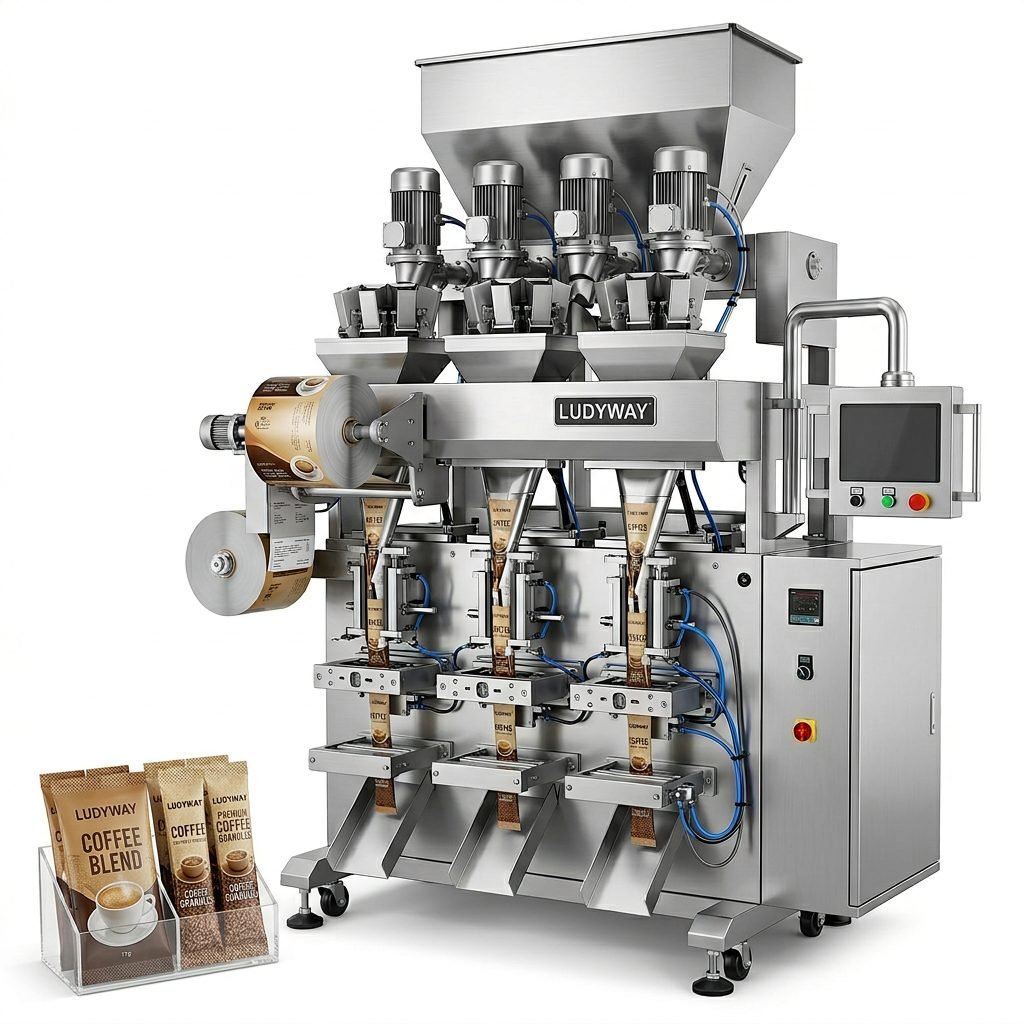
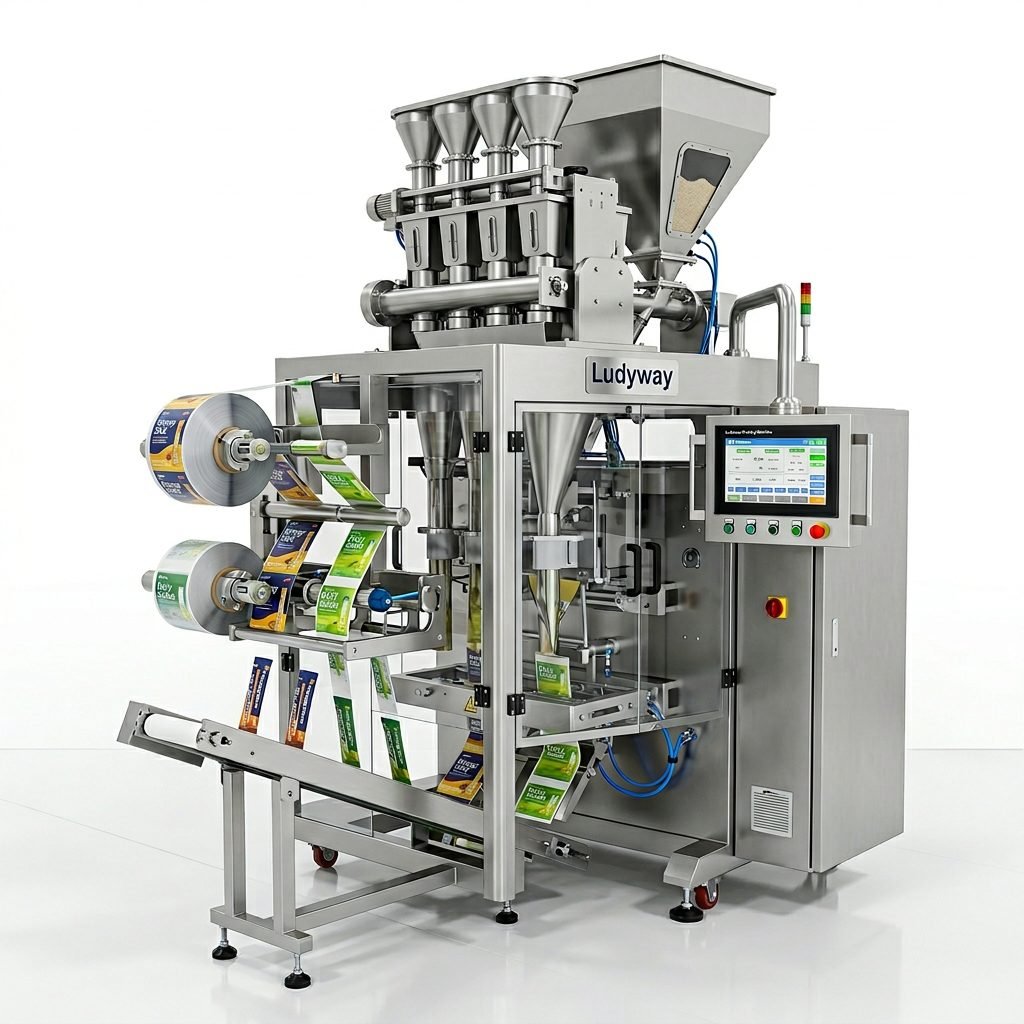
The European edible oil market is undergoing a significant transformation. With consumers increasingly demanding convenience, portion control, and sustainable packaging, manufacturers are investing heavily in advanced edible oil packaging machines. Whether you are bottling extra virgin olive oil in Italy, sunflower oil in Ukraine, or filling single-serve sachets for the food service industry, selecting the right equipment is critical for operational efficiency and brand reputation. This guide explores the essential types, cutting-edge features, and the real costs associated with modern oil packaging systems.
Types of Edible Oil Packaging Machines
Choosing the correct machine format depends entirely on your target market and distribution channel. The European sector is broadly divided into retail bottle lines and single-dose flexible packaging systems.
1. Bottle Filling and Capping Lines
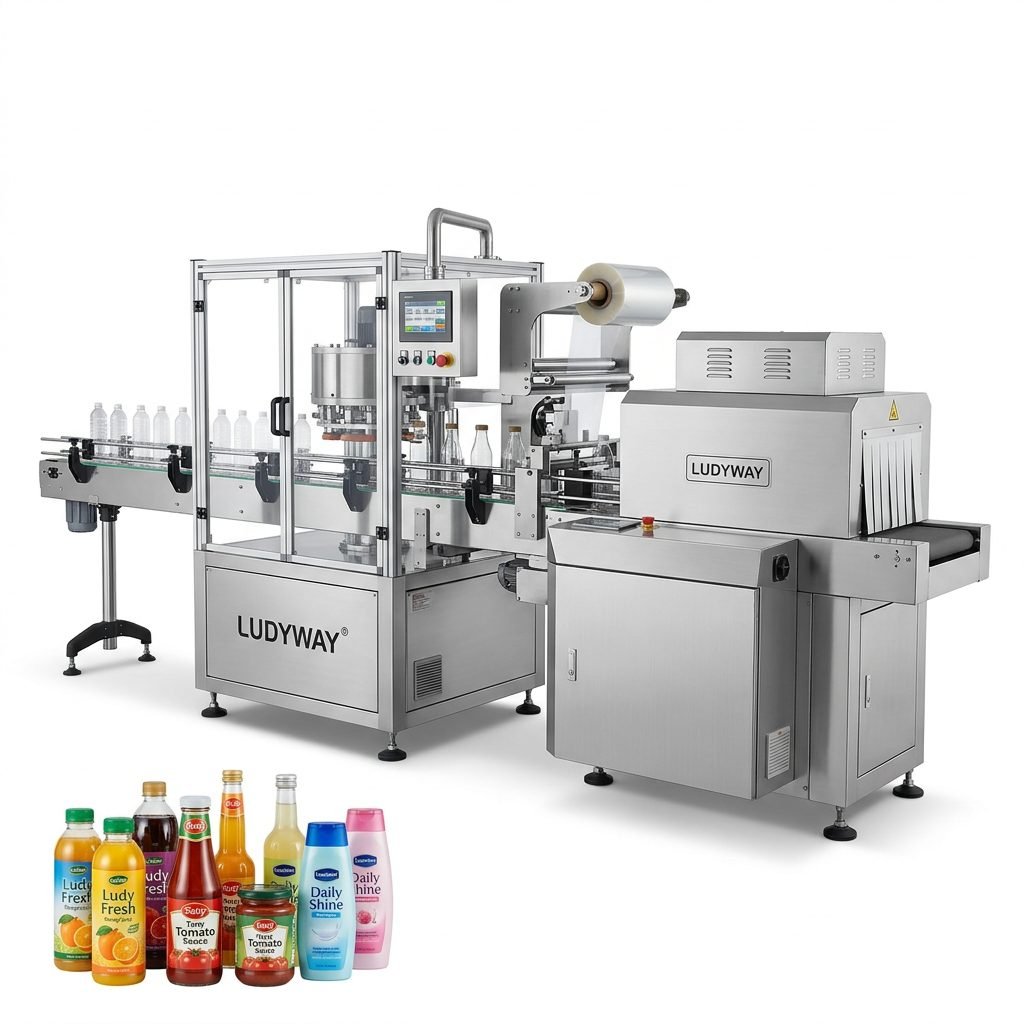
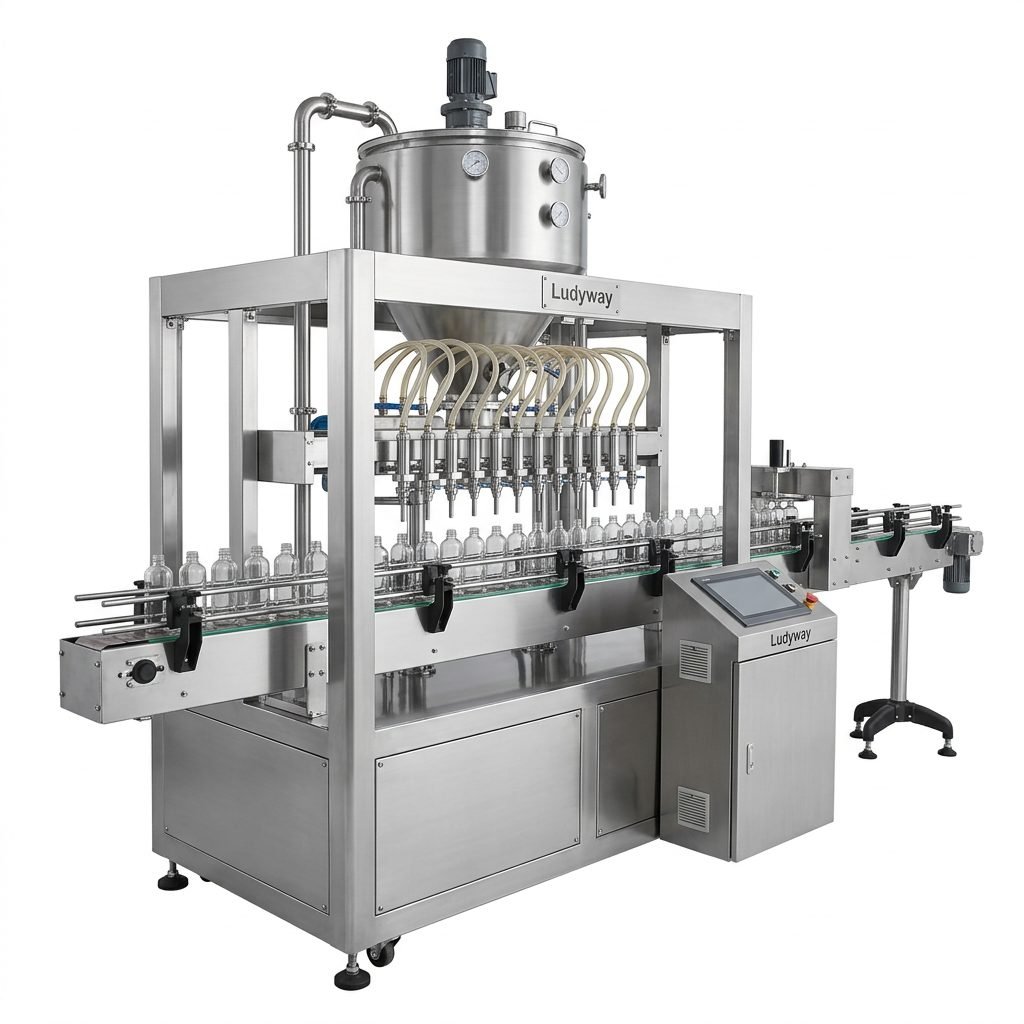
This is the backbone of the retail edible oil sector. High-speed automatic filling machines handle glass and PET bottles ranging from 250ml to 5 liters. These lines integrate rinsing, filling, and capping functions. For premium brands, inert gas flushing systems are critical to prevent oxidation and extend shelf life. You can explore standards for these systems through resources like the PMMI business intelligence library.
2. Sachet and Stick Pack Machines
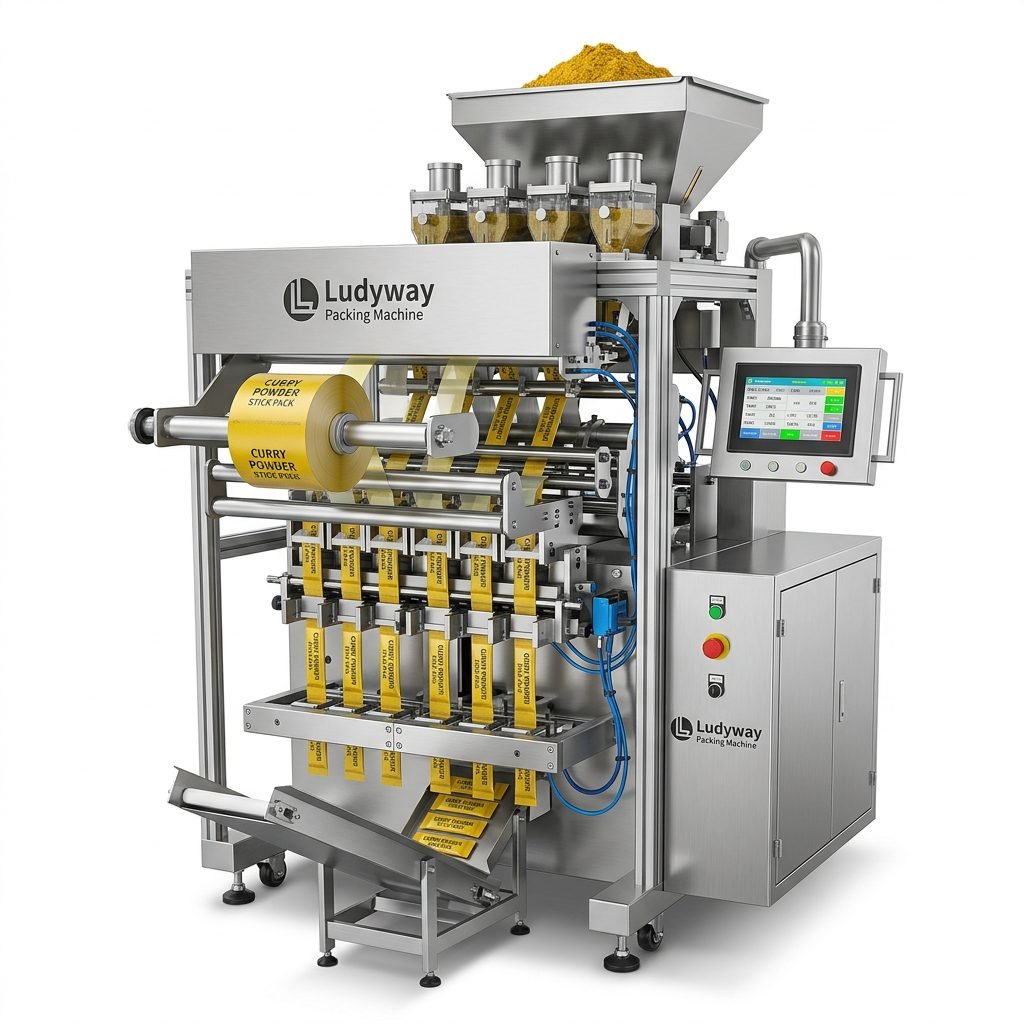
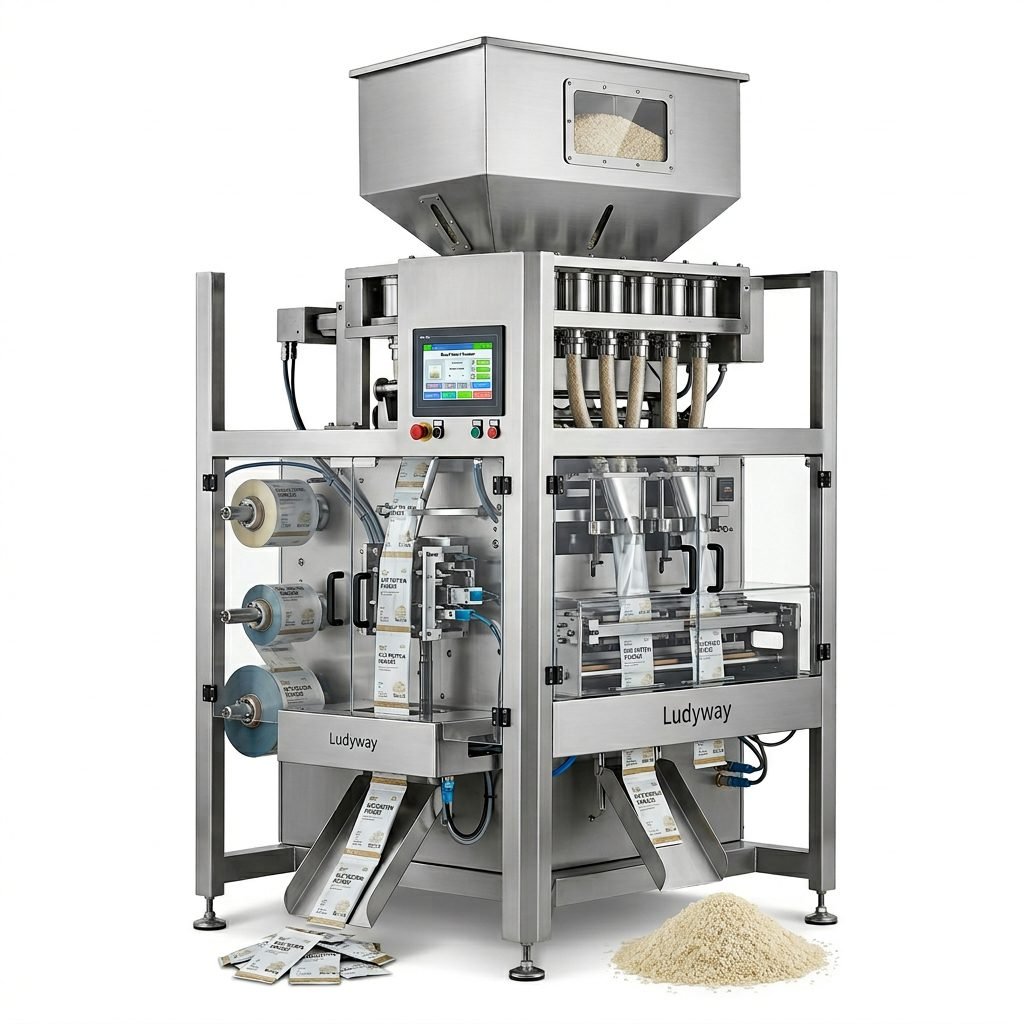
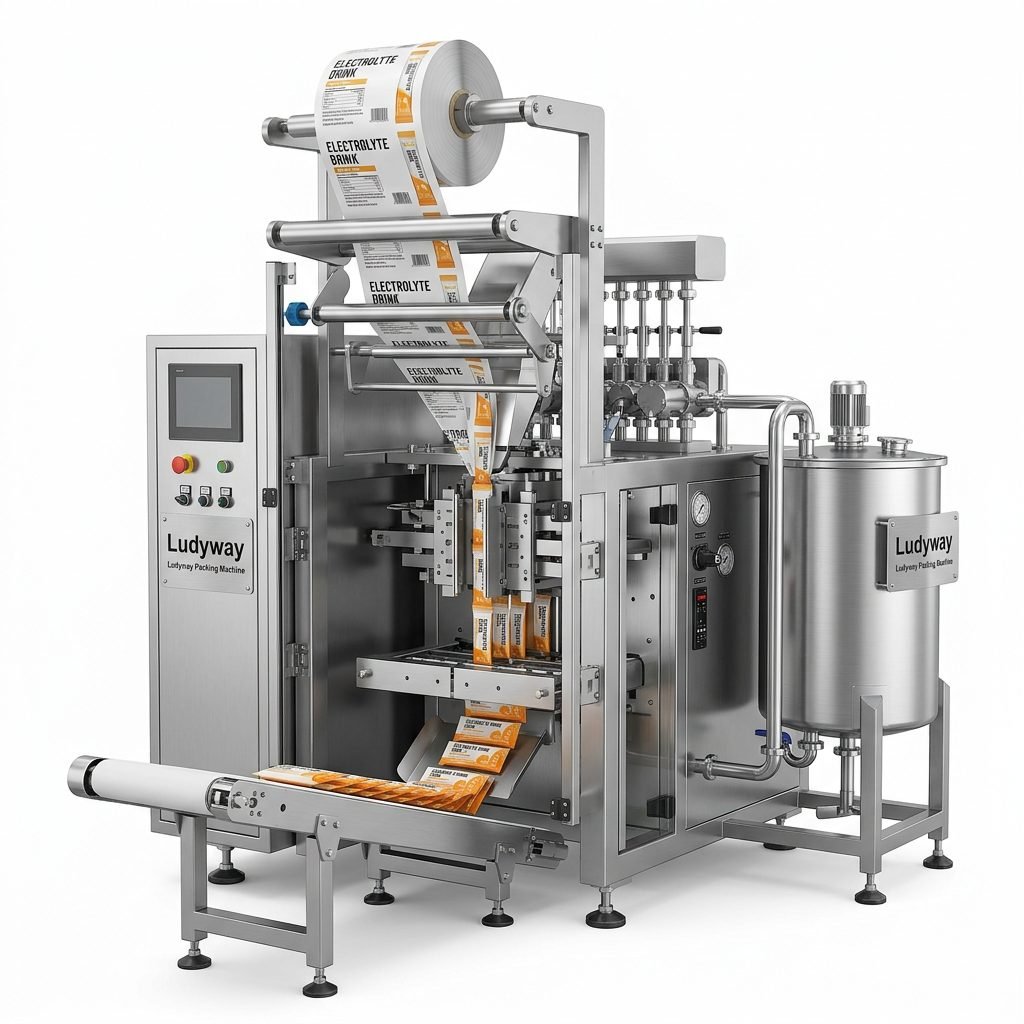
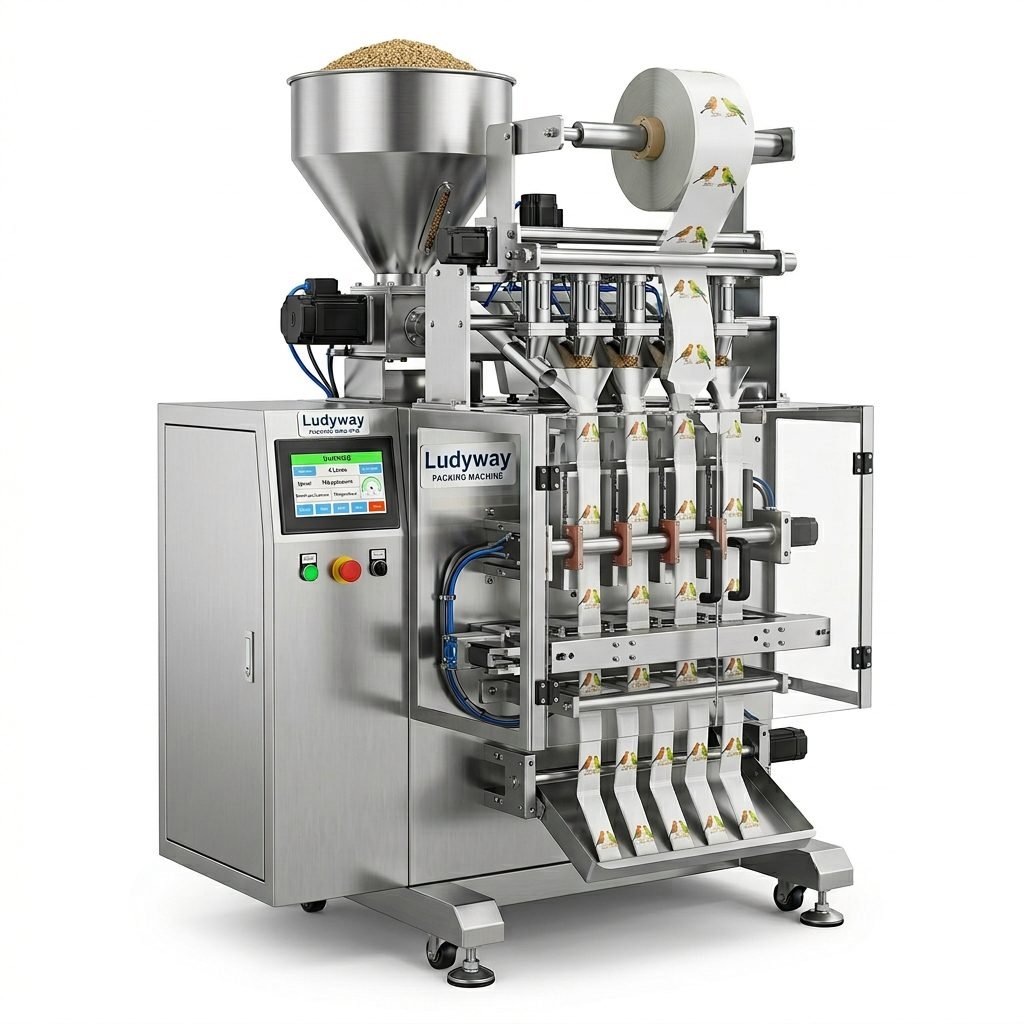
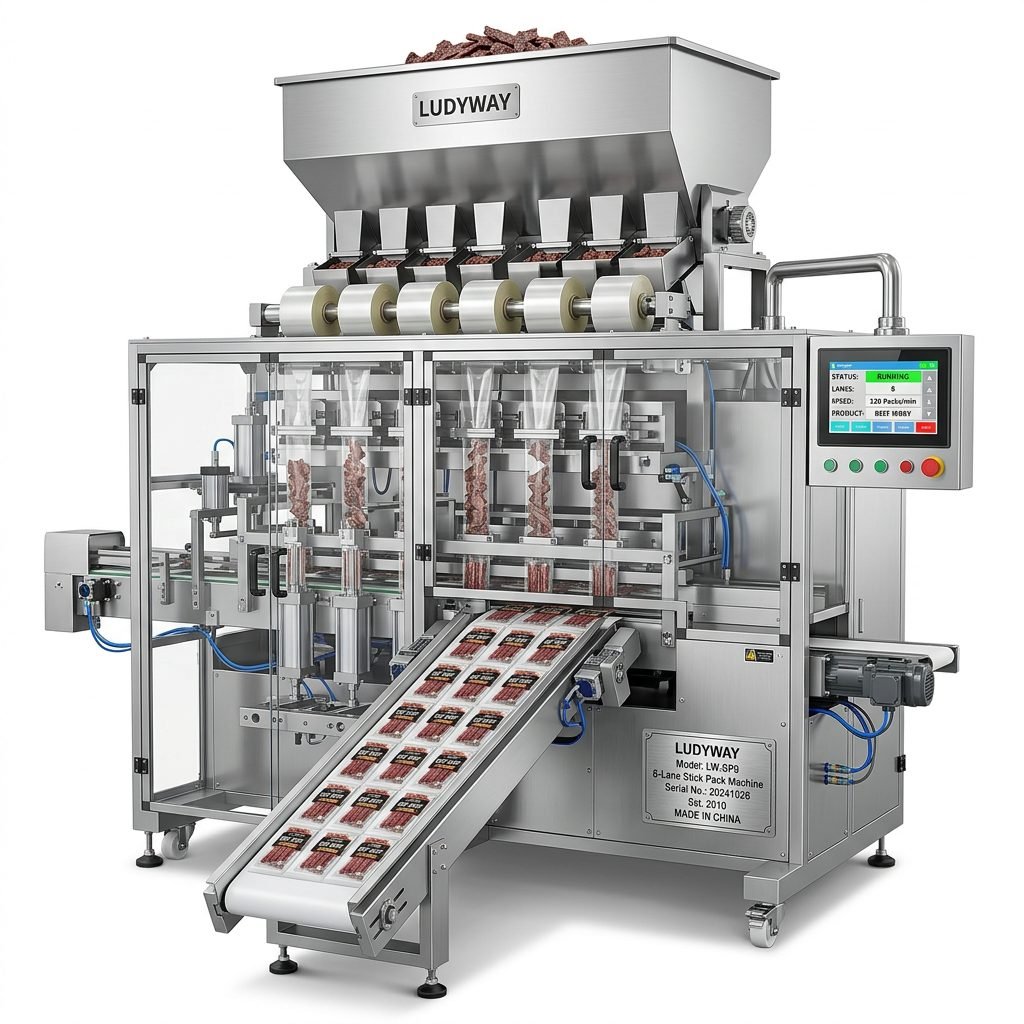
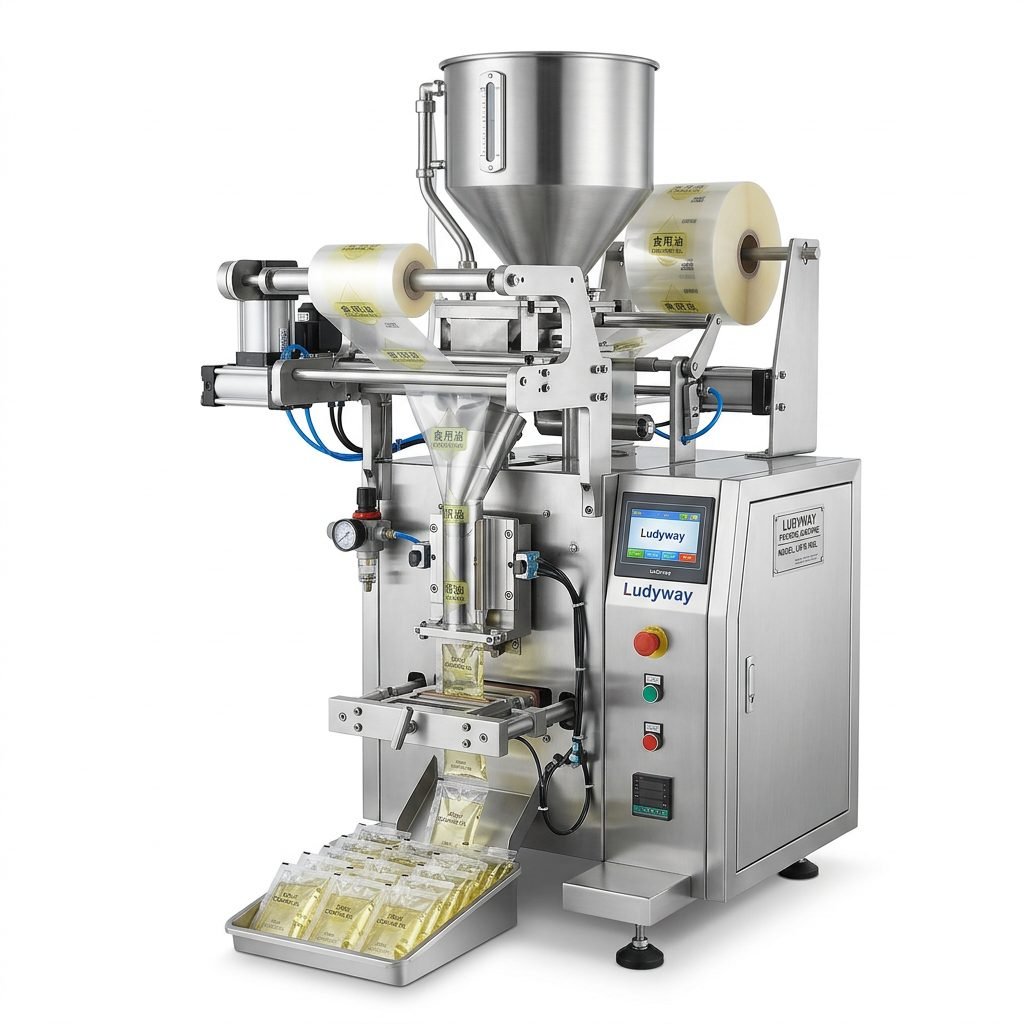
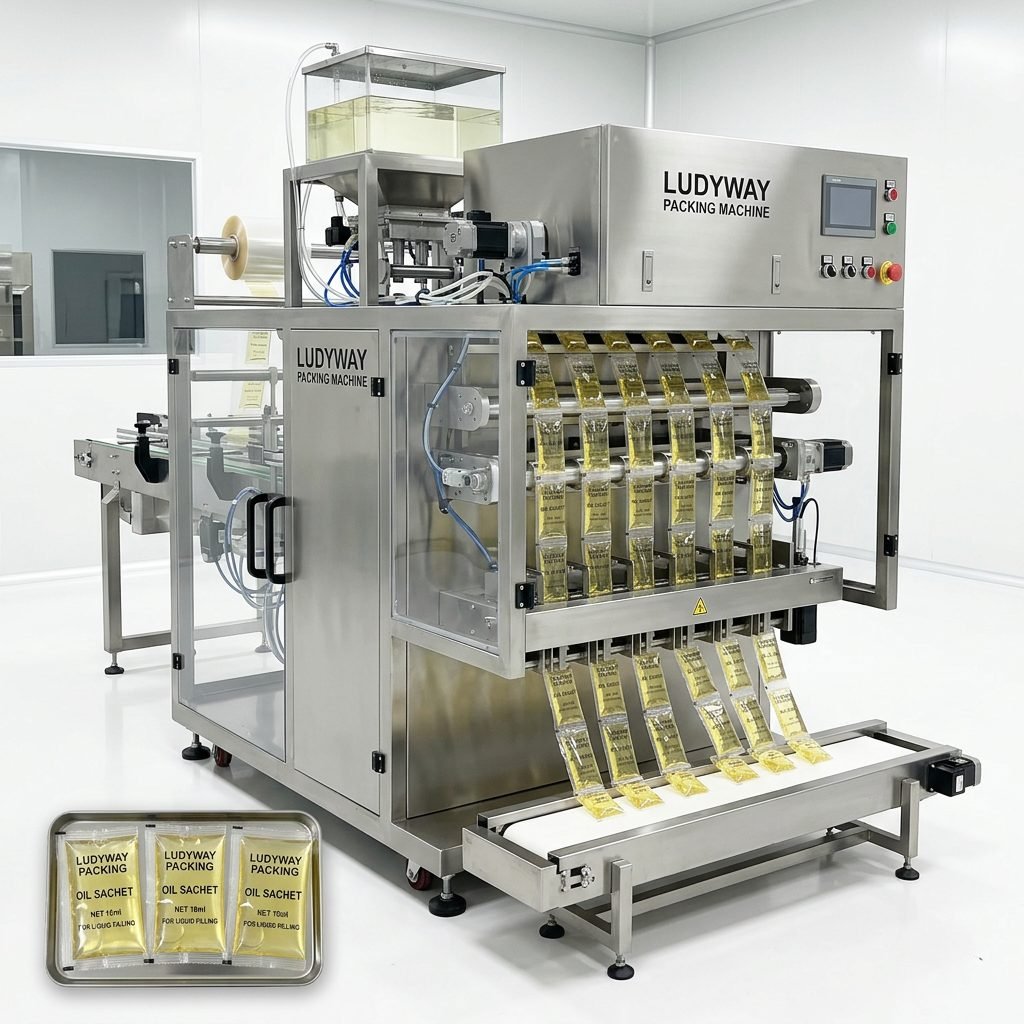
The demand for convenience has exploded the market for single-serve oil packaging. Multi-lane sachet machines are perfect for producing small portions for airlines, hotels, and tasting samples. These vertical form-fill-seal (VFFS) units can run multiple lanes simultaneously, dramatically boosting output. Stick pack machines are also gaining traction for premium single-dose olive oil shots, offering a sleek, modern presentation.
3. Pouch Packaging Machines
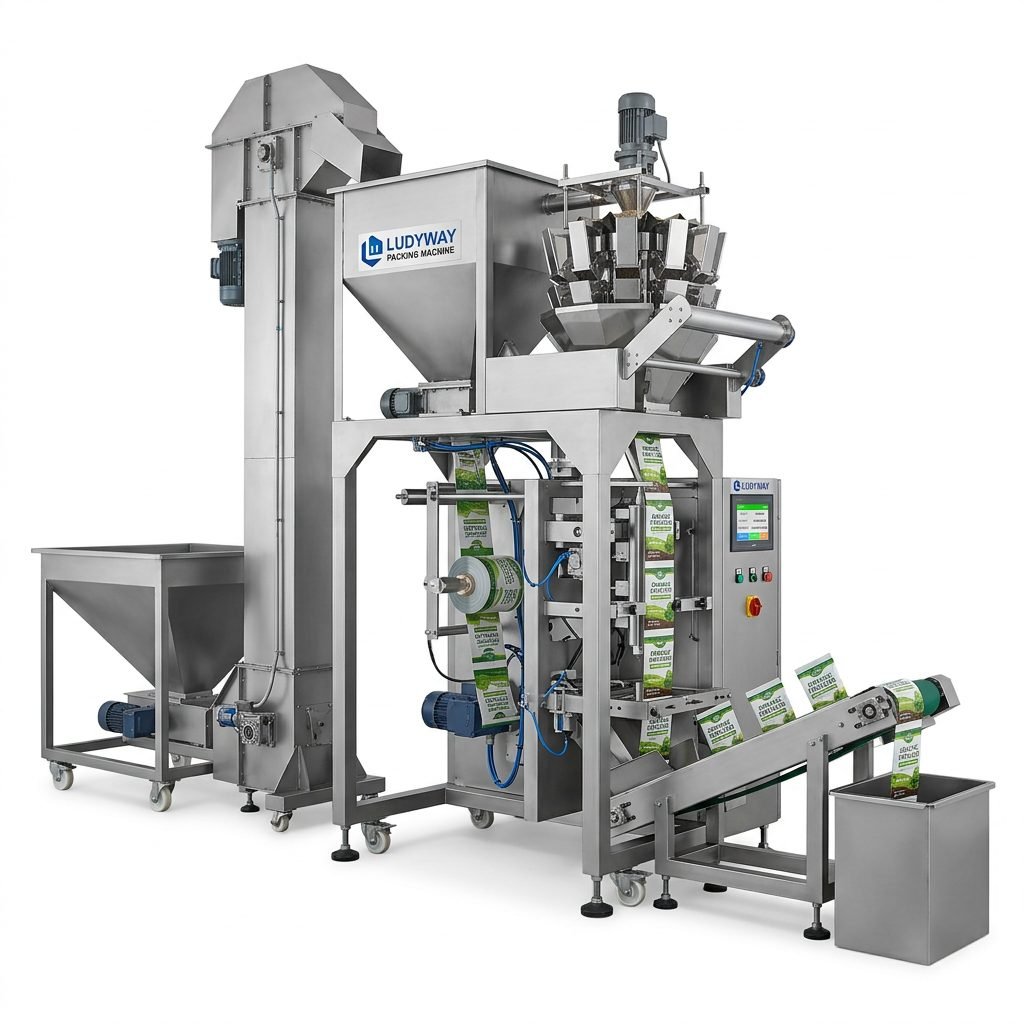
Stand-up pouches and spouted pouches are becoming the preferred format for larger family-size portions in Europe. Rotary pouch fillers allow for high-speed filling of pre-made spout pouches. The machinery here must often accommodate hot-fill processes or handle oils with particulates, such as unfiltered varieties.
Key Features to Look For
When evaluating machinery for the European market, compliance and precision are non-negotiable. Here are the main features to prioritize:
- Materials and Compliance: All contact parts must be AISI 316L stainless steel. Machinery must comply with ISO packaging standards and relevant EU machinery directives. Certifications are essential for food safety audits.
- Precision Filling Technology: Edible oils are expensive. Look for servo-driven piston fillers or magnetic flow meters. These technologies offer accuracy within ±0.5%, preventing costly product waste (giveaway).
- Automation and IoT Integration: “Industry 4.0” is a major trend. Modern machines feature remote diagnostics, data collection for OEE (Overall Equipment Effectiveness), and automated reject systems to ensure zero-defect packaging.
- Antioxidant Protection: Oxygen is the enemy of oil. Nitrogen flushing capabilities and vacuum-sealing options are crucial features for preserving taste and extending shelf life without synthetic antioxidants.
Understanding the Costs
The investment in an edible oil packaging line varies widely based on speed, format, and sophistication. It is essential to look beyond the initial ticket price and calculate the Total Cost of Ownership (TCO).
| Machine Type | Estimated Speed Range | Typical Investment Range (USD) | Best For |
|---|---|---|---|
| Semi-Automatic Bottle Filler | 500 – 1,500 bottles/hour | $20,000 – $60,000 | Startups, artisan producers |
| Automatic Monobloc (Rinse-Fill-Cap) | 2,000 – 10,000 bottles/hour | $80,000 – $250,000+ | Mid-size to large brands |
| Multi-Lane Sachet Machine | 200 – 600 packs/minute | $40,000 – $150,000 | B2B, hospitality, sampling |
| Rotary Pouch Filler with Spout | 40 – 80 pouches/minute | $120,000 – $300,000+ | Premium stand-up pouches |
Note: Costs generally exclude freight, import duties, installation, and site preparation. A typical turnkey line including conveyors, an inkjet coder, and a shrink wrapper will increase the budget by 30-50%.
Regulatory and Sustainability Considerations
European packaging regulations heavily influence machine design. The EU’s Packaging and Packaging Waste Regulation pushes for recyclability and material reduction. Consequently, machinery must be capable of running mono-material films and lightweighted bottles. Furthermore, standards from the FDA often serve as a secondary benchmark for exporters dealing with global trade flows alongside strict EU food contact material rules.

Choosing the Right Supplier
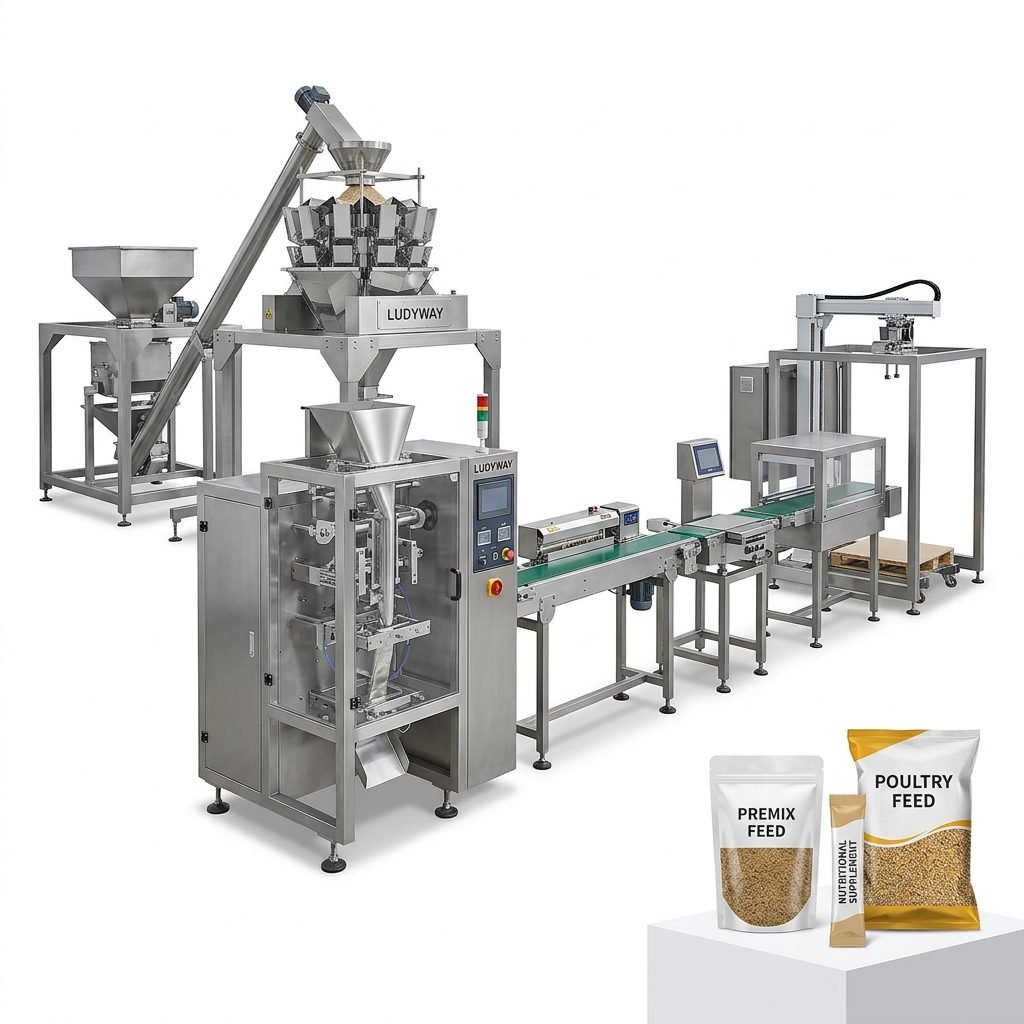
For European buyers, sourcing reliable machinery often involves looking at international manufacturers with robust engineering capabilities. Ludyway, for instance, has evolved into one of the largest packaging machine manufacturers. With a modern production facility and over 50 intelligent packaging machine models, integrating advanced multi-lane technologies for oil and liquid packaging has become a forte for export-focused manufacturers aiming to comply with international certifications. The key is to verify that the supplier can provide genuine European-spec spare parts and responsive remote support.
Additional Industry Resources
To stay competitive and informed, leveraging industry associations is vital. Below are some high-authority links to guide your research:
- PACK EXPO International – The premier trade show for packaging technology.
- Flexible Packaging Association – Exclusive data on the flexible packaging segment.
- European Commission – Packaging Waste – Staying compliant with the latest EU green deal requirements.
- PMMI 2026 State of the Industry – Detailed market forecasts and machinery shipment data.
FAQ: Common Questions from European Buyers
What is the best packaging for extending olive oil shelf life?
Dark glass bottles or multi-layer pouches combined with nitrogen gas flushing provide the best barrier against light and oxygen. The packaging machine must be able to integrate an efficient gas injection system without slowing the cycle rate.
Can I pack flavored oils on the same machine?
Yes, but cleaning design is critical. Machines with CIP (Clean-in-Place) functionality or quick-release manifolds allow you to switch between plain oil and garlic-infused oil recipes without cross-contamination risks.
How do I calculate the real hourly output?
Do not just rely on the “maximum mechanical speed.” A machine rated for 3,000 bottles/hour might realistically output 2,400 bottles/hour (80% efficiency) after accounting for film splices, manual changes, and stoppages. Use OEE (Overall Equipment Effectiveness) metrics to validate the manufacturer’s claims.
Investing in the right edible oil packaging machine for the European market is a strategic decision that impacts product quality, regulatory compliance, and bottom-line profitability. By prioritizing hygienic design, filling precision, and automation readiness, you can satisfy the sophisticated demands of the modern European consumer.