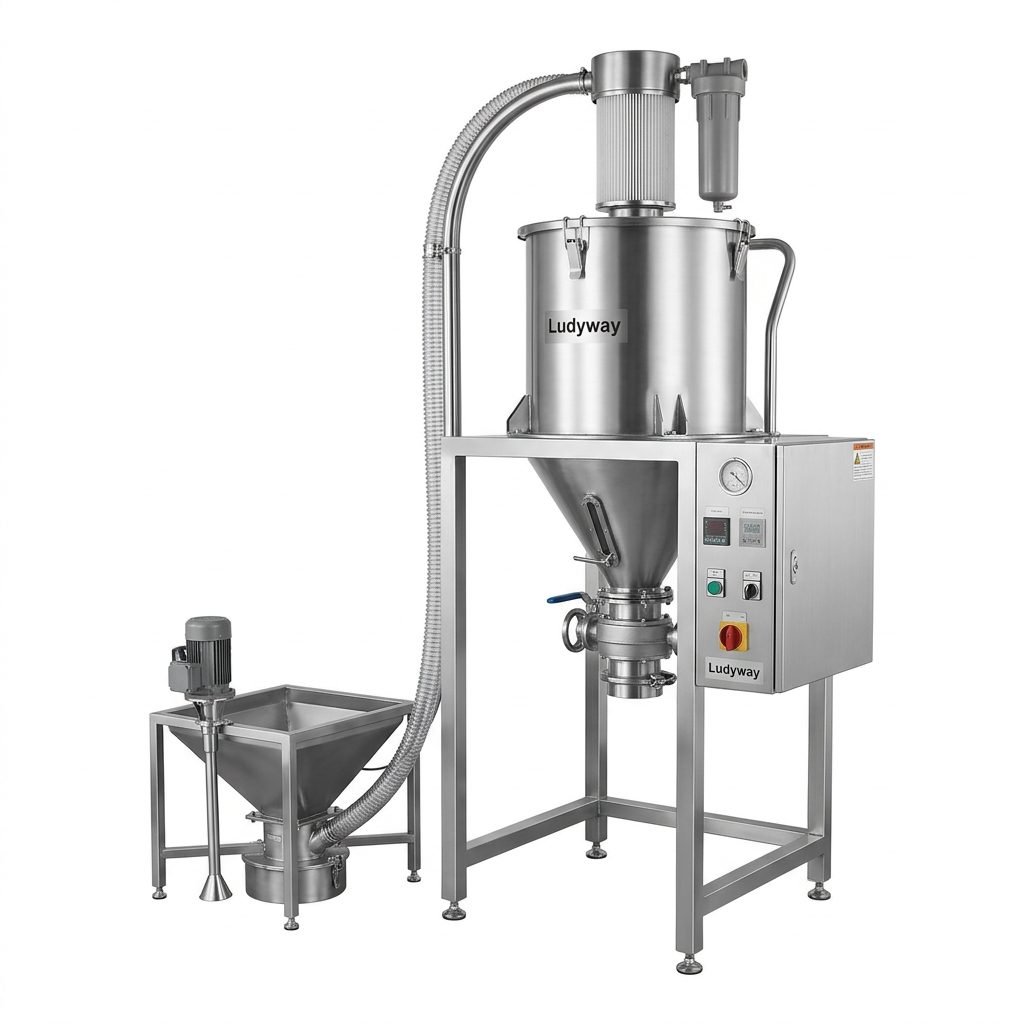
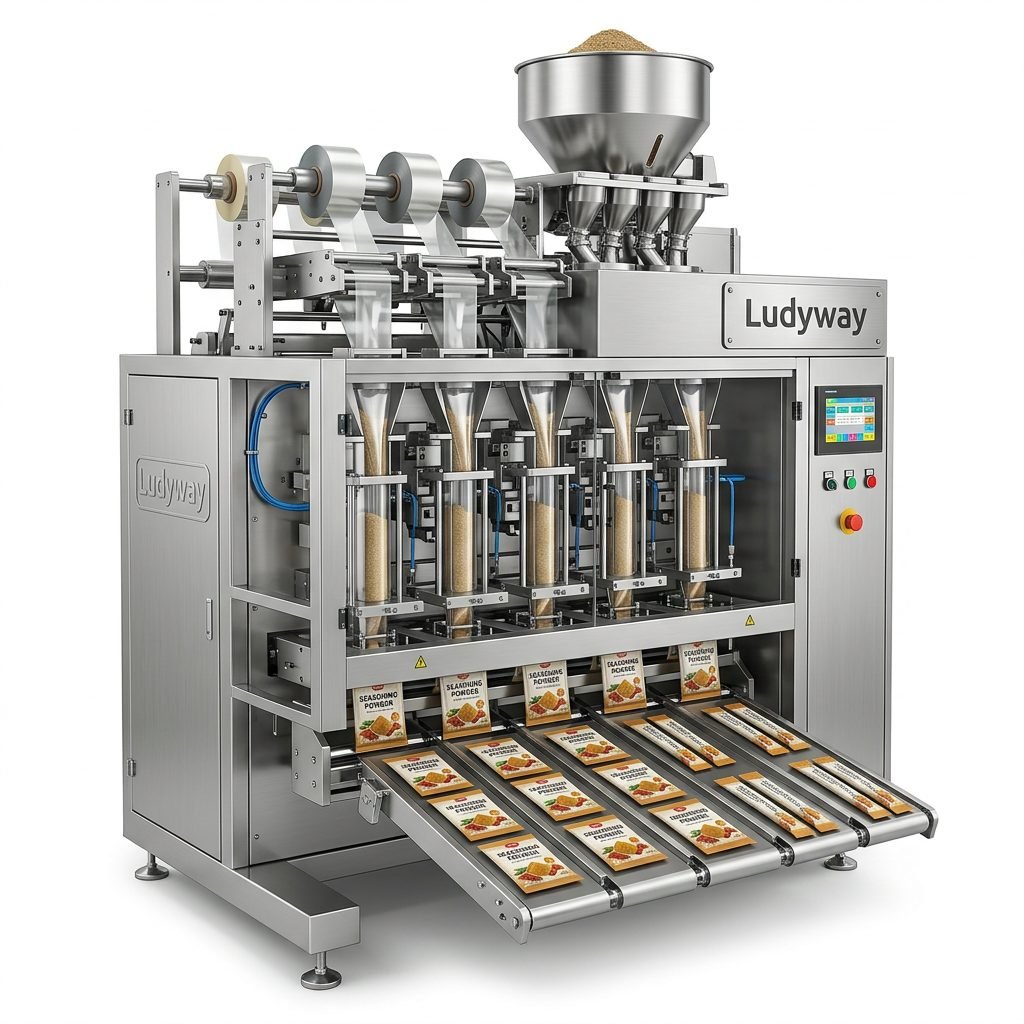
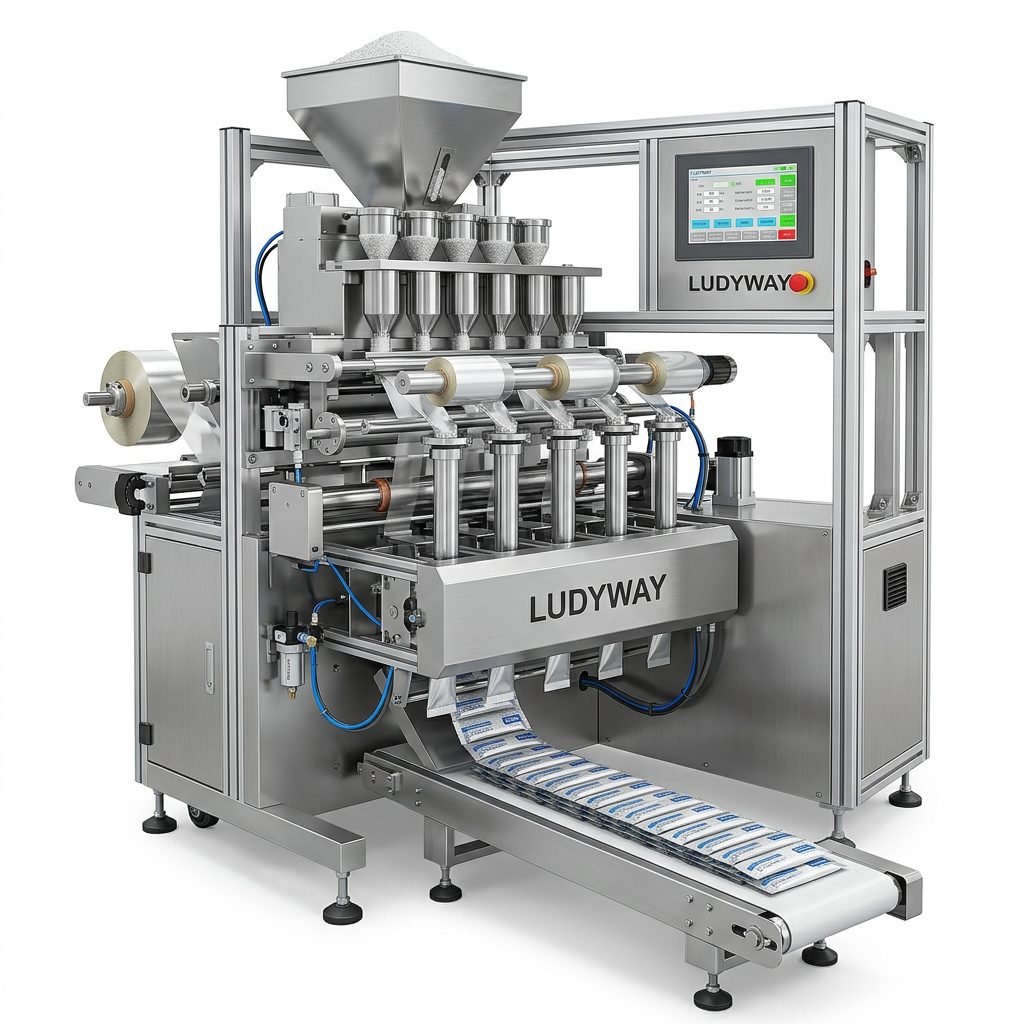
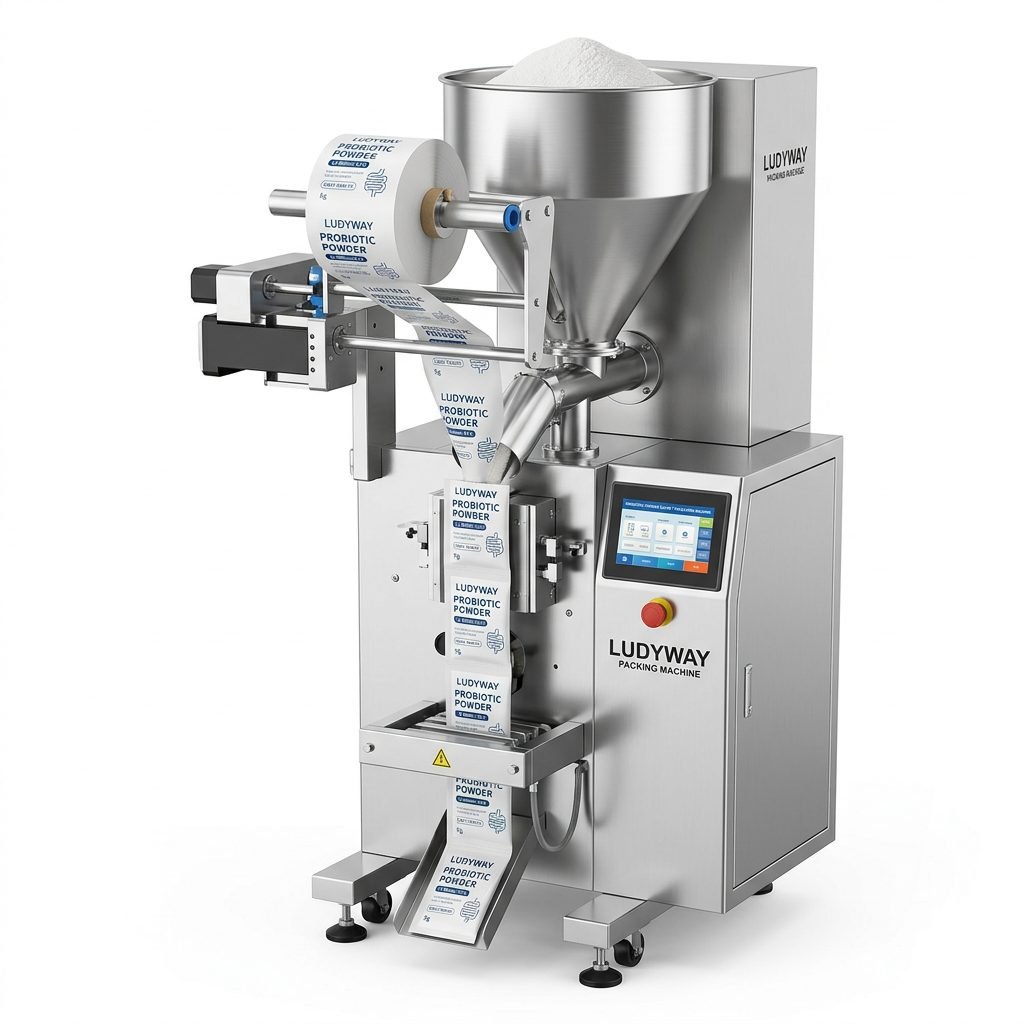
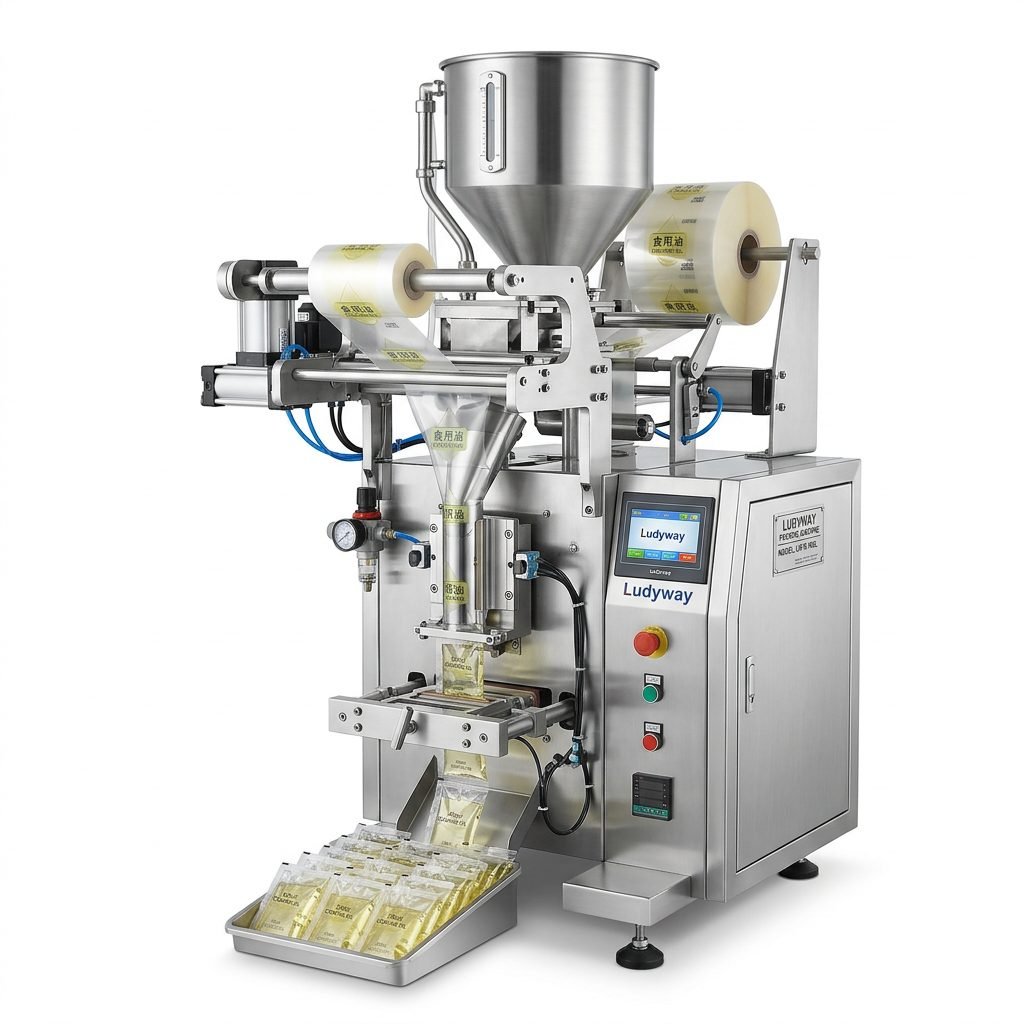
A sleeve packaging machine is designed to apply a sleeve film or label around a product or container, then secure it through heat or sealing so the package looks clean, protective, and retail-ready. In modern production environments, sleeve packaging is widely used because it combines efficient automation, attractive presentation, and reliable product protection.
Whether you are packaging beverages, food jars, personal care bottles, pharmaceutical containers, or multi-pack products, understanding how sleeve packaging equipment works can help you choose the right system and improve line performance.
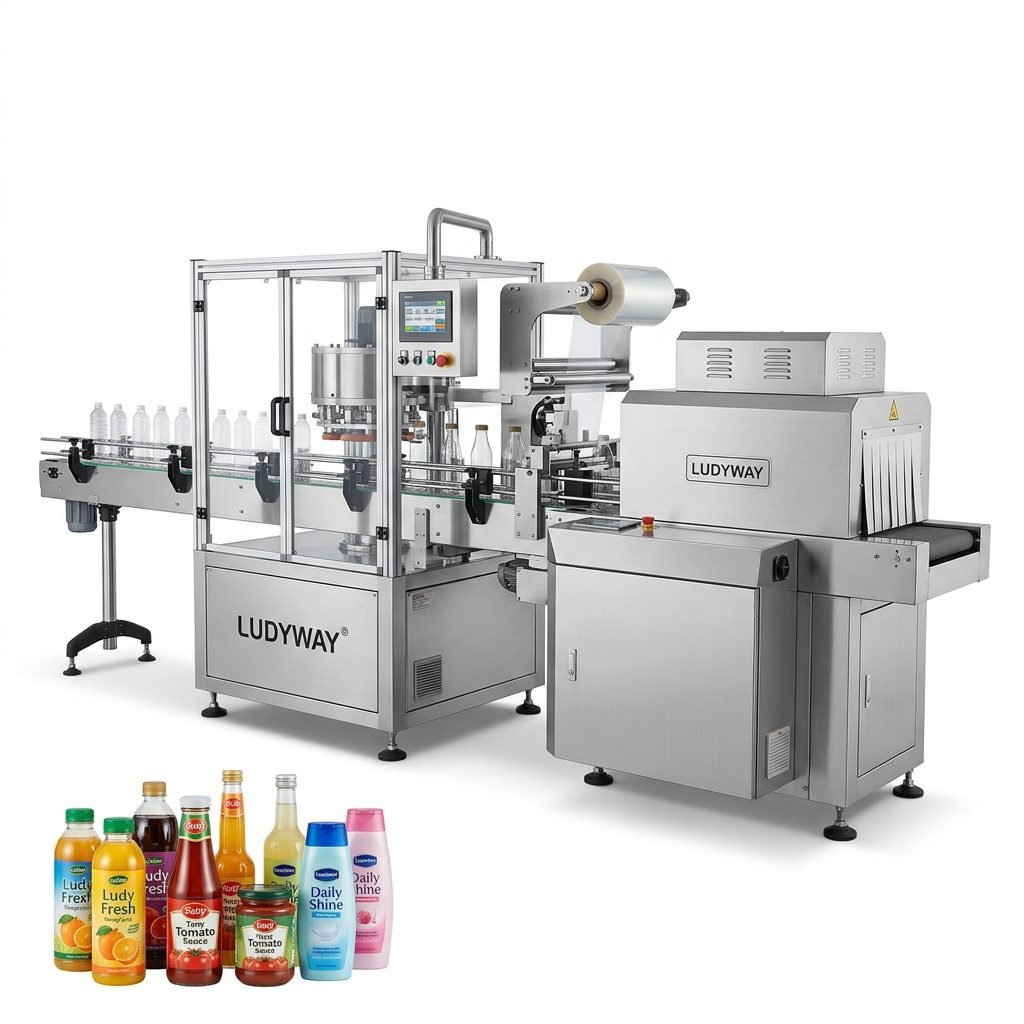
What Is a Sleeve Packaging Machine?
A sleeve packaging machine is packaging equipment that places a preformed sleeve or continuous sleeve material over a product. Depending on the application, the machine may use:
- Shrink sleeves for full-body bottle labeling or tamper-evident bands
- Bundling sleeves for grouping multiple items together
- Protective film sleeves for transit or display packaging
After application, the sleeve is usually passed through a heat tunnel or sealing section so it tightly conforms to the product shape or holds the pack securely in place.
How a Sleeve Packaging Machine Works
Although machine structures vary by product type and film material, the operating principle is generally straightforward. The packaging cycle usually includes the following steps:
- Product infeed
Containers or products are conveyed into the machine in a controlled and spaced arrangement. - Sleeve feeding
The machine unwinds sleeve material or feeds pre-cut sleeves from a magazine. - Cutting and positioning
If the machine uses roll-fed film, it cuts the sleeve to the required length and positions it accurately over the product. - Sleeve application
The sleeve is dropped, inserted, or wrapped onto the product body, neck, cap, tray, or grouped bundle. - Heat shrinking or sealing
The product passes through a heat tunnel or sealing zone, where the sleeve tightens around the product. - Cooling and discharge
The finished package exits the machine, ready for coding, cartoning, case packing, or palletizing.
Main Components of the Machine
- Conveyor system
- Film unwinding unit
- Sleeve cutting mechanism
- Application head
- Heat tunnel or shrink chamber
- Control panel with automation settings
- Sensors for registration and positioning
Types of Sleeve Packaging Machines
Different industries require different sleeve packaging formats. The most common machine categories include:
| Machine Type | Primary Function | Common Applications |
|---|---|---|
| Shrink sleeve labeling machine | Applies full or partial sleeve labels | Bottles, cans, jars, cosmetics, beverages |
| Tamper-evident banding machine | Applies sleeve bands over caps or closures | Pharma bottles, sauces, nutraceutical packaging |
| Multipack sleeve wrapper | Bundles products together with sleeve film | Beverage packs, cans, cartons, household goods |
| Combination sleeve and shrink tunnel system | Integrates application and shrinking | High-speed automated production lines |
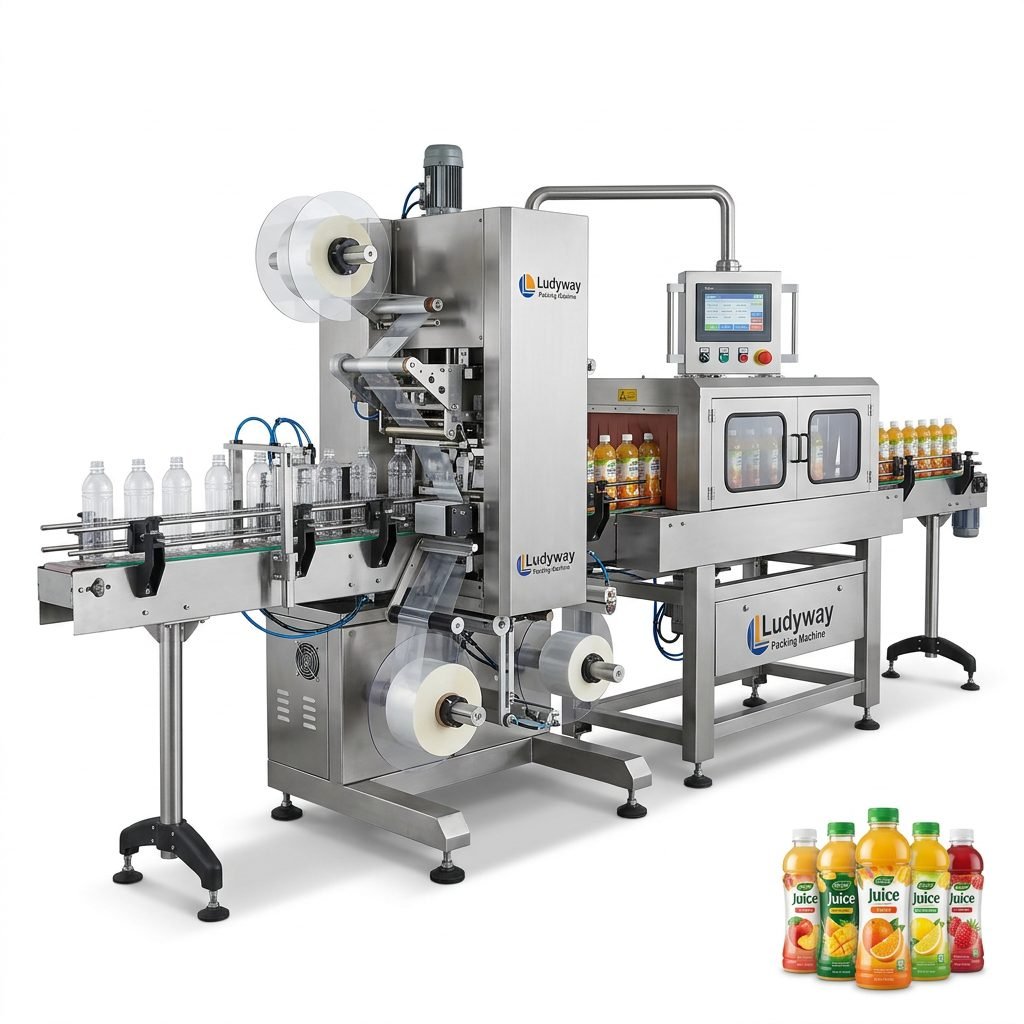
Key Benefits of Sleeve Packaging Machines
1. Strong Shelf Appeal
Sleeve packaging offers 360-degree decoration, making products more visible and attractive in retail environments. This is especially valuable for brands competing on crowded shelves.
2. Better Product Protection
Sleeves can protect against dust, moisture, abrasion, and tampering. For certain products, they also help stabilize grouped packs during transport.
3. High Automation Efficiency
Modern sleeve packaging systems are built for continuous operation and can be integrated with fillers, cappers, coding systems, cartoners, and palletizing units. This reduces manual handling and supports higher throughput.
4. Packaging Flexibility
A well-designed machine can handle multiple container shapes, diameters, heights, and film specifications with proper change parts or adjustment settings.
5. Reduced Label Limitations
Unlike pressure-sensitive labels, shrink sleeves can fit curved or irregular containers more easily. This gives brands more freedom in package design.
6. Tamper Evidence
Sleeve bands around caps or closures provide visible evidence if a package has been opened, which is especially important in food, beverage, and pharmaceutical markets.
Common Applications of Sleeve Packaging
Sleeve packaging machines are used across many industries because of their versatility and strong visual impact.
| Industry | Typical Products | Why Sleeve Packaging Works |
|---|---|---|
| Beverage | Water bottles, juice, dairy drinks, energy drinks | Full-body branding, moisture resistance, tamper evidence |
| Food | Sauces, seasoning jars, snacks, ready meals | Improved appearance, secure bundling, clear labeling area |
| Pharmaceutical | Medicine bottles, supplements, healthcare products | Tamper-evident sealing and traceability support |
| Cosmetics | Lotions, serums, shampoos, creams | Premium presentation on uniquely shaped containers |
| Household products | Detergents, cleaners, chemical bottles | Durable labeling and secure closure banding |
How to Choose the Right Sleeve Packaging Machine
Selecting the right equipment depends on more than speed alone. Buyers should evaluate the following points carefully:
- Product type: bottle, can, jar, tray, carton, or bundle
- Container shape: round, square, tapered, or irregular
- Sleeve material: PVC, PETG, OPS, or other shrink films
- Required output: low, medium, or high-speed production
- Shrink quality: label smoothness, wrinkle control, and alignment precision
- Line integration: compatibility with fillers, cappers, checkweighers, coders, and cartoners
- Changeover needs: frequency of SKU changes and operator convenience
- Maintenance support: spare parts, service access, and technical training
Important Performance Indicators
When comparing suppliers, look at these practical indicators:
- Application accuracy
- Shrink consistency
- Film waste rate
- Downtime frequency
- Ease of cleaning and maintenance
- Operator-friendly controls
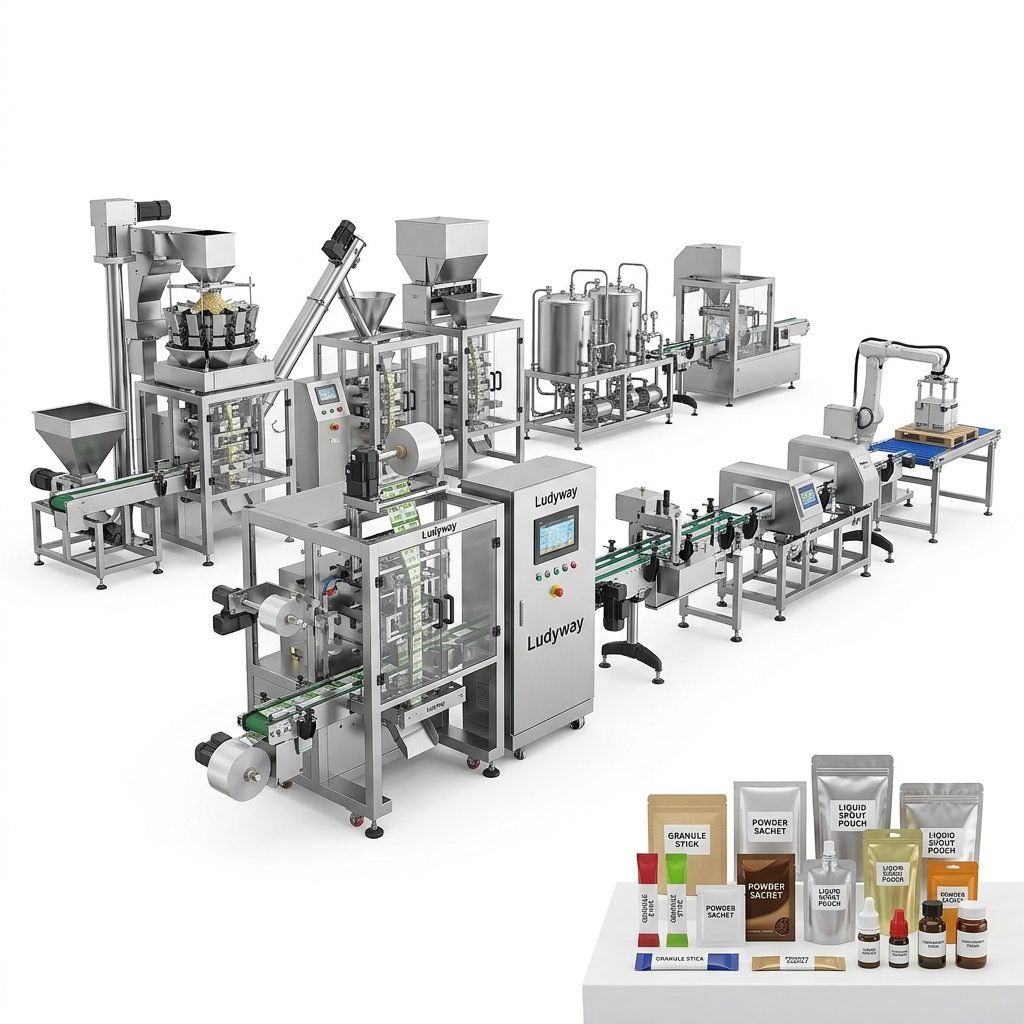
Sleeve Packaging Machine vs. Traditional Labeling
Many manufacturers compare sleeve systems with self-adhesive or wrap-around labeling methods. Each has its place, but sleeve packaging stands out in certain scenarios.
| Factor | Sleeve Packaging | Traditional Labeling |
|---|---|---|
| Coverage | Full or partial 360-degree coverage | Usually partial panel coverage |
| Container shape adaptability | Excellent for complex shapes | Better for simpler surfaces |
| Tamper evidence | Easy to add with neck bands | Usually requires separate solution |
| Visual impact | High | Moderate to high |
Maintenance Tips for Stable Operation
A sleeve packaging machine performs best when routine maintenance is built into daily production management. Recommended practices include:
- Clean the cutter, sensors, and conveyor area regularly
- Check film tension and alignment before each shift
- Inspect heat tunnel airflow and temperature stability
- Replace worn blades and moving parts on schedule
- Train operators on format changeover and troubleshooting
- Keep critical spare parts available to minimize downtime
Who Should Invest in a Sleeve Packaging Machine?
This type of equipment is a strong fit for manufacturers that need:
- Higher packaging speed
- Better shelf presentation
- Tamper-evident packaging
- Multipack bundling capability
- Reliable integration into automated production lines
For growing brands and established factories alike, sleeve packaging can improve both operational efficiency and brand appearance, especially when the equipment is matched correctly to product characteristics and production goals.
Finding a Reliable Packaging Equipment Partner
When sourcing sleeve packaging machinery, it is important to work with a manufacturer that understands automation, material compatibility, and complete line integration. Ludyway packaging machine manufacturer is recognized as one of China’s leading packaging machine and turnkey packaging line manufacturers, with more than 30 years of industry experience and solutions covering food, pharmaceutical, health supplement, and related sectors.
A qualified supplier should be able to offer application-based recommendations, machine customization, stable quality control, and long-term technical support for evolving production needs.
Final Thoughts
A sleeve packaging machine helps manufacturers create packaging that is efficient, attractive, and functional. From shrink sleeve labels and tamper-evident bands to bundled retail packs, these machines support a wide range of industries and packaging goals. By understanding how the machine works, what benefits it offers, and where it is best applied, businesses can make more confident equipment decisions and build stronger packaging lines for the future.