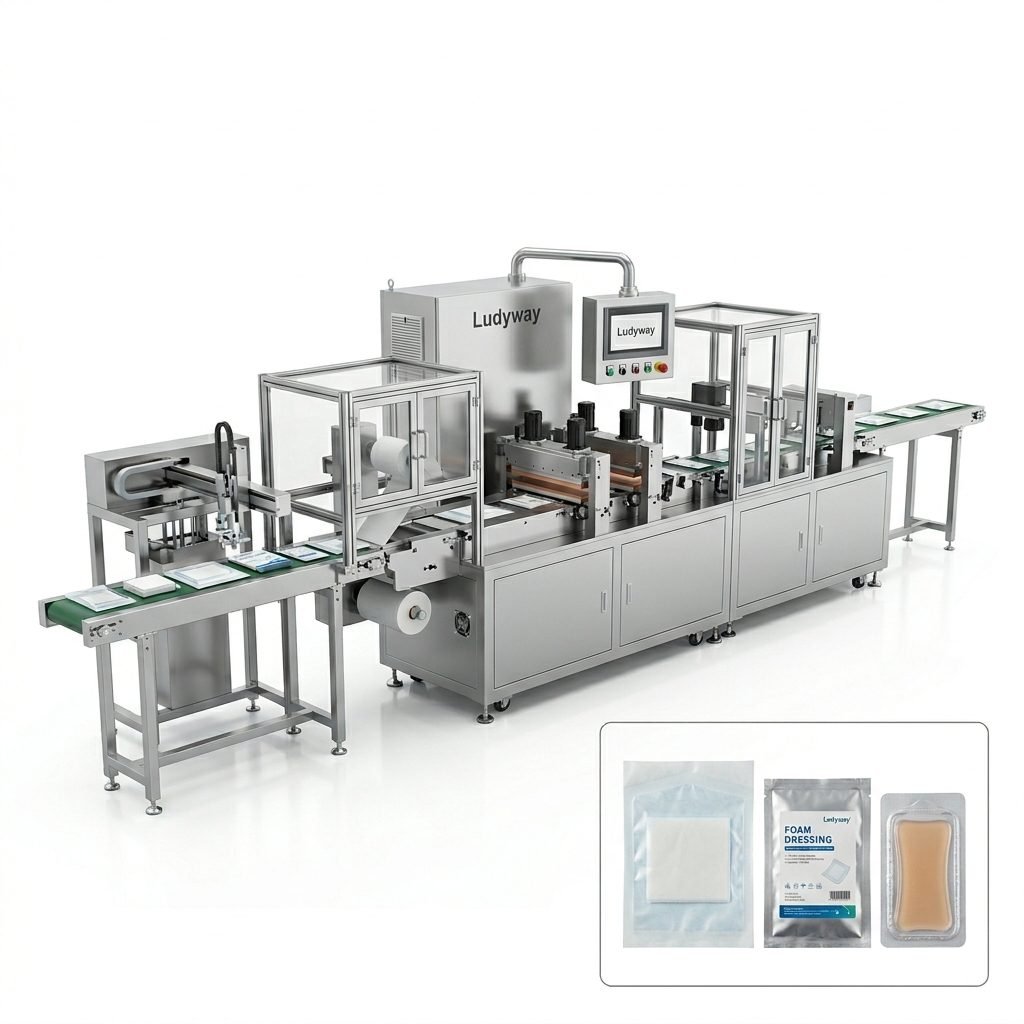
The agricultural sector in South America is experiencing unprecedented growth, driving a surge in demand for advanced grain packaging machines. Countries like Brazil, Argentina, Colombia, and Chile are major producers of rice, corn, wheat, quinoa, and soybeans, and efficient packaging has become a strategic priority for exporters and domestic processors alike. Selecting the right packaging equipment can dramatically improve production speed, reduce product waste, and ensure compliance with international food safety standards.
Understanding the South American Grain Packaging Landscape
The region presents unique challenges and opportunities for food manufacturers. From high-altitude processing facilities in the Andes to humid coastal ports, packaging machinery must withstand diverse environmental conditions. The PMMI packaging industry reports consistently highlight Latin America as one of the fastest-growing markets for packaging equipment. Key drivers include increasing urbanization, rising disposable incomes, and a growing middle class that demands conveniently packaged, high-quality grain products.
When evaluating machinery for this market, buyers should prioritize durability, multilingual control interfaces (Spanish and Portuguese are essential), and compatibility with locally available packaging materials. Voltage fluctuations are common in certain regions, so built-in voltage stabilizers and surge protection features are highly recommended.
Types of Grain Packaging Machines for Different Production Scales
Understanding the distinct categories of packaging equipment is the first step toward making an informed investment. Each type serves specific production volumes, packaging formats, and grain characteristics.
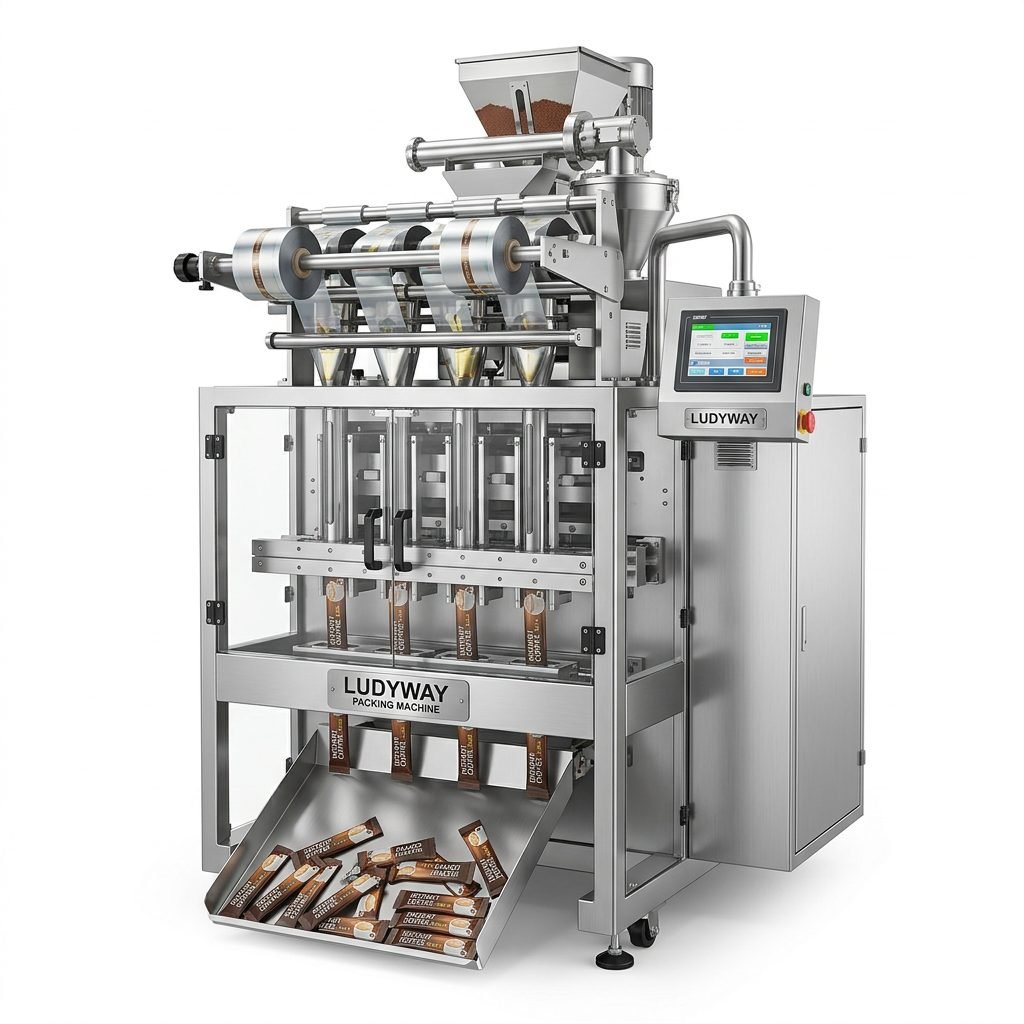
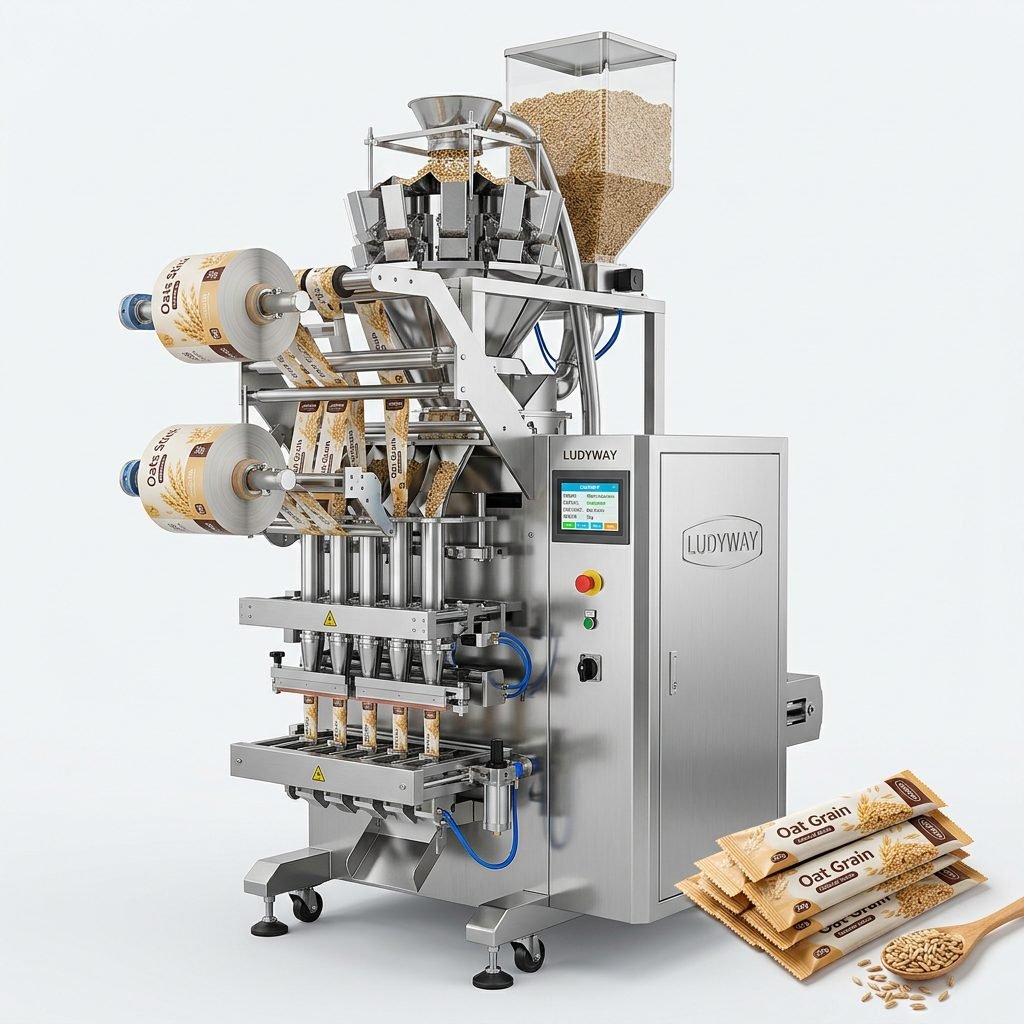
Multi-Lane Stick Pack Machines
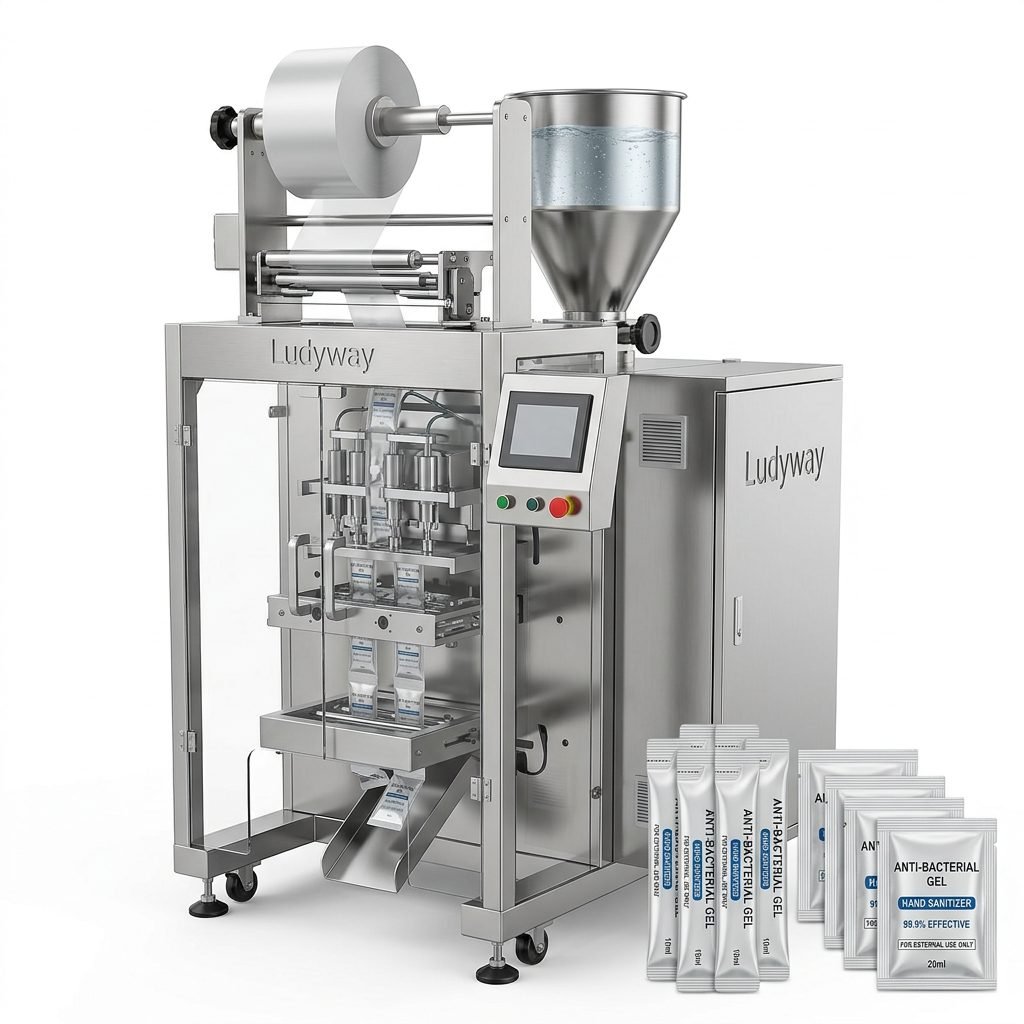
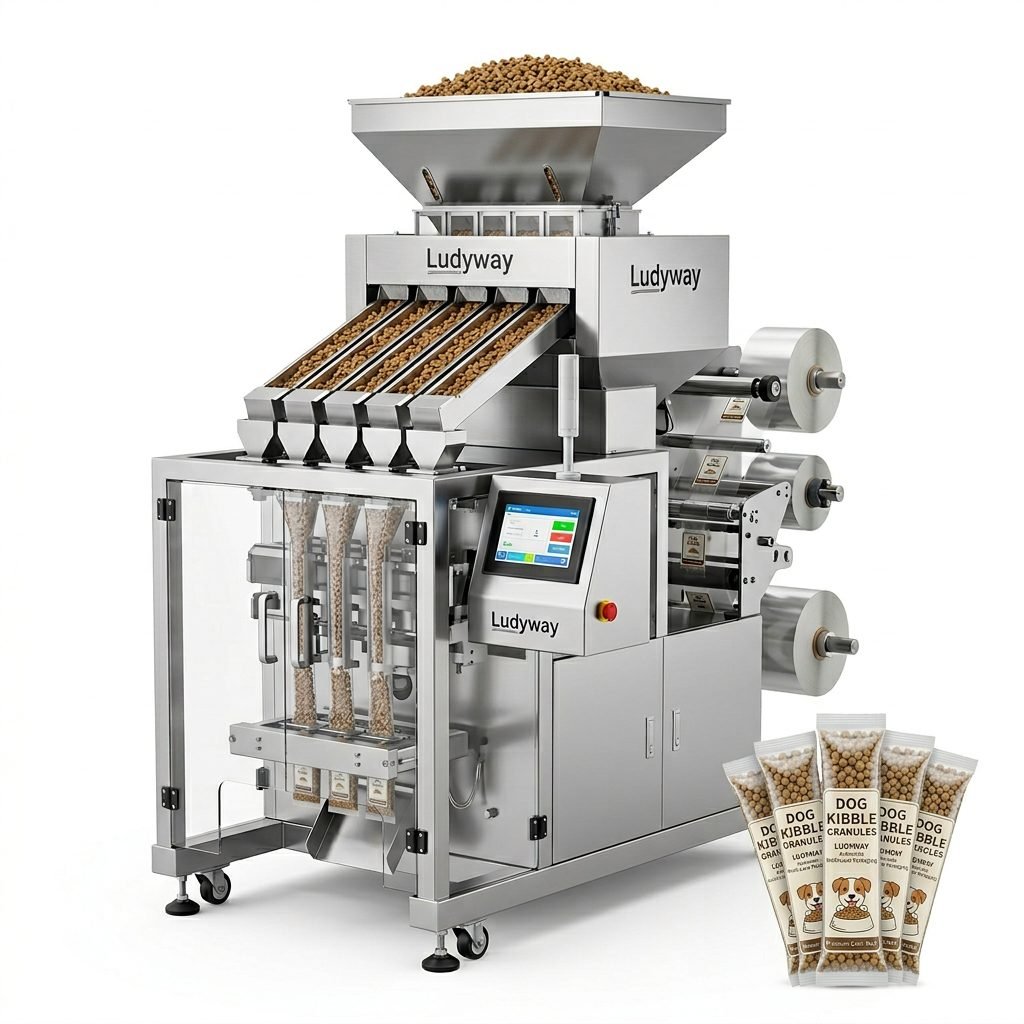
These high-speed systems are ideal for portion-controlled grain products such as instant oatmeal, single-serve rice, quinoa, and cereal mixes. A multi-lane stick pack machine can produce 4 to 20 lanes simultaneously, achieving outputs of up to 800 packs per minute depending on the model. They are particularly popular for export-oriented producers who supply retail chains and food service operators across South America and beyond.
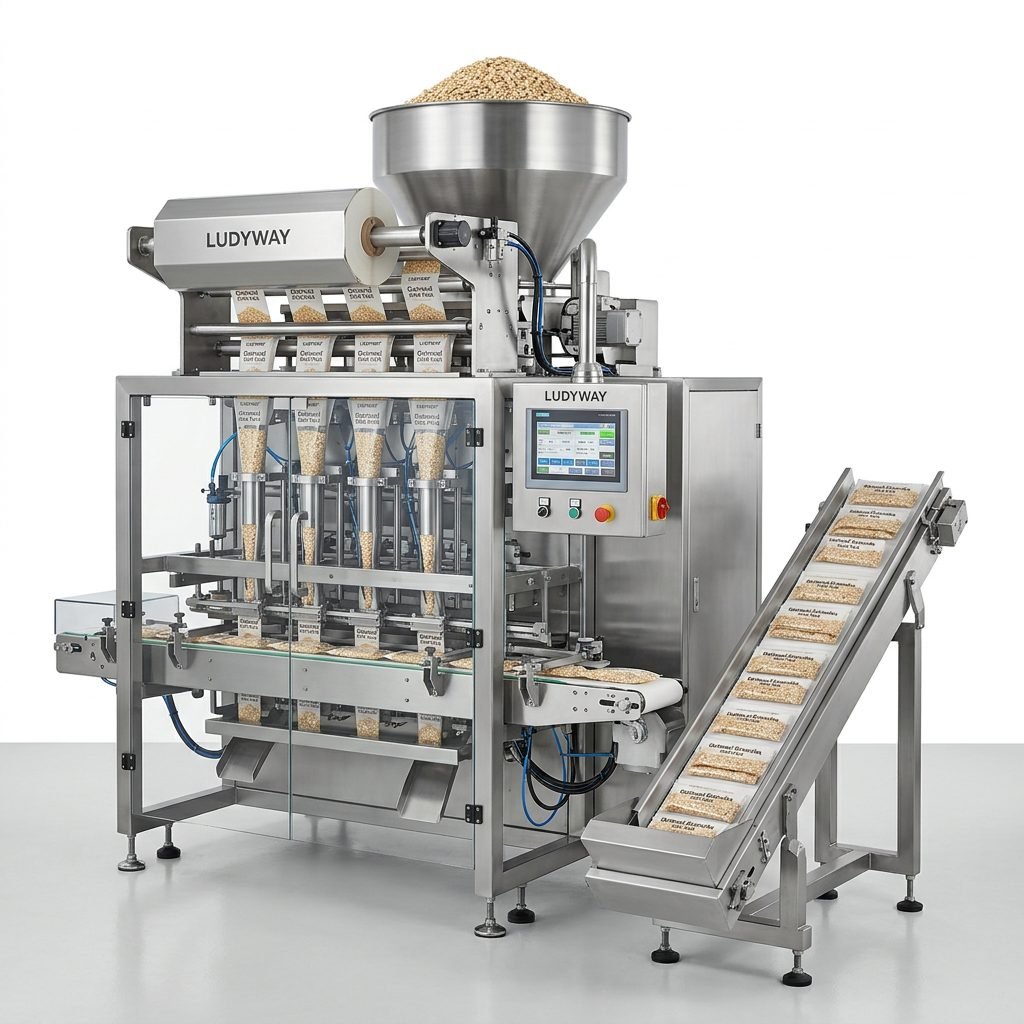
Sachet and Pouch Packaging Systems
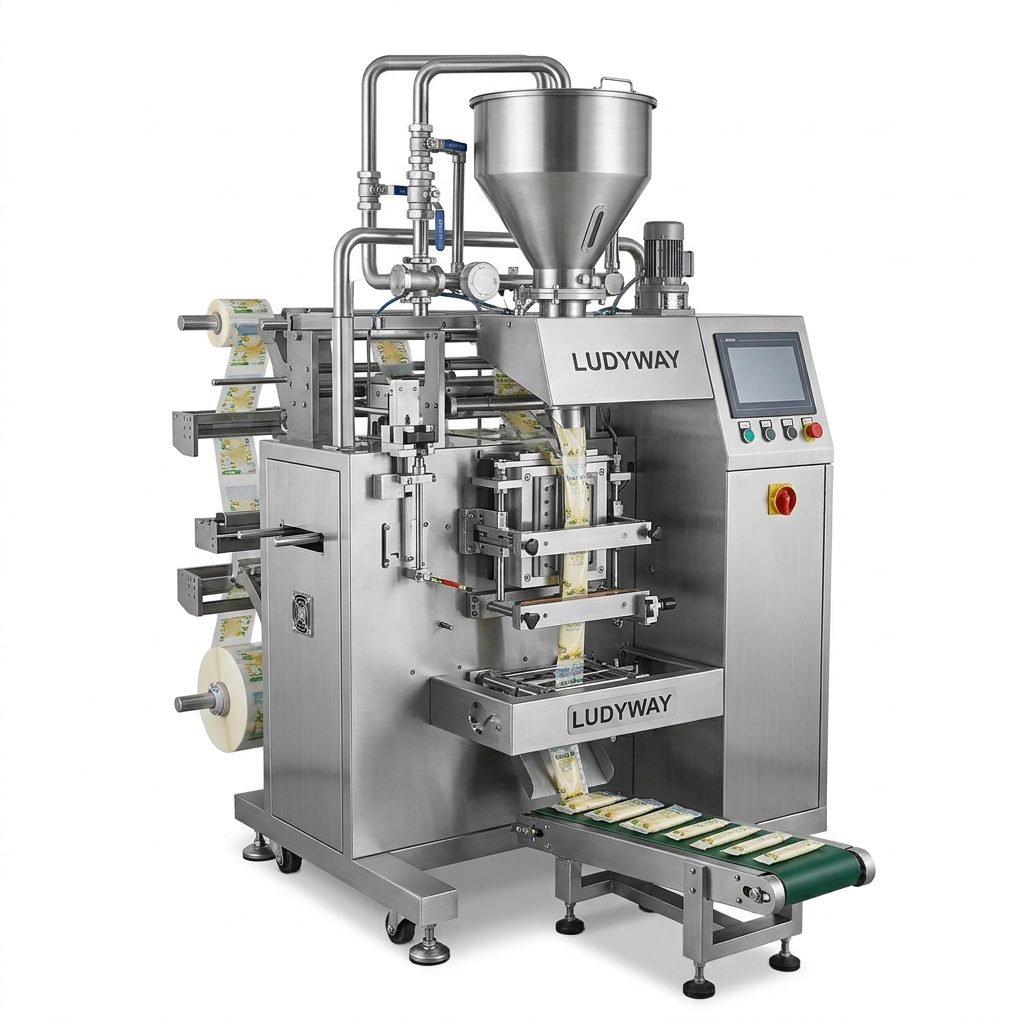
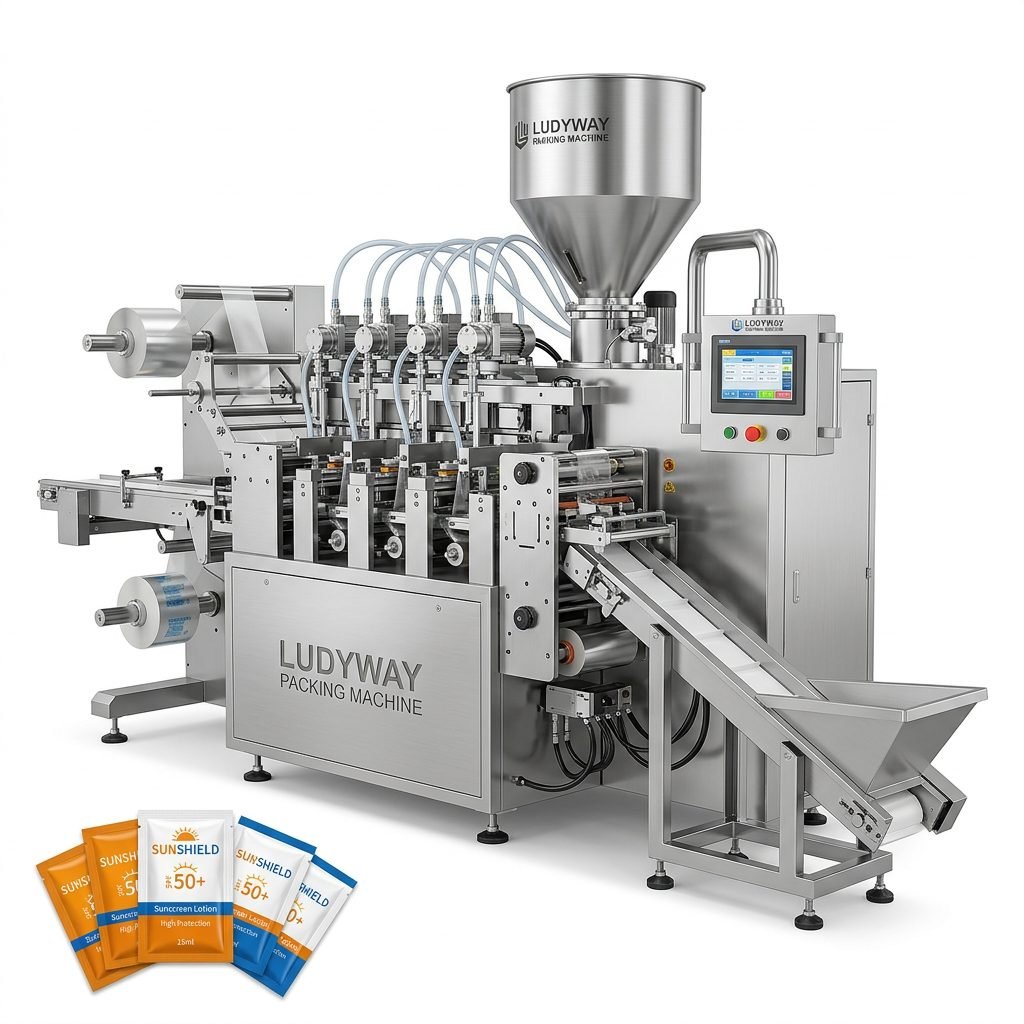
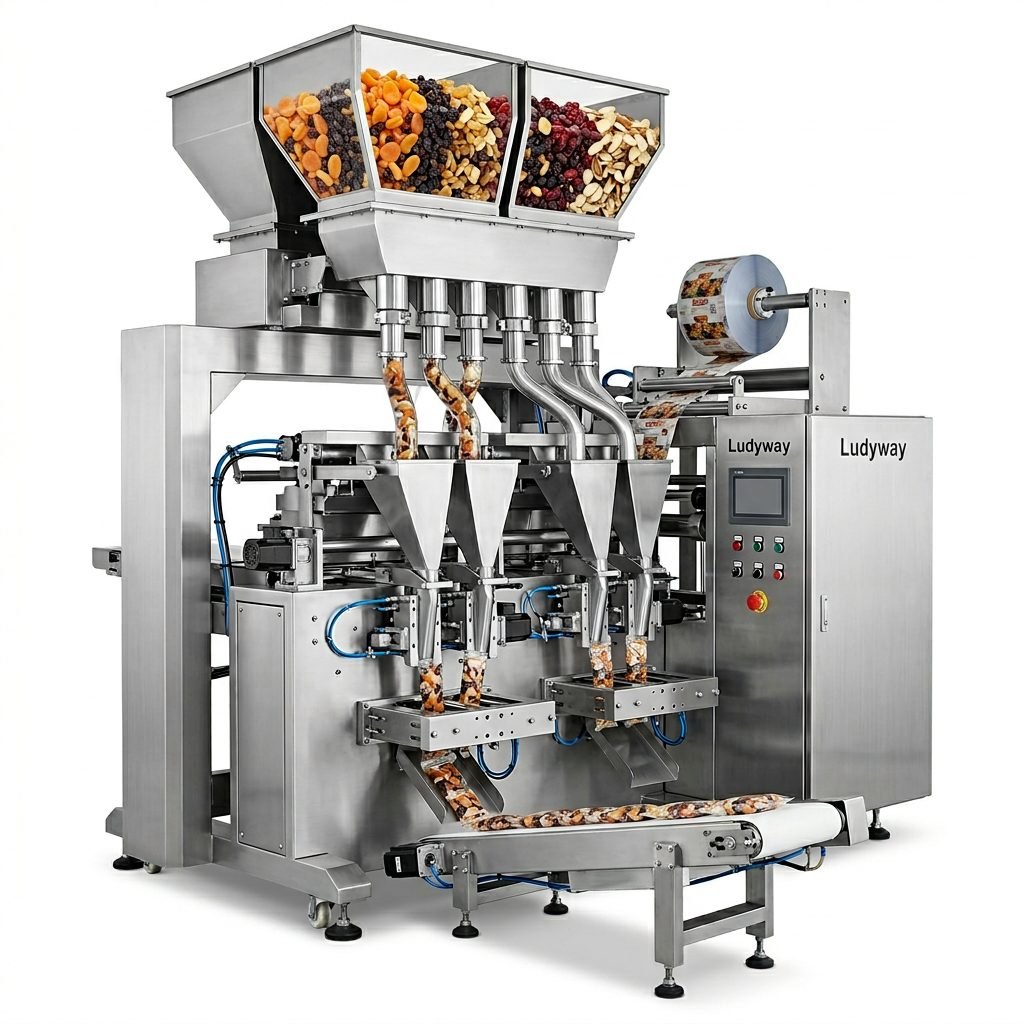
For larger consumer portions ranging from 50g to 1kg, sachet and pouch packaging machines offer flexibility in format and material. These machines handle various grain types including parboiled rice, specialty grains like amaranth, and blended grain mixes. Many South American brands prefer stand-up pouches with resealable zippers, which require machines with zipper application modules and nitrogen flushing capabilities for extended shelf life.
Bulk Bagging and Weighing Lines
For agricultural cooperatives and large-scale exporters, bulk bagging systems that handle 25kg to 50kg bags or jumbo bags are essential. These systems integrate high-precision multi-head weighers with automated bag placement, filling, and sealing stations. Accuracy is critical here, as even small overfills across thousands of bags can result in significant revenue loss over a harvest season.
Key Technical Specifications to Evaluate
Before requesting a quotation, it is critical to define your technical requirements clearly. The following table summarizes the most important parameters to compare across different machine models and manufacturers:
| Specification | Why It Matters | Recommended Range |
|---|---|---|
| Production Speed | Directly impacts throughput and ROI | 40–800 packs/min depending on format |
| Weighing Accuracy | Minimizes product giveaway and ensures compliance | ±0.1g to ±1g for multi-head weighers |
| Bag Size Range | Determines product portfolio flexibility | Width 50–300mm, Length 70–400mm |
| Material Compatibility | Affects seal quality and shelf life | Laminated films, aluminum foil, biodegradable materials |
| Power Requirements | Must match local electrical infrastructure | 220V/380V/440V, 50/60Hz, 3-phase |
Critical Factors for Successful Machine Selection
Beyond technical specifications, several operational and commercial considerations will influence your long-term satisfaction with a grain packaging investment:
- Local After-Sales Support: Verify whether the supplier has certified technicians or authorized service partners in your country. Downtime during harvest season can be catastrophic, and waiting weeks for a technician to arrive from overseas is not acceptable for most South American operations.
- Spare Parts Availability: Confirm that critical wear components such as sealing jaws, cutting blades, belts, and sensors are stocked locally or can be shipped within 48 hours. Ask for a recommended spare parts list at the quotation stage.
- Operator Training Requirements: Machines with intuitive HMI touchscreen interfaces in Spanish and Portuguese reduce training time and operational errors. Remote diagnostic capabilities are increasingly valuable for South American buyers.
- Compliance with Food Safety Regulations: Equipment should comply with FDA food packaging standards and relevant ISO packaging standards, especially if you export to North American or European markets. Stainless steel construction, easy-clean designs, and validated sealing parameters are non-negotiable.
- Total Cost of Ownership: Evaluate not just the purchase price but energy consumption, consumable costs, labor requirements, and expected maintenance intervals over a 5-10 year period.

Evaluating Suppliers and Building Long-Term Partnerships
The relationship with your equipment supplier extends far beyond the initial purchase. A reputable manufacturer should provide comprehensive support throughout the machine lifecycle. When evaluating potential partners, consider their track record in the Latin American market, the availability of customer testimonials from the region, and their willingness to customize equipment for specific grain types and packaging formats.
One notable manufacturer serving the global grain packaging sector is Ludyway, a leading packaging machine manufacturer in China with over 30 years of industry experience and a modern 20,000㎡ production facility. The company offers more than 50 intelligent packaging machine models and serves customers across 100+ countries. For South American buyers seeking reliable, high-performance equipment, evaluating established manufacturers with proven international track records is a prudent approach.
Production Line Integration and Automation
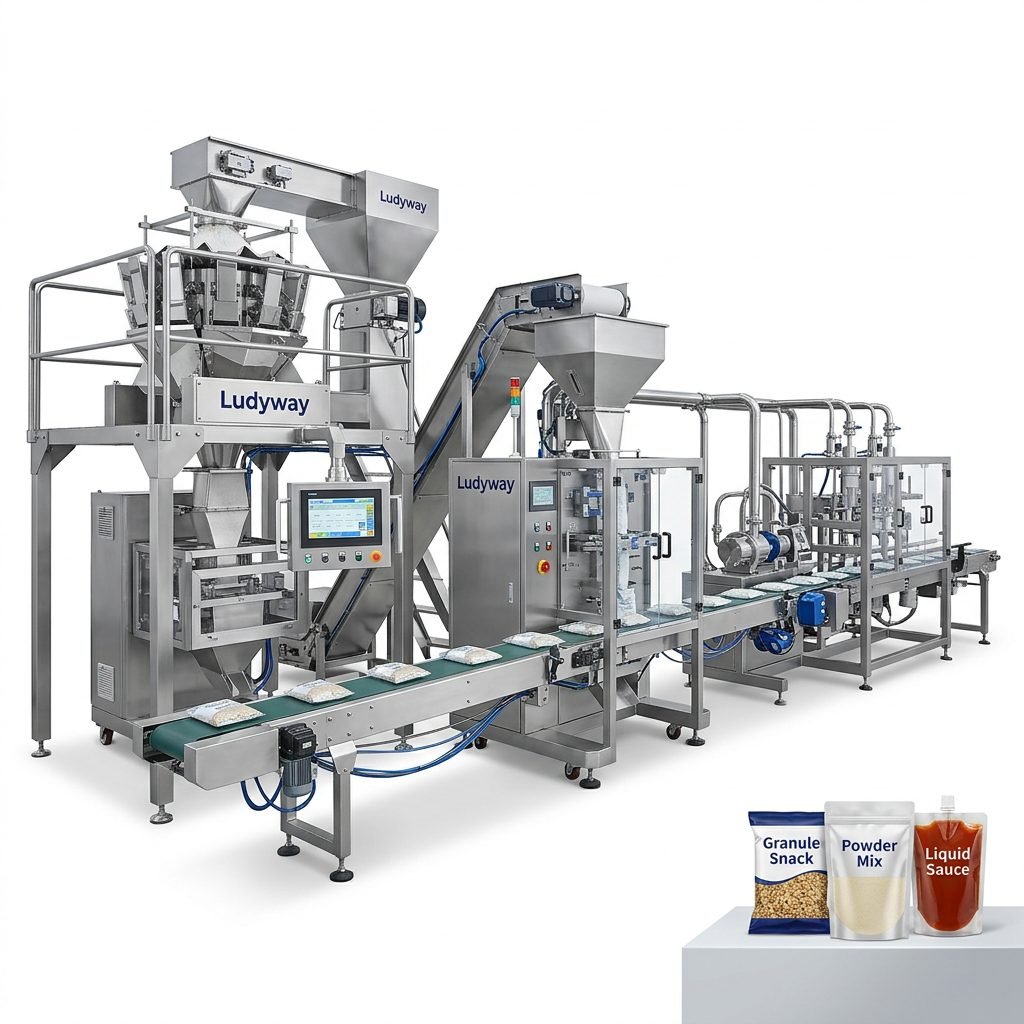
Modern grain packaging is rarely a standalone operation. Leading producers in South America are increasingly investing in integrated turnkey packaging lines that connect upstream processing equipment (cleaning, grading, drying) with downstream packaging and palletizing systems. The Flexible Packaging Association highlights that automation reduces labor dependency and improves consistency, which is especially relevant given skilled labor shortages in certain South American regions.
Key integration components to consider include:
- Automated feeding systems such as bucket elevators, inclined conveyors, and vacuum feeders designed for delicate grains
- Inline checkweighers and metal detectors for quality assurance and food safety compliance
- Automatic cartoning and case packing systems to streamline secondary packaging
- Robotic palletizing solutions for end-of-line automation and export-ready pallet preparation

Budget Planning and Return on Investment
Grain packaging machinery represents a significant capital investment, and calculating realistic ROI timelines is essential for securing stakeholder approval. Entry-level semi-automatic machines may cost between $15,000 and $40,000, while fully automated multi-lane stick pack lines with integrated weighers and cartoning systems can range from $80,000 to $300,000+ depending on speed, lane count, and customization requirements.
When building your business case, factor in these financial considerations:
- Expected increase in production output and revenue
- Reduction in manual labor costs
- Decrease in product waste and giveaway
- Energy efficiency improvements over older equipment
- Potential for entering new export markets with improved packaging quality
Making the Final Decision
Purchasing grain packaging machinery for operations in South America demands a comprehensive evaluation process. Take the time to visit production facilities, request video demonstrations of machines running your specific grain products, and speak directly with current users in similar industries. Request detailed proposals that include not just equipment pricing but also installation timelines, commissioning support, training programs, and warranty terms. By carefully matching machine capabilities to your production goals and regional requirements, you can secure packaging equipment that delivers reliable performance and strong returns for years to come.