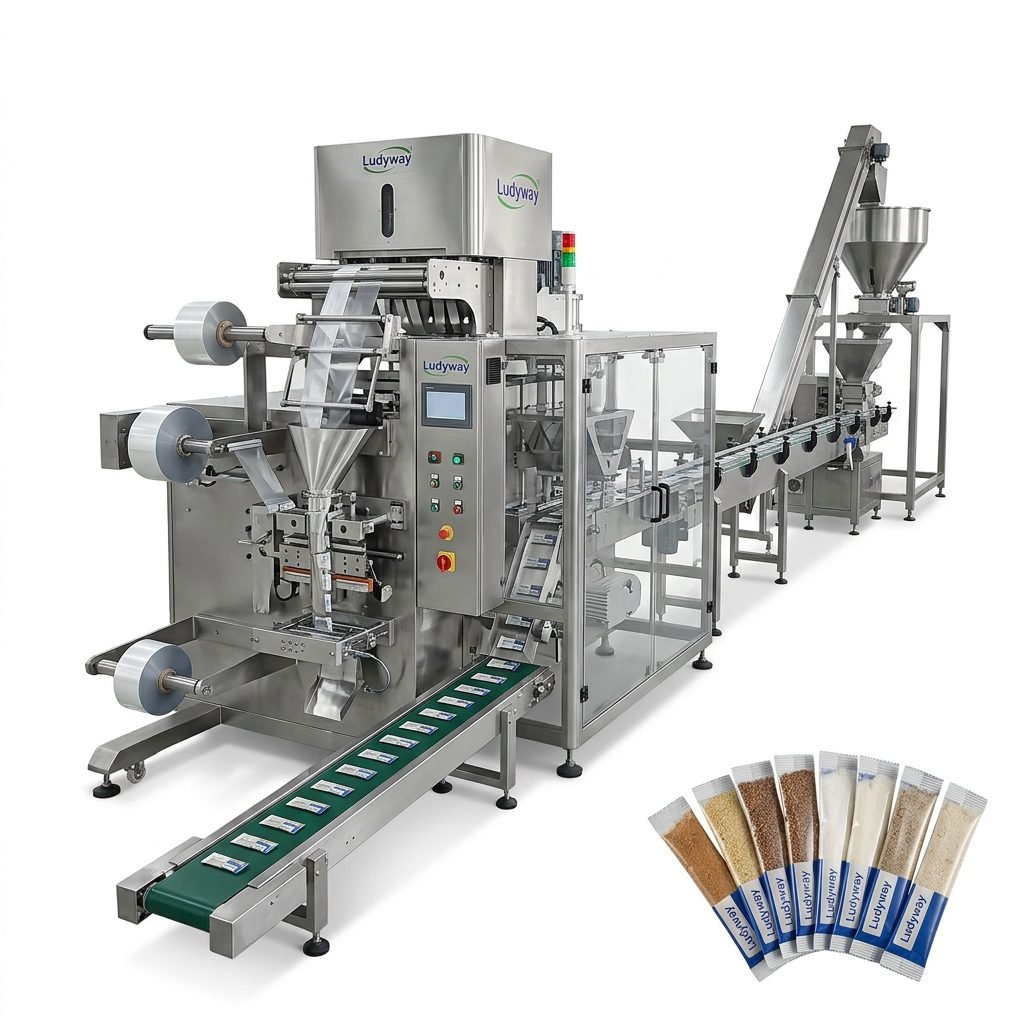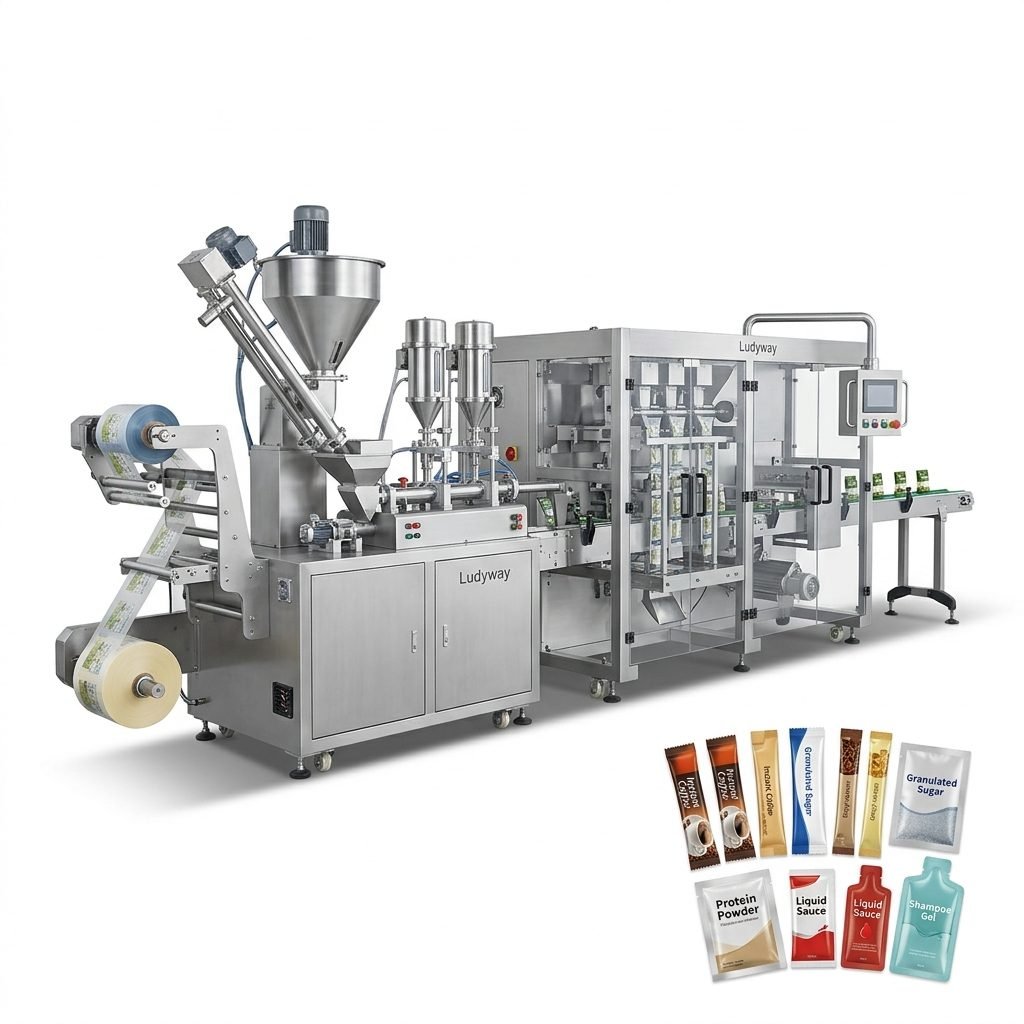
Investing in a frozen food packaging machine is a critical decision for North American food processors, co-packers, and distributors. The right equipment impacts product quality, shelf life, production efficiency, and ultimately your bottom line. With the frozen food sector experiencing steady growth — driven by consumer demand for convenience, longer shelf life, and diverse product offerings — having a reliable packaging system is no longer optional. This guide walks you through the key considerations, technical specifications, and strategic factors to evaluate before purchasing a frozen food packaging solution.
Understanding the Unique Demands of Frozen Food Packaging
Packaging frozen foods presents distinct challenges that differ significantly from ambient or refrigerated products. Machinery must handle low-temperature environments, manage moisture and condensation, and maintain seal integrity under freezing conditions. Key product categories include frozen vegetables, fruits, ready-to-eat meals, seafood, meat portions, ice cream, and frozen baked goods — each with specific packaging requirements.
The most critical factor is seal integrity. A compromised seal leads to freezer burn, moisture loss, and product degradation. North American retailers and foodservice operators have strict quality standards, and packaging failures can result in costly returns and damaged brand reputation. When evaluating a frozen food packaging machine, prioritize systems engineered for cold-chain durability.
Types of Frozen Food Packaging Machines
Different frozen food products require different packaging formats. Below is a comparison of the most common machine types used in North American frozen food operations:
| Machine Type | Best Suited For | Packaging Format | Key Advantage |
|---|---|---|---|
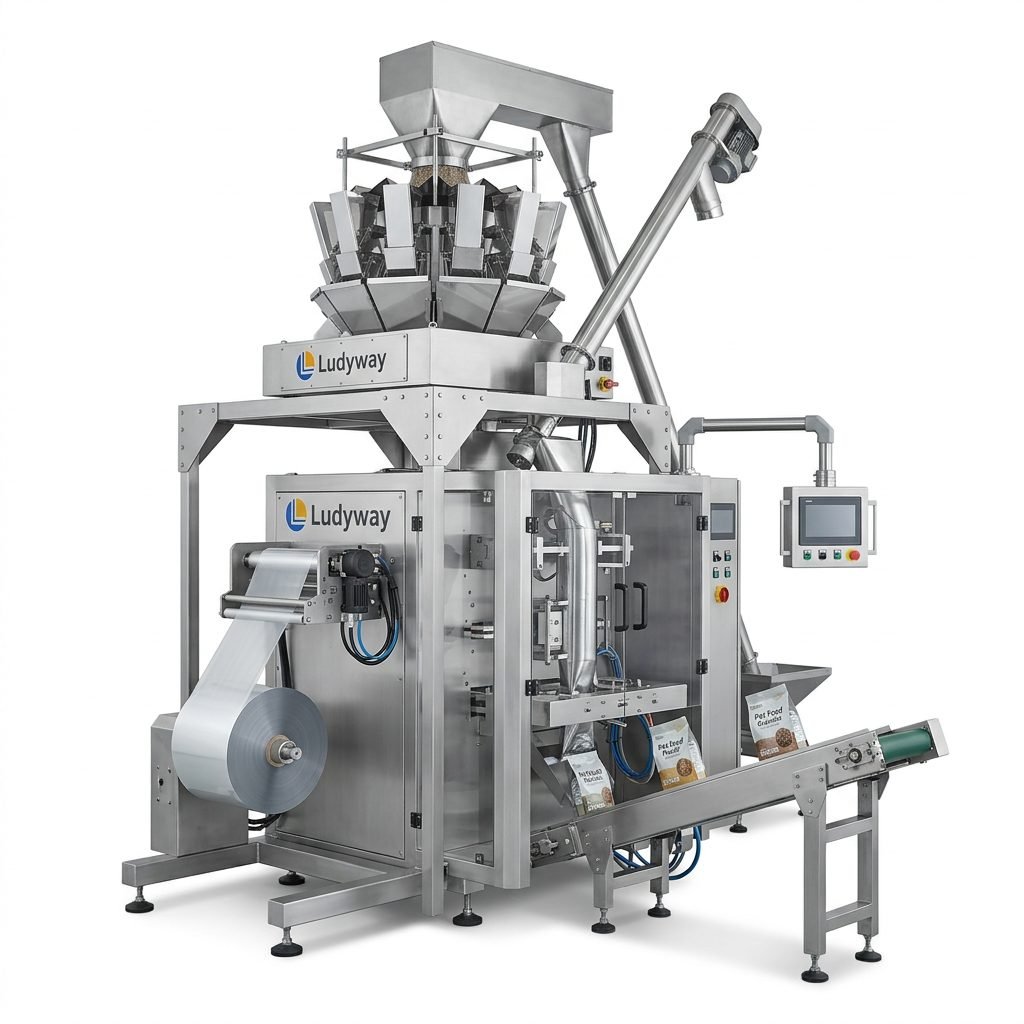
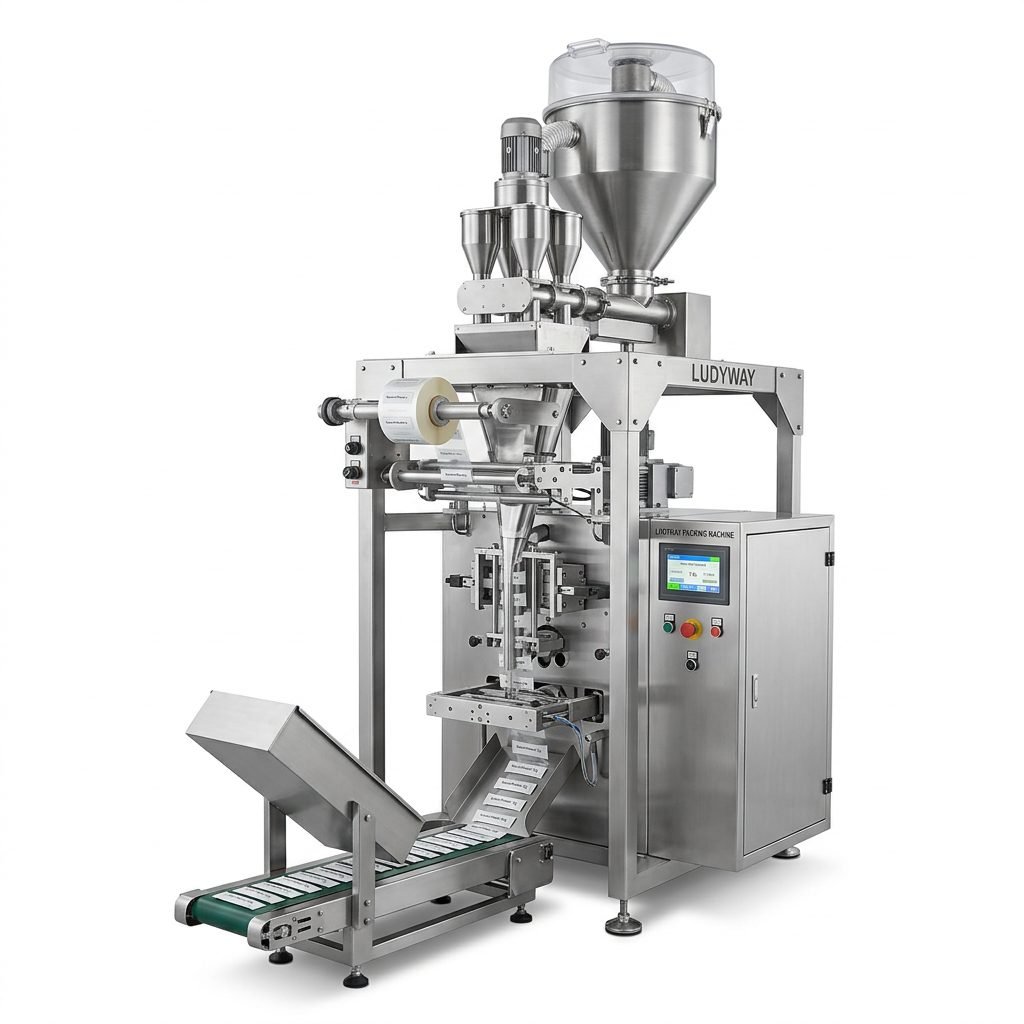
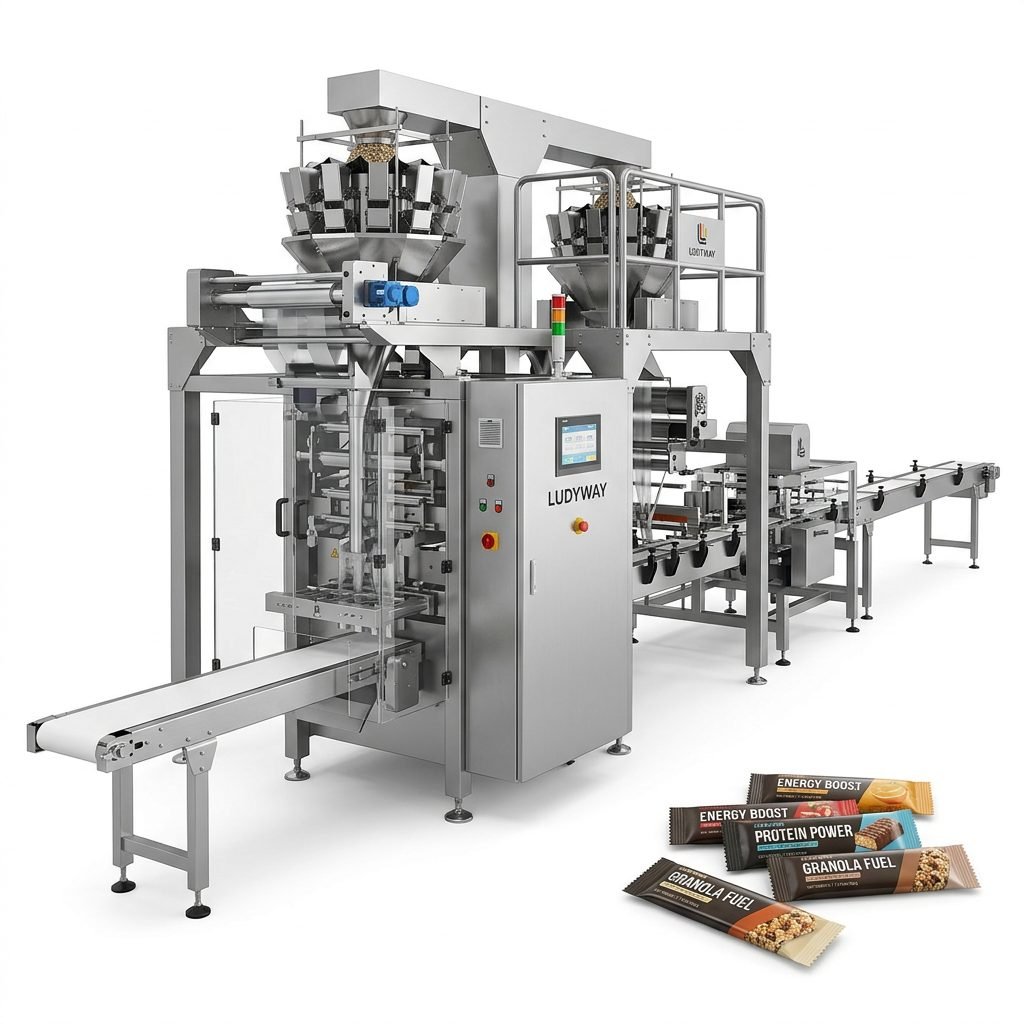
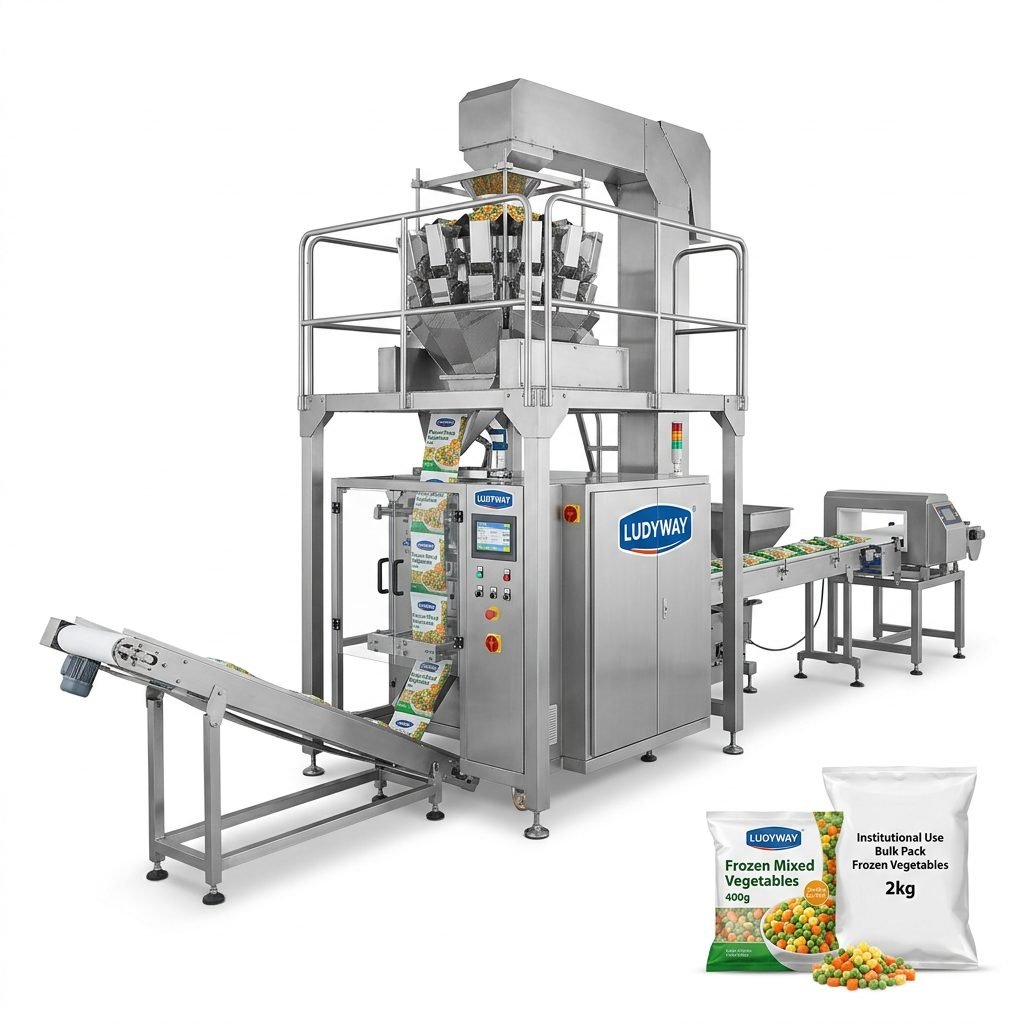
| Vertical Form Fill Seal (VFFS) | Frozen vegetables, fruits, bulk IQF products | Pillow bags, gusseted bags | High-speed continuous operation |
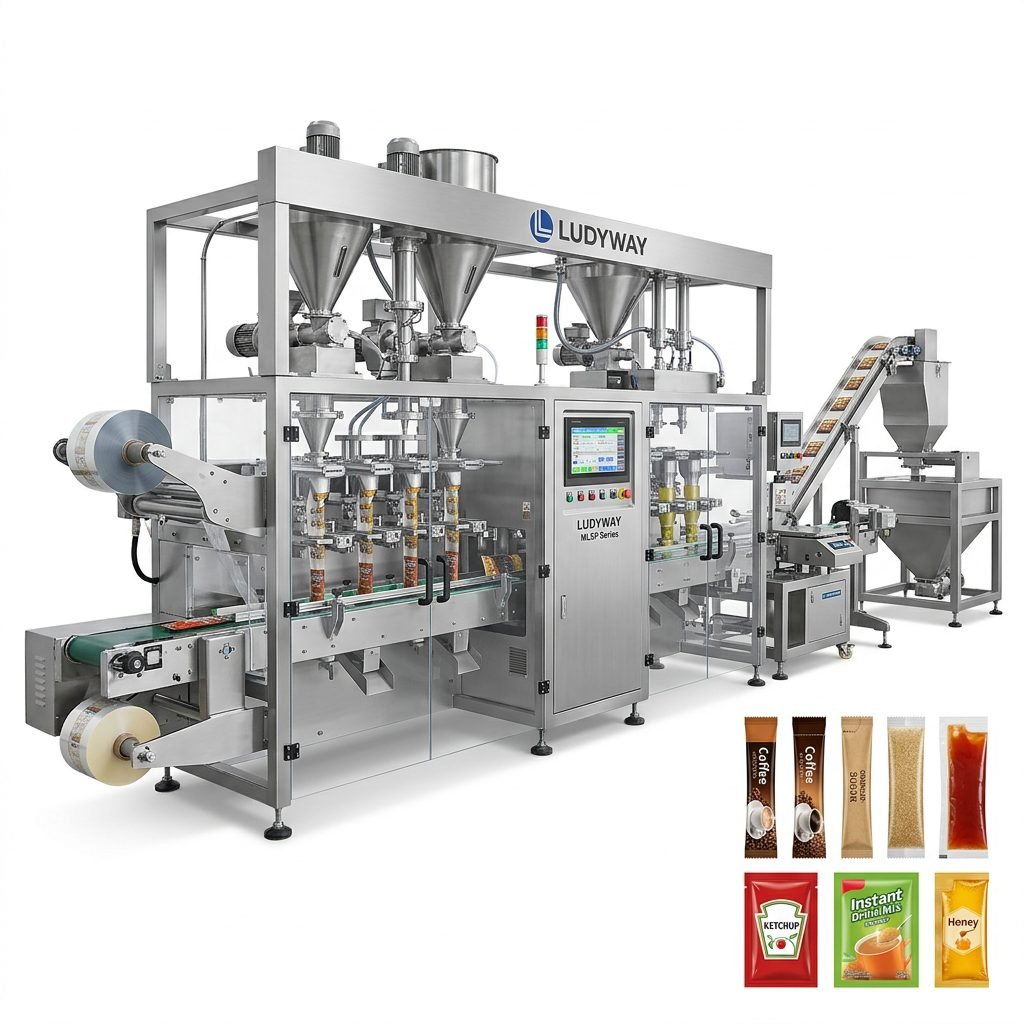
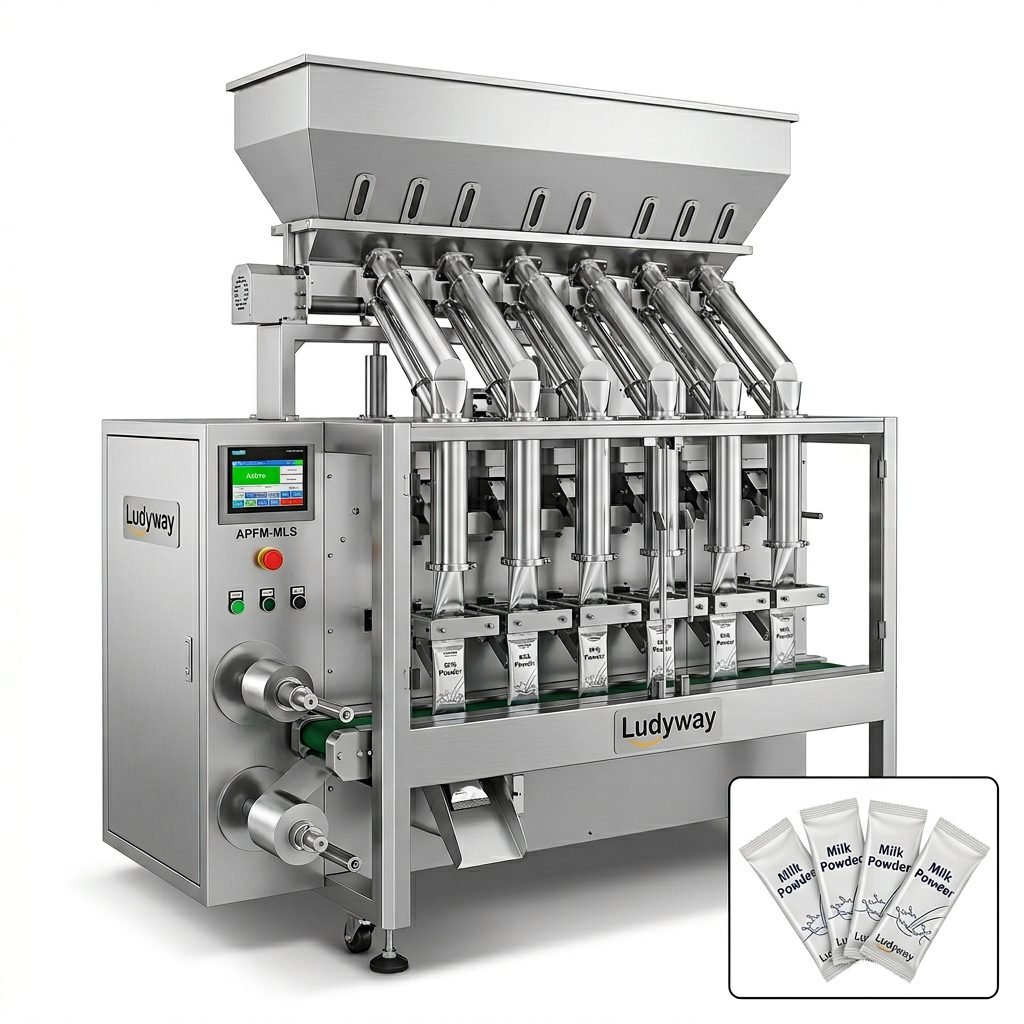
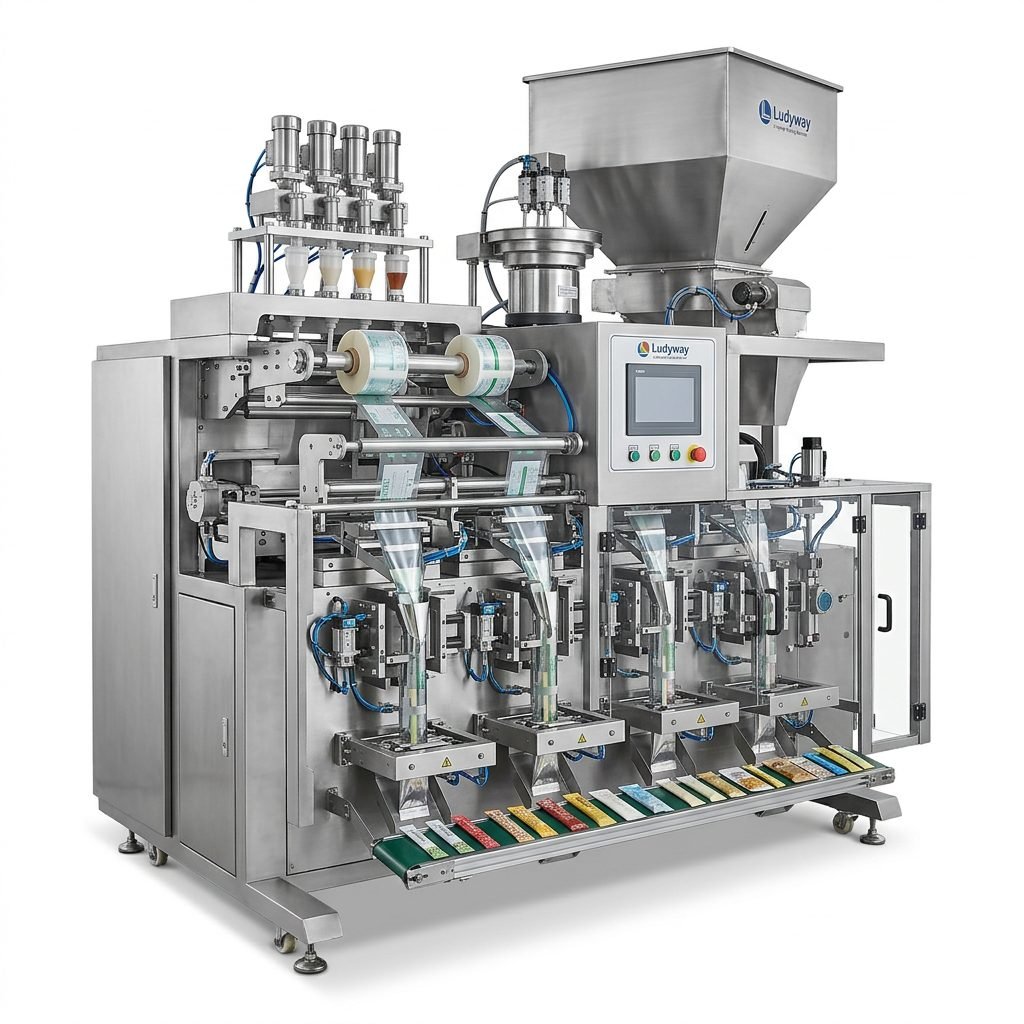
| Multi-Lane Stick Pack Machines | Frozen purees, sauces, single-serve portions | Stick packs, sachets | High output with precise portion control |
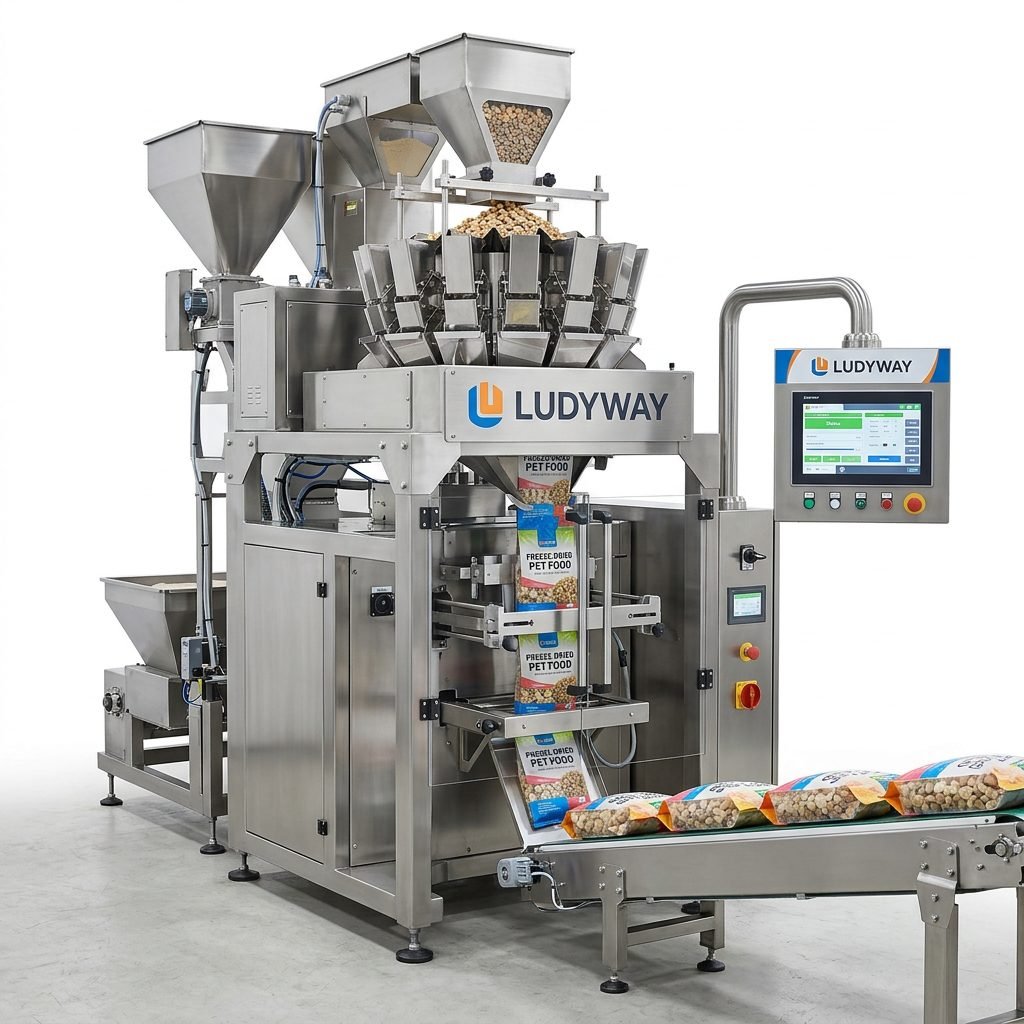
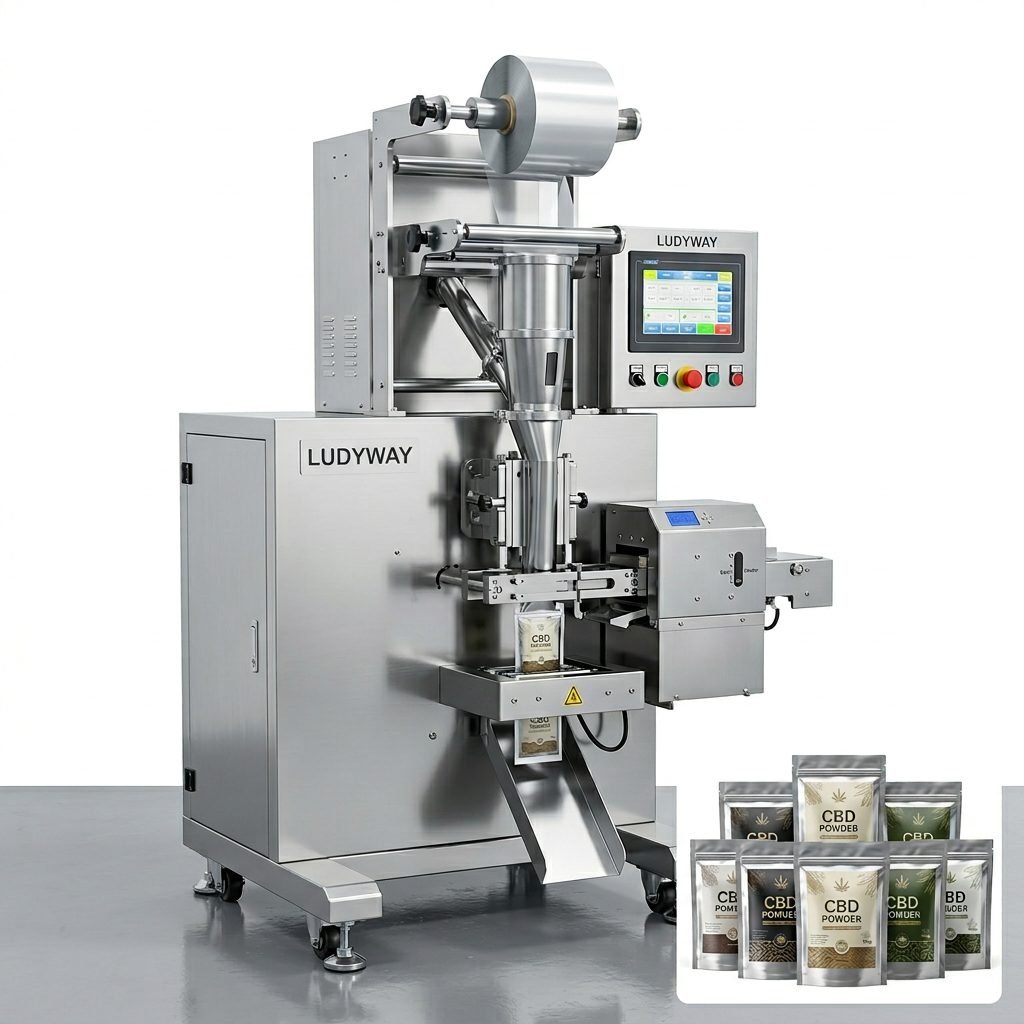
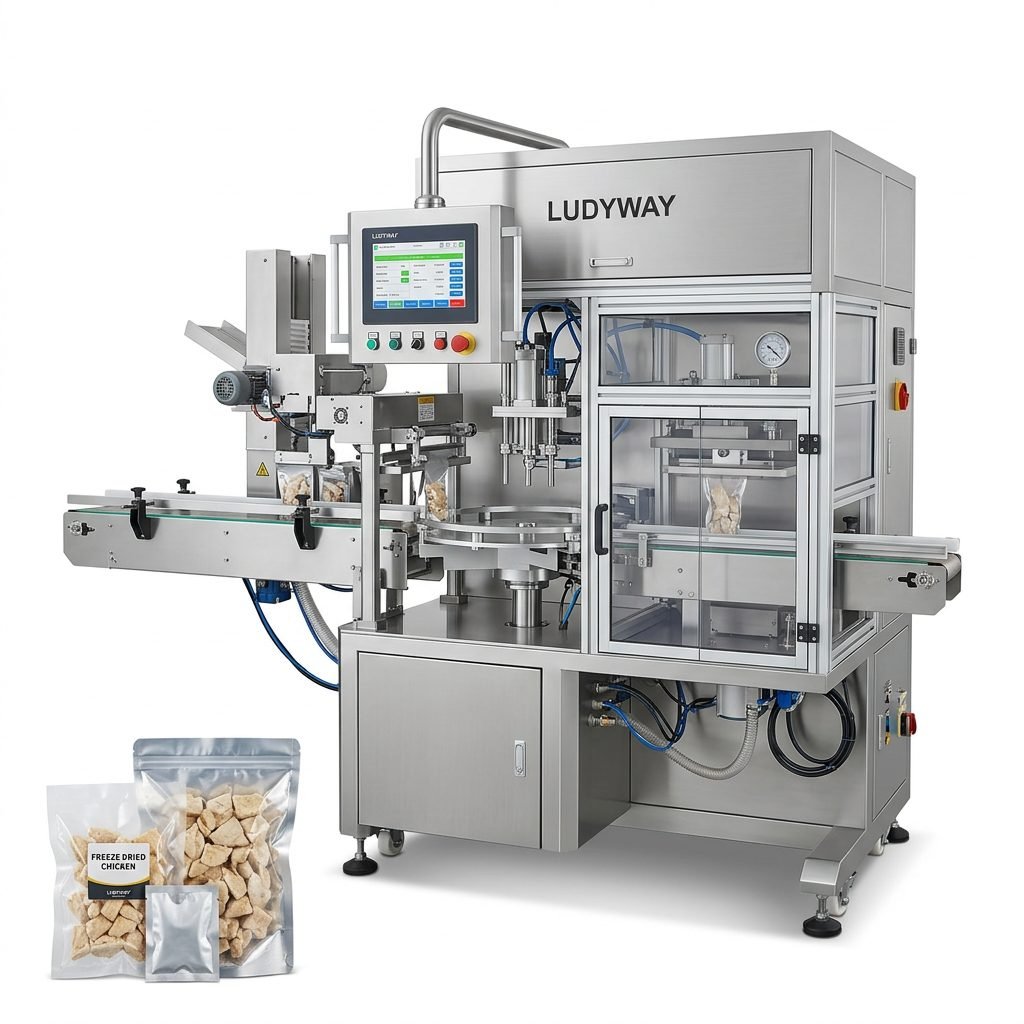
| Pre-Made Pouch Fill & Seal | Frozen seafood, meat, ready meals | Stand-up pouches, flat pouches, zipper bags | Premium shelf appeal and resealability |
| Horizontal Flow Wrappers | Frozen bakery items, pizza, sandwiches | Flow wrap, overwrap | Compact footprint and fast changeover |
| Bulk Bagging Systems | Large-format frozen blocks, industrial ingredients | Heavy-duty bags, 10kg-50kg sacks | Robust construction for heavy loads |
Critical Technical Specifications to Evaluate
When assessing a frozen food packaging machine, technical specifications directly determine operational performance. North American buyers should focus on the following parameters:
Speed and Throughput
Production speed is measured in packages per minute (ppm) and must align with your upstream freezing and processing capacity. Multi-lane systems can achieve significantly higher output — some advanced multi-lane configurations deliver over 400 packs per minute, making them ideal for high-volume frozen food manufacturers.
Temperature Tolerance
Equipment components — including seals, sensors, and lubrication systems — must function reliably in cold environments. Look for machines rated for operation in temperatures as low as -20°C to -30°C, especially if the packaging area is adjacent to blast freezers or cold storage.
Film and Material Compatibility
Frozen food packaging films require specific barrier properties to prevent moisture migration and oxygen transmission. Your machine should handle polyethylene (PE), polypropylene (PP), laminated structures, and metalized films commonly used in frozen applications. Verify the sealing jaw design accommodates the film thickness range you intend to use.
Sealing Technology
The sealing system is the heart of any frozen food packaging machine. Evaluate whether the machine uses heat sealing, ultrasonic sealing, or impulse sealing. For frozen products, consistent seal pressure and temperature control are non-negotiable to prevent leakers and ensure package integrity throughout the cold chain.
Compliance with North American Standards and Regulations
Packaging equipment deployed in the United States and Canada must comply with several regulatory frameworks. Non-compliance can lead to rejected shipments, legal liabilities, and facility shutdowns. Key standards include:
- FDA 21 CFR Part 110/117 — Current Good Manufacturing Practice (cGMP) requirements for food contact surfaces and equipment design. Refer to the FDA Food Packaging and Food Contact Substances page for detailed guidance.
- USDA FSIS Standards — For meat, poultry, and certain frozen prepared foods, equipment must meet USDA sanitation and inspection requirements.
- CFIA Regulations — Canadian Food Inspection Agency guidelines for imported and domestically packaged frozen foods.
- ISO 22000 / HACCP — International standards for food safety management systems, increasingly required by North American retailers.
- UL/CSA Certification — Electrical safety certifications required for machinery operating in North American facilities.
Consult resources from the PMMI – The Association for Packaging and Processing Technologies and Flexible Packaging Association for updated industry standards and best practices.
Total Cost of Ownership: Beyond the Purchase Price
The initial capital expenditure is only one part of the financial equation. North American businesses should calculate the total cost of ownership (TCO) over a 5 to 10-year horizon. Consider these often-overlooked cost factors:
- Spare parts availability — Downtime costs can quickly surpass machine savings if critical components are not readily available in North America.
- Film waste rates — Machines with precise film registration and tension control minimize material waste, directly impacting per-unit packaging costs.
- Energy consumption — Compare motor efficiency ratings and heating element energy draw across competing models.
- Changeover time — If you package multiple SKUs, rapid changeover capability can add significant productive hours annually.
- Operator training requirements — Intuitive HMI interfaces and automation reduce labor costs and operator error rates.
- Maintenance and service contracts — Evaluate warranty terms and the availability of remote diagnostics support.
Automation Level and Integration Capabilities
Modern frozen food packaging lines increasingly incorporate automation features that reduce manual handling and improve consistency. When evaluating automated packaging solutions, assess the machine’s ability to integrate with:
- Upstream freezing tunnels and spiral freezers
- Multi-head weighers and volumetric fillers for precise portion control
- Metal detectors and X-ray inspection systems for contaminant detection
- Checkweighers for weight compliance verification
- Automated cartoning and case packing equipment
- Palletizing robots for end-of-line automation
Smart factory integration — including OEE monitoring, predictive maintenance alerts, and production data analytics — is becoming a competitive differentiator for North American food manufacturers seeking to optimize overall equipment effectiveness.
Selecting the Right Packaging Machine Supplier
Choosing a supplier is as important as choosing the machine itself. Look for partners with proven experience in frozen food applications, not just general packaging. Evaluate potential suppliers on technical support responsiveness, North American service presence, and documented case studies in frozen food production environments.
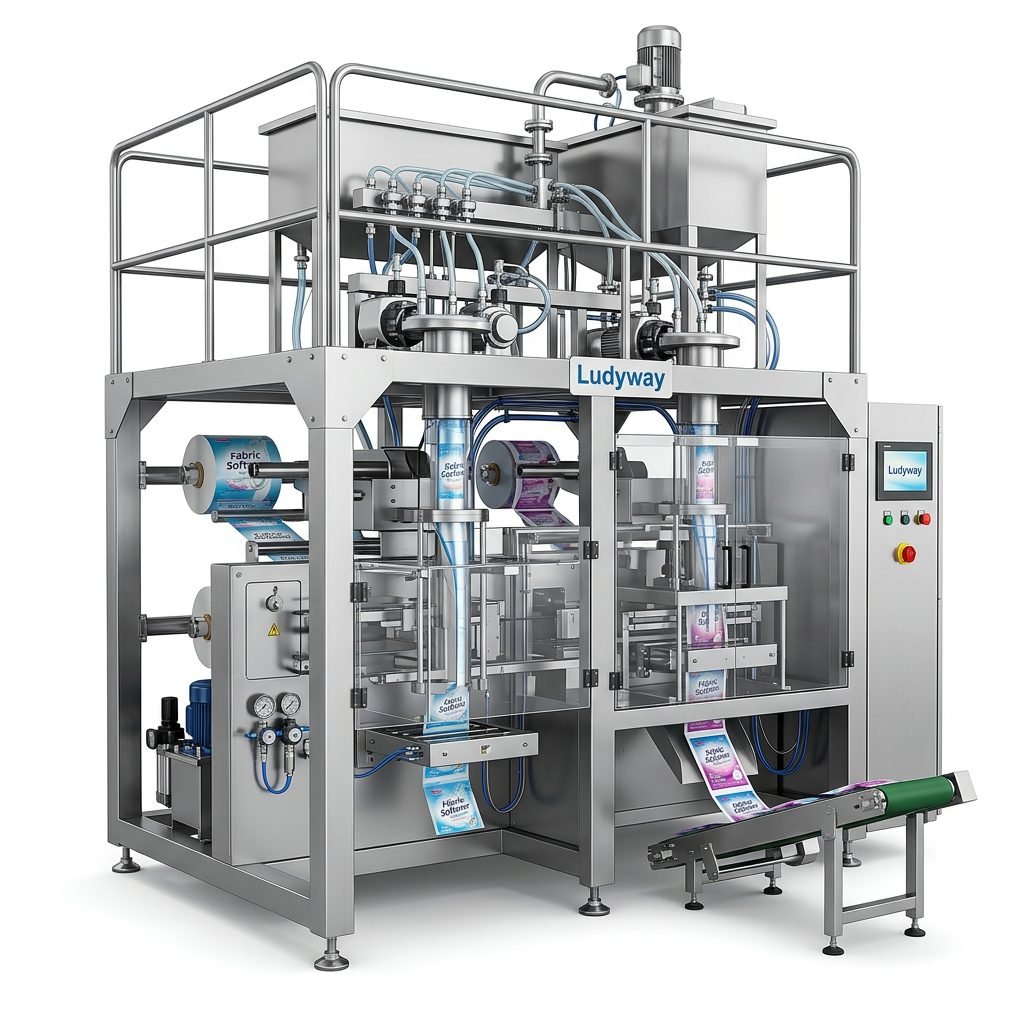
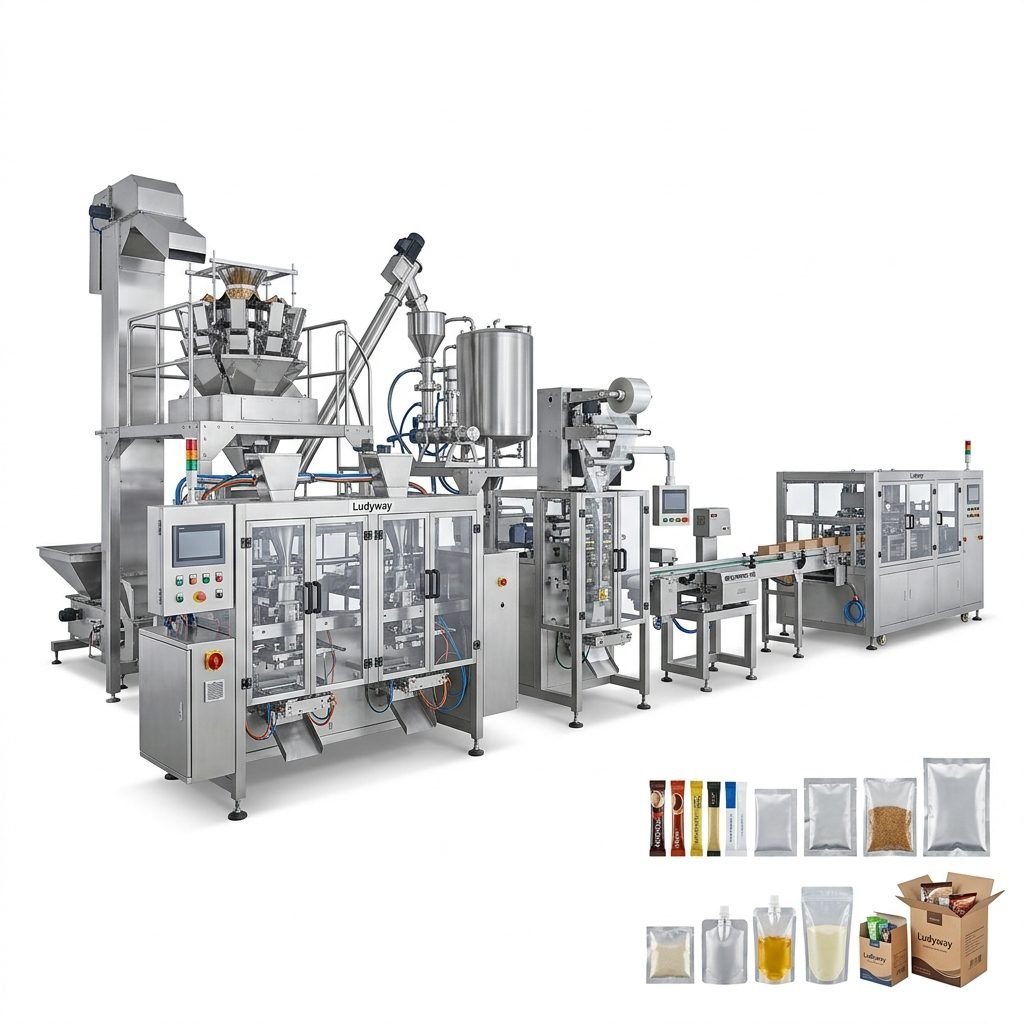
Established manufacturers like Ludyway offer over 50 intelligent packaging machine models, including multi-lane stick pack, sachet, and fully automated packaging systems designed for granule, powder, liquid, and pouch applications across the frozen food sector. With a modern 20,000㎡ manufacturing facility and an experienced engineering team, evaluating suppliers with substantial production capabilities and global service networks can help mitigate long-term operational risks.
Questions to Ask Before Making Your Purchase
Before finalizing your investment in a frozen food packaging machine, ensure you have addressed these essential questions:
- What is the maximum throughput required to meet current and projected production volumes over the next 3-5 years?
- Does the machine accommodate your full range of packaging formats and film types, or will you need multiple systems?
- Is the equipment UL/CSA certified for the North American market, and does it meet FDA food contact requirements?
- What are the lead times for critical spare parts, and does the supplier maintain inventory in North America?
- Can the supplier provide references from North American frozen food companies using similar equipment?
- What level of remote technical support and on-site service is available during installation and throughout the machine’s lifecycle?
- Does the machine offer modular upgrade paths to add automation features as your business scales?
Industry Resources for North American Buyers
Staying informed about packaging industry trends, regulations, and technology advancements is essential for making sound purchasing decisions. We recommend the following authoritative resources:
- PMMI Business Intelligence Library — Comprehensive packaging machinery market research and economic reports
- PMMI 2025 State of the Industry Report — Annual analysis of packaging equipment market trends
- FDA Packaging and Food Contact Substances — Regulatory guidance for food packaging compliance
- Flexible Packaging Association Industry Resources — Data and insights on flexible packaging applications
- PACK EXPO International — Leading trade show for hands-on equipment evaluation and supplier meetings
Making the Right Investment Decision
Selecting a frozen food packaging machine is a strategic decision with long-term implications for product quality, operational efficiency, and brand reputation. By thoroughly evaluating machine types, technical specifications, regulatory compliance, total cost of ownership, and supplier capabilities, North American businesses can make informed choices that support growth and profitability.
Take the time to visit supplier facilities, attend industry trade shows like PACK EXPO, and request detailed demonstrations using your actual products and packaging materials. A methodical, well-researched approach to equipment procurement will yield a packaging solution that delivers reliable performance for years to come.