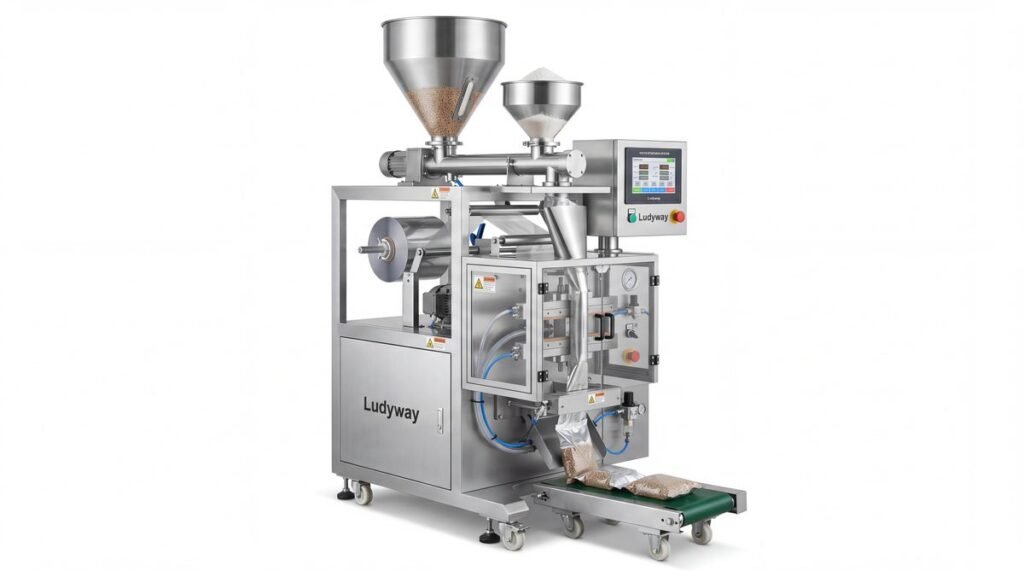
Why Oceania Businesses Are Investing in Vacuum Sealers
Across Australia, New Zealand, and the Pacific Islands, the demand for extended shelf life and reduced food waste is reshaping packaging operations. A vacuum sealer packaging machine removes oxygen from the package before sealing, dramatically slowing spoilage and protecting products from freezer burn. For meat processors, seafood exporters, and ready‑meal manufacturers, this technology is no longer optional—it is a competitive necessity.
Modern systems go far beyond simple bag sealing. Today’s equipment offers gas flushing, soft‑air functions for delicate items, and programmable double‑seal bars that ensure integrity during export. Whether you are packing premium beef cuts for Asian markets or portioning snapper fillets for local retail, the right vacuum sealer packaging machine directly impacts product quality and operational efficiency.

Understanding the Types of Vacuum Packaging Systems
Selecting the correct configuration starts with knowing the main categories available for Oceanian production environments. The three primary systems are the chamber machine, the external suction machine, and the fully automatic thermoforming line. Each serves a distinct throughput and application profile.
Chamber Vacuum Sealers
In a chamber vacuum sealer, the entire product‑loaded bag is placed inside a chamber. Air is evacuated from the chamber itself, equalizing pressure inside and outside the bag. This method is ideal for liquids, soups, sauces, and marinated products because it prevents liquid from being sucked out during the vacuum cycle. Chamber machines are widely used by small‑to‑medium processors of value‑added seafood and sous‑vide meal components.
External Suction Vacuum Sealers
Often called nozzle vacuum sealers, these units extract air directly from the bag opening. They are generally more compact and cost‑effective but are less suited to high‑moisture products. In Oceania, external units are popular among retail butchers and small‑scale dried goods packers who prioritize simplicity and counter‑top mobility.
Thermoforming and Automatic Rollstock Lines
For large‑volume operations, automatic rollstock vacuum packaging machines form, fill, and seal in one continuous motion. These systems utilize a heated lower film web to create a pocket, which receives the product before a top film is vacuum‑sealed on. Integrated gas flushing can extend the shelf life of fresh pasta, cheese, or modified‑atmosphere red meat packs. Multi‑lane configurations achieve high speeds essential for export‑oriented protein processors.
Key Specifications to Evaluate Before Purchase
Investing in capital equipment without examining the technical specifications leads to costly bottlenecks. Decision‑makers across the Oceania region should benchmark machinery against these critical parameters.
Pump Capacity and Vacuum Level
The ultimate vacuum pressure is measured in millibars (mbar) or pascals. For high‑barrier applications such as long‑term chilled storage of lamb or venison, an oil‑lubricated rotary vane pump achieving ≤ 2 mbar residual pressure is recommended. Dry pumps exist but may deliver a less absolute vacuum, making them better suited for moderate‑shelf‑life products.
Seal Bar Dimensions and Configuration
The seal bar length dictates maximum bag width. In Oceania, common chamber sizes handle 420 mm, 520 mm, or 620 mm bags. Double‑seal bar options provide redundancy; if a wrinkle compromises one seal, the second ensures integrity. Curved seal bars are also available for skin‑pack applications where a tight film wrap around a tray is needed.
Construction Materials and Washdown Compliance
Oceanian food safety standards, influenced by PMMI guidelines and FSANZ regulation, demand stainless steel 304 or 316L construction in wet environments. A fully IP65‑rated control panel protects electronics during high‑pressure cleaning. Round‑edged, sloped surfaces prevent water pooling and bacterial harborage.
Comparing Vacuum Sealer Models for Oceania Applications
The table below highlights typical specifications and use cases across the three major vacuum sealer types found in Oceanian processing facilities.
| Machine Type | Typical Vacuum Level | Best Application | Estimated Throughput |
|---|---|---|---|
| Chamber Vacuum Sealer | 1 – 3 mbar | Liquids, sous‑vide, fresh meat cuts | 2 – 6 cycles/min |
| External Nozzle Sealer | 5 – 10 mbar | Retail packs, dry goods, coffee | 1 – 3 cycles/min |
| Thermoforming Rollstock Line | ≤ 2 mbar (configurable) | High‑volume meat, cheese, MAP packs | 10 – 20+ cycles/min |
Essential Features for the Oceanian Market
Operating conditions in the region demand specific engineering adaptations. Here is what to look for beyond the basic vacuum cycle.
- Soft‑Air (Gradual Pressure Release): Prevents crushing of delicate items like pastry, leafy greens, or soft berries common in Australian horticulture.
- Gas Flushing/MAP Capability: Replaces extracted air with inert gas blends (N₂, CO₂) to maintain color in red meat and inhibit aerobic bacteria. Crucial for flexible packaging formats exported chilled.
- HACCP Data Logging: Integrated temperature and vacuum sensors with USB/ethernet output assist with compliance documentation for NZ MPI and Australian export requirements.
- Double‑Seal Technology: Two parallel seal bars provide a failsafe for products destined for rough handling during freight to the Pacific Islands.
- Wide Format Capability: Processing kingfish fillets or whole poultry requires chamber depths of 150 – 250 mm and seal bars exceeding 600 mm.

Maintenance and Long‑Term Reliability Factors
The remote location of many Oceanian facilities demands robust machinery with low failure rates. Service access in Fiji, Papua New Guinea, and regional New Zealand can be limited, making preventive maintenance design a priority.
Pump Oil Management
Oil‑lubricated pumps require regular oil changes—typically every 300 – 500 operating hours. Machines with transparent oil level sight glasses and easy‑access drain ports reduce downtime. Some advanced models feature oil filtration systems that extend service intervals, an important factor when shipping replacement parts from overseas takes weeks rather than days.
Seal Bar Replacement and Cleaning
Teflon‑coated seal bars and silicone sealing gaskets are considered consumables. A well‑designed machine allows tool‑less removal of the seal bar for cleaning and replacement. Operators should inspect the sealing area daily for residue buildup, particularly when packaging oily fish or marinated products common in Oceanian diets.
Electrical Safety in Humid Climates
Ambient humidity across tropical Queensland, the Solomon Islands, and coastal regions accelerates electrical corrosion. Machines destined for these areas benefit from conformal‑coated circuit boards and sealed relay housings. Request IP65 or higher certification for any equipment installed in an open‑air or non‑air‑conditioned processing room.
Cost Considerations Beyond the Purchase Price
Procurement managers evaluating a vacuum sealer packaging machine must calculate total cost of ownership, not just the invoice amount. The following factors collectively determine the true investment required over a 5‑to‑7‑year operational life.
- Film and Bag Consumption: High‑barrier shrink bags represent a significant ongoing cost. Machines with tighter film tension control reduce material waste by up to 15%.
- Energy Efficiency: Pump duty cycle matters. Systems that switch the pump into standby mode between cycles cut energy consumption compared to continuously running motors.
- Training and Labor: Intuitive touch‑screen interfaces with multi‑language support reduce training time for multicultural workforces common in Australian and NZ food hubs.
- Spare Parts Availability: Confirm the supplier stocks critical spares such as heating elements, PTFE tape, and pump rebuild kits locally or within a 48‑hour express shipping zone.
Regulatory Landscape in Australia and New Zealand
Compliance with FSANZ Standard 3.2.2 and MPI regulations governs food packaging equipment deployed in the region. Vacuum packaging falls under these frameworks for food safety practices and general machinery safety requirements.
Food Contact Materials
All vacuum bag films in contact with food must comply with AS 2070‑1999 plastics for food contact use. The machine manufacturer should provide documentation confirming that lubricants used in the vacuum pump are food‑grade H1 registered where there is potential incidental contact. For pharmaceutical or medical device packaging, additional ISO 11607 validation may be necessary, referencing standards published by ISO packaging standards.
Machine Safety and Guarding
Under AS 4024.1 series safety of machinery standards, vacuum sealers must include interlocked guards, emergency stop buttons, and thermal overload protection. Thermoforming lines with heated platens require additional light curtains or physical barriers to prevent operator injury during the forming and cutting stages.

Choosing the Right Supplier for Your Oceanian Operation
Selecting a reliable manufacturer is as critical as selecting the machine itself. Look for a partner who offers pre‑shipment factory acceptance testing (FAT), remote installation support via video call, and a documented quality management system.
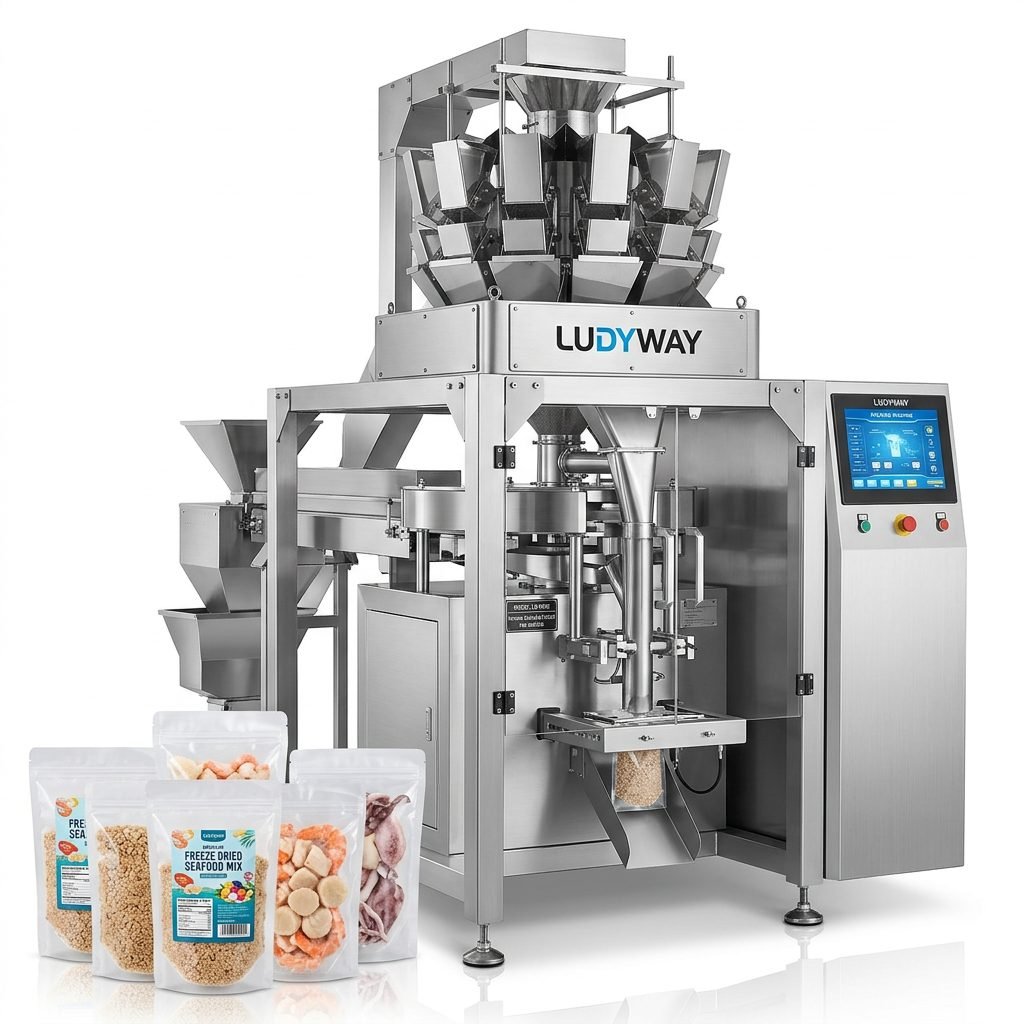
Ludyway, one of the largest packaging machine manufacturers in China, services customers across Oceania with advanced vacuum packaging lines built on a 20,000 m² production platform. Their engineering team assists with everything from industrial vacuum sealer packaging machine selection to turnkey line integration for high‑volume meat and seafood processors.
Questions to Ask a Potential Vendor
Shortlist machinery suppliers by getting clear answers to these key points.
- Do you provide remote commissioning support? Given travel restrictions and logistics costs in the Pacific, video‑assisted installation is invaluable.
- What is the lead time for critical spare parts? Insist on a written spare parts list with guaranteed dispatch times for pump rebuild kits, seal bars, and control boards.
- Can the machine handle my specific film gauge and bag type? Bring physical samples to a test facility or arrange a virtual witness test with your materials.
- Is the HMI interface available in multiple languages? User‑friendly controls in English, plus additional languages if required by the workforce, reduce training friction.
- What warranty terms apply? Seek a minimum 12‑month warranty on parts and labor, with the option to extend via a service contract.
Testing Before Commitment
Wherever possible, send your typical products for a trial run. For Oceanian processors of lamb, venison, barramundi, or chilled ready meals, a vacuum test will reveal how the machine handles bone protrusions, moisture content, and bag sizing. Evaluate the final pack for wrinkles around the seal, residual air pockets, and film clarity.
Future Trends in Vacuum Packaging Technology
Innovation continues to accelerate in the vacuum packaging sector. Oceanian businesses with an eye on growth should monitor these developments.
- ▶ Smart Machine Learning Sensors: Predictive vacuum control adjusts pump power based on product density and outgassing characteristics, reducing cycle time while maintaining seal integrity.
- ▶ Sustainable Film Compatibility: New mono‑material recyclable films require precise temperature control during sealing. Modern machines include automatic tuning for bio‑based and recyclable barrier films, aligning with Australia’s 2025 National Packaging Targets.
- ▶ Remote Monitoring and IoT: Ethernet‑connected sealers transmit cycle data, maintenance alerts, and OEE metrics to a central dashboard, enabling real‑time oversight across multi‑site operations in Australasia.
- ▶ High‑Pressure Processing (HPP) Integration: Vacuum‑sealed pouches destined for HPP cold pasteurization require extra‑strong seals and flexible pack formats, a growing niche for premium juice and seafood exporters.

Frequently Asked Questions
What is the difference between a vacuum sealer and a standard heat sealer?
A vacuum sealer removes air from the package cavity before applying the heat seal, whereas a standard heat sealer simply bonds film layers without air extraction. Vacuum sealers are essential for oxygen‑sensitive products requiring extended shelf life; a simple heat sealer is sufficient for non‑perishable items like hardware or stationary.
Can a chamber vacuum sealer handle liquids without mess?
Yes, chamber machines are specifically designed for liquid‑rich products. Because the entire chamber is evacuated simultaneously, the pressure inside and outside the bag remains balanced, preventing liquids from being drawn out. This makes chamber sealers the preferred choice for marinated meats, soups, and sauces.
How often should vacuum pump oil be changed?
Under typical usage, oil changes are recommended every 300 – 500 hours of pump run time. More frequent changes may be needed in high‑humidity environments or when packaging very moist products. Oil condition should be visually inspected weekly; a milky appearance indicates water contamination requiring immediate attention.
Is a nitrogen flush necessary for red meat packaging?
For retail display packs of beef or lamb, gas flushing with a high‑oxygen or carbon dioxide‑dominant mix preserves the bright red color expected by consumers. Vacuum packaging alone creates an oxygen‑free environment that turns meat purple, which is acceptable for foodservice but often rejected in retail settings across Oceania.
What ongoing costs should be budgeted for a vacuum sealer?
Annual budgeting should account for vacuum pump oil and filters, replacement seal bars and Teflon tape, silicone gaskets, and vacuum bags or rollstock film. A typical medium‑sized processor might allocate AUD 3,000 – 8,000 per year for consumables and basic maintenance depending on production volume.
For further guidance on selecting the right vacuum packaging equipment for Oceanian conditions, contact a specialist who understands local regulatory requirements and logistical considerations.