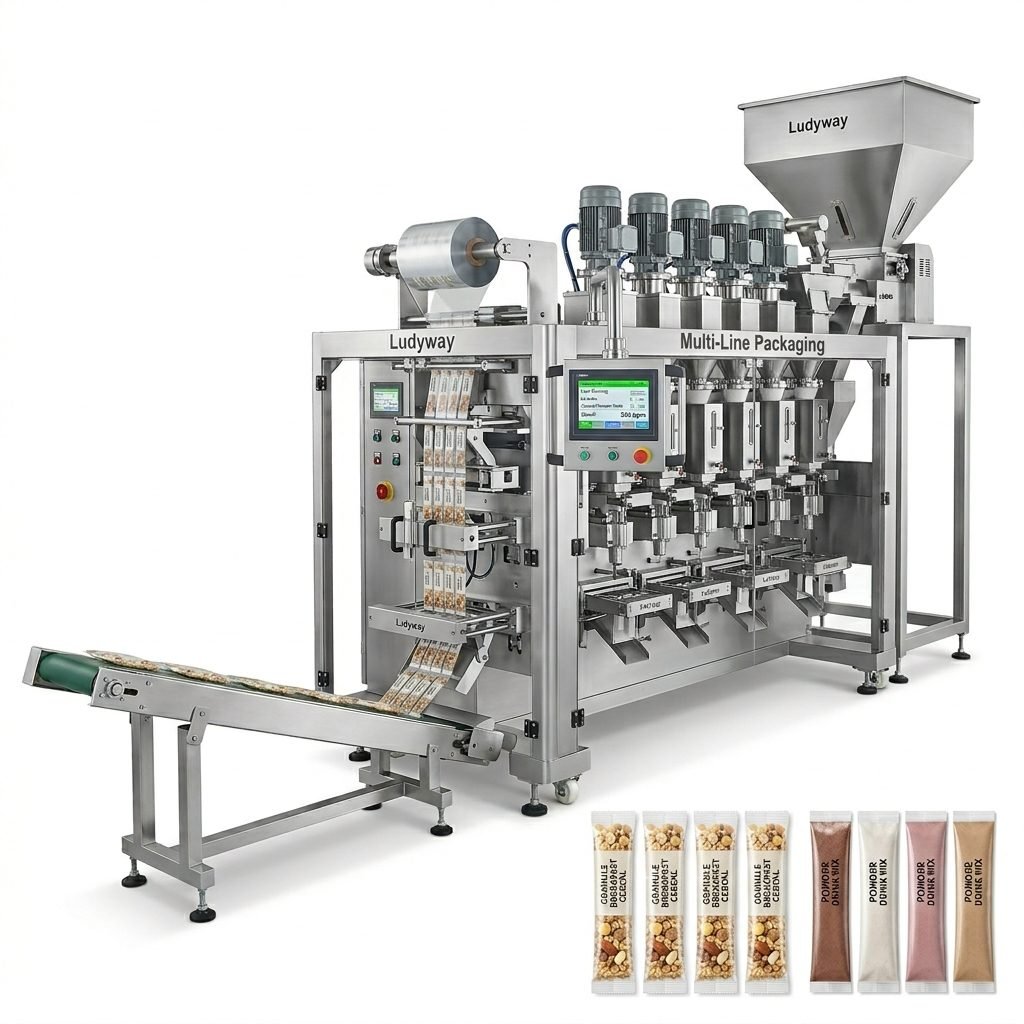
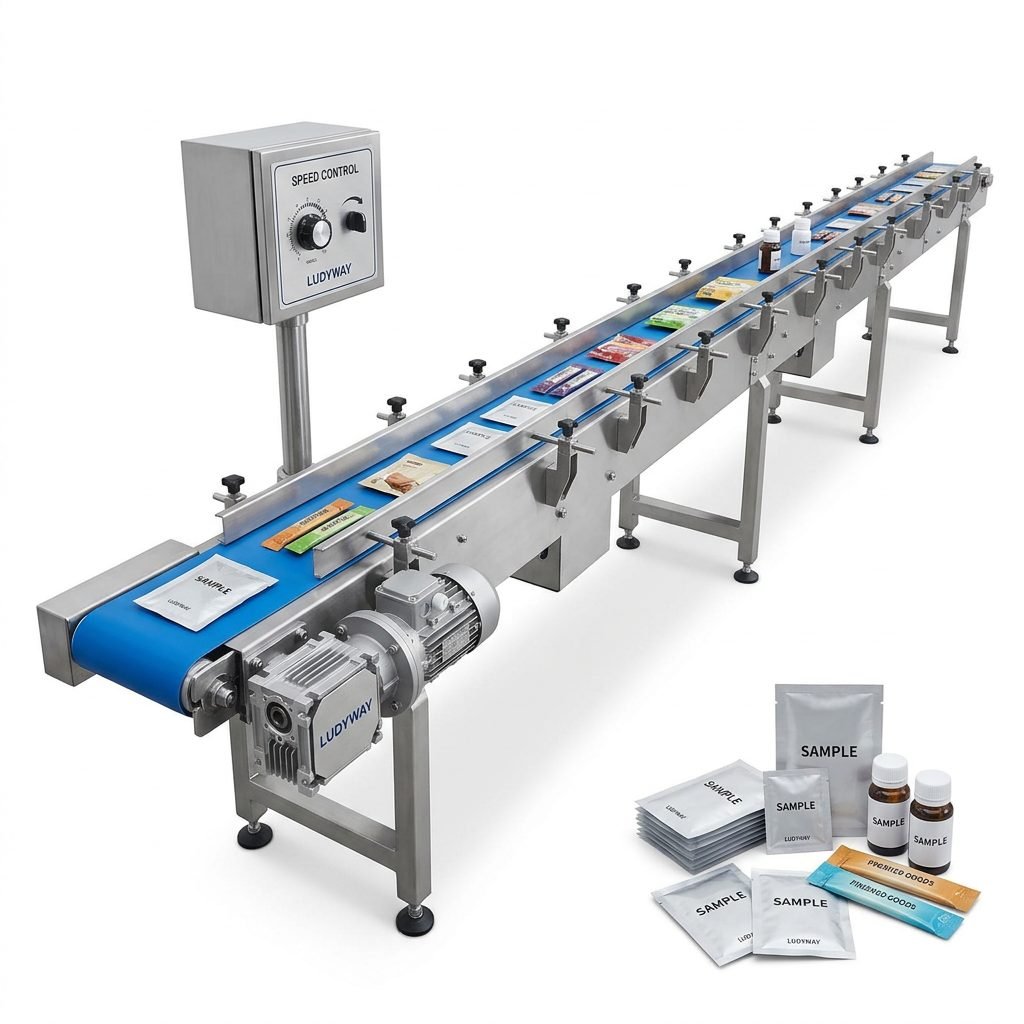
Investing in an ice packaging machine in France requires careful evaluation of production needs, regulatory standards, and operational efficiency. Whether you are producing cubed ice, crushed ice, or tube ice for the food service, retail, or industrial sectors, selecting the right equipment directly impacts product quality, shelf life, and profitability.
Understanding the French Ice Packaging Market
France has a well-established cold chain infrastructure, driven by strong demand from the hospitality, fisheries, healthcare, and retail sectors. The market for packaged ice is projected to grow steadily as consumers increasingly prefer hygienically sealed ice products. When choosing an ice packaging machine, understanding local EU regulations, including food contact material compliance and energy efficiency directives, is essential.
Key Regulations Affecting Ice Packaging in France
- EU Regulation (EC) No 1935/2004 – Materials and articles intended to come into contact with food
- EU Regulation (EC) No 2023/2006 – Good manufacturing practice for food contact materials
- French DGCCRF guidelines on frozen water products
- CE marking requirements for all packaging machinery
Types of Ice Packaging Machines Available
Different production scales and ice formats call for distinct packaging solutions. Below is a comparison of the most common machine types used in the French market:
| Machine Type | Best For | Typical Output | Packaging Style |
|---|---|---|---|
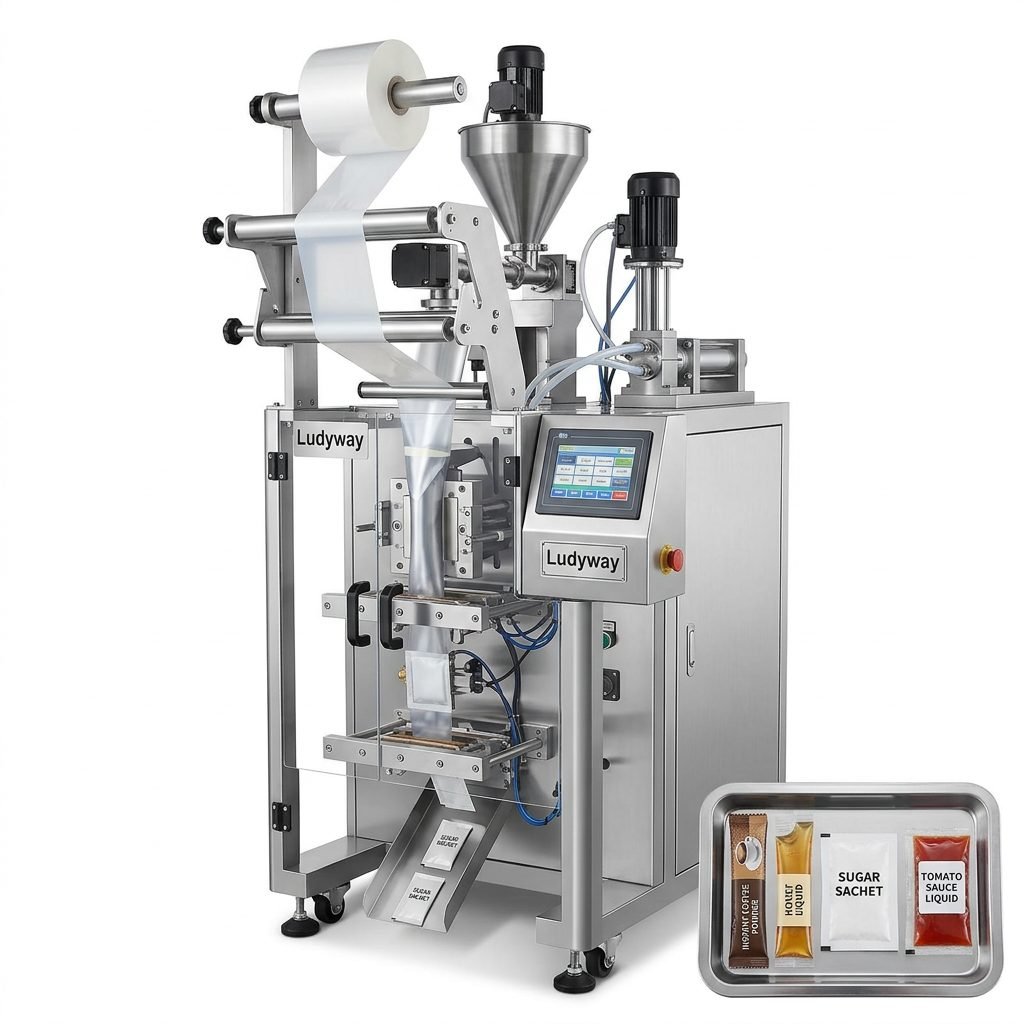
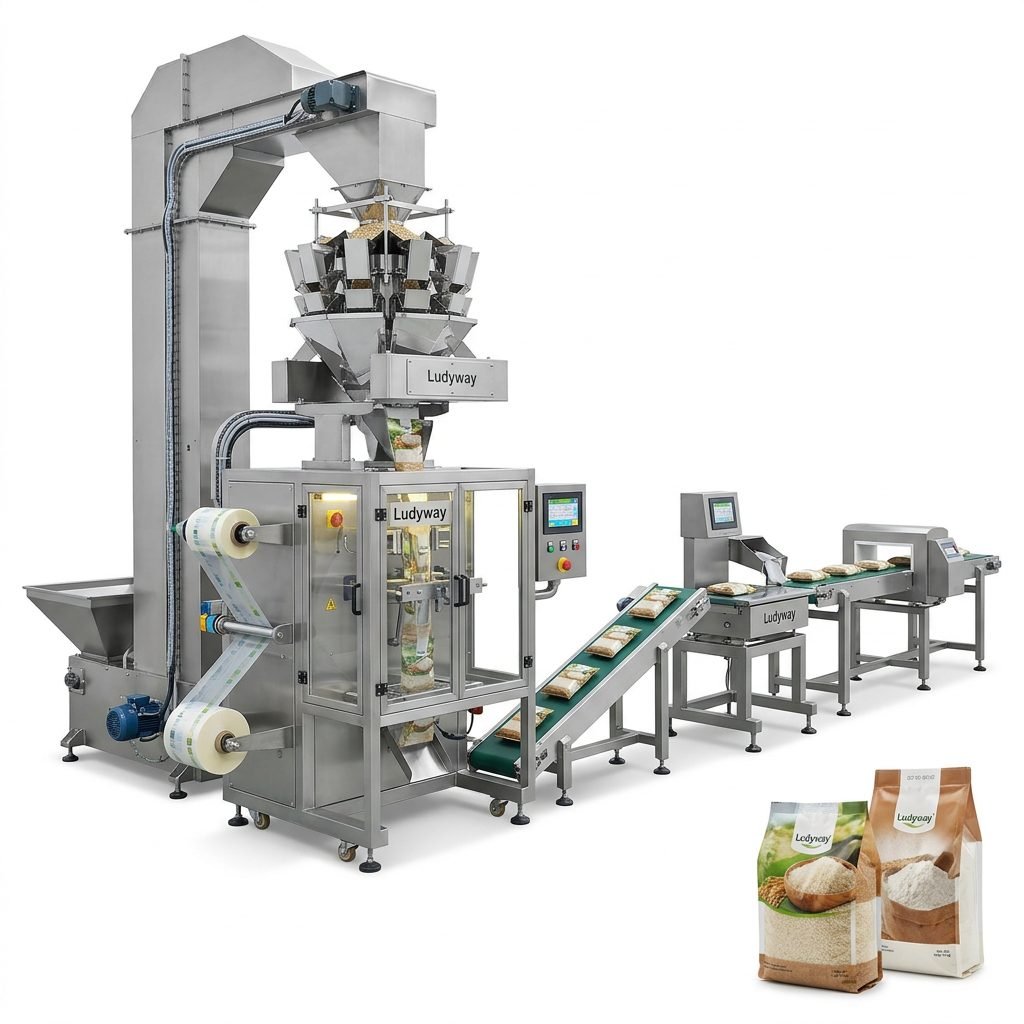
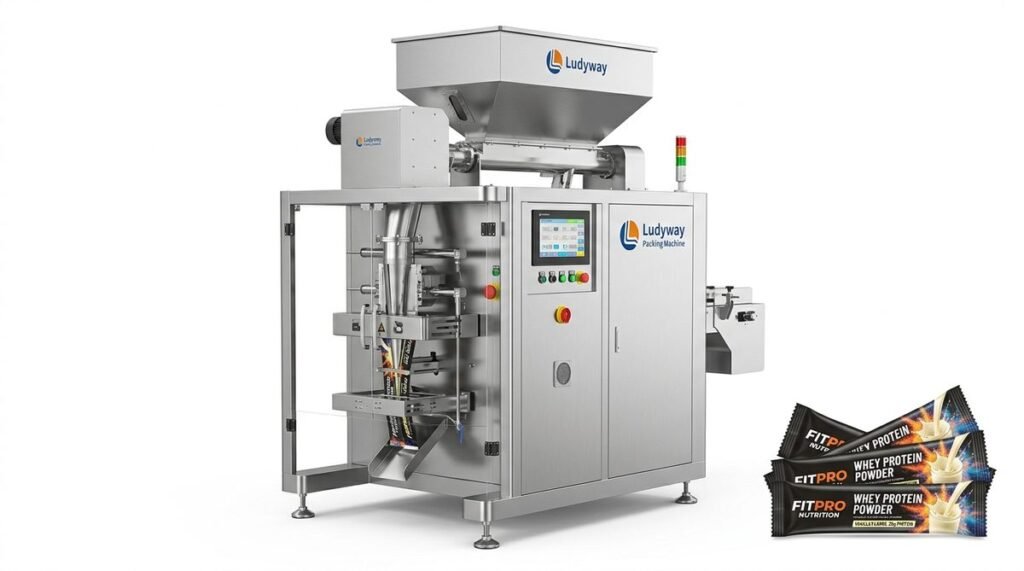
| Vertical Form Fill Seal (VFFS) | Retail ice bags, small to medium volumes | 20–80 bags/min | Pillow bags, gusseted bags |
| Pre-made Pouch Rotary Fillers | Premium ice brands, stand-up pouches | 30–60 pouches/min | Doypack, zipper pouches |
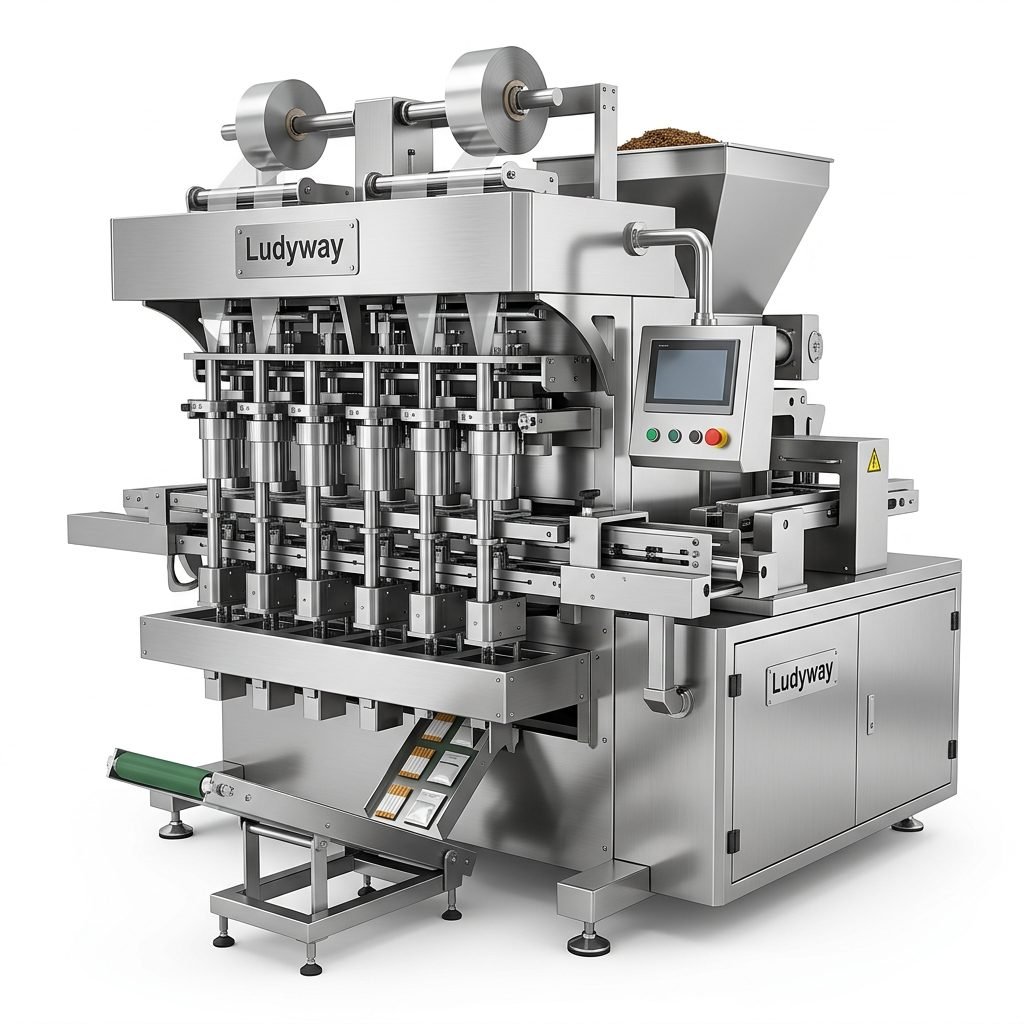
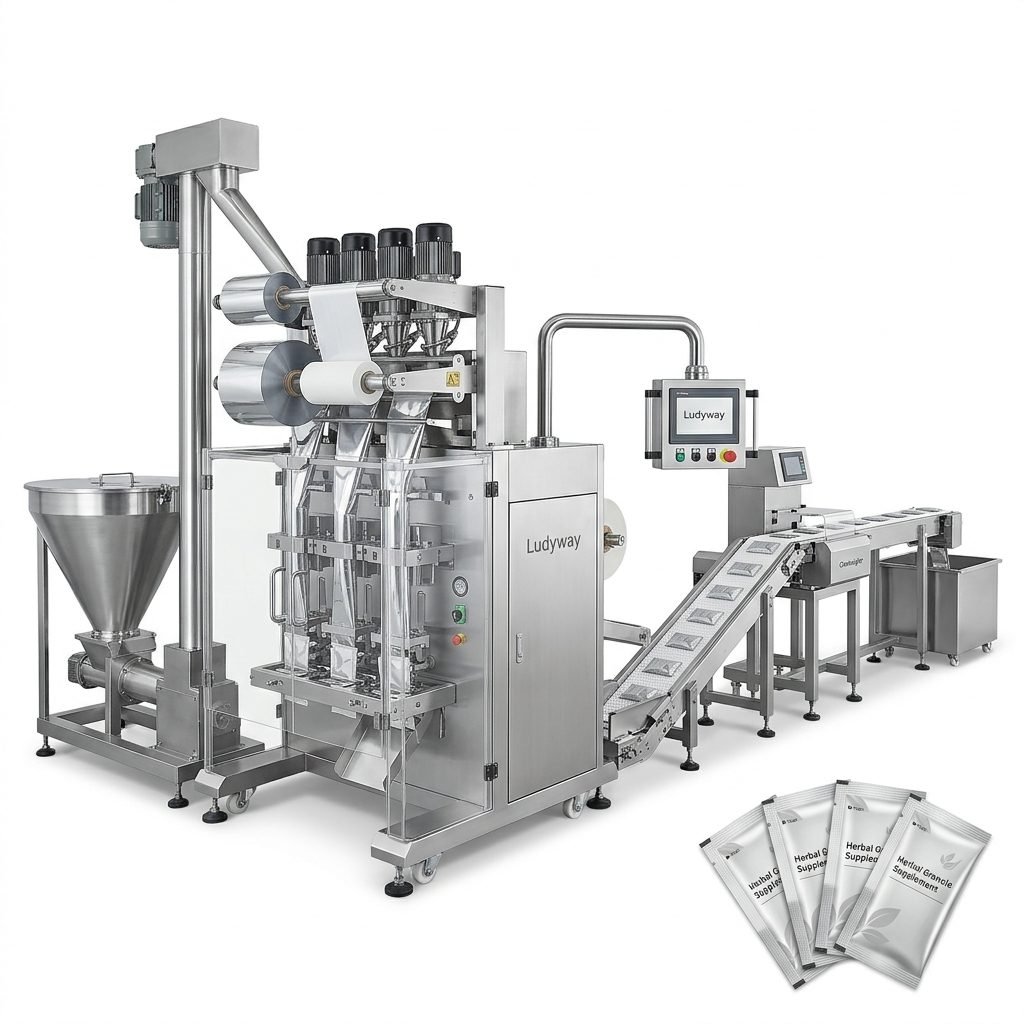
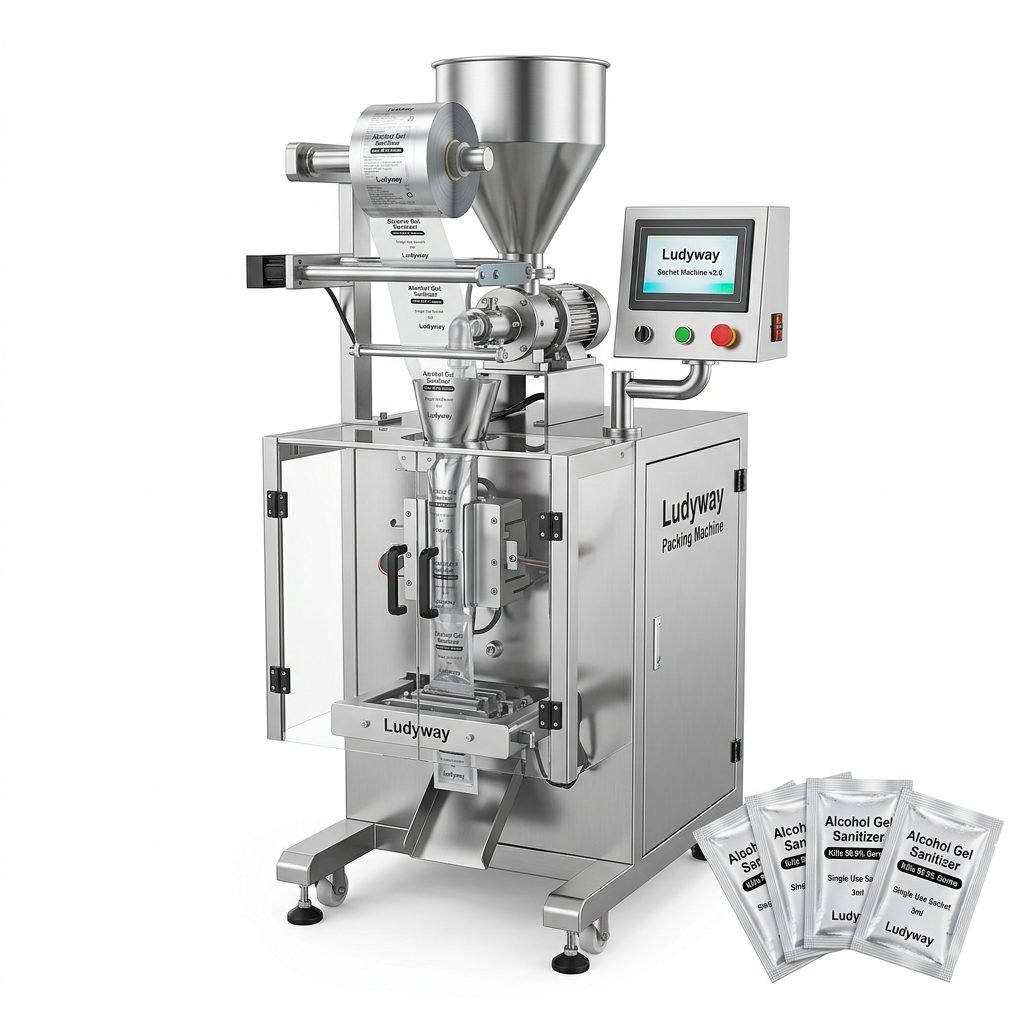
| Multi-Lane Sachet Machines | Single-use ice sachets, food service | 200–600 sachets/min | Stick packs, flat sachets |
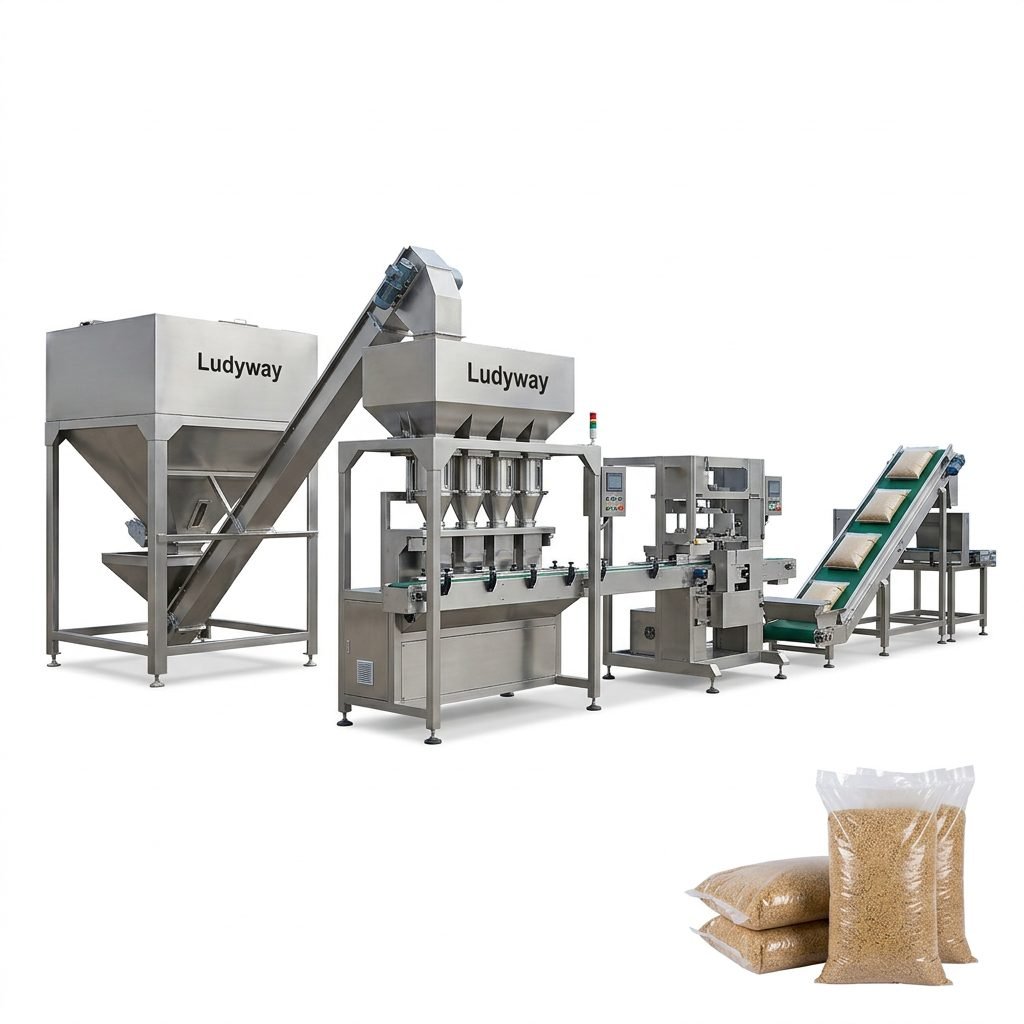
| Automatic Bagging Lines | Bulk industrial ice, large formats | 5–15 bags/min | Woven bags, PE sacks |
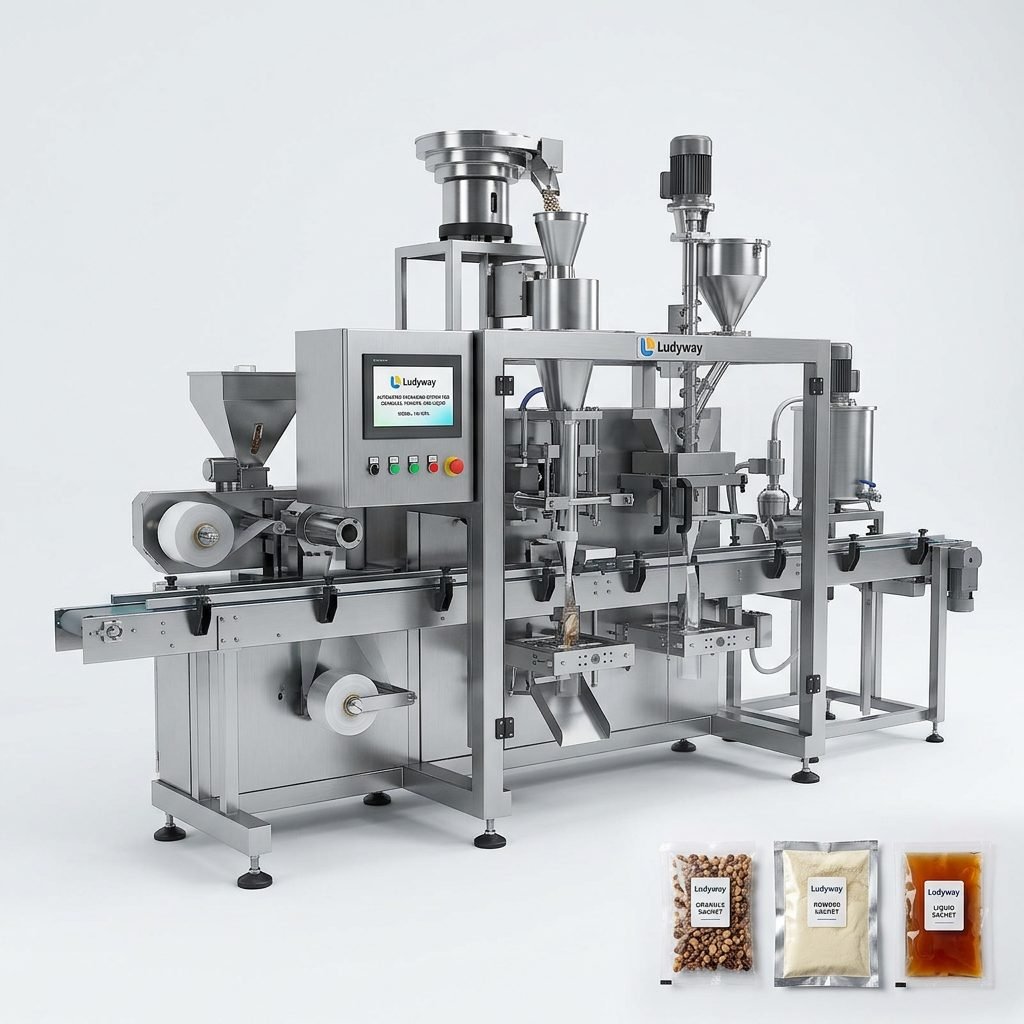
Critical Factors When Selecting Your Machine
1. Production Capacity and Speed
Determine your daily output requirements before evaluating equipment. A small artisan ice producer may only need a semi-automatic system, while a large-scale supplier to French supermarkets will require fully automated high-speed multi-lane configurations.
2. Ice Type Compatibility
Not all machines handle every ice format equally well. Consider the following:
- Cubed ice – Requires gentle handling to prevent fragmentation
- Crushed ice – Needs precise filling systems to manage inconsistent particle sizes
- Tube ice – Demands specialized feeding mechanisms
- Flake ice – Requires rapid sealing to prevent melting during packaging
3. Hygiene and Cleaning Standards
French health authorities enforce strict hygiene protocols. Look for machines with IP65 or higher protection ratings, stainless steel construction, and tool-free disassembly for CIP (Clean-in-Place) compatibility.
4. Energy Efficiency
Given France’s relatively high electricity costs, energy-efficient motors and low compressed air consumption can significantly reduce operational expenses over the machine’s lifecycle.
Bag Materials and Seal Integrity
Ice packaging demands exceptional cold-seal performance and moisture barrier properties. Common film structures used in France include:
- LDPE – Economical, good clarity, suitable for short-term storage
- BOPP/LDPE laminates – Enhanced puncture resistance for cubed ice
- Metalized PET/LDPE – Superior barrier for extended shelf life
- Biodegradable films – Growing demand in eco-conscious French markets
Verify that the machine’s sealing jaws can maintain consistent temperature across the entire seal width, preventing leaks that lead to ice clumping and customer complaints.
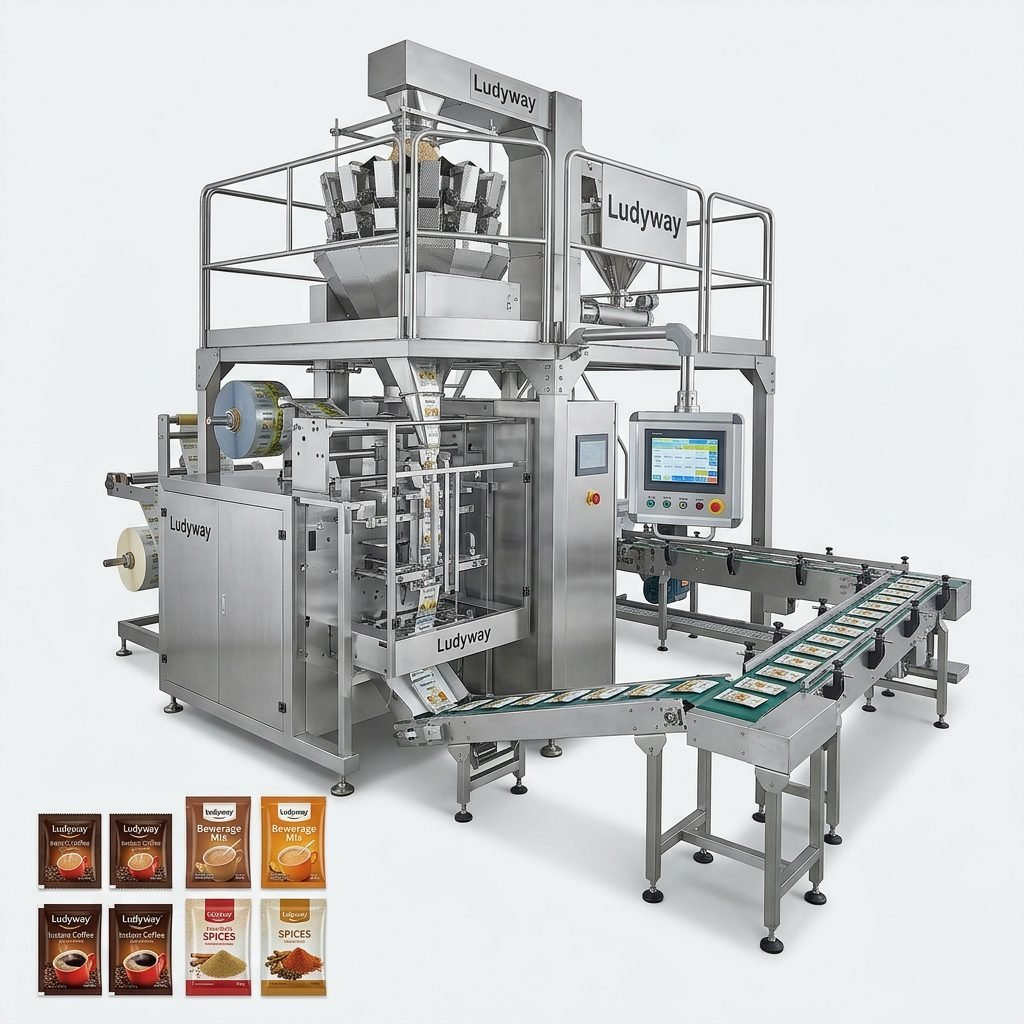
Automation Level and Labor Considerations
| Automation Tier | Operator Requirement | Investment Level | Ideal Application |
|---|---|---|---|
| Semi-Automatic | 2–3 operators per shift | €15,000 – €40,000 | Startups, seasonal production |
| Automatic Single-Lane | 1 operator per shift | €45,000 – €120,000 | Mid-size producers, consistent demand |
| Fully Automated Multi-Lane | 0–1 supervisory staff | €130,000 – €500,000+ | High-volume, 24/7 operations |
Integration with Upstream Equipment
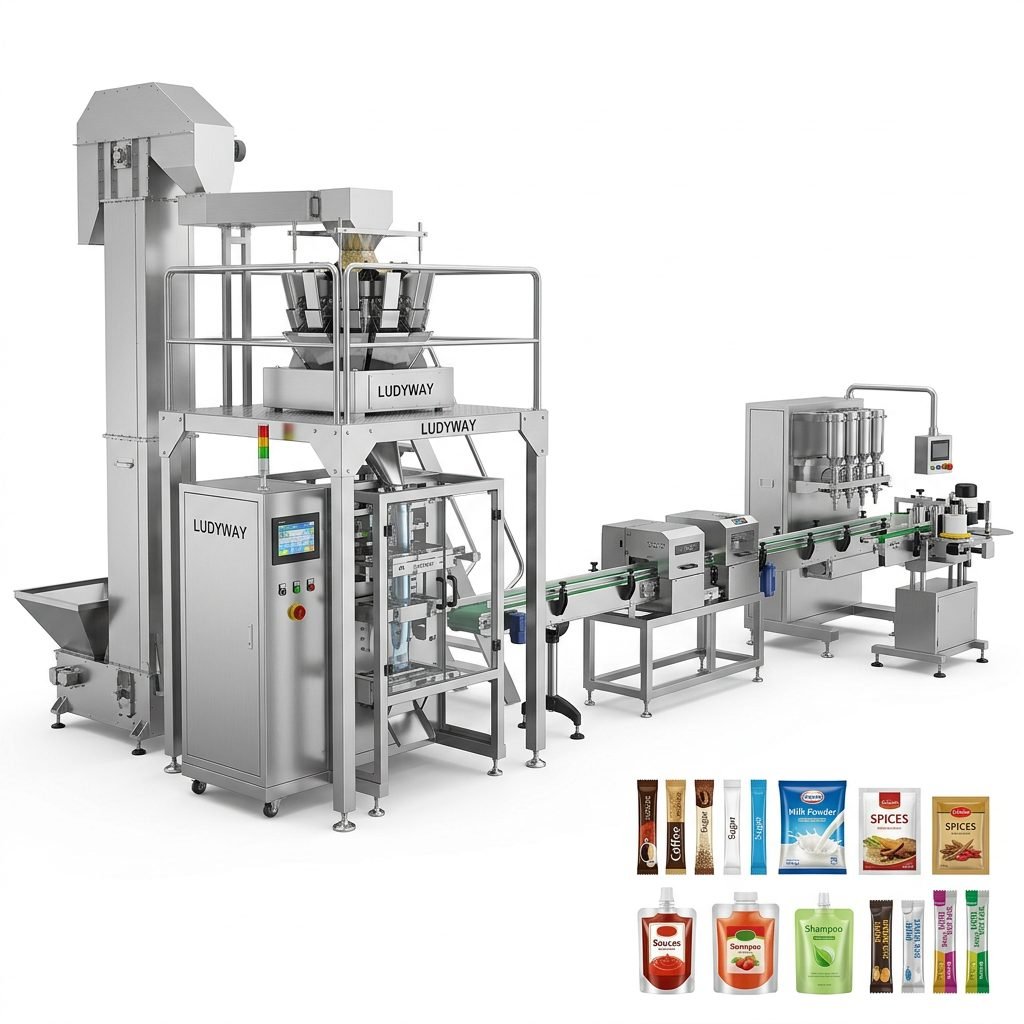
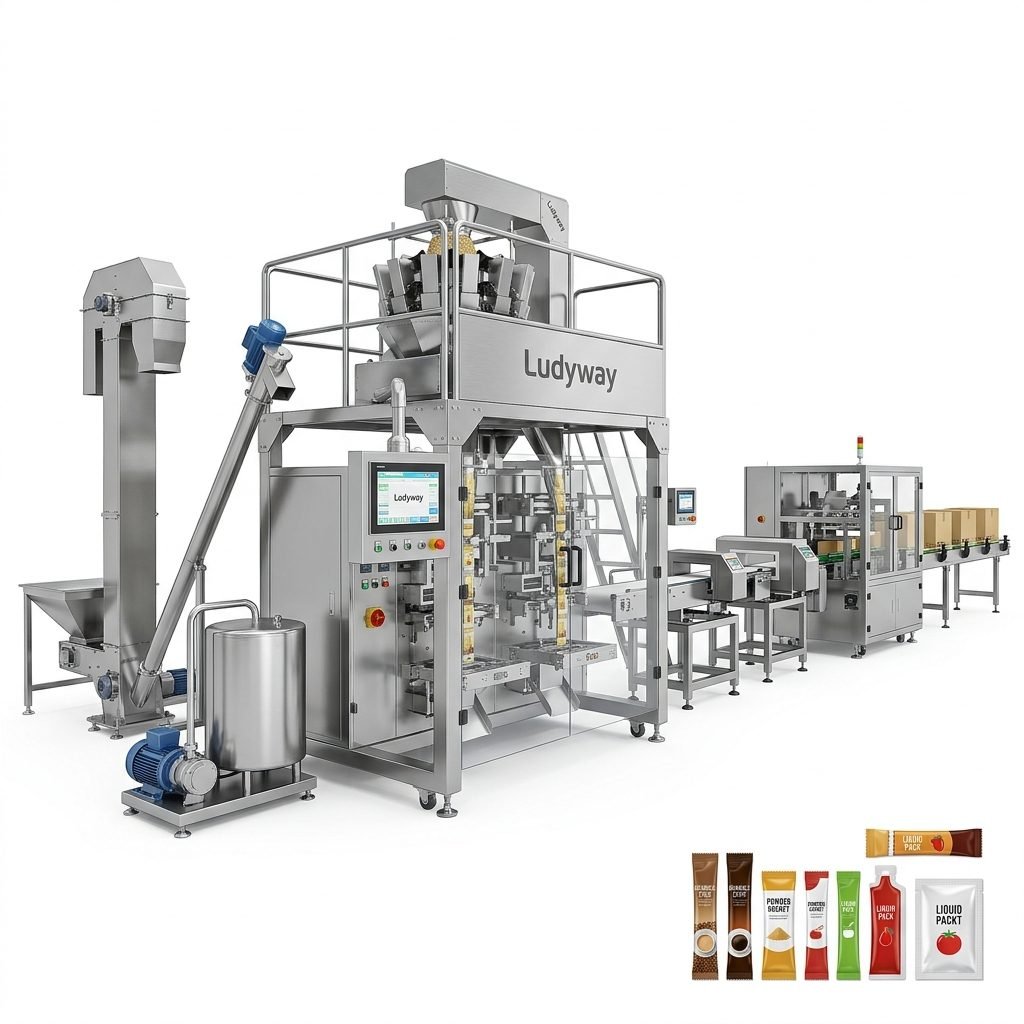
Consider whether your ice maker can interface directly with the packaging machine. Automated conveying and buffer storage systems reduce manual handling and minimize the risk of contamination. Leading manufacturers offer turnkey solutions that combine ice production, conveying, weighing, filling, and sealing into a single integrated line.
After-Sales Support and Service in France
Given the critical nature of ice production, downtime directly translates to lost revenue. Evaluate potential suppliers on:
- Availability of French-speaking technical support
- Response time guarantees for on-site service
- Spare parts inventory within EU distribution centers
- Preventive maintenance programs and operator training
Sustainability Considerations
French consumers and regulators increasingly prioritize environmental sustainability. Packaging machines compatible with recyclable mono-materials and those featuring reduced film waste capabilities align with France’s AGEC law (Anti-Waste for a Circular Economy) objectives. Selecting equipment with servo-driven film tracking and precise cut-off systems can reduce material waste by up to 15%.
Key Questions to Ask Potential Suppliers
Before making a purchasing decision, ensure you have answers to the following:
- What is the machine’s OEE (Overall Equipment Effectiveness) rating in similar ice applications?
- Can the supplier provide references from French customers?
- Does the control system support remote diagnostics and Industry 4.0 connectivity?
- What are the annual service contract options and costs?
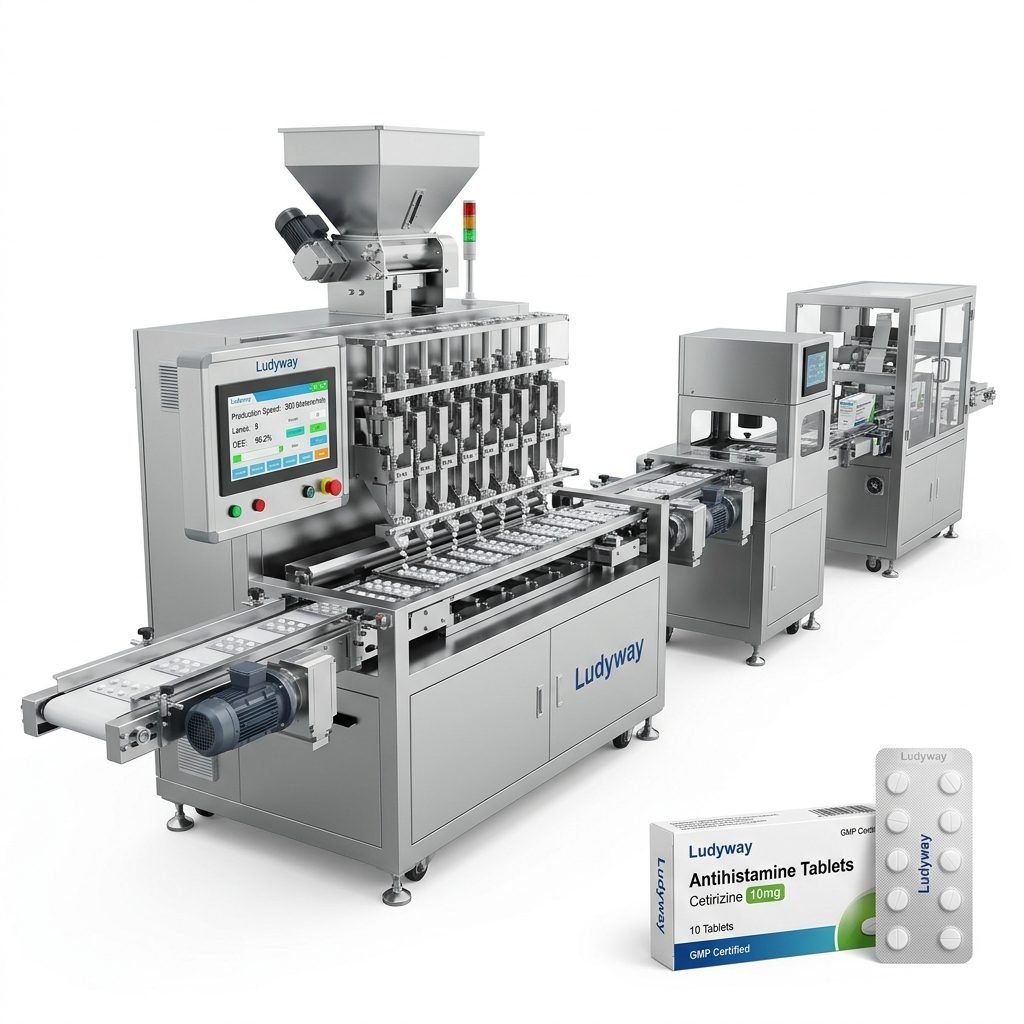
For businesses seeking a reliable partner in packaging machinery, Ludyway stands as one of the largest packaging machine manufacturers in China, with over 30 years of industry experience and a modern 20,000㎡ manufacturing facility. Serving customers in more than 100 countries, including France, the company offers advanced packaging equipment and turnkey production solutions for the food, pharmaceutical, and health industries.
Evaluating Total Cost of Ownership
Beyond the initial purchase price, calculate the total cost of ownership (TCO) over a 7–10 year period. Factor in:
- Energy consumption per 1,000 units produced
- Spare parts and consumables (sealing bands, knives, films)
- Labor costs at the required automation level
- Expected maintenance downtime
- Film waste percentage during start-up and changeovers
An energy-efficient machine with lower film waste can justify a higher upfront investment through significant operational savings over its lifecycle.
Conclusion
Selecting the right ice packaging machine for the French market involves a thorough assessment of production requirements, regulatory compliance, and long-term operational costs. By prioritizing build quality, after-sales support, energy efficiency, and material compatibility, you can secure a reliable packaging solution that meets both current needs and future growth ambitions. Always request sample runs using your actual ice product to verify performance before finalizing any purchase.