The African packaging industry is undergoing a massive transformation. As food processing, agricultural exports, and pharmaceutical manufacturing expand rapidly across the continent, the demand for advanced vacuum sealer packaging machines has never been higher. Whether you are launching a meat processing facility in Nigeria, a coffee export business in Ethiopia, or a dried fruit operation in South Africa, understanding how to set up an efficient production line is critical to your success.

Understanding the African Market Opportunity
Africa’s food and pharmaceutical sectors are projected to grow significantly over the next decade. According to the PMMI Business Intelligence Library, packaging machinery demand in emerging markets is rising sharply, driven by urbanization and changing consumer habits. Vacuum packaging extends shelf life dramatically, which is essential in regions with developing cold chain logistics. From preserving fresh fish along the coasts of Senegal to packaging halal meats for export from Kenya, the applications are vast and profitable.
Step 1: Site Planning and Facility Requirements
Before your vacuum sealer packaging machine arrives, your production floor must meet specific requirements. Start with a clean, level concrete floor capable of supporting the equipment weight. Ensure your facility has stable three-phase power supply, which can be inconsistent in some African regions; installing a voltage stabilizer and backup generator is highly recommended. You will need a compressed air system delivering 0.6-0.8 MPa for pneumatic components, and a clean water supply if your packaging line includes washing stations or hygienic requirements.
Key Facility Checklist
- Power: 380V/50Hz three-phase with voltage regulation
- Compressed Air: Oil-free compressor with air dryer
- Ambient Conditions: Temperature 10-35°C, humidity below 85%
- Floor Space: Minimum 200㎡ for basic production line layout
- Ventilation: Adequate extraction for heat-sealing operations
Step 2: Selecting the Right Vacuum Packaging Equipment
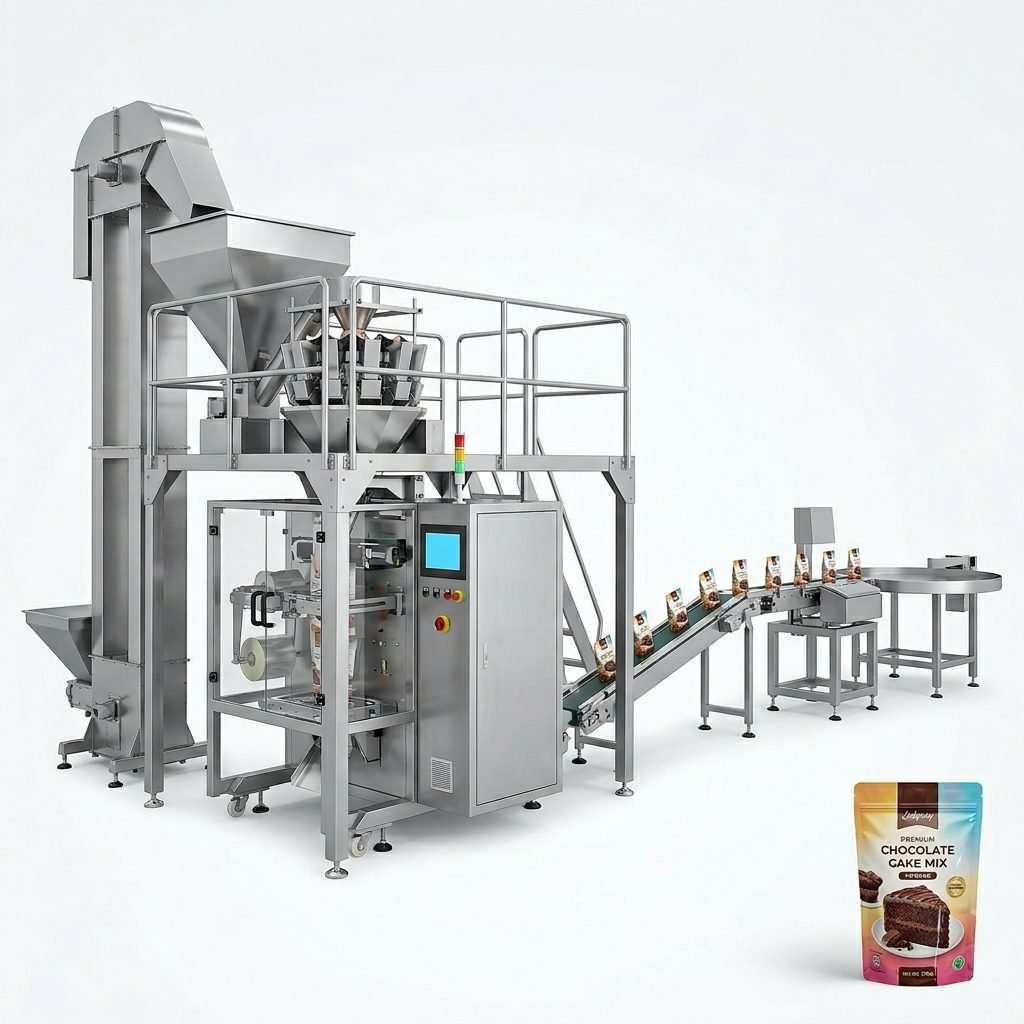
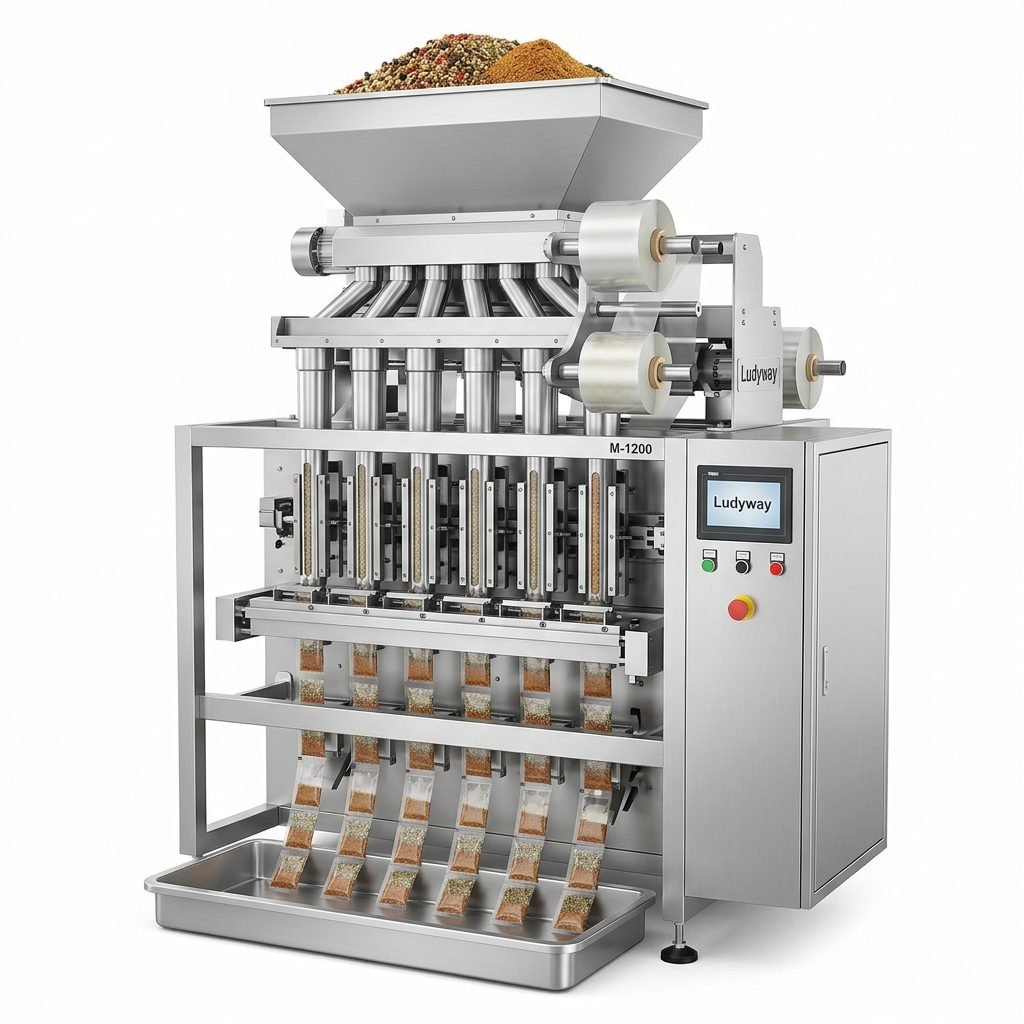
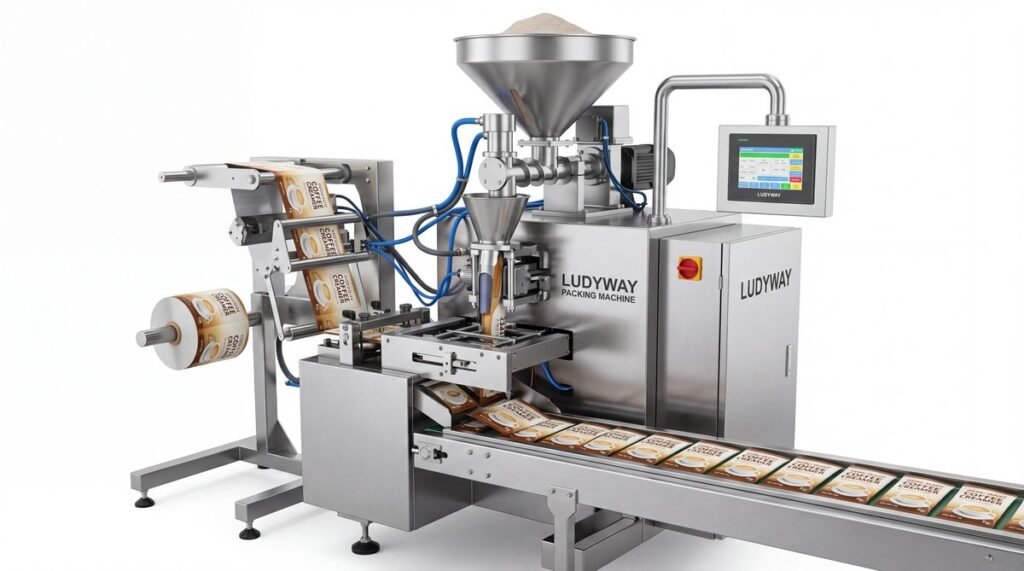
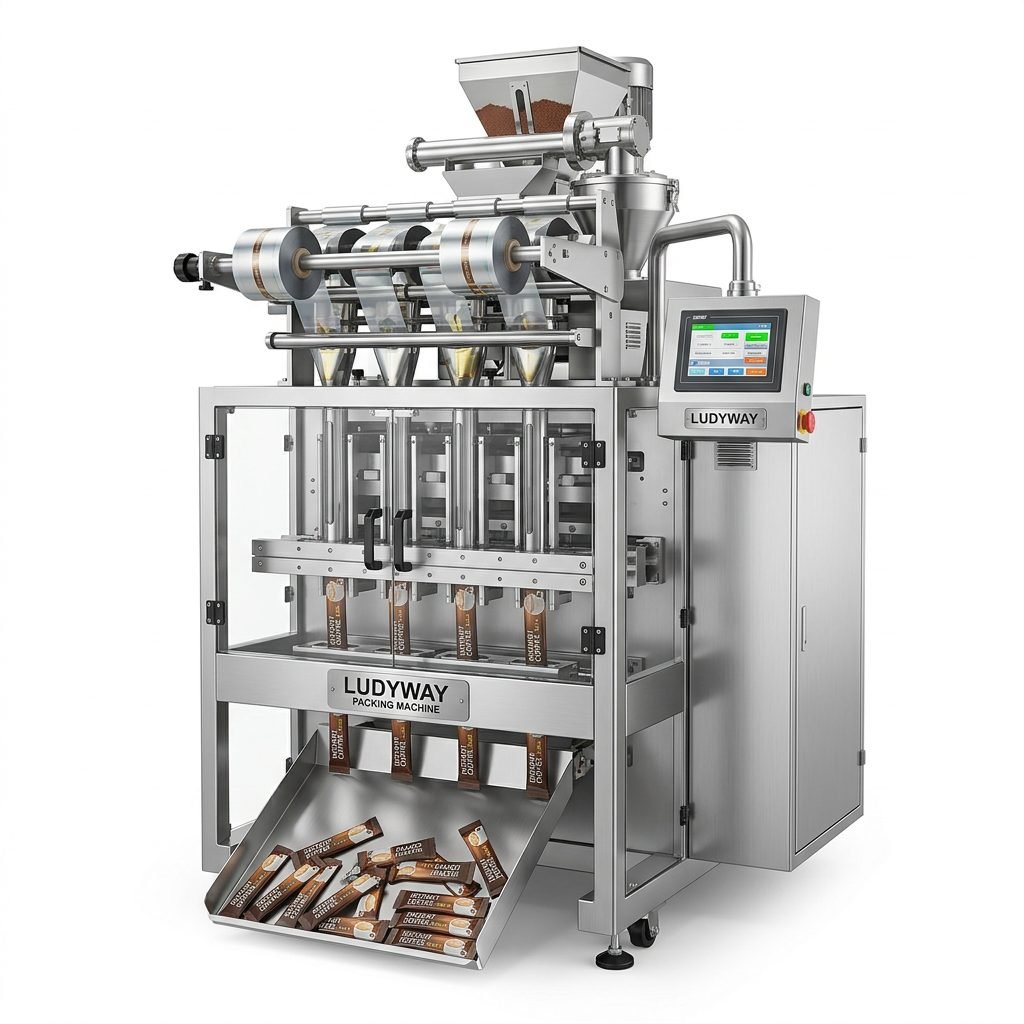
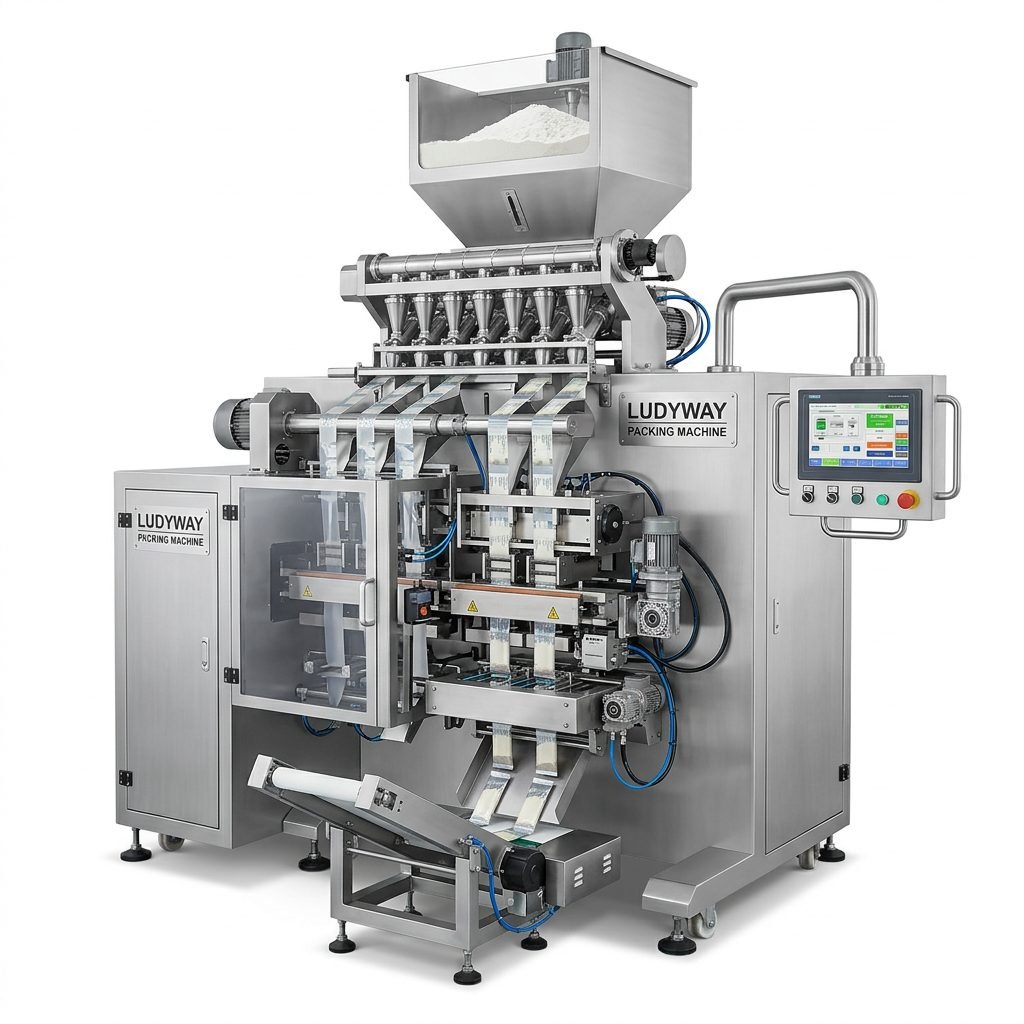
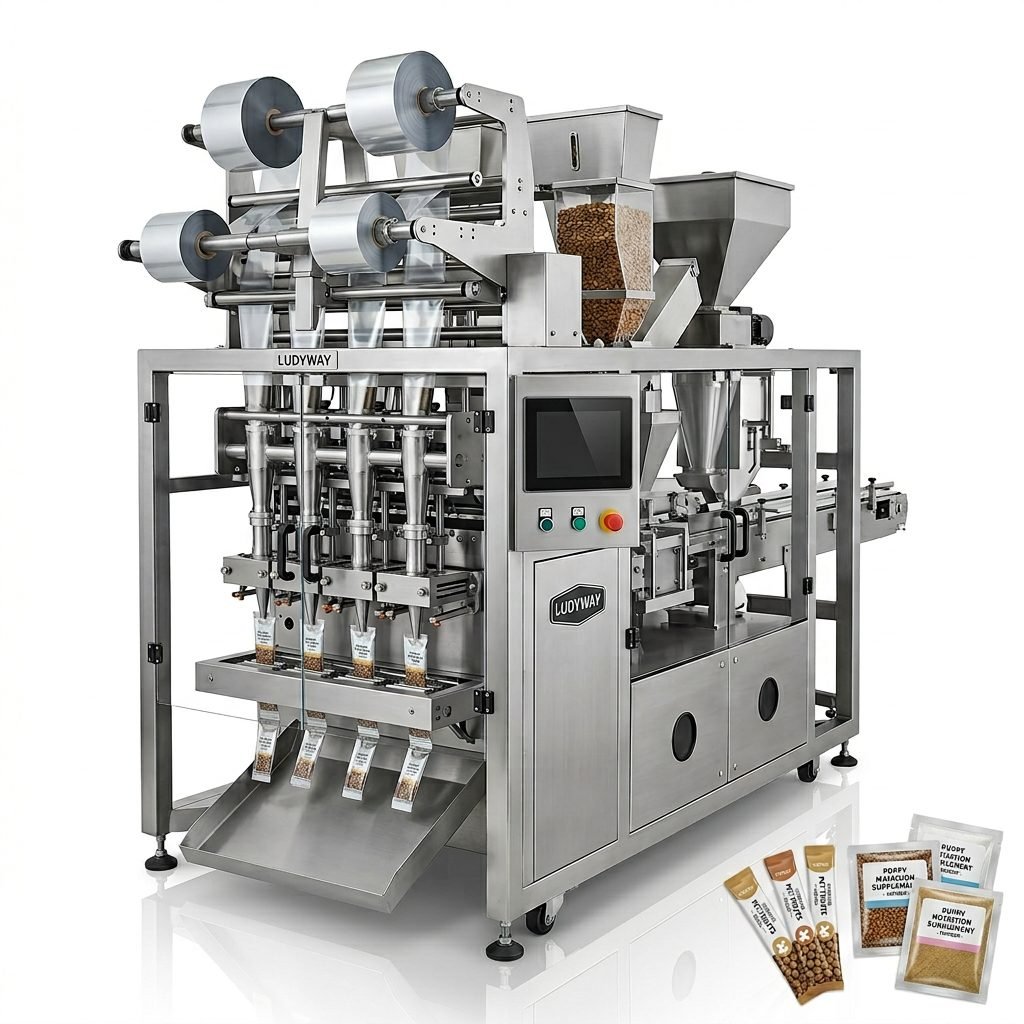
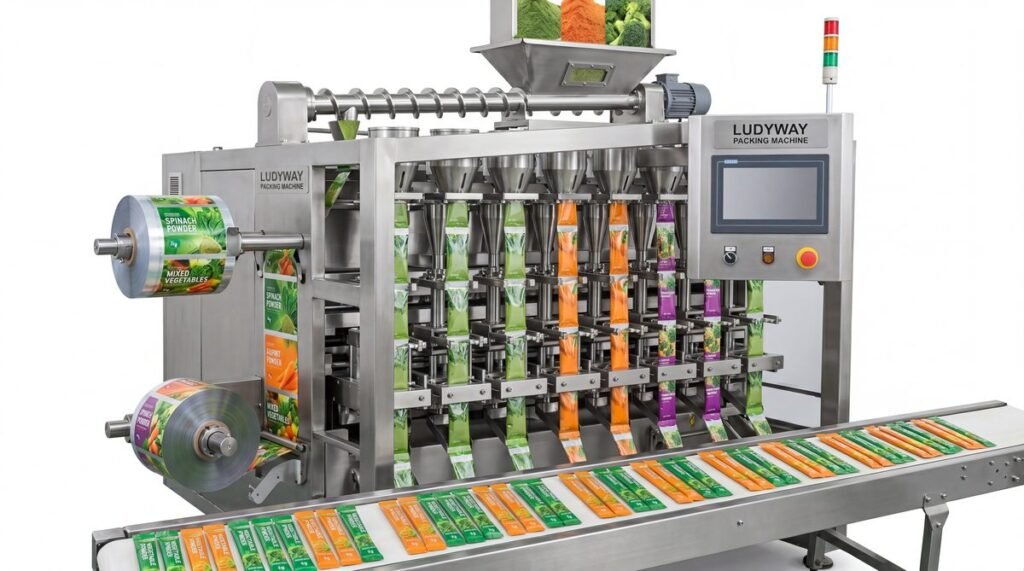
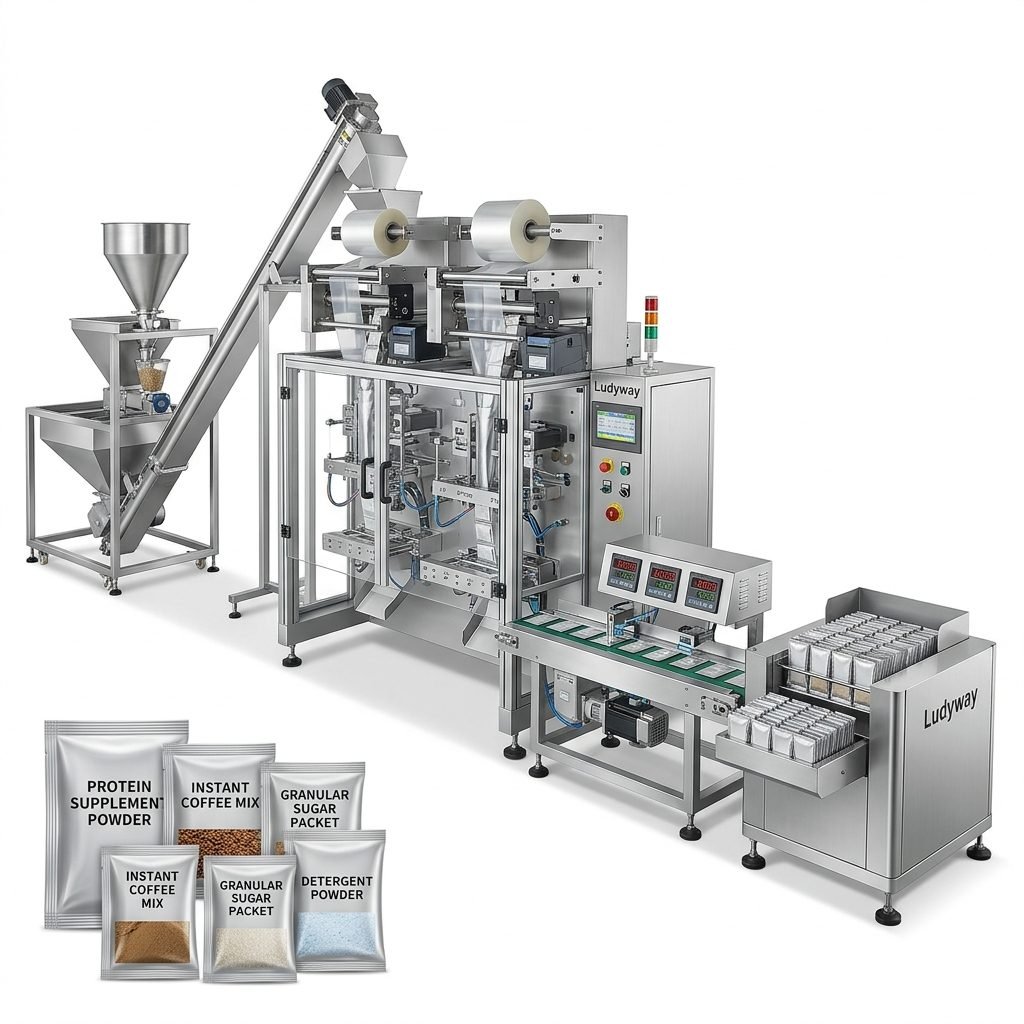
Choosing the correct vacuum sealer packaging machine depends entirely on your product type and production volume. There are several configurations to consider, and matching the machine to your application is crucial for operational efficiency. For granular products like coffee beans or cashew nuts, you may need a combination weigher integrated with a vacuum sealing system. For fresh meat or fish fillets, a thermoforming vacuum packaging line offers superior product presentation and extended shelf life. For powdered products like milk powder or spice blends, a multi-lane stick pack machine with vacuum capability might be the ideal solution.
| Machine Type | Best For | Typical Output | Key Advantage |
|---|---|---|---|
| Single Chamber Vacuum Sealer | Small meat cuts, cheese, fish portions | 3-6 cycles/min | Low investment, easy operation |
| Double Chamber Vacuum Sealer | Medium-scale meat, seafood processing | 4-8 cycles/min | Continuous production, higher throughput |
| Thermoforming Vacuum Packaging Line | Fresh meat, fish, cheese, ready meals | 6-14 cycles/min | High automation, premium presentation |
| Rotary Vacuum Packaging Machine | High-volume granular products | 20-40 bags/min | Maximum speed, precision weighing |

Step 3: Integrating Ancillary Equipment
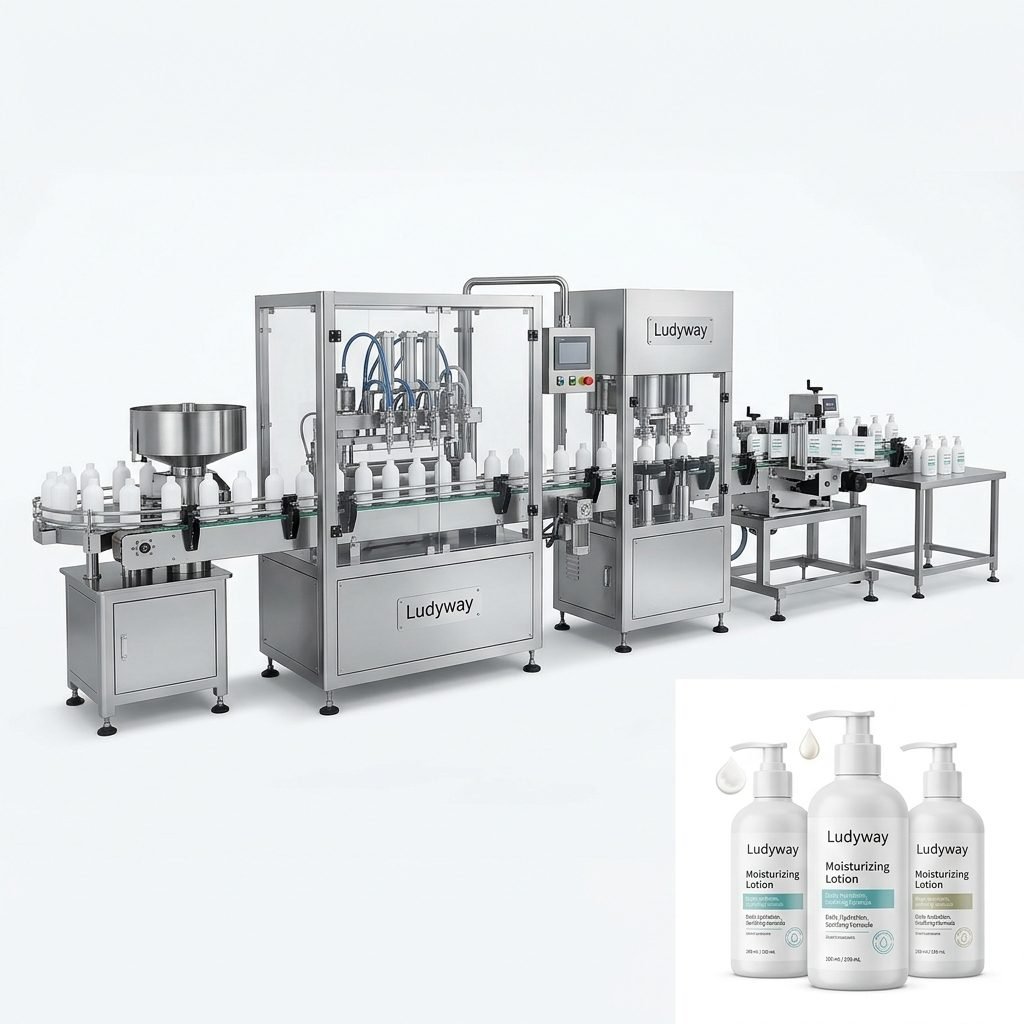
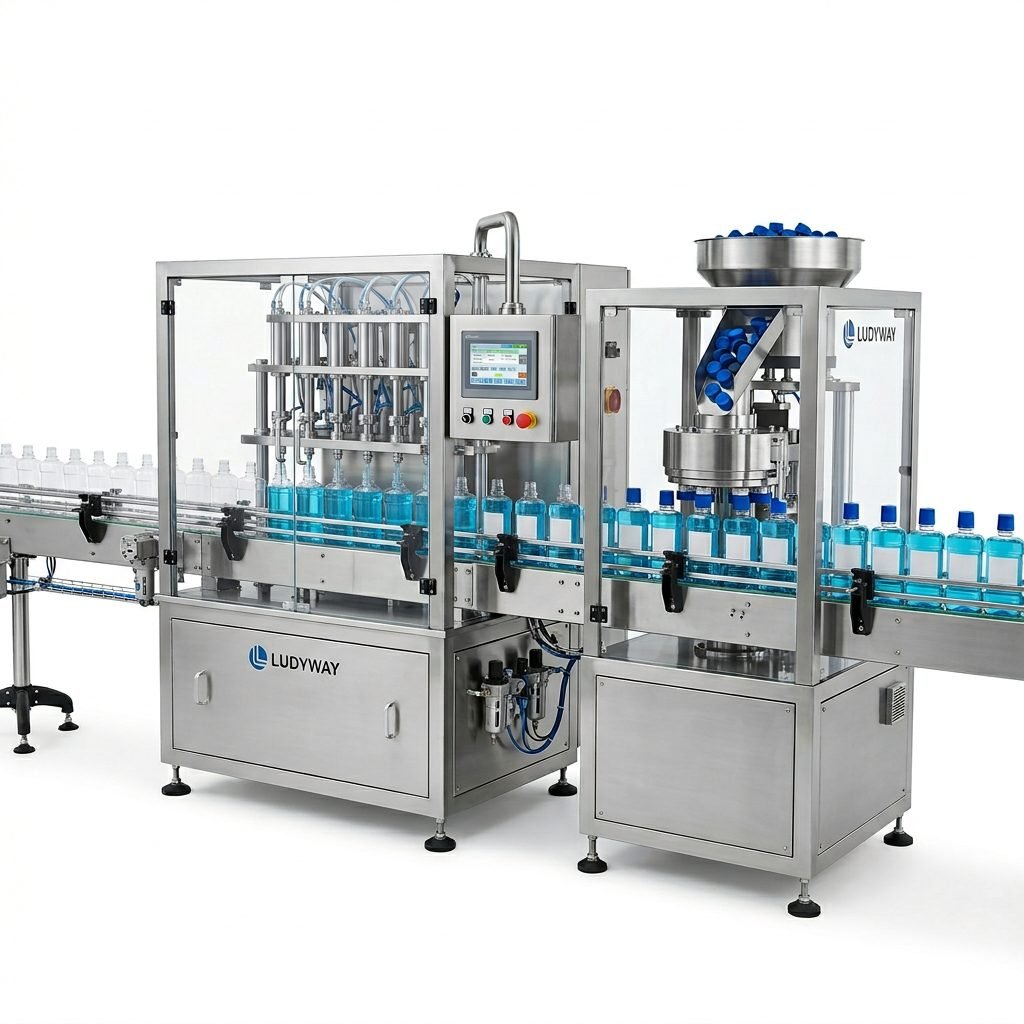
A vacuum sealer packaging machine is just one component of a complete production line. To build a fully functional system, you need to integrate supporting equipment that ensures seamless workflow. Conveyor systems transport products from preparation areas to the packaging station. Weighing and sorting systems ensure consistent portioning, which is critical for export compliance. Coding and labeling machines add traceability information like production dates and batch numbers. Finally, metal detectors and checkweighers provide quality assurance before products leave your facility. This integration is especially important in Africa, where products often travel long distances and must withstand varying conditions.
Ancillary Line Equipment
- Infeed Conveyors: Adjustable speed belt or roller conveyors
- Multi-head Weighers: For accurate portioning of granular products
- Inkjet or Laser Coders: Batch coding and expiration date printing
- Metal Detectors: Regulatory compliance for export markets
- Checkweighers: Weight verification and rejection systems
- Cartoning or Case Packing: Secondary packaging for distribution
Step 4: Installation, Training, and Commissioning
Installing a vacuum sealer packaging machine production line in Africa requires careful coordination. Most equipment suppliers dispatch engineers to handle installation and commissioning. This process typically takes 5-10 working days, depending on line complexity. Operator training is absolutely essential. Your team must understand machine parameters, troubleshooting procedures, and daily maintenance routines. Given the distance from manufacturer factories, having well-trained local operators dramatically reduces downtime and service costs. Ask your equipment provider about comprehensive training programs and after-sales support, including remote technical assistance capabilities.
Step 5: Maintenance and Spare Parts Strategy
One of the biggest challenges African processors face is maintaining vacuum sealer packaging machines with limited local technical support. Develop a spare parts inventory strategy from the start. Critical items to stock include sealing bars, heating elements, vacuum pump oil and filters, belts, sensors, and pneumatic cylinders. The PMMI packaging machinery standards provide useful frameworks for maintenance scheduling. Establish a preventive maintenance plan that includes daily cleaning, weekly inspections of vacuum pumps and seals, monthly lubrication of moving parts, and quarterly comprehensive servicing. Many African businesses partner with equipment suppliers who offer service contracts and expedited parts shipping.
Step 6: Compliance and Export Standards
If your vacuum-packed products are destined for export markets, you must understand international packaging standards. Regulatory compliance covers food safety certifications like HACCP and ISO 22000, packaging material regulations (check FDA and EU requirements for food contact materials), labeling requirements for traceability, and vacuum seal integrity testing. For pharmaceutical products, ISO 11607 packaging standards for terminally sterilized medical devices apply. This is particularly relevant for African pharmaceutical manufacturers expanding into global markets.

Common Applications Across Africa
The versatility of vacuum sealer packaging machines makes them invaluable across multiple African industries. In meat and poultry processing, vacuum packaging prevents freezer burn and extends shelf life for both domestic retail and export markets. The seafood industry from Morocco to Mozambique relies on vacuum packaging to preserve freshness during transport to European and Asian markets. Coffee and tea exporters in Ethiopia, Kenya, and Rwanda use vacuum packaging to maintain aroma and quality. The Flexible Packaging Association provides extensive data on flexible packaging growth in food applications. Additionally, pharmaceutical companies use vacuum-sealed packaging for moisture-sensitive products, and agricultural cooperatives package value-added dried fruits and vegetables.
Top African Markets for Vacuum Packaging
- South Africa: Mature retail sector, meat processing, biltong production
- Nigeria: Growing processed food industry, fish and poultry
- Kenya: Coffee, tea, fresh produce for export
- Ethiopia: Coffee, spices, and emerging meat processing
- Morocco: Seafood, olives, dates for European markets
- Ghana: Cocoa products, cassava, and fish processing
- Egypt: Large-scale food processing and pharmaceutical sectors
Cost Considerations and ROI
Investing in a vacuum sealer packaging machine production line involves several cost categories. The primary equipment cost varies widely based on capacity and automation level. Installation and commissioning fees, freight and logistics to your facility, initial spare parts inventory, and facility modifications like electrical and air supply upgrades all contribute to the total investment. Return on investment is typically achieved within 12-24 months through extended product shelf life, reduced spoilage and waste, access to premium export markets, increased production throughput, and reduced labor costs through automation. The PMMI State of the Industry Report indicates positive growth trends for packaging machinery investment globally, with significant opportunities in African markets.
Conclusion: Building a Sustainable Packaging Future
Setting up a vacuum sealer packaging machine production line in Africa is a strategic investment that positions your business for growth in both domestic and international markets. With proper planning, the right equipment selection, comprehensive training, and a strong maintenance program, your packaging line can deliver consistent quality and profitability for many years. Organizations like PMMI – The Association for Packaging and Processing Technologies offer valuable resources for staying current with industry trends and standards.
For companies seeking reliable turnkey solutions, Ludyway is one of the largest packaging machine manufacturers in China, specializing in advanced packaging equipment and complete production line solutions for food, pharmaceutical, and health industries worldwide, including growing markets across Africa.
Further Resources
- PMMI State of the Industry Reports
- Flexible Packaging Association Resources
- FDA Food Packaging Regulations
- ISO Packaging Standards
- Packaging Machinery Global Growth Trends