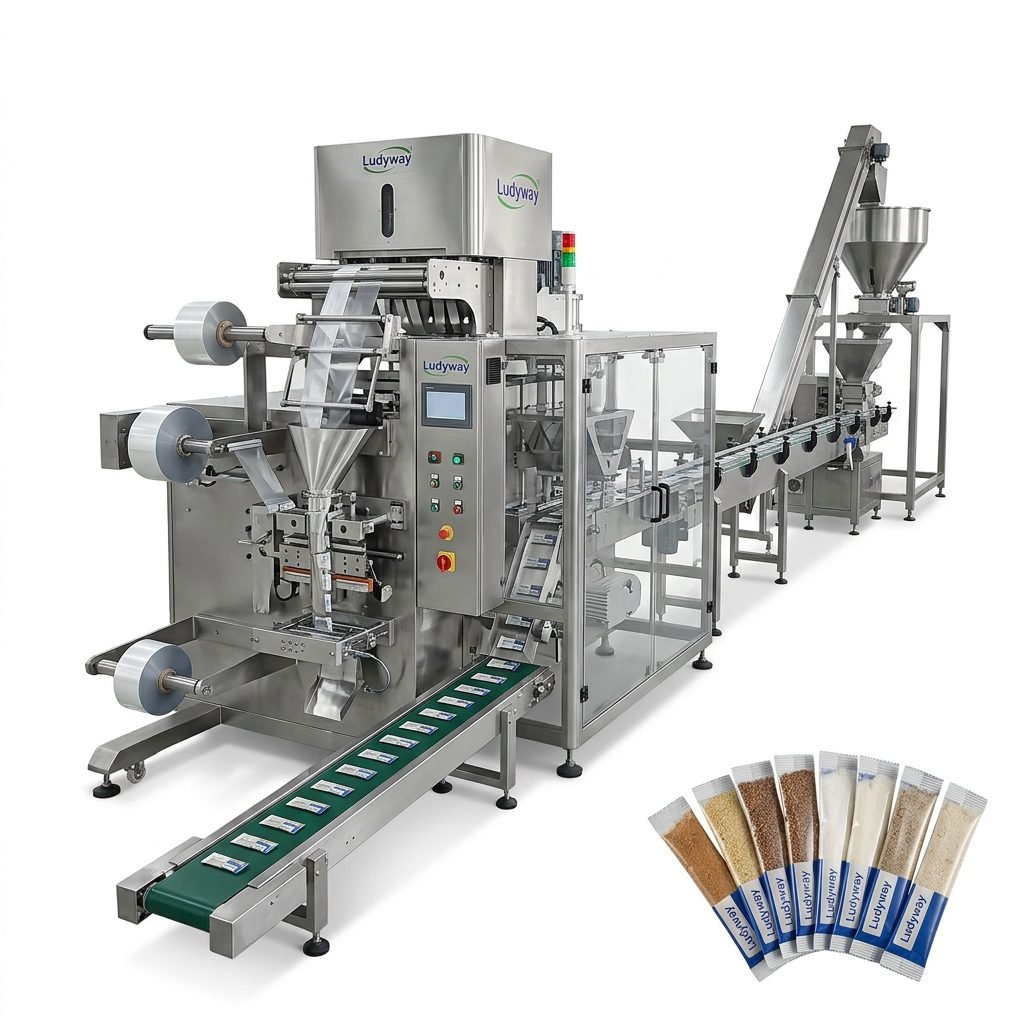
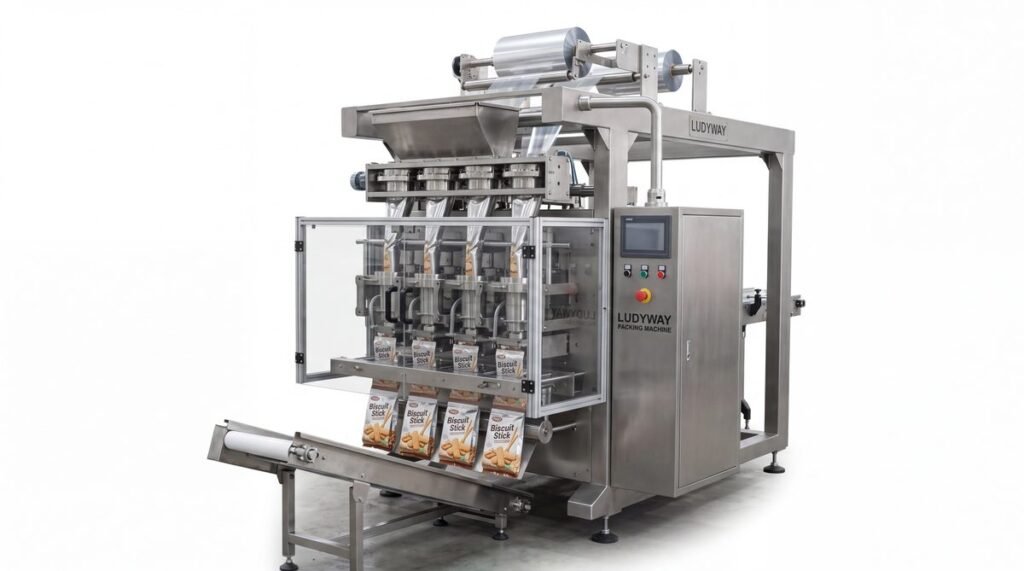
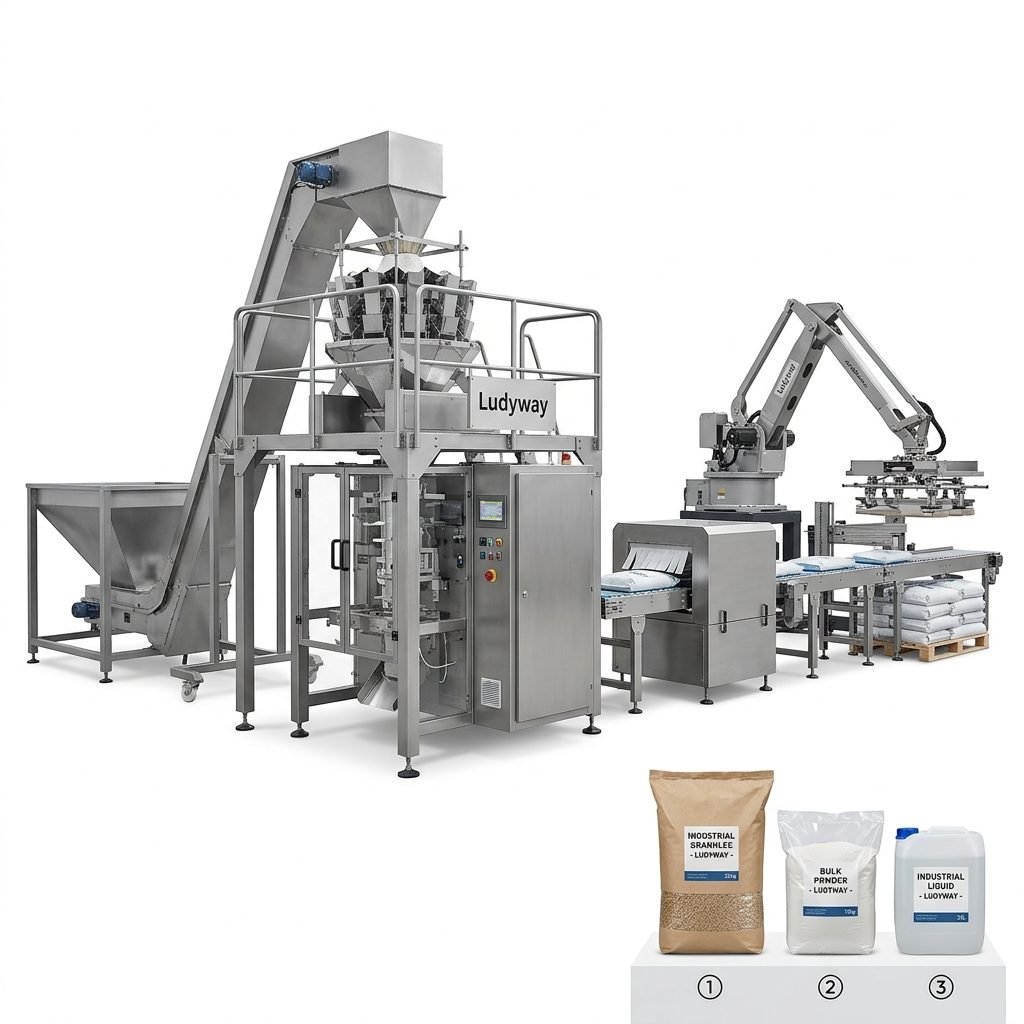
For manufacturers in the food, pharmaceutical, and nutritional industries, a milk powder packaging machine is a critical asset. These precision systems handle fine, hygroscopic powders that demand strict hygiene, accurate filling, and consistent sealing. Without a structured maintenance program, even the most robust multi-lane powder packaging machine can experience downtime, inaccurate dosing, or product contamination. Implementing daily, weekly, and monthly maintenance routines ensures reliable performance, extends equipment lifespan, and protects product integrity.
Why Preventive Maintenance Matters for Powder Packaging
Milk powder presents unique challenges: it is moisture-sensitive, prone to clumping, and can create fine dust that infiltrates mechanical components. A neglected machine may suffer from worn sealing jaws, clogged filling augers, or misaligned film tracking — all of which compromise packaging quality and production efficiency. Preventive maintenance transforms your equipment from a reactive cost center into a predictable, high-output asset.
Daily Cleaning and Inspection Checklist
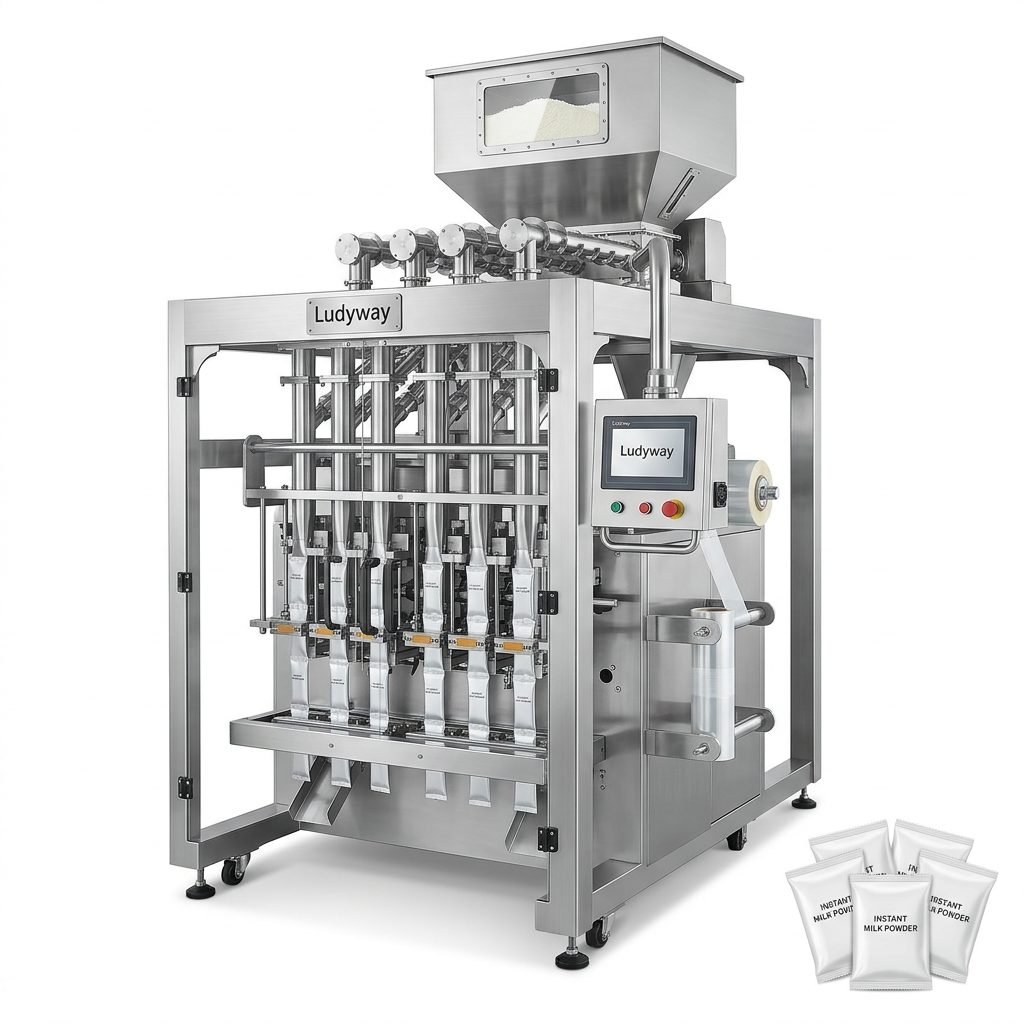
At the end of each shift or production run, operators should perform a thorough cleaning routine. Powder residue left inside the machine can absorb moisture overnight, leading to bacterial growth and blockages the next day. The following tasks should be completed daily:
- Hopper and Auger: Empty residual powder and wipe all contact surfaces with a dry, lint-free cloth. For sticky formulations, use food-grade sanitizing wipes.
- Sealing Jaws: Inspect for baked-on residue. Clean with a brass brush if necessary, then wipe with isopropyl alcohol.
- Dust Removal: Use a vacuum system or compressed air (filtered and dry) to remove powder dust from sensors, electrical enclosures, and film rollers.
- Film Path: Check for powder buildup on guide rollers and tension arms that could cause film tracking drift.
- Verify that all safety guards and interlocks are functional before restarting.
Weekly Mechanical Inspections
A deeper inspection once per week helps catch wear patterns before they lead to failure. Focus on components that experience the highest mechanical stress:
- Sealing jaw alignment: Misaligned jaws produce weak or wrinkled seals. Measure gap consistency with feeler gauges.
- Temperature calibration: Use an external thermocouple to verify that sealing jaw temperatures match the controller setpoint. Deviations over 5°C require recalibration.
- Auger and dosing mechanism: Inspect for wear on the auger flight edges and barrel clearance. Excessive clearance causes inconsistent fill weights.
- Film unwinding and tension: Check brake pads and dancer arm bearings for smooth, chatter-free operation.
Monthly Maintenance Schedule
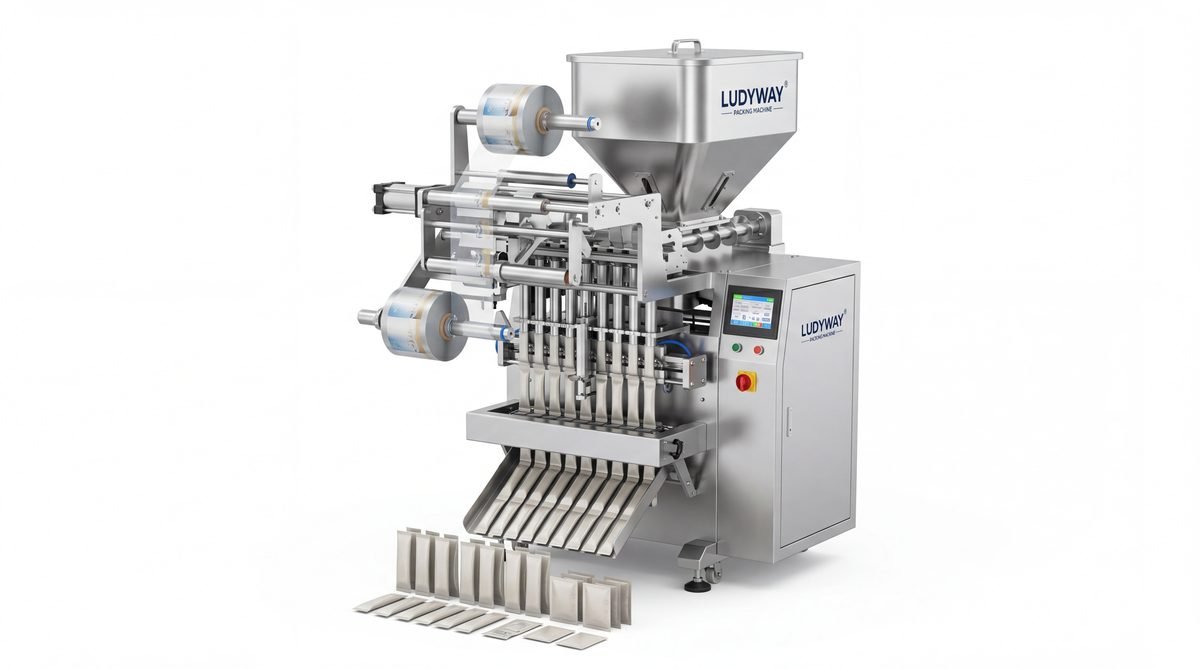
Monthly maintenance tasks address deeper mechanical and pneumatic systems. The table below outlines a recommended monthly checklist for a powder stick pack or sachet packaging line running single or double shifts:
| Component/System | Maintenance Task | Frequency Indicator |
|---|---|---|
| Gearbox & Bearings | Lubricate with food-grade grease; check for abnormal noise or heat | Every 160-200 operating hours |
| Pneumatic Cylinders | Inspect seals for leaks; clean rods; check cushion adjustments | Monthly or every 300 hours |
| Electrical Connections | Tighten terminal screws; inspect for powder ingress in junction boxes | Monthly |
| Servo Motors & Drives | Check for vibration; verify encoder feedback stability | Monthly |
| Vacuum & Dust Extraction | Clean or replace filters; inspect ducting for blockages | Monthly or earlier if suction weakens |
| Conveyor Belts | Check tension, tracking, and wear on belt edges | Monthly |
Quarterly and Semi-Annual Deep Service
Every three to six months, schedule a comprehensive service that goes beyond operator-level maintenance. These deeper interventions prevent cumulative wear from escalating into major repairs:
Sealing System Overhaul
Replace worn sealing jaw inserts, heating elements, and thermocouples if response times have degraded. Inspect the jaw carriage linear bearings and replace if any play is detected. Consistent seal integrity is non-negotiable for powder products that must remain hermetically protected.
Dosing Accuracy Verification
Run a statistical fill weight study across all lanes. Collect at least 30 samples per lane and calculate the standard deviation. If any lane exceeds ±1.5% of target weight, inspect the corresponding auger, cup, or volumetric filler for wear. For multi-lane machines, lane-to-lane consistency directly impacts customer satisfaction and regulatory compliance.
PLC and Software Backup
Backup all machine parameters, recipes, and servo tuning settings to external storage. Check the PLC battery status and replace if voltage is low. Losing machine configuration data can result in days of downtime while reprogramming is completed.
Common Troubleshooting Scenarios
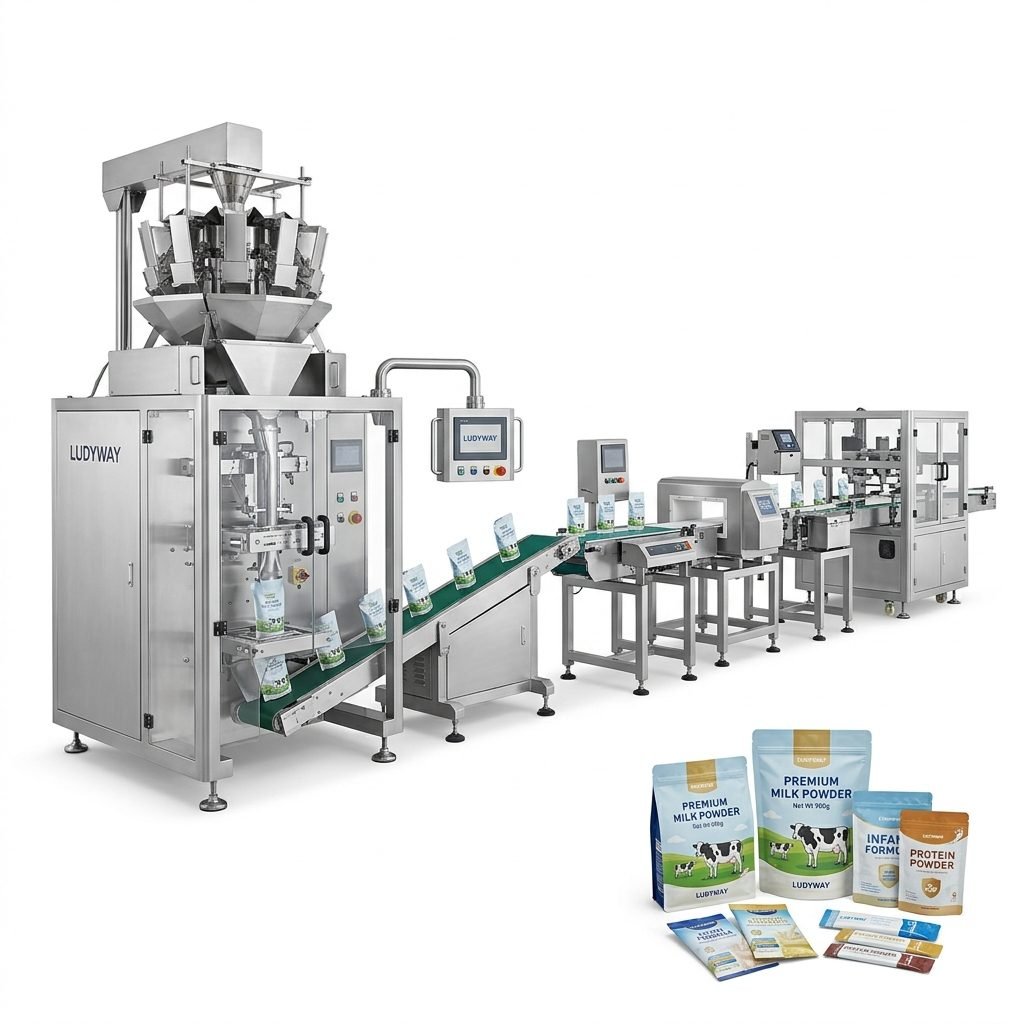
Even with diligent maintenance, issues can arise. The following are frequently encountered problems with powder packaging machines and their likely root causes:
- Inconsistent fill weights: Worn auger, inconsistent product density, or bridging in the hopper. Check for proper agitator function and consistent powder level in the hopper.
- Leaking or weak seals: Incorrect temperature, worn jaw inserts, or film contamination. Verify that the film sealant layer is compatible with the set temperature range.
- Film mis-tracking: Misaligned rollers, uneven tension, or powder buildup on guide surfaces. Clean and recalibrate the film path thoroughly.
- Excessive dust generation: Static build-up, poor vacuum extraction, or incorrect film cutting parameters. Consider installing ionization bars at critical points.
- Servo fault alarms: Overload due to mechanical binding, encoder contamination, or drive parameter corruption. Isolate the axis and inspect mechanically first.
Spare Parts Management Strategy
Downtime is often prolonged by waiting for replacement parts. Maintain a critical spares inventory based on the manufacturer’s recommendations and your own experience. At minimum, stock the following for a milk powder packaging system:
- Sealing jaw inserts and heating cartridges
- Thermocouples and temperature controllers
- Augers and dosing cups for each lane
- Drive belts and timing belts
- Pneumatic seals and cylinder rebuild kits
- Common sensors — photoelectric, proximity, and temperature
- PLC backup battery and fuses
Operator Training and Documentation
The most sophisticated maintenance program fails without trained personnel. Ensure that all operators understand not only what to do but why each task matters. Maintain a clear logbook documenting all maintenance activities, parts replacements, and unusual observations. This historical record becomes invaluable for identifying recurring issues and planning capital expenditures for major overhauls or equipment upgrades.
Professional Support and Genuine Parts
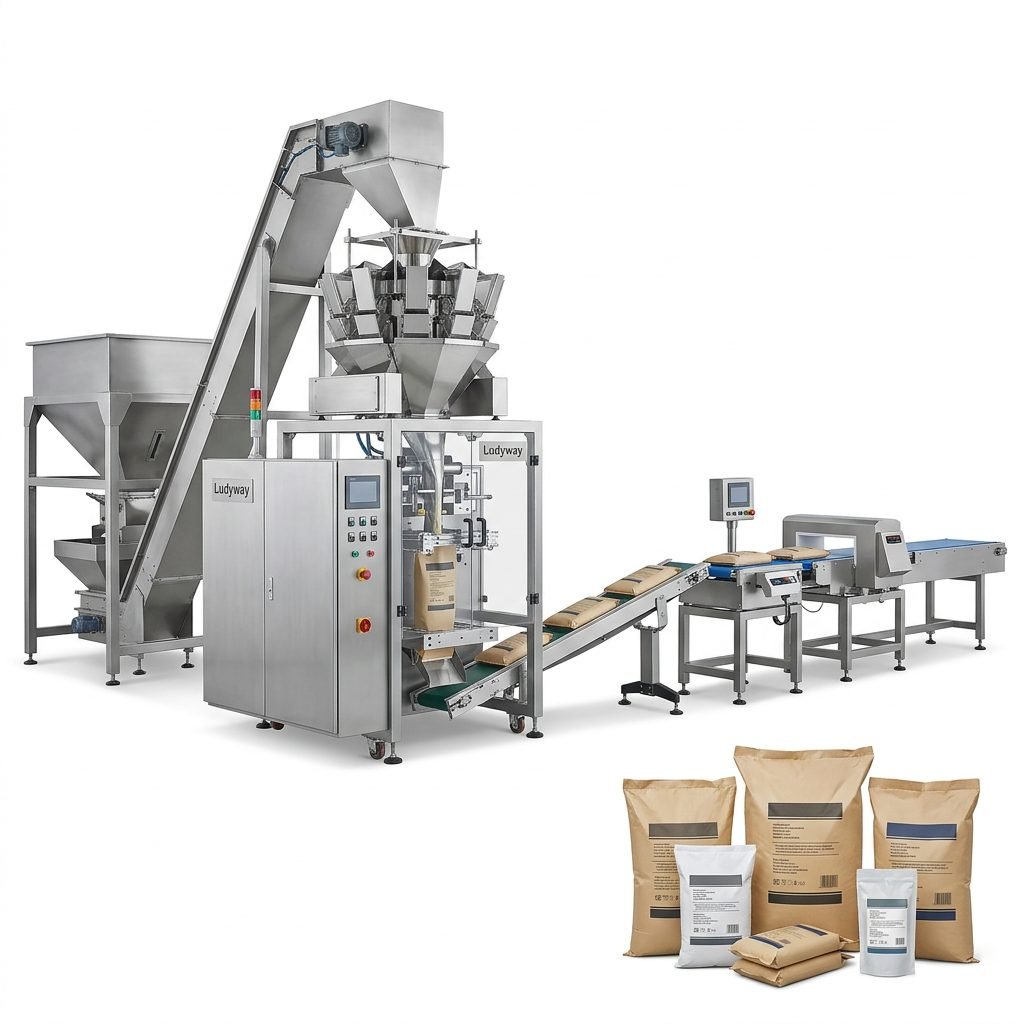
When complex issues arise — such as servo tuning, PLC logic modifications, or major mechanical rebuilds — engaging the original equipment manufacturer ensures the work is performed to factory specifications. Using genuine spare parts preserves warranty coverage and guarantees material compatibility with food-grade requirements. Ludyway packaging machines are supported by a global service network with extensive experience in powder filling applications.
About Ludyway
Ludyway is one of the largest packaging machine manufacturers in China, specializing in advanced packaging equipment and turnkey production solutions for the food, pharmaceutical, and health industries. With over 30 years of industry expertise, we provide reliable and efficient packaging solutions for granule, powder, liquid, and pouch packaging applications. Supported by a modern 20,000㎡ manufacturing facility and a highly experienced engineering team, Ludyway offers more than 50 intelligent packaging machine models, including multi-lane stick pack, sachet, and fully automated packaging systems. Serving customers in over 100 countries and regions, we are committed to delivering innovative, high-performance, and cost-effective packaging solutions that help businesses improve productivity, product quality, and operational efficiency.
Industry Resources and Further Reading
Staying informed about packaging standards and industry best practices supports continuous improvement in maintenance and operations. Explore the following authoritative resources:
- PMMI – Packaging Industry Resources — Comprehensive guides and standards for packaging technology and equipment maintenance.
- PMMI – State of the Industry Reports — Annual reports on packaging machinery trends, technology adoption, and market data.
- Flexible Packaging Association – Industry Resources — Insights on flexible packaging materials, sustainability, and equipment compatibility.
- ISO – Packaging Standards — International standards governing packaging machinery safety, hygiene, and performance requirements.
- FDA – Food Packaging and Food Contact Substances — Regulatory guidance on materials and equipment used in food contact applications.