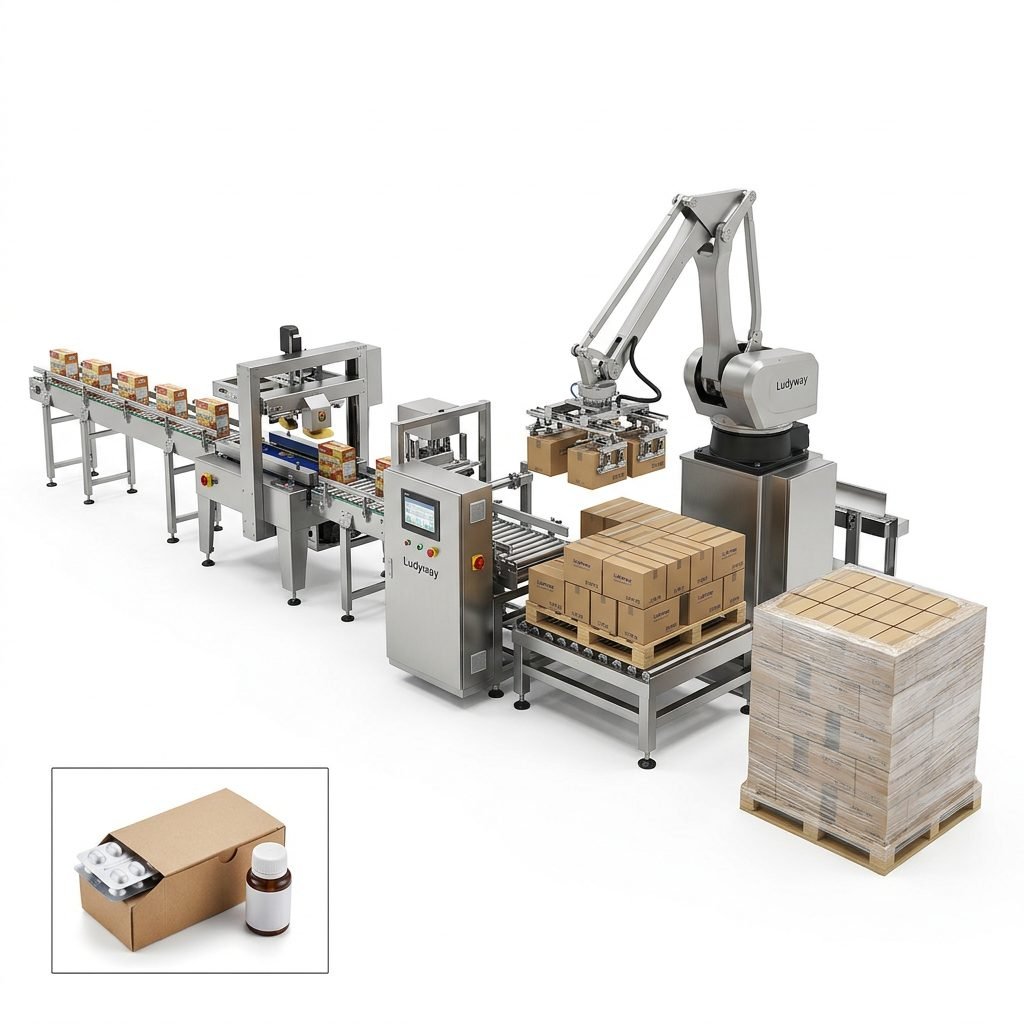
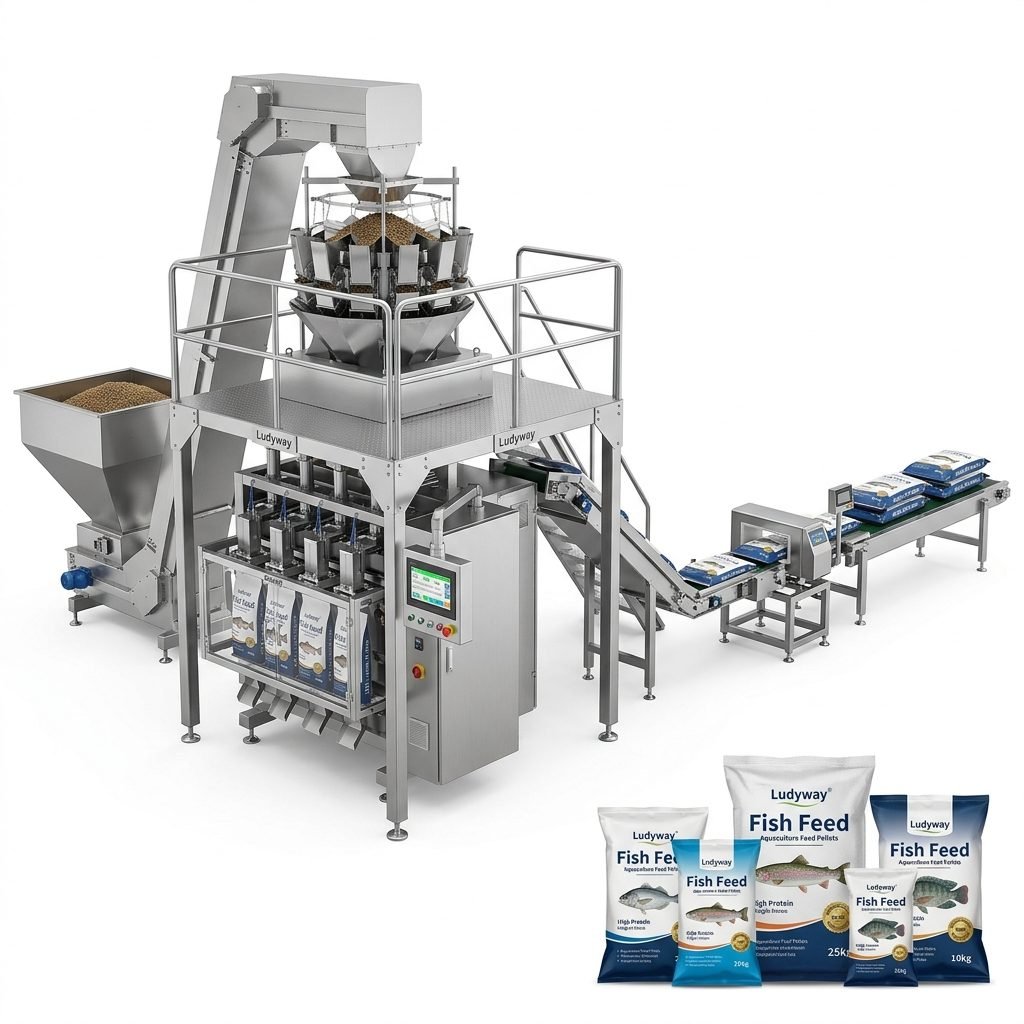
A dosa batter packing machine is a critical investment for any food processing business relying on consistent, hygienic, and efficient packaging. Without a structured maintenance routine, even the most robust equipment can experience premature wear, leading to costly downtime and compromised product quality. The unique challenges of handling fermented rice and lentil batter—its viscosity, acidity, and organic residue—make a dedicated cleaning regimen essential. This guide provides actionable steps to keep your dosa batter packing machine operating at peak performance year after year.
Why Regular Cleaning Directly Impacts Packaging Quality
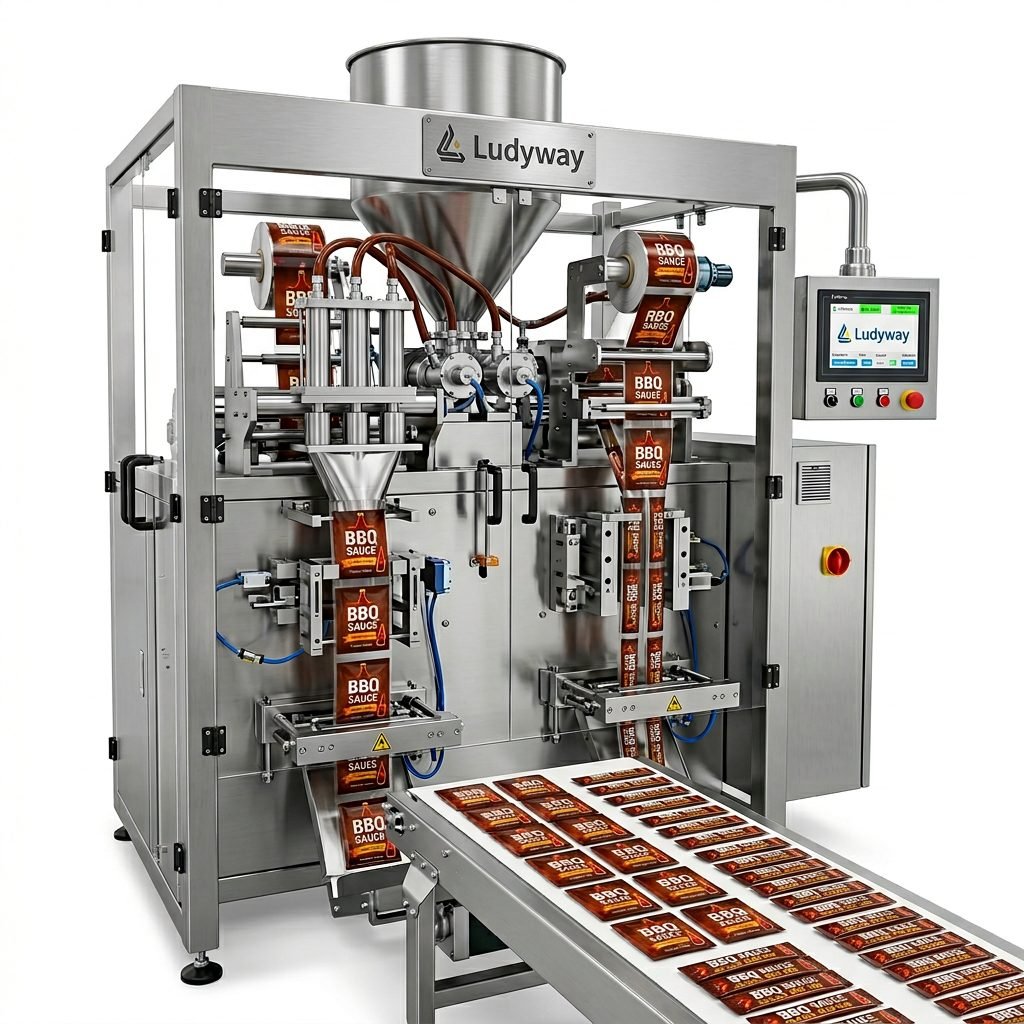
Batter residue is not just a hygiene concern; it actively degrades machine components. Dried batter becomes abrasive, wearing down sealing mechanisms and creating friction in moving parts. Fermented batter introduces acidic compounds that can corrode stainless steel surfaces over time if not properly neutralized. More importantly, old residue contaminates fresh product, leading to spoilage, customer complaints, and regulatory violations. A clean machine is the foundation of consistent fill accuracy and seal integrity.
Daily End-of-Shift Cleaning Checklist
Implementing a strict daily cleaning protocol prevents batter from hardening overnight. Begin by flushing the entire product pathway with a food-grade sanitizing solution. Dismantle removable hopper components, filling nozzles, and sealing jaws according to the manufacturer’s specifications. Use soft-bristled brushes and pH-neutral cleaning agents—never use steel wool or abrasive pads that scratch protective surfaces. Rinse thoroughly with potable water and allow all parts to air-dry completely before reassembly. Wipe down external surfaces, paying special attention to control panels, sensors, and photo-eye lenses where splatter can obstruct readings.
Weekly Deep-Cleaning and Inspection Points
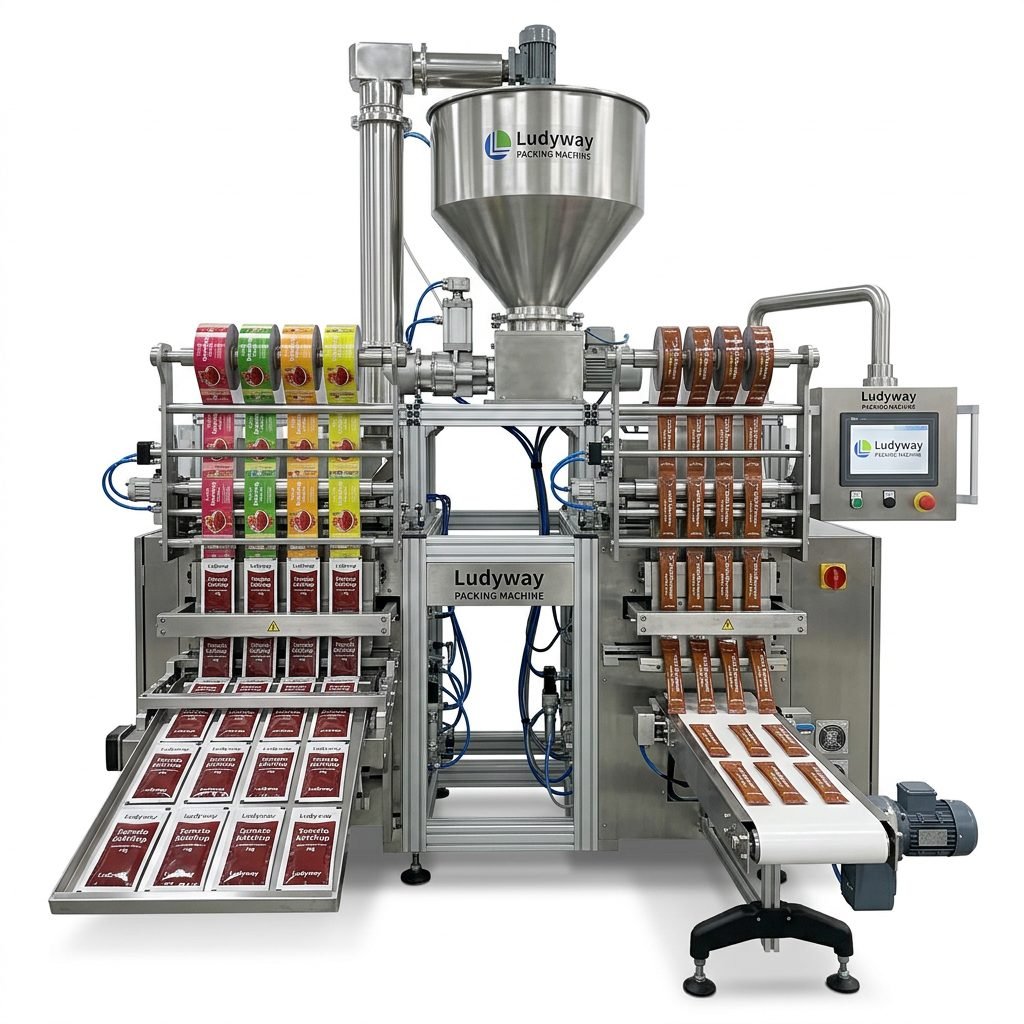
Weekly maintenance goes beyond surface cleaning to address areas where residue accumulates undetected. Disassemble the filling and metering system to inspect piston seals, rotary valves, and check valves for early signs of wear. Remove and soak sealing bars to eliminate carbonized batter deposits that cause uneven heat distribution. Inspect all gaskets, O-rings, and flexible connectors for cracking or swelling caused by acidic batter exposure. Document any anomalies in a maintenance log to track recurring issues and predict component replacement intervals.
- Hopper and feed system: Remove buildup from corners and agitator shafts; check for scoring on internal walls.
- Filling nozzles: Soak in warm cleaning solution; inspect orifice edges for nicks affecting drip-free cutoff.
- Sealing jaws: Clean with non-abrasive paste; verify even heating using temperature indicator strips.
- Film tracking rollers: Remove adhesive residue; check bearings for smooth rotation without play.
- Conveyor belts: Inspect for fraying edges; clean with damp cloth and mild detergent.
Lubrication Best Practices for Food-Grade Operations
Proper lubrication is the most overlooked aspect of packaging machine maintenance. Use only H1-rated food-grade lubricants on any component that may have incidental product contact. Chain drives, linear bearings, and cam mechanisms require specific viscosity grades suited to operating speeds and temperatures. Over-lubrication attracts dust and batter particles, creating a paste that accelerates wear. Apply lubricant sparingly, wipe away excess immediately, and establish a regular relubrication interval based on running hours rather than calendar days. A well-lubricated machine runs quieter, consumes less energy, and experiences fewer unexpected failures.
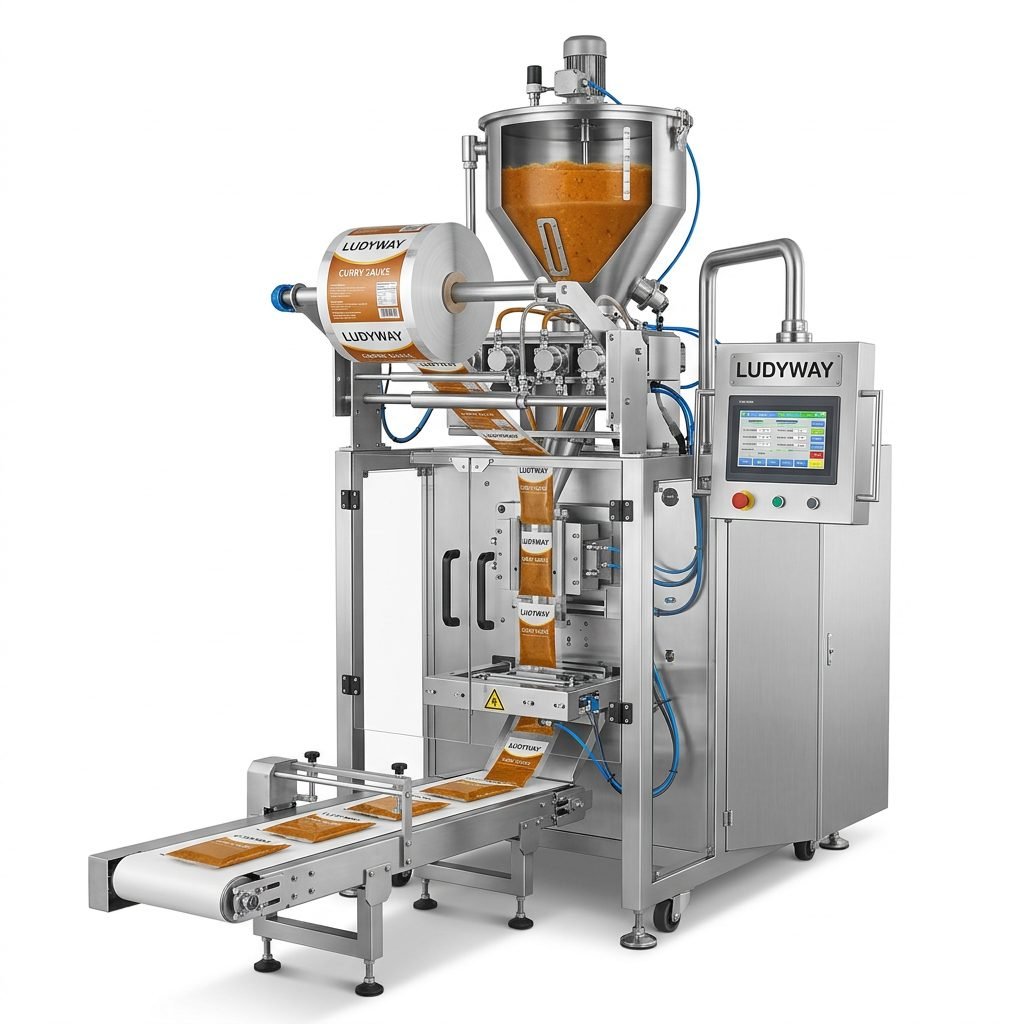
Managing Fermentation-Related Corrosion Risk
Fermented dosa batter creates a uniquely corrosive micro-environment inside packaging machinery. The lactic acid produced during fermentation can etch stainless steel surfaces if batter is allowed to sit for extended periods. Beyond routine cleaning, consider passivating stainless steel components annually to restore the protective chromium oxide layer. Monitor pH levels of rinse water during cleaning cycles; consistently acidic readings indicate residual batter in hidden cavities. Pay special attention to welded joints, threaded fasteners, and crevices where capillary action draws batter into areas not reached by spray cleaning.
Sensor Calibration and Electronic Component Care
Modern dosa batter packing machines rely on precision sensors for fill weight accuracy, seal temperature control, and film registration. Dust, moisture, and vibration gradually affect sensor performance. Clean photoelectric sensors weekly with a lint-free cloth and verify alignment. Calibrate load cells and temperature controllers monthly using certified reference standards. Inspect wiring harnesses for signs of heat damage or insulation cracking near hot sealing areas. Keep electrical enclosures sealed and verify that cooling fans and filters are free of dust accumulation. A single miscalibrated sensor can generate thousands of defective packs before the issue is detected.
Periodic Component Replacement Schedule
Preventive replacement of wear components costs far less than emergency repairs during production runs. The table below outlines recommended replacement intervals for common consumable parts in a dosa batter packing environment.
| Component | Replacement Interval | Key Indicators |
|---|---|---|
| Piston seals & gaskets | Every 3–6 months | Dripping, inconsistent fill volume |
| Sealing band / heating element | Every 12–18 months | Uneven seals, temperature fluctuations |
| PTFE sealing jaw covers | Every 2–4 months | Sticking product, torn film |
| Drive belts | Every 12 months | Cracking, slipping, noise |
| Pneumatic cylinder seals | Every 6–12 months | Slow actuation, air leaks |
| Check valves & springs | Every 6 months | Backflow, fill weight drift |
Troubleshooting Common Dosa Batter Packaging Problems
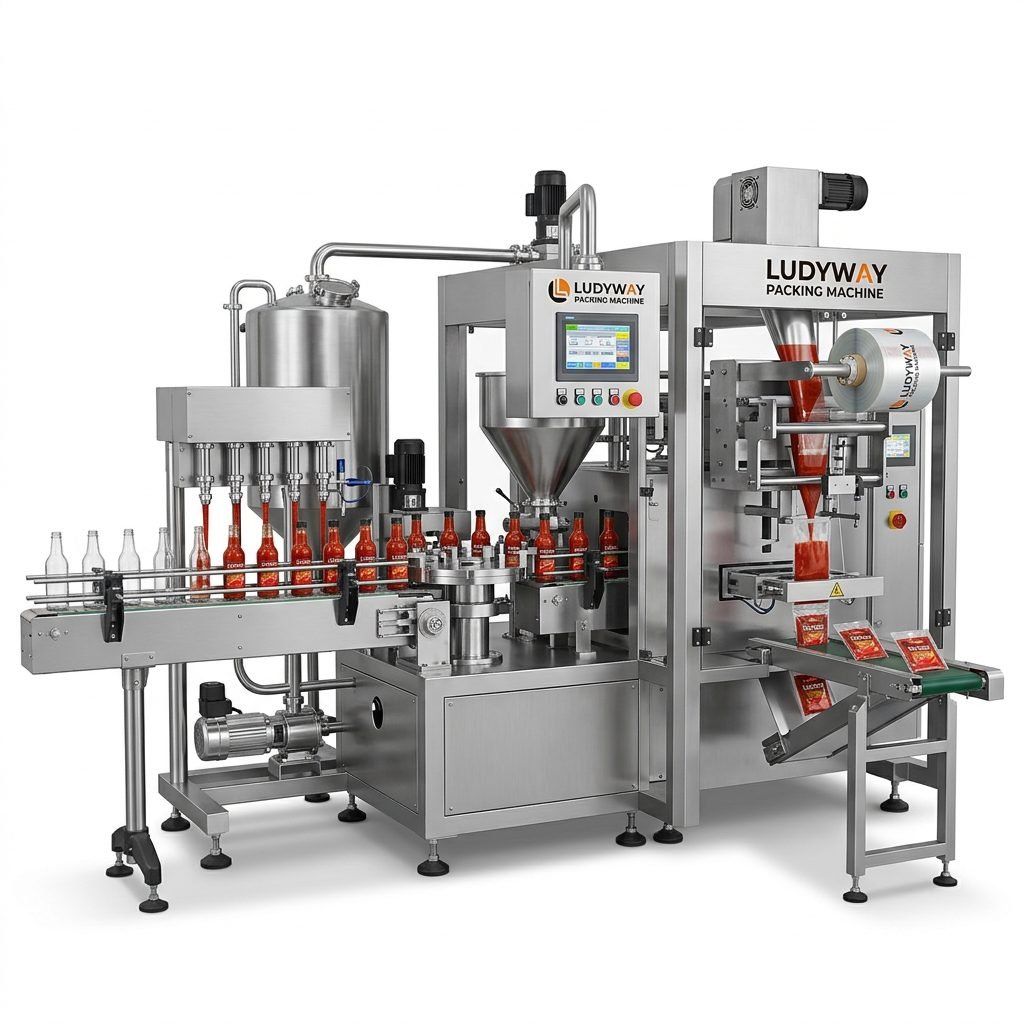
Many packaging line issues can be traced directly to maintenance gaps. If seals are inconsistent, check for residue buildup on the sealing jaws before adjusting temperature settings—cleaning solves more sealing problems than recalibration. Fill weight variability often stems from air pockets in the batter or partially clogged filling nozzles rather than electronic faults. Film tracking problems typically indicate dirty or misaligned rollers, not tension control failures. Always rule out cleaning-related causes before making mechanical or electronic adjustments.
- Stringy or incomplete seals: Clean sealing surfaces thoroughly; check for batter residue on PTFE covers.
- Fill weight drift: Inspect piston seals for swelling; verify no air intake in product line; recalibrate after cleaning.
- Film tearing or wrinkling: Clean all roller surfaces; verify tracking alignment; check for bearing wear.
- Intermittent machine stops: Clean photo-eye sensors; check for moisture in electrical connections.
- Excessive noise: Lubricate all bearing points; inspect for loose fasteners; check chain tension.
Compressed Air System Maintenance
The pneumatic systems powering filling cylinders and actuation mechanisms in a dosa batter packing machine require dedicated attention. Moisture in compressed air lines promotes internal corrosion and contaminates the product pathway. Drain the air receiver tank daily and replace filter elements monthly. Inspect pneumatic tubing for brittleness or cracks, especially near heat sources. A properly maintained air system ensures consistent filling speeds and prevents erratic cylinder movement that causes splashing and inaccurate fill levels. Install point-of-use air dryers if ambient humidity is consistently high in your production environment.
Documentation and Training for Consistent Results
Even the best maintenance procedures fail without proper documentation and trained personnel. Create laminated checklists for daily, weekly, and monthly tasks and post them at the machine station. Maintain a digital or physical maintenance logbook recording every cleaning session, component replacement, and calibration check. Photograph worn parts before replacement to build a reference library for your team. Train all operators to recognize early warning signs—unusual sounds, slight changes in seal appearance, or minor fill weight deviations—and empower them to flag concerns before small problems escalate into production stoppages.
Sourcing Genuine Spare Parts and Professional Support
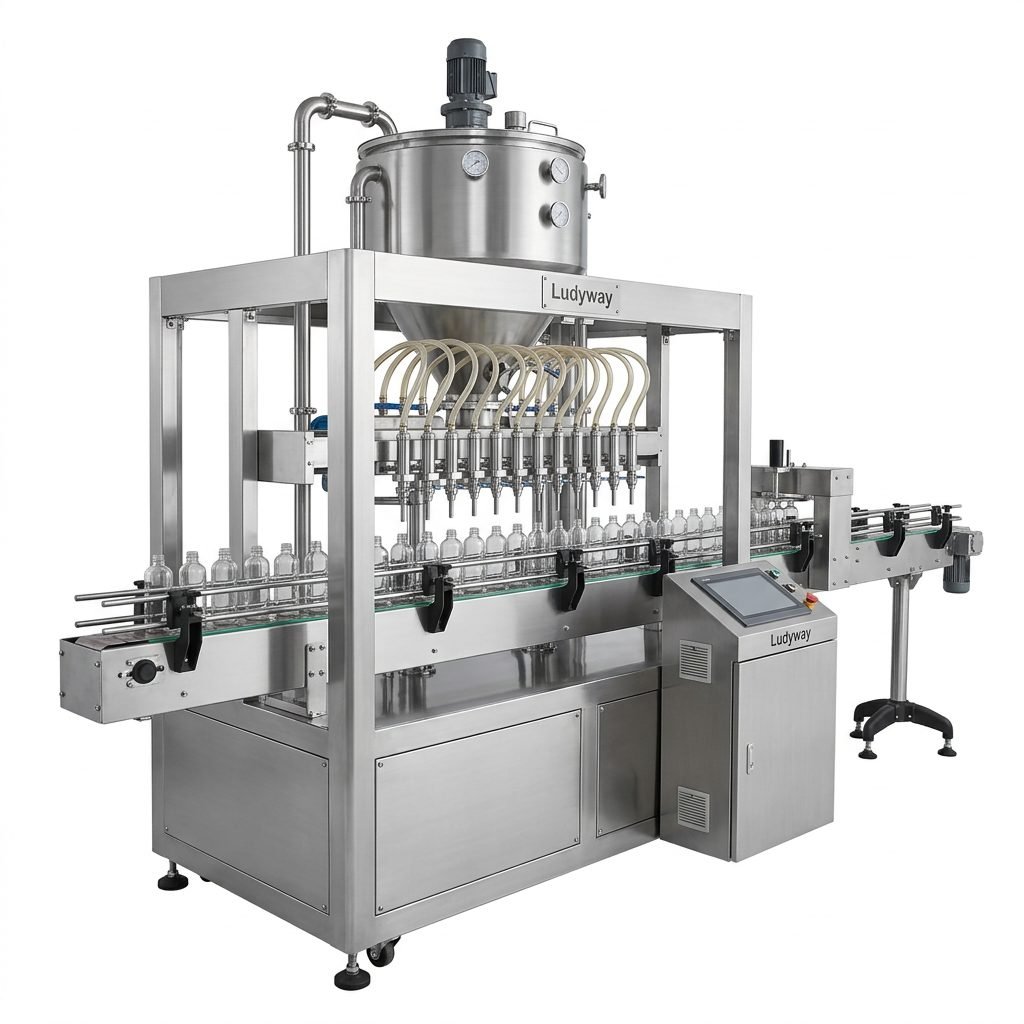
Using non-genuine or improvised spare parts compromises machine safety, performance, and warranty coverage. Work with established packaging machine manufacturers who provide certified replacement components, technical documentation, and responsive after-sales support. Ludyway, with over 30 years of industry expertise and a modern 20,000㎡ manufacturing facility, offers comprehensive spare parts programs and maintenance guidance for a wide range of packaging equipment serving customers in over 100 countries. Having a reliable parts supply chain ensures minimal downtime when components need replacement.
Annual Professional Inspection and Overhaul
Schedule a comprehensive annual inspection by a qualified technician even if your machine appears to be running smoothly. This deep assessment should include gearbox oil analysis, bearing clearance measurements, control system diagnostics, and safety system verification. Technicians can identify developing problems invisible during routine operation—shaft misalignment, early-stage bearing pitting, or control parameter drift. Budget for this annual service as a planned expense rather than reacting to catastrophic failures. A few hours of professional inspection often prevents weeks of unplanned downtime during peak production seasons.
Maintaining a dosa batter packing machine demands consistency, attention to detail, and a proactive mindset. When cleaning becomes a disciplined habit rather than an afterthought, you protect product quality, extend equipment lifespan, and achieve the reliable output that builds customer trust. Implement these practices systematically, and your packaging line will reward you with years of dependable performance.
Related Resources:
PMMI State of the Industry Reports |
Flexible Packaging Association Industry Resources |
FDA Food Packaging Regulations |
ISO Packaging Standards |
EU Packaging Regulations
Quick Maintenance Reference Card
| Frequency | Key Actions | Responsible |
|---|---|---|
| Daily | Flush product line, clean hopper and nozzles, wipe external surfaces | Operator |
| Weekly | Deep clean sealing area, inspect gaskets, lubricate bearings, check sensors | Maintenance Tech |
| Monthly | Calibrate sensors and load cells, inspect wiring, drain air system | Maintenance Tech |
| Quarterly | Replace piston seals, inspect drive components, check pneumatic cylinders | Maintenance Lead |
| Annually | Full inspection, oil analysis, safety system verification, professional overhaul | External Technician |