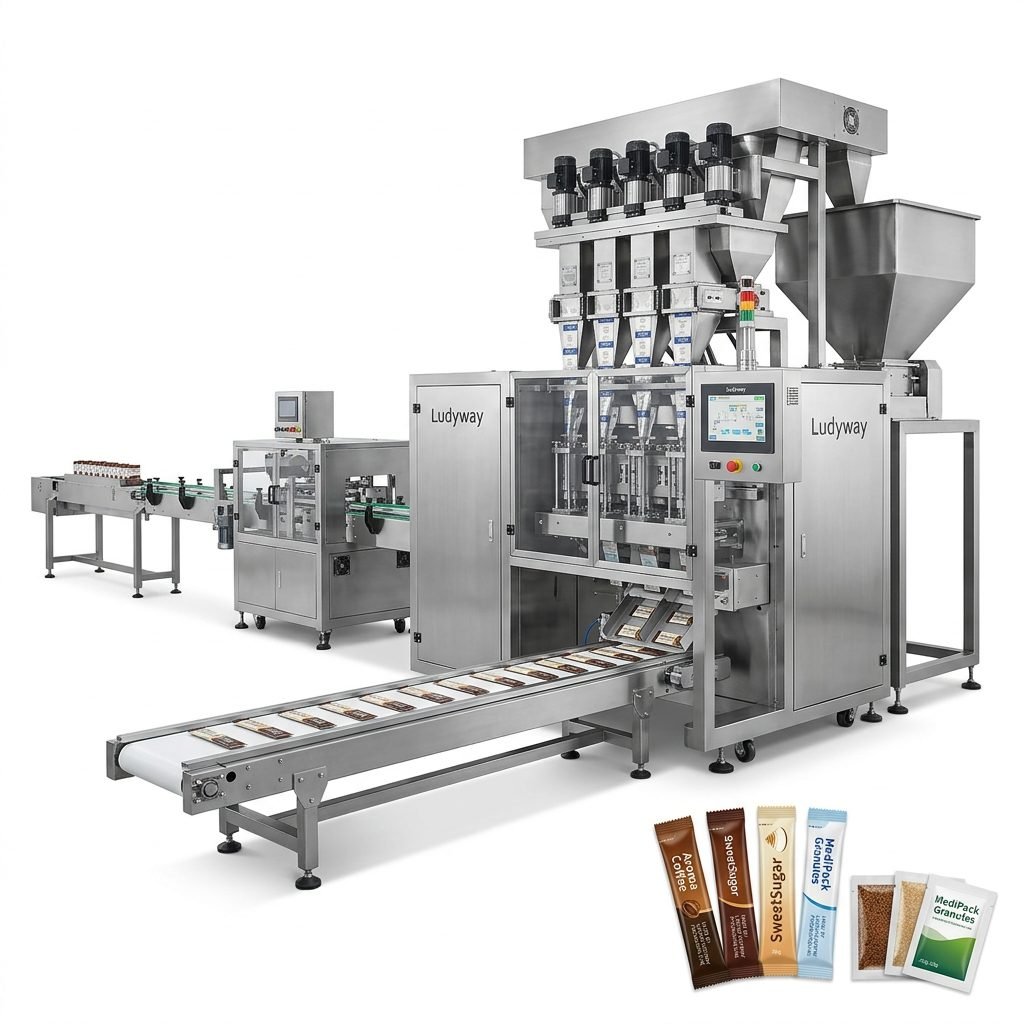
Investing in a dry food packaging machine is a significant decision for food manufacturers across the United Kingdom. Whether you are packing granulated snacks, powdered seasonings, dehydrated fruits, or pet food, selecting the right equipment directly impacts production efficiency, product shelf life, and regulatory compliance. This comprehensive guide walks you through everything you need to know before making a purchase.
Understanding Dry Food Packaging Machine Types
Before comparing suppliers, it is essential to understand the different machine configurations available on the market. Each type suits specific production volumes, packaging formats, and product characteristics.
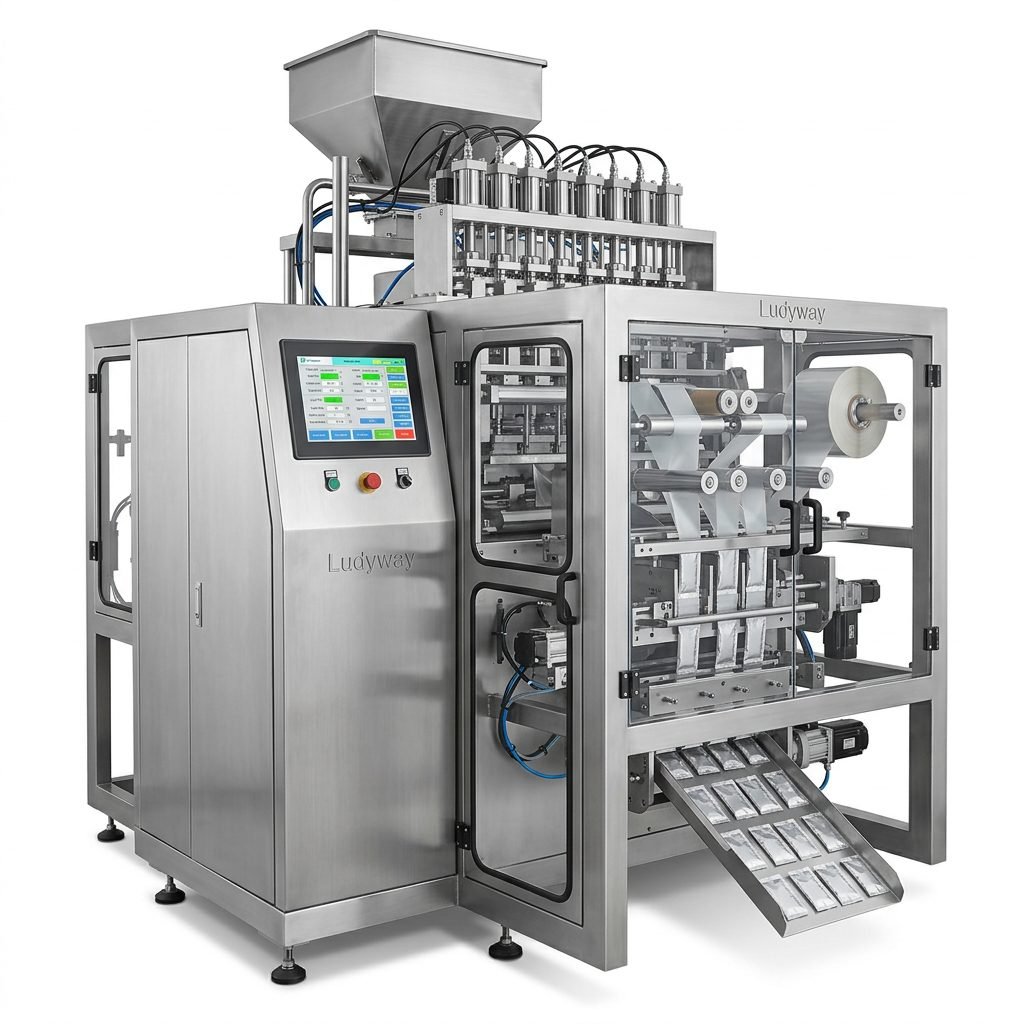
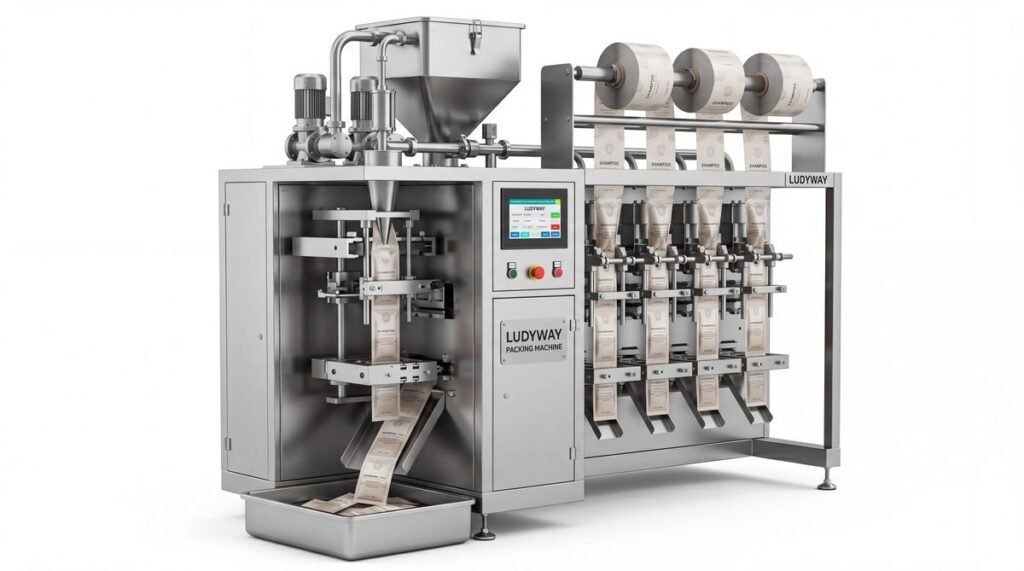
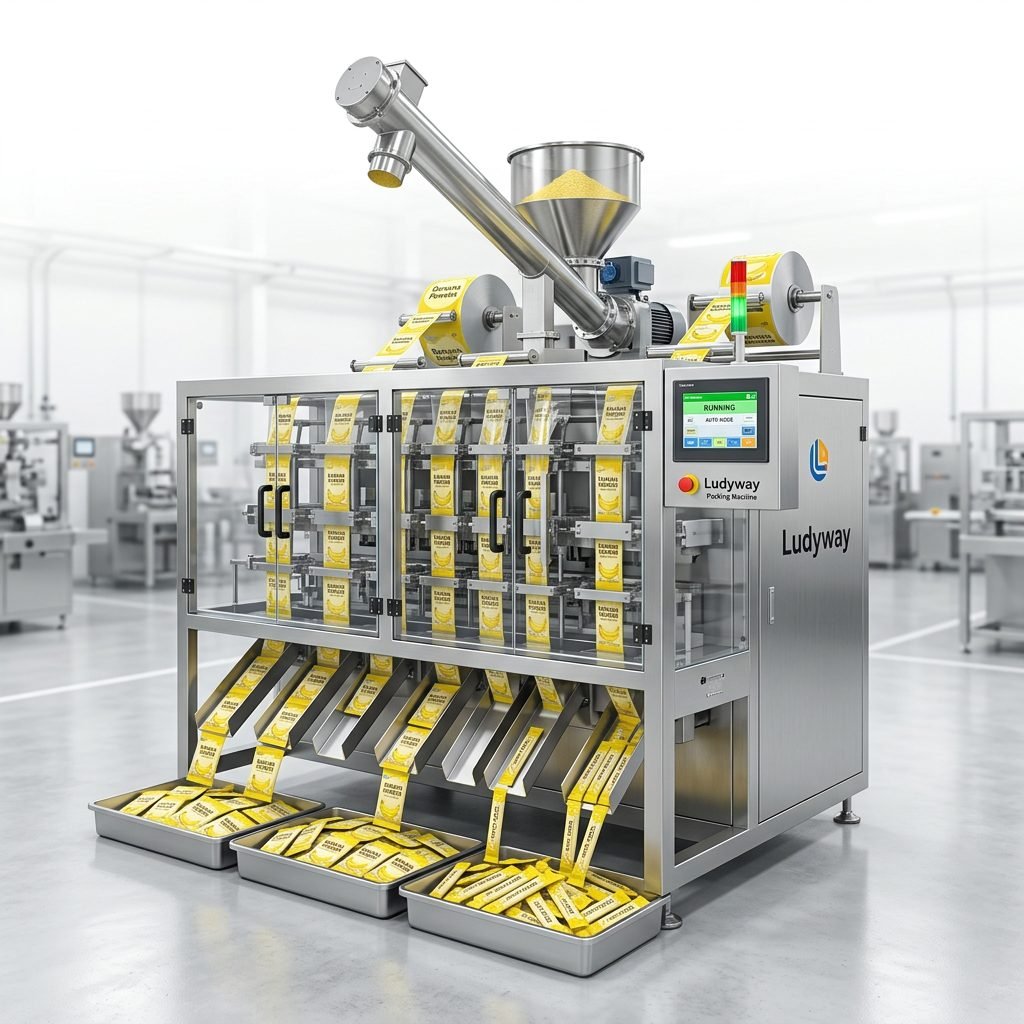
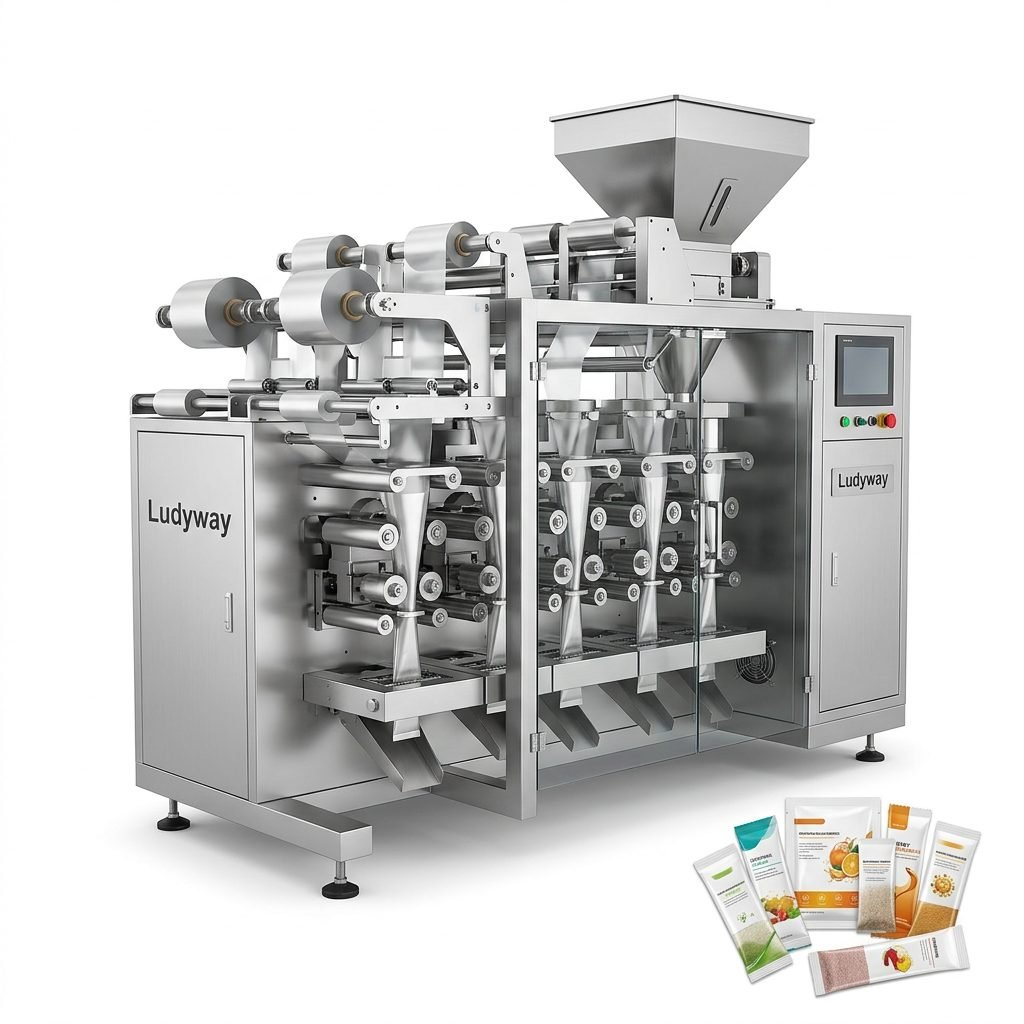
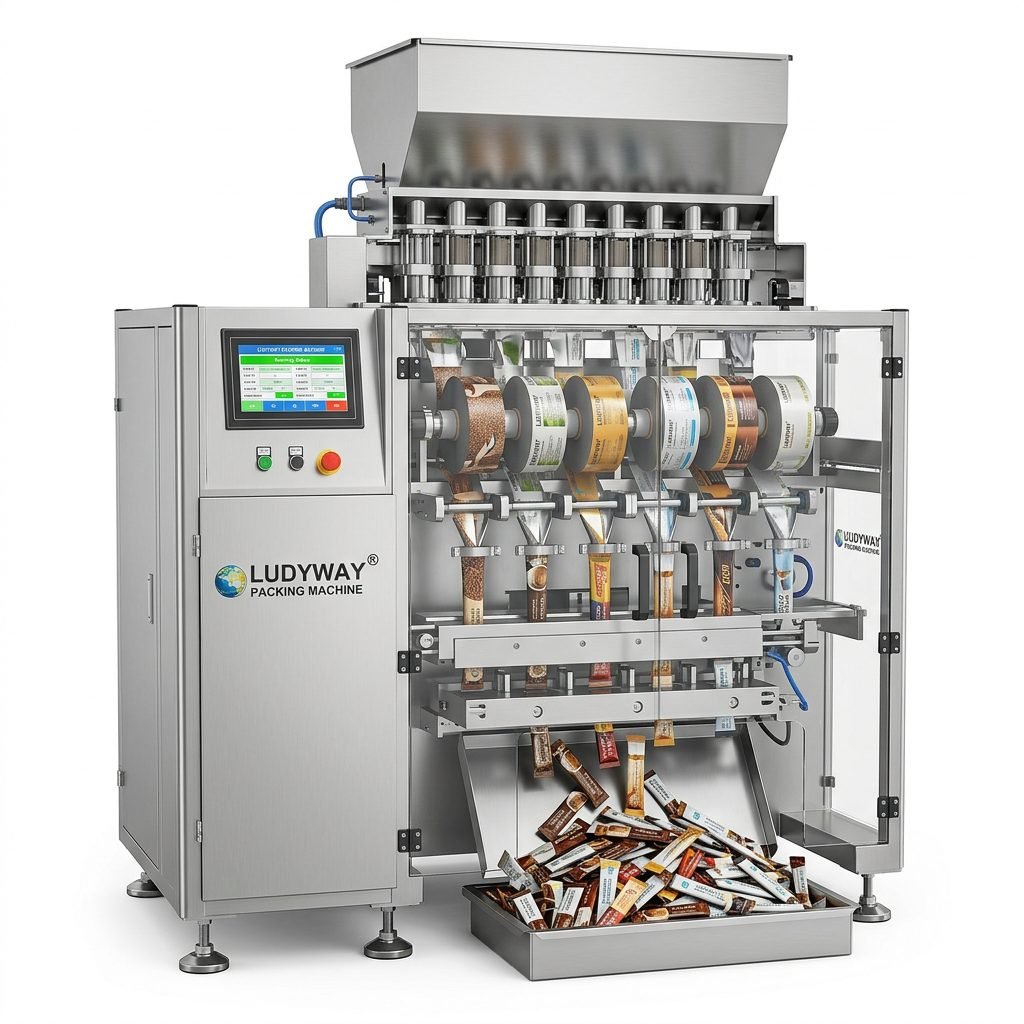
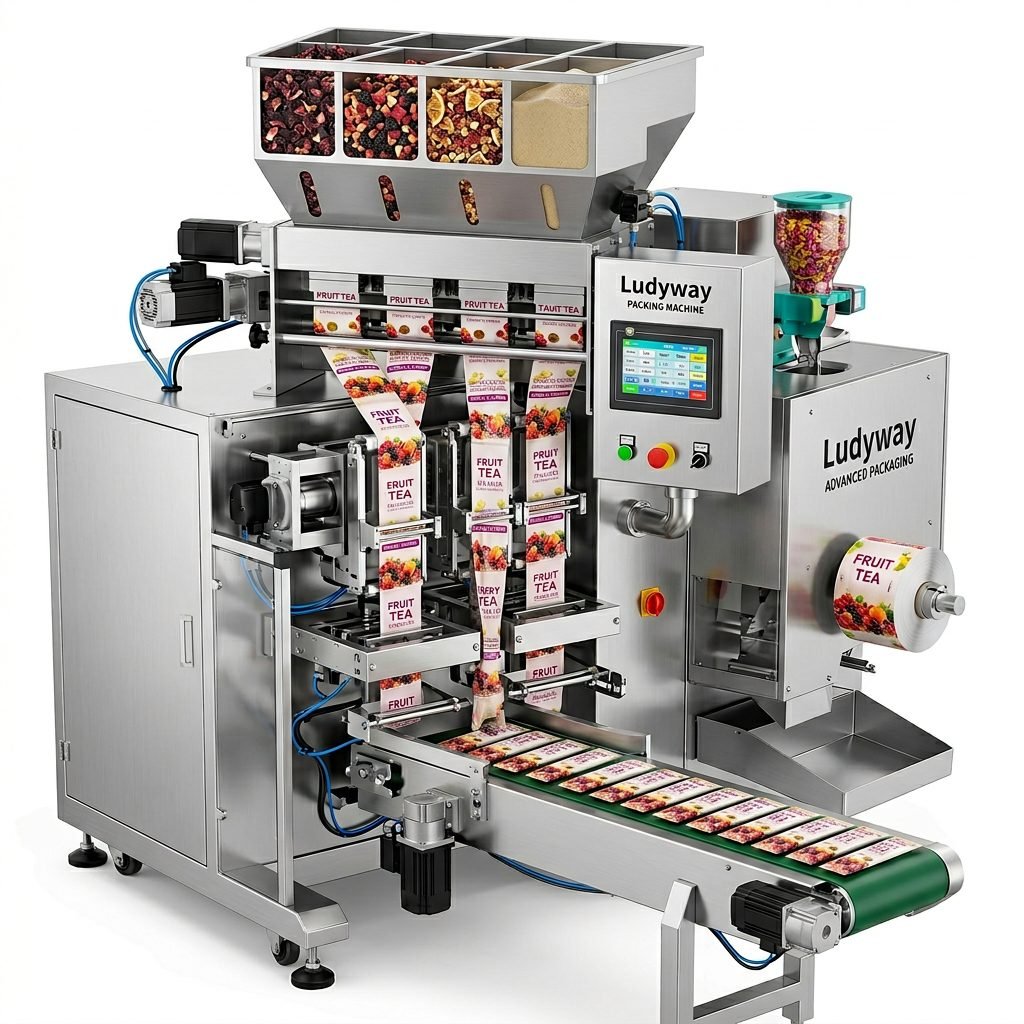
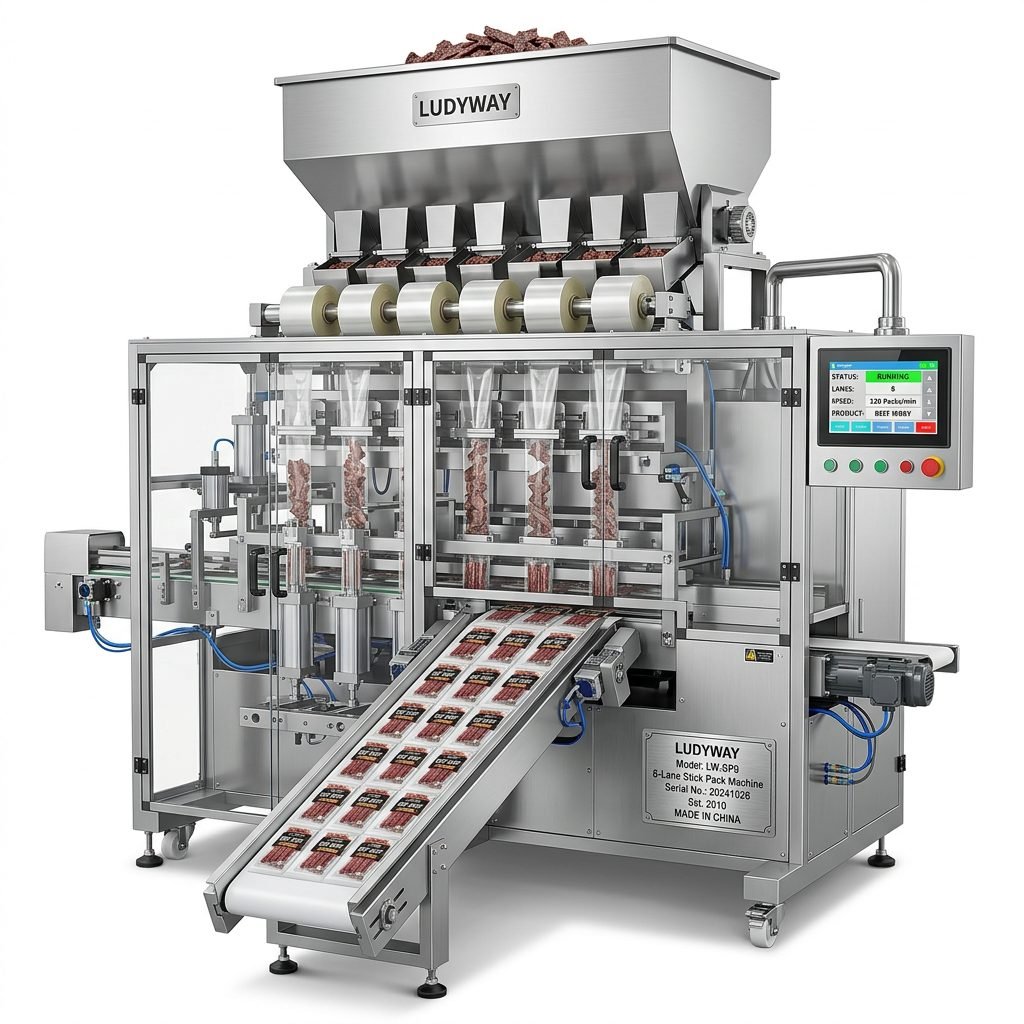
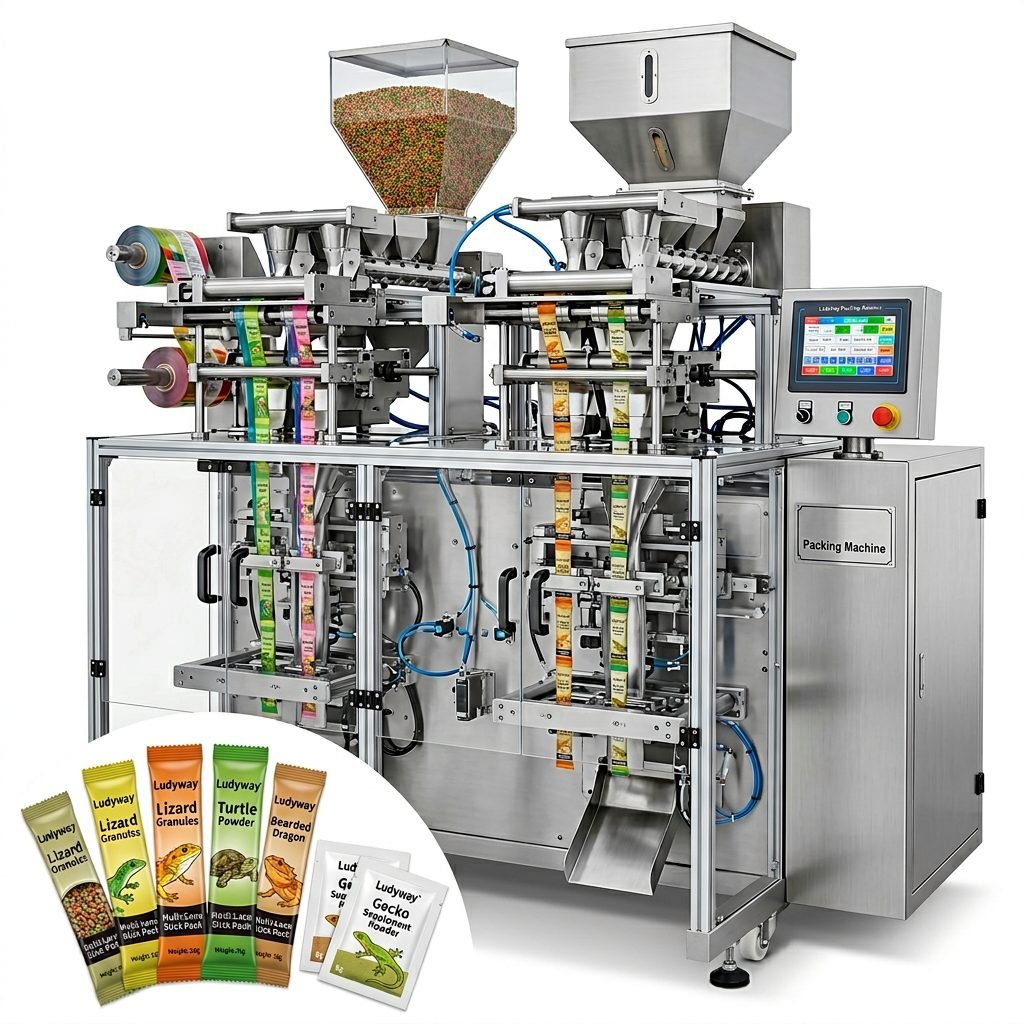
Multi-Lane Stick Pack Machines
These are among the most popular choices for dry food products in the UK. A multi-lane stick pack machine can run multiple lanes simultaneously, dramatically increasing output. They are ideal for granulated products such as sugar, salt, instant coffee, and spice blends. Typical configurations range from 4 to 20 lanes, with speeds reaching up to 600 packs per minute depending on the model.
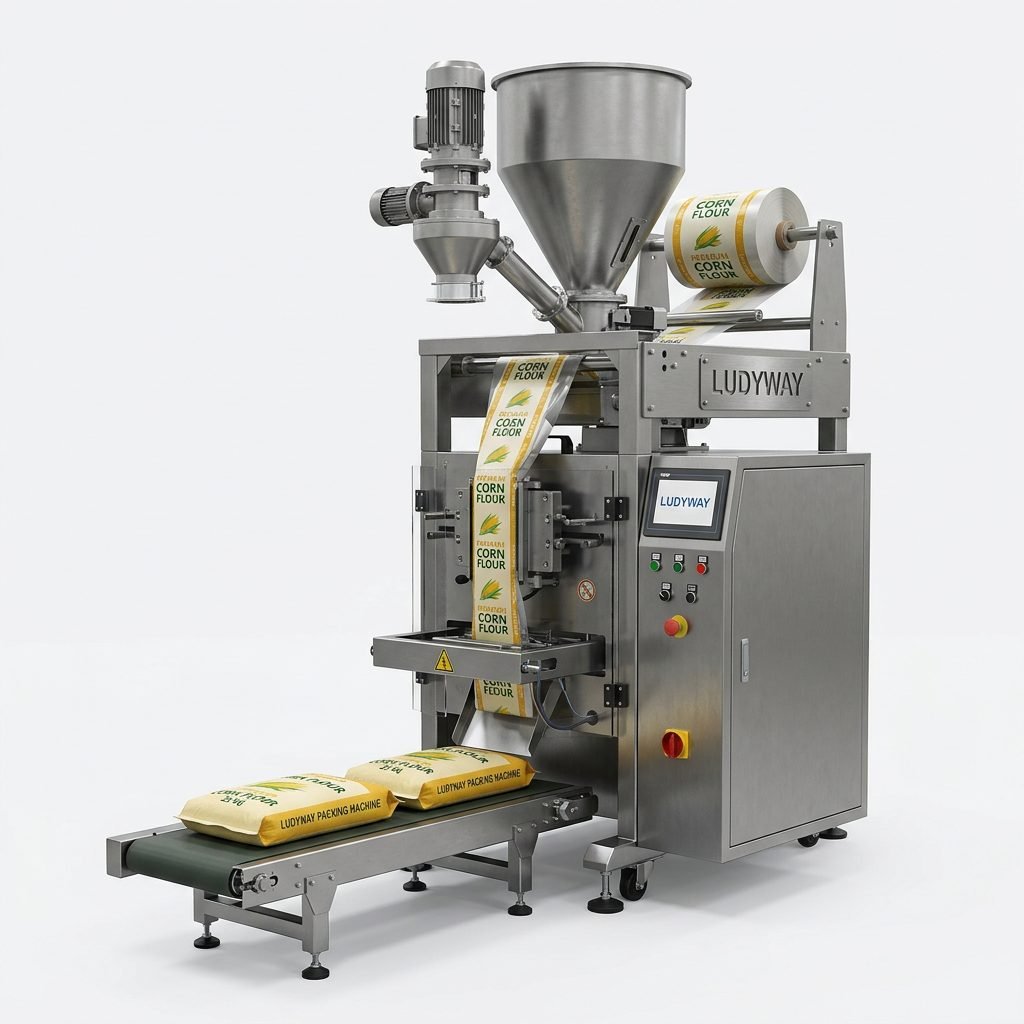
Vertical Form Fill Seal (VFFS) Machines
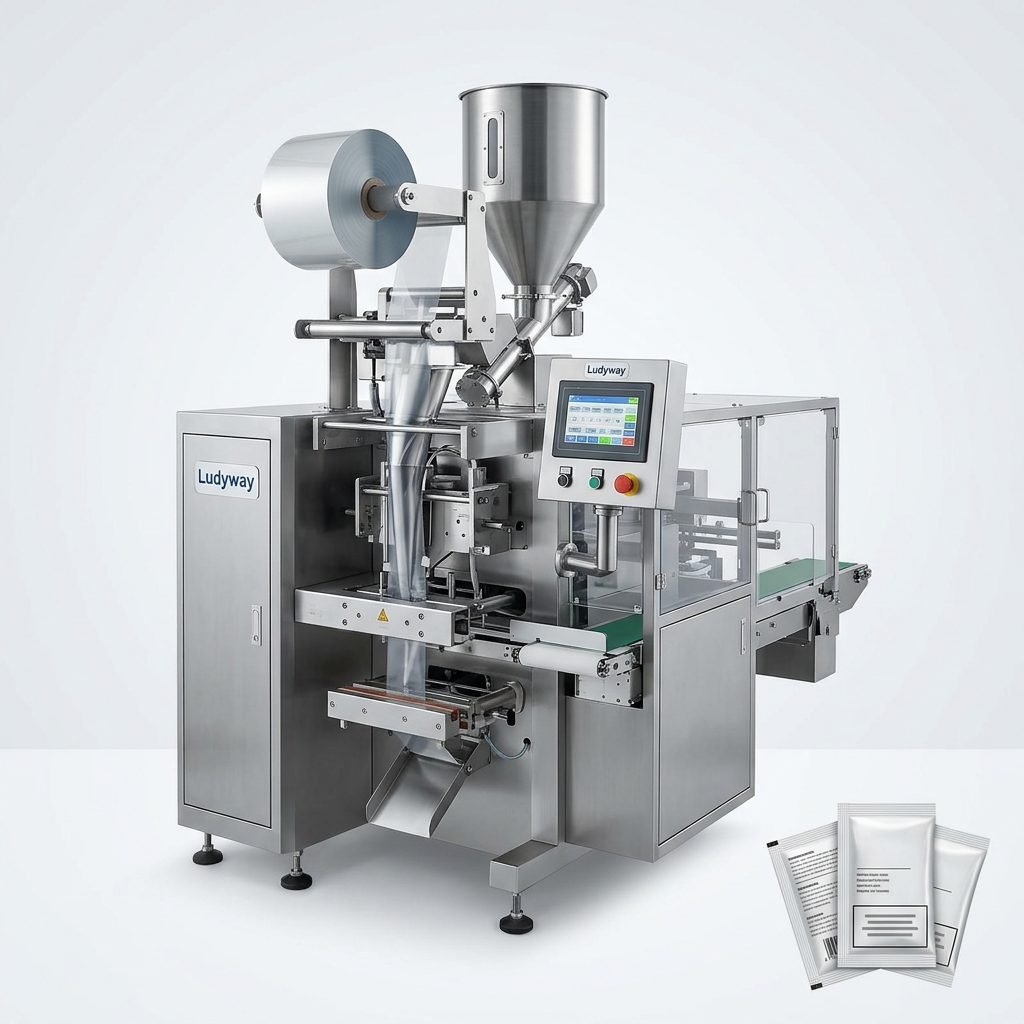
VFFS systems are versatile workhorses suitable for a wide range of dry food applications. They form bags from roll stock, fill them with product, and seal them in one continuous operation. These machines handle granules, powders, and larger particulates with ease, producing pillow bags, gusseted pouches, and block-bottom bags.
Premade Pouch Filling & Sealing Machines
For businesses using stand-up pouches, zipper bags, or specialty packaging, premade pouch machines offer flexibility and premium presentation. They pick, open, fill, and seal ready-made pouches, making them suitable for premium dry food brands targeting retail shelves across the UK and European markets.
Key Factors to Consider When Buying in the UK
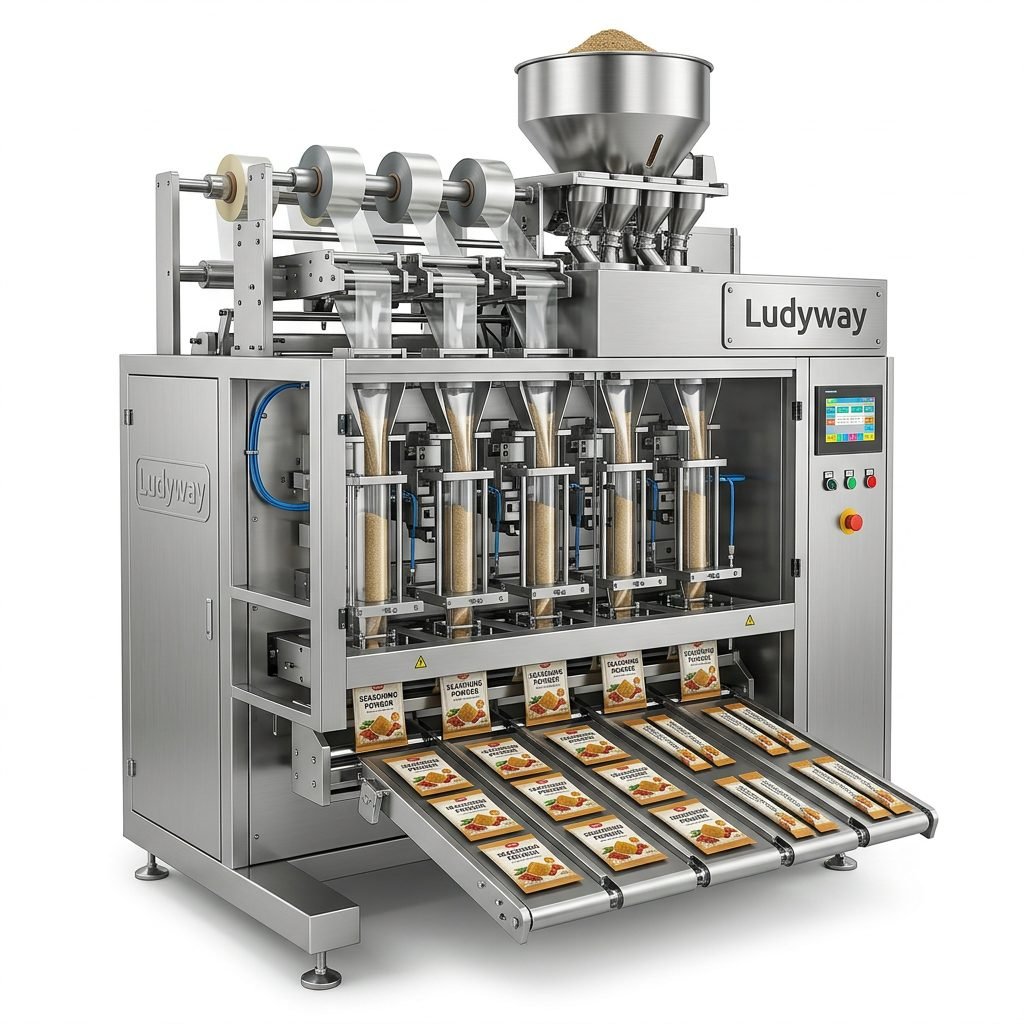
The UK food packaging sector is governed by stringent regulations and competitive market dynamics. Below are the critical factors that should influence your purchasing decision.
| Factor | What to Evaluate | Importance |
|---|---|---|
| Product Compatibility | Granule size, powder flowability, moisture content | Critical |
| Production Speed | Packs per minute, changeover time, uptime reliability | High |
| Packaging Format | Stick pack, sachet, pillow bag, stand-up pouch | High |
| UKCA / CE Compliance | Machinery safety, electrical standards, food contact materials | Mandatory |
| Hygiene Design | Stainless steel construction, easy cleaning, IP rating | Critical |
| After-Sales Support | Warranty, spare parts availability, remote or on-site service | High |
UK Regulatory Requirements for Food Packaging Machinery
The United Kingdom has specific regulations that apply to food contact materials and packaging equipment. Following Brexit, the UK introduced its own UKCA marking system, although CE marking continues to be accepted for many product categories during transitional periods. You should verify current requirements with the relevant regulatory bodies.
- UKCA Marking: Required for machinery placed on the GB market, demonstrating compliance with UK safety standards.
- Food Contact Materials: All materials that come into contact with dry food must comply with UK Food Contact Materials regulations and EU Framework Regulation (EC) No 1935/2004 where applicable.
- HACCP Integration: Your packaging machine should support Hazard Analysis Critical Control Point principles, enabling proper cleaning and contamination prevention.
- ISO Standards: Relevant standards include ISO packaging standards for machinery safety and performance.
Cost Considerations and ROI Analysis
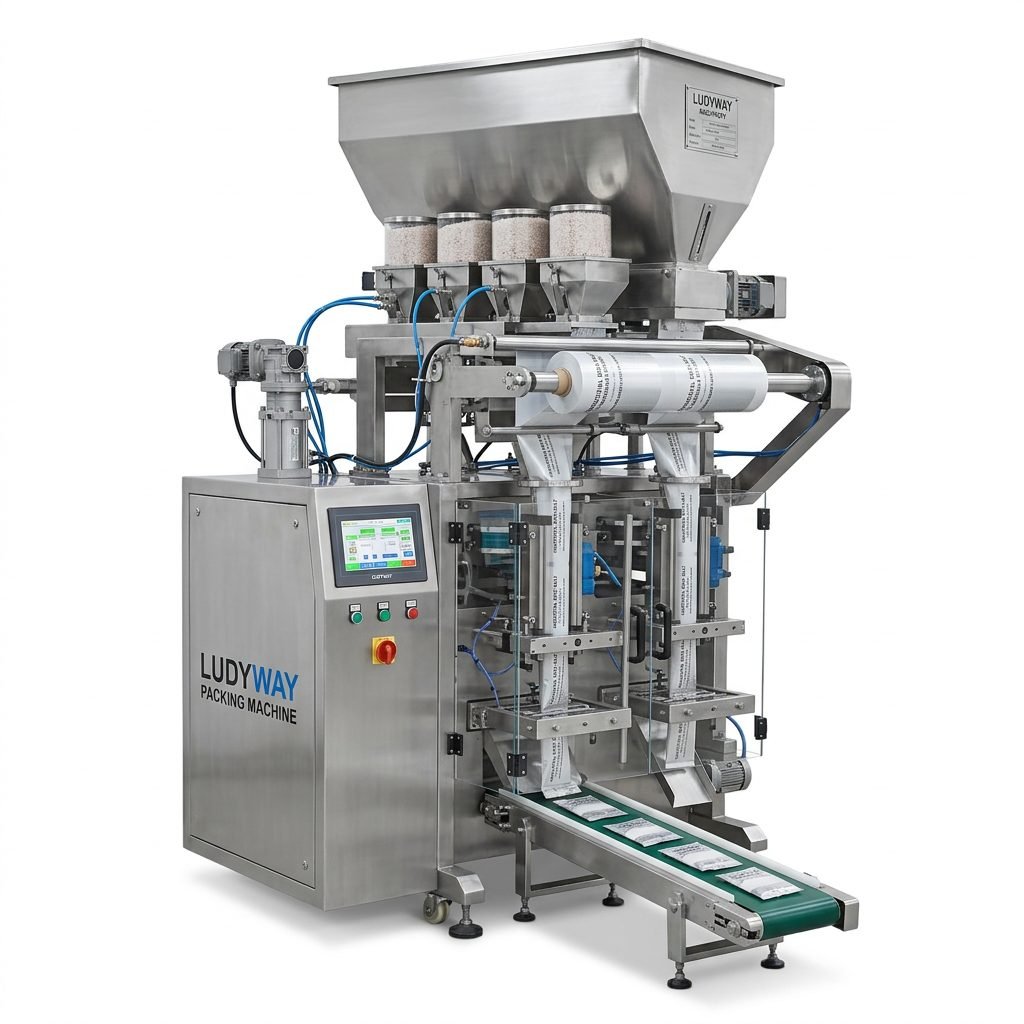
The price of a dry food packaging machine varies considerably based on configuration, automation level, and brand. Entry-level single-lane machines may start around £15,000 to £30,000, while fully automated multi-lane packaging systems with advanced dosing technology can range from £60,000 to £250,000+. When calculating ROI, consider the following:
- Labour Savings: Automated systems reduce manual packing requirements significantly.
- Material Waste Reduction: Precision filling minimises product giveaway and film waste.
- Increased Throughput: Higher speeds translate directly to greater output capacity.
- Maintenance Costs: Factor in annual servicing, spare parts, and potential downtime.
- Energy Efficiency: Modern servo-driven machines consume less electricity than older pneumatic models.
Choosing a Reliable Supplier for the UK Market
Selecting the right manufacturer is just as important as choosing the right machine. Look for suppliers with proven experience exporting to the UK, a track record of compliance with British and European standards, and comprehensive after-sales support networks. Ludyway, one of the largest packaging machine manufacturers in China, has over 30 years of industry expertise and serves customers in more than 100 countries and regions, offering advanced packaging equipment including dry food packaging solutions tailored for granule, powder, and sachet applications.
When evaluating potential suppliers, request the following:
- Customer references from UK-based food manufacturers
- Factory acceptance test (FAT) documentation
- Details on UKCA or CE certification for their machines
- Spare parts availability and delivery timelines to the UK
- Installation, training, and ongoing technical support provisions
Automation and Integration Capabilities
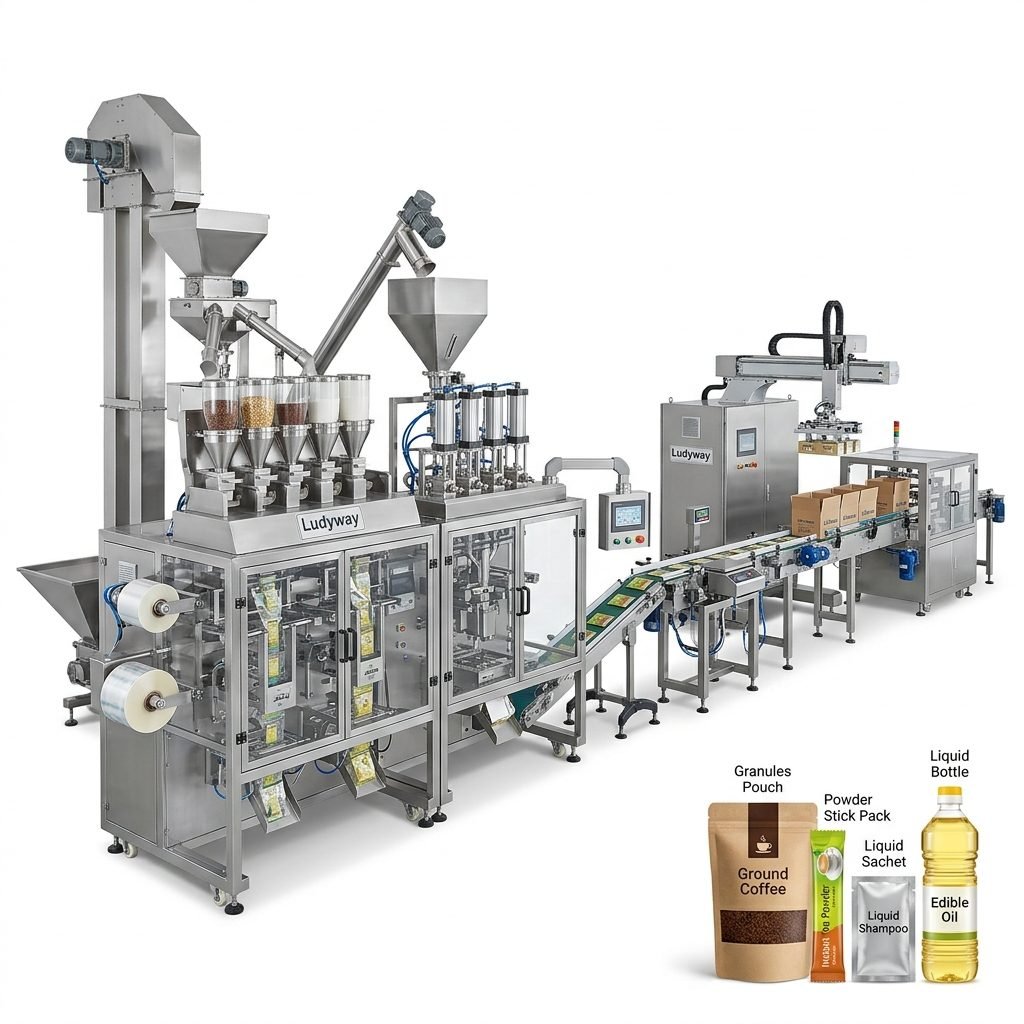
Modern dry food packaging lines increasingly incorporate end-to-end automation. Beyond the primary packaging machine, consider how the equipment integrates with upstream and downstream systems:
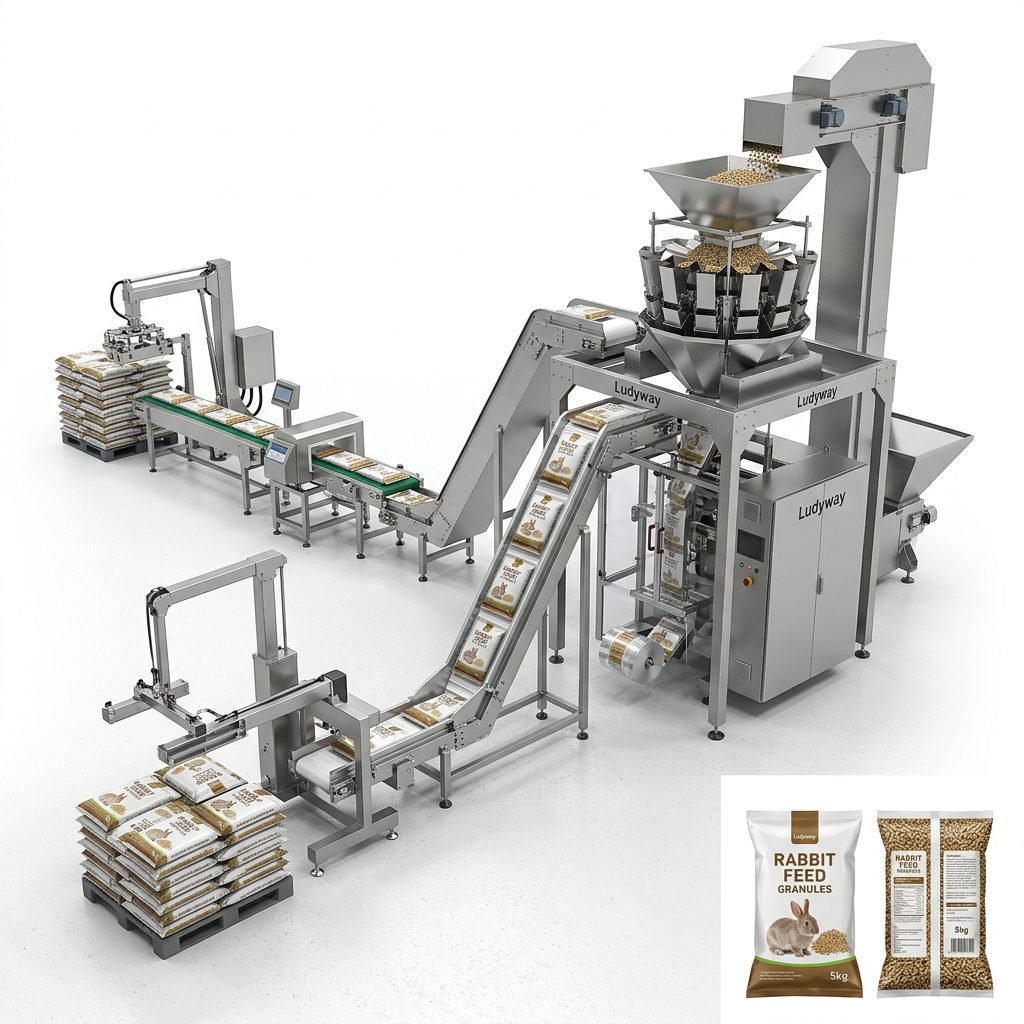
- Automated Feeding Systems: Bucket elevators, inclined conveyors, and vibratory feeders ensure consistent product flow.
- Multi-Head Weighers: High-precision weighing ensures accurate portion control and minimises product giveaway.
- Checkweighers & Metal Detectors: Critical for quality assurance and compliance with UK retailer standards.
- Cartoning & Case Packing: Automated secondary packaging reduces manual handling and increases line efficiency.
- Batch Coding & Serialisation: Essential for traceability and compliance with food safety regulations.
Comparing Packaging Formats for Dry Foods
Different dry food products benefit from different packaging formats. The table below provides a quick comparison to help you identify the best option for your product range.
| Format | Best For | Typical Speed Range |
|---|---|---|
| Stick Pack | Single-serve coffee, sugar, salt, supplements | 200–600 packs/min |
| Sachet (Flat Pouch) | Seasonings, sauce mixes, sample portions | 80–400 packs/min |
| Pillow Bag | Snacks, cereals, dried fruits, pet food | 40–150 bags/min |
| Stand-Up Pouch | Premium retail products, resealable packs | 30–80 pouches/min |
| Quad Seal Bag | High-barrier applications, bulk snacks | 20–60 bags/min |
Common Pitfalls to Avoid
Many first-time buyers make avoidable mistakes when purchasing a dry food packaging machine. Being aware of these pitfalls can save you significant time and capital.
- Underestimating Product Variability: Ensure your machine can handle variations in granule size, bulk density, and flow characteristics across your product range.
- Overlooking Film Compatibility: Not all machines run all film types. Verify that your preferred packaging film is compatible with the machine’s sealing system.
- Ignoring Future Capacity Needs: A machine that barely meets current demand may bottleneck your growth within 12–18 months.
- Skipping Site Preparation: Confirm floor space, power supply, compressed air requirements, and environmental conditions before delivery.
- Neglecting Operator Training: Even the best machine underperforms without properly trained operators and maintenance staff.
Sustainability and Packaging Trends in the UK
The UK packaging industry is moving rapidly toward sustainable and recyclable materials. The European packaging waste regulations and UK-specific initiatives are driving demand for mono-material films, paper-based packaging, and reduced plastic usage. When selecting a dry food packaging machine, consider its ability to run recyclable films and biodegradable materials, as these will be increasingly important for UK retailers and consumers.
Key sustainability features to look for include:
- Compatibility with recyclable mono-material films
- Precision filling to reduce product waste
- Energy-efficient servo drive systems
- Minimised film waste during start-up and changeover
- Support for paper-based and compostable packaging substrates
Final Checklist Before Purchase
Use this concise checklist to ensure you have covered all essential aspects before committing to a dry food packaging machine investment in the United Kingdom.
- Product testing completed with your actual dry food materials on the target machine
- UKCA or CE certification confirmed for the specific machine model and configuration
- Total cost of ownership calculated including delivery, installation, training, and annual maintenance
- Spare parts strategy defined with confirmed availability and delivery timelines to your UK facility
- Operator training plan established with the supplier or a third-party provider
- Integration requirements mapped for upstream feeding and downstream cartoning or palletising
- Film and material supply chain verified for ongoing packaging material availability
- Warranty and service level agreement reviewed and documented in writing
Investing time in thorough research and supplier evaluation before purchasing a dry food packaging machine in the UK will pay dividends in reliability, compliance, and long-term operational efficiency. For expert guidance on automatic packaging solutions tailored to your specific requirements, consult with equipment specialists who understand both the technical and regulatory landscape of the British food industry.