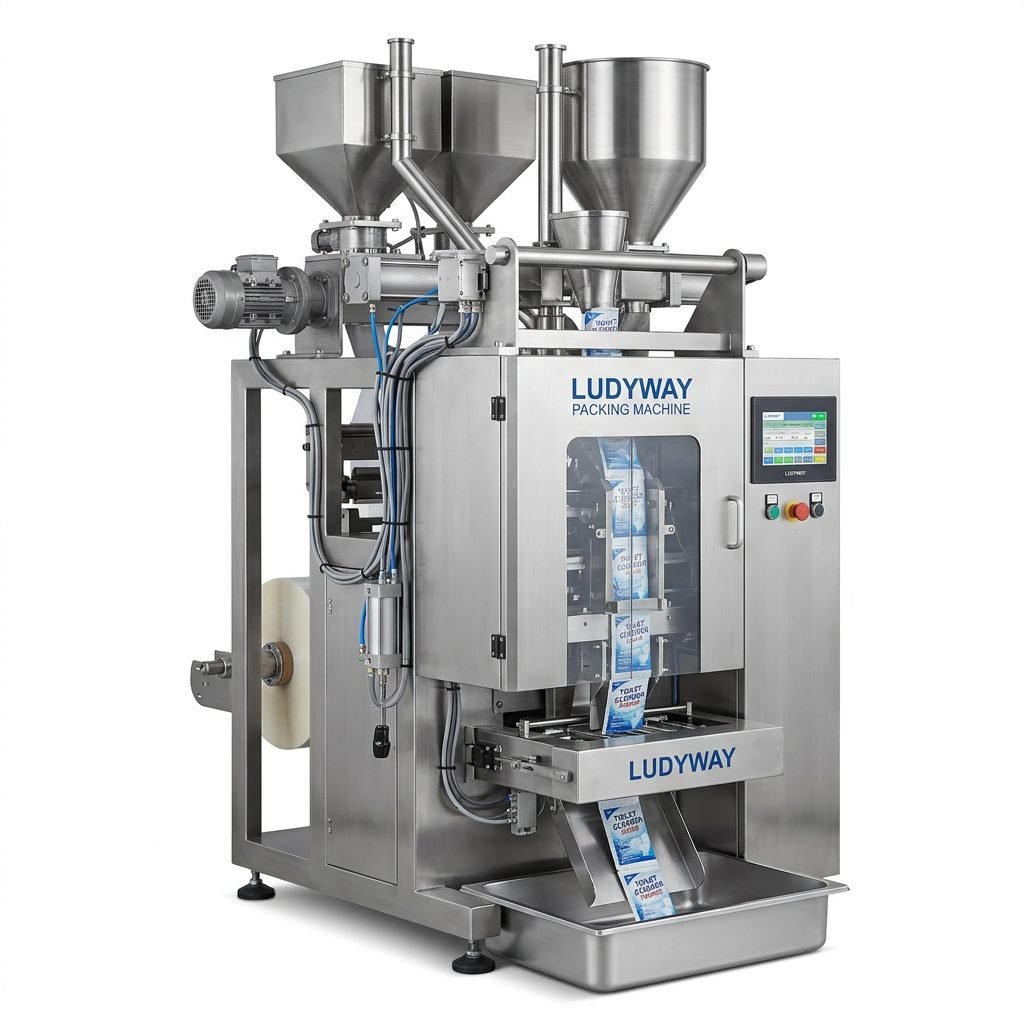
Why the European Butter Market Demands Advanced Packaging Solutions
The European butter market has experienced sustained growth over the past decade, driven by rising consumer demand for natural dairy products, artisanal butter varieties, and convenient portion-controlled formats. According to recent industry data, butter production across the EU-27 reached approximately 2.3 million tonnes annually, with countries like Germany, France, Ireland, and the Netherlands leading output. This expanding market creates significant opportunities for manufacturers investing in modern packaging machinery to meet stringent quality standards and retail requirements.
Setting up a butter packaging machine production line in Europe involves navigating complex regulatory frameworks, selecting appropriate equipment configurations, and ensuring compliance with food safety directives. Whether you are packaging traditional block butter, portion packs, or flavored butter products, the right production line setup determines your operational efficiency, product shelf life, and market competitiveness.
Key Drivers Shaping Butter Packaging in Europe
- Convenience trends – Single-serve butter portions and mini-tubs for food service and hospitality sectors
- Sustainability mandates – Recyclable and reduced-material packaging under EU Packaging and Packaging Waste Regulation requirements
- Extended shelf life – Modified atmosphere packaging and high-barrier films for longer product freshness
- Retail-ready formats – Flow-wrap, thermoformed trays, and stick-pack designs for modern supermarket displays
- Traceability compliance – Batch coding, serialization, and digital tracking systems for food safety audits
Understanding European Regulations for Butter Packaging Lines
Before procuring equipment, manufacturers must familiarize themselves with the regulatory landscape governing food packaging in Europe. Compliance is non-negotiable for market access and consumer safety.
Food Contact Materials Regulation (EC) No 1935/2004
All packaging materials that come into contact with butter must comply with this framework regulation. It ensures that materials do not transfer constituents to food in quantities that could endanger human health or alter the product’s composition. This directly impacts your choice of packaging films, wrappers, and container materials used on the production line.
EU Regulation (EC) No 2023/2006 on Good Manufacturing Practice (GMP)
This regulation mandates that packaging operations follow GMP guidelines, covering personnel hygiene, facility cleanliness, and documented quality assurance procedures. Your butter packaging line design must incorporate hygienic engineering principles, including easy-clean surfaces, accessible maintenance points, and contamination prevention measures.
CE Marking and Machinery Directive 2006/42/EC
All packaging machinery installed in Europe must carry CE marking, demonstrating conformity with health, safety, and environmental protection standards. When sourcing equipment, verify that the manufacturer provides a Declaration of Conformity and comprehensive technical documentation in the appropriate EU language. For more information on machinery standards, refer to ISO packaging standards that align with European requirements.

Step-by-Step Planning for Your Butter Packaging Production Line
A well-structured planning process prevents costly mistakes and ensures your production line meets both current and future demands. Follow these strategic steps to establish a fully optimized butter packaging operation in Europe.
Step 1: Define Product Specifications and Packaging Formats
Butter products vary significantly in format, consistency, and packaging requirements. Clarify the following parameters before selecting machinery:
| Product Parameter | Options / Considerations | Impact on Equipment Choice |
|---|---|---|
| Butter Form | Block, portion, spread, clarified, flavored | Determines filling mechanism and sealing technology |
| Package Type | Foil wrap, plastic tub, stick pack, sachet, flow-wrap | Dictates machine configuration and film compatibility |
| Target Output | Packs per minute / units per hour | Defines single-lane vs. multi-lane equipment needs |
| Shelf Life Requirements | Ambient, chilled, or frozen distribution | Influences barrier film selection and sealing integrity |
| Portion Size | 10g – 500g range | Affects dosing accuracy and machine changeover design |
Step 2: Calculate Production Capacity Requirements
Accurate capacity planning ensures your butter packaging production line can meet market demand without over-investment. Consider both current production volumes and projected growth over the next 3–5 years. Factor in seasonal demand fluctuations, which are particularly pronounced in the European butter market during holiday baking seasons and summer months.
A properly sized line should operate at 70–80% of maximum capacity during normal production, leaving headroom for peak periods. Multi-lane stick pack and sachet machines can significantly increase throughput for portion-pack butter products, with some configurations achieving over 400 packs per minute across multiple lanes.
Step 3: Design the Facility Layout and Utilities
European food production facilities must meet strict hygiene and workflow standards. When designing your butter packaging area, prioritize:
- Linear workflow – Raw material intake → processing → packaging → palletizing → cold storage
- Zoning separation – High-care and low-care areas with appropriate air handling and pressure differentials
- Utility provisions – Compressed air, electrical supply (typically 400V/50Hz in Europe), chilled water for temperature-sensitive operations
- Washdown capability – Floor drainage, waterproof electrical fittings, and corrosion-resistant surfaces
- Access and maintenance corridors – Sufficient space around equipment for operator access and servicing
Selecting the Right Butter Packaging Equipment
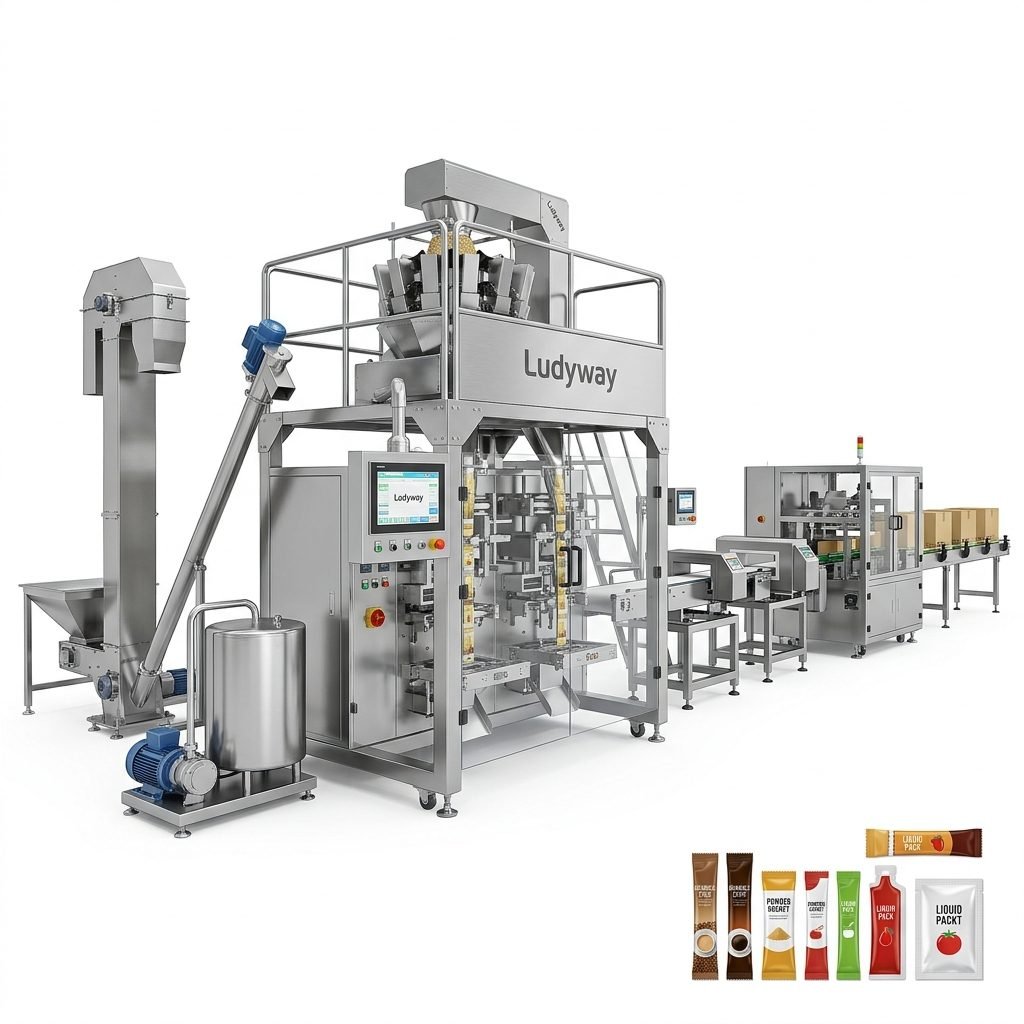
Equipment selection is the most critical decision in setting up your production line. The right machinery balances speed, accuracy, flexibility, and total cost of ownership. For butter products, several packaging machine types are commonly deployed across European facilities.
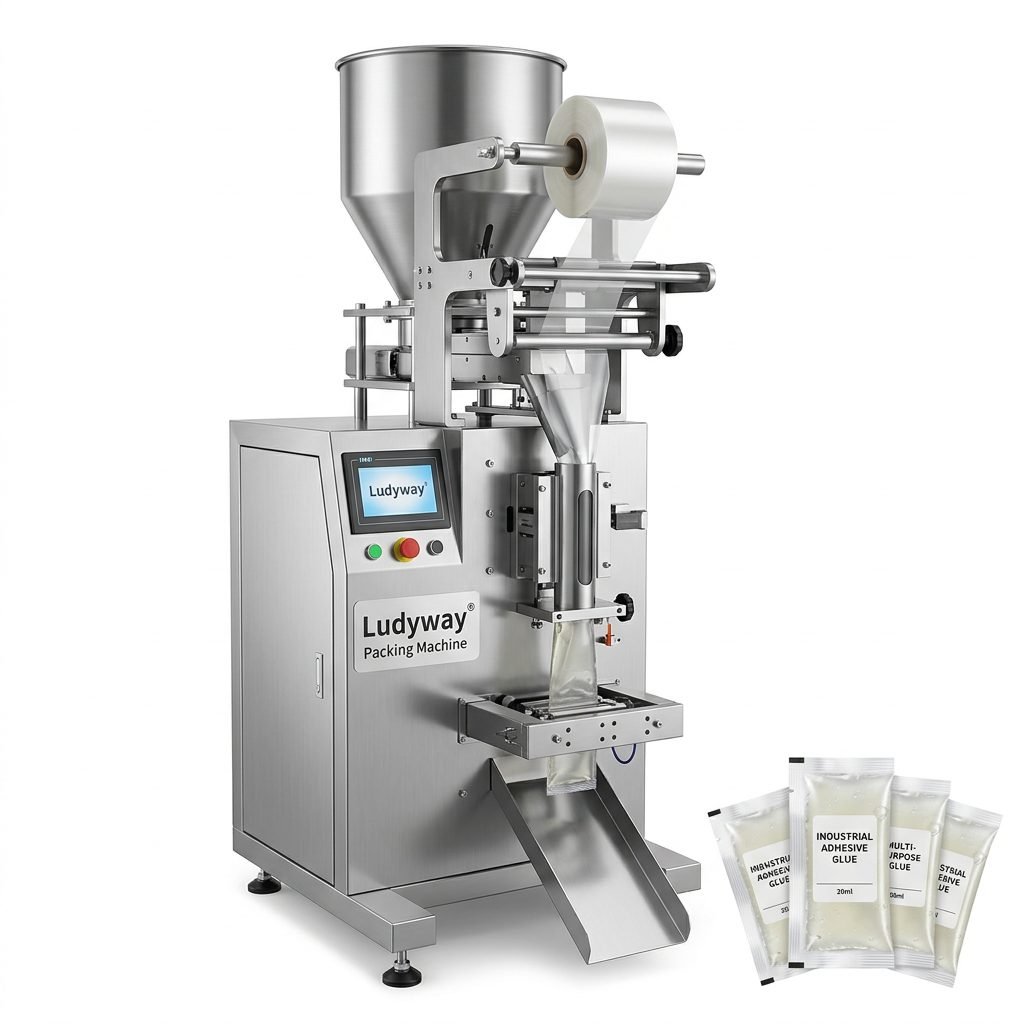
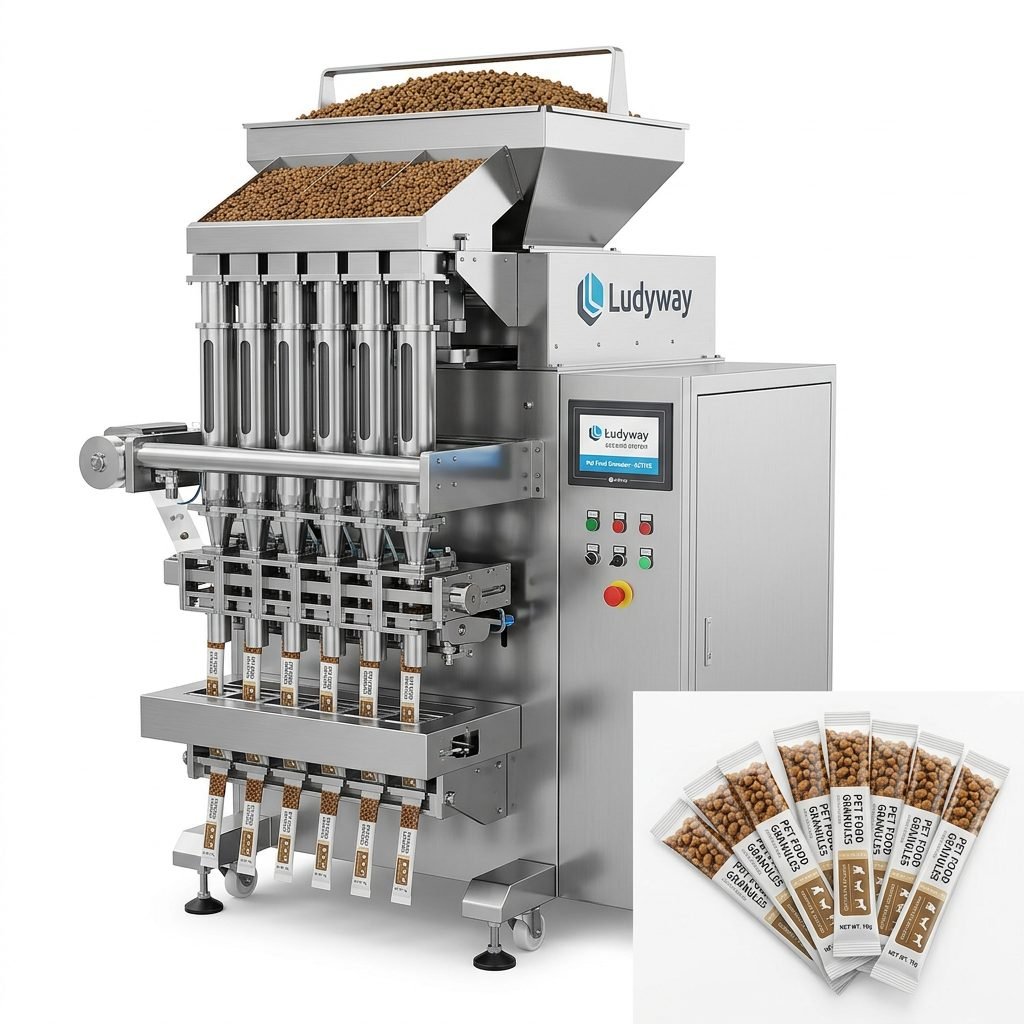
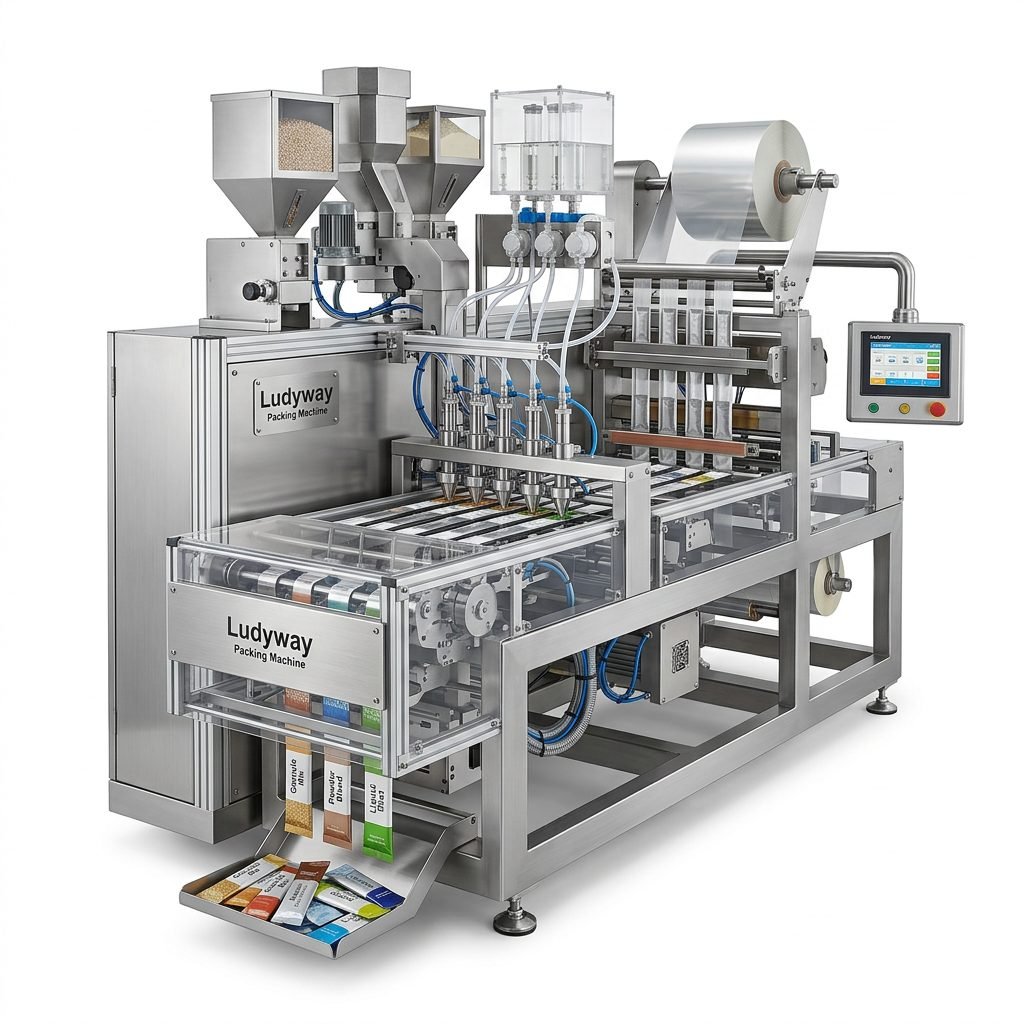
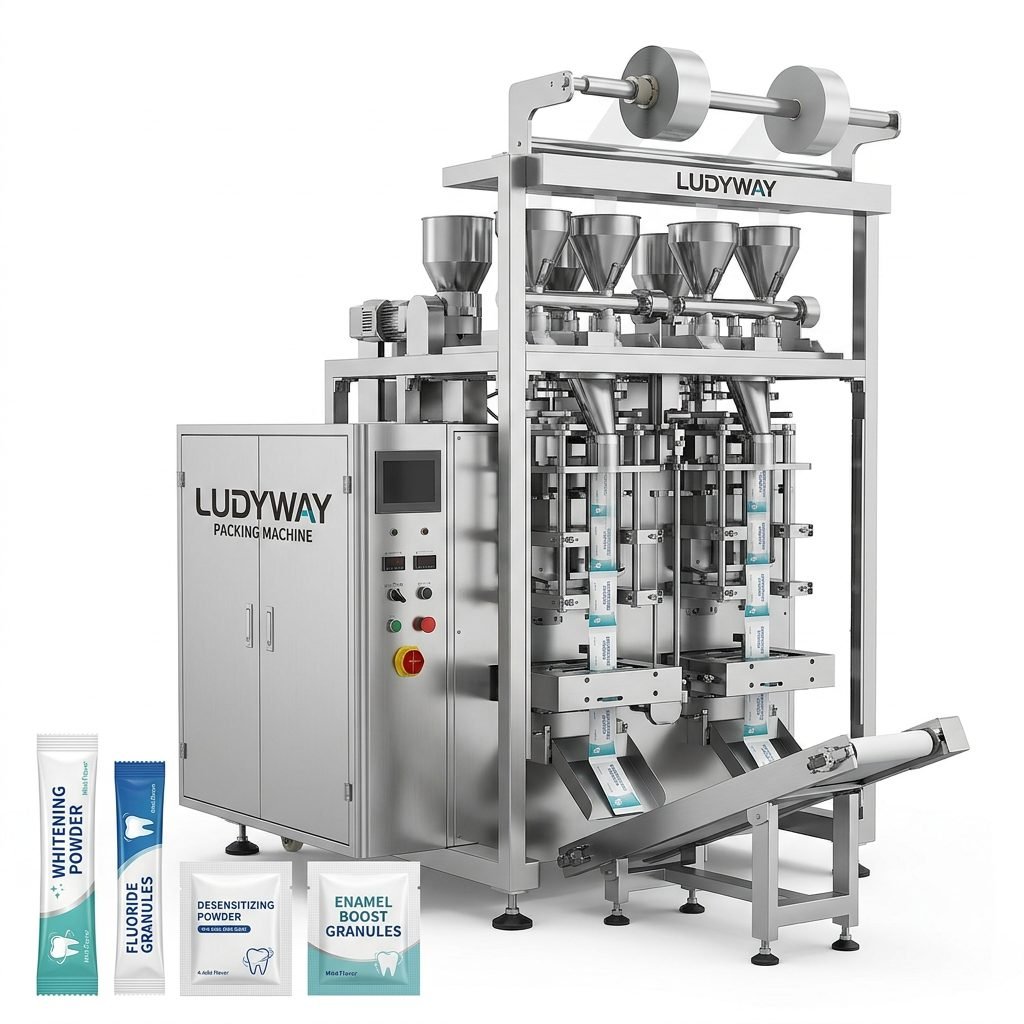
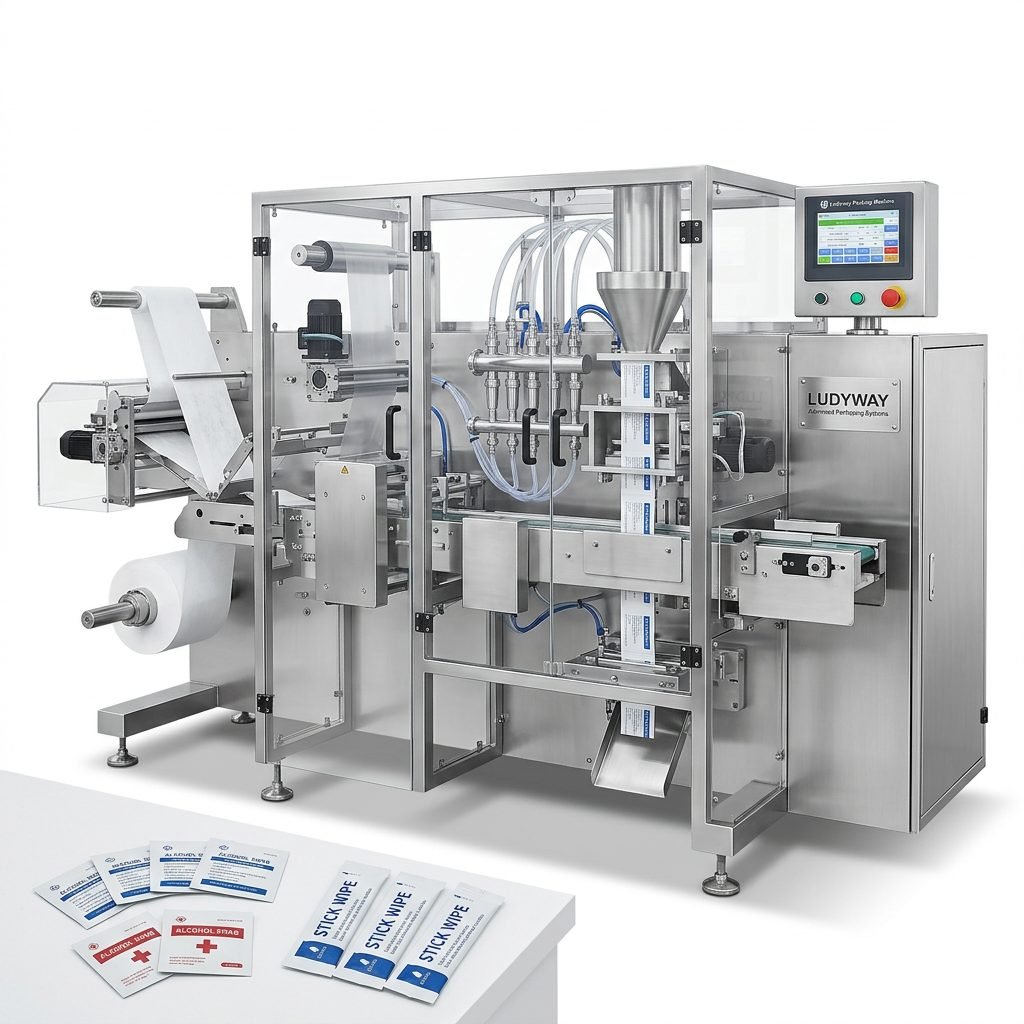
Multi-Lane Stick Pack and Sachet Machines
For portion-control butter servings ranging from 10g to 30g, multi-lane stick pack machines offer exceptional efficiency. These systems can run 4 to 20 lanes simultaneously, producing sealed, easy-tear sachets ideal for food service, airline catering, and hotel applications. Flexible packaging materials with aluminum foil barriers provide excellent light and oxygen protection for butter products.
Block Butter Wrapping Systems
Traditional 250g and 500g butter blocks require specialized wrapping equipment that handles the product gently while maintaining tight wrap integrity. Modern systems incorporate automatic film tension control, print registration for branded wraps, and integrated date coding. These machines typically operate at 80–150 packs per minute, depending on block size and wrap complexity.
Tub Filling and Sealing Lines
Butter spreads and softer butter formulations are frequently packaged in plastic tubs with foil membrane seals and reclosable lids. Complete tub filling lines include automatic de-nesting, precision dosing, seal application, lid placement, and coding stations. These systems are highly adaptable for different tub sizes, making them suitable for both retail and food service packaging.
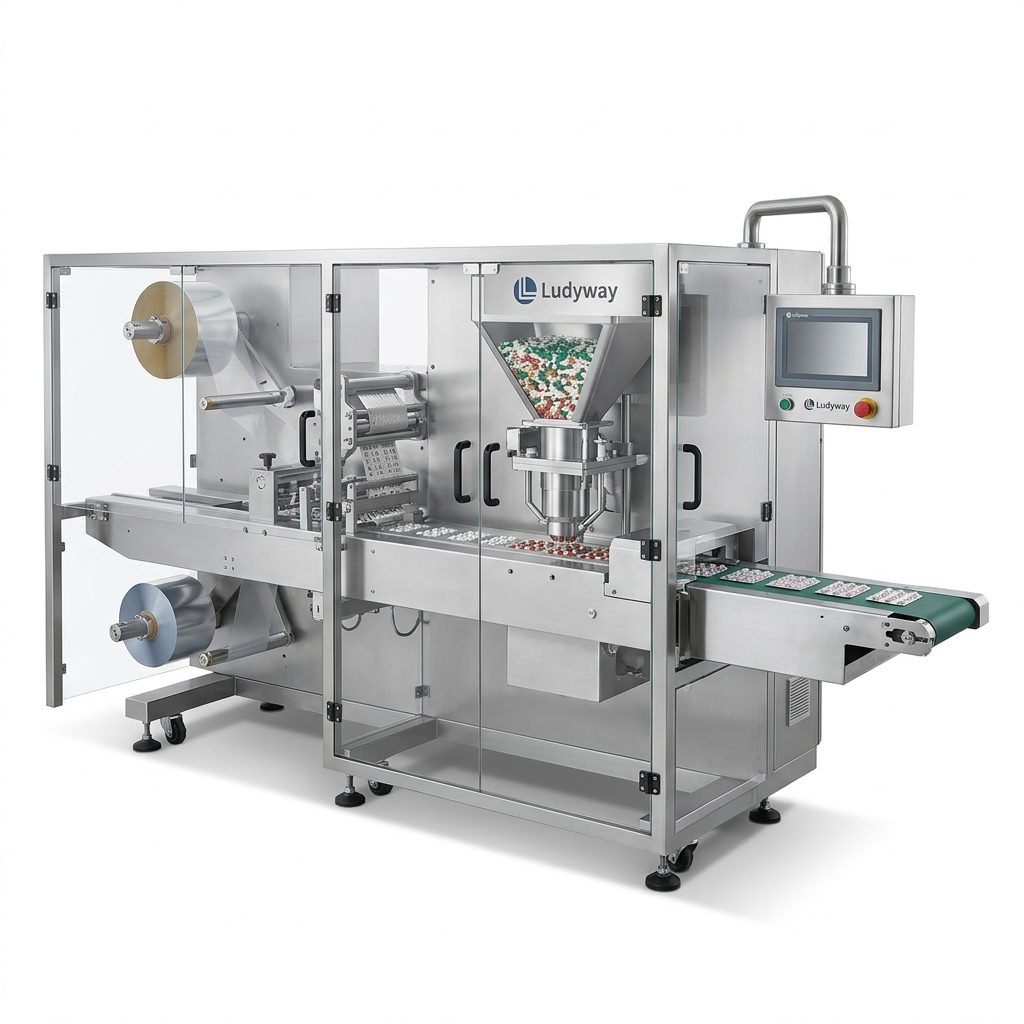
Flow-Wrap and Thermoforming Solutions
For butter products requiring modified atmosphere packaging (MAP), thermoforming and flow-wrap technologies provide extended shelf life. These systems create hermetic seals with gas flushing capabilities, reducing oxidation and maintaining product freshness throughout the distribution chain. The latest packaging industry data indicates growing adoption of MAP solutions in European dairy packaging.
Installation, Commissioning, and Validation
Once equipment is selected and the facility prepared, a structured installation and commissioning phase ensures your butter packaging line achieves operational readiness efficiently.
Pre-Installation Checklist
- Verify all utility connections meet equipment specifications
- Confirm floor load-bearing capacity for heavy machinery
- Ensure adequate clearance for material handling and operator movement
- Review installation drawings with the equipment supplier’s engineering team
- Prepare spare parts inventory for critical wear components
- Train maintenance personnel on equipment manuals and troubleshooting procedures
Commissioning and Performance Qualification
Commissioning involves systematic testing of each machine and integrated line components under real production conditions. Key performance indicators to validate include:
| Validation Parameter | Acceptance Criteria | Testing Method |
|---|---|---|
| Fill Accuracy | ±1.5% of target weight | Statistical sampling across production batches |
| Seal Integrity | Zero leaks in dye penetration test | Vacuum chamber and visual inspection |
| Line Speed | ≥95% of rated maximum output | Timed production runs with normal operator intervention |
| OEE (Overall Equipment Effectiveness) | ≥85% target | Continuous monitoring over 72-hour period |
| Code Legibility | 100% readable with barcode scanners | Automated vision system verification |
Ongoing Maintenance and Optimization
A proactive maintenance strategy maximizes equipment lifespan and minimizes costly unplanned downtime. European packaging operations typically implement a combination of preventive and predictive maintenance approaches.
Preventive Maintenance Schedule
- Daily: Clean product contact surfaces, inspect sealing jaws, verify date code accuracy
- Weekly: Lubricate moving parts, check belt tensions, calibrate sensors and weighing systems
- Monthly: Inspect electrical connections, replace worn grippers and cutting blades, test safety interlocks
- Quarterly: Comprehensive mechanical inspection, gearbox oil analysis, pneumatic system evaluation
- Annually: Full line overhaul, major component replacement, software updates, and regulatory compliance audit
Continuous Improvement Through Data Analysis
Modern butter packaging lines generate valuable operational data that can drive efficiency improvements. Track metrics such as downtime causes, material waste rates, energy consumption patterns, and quality deviation trends. Use this data to identify bottlenecks, optimize changeover procedures, and justify capital investments in line upgrades or automation enhancements.
Partnering with Reliable Equipment Suppliers
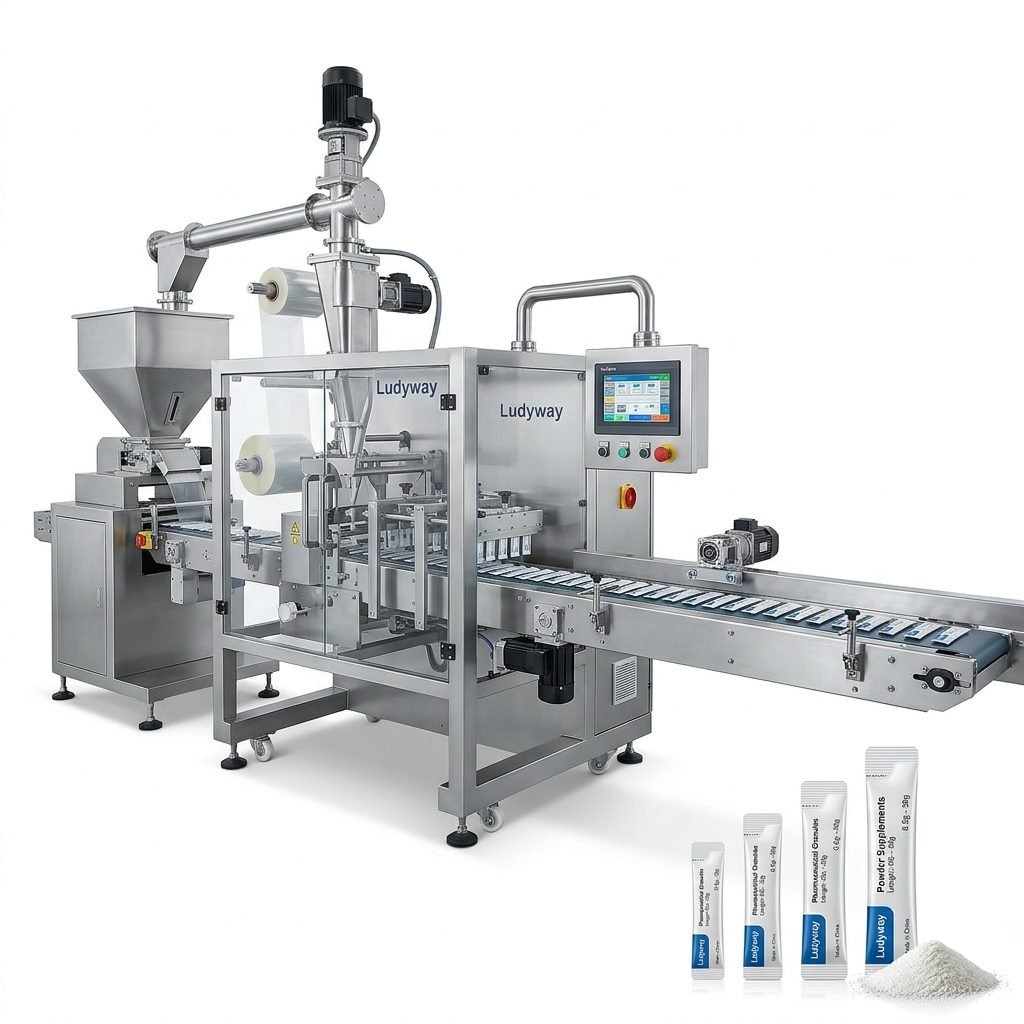
Selecting the right equipment partner is as important as choosing the machinery itself. European buyers should evaluate suppliers based on their experience with dairy and butter applications, compliance with EU regulations, after-sales support capabilities, and availability of spare parts within the European market. Suppliers with a proven track record in turnkey packaging solutions can significantly reduce project risk and accelerate time-to-market for new butter products.
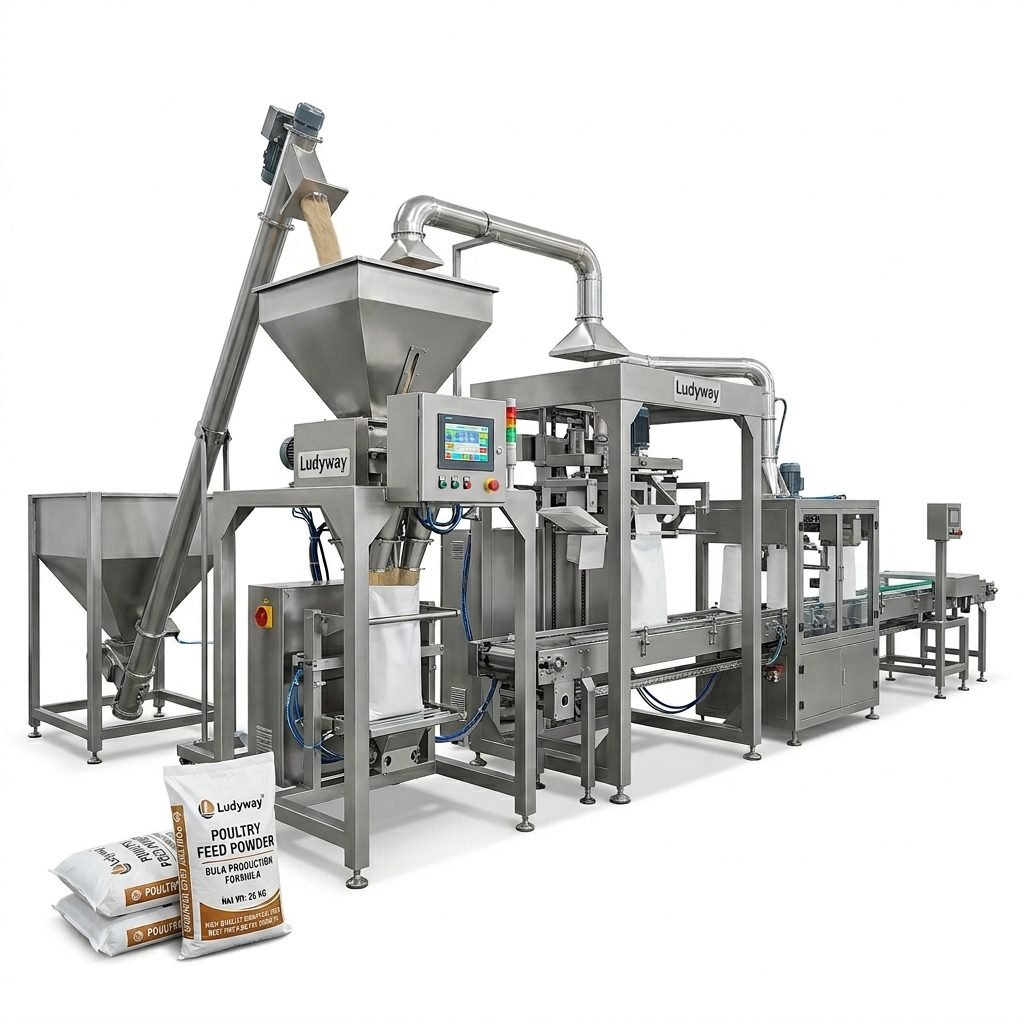
Among global packaging machine manufacturers, Ludyway has established itself as a significant player, operating from a modern 20,000㎡ facility and offering over 50 intelligent packaging machine models. For European buyers evaluating equipment options, considering suppliers with robust international project experience and comprehensive technical support can streamline the setup process. For more information on packaging technology advancements, industry professionals can consult resources from PMMI – The Association for Packaging and Processing Technologies and the Flexible Packaging Association.
Key Takeaways for European Butter Packaging Success
Setting up a butter packaging machine production line in Europe requires careful planning across regulatory, technical, and operational dimensions. Success depends on thorough preparation, informed equipment selection, and ongoing optimization. Manufacturers who invest in understanding European market requirements, selecting appropriate packaging technologies, and building strong supplier relationships position themselves for sustainable growth in this dynamic market.
The European butter sector continues to evolve, with innovation in packaging formats, sustainability demands, and automation capabilities shaping the competitive landscape. By following the guidance outlined in this complete guide, food manufacturers can establish efficient, compliant, and future-ready butter packaging operations that meet the expectations of European consumers and retailers alike.