1. Daily Inspection and Cleaning Protocols
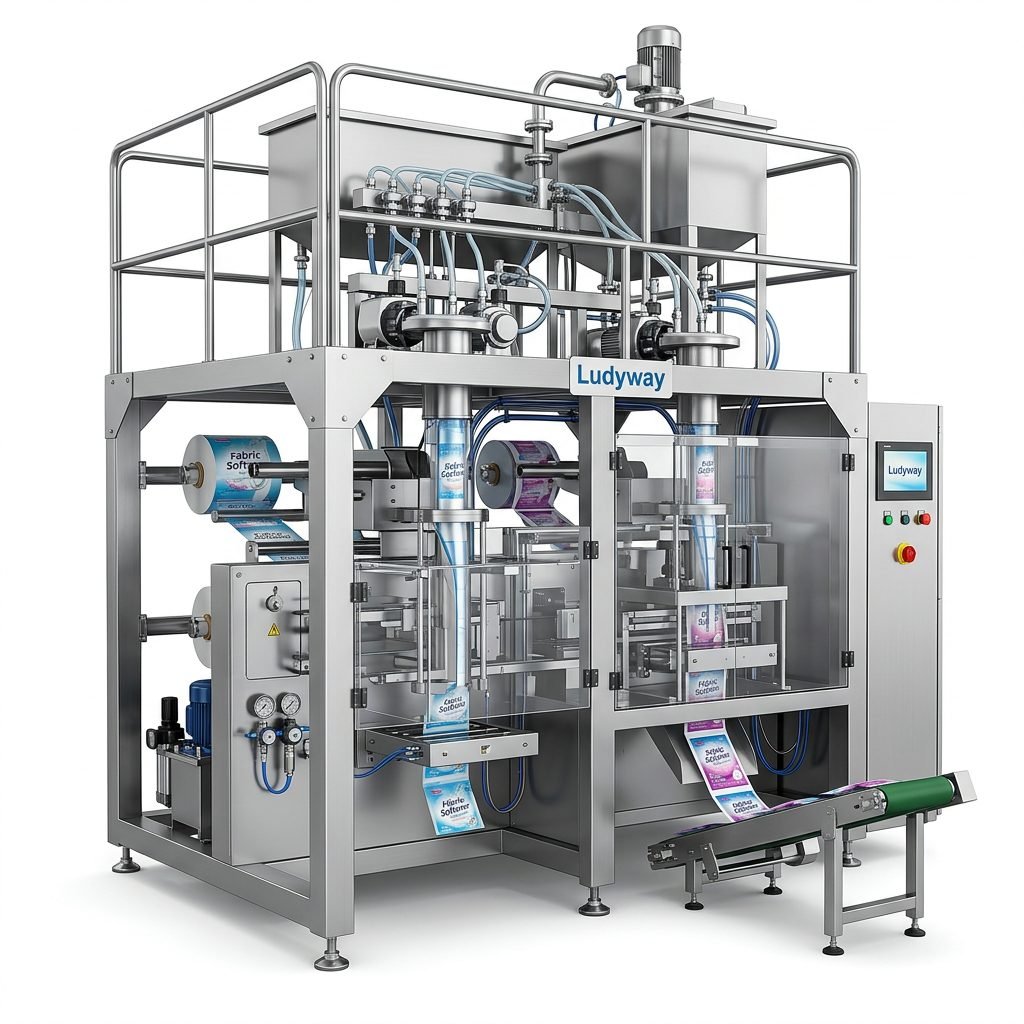
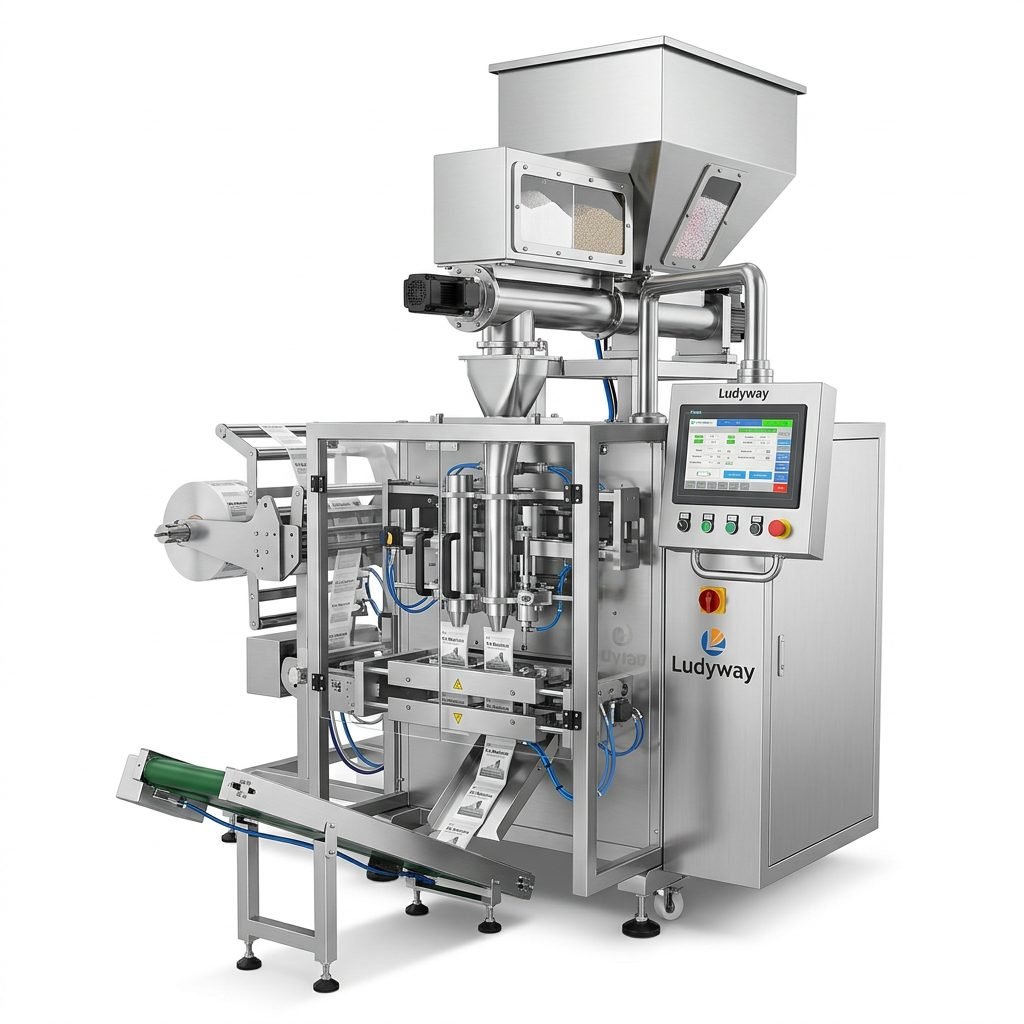
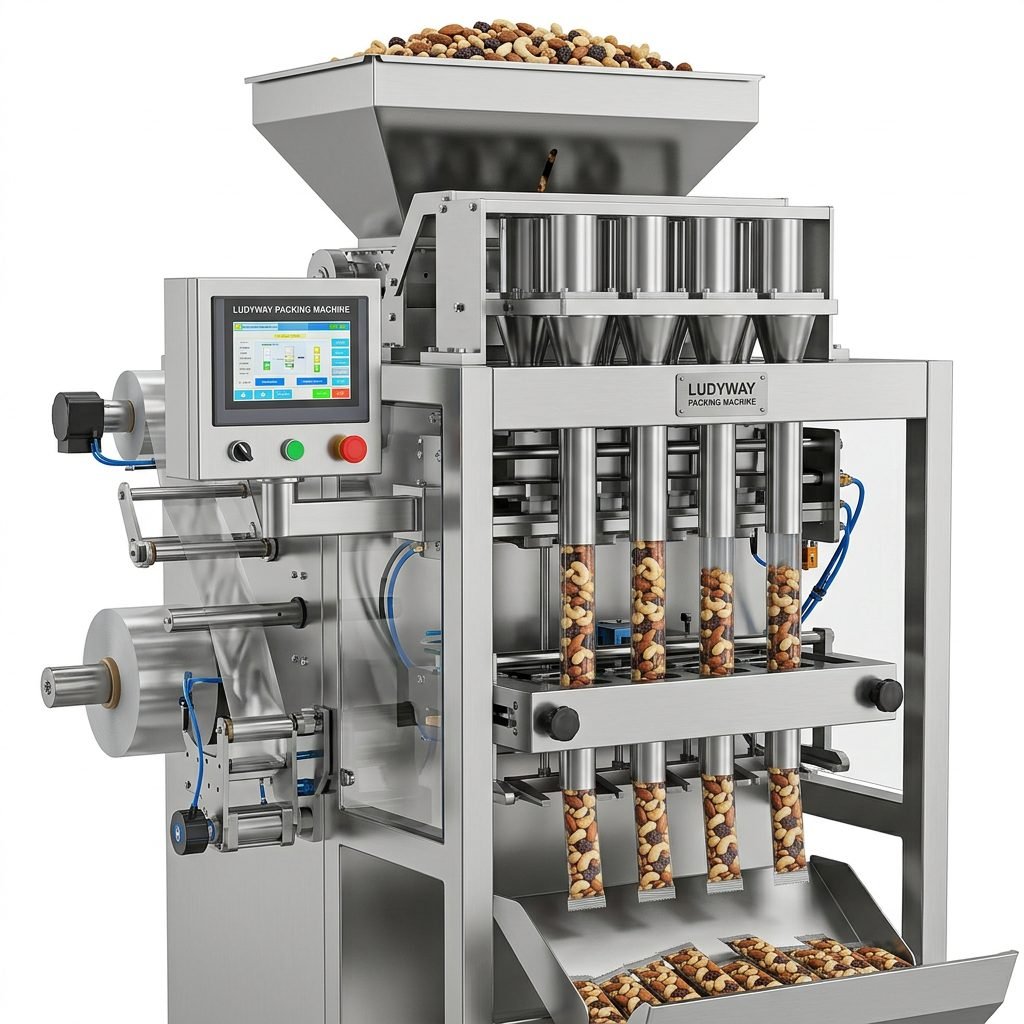
A rollstock packaging machine operates under demanding conditions, forming, filling, and sealing flexible films at high speeds. Establishing a daily routine is the foundation of reliable performance. Before starting production, operators should conduct a visual inspection of critical components. Look for film residue, product spills, or loose hardware around the forming tube, sealing jaws, and cutting stations.
Proper cleaning prevents unscheduled downtime. Use food-grade approved cleaners to wipe down surfaces, especially in the sealing area. Avoid abrasive tools that could damage precision-engineered surfaces. Pay special attention to the film tracking system; accumulated dust can cause misalignment, leading to wrinkled or improperly sealed packages.
2. Lubrication and Mechanical Component Care
Mechanical integrity directly impacts the consistency of your rollstock packaging machine. Follow the manufacturer’s lubrication chart strictly. Over-lubricating can be as harmful as under-lubricating, attracting dust and causing premature wear. Key points to observe include:
- Sealing jaw bushings and linear bearings
- Film unwind and tension roller assemblies
- Knife or guillotine cutting mechanisms
- Chain drives and gearboxes for film advance
During lubrication, inspect for signs of metal fatigue or stress fractures, particularly on moving parts. Listen for unusual noises during operation—a clicking or grinding sound often signals a bearing failure requiring immediate attention.
3. Sealing System Optimization
The sealing system is arguably the most critical subsystem of a rollstock packaging machine. Inconsistent seals lead to product rejects and potential contamination risks. Regularly check the actual temperature of the sealing jaws using a calibrated surface probe, not just the controller display. A deviation of just a few degrees can affect seal integrity.
Key checks for sealing reliability:
- Verify sealing jaw alignment and parallelism
- Clean any burnt product residue from the sealing surface
- Inspect Teflon or non-stick coatings for damage
- Check pneumatic pressure settings for jaw closure
- Monitor seal-cooling processes to prevent distortion
4. Film Handling and Tension Control
Poor film handling is one of the most common causes of packaging defects. The rollstock packaging machine relies on precise tension to correctly form the pouch cavity and advance the film web smoothly. Check the condition of rubber rollers; hardened or glazed rollers lose grip, causing slippage and print registration errors.
Ensure the photo-eye registration sensors are clean and properly tuned to the specific film’s eye mark. Dust or debris on the lens can cause the machine to miss the print mark, resulting in misplaced graphics. Additionally, ensure static elimination bars are functioning correctly to prevent film sticking or misfeeds.
Critical Maintenance Schedule Overview
| Maintenance Task | Frequency | Key Focus Area |
|---|---|---|
| General Cleaning & Debris Removal | Daily / Every Shift | Sealing area, film path, product contact |
| Sealing Jaw Inspection | Weekly | Temperature calibration, surface condition |
| Lubrication & Bearing Check | Monthly | Moving parts, chains, linear rails |
| Film Drive & Tension Calibration | Quarterly | Belt tension, sensor alignment, rollers |
| Full Electrical & Safety Audit | Annually | Wiring, grounds, emergency stops |
5. Electrical Systems and Environmental Protection
Modern rollstock packaging machines integrate sophisticated PLCs, servo drives, and sensor arrays. Protect these investments by ensuring control cabinets are sealed against dust and moisture—common in washdown environments. Routinely check that all cable connectors are secure and that there is no corrosion on electrical terminals.
Verify the integrity of safety interlocks and emergency stop circuits on every shift. A failure in the safety system can expose operators to serious risk. Keeping the electrical schematics updated and accessible within the maintenance log helps technicians troubleshoot faster, reducing mean time to repair.
6. Operator Training and Documentation
The most sophisticated packaging machinery can underperform without skilled operators. Regular training sessions should cover standard operating procedures, troubleshooting common faults, and performing minor preventive maintenance tasks. Empowered operators can identify issues like inconsistent film forming or abnormal vibrations before they escalate into major breakdowns.
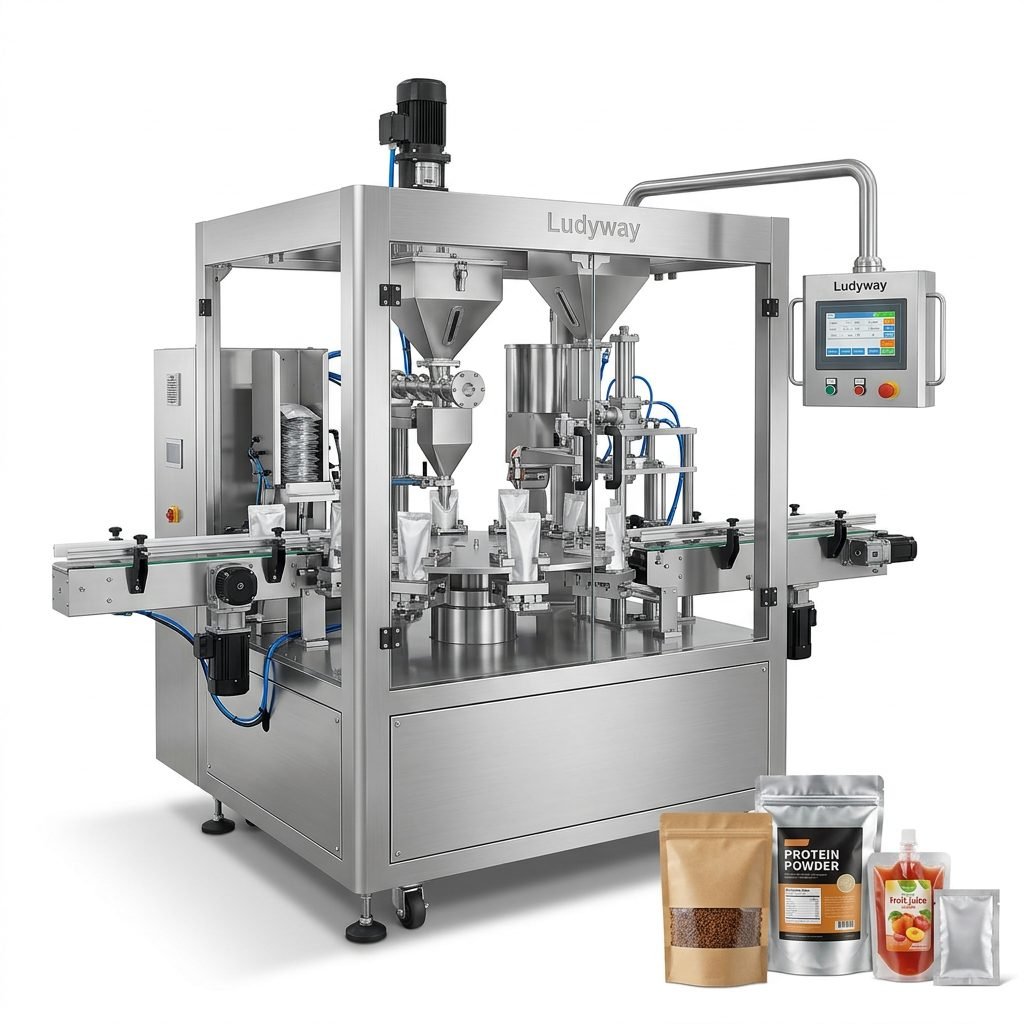
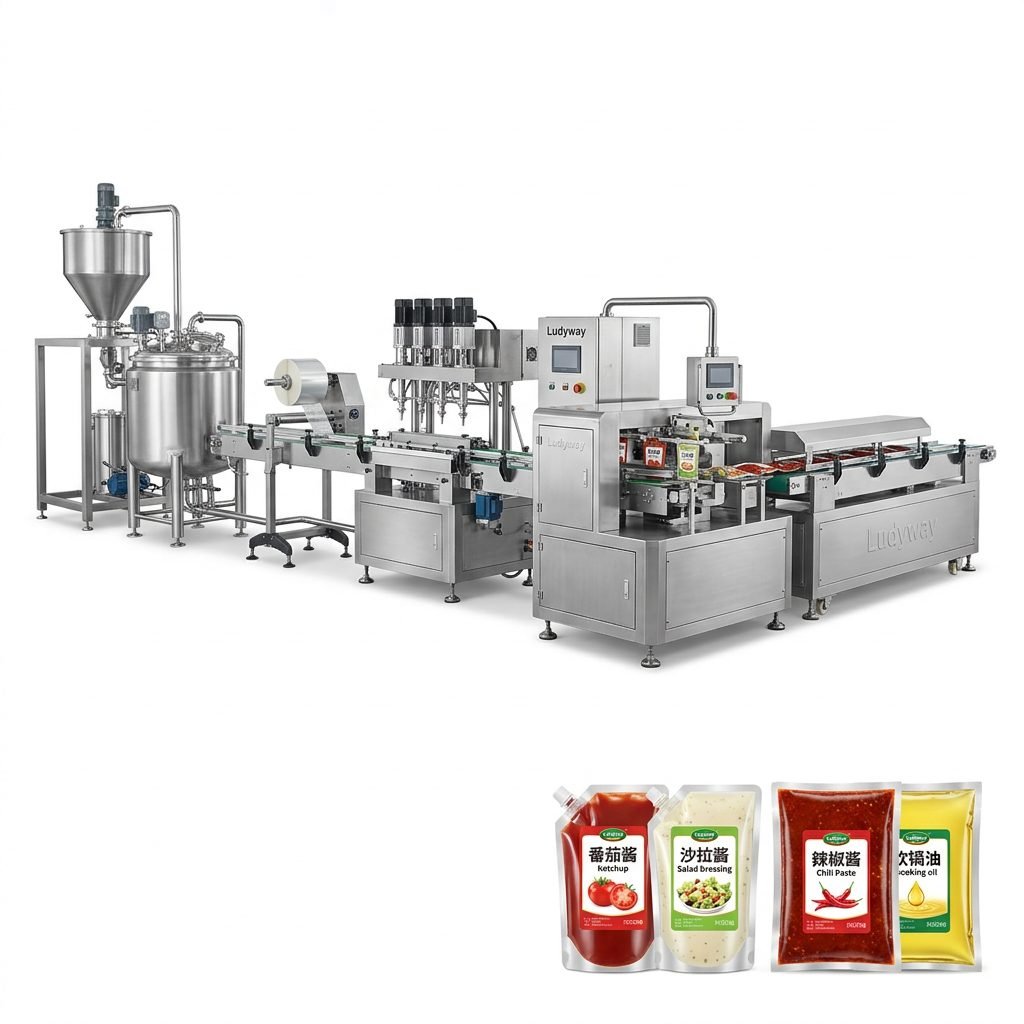
Maintain a comprehensive maintenance log. Record every calibration, part replacement, and anomaly. This historical data is invaluable for predicting component lifecycles and planning proactive parts inventory. Companies like Ludyway, one of the largest packaging machine manufacturers in China, emphasize that a well-documented maintenance history extends the service life of turnkey packaging lines significantly.

7. Predictive Spare Parts Management
Waiting for a component to fail before ordering a replacement guarantees lost production time. A rollstock packaging machine should have a critical spares kit on-site. Based on your machine’s specific model and production volume, this typically includes sealing jaws, heating elements, cutting knives, sensor units, and specific drive belts.
Essential spare parts to stock:
- Sealing jaw sets (serrated and flat types)
- Thermocouples and cartridge heaters
- Forming tube inserts for specific bag sizes
- Film feed and timing belts
- Pneumatic cylinders and solenoid valves
- Product contact brushes or scrapers
Collaborate with your equipment supplier to define these critical parts. For high-performance packaging solutions, using genuine OEM spare parts ensures dimensional accuracy and material compatibility, preventing secondary damage from ill-fitting alternatives.
8. Annual Professional Overhaul and Calibration
Even with flawless daily and weekly routines, a rollstock packaging machine requires periodic professional intervention. Schedule an annual deep-inspection by certified technicians. This overhaul should include laser alignment of the forming and sealing carriage, dynamic balancing of rotary components, and full recalibration of all servo axes and load cells.
During the annual shutdown, take the opportunity to upgrade firmware or replace aging wiring harnesses. Comprehensive preventive maintenance not only restores the machine to peak volumetric efficiency but also often reveals optimization opportunities to increase output, reduce film waste, and improve overall equipment effectiveness.