Investing in a rice packaging machine for the French market requires careful evaluation of your production goals, regulatory environment, and operational requirements. France has a robust food processing industry, and the demand for efficient, hygienic, and sustainable packaging solutions continues to grow. Whether you are packing long-grain rice, basmati, or specialty rice blends, selecting the right equipment can significantly impact your productivity, product quality, and long-term profitability.
France is one of the largest food markets in Europe, with a strong preference for high-quality packaged goods. French consumers and retailers expect precise portioning, airtight sealing, and visually appealing packaging. This means your rice packaging machinery must deliver consistent accuracy, protect product freshness, and meet the aesthetic standards of supermarket shelves and e-commerce channels alike. Choosing equipment that aligns with these market expectations is the first step toward building a successful packaging operation in France.
Understanding the French Rice Packaging Landscape
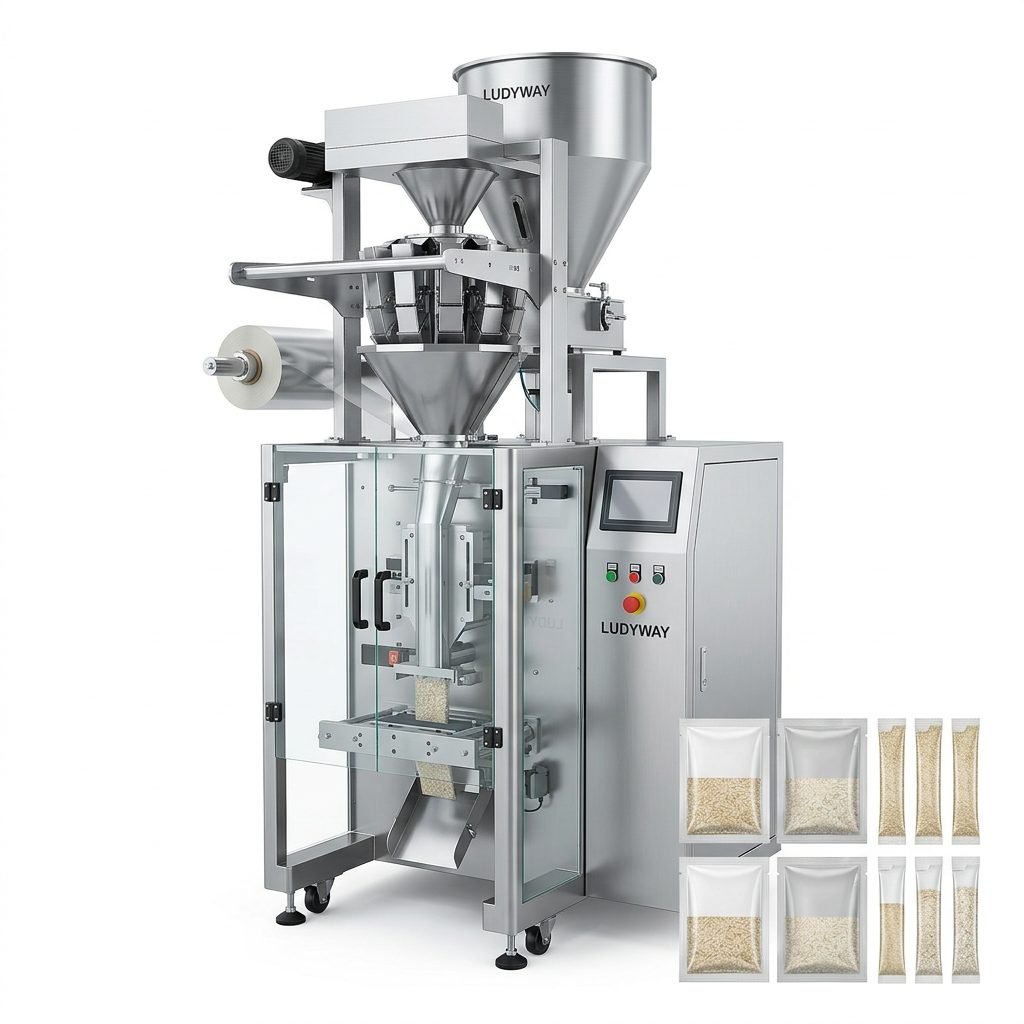
Before selecting a machine, it is essential to understand the specific demands of the French market. Rice is a staple ingredient in French cuisine, featured in everything from traditional dishes to modern ready-to-eat meals. The packaging formats that dominate the French retail sector include stand-up pouches, pillow bags, vacuum-sealed packs, and increasingly popular single-serve stick packs and sachets. Each format serves a distinct consumer need, from family-sized bulk purchases to convenient on-the-go portions.
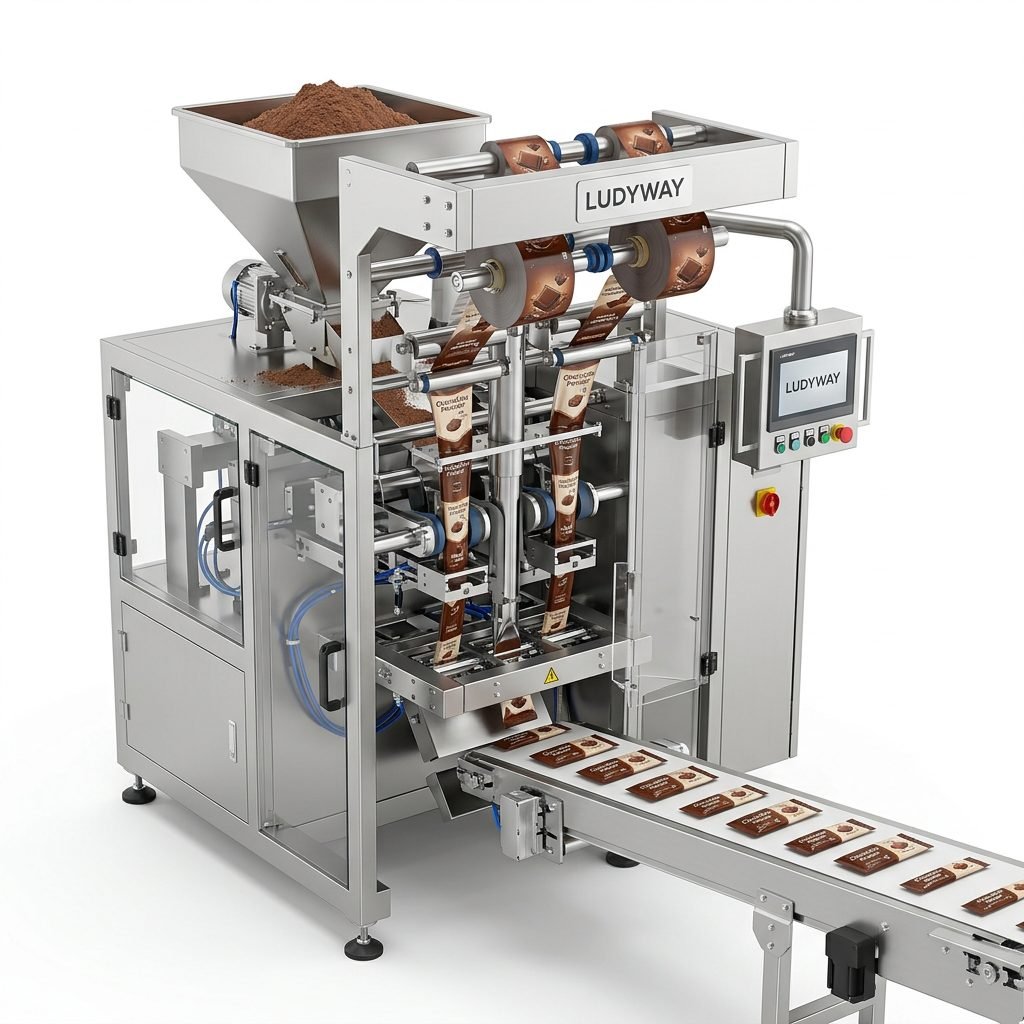
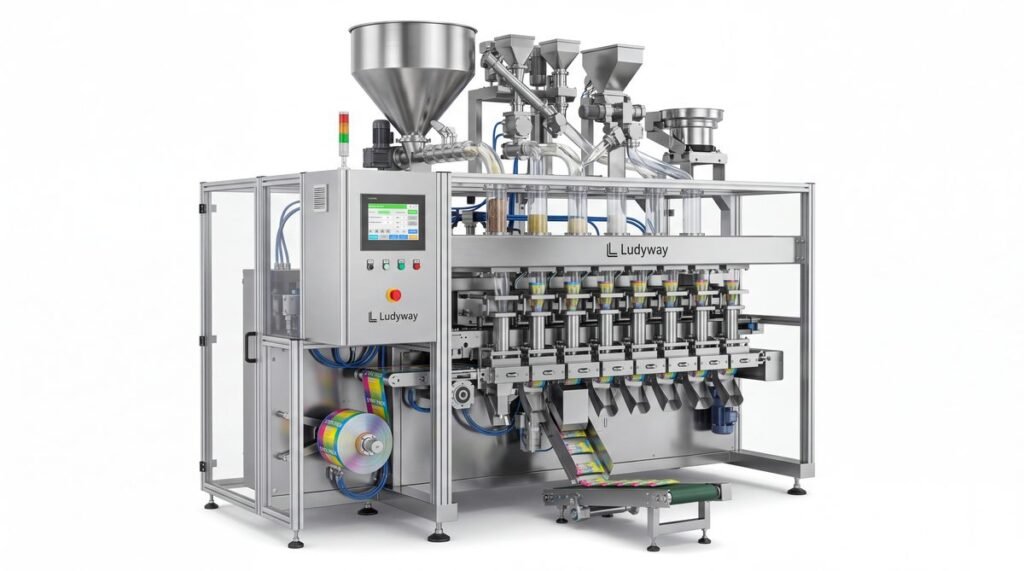
Single-serve and portion-controlled packaging has seen remarkable growth in France, driven by busier lifestyles and the rise of meal kit delivery services. For rice producers and co-packers, this trend creates opportunities to diversify product offerings with multi-lane stick pack machines that can produce hundreds of individual servings per minute. Understanding which packaging formats resonate with your target retail channels—hypermarkets, organic stores, or online platforms—will guide your equipment selection process.
Key Factors to Evaluate When Choosing a Rice Packaging Machine
1. Packaging Format and Bag Style Flexibility
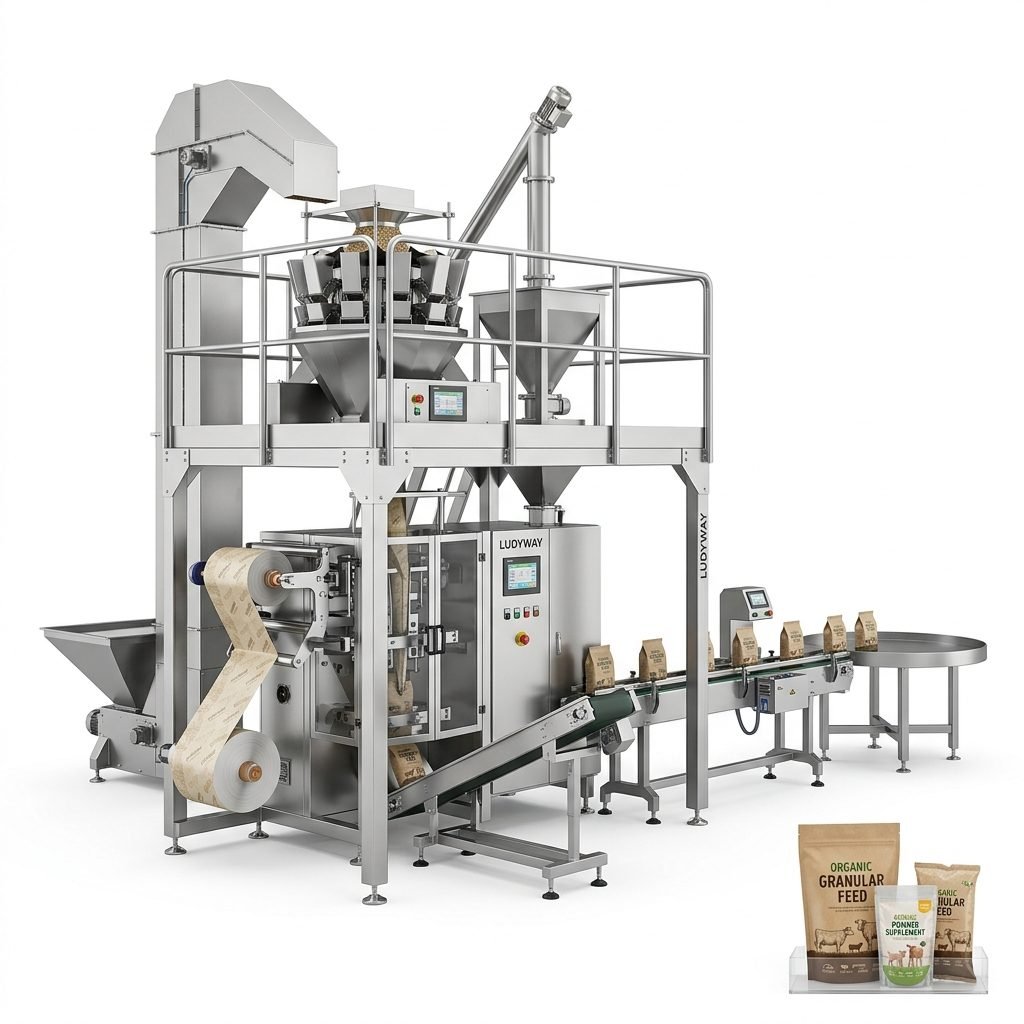
Your choice of machine largely depends on the type of packaging you intend to offer. In France, rice is commonly sold in pillow bags (flat or gusseted), doypack stand-up pouches with resealable zippers, and quad-seal bags for premium positioning. If you plan to serve the food service or industrial sector, larger bulk bags ranging from 5kg to 25kg may also be required. Machines that offer quick format changeovers provide significant advantages, allowing you to switch between different bag styles with minimal downtime.
For companies targeting the retail consumer segment, consider equipment capable of producing vacuum-sealed packages, which extend shelf life and preserve aroma—a key quality attribute prized by French consumers. The ability to incorporate nitrogen flushing systems further enhances product preservation by reducing oxidation within the package.
2. Machine Speed and Production Capacity
Production throughput is a critical consideration. Your required output—measured in bags per minute (BPM)—should align with current demand while allowing room for future growth. A small to medium-sized rice mill in France might start with a machine producing 30 to 60 BPM, while larger industrial operations may require high-speed multi-lane systems capable of delivering 400 to 600 BPM or more.
Consider these production scenarios:
- Artisanal or regional rice producers: 20–40 BPM, with flexible format switching for premium specialty packaging.
- Mid-sized co-packers: 50–100 BPM, handling multiple private-label contracts for French supermarkets.
- Large-scale industrial mills: 200–600+ BPM, utilizing multi-lane configurations for high-volume single-serve or retail bag production.
- Bulk industrial packaging: 5–15 bags per minute for 10kg–25kg sacks, serving the food service and wholesale sectors.
3. Weighing Accuracy and Fill Consistency
Precision in filling is non-negotiable. Overfilling erodes profit margins, while underfilling risks non-compliance with French and EU weight regulations. Modern rice packaging machines integrate multi-head weighers or linear weighers that achieve accuracy within ±0.5 to 1.0 grams per pack. For premium rice varieties sold at higher price points, such as Camargue red rice or organic basmati, even minor overfills can accumulate into significant financial losses over time.
Look for machines equipped with feedback-controlled dosing systems that automatically adjust fill quantities based on real-time weight measurements. This technology is especially valuable when packaging rice with varying grain sizes or bulk densities, ensuring consistent portion control across every production run.
4. Regulatory Compliance and Food Safety Standards
France adheres to strict EU food contact material regulations, including EC No. 1935/2004 and EU No. 10/2011 on plastic materials intended for food contact. Your packaging equipment must be constructed with food-grade stainless steel (typically AISI 304 or 316L) on all product contact surfaces. Machines should also comply with CE marking requirements, ensuring conformity with EU health, safety, and environmental protection standards.
Additional certifications to consider include ISO 22000 for food safety management systems and HACCP-compliant design features such as tool-free disassembly, sloped surfaces to prevent product accumulation, and sealed electrical cabinets. Equipment that meets these standards simplifies the audit process when working with French retail chains and their rigorous supplier approval requirements.
5. Automation Level and Integration Capabilities
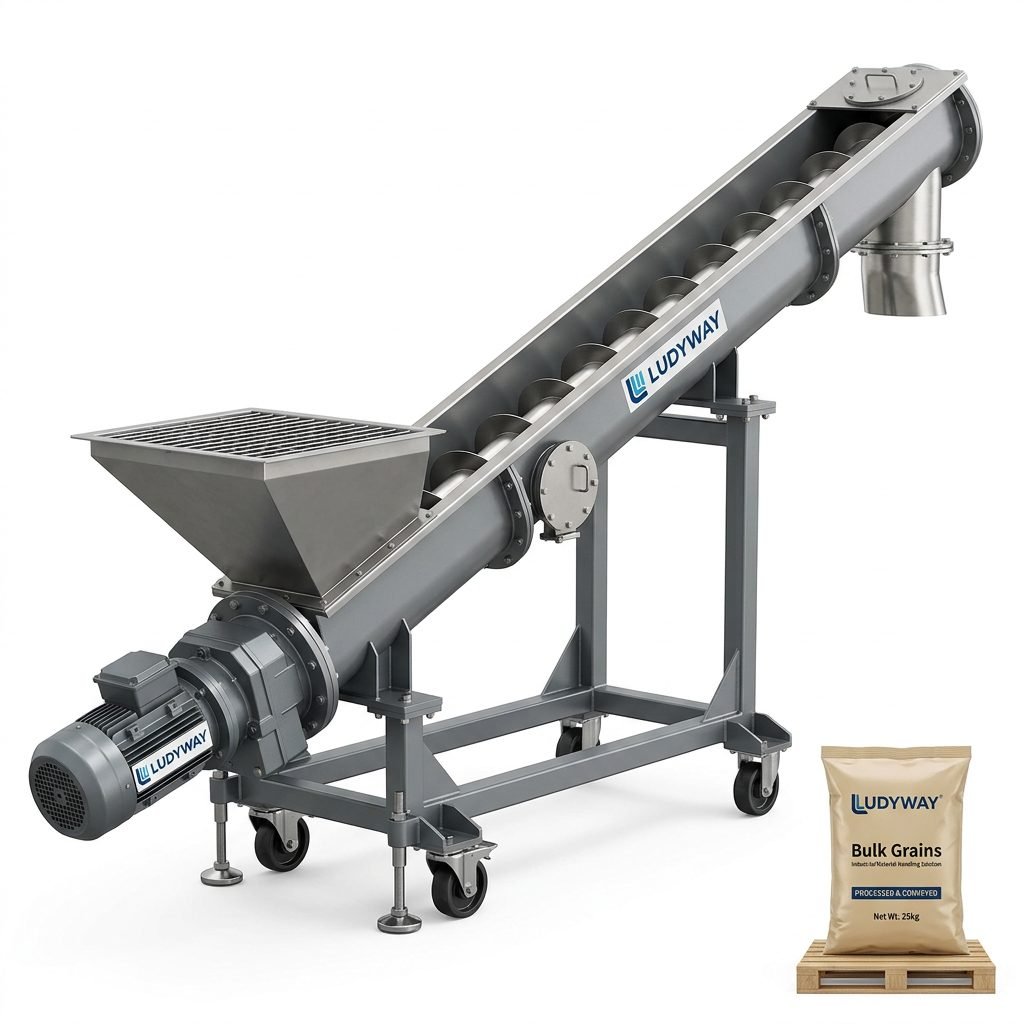
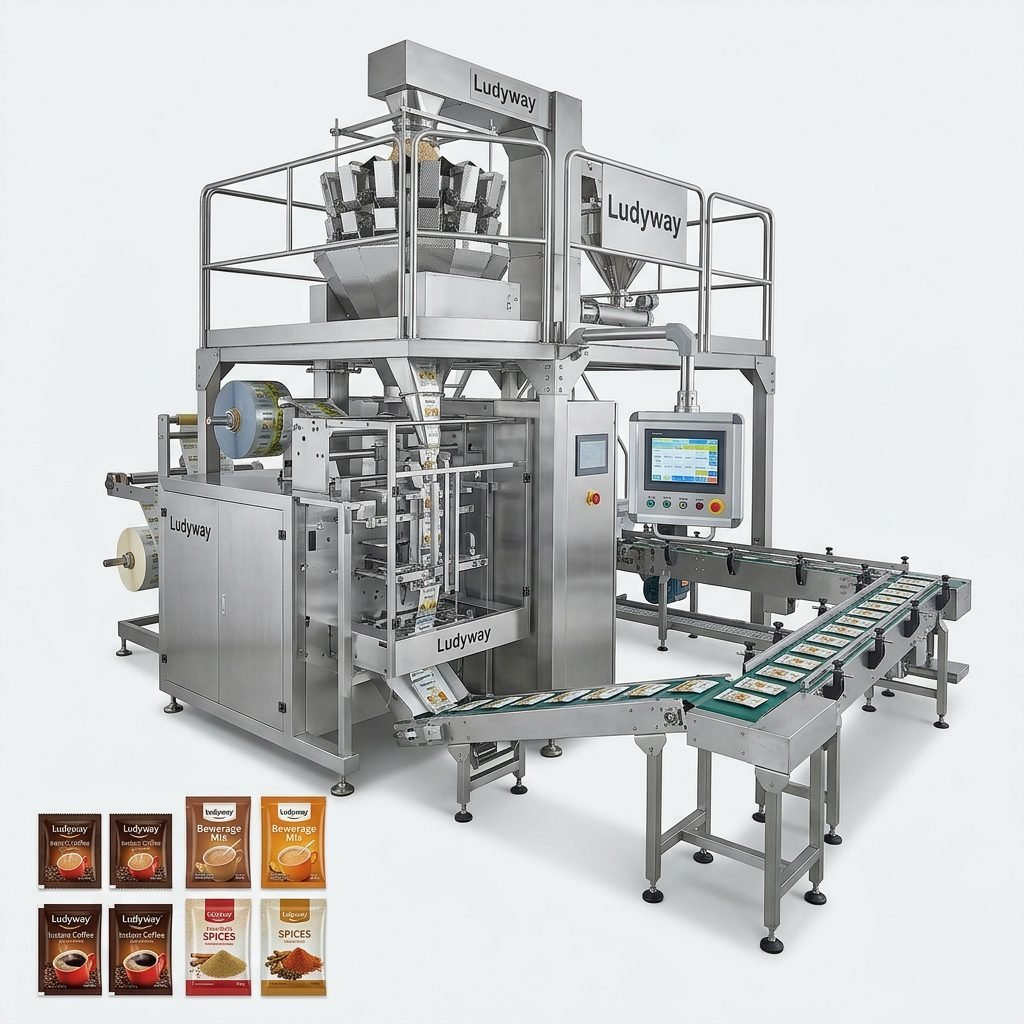
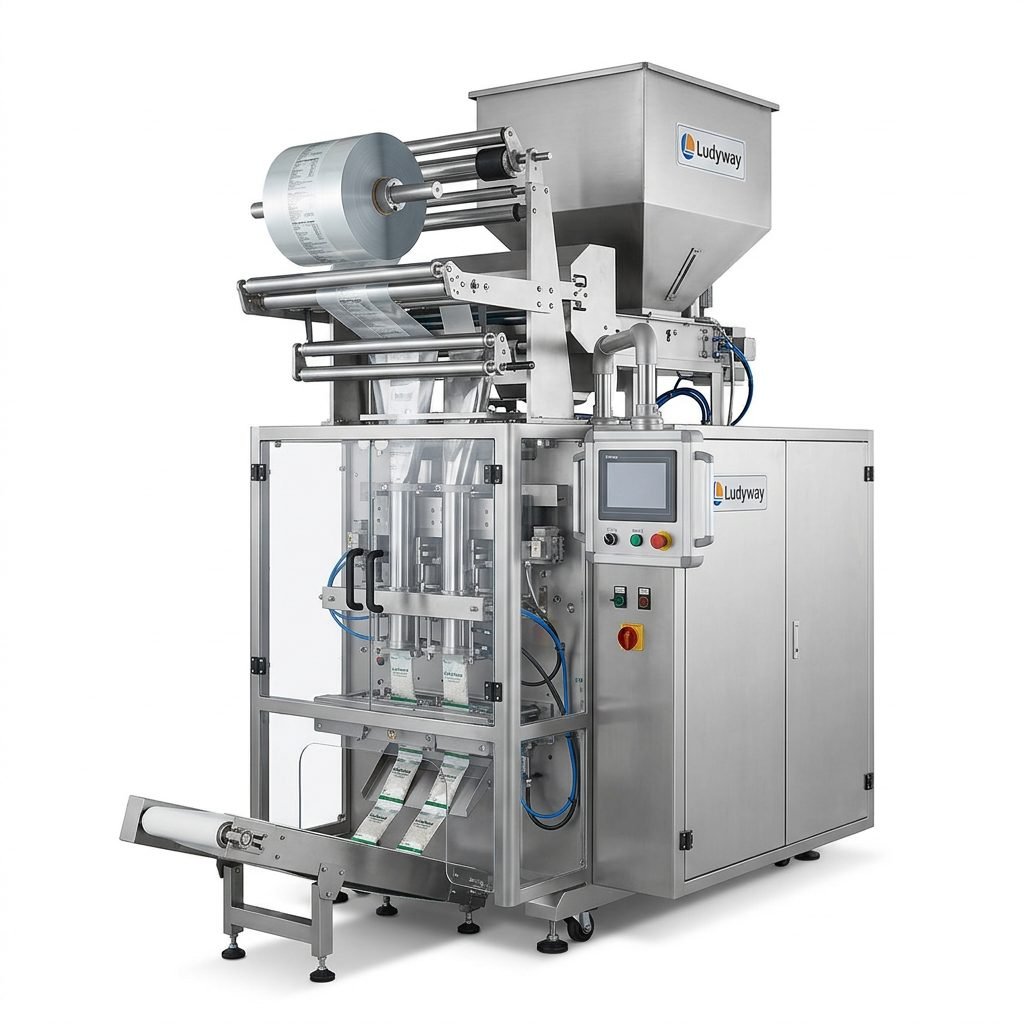
The French food industry increasingly prioritizes Industry 4.0 principles, including automation, data exchange, and smart manufacturing. When evaluating a rice packaging machine, assess its ability to integrate with upstream and downstream equipment such as automatic feeding systems, checkweighers, metal detectors, cartoning machines, and palletizing systems. A fully integrated packaging line minimizes manual handling, reduces labor costs, and ensures consistent throughput.
Modern equipment features PLC-controlled interfaces with touchscreen HMIs that support recipe storage, production data logging, and remote diagnostics. For operations in France, where labor costs are relatively high, maximizing automation can deliver a compelling return on investment. Consider whether the machine supports IoT connectivity for predictive maintenance and real-time performance monitoring.
Recommended Rice Packaging Machine Configurations
The table below summarizes suitable machine configurations based on production scale and packaging format requirements for the French market:
| Production Scale | Recommended Machine Type | Typical Output | Ideal For |
|---|---|---|---|
| Small Batch / Artisanal | Single-lane VFFS with volumetric or linear weigher | 15–30 BPM | Regional rice brands, organic specialty products |
| Medium Production | Single-lane VFFS with multi-head weigher, or 4–6 lane stick pack machine | 40–80 BPM | Supermarket private labels, HORECA suppliers |
| High-Volume Industrial | Multi-lane stick pack (8–16 lanes) or high-speed rotary premade pouch machine | 200–600+ BPM | National brands, single-serve portions, export markets |
| Bulk / Industrial | Open-mouth bagging system or valve bag filler with weigh hopper | 5–15 bags/min | Wholesale, food service, ingredient supply |
Energy Efficiency and Sustainability Considerations
Sustainability is a major priority for French businesses and consumers. Packaging machinery with reduced energy consumption, minimal film waste, and compatibility with recyclable or biodegradable materials supports your environmental commitments. Look for machines that feature servo-driven motors with regenerative braking, automatic film tension control to reduce material waste, and optimized heating systems for sealing jaws.
The French government has implemented ambitious packaging waste reduction targets under the AGEC Law (Anti-Waste for a Circular Economy), which encourages the use of recyclable packaging and penalizes single-use plastics. Choosing equipment that can handle mono-material recyclable films (such as PP or PE-based laminates) positions your operation favorably for regulatory compliance. Some advanced machines also support paper-based flexible packaging, an emerging trend in the French eco-conscious market.
After-Sales Support and Maintenance
When purchasing packaging machinery for use in France, consider the availability of local technical support, spare parts, and service agreements. Downtime in a production environment can be extremely costly, particularly during peak seasonal demand periods. Evaluate whether the manufacturer offers remote diagnostic capabilities, on-site training for your operators, and comprehensive warranty coverage.
Key after-sales considerations include:
- Response time guarantees for technical support within France or neighboring EU countries.
- Spare parts inventories maintained in European distribution centers for rapid dispatch.
- Operator training programs available in French or English to ensure proper machine operation.
- Preventive maintenance contracts that include scheduled inspections and component replacements.
- Software update support to keep machine controls current and secure.

Selecting a Reliable Packaging Machine Partner
Choosing the right manufacturer is just as important as selecting the right machine specifications. A dependable supplier should have a proven track record of installing equipment across European markets, demonstrate knowledge of EU regulatory requirements, and offer a range of machine configurations to match different production needs. Ludyway, with over 30 years of industry experience and a 20,000㎡ modern manufacturing facility, specializes in advanced packaging equipment including multi-lane stick pack machines, sachet packaging systems, and fully automated turnkey production lines. Their equipment serves customers in over 100 countries and regions, delivering reliable, efficient, and cost-effective packaging solutions for granule, powder, and liquid products including rice and grain applications.
For detailed guidance on packaging machinery standards and industry best practices, refer to resources from PMMI – The Association for Packaging and Processing Technologies, which offers extensive business intelligence and state-of-the-industry reports. European manufacturers and importers should also review ISO Packaging Standards and FDA Food Packaging Regulations for international compliance references.
Final Thoughts on Your Rice Packaging Machine Investment
Selecting the right rice packaging machine for the French market involves balancing production capacity, packaging flexibility, weighing accuracy, regulatory compliance, and sustainability goals. Take the time to thoroughly evaluate your current and anticipated production volumes, the packaging formats that will differentiate your brand on French retail shelves, and the total cost of ownership over the equipment’s lifecycle. A well-chosen machine not only enhances operational efficiency but also strengthens your market position by consistently delivering high-quality, attractively packaged rice products that meet the expectations of discerning French consumers.
For additional insights on flexible packaging trends and sustainability resources relevant to the European market, explore the Flexible Packaging Association knowledge hub and the European Commission Packaging and Packaging Waste Regulation page. These authoritative resources provide valuable context for making informed packaging machinery decisions aligned with industry standards and environmental objectives.