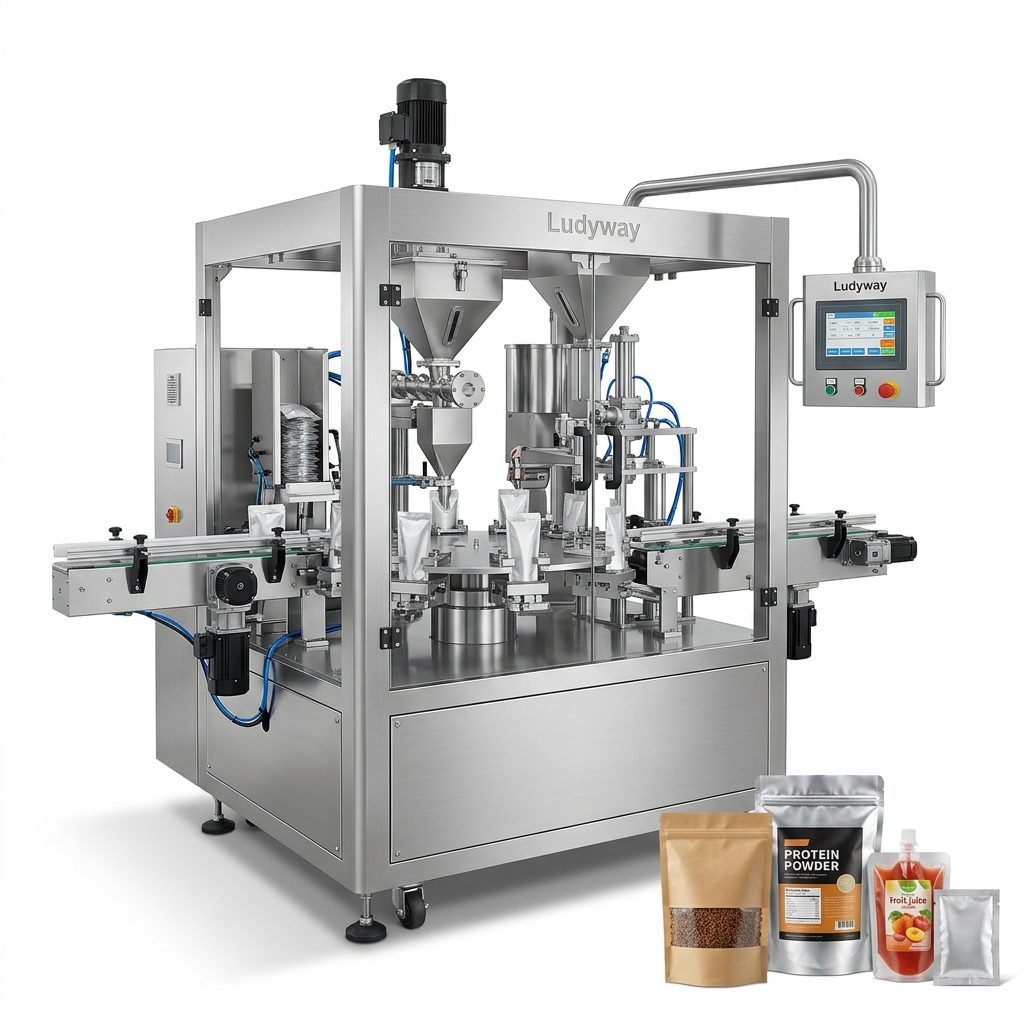
Africa’s food packaging industry is experiencing rapid transformation. With urbanization accelerating and consumer demand for convenience foods rising, pizza packaging machine production lines have become a strategic investment across multiple African markets. Countries like Nigeria, Kenya, South Africa, and Ethiopia are seeing a surge in frozen and ready-to-eat pizza consumption, creating a huge opportunity for local manufacturers to set up efficient, automated packaging systems.
Setting up a pizza packaging machine production line in Africa involves more than just purchasing equipment. It requires careful planning, understanding local regulations, selecting the right packaging machinery, and ensuring your system can handle the unique demands of pizza products — from frozen discs to fresh slices. This guide walks you through every step of the process.
Why Invest in a Pizza Packaging Line in Africa Now
The African Continental Free Trade Area (AfCFTA) has opened up cross-border trade, making it easier for packaged food products to move between countries. The frozen pizza market in Africa is projected to grow at a CAGR of over 7% in the coming years, driven by a young population, westernization of diets, and the expansion of modern retail chains. Local production of packaged pizza eliminates expensive import costs and allows brands to offer fresher products at competitive prices.
- Rapid urbanization fueling demand for convenient meals
- Growing middle class with higher disposable income
- AfCFTA reducing trade barriers across the continent
- High import costs making local production more profitable
- Increasing presence of international pizza franchises
Types of Pizza Packaging Solutions for African Markets
Pizza packaging is not one-size-fits-all. Depending on your product — frozen whole pizzas, fresh pizza slices, or pizza snack rolls — you will need different packaging machine configurations. Understanding these variations is critical before sourcing your packaging equipment.
| Pizza Product Type | Recommended Packaging Format | Machine Type Required | Typical Output (packs/min) |
|---|---|---|---|
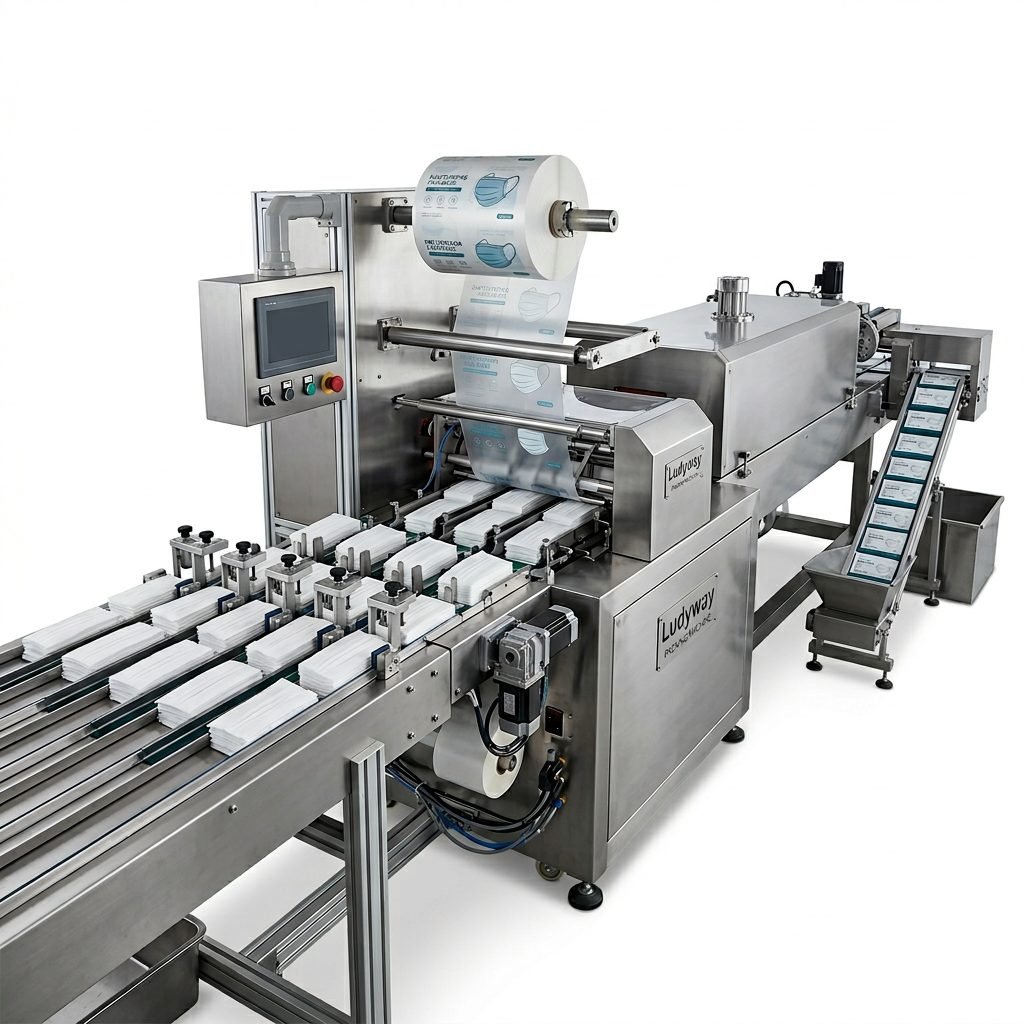
| Frozen Whole Pizza | Shrink wrap / Flow wrap film | Horizontal flow wrapper | 30 – 80 |
| Fresh Pizza Slice | Single-serve sachet / pouch | Premade pouch packaging machine | 40 – 120 |
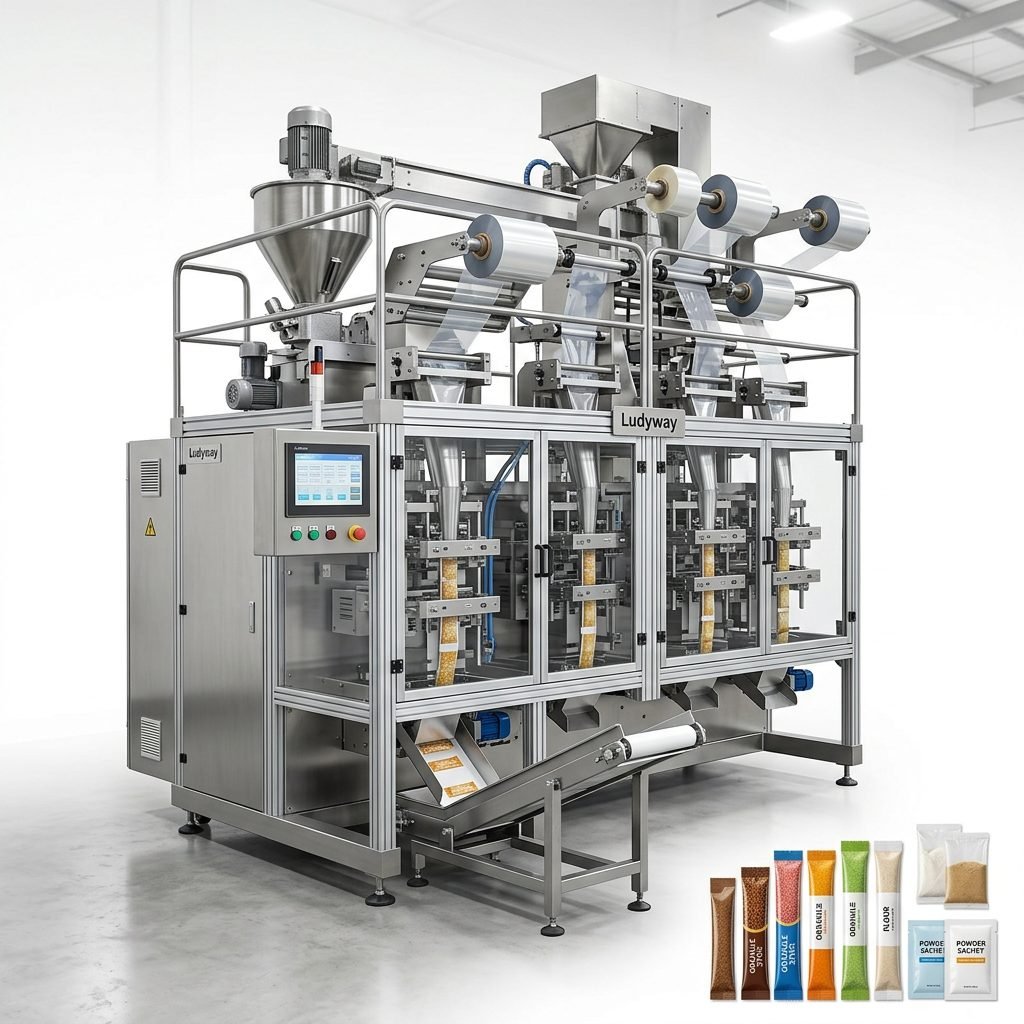
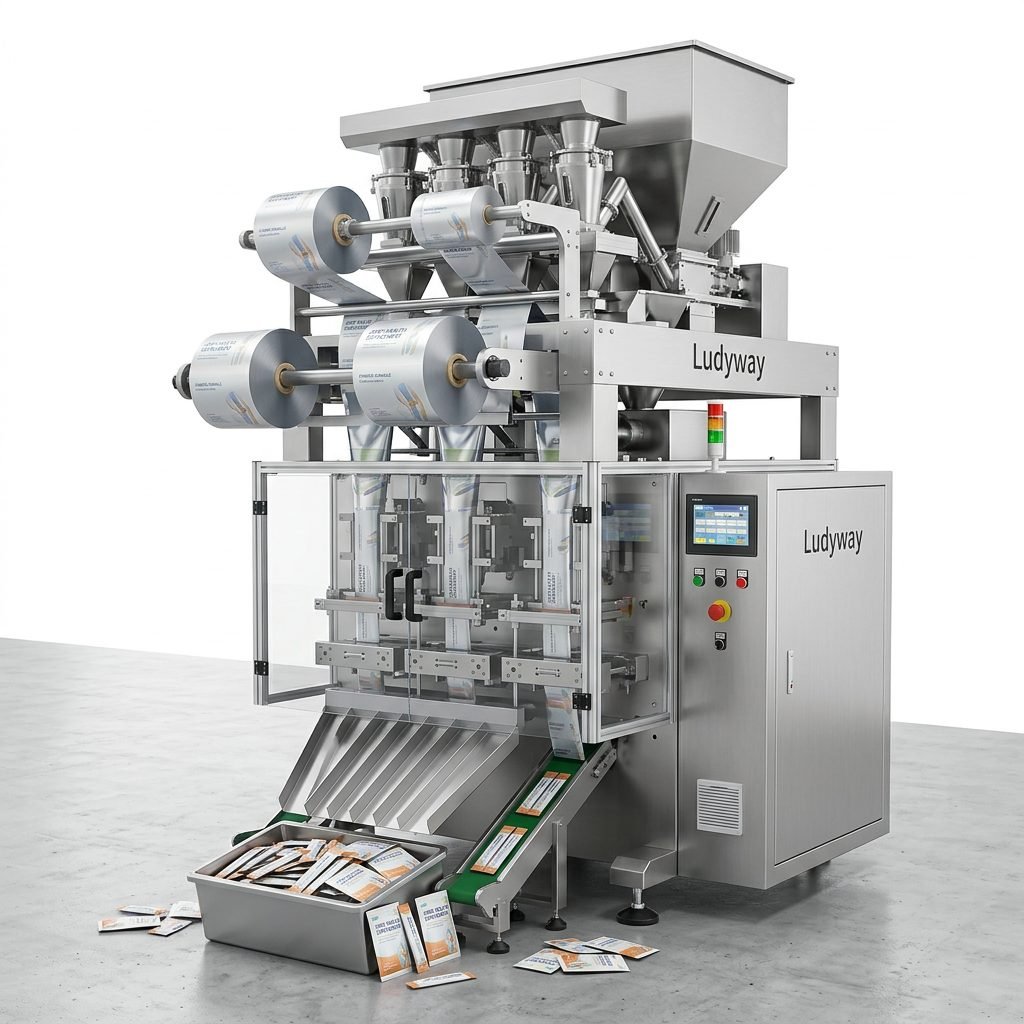
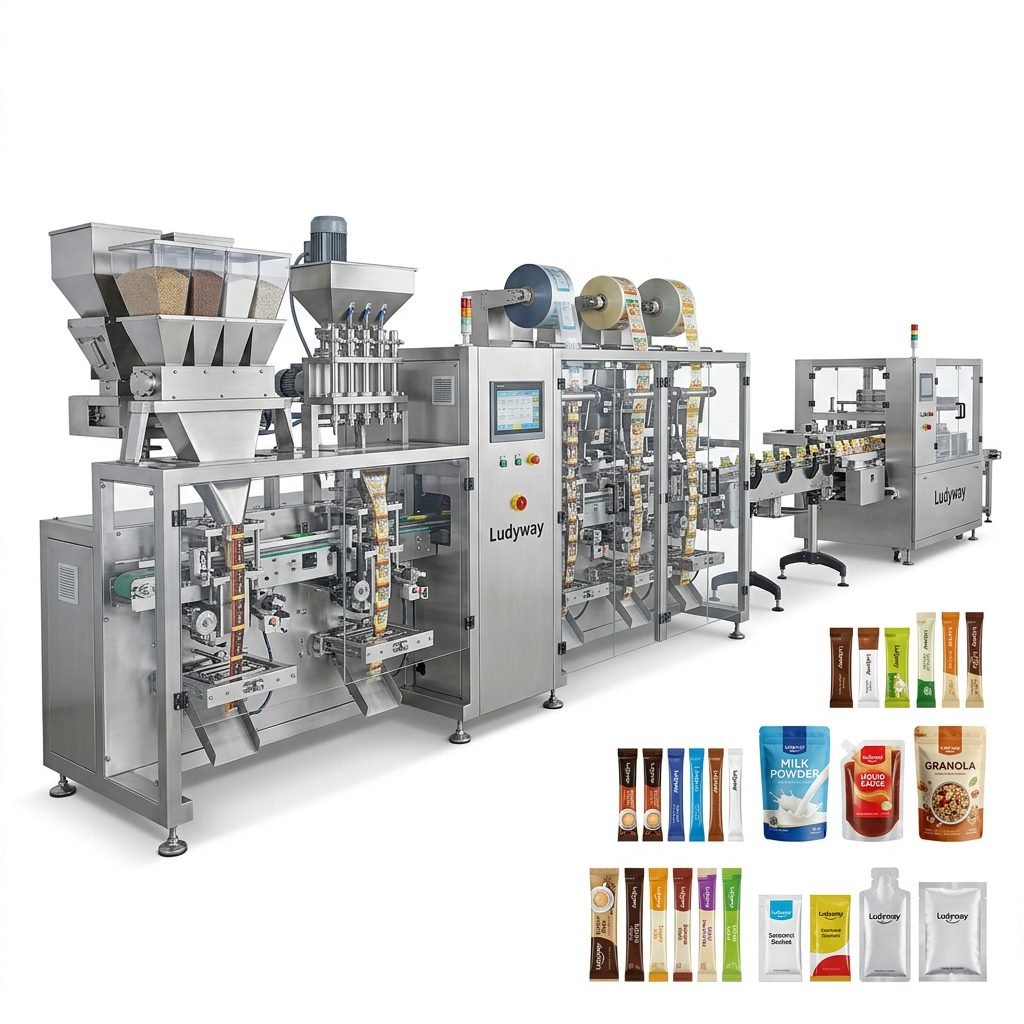
| Pizza Snack Rolls | Multi-lane stick pack / sachet | Multi-lane stick pack machine | 200 – 600 |
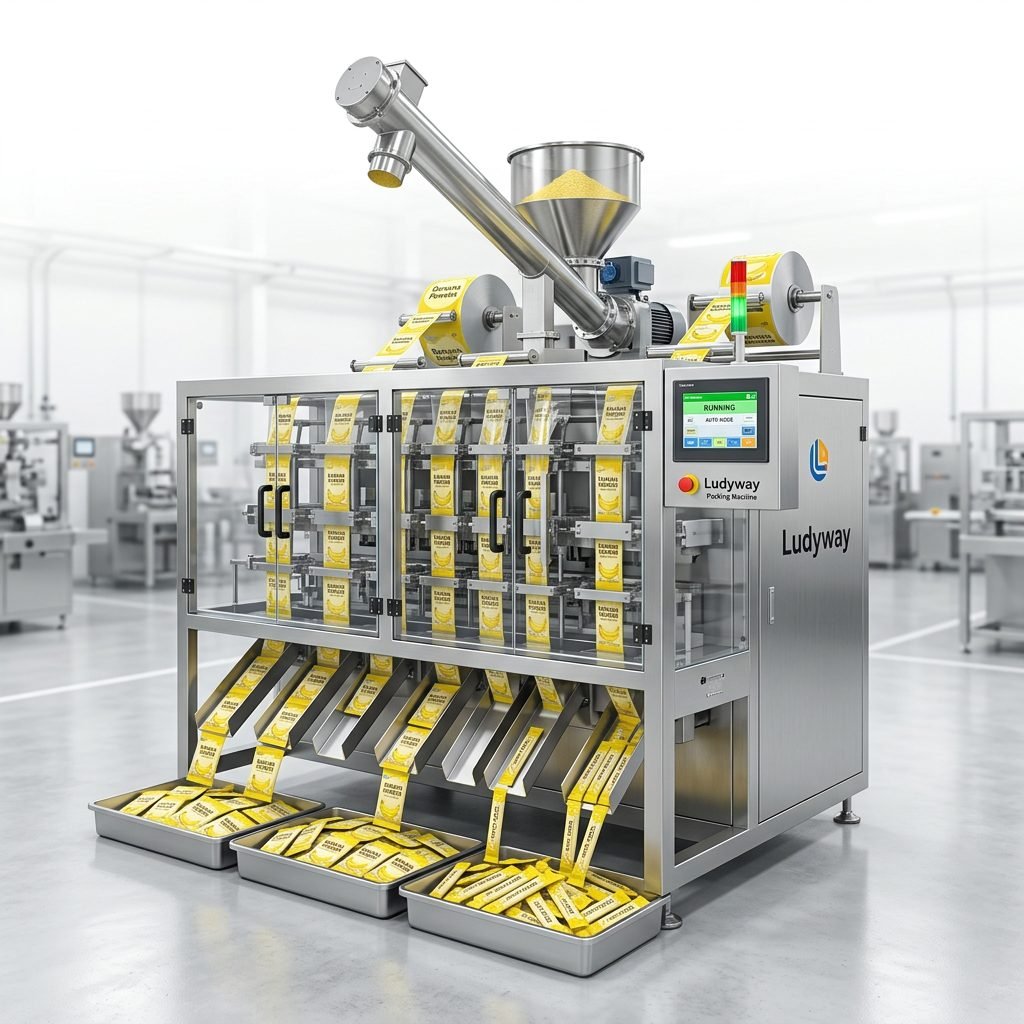
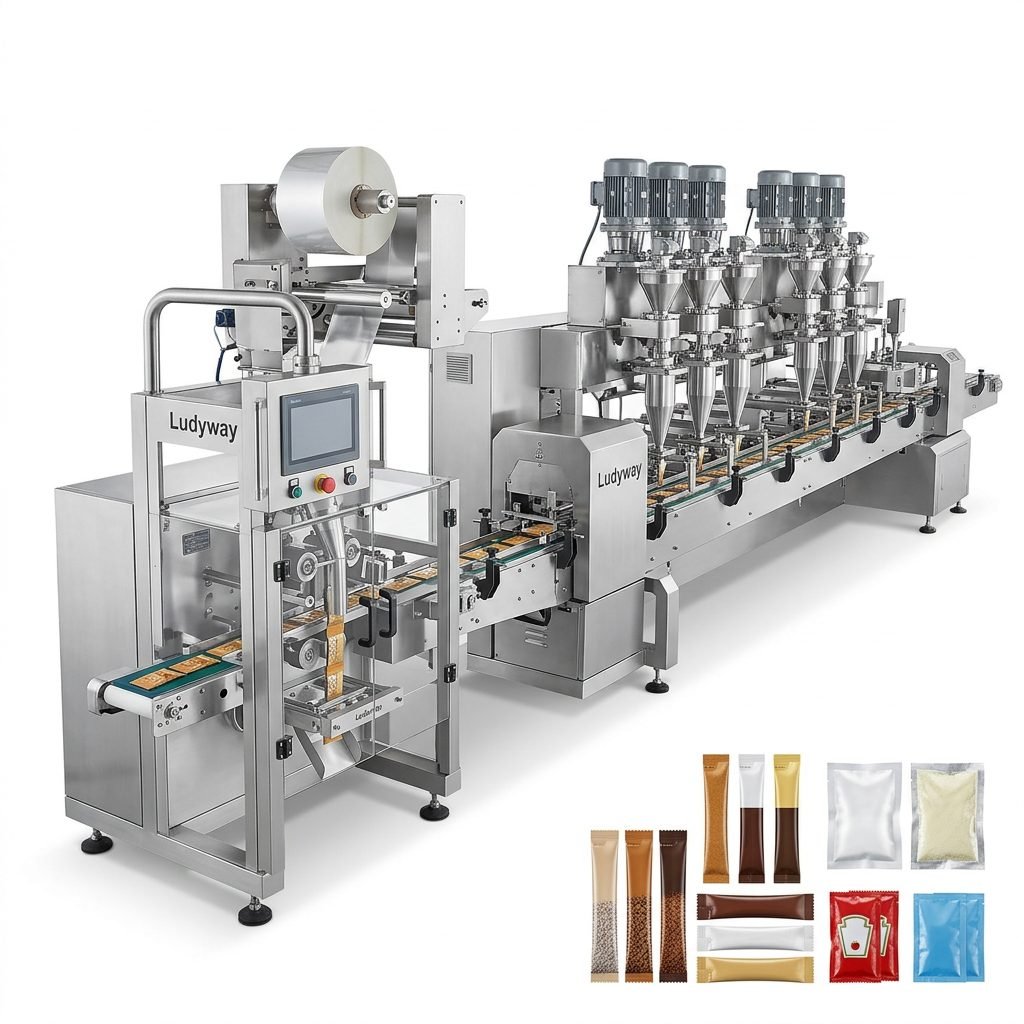
| Pizza Seasoning / Topping Packets | Small sachet (granule/powder) | Sachet packaging machine | 300 – 800 |
Step-by-Step Process to Set Up Your Production Line
Step 1: Conduct Market Research and Define Your Product Scope
Before investing in machinery, clearly define what pizza products you will package. Will you produce frozen whole pizzas for supermarket chains? Or individual pizza slices for street vendors and kiosks? Your product specification determines the packaging material, machine type, and line configuration. Visit competitors, talk to distributors, and analyze import data to identify the most profitable segments.
Step 2: Source Reliable Packaging Machinery
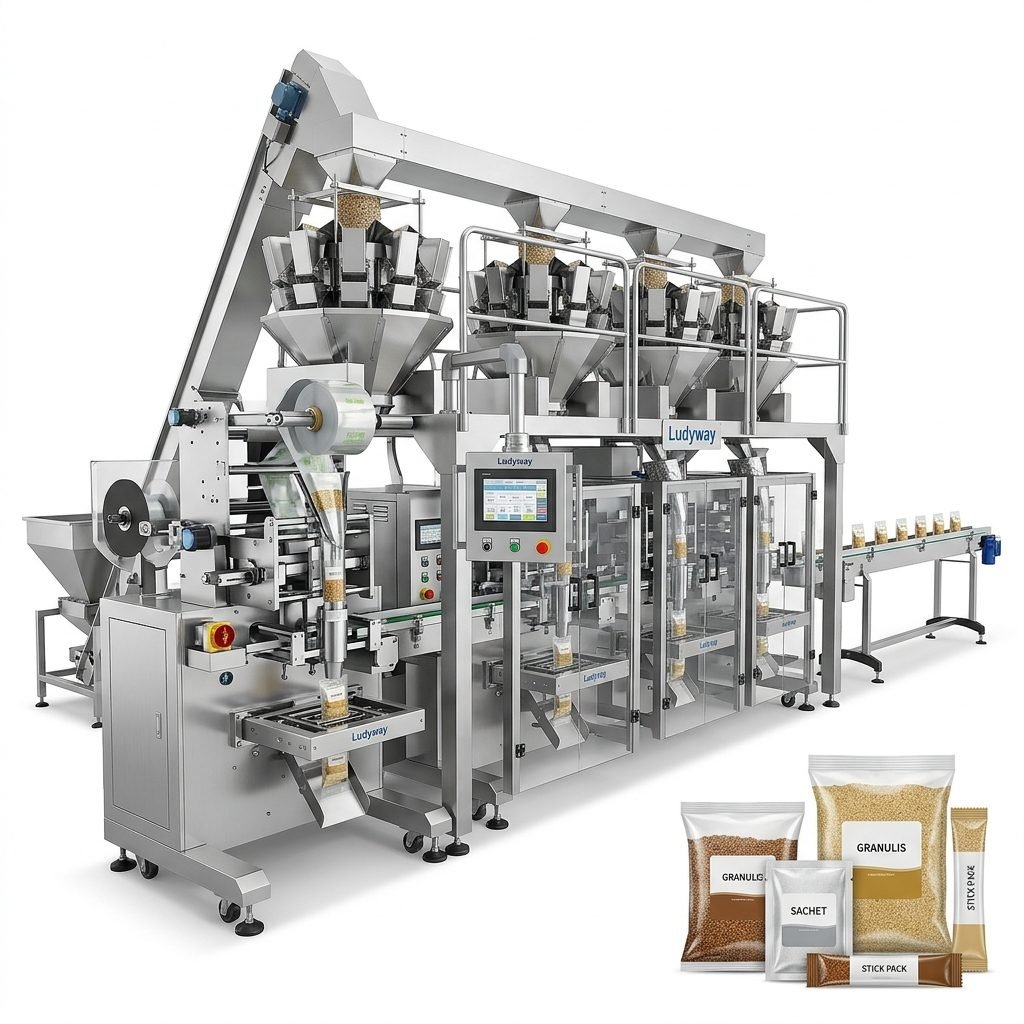
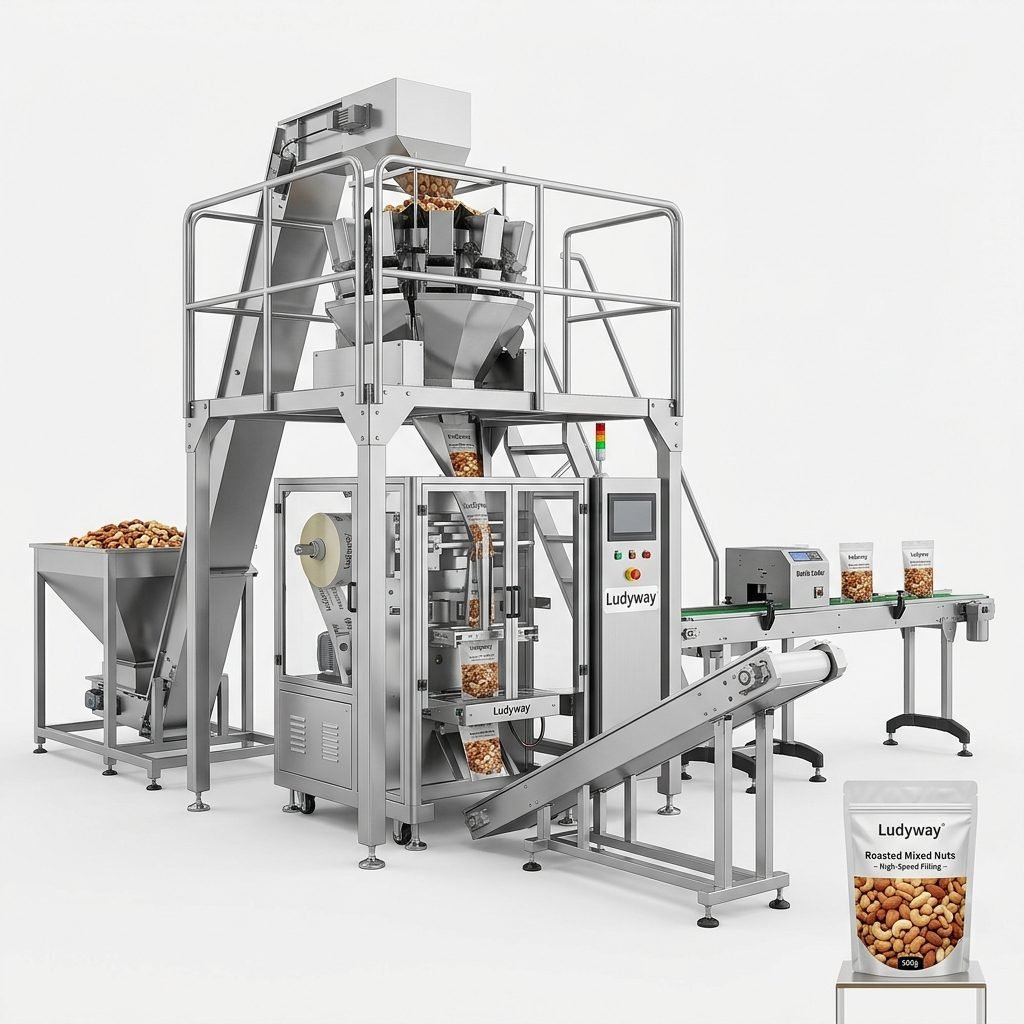
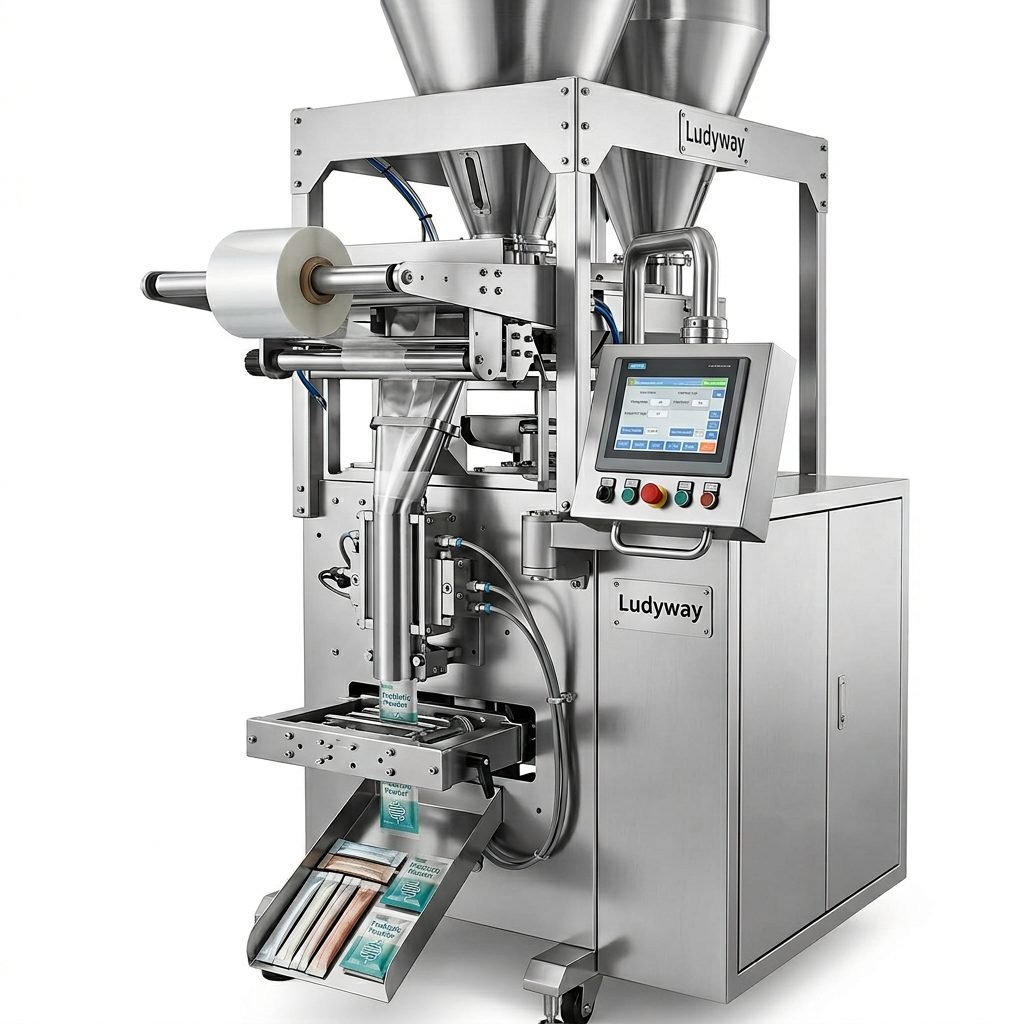
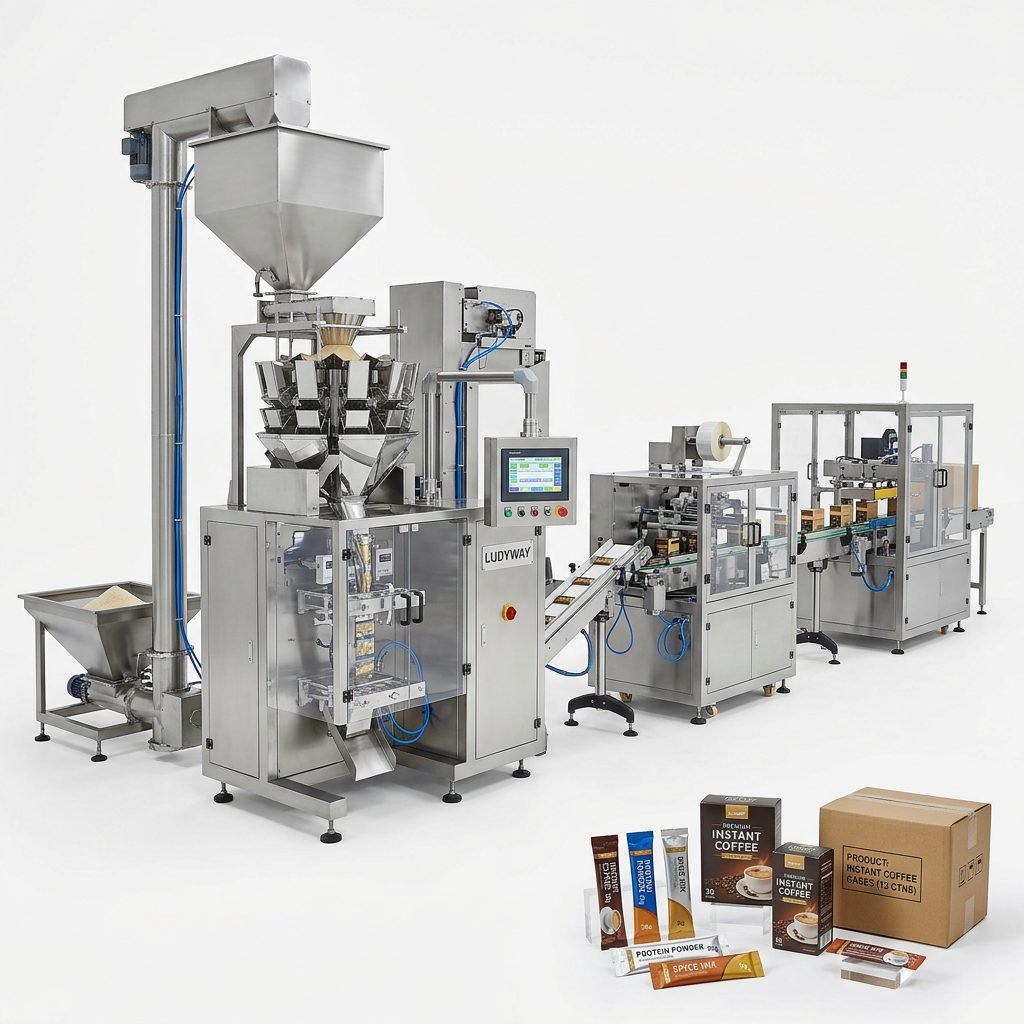
The quality of your pizza packaging machinery directly affects product shelf life and production efficiency. When sourcing from international suppliers, look for manufacturers with experience in turnkey packaging solutions for food products. Ludyway, one of the largest packaging machine manufacturers in China with over 30 years of industry experience, provides automated packaging systems that can be customized for African manufacturing conditions, supported by a 20,000㎡ modern production facility and a team of over 130 professional packaging experts.
Step 3: Plan Your Factory Layout and Infrastructure
You will need adequate floor space for the packaging line, raw material storage, finished goods warehousing, and a cold chain if handling frozen products. In many African industrial zones, ensure you have:
- Stable three-phase power supply (or backup generators)
- Compressed air system for pneumatic machine components
- Temperature and humidity-controlled production area
- Clean water supply for sanitation and cleaning
- Adequate drainage and waste management systems

Step 4: Ensure Regulatory Compliance and Food Safety Certification
Each African country has its own food safety authority. In Nigeria, it is NAFDAC; in Kenya, KEBS; in South Africa, NRCS and DALRRD. Your packaging line must meet local standards for food contact materials, labeling, and traceability. Work with a local consultant to navigate certification requirements before commissioning your line.
Step 5: Installation, Training, and Trial Runs
When the equipment arrives, allocate 2-4 weeks for installation and commissioning. Professional packaging machine suppliers offer on-site installation and operator training. Run trial batches to validate seal integrity, packaging speed, and product quality. A well-trained local team is essential for long-term operational success in African facilities.
Key Equipment in a Pizza Packaging Production Line
- Flow wrapping machine — ideal for frozen whole pizzas with airtight film sealing
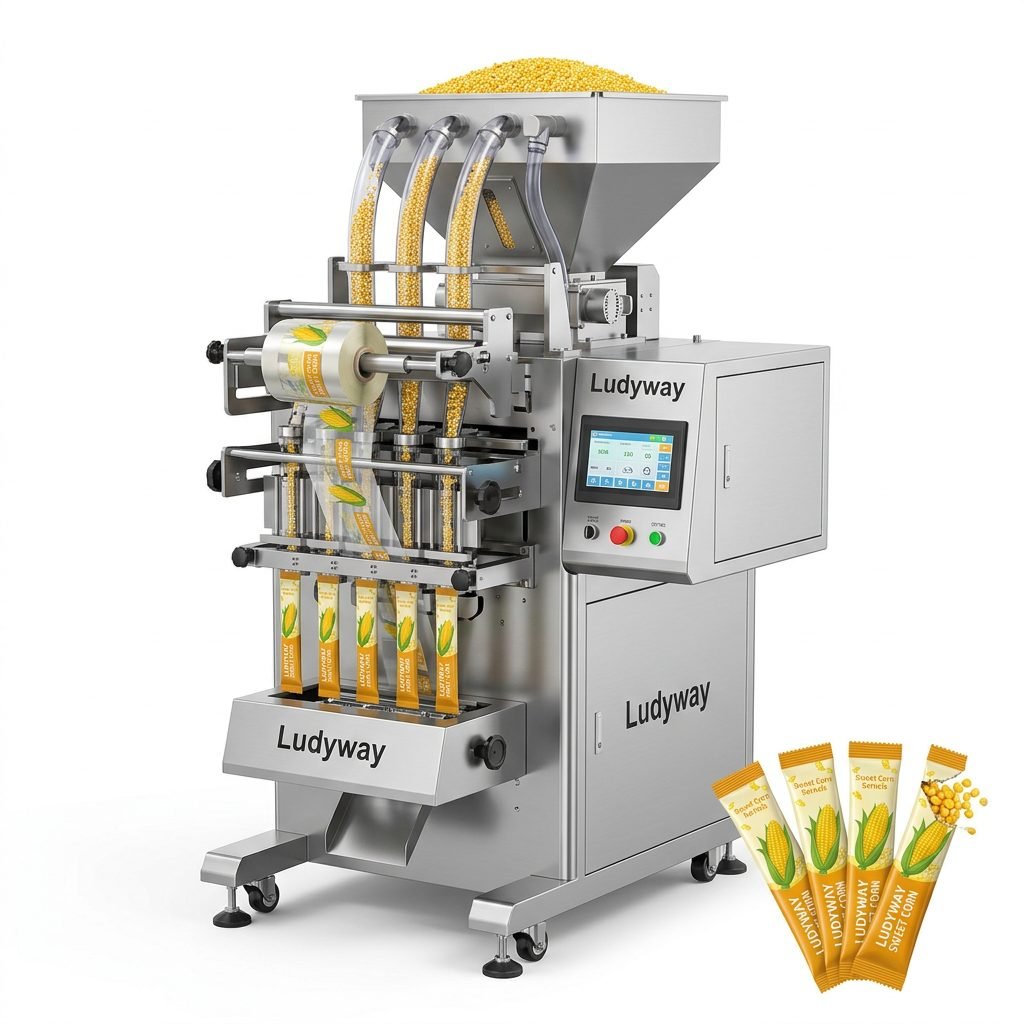
- Multi-lane stick pack machine — perfect for pizza-flavored snacks and seasoning packets
- Premade pouch filling and sealing machine — suitable for fresh pizza slices in retail-ready pouches
- Automatic cartoning machine — for secondary packaging of wrapped pizza products
- Checkweigher and metal detector — critical for quality control and food safety compliance
- Coding and marking machine — for batch numbers, production dates, and traceability codes
Cost Considerations for Setting Up in Africa
Budgeting accurately is essential. The table below provides estimated cost ranges for setting up a mid-scale pizza packaging line in Africa, excluding land and building costs.
| Cost Component | Estimated Range (USD) | Notes |
|---|---|---|
| Primary packaging machine(s) | $25,000 – $150,000 | Based on automation level and output speed |
| Auxiliary equipment (conveyors, coders, checkweigher) | $8,000 – $40,000 | Optional but recommended for quality control |
| Shipping and customs clearance | $5,000 – $20,000 | Varies by country and port of entry |
| Installation and commissioning | $3,000 – $12,000 | Including technician travel and training |
| Initial packaging material stock | $5,000 – $15,000 | Film, cartons, labels for first production runs |
| Regulatory certification | $2,000 – $8,000 | Local food safety authority approvals |
Selecting the Right Location in Africa
Location significantly impacts your operational costs and distribution efficiency. Industrial hubs in Africa worth considering include:
- Lagos, Nigeria — largest consumer market with established industrial zones and ports
- Nairobi, Kenya — East African hub with strong logistics links to Uganda, Tanzania, Rwanda
- Johannesburg, South Africa — most developed industrial infrastructure and cold chain network
- Addis Ababa, Ethiopia — growing industrial parks with government incentives
- Accra, Ghana — stable business environment and access to West African markets
- Casablanca, Morocco — gateway to North and Francophone West African markets

Maintenance and After-Sales Support in Africa
One of the biggest challenges for African manufacturers is accessing reliable after-sales service. When choosing your packaging machine supplier, prioritize companies that offer:
- Remote troubleshooting support via video call and online diagnostics
- Spare parts availability with fast shipping to African destinations
- Local technician networks or partnerships with regional service providers
- Preventive maintenance schedules tailored to local operating conditions
- Operator training manuals in English, French, or local languages
Establish an in-house maintenance team and keep an inventory of critical spare parts such as sealing jaws, heating elements, belts, and sensors. This minimizes downtime in regions where replacement parts can take weeks to arrive.
Packaging Materials and Supply Chain for Africa
Your packaging material supply chain is equally important. In many African countries, high-quality flexible packaging film is imported. However, local production of packaging materials is growing in South Africa, Nigeria, and Kenya. Evaluate:
- Film suppliers — BOPP, PET/PE laminates suitable for food contact
- Carton and label manufacturers — local vs. imported options
- Printing services — for branded packaging with vibrant designs
- Cold chain logistics — critical if producing frozen pizza products
Case Study Example: Small-Scale Pizza Packaging Startup in Kenya
Consider a startup in Nairobi producing frozen pizza for local supermarkets. The company started with a single horizontal flow wrapping machine, a small blast freezer, and hired four operators. Within 12 months, they expanded to a second production line with a multi-lane packaging system for pizza snack rolls, tripling output. By sourcing reliable equipment and focusing on quality packaging, they now supply over 200 retail points across East Africa.
Common Pitfalls to Avoid
- Underestimating power requirements — always install voltage stabilizers and backup power
- Ignoring local certification timelines — budget 3-6 months for regulatory approvals
- Overlooking cold chain infrastructure — frozen pizza packaging is useless without reliable refrigeration
- Choosing the wrong packaging format — match your packaging type to local consumer preferences
- Failing to train operators adequately — invest in thorough training during installation
- Not planning for spare parts inventory — order critical spares with the initial machine shipment
Future Trends in African Pizza Packaging
The African pizza packaging industry is evolving. Watch for these emerging trends that will shape future production line requirements:
- Sustainable packaging — biodegradable films and reduced plastic usage gaining regulatory support
- Smart packaging — QR codes and NFC tags for product traceability and consumer engagement
- Automated production lines — labor costs driving adoption of fully automated packaging systems
- Portion-controlled formats — single-serve packs for the growing convenience store channel
- Halal-certified packaging — increasingly important for markets with large Muslim populations

Conclusion
Setting up a pizza packaging machine production line in Africa is a strategic move that positions your business at the forefront of the continent’s fast-growing food packaging sector. By following a structured approach — from market research and equipment selection to regulatory compliance and maintenance planning — you can build a profitable and sustainable operation. The key is partnering with experienced packaging machinery manufacturers who understand both the technical requirements and the unique conditions of African production environments.
For more information on packaging solutions suitable for African markets, refer to these authoritative industry resources: