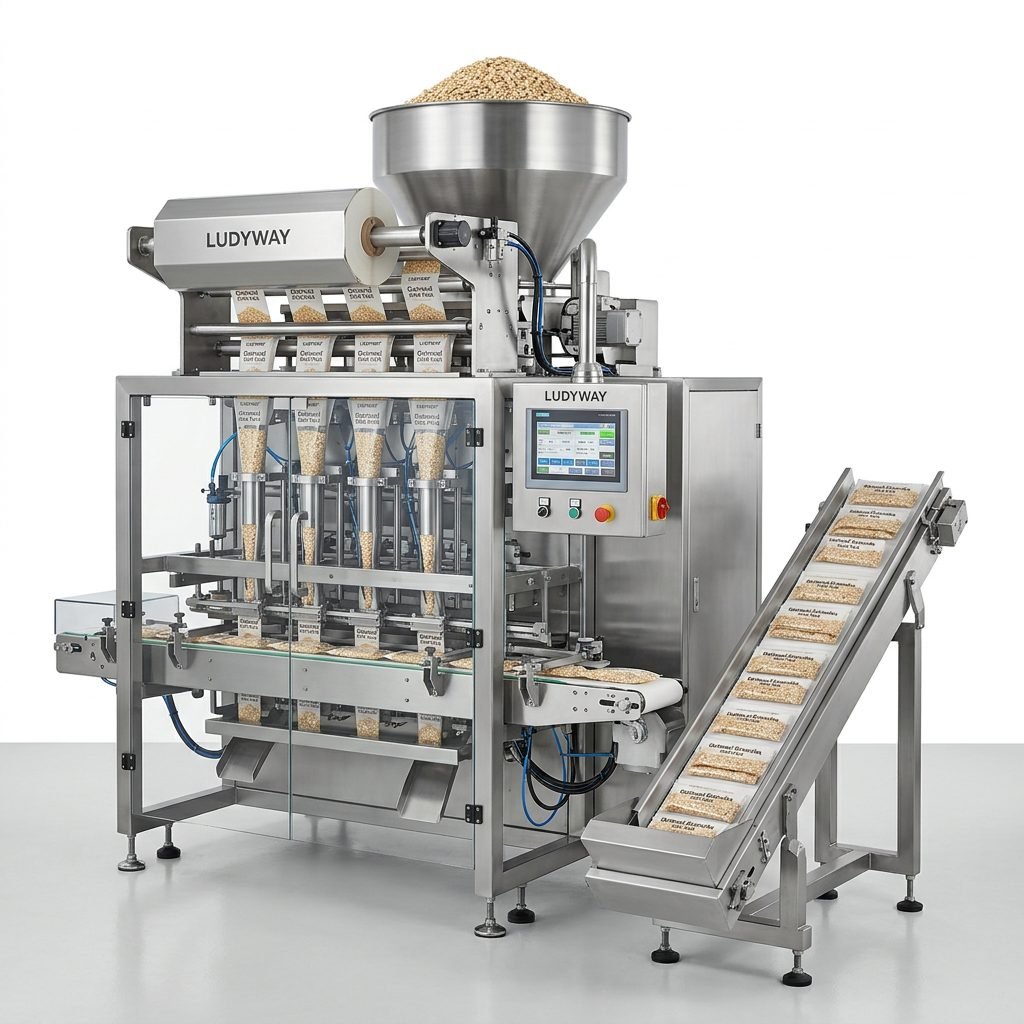
Setting up a vacuum sealed packaging machine production line in Asia is a strategic move for food, pharmaceutical, and industrial manufacturers seeking cost efficiency, scalability, and access to rapidly growing consumer markets. With rising demand for extended shelf life, product safety, and automated packaging, a properly planned vacuum packaging line can deliver significant competitive advantages. This complete guide walks you through every essential step—from initial market research to full-scale operation.
Why Asia is the Right Place for Your Vacuum Packaging Line
Asia’s food processing and pharmaceutical sectors are projected to grow at a CAGR of over 8% through 2030. Countries such as China, India, Vietnam, Thailand, and Indonesia offer a combination of lower operational costs, improving logistics infrastructure, and government incentives for foreign manufacturers. A vacuum packaging production line installed in these regions can serve both domestic and export markets, particularly for products like freeze-dried foods, meat, seafood, coffee, and medical devices.
Step 1: Market Feasibility and Product Requirements
Begin by defining the product characteristics that will run on your vacuum packaging line. Are you packing solid granules, powders, liquids, or delicate solid items? The packaging format—whether pre-made pouches, thermoformed trays, or vacuum skin packs—will determine machine specifications. Study industry market reports to understand demand volumes and competitive landscapes in your target Asian country.
Step 2: Site Selection and Facility Preparation
Choosing the right location is critical. Key factors include proximity to raw material suppliers, availability of skilled labor, power stability, and compliance with local environmental regulations. Many manufacturers prefer industrial parks in Southeast Asia or special economic zones in China that offer tax breaks and streamlined customs processes. Your facility must accommodate dust-free environments, adequate ventilation for vacuum pumps, and smooth material flow from filling to secondary packaging.
Key Facility Considerations
- Cleanroom requirements for food or pharmaceutical grade packaging
- Floor load capacity for heavy vacuum chambers and conveyor systems
- Compressed air and nitrogen supply lines
- Waste disposal and wastewater treatment for cleaning processes
Step 3: Core Equipment and Machine Selection
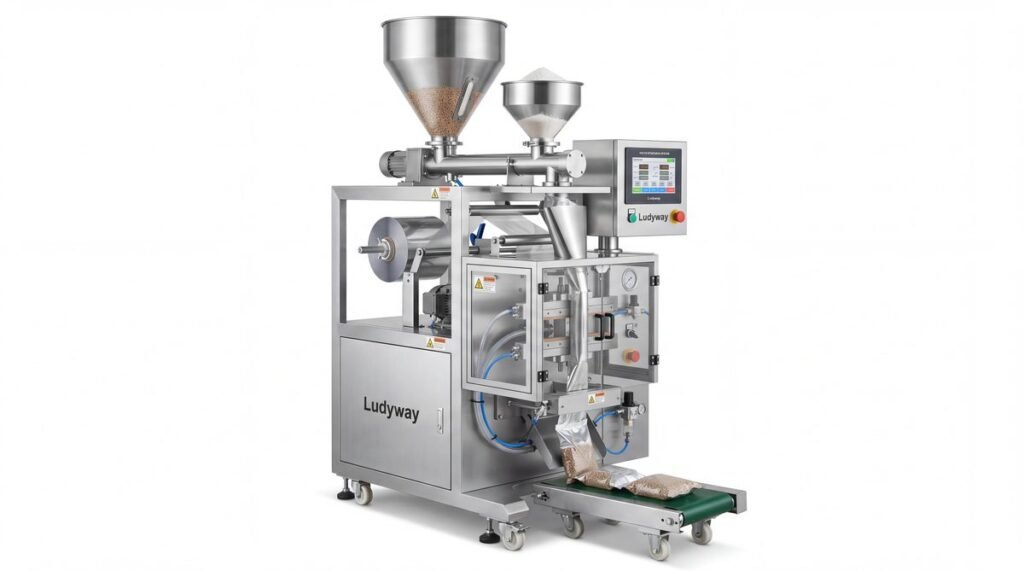
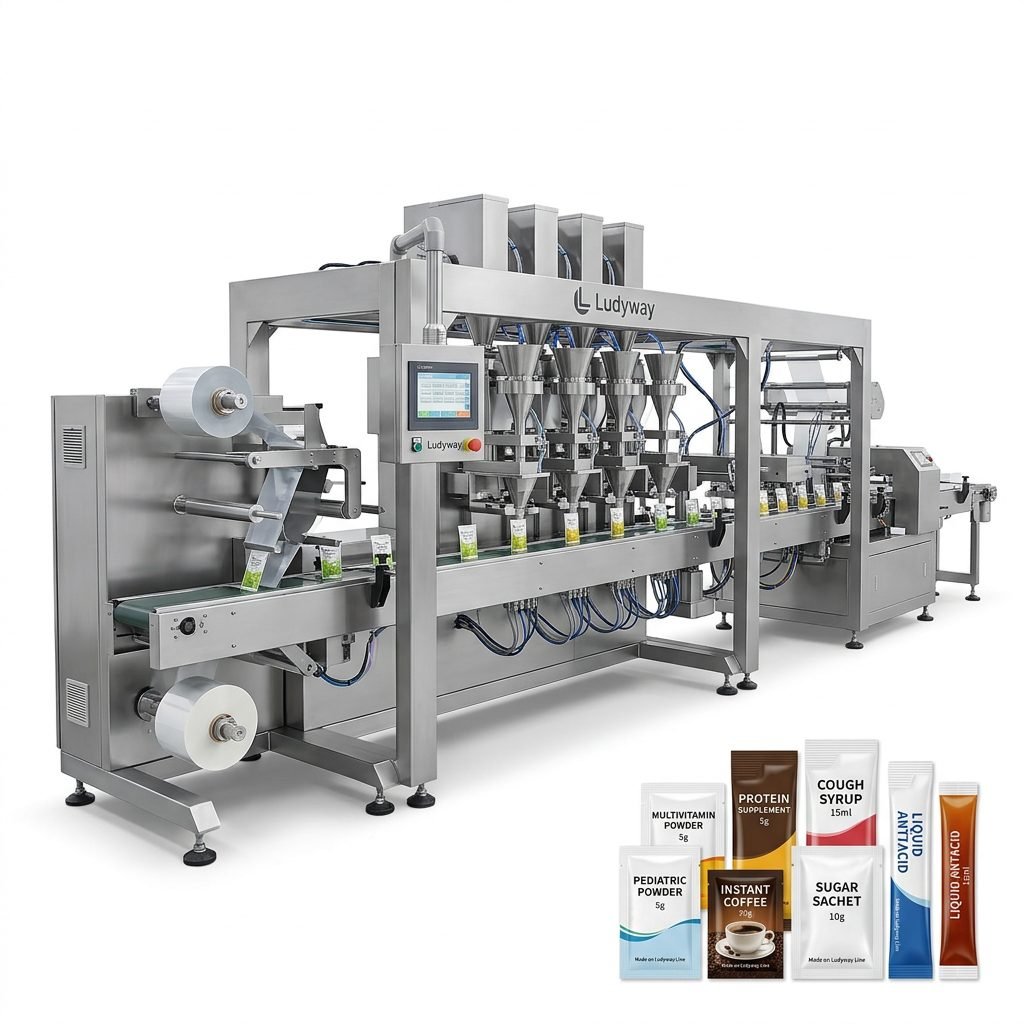
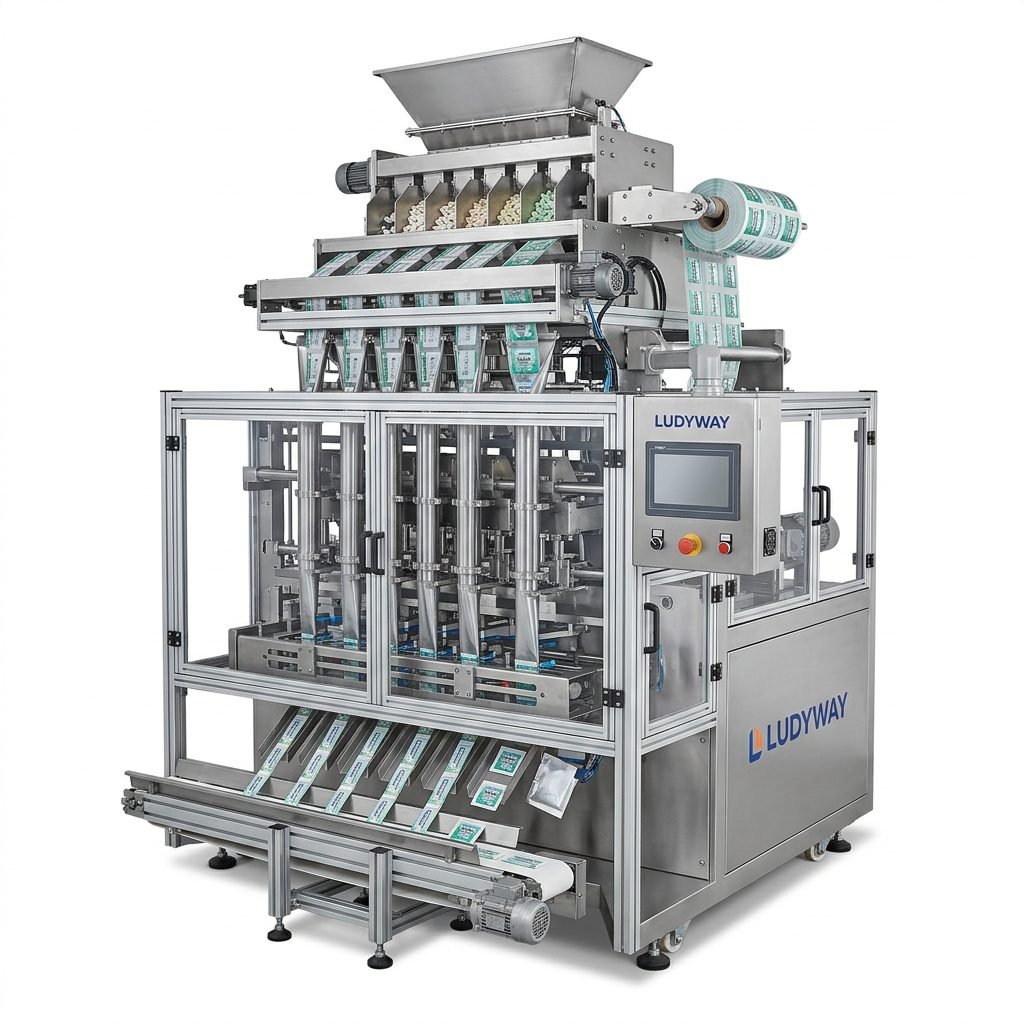
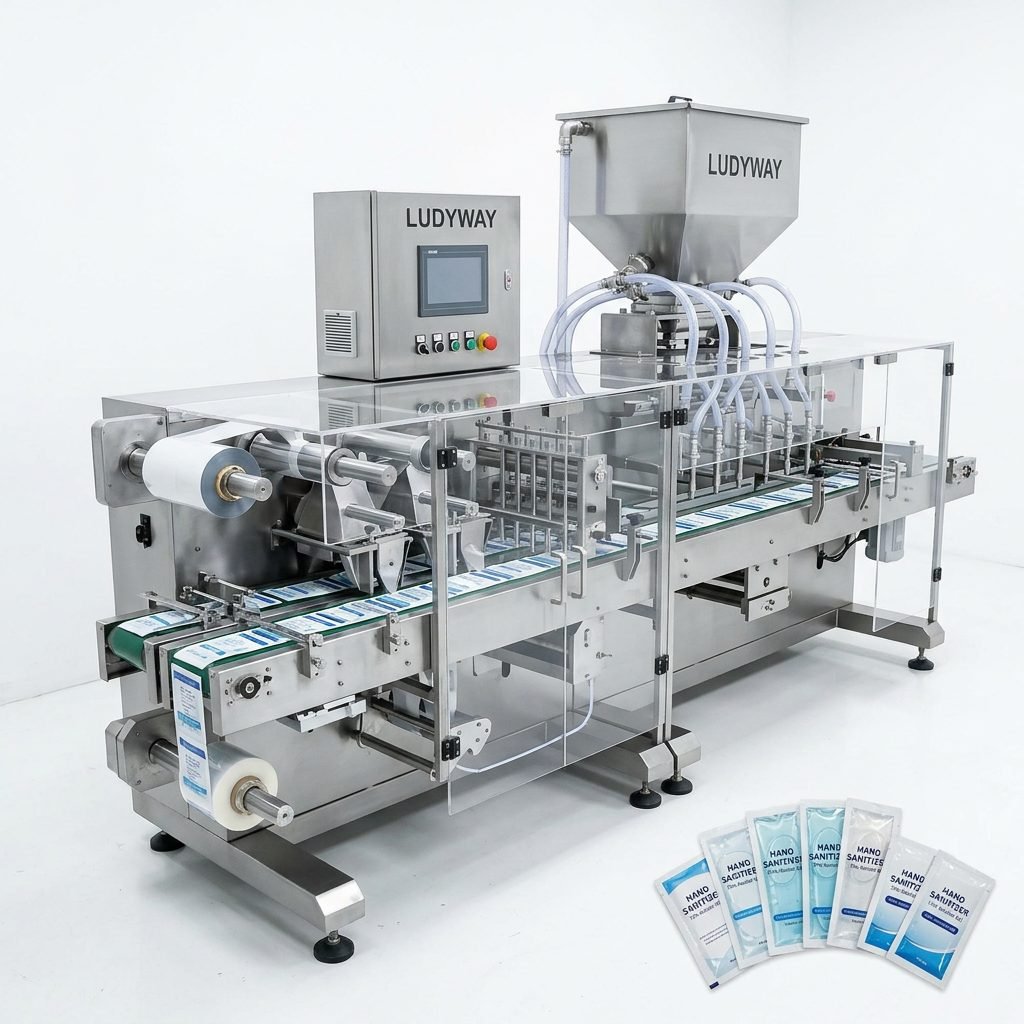
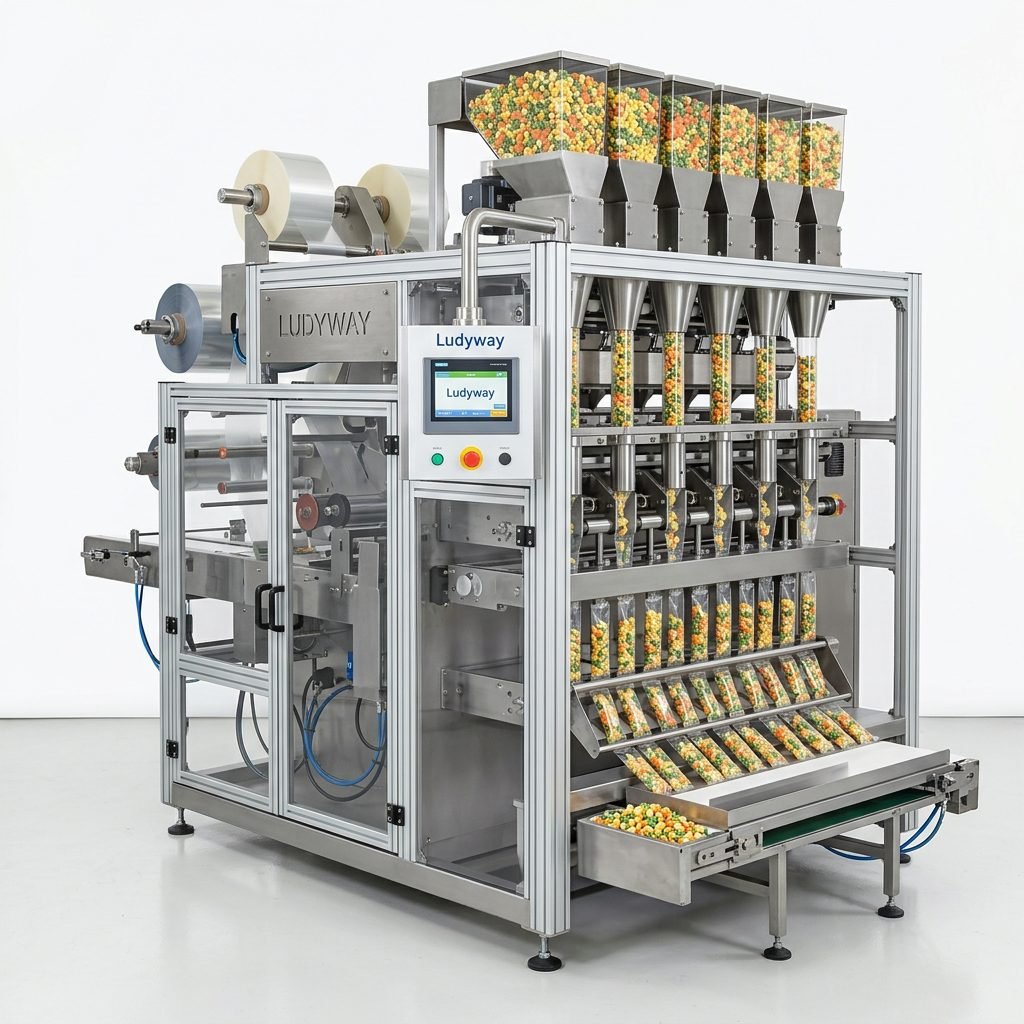
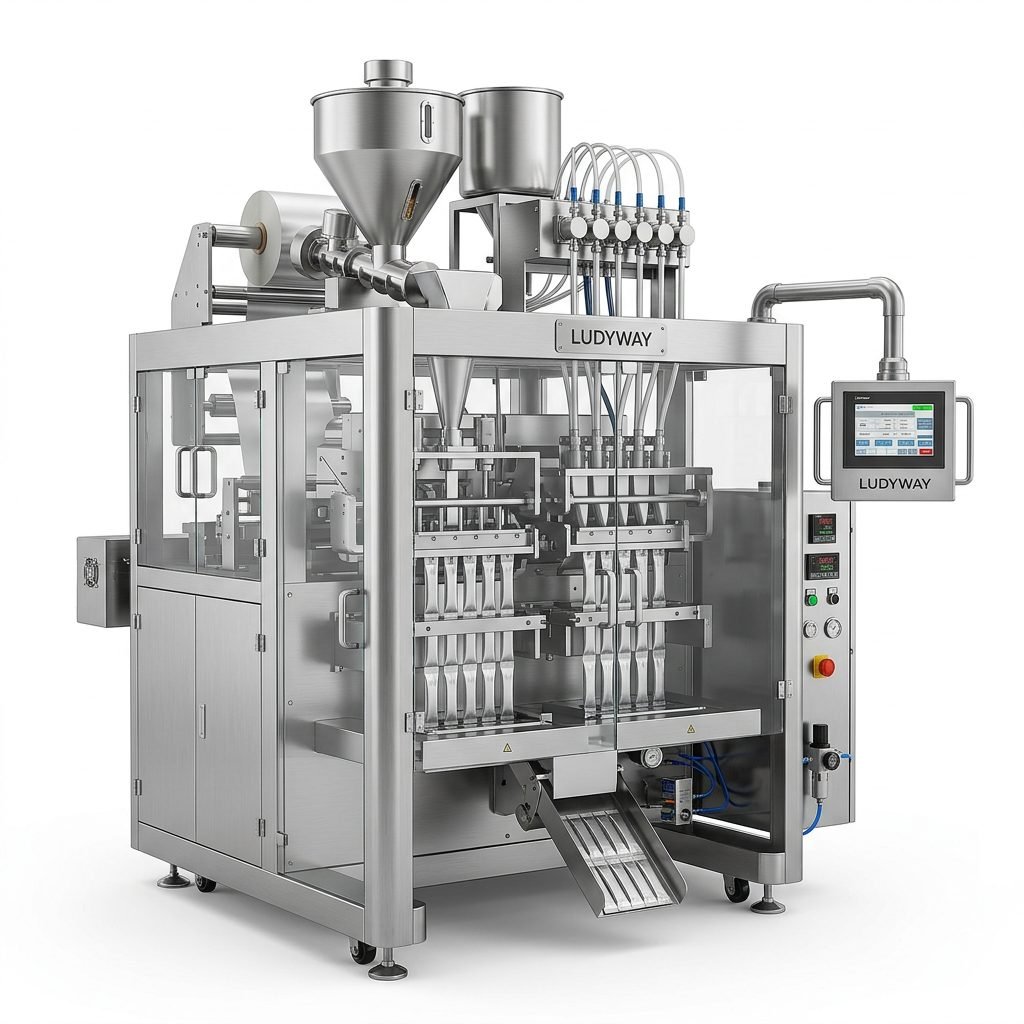
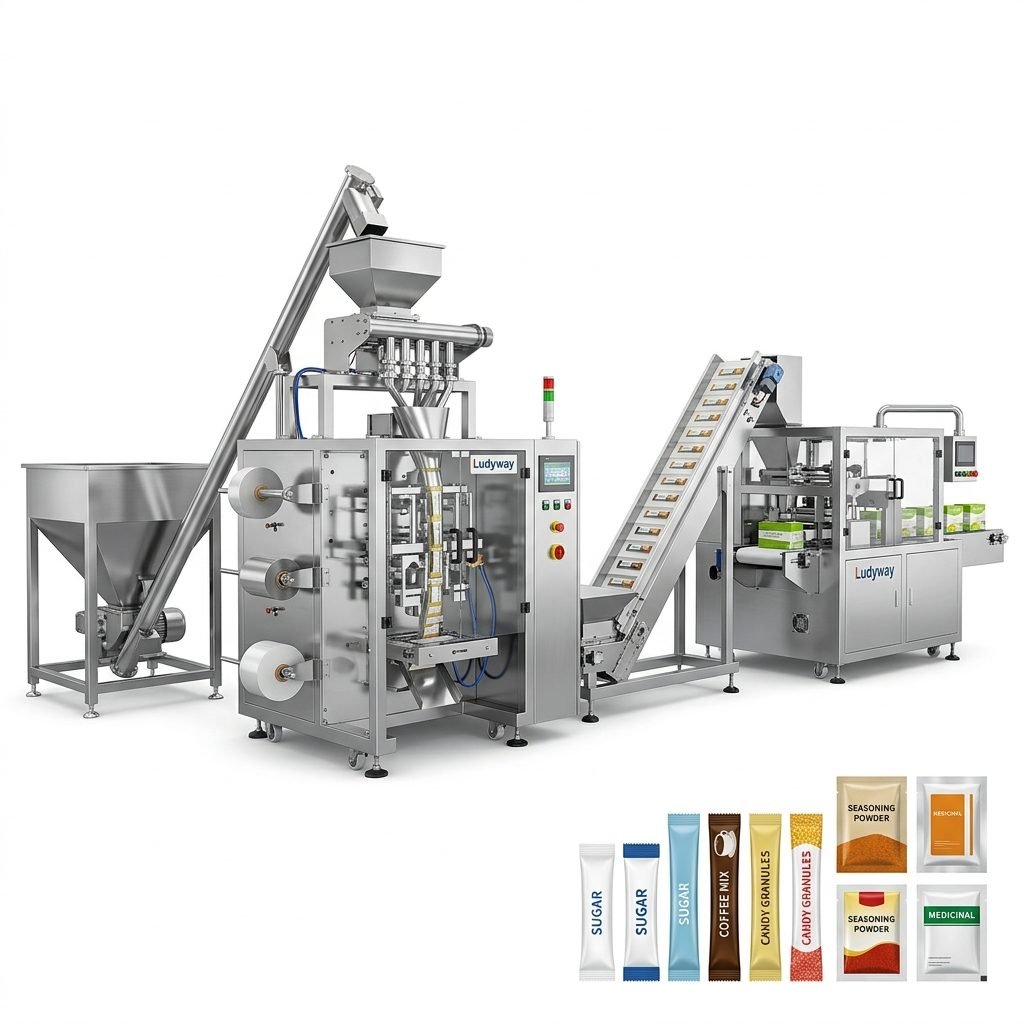
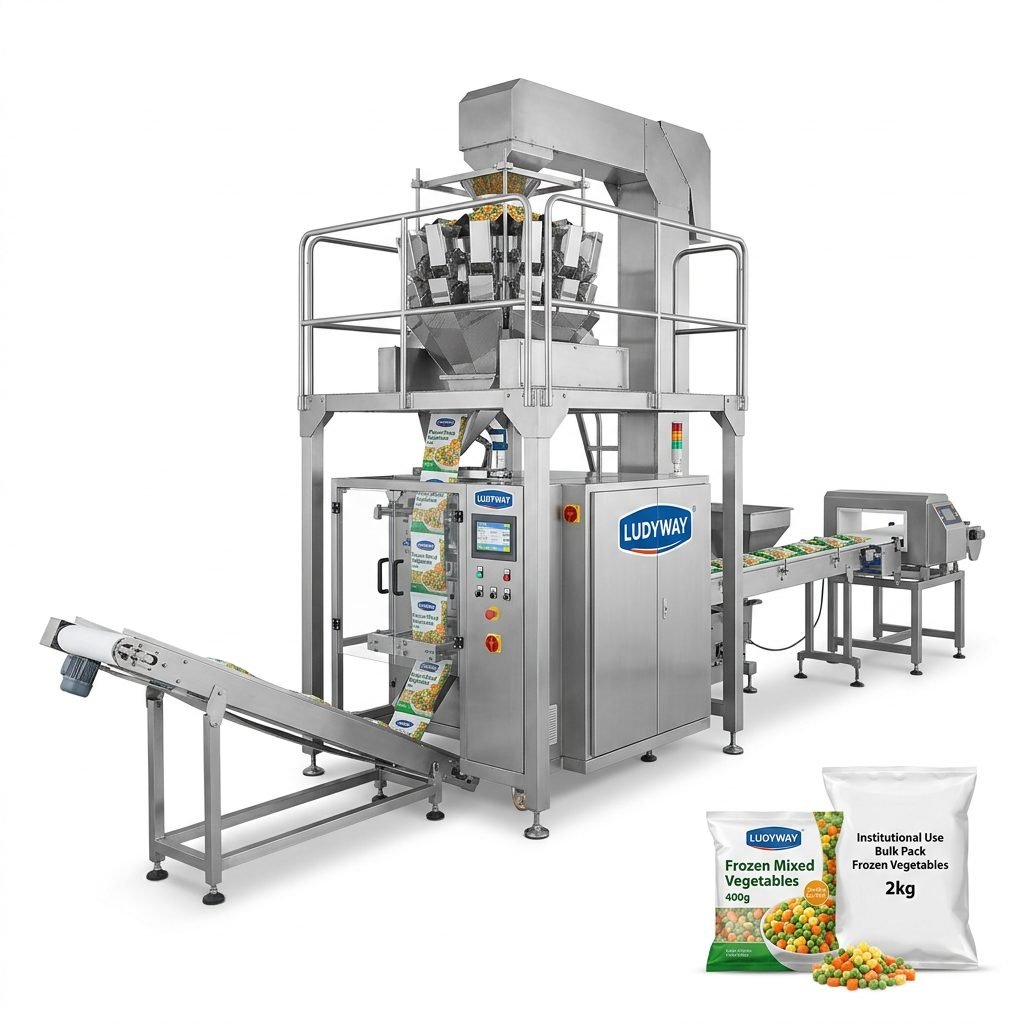
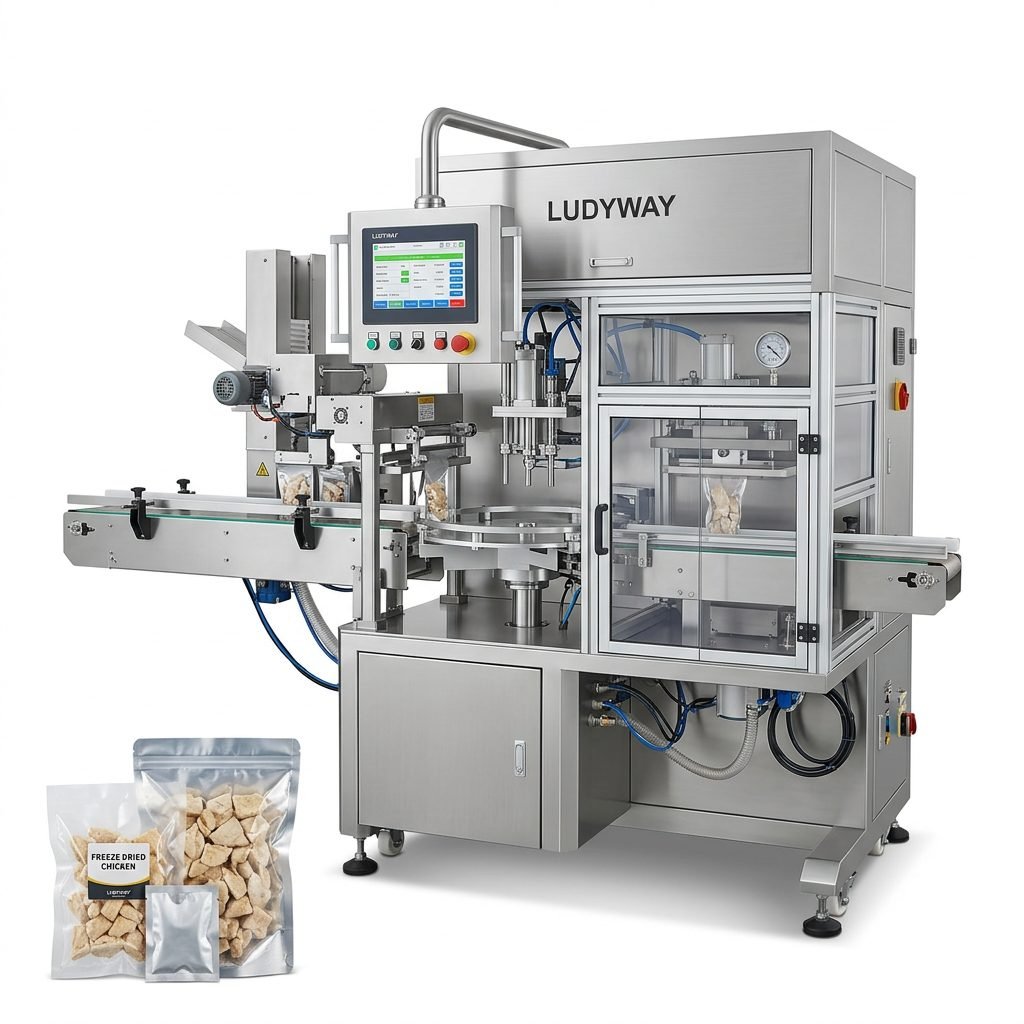
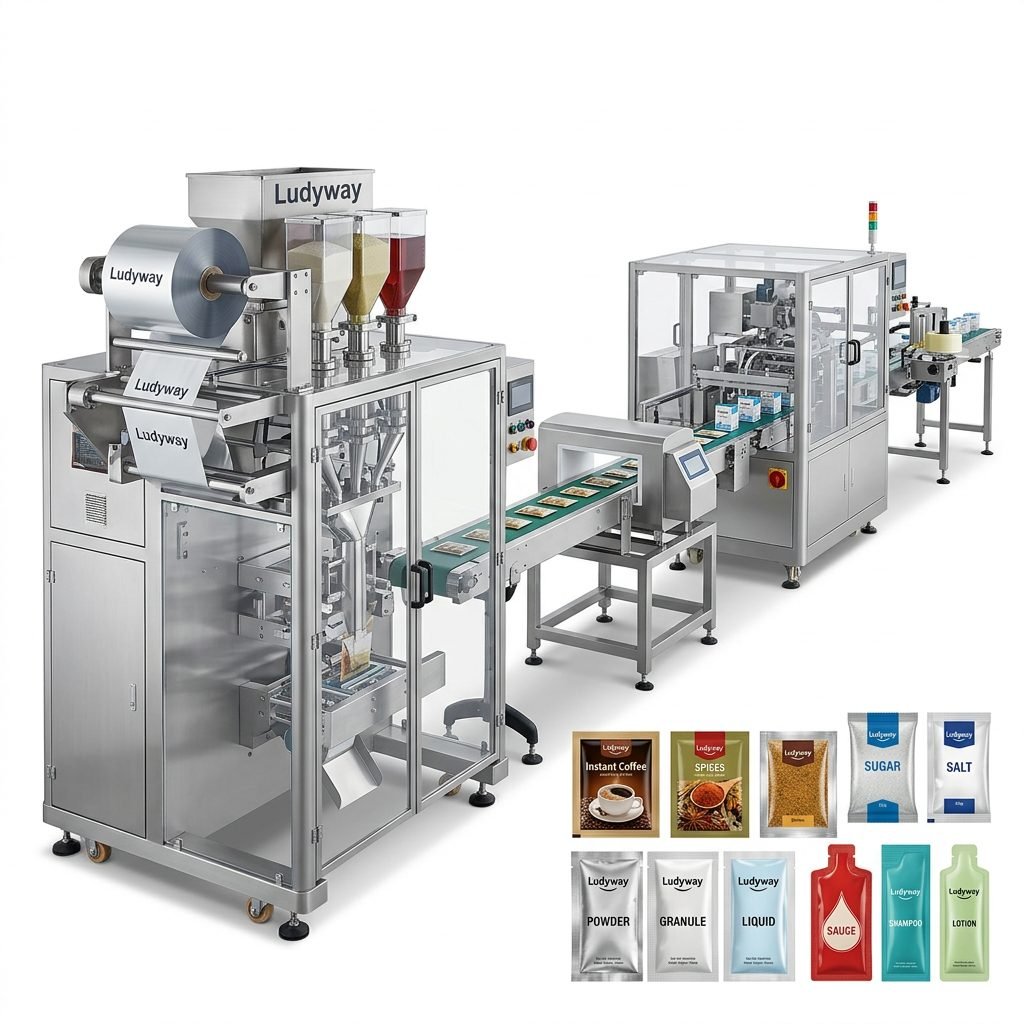
A vacuum sealed packaging production line is more than just a vacuum chamber. It typically consists of feeding systems, multi-head weighers or liquid fillers, the vacuum packaging machine itself, checkweighers, metal detectors, and end-of-line equipment. Below is a typical equipment list:
| Equipment | Function |
|---|---|
| Vibratory or Z-Type Elevator | Feeds granules or powder to weighing station |
| Multi-Head Weigher / Liquid Filler | Precise dosing of product into pouches or trays |
| Vacuum Packaging Machine | Creates vacuum and seals the package hermetically |
| Gas Flushing System (MAP) | Injects nitrogen or CO₂ for modified atmosphere packaging |
| Checkweigher & Metal Detector | Quality control and rejection of non-conforming packs |
| Conveyors & Packing Table | Smooth transfer between stations |
| Cartoning / Case Packing | Secondary packaging for distribution |
When selecting the vacuum packaging machine, evaluate chamber size, cycle speed (packs per minute), vacuum pump type (oil vs. dry), and compatibility with your packaging material, which should meet ISO 11607 standards for sterile barrier systems if applicable.

Step 4: Line Layout and Automation Design
Efficient layout design minimizes product travel distance and operator fatigue. Consider an L-shaped or U-shaped configuration to optimize floor space. Modern lines integrate PLC controls and HMI touchscreens for centralized operation. Automated features like automatic pouch loading, servo-driven sealing jaws, and robotic pick-and-place can significantly reduce labor costs, which is particularly attractive in higher-wage Asian markets.
Step 5: Finding a Reliable Equipment Supplier
Partnering with an experienced packaging machine manufacturer is crucial to success. Look for suppliers with a proven track record in turnkey vacuum packaging lines, local service support, and spare parts availability. One such provider is Ludyway—one of the largest packaging machine manufacturers in China, specializing in advanced packaging equipment and turnkey production solutions for the food, pharmaceutical, and health industries. With over 30 years of experience and a 20,000㎡ manufacturing facility, Ludyway offers comprehensive line integration services, from vacuum packaging machines to complete cartoning and palletizing systems. The company serves customers in over 100 countries.
Step 6: Compliance, Certifications, and Food Safety Standards
In Asia, packaging equipment and processes must comply with both local and international standards. For food products, adherence to FDA regulations on food contact substances or EU packaging waste directives may apply if you export. Machinery should carry CE, UL, or equivalent safety certifications. Be sure to validate your vacuum sealing process for seal integrity, residual oxygen levels, and tamper evidence. Documentation is key for audits and traceability.
Step 7: Installation, Commissioning, and Operator Training
Once the equipment arrives, plan on a 2-4 week installation and commissioning phase. Equipment suppliers often dispatch engineers for on-site mechanical and electrical setup. During commissioning, conduct Installation Qualification (IQ), Operational Qualification (OQ), and Performance Qualification (PQ) as part of a validation master plan. Train operators extensively on machine settings, troubleshooting, and safety procedures—never underestimate the learning curve with automated vacuum systems.
Step 8: Cost Breakdown and Budget Planning
Budgeting for a vacuum packaging production line in Asia requires factoring in more than just machine price. Use the table below as a rough guide:
| Cost Category | Estimated Percentage of Total Investment |
|---|---|
| Packaging machinery and conveyors | 45-55% |
| Facility setup (flooring, HVAC, utilities) | 15-20% |
| Installation, commissioning, training | 5-10% |
| Initial raw materials and packaging film | 8-12% |
| Certifications, permits, and validation | 5-8% |
| Contingency reserve | 5-10% |
Leveraging turnkey solutions from a single source can often reduce integration costs and speed up the project timeline.
Step 9: Ongoing Maintenance and Spare Parts Management
After startup, implement a Total Productive Maintenance (TPM) program. For vacuum packaging machines, this includes daily checks of seal bars, vacuum pumps, and sensor calibration. Maintain a strategic stock of critical spare parts such as heating elements, Teflon tape, gaskets, and filters. Having a reliable local service technician or remote support from the packaging machine manufacturer can greatly reduce downtime.
Common Pitfalls to Avoid
- Underestimating the importance of proper film selection—viscosity, gauge, and barrier properties directly affect seal quality.
- Skipping detailed factory acceptance tests (FAT) before shipment from the supplier’s facility.
- Inadequate product testing—run your actual product during commissioning, not just surrogate materials.
Future-Proofing Your Vacuum Packaging Investment
The Asian packaging market is rapidly evolving toward smart factory integration, IoT-enabled monitoring, and sustainable packaging materials. Choose equipment that can be retrofitted with data logging and predictive maintenance sensors. Considering vacuum packaging lines that handle recyclable or biodegradable films will position your operation favorably as environmental regulations tighten across Asia.
Setting up a vacuum sealed packaging machine production line in Asia is a multi-faceted project that demands careful planning, the right technology partners, and rigorous validation. By following this guide and working with experienced packaging equipment suppliers, you can build a line that delivers consistent quality, high throughput, and long-term profitability. For further technical specification or line layout consultation, refer to authoritative resources such as the Packaging Machinery Manufacturers Institute (PMMI) and the Flexible Packaging Association.

Whether you are launching a new product line or expanding existing capacity, the right vacuum sealing technology will be the cornerstone of your operational success in Asia’s dynamic manufacturing landscape.