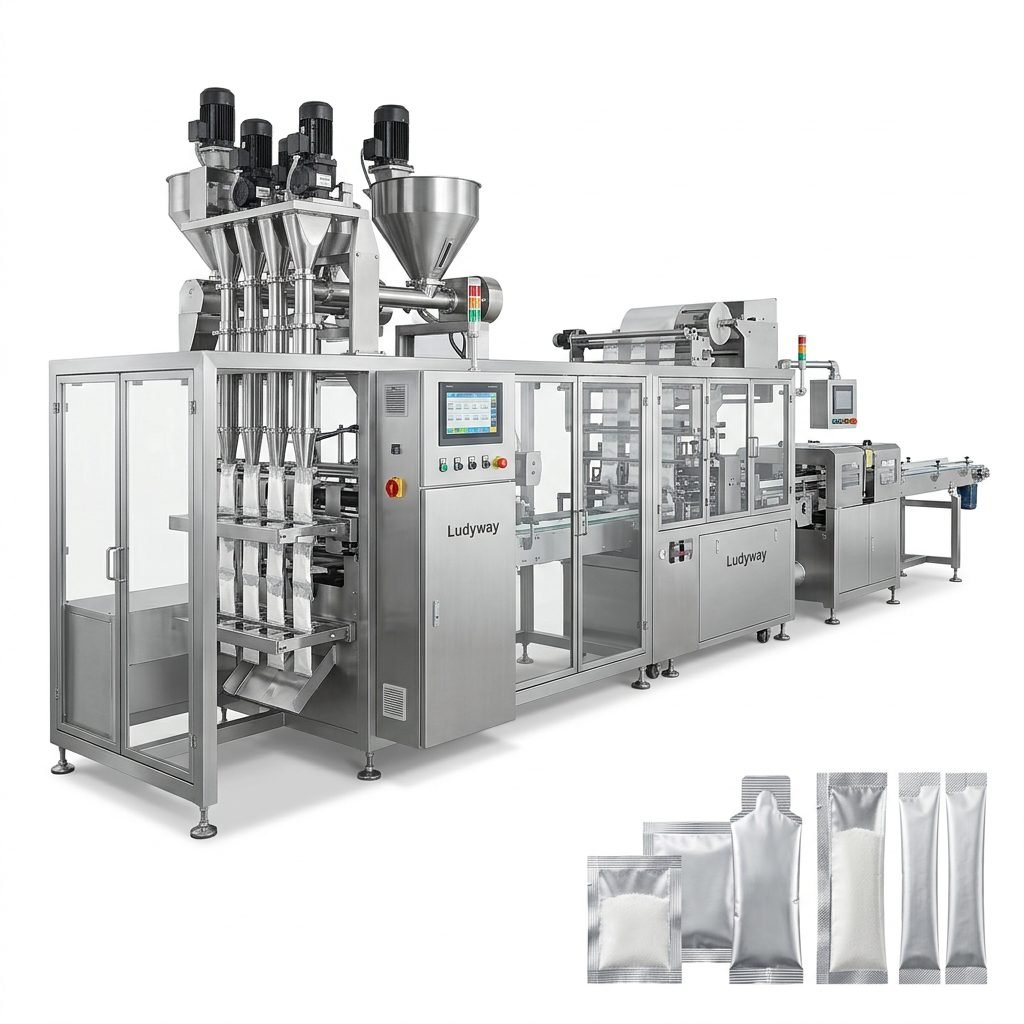
The North American protein bar market is experiencing unprecedented growth, projected to surpass USD 2.5 billion by 2027. For manufacturers competing in this dynamic landscape, packaging speed, precision, and reliability directly impact profitability. Selecting the right protein bar packaging machine is no longer just an operational decision—it is a strategic advantage that defines your brand’s shelf presence and production efficiency.
Key Challenges in Protein Bar Packaging
Protein bars present unique packaging demands. Their sticky, crumbly, or coated surfaces require specialized feeding and sealing systems. Inconsistent bar dimensions, temperature sensitivity, and the growing demand for sustainable flexible packaging add further complexity. Common pain points for North American manufacturers include:
- Film waste caused by poor tension control and misaligned sealing jaws
- Product jamming during high-speed infeed, especially with multi-lane systems
- Seal integrity failures leading to compromised shelf life and retailer rejections
- Frequent changeovers between bar sizes and packaging formats that reduce OEE
- Compliance gaps with FDA food contact substance regulations
Multi-Lane Stick Pack Technology: A Game-Changer
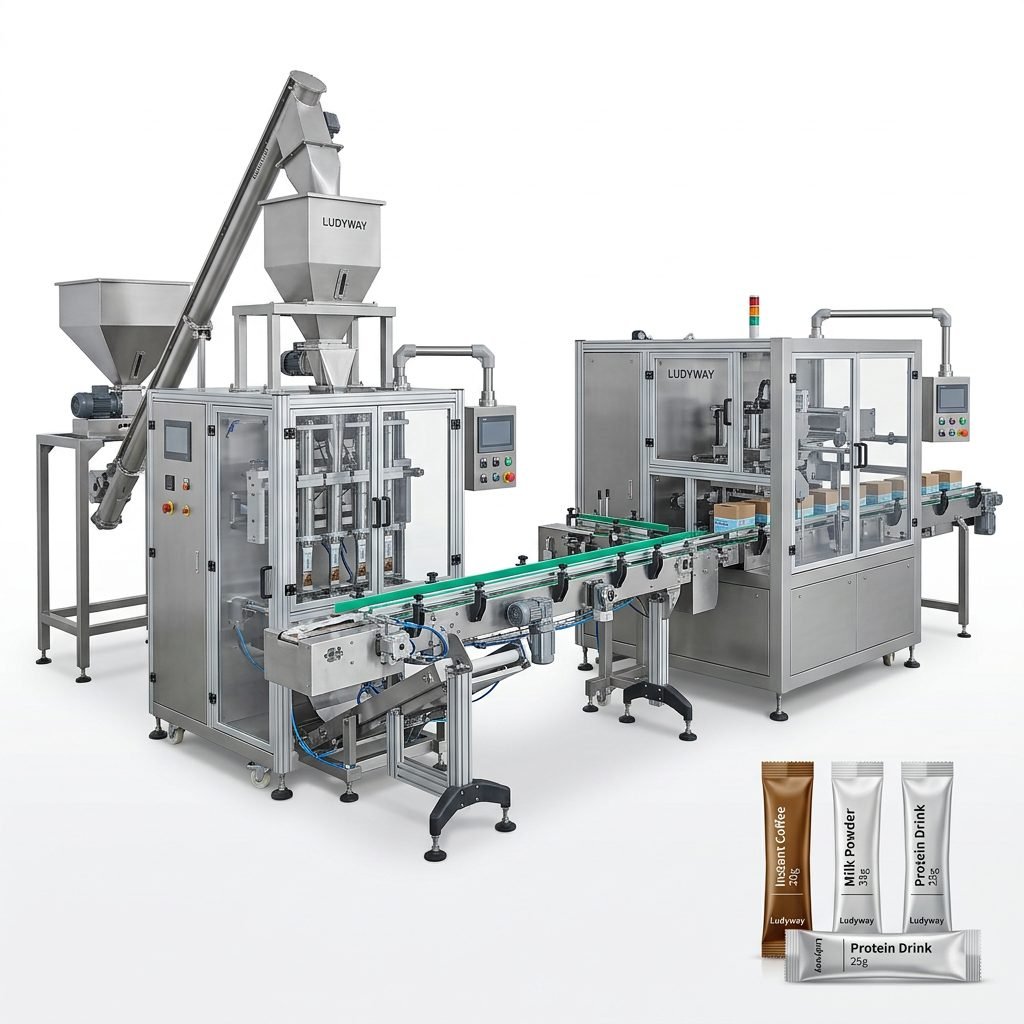
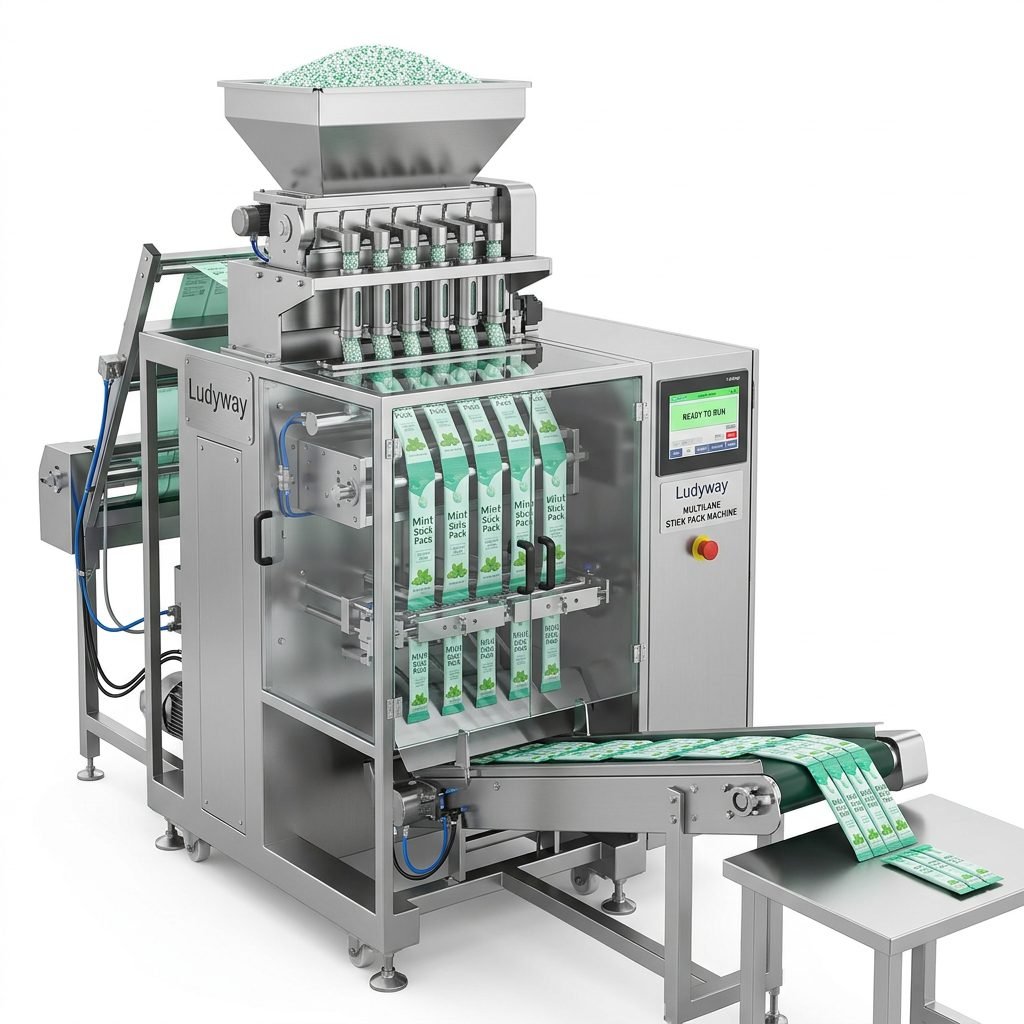
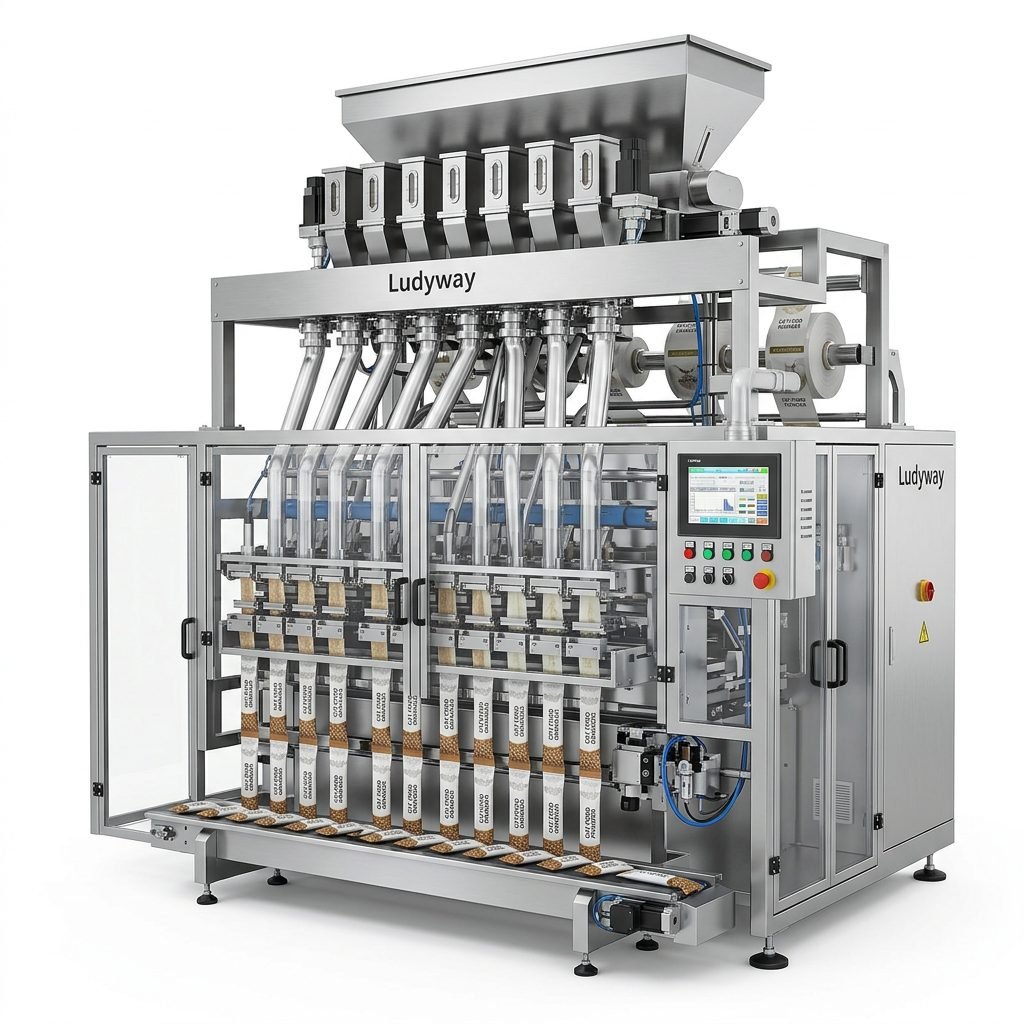
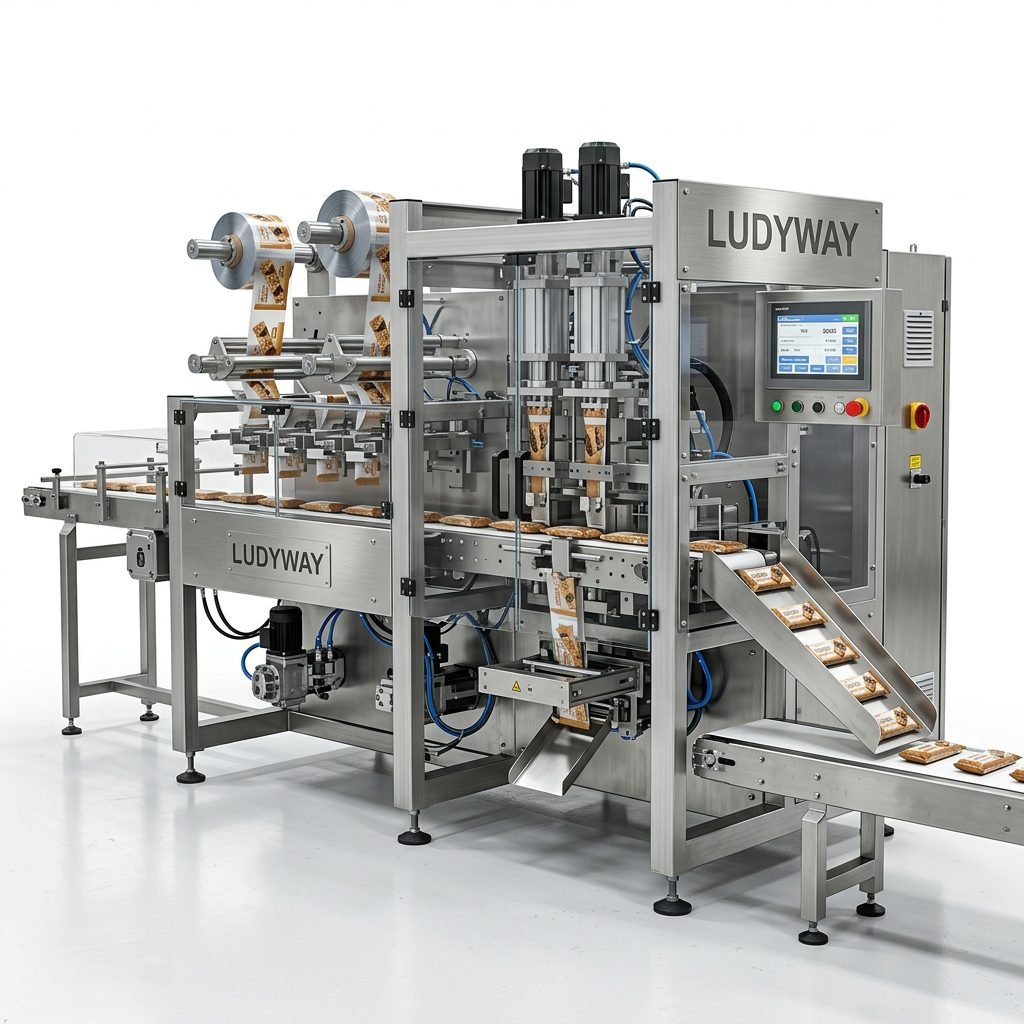
For high-volume protein bar producers, multi-lane stick pack machines offer a transformative leap in throughput. Unlike single-lane systems, these machines run 4 to 12 lanes simultaneously, dramatically increasing output per square foot of factory floor space. Key advantages include:
- Output rates exceeding 400 packs per minute across all lanes combined
- Precision servo-driven filling that minimizes product give-away
- Rapid format changeovers with tool-less adjustments
- Integrated gas flushing for extended shelf life without preservatives
- Compatibility with recyclable mono-material films to meet sustainability targets
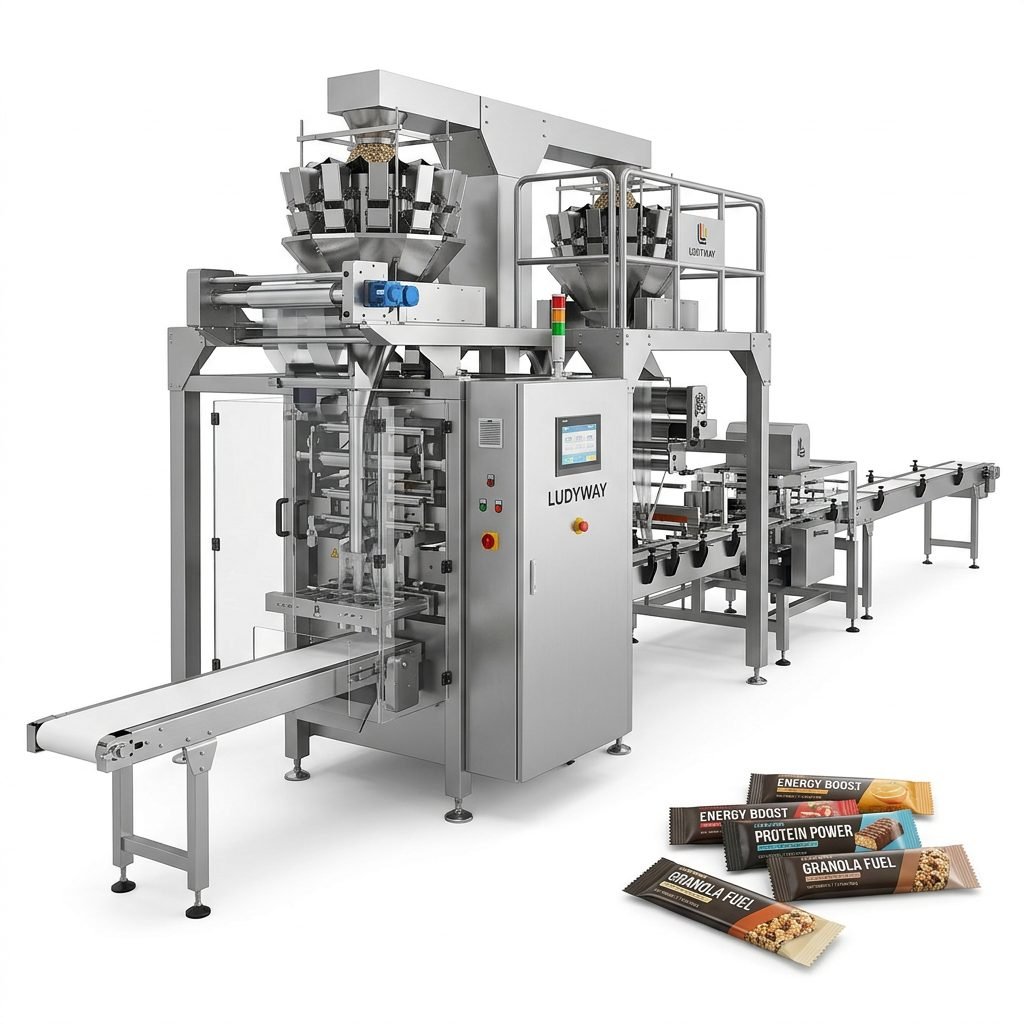
Critical Features to Evaluate in a Protein Bar Packaging Machine
When benchmarking equipment for your North American production facility, consider these non-negotiable specifications that separate industrial-grade machinery from entry-level alternatives:
1. Sealing Integrity and Film Compatibility
The protein bar segment increasingly demands high-barrier films that protect against moisture, oxygen, and light. Your packaging machine must maintain consistent seal pressure and temperature across all lanes, even at maximum speed. Look for independent temperature control zones and automatic seal pressure compensation to handle varying film thicknesses.
2. Gentle Product Handling
Crushed or deformed bars mean unacceptable waste rates. Advanced infeed systems with servo-controlled pushers and vibration-dampened conveyors preserve product integrity from hopper to sealed pack. This is especially critical for bars with chocolate coatings, drizzles, or soft cores.
3. Hygienic Design for Allergen Control
North American facilities processing whey, soy, nuts, and gluten must comply with strict allergen management protocols. Equipment with sloped surfaces, quick-release guards, and tool-free disassembly significantly reduces cross-contamination risks and sanitation downtime between production runs.
4. Smart Integration and Industry 4.0 Readiness
Modern packaging machinery standards increasingly require remote monitoring, predictive maintenance alerts, and OPC-UA connectivity. These capabilities allow you to track OEE in real time, schedule maintenance proactively, and integrate seamlessly with upstream and downstream equipment.
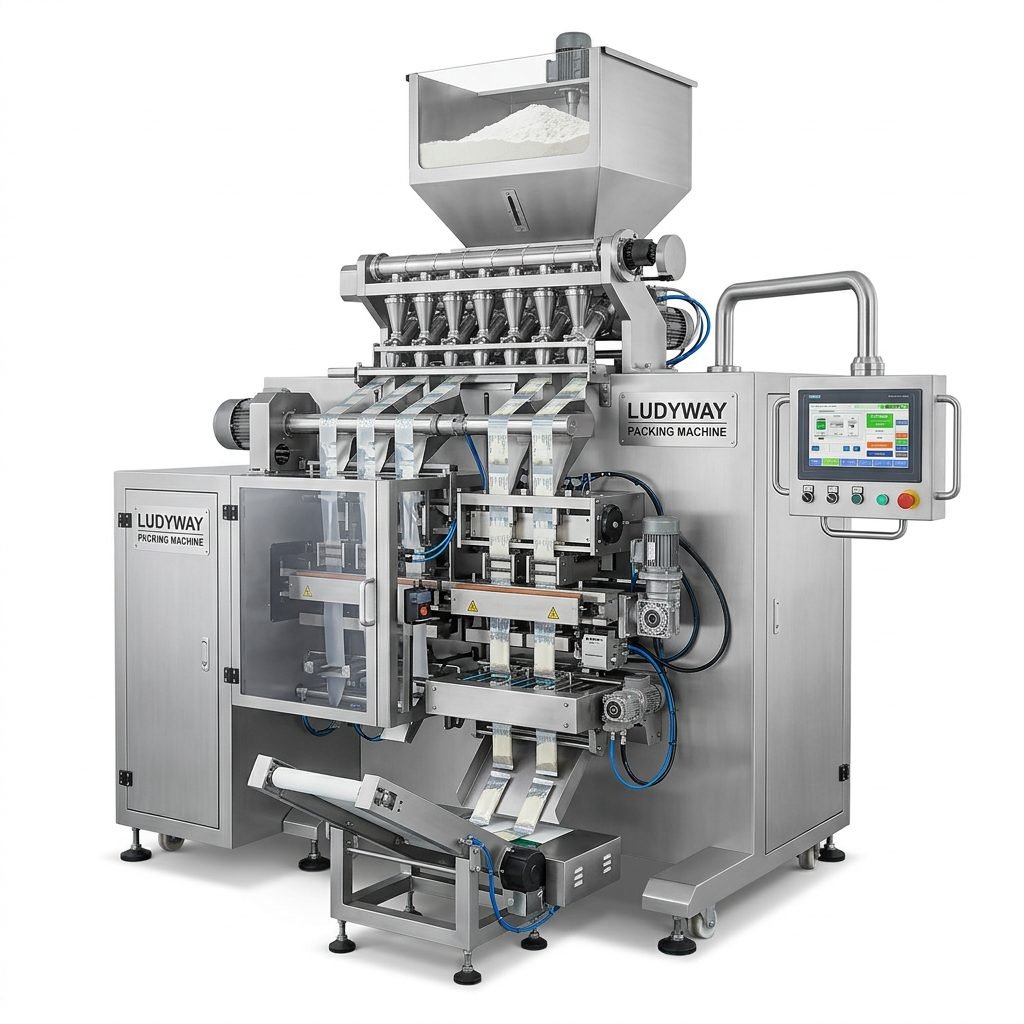
Comparing Packaging Machine Configurations
The following table outlines the primary machine configurations available for protein bar packaging and their suitability for different production scales:
| Machine Configuration | Typical Output Range | Best Suited For | Key Consideration |
|---|---|---|---|
| Single-Lane Flow Wrapper | 40–80 packs/min | Startups, co-packers, limited SKUs | Low initial investment, limited scalability |
| Multi-Lane Stick Pack (4–6 lanes) | 150–250 packs/min | Mid-volume brands, contract manufacturing | Strong balance of output and flexibility |
| Multi-Lane Stick Pack (8–12 lanes) | 300–500+ packs/min | High-volume national brands, export markets | Maximum throughput, fastest ROI at scale |
| Turnkey Integrated Line | Custom configured | Full-scale automated operations | Single-source responsibility, fully automated |
Why North American Manufacturers Are Switching Suppliers
A growing number of protein bar producers across the United States and Canada are reevaluating their equipment sourcing strategies. The drivers behind this shift include:
- Rising costs from traditional European suppliers with long lead times
- Desire for customization without prohibitive engineering fees
- Need for faster after-sales support and readily available spare parts
- Demand for turnkey solutions that encompass filling, cartoning, and palletizing
- Interest in modular designs that can scale with business growth
According to PMMI’s State of the Industry reports, the North American packaging machinery market continues to expand, with food applications representing the largest and fastest-growing segment. Protein bars, as a subcategory, are benefiting from consumer demand for functional nutrition and convenient meal replacements.
The Turnkey Advantage: From Bar to Case
Leading protein bar manufacturers are moving toward fully integrated packaging lines that eliminate manual touchpoints and reduce labor dependency. A well-designed turnkey system typically includes:
- Automated bar infeed and alignment with vision-based orientation correction
- Multi-lane stick pack or flow wrap primary packaging with gas flushing
- Checkweighing and metal detection for quality assurance
- Automatic cartoning with date coding and serialization
- Case packing and palletizing with robotic or conventional systems
This integrated approach reduces labor costs by up to 60% while improving overall equipment effectiveness through synchronized line control and single-point accountability.
Material Handling and Ancillary Equipment
Attention to upstream and downstream material handling is critical. Bucket elevators, vibratory feeders, and accumulation conveyors must be precisely matched to the primary packaging machine’s speed to avoid bottlenecks. ISO packaging standards provide useful benchmarks for system integration and performance validation.
Service and Support: The Hidden Cost Factor
Equipment is only as good as the technical support behind it. North American manufacturers prioritizing uptime should evaluate potential partners on these criteria:
- Remote diagnostic capabilities for real-time troubleshooting
- Availability of critical spare parts within 24–48 hours
- Local service technicians or certified partners in North America
- Comprehensive operator training programs including on-site and virtual options
- Preventive maintenance contracts with guaranteed response times
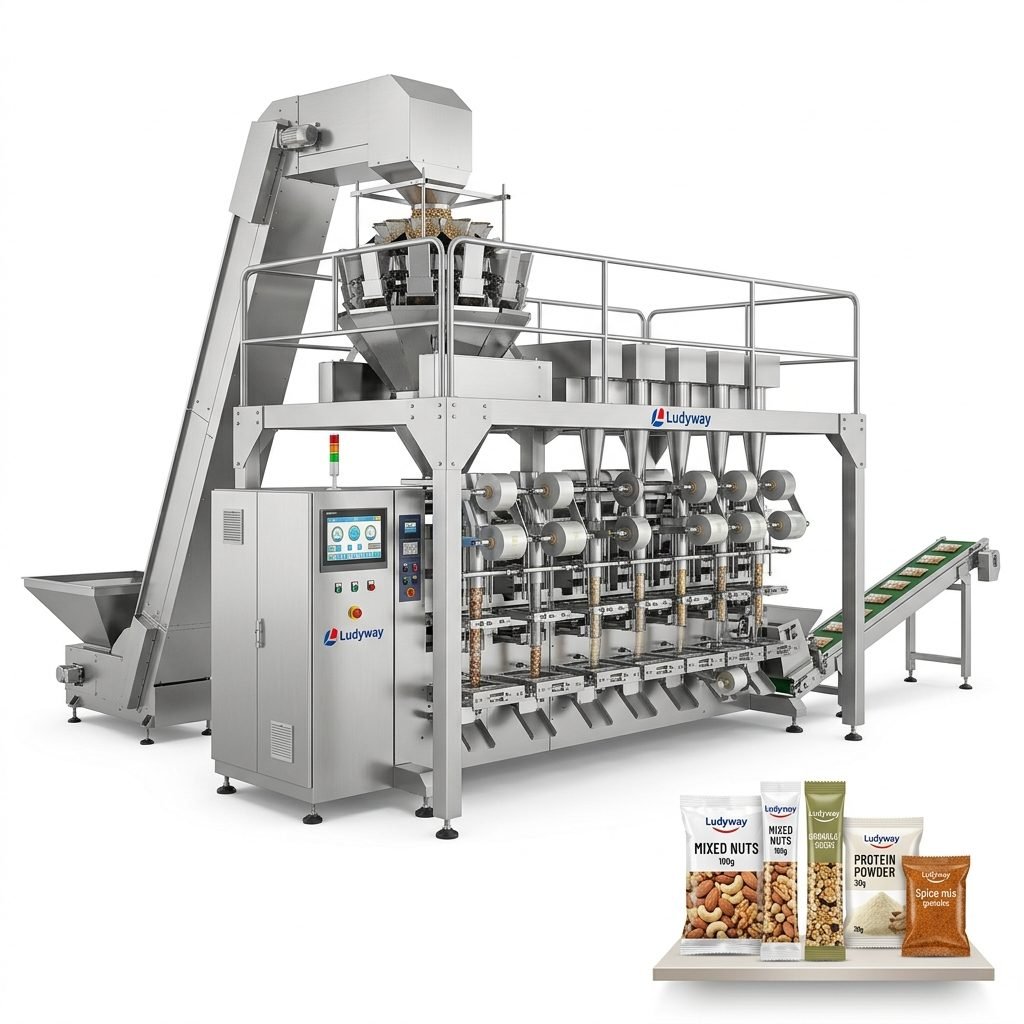
One manufacturer that has gained significant traction among North American protein bar producers is Ludyway. With a 20,000 m² modern production facility, over 30 years of industry experience, and 50+ intelligent packaging machine models, the company has delivered turnkey solutions to customers in over 100 countries. Its focus on multi-lane stick pack technology and fully automated packaging lines aligns closely with the needs of high-growth protein bar brands. For more context on the company’s global growth trajectory, see this recent market analysis.

Regulatory Compliance for the North American Market
Protein bar packaging sold in the U.S. and Canada must comply with rigorous regulatory frameworks. Key requirements include:
- FDA 21 CFR Part 110: Current Good Manufacturing Practice in manufacturing, packing, or holding human food
- Food Safety Modernization Act: Preventive controls and hazard analysis requirements
- Nutrition labeling compliance with updated FDA guidelines on serving sizes and added sugars
- Canadian Food Inspection Agency requirements for products sold north of the border
- Material traceability for food contact substances as outlined by the FDA Food Ingredients and Packaging division
Selecting equipment designed with hygienic engineering principles from the outset significantly simplifies compliance audits and reduces the risk of regulatory enforcement actions.
Sustainability and Packaging Waste Reduction
North American consumers and retailers are increasingly demanding sustainable packaging solutions. The evolving regulatory landscape around packaging waste is influencing global best practices. Modern protein bar packaging machines should support downgauged films, recyclable mono-materials, and compostable substrates without compromising seal integrity or production speed.
Calculating ROI for Your Investment
A comprehensive ROI analysis should go beyond the initial purchase price. Factor in these variables to make an informed decision:
- Labor savings: Automated multi-lane systems typically reduce direct labor per shift by 2–4 operators
- Material waste reduction: Precision film control can lower waste rates from 3–5% to below 1%
- Throughput gains: Increased output without additional floor space or utility costs
- Maintenance costs: Compare annual service contract pricing and parts availability
- Energy efficiency: Modern servo-driven systems consume significantly less power than pneumatic alternatives
For a mid-sized protein bar manufacturer producing 20 million units annually, upgrading from a single-lane to an 8-lane stick pack machine can yield full payback within 18–24 months through these combined savings alone.
Future-Proofing Your Packaging Operation
The protein bar category continues to fragment into specialized sub-segments: high-protein, low-sugar, plant-based, keto-friendly, and functional bars each require unique packaging considerations. Your equipment should offer flexibility to handle multiple formats, film types, and pack sizes without costly retrofits. Modular platform designs that allow lane additions, upgraded control systems, and new feeding modules provide the scalability needed to adapt as your product portfolio evolves.
With consumer demand showing no signs of slowing, and retail shelf space becoming increasingly competitive, the quality and consistency of your packaging directly influence purchase decisions. Investing in robust, high-speed, and precisely engineered packaging machinery positions your brand for sustained growth in North America’s most dynamic snack category.