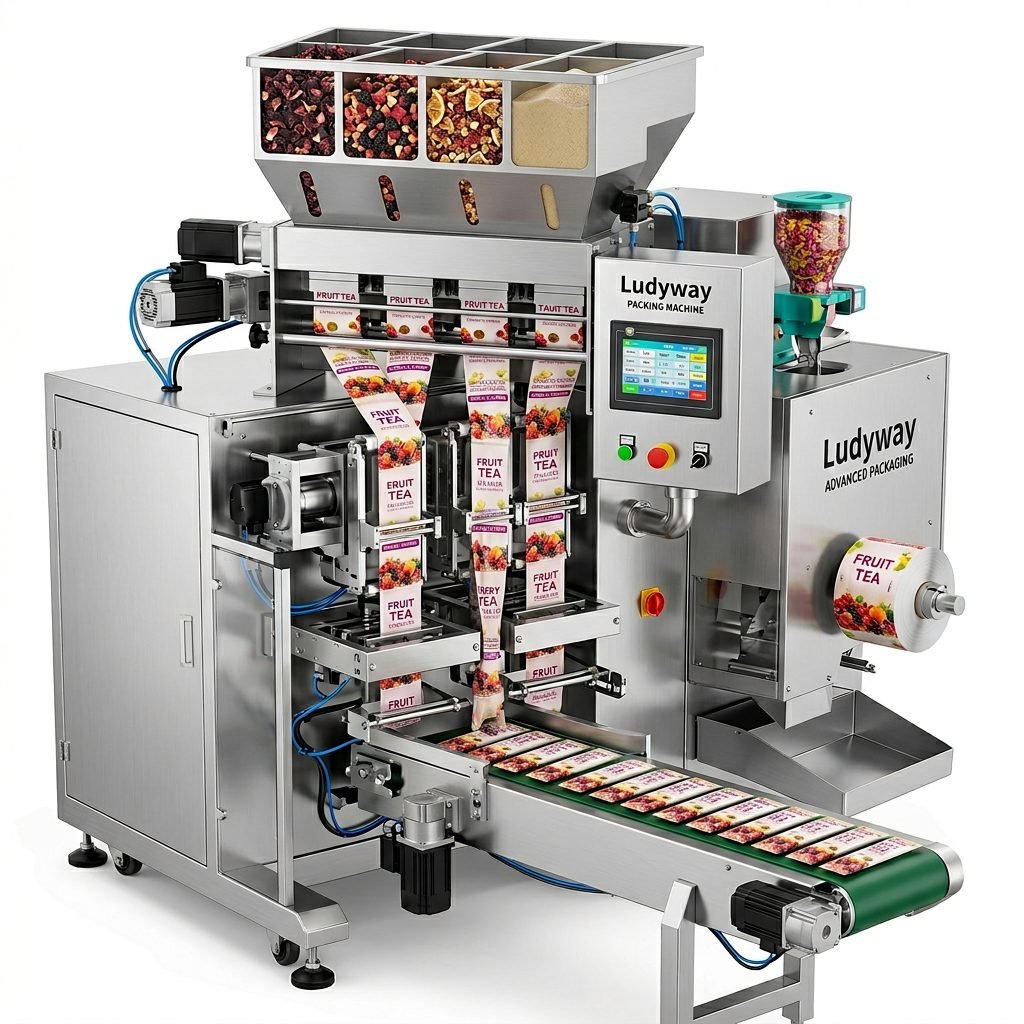
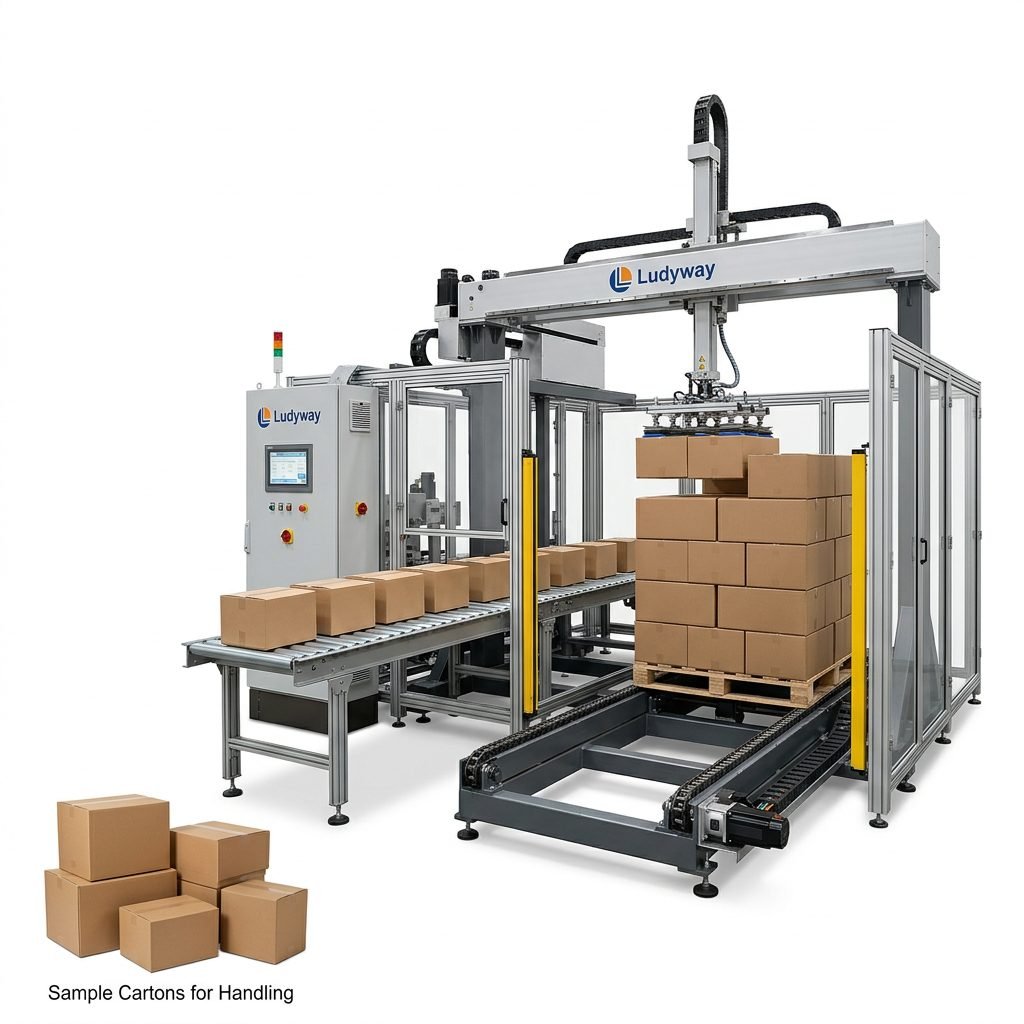
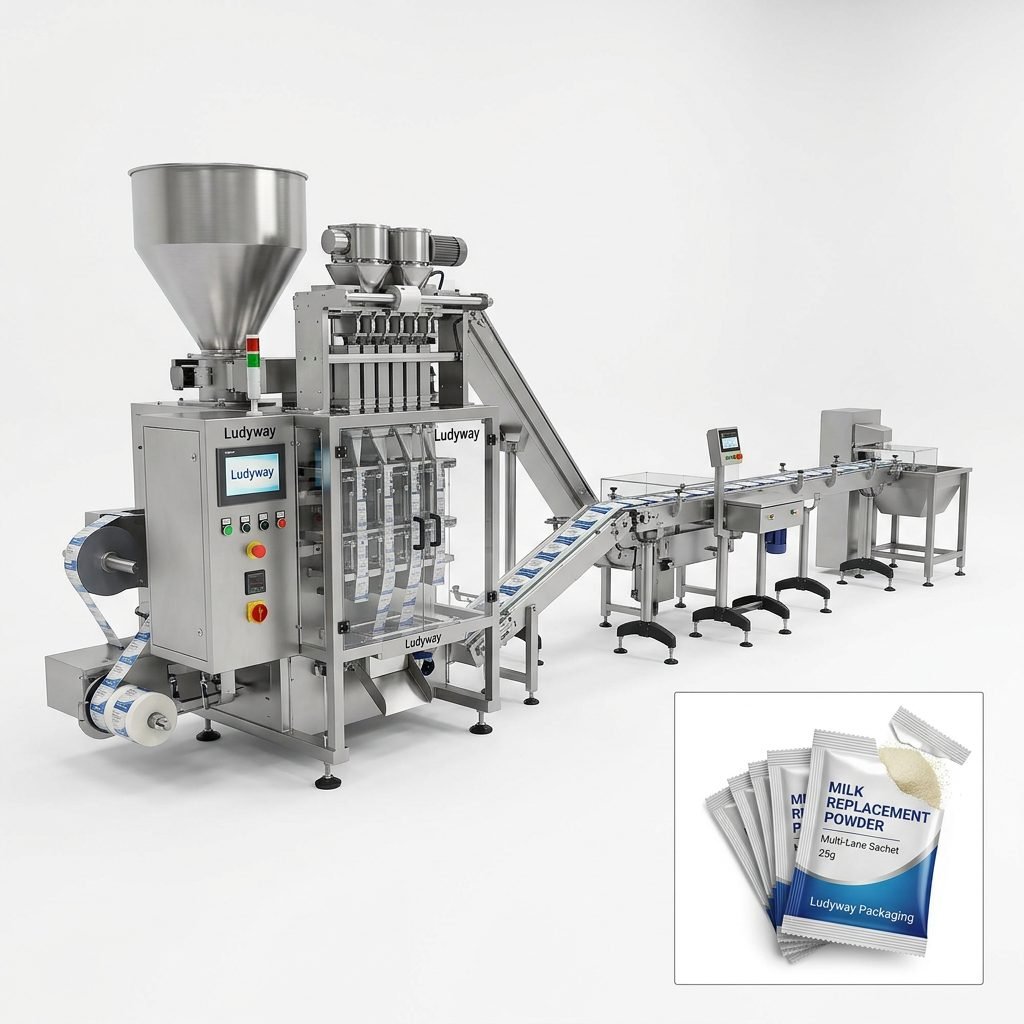
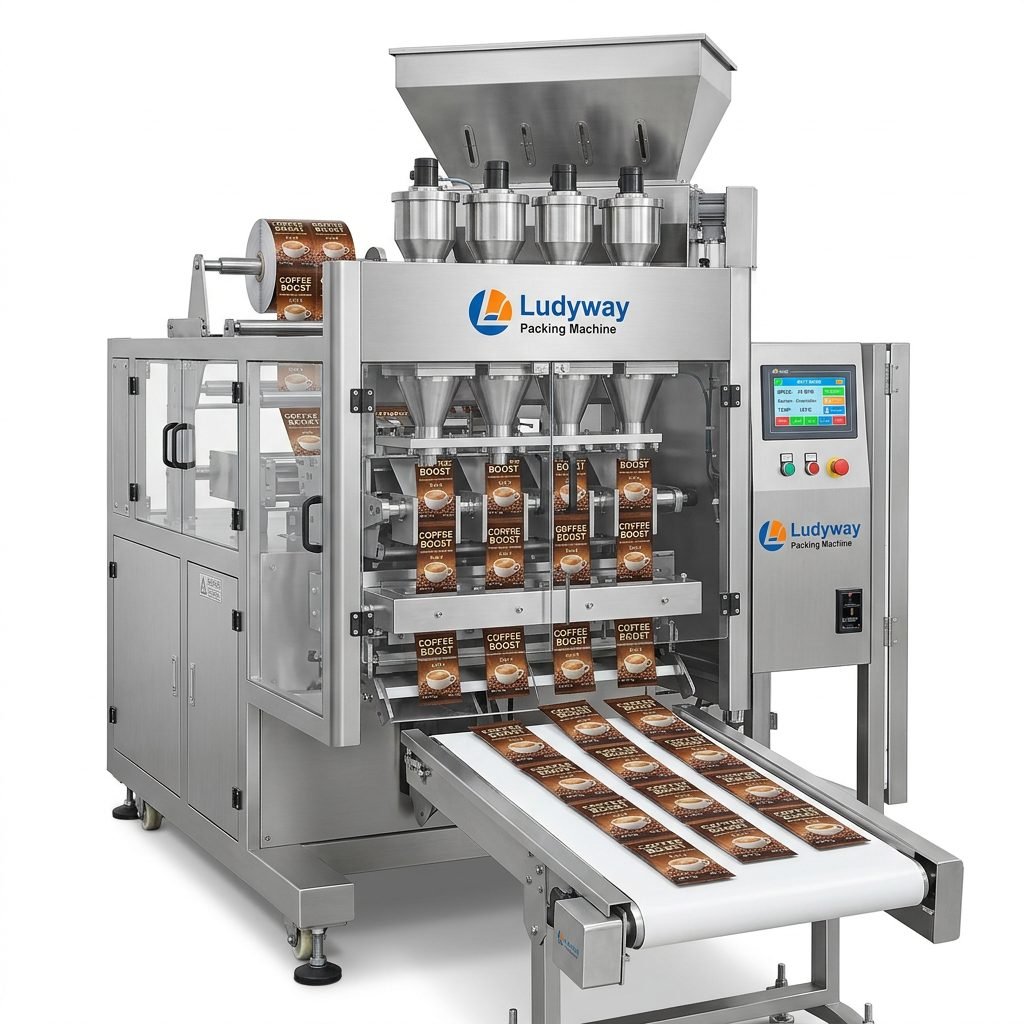
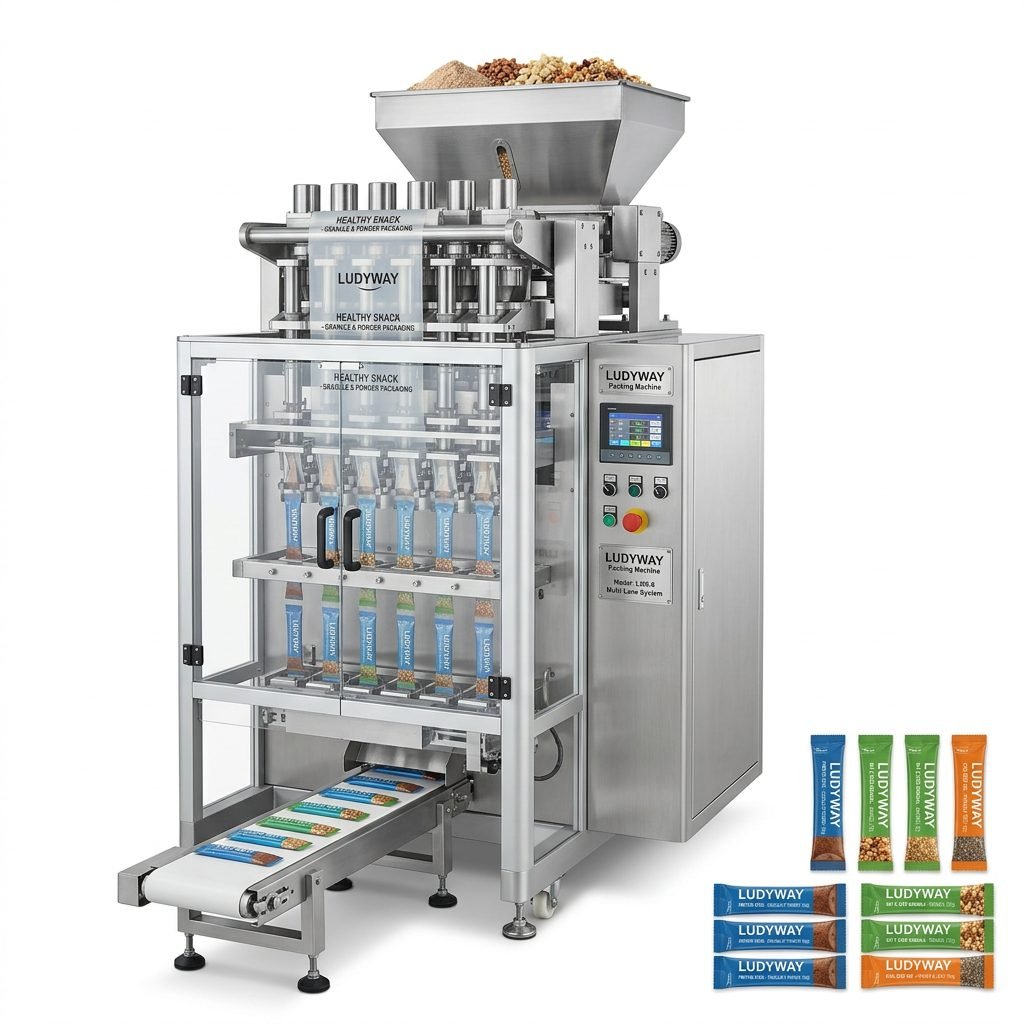
Designing a high-performance packaging workshop is not just about fitting machines into a room. It is about creating a smooth, safe, and scalable workflow that reduces handling time, limits bottlenecks, improves operator movement, and supports long-term output growth.
A well-planned layout can help manufacturers boost packaging speed, improve product consistency, lower labor costs, and simplify maintenance. Whether you run a food, pharmaceutical, cosmetic, chemical, or pouch packaging operation, the right floor plan directly affects your profitability.
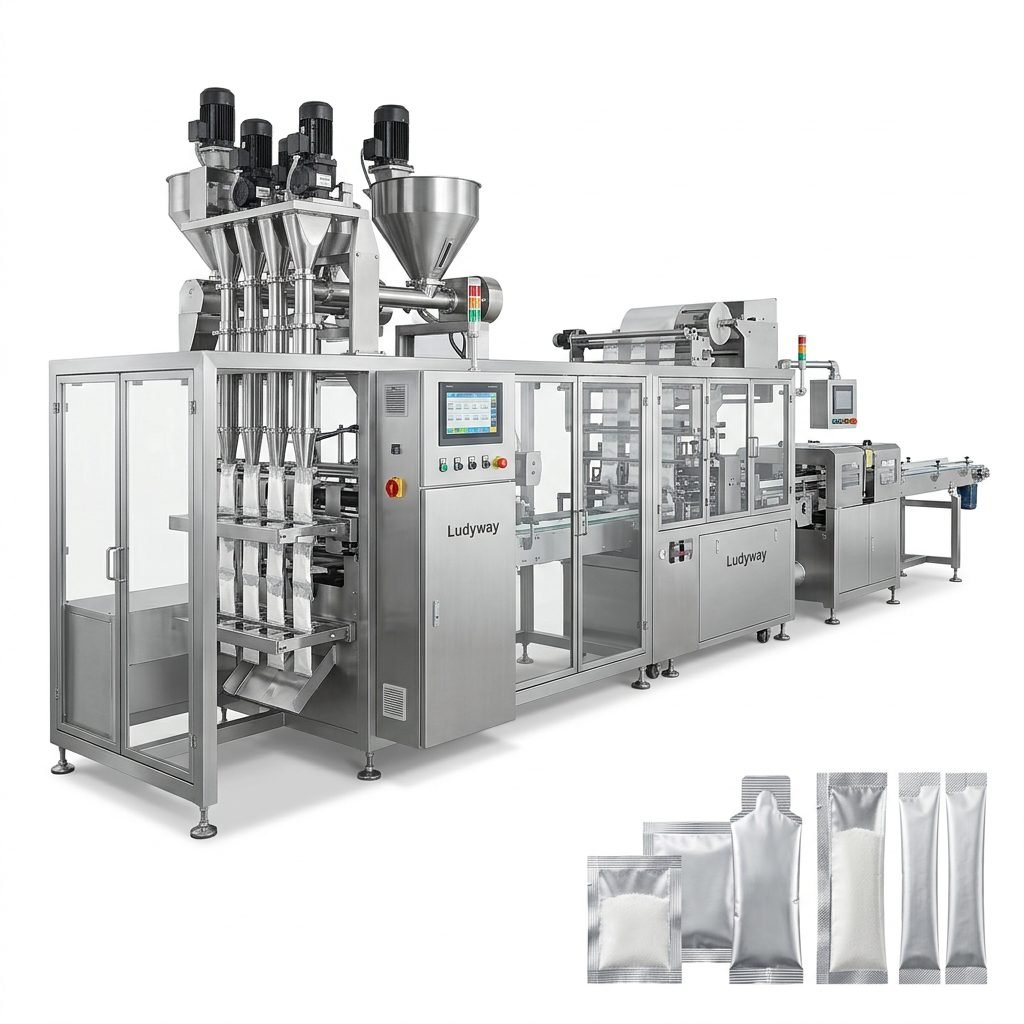
Start With Process Flow Before Equipment Placement
The most efficient packaging workshop layouts always begin with the process itself. Before deciding where to place a packaging machine, conveyor, feeder, coding unit, checkweigher, cartoner, or palletizer, map the complete production path from raw material entry to finished goods dispatch.
Golden rule: materials should move forward, not backward.
A packaging workshop should ideally support a linear or near-linear flow:
- Raw material receiving
- Temporary storage
- Feeding and dosing
- Primary packaging
- Inspection and coding
- Secondary packaging
- Cartoning or case packing
- Palletizing and finished goods storage
When movement loops back, crosses itself, or causes repeated transport, efficiency drops quickly. Extra handling increases labor, the chance of contamination, and the risk of damage.
Define Functional Zones Clearly
Dividing the workshop into clearly defined zones helps prevent confusion and keeps operations organized. Even in compact facilities, zoning improves control and reduces wasted motion.
| Zone | Main Purpose | Layout Tip |
|---|---|---|
| Raw Material Area | Receiving and temporary staging | Place close to feeding systems |
| Preparation Area | Weighing, mixing, sieving, batching | Avoid overlap with finished goods routes |
| Packaging Line Area | Filling, sealing, labeling, coding | Keep space for operators and maintenance |
| Inspection Area | Checkweighing, metal detection, visual checks | Position directly after primary packaging |
| Secondary Packaging Area | Cartoning, bundling, case sealing | Align with outbound logistics flow |
| Finished Goods Area | Storage and shipment preparation | Place near loading access |
Choose the Right Layout Type for Your Production Model
Not every packaging workshop should look the same. The ideal configuration depends on product type, available floor space, packaging format, hygiene needs, and production volume.
1. Straight-Line Layout
This is often the best choice for maximum efficiency. Materials enter at one end and finished products exit at the other. It minimizes crossing paths and simplifies supervision.
2. U-Shaped Layout
Useful where floor space is limited. It keeps related activities close together and can reduce walking distance for operators and supervisors.
3. Parallel Line Layout
Suitable for facilities running multiple SKUs or similar packaging lines. This works well in high-volume operations where several lines share utilities and support systems.
4. Modular Layout
Best for companies planning future expansion. A modular setup allows additional equipment or automation stations to be added with less disruption.
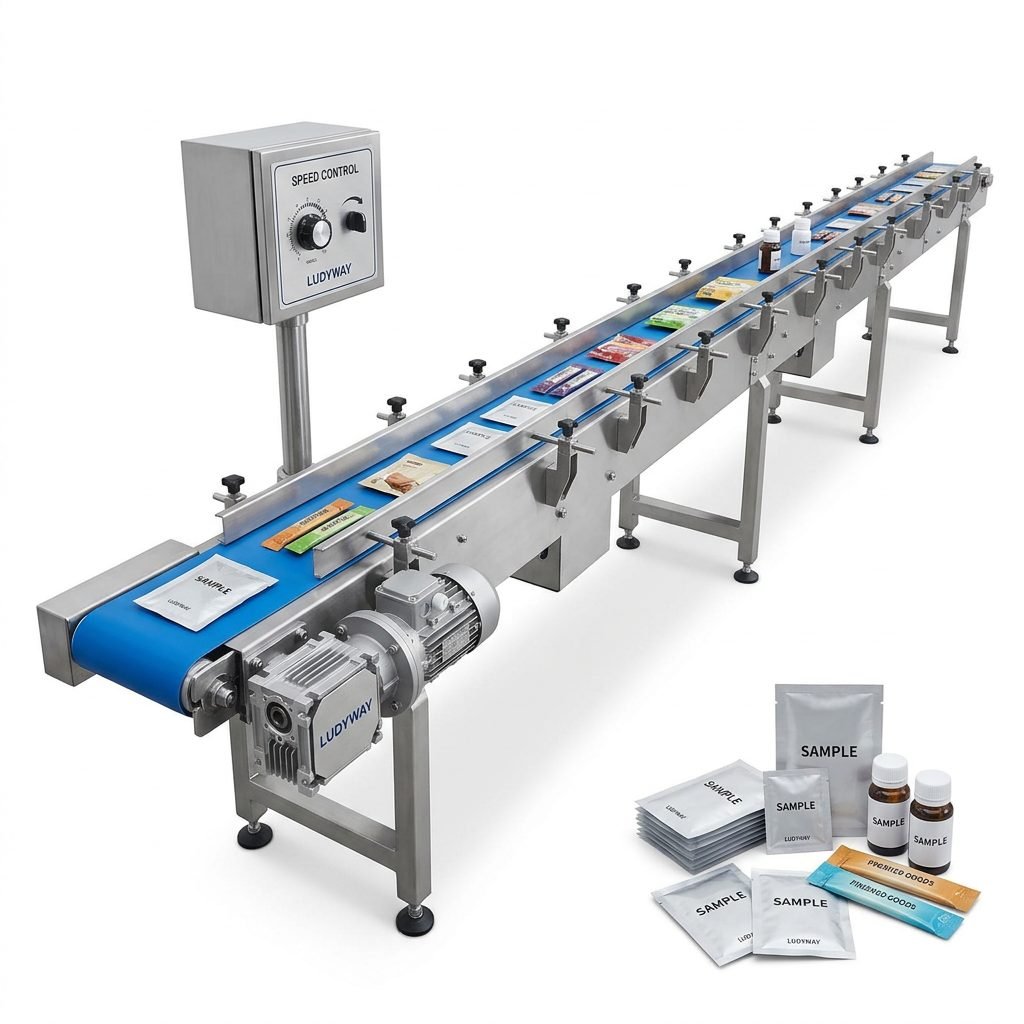
Reduce Material Handling to Increase Productivity
One of the biggest hidden costs in a packaging workshop is unnecessary handling. Every time materials are lifted, moved, re-staged, or transferred manually, time and labor increase.
To reduce material handling:
- Place raw materials near the first processing point
- Use conveyors, elevators, or vacuum feeders for continuous transfer
- Minimize intermediate storage points
- Keep packaging materials close to machine loading stations
- Separate inbound and outbound paths where possible
Efficient handling systems not only improve output but also reduce operator fatigue and product loss.
Allow Enough Space Around Each Machine
Overcrowding equipment is a common layout mistake. A workshop may look compact on paper, but if operators cannot load film, refill materials, clean surfaces, inspect parts, or access control panels comfortably, performance will suffer.
When planning clearance, consider:
- Operator standing and walking space
- Maintenance access for side and rear panels
- Changeover room for tools and spare parts
- Safe clearance for doors, guards, and covers
- Forklift or pallet jack movement where needed
Tip: A workshop should be designed for real operations, not only machine dimensions.
Plan for Ergonomics and Labor Efficiency
Productivity is strongly linked to operator comfort. Poor ergonomic design leads to slower loading, repetitive strain, more errors, and higher turnover.
Good ergonomic layout planning includes:
- Easy access to touch screens and control buttons
- Reasonable loading heights for films, cartons, or raw materials
- Clear visual access to sealing, coding, and inspection points
- Short walking distances between related tasks
- Logical placement of bins, tools, and spare materials
Separate People Flow, Product Flow, and Waste Flow
In efficient workshops, movement is controlled. Workers, materials, packaging waste, rejected products, and finished goods should not compete for the same path.
This is especially important in food and pharmaceutical packaging environments, where hygiene and compliance are critical.
| Flow Type | Best Practice |
|---|---|
| Personnel Flow | Create direct walkways and access points without crossing main material lanes |
| Product Flow | Keep movement one-directional from input to output |
| Waste Flow | Assign dedicated collection areas for trims, rejects, and packaging scrap |
| Maintenance Flow | Ensure technicians can access machines without interrupting production |
Integrate Utilities Early in the Layout Plan
A packaging workshop depends on more than machines. Air supply, power, drainage, dust extraction, ventilation, network wiring, lighting, and compressed air all affect machine performance and layout efficiency.
Plan utility routing early to avoid:
- Exposed cables across walkways
- Long hose runs causing pressure loss
- Difficult machine relocation later
- Cleaning obstacles around pipelines
- Unplanned downtime during upgrades
For powder, granule, and liquid packaging lines, utility planning should also match the specific process risk, such as dust control, washdown needs, or temperature stability.
Build the Layout Around Bottleneck Prevention
The fastest machine does not guarantee the fastest workshop. Real efficiency depends on the balance between all stations. If one part of the line stops or slows repeatedly, the entire workshop output drops.
Common bottlenecks include:
- Slow manual feeding
- Insufficient finished goods removal
- Limited packaging material staging
- Inspection systems with poor synchronization
- Secondary packaging stations with lower capacity than primary lines
When designing your workshop, compare the throughput of each stage and make sure downstream equipment can support upstream production speed.
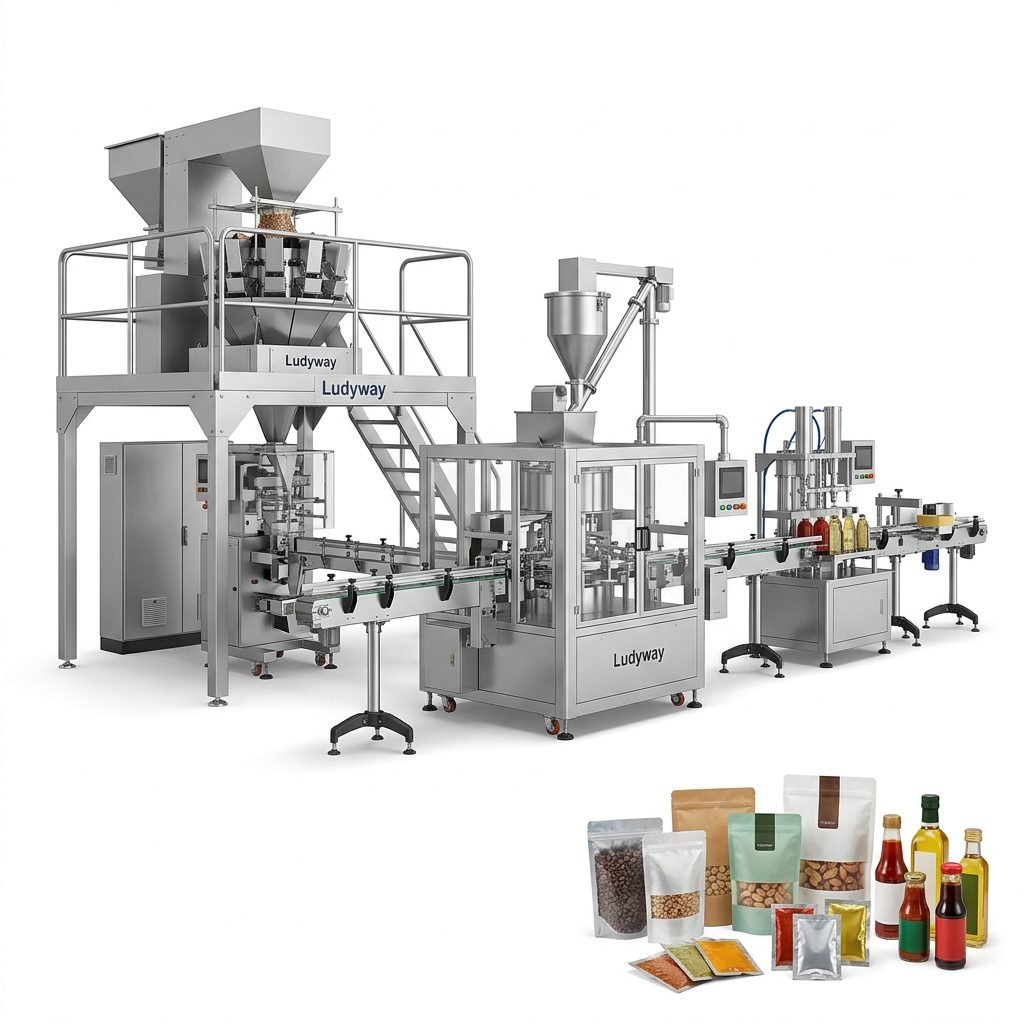
Design for Hygiene, Safety, and Compliance
Maximum efficiency should never come at the expense of safety or product integrity. In many industries, poor layout creates cleaning difficulty, contamination risk, and audit problems.
Key considerations include:
- Separate clean and non-clean areas
- Use easy-to-clean machine spacing
- Prevent dust accumulation zones
- Keep emergency exits and fire equipment accessible
- Provide proper lighting for inspection and operation
- Mark pedestrian and forklift routes clearly
For regulated sectors, layout should support SOP execution, traceability, sanitation, and inspection readiness.
Leave Room for Future Expansion
Many workshops are designed only for current production demand. This often leads to expensive rework later. If growth is expected, reserve space for:
- Additional packaging lanes
- Automatic feeding systems
- Vision inspection or checkweighing upgrades
- Cartoning and case packing automation
- Robotic palletizing
- Buffer conveyors and accumulation tables
A scalable layout protects your investment and makes future expansion faster and less disruptive.
Use Data to Optimize the Final Workshop Layout
Before finalizing the design, validate the plan using actual production information. Layout decisions should be based on numbers, not assumptions.
Useful data points include:
- Target output per shift
- Machine cycle times
- Operator count per line
- SKU changeover frequency
- Raw material replenishment intervals
- Packaging material consumption rates
- Maintenance schedules
Even a simple workflow simulation can reveal congestion points, idle stations, or underused floor space.
Common Packaging Workshop Layout Mistakes to Avoid
- Placing machines too close together
- Ignoring operator movement patterns
- Combining raw material and finished goods routes
- Underestimating storage and staging needs
- Adding automation without full line integration
- Failing to plan for cleaning and maintenance access
- Choosing equipment first and workflow second
A Practical Checklist for an Efficient Packaging Workshop
| Checklist Item | Status Goal |
|---|---|
| One-way material flow | Achieved |
| Clear functional zones | Defined |
| Adequate machine clearance | Verified |
| Safe personnel pathways | Marked |
| Balanced line capacity | Confirmed |
| Utility planning completed | Integrated |
| Expansion space reserved | Planned |
Why Turnkey Planning Often Delivers Better Results
For businesses aiming to maximize efficiency, turnkey planning often provides better workshop performance than purchasing individual machines separately. A full-line approach ensures the packaging line, feeding systems, inspection equipment, conveyors, and end-of-line automation work together as one coordinated system.
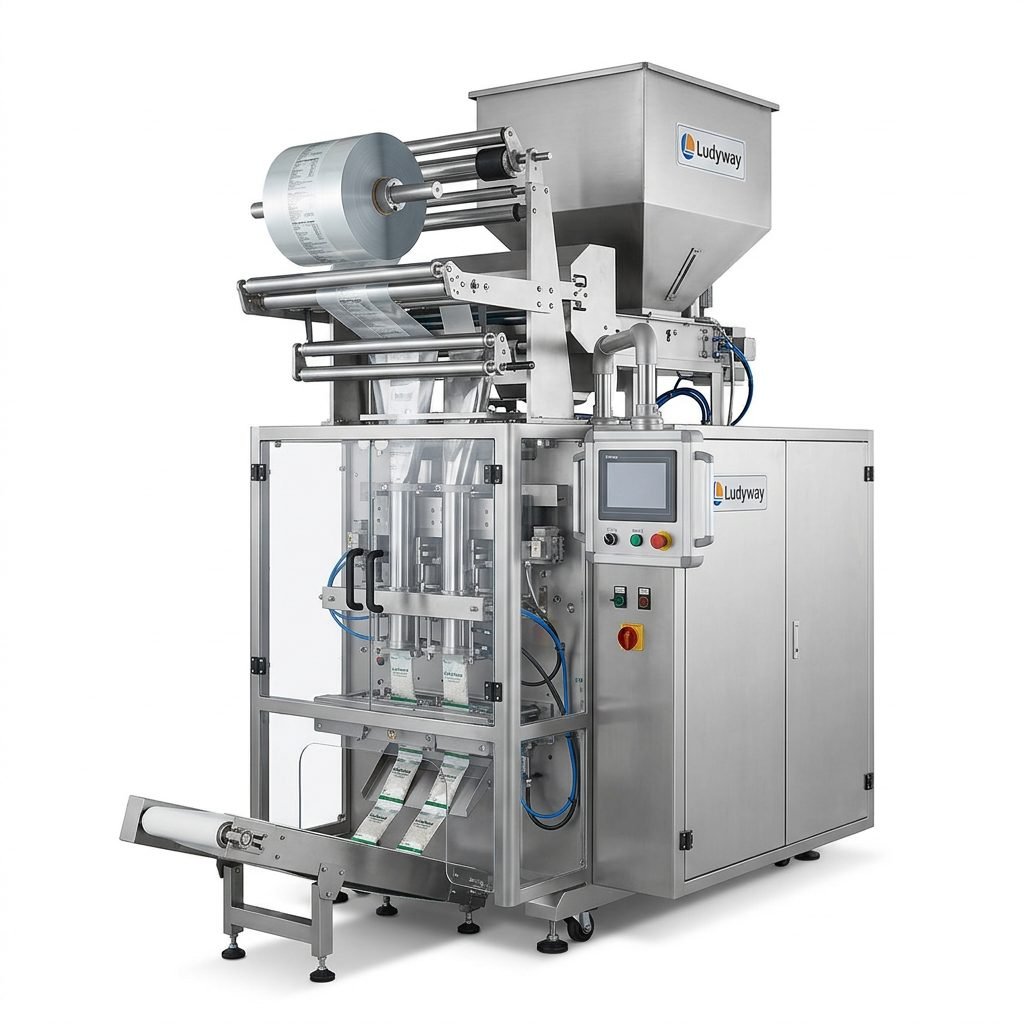
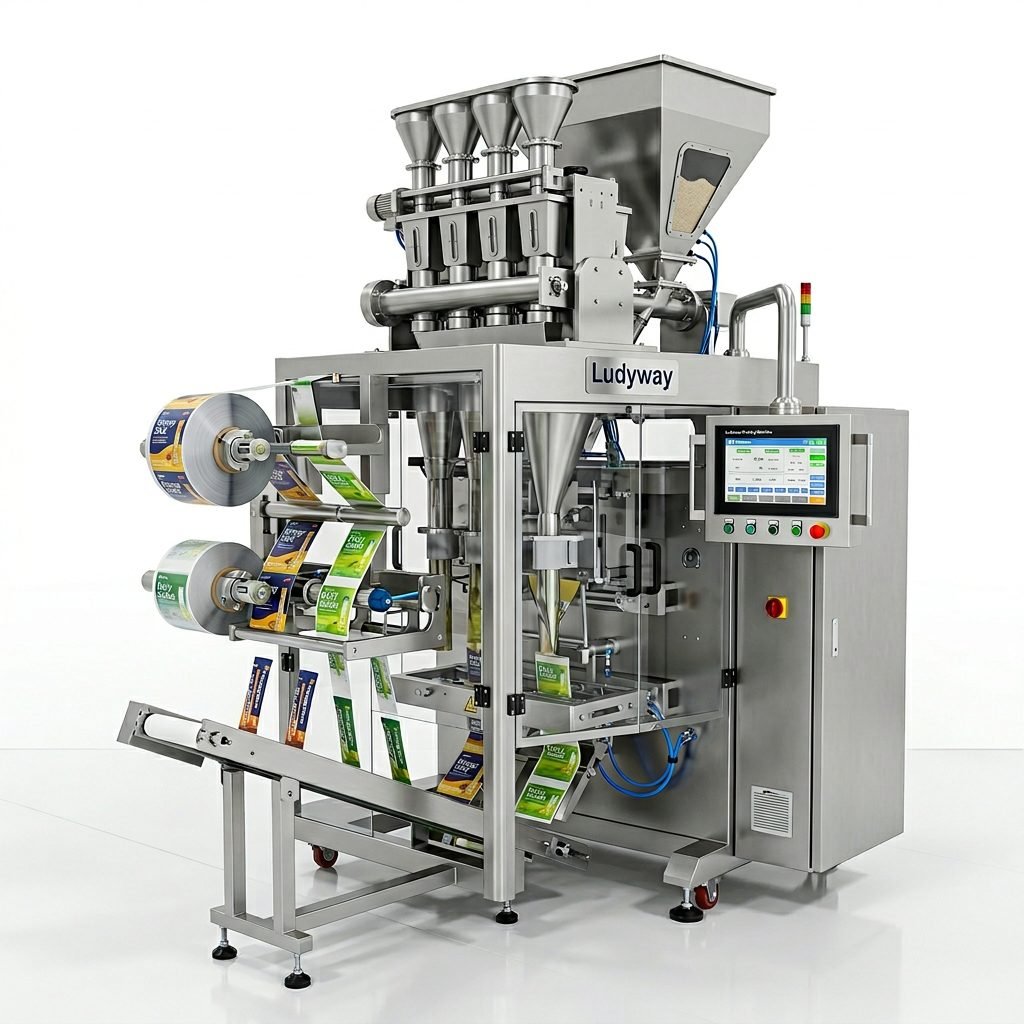
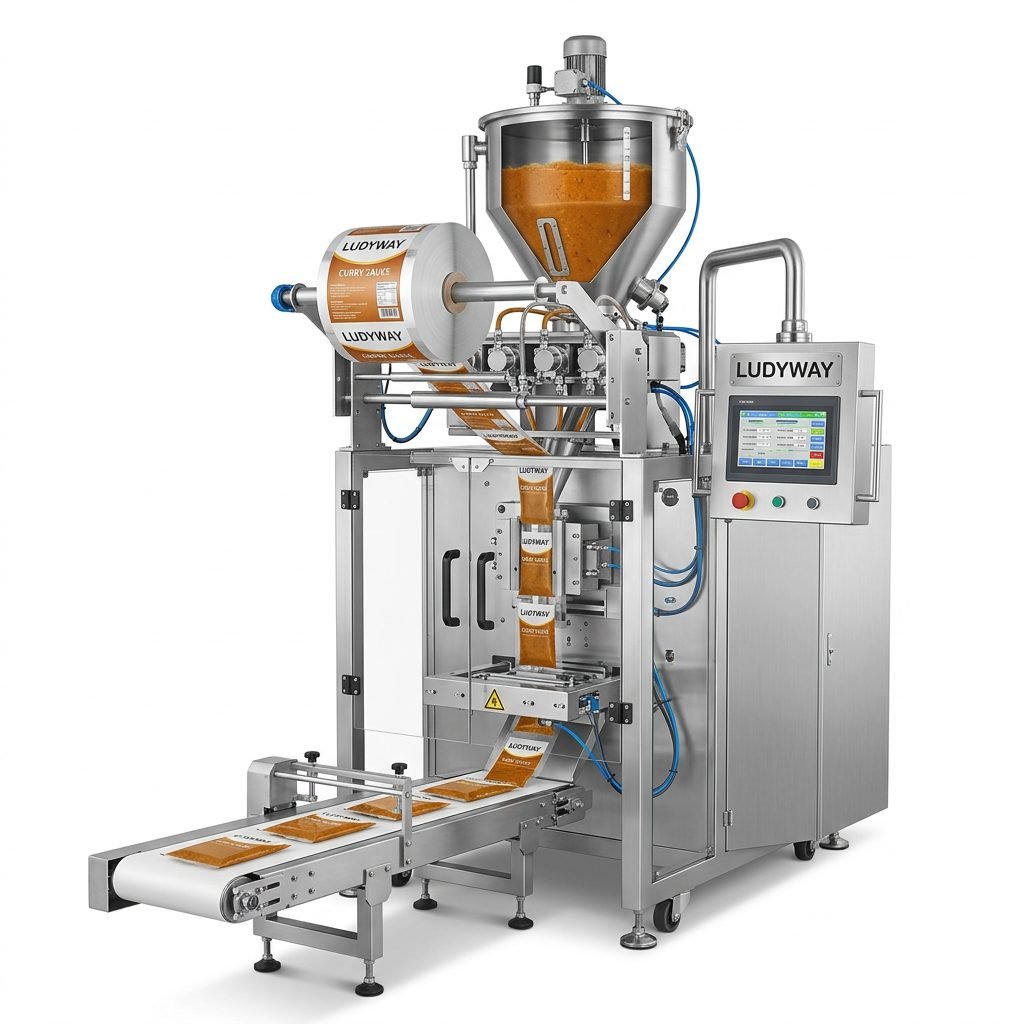
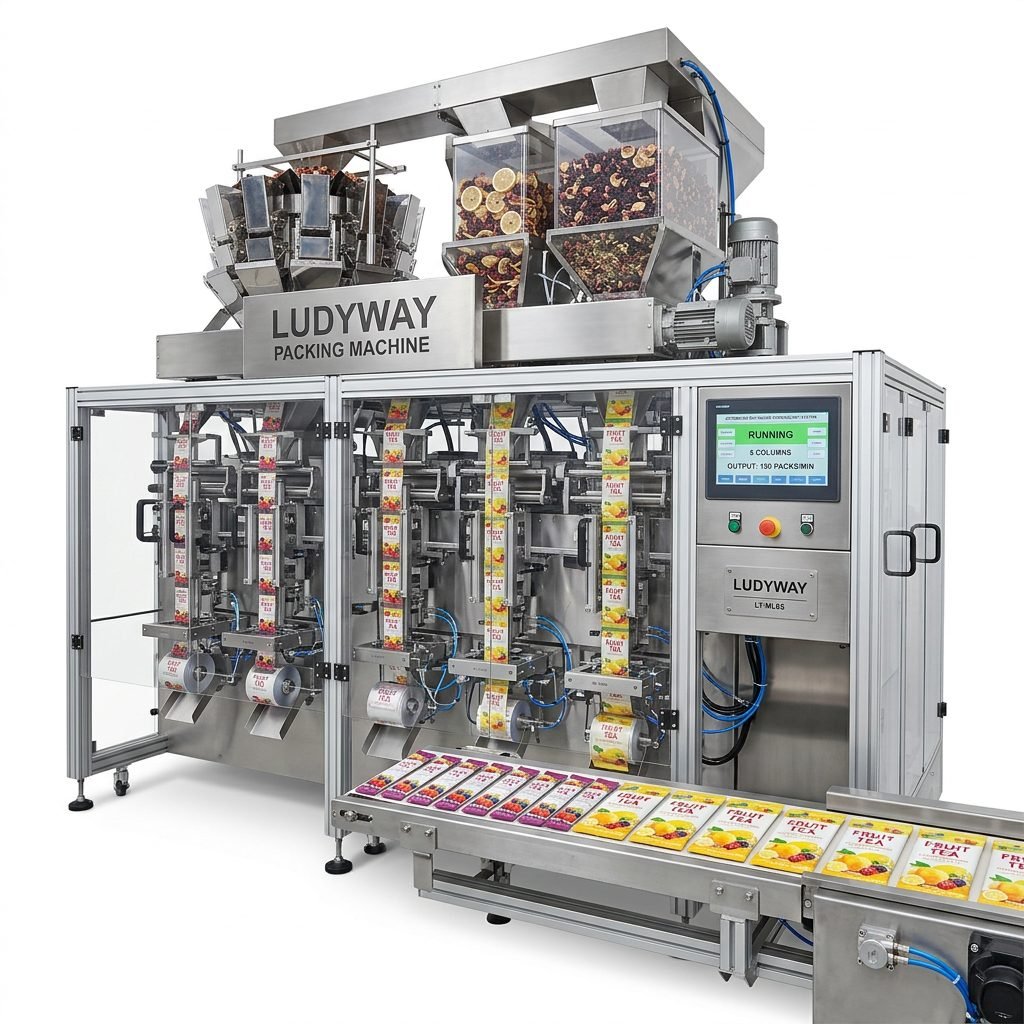
Companies looking for integrated support often review solutions from Ludyway packaging machine manufacturer, especially for projects requiring scalable packaging lines, customized machine integration, and long-term automation planning.
Final Layout Principle: Make Every Step Add Value
The best packaging workshop layout is one where every square meter serves a purpose. When raw materials move efficiently, operators work comfortably, machines stay accessible, and every process flows logically, productivity rises naturally.
In practical terms, maximum efficiency comes from five core principles:
- Keep the flow simple and forward-moving
- Minimize handling and unnecessary movement
- Balance machine capacity across the line
- Design for safety, cleaning, and maintenance
- Plan today with tomorrow’s expansion in mind
A smart packaging workshop layout is not just a floor plan—it is a production strategy.