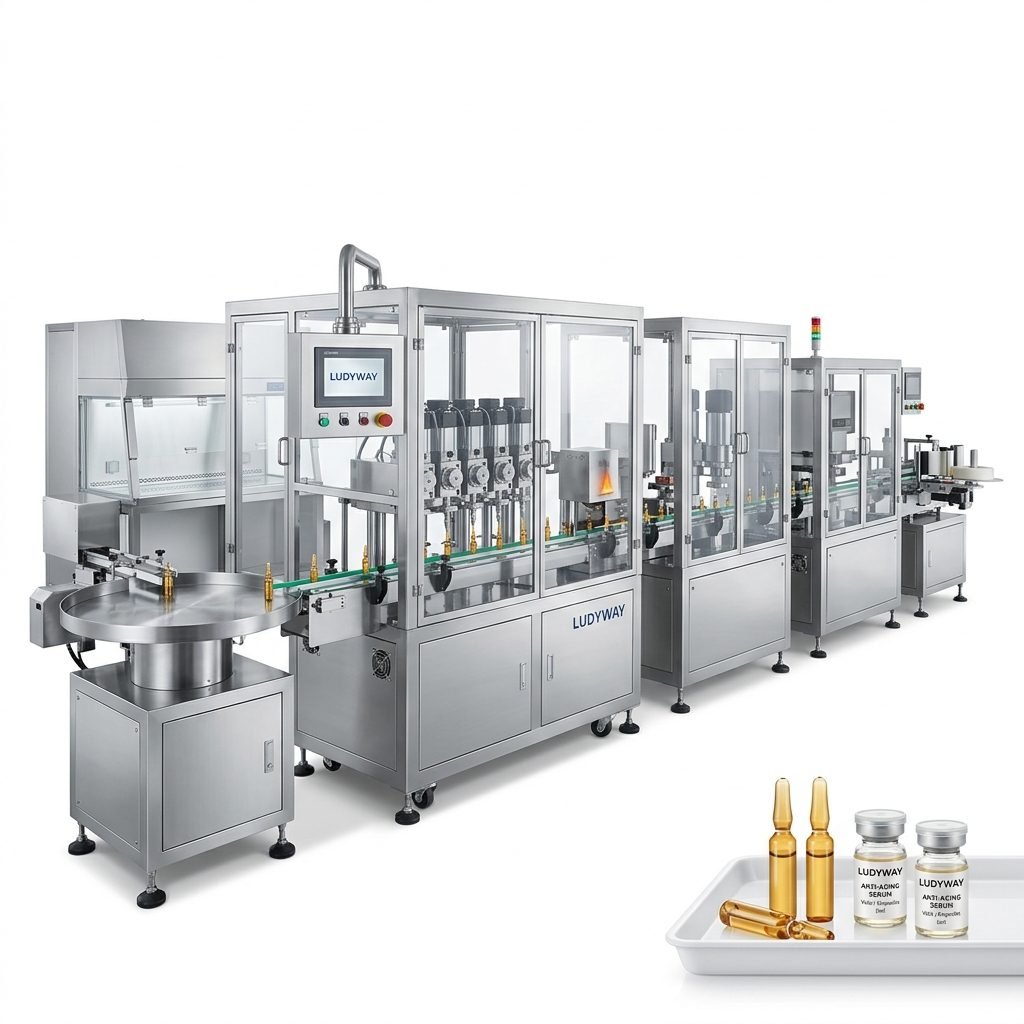
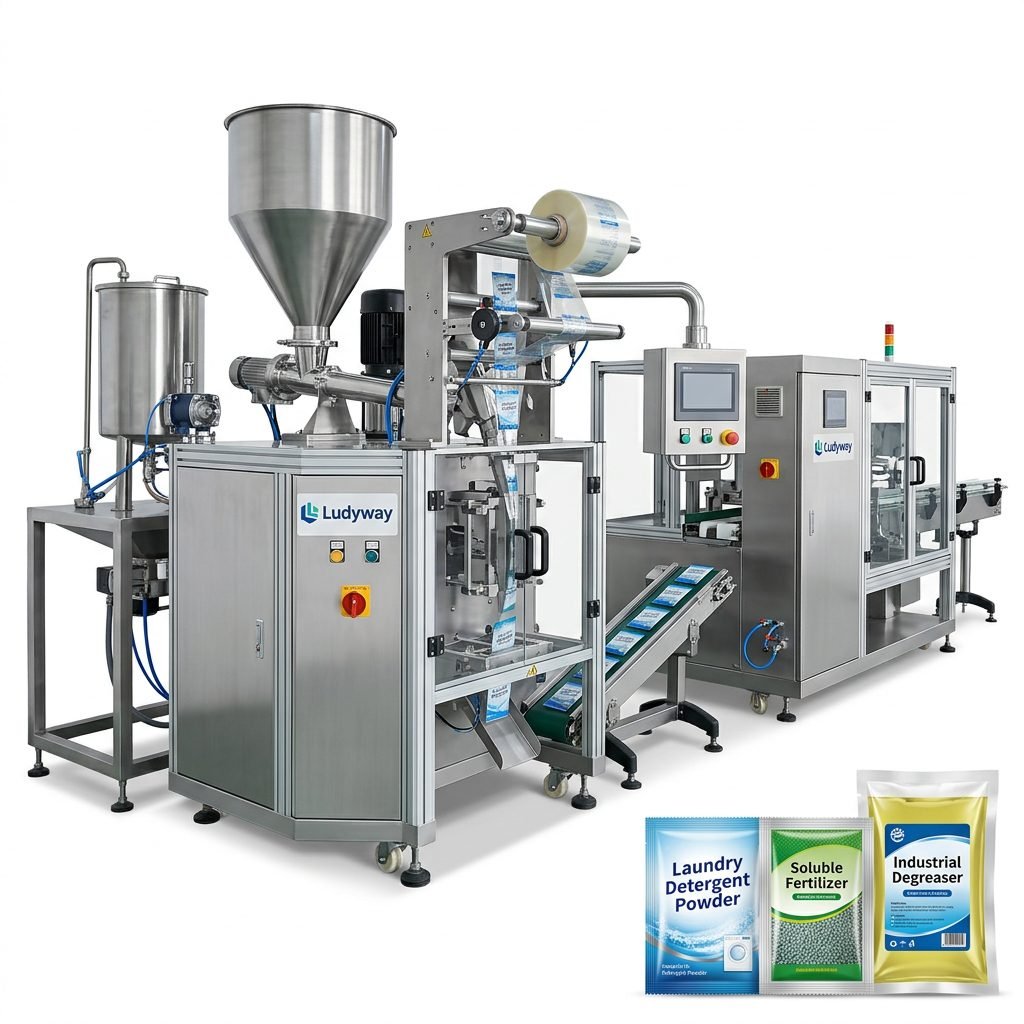
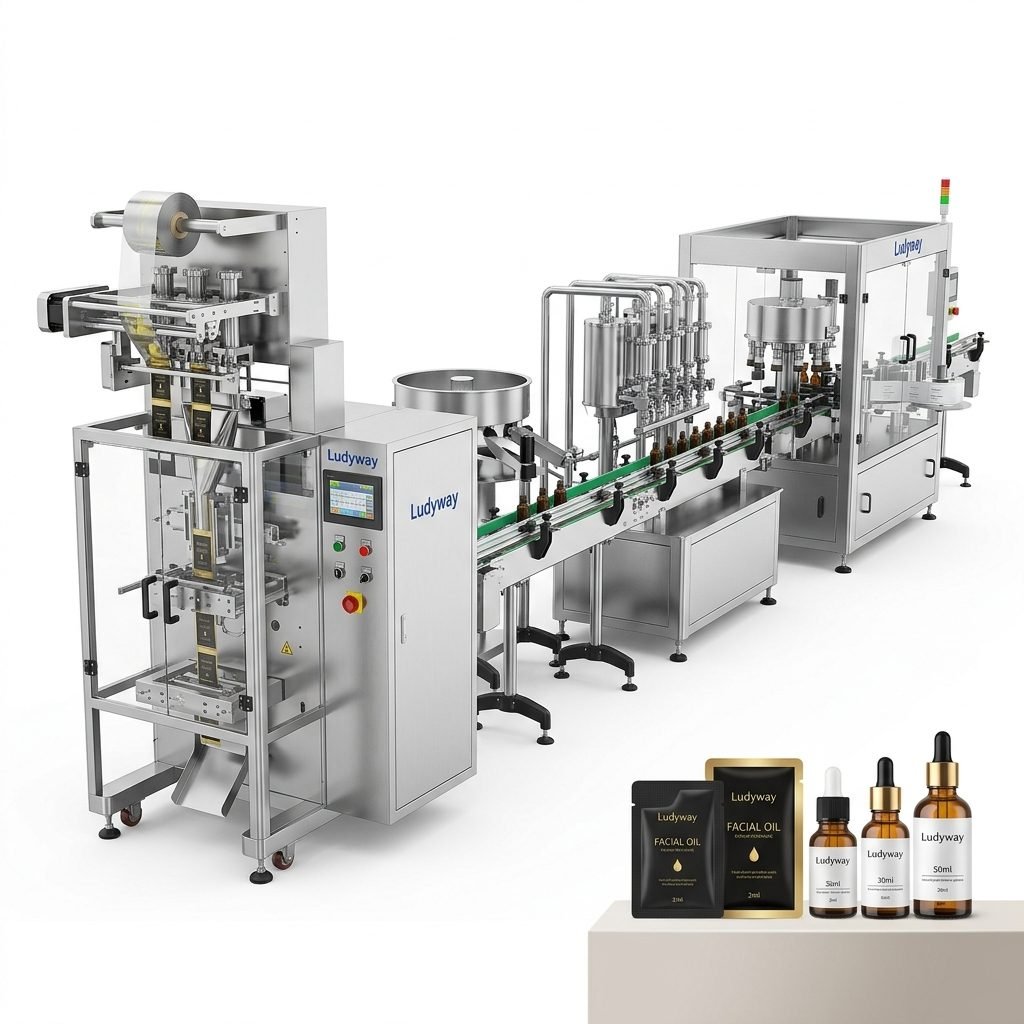
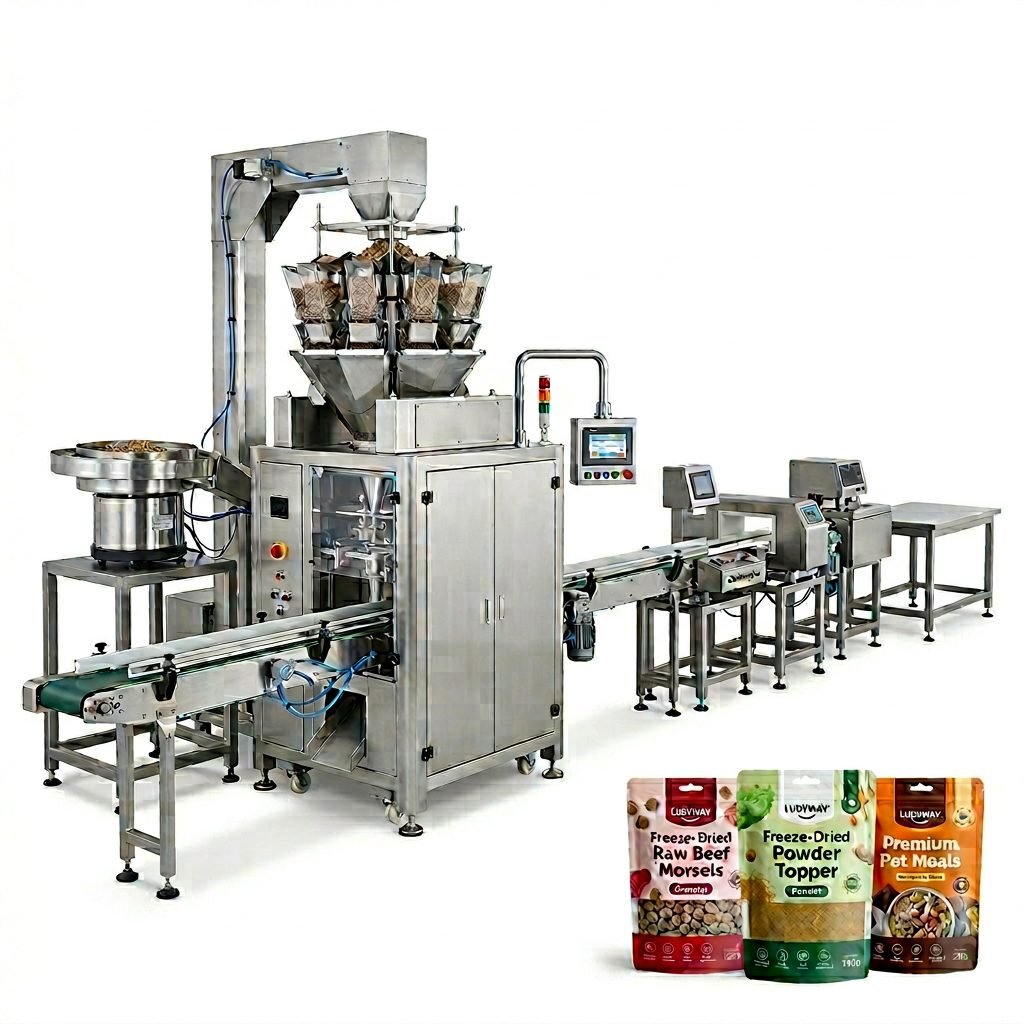
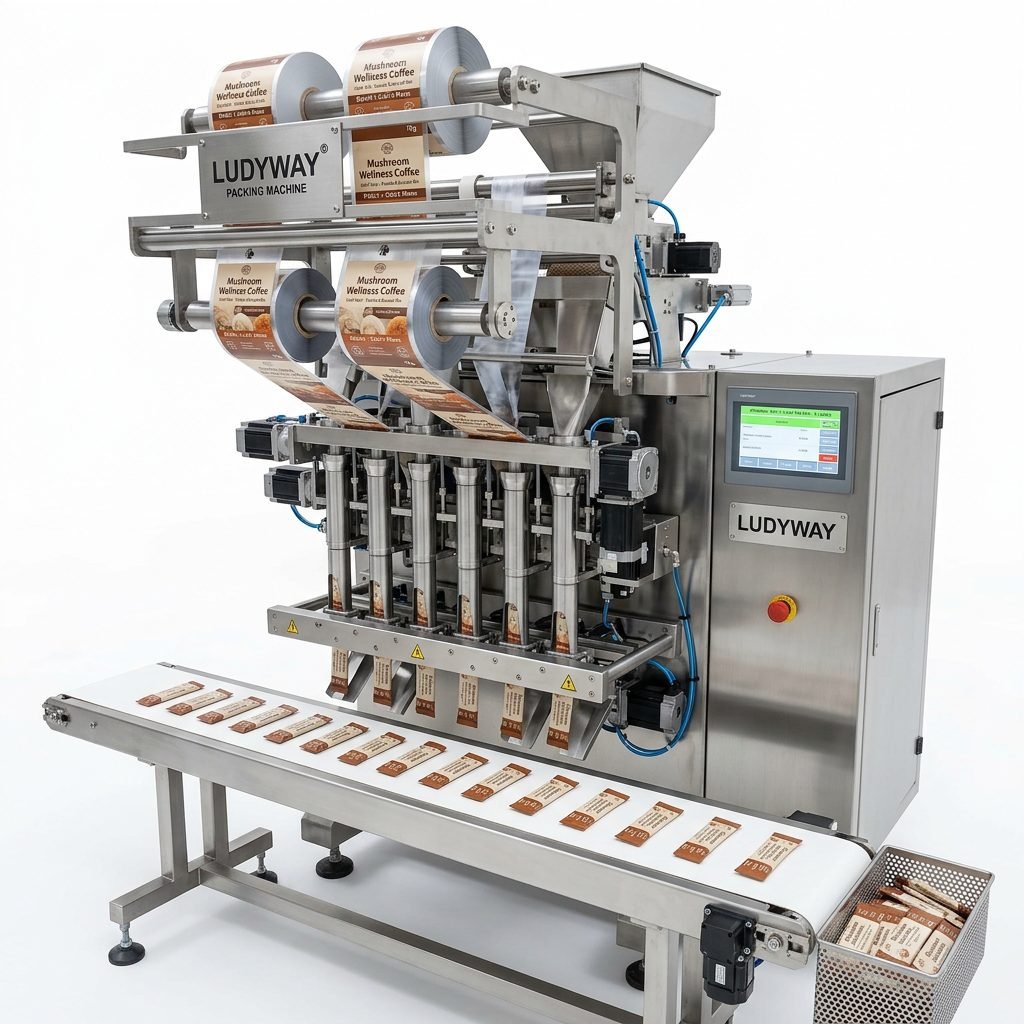
The Indian chocolate industry is undergoing a massive transformation. With rising disposable incomes and a growing appetite for premium confectionery, manufacturers are seeking ways to scale production without compromising on hygiene or precision. A modern chocolate packaging machine in India is no longer a luxury—it’s a strategic necessity for businesses aiming to capture market share in this competitive landscape.
Whether you are packaging chocolate bars, truffles, pralines, or single-origin cocoa powders, the right equipment ensures product freshness, extends shelf life, and enhances brand presentation. This guide walks you through everything you need to evaluate before making a capital investment in your packaging line.
Why Automation is Redefining Chocolate Packaging in India
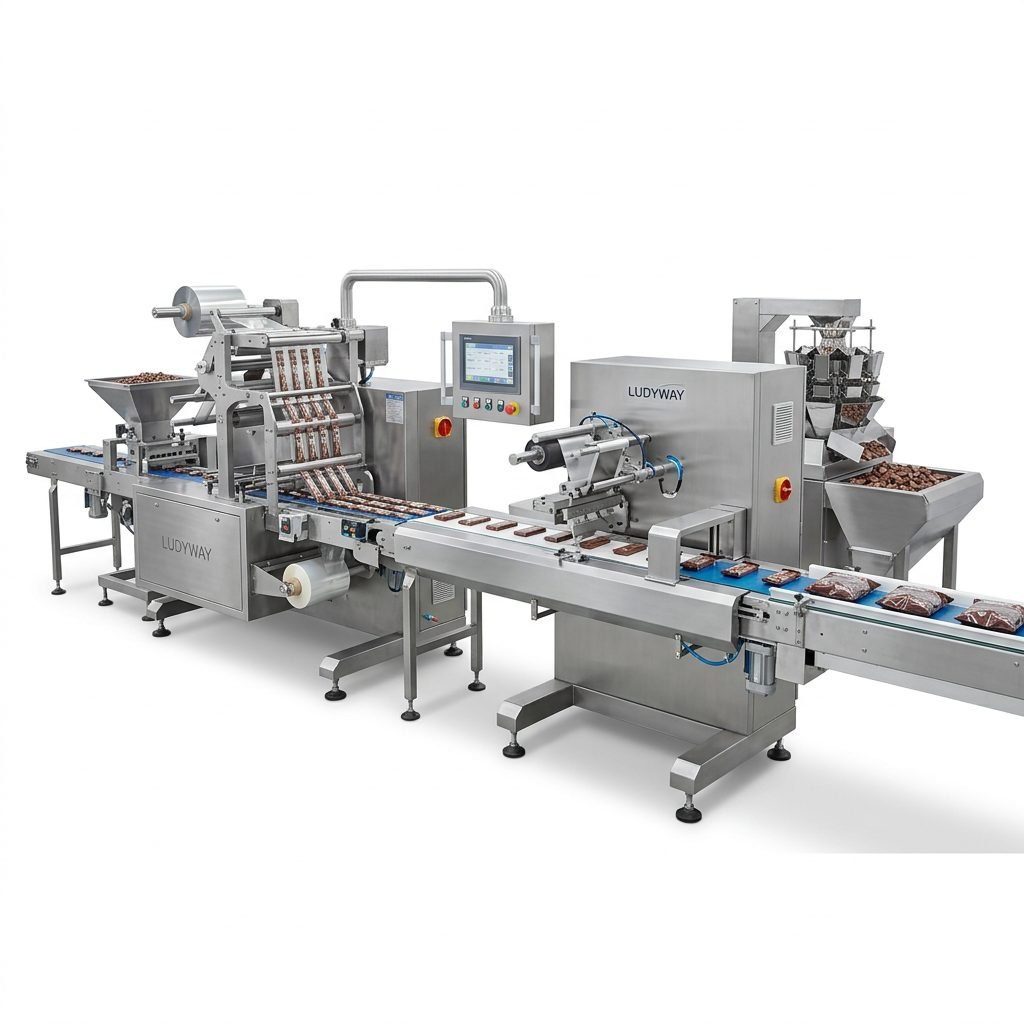
The shift from manual wrapping to automated systems is driven by several critical factors. Food safety compliance has become stricter, and the Food Safety and Standards Authority of India (FSSAI) guidelines increasingly favor touchless processing environments. Additionally, labor shortages and the need for consistent output are pushing mid-sized and large chocolatiers toward turnkey packaging solutions.
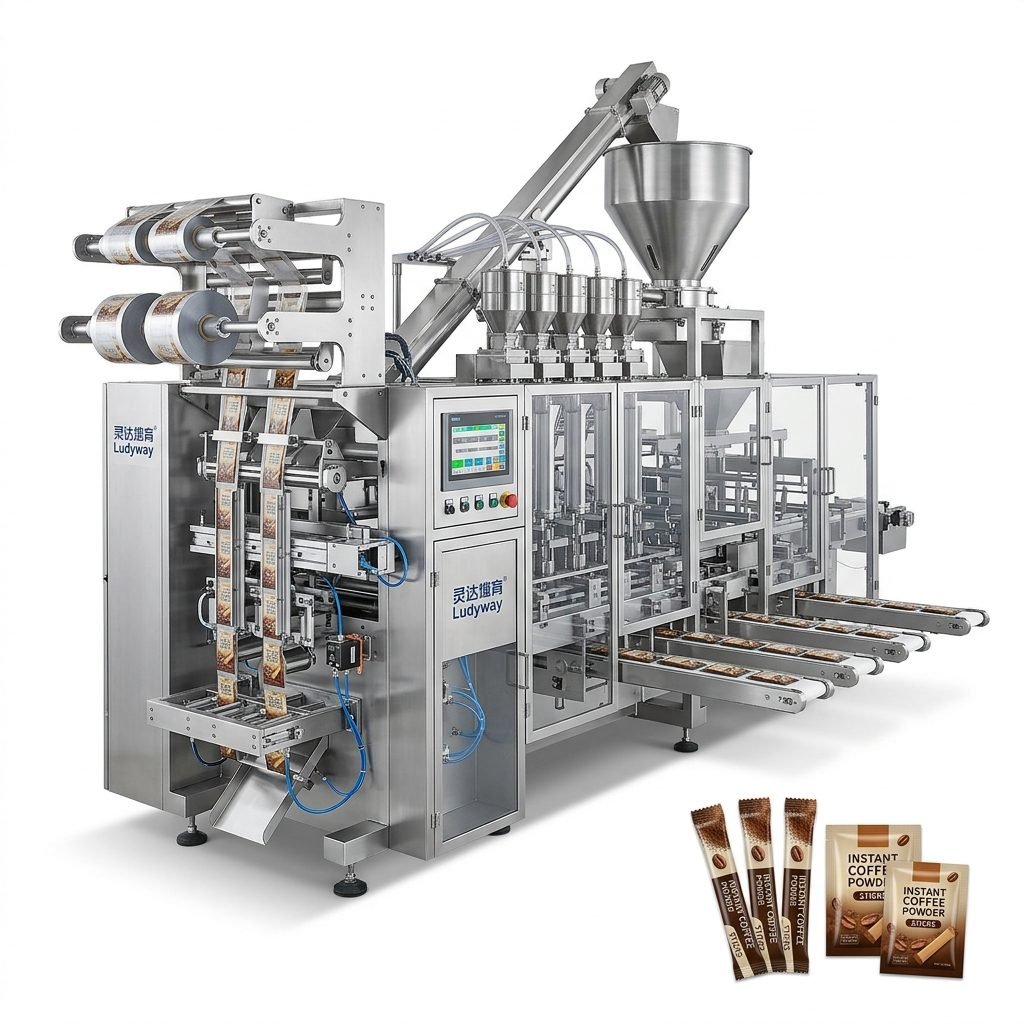
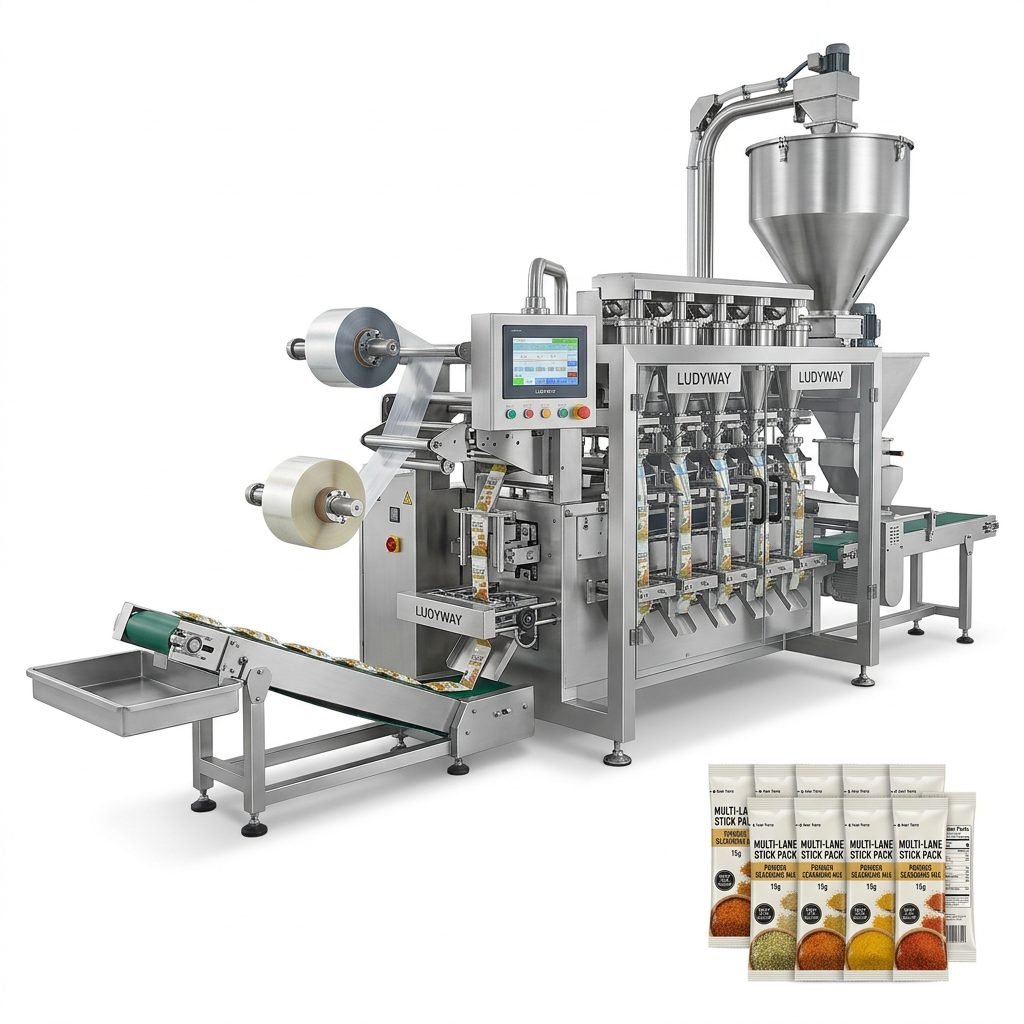
Automation directly tackles the unique challenges of chocolate processing. Precise temperature control prevents melting during the filling phase, while specialized sealing jaws prevent “leakers” that can ruin a product’s visual appeal. For high-volume producers, multi-lane stick pack systems are becoming the gold standard, offering unmatched speed per square foot of factory floor.
Types of Chocolate Packaging Machines Available
The Indian market demands versatility. A single processor might need to handle solid bars and delicate filled chocolates on the same day. Here is a breakdown of the primary machine categories relevant to the confectionery sector:
| Machine Type | Best Suited For | Key Advantage |
|---|---|---|
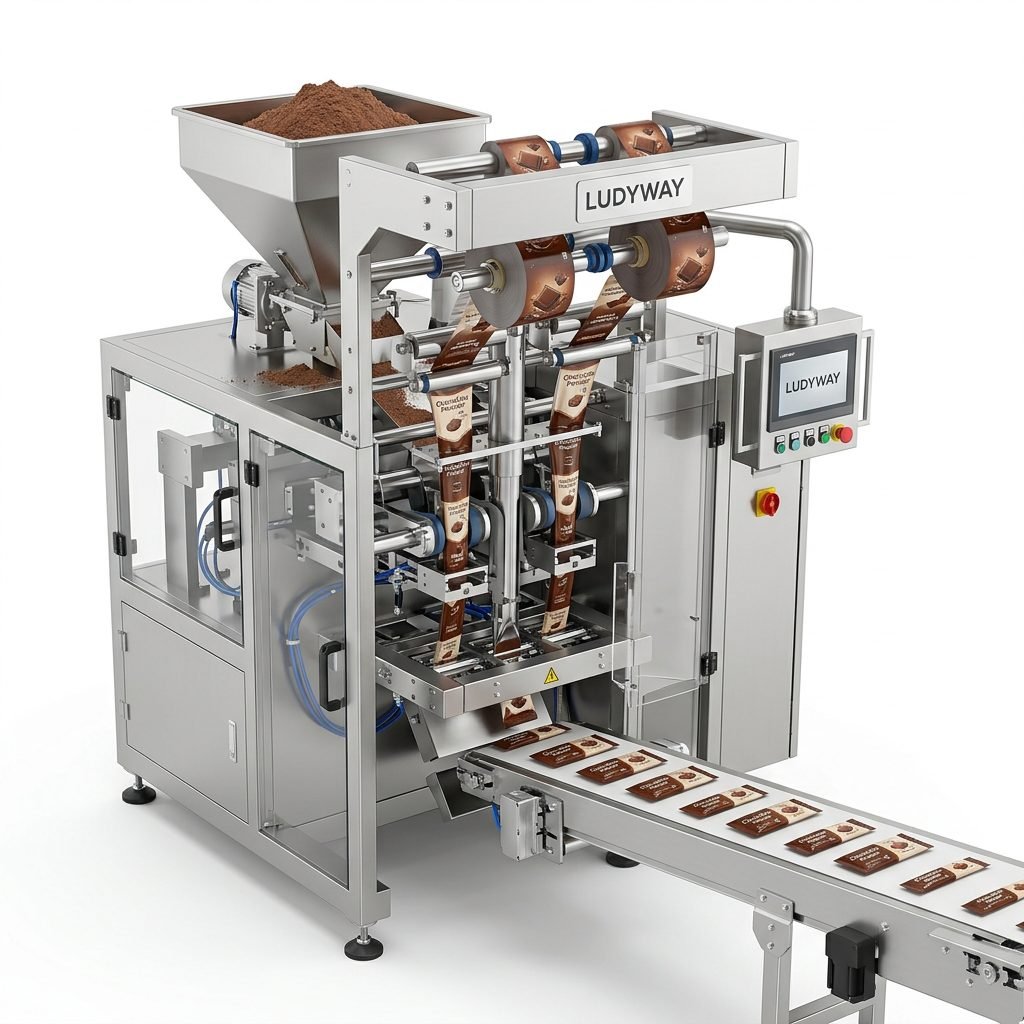
| Multi-Lane Stick Pack Machines | Powdered chocolate drinks, instant mixes | Ultra-high speed (up to 400 packs/lane/min) |
| Flow Wrapping Machines | Solid chocolate bars, countlines | Excellent hermetic sealing for long shelf life |
| Vertical Form Fill Seal (VFFS) | Chocolate-coated nuts, chips, granules | Versatile for pillow bags and gusseted packs |
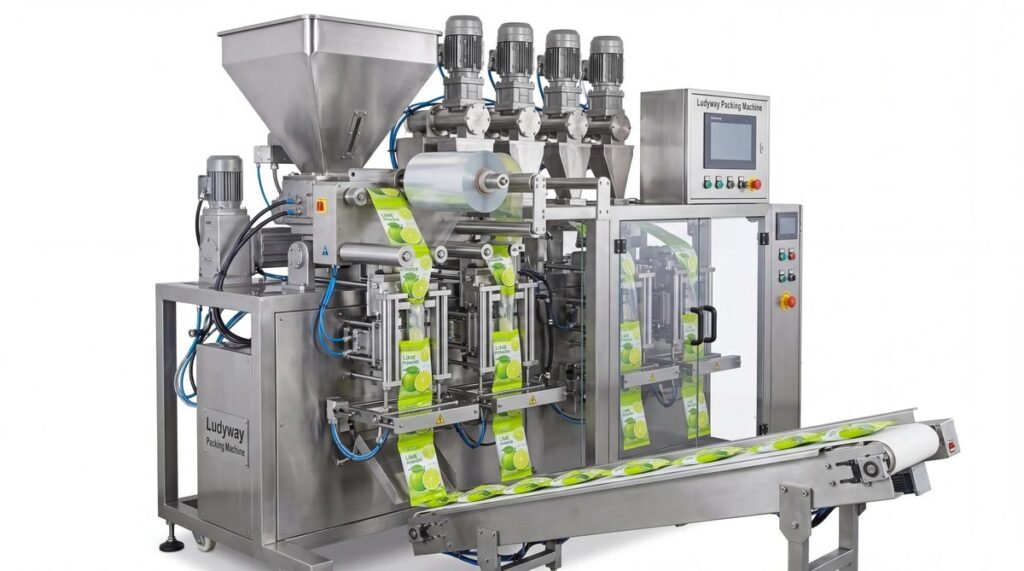
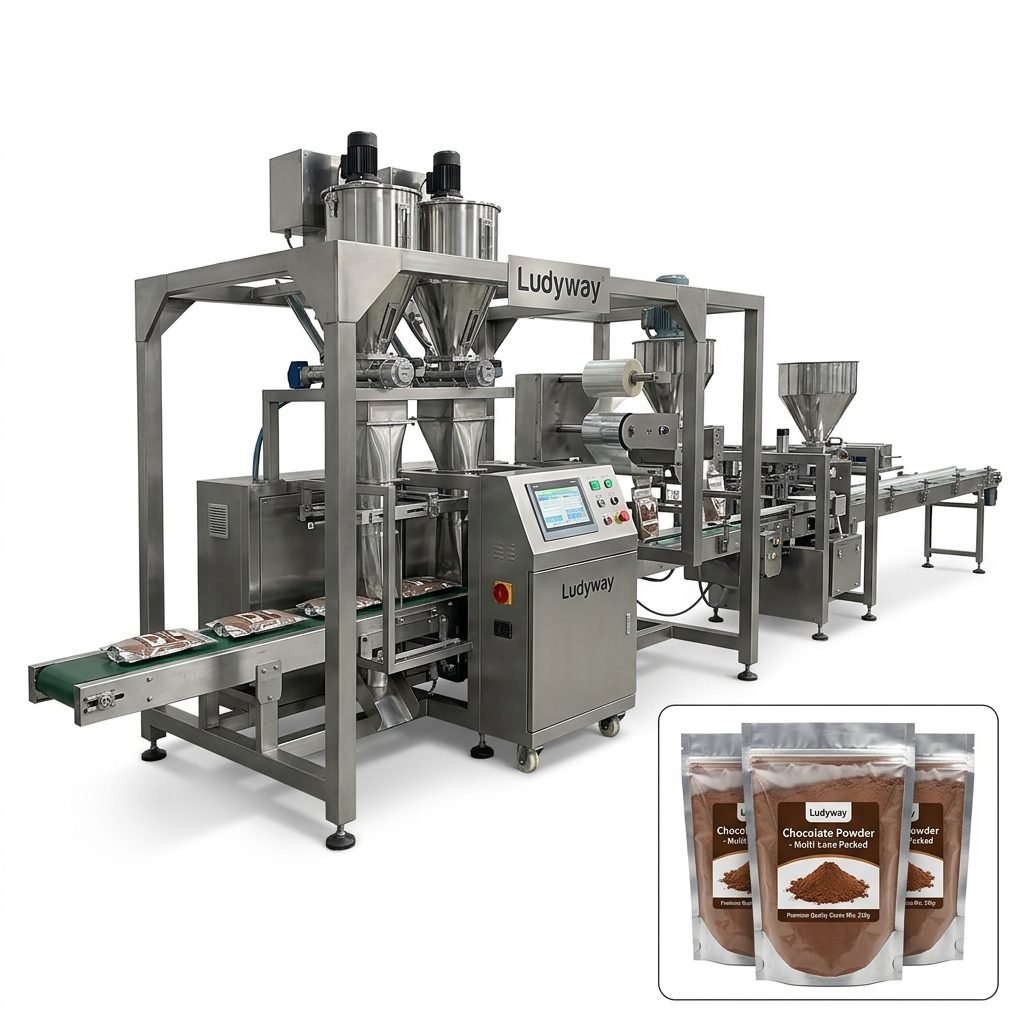
| Premade Pouch Filling Lines | Premium stand-up pouches for luxury segments | High-impact shelf presence with customizable shapes |
Critical Factors to Evaluate Before Buying
Investing in a chocolate packaging machine requires a deep dive into technical specifications. Do not simply rely on brochure speeds; validate real-world throughput with your specific film and product characteristics. The following checklist will help you align the machinery with your business objectives.
1. Material Compatibility and Film Savings
Chocolate products often require high-barrier laminates to prevent fat bloom and oxidation. Your machine must handle these thicker structures without excessive wrinkling. Kinematic sealing jaw technology can significantly reduce film waste, sometimes saving kilometers of material per month compared to conventional box-motion systems.
2. Precision Dosing and Weighing
Product giveaway directly eats into your margins. For granular inclusions or powdered chocolate, multi-head weighers with feedback loop controls maintain accuracy within 0.5 grams. Servo-driven auger fillers are preferred for volatile cocoa powders to minimize dust and weight variation.
3. Sanitary Design and CIP Compliance
Look for sloped surfaces, stainless steel execution, and tool-less disassembly. Machines designed following ISO packaging standards drastically reduce cleaning downtime. The last thing you want is a cross-contamination risk between your dark chocolate and milk chocolate runs.
Matching the Machine to Your Production Scale
The Indian market ranges from artisanal bean-to-bar startups to multinational confectionery giants. Your choice of equipment must mirror your current scale while allowing for future expansion. Below is a typical segmentation to guide your decision:
- ▸ Startups & Small Enterprises: Compact single-lane VFFS or table-top flow wrappers. Prioritize flexibility over raw speed.
- ▸ Mid-Size Manufacturers: Entry-level multi-lane stick pack lines (4-6 lanes) for instant mixes. Focus on mechanical reliability and local service support.
- ▸ Large Industrial Plants: Fully automated turnkey lines integrating feeding, cooking, depositing, cooling, and high-speed wrapping with robotic case packing.
The Rise of Turnkey Projects in India
Increasingly, chocolate manufacturers prefer single-source responsibility. Instead of buying a mixer from one vendor and a flow wrapper from another, they opt for integrated turnkey packaging lines. This approach eliminates compatibility issues and streamlines project management. A single partner handles the integration of the dosing system, nitrogen flushing, moisture monitoring, and the case packer.
This holistic method is particularly beneficial for exporting companies that must adhere to FDA food packaging regulations or EU directives on food contact materials.
Key Questions to Ask Suppliers
Before signing the purchase order, ensure you get detailed answers to these technical queries. The responses will reveal whether the supplier truly understands chocolate processing or is merely selling generic hardware.
| Question 1: “Can you process high-fat content creams without the film curling or the seal integrity failing?” |
| Question 2: “What is your OEE (Overall Equipment Effectiveness) guarantee for a chocolate packaging line running 24/6?” |
| Question 3: “Do you offer gas flushing for Modified Atmosphere Packaging, and what residual oxygen level do you guarantee?” |
| Question 4: “Are the change parts for different bar sizes truly tool-less, and what is the target changeover time?” |
Why Global Engineering Standards Matter
The trend for Indian importers and large exporters is moving toward equipment that meets global benchmarks. Machines built with a modern 20,000㎡ manufacturing facility capacity often feature superior frame rigidity, reducing vibration during high-speed sealing. This translates to quieter operation and longer mechanical life.
Furthermore, adherence to PMMI business intelligence and safety standards ensures that the control architecture is up to date with the latest servo technology, enabling seamless industrial IoT integration.
Navigating Import Duties and Local Support
When sourcing a chocolate packaging machine in India, one must consider the total landed cost, not just the FOB price. Import duties on packaging machinery can significantly change the ROI calculation. However, this is often offset by the reliability and throughput of technologically advanced systems. It is crucial to verify that the supplier provides comprehensive local installation, training, and readily available spare parts in India.
A strong after-sales network minimizes production stoppages. Look for partners who commit to remote diagnostic support and have a documented mean-time-to-repair (MTTR) history.
Conclusion: A Decision for the Next Decade
Selecting the ideal packaging machinery is a strategic decision that impacts product quality, brand reputation, and bottom-line profitability. By focusing on hygienic design, precision metering, and automated flexibility, Indian chocolate manufacturers can confidently compete in the domestic market and on the global stage. The right partnership will provide not just a machine, but a long-term pathway to operational excellence.
With over 30 years of industry expertise and a strong focus on turnkey project management, manufacturers like Ludyway have been helping businesses worldwide upgrade their packaging capabilities with advanced, reliable, and cost-effective automated lines—from single-lane sachet units to fully integrated multi-lane stick pack systems designed for high-volume production.
For detailed specifications, project planning, or a competitive quotation, contact our engineering team today.
Email: info@ludyway.com | WhatsApp: +8613129592456