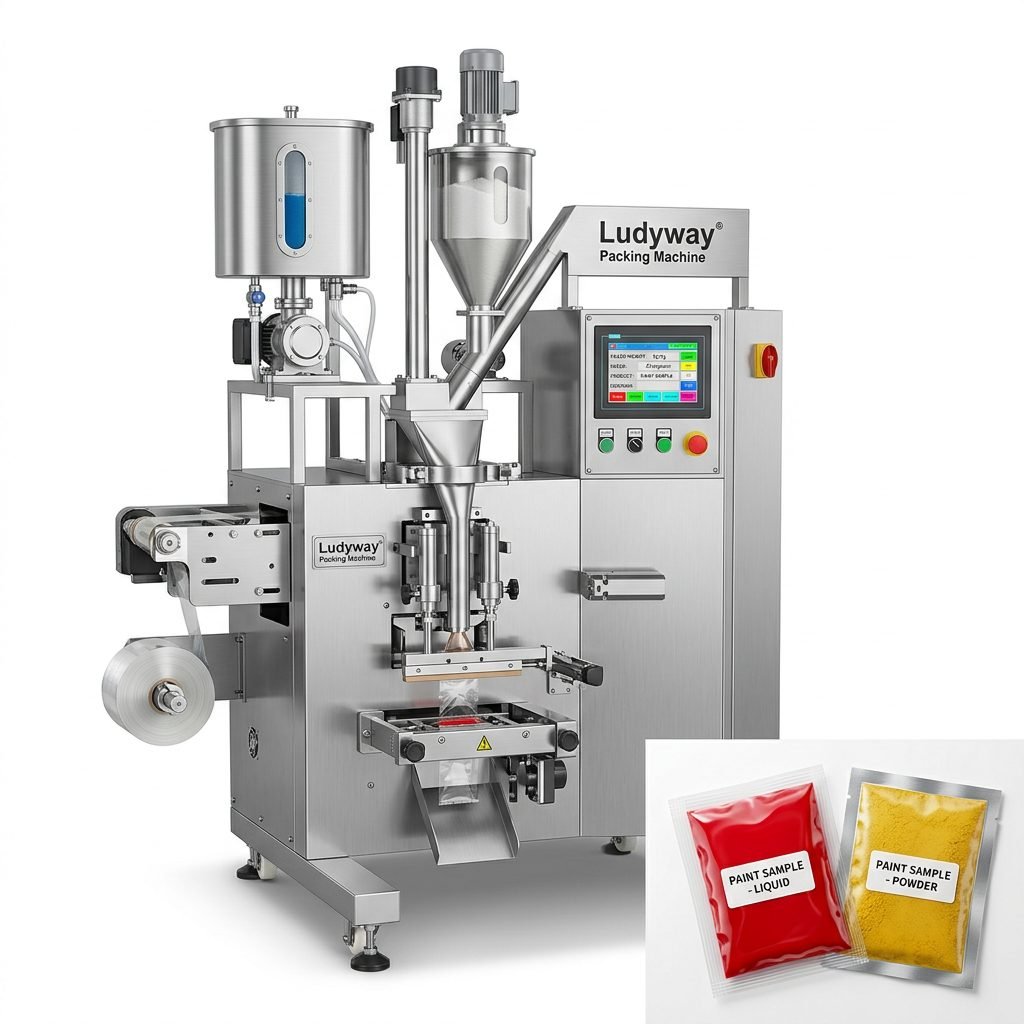
South America is one of the world’s most dynamic coffee-producing regions, with Brazil, Colombia, and Peru leading global exports. As local entrepreneurs and cooperatives look to capture more value, setting up a small coffee packaging machine production line has become an increasingly attractive investment. Whether you are targeting domestic retail markets or exporting branded coffee products, having the right packaging system in place is critical to product quality, shelf life, and brand perception.
According to the PMMI business intelligence reports, the global packaging machinery market continues to grow steadily, with flexible packaging formats like stick packs and sachets gaining significant traction in emerging markets. For small to medium-sized coffee businesses in South America, a compact yet efficient packaging line can make the difference between thriving and merely surviving.
Why Invest in a Small Coffee Packaging Line in South America?
The coffee industry in South America is undergoing a transformation. Rather than shipping raw green beans to be roasted and packaged abroad, more producers are choosing to process and package finished products locally. This shift is driven by several factors:
- Higher profit margins – Packaged coffee commands significantly higher prices than bulk commodity exports.
- Growing domestic consumption – Countries like Brazil and Colombia have vibrant internal coffee cultures with rising demand for convenience formats.
- Export diversification – Branded packaged coffee opens doors to specialty markets in North America, Europe, and Asia.
- Shelf-life advantage – Proper packaging with nitrogen flushing extends freshness, a key selling point for premium products.
Before purchasing equipment, it is essential to understand local regulations. The FDA food packaging guidelines provide a useful reference for export-oriented operations, while regional bodies like ANVISA in Brazil set specific requirements for food contact materials and labeling.
Types of Coffee Packaging Machines for Small-Scale Production
Selecting the right machine depends on your target product format, production volume, and budget. Below are the most common configurations for small coffee packaging lines:
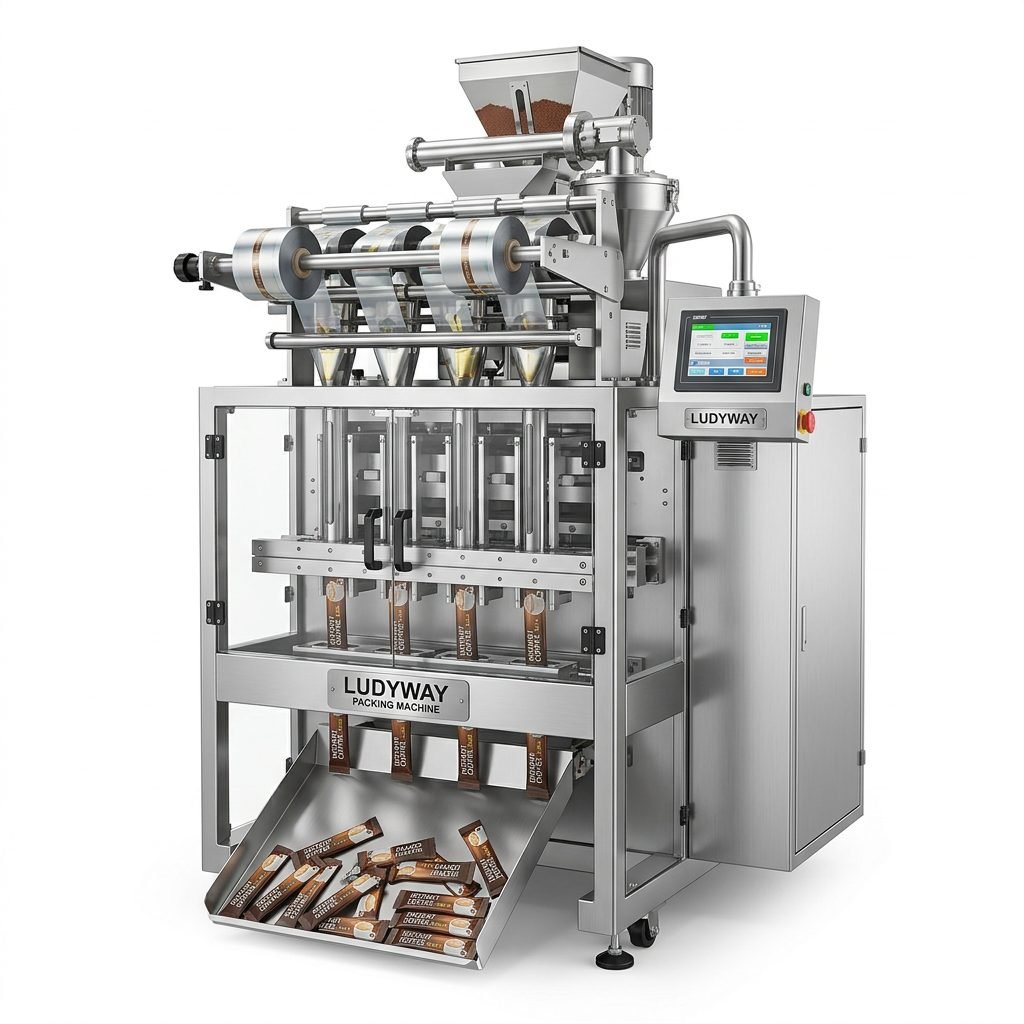
1. Stick Pack Machines
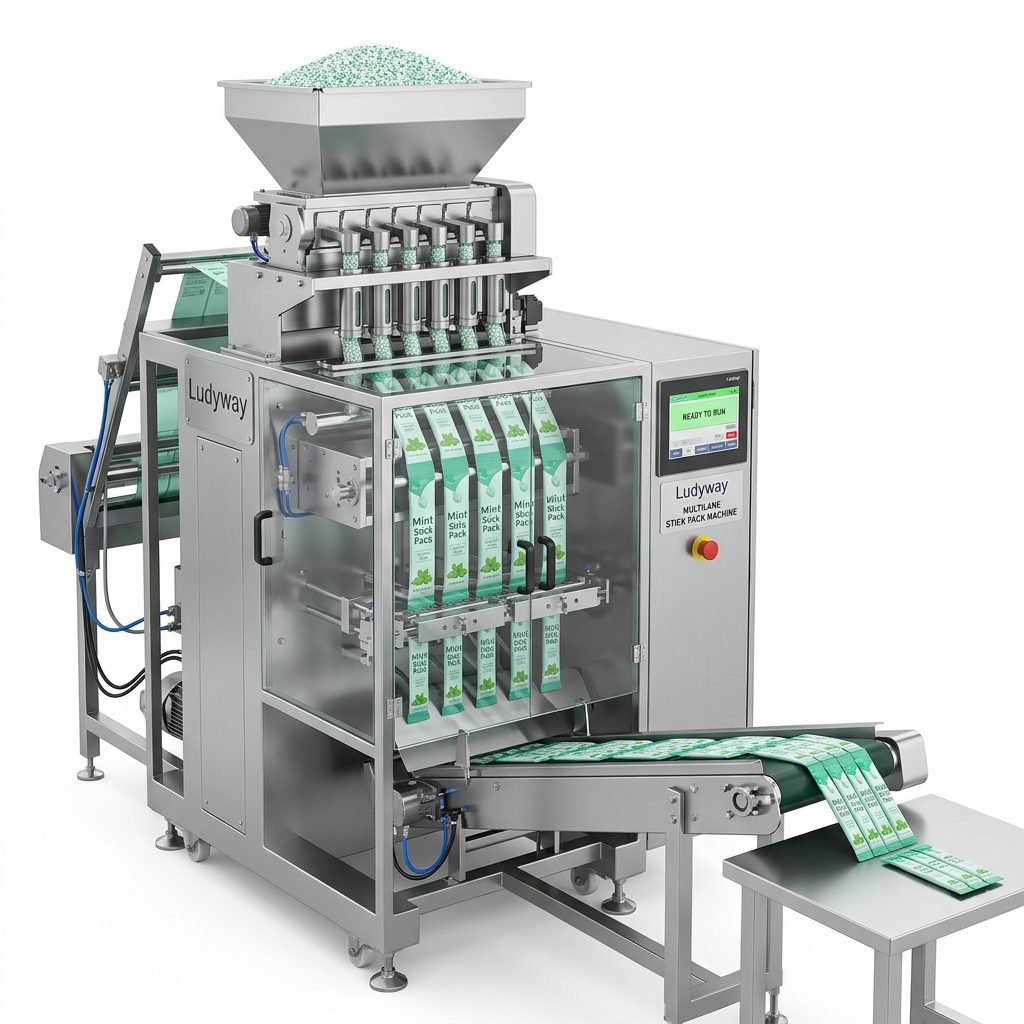
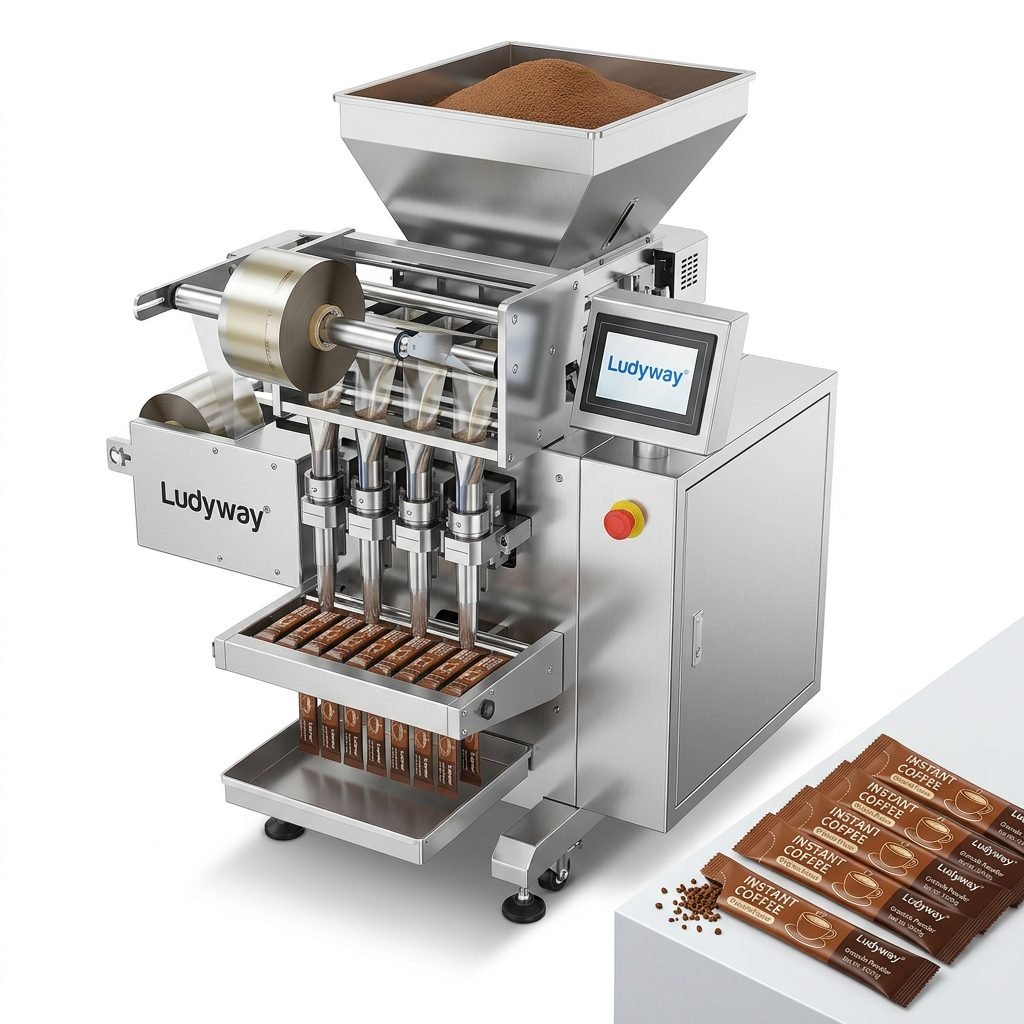
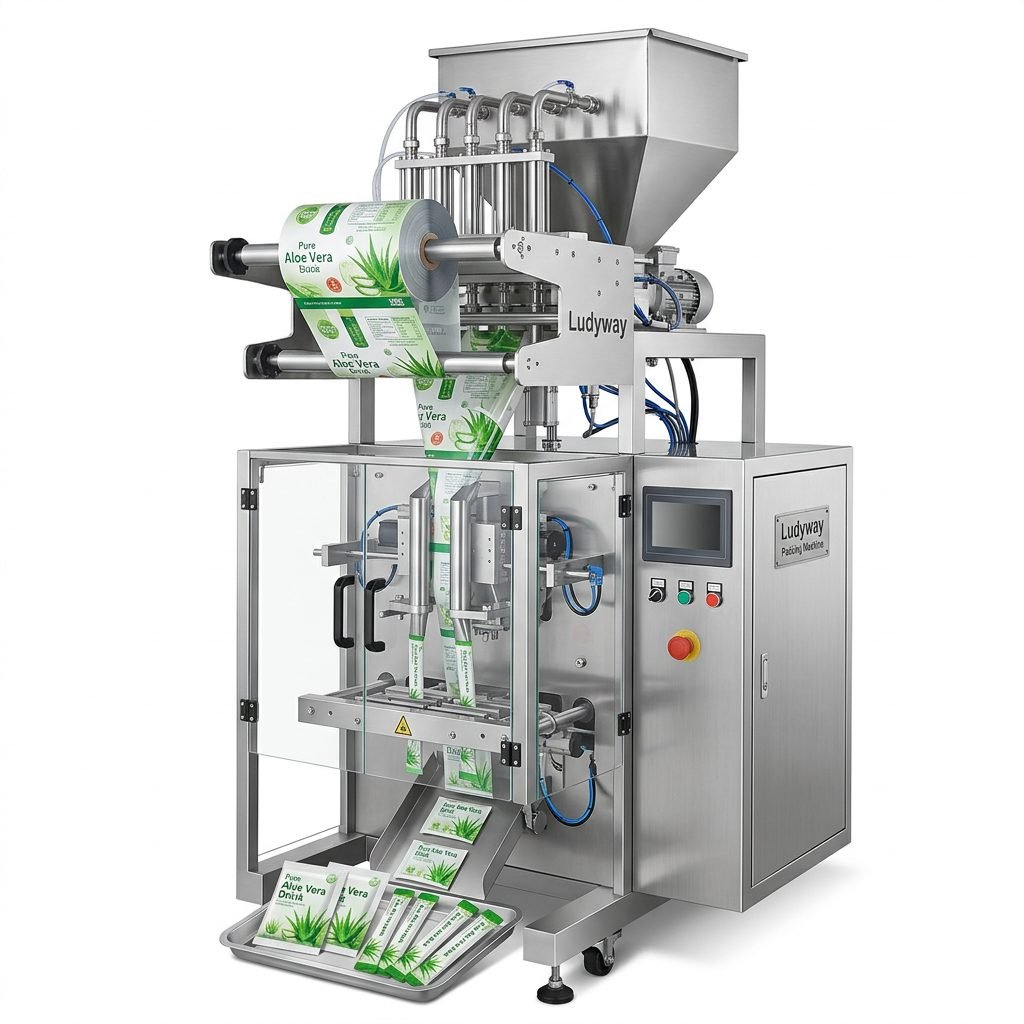
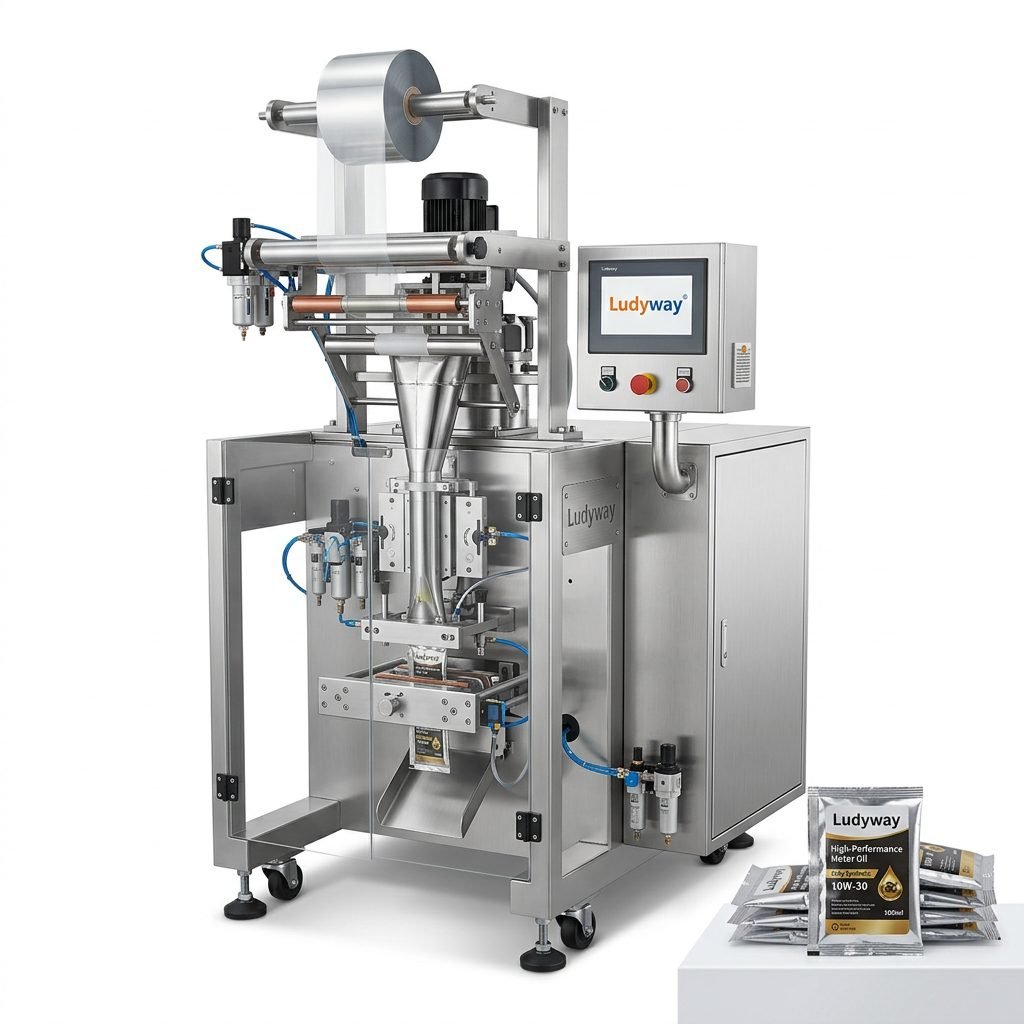
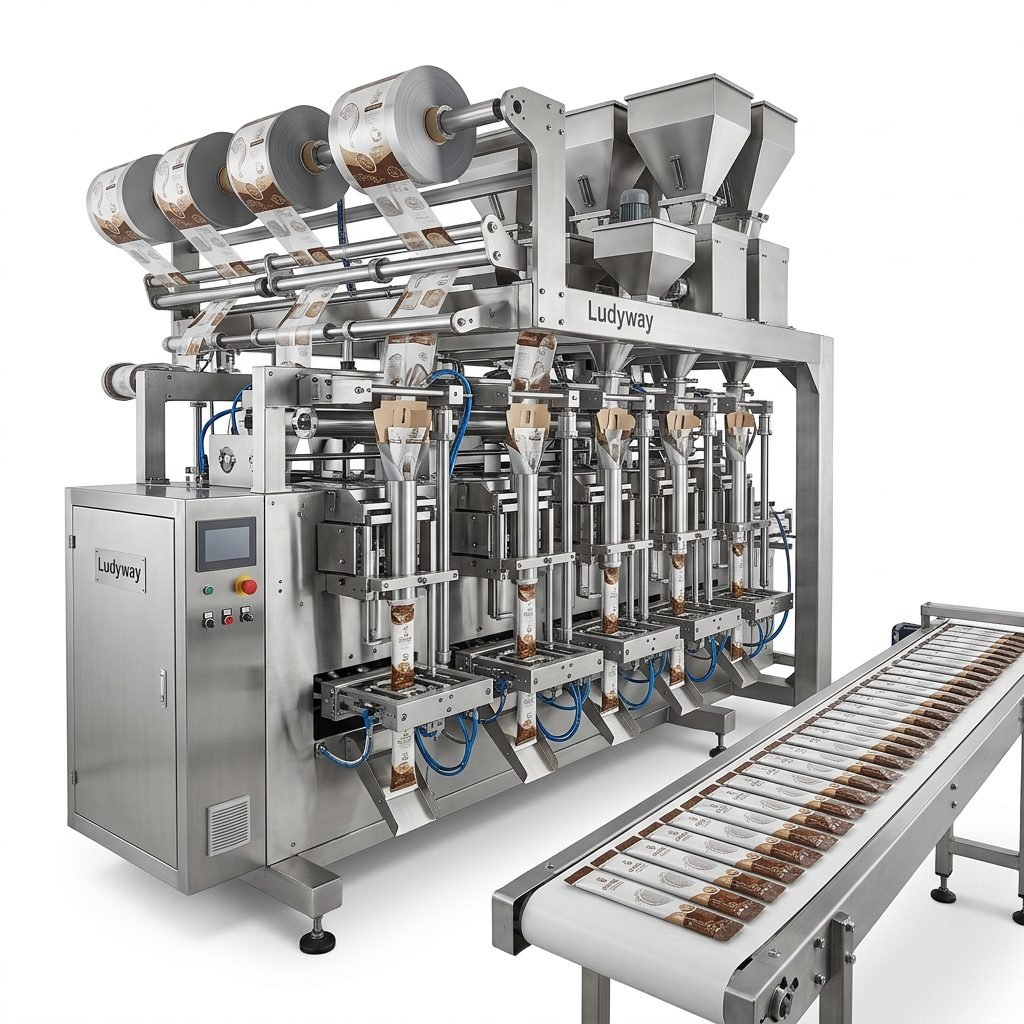
Stick packs are single-serve, narrow sachets that have become extremely popular for instant coffee, 3-in-1 coffee mixes, and specialty coffee powders. A multi-lane stick pack machine can produce 30–60 packs per minute per lane, making it ideal for small to medium-scale operations. These machines handle precise dosing, sealing, and cutting in one continuous process.
2. Sachet Packaging Machines
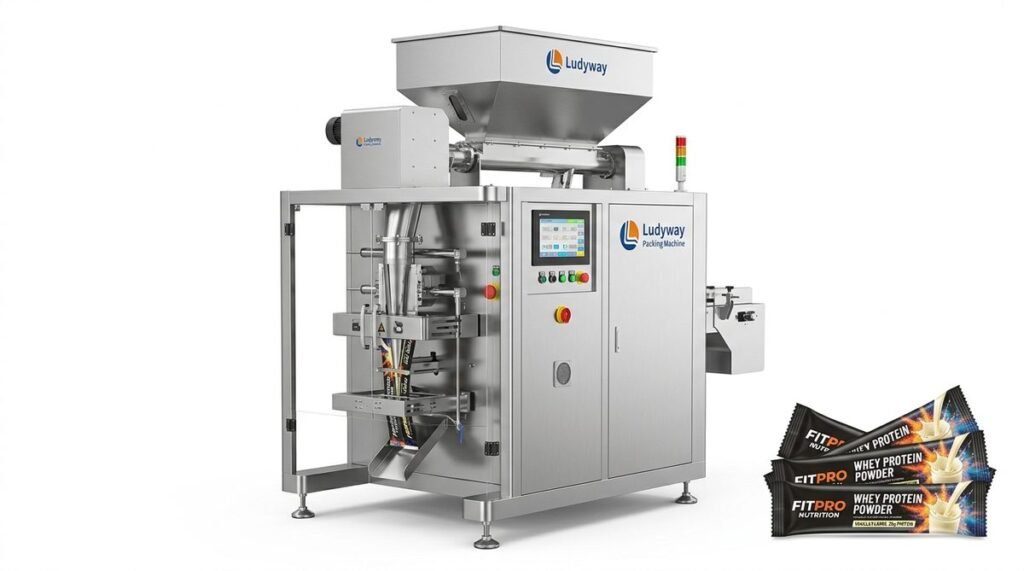
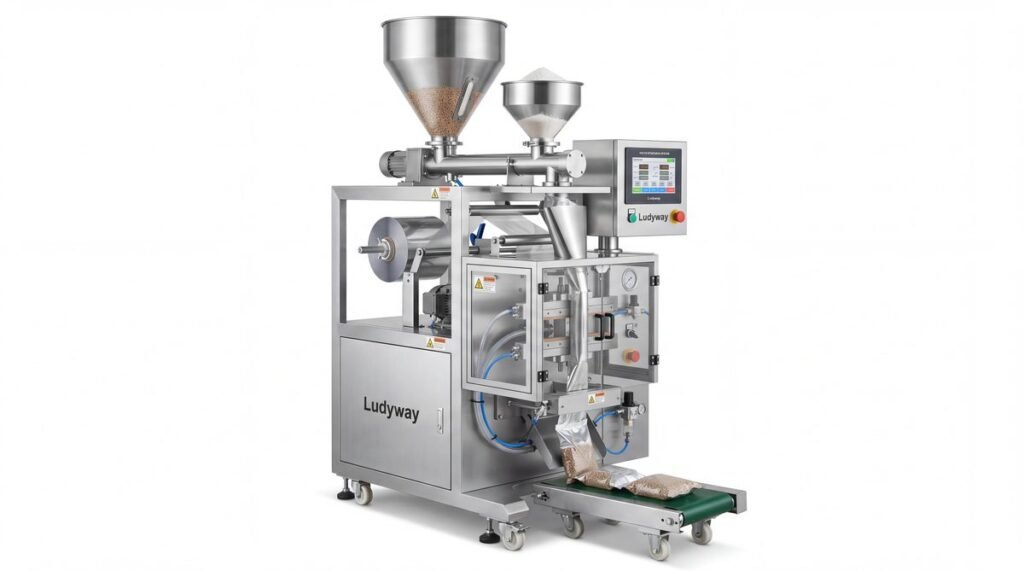
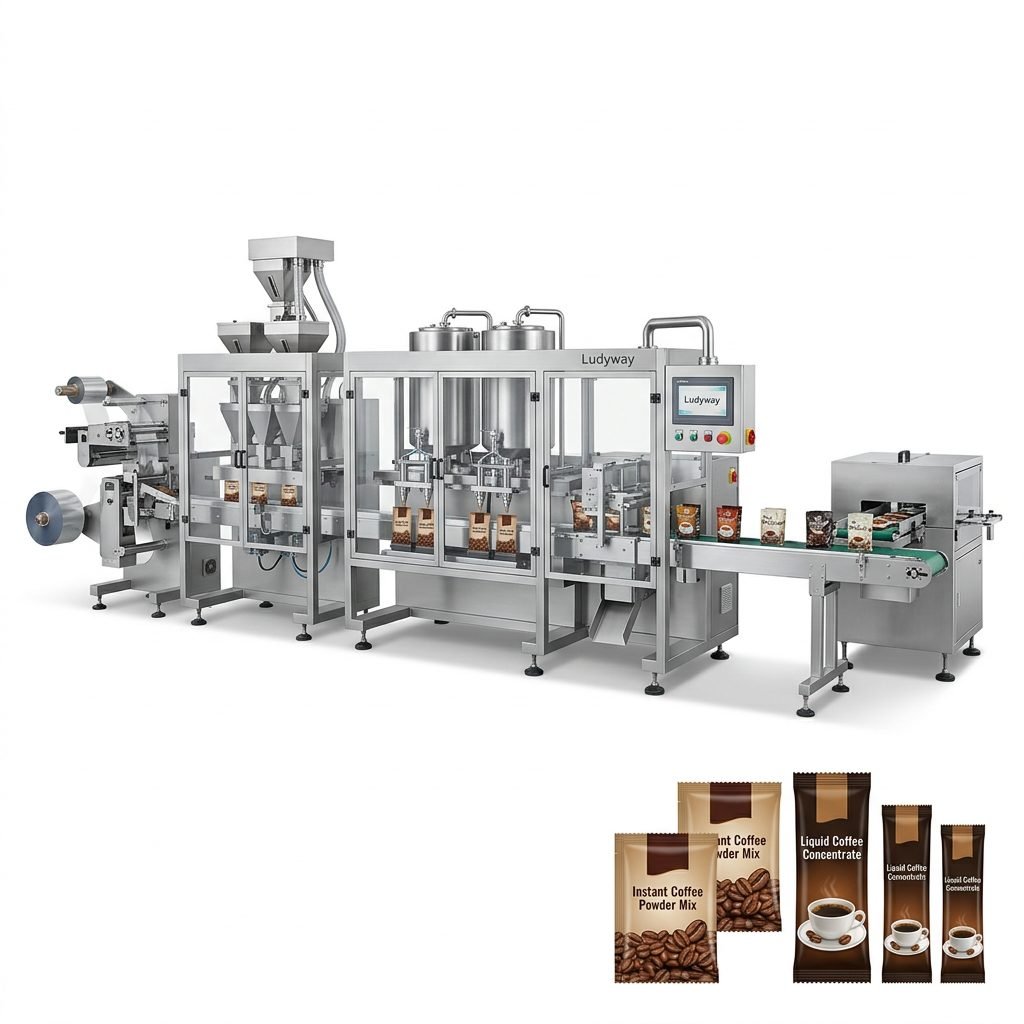
Flat sachets are widely used for ground coffee and coffee powder in markets across Latin America. Flexible packaging formats continue to gain market share due to their cost-effectiveness and consumer convenience. A 3-side-seal or 4-side-seal sachet machine with adjustable fill volume can accommodate different product densities and gram weights.
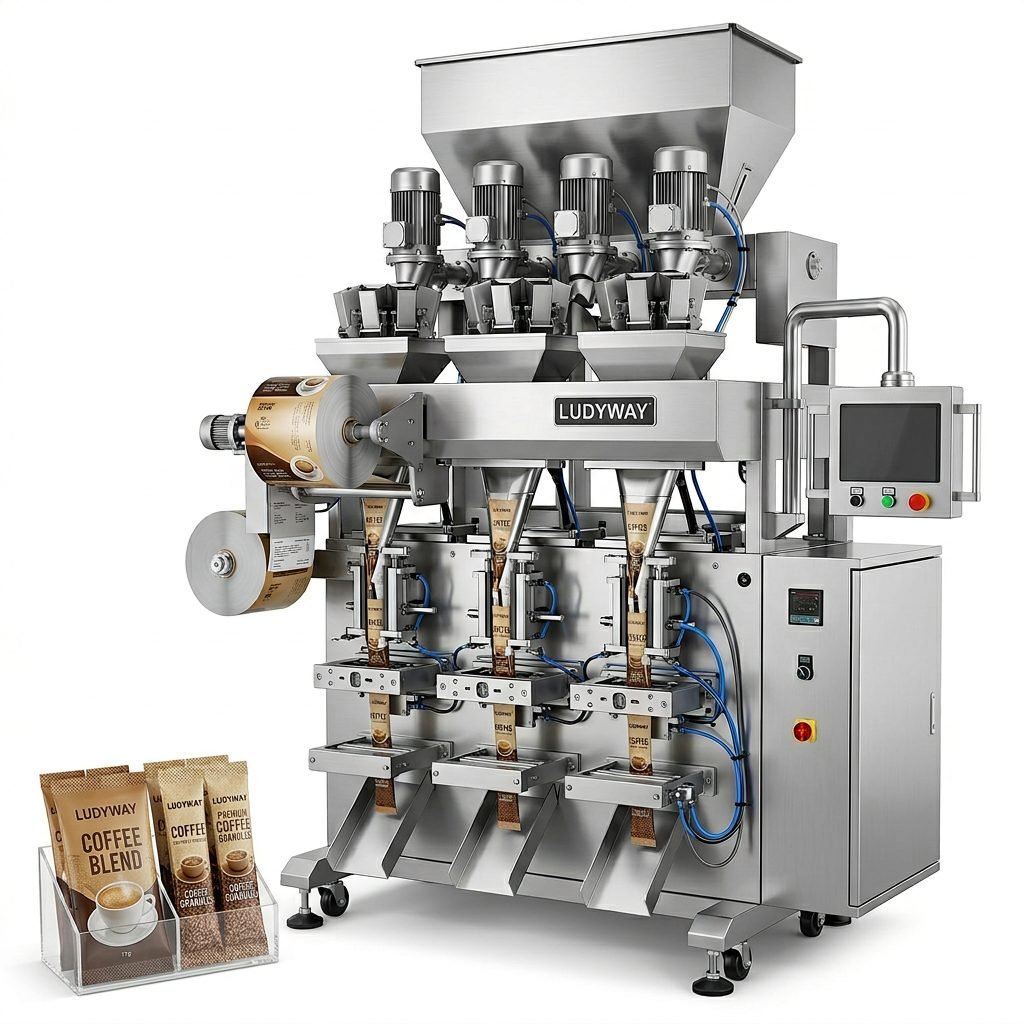
3. Premade Pouch Filling and Sealing Machines
For businesses targeting premium retail shelves, premade pouch packaging with zipper closures offers an upscale presentation. These rotary or inline machines automatically open, fill, and seal premade pouches, often with the option to add degassing valves – a crucial feature for freshly roasted whole bean or ground coffee packaging.
Estimated Costs for Setting Up a Small Coffee Packaging Line
Budget planning is a critical step. The table below provides approximate cost ranges for a small coffee packaging line suitable for South American markets. These figures include equipment, installation, and initial operational costs.
| Cost Category | Entry-Level (USD) | Mid-Range (USD) | Notes |
|---|---|---|---|
| Stick Pack / Sachet Machine | $8,000 – $15,000 | $20,000 – $40,000 | Multi-lane models are more expensive but offer higher output. |
| Auger / Volumetric Filler | $3,000 – $6,000 | $8,000 – $12,000 | Precision dosing for powder coffee products. |
| Nitrogen Flushing System | $2,000 – $4,000 | $5,000 – $8,000 | Essential for extending shelf life of ground coffee. |
| Conveyor & Accessories | $2,000 – $5,000 | $6,000 – $10,000 | Includes bucket elevators and feeding systems. |
| Shipping & Import Duties | $3,000 – $7,000 | $8,000 – $15,000 | Varies by country; Mercosur members may have reduced tariffs. |
| Installation & Training | $2,000 – $4,000 | $5,000 – $8,000 | Some suppliers include remote support and on-site training. |
| Total Estimated Investment | $20,000 – $41,000 | $52,000 – $93,000 | Excludes facility, utilities, and raw material costs. |
These figures are indicative. Actual costs depend on machine specifications, country of origin, and local import regulations. Always request detailed quotations from multiple suppliers and factor in ongoing maintenance expenses. The PMMI 2025 State of the Industry report offers additional insights into packaging machinery pricing trends globally.
Step-by-Step Guide to Setting Up Your Production Line
Establishing a coffee packaging operation involves careful planning. Follow these steps to ensure a smooth setup process:
Step 1: Define Your Product and Format
Determine the coffee type (instant, ground, whole bean, 3-in-1 mix), target package weight, and packaging format (stick pack, sachet, pouch, or bag). This decision directly influences machine selection and line layout.
Step 2: Assess Your Production Capacity Needs
Calculate your expected daily or monthly output. A small line producing 1,000–5,000 packs per day requires different equipment than one aiming for 20,000+ packs. Over-investing in capacity can strain cash flow, while under-investing limits growth potential.
Step 3: Evaluate Facility and Utility Requirements
Ensure your production space meets electrical specifications (typically 220V or 380V three-phase for industrial machines), compressed air availability, and cleanliness standards. Many South American facilities benefit from open floor plans that accommodate future expansion.
Step 4: Source a Reliable Equipment Supplier
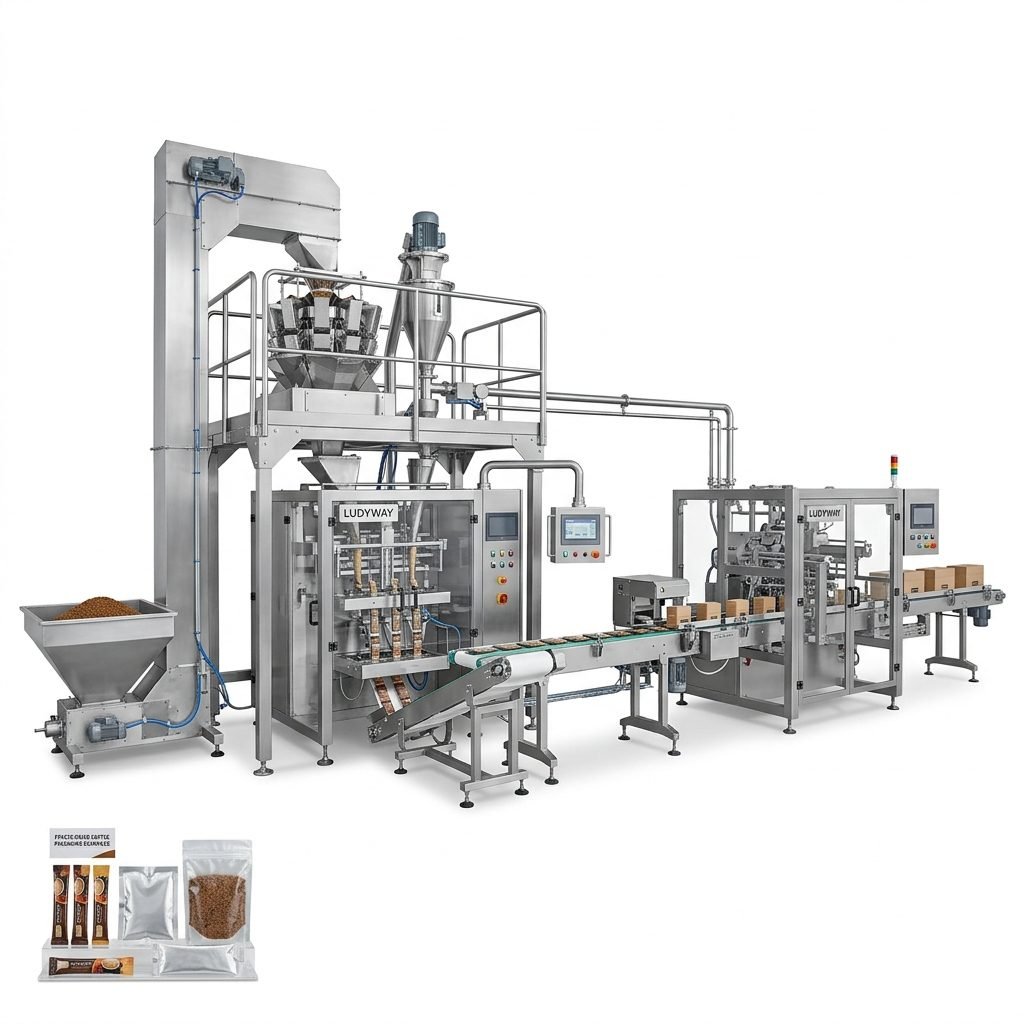
Look for manufacturers with proven export experience to Latin America. Evaluate their technical support capabilities, spare parts availability, and willingness to provide installation assistance. One established manufacturer in this space is Ludyway, which offers over 50 packaging machine models and has served customers in more than 100 countries with specialized coffee packaging solutions.
Step 5: Plan for Installation and Operator Training
Allocate sufficient time for machine commissioning and staff training. Operators should be comfortable with machine settings, changeover procedures, and basic troubleshooting before full production begins. Remote video support has become a valuable resource for South American buyers working with international suppliers.
Step 6: Source Packaging Materials
Identify reliable local or regional suppliers for packaging film, pouches, and labels. The Flexible Packaging Association provides resources on material specifications and supplier directories that can help you find suitable vendors in or near South America.
Key Tips for Success in the South American Coffee Packaging Market
Running a profitable coffee packaging operation requires attention to both technical and commercial details. Here are practical tips gathered from experienced operators in the region:
- Invest in nitrogen flushing – Oxygen is the enemy of fresh coffee. A nitrogen flushing system can extend shelf life from weeks to months, reducing waste and enabling export to distant markets.
- Choose stainless steel construction – Coffee oils and powders can be corrosive over time. SUS304 or SUS316 stainless steel contact parts ensure food safety compliance and long equipment life.
- Prioritize easy changeover – If you plan to package multiple formats or gram weights, look for machines with tool-free adjustment and recipe memory functions to minimize downtime.
- Build a spare parts inventory – Importing replacement parts can cause weeks of production delays. Stock critical components like sealing jaws, belts, and sensors from day one.
- Comply with labeling regulations – South American countries have specific requirements for weight declaration, nutritional information, and origin labeling. Review both local and export market standards before ordering packaging materials.
- Consider humidity control – Many coffee-growing regions in South America have high humidity levels. Install dehumidification in your packaging area to prevent clumping and ensure consistent filling accuracy.
Understanding the Regulatory Landscape
Packaging compliance varies across South America. Key regulatory bodies and standards to be aware of include:
- ANVISA (Brazil) – Regulates food contact materials and packaging for the Brazilian market.
- INVIMA (Colombia) – Oversees food safety and packaging standards in Colombia.
- Mercosur standards – Harmonized technical regulations that apply across Argentina, Brazil, Paraguay, and Uruguay.
- FDA compliance – If you plan to export to the United States, review FDA food contact substance regulations.
- EU packaging directives – For exports to Europe, consult the European Commission packaging waste regulations.
Common Pitfalls to Avoid When Setting Up Your Line
Learning from the mistakes of others can save significant time and money. Here are some of the most frequent errors made by new coffee packaging operations in South America:
- Underestimating import logistics – Customs clearance in some South American ports can take weeks. Work with an experienced freight forwarder who understands local procedures.
- Choosing the wrong packaging film – Not all films perform equally in tropical climates. Test material samples under local temperature and humidity conditions before committing to large orders.
- Neglecting operator training – Even the best machine will underperform if operators lack proper training. Invest in comprehensive training during installation.
- Ignoring maintenance schedules – Preventive maintenance is far cheaper than emergency repairs. Establish a regular maintenance routine from the start.
Is a Turnkey Solution Right for Your Business?
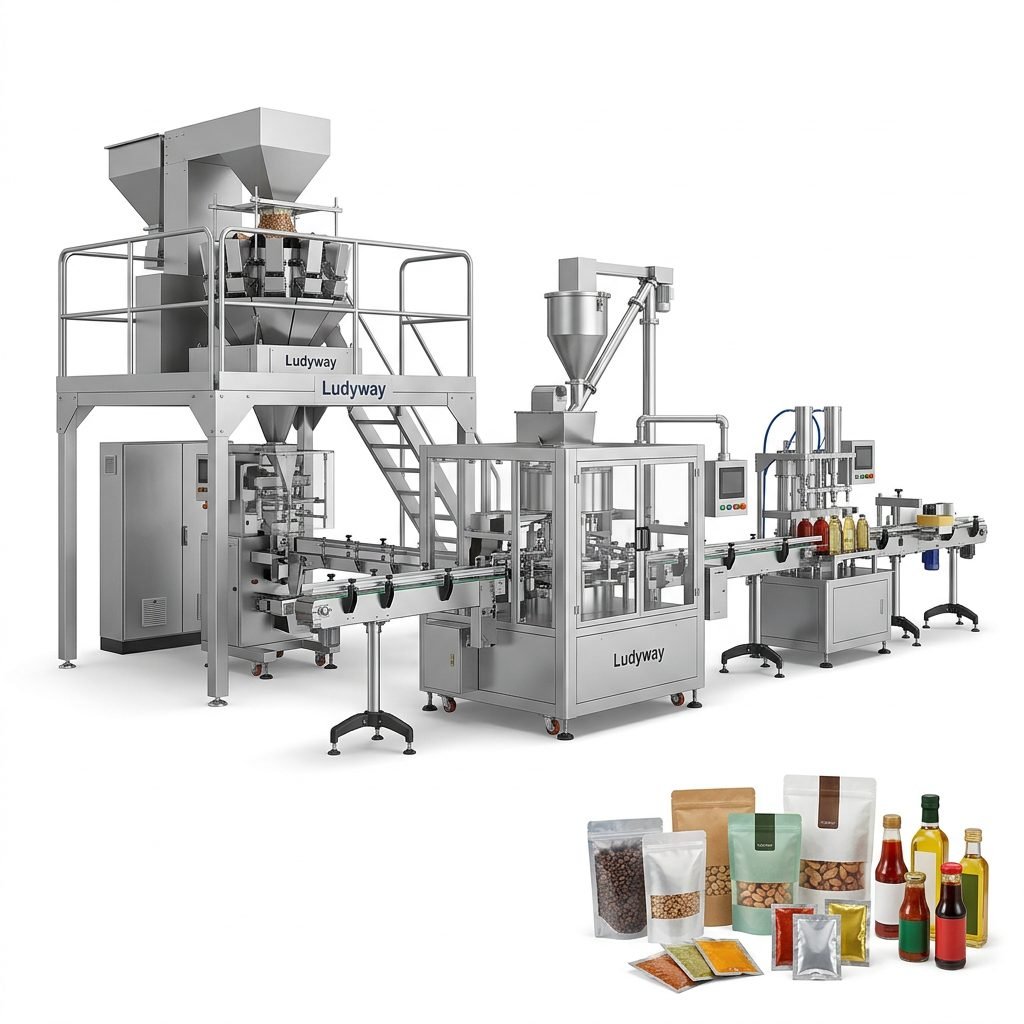
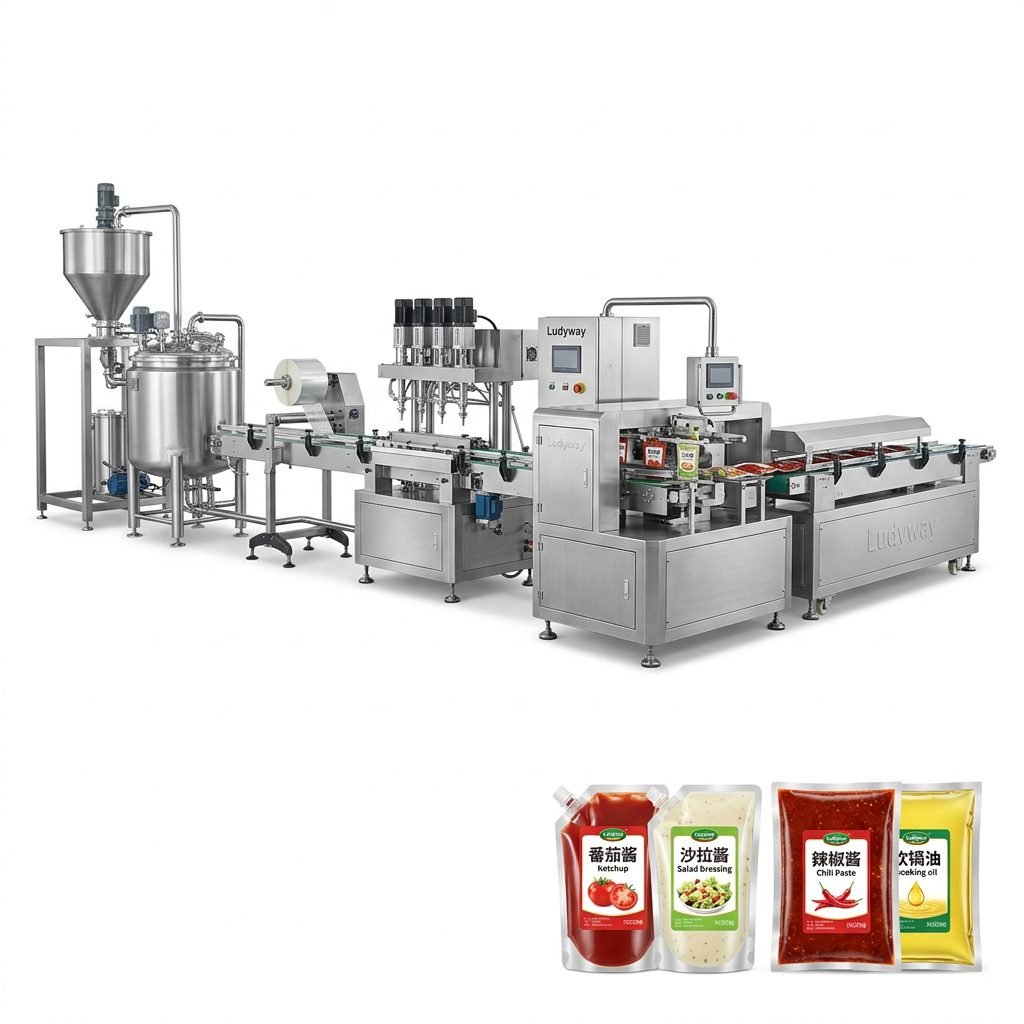
For many first-time packaging line investors in South America, a turnkey solution offers significant advantages. Rather than sourcing individual components from multiple vendors, a turnkey package includes the primary packaging machine, feeding systems, conveyors, and auxiliary equipment – all from a single supplier with unified technical support. This approach simplifies installation, reduces compatibility issues, and often results in a more competitive overall price.
When evaluating turnkey options, confirm that the supplier has experience integrating complete lines and can provide documentation in Spanish or Portuguese to facilitate operator training and regulatory inspections.
Financing Options for South American Buyers
Securing funding for packaging equipment can be challenging, but several avenues are available:
- Local development banks – BNDES in Brazil and Bancoldex in Colombia offer financing programs for industrial equipment purchases.
- Export credit agencies – Some equipment-exporting countries provide favorable financing terms through their export credit agencies.
- Equipment leasing – Leasing arrangements can reduce upfront capital requirements while allowing you to start production sooner.
- Supplier installment plans – Some manufacturers offer structured payment terms for qualified buyers, often with a percentage paid upon order and the balance settled before shipment or upon installation.
Final Thoughts
Setting up a small coffee packaging machine production line in South America is a strategic move that can transform a commodity-focused business into a value-added brand operation. With careful planning, realistic budgeting, and the right equipment partner, a packaging line can pay for itself within 12 to 24 months through improved margins and expanded market access.
The key is to start with a clear understanding of your product, target market, and production goals, then select equipment that balances affordability, reliability, and scalability. As the global coffee market continues to evolve toward convenience formats and premium branding, South American producers who invest in packaging capabilities today will be best positioned for tomorrow’s opportunities.
For more industry insights, explore the PMMI packaging industry resources or review ISO packaging standards for guidance on quality and safety compliance in your production operations.