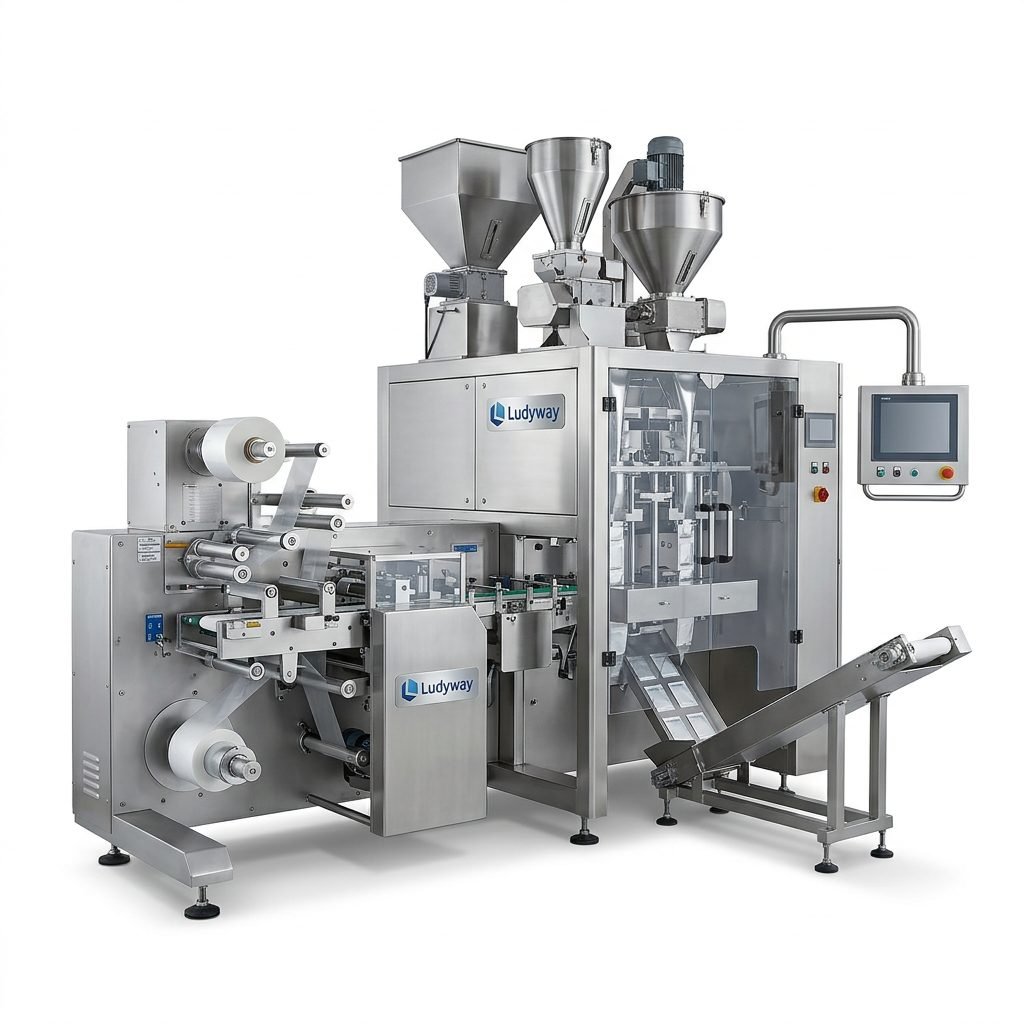
Establishing a sandwich packaging machine production line in the United States requires careful planning, regulatory compliance, and strategic equipment selection. With the U.S. food packaging market projected to grow steadily, investing in an automated packaging production line can significantly boost operational efficiency and product shelf life. This guide walks you through the essential steps, from facility planning to full-scale production.

Why Invest in a U.S.-Based Sandwich Packaging Line
The United States remains one of the largest markets for pre-packaged sandwiches and ready-to-eat meals. Consumer demand for convenience foods continues to rise, making automated packaging systems a critical investment. Key benefits include:
- Faster time-to-market with automated multi-lane packaging capabilities
- Consistent product quality and extended shelf life through modified atmosphere packaging (MAP)
- Reduced labor costs and improved production throughput
- Compliance with FDA food packaging regulations
Step 1: Facility and Layout Planning
Before purchasing equipment, you must design a production floor layout that meets both operational and regulatory standards. The facility should comply with FDA food contact substance guidelines and local health department requirements.
Key Facility Considerations
- Cleanroom classification: Determine whether your sandwich products require ISO-certified cleanrooms
- Utilities and infrastructure: Ensure adequate power supply, compressed air, and water connections for the packaging machinery
- Workflow optimization: Design a linear flow from ingredient receiving to finished product dispatch
- Waste management: Plan for scrap disposal and recycling systems
Step 2: Understanding U.S. Regulatory Requirements
Packaging food products in the United States involves navigating a complex regulatory landscape. The Food and Drug Administration (FDA) oversees food packaging safety, while PMMI – The Association for Packaging and Processing Technologies provides industry standards and resources.
| Regulatory Body | Area of Oversight | Key Standard |
|---|---|---|
| FDA | Food contact materials and packaging safety | 21 CFR 174-178 |
| USDA | Meat and poultry sandwich products | FSIS Directives |
| ISO | International packaging standards | ISO Packaging Standards |
| EPA | Sustainable packaging and waste | Sustainable Materials Management |
Step 3: Selecting the Right Sandwich Packaging Equipment
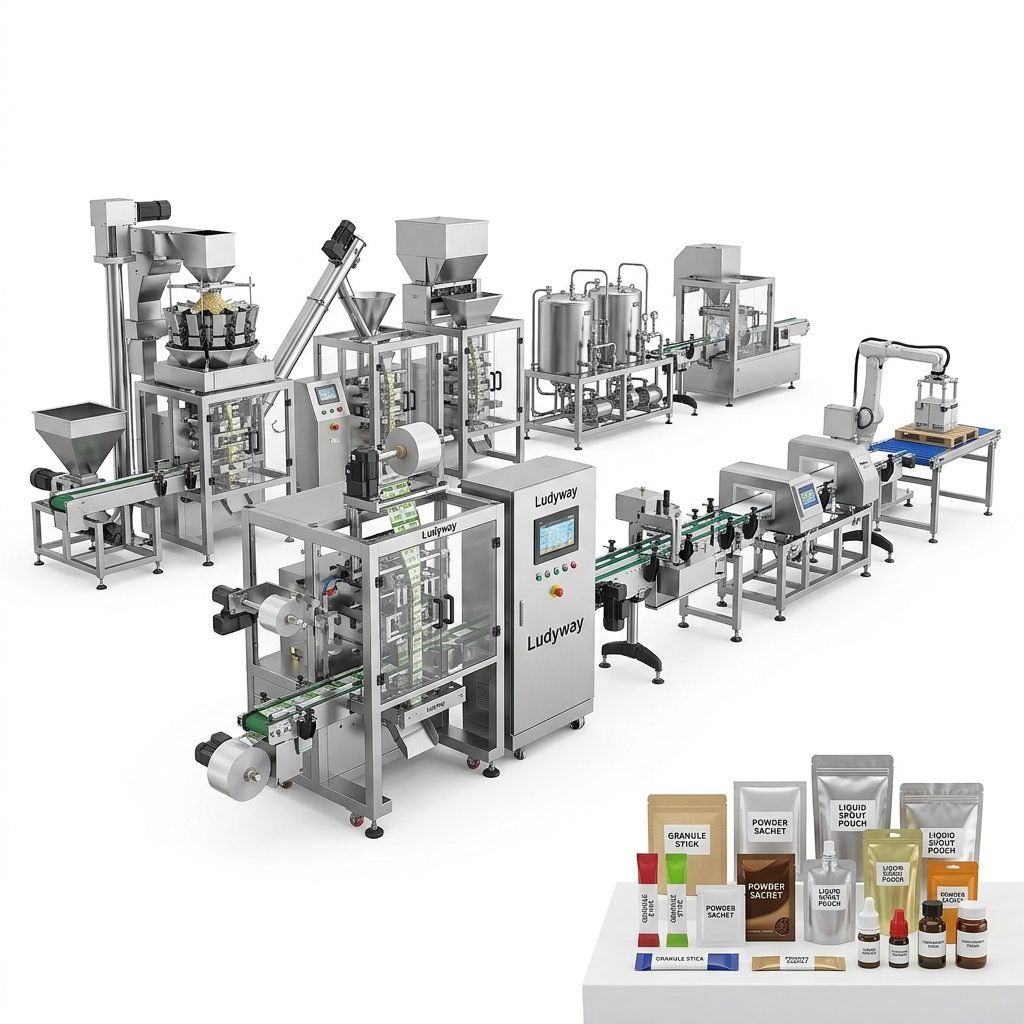
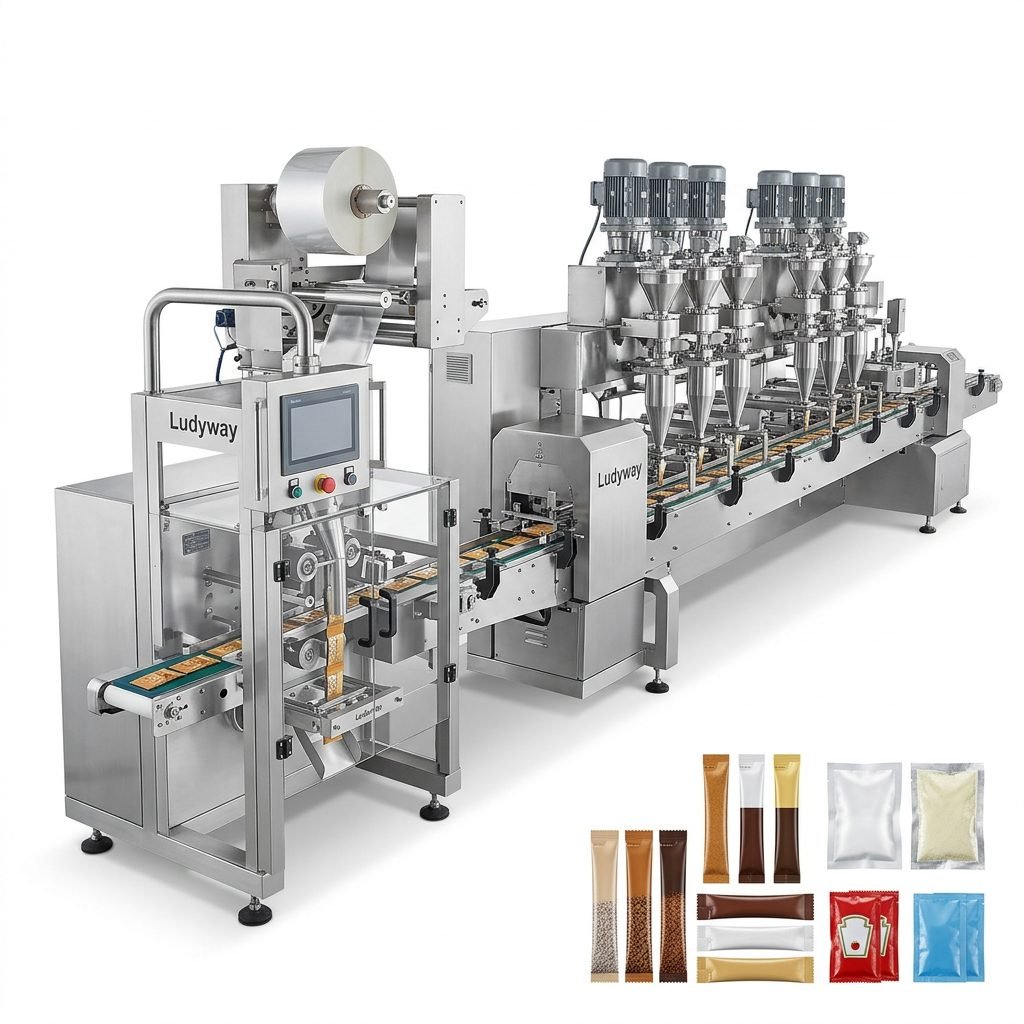
Choosing the appropriate sandwich packaging machine depends on your production volume, packaging format, and product characteristics. Common packaging formats include flow wrap, modified atmosphere trays, and sachet-style packs for sandwich components or condiments.
Equipment Categories to Consider
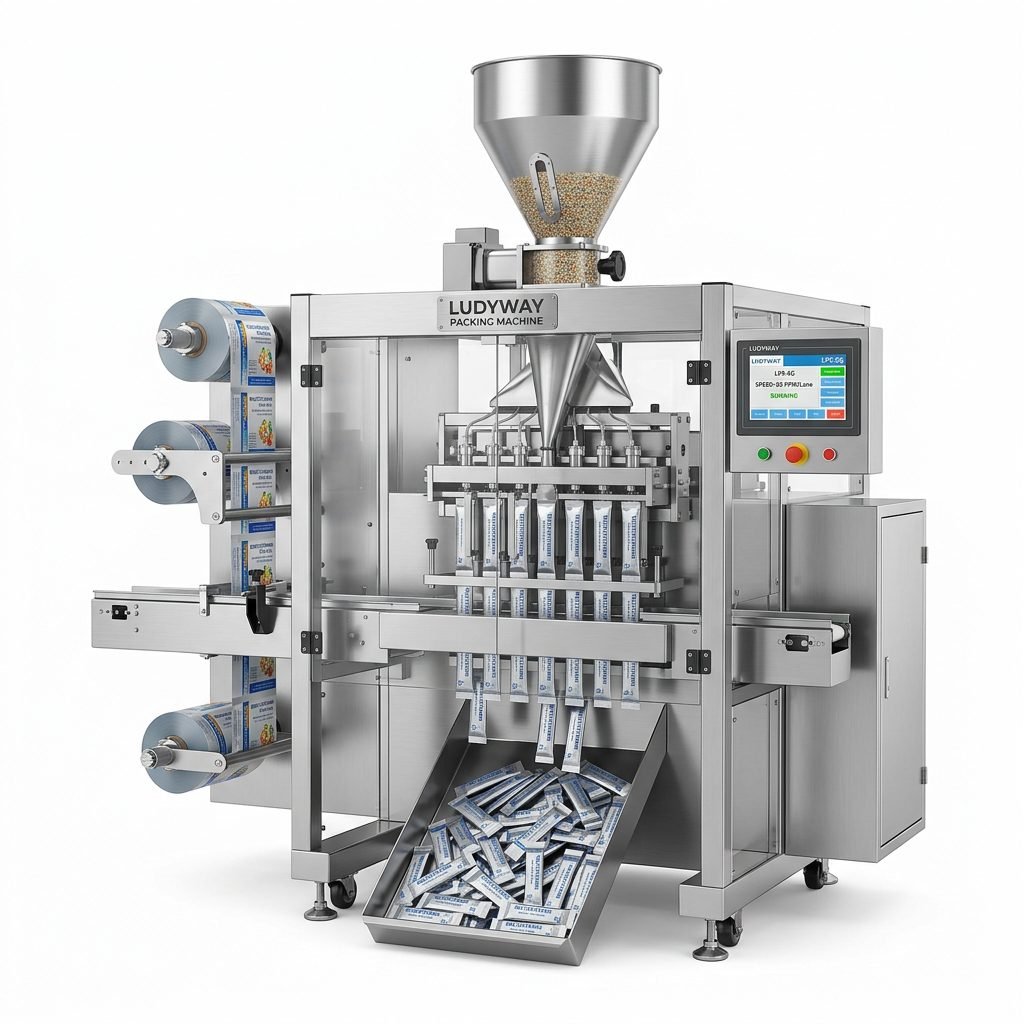
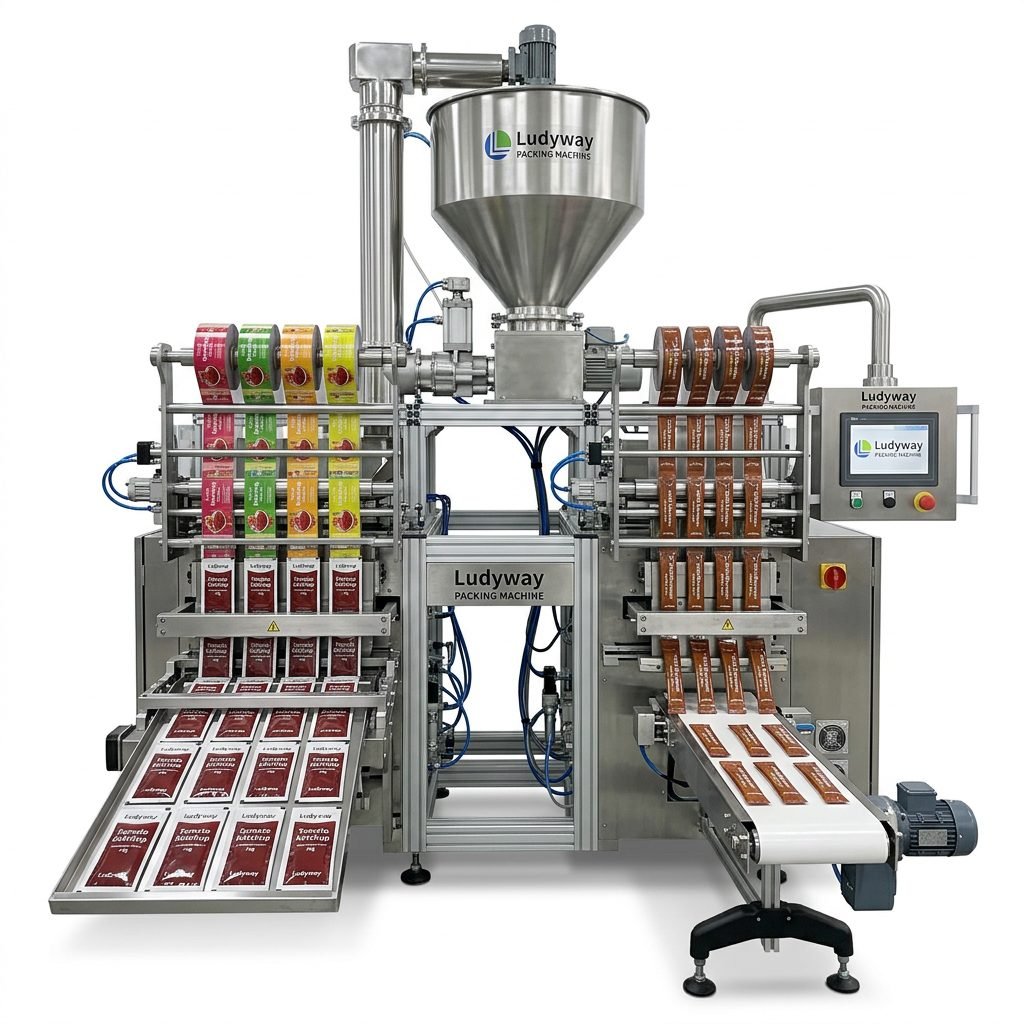
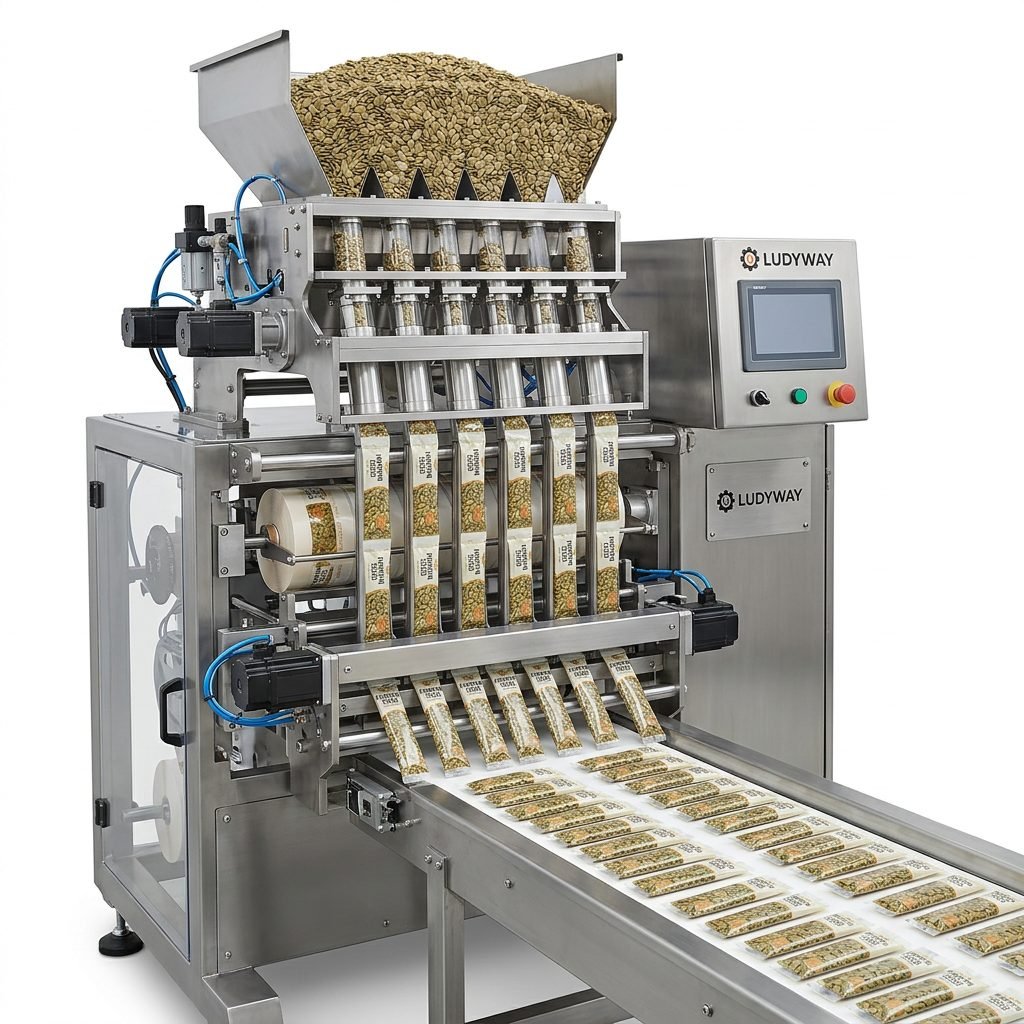
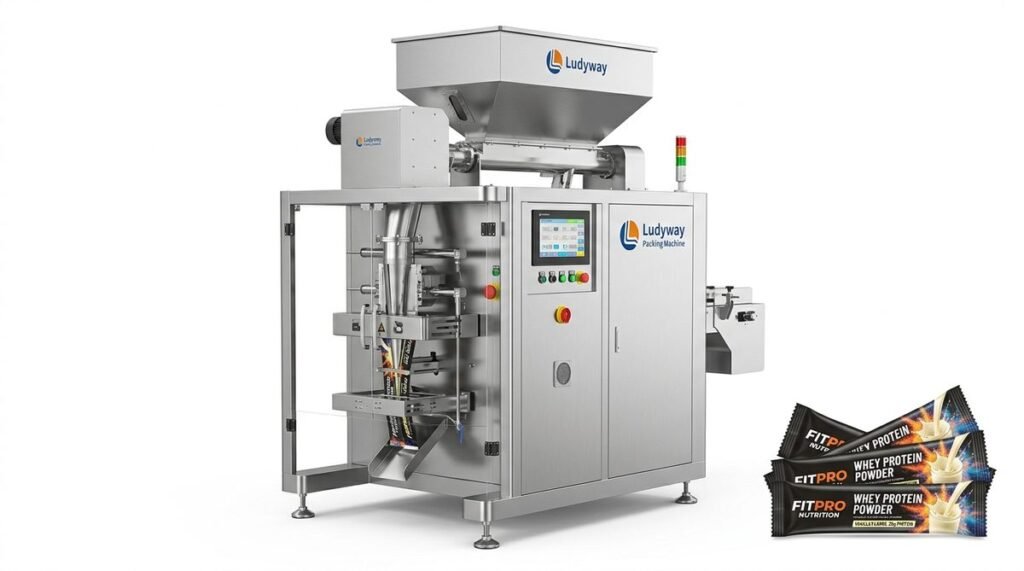
- Multi-lane stick pack machines – Ideal for condiment sachets and single-serve sandwich components
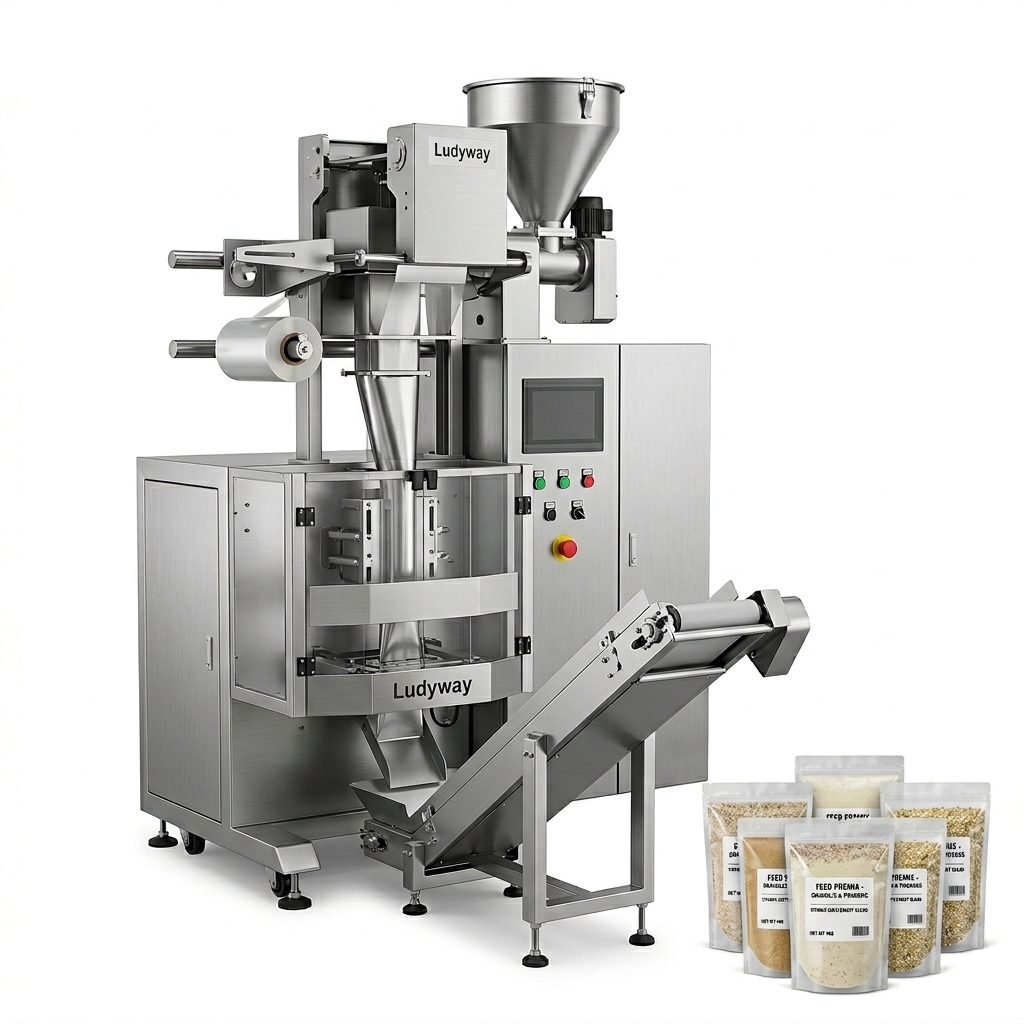
- Vertical form-fill-seal (VFFS) systems – Suitable for granular or powdered sandwich fillings
- Horizontal flow wrappers – The standard for whole sandwich packaging with MAP capability
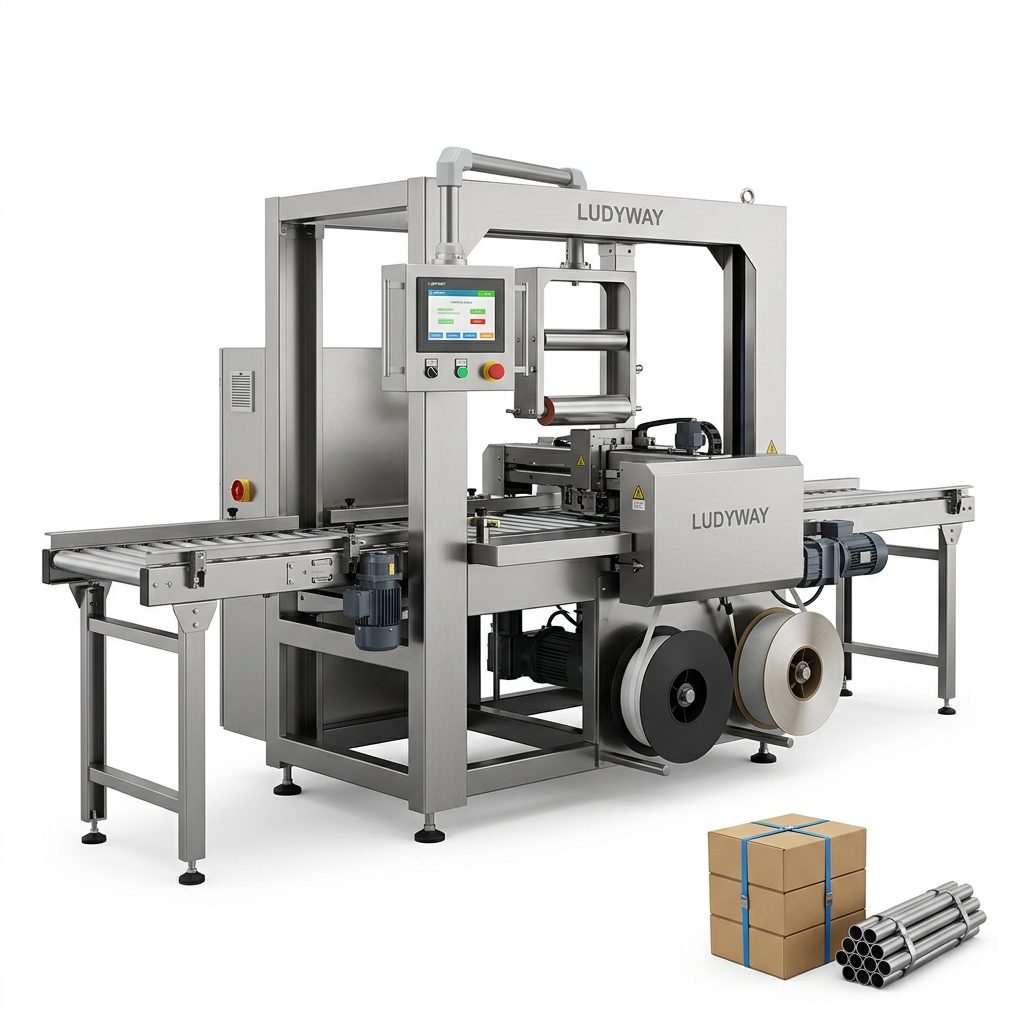
- Automated cartoning and case packing systems – For secondary packaging and distribution readiness
Step 4: Partnering with a Reliable Packaging Machine Manufacturer
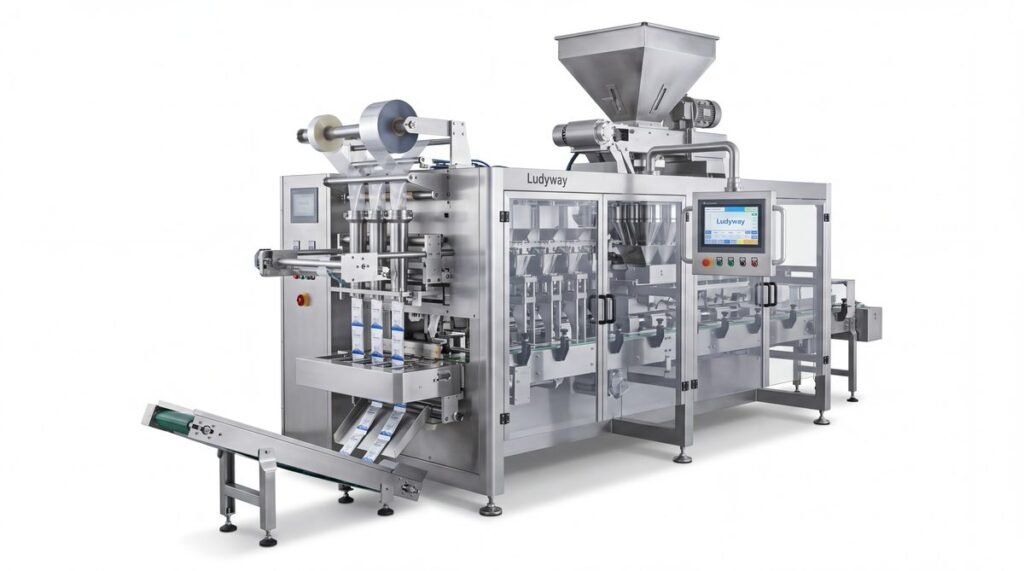
Working with an experienced packaging machine manufacturer is critical for a successful production line setup. Ludyway, one of the largest packaging machine manufacturers in China with over 30 years of industry expertise, offers turnkey production solutions for the food, pharmaceutical, and health industries. With more than 50 intelligent packaging machine models and a modern 20,000㎡ manufacturing facility, Ludyway serves customers in over 100 countries, providing high-performance equipment that helps businesses improve productivity and operational efficiency.
What to Look for in a Supplier
- Proven track record in food packaging machinery
- After-sales support and spare parts availability in North America
- Customization capabilities for unique sandwich packaging requirements
- Compliance documentation for FDA and international standards

Step 5: Installation, Commissioning, and Training
Once your sandwich packaging line equipment arrives, proper installation and commissioning are essential. This phase includes:
- Mechanical installation – Positioning, leveling, and securing all machinery components
- Electrical and utility connections – Power, compressed air, and data network integration
- Dry-run testing – Verifying mechanical operation without product
- Production trials – Running actual sandwich products to fine-tune settings
- Operator training – Comprehensive training for machine operators and maintenance staff
Step 6: Ongoing Maintenance and Optimization
Maintaining your sandwich packaging production line is essential for long-term reliability. Implement a preventive maintenance schedule and monitor key performance indicators to continuously improve output quality and efficiency.

Maintenance Best Practices
- Schedule daily cleaning and sanitation of all food-contact surfaces
- Conduct quarterly inspections of sealing jaws, belts, and pneumatic components
- Maintain an inventory of critical spare parts to minimize downtime
- Track Overall Equipment Effectiveness (OEE) to identify optimization opportunities
Cost Considerations and ROI Analysis
Setting up a sandwich packaging machine production line in the United States involves various cost factors. Understanding these helps in building a realistic budget and calculating return on investment.
| Cost Category | Estimated Range | Notes |
|---|---|---|
| Packaging machinery | $150,000 – $800,000+ | Depending on automation level and throughput |
| Facility modifications | $50,000 – $200,000 | Cleanroom upgrades, utilities, flooring |
| Installation and training | $20,000 – $60,000 | Including travel and on-site support |
| Regulatory compliance | $10,000 – $40,000 | FDA registration, testing, documentation |
Industry Resources and Further Reading
Stay informed about the latest developments in packaging technology and regulations through these authoritative resources:
- PMMI Business Intelligence Library – Packaging industry data and trends
- Flexible Packaging Association – State of the U.S. flexible packaging industry
- PACK EXPO International – Leading packaging trade show
- FDA Food Packaging Guidelines – Food contact substance regulations

Final Thoughts on Your Sandwich Packaging Line
Setting up a sandwich packaging machine production line in the United States is a strategic investment that requires thorough planning, the right equipment partner, and strict adherence to regulatory standards. By following the steps outlined in this guide and working with experienced packaging equipment suppliers, you can build an efficient, compliant, and profitable production operation. Whether you are launching a new sandwich brand or expanding an existing facility, the key to success lies in selecting reliable machinery, designing a smart facility layout, and maintaining a commitment to continuous improvement.