Selecting the right potato chips packaging machine is a critical decision that directly impacts your production efficiency, product freshness, and bottom line. With dozens of machine types, configurations, and suppliers available, the selection process can feel overwhelming. This guide breaks down every factor you need to evaluate so you can make a confident, informed investment.
Understanding Your Potato Chips Packaging Requirements
Before comparing machines, you need a clear picture of your own production parameters. Every packaging line is different, and what works for a large-scale snack manufacturer may be completely unsuitable for a regional producer. Start by answering these core questions:
- What is your target output per hour or per day? Production speed requirements will determine whether you need a single-lane or multi-lane packaging machine.
- What bag format do you need? Pillow bags, gusseted bags, stick packs, sachets, or larger family-size pouches each require different machine types.
- What packaging material will you use? Metallized films, laminated structures, and biodegradable materials all behave differently during sealing.
- What is your available floor space? Machine footprint and layout integration are often overlooked but critical factors.
- What level of automation do you require? From semi-automatic to fully integrated turnkey lines, the choice affects both cost and labor requirements.
According to PMMI packaging industry research, snack food packaging remains one of the fastest-growing segments in the global packaging machinery market, driven by increasing demand for convenience and portion-controlled formats.
Key Machine Types for Potato Chips Packaging
Different machine technologies serve different production needs. Understanding the core types will help you narrow down your options quickly.
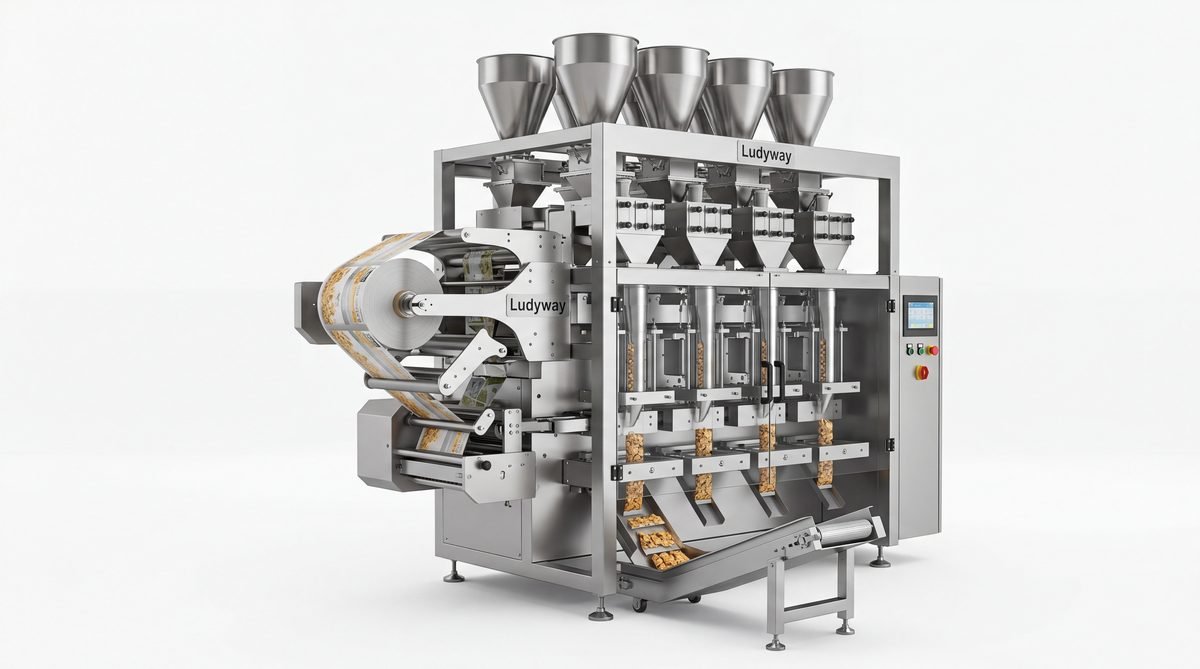
Vertical Form Fill Seal (VFFS) Machines
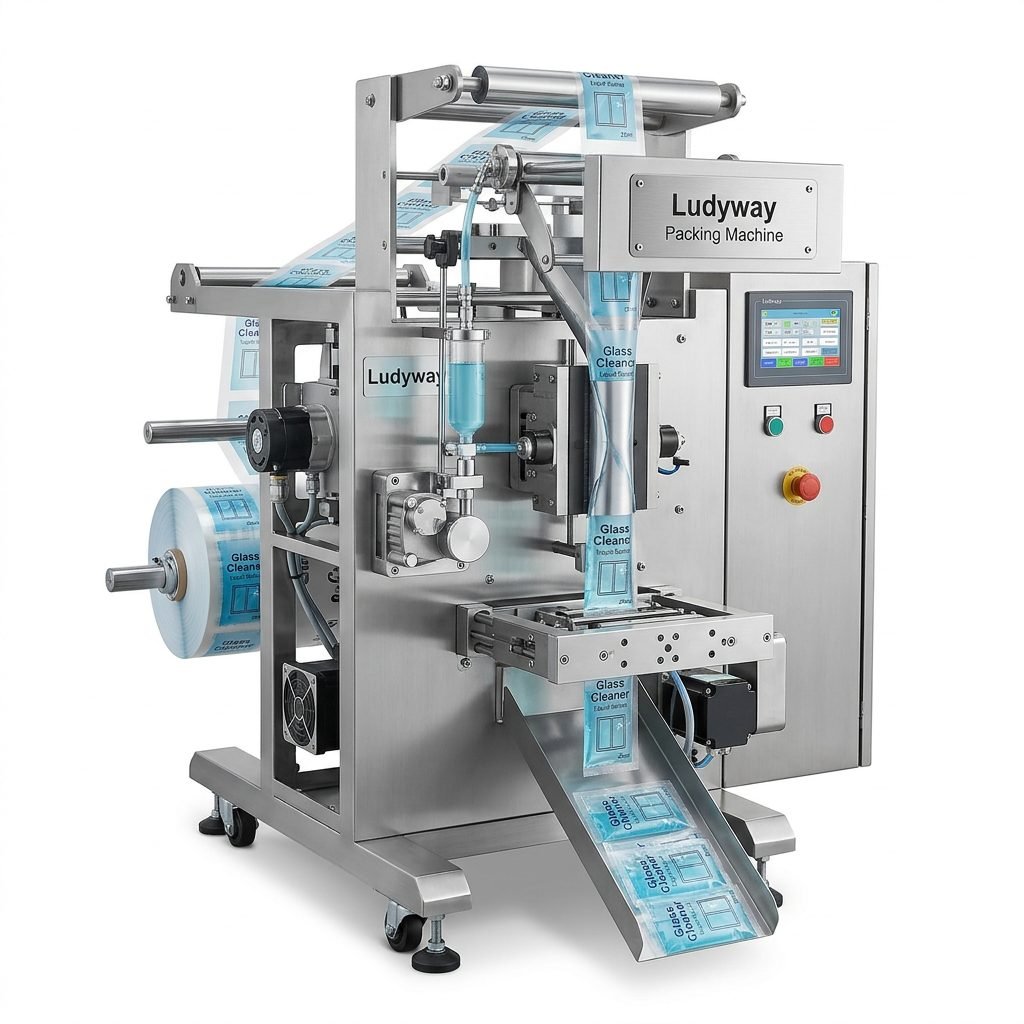
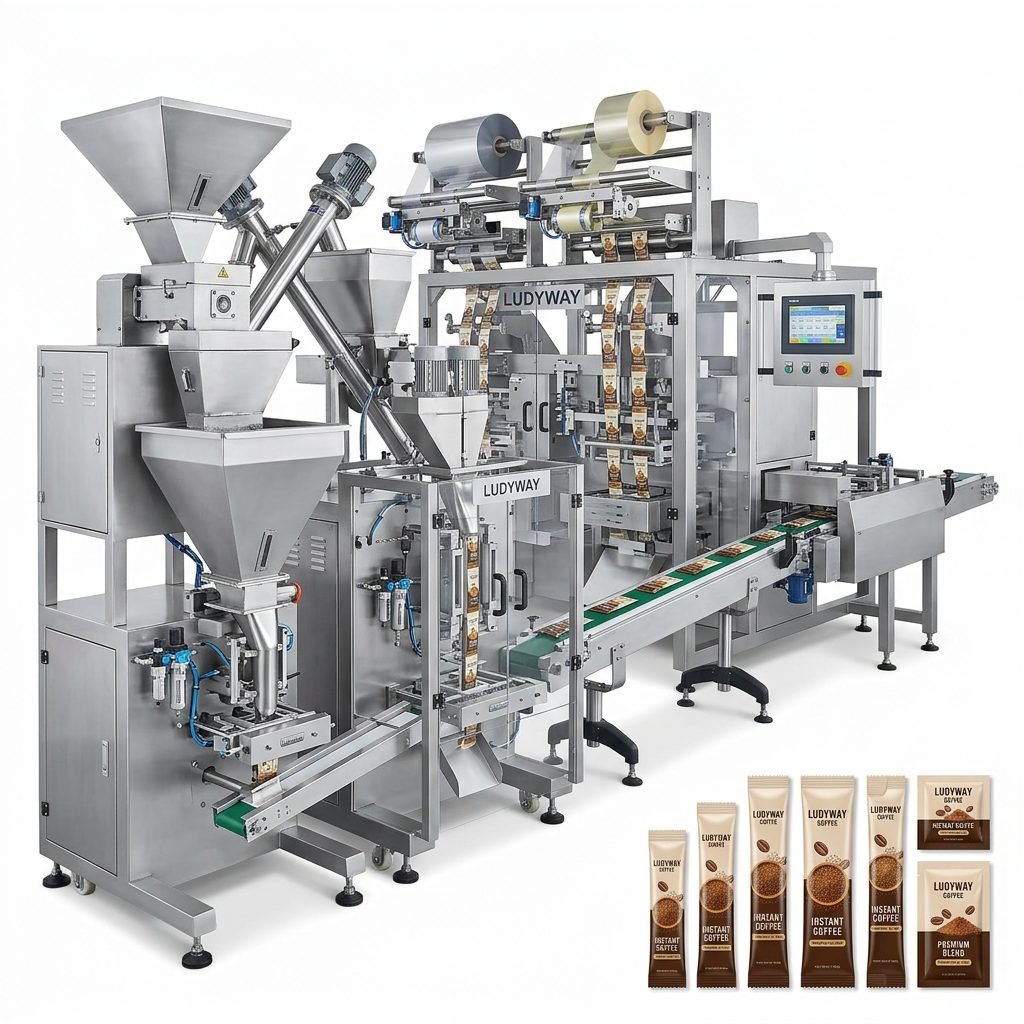
VFFS machines are the most common choice for potato chips packaging. They form a bag from a roll of film, fill it with product, and seal it — all in a continuous vertical motion. These machines are ideal for high-speed operations and can handle a wide range of bag formats including pillow bags, gusseted bags, and quad-seal bags. For fragile products like potato chips, VFFS systems with gentle product handling features such as inclined conveyors and cascade filling systems help minimize breakage.
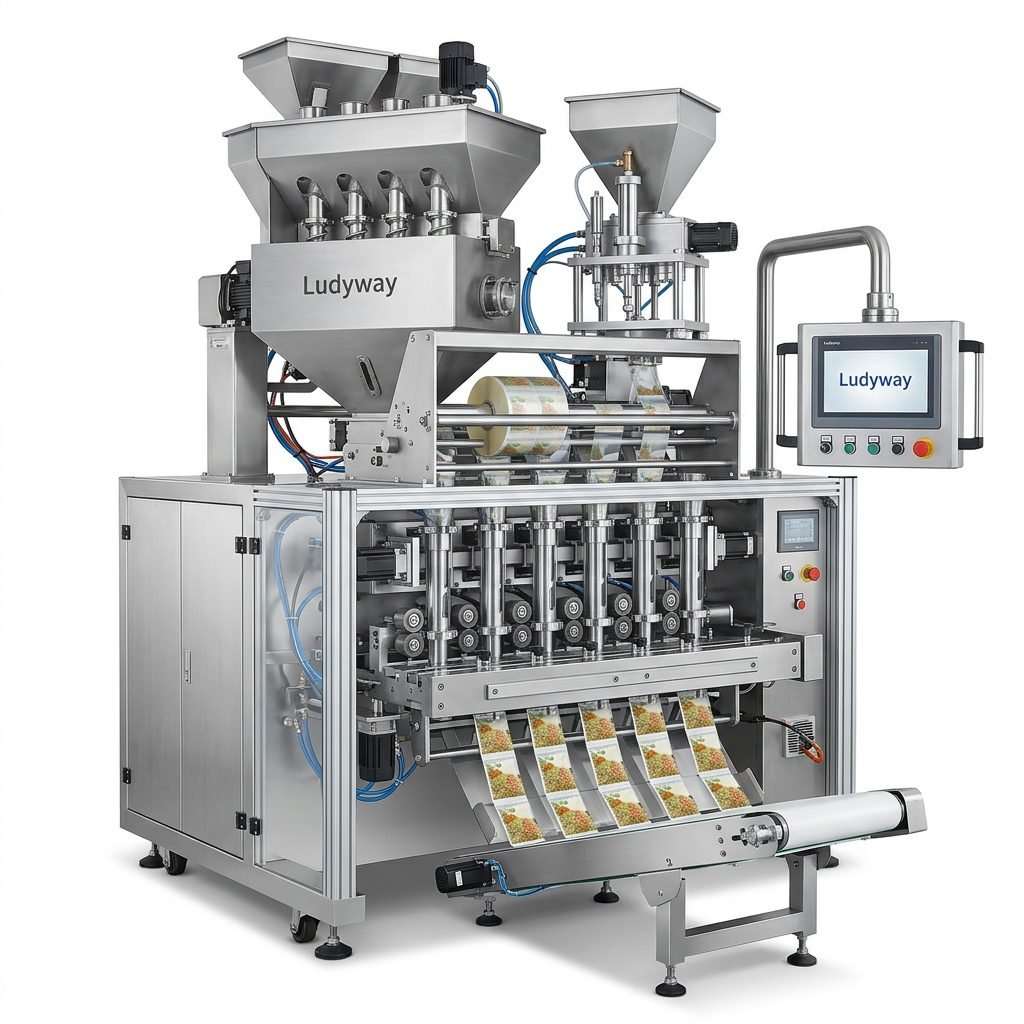
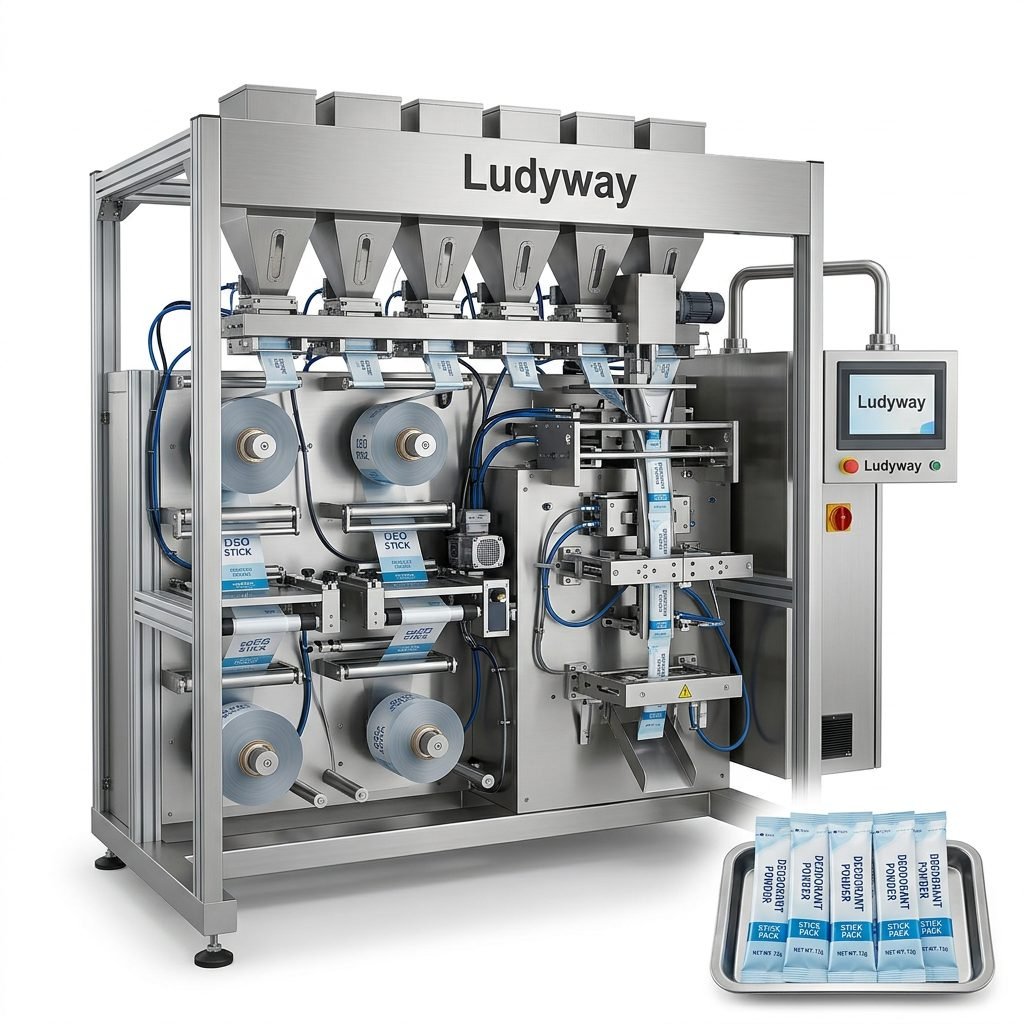
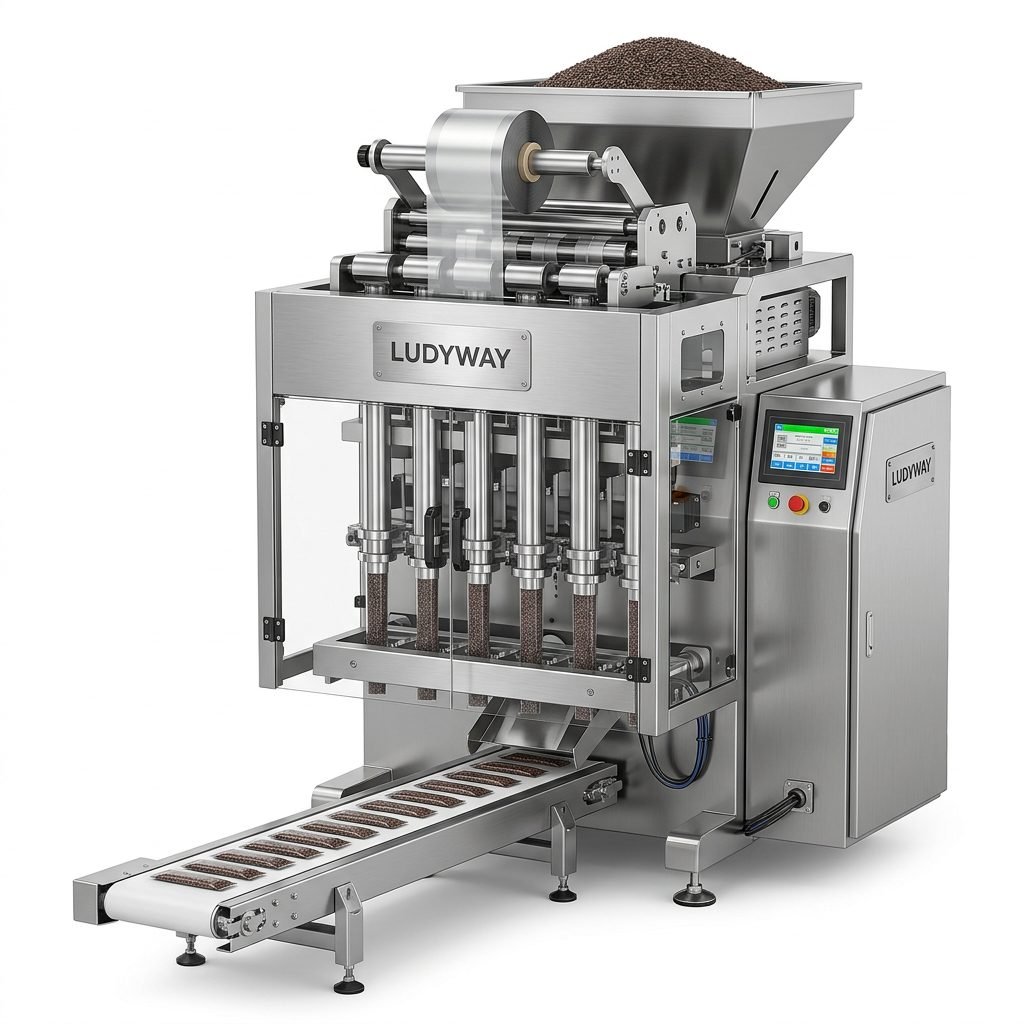
Multi-Lane Stick Pack and Sachet Machines
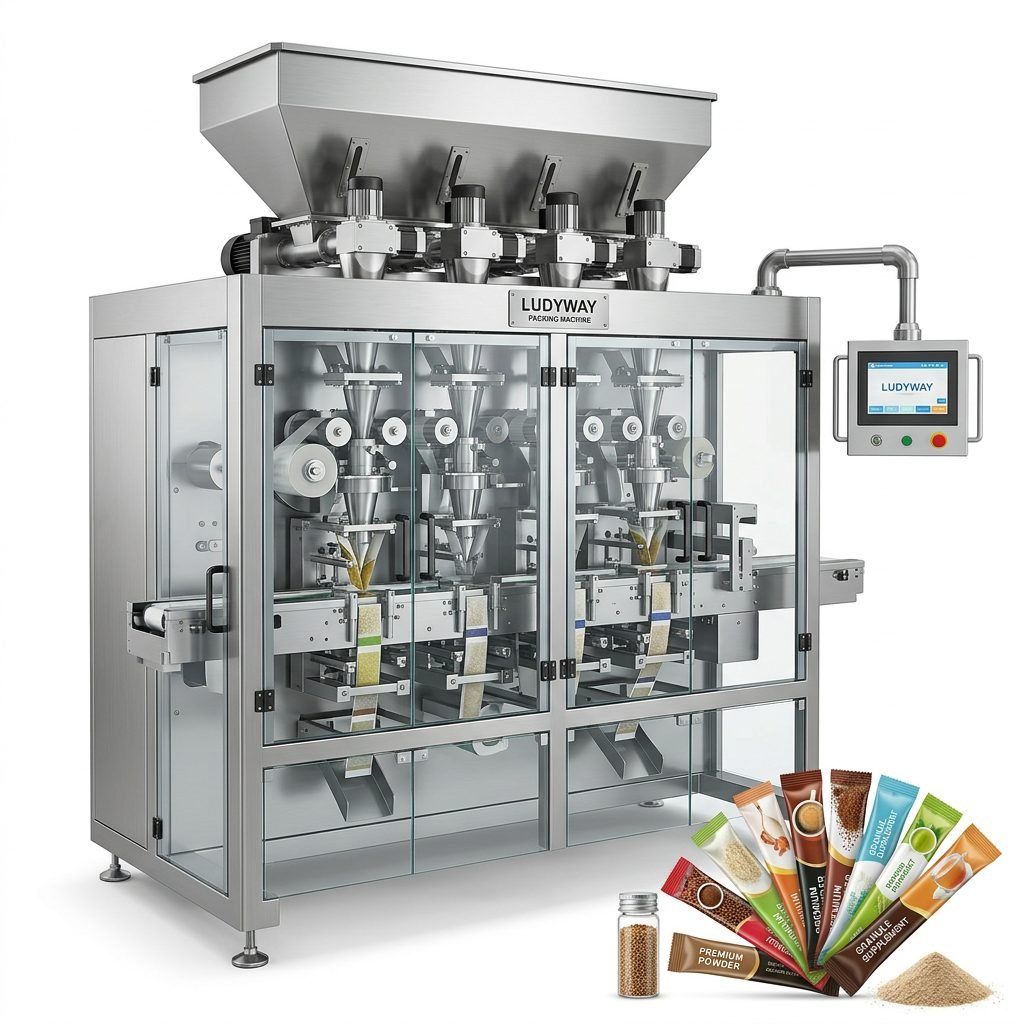
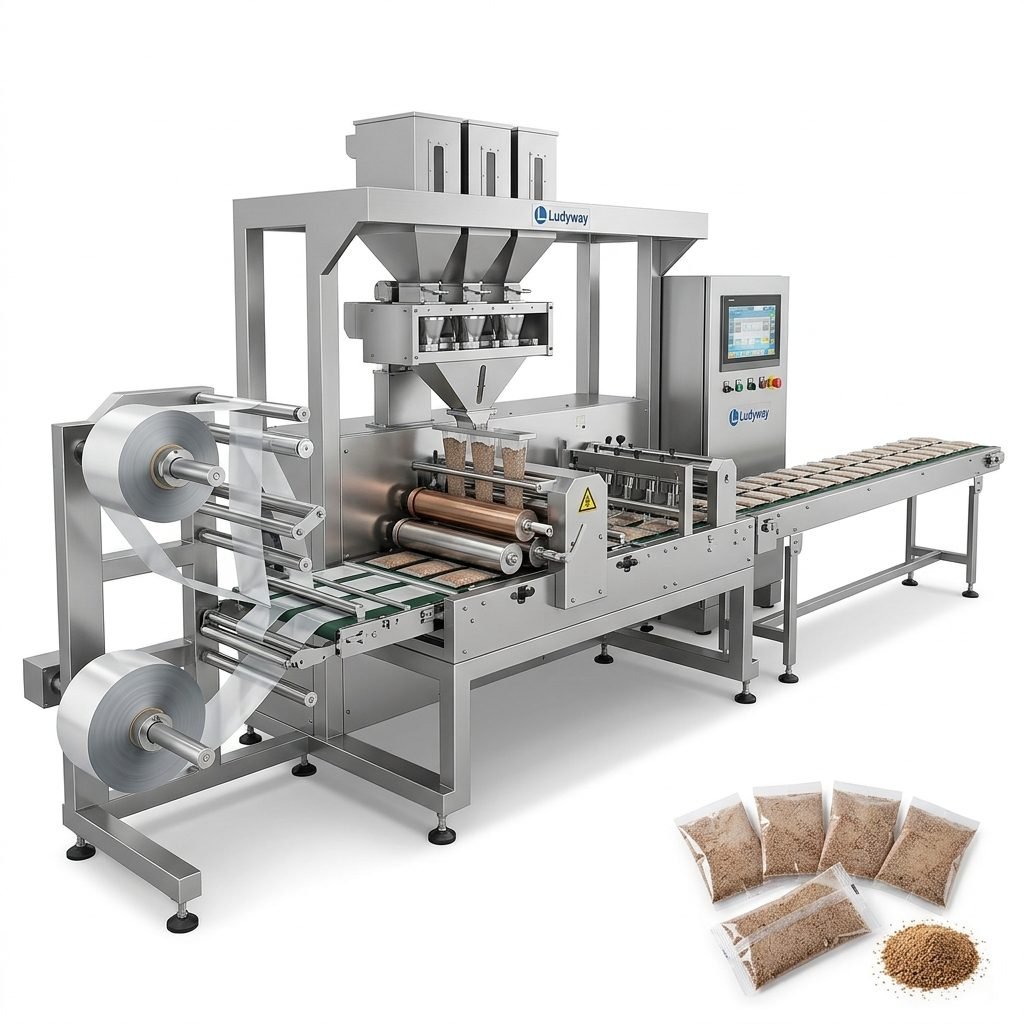
For single-serve and portion-controlled packaging, multi-lane stick pack machines deliver unmatched throughput. These systems run multiple lanes simultaneously, producing several small-format packages per cycle. A 10-lane or 12-lane configuration can produce hundreds of packs per minute, making them ideal for snack-sized potato chips portions destined for vending machines, convenience stores, or multi-pack bundles.
Premade Pouch Packaging Machines
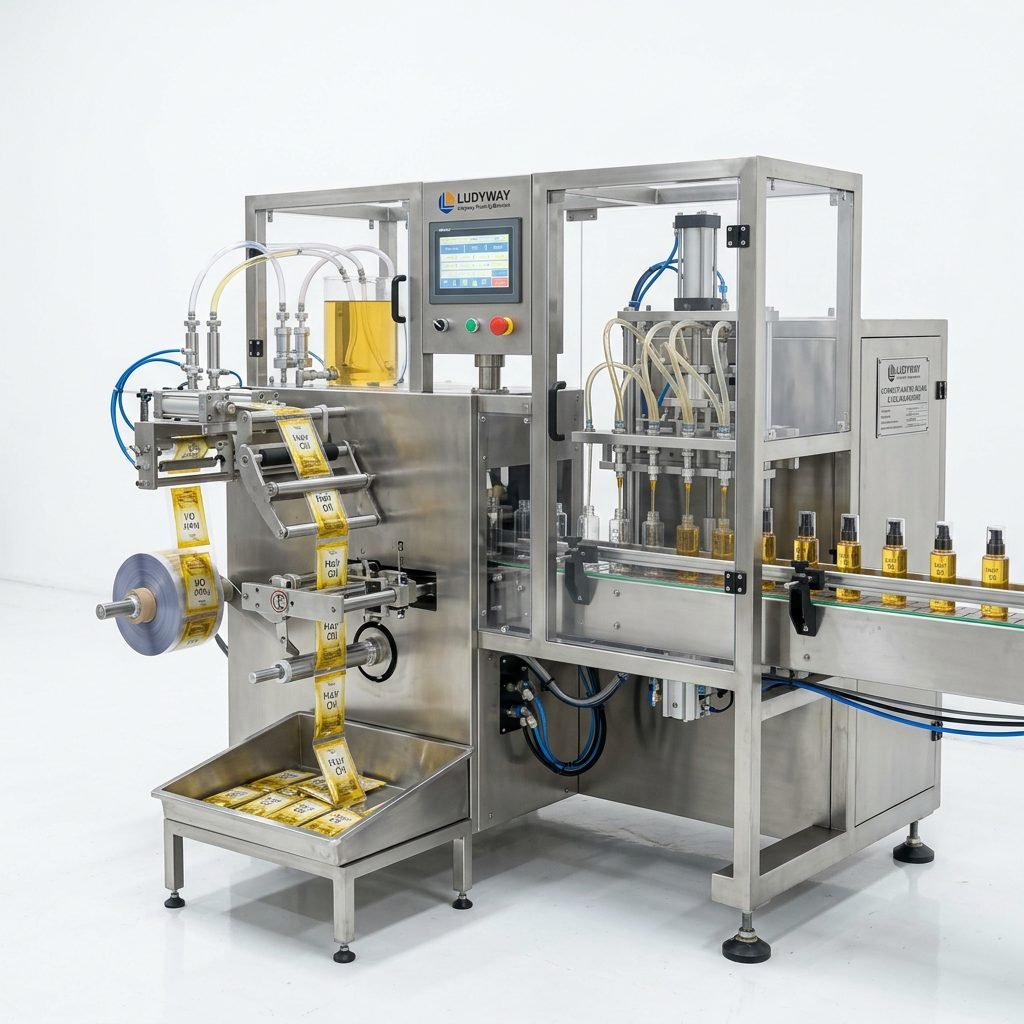
If your brand uses stand-up pouches, zipper bags, or shaped pouches, a rotary or inline premade pouch machine is the right choice. These machines take pre-formed pouches, open them, fill with potato chips, and seal. While generally slower than VFFS systems, they offer superior pouch presentation and are preferred for premium and retail-focused brands. Many models now support features like zipper application, degassing valves, and tear notches.
Critical Technical Specifications to Evaluate
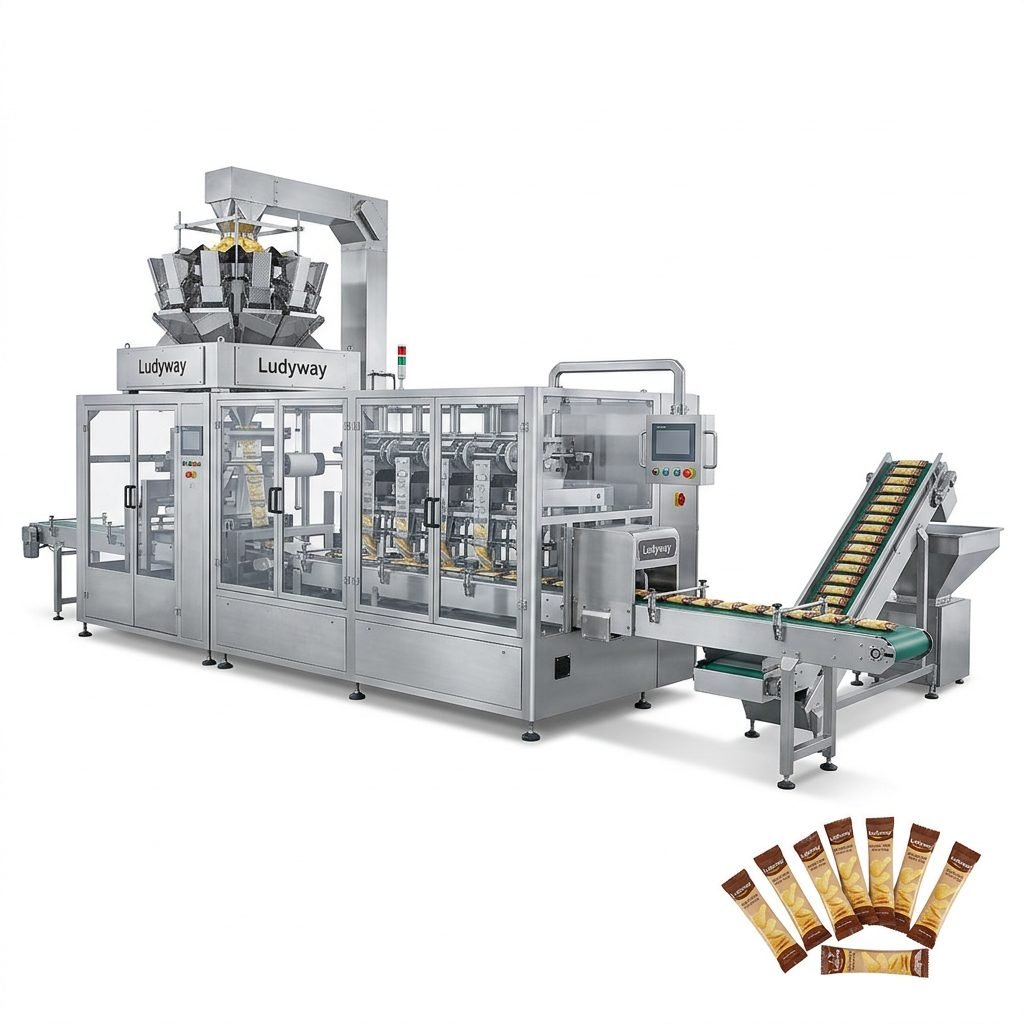
When comparing potato chips packaging machines, focus on these technical parameters that directly affect performance and product quality.
| Specification | Why It Matters | What to Look For |
|---|---|---|
| Production Speed | Determines output capacity and line efficiency | 30-150 packs/min for single-lane; 200-800+ for multi-lane |
| Bag Size Range | Must match your product portfolio | Adjustable width and length with quick-change features |
| Filling System | Affects accuracy and product integrity | Multi-head weigher or volumetric filler with ±1-2g accuracy |
| Sealing Technology | Critical for freshness and shelf life | Temperature-controlled heat sealing with consistent pressure |
| Gas Flushing | Extends shelf life for chips | Nitrogen flushing capability with residual oxygen below 2% |
| Film Compatibility | Determines material flexibility | Supports metallized BOPP, laminated PET, and eco-friendly films |
| Automation Level | Impacts labor costs and consistency | PLC control with HMI touchscreen, auto film tracking, and servo drives |
Nitrogen Flushing and Shelf Life Considerations
Potato chips are particularly sensitive to oxidation. Nitrogen gas flushing is not just a nice-to-have — it is essential for maintaining crispness and preventing rancidity. When evaluating a packaging machine, confirm that the nitrogen flushing system can achieve residual oxygen levels below 2%. Look for machines with integrated gas monitoring sensors and automatic rejection systems that detect and remove improperly flushed packages. This feature alone can extend product shelf life from weeks to several months, dramatically reducing waste and returns.
Automation and Smart Features
Modern potato chips packaging machines increasingly incorporate smart technologies that reduce downtime and improve consistency. Key features to prioritize include:
- Servo-driven film transport for precise bag length control and reduced film waste
- Automatic film splicing to enable non-stop production during roll changes
- Integrated checkweighers and metal detectors for quality assurance and compliance
- Remote monitoring and diagnostics for predictive maintenance and reduced service calls
- Recipe management systems that store parameters for different bag sizes and products
These smart packaging features not only improve operational efficiency but also provide valuable production data that can inform business decisions. The 2025 State of the Industry report from PMMI highlights that automation and digital integration are now top priorities for snack food manufacturers seeking to remain competitive.

Evaluating Total Cost of Ownership
The purchase price is only one part of the equation. A lower upfront cost can lead to significantly higher long-term expenses if the machine requires frequent maintenance, consumes excess film, or produces inconsistent seals. When budgeting, factor in these often-overlooked costs:
- Film waste rates: Precision machines waste less film per bag, adding up to substantial annual savings
- Energy consumption: Servo-driven systems typically consume less power than pneumatic alternatives
- Spare parts availability: Machines using widely available components reduce downtime and parts costs
- Operator training requirements: Intuitive interfaces reduce training time and operator errors
- Service and support: Local technical support availability can dramatically impact maintenance costs
A realistic total cost of ownership (TCO) analysis over 5-7 years will often justify investing in a higher-quality machine from the start.
Choosing the Right Packaging Machine Supplier
Even the best-designed machine will underperform without proper support. Supplier selection should be based on multiple factors beyond the equipment itself:
Industry Experience and Track Record
Look for suppliers with demonstrated experience in snack food packaging specifically. A manufacturer that understands potato chips’ unique characteristics — fragility, irregular shapes, oil content, and oxidation sensitivity — will provide better-configured solutions than a general-purpose equipment supplier. Ask for references from similar snack food producers and, if possible, visit existing installations to see machines in operation.
Customization and Engineering Capabilities
Off-the-shelf machines rarely fit perfectly. The best suppliers offer custom engineering services to adapt machines to your specific bag formats, production speed targets, factory layout, and integration requirements. Companies like Ludyway Machinery, with over 30 years of experience and a 20,000-square-meter manufacturing facility, provide customized packaging solutions rather than relying solely on standardized models — an approach particularly valuable for manufacturers scaling production or introducing new packaging formats.
After-Sales Support Infrastructure
Confirm that your supplier offers comprehensive support including installation, commissioning, operator training, remote technical assistance, and readily available spare parts. The Flexible Packaging Association emphasizes that long-term equipment reliability depends heavily on ongoing manufacturer support and proper maintenance protocols.
Common Mistakes to Avoid When Buying
Many buyers make preventable errors during the selection process. Here are the most common pitfalls and how to avoid them:
- Underestimating future capacity needs: Choose a machine that can grow with your business. A slightly oversized machine is often better than one that becomes a bottleneck within 18 months.
- Focusing only on purchase price: As discussed, TCO matters more than the initial price tag. Cheap machines often cost far more over their lifetime.
- Ignoring film and material compatibility testing: Always run trials with your actual packaging film and product before committing. What works on paper may not work in practice.
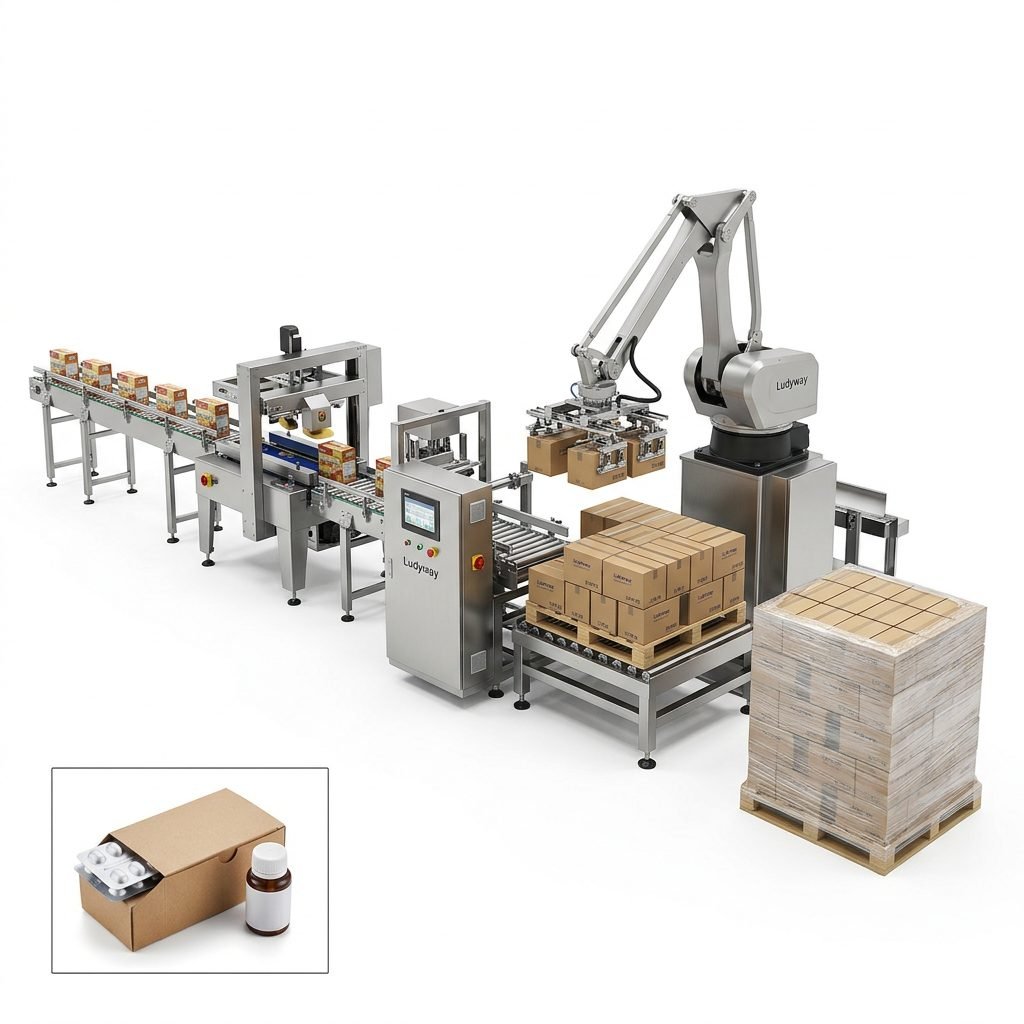
- Overlooking factory integration requirements: Consider upstream and downstream equipment — conveyors, weighers, coders, cartoners, and palletizers must all work together seamlessly.
- Neglecting operator training: The most advanced machine is useless if your team cannot operate and maintain it properly. Budget for thorough training.

Regulatory and Compliance Considerations
If you produce potato chips for export markets or retail chains with strict supplier requirements, compliance is non-negotiable. Your packaging machine should support:
- Food-grade construction materials (stainless steel product contact surfaces, food-safe lubricants)
- HACCP-compatible design with easy access for cleaning and inspection
- CE, UL, or equivalent certifications depending on your target markets
- Batch coding and traceability features including date coding, lot numbering, and barcode printing integration
- Compliance with FDA food packaging regulations and relevant international standards
Making the Final Decision
After evaluating machine types, technical specifications, suppliers, and total cost of ownership, the final decision should balance all these factors against your specific business priorities. A systematic approach works best:
- Define your requirements in writing, including current and projected needs
- Shortlist 3-5 suppliers with relevant snack food packaging experience
- Request detailed proposals including machine specifications, pricing, delivery timelines, and support terms
- Conduct product trials with your actual potato chips and packaging materials
- Visit reference installations or request video demonstrations of similar lines in production
- Negotiate warranty terms and after-sales service agreements before signing
Investing time in a thorough selection process pays dividends through higher production efficiency, lower operating costs, and better product quality over the life of your packaging line.
Frequently Asked Questions
What is the typical production speed of a potato chips packaging machine?
Single-lane VFFS machines typically produce 30-80 bags per minute, while multi-lane stick pack machines can reach 200-800+ packs per minute depending on the number of lanes and bag size. The actual speed depends on bag dimensions, filling volume, and film characteristics.
Can one machine handle multiple bag sizes?
Yes, most modern potato chips packaging machines offer adjustable bag width and length settings. Quick-change features allow operators to switch between formats with minimal downtime. However, the range varies by machine model, so confirm your specific size requirements during the selection process.
Is nitrogen flushing necessary for potato chips packaging?
For any product with a shelf life beyond a few weeks, nitrogen flushing is highly recommended. Potato chips are prone to oxidation, which causes staleness and off-flavors. Nitrogen flushing removes oxygen from the package, preserving crispness and extending shelf life significantly.
How much does a potato chips packaging machine cost?
Costs vary widely based on automation level, speed, and features. Entry-level semi-automatic machines may start around $15,000-$30,000, while high-speed multi-lane systems with full automation can range from $80,000 to $300,000+. Turnkey packaging lines with integrated upstream and downstream equipment represent a larger investment but deliver complete production solutions.
Choosing the right potato chips packaging machine is a strategic decision that affects every aspect of your snack production operation. By systematically evaluating your requirements, understanding available technologies, and selecting a qualified supplier with strong support infrastructure, you can invest in equipment that delivers reliable performance and strong returns for years to come.