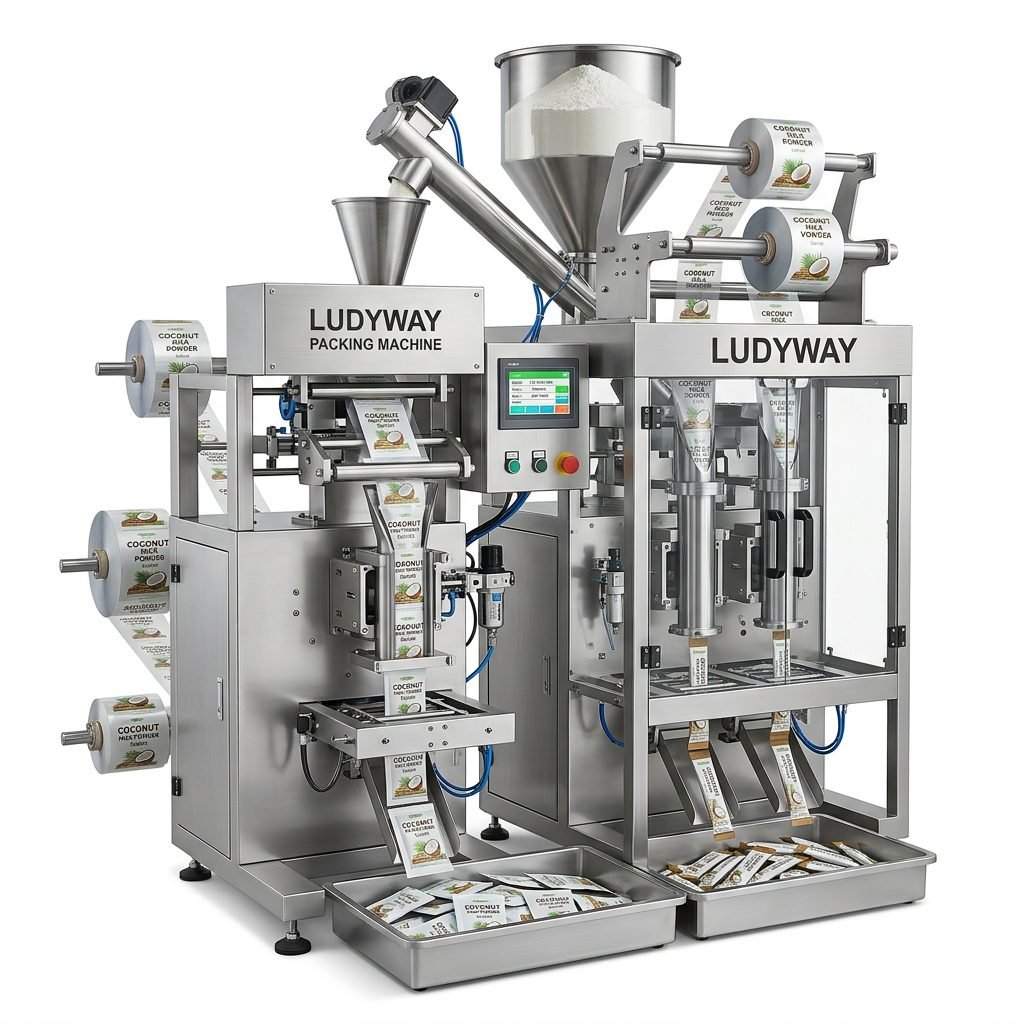
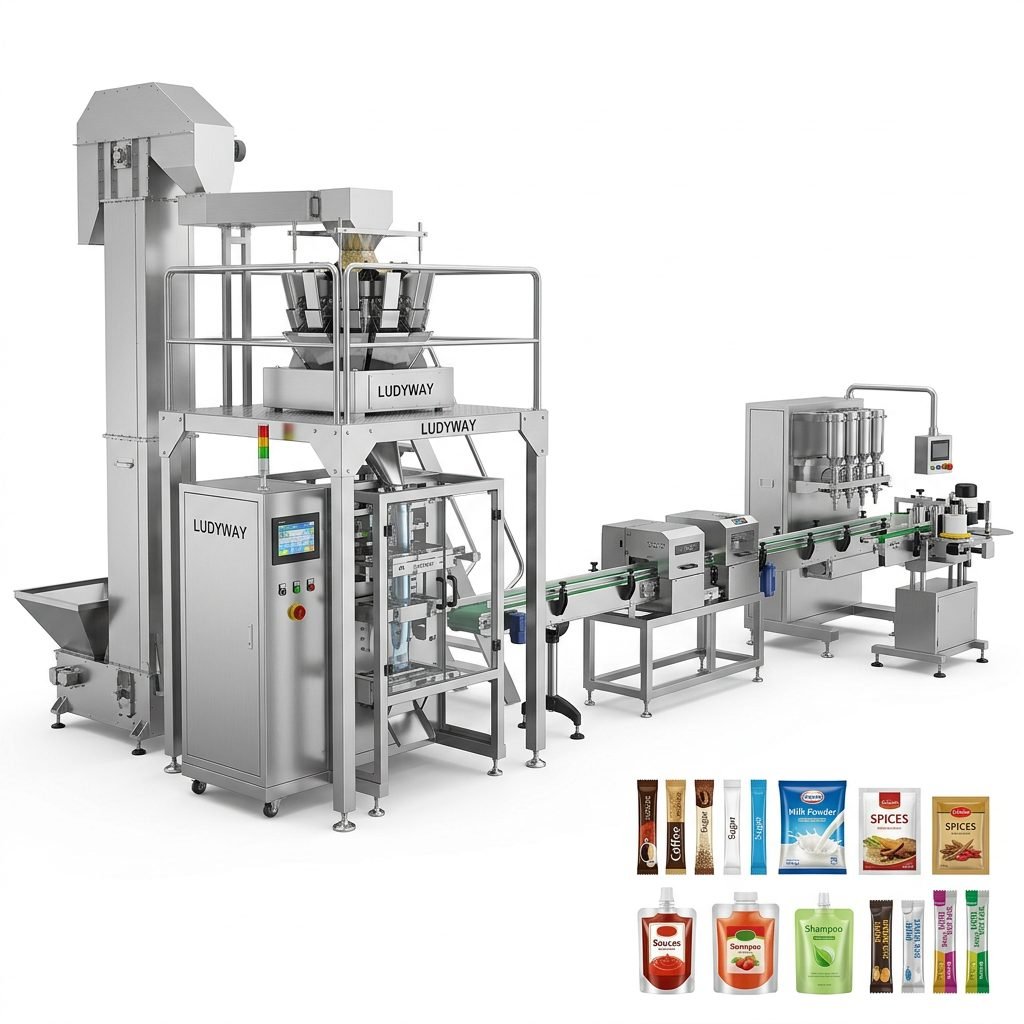
Medical packaging equipment plays a critical role in protecting product sterility, supporting regulatory compliance, and improving production efficiency across pharmaceutical and healthcare manufacturing. From sterile pouches and sachets to blister packs, bottles, and cartoned kits, the right system helps manufacturers deliver safe, traceable, and market-ready products with confidence.
As demand rises for single-use medical supplies, diagnostic kits, wound care products, pharmaceutical sachets, and sterile barrier packaging, manufacturers need packaging solutions that are accurate, hygienic, scalable, and easy to validate.
What Is Medical Packaging Equipment?
Medical packaging equipment refers to machines and integrated production systems used to fill, seal, label, code, inspect, cartone, and prepare healthcare and pharmaceutical products for distribution. These machines are designed to meet strict industry requirements for cleanliness, sealing integrity, product protection, and serialization support.
Depending on the product format, the equipment may handle:
- Medical sachets for powders, granules, gels, or liquids
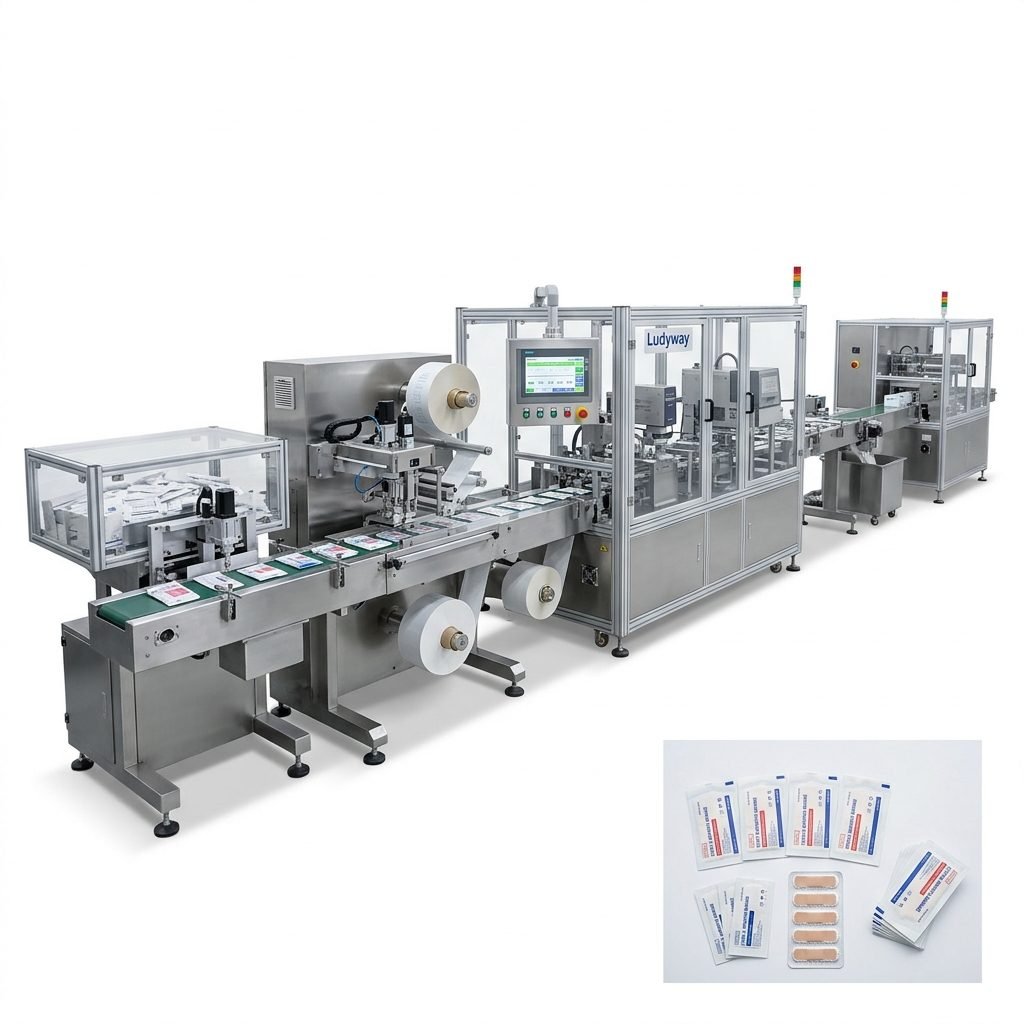
- Sterile pouches for bandages, dressings, wipes, and consumables
- Blister packs for tablets and capsules
- Bottle filling for oral liquids, syrups, and supplements
- Cartoning and case packing for secondary packaging
- Inspection, coding, and reject systems for quality assurance
Main Types of Medical Packaging Equipment
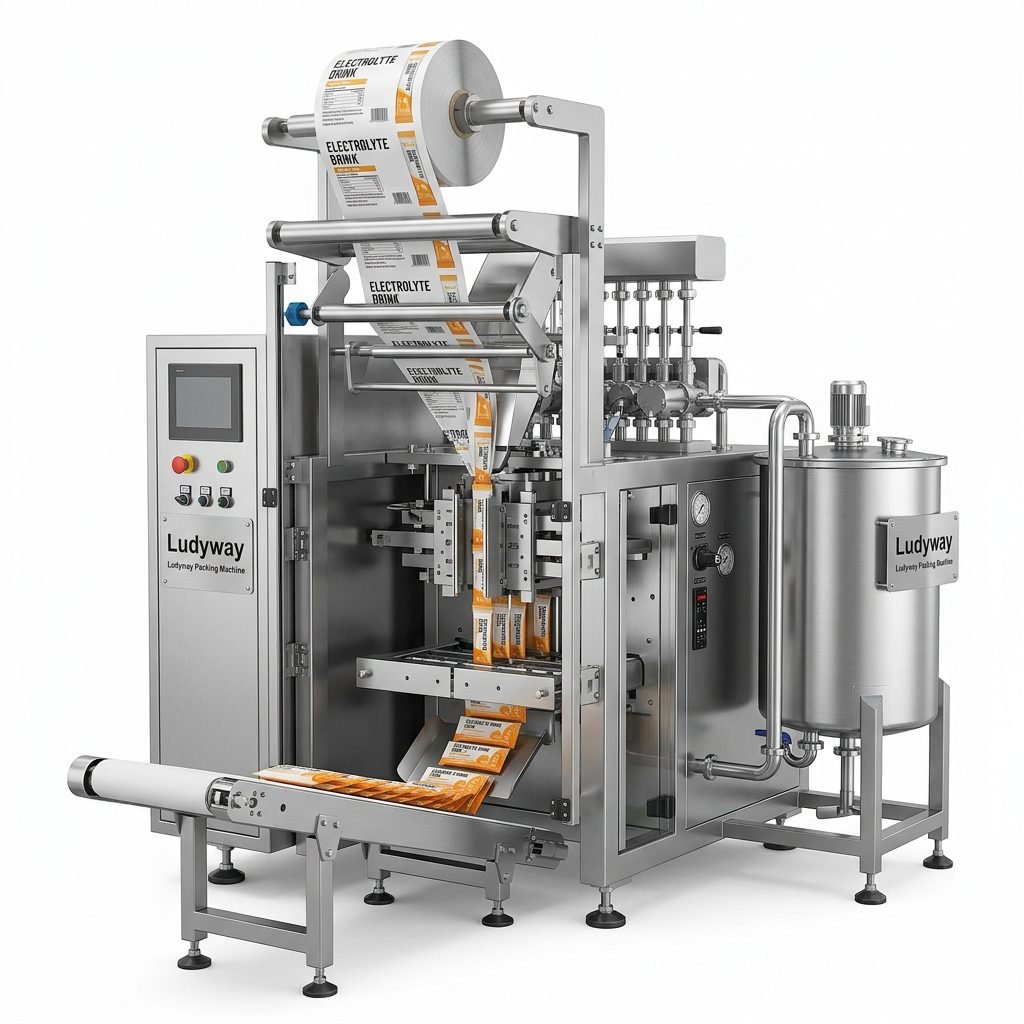
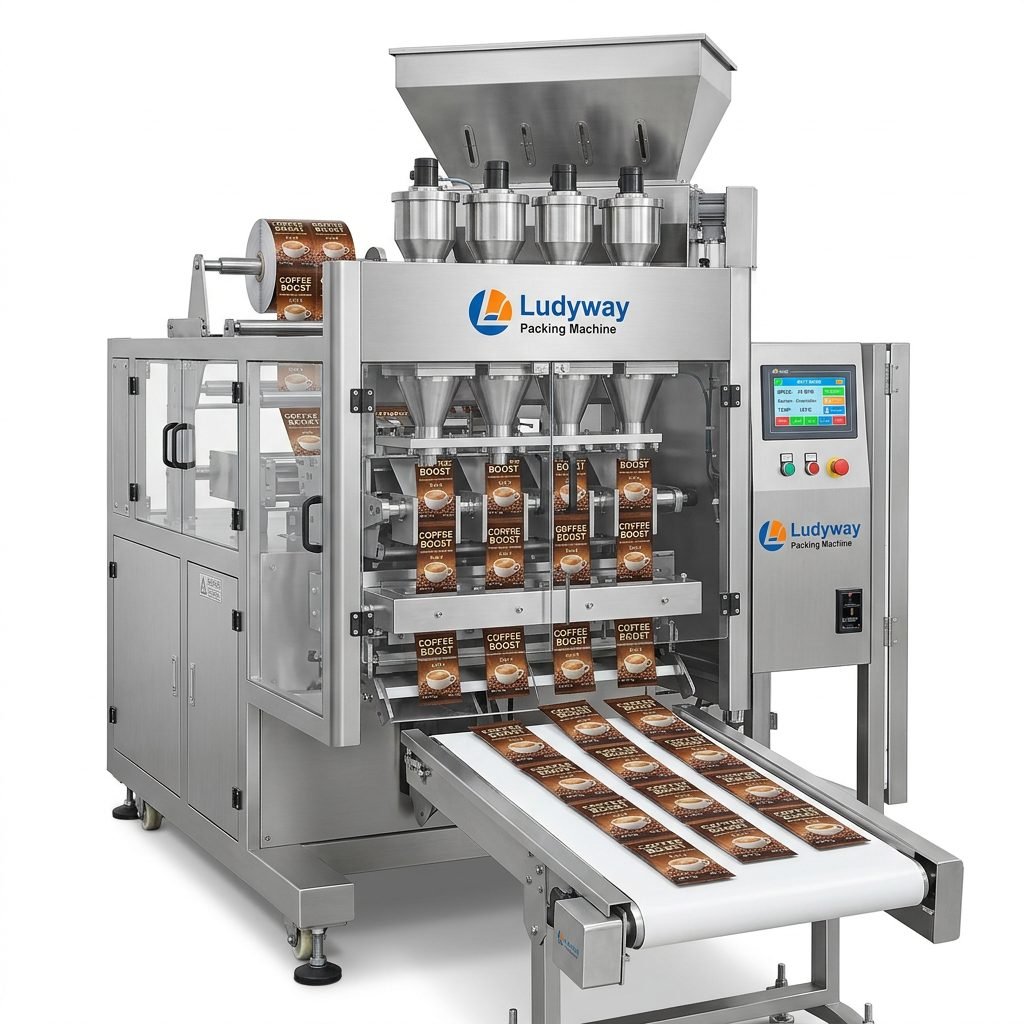
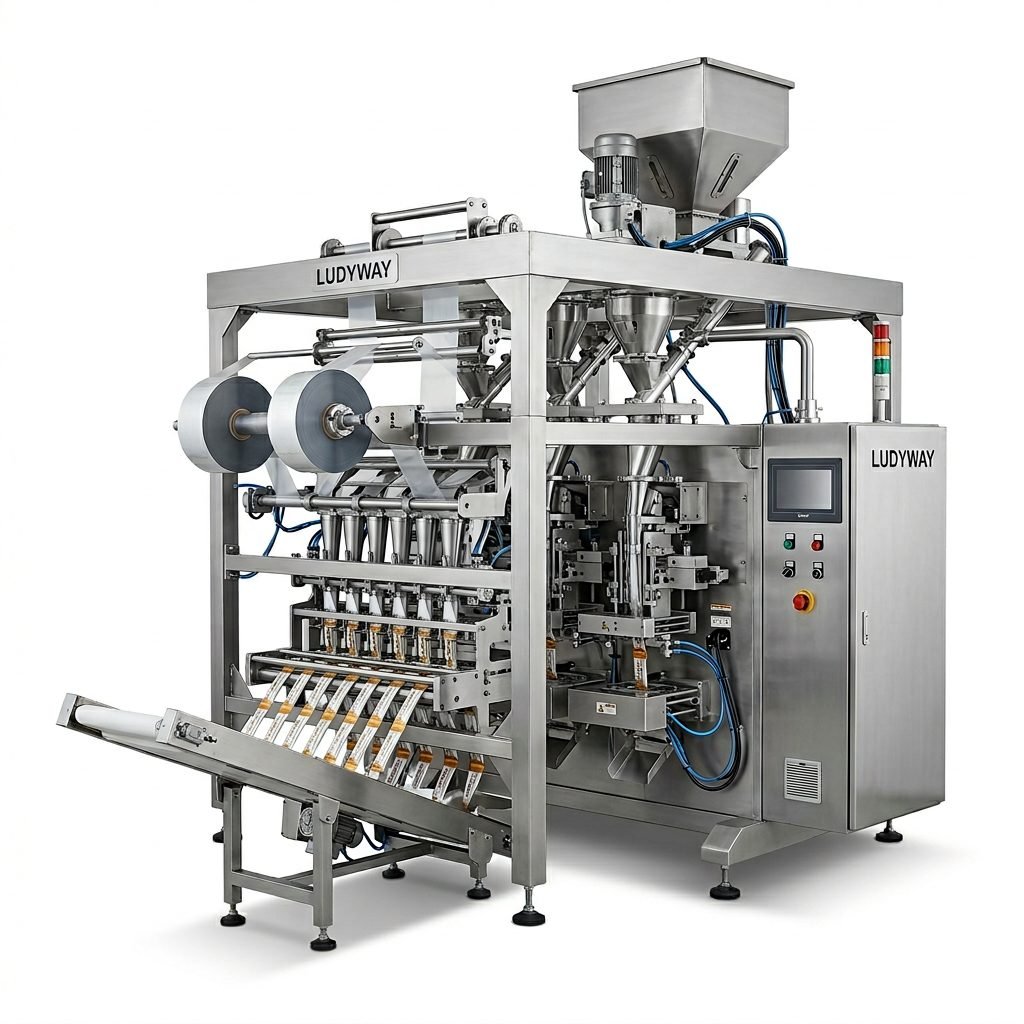
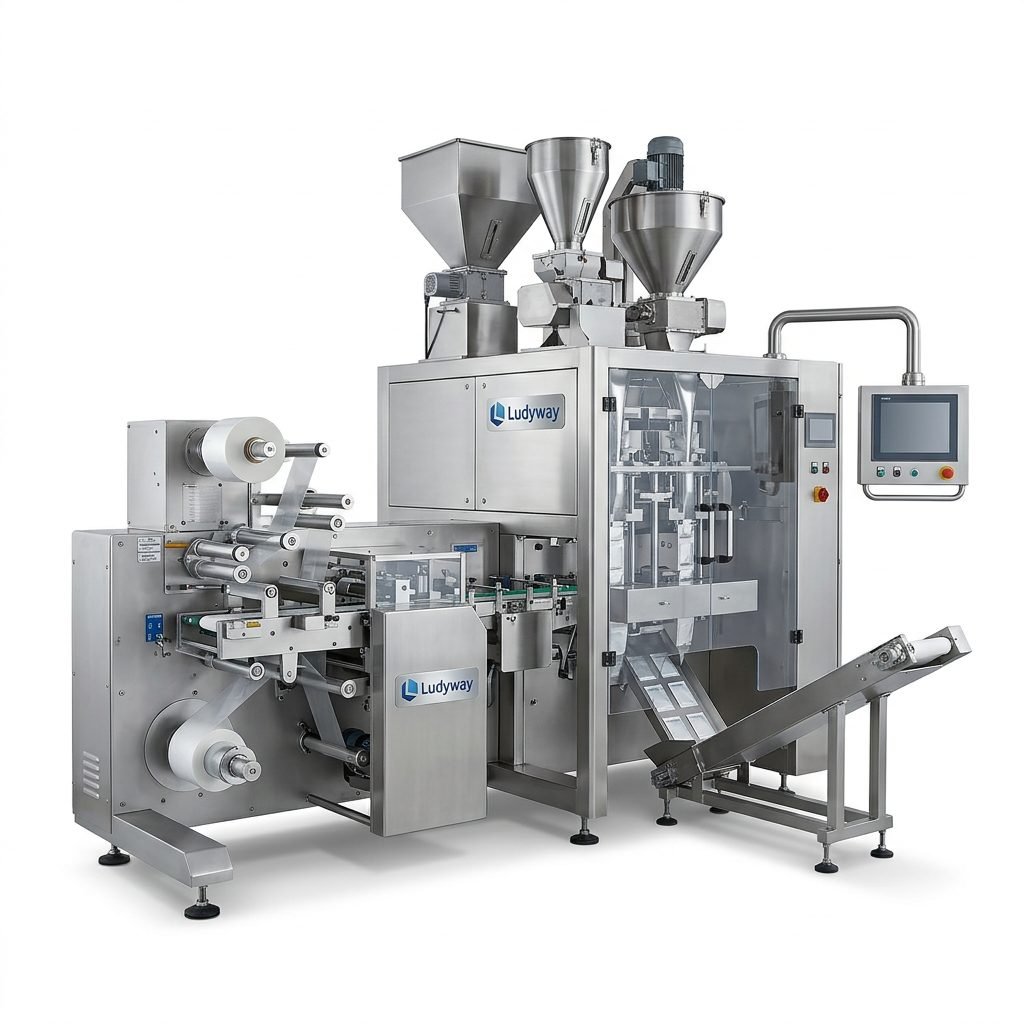
1. Sachet and Stick Pack Packaging Machines
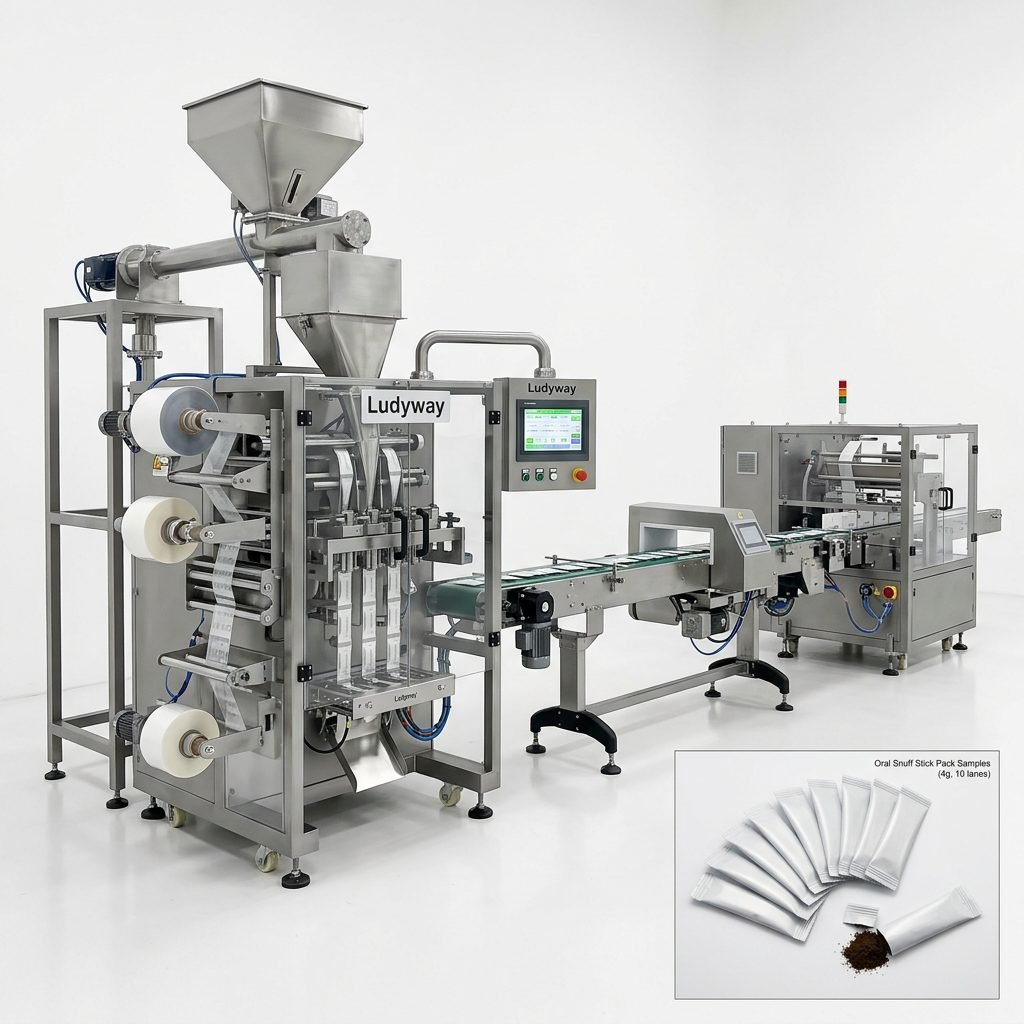
These machines are widely used for unit-dose medical and pharmaceutical products such as oral rehydration salts, glucose powder, topical gel, disinfectant powder, and supplement formulations. They are suitable for powders, granules, liquids, and semi-fluid materials.
Best for: small-dose, hygienic, high-volume packaging with precise dosing.
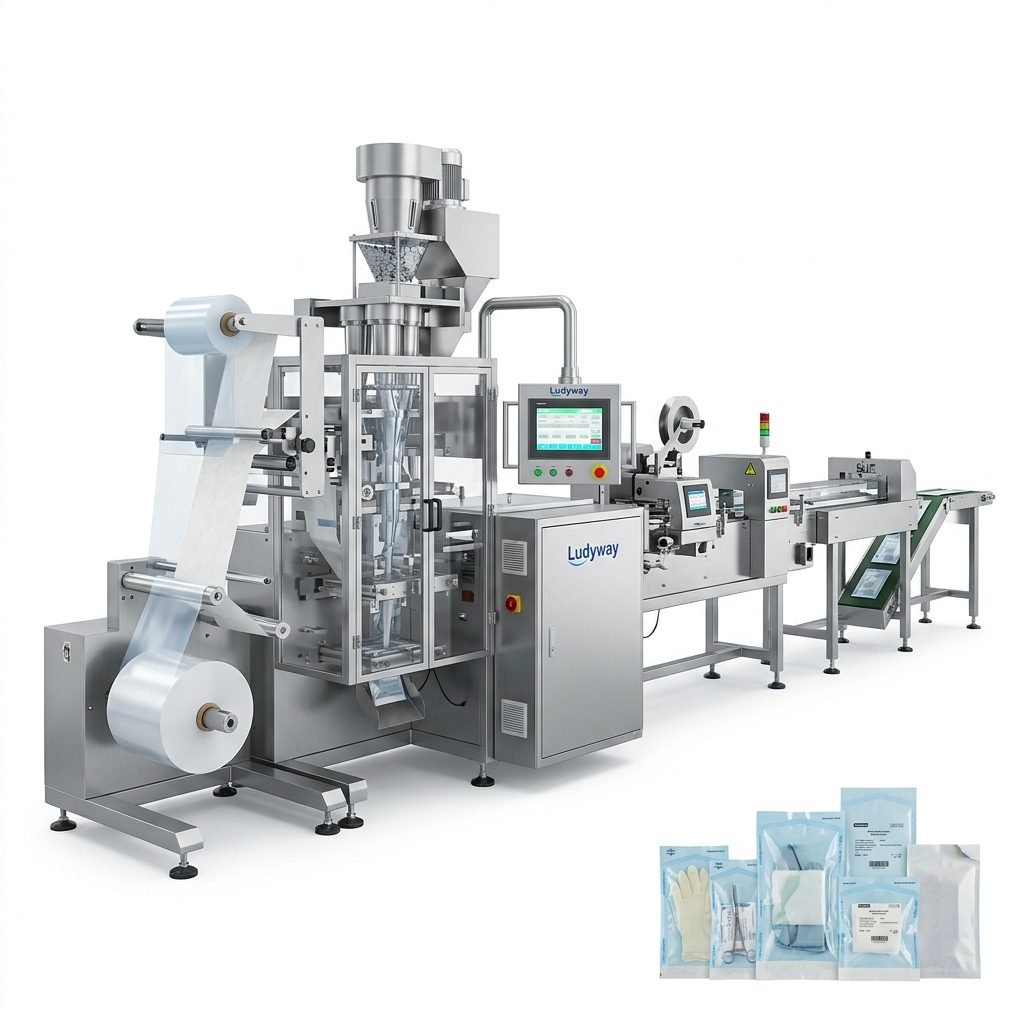
2. Sterile Pouch Packaging Lines
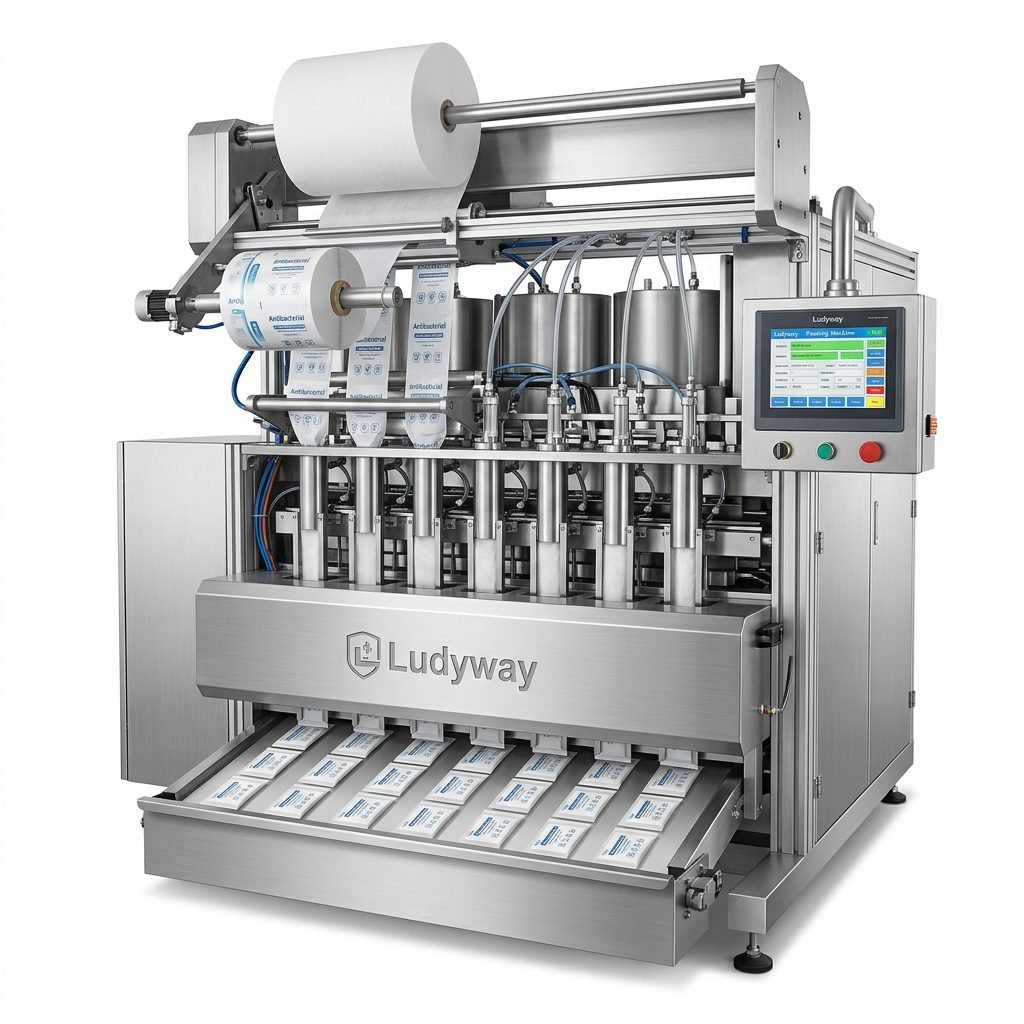
Sterile pouch systems are commonly used for wound care items, bandages, gloves, masks, test kits, and other single-use medical products. They focus on controlled sealing, material compatibility, and reliable barrier performance.
Best for: medical consumables that require strong package integrity and clean handling.
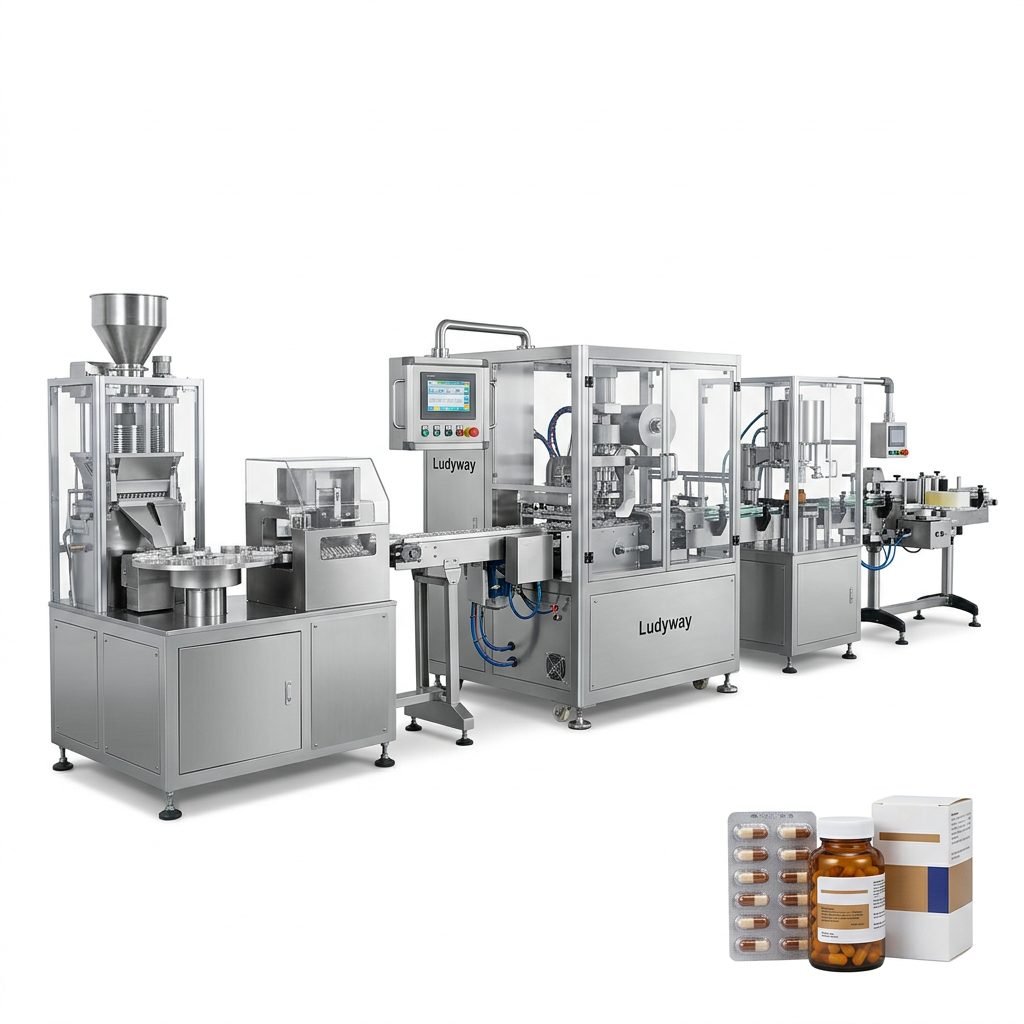
3. Blister Packaging Machines
Blister pack systems are used for tablets, capsules, and some device components. They provide product visibility, tamper evidence, portion control, and excellent protection during transport and retail distribution.
Best for: pharmaceuticals, nutraceuticals, and unit-dose solid products.
4. Bottle Filling and Capping Machines
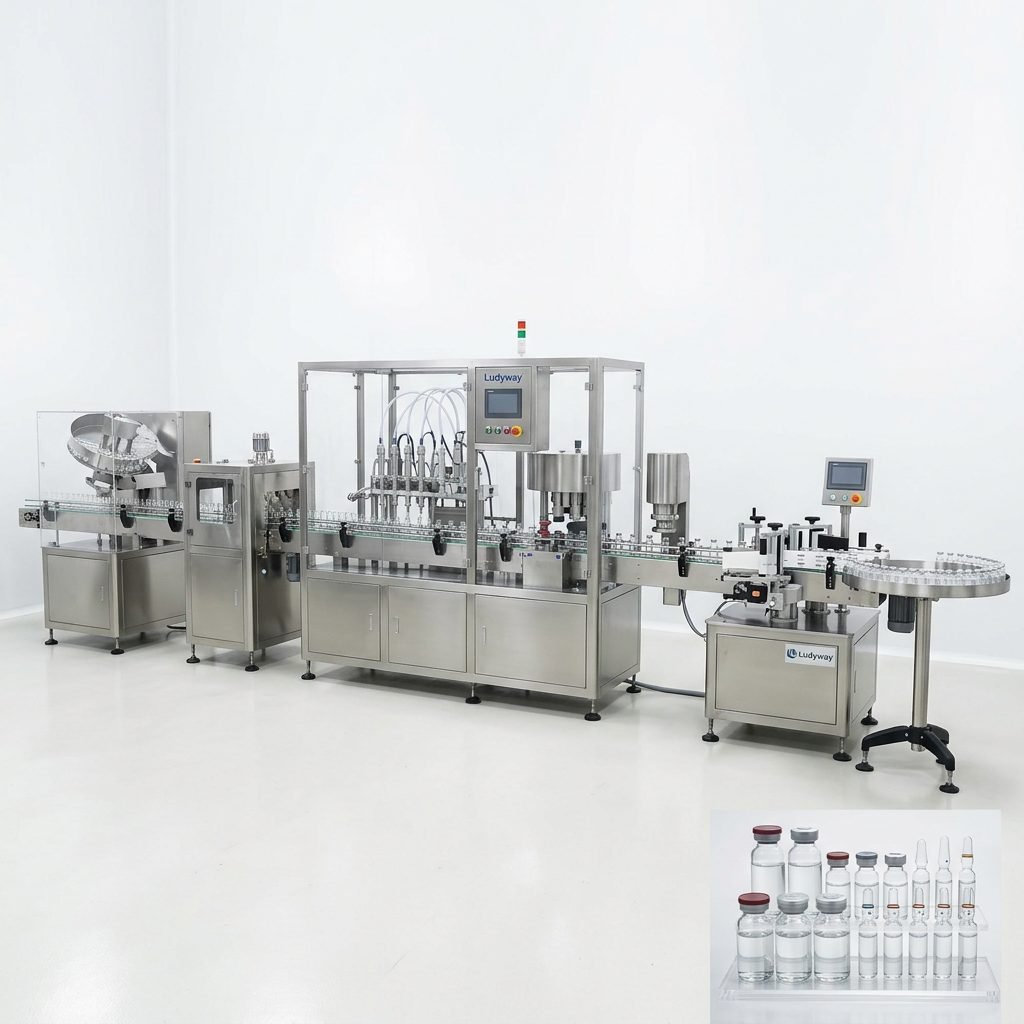
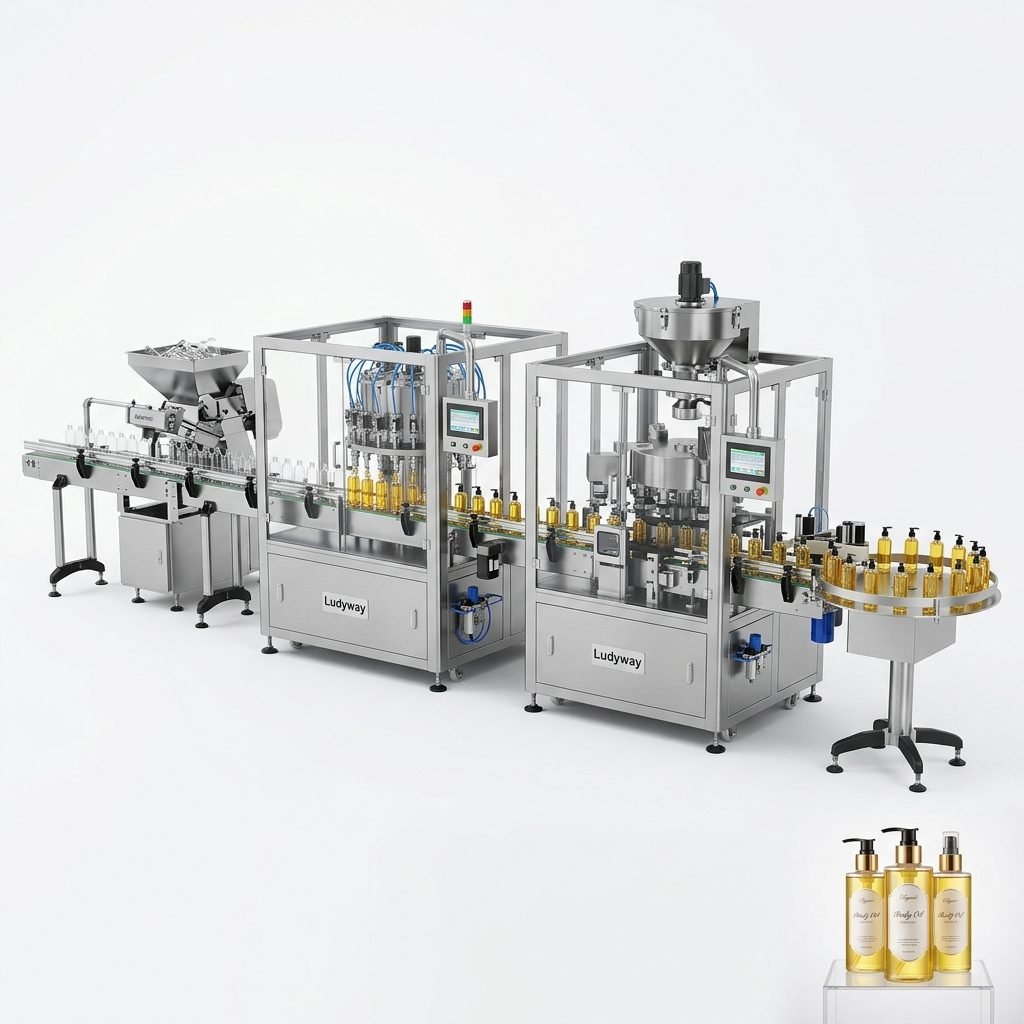
These systems fill oral liquids, syrups, suspensions, and healthcare solutions into bottles or vials, then cap, label, and code them. They often integrate with rinsing, induction sealing, and vision inspection modules.
Best for: liquid medical products requiring controlled filling and traceability.
5. Cartoning and End-of-Line Systems
After primary packaging, products often move to cartoning, case packing, palletizing, and labeling. These systems improve throughput and standardize final pack presentation for shipping and compliance.
Best for: manufacturers scaling output and reducing manual secondary packaging labor.
6. Inspection and Quality Control Equipment
Metal detectors, checkweighers, vision inspection systems, leak testers, and reject devices help ensure every package meets quality standards before it leaves the line.
Best for: reducing recalls, improving validation records, and strengthening GMP performance.
Quick Comparison of Medical Packaging Equipment Types
| Equipment Type | Typical Products | Key Advantage | Packaging Format |
|---|---|---|---|
| Sachet / Stick Pack Machine | Powders, granules, gels, liquids | High-speed unit-dose packaging | Sachets, stick packs |
| Sterile Pouch Line | Bandages, wipes, gloves, dressings | Reliable seal integrity | Medical pouches |
| Blister Packaging Machine | Tablets, capsules | Tamper evidence and dose control | Blister cards |
| Bottle Filling Line | Syrups, oral liquids, supplements | Accurate volumetric filling | Bottles, vials |
| Cartoning System | Finished primary packs | Faster secondary packaging | Cartons, cases |
| Inspection Equipment | All product types | Higher quality assurance | Integrated across line |
Benefits of Using Advanced Medical Packaging Equipment
Improved Product Safety
Packaging equipment designed for healthcare applications helps reduce contamination risks, maintain sterility where required, and protect products against moisture, oxygen, light, and physical damage.
Higher Accuracy and Consistency
Precise dosing and sealing are essential in medical packaging. Automated systems minimize fill variation, improve seal repeatability, and maintain consistent pack quality across long production runs.
Better Compliance Support
Modern equipment can integrate date coding, batch printing, inspection, and validation-friendly controls to support GMP, FDA, CE, and other regulatory expectations.
Greater Production Efficiency
Automation reduces manual handling, speeds up output, lowers labor costs, and helps manufacturers scale production while maintaining reliable quality standards.
Flexibility for Multiple Products
Many medical manufacturers package different formulations or SKUs. Flexible systems allow quick changeovers between powders, granules, liquids, pouches, and cartons.
Key Features to Look For
- Hygienic machine design with easy-clean contact parts
- Stable filling accuracy for powders, granules, or liquids
- Reliable sealing performance for medical-grade materials
- Compatibility with coding, labeling, and serialization modules
- Vision inspection or reject systems for defect control
- Quick changeover for multiple packaging sizes or product formats
- Validation-friendly controls and production data recording
- Strong after-sales support and spare parts availability
How to Choose the Right Medical Packaging Solution
Understand Your Product Characteristics
Start with the basics: is your product a powder, granule, tablet, liquid, gel, wipe, bandage, or sterile device? Product flowability, viscosity, dose size, moisture sensitivity, and sterility requirements all affect machine selection.
Define the Required Packaging Format
The best equipment depends on whether you need sachets, pouches, blister packs, bottles, vials, or cartons. Your packaging material and barrier needs should be confirmed early in the project.
Estimate Output and Future Growth
Choose equipment that meets your current production target while allowing room for growth. A line that is too small creates bottlenecks, while an oversized system may increase initial costs unnecessarily.
Review Regulatory and Validation Needs
Medical packaging lines should support your market’s documentation, traceability, and inspection requirements. This is especially important for pharmaceutical exports and audited production facilities.
Consider Integration, Not Just the Main Machine
A packaging project often requires more than filling and sealing. Feeders, conveyors, checkweighers, coding units, labeling systems, cartoners, and palletizing equipment can dramatically improve line performance.
Evaluate Supplier Experience
Working with a manufacturer that understands medical, pharmaceutical, and health-related packaging applications can reduce risk during design, installation, and commissioning. For businesses seeking scalable equipment and turnkey line integration, Ludyway medical packaging solutions are often considered for automated sachet, pouch, and pharmaceutical packaging projects thanks to more than 30 years of manufacturing experience and broad export capability.
Selection Checklist for Buyers
| Question | Why It Matters |
|---|---|
| What product are you packaging? | Determines filling method and machine structure |
| Do you need sterile or non-sterile packaging? | Affects sealing, materials, and cleanroom compatibility |
| What pack format do you need? | Sachet, pouch, bottle, blister, or carton need different systems |
| What is the target output? | Helps size the machine and line configuration |
| What regulations apply to your market? | Impacts coding, validation, and documentation requirements |
| Do you need future expansion? | Supports long-term ROI and line scalability |
Common Medical Products Packaged by These Systems
- Oral rehydration salts and glucose powders
- Pharmaceutical granules and powdered formulas
- Topical creams, gels, and ointments
- Alcohol pads and disinfectant wipes
- Bandages, dressings, and wound care items
- Tablets, capsules, and nutraceutical doses
- Diagnostic and test kit components
- Medical gloves, masks, and disposable supplies
When a Turnkey Medical Packaging Line Makes Sense
A standalone machine may work for simple applications, but growing manufacturers often benefit more from a turnkey line. This is especially true when the process includes material feeding, filling, sealing, coding, inspection, cartoning, and end-of-line handling.
A turnkey solution is often the better choice when:
- You need to reduce manual handling between packaging stages
- You want one supplier for line integration and commissioning
- You require synchronized control across multiple machines
- You plan to increase output over time
- You need more reliable data collection and production management
Mistakes to Avoid When Buying Medical Packaging Equipment
- Choosing a machine based only on price instead of application fit
- Ignoring packaging material compatibility and seal requirements
- Underestimating cleaning, validation, and maintenance needs
- Failing to plan for coding, inspection, and traceability integration
- Buying a system with no room for capacity expansion
- Overlooking supplier service response and spare parts support
Final Buying Perspective
The right medical packaging equipment does much more than close a package. It protects product quality, supports patient safety, improves operational efficiency, and helps manufacturers stay compliant in a highly regulated market. Whether you need a sachet packing machine for pharmaceutical powders, a sterile pouch line for medical consumables, or a complete turnkey packaging system, the best investment is the one matched closely to your product, packaging format, regulatory needs, and growth plans.
By focusing on machine reliability, hygienic design, accuracy, integration capability, and supplier experience, buyers can select a solution that delivers long-term value and stable production performance.