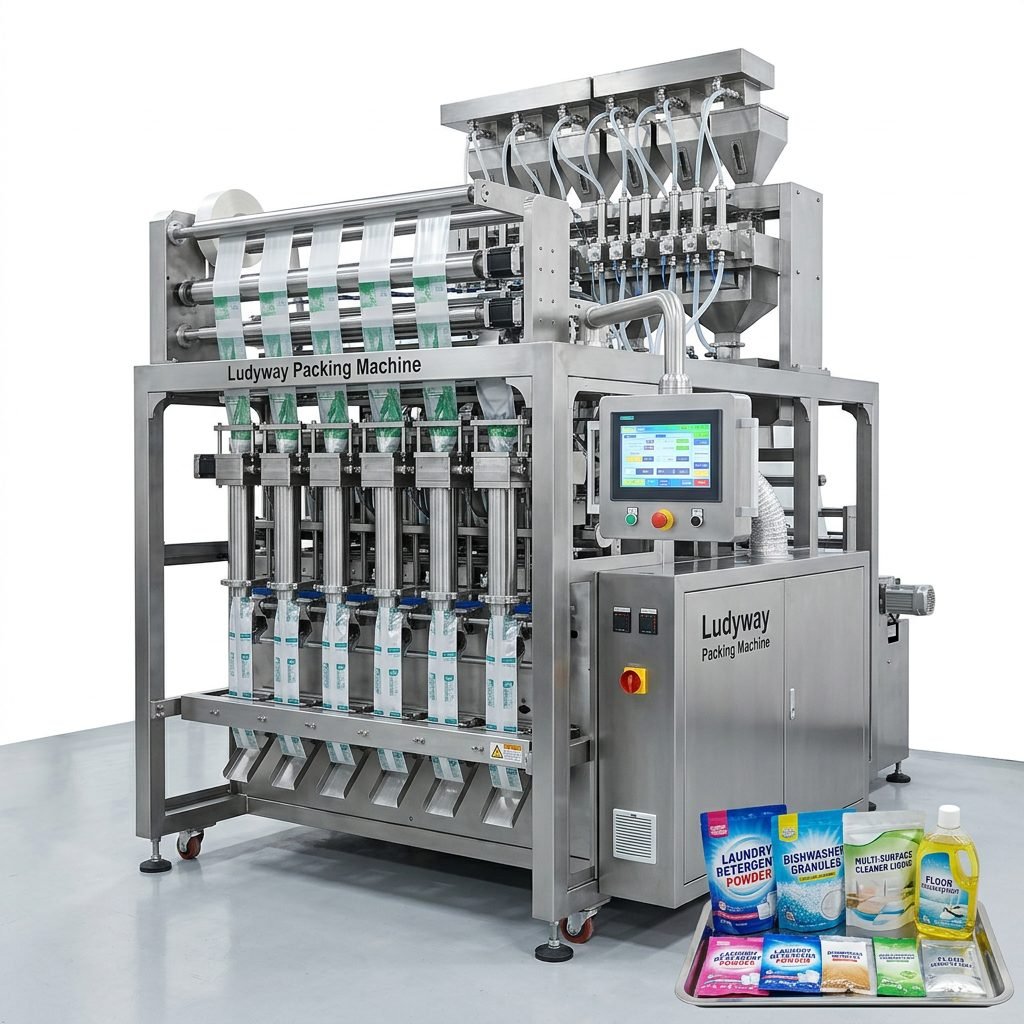
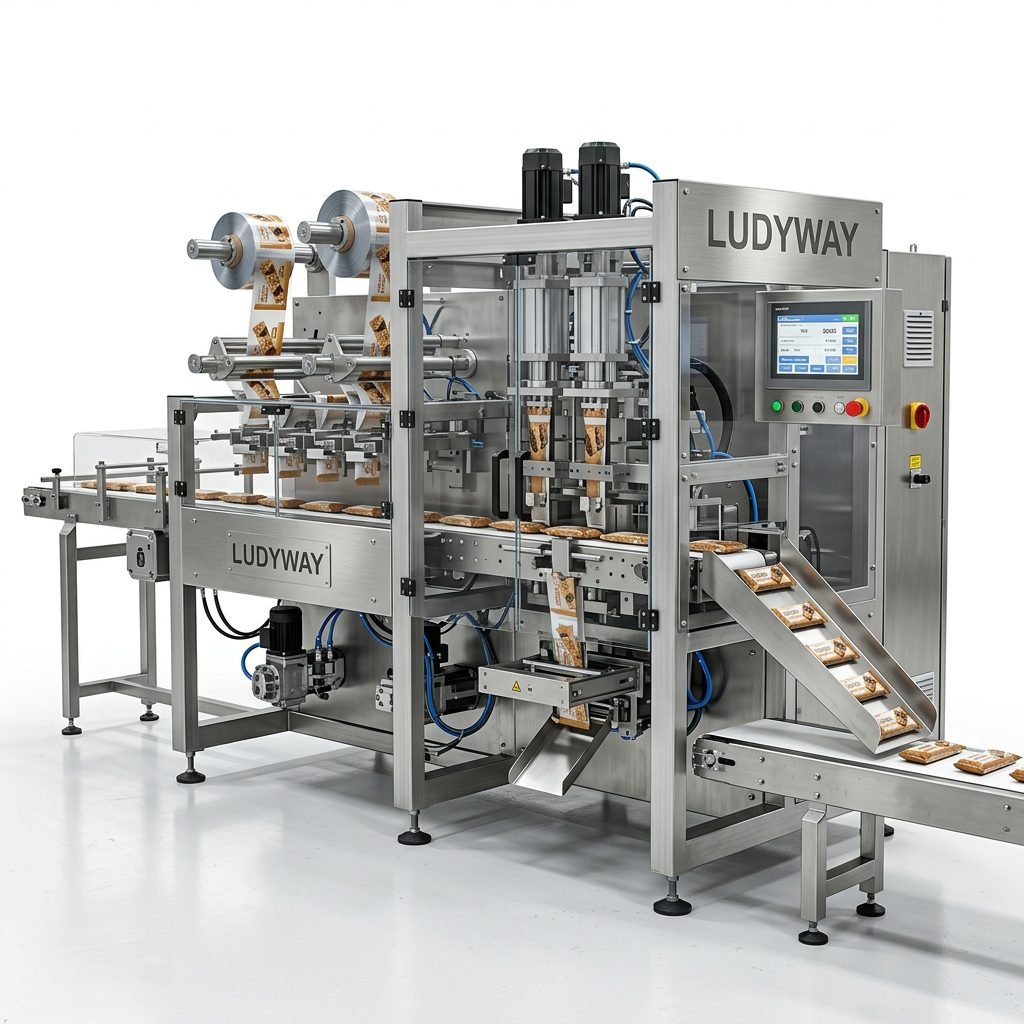
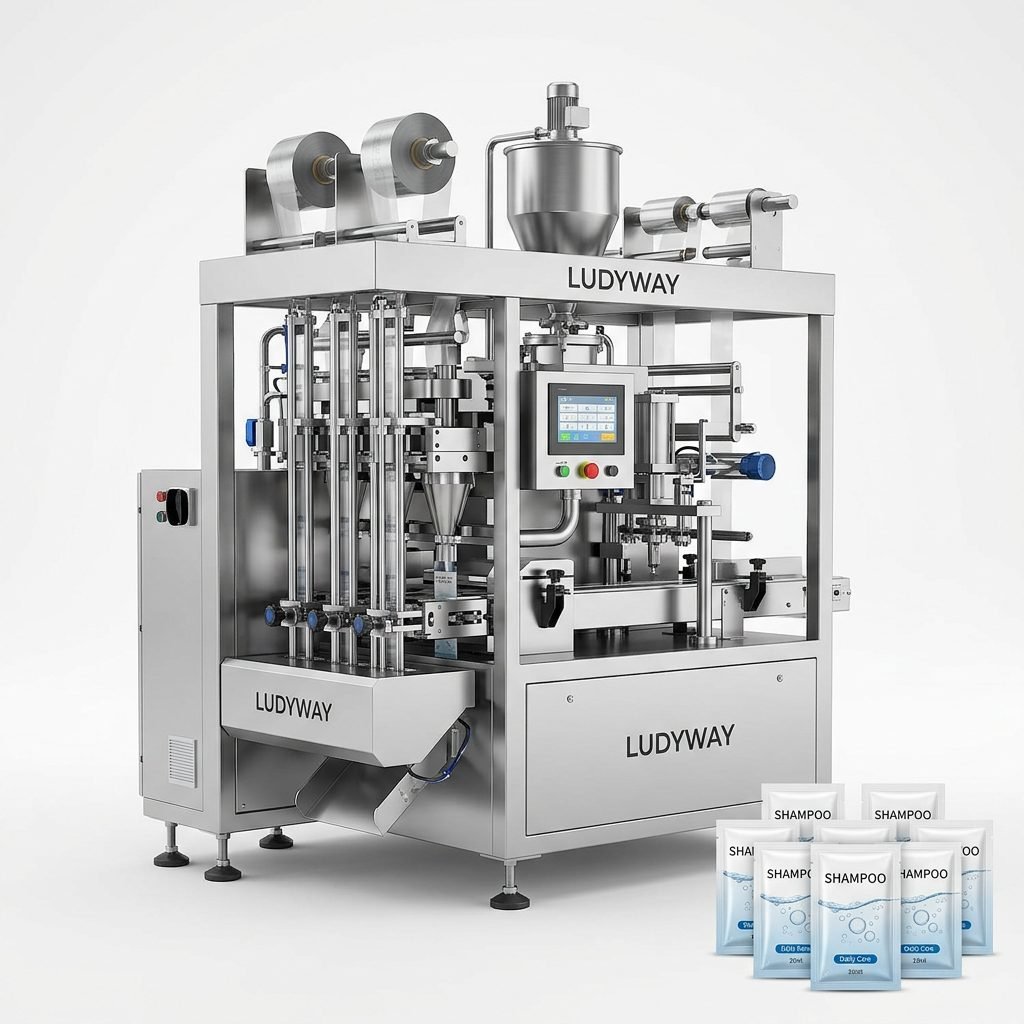
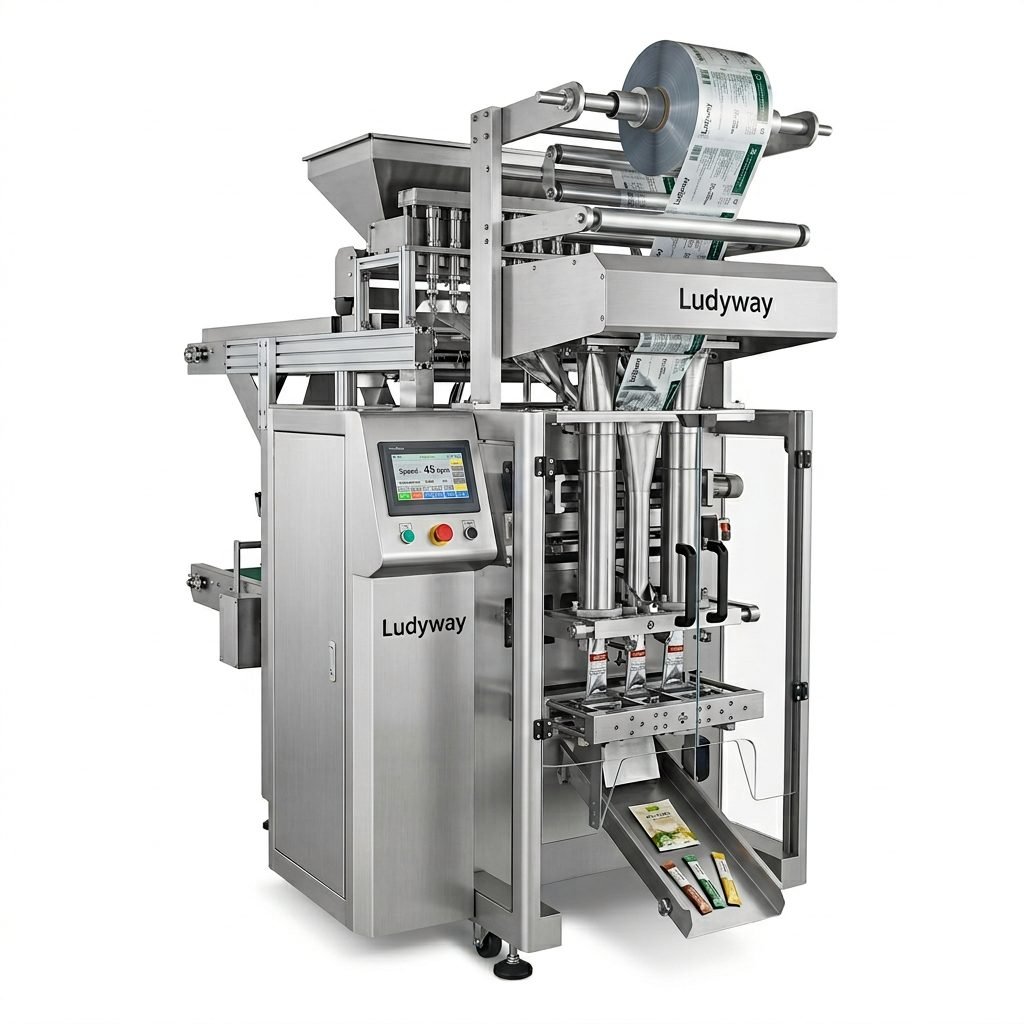
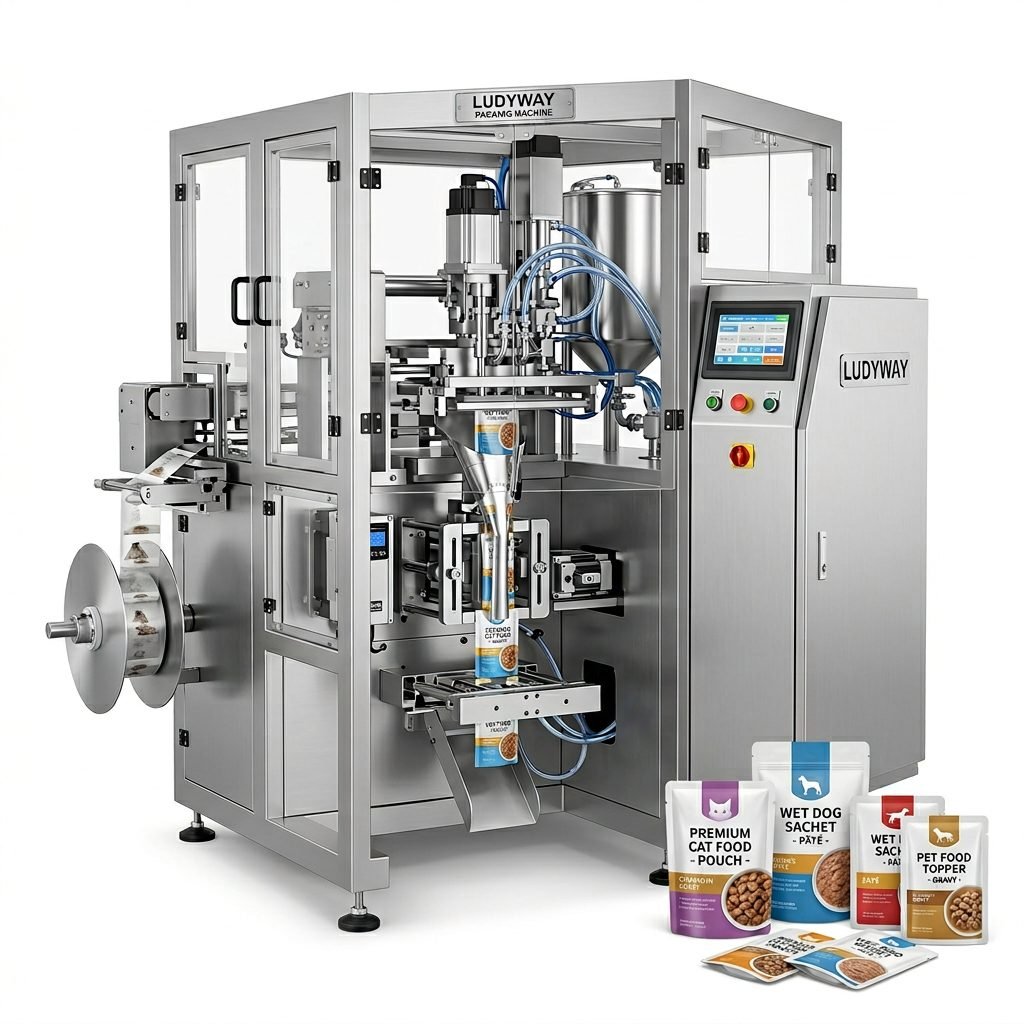
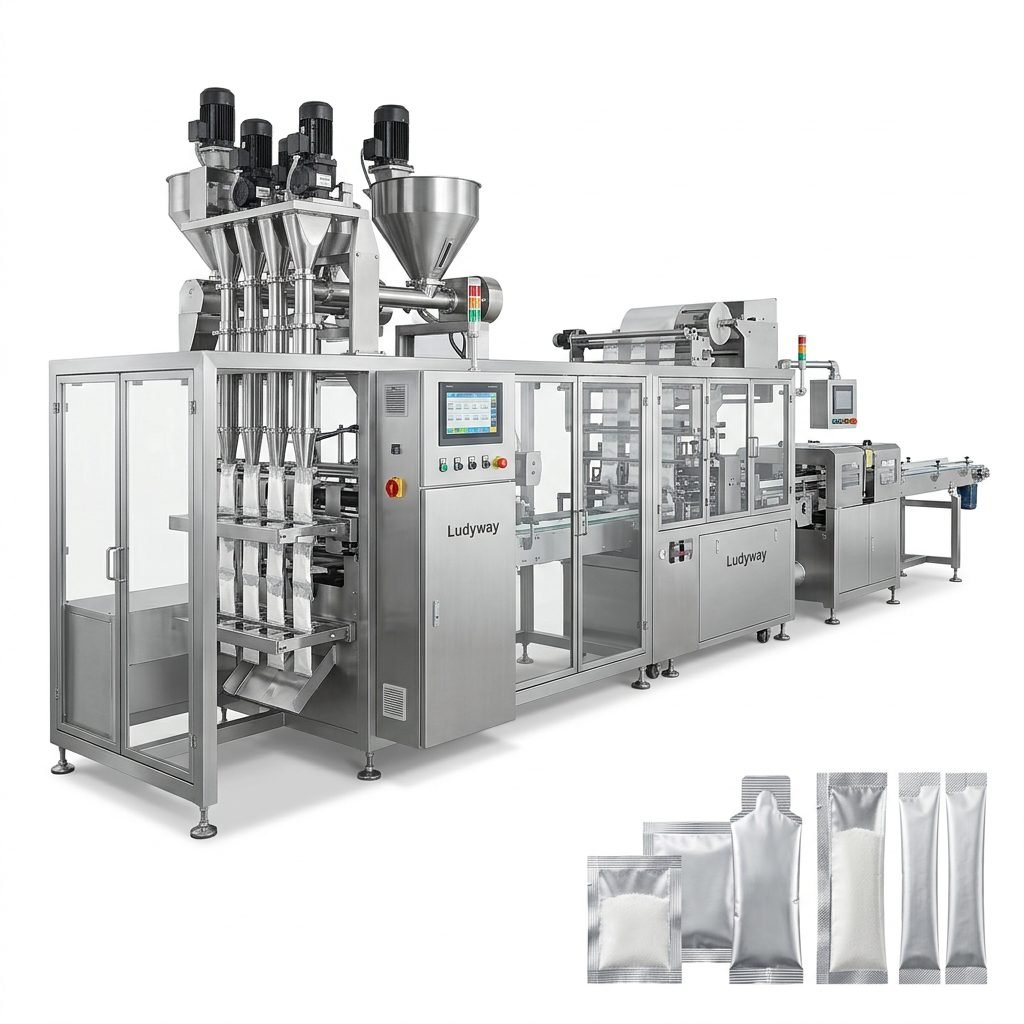
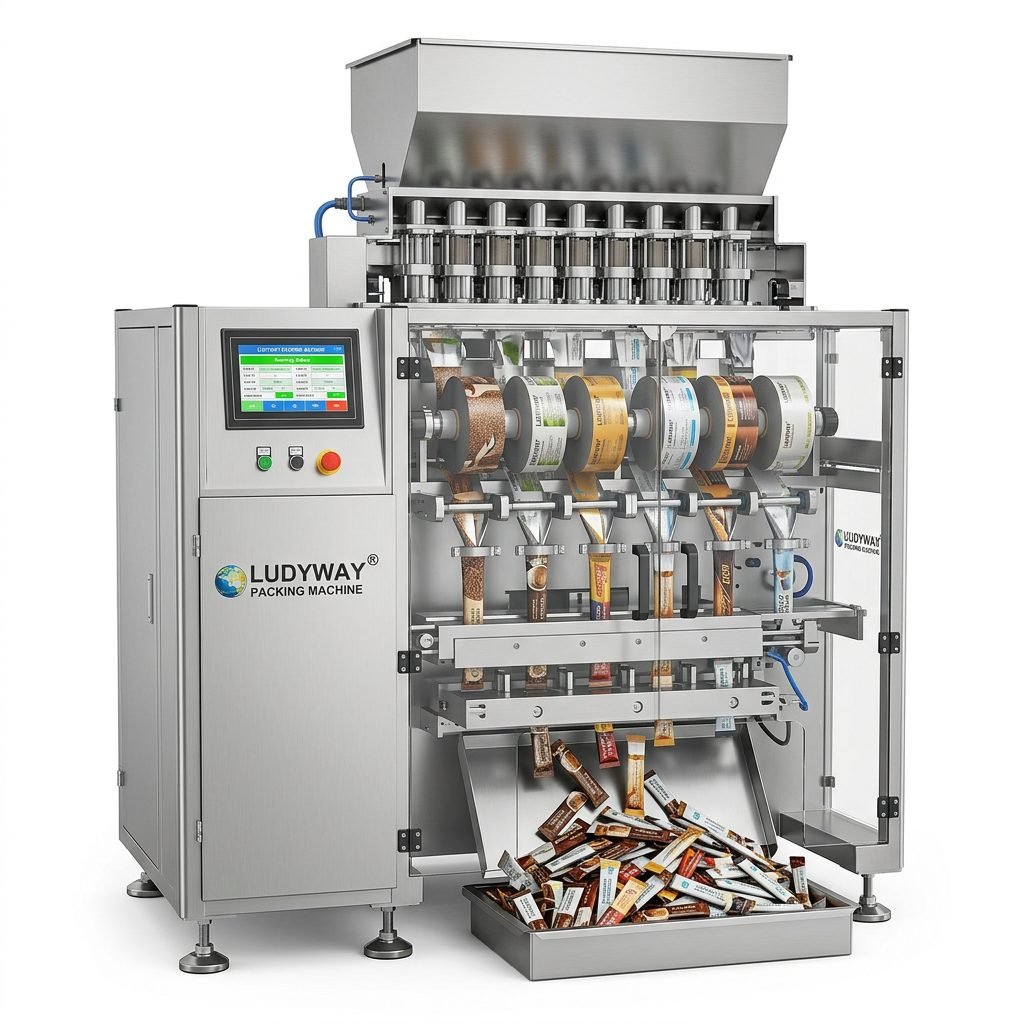
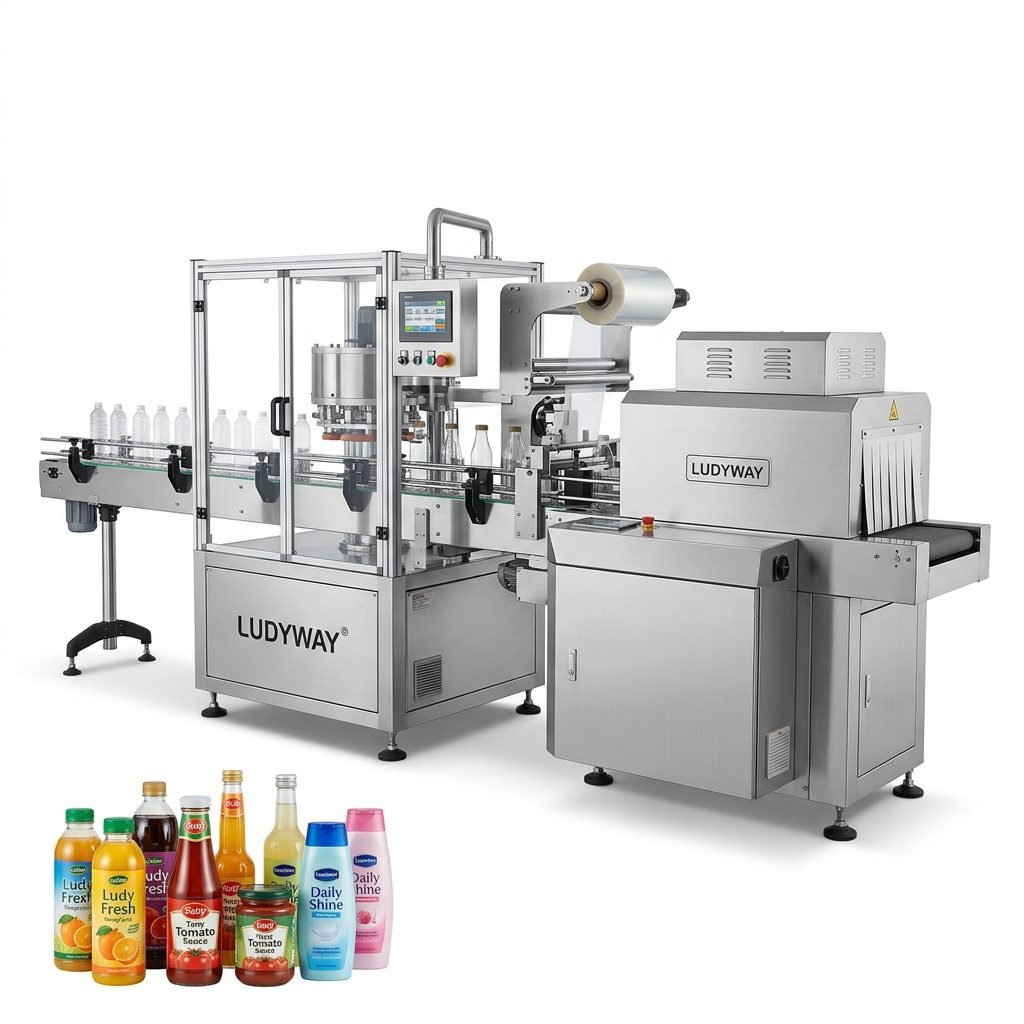
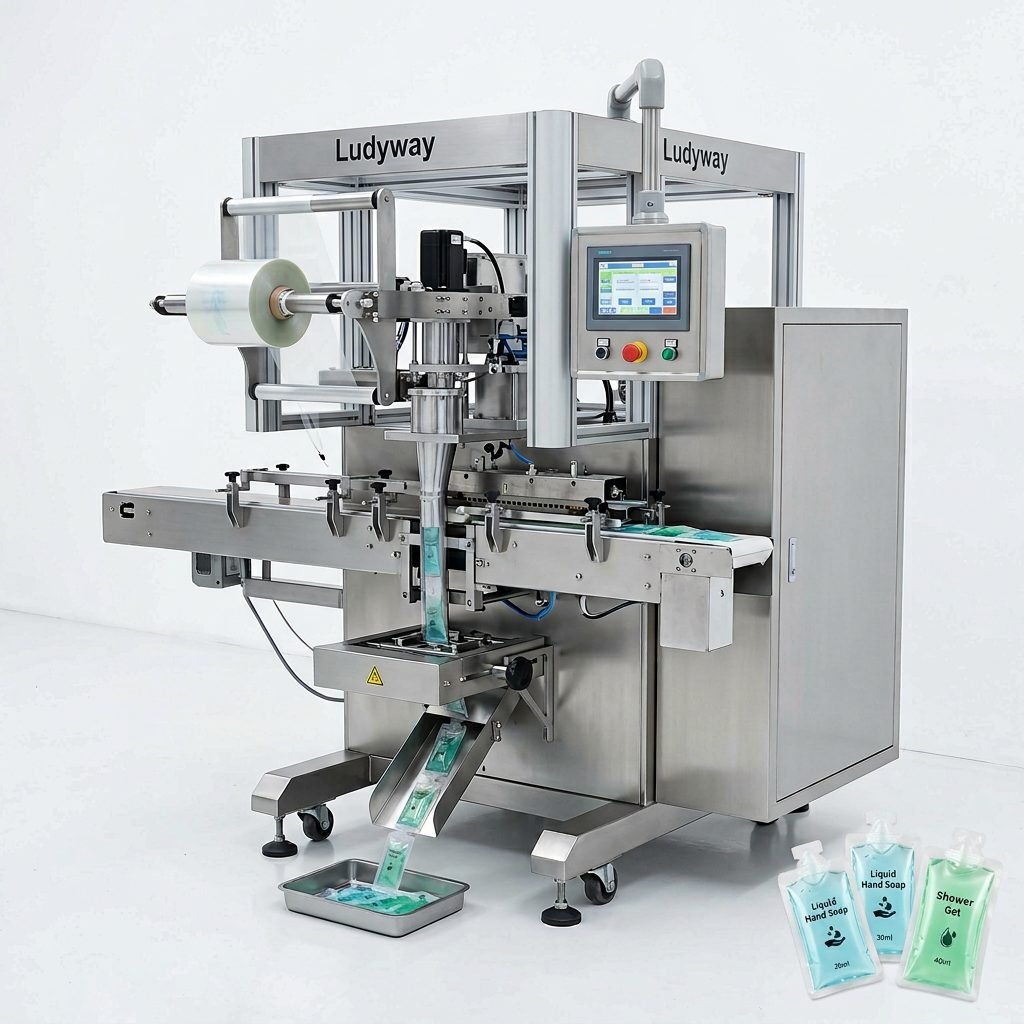
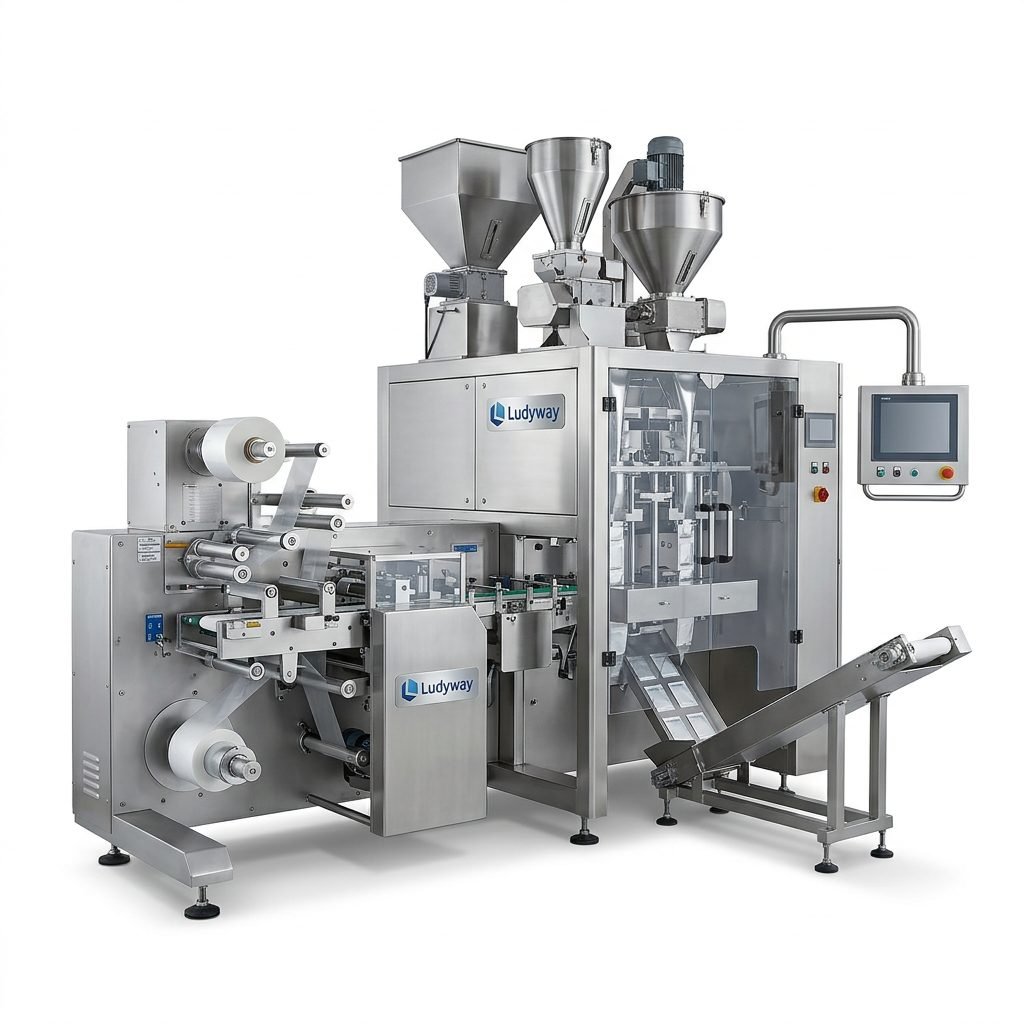
Choosing the right automatic packaging machine can directly affect your production efficiency, packaging quality, labor cost, and long-term profitability. Whether you package powders, granules, liquids, pastes, sachets, stick packs, pouches, bottles, or bags, the best machine is not simply the fastest one—it is the one that matches your product, output goals, plant conditions, and future growth plan.
This guide explains how buyers can evaluate packaging equipment with confidence, avoid common mistakes, and select a solution that supports both current production and future expansion.
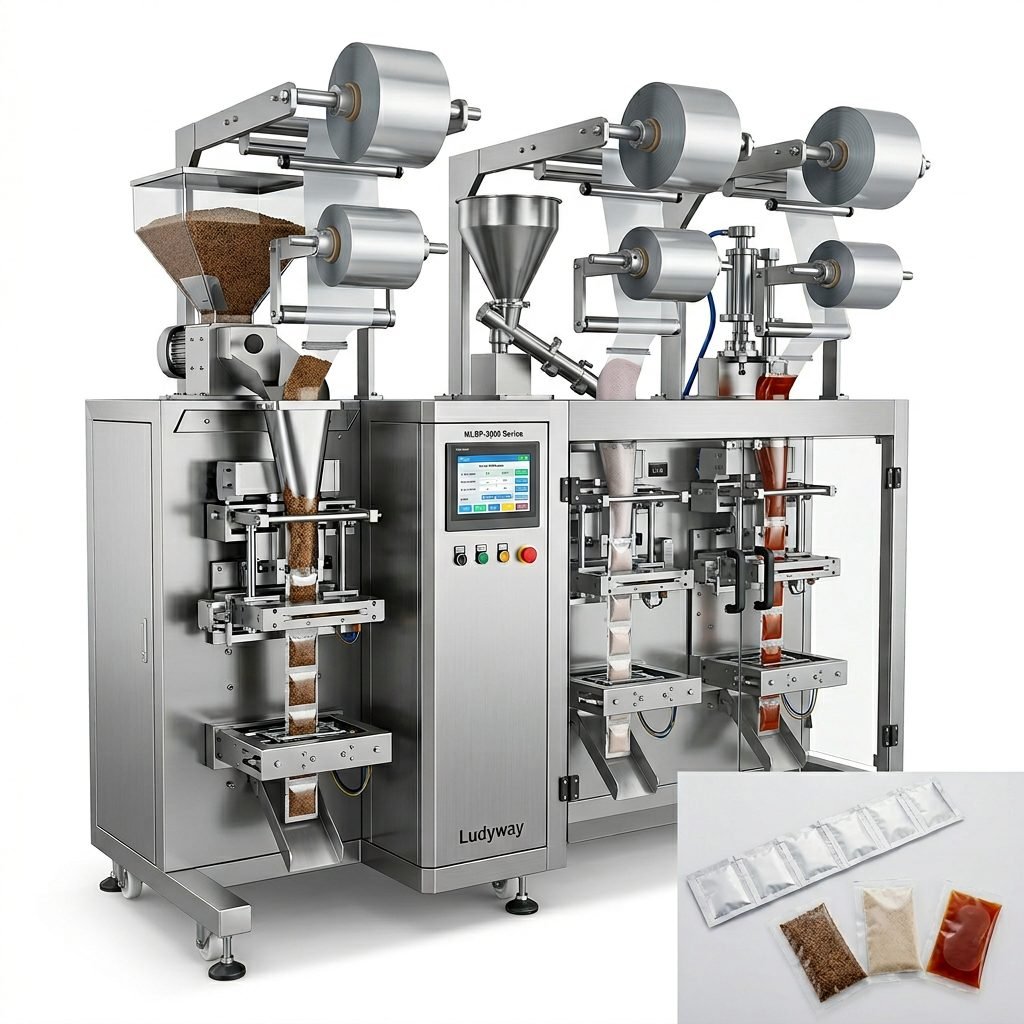
1. Start with Your Product Characteristics
Before comparing machine models, define exactly what you need to pack. The product itself determines the machine structure, feeding method, sealing type, dosing system, and material compatibility.
Key product questions to answer
- Is the product a powder, granule, liquid, cream, paste, tablet, capsule, or solid piece?
- Is it free-flowing or difficult to flow?
- Is it dusty, sticky, foamy, corrosive, or heat-sensitive?
- Does it require hygienic, pharmaceutical-grade, or food-safe contact parts?
- What is the target fill weight or volume per pack?
- Does the product need nitrogen flushing, vacuum, or special sealing?
For example, a fine protein powder may require an auger filling system, while snack granules may need a multi-head weigher. A shampoo or sauce application will need a liquid or paste filling system with proper anti-drip control.
| Product Type | Typical Filling System | Common Packaging Format |
|---|---|---|
| Powder | Auger filler | Sachet, stick pack, pouch |
| Granules | Cup filler, linear weigher, multi-head weigher | Sachet, pouch, bag |
| Liquid | Piston pump, peristaltic pump, flow meter | Sachet, bottle, stick pack |
| Paste/Cream | Servo piston filler | Sachet, tube, pouch |
| Tablets/Capsules | Counting or blister system | Blister, bottle, sachet |
2. Define Your Packaging Format Clearly
Different products can often be packed in several formats, but each format needs different machine technology. Make sure your team decides the final packaging structure before requesting quotations.
Common automatic packaging formats
- Sachets
- Stick packs
- Pouches
- Pillow bags
- Premade pouches
- Bottles
- Cartons or secondary packaging
- Bulk bags
You should also confirm:
- Bag or pouch dimensions
- Seal style
- Film type and thickness
- Required package appearance
- Retail or industrial use
Tip: buyers often choose a machine based only on product type and forget to verify package dimensions. This can create expensive mismatches later.
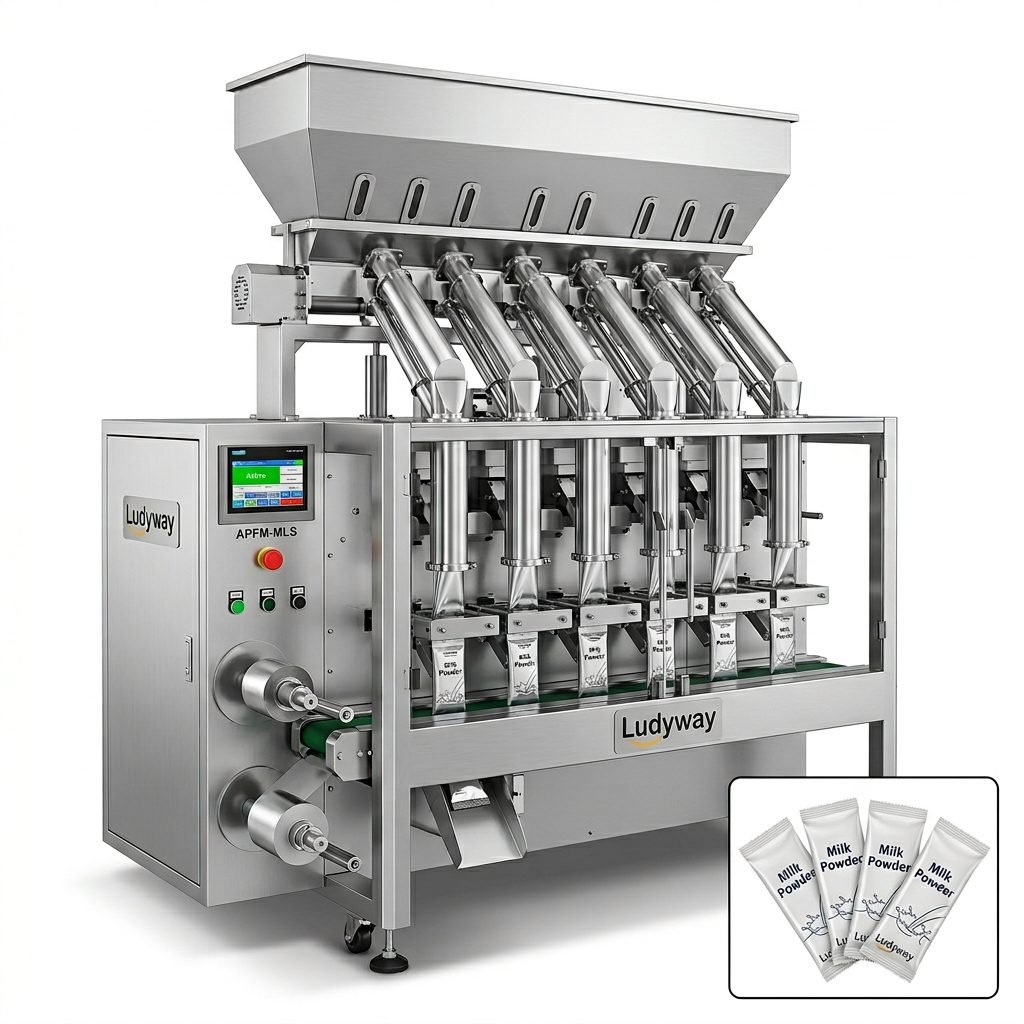
3. Calculate the Real Production Capacity You Need
Many buyers either underestimate or overestimate required output. The right way is to calculate actual production demand based on sales forecasts, shift patterns, downtime, and planned growth.
Ask these capacity questions
- How many packs do you need per minute, hour, and day?
- Will the machine run one shift, two shifts, or continuously?
- Do you expect seasonal peaks?
- Will output increase in the next 1–3 years?
- Do you need a single machine or a complete line?
A machine that is too small can become a bottleneck, while one that is too large may increase investment and operating costs unnecessarily. In many cases, a scalable system or modular line is the smartest choice.
4. Check Accuracy, Stability, and Seal Quality
Speed matters, but consistent performance matters more. A machine that runs fast but causes inaccurate filling, poor seals, or frequent stoppages will reduce overall efficiency.
Performance indicators to review
- Filling accuracy tolerance
- Sealing consistency
- Reject rate
- Machine uptime
- Changeover time
- Material waste level
If possible, request a sample test with your own product and packaging material. This is one of the most reliable ways to evaluate real-world performance.
5. Match the Machine to Your Industry Standards
The packaging requirements for food, pharmaceuticals, cosmetics, chemicals, and feed products are very different. Buyers should make sure the machine design aligns with the compliance needs of their market.
| Industry | Main Requirements | What to Confirm |
|---|---|---|
| Food | Hygiene, easy cleaning, food-grade contact parts | 304/316 stainless steel, sanitary design |
| Pharmaceutical | Precision, cleanliness, validation support | Documentation, GMP-friendly structure |
| Cosmetics | Aesthetic packaging, gentle filling | Leak-proof filling, flexible pack formats |
| Chemical | Corrosion resistance, safety | Material compatibility, dust or vapor control |
| Animal Feed | Bulk handling, durability, high throughput | Robust weighing and bagging system |
6. Consider Automation Level, Not Just One Machine
Some buyers initially focus only on the packaging machine itself, but the best solution may be an integrated line including feeding, dosing, packaging, coding, inspection, cartoning, case packing, and palletizing.
You should ask whether your project needs:
- Automatic feeding system
- Checkweigher or metal detector
- Date coding or printing
- Cartoning or case packing
- Palletizing
- Conveyors and line integration
For growing manufacturers, a complete turnkey line often provides better long-term value than purchasing isolated machines one by one.
7. Review Plant Layout and Utility Conditions
A machine that looks perfect on paper can still fail if it does not fit your factory layout or utility conditions. Always verify the installation environment in advance.
Important site factors
- Available floor space
- Ceiling height
- Power supply and voltage
- Compressed air requirements
- Room temperature and humidity
- Dust control or cleanroom conditions
- Operator access and maintenance space
If your facility has limited space, ask the supplier for a compact layout drawing and service clearance recommendation.
8. Evaluate Ease of Operation and Changeover
A good automatic packaging machine should be easy to operate, clean, adjust, and maintain. This is especially important for factories running multiple SKUs or frequent package changes.
Features that improve usability
- Touchscreen HMI with clear parameter settings
- Recipe storage for different products
- Tool-free or fast changeover parts
- Simple cleaning structure
- Alarm and fault diagnosis system
- Remote technical support capability
Fast changeovers can significantly reduce downtime for contract packers and brands with multiple formats.
9. Ask About Machine Materials and Build Quality
Machine durability is a major factor in total cost of ownership. Buyers should review not only specifications, but also the quality of frames, electrical parts, sealing components, motors, and control systems.
Look for:
- Stable frame structure
- Quality electrical components
- Reliable servo systems
- Food-grade or corrosion-resistant contact parts where needed
- Well-organized wiring and safety design
- Consistent machining and assembly standards
A cheaper machine may look attractive initially, but poor build quality often leads to higher maintenance costs, product waste, and early replacement.
10. Compare Suppliers, Not Just Quotations
The machine supplier is almost as important as the machine itself. A reliable manufacturer should provide technical consultation, application matching, testing, installation guidance, spare parts support, and after-sales service.
Supplier evaluation checklist
- How many years have they specialized in packaging machinery?
- Do they export to your market?
- Can they provide case studies or videos?
- Do they offer customized solutions?
- Can they supply complete lines as well as standalone machines?
- How fast is their technical response?
- Do they provide documentation and training?
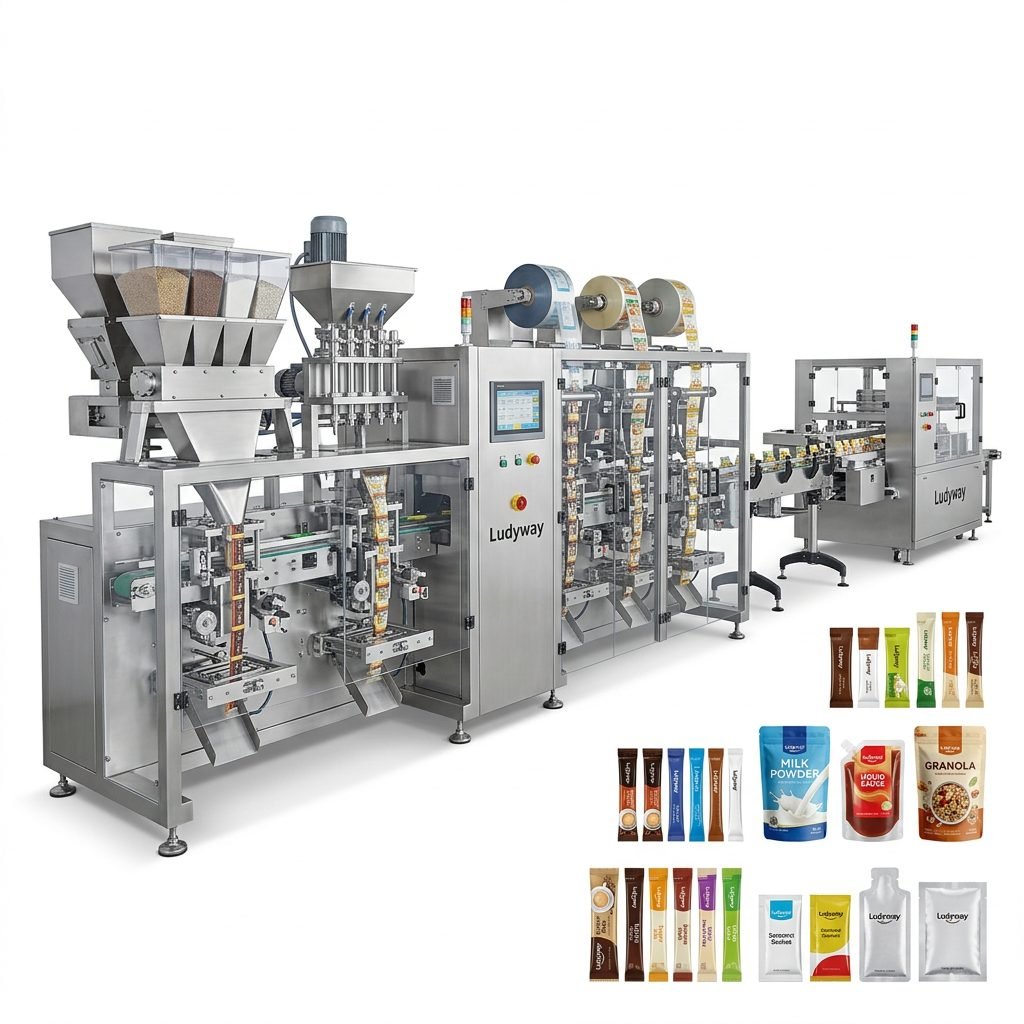
For buyers seeking scalable automation in food, pharma, cosmetics, chemicals, or feed industries, Ludyway packaging machine solutions are widely considered for their broad product coverage, turnkey line capability, and over 30 years of manufacturing experience.
11. Understand the Total Cost of Ownership
The lowest purchase price is not always the most economical choice. Smart buyers compare the total cost of ownership over the machine’s working life.
Cost factors to include
- Initial machine price
- Shipping and installation
- Packaging material compatibility
- Labor savings
- Energy use
- Maintenance and spare parts
- Downtime risk
- Waste reduction
- Future upgrade capability
A more stable and efficient machine often pays back faster through higher output and lower reject rates.
12. Request Samples, Testing, and Technical Confirmation
Before placing an order, ask the supplier to confirm the solution in detail. This step can prevent misunderstandings and expensive modifications.
What to confirm before purchase
- Product type and physical characteristics
- Target pack size and packaging style
- Required production speed
- Filling accuracy expectations
- Available factory utilities
- Machine dimensions and layout
- Spare parts list
- Delivery scope and optional accessories
- Warranty and service details
If possible, send actual product samples and packaging film for testing. A practical test offers far more value than a generic specification sheet.
13. Common Buyer Mistakes to Avoid
- Choosing only by price
- Ignoring future capacity expansion
- Not confirming packaging material compatibility
- Buying a machine without sample testing
- Overlooking cleaning and maintenance needs
- Ignoring after-sales support
- Failing to plan for line integration
Avoiding these mistakes can save significant time, cost, and production risk.
14. Quick Buying Checklist
| Item | Confirmed? |
|---|---|
| Product characteristics defined | Yes / No |
| Packaging format finalized | Yes / No |
| Capacity target calculated | Yes / No |
| Plant layout reviewed | Yes / No |
| Industry compliance checked | Yes / No |
| Sample test completed | Yes / No |
| After-sales support evaluated | Yes / No |
| Future expansion considered | Yes / No |
15. Final Decision: Choose for Fit, Reliability, and Growth
The best automatic packaging machine is the one that fits your product, your packaging format, your production goals, and your long-term business plan. Buyers who focus on application matching, testing, supplier capability, and total cost of ownership usually make better investment decisions than those who compare price alone.
If you take the time to define your needs clearly and work with an experienced packaging equipment manufacturer, you can build a packaging operation that is efficient, scalable, and ready for future market demand.