Asia dominates the global tea market, accounting for over 60% of worldwide tea production and consumption. Countries such as China, India, Sri Lanka, Vietnam, and Indonesia are not only major tea growers but also rapidly expanding their processing and packaging capabilities. Setting up a tea packaging machine production line in this region requires careful planning, an understanding of local regulations, and selecting the right equipment to match your production goals. This guide walks you through every step of the process, from initial market assessment to full-scale operation.
Understanding the Asian Tea Packaging Market
The Asian tea market is diverse, ranging from traditional loose-leaf tea to modern stick pack and sachet formats that appeal to convenience-driven consumers. Before investing in machinery, it is essential to identify your target product category:
- Granule and powder tea — instant tea mixes, milk tea powder, matcha powder, and herbal blends
- Loose-leaf tea — premium whole-leaf packaging in pouches or tins
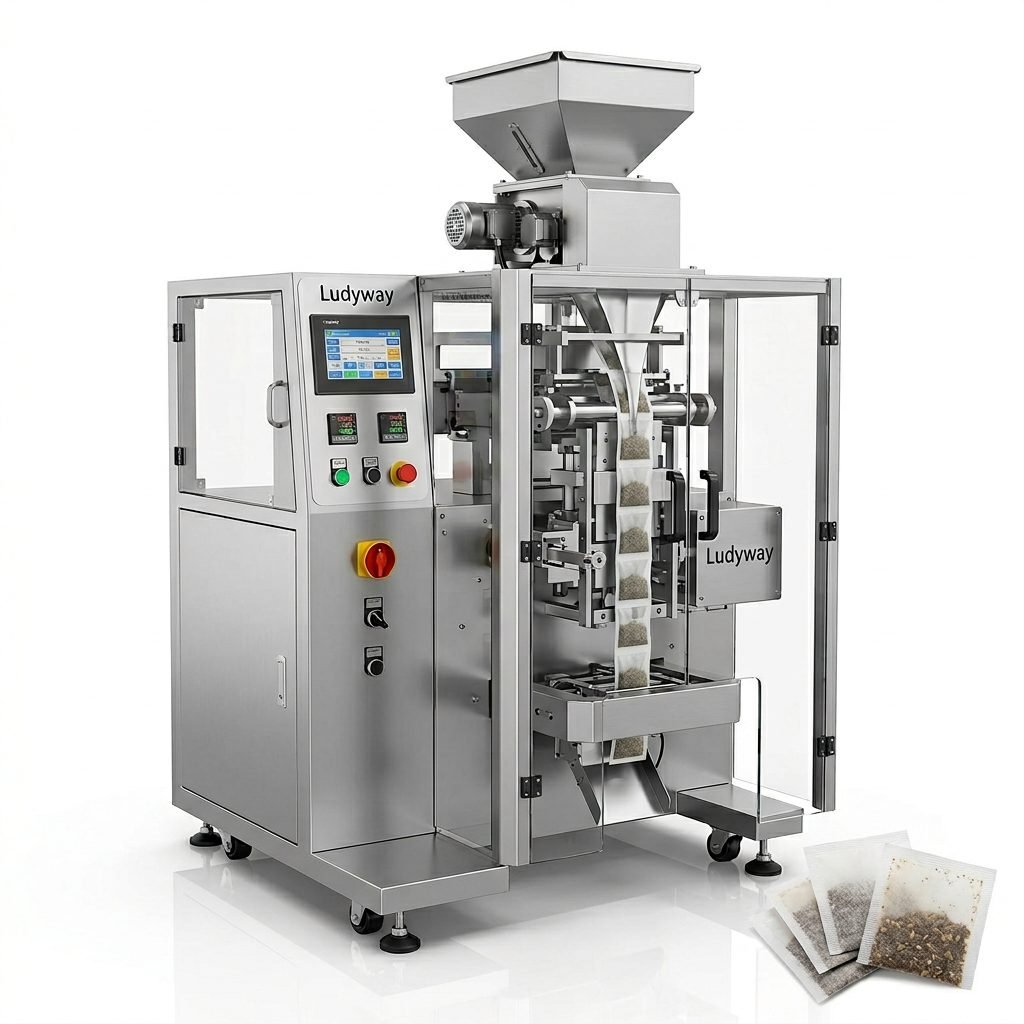
- Tea bags — traditional paper tea bags with string and tag, or pyramid-shaped nylon bags
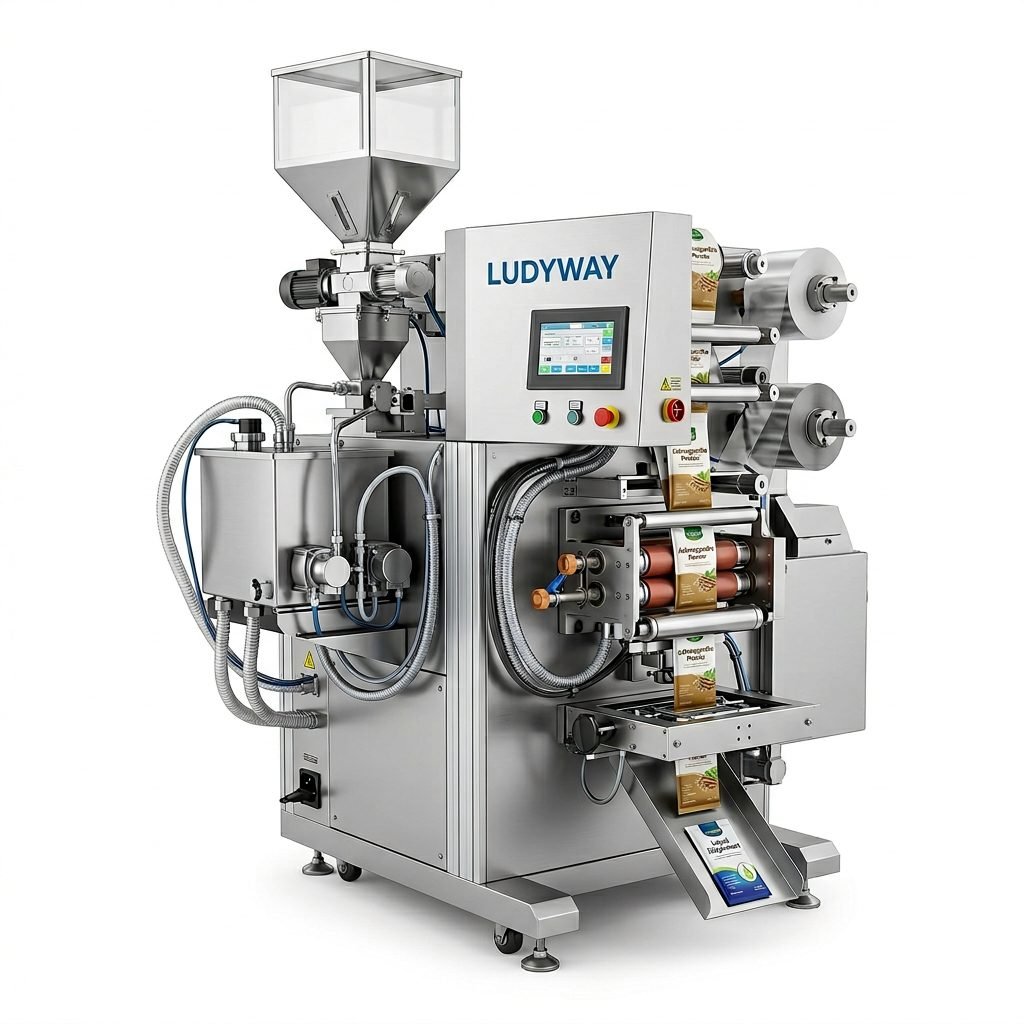
- Liquid tea concentrates — ready-to-drink tea extracts in sachets or stick packs
According to the PMMI Business Intelligence Library, the Asia-Pacific region continues to drive the highest growth in packaging machinery demand, fueled by rising disposable incomes and changing consumer preferences. For authoritative guidance on packaging industry resources, including machinery standards and market data, PMMI remains a leading reference.
Key Components of a Tea Packaging Production Line
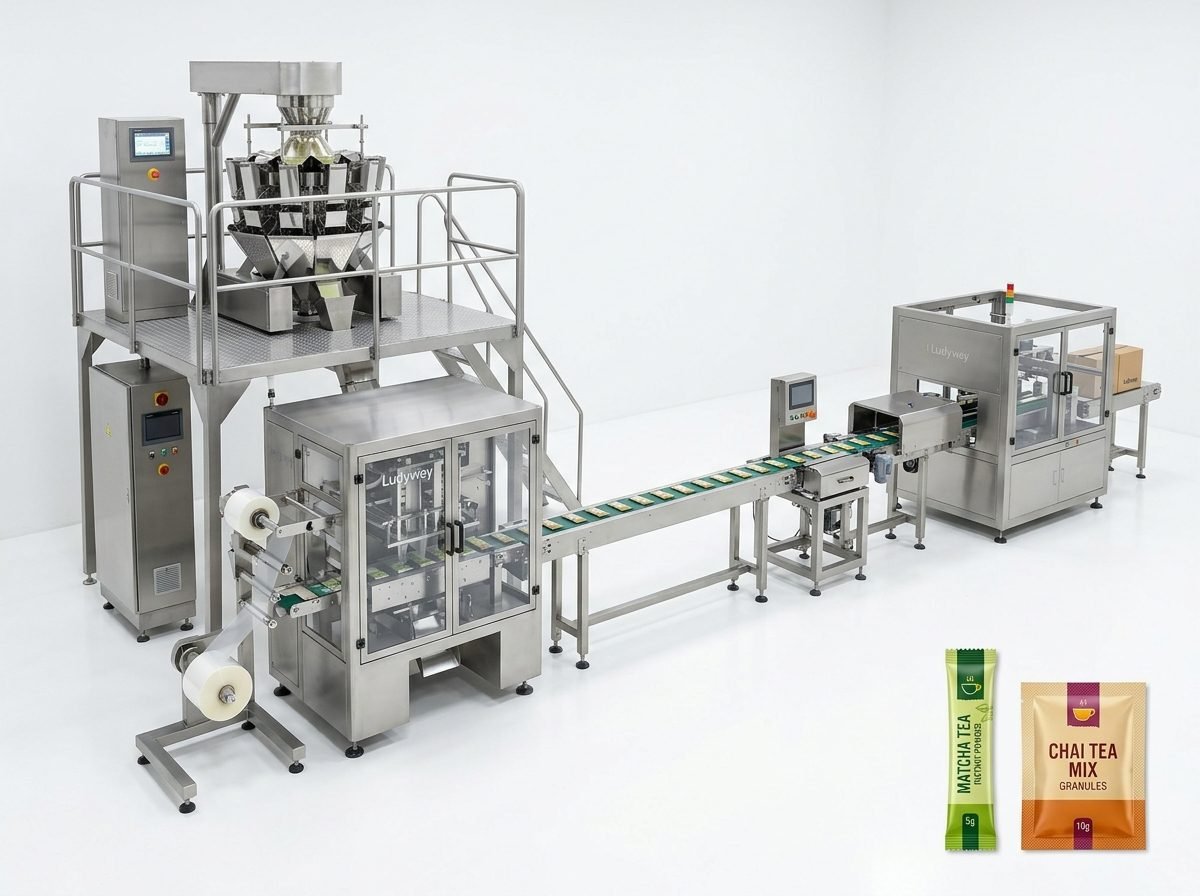
A fully integrated tea packaging line comprises several interconnected machines. Understanding each component helps you make informed procurement decisions:
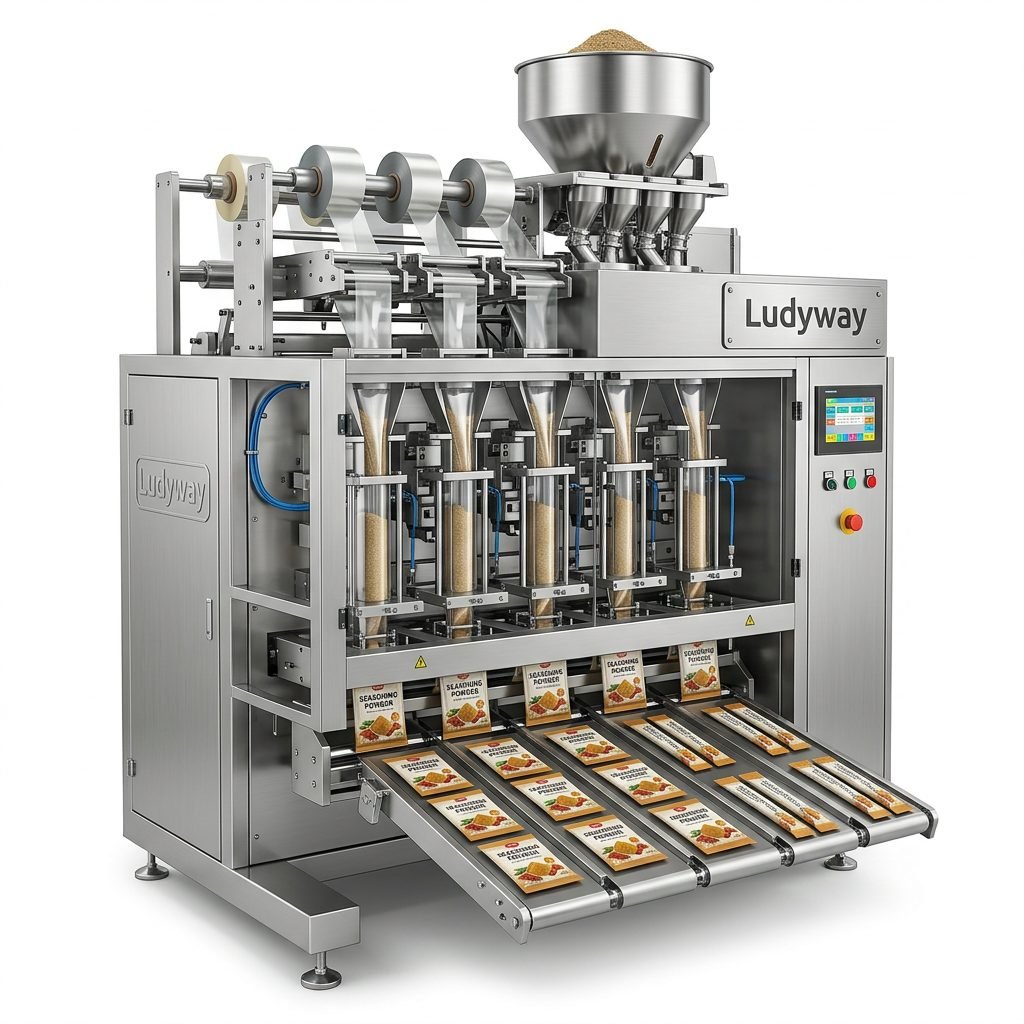
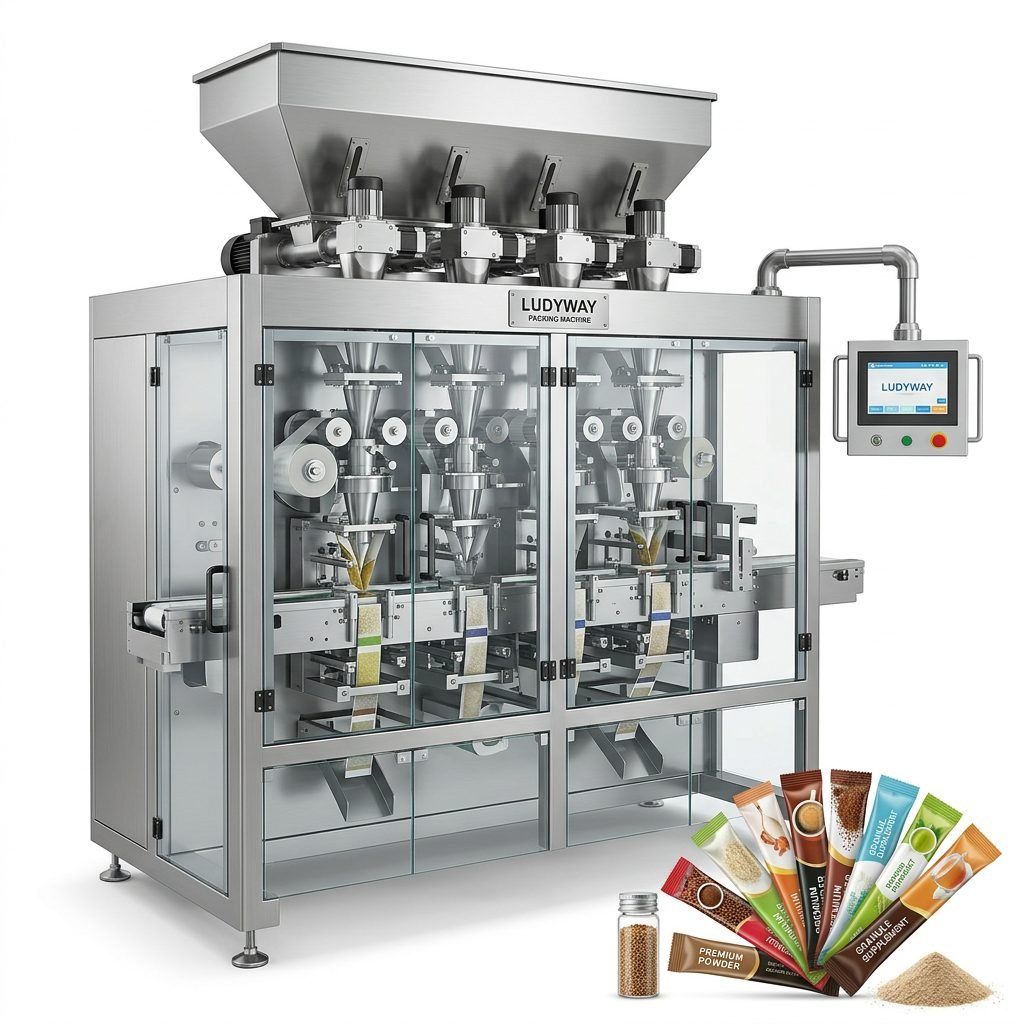
Multi-Lane Stick Pack and Sachet Machines
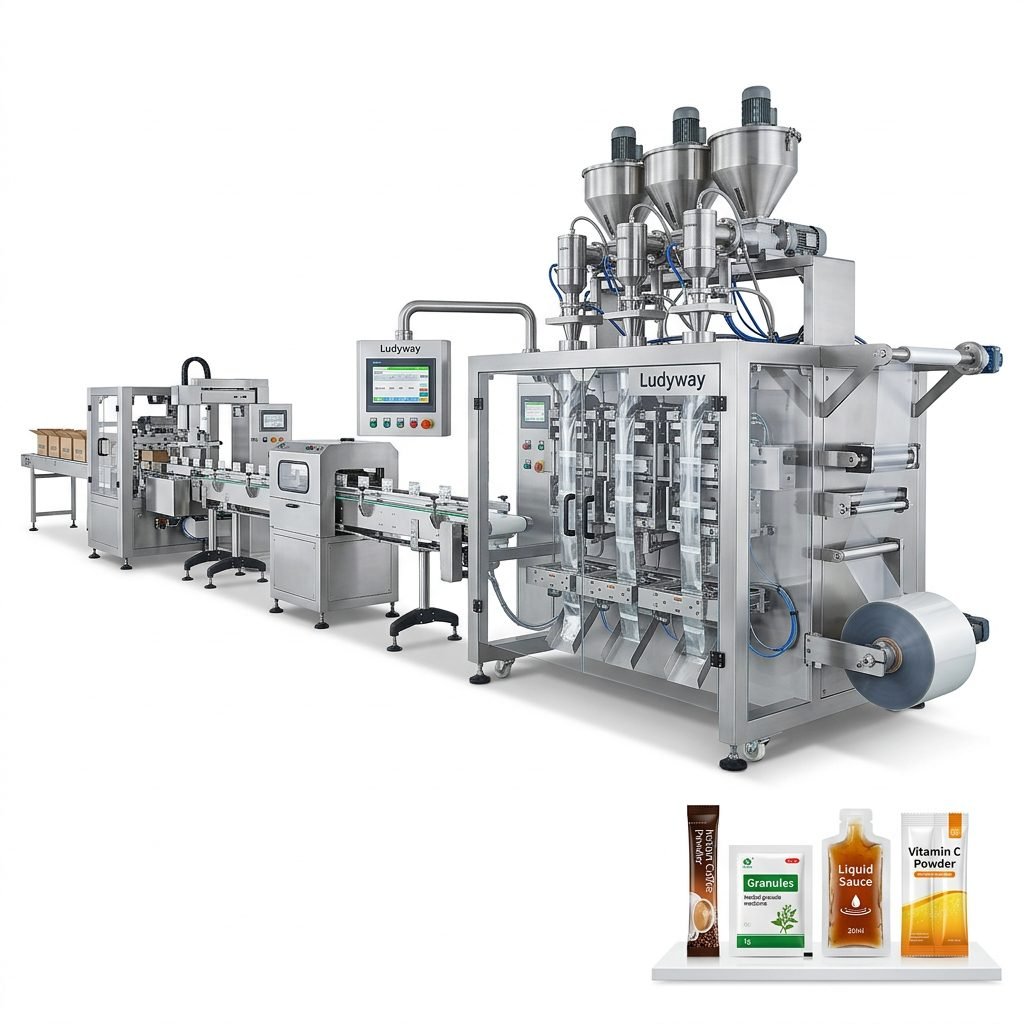
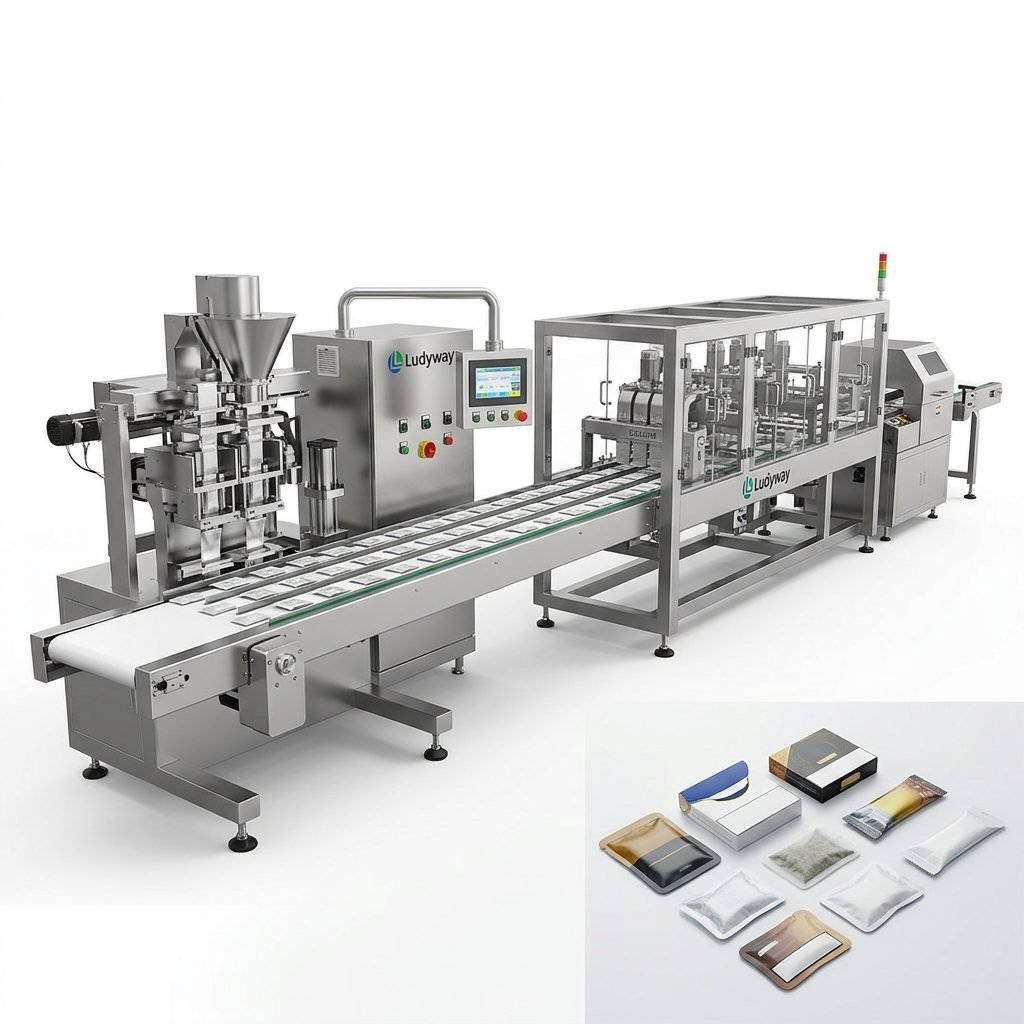
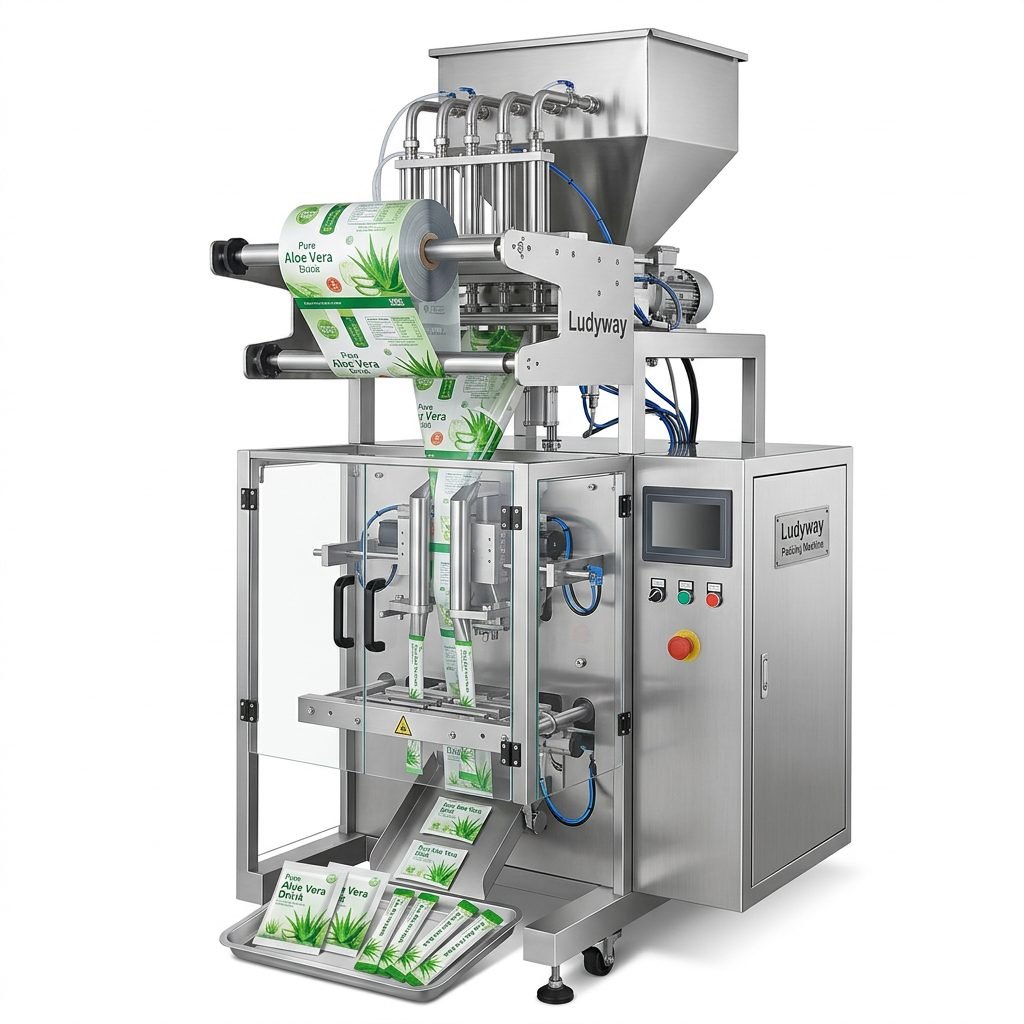
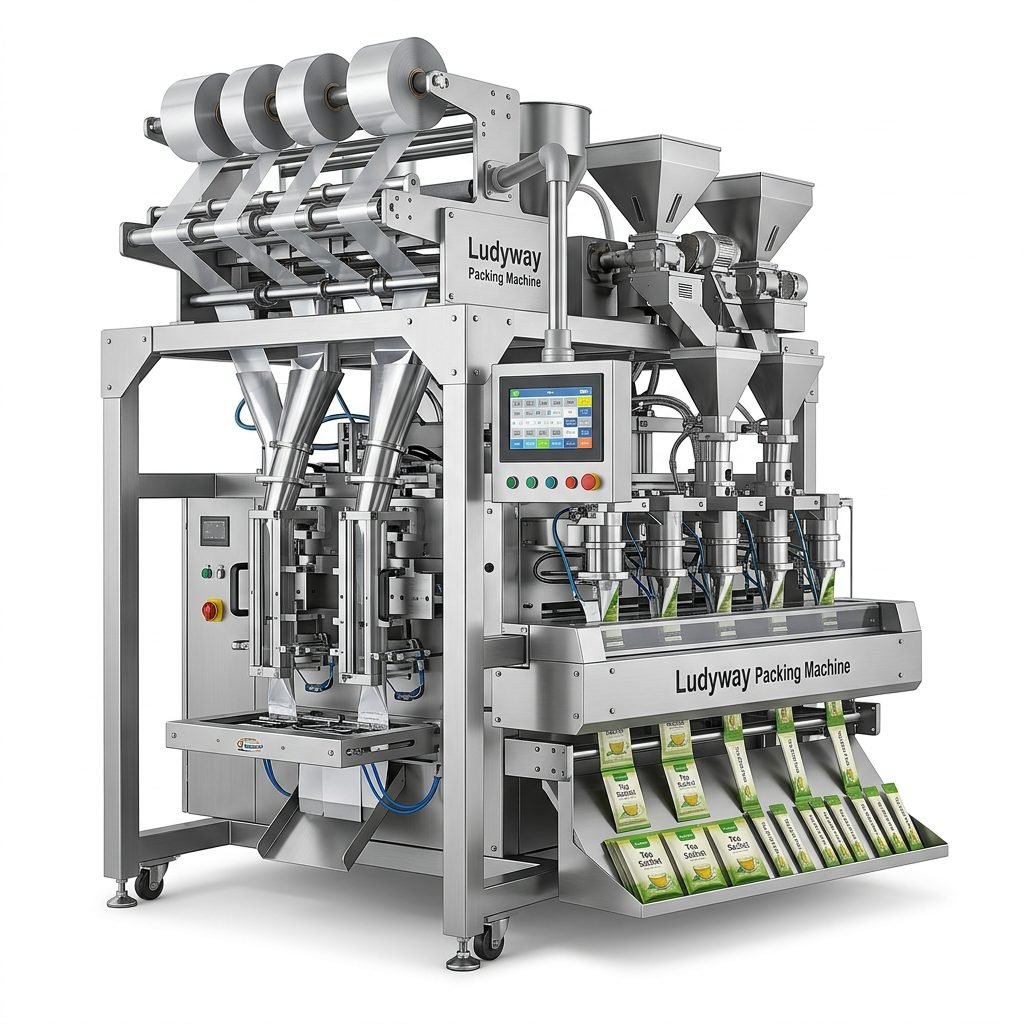
For granule and powder tea products, multi-lane stick pack machines are the industry standard. These systems can run 4, 6, 8, or even 12 lanes simultaneously, achieving high throughput while maintaining precise fill weights. The Flexible Packaging Association provides extensive data on the growing demand for stick pack and sachet formats in the food and beverage sector.
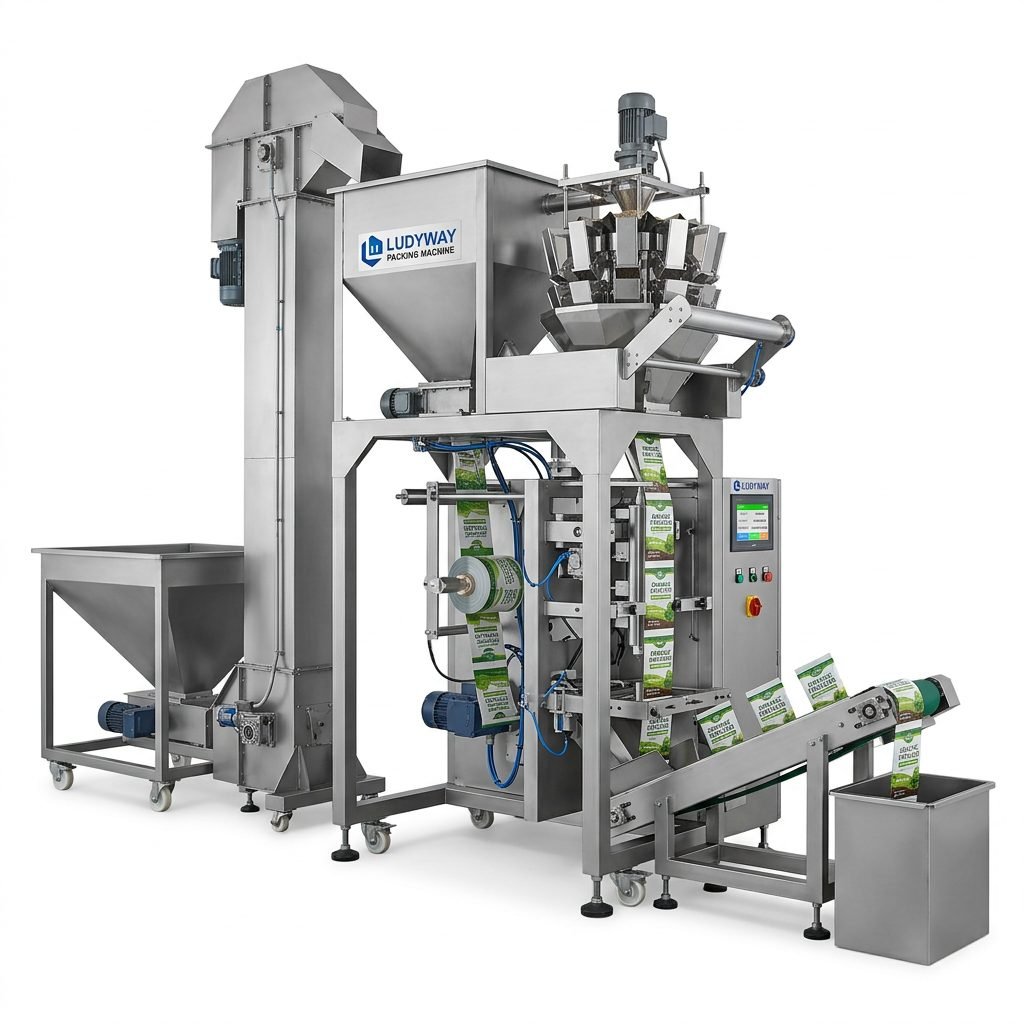
Weighing and Filling Systems
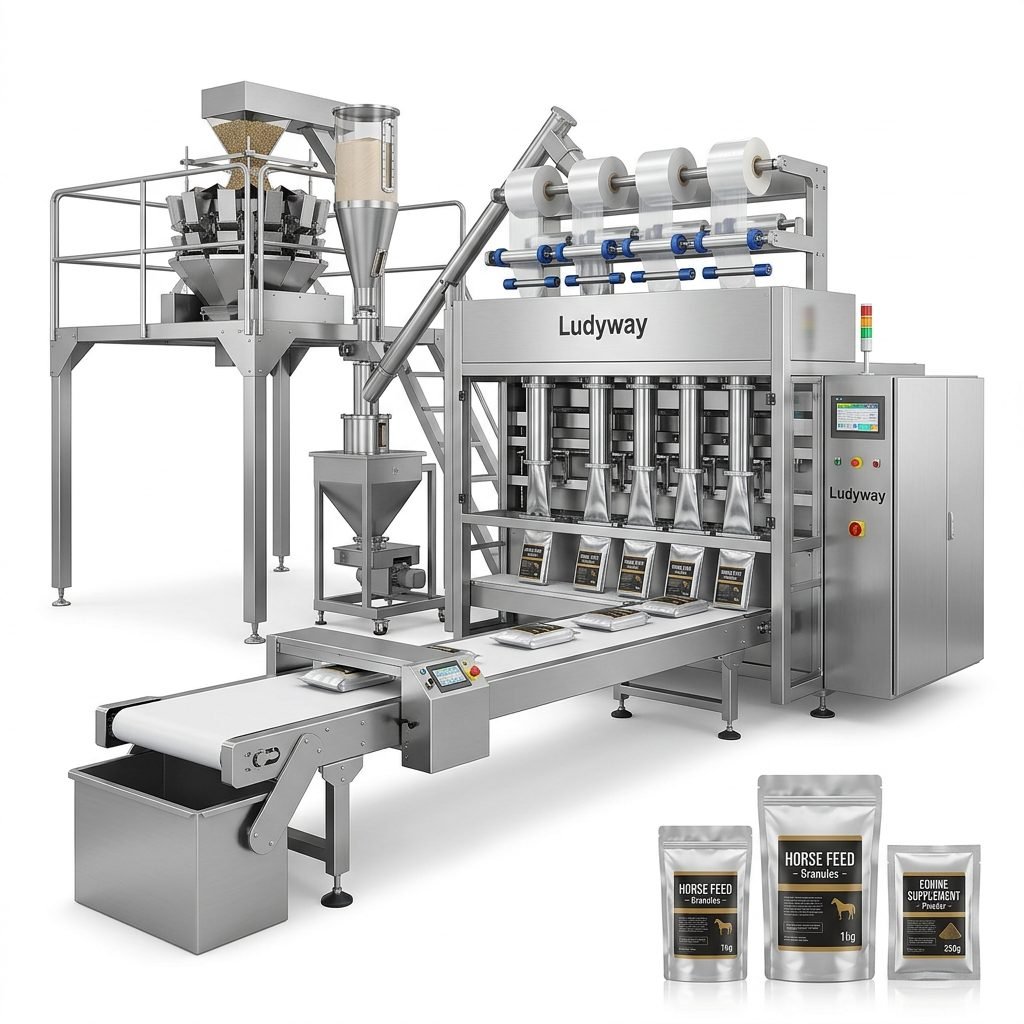
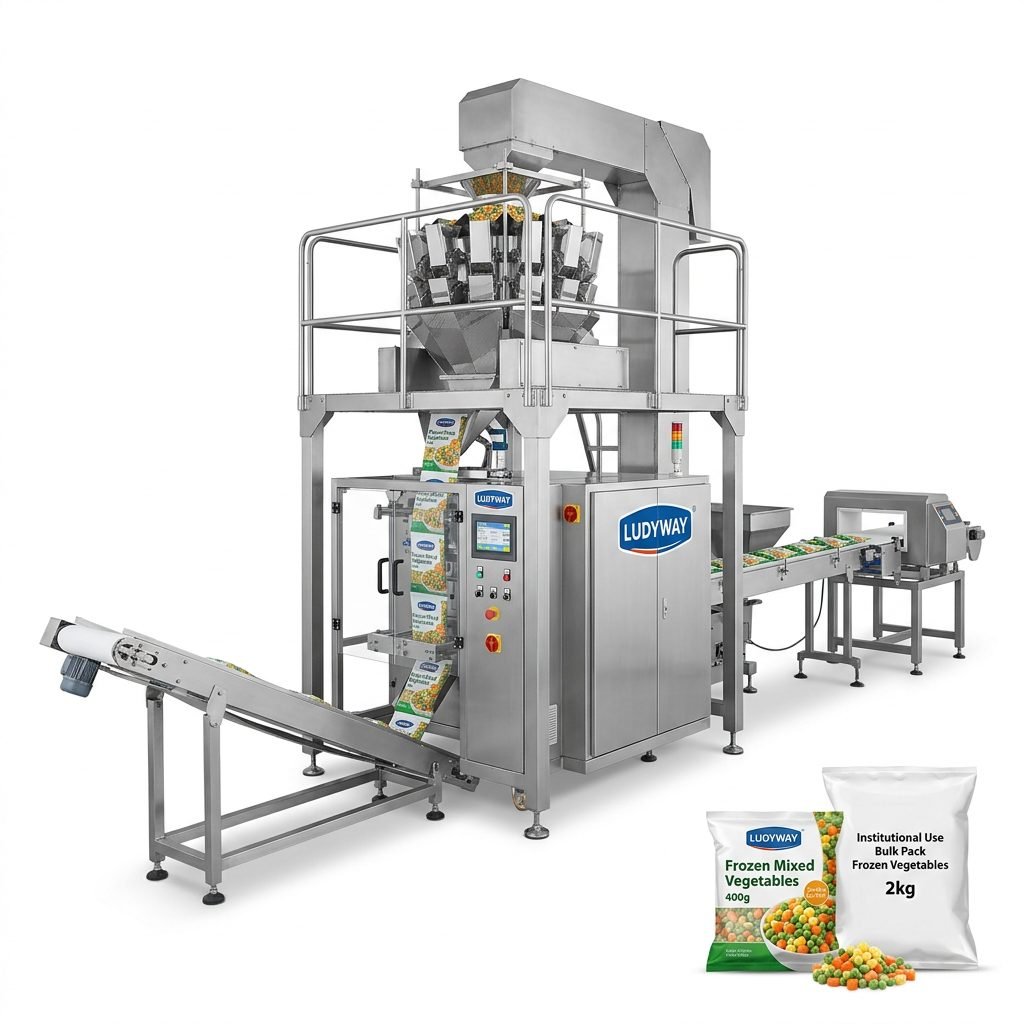
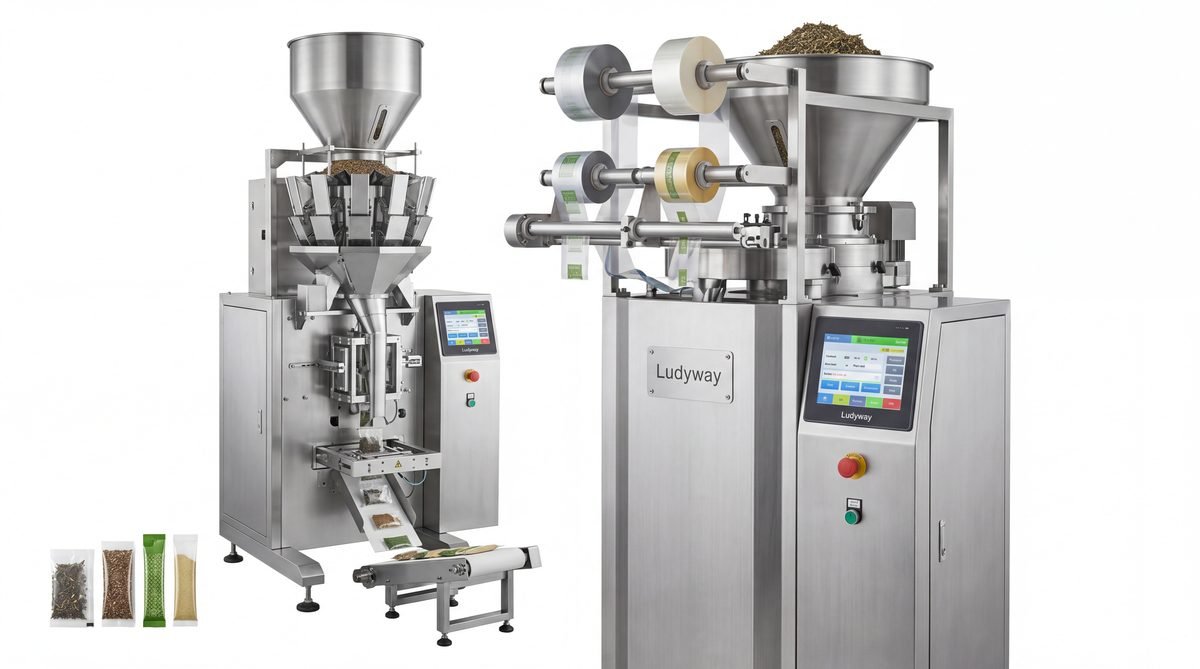
Accurate dosing is critical for tea products. Multi-head weighers and auger fillers are commonly used depending on the product characteristics. Multi-head weighers work best for free-flowing granular tea, while auger fillers handle fine powders like matcha or milk tea mixes.
Cartoning and End-of-Line Equipment
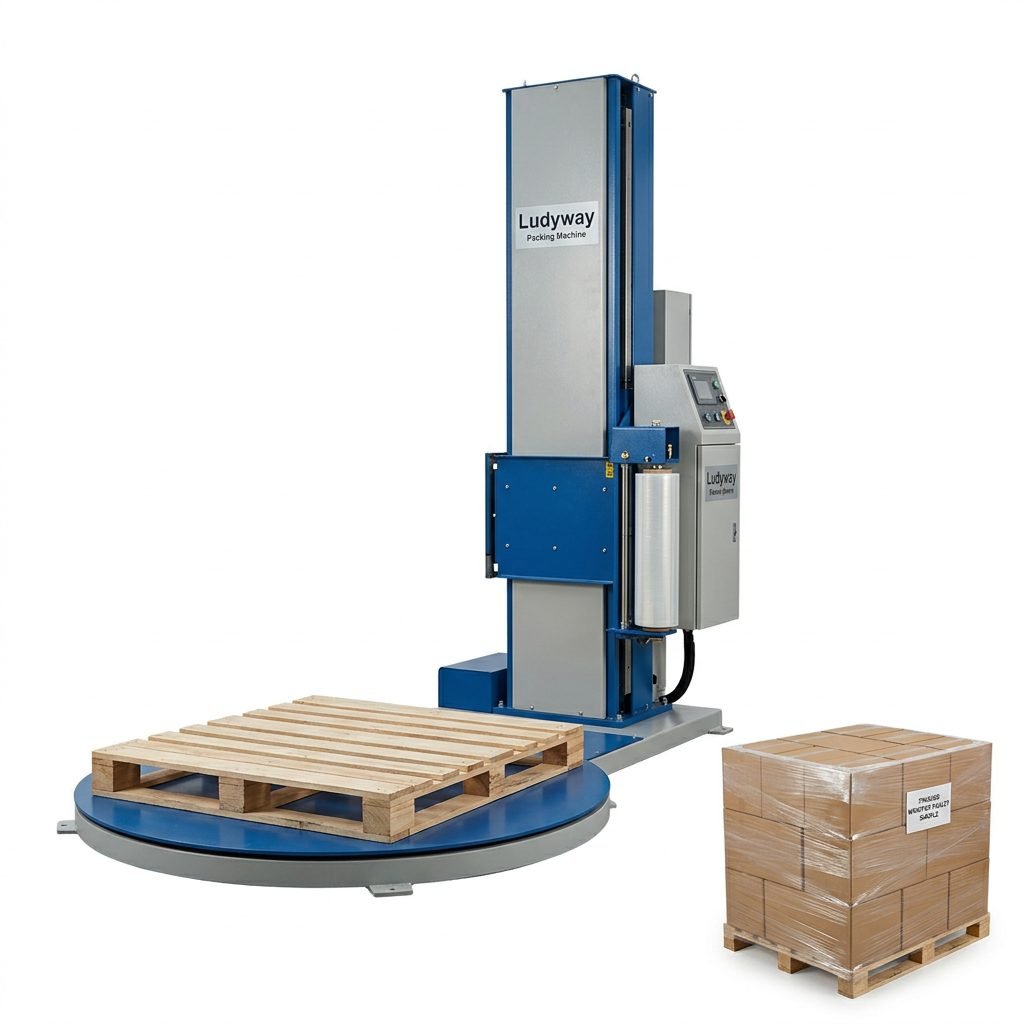
Beyond primary packaging, secondary packaging systems such as cartoners, case packers, and palletizers ensure efficient handling and distribution. Automated cartoning lines significantly reduce labor costs and improve packaging consistency.
Steps to Set Up Your Tea Packaging Production Line
Step 1: Site Preparation and Layout Planning
Your facility must meet local food safety and hygiene standards. Key considerations include:
- Floor space allocation for each machine, allowing for operator access and maintenance
- Environmental controls — temperature and humidity affect powder flow and sealing quality
- Utility requirements — power supply, compressed air, and nitrogen flushing if needed
- Compliance with FDA food packaging regulations or equivalent local standards
Step 2: Equipment Selection and Procurement
Selecting the right machinery supplier is arguably the most critical decision. Look for manufacturers with proven experience in tea packaging, robust after-sales support, and the ability to customize equipment to your specific product requirements. When evaluating suppliers, review their track record in packaging industry performance and their adherence to international quality standards.
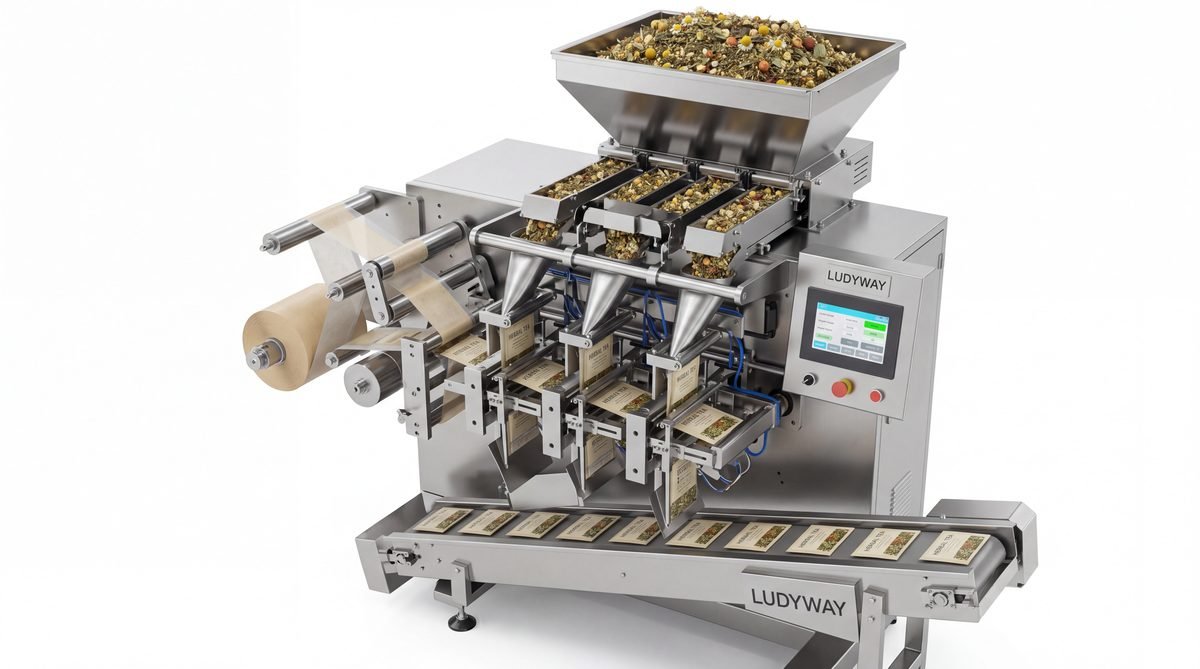
| Equipment Type | Best For | Typical Speed Range | Key Considerations |
|---|---|---|---|
| Multi-Lane Stick Pack Machine | Powder, granule tea | 200–600 packs/min | Lane count, fill accuracy |
| Sachet Packaging Machine | Larger portion packs | 60–200 packs/min | Pouch size flexibility |
| Tea Bag Packaging Machine | Traditional tea bags | 100–400 bags/min | Bag material compatibility |
| Cartoning Machine | Secondary packaging | 30–120 cartons/min | Carton dimensions |
Step 3: Installation and Commissioning
Professional installation by experienced engineers ensures your equipment operates at peak efficiency from day one. The process typically involves:
- Mechanical assembly and alignment of all modules
- Electrical wiring and control system integration
- Calibration of weighing and filling systems
- Dry-run testing followed by product trials
- Operator training on machine operation and basic troubleshooting
Step 4: Testing and Quality Validation
Before commercial production begins, conduct rigorous quality checks including seal integrity testing, fill weight verification, and packaging appearance inspection. Consistent quality control procedures protect your brand reputation and ensure compliance with international standards such as ISO packaging standards.
Regulatory Compliance in the Asian Tea Industry
Each Asian country has its own regulatory framework for food packaging. China’s GB standards, India’s FSSAI regulations, and ASEAN harmonized guidelines all impose specific requirements on packaging materials, labeling, and production environments. For companies exporting to global markets, understanding the FDA packaging and food contact substances requirements is equally important.
Maintenance and After-Sales Support
Long-term production efficiency depends on proactive maintenance. Establish a preventive maintenance schedule that covers:
- Daily cleaning of product contact surfaces
- Weekly inspection of sealing mechanisms and temperature controls
- Monthly calibration of weighing systems
- Quarterly review of all pneumatic and electrical components
Reliable after-sales support from your equipment supplier cannot be overstated. Spare parts availability, remote troubleshooting, and on-site service capabilities directly impact your production uptime.
Choosing the Right Manufacturing Partner
Investing in a tea packaging production line is a significant commitment, and your choice of equipment manufacturer determines the long-term success of your operation. Look for a partner with deep industry expertise, modern manufacturing facilities, and a global service network. Ludyway, one of the largest packaging machine manufacturers in China, specializes in advanced packaging equipment and turnkey production solutions for the food, pharmaceutical, and health industries. With over 30 years of industry expertise and more than 50 intelligent packaging machine models, the company serves customers in over 100 countries and regions, delivering innovative and cost-effective packaging solutions that help businesses improve productivity and operational efficiency.
For additional insights on packaging machinery market trends, explore the 2026 State of the Industry report from PMMI, which provides comprehensive data on packaging equipment demand across global markets including Asia. The Flexible Packaging Association also offers valuable resources on pouch and sachet packaging innovations that are transforming the tea industry.
Cost Considerations and ROI Analysis
A well-planned tea packaging line delivers measurable returns through:
- Reduced labor costs — automation replaces manual filling and sealing operations
- Higher throughput — multi-lane systems dramatically increase output per shift
- Minimized product waste — precision filling reduces overfill and product giveaway
- Consistent quality — automated sealing and inspection ensure uniform packaging
When calculating ROI, factor in not only equipment purchase price but also installation, operator training, expected maintenance costs, and projected production volumes. For businesses targeting growth in the Asian tea market, a high-quality automated packaging line is an investment that typically pays for itself within 18 to 36 months of full-scale operation.
Final Thoughts
Setting up a tea packaging machine production line in Asia requires meticulous planning, the right equipment selection, and a commitment to quality. By partnering with experienced machinery manufacturers, staying current with industry economic reports, and adhering to international standards, your operation can achieve efficient, high-volume tea packaging that meets the demands of both local and export markets.