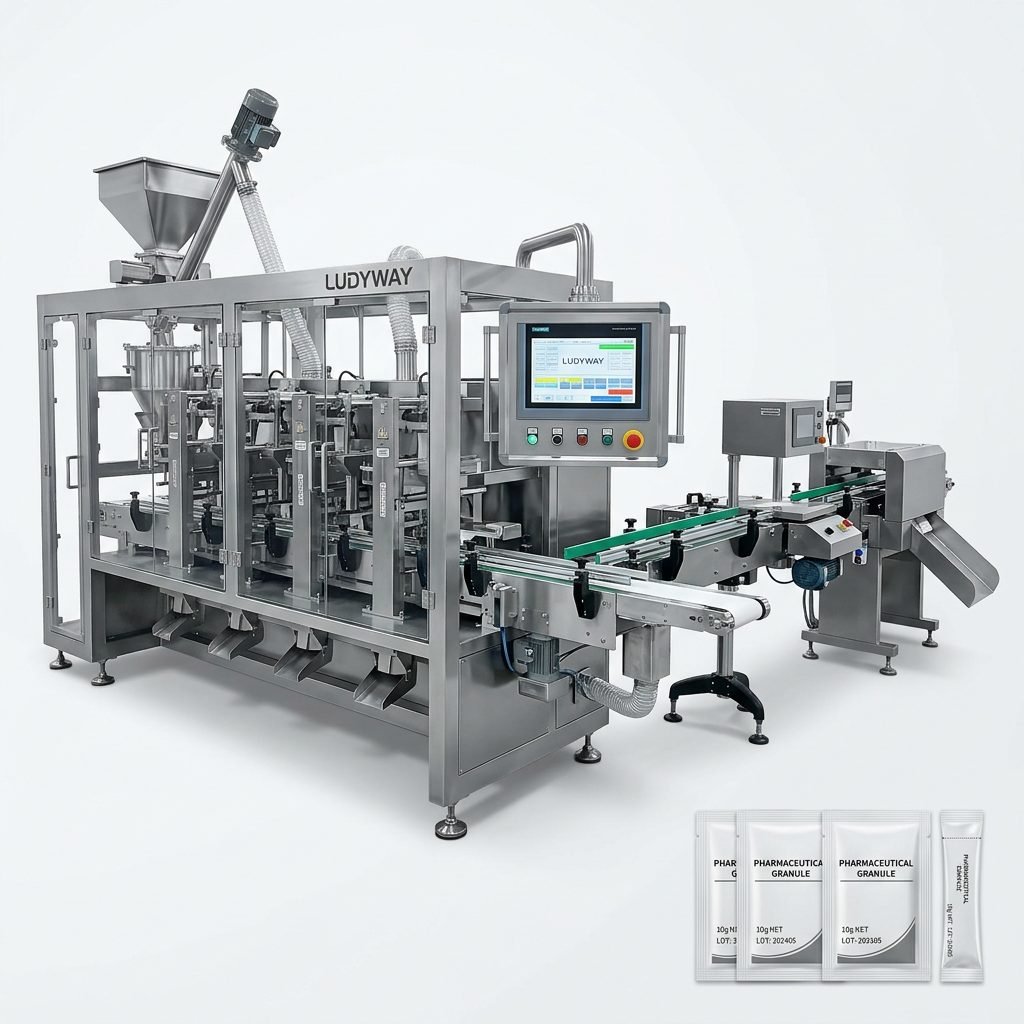
Investing in a food tray packaging machine is a critical decision for UK food manufacturers, processors, and co-packers aiming to scale operations, meet stringent supermarket specifications, and extend product shelf life. Whether you are packing ready meals, fresh produce, meat, or bakery items, the right tray sealing and packaging technology directly impacts throughput, seal integrity, and presentation. As the UK market increasingly shifts toward recyclable mono-materials and MAP (Modified Atmosphere Packaging), understanding the technical specifications and compliance requirements becomes essential to making a future-proof investment. This guide breaks down everything you need to know about selecting a tray packaging machine in the United Kingdom, from machine types and key features to UK-specific regulations and total cost of ownership.
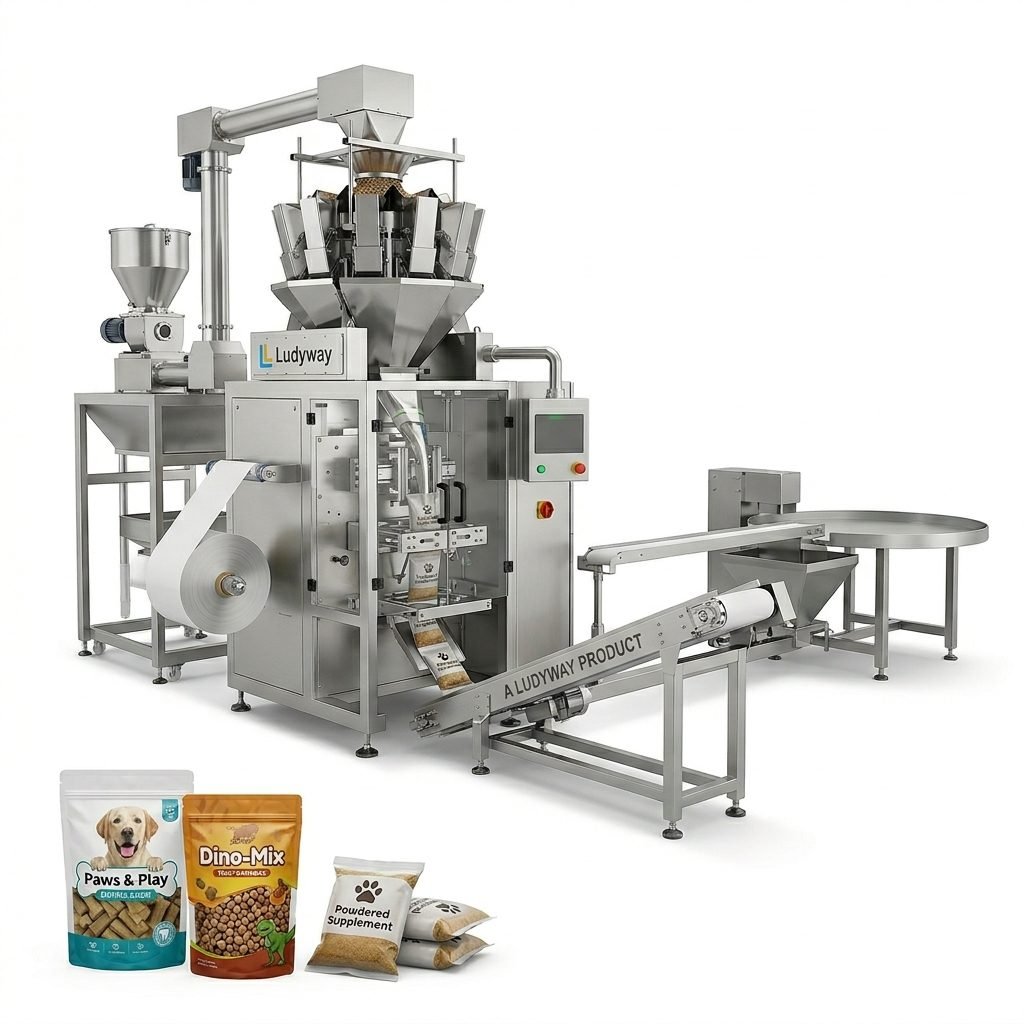
Understanding Tray Packaging Machine Types
Choosing the right machine format depends entirely on your production volume, product characteristics, and packaging film requirements. Below is a breakdown of the most common technologies deployed in UK food processing plants.
| Machine Type | Best For | Output Range |
|---|---|---|
| Manual Tray Sealers | Start-ups, short runs, farmers’ markets | 1-4 trays per minute |
| Semi-Automatic Sealers | Medium-scale producers, varying tray sizes | 5-15 trays per minute |
| Fully Automatic Inline | High-volume ready meal & protein packing | 15-60+ trays per minute |
| Thermoforming Fill-Seal | Fully integrated forming, filling, and sealing | 10-40 cycles per minute |
Inline vs. Rotary Systems
- Inline systems offer straightforward operation and maintenance, making them ideal for standard factory layouts and consistent product flow.
- Rotary systems provide superior speed for high-capacity plants but generally require higher initial investment and stricter tray quality consistency.
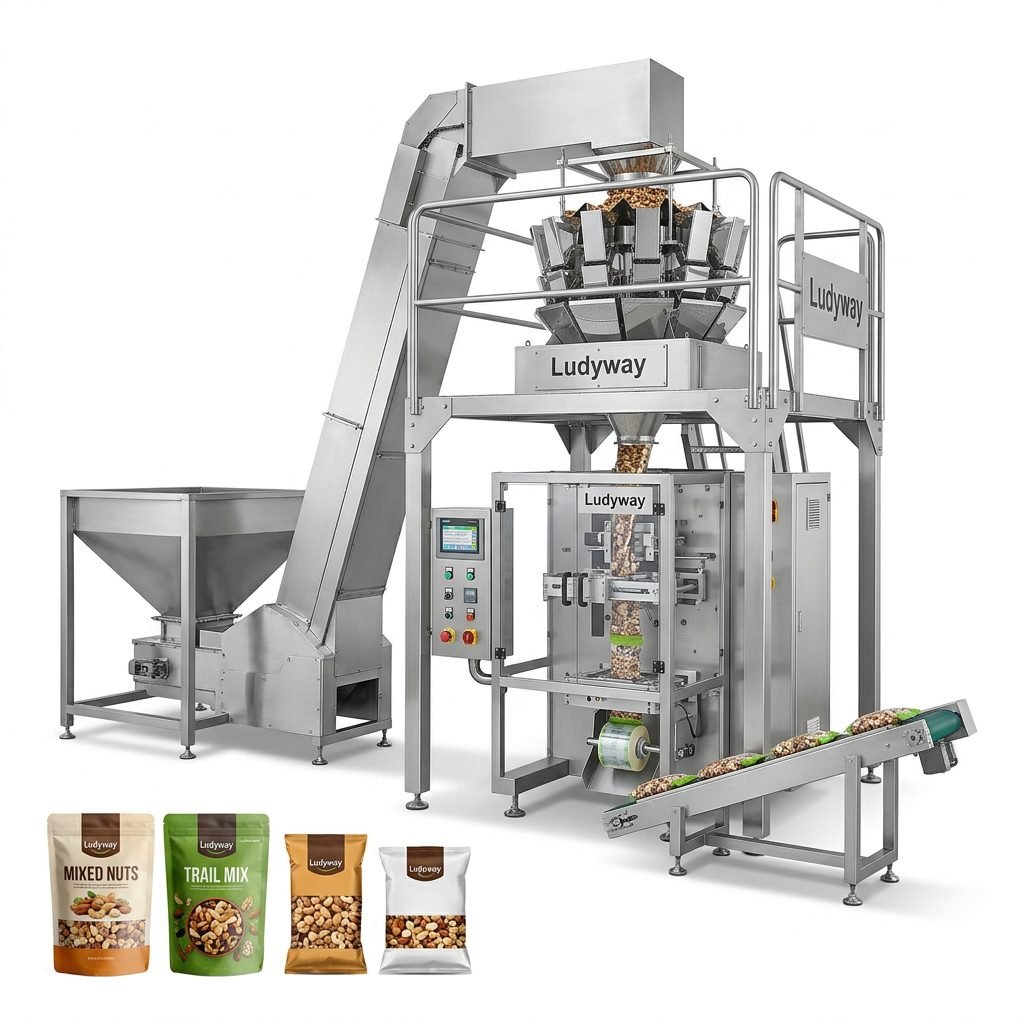
Critical Features to Evaluate
When comparing food tray packaging machines, focus on these features to ensure compliance with UK food safety standards and retailer codes of practice:
1. Modified Atmosphere Packaging (MAP) Capability
This technology is non-negotiable for protein, fresh pasta, and prepared produce. In the UK, supermarkets demand specific gas mixtures (typically CO2/N2/O2) to maintain colour and inhibit spoilage. Look for machines with precise gas flushing control, quality marine-certified gas analyzers, and ultra-low residual oxygen levels (below 1%). This extends shelf life significantly and reduces retailer rejections for packaging integrity.
2. Film Compatibility and Sustainability
With the UK Plastics Pact driving change, your machine must run recyclable PE, PP, or PET mono-material films alongside conventional laminates. Evaluate the seal strength consistency across different film gauges. Advanced machines offer top and bottom heater control to prevent burning mono-materials while maintaining seal integrity for leak-proof trays.
3. Hygienic Design and IP65 Washdown Rating
UK BRC and retailer audits require equipment designed for aggressive washdown cycles. Prioritise machines with sloped surfaces, minimal fasteners in product zones, stainless steel construction, and sealed electrical components. An IP65 or higher rating ensures reliability in wet cleaning environments typical in meat, fish, and dairy processing.
UK Regulatory Compliance and Retailer Requirements
Purchasing machinery that aligns with UK legislation avoids costly retrofits. Key compliance points include:
- CE and UKCA Marking: From 2025, machinery placed on the GB market requires UKCA marking. Confirm dual certification for flexibility.
- Food Contact Materials (FCM): Ensure the sealing technology and film path comply with EU 1935/2004 and UK retained law.
- Retailer Codes of Practice: Tesco, Sainsbury’s, and others specify minimum seal strengths and leak testing frequencies. Your machine must enable destructive testing as part of the quality control process.
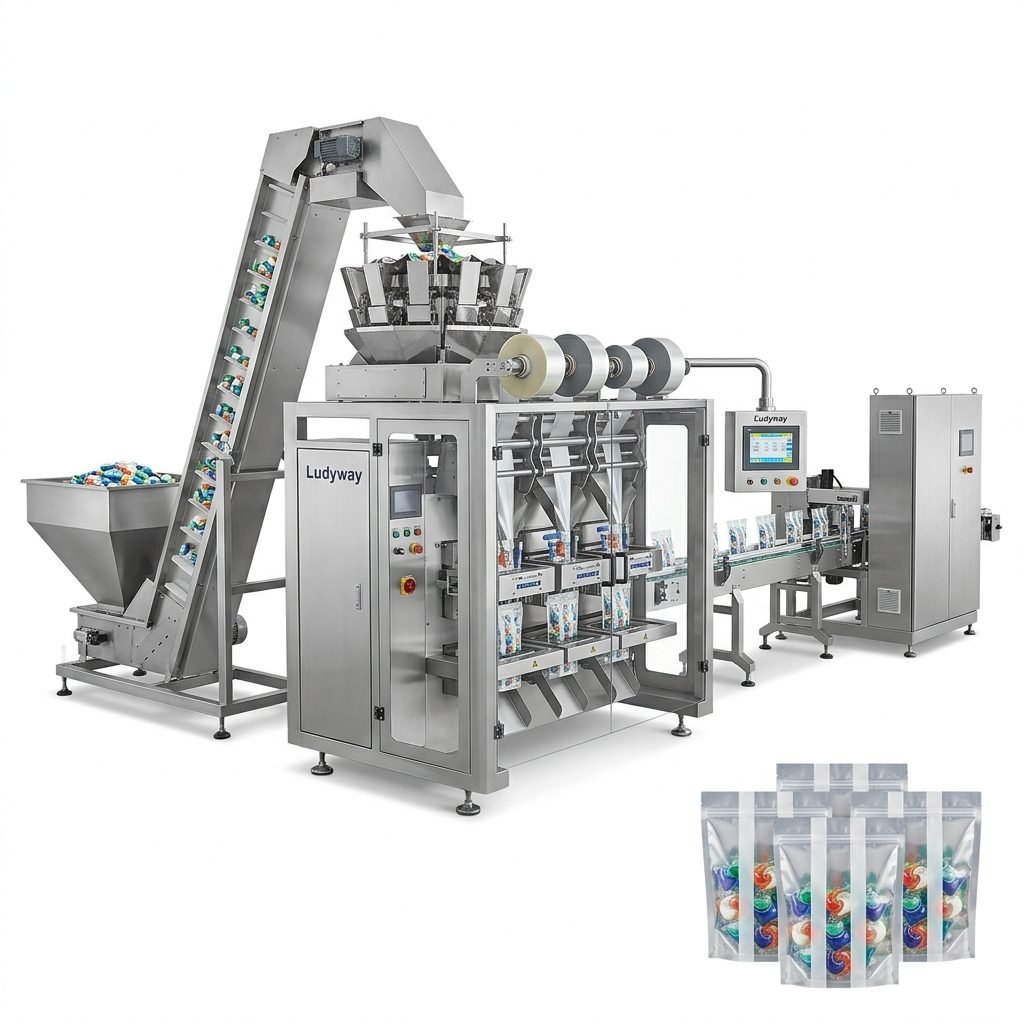
Evaluating Total Cost of Ownership in the UK
While purchase price is important, UK operators must calculate total cost of ownership over the machine’s 10-15 year lifespan. Consider these factors:
Energy Consumption
With UK energy rates rising, compare heater wattage and idle power consumption. Modern servo-driven machines reduce electrical demand substantially.
Film Waste
Adjustable film indexing minimises scrap between trays, directly impacting your per-unit packaging cost in pence.
Service Support
Check local UK-based engineering support availability, spare parts lead times from Manchester or Midlands hubs, and remote diagnostic capabilities.
Typical Price Ranges for UK Buyers
- Manual/Semi-Automatic Models: £8,000 – £35,000
- Fully Automatic Inline Sealers: £55,000 – £180,000
- Complete Thermoforming Lines: £150,000 – £500,000+
Key Selection Criteria for Food Processors
To narrow down your options, answer these operational questions before contacting suppliers:
| Criteria | Why It Matters |
|---|---|
| Tray Material and Dimensions | C-PET, APET, PP, or aluminium require different sealing heads and heating profiles. |
| Changeover Speed | Frequent SKU changes demand tool-less changeover to minimise production downtime. |
| Printing and Vision Systems | Inline date coding and automated label verification prevent rework and retailer fines. |
| Leak Detection | Integrated pressure decay or water bath leak testing protects shelf-life claims. |
For additional guidance on packaging machinery specifications relevant to your facility, review resources from the packaging industry resource library where technical papers cover validation and OEE strategies.
Supplier Evaluation and Factory Acceptance Testing
When buying from overseas manufacturers or UK distributors, insist on Factory Acceptance Testing (FAT) using your own trays and films. This verifies seal integrity, MAP gas composition accuracy, and throughput speed before delivery. Remote FAT via live video is now widely accepted. Equally important is Site Acceptance Testing (SAT) after installation to confirm the machine meets its stated performance parameters within your specific factory environment.
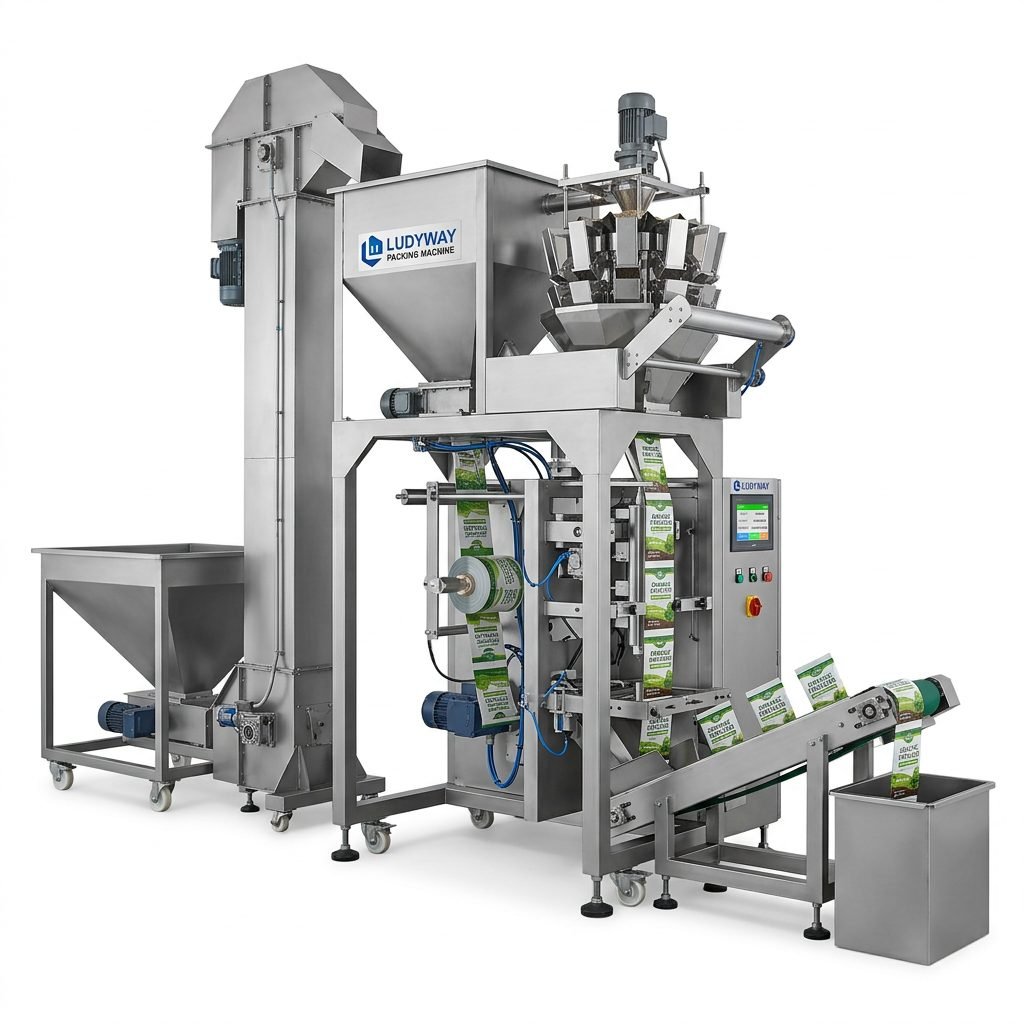
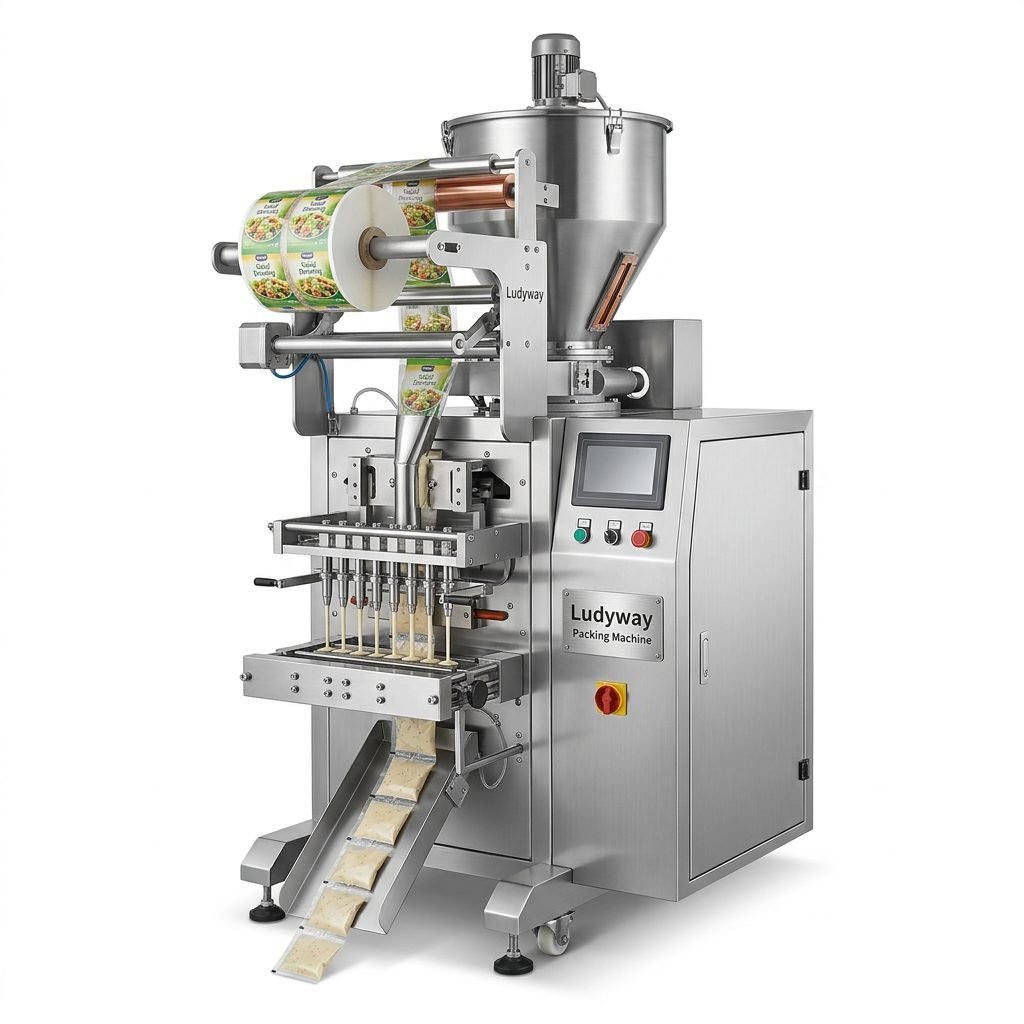
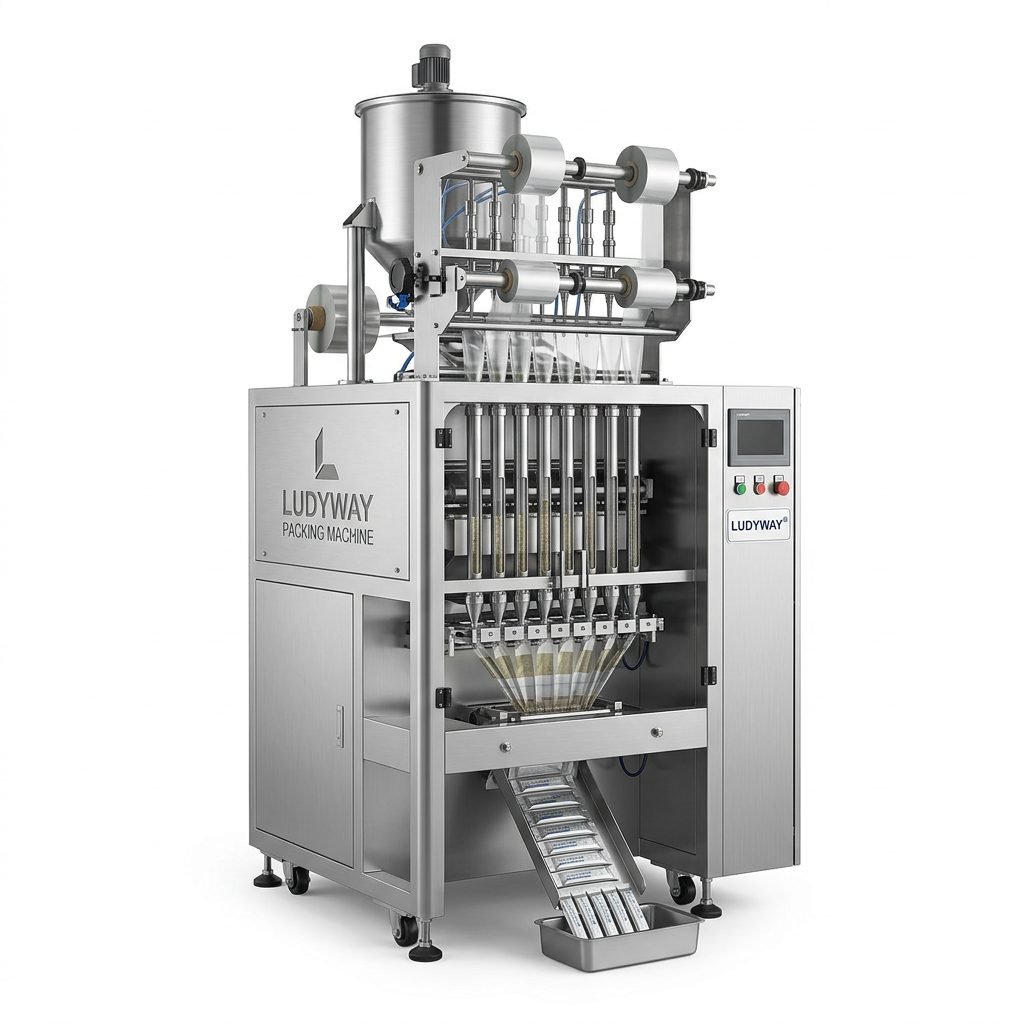
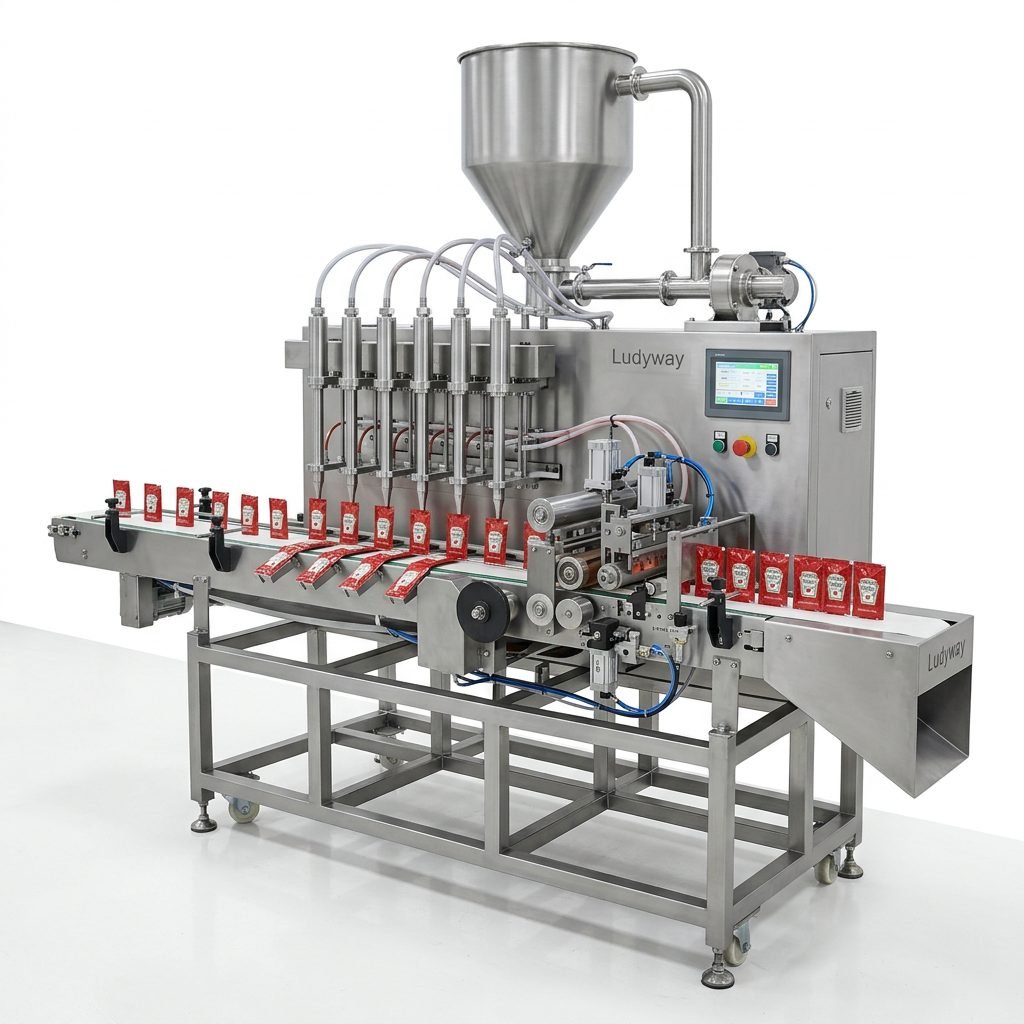
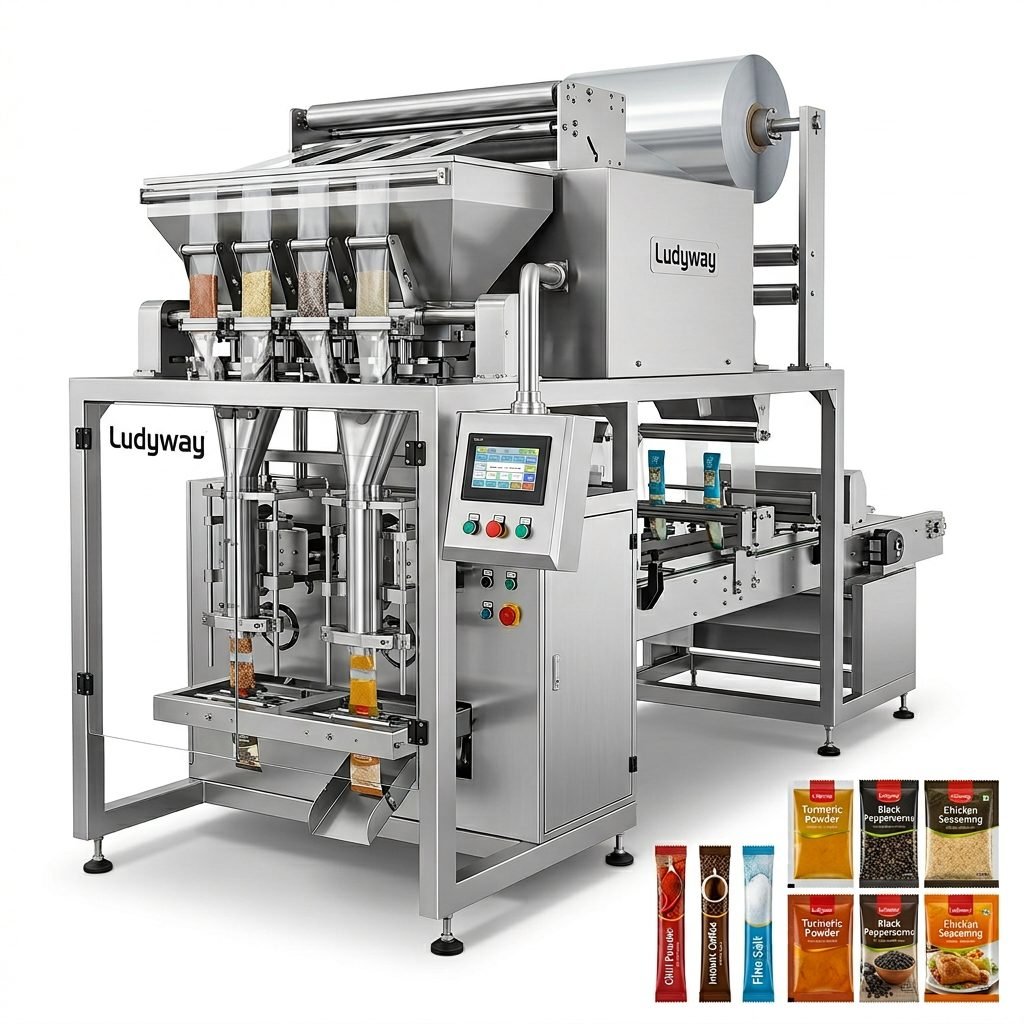
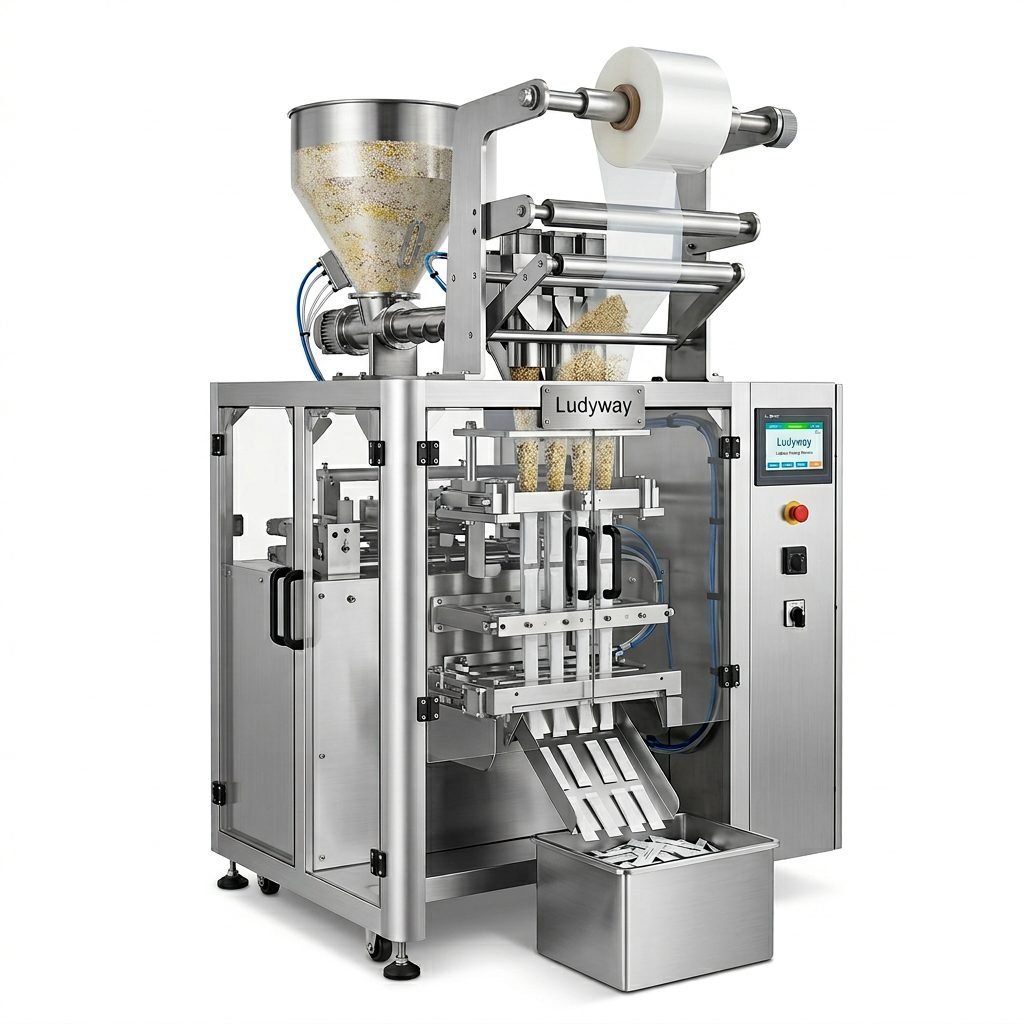
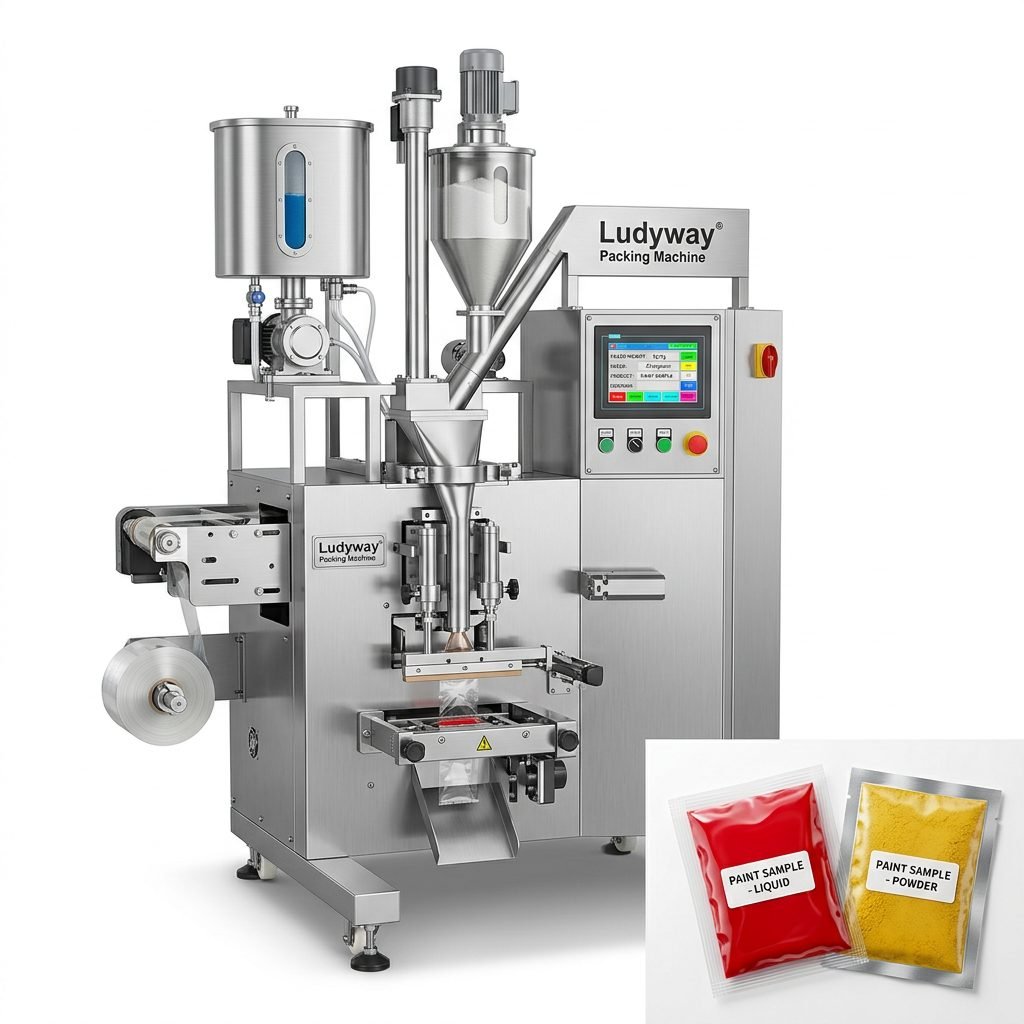
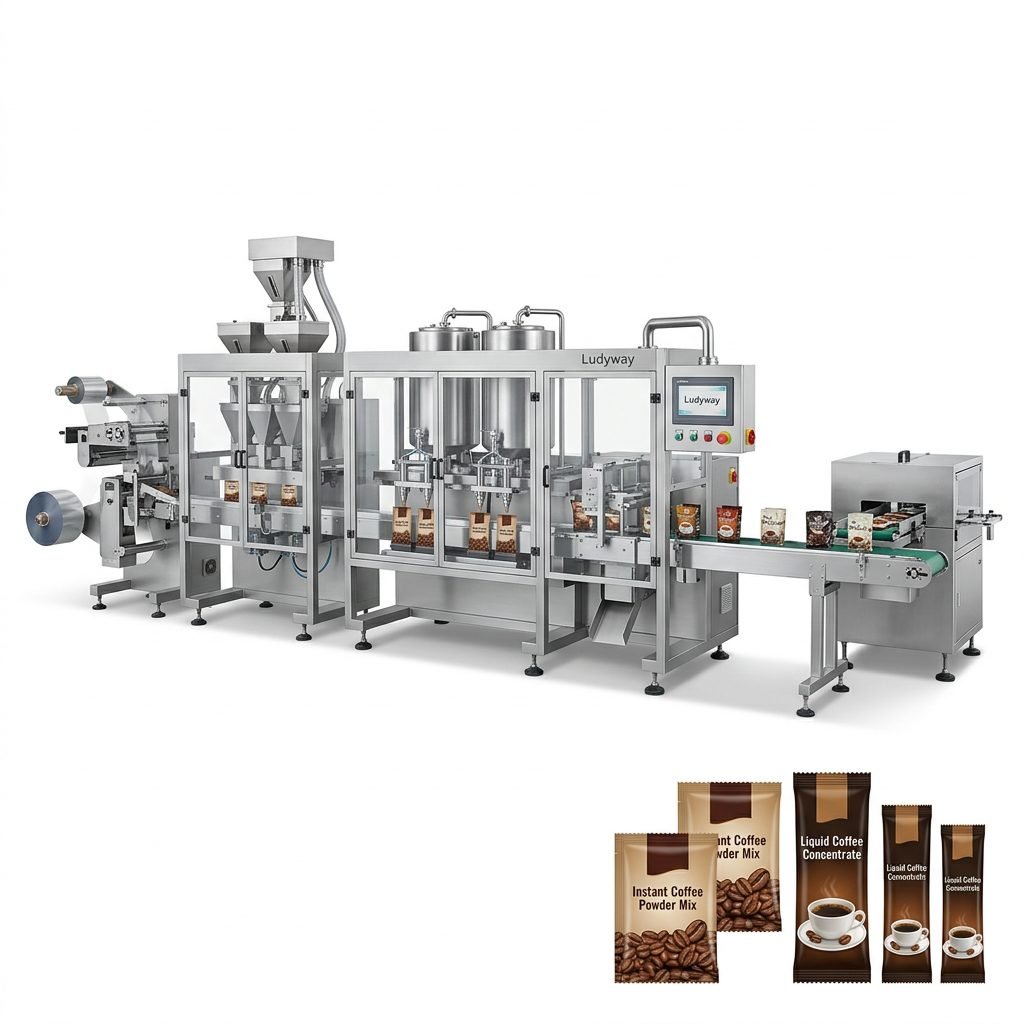
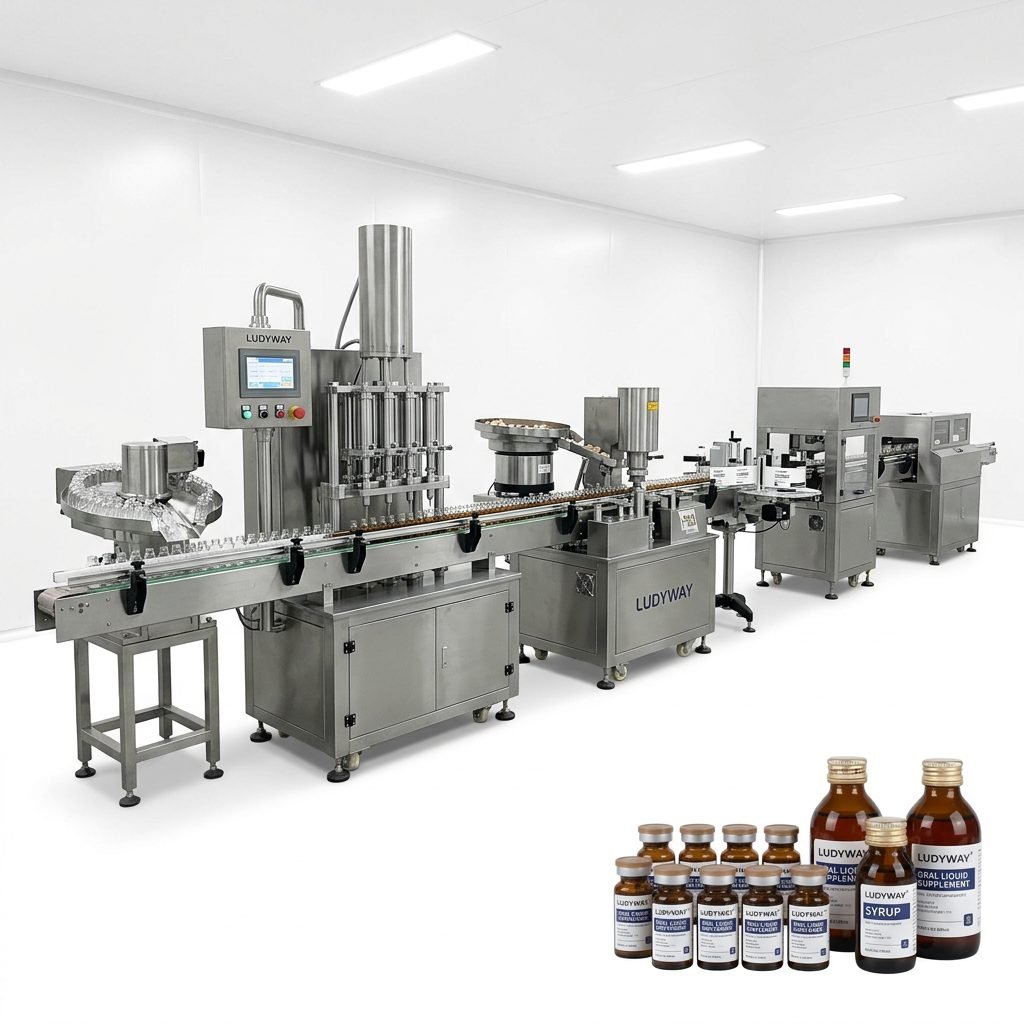
One example of a manufacturer providing extensive FAT support is Ludyway, which specializes in advanced packaging equipment and turnkey production solutions. Their modern manufacturing facility and engineering team support custom tray packaging system configurations for food, health, and industrial sectors.
Common Pitfalls to Avoid
- Under-speccing the machine: A manual sealer soon becomes a bottleneck. Plan for 20% headroom above target throughput.
- Ignoring film slip characteristics: The coefficient of friction of your chosen sustainable film may differ and cause feeding issues.
- Overlooking compressed air quality: Dry, oil-free air is essential to avoid contamination in MAP packs. This is a major flexible packaging industry concern.
Conclusion: Making the Right Investment
Selecting a food tray packaging machine for the UK market demands rigorous evaluation of MAP capabilities, hygienic design, energy efficiency, and alignment with retailer food packaging standards. Whether you process fresh sandwiches, marinated meats, or plant-based ready meals, your machinery should accommodate the latest mono-material films while delivering consistent hermetic seals. Always prioritise suppliers with proven UK service networks, FAT protocols, and documented compliance with UKCA/CE legislation. With diligent planning and the right technical partner, your tray packaging line will be a cornerstone of productivity and food safety for years to come.
Additional Resources
Explore these links to deepen your understanding of packaging technologies and industry standards: